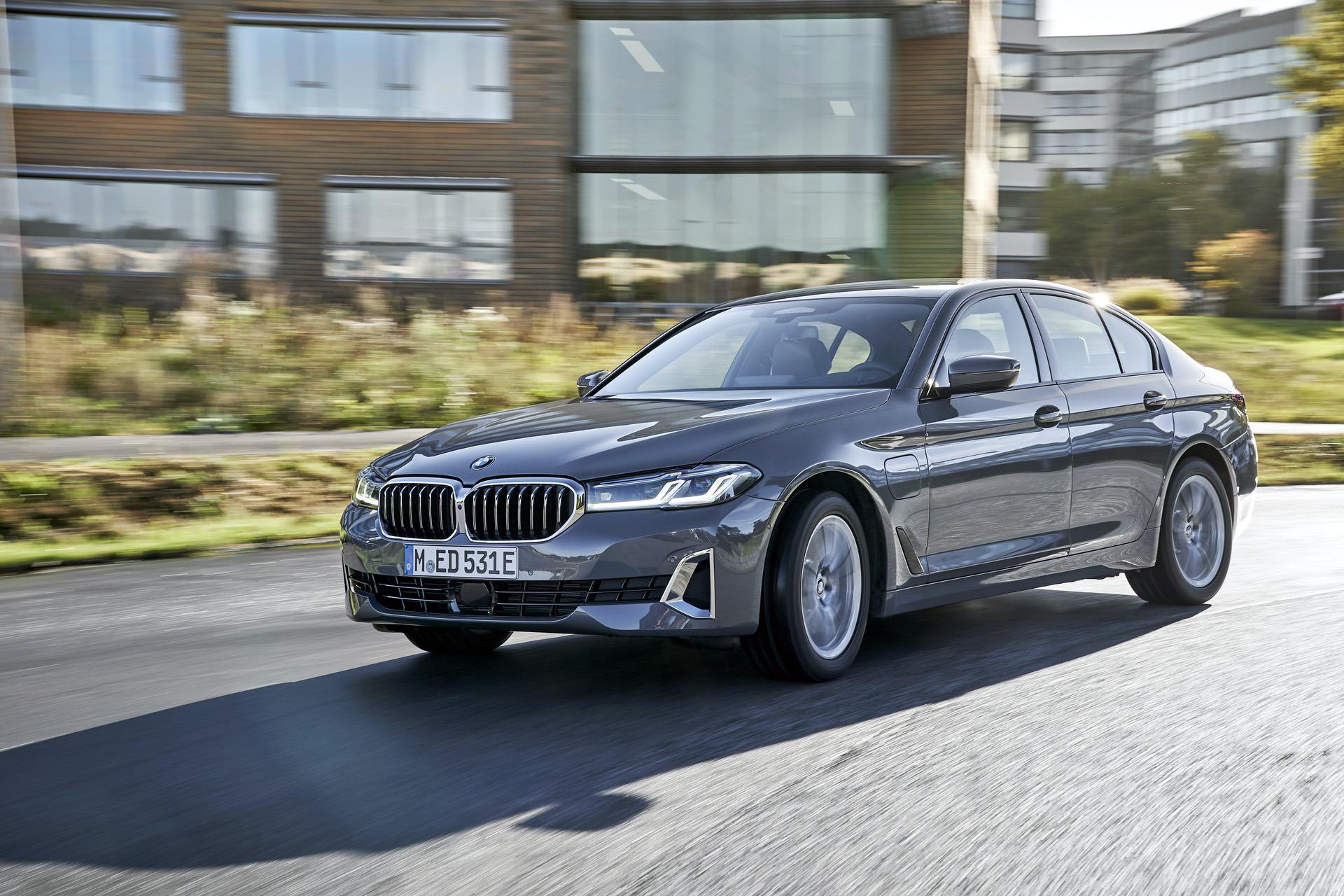
BMWs are often praised for their sharp handling, refined interiors, and aggressive performance. But not all BMWs are created equal when it comes to aging.
Some models maintain that crisp, tight “new car” feel for years, while others begin to show wear mechanically or cosmetically within just 36 months.
For U.S. buyers who care about long-term satisfaction and not just initial thrills, here’s a breakdown of 5 BMWs that hold up incredibly well and 5 that can feel disappointingly worn out after just a few years on the road.
BMWs are renowned for their performance, luxury, and precision engineering. However, the true beauty of a BMW lies in its ability to maintain that exhilarating “like new” driving experience year after year.
BMWs That Keep Driving Like New
These cars are built not only to impress when you first get behind the wheel, but also to endure the test of time, continuing to deliver sharp handling, smooth rides, and that signature driving pleasure long after other vehicles have started to show signs of wear.
In this article, we’ll take a look at the BMW models that continue to perform at peak levels and hold up to the demands of daily driving, making them some of the best options for those who want their car to feel as fresh as the day they drove it off the lot.
1. BMW 340i (G20, 2019–Present)
The G20-generation 340i, equipped with the B58 inline-6 turbo engine and a refined ZF 8-speed automatic, is a benchmark in modern BMW engineering.
The more powerful M340i model, introduced for 2020, brings tuning from BMW’s iconic M Division, providing greater power and sharper handling. Both the 330i and M340i models are turbocharged, but the M340i is equipped with a six-cylinder engine, while the 330i continues with its four-cylinder engine.
Pricing for the 2020 BMW 3-Series starts at $41,245 and ranges up to $56,995, depending on the trim and options. The 330i begins at $41,245, with the 330i xDrive at $43,245, while the M340i starts at $54,995 and the M340i xDrive is priced at $56,995.
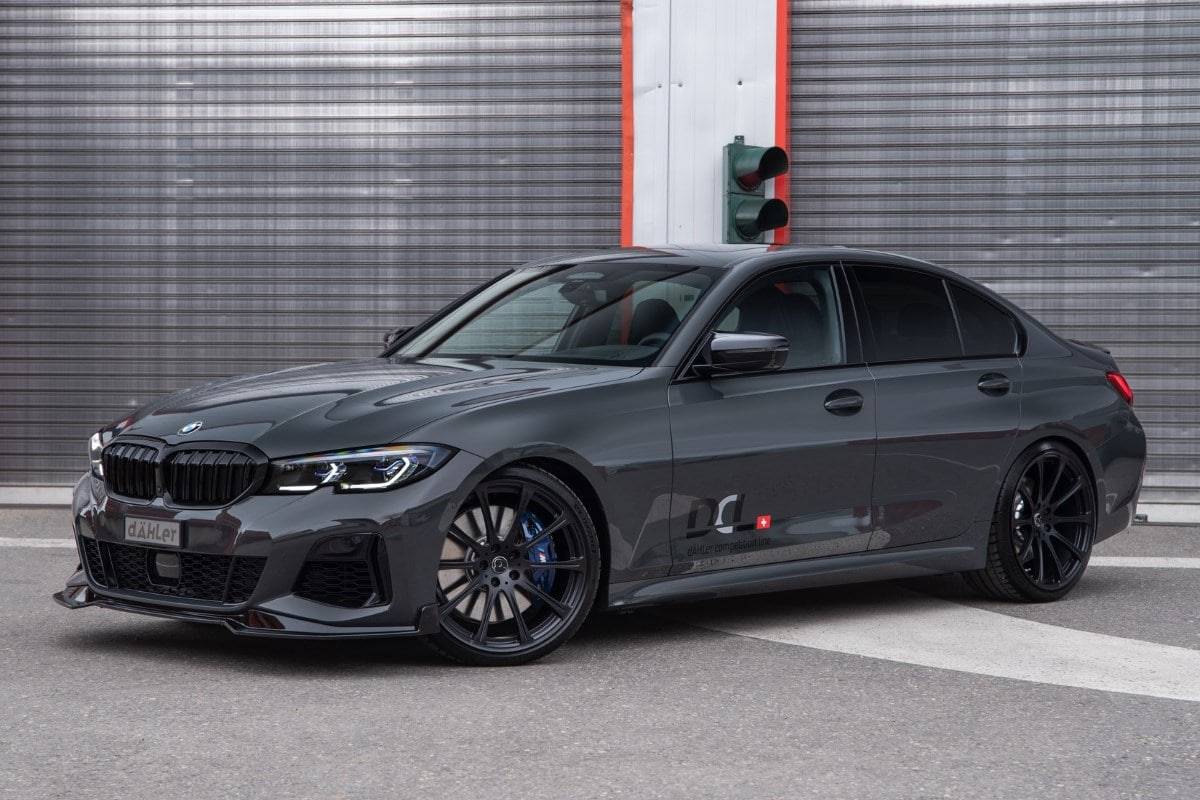
It offers excellent handling, enough power to thrill, and a smoother ride compared to the M340i, all at a significantly lower cost. Additionally, BMW offers the 330i xDrive with the M Sport package, which enhances handling further with the M Sport suspension and adds subtle exterior enhancements.
For those prioritizing performance, the 2020 BMW 330i is powered by an impressive 2.0-liter turbocharged four-cylinder engine that produces 255 horsepower. The all-wheel-drive 330i xDrive reaches 60 mph in just 5.2 seconds, matching the performance of rivals like the Audi A4.
If you desire more speed, the M340i offers a 382-hp turbocharged inline-six engine, which revs smoothly to 7,000 rpm. This engine enables the M340i to accelerate from 0 to 60 mph in just 3.8 seconds, significantly faster than the all-wheel-drive 353-hp Audi S4.
In a comparison test with the 2020 Genesis G70, the M340i was chosen as the superior sports sedan. Although BMW has discontinued offering the 3-series with a manual transmission, the 2020 model comes with an eight-speed automatic transmission that includes both Sport and Manual modes.
With its quick and smooth shifts, it’s one of the best automatic transmissions available. Paddle shifters are standard on the steering wheel. Looking ahead, a plug-in hybrid version, the 330e, will join the 3-series lineup in the 2021 model year.
Also Read: 5 Trucks With the Best Storage Under Seats and 5 Wasting Space
2. BMW X5 (G05, 2019–Present)
As a midsize luxury SUV, the G05 X5 balances performance and plushness well. Thanks to air suspension (optional on many trims), it maintains a smooth, composed ride.
Its electrical systems are relatively reliable compared to earlier X5 generations, and the B58 or V8 options remain strong performers after 3 years. The cabin stays quiet, and seat cushioning retains its shape something not always true in rival German SUVs.
Underneath, the BMW X5 reveals a number of significant updates. BMW is transitioning its entire lineup to two modular platforms, and the X5 is the latest to adopt the Cluster Architecture (CLAR), which also supports the new 3-series. The X5 now features a double-wishbone front suspension and multilink rear, with adaptive dampers as standard.
This impressive array of chassis technology is part of BMW’s claim that the new X5 offers better handling on-road while also being more capable off-road. Our experience with the X5 on a challenging off-road course and winding roads near Atlanta supports this assertion.
Despite being equipped with street-biased Pirelli P Zero PZ4 summer tires, the X5 handles rough terrain with ease, thanks to the standard hill-descent control and other off-road systems. Even the Off-Road package-equipped models displayed strong performance on rocky surfaces.
On the road, the new X5 shows noticeable improvements over its predecessor, which was criticized for its rough ride and loose steering. The latest model delivers a more refined driving experience with a better connection to the road. While it can’t match the sharp responses of a sports sedan due to its size and weight, there’s less play in the steering, and the brake pedal offers smooth, progressive feedback.
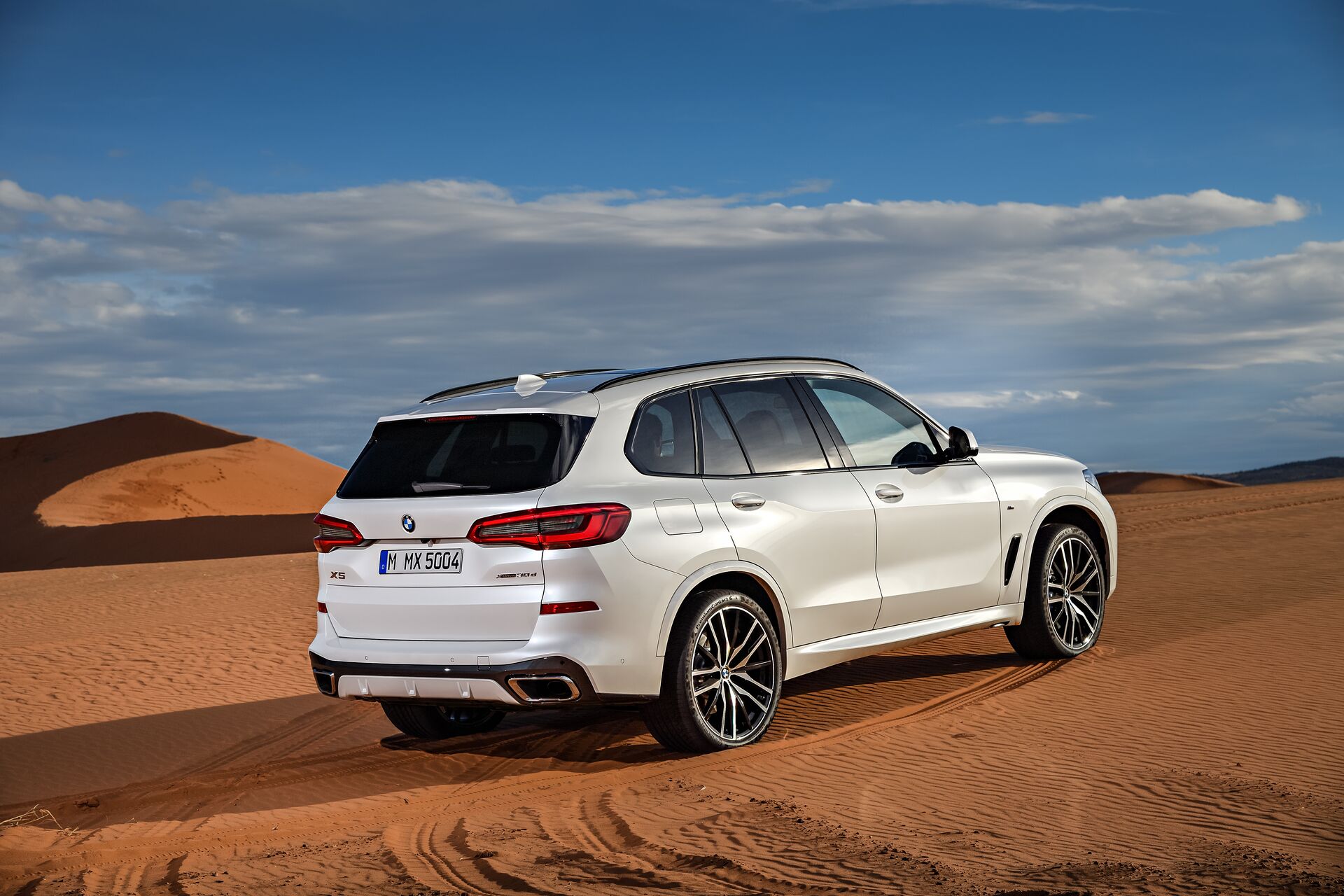
During testing in Michigan on Pirelli Scorpion Zero All-Season tires, an X5 managed 0.89 g on the skidpad and a 70-0 mph stopping distance of 170 feet, improvements of 0.08 g and 8 feet over the previous model. The heavier 50i model, still with Pirelli P Zeros, achieved a respectable 0.87 g and stopped from 70 mph in just 158 feet, comparable to sports sedans.
The X5’s powertrain is another highlight, with the xDrive40i model equipped with a turbocharged 3.0-liter inline-six engine producing 335 horsepower. This engine delivers strong performance, reaching 60 mph in just 4.9 seconds, which is 1.1 seconds faster than the previous 35i model.
The engine, familiar from other BMW models, offers smooth, satisfying acceleration throughout the rev range. Paired with a snappy eight-speed automatic transmission sourced from ZF, the setup makes the more powerful 456-hp twin-turbo V8 xDrive50i feel somewhat excessive for most drivers.
3. BMW M240i (G42, 2022–Present)
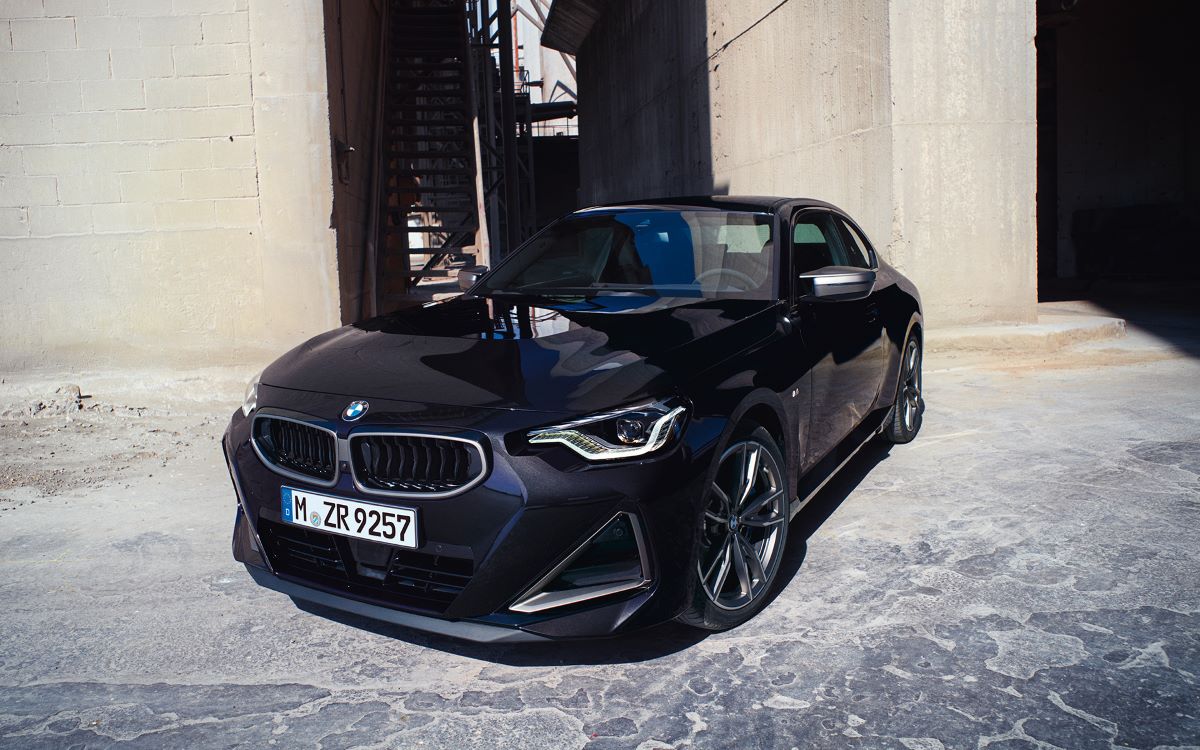
The new-generation M240i coupe returns to BMW’s roots with compact dimensions and precise handling. With xDrive all-wheel drive and the robust B58 engine, this coupe has become a favorite among enthusiasts who want a fun car that still feels tight and composed after tens of thousands of miles.
Build quality is top-notch, and most owners report little to no squeaks or tech glitches within the first few years. By the mid-to-late 2000s, the E90 3 Series had grown in size, weight, and price, leaving its original group of buyers in need of a new, smaller BMW.
To address this, BMW introduced the 135i and later models, including the rear-wheel-drive, 6-speed manual M240i. The M240i was undeniably one of the best-driving BMWs in recent years. Unfortunately, it’s no longer available, but the new M240i xDrive almost makes up for it.
The key reason it’s “almost” acceptable is the removal of the manual gearbox. BMW’s xDrive system is now standard, and the M240i xDrive comes exclusively with an 8-speed automatic transmission. Despite this setback, the M240i xDrive is still exceptional.
The 2022 model marks the arrival of a new generation. The previous F22 2 Series was more compact, sleek, and less bulky. The new G42 generation is notably longer, wider, and lower, with some design elements, such as the front and rear lights, appearing somewhat exaggerated. However, when painted in Thundernight metallic, all design flaws are forgiven.
The M240i’s exterior is enhanced with high-gloss black accents, shadowline headlamps, and optional 19-inch light alloy wheels, though the car tested was on winter tires.
4. BMW 530e (G30, 2018–2023)
The plug-in hybrid 530e combines electric efficiency with a solid gas backup engine. What stands out is the serene ride and consistent performance over time.
Battery degradation is minimal by the 3-year mark, and the suspension and drivetrain deliver a refined, near-silent driving experience that feels nearly identical to new.
It’s also a favorite among urban U.S. commuters seeking a premium plug-in with lasting value. The 2023 BMW 5-series sedan carries over largely unchanged from the previous year. The optional Premium package now includes a remote-start feature, but the gimmicky gesture controls for the iDrive infotainment system have been dropped.
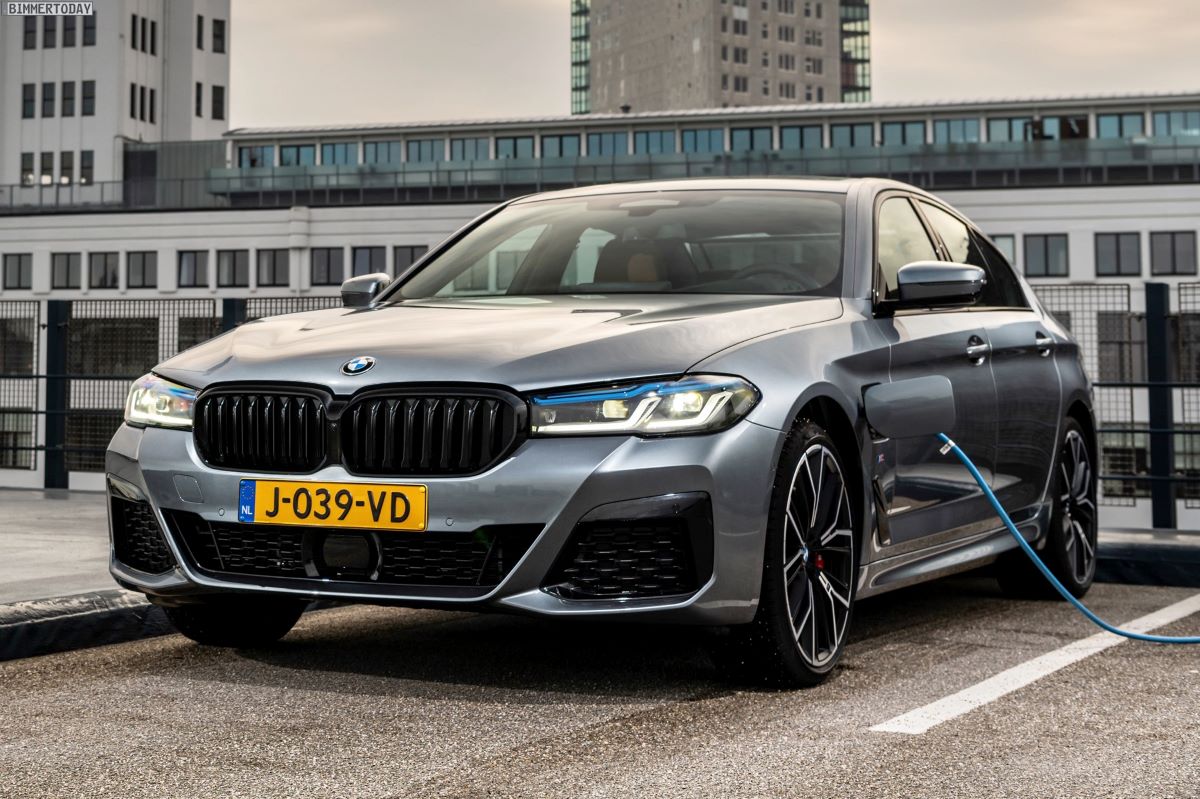
Additionally, the Parking Assistance package is no longer available on 530i, 530e, and 540i models. However, the new Executive package is now offered on these models, which adds features like a head-up display, a Harman/Kardon stereo system, a power-operated trunk lid, and heated front seats.
For those seeking the best balance of performance and comfort, the 540i is considered the sweet spot in the 5-series lineup. It comes standard with rear-wheel drive, though all-wheel drive is available as an option. The Convenience package, which adds heated front seats and a power-operated trunk lid, is a sensible choice for added comfort.
When it comes to powertrain and performance, both the 530i’s four-cylinder engine and the 540i’s six-cylinder provide ample power and efficiency for this sizable sedan.
5. BMW Z4 (G29, 2019–Present)
Unlike previous Z4 generations, the current G29 Z4 is both a reliable and solidly built roadster. Its soft top mechanism has shown surprising long-term integrity, and the chassis tuning remains sharp even after years of spirited driving.
It’s based on the same platform as the Toyota Supra, which adds to its credibility in terms of dependability. U.S. drivers in warmer states especially praise the car’s consistent tightness and minimal aging issues.
The exterior of the new Z4 immediately captivated attention with its sleek, sporty design. It featured a sweeping hood, a long wheelbase, and a low-slung rear end, making it the longest Z4 in the model’s history, though its wheelbase was shorter than that of the previous generation.
The front of the car introduced a fresh look, with a large air intake and a redesigned kidney grille. This updated grille, now featuring a track-inspired honeycomb pattern, was a bold move for BMW, respecting the brand’s iconic design while pushing it toward a more futuristic direction.
The headlights, which were also redesigned, now featured two light sources stacked vertically for the first time. On the sides, two distinct character lines ran along the entire length of the car, adding depth and definition to its profile.
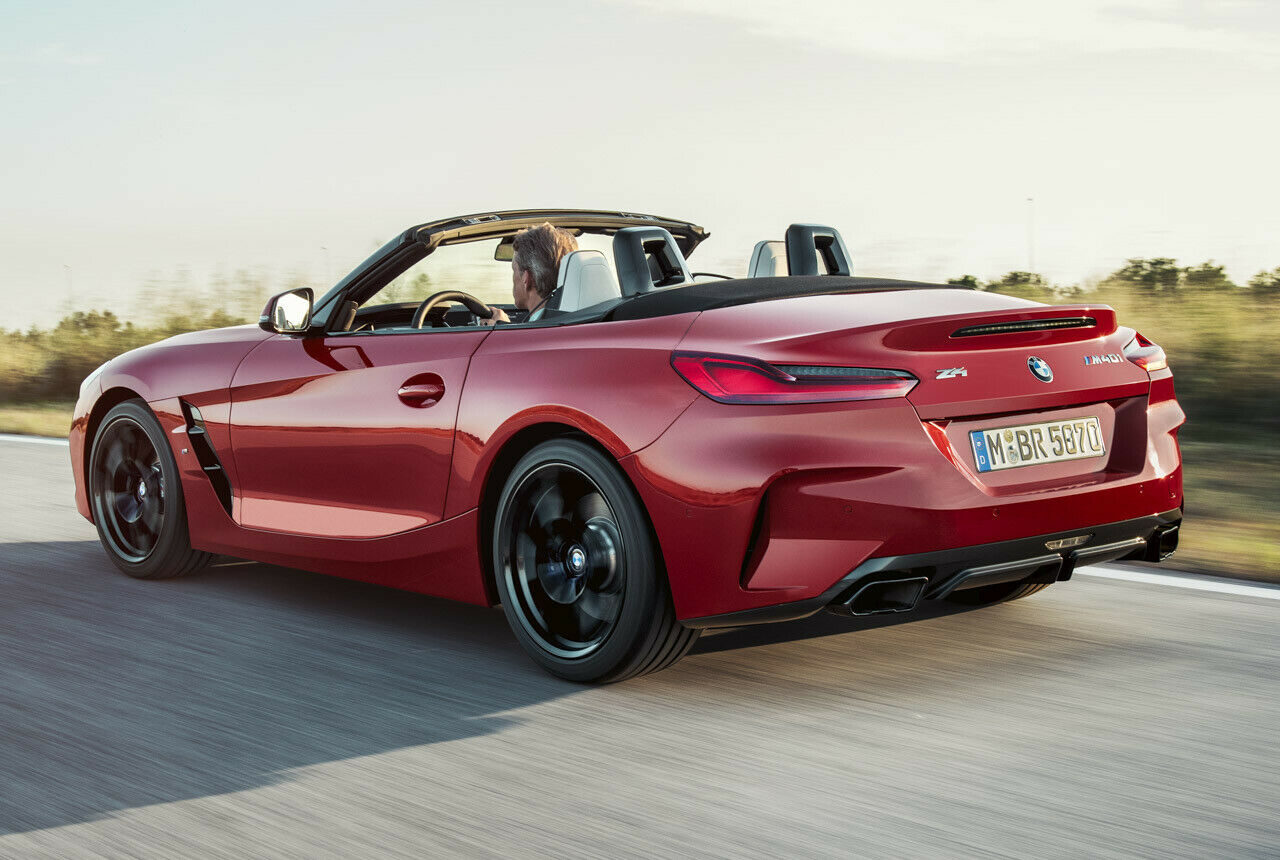
At the rear, the new Z4 displayed a refined design. The dual exhaust tips were placed on each side of the bumper, continuing the theme from the 2013 Z4, while the taillights were reimagined to be slimmer and extended further along the rear fenders. The integrated spoiler, complete with a central light cluster, finished off the back end with an additional sporty touch.
Inside, the cabin introduced new technology and a modern design. The instrument cluster was now fully digital, offering a cleaner, more futuristic layout. The central stack featured a large tablet that housed the iDrive software, along with Android Auto and Apple CarPlay compatibility.
Beneath the tablet were ventilation grilles, followed by a row of buttons for controlling the HVAC system and heated seats. The lower portion of the central stack contained the radio and volume controls, while a small storage compartment connected it to the center console.
Also Read: 10 Reliable Older Hybrids That You Can Count On
BMWs That Feel Old at 3 Years
While BMW is known for producing vehicles that exude luxury, performance, and precision, not all models maintain that high standard of refinement as they age. Some BMWs, even just a few years old, start to feel outdated and underperforming, often due to reliability issues, wear on the interior, or less-than-optimal driving dynamics.
These models, which may have initially impressed with their smooth handling and tech-forward features, can quickly begin to show their age after just three years. In this article, we’ll explore which BMWs tend to lose their charm and feel like they’re much older than they really are, helping potential buyers make informed decisions about their next luxury ride.
1. BMW X1 (F48, 2016–2022)
While practical and fuel-efficient, the second-gen X1 doesn’t age gracefully. Interior plastics start squeaking, seats show early wear, and the steering loses its tautness over time.
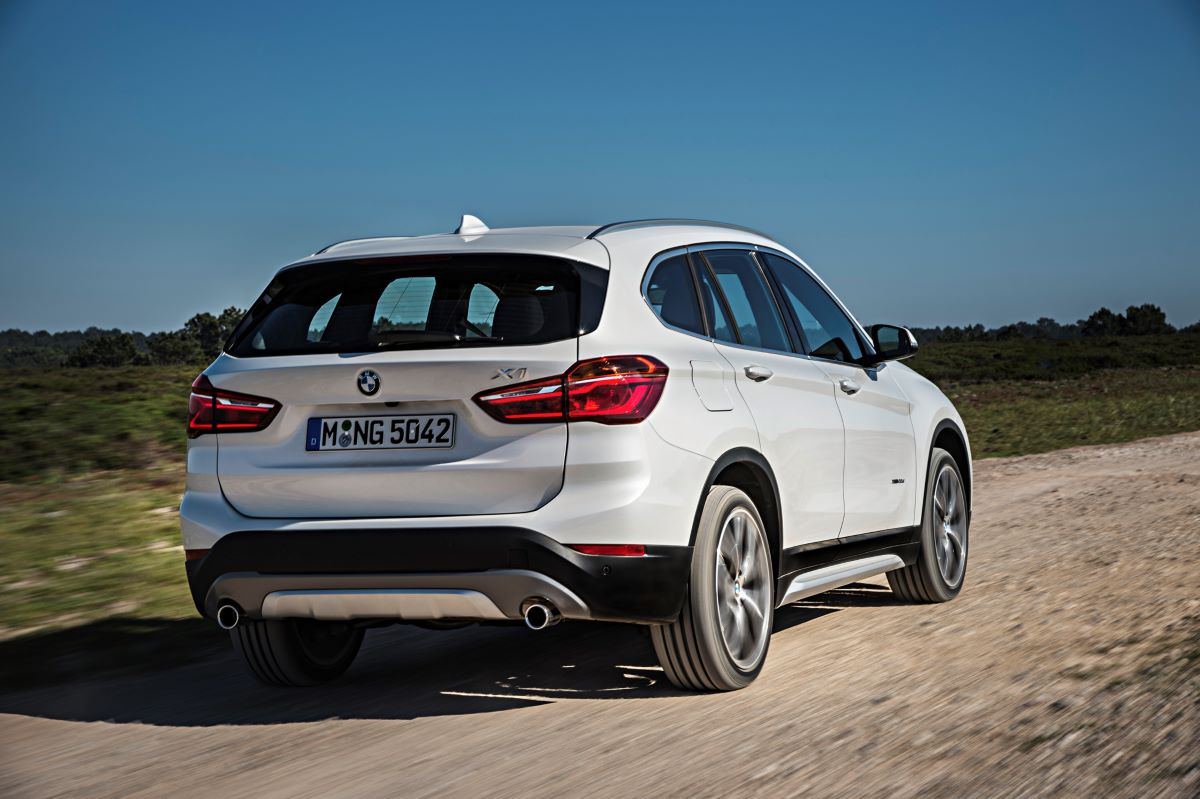
Built on a front-wheel-drive-based platform, it lacks the classic BMW handling, and many owners report premature suspension creaks. For a luxury crossover, it often feels more like a dressed-up economy SUV after just a few years.
Since the BMW X1 shares much of its underpinnings with the 2 Series Active Tourer and Gran Tourer, the interior design closely mirrors that of these models. The instrument cluster, steering wheel, and gearshift knob all appear identical, creating a consistent look across the board.
Even the HVAC controls seem to have been directly borrowed from the 2 Series Active Tourer. However, there are some key differences that give the X1 its own distinct character, such as the unique seats, door panels, and storage compartments.
BMW has made significant improvements to the X1’s interior space. The new model is 53 mm (2 inches) taller, resulting in a higher driving position (an increase of 36 mm) and more rear-seat space (64 mm higher).
Other notable enhancements include an increase in rear knee room, which has grown by 37 mm (1.4 inches) in the standard configuration and up to 66 mm (2.6 inches) with the adjustable rear seat option.
Standard features inside the cabin are comprehensive and include air conditioning, a basic audio system with USB and AUX-in sockets, rain-sensing wipers, Servotronic, the Driving Experience Control switch, and the iDrive operating system. The 6.5-inch display for iDrive is integrated into the instrument panel in a freestanding monitor style.
Other new optional features include LED adaptive headlights, a selection of new engines and transmission options, as well as updated equipment lines for greater customization.
2. BMW 3 Series Plug-in Hybrid (330e, G20, 2020–2022)
Despite the success of the 530e, the early G20 330e hybrids haven’t fared as well. Software issues, inconsistent electric range, and interior trim that feels a bit cheaper than higher trims contribute to a prematurely aged feel.
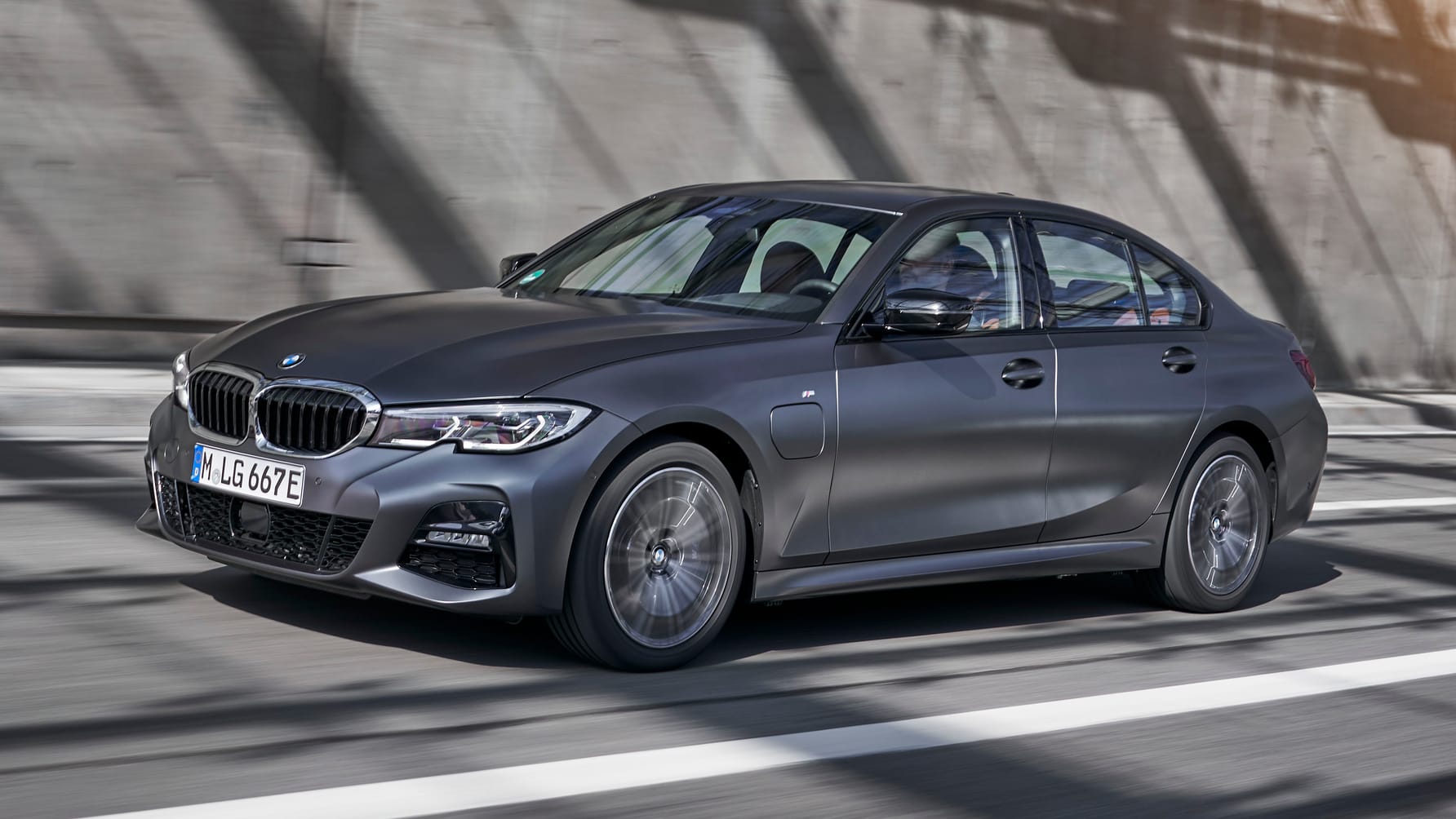
Some U.S. owners have reported battery issues or drivetrain glitches by the third year, making it less confidence-inspiring than its gas-only siblings.
It may seem like the era of plug-in hybrids has passed. After all, true electric vehicles (EVs) are constantly setting new performance benchmarks. It feels like every month, a new EV is introduced that can go farther, accelerate quicker, or look more stylish than the ones that came before.
However, for millions of Americans, a plug-in hybrid electric vehicle (PHEV) still offers a more practical option than a car that relies solely on batteries. The issue isn’t the technology in the vehicles themselves, but rather the infrastructure needed to charge them.
Unless every journey you make is between places where you have access to private chargers, you’ll eventually have to deal with the often problematic public fast-charging network, which presents numerous challenges. This problem is especially pronounced in colder climates, where low temperatures can reduce the range of EVs much faster than they affect traditional internal combustion engine vehicles.
The BMW 330e, which is the plug-in hybrid variant of the G20-generation 3 Series, seems like a strong contender for the PHEV category. Positioned alongside the 330i as an entry-level option, both cars start at the same price, offer similar power, and come with a choice of rear-wheel or all-wheel drive.
After spending more than a week with the 330e, I came away impressed but not overly enthusiastic. It left me pondering whether the 330e offers enough advantages over the 330i to make it a better purchase.
3. BMW X3 (G01, 2018–2021 Pre-Facelift)
The pre-facelift G01 X3 had great driving dynamics but has drawn criticism for early cabin wear, especially in non-M trims. Door panels can rattle, climate controls become less responsive, and the ride can become jittery as the adaptive dampers wear out.
In some climates, paint quality and trim durability also suffer. These small issues accumulate, making the car feel less “BMW-like” by year three.
Every BMW X3 now comes with a hybrid powertrain in some form. While we won’t discuss the high-performance X3 M here, the regular lineup is topped by the six-cylinder mild-hybrid M40i and M40d models.
The lower-spec four-cylinder versions also feature 48-volt mild-hybrid electric vehicle (MHEV) assistance. The X3 xDrive30e, however, is the real plug-in hybrid, combining a four-cylinder petrol engine with an electric motor and lithium-ion battery, allowing for 31 miles of all-electric driving.
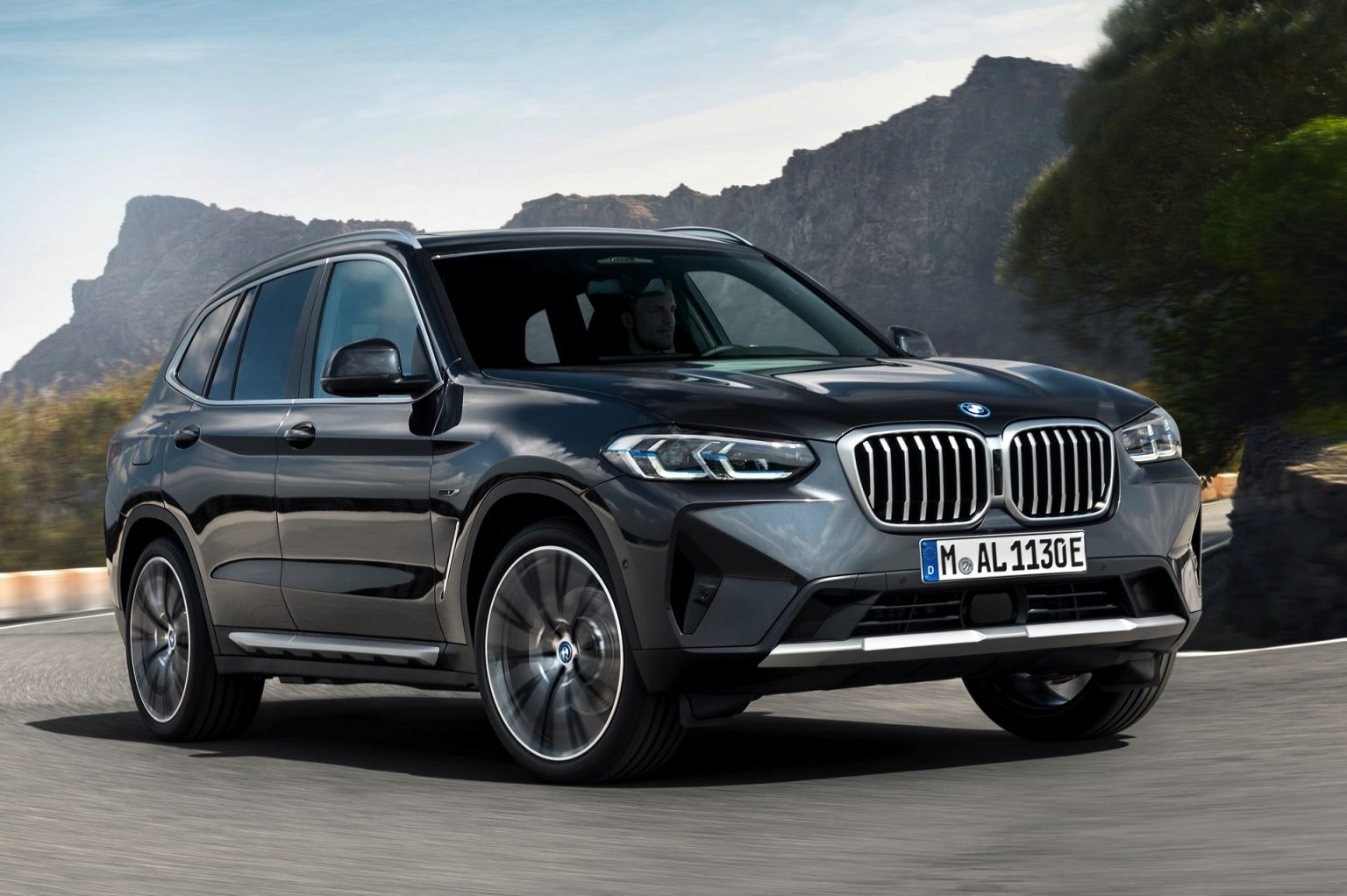
All X3 models come with four-wheel drive and are paired with an eight-speed automatic transmission, simple and effective. The current generation of the X3 faces some strong competition. The Audi Q5 sets the bar for refinement, while the Mercedes GLC excels in comfort.
The Jaguar F-Pace stands out for its handling and spaciousness, and the Porsche Macan offers impressive all-around chassis performance. Recent price increases have also placed the X3 in Range Rover Velar territory. Let’s not forget about the Alfa Romeo Stelvio and the Volvo XC60, making this a highly competitive segment.
Despite all this, the early signs for the X3 are promising. It’s larger than before, which may make it a bit more unwieldy in urban settings, but it’s a size that has proven popular, slightly bigger than the original X5.
4. BMW 740i (G11/G12, 2016–2022)
Despite being a flagship luxury sedan, the 7 Series doesn’t always hold up in the U.S. market. Air suspension issues, creaky interior panels, and failing infotainment units are common complaints by the third year, especially among high-mileage daily drivers.
Its high-tech systems age quickly, and without meticulous maintenance, it can feel more like a used limo than a top-tier luxury sedan.
The BMW 7 Series made a bold return in 2015, entering a new generation for the 2016 model year. This was the first 7 Series to be built on the CLAR platform, which means it sits on a carbon-fiber-reinforced polymer chassis, a feature shared with the i Series (e.g., i8).
Nearly everything on the new 7 Series is redesigned, with the only exception being the greenhouse. Changes include reworked bumpers, side air vents, laser headlights now integrated with a larger kidney grille, updated taillights, exhaust tips, new rims, and additional paint color options.
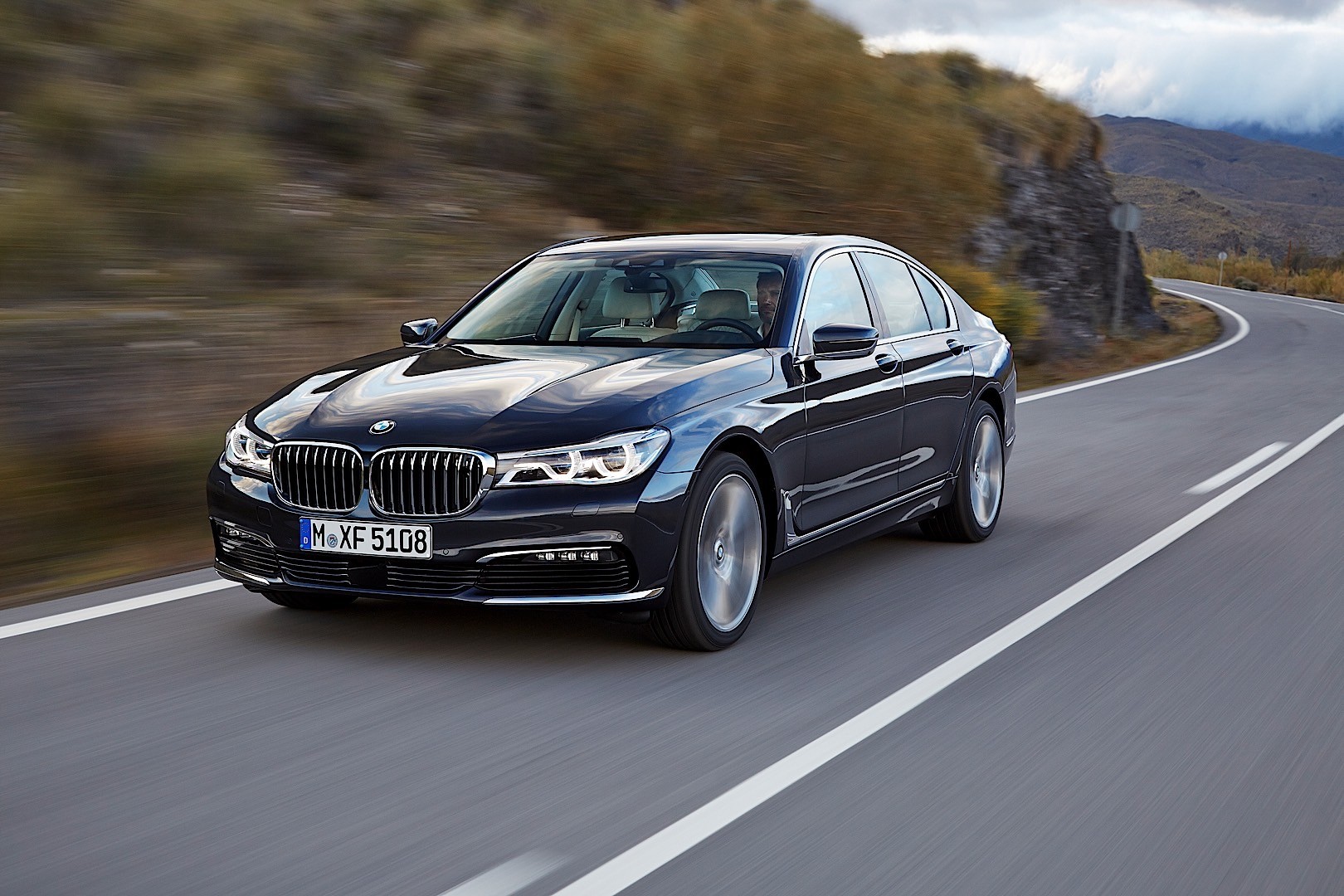
Among the new features is a standard LED “light carpet” that illuminates the ground as you approach the vehicle. Once inside, ambient LED lighting welcomes you, and the updated iDrive 5 system, which includes touchscreen functionality and Gesture Control, enhances the user experience.
The 7 Series offers generous rear legroom as standard, with an array of luxury features available for rear passengers, such as an optional tablet-based infotainment system, which adds a futuristic touch to the experience.
Luxury is further elevated with wood-trimmed seatbelts, multi-contour seats, and stylish heated armrests. The Bowers & Wilkins Diamond Surround System offers premium sound, while the panoramic roof, which mimics the night sky with 15,000 LEDs, provides a unique atmosphere for passengers to enjoy.
Under the hood, the 7 Series is equipped with new engines that deliver more power, improved efficiency, and a revised 8-speed automatic transmission. To reduce weight, CFRP and aluminum are used, and all models now feature a 2-axle self-leveling air suspension for improved comfort.
Buyers can choose between rear-wheel-drive or all-wheel-drive xDrive systems. Engine options include inline-6 cylinders or V8s, available in diesel, gasoline, or plug-in hybrid variants. The BMW 740e plug-in hybrid combines a four-cylinder engine with an electric motor, offering a total output of 326 hp. Later, a 12-cylinder M760i was added to the lineup.
5. BMW i3 (2014–2021)
The quirky i3 was innovative in design and sustainability, but it hasn’t aged well. The unique materials used inside such as eco-fiber panels can feel worn or outdated within just a few years.
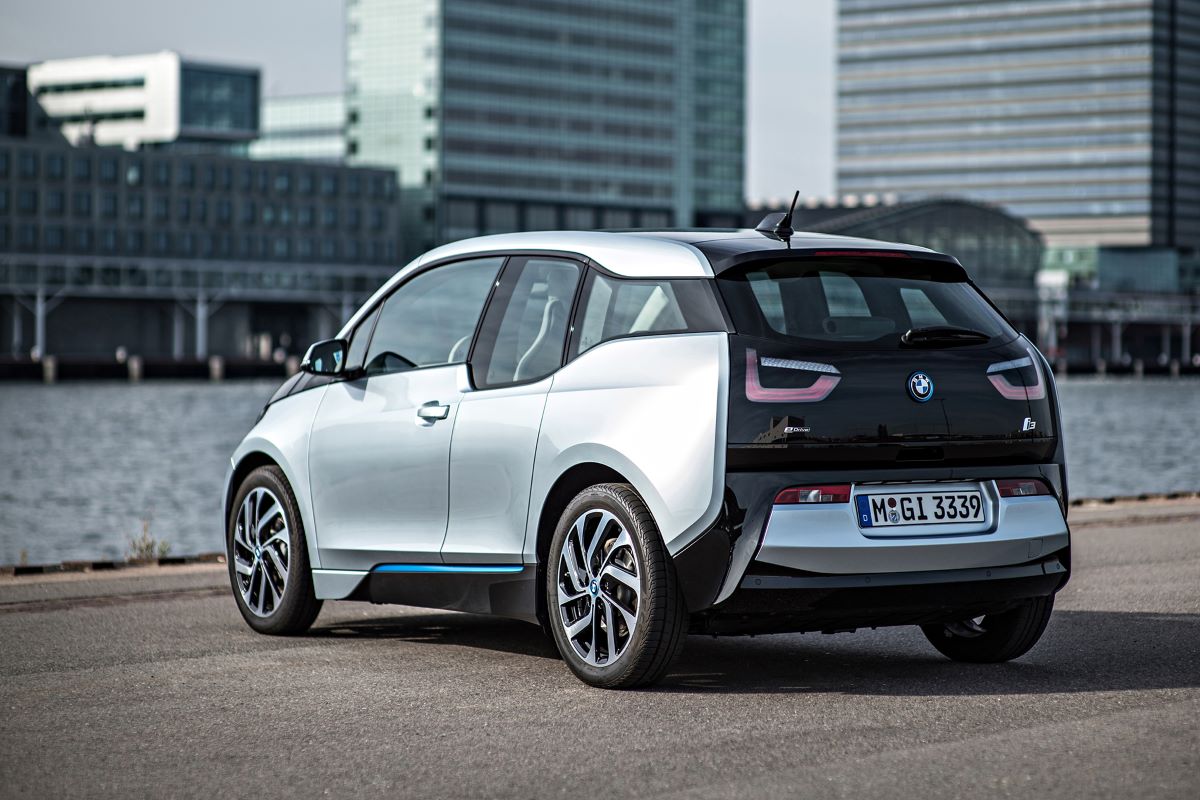
Battery range drops noticeably by year three, and the ride becomes harsh as the suspension settles. For city drivers who expected long-term eco-luxury, the i3 often underdelivers on comfort and refinement.
BMW’s i3 made its debut as one of the first mainstream electric vehicles back in 2014. Over the years, BMW has made several updates to improve the i3’s range, performance, and technology features.
However, the fundamental appeal of the 2021 i3 remains unchanged. It’s a compact and easy-to-park electric vehicle with a surprisingly spacious and upscale interior. Additionally, the available range-extender model comes equipped with a small gasoline-powered generator, which ensures you can continue driving even if the battery runs out.
On the downside, the i3 is now outclassed by newer electric vehicles. For example, the Tesla Model 3 and Model Y offer better range, performance, and utility.
Other notable EVs include the Kia Niro, Mini Cooper SE, and more premium models like the Ford Mustang Mach-E and Volvo XC40 Recharge. This is likely to be the last year for the i3, as BMW is preparing to introduce its i4 and iX replacements. Still, the i3 remains a solid option for city commuting. Check out our Expert Rating below for a detailed review of the 2021 i3.
For U.S. BMW buyers, longevity is just as important as that classic “Ultimate Driving Machine” feeling. Models like the 340i, M240i, and X5 prove that BMW can still build cars that feel crisp and luxurious well past their warranty period.
But others, like the aging X1 or tech-heavy 740i, show that some BMWs need extra caution or extra maintenance if you want them to feel premium three years down the road.
If you’re shopping used or leasing long-term, make sure your BMW choice doesn’t just drive great today, but keeps that feeling alive tomorrow.