
Some cars just end up doing more work than others. Whether it’s the daily grind of long commutes, countless road trips, or the demands of work and family life, certain vehicles consistently rack up more miles than the rest. These are the cars you’ll see cruising down highways, piling on odometer readings without breaking a sweat.
Why do these particular models see so much road time? It usually comes down to a few key factors: reliability, comfort, fuel efficiency, and practicality. When drivers know a car can handle tens of thousands of miles without frequent repairs, or that it won’t punish them at the pump, they’re more likely to use it for everything from cross-country journeys to everyday errands.
In this list, we’re diving into 10 cars Americans drive the most miles each year and breaking down what makes each of them a go-to choice for heavy mileage. From steadfast sedans to versatile SUVs, these vehicles prove they’re built for the long haul, literally.
1. Toyota Prius – 13,500 miles/year
The Toyota Prius is the ultimate mileage champ. Known for its exceptional hybrid fuel economy, owners often take it on long commutes, rideshare gigs, and extended road trips without worrying about fuel expenses. Its reliability record means fewer repairs, and the hatchback design makes it practical for all types of travel. For eco-conscious drivers and those who value cost savings, the Prius is a go-to.
For its fifth generation, the Toyota Prius has undergone a dramatic and impressive transformation. The old reputation of being a plain “eco geek” car is gone, today, it’s all about “eco chic.”
The 2023 Prius debuts with a striking new design, featuring a sleeker profile and an upgraded interior that feels far more refined than before. Under the hood, it also gets a more powerful hybrid powertrain, delivering notable gains in performance while maintaining the stellar fuel economy that has always defined the Prius.
One of the most common complaints about older Prius models was their underwhelming acceleration. For instance, the previous fourth-generation Prius produced just 121 horsepower from its combined engine and electric motor setup.
The 2023 model changes that narrative entirely. Now, the Prius generates up to 196 horsepower and can sprint from 0 to 60 mph in around 7 seconds. This is a massive improvement over the 10.7 seconds recorded by the last model we tested. As a result, merging onto highways or making quick passes is no longer a sluggish experience, it’s smooth and confident.
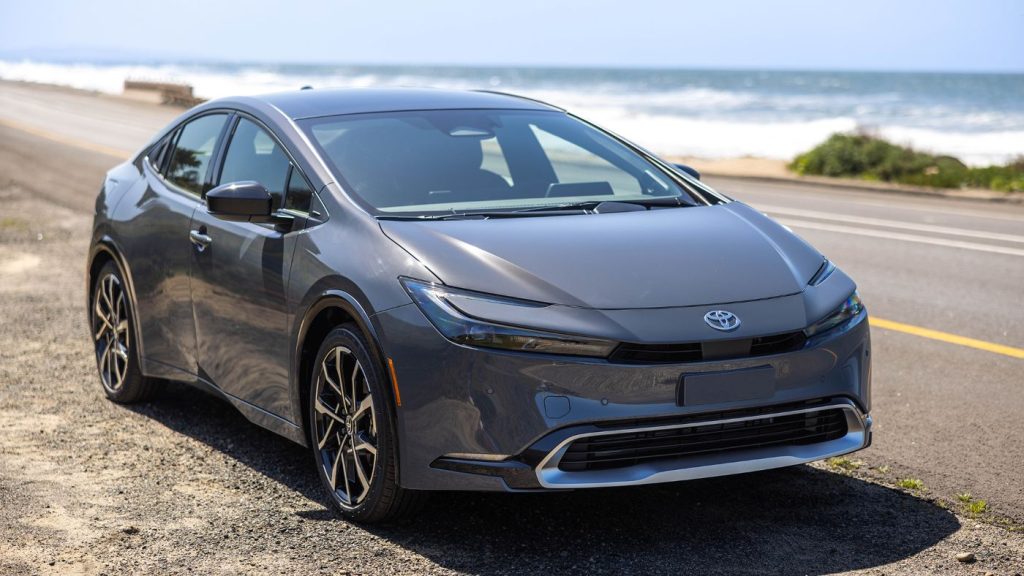
Despite the performance boost, the Prius continues to deliver exceptional fuel efficiency. The manufacturer estimates 49–57 mpg in combined city and highway driving, depending on the trim level. For drivers seeking even greater efficiency, the plug-in hybrid Prius Prime has also been updated, now offering an extended electric-only range.
While the eye-catching exterior grabs initial attention, the interior upgrades might be the biggest highlight of this redesign. The cabin now has a much more modern aesthetic, complemented by a completely new tech suite. Standard equipment includes an 8-inch touchscreen, while higher trims benefit from a larger 12.3-inch display.
The latest infotainment system is paired with several premium convenience features, such as heated and ventilated front seats, ambient lighting, and a panoramic glass roof. As always, the Prius retains its practical hatchback design, providing a spacious and versatile cargo area.
Overall, the 2023 Toyota Prius stands out as a top recommendation for anyone in the market for a fuel-efficient vehicle. With competitors like the Honda Insight and Hyundai Ioniq now discontinued, its closest rival remains the Kia Niro, which is available in both hybrid and plug-in hybrid versions.
For drivers who value efficiency, technology, and style, the new Prius is a compelling choice that proves eco-friendly driving can be both exciting and practical.
2. Nissan Altima – 13,200 miles/year
The Altima hits the sweet spot between comfort and affordability. With its smooth ride, spacious cabin, and strong fuel economy, it’s ideal for drivers who spend hours on highways. Its reasonable maintenance costs and advanced safety features make it a favorite among families and commuters tackling long daily drives.
The latest-generation Nissan Altima has been on the market since 2019, and it continues to be a solid choice in the midsize sedan category. Offering both front-wheel and all-wheel-drive configurations, along with two engine options, the Altima delivers a driving experience that is smooth, approachable, and efficient.
Its reputation is built on being easy to live with day to day, while still offering a respectable balance of performance and fuel economy. On top of that, the Altima comes packed with a variety of advanced driver-assist features, making it a safe and reliable companion for daily commutes and long-distance drives alike.
For the 2023 model year, Nissan has introduced several updates to ensure the Altima remains competitive in the ever-evolving family sedan market. The exterior receives a subtle but fresh facelift: the signature V-shaped chrome strip in the grille has been removed, giving the car a cleaner look, while the triangular design elements below the headlights have been enlarged for a bolder appearance.
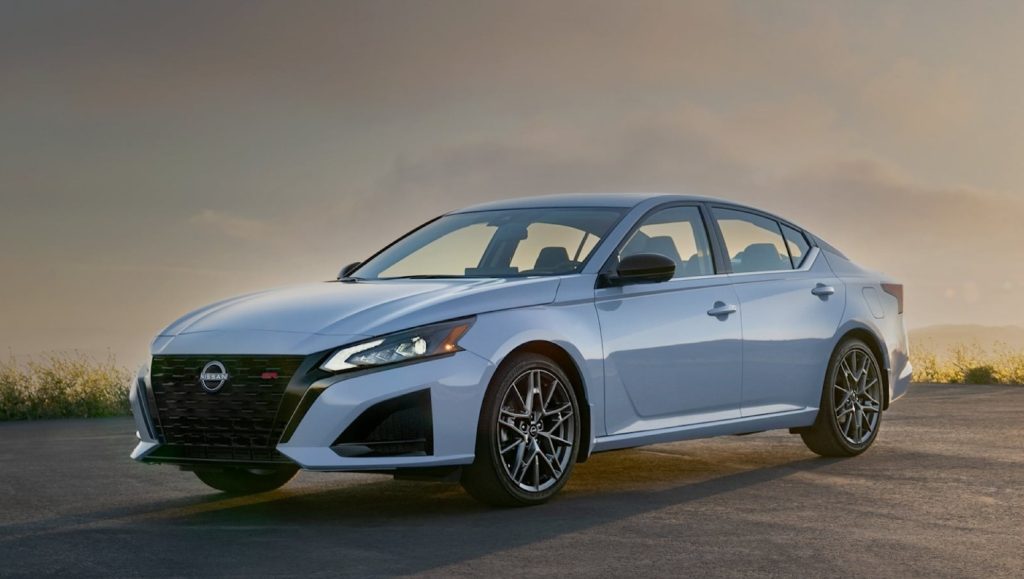
Inside, the Altima now offers a new 12.3-inch touchscreen, standard on the SL and SR VC-Turbo trims and available as an option for the SV. Additionally, available tech upgrades include a wireless charging pad and an integrated Wi-Fi hotspot, both of which enhance connectivity for today’s tech-driven drivers.
Despite these improvements, the Nissan Altima still faces stiff competition. While it remains a generally agreeable and reliable option, it currently ranks in the lower half of midsize sedan rankings.
Rivals such as the Hyundai Sonata and Toyota Camry provide better overall visibility and a richer set of features, while the Kia K5, Mazda 6, and Honda Accord stand out for their upscale designs and premium driving experience that the Altima struggles to fully match.
Overall, the 2023 Nissan Altima continues to be a practical, fuel-efficient sedan with a few modern touches to keep it relevant, but it remains best suited for buyers prioritizing straightforward usability over luxury flair.
3. Chevrolet Malibu – 12,700 miles/year
A longtime staple of rental fleets and corporate cars, the Malibu is designed to take on heavy use. Its roomy interior, solid infotainment system, and balanced handling make long trips less tiring. Private owners also praise its comfort, which makes clocking high miles an easy choice.
The price of the 2023 Chevrolet Malibu starts at $26,095 and goes up to $32,595 depending on the trim and options. We recommend buying the LT trim, as it comes with more standard features than the lowly LS. The LT comes standard with 17-inch wheels, dual-zone automatic climate control, remote engine start, heated front seats, and a power-adjustable driver’s seat.
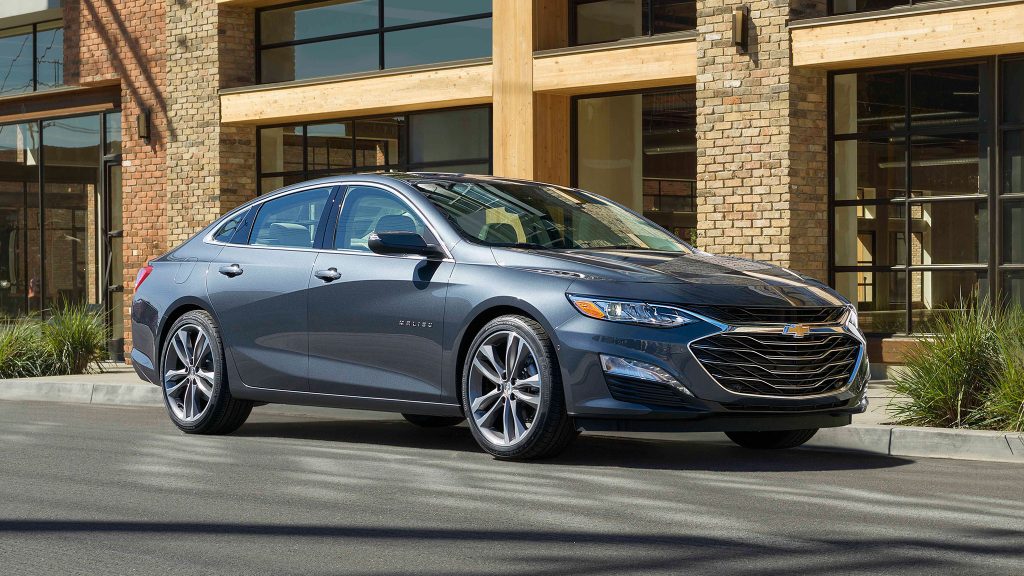
Every LT also features automated emergency braking and lane-keeping assist, but a blind-spot monitor and rear cross-traffic alert can be added with the $545 Driver Confidence package. For a sportier look, might we recommend the Sport Edition or Midnight Edition, which add black 19-inch wheels and black body trim.
Unlike many other family sedans, the 2023 Malibu is only available with a single powertrain. There’s also no hybrid or all-wheel-drive option. The Chevy features a dutiful 163-hp turbocharged 1.5-liter four-cylinder engine that drives the front wheels through a continuously variable automatic transmission (CVT).
The version we tested recorded a wholly average 7.8-second zero-to-60-mph time. This combination is slower than similar rivals in our acceleration tests, but it delivered a smooth, even pull.
4. Honda Accord – 12,700 miles/year
The Honda Accord blends longevity with driving enjoyment. Owners love its combination of reliability, roomy seating, and smooth powertrains. For many, it’s the main family car or commuter vehicle, often logging tens of thousands of miles without complaint. Its strong resale value also encourages long-term ownership.
Smooth and composed, that’s the essence of what makes the Honda Accord such a standout. Its suspension is finely tuned to absorb road imperfections with ease, ensuring a calm ride even over rough surfaces.
Meanwhile, the steering feels precise and responsive, allowing this larger sedan to remain poised and confident when navigating corners. This combination creates a driving experience that manages to be both engaging and relaxing, whether you’re tackling weekday commutes or heading out on long family road trips.
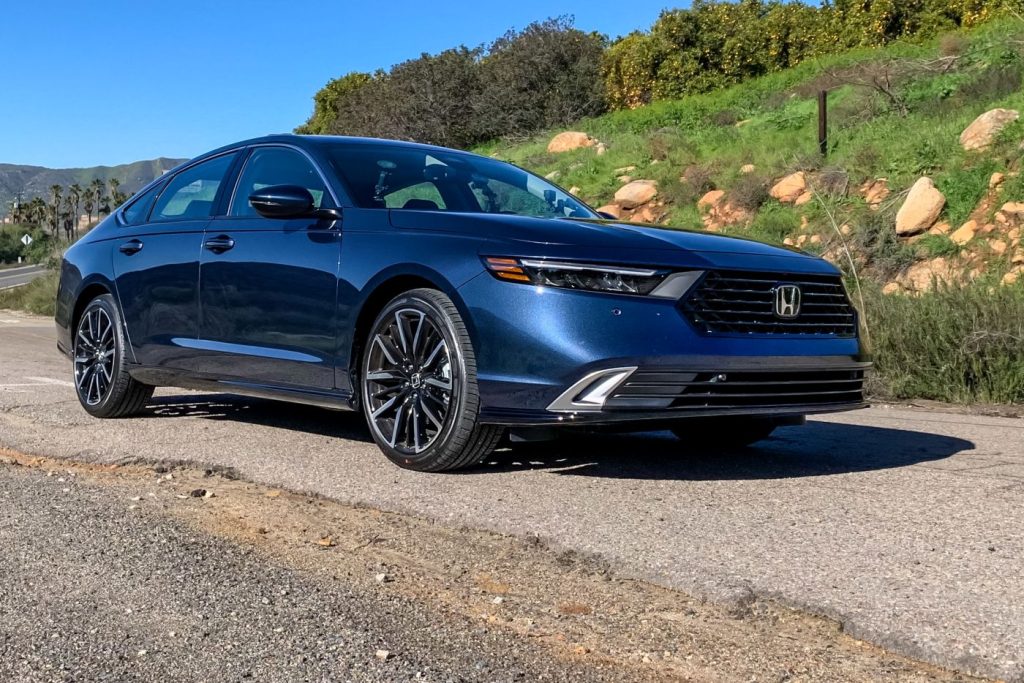
Beneath the hood, the Accord houses a 192-horsepower turbocharged four-cylinder engine that delivers more than enough energy for most driving situations. This engine pairs seamlessly with a continuously variable automatic transmission (CVT) designed to mimic the behavior of a traditional automatic, giving drivers a familiar and smooth experience behind the wheel.
Together, this powertrain offers a satisfying mix of performance and efficiency, making the Accord enjoyable without compromising on practicality. The Accord comfortably accommodates five passengers in a cabin designed with space and comfort in mind. Standard models feature cloth upholstery, but for those seeking more upscale materials like leather upholstery, you’ll need to move up to the Accord Hybrid variants.
Regardless of trim, there’s an abundance of legroom in both the front and rear seats, allowing occupants to stretch out comfortably. Wide door openings make entry and exit easy, although taller rear passengers may find the headroom slightly snug.
When it comes to cargo space, the Accord impresses with one of the largest trunks in its class, boasting a generous 16.7 cubic feet of storage. This space easily accommodates luggage for long trips or bulky shopping loads. The base trim includes folding rear seats to extend cargo capacity when needed, while the SE trim enhances versatility with 60/40 split-folding rear seats for even more flexible storage options.
5. Chevrolet Impala – 12,700 miles/year
Though no longer produced, the Impala remains a road warrior. Its large trunk, generous seating, and comfort-oriented ride make it perfect for long journeys. Fleet users and families alike have driven these cars far beyond the norm, proving their endurance on America’s highways.
The Chevrolet Impala made its comeback in 2000, stepping in to replace the outgoing Lumina as the brand’s large front-wheel-drive sedan. Among its variants, a special police version was offered, featuring a reinforced suspension system and a 3.8-liter V6 engine designed to handle demanding duty.
In 2004, Chevrolet expanded the lineup with the Impala SS, equipped with a 240-horsepower supercharged 3.8-liter V6, giving it a notable performance edge.
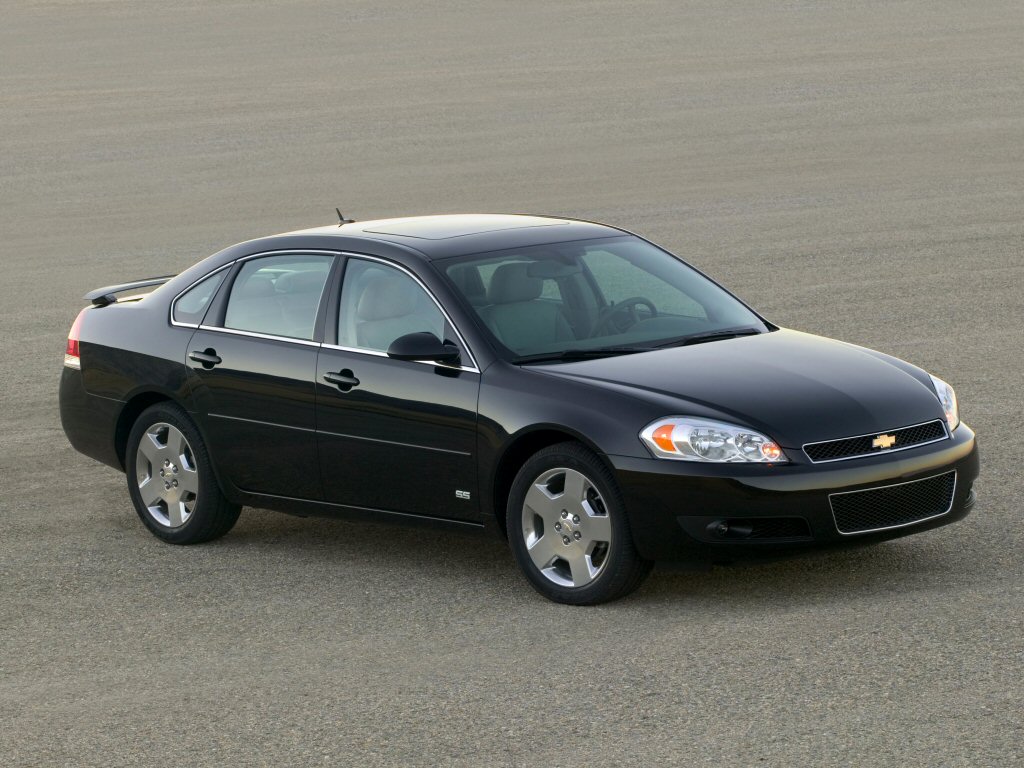
By 2006, Chevrolet unveiled an entirely new Impala generation. While the updated model featured a more subdued and anonymous design, it stood out in the SS trim, which was fitted with a powerful 5.3-liter V8 shoehorned between its front wheels, significantly boosting its performance credentials. Despite these enhancements, most Impalas during this period were destined for fleet sales rather than individual buyers.
In 2008, Chevrolet marked the model’s long history with a 50th-Anniversary Edition, celebrating five decades of the Impala nameplate. The next major redesign arrived for the 2014 model year, offering a more modern and refined version for retail customers. However, the previous generation continued to live on as the Impala Classic, produced exclusively for fleets, and remained available until the 2016 model year.
6. Toyota Camry – 12,600 miles/year
America’s favorite sedan has a reputation for being nearly bulletproof. The Camry’s combination of excellent fuel economy, quiet ride, and low ownership costs encourages owners to drive it for years. It’s the type of car you see racking up hundreds of thousands of miles with little drama.
The standard four-cylinder engine in the Camry is paired with a smooth eight-speed automatic transmission, delivering seamless shifts but falling short in terms of acceleration performance. A less powerful version of this engine is combined with a battery and two electric motors to create the Camry hybrid system. While efficient, this hybrid setup isn’t any more thrilling to drive than the base powertrain.
The standout option in the lineup is the refined 301-horsepower V-6, which is offered on the XLE, XSE, and the sportier TRD variant. This engine brings a level of performance that makes the Camry genuinely enjoyable to drive.
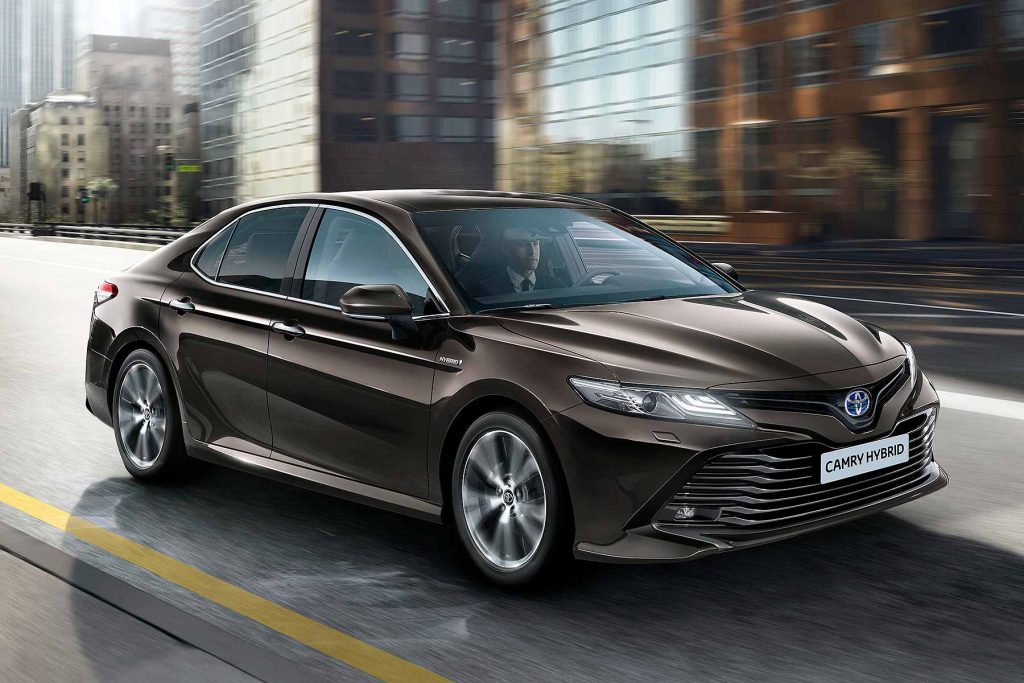
Beyond the powertrain, Toyota has fine-tuned the driving experience, gone are the days when the Camry felt dull. The suspension provides a well-controlled ride, while the handling is surprisingly responsive for a midsize sedan.
The steering feels nicely balanced, offering a solid and substantial feel during cornering, yet remaining light and easy when navigating tight spaces like parking lots.
Additionally, the brake pedal delivers a responsive and firm feel without being overly soft, even on the hybrid models where braking blends friction with regenerative technology to recharge the battery pack. The only drawback is at lower speeds in the hybrid, where the brake pedal can feel overly sensitive, sometimes leading to slightly jerky movements during parking maneuvers.
7. Honda Civic – 12,600 miles/year
The Civic is popular with young professionals, students, and city dwellers who frequently take long trips. Its compact size makes it easy to maneuver, while its dependable engine and low maintenance costs allow owners to drive it hard without fear. Many Civics are still going strong well past the 200,000-mile mark.
The entry-level LX and Sport trims feature a 2.0-liter four-cylinder engine that generates 150 horsepower, paired with a continuously variable automatic transmission (CVT) and front-wheel drive. New for 2025, the Sport Hybrid and Sport Touring Hybrid trims bring a 200-horsepower hybrid powertrain to the lineup.
This setup not only matches the output of the sporty Si model but also achieves outstanding EPA fuel economy ratings of up to 49 mpg combined. Unlike the Si, which is sold only as a sedan, and the Type R, available solely as a hatchback, the hybrid Sport and Sport Touring trims are offered in both sedan and hatchback body styles.
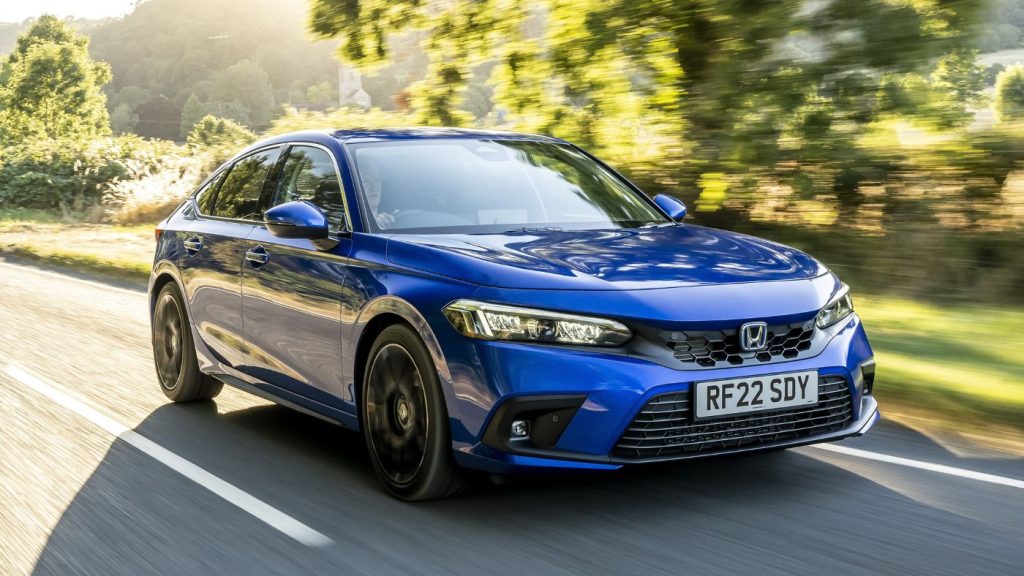
For those who crave performance, the Civic Si and Civic Type R stand out as the enthusiast-focused options. The Si comes equipped with a turbocharged 1.5-liter four-cylinder engine that produces 200 horsepower and pairs exclusively with a six-speed manual transmission, providing an engaging drive.
Sitting at the top of the range, the Civic Type R boasts a turbocharged 2.0-liter engine that churns out 315 horsepower, also paired with a six-speed manual featuring rev-matching technology. It’s further enhanced by upgraded suspension, brakes, and aerodynamics to deliver serious track-ready capabilities.
8. Volkswagen Jetta – 12,400 miles/year
The Jetta delivers a European-style driving experience at an affordable price. With supportive seats, strong fuel efficiency, and a smooth ride, it’s perfect for long-distance travelers who want comfort without luxury car costs. Owners often praise its fun-to-drive nature, making those extra miles more enjoyable.
The 2025 Jetta continues to use the turbocharged 1.5-liter four-cylinder engine, producing 158 horsepower and 184 pound-feet of torque. For this model year, the six-speed manual transmission is now exclusive to the sportier Jetta GLI, leaving the eight-speed automatic to manage gear changes across all other trims.
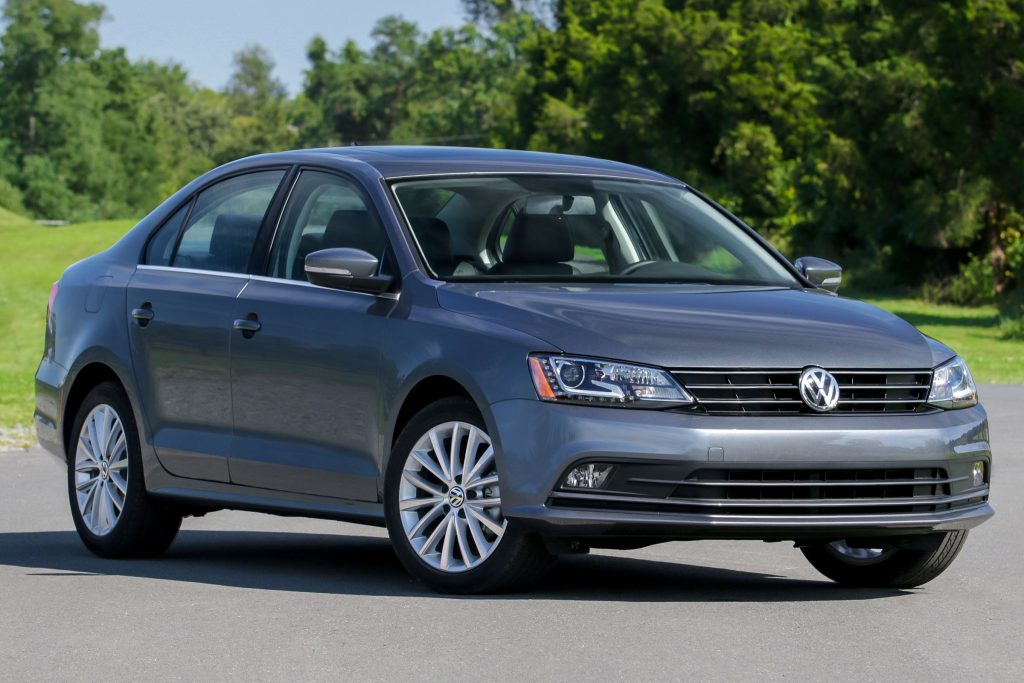
During our initial test drive, the latest Jetta felt very similar to its predecessor in terms of driving dynamics. Its chassis is tuned with an emphasis on delivering a quiet, comfortable ride rather than sharp, performance-oriented handling. That said, the Jetta still offers an enjoyable driving experience within its capabilities. However, drivers should note that its steering lacks the precision found in the GLI version or rivals like the Mazda 3.
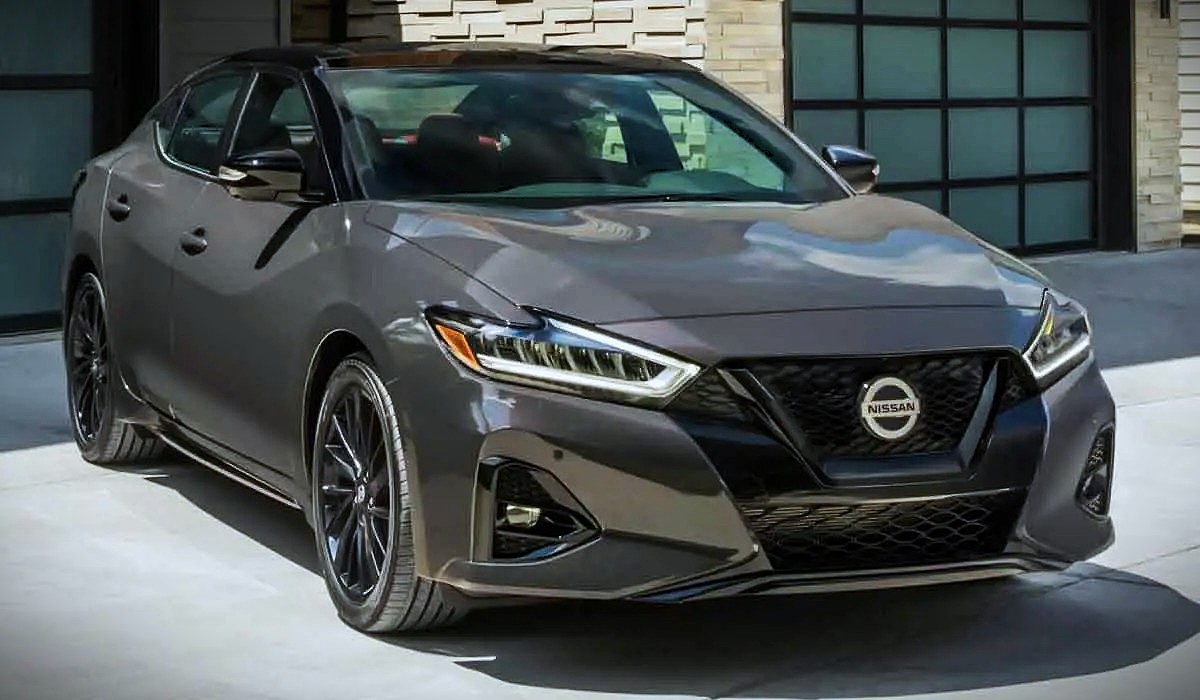
9. Nissan Maxima – 12,400 miles/year
As Nissan’s “four-door sports car,” the Maxima blends power with comfort. Its strong V6 engine makes highway driving effortless, and the upscale interior encourages long drives. Many owners use it for extended road trips, adding to its high annual mileage.
The Nissan Maxima stands out as one of the faster full-size sedans, powered by a 3.5-liter V-6 that delivers an impressive 300 horsepower and a satisfying growl when pushed. This engine provides strong acceleration, moving the Maxima with real intent. However, the continuously variable automatic transmission (CVT) slightly undermines its aspirations as a true sports sedan.
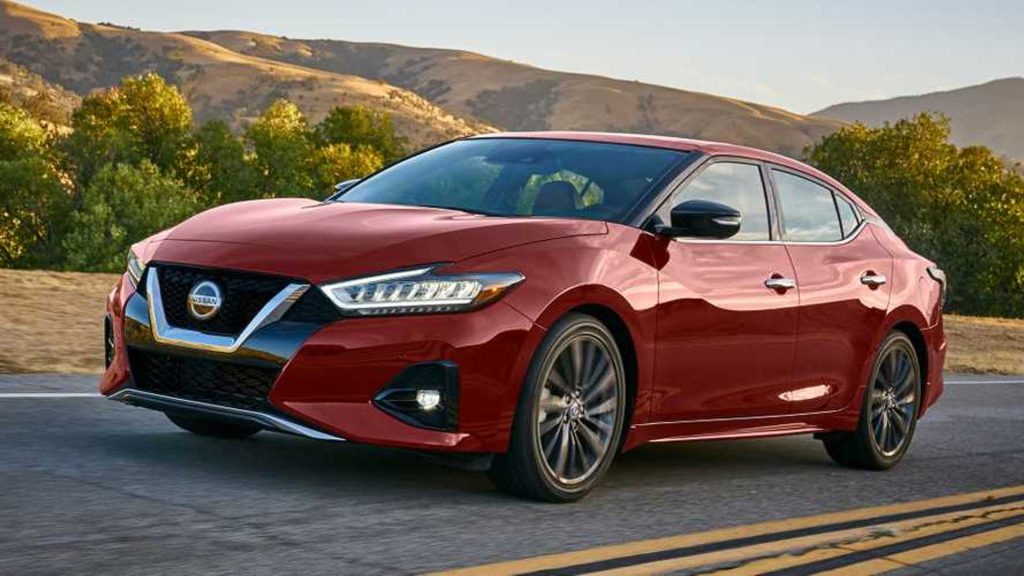
In testing, the Maxima Platinum achieved a 0-to-60 mph time of 5.7 seconds, putting it ahead of competitors like the Volkswagen Arteon and V-6-equipped versions of the Dodge Charger. Handling is another area where the Maxima shines for its class.
The suspension is well-damped and firm, arguably a bit too stiff for some drivers seeking comfort but this setup contributes to minimal body roll during aggressive cornering. In fact, during evaluations, the Maxima SR demonstrated superior handling compared to its rivals.
10. Ford Taurus – 12,400 miles/year
Though discontinued, the Taurus was beloved by fleet users, law enforcement, and families. Known for its spacious interior and robust build, it could handle thousands of miles without breaking a sweat. Even today, many older Tauruses are still on the road doing daily duty.
Once a staple in American driveways, the Ford Taurus has reached the end of its road, with 2019 marking its final model year. Production officially ceased in March 2019, meaning any Taurus still on dealer lots represents the last of this long-running nameplate.
Most Taurus models are equipped with a 3.5-liter V-6 producing 288 horsepower, paired with a six-speed automatic transmission that sends power to either the front or all four wheels.
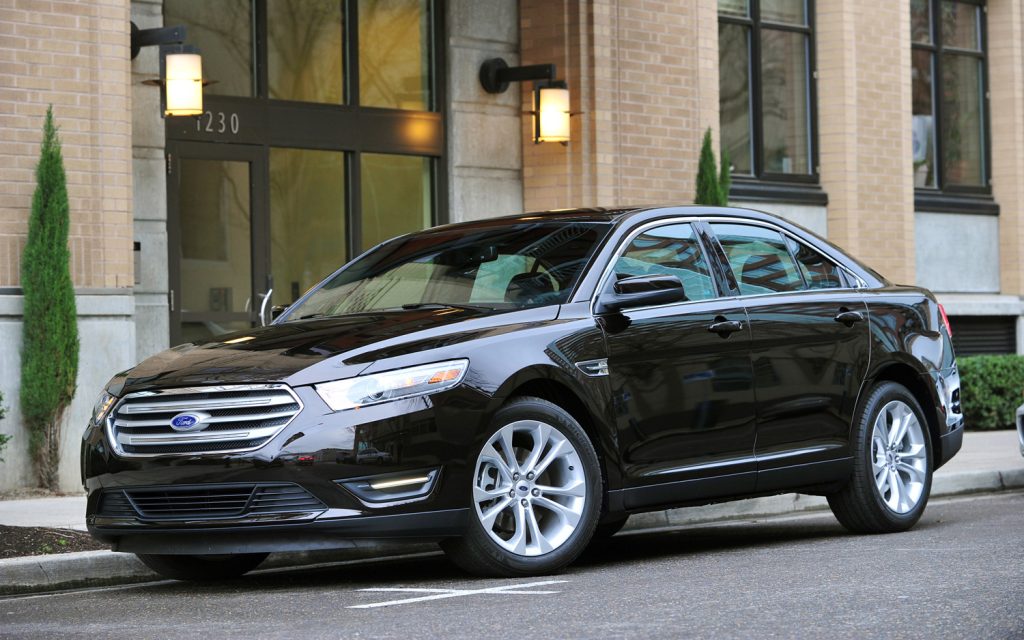
This setup has been in place since 2010, though earlier versions of the engine produced just 263 horsepower. At the test track, a 2013 Taurus with 288 horsepower reached 60 mph in 7.0 seconds. While it delivers a smooth and comfortable ride, its suspension lacks excitement for those craving dynamic handling.
For drivers seeking more performance, the high-output SHO variant offers a twin-turbocharged 3.5-liter V-6 generating 365 horsepower. In testing, the SHO proved significantly faster, clocking a 0-to-60 mph time of 5.2 seconds while injecting an extra dose of driving enthusiasm.
Why These Cars Rack Up More Miles
These cars excel because they’re dependable, comfortable, and efficient. Hybrids like the Prius make fuel costs negligible. Reliable brands like Honda and Toyota inspire confidence to drive further. Fleet-friendly models like the Malibu and Taurus simply get used more because they’re designed to last under heavy use.
This list focuses on passenger cars, but full-size trucks and SUVs like the Ford F-150 or Chevrolet Suburban often log 15,000–18,000 miles annually due to work demands and family travel. When you consider all vehicles, these larger models lead the pack.
High mileage isn’t inherently a problem. Vehicles that consistently handle heavy use well tend to hold their value and reputation. Still, buyers should always check maintenance records to ensure a car’s long-term health when buying used.
These 10 models prove that some cars are truly built to handle America’s demanding driving habits. Whether it’s the fuel-sipping Prius or the ever-reliable Camry, these vehicles earn their miles and keep drivers on the road with confidence. If you’re planning to rack up serious mileage, these are the cars you can trust to go the distance.
