
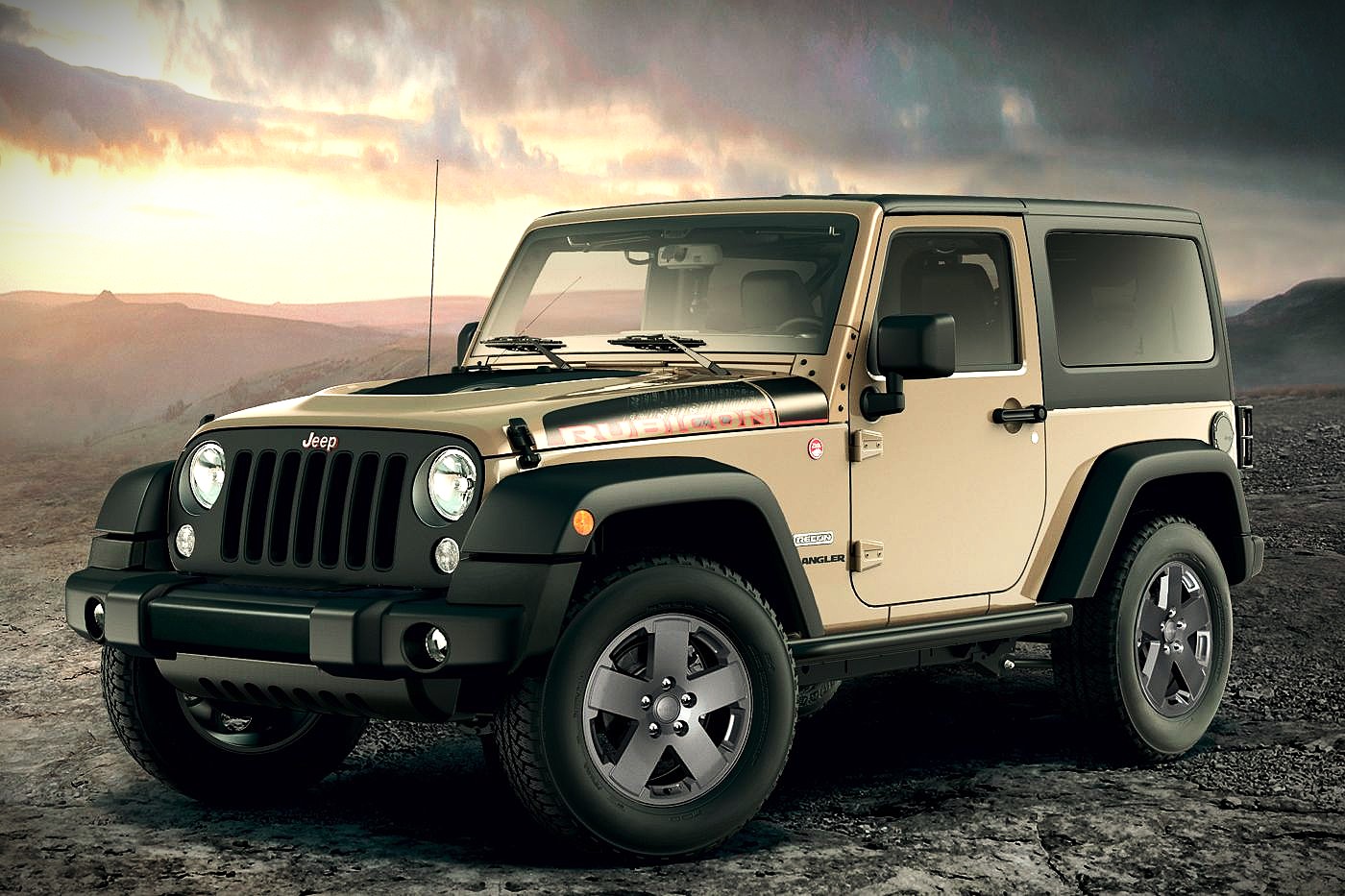
For most new cars, the harsh reality is that the moment you drive off the lot, you’re losing money. Depreciation hits fast and hard, by the time a typical car is five years old, it’s often worth barely half of what you paid. But not every vehicle follows that script. A select few manage to hold on to their value, even thriving in the used market.
These cars have something special, whether it’s legendary reliability, fanatical brand loyalty, or features that stay relevant long after competitors fade. Some are rugged trucks that buyers trust to run forever, while others are performance icons or tech-forward EVs that remain in high demand.
In this list, we spotlight 12 cars that retain over 70% of their value after five years. If you’re looking for a new vehicle that won’t drain your wallet when it’s time to sell, these are the models that deliver long-term value and peace of mind.
1. Toyota Tacoma
Known for its rugged durability and off-road capability, the Tacoma is legendary in the truck world. Buyers trust that even a high-mileage Tacoma will perform, which keeps resale prices high. Demand is so strong that used models often sell for close to new prices.
The Tacoma’s available V-6 engine offers solid performance and respectable towing capability, but its standard four-cylinder engine feels underpowered and is best avoided.
The six-speed automatic transmission, available with both engines, tends to be finicky and hampers overall performance. For the best driving experience, pair the V-6 with the six-speed manual transmission, which makes better use of the engine’s capabilities. When equipped with the automatic, the V-6 can feel sluggish under load.
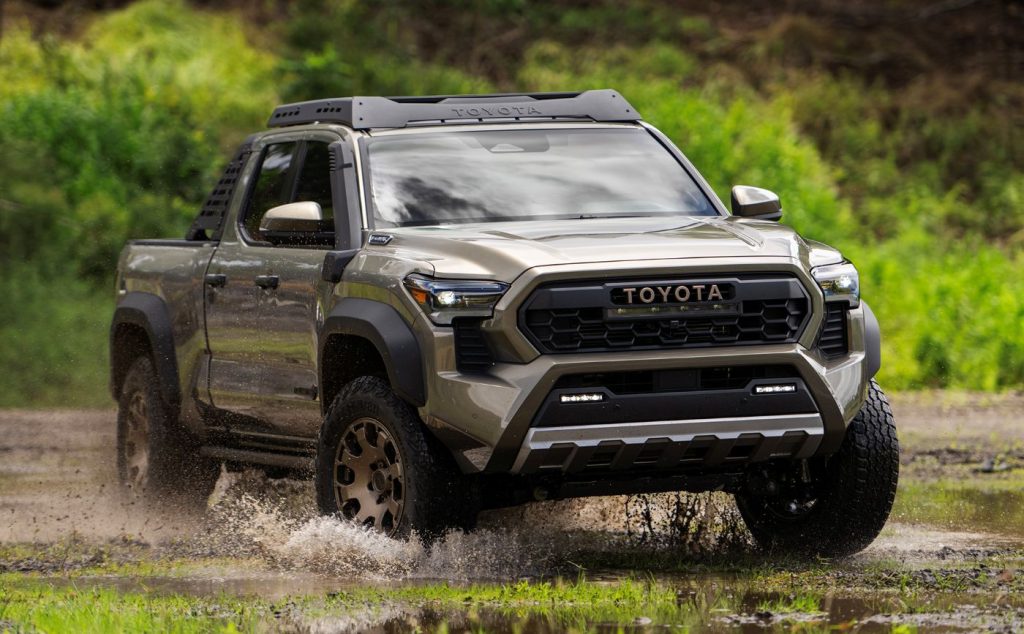
Trim levels cater to different driving environments. The TRD Sport and Limited models are more suited to urban use, while the TRD Off-Road and TRD Pro trims are designed to handle rough terrain. Despite these variations, none of the Tacoma models are particularly quick on the road. While it’s not the segment leader for ride comfort or handling, the Tacoma shines when it comes to tackling trails or unpaved back roads.
The Limited trim delivers a more refined experience, offering a ride that is smoother and quieter than the off-road-oriented versions. On the other hand, the TRD Pro, with its lifted suspension, robust shock absorbers, and aggressive tires, excels as an off-road beast but sacrifices some comfort for everyday driving.
Also Read: Top 10 Cars With Easy-to-Clean Floors and Accessible Interiors
2. Toyota 4Runner
This body-on-frame SUV hasn’t changed much over the years, and that’s exactly why it holds value. The 4Runner is renowned for reliability and adventure-readiness, making it a top pick for buyers seeking a long-lasting SUV. Used ones rarely linger on dealer lots.
In the end, the outgoing 4Runner’s thirsty engine, dated interior, and clumsy road manners made it increasingly difficult to ignore its age. Its outdated tech features and cramped third-row seating only reinforced that sense of obsolescence.
That’s why the arrival of the 2025 4Runner feels like a breath of fresh air. We haven’t driven it yet, but it’s already shaping up to be a massive improvement over its predecessor.
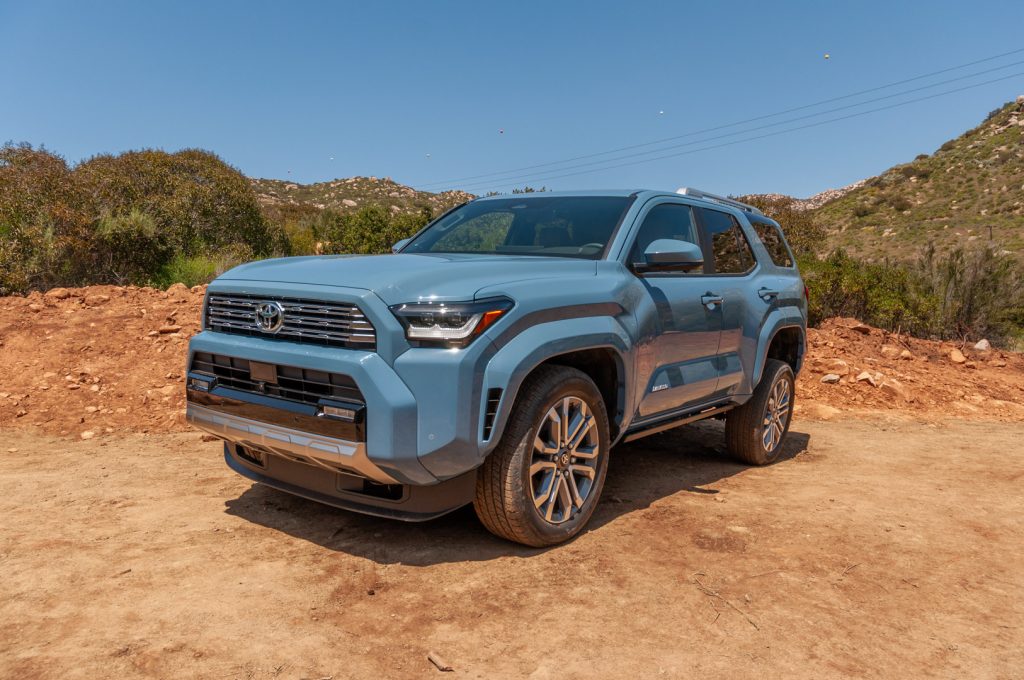
After getting an early look inside, we were impressed by its cleaner design and more rugged, truck-inspired details, it shares much of its interior design with the new Tacoma, which is a good thing. We’re eager to see how this redesigned off-roader performs once we put it through our full instrumented testing.
The previous generation’s single powertrain, a 4.0-liter V-6 paired with a five-speed automatic, produced 270 horsepower and 278 lb-ft of torque but felt sluggish in most situations.
For 2025, Toyota offers the new 4Runner with two powertrain choices. The standard setup is a 2.4-liter turbocharged inline-four, producing 278 horsepower and 317 lb-ft of torque, paired with an eight-speed automatic transmission.
For those seeking more power and efficiency, there’s the i-Force Max hybrid powertrain. This system combines the turbo-four with an electric motor integrated into the transmission, boosting output to 326 horsepower and 465 lb-ft of torque, the most powerful setup ever offered in a 4Runner.
3. Jeep Wrangler
The Wrangler’s iconic design and strong off-road reputation make it one of the few vehicles that’s almost immune to heavy depreciation. Enthusiasts are willing to pay a premium for even older Wranglers, and special editions hold value even better.
One of the standout qualities we noted was its relatively civilized on-road behavior compared to its predecessors. Still, the steering and handling remain rough around the edges when measured against today’s more refined crossovers.
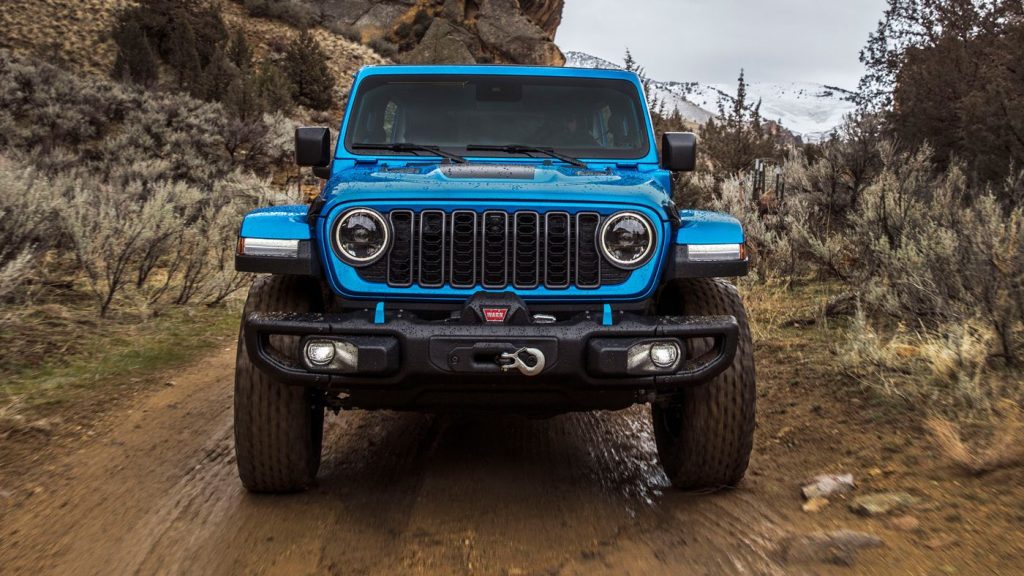
That lack of polish cost the Wrangler top honors in an affordable off-road SUV comparison. When matched up against its chief rival, the Ford Bronco, the Wrangler has both triumphed and fallen short, outcomes often hinging on the chosen engine and trim level.
Jeep offers a lineup of trims and powertrains nearly as varied as the Porsche 911’s range. The introduction of the 4xe plug-in hybrid and the 470-hp Rubicon 392 has only widened its appeal, catering to eco-conscious buyers and thrill-seekers alike. We’re particularly fond of the Willys model for its balanced capability. Regardless of the configuration, the Wrangler boasts the strongest retained value of any vehicle on the market.
4. Porsche 911
Sports cars usually depreciate quickly, but not the 911. This Porsche icon combines performance, prestige, and heritage that collectors crave. Demand stays high for every generation, keeping its resale values far above most luxury sports cars.
The base Carrera packs a twin-turbocharged 3.0-liter flat-six producing 388 horsepower, and it feels even stronger than the numbers suggest. Step up to the Carrera S or the all-wheel-drive Carrera 4S, and you’ll get more muscle and sharper performance thanks to a 473-hp version of the same twin-turbo flat-six.
These S models come exclusively with an eight-speed PDK dual-clutch automatic transmission. They also inherit the previous GTS model’s beefier brakes, a sport-tuned exhaust, and upgraded dampers for enhanced driving dynamics.
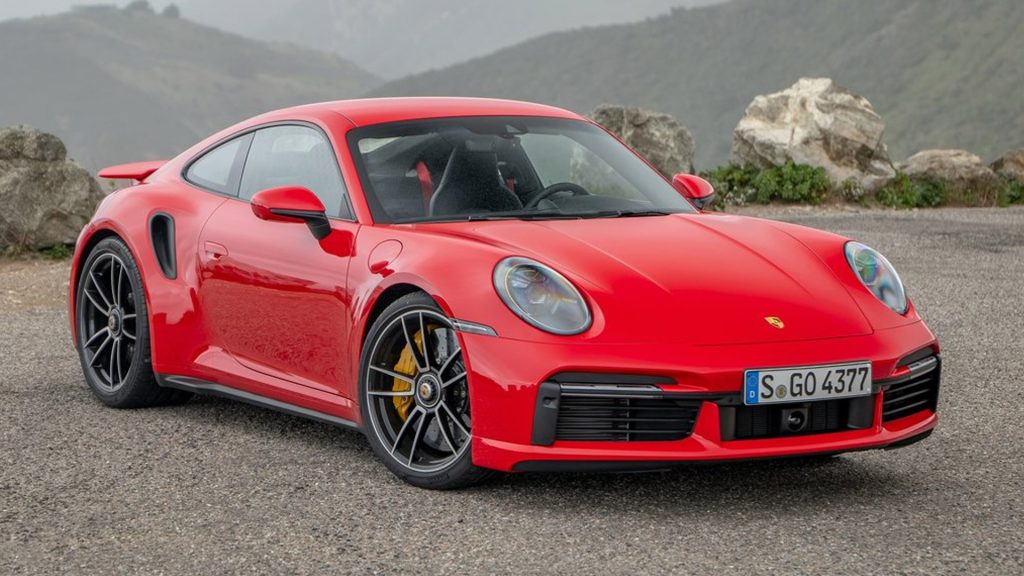
The current GTS introduces a T-Hybrid powertrain built around a 3.6-liter six-cylinder boxer engine. This system uses a single electric turbocharger and an electric motor/generator that adds 54 horsepower and 110 pound-feet of torque, bringing total output to 532 horsepower.
The electric motor is integrated into the PDK transmission housing, and the entire setup runs on a 400-volt electrical system with a 1.1-kWh lithium-ion battery storing the energy.
Also Read: Top 10 Body-on-Frame SUVs That Last a Lifetime
5. Toyota Tundra
Like its smaller sibling, the Tacoma, the Tundra enjoys Toyota’s bulletproof reliability reputation. Despite fierce competition from domestic trucks, its strong resale value is proof that buyers see it as a safe long-term investment.
The Toyota Tundra is the brand’s full-size pickup, offered in two cab configurations, three bed lengths, and with the choice of rear- or four-wheel drive. Under the hood, you’ll find two turbocharged V6 options, one of which is a hybrid that integrates an electric motor between the engine and transmission.
With a maximum towing capacity of 12,000 pounds, the Tundra holds its own against rivals in the segment. Its true advantage lies in its solid build quality, modern technology, and comprehensive safety features, making it a well-rounded truck for a wide range of buyers.
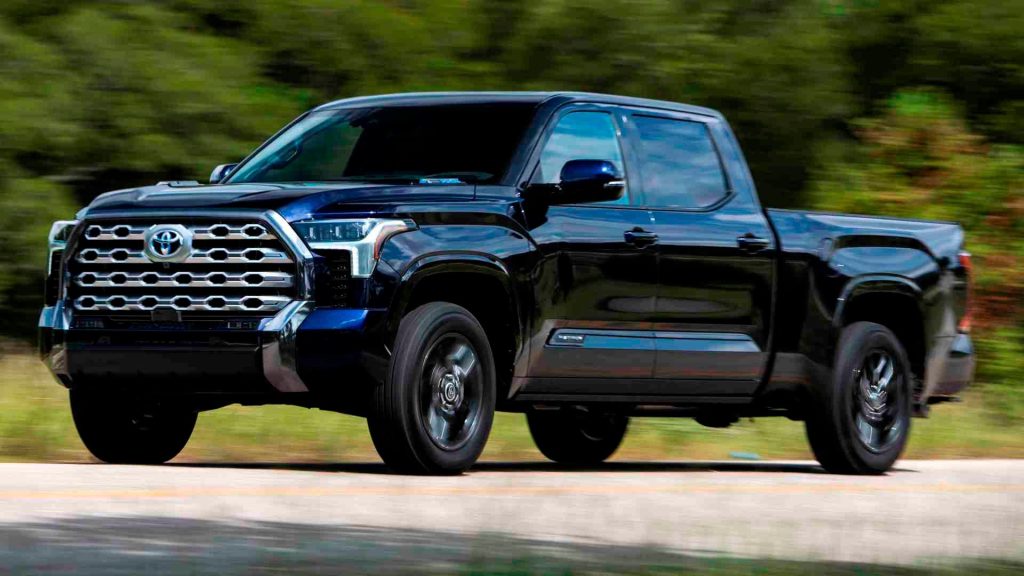
The 2025 Tundra lineup spans everything from no-nonsense work trucks to premium, fully equipped models. Even the entry-level SR trim isn’t barebones—it includes adaptive cruise control as well as Apple CarPlay and Android Auto for seamless smartphone integration. Moving up to the Limited trim adds a slew of creature comforts, such as a massive 14-inch touchscreen and heated and ventilated front seats.
For those wanting more capability, the off-road-focused TRD Pro and the luxury-oriented Capstone trims both come standard with the high-output hybrid powertrain and four-wheel drive. The TRD Pro, in particular, is purpose-built for rough terrain, boasting a lifted suspension, skid plates, and an electronic locking rear differential to tackle challenging trails with ease.
6. Lexus GX
The GX is essentially a luxury version of the Toyota Land Cruiser Prado, and it shares that platform’s durability. While it’s a high-end SUV, its reputation for lasting well past 200,000 miles keeps used prices high.
While most modern SUVs lean heavily toward city comfort and highway manners, the 2021 Lexus GX 460 takes a more rugged approach. This luxury SUV is engineered to handle rough trails and challenging terrain, thanks to a specialized suspension system that enhances wheel articulation during off-road driving.
Pair that with its full-time 4WD system and low-range gearing, and the GX 460 delivers excellent traction in conditions where many crossovers would struggle.
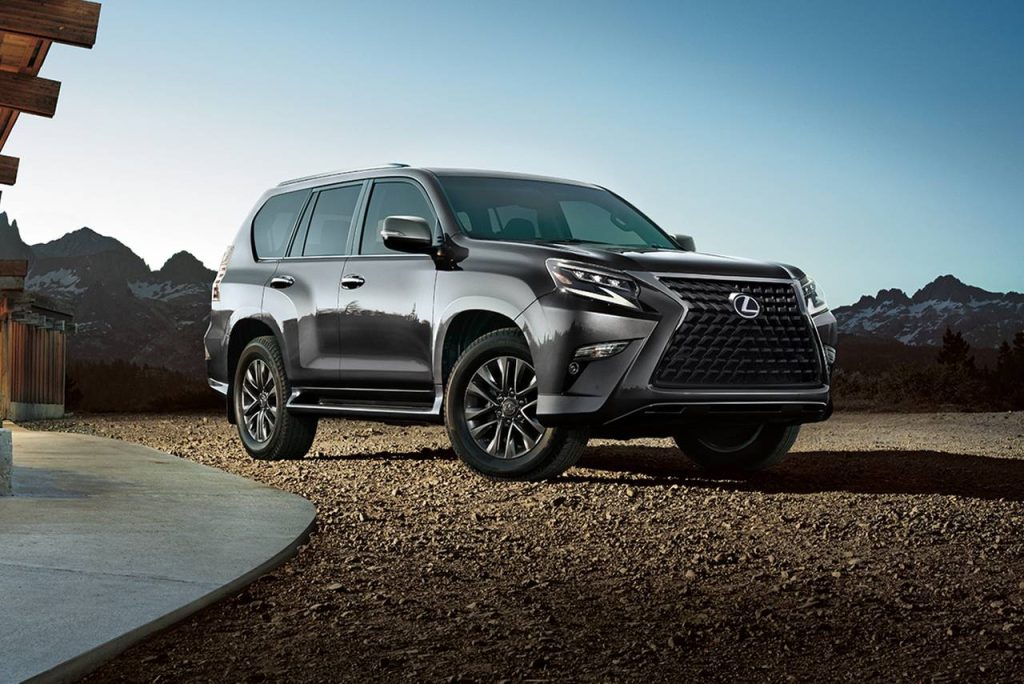
Despite its off-road credentials, the GX 460’s strengths come with trade-offs. The ride can feel stiff on imperfect pavement, sacrificing the plushness you might expect in a luxury SUV.
Additionally, its V8 engine, while durable, is both underpowered for the segment and extremely thirsty at the pump. Cargo space is also limited compared to rivals. Other SUVs, like the Land Rover Discovery, manage to offer similar off-road capability while retaining better on-road comfort and overall utility.
7. Toyota Land Cruiser
Even with its recent discontinuation in the U.S., the Land Cruiser’s resale value is sky-high. Known worldwide for its reliability and capability, buyers snap them up quickly, often paying top dollar for well-kept models.
The 2025 Toyota Land Cruiser continues its legacy as a go-anywhere, do-anything SUV, now with a modern twist. After its redesign last year, the Land Cruiser shed some size, adopted new styling, and replaced its thirsty V8 with a hybridized turbocharged four-cylinder.
While the new engine makes less power than the outgoing V8, it dramatically improves fuel economy, an upgrade many buyers will welcome. For 2025, the only notable change is the elimination of the limited-run First Edition trim.
The Land Cruiser 1958, along with the rest of the lineup, is fully equipped for serious trail work. A full-time four-wheel-drive system with low-range gearing forms the backbone of its capability.
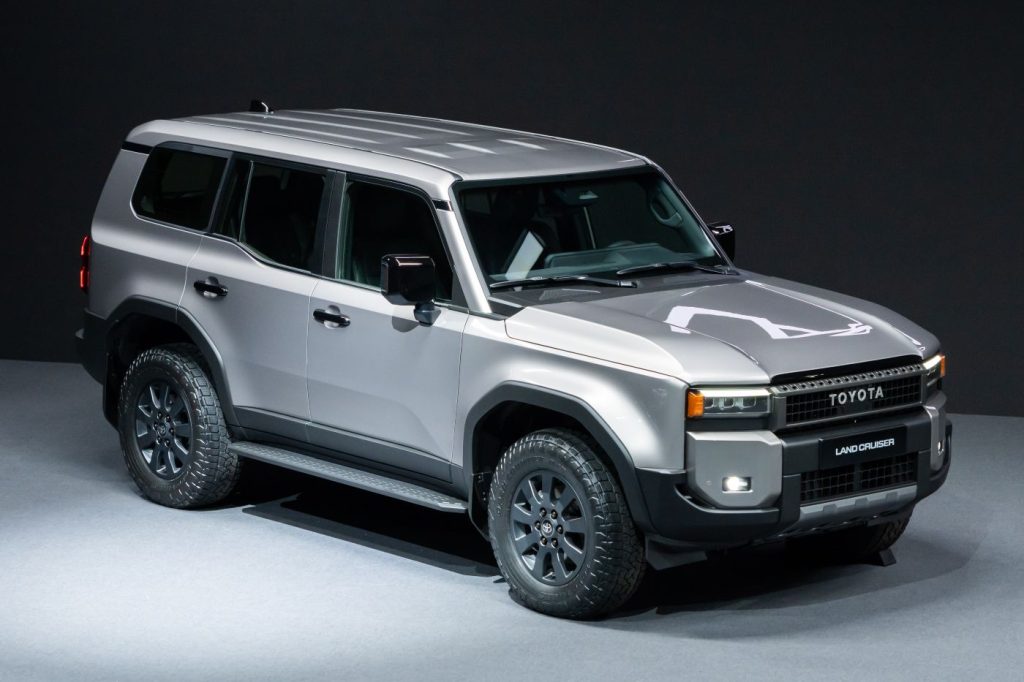
Standard locking center and rear differentials further enhance traction when tackling rocky or uneven terrain. For those who plan to push the limits, an optional automatically disconnecting front stabilizer bar boosts front wheel articulation at the press of a button.
On top of its mechanical hardware, the Land Cruiser also leverages technology to make off-road driving easier and safer. It features multiple off-road traction control modes, low-speed crawl control, and an available multi-camera system that projects trail views onto the dash screen, helping drivers navigate tight or technical sections with precision.
With its blend of rugged capability, improved efficiency, and a host of driver-assist features, the 2025 Land Cruiser cements itself as a top choice for those who want an SUV that’s as at home on the trail as it is on the pavement.
8. Subaru WRX
The WRX’s mix of rally-inspired performance and all-weather capability makes it a cult favorite. Strong demand from enthusiasts means used WRXs hold their value far better than most compact performance cars.
The Subaru WRX sticks to its rally-bred roots with a powertrain that’s the same across the lineup: a turbocharged 2.4-liter flat-four making 271 horsepower and 258 pound-feet of torque.
All-wheel drive is standard, as expected, and buyers can choose between a traditional six-speed manual or a continuously variable automatic transmission (CVT). The CVT comes standard on the GT model and is optional on the Premium and Limited trims. Depending on trim, the WRX rolls on either 17- or 18-inch summer tires.
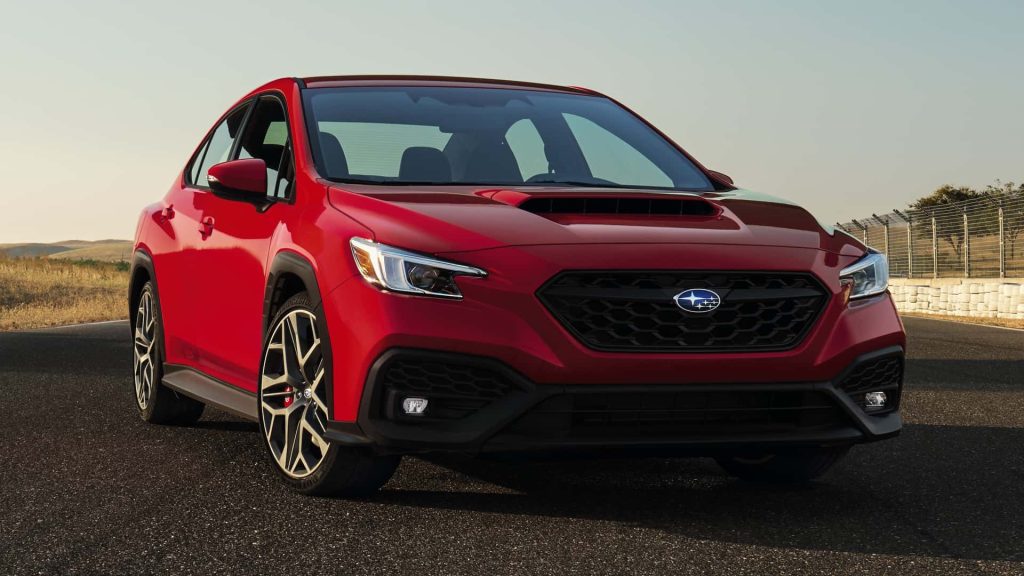
For 2025, the spotlight is on the new WRX tS, which steps up from the outgoing TR with notable performance enhancements. It features a revised suspension with adaptive dampers and upgraded Brembo brakes with larger pads and rotors.
Subaru says these changes improve fade resistance, pedal feel, and stopping power. On the racetrack, the tS delivered on those claims, showing off confident braking and composed handling, though it didn’t quite replicate that magic on our own test track.
Stylistically, the tS distinguishes itself with blacked-out trim on the side mirrors, antenna, and rear spoiler, contrasted by gold Brembo calipers and exclusive 19-inch satin gray wheels. The result is a WRX that’s sharper both in performance and appearance, appealing to enthusiasts who want a car that feels at home on a winding back road or the occasional track day.
9. Tesla Model X
Electric cars can be hit or miss with depreciation, but the Model X is an exception. Its cutting-edge tech, distinctive design, and strong demand in the EV market help it retain value even with newer models constantly rolling out.
The Tesla Model X continues to stand out as a singular force in the SUV segment, even years after its debut. Its futuristic design, highlighted by those theatrical falcon-wing rear doors is only part of the story.
Underneath the spectacle lies a vehicle that delivers blistering acceleration unmatched by any other SUV, electric or otherwise. Pair that with an estimated driving range of up to 360 miles, and you’ve got a package that’s as practical for long trips as it is thrilling to drive.
For the 2021 model year, Tesla refreshed the Model X with a series of interior upgrades, including a sharper 17-inch touchscreen, an updated instrument cluster, and a yoke-style steering wheel that feels more like it belongs in a fighter jet than an SUV. While the new steering setup remains polarizing, it cements the Model X’s role as a tech-forward trendsetter.
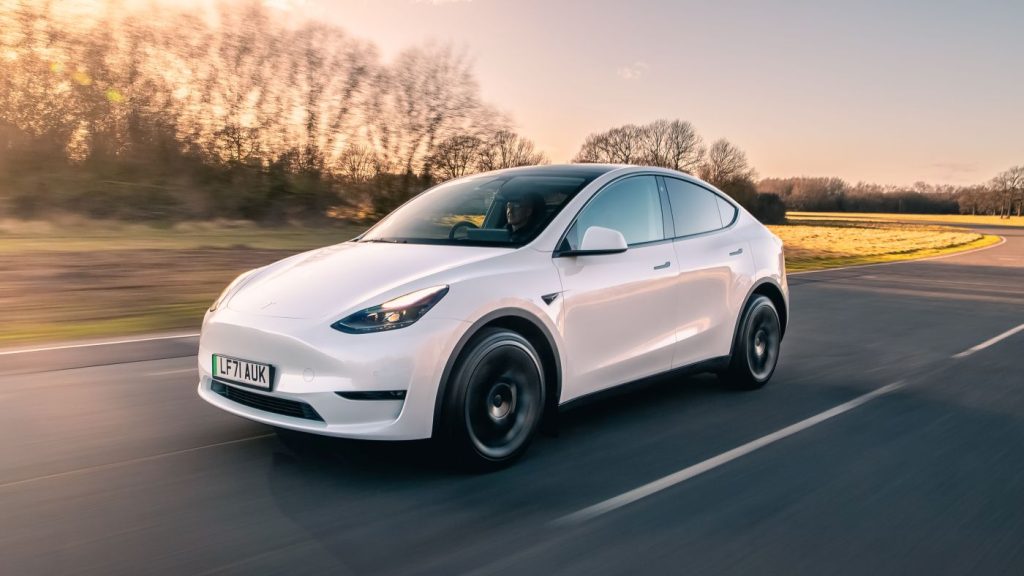
The high-performance version, previously called Performance, was rebranded as the Plaid, packing even more extreme acceleration and a name that’s a tongue-in-cheek nod to Spaceballs.
Direct competition is almost nonexistent. Tesla’s own Model S sedan offers similar speed and range in a sleeker package, and the Model Y delivers a smaller, more affordable alternative. Rivals like the Audi e-tron or Mercedes-Benz GLE may match the Model X on luxury, but they can’t touch its combination of range and raw performance.
In a market where most SUVs blend into the crowd, the Model X continues to be a unicorn—a rare mix of practicality, technology, and outrageous speed.
10. Ford Bronco
The modern Bronco’s launch was met with sky-high demand, and that hasn’t cooled. Limited availability and a strong following mean lightly used Broncos often sell for close to new prices. Enthusiasts love its off-road chops, keeping resale strong.
The Ford Bronco offers two potent engine options that balance power with versatility. The base setup is a 300-horsepower turbocharged 2.3-liter four-cylinder, which can be paired with a 10-speed automatic or an optional seven-speed manual transmission, ideal for purists who crave a more hands-on experience.
For those seeking extra muscle, the available 330-hp twin-turbo 2.7-liter V6 pairs exclusively with the automatic. While neither engine offers a particularly thrilling exhaust note, they both deliver the kind of torque and low-end grunt needed for serious off-roading.
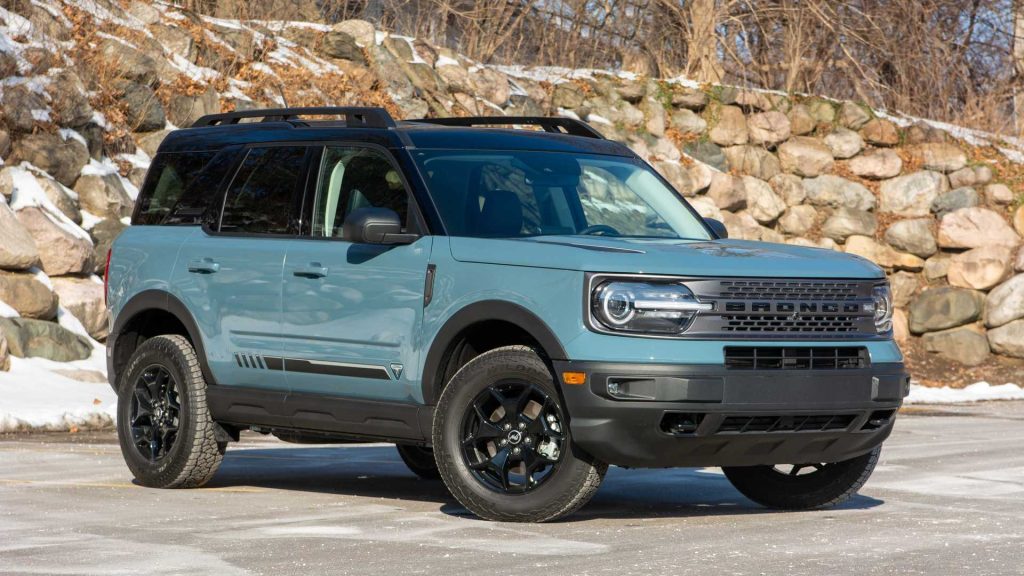
Every Bronco is equipped with a traditional, manually selectable four-wheel-drive system, backed by an independent front suspension that gives it a handling edge over the Jeep Wrangler’s solid front axle. This design pays dividends on paved roads, where the Bronco feels more composed and precise in its steering compared to its Jeep rival.
On the trail, it’s just as formidable. Available hardware such as 35-inch mud-terrain tires, beadlock-capable wheels, front and rear electronic locking differentials, and a sway-bar disconnect system ensure the Bronco can claw its way through punishing terrain without breaking a sweat.
Despite its rugged, body-on-frame construction, the Bronco’s ride is surprisingly livable for everyday driving, at least in trims not equipped with the most aggressive off-road suspension. It blends legitimate trail capability with enough refinement to make it a realistic daily driver, proving that Ford’s reborn icon is far more than a one-trick pony.
Also Read: 5 Chevrolets With Legendary Lifespans vs 5 That Are Money Pits
11. Chevrolet Corvette (C8)
The mid-engine C8 Corvette rewrote what buyers expect from an American sports car. With demand far outpacing supply, resale values have stayed incredibly strong, making it one of the few performance cars that holds its value. The 2021 Chevrolet Corvette started at a base price of $60,995 and can climb to $79,945 depending on the trim level and options selected.
The Corvette is offered as both a coupe and a convertible with a folding hard top. Given that the coupe’s roof can be removed for open-air driving, it’s the more practical choice. Rather than spending extra on the convertible, we’d recommend putting that money toward the 2LT trim, priced at $68,295.
This version adds a wealth of desirable features, such as a head-up display, wireless smartphone charging, heated and ventilated seats, a heated steering wheel, a premium 14-speaker Bose audio system, blind-spot monitoring, and more. For enthusiasts, the Z51 performance package is essential, bundling the Corvette’s top-tier performance upgrades.
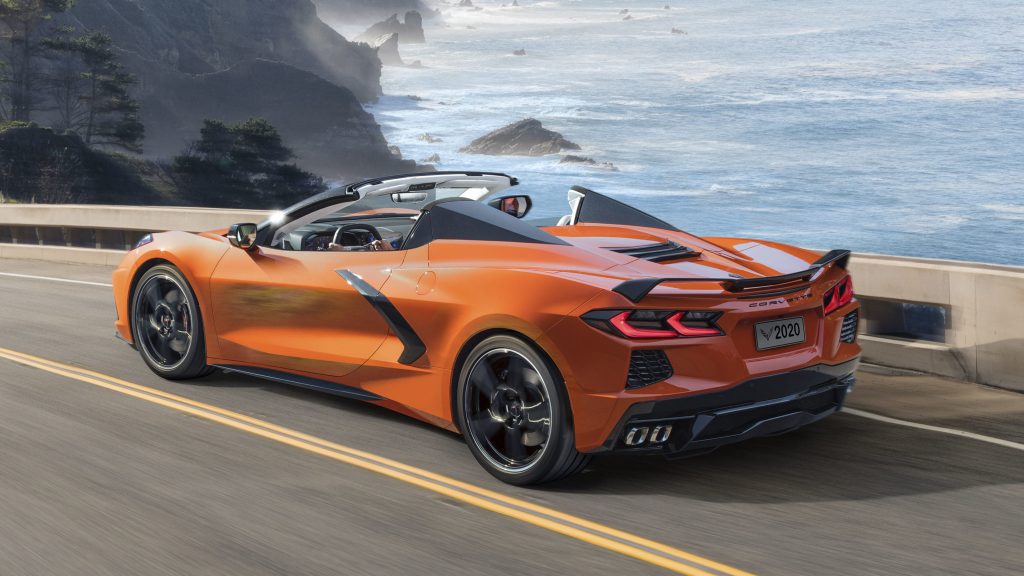
The engine has been relocated behind the passenger compartment, marking a major departure from previous Corvettes, but it’s still a 6.2-liter V-8. In its standard form, it produces 490 horsepower and 470 lb-ft of torque. With the dual-mode performance exhaust included in the Z51 package, output rises to 495 horsepower. The Z51 option also equips the car with an electronic limited-slip rear differential, enhanced brakes, and summer tires for maximum grip.
An eight-speed dual-clutch automatic transmission, new to the Corvette lineup, handles shifting duties. It’s operated through a push-button gear selector on the center console or via large steering-wheel-mounted paddles. Unfortunately, a manual transmission is not offered.
In testing, a Corvette equipped with the Z51 performance package and optional FE4 magnetorheological dampers rocketed from 0 to 60 mph in just 2.8 seconds, completing the quarter-mile in 11.2 seconds at 122 mph.
It also came to a stop from 70 mph in only 149 feet and achieved an impressive 1.03 g on the skidpad. Even in its base configuration, the 2021 Corvette delivers sharp handling and thrilling performance, making it an outstanding choice for both road and track driving.
12. Honda Civic Type R
Hot hatches rarely keep value this well, but the Civic Type R’s combination of performance, practicality, and limited supply makes it a standout. Collectors and enthusiasts keep demand high, especially for well-maintained examples.
For the 2021 model year, Honda introduces the Limited Edition Type R, a special variant that fully justifies its name. Only 1,000 units will be produced worldwide, with 600 reserved for U.S. customers. This exclusive model is offered solely in Phoenix Yellow Pearl paint and stands out with a gloss-black roof panel, black exterior mirrors, and a black hood scoop.
Beyond the cosmetic upgrades, the Limited Edition enhances performance by shedding 38 pounds and equipping stickier Michelin Sport Cup 2 tires. Honda has also recalibrated the steering and damper settings to complement the new wheel-and-tire combination.
The Civic Type R faces off primarily against the Hyundai Veloster N. While the Veloster N falls short in power and suffers from its unusual three-door layout, it offers a fantastic exhaust note and strong performance. However, the Type R remains the standout choice due to its superior handling and everyday usability. The added enhancements of the Limited Edition only reinforce its appeal.
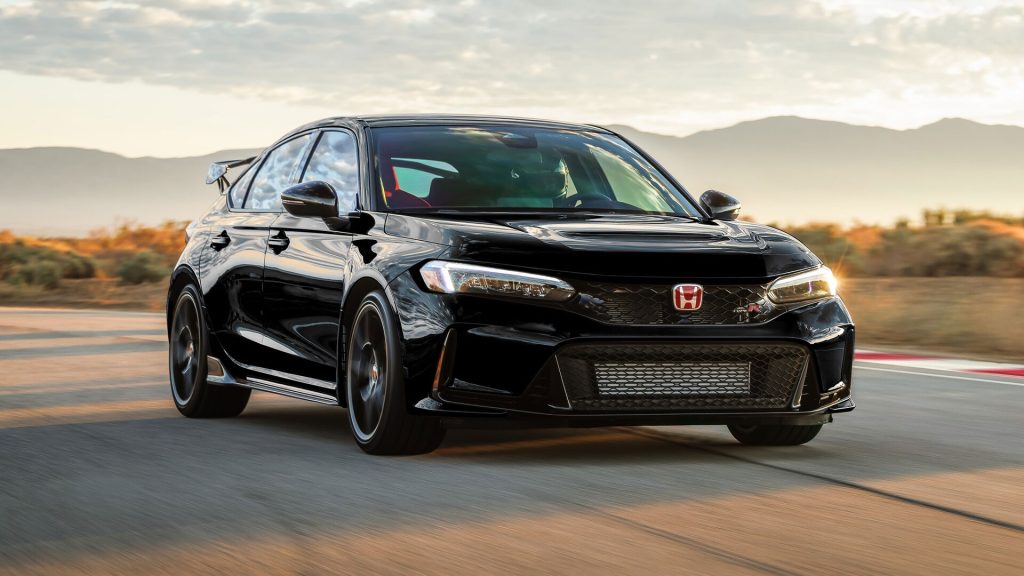
The Civic Type R is as aggressive in performance as it looks. Under the hood sits a turbocharged four-cylinder producing 306 horsepower and 295 lb-ft of torque. The engine feels lively and responsive, delivering power with minimal turbo lag and a sharp throttle response.
A short-throw six-speed manual is the only transmission offered, and it’s a joy to use. The clutch is light yet precise, and the shifter feels perfectly synchronized, giving you an engaging driving experience.
Unfortunately, the triple-pipe center-exit exhaust doesn’t sound as fierce as the car’s wild appearance might suggest. While its subdued tone makes long drives more comfortable, enthusiasts may wish for a louder roar.
On the road, the Type R offers a rare balance: track-ready capability paired with surprisingly good road manners. The car clings to corners with remarkable grip, and its telepathic steering makes every input feel instantaneous. The suspension, while stiffer than the sporty Honda Civic Si, remains impressively compliant, only becoming harsh on rough roads where the 20-inch wheels and low-profile tires transmit sharp impacts.
During our 2017 testing, the Civic Type R showcased its handling prowess by pulling 1.02 g’s on the skidpad, a remarkable figure, especially for a front-wheel-drive car. This blend of precision, power, and usability makes the 2021 Honda Civic Type R, particularly the Limited Edition, a top choice for performance enthusiasts.
Why These Cars Retain Their Value
These models share key traits that keep depreciation in check:
- Proven Reliability: Toyota and Lexus dominate this list for a reason.
- Strong Brand Loyalty: Jeep, Porsche, and Honda have cult-like followings that drive resale demand.
- Limited Supply: Models like the Corvette and Bronco benefit from high demand and constrained production.
- Performance & Capability: Vehicles known for unique capabilities, off-road, towing, or track performance, stay desirable longer.
If you’re buying new and want to protect your investment, these 12 cars are the safest bets. They combine reliability, desirability, and staying power, making them champions in the resale market. In a world where most cars lose value fast, these models prove that the right vehicle can hold strong for years to come.
