
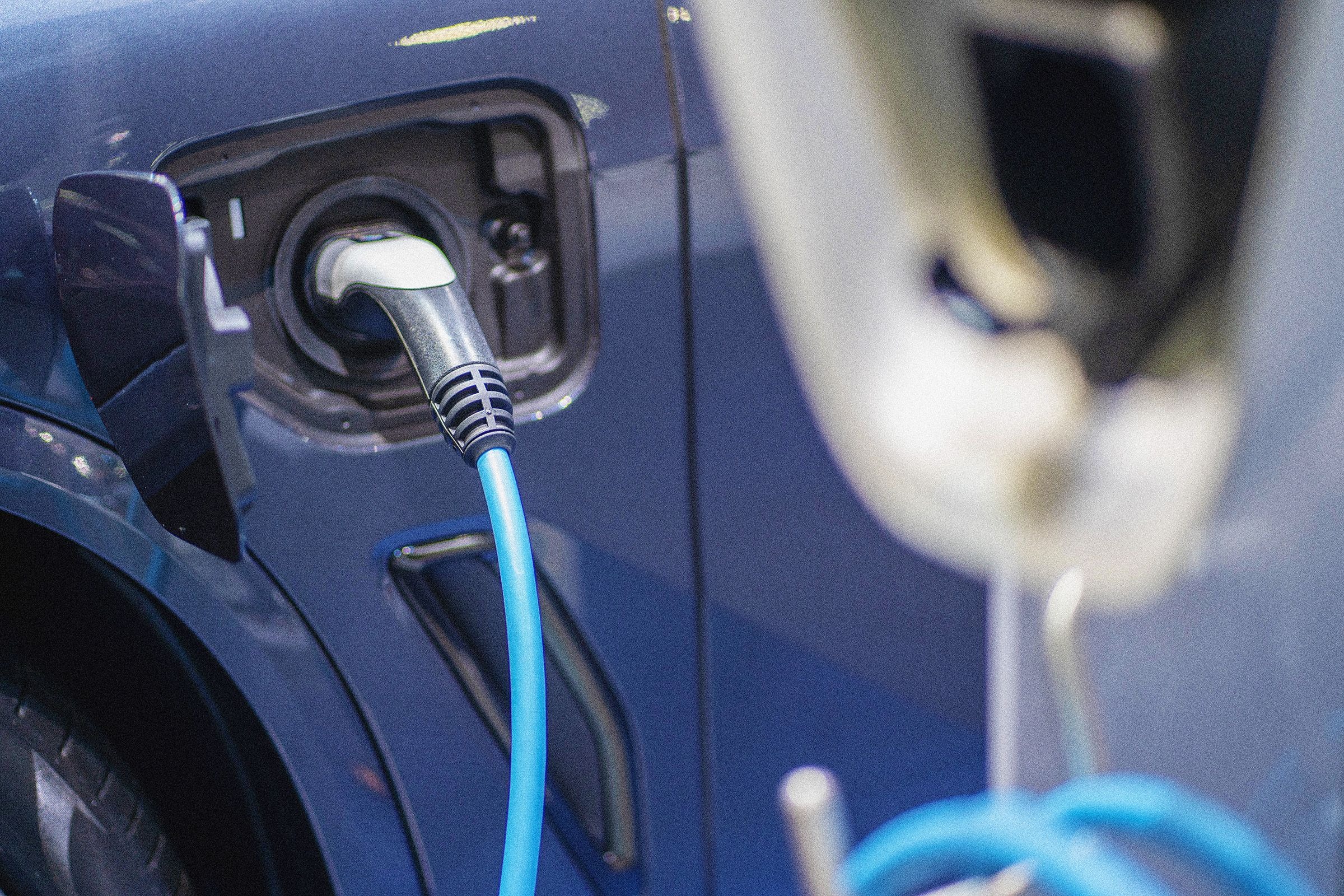
Electric vehicles have started gaining serious ground across American roads, with more people choosing them for their clean energy and reduced running costs. As this growing change continues, the question many ask is not just about how long it takes to charge, but where exactly you can do that charging.
While the idea of simply plugging your car into a wall outlet sounds easy enough, the experience varies from one electric vehicle to another. Some EVs are built with convenience in mind and can draw power from almost any socket, be it at home, the office, or public charging stations.
These models help reduce stress for drivers who move across cities and states, especially those without dedicated charging setups. But not every EV plays nice with every outlet. Some require specific connectors or particular types of fast chargers that aren’t always easy to find, especially outside major urban centers.
When you’re on the move and suddenly realize your plug doesn’t match what’s available nearby, it becomes a serious concern. This kind of challenge can affect your trip, limit flexibility, and add unnecessary pressure.
Manufacturers have started to adjust by including adapters or designing universal compatibility into newer models, but the gap is still present. The type of charging an EV requires affects how practical it is for road trips, spontaneous travels, and even simple daily commutes.
This makes it very important for buyers to understand which EVs give you freedom to charge just about anywhere, and which ones make you think twice about your route.
We’ll now go through five electric vehicles that can connect to nearly any charging point without trouble, and five others that need more careful planning because they work only with specific types of chargers or plugs. This breakdown will help you decide which EV fits your lifestyle best.
5 EVs That Charge Anywhere
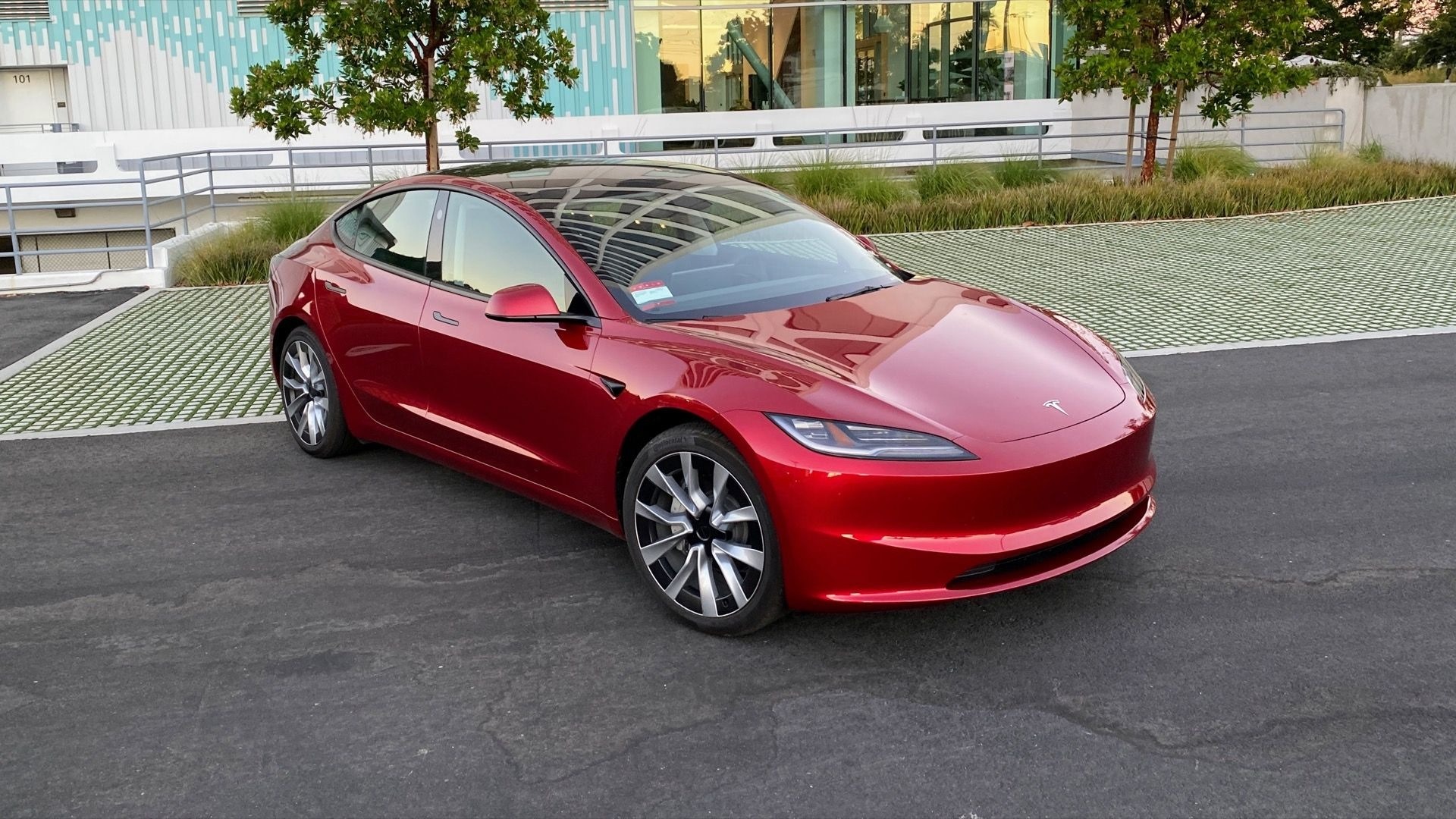
1. Tesla Model 3
Tesla’s Model 3 is among the most versatile electric vehicles available today when it comes to charging access. While Tesla uses its own connector standard in North America, the company equips the car with an adapter that allows it to use the widely accepted J1772 charging plugs as well.
This gives drivers the ability to recharge from almost any public charging station or even basic home outlets with the right cable. Whether you’re parked in a friend’s garage or using a wall socket at a cabin rental, the Model 3 has the setup to keep you going.
Tesla’s Supercharger network is another added advantage. Though it is mainly available to Tesla owners, recent moves to open the network to other brands show Tesla’s interest in broader compatibility. For Model 3 drivers, the sheer number of Superchargers across highways and cities in the US makes long-distance travel easier.
However, it doesn’t stop there. The mobile charging kit that comes with the vehicle supports Level 1 and Level 2 charging. This flexibility allows charging from a regular 120V wall outlet, a 240V dryer socket, or a dedicated Level 2 EV charger.
Another area where the Model 3 shines is how smart its onboard charging system is. It detects what kind of plug is being used and adjusts power intake automatically, helping protect the battery while giving the fastest charging rate allowed by the plug. This means drivers don’t have to constantly think about amperage, voltage, or compatibility. It’s all handled by the vehicle.
Even in less developed areas where EV infrastructure is limited, the Model 3 can draw power safely from household sources with reduced charging speeds. As long as electricity is available, the Model 3 can be charged without requiring any special arrangements, which sets it apart from many others on the market.
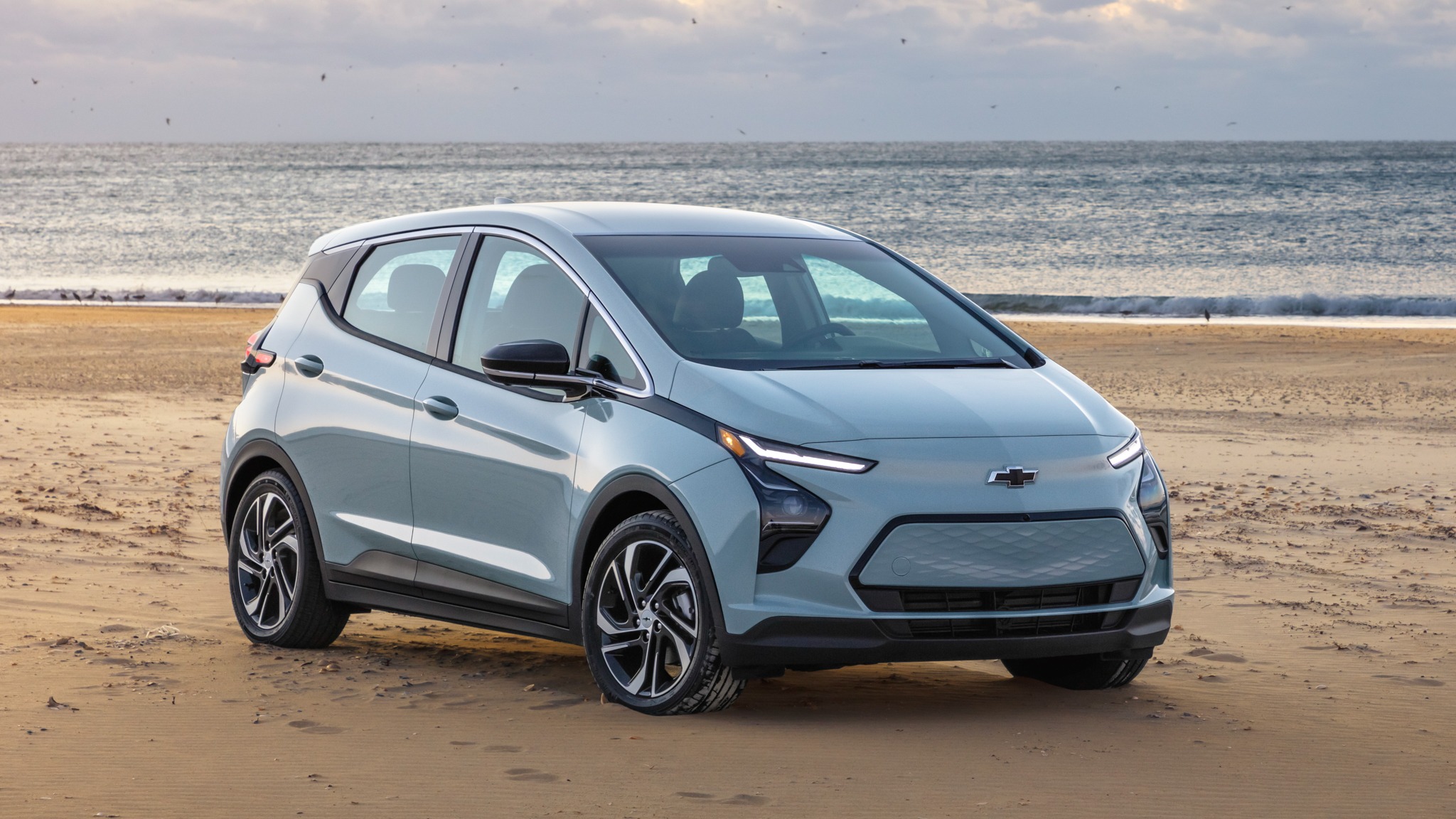
2. Chevrolet Bolt EV
The Chevrolet Bolt EV is another strong choice for drivers who need simple and flexible charging options. Unlike some EVs that depend on exclusive plug designs, the Bolt was built with access in mind.
It uses the common J1772 plug for Level 1 and Level 2 charging, which you’ll find in most public stations across North America. This means you can plug into public charging networks, workplace stations, and even regular wall outlets at home without needing to hunt for something specific.
The Bolt also supports CCS (Combined Charging System) for DC fast charging, giving it access to several fast-charging providers, including EVgo, Electrify America, and others. This allows Bolt drivers to stop for a quick recharge while on the road and be back in motion within 30 to 45 minutes, depending on the station’s output.
More importantly, Chevrolet includes a portable charging cord that works with both standard 120V and 240V outlets, making home charging easy to set up even if you don’t install a separate charger.
One thing that makes the Bolt stand out is how efficient it is. Even when charging from a regular wall outlet, which might take longer, the battery gets a good enough daily range for most commuting needs. For people who live in apartments, rural towns, or areas without strong charging infrastructure, this flexibility becomes very helpful. You don’t need to rely only on fast-charging networks.
General Motors also offers programs to help owners find charging solutions near their homes or workplaces, and the myChevrolet app can locate nearby stations and monitor charging progress. So, whether you’re parked at home or on the road, Bolt EV drivers enjoy one of the easiest setups when it comes to finding a charging point.
Also Read: 5 Cars with Reinforced Control Arms vs 5 with Bent Arms Under Stress
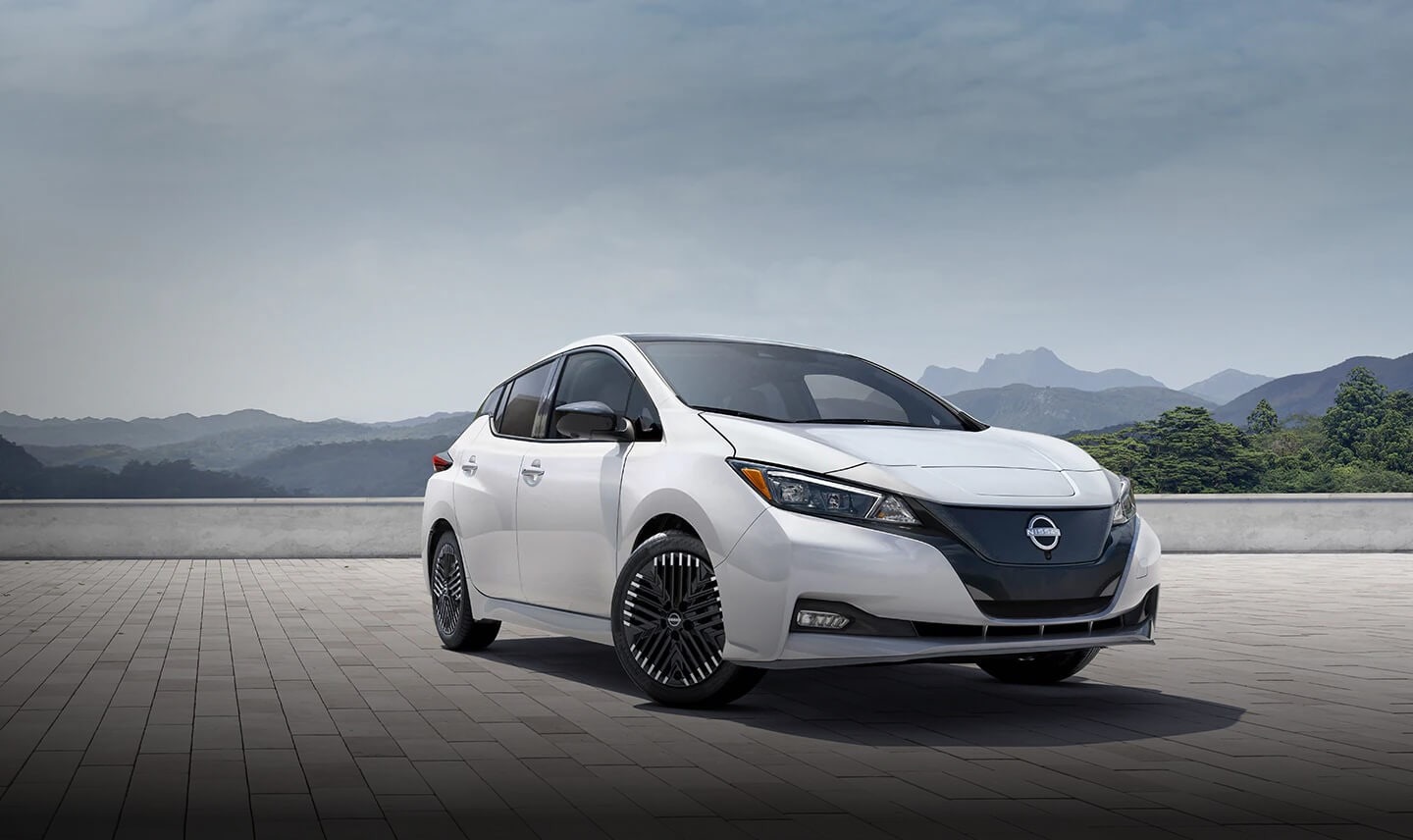
3. Nissan Leaf
The Nissan Leaf has earned its place as one of the most accessible electric vehicles for first-time EV owners. It supports both Level 1 and Level 2 charging through the J1772 plug, which is commonly found across public and home charging setups.
Whether you are in a suburban driveway or a city parking garage, you can count on the Leaf to charge without fuss. Its support for the older CHAdeMO fast-charging connector may be less popular in newer stations, but it still gives you access to fast-charging options where available.
For daily use, most Leaf owners stick with Level 2 chargers, which can fully recharge the battery overnight. The vehicle also comes with a standard charging cable that allows plugging into any regular 120V outlet. Though this method charges slowly, it adds a decent amount of range overnight or during a full workday, which works well for people who do not drive long distances regularly.
One advantage of the Leaf is how easy it is to maintain a regular charging routine without needing complicated equipment. Many households already have what is needed to charge the car without calling an electrician. And if you decide to upgrade to a faster home charger, the process is straightforward.
Nissan also has partnerships with various public charging networks, and through its mobile app, Leaf owners can find stations, check availability, and plan routes accordingly. Even though newer vehicles have moved toward CCS fast-charging standards, the Leaf’s wide compatibility with older and newer infrastructure keeps it relevant, especially in areas where CHAdeMO is still supported.
Drivers who want an electric car that fits seamlessly into their lifestyle without needing special installation or a dedicated station find the Leaf a very practical choice.
4. Hyundai Kona Electric
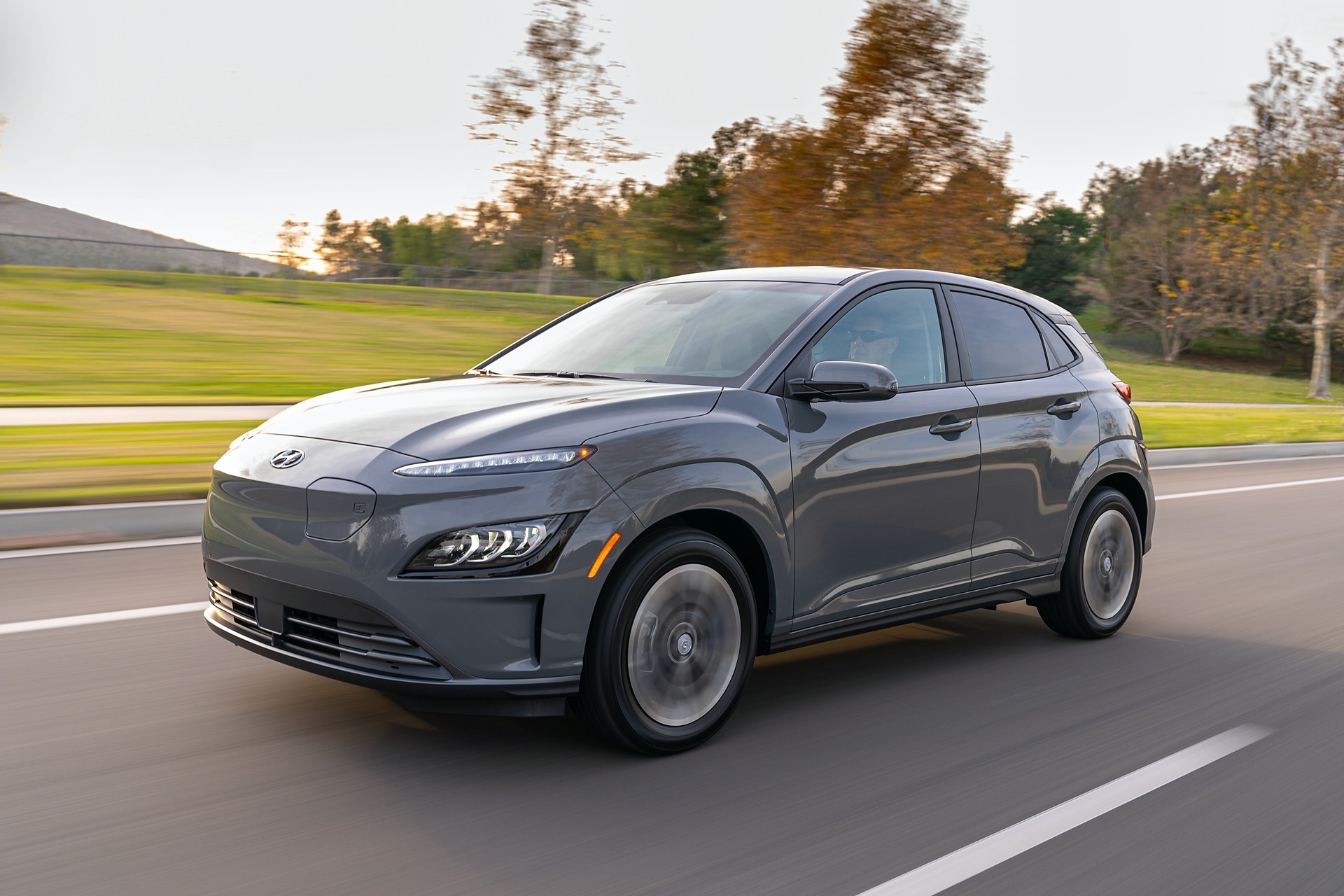
Hyundai’s Kona Electric offers another easy-to-charge experience, making it a reliable option for people looking for flexibility. It uses the J1772 connector for Level 1 and Level 2 charging and the CCS connector for fast charging, which makes it compatible with almost all the available public and residential charging options across the US. This setup gives owners the confidence to charge at home, at the office, or on the go, without running into surprise incompatibility issues.
The portable charging cable provided by Hyundai can plug into a standard 120V wall socket, offering slow but steady charging. For those who install a 240V outlet, charging time reduces, allowing a full battery overnight. This allows busy individuals to start every morning with a full range without needing to visit a public station.
Hyundai also makes charging more user-friendly by offering access to the Bluelink app. This app helps drivers monitor charge levels, set charging schedules, and locate available stations. With fast-charging capability, drivers can add more than 200 miles of range in under an hour at compatible DC fast-charging stations.
Kona Electric’s battery system is designed to manage heat and optimize performance during charging, even under high temperatures. This ensures safety and consistent charging rates, even if you’re using less familiar charging setups. Whether you are charging from a rented cabin’s wall socket or using a local Level 2 charger, the car adapts smoothly.
Its ease of use across different charging conditions makes it perfect for first-time EV owners or long-time users who don’t want extra worry. Whether you’re doing short city commutes or planning longer routes, the Kona Electric doesn’t leave you stranded or searching for rare plug types.
5. Ford Mustang Mach-E
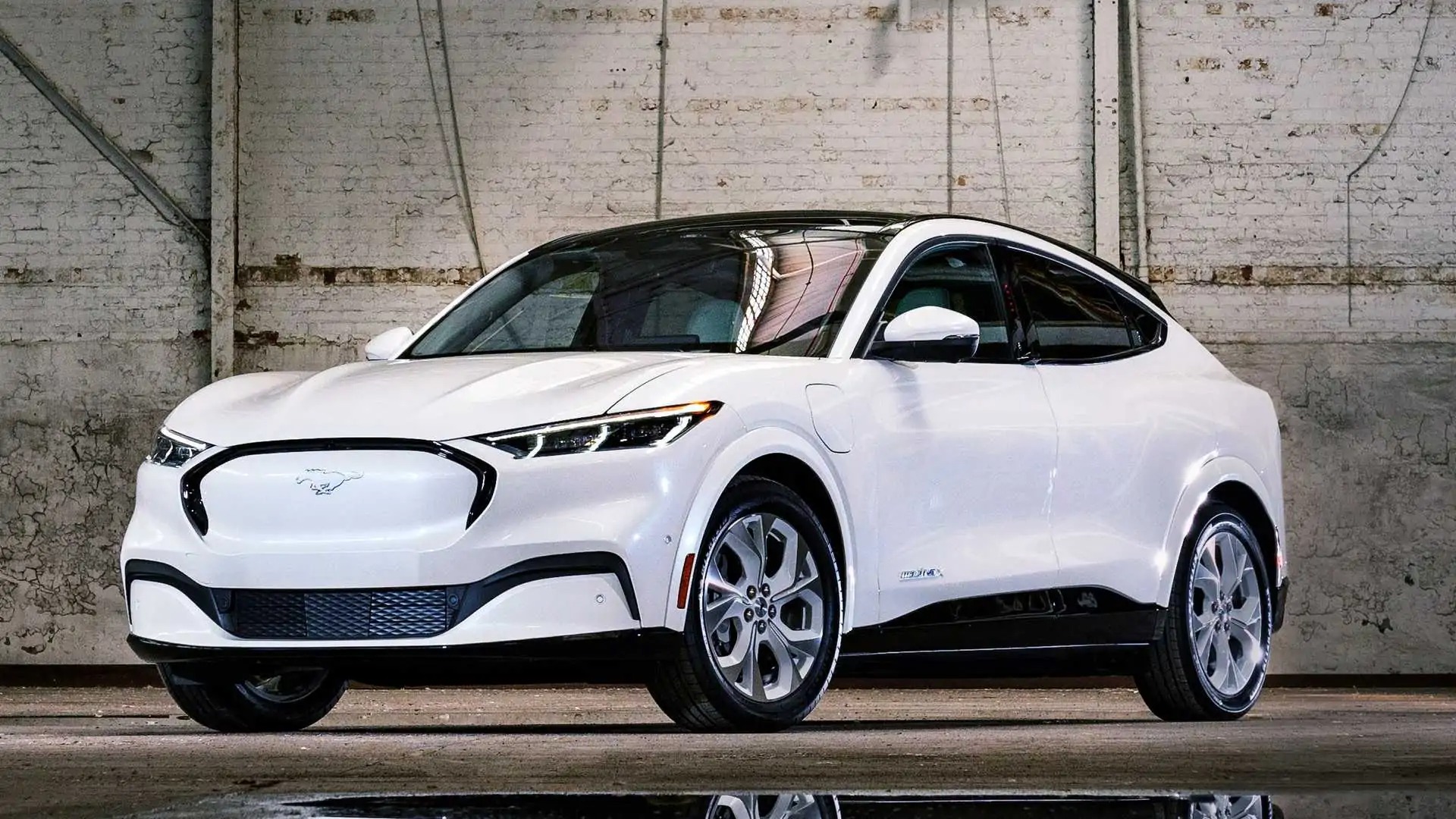
The Ford Mustang Mach-E enters the electric vehicle conversation with strong appeal not just in performance but in its charging convenience. This EV supports Level 1 and Level 2 charging through the common J1772 plug, and for fast charging, it uses the CCS connector. That combination gives drivers access to one of the widest charging networks available, from neighborhood chargers to long-distance fast-charging stops.
Ford includes a mobile charging cable with the car that works with 120V and 240V outlets. This means if you’re staying somewhere that lacks dedicated EV infrastructure, as long as there’s a regular outlet available, you can still keep your Mach-E charged. While 120V charging is slower, it remains useful for overnight recharging or adding range when you’re not in a rush.
Ford’s partnership with charging providers like Electrify America allows access to many DC fast-charging stations across the country. Through the FordPass app, users can find chargers, plan routes, and monitor charge levels all from their phones. These services help reduce anxiety when taking longer drives outside your local area.
The Mach-E’s charging system automatically adjusts based on what power source it detects, making the process smooth and worry-free. This allows owners to use whatever is available rather than spending time searching for specific plugs.
The flexibility to draw power from different outlet types without added complications means that Mach-E drivers are rarely left without options. From city streets to countryside roads, the Mach-E proves itself reliable when it comes to staying charged no matter where your journey takes you.
5 EVs That Need Special Plugs
1. Lucid Air
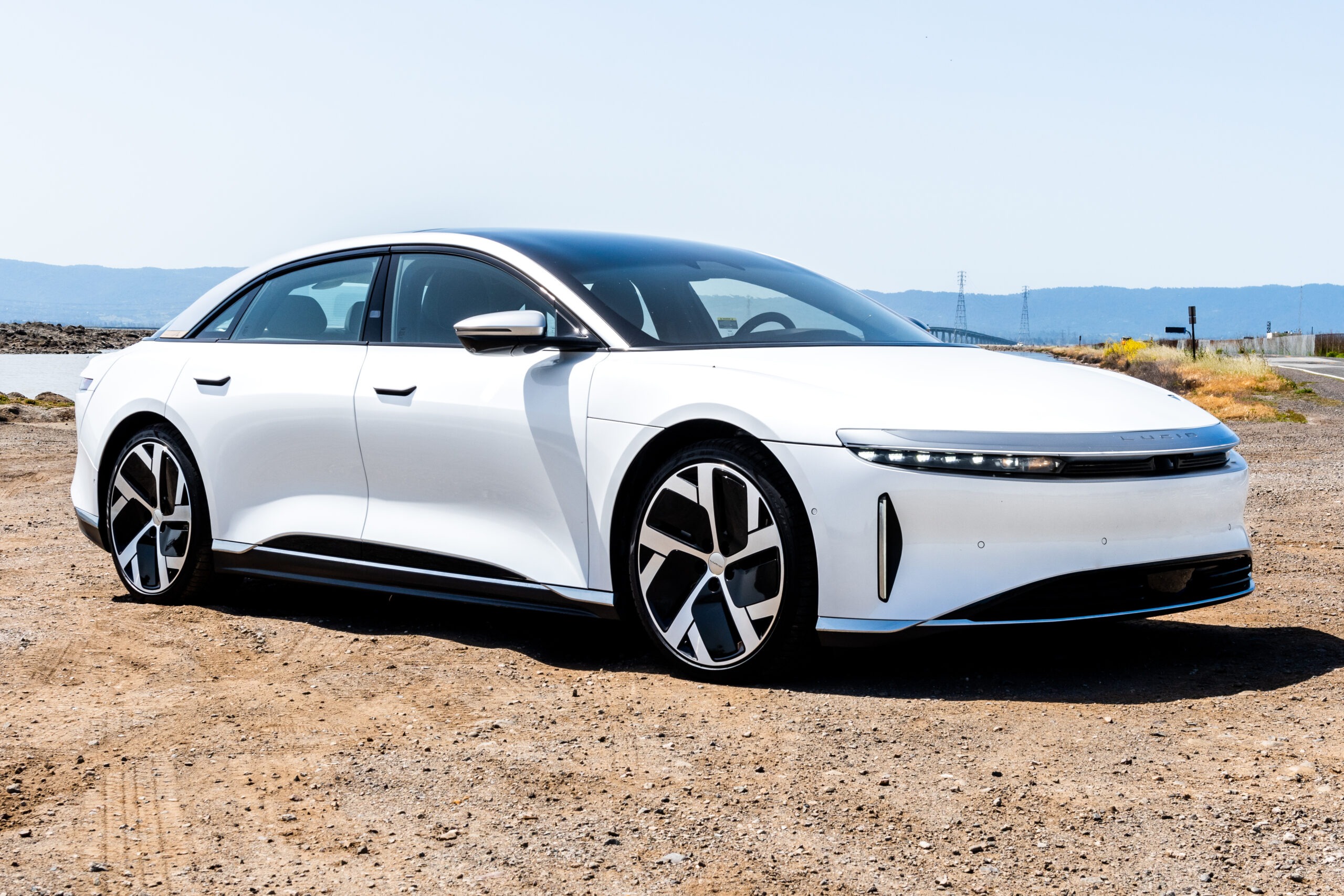
The Lucid Air stands out as a luxury electric sedan packed with innovative features and long-range performance. However, when it comes to charging flexibility, this vehicle leans heavily toward specialized equipment.
While it does use the CCS connector for DC fast charging and the J1772 port for Level 1 and Level 2, Lucid’s system is optimized for high-capacity chargers that are not commonly found in every area.
The car’s large battery and fast-charging capabilities require high-output stations to charge efficiently. Charging it with regular outlets or slower Level 2 setups can feel painfully slow due to the sheer size of the battery.
Lucid promotes home installation of its own branded charging unit, the Lucid Connected Home Charging Station, which supports bi-directional charging and offers higher power output than basic home chargers.
But this setup demands a professional installation and works best with a 240V circuit. Those using standard wall sockets will experience very slow charging, which may not be practical for daily use unless your mileage needs are very minimal.
Public fast-charging networks that support high-speed CCS are your best bet when driving a Lucid Air. But outside urban zones or high-traffic travel corridors, these types of stations can be harder to locate. The vehicle’s size and luxury features also make it less suited for stop-and-go public charging sessions in small or outdated charging spots.
Lucid offers an app that helps drivers locate compatible chargers, but owners still need to plan their routes around high-powered stations to make full use of the vehicle’s fast-charging speed. This limitation makes spontaneous travel more challenging if you don’t already know where your next compatible charger is located.
The Lucid Air shines in technology and comfort, but if you want a car that charges easily anywhere without a dedicated plan, it may not be the most convenient option on the list.
2. Rivian R1T
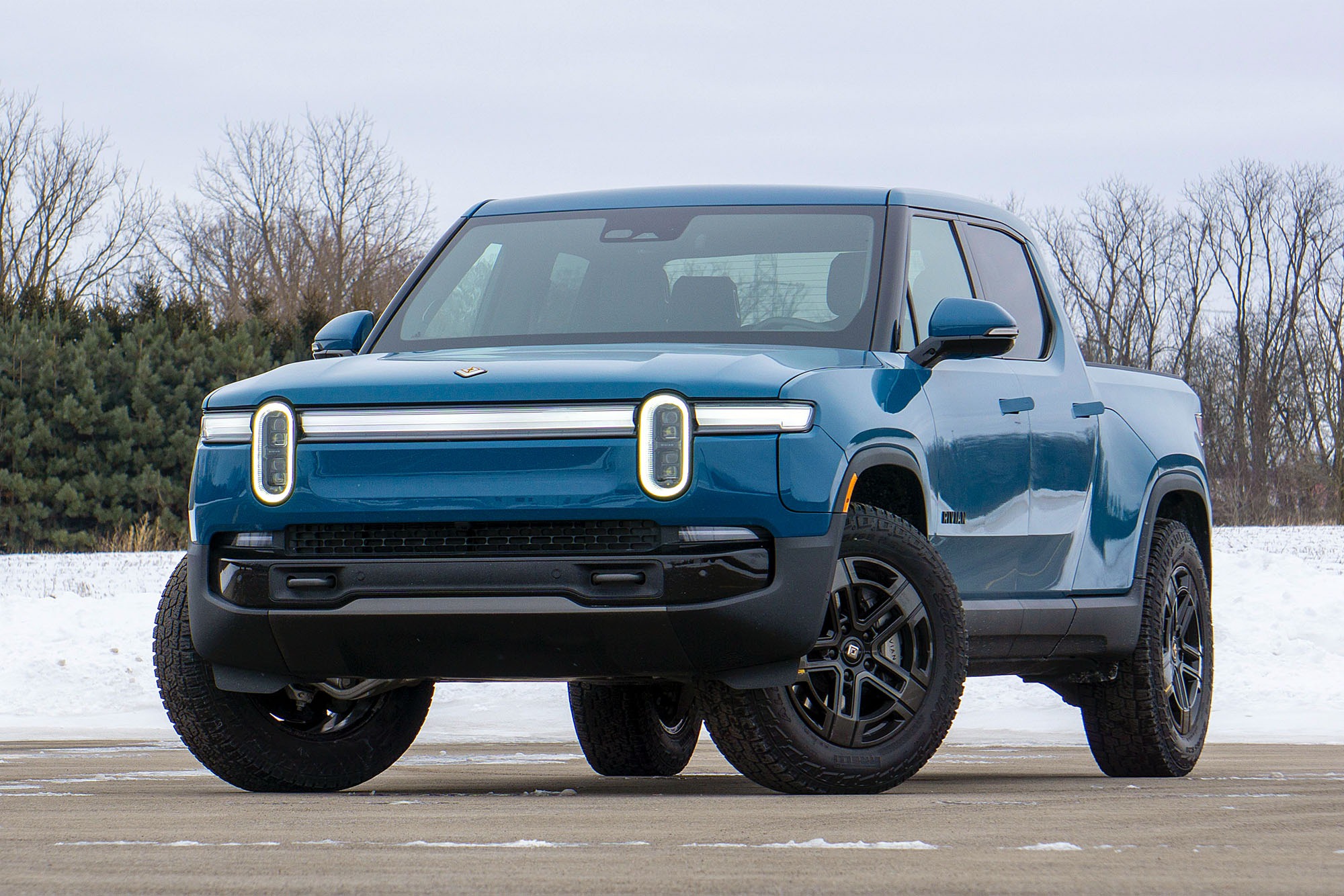
Rivian’s R1T pickup truck has attracted attention for its adventurous design and off-road capability, but it also comes with some restrictions in how and where it charges best. While it technically supports Level 1, Level 2, and DC fast charging through the CCS plug, Rivian encourages users to charge through its own branded Adventure Network of fast chargers or install a Rivian Wall Charger at home.
The issue arises from the size of the battery pack. Charging through a 120V wall outlet delivers a very low amount of power, which means that full charging through this method could take over 3 days.
Although this may work for rare use or emergencies, it is not practical for most users. Rivian’s Level 2 mobile charger improves the experience but still requires a 240V outlet or professional installation.
For fast charging, the vehicle performs well when paired with a high-speed DC station, delivering over 200 miles of range in under an hour. But such stations may not be available near hiking spots, camping areas, or other remote places where the R1T is meant to go.
While the Adventure Network is growing, it is not yet as widespread as some other networks like Tesla’s Superchargers or Electrify America. Another challenge is the physical size of the R1T. Some charging stations do not accommodate larger vehicles easily, which could leave Rivian drivers with few accessible charging bays even if the plugs are technically compatible.
For urban or suburban drivers who stick to familiar routes with known stations, charging the R1T is manageable. But for those who take full advantage of its off-road features, finding reliable charging away from the city can quickly become a planning task.
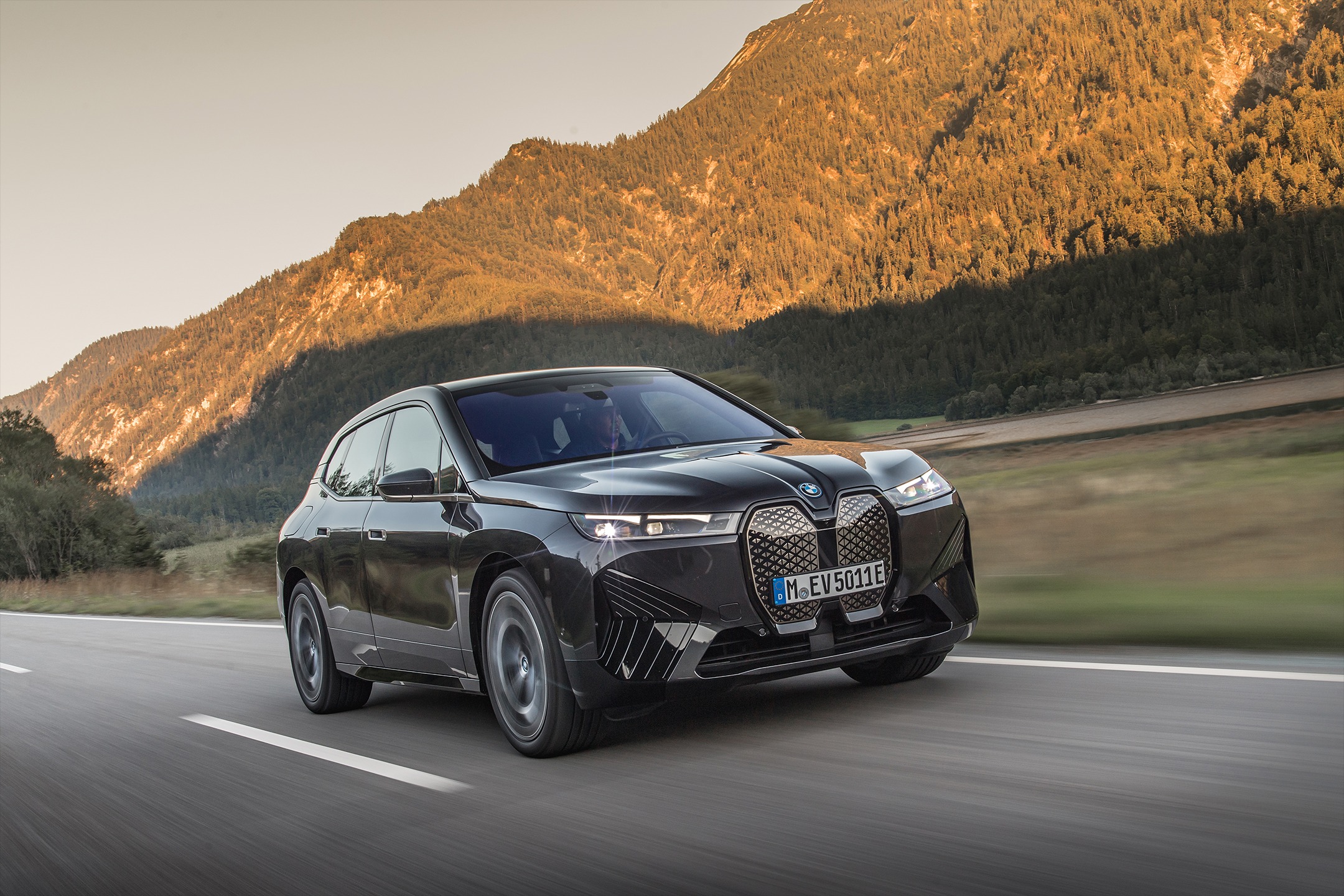
3. BMW iX
BMW’s iX is a luxury electric SUV designed with performance and premium features in mind. It uses the CCS connector for DC fast charging and the J1772 plug for Level 1 and Level 2, just like many other electric vehicles.
However, the large battery and the car’s reliance on high-output charging to deliver fast results make basic outlets almost unusable for regular use. While you can technically charge it from a 120V wall socket, the process is extremely slow and impractical unless the car sits parked for extended periods.
BMW recommends installing a Level 2 charging unit at home, which can fully recharge the iX overnight. This works well for homeowners with garages, but not so well for apartment dwellers or those who park on the street.
For public charging, while the CCS standard is widely accepted, not every charger delivers the power needed to make the most of the iX’s fast-charging capabilities. This leads to situations where drivers have to wait longer than expected, even at stations labeled as “fast.”
The iX also benefits from integration with BMW’s digital services like the My BMW app, which can plan charging sessions, locate compatible stations, and monitor the charge level remotely. Yet, none of these features solve the issue of needing access to stronger, more specialized chargers for the vehicle to function as advertised.
Owners who invest in proper home setups or have reliable access to powerful public stations enjoy the full experience of the iX. But for others who rely on whatever outlet they can find during travel or at work, this vehicle feels less flexible. If you plan to own one, be ready to prepare your charging infrastructure before purchase.
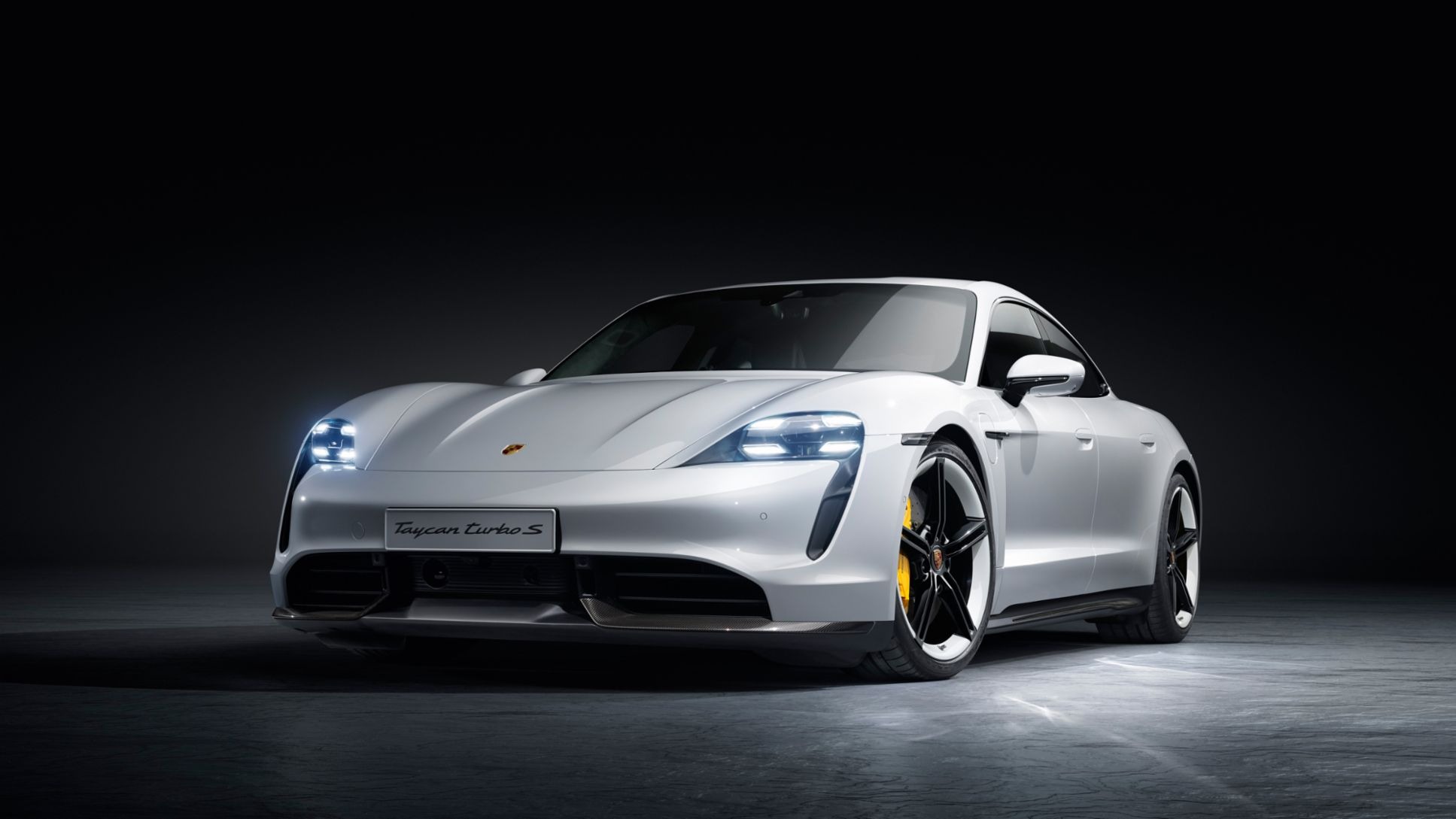
4. Porsche Taycan
Porsche’s Taycan offers strong performance and a driving experience that feels sporty and responsive. But when it comes to charging flexibility, the vehicle leans heavily on high-powered chargers and specific infrastructure.
Taycan supports the CCS connector for fast charging and the J1772 for slower options. However, the car’s 800-volt battery architecture was designed with high-output charging stations in mind, which means regular wall outlets deliver very limited results.
Even though the Taycan technically supports Level 1 and Level 2 charging, the experience can be very slow unless you’re using a dedicated 240V charger with higher power ratings. Porsche recommends its own branded home charger, which adds extra cost and installation requirements. Without this equipment, fully charging the Taycan takes a long time and is not efficient for daily routines.
The vehicle performs best at ultra-fast stations that deliver the high voltage it was built to handle. These are not always available in smaller cities or rural locations. Owners who travel far from city centers may struggle to locate a station that provides the charging speeds the Taycan needs to live up to its reputation.
Porsche’s app offers helpful tools for locating stations, but it still depends on third-party networks with varying performance. Some stations that technically work with Taycan may deliver power at a slower pace, resulting in longer waits.
If you want a Taycan for its sportiness and don’t mind installing special hardware at home or planning longer trips around premium fast chargers, it is a solid option. But if your goal is to charge wherever you are without extra effort, this vehicle may not meet that expectation.
Also Read: 5 Cars with Lifetime Coil Packs vs 5 with Packs That Misfire
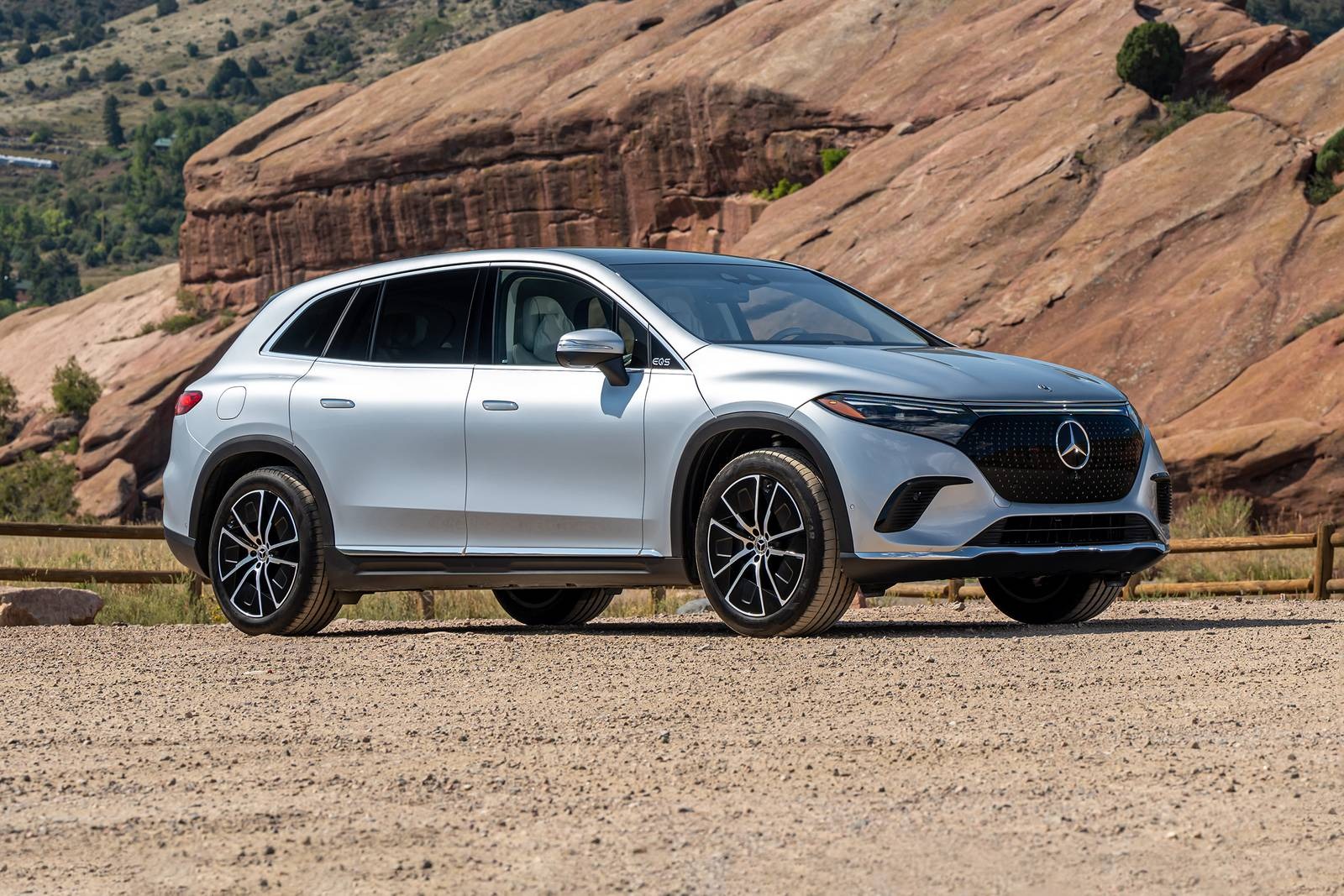
5. Mercedes-Benz EQS
Mercedes-Benz EQS, the flagship electric sedan from the brand, is packed with luxury features and modern tech. It also carries a large battery that supports fast charging through the CCS connector and regular charging through J1772.
However, like others in its class, EQS benefits most from high-output charging stations. While it can be charged from a 120V outlet, doing so will take more than two full days to reach full battery levels. This makes it difficult to depend on wall sockets for day-to-day charging unless your use is very limited.
Mercedes strongly recommends installing its wall charger, which requires professional installation and costs extra. Without this equipment, most Level 1 and even some Level 2 chargers do not provide enough power to make the EQS convenient for frequent use. This limits flexibility for those who don’t already have infrastructure in place.
The EQS offers intelligent charging through the Mercedes Me Charge system, which lets you find stations, manage payment, and monitor your charge progress through a connected app. But even with this tool, the car’s performance still depends on having access to strong public chargers, especially for long-distance trips.
The car’s size can also make it harder to park at some older or crowded charging spots. This adds another layer of concern when searching for a usable charger in busy areas.
The EQS works best for people who already live in areas with solid EV infrastructure or who are willing to install high-powered systems at home. For those who want flexibility to charge anywhere without planning, it might not be the easiest choice to live with.
