
Hyundai has made remarkable strides in the U.S. auto market, evolving from a budget option to a legitimate competitor among mainstream brands.
Many American drivers now rely on Hyundais for daily commuting, rideshare driving, and long-distance errands. But while some Hyundai models hold up admirably under constant wear, others show signs of premature aging especially when put through the rigors of daily abuse.
Here’s a detailed look at 5 Hyundais known to handle daily punishment like champs, and 5 that tend to fall apart too soon, especially under hard use.
Hyundais That Handle Daily Abuse
Not every car is built to take a beating, but some Hyundais have quietly proven they’re tougher than people give them credit for. Whether it’s long commutes, rough roads, brutal weather, or just plain neglect, these models keep showing up and holding together when others start falling apart.
In this article, we spotlight the Hyundais that can take daily abuse without flinching, vehicles that earn their keep through durability, simple maintenance, and surprisingly strong build quality.
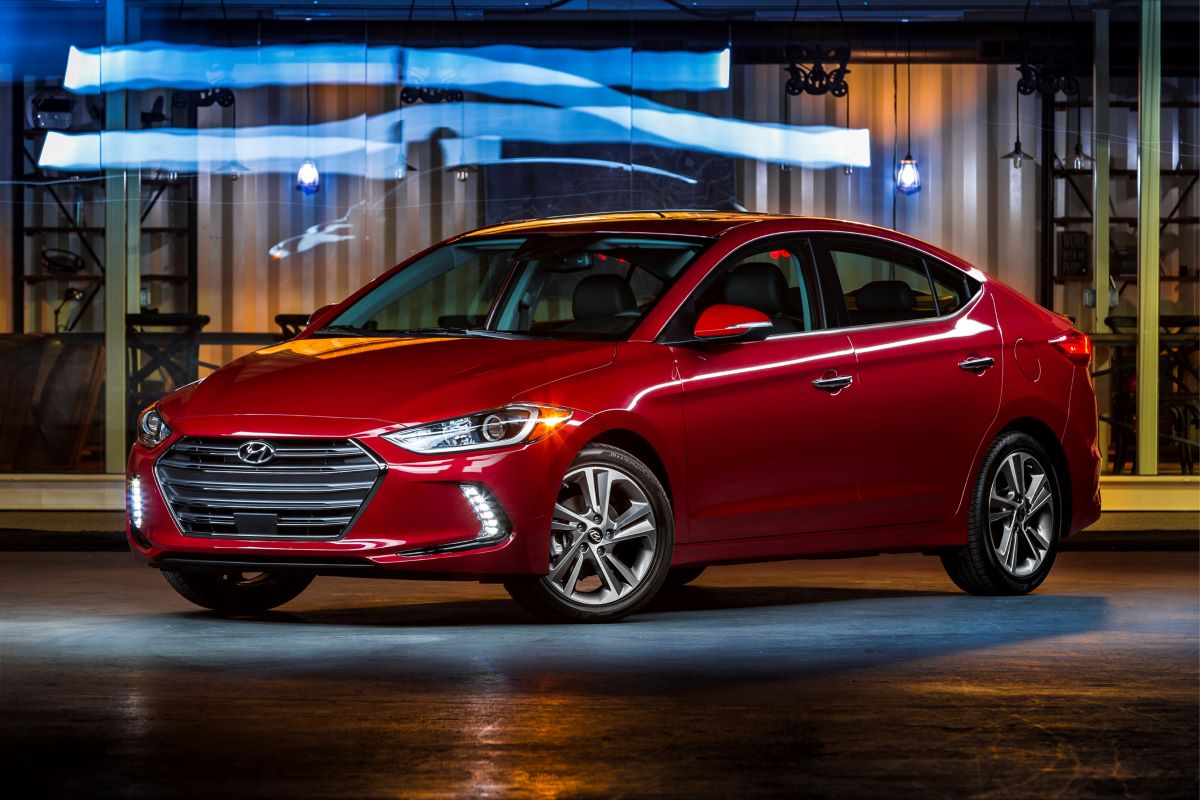
1. Hyundai Elantra (2017–2022)
The Elantra has become a go-to compact sedan for those who rack up miles. With a simple yet durable 2.0L engine and a suspension that shrugs off potholes, it’s built for the daily grind.
The 2017–2022 models in particular have proven sturdy for Uber and Lyft drivers, commuter warriors, and student drivers. Even after 100,000 miles, most owners report minimal drivetrain or suspension issues just the usual wear items like brakes and tires.
To begin with, the 2017 Hyundai Elantra delivers a noticeably improved ride quality, making it a more comfortable and livable choice for everyday commuting.
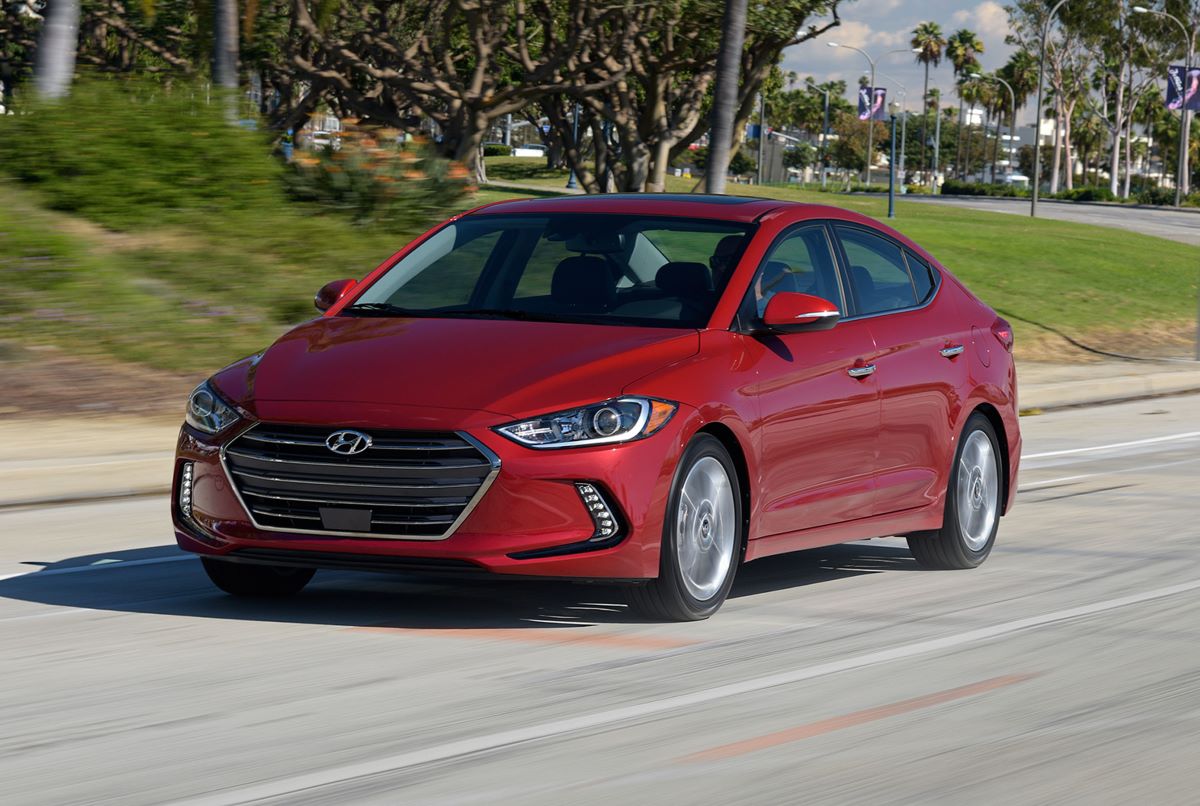
Under the hood, the Elantra introduces three new engine options: a new base 2.0-liter engine, a turbocharged 1.4-liter engine optimized for fuel efficiency, and a sporty 1.6-liter turbocharged four-cylinder aimed at delivering a more exhilarating driving experience.
However, in some early tests, acceleration performance has come up short when compared to class leaders. Still, “somehow that doesn’t feel like such a big letdown,” largely due to the Elantra’s refined driving experience, which includes a quiet, well-insulated cabin and an impressive roster of available tech features.
At higher trim levels, drivers can access advanced driver assistance technologies such as adaptive cruise control, lane departure intervention, and forward collision mitigation, features typically reserved for more premium vehicles.
Regardless of how it’s optioned, though, the 2017 Hyundai Elantra represents the best version of itself to date, standing tall as a serious contender in the increasingly competitive compact car segment.
2. Hyundai Santa Fe (2016–2020)
Mid-size SUVs often see a lot of abuse from family hauling, road trips, and weekend hauling. The Santa Fe (especially with the 2.4L naturally aspirated engine) can take the hits.
It’s well-insulated, has decent ground clearance, and comes with solid build quality in this range.
Owners praise its ability to keep running smoothly beyond 120,000 miles with regular maintenance, even when subjected to stop-and-go traffic or rugged weekend duty.
In an ideal world, a three-row crossover SUV should cater to every member of the family, and the 2018 Hyundai Santa Fe comes impressively close to hitting that mark. It delivers a compelling combination of comfort, drivability, and value, offering a solid set of features at an affordable price point.
The Santa Fe is easy to maneuver, making it a confident companion on daily commutes and family road trips alike. While it’s not the most fuel-efficient option in its class, the standard 3.3-liter V6 engine provides ample power for passing and merging, keeping the driving experience smooth and stress-free.
Higher trim levels add to the Santa Fe’s appeal by packing in an array of upscale amenities. Keyless ignition and entry, heated seats in both the front and second rows, rear window sunshades, and a six-passenger layout with second-row captain’s chairs are just some of the comfort-focused features available.

Despite the Santa Fe falling a bit short in terms of maximum cargo space compared to some rivals, it still offers a respectable 80 cubic feet of capacity behind the front seats, plenty of room for weekend luggage, gear, or grocery hauls.
From behind the wheel, the 2018 Santa Fe exhibits solid, predictable handling and responsive steering, resulting in a composed and confident driving character.
Its suspension delivers the kind of comfortable ride quality one expects from a well-sorted car-based crossover, easily soaking up bumps and uneven pavement. Inside, the front seats stand out for their comfort and range of adjustability, while both the front and second rows feel spacious enough for adults to travel comfortably.
The third row, however, is best reserved for children, as adults will likely find it too tight for extended trips. Fortunately, the cabin is free of excessive wind and road noise, creating a quiet, laid-back atmosphere that enhances the SUV’s family-friendly personality.
While we wouldn’t rank the 2018 Hyundai Santa Fe at the very top of the three-row SUV class, its blend of performance, comfort, and feature-rich value certainly makes it worth considering for families looking for a capable and affordable hauler.
Also Read: 10 Performance Crossovers That Don’t Rattle in Year Two
3. Hyundai Sonata (2015–2019)
The Sonata has long been a quiet contender in the midsize sedan space. The 2015–2019 models, particularly with the 2.4L non-turbo engine, are less prone to drivetrain issues and hold up well under pressure.
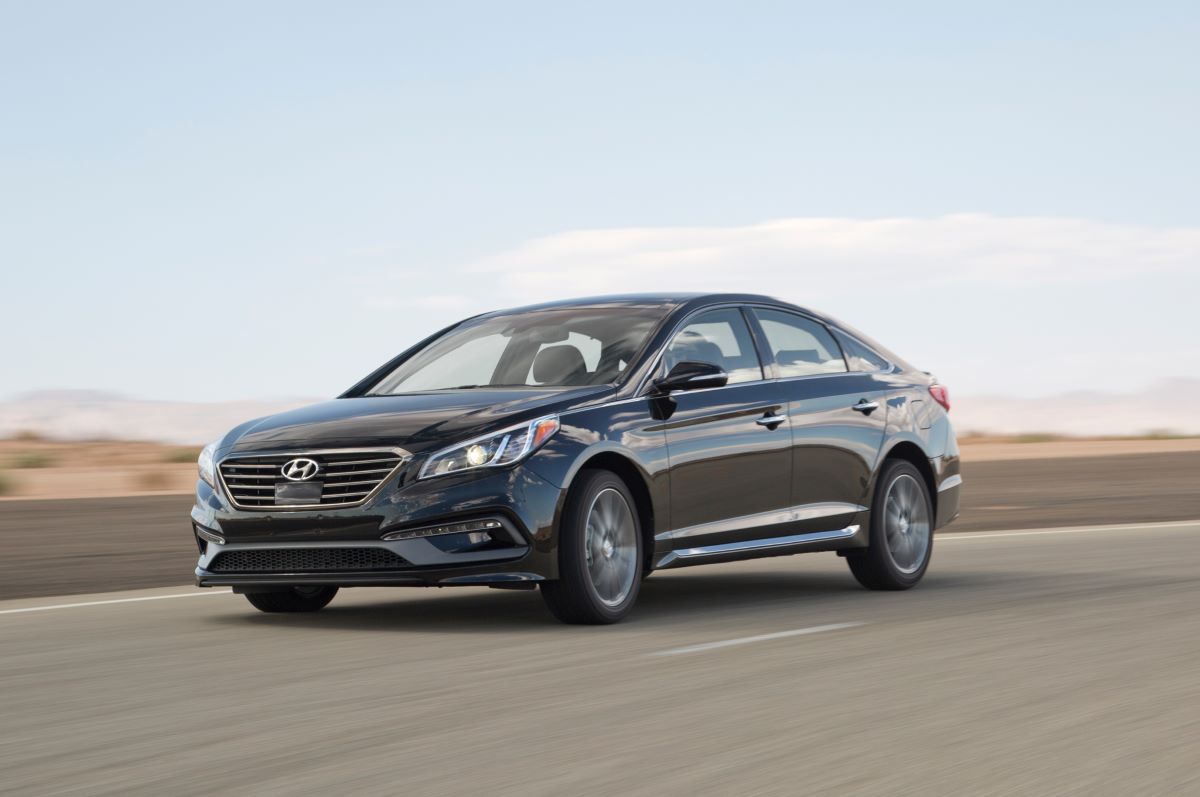
Whether it’s daily freeway commutes or extended idling in urban traffic, the Sonata has shown durability in areas where competitors like the Ford Fusion might start struggling.
The 2019 Hyundai Sonata isn’t designed to stun with radical styling or jaw-dropping horsepower, but what it offers instead is solid, well-rounded competence that places it firmly among the top contenders in the midsize sedan segment.
It presents a user-friendly interior that’s both practical and well laid out, along with a generous amount of cargo space. Although it doesn’t quite match the Honda Accord or Toyota Camry in terms of rear legroom, the Sonata is still spacious enough that backseat passengers won’t feel cramped or uncomfortable.
On the tech front, standard Android Auto and Apple CarPlay make smartphone integration seamless, while key driver-assistance features, such as blind-spot detection, rear cross-traffic alert, and lane keeping assist, add a layer of everyday safety that helps prevent minor but costly accidents.
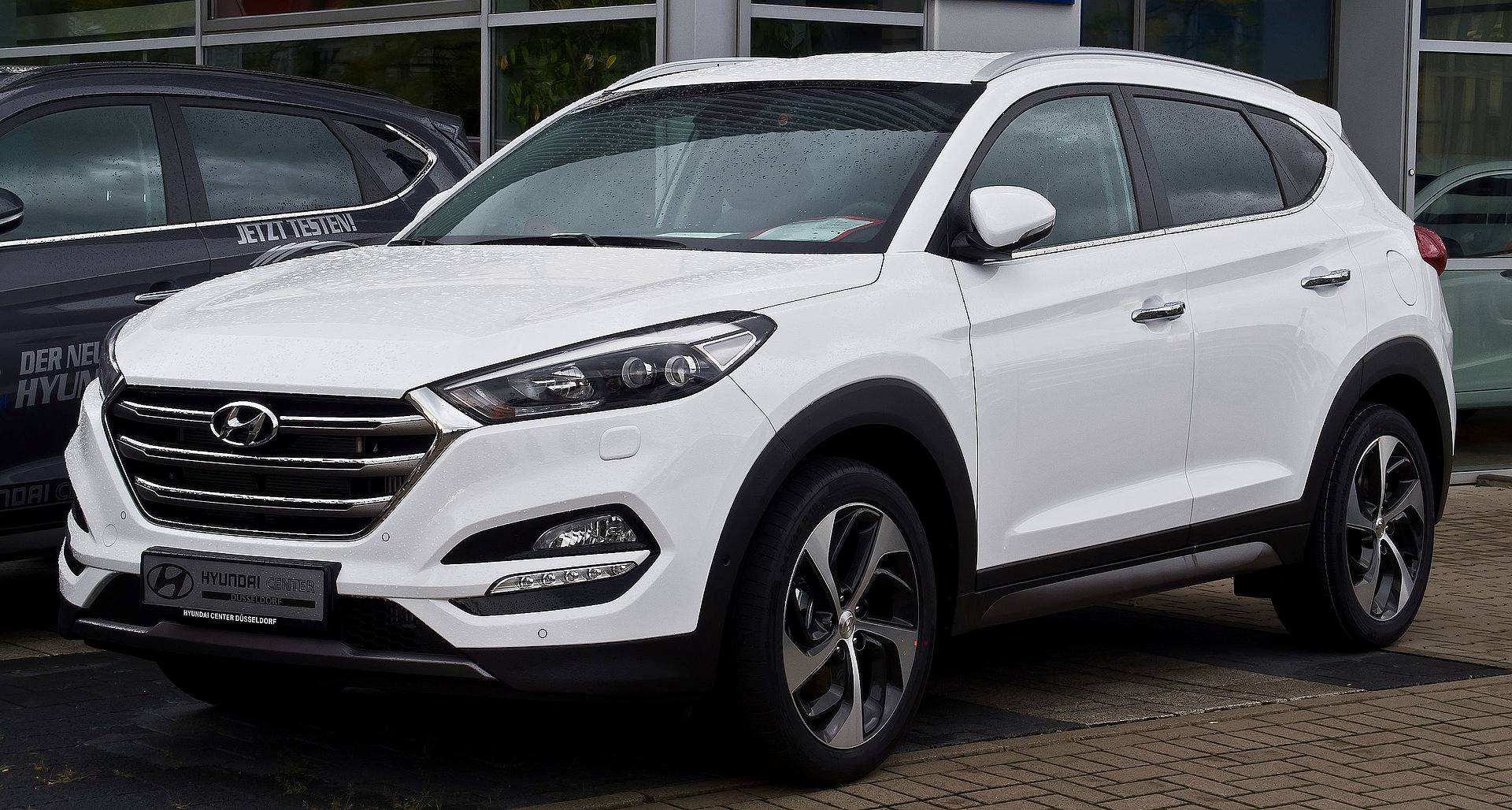
4. Hyundai Tucson (2019–2022)
Compact crossovers are often the backbone of suburban American driving. The Tucson from this era earned a reputation for being low-maintenance and dependable.
It features a toughened suspension setup and straightforward drivetrain options that rarely surprise owners with unexpected breakdowns. Whether you’re navigating school drop-offs or putting on 80 miles a day for work, this Tucson generation handles it well.
If you’re in the market for a vehicle that offers strong value, the Hyundai lineup is an excellent place to start, and the 2019 Hyundai Tucson stands out as a prime example. It manages to be spacious, stylish, and well-equipped, even in its base trim levels, making it an appealing choice for budget-conscious buyers.
Beyond the standard offerings, the Tucson also boasts an impressive array of optional features available in higher trims, yet it still manages to keep pricing well below some of its competitors.
That said, the Tucson’s driving experience isn’t exactly thrilling. While it handles corners competently and delivers a smooth, quiet ride on the highway, it lacks the kind of dynamic excitement some drivers may want.
Under the hood, the Tucson offers a choice between a 2.0-liter and a 2.4-liter four-cylinder engine. Unfortunately, neither engine delivers particularly spirited performance or class-leading fuel economy, leaving them feeling merely adequate rather than inspiring.
Still, despite its relatively tame driving dynamics, the 2019 Hyundai Tucson comes across as refined and fully capable of going toe-to-toe with top contenders in the compact crossover segment. For those seeking comfort, tech, and value without necessarily needing thrills, the Tucson is well worth a spot on your test-drive list.
5. Hyundai Accent (2018–2022)
Budget doesn’t always mean breakable. The Hyundai Accent is a subcompact that’s surprisingly robust. It’s basic sure but the mechanical simplicity is part of what makes it resilient.
The 1.6L engine is known for longevity, and the lightweight design means fewer components stressed under load. It’s a favorite for people who just need reliable, inexpensive transportation every single day.
For 2018, Hyundai gave the Accent a modest growth spurt, making it slightly longer and wider than its predecessor. This update results in a roomier interior, offering increased legroom in both the front and rear seats, as well as more space between the driver and front passenger, enhancements that improve overall passenger comfort.
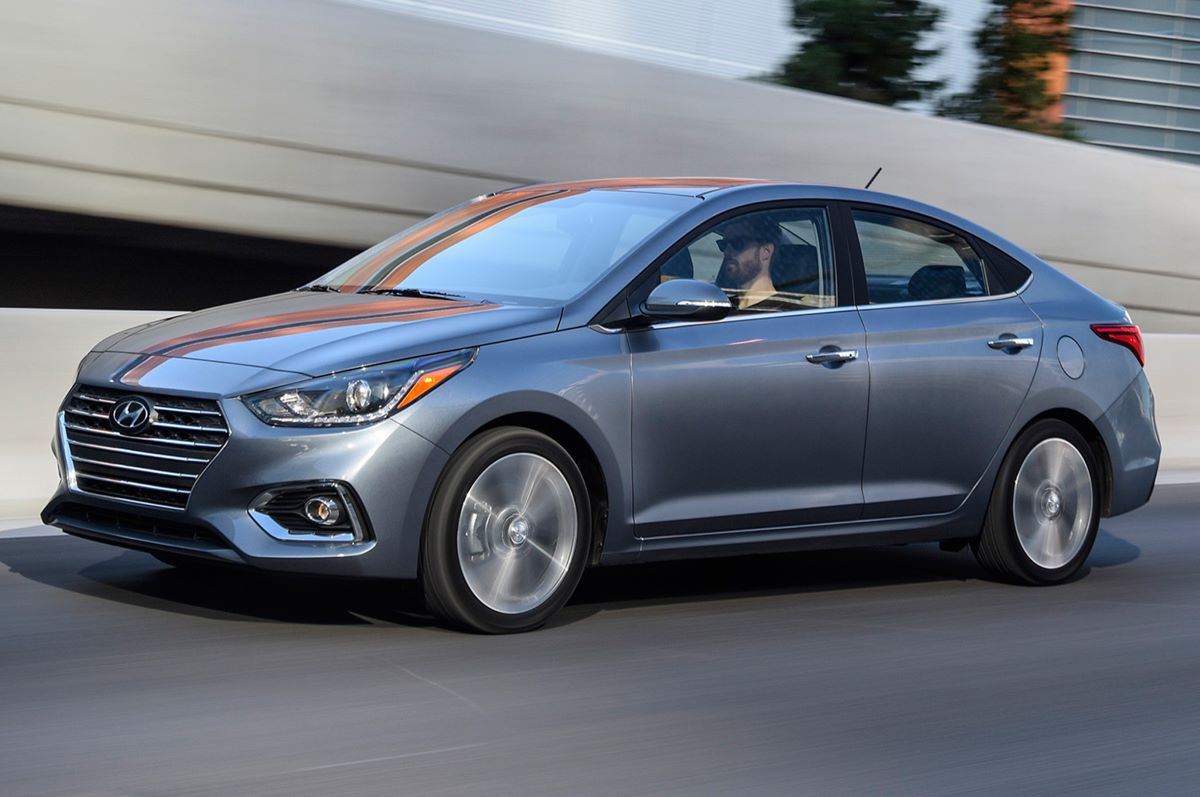
While cargo space remains unchanged, it’s still among the best in the subcompact class. Under the hood, the Accent’s updated four-cylinder engine produces seven fewer horsepower than before, but Hyundai emphasizes that it delivers more usable low-end torque, contributing to better drivability around town.
Aesthetically, this is a handsome vehicle built to handle the rigors of daily life with little drama. Thanks to its larger dimensions, the 2018 model offers even more generous passenger accommodations, which is a real perk for drivers seeking comfort in a small-car footprint.
The Accent balances confident, responsive handling with a smooth, comfortable ride, and one of its most surprising strengths is how quiet and composed it feels on the road. Even drivers with longer daily commutes will find it hard to justify the extra cost of a bigger vehicle when the Accent delivers this level of refinement and practicality.
Hyundais That Fall Apart Too Soon
Hyundai has come a long way in recent years—but not every model in its lineup is built to last. Some have developed a track record for early failures, whether it’s engine trouble, transmission issues, or interiors that start breaking down way too soon.
In this article, we take a close look at the Hyundais that tend to fall apart before their time, what goes wrong, when it happens, and what potential buyers should know before betting on longevity that just isn’t there.
1. Hyundai Kona Electric (2019–2021)
While the idea of an affordable EV is attractive, early Konas had issues with battery degradation, recalls, and inconsistent charging performance.
Some owners report the car entering limp mode unexpectedly, and the build quality doesn’t always withstand heavy daily use. The interior materials also wear faster than expected, particularly under frequent entry/exit cycles or cargo use.
Hyundai has been quietly building its electric vehicle game, and with the debut of the all-new 2019 Kona Electric, the South Korean automaker has launched one of the most compelling EVs to hit the market that year.

The standout feature is undoubtedly its EPA-estimated 258 miles of range on a full charge, a figure that puts it ahead of any similarly priced electric vehicle on the market. In real-world testing, that number holds up, giving the Kona a serious edge for anyone concerned about range anxiety.
While Tesla’s Model 3 can travel farther, it only does so when equipped with the pricey long-range battery option, something the Kona Electric achieves without that premium markup. For most drivers, the Kona’s range will more than cover the daily grind, weekend trips, and everything in between.
If there’s a tradeoff, it’s that the Kona Electric does not offer all-wheel drive, unlike its gasoline-powered counterpart. Still, with its winning combination of range, features, performance, and pricing, the 2019 Kona Electric earns its spot as one of the most attractive EV options for budget-conscious buyers who aren’t willing to compromise.
2. Hyundai Sonata Turbo (2011–2014)
This early turbocharged Sonata suffered from engine reliability issues, including a widespread recall for engine failure related to metal debris in the oil passages.
When driven aggressively such as in hilly regions or stop-and-go environments the turbo engines in these models often developed knocking, excessive oil consumption, or outright failure before 100,000 miles.
Among midsize sedans, the 2012 Hyundai Sonata is the Korean automaker’s contender. In prior years, the Sonata was nothing more than a midpack player, but that all changed with last year’s full redesign, in which the Sonata gained dramatic new styling, new engines and a revamped interior.
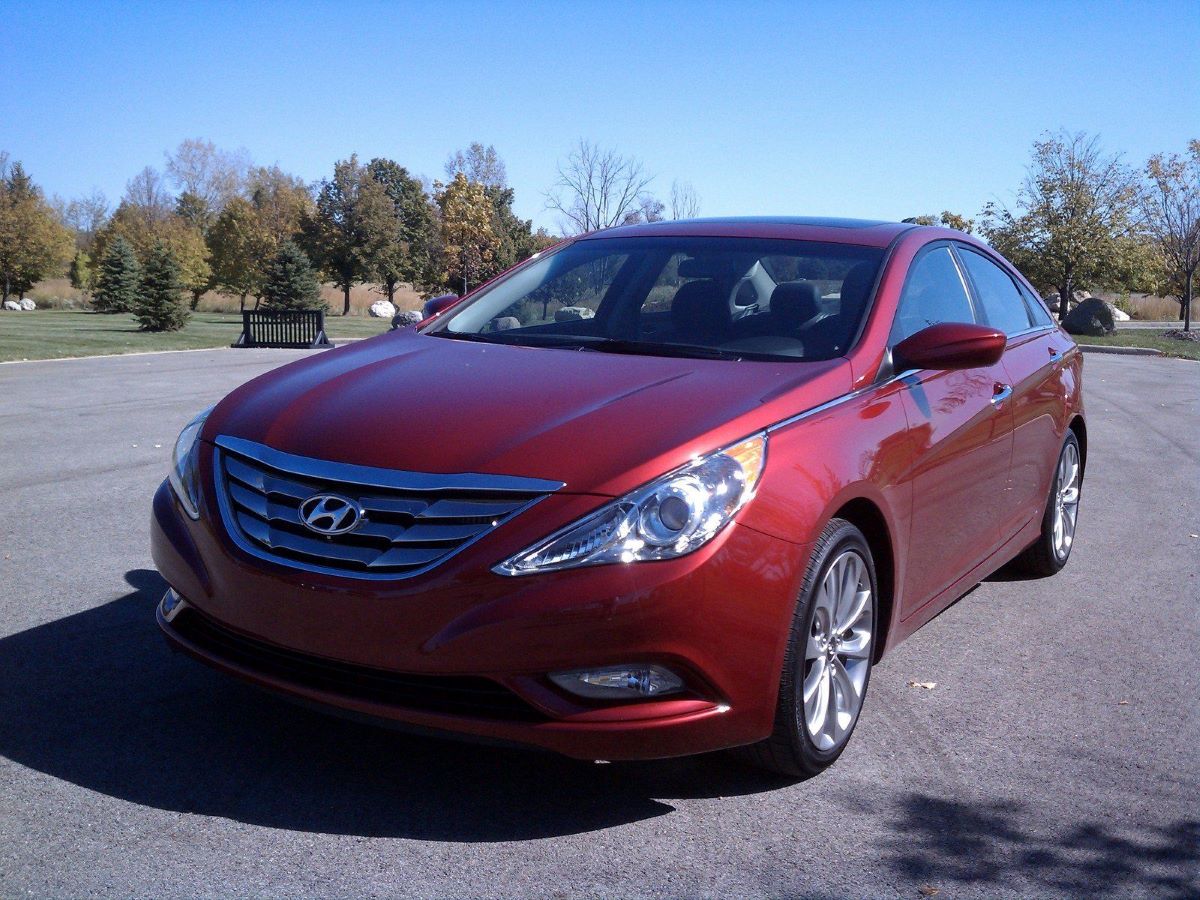
Under the hood is a choice of a powerful 2.4-liter four-cylinder or, in lieu of a V6, a turbocharged 2.0-liter four-cylinder. With 198 horsepower (200 in SE trim), the base engine will satisfy just about everybody, especially when it returns a very impressive 28 mpg combined when paired with the six-speed automatic transmission. Equally impressive is the turbo engine, which cranks out 274 hp yet still gets nearly identical fuel economy estimates.
Inside, the Sonata is big enough that the EPA deems it a “large” car. Its total passenger volume puts it ahead of every class competitor except the Honda Accord, and its 16.4 cubic feet of trunk space is equally roomy.
3. Hyundai Veloster (2012–2016)
The quirky design didn’t make up for this car’s reliability shortcomings. The early Veloster models, especially those with dual-clutch transmissions or turbo engines, frequently experienced drivetrain and electrical gremlins.
While fun to drive at first, they often didn’t age well under the strain of daily commuting, especially in harsh weather or traffic-heavy areas.
The 2012 Hyundai Veloster draws its power from a 1.6-liter inline four-cylinder engine that generates 138 horsepower and 123 pound-feet of torque. A six-speed manual transmission comes standard, while Hyundai also offers an optional automated dual-clutch manual transmission (DCT), which includes steering-wheel-mounted shift paddles for manual gear control.

Driving the Veloster reveals that its aggressive styling may promise more than it actually delivers in terms of performance, but that doesn’t mean it’s a letdown.
Despite its modest power, the Veloster is surprisingly engaging to drive. Its handling is well-balanced and predictable, delivering a level of enjoyment that exceeds expectations for a car in its price range. The ride quality, while on the firm side, should be acceptable to most drivers, though sharp bumps and potholes can result in noticeably harsh impacts.
During daily use, the cabin remains fairly insulated from wind and engine noise, though road noise is more apparent. The DCT earns praise for delivering smooth and quick shifts in both automatic and manual modes, and the paddle shifters are responsive and fun to use. Overall, the 2012 Hyundai Veloster delivers more driving enjoyment, design flair, and technology than its modest price tag would lead you to expect.
4. Hyundai Azera (2012–2014)
Marketed as a near-luxury full-size sedan, the Azera had potential but fell short on durability. Owners reported early issues with suspension components, electronics, and interior material degradation.
Daily abuse in the form of long commutes or rough roads exposed its weaknesses. Today, many of these models are avoided in the used market due to their upkeep costs relative to their value.
Positioned just above the already well-regarded Sonata and below the pricier Genesis sedan in Hyundai’s lineup, the 2012 Hyundai Azera aims to deliver more space and an upscale driving experience compared to the average midsize sedan.
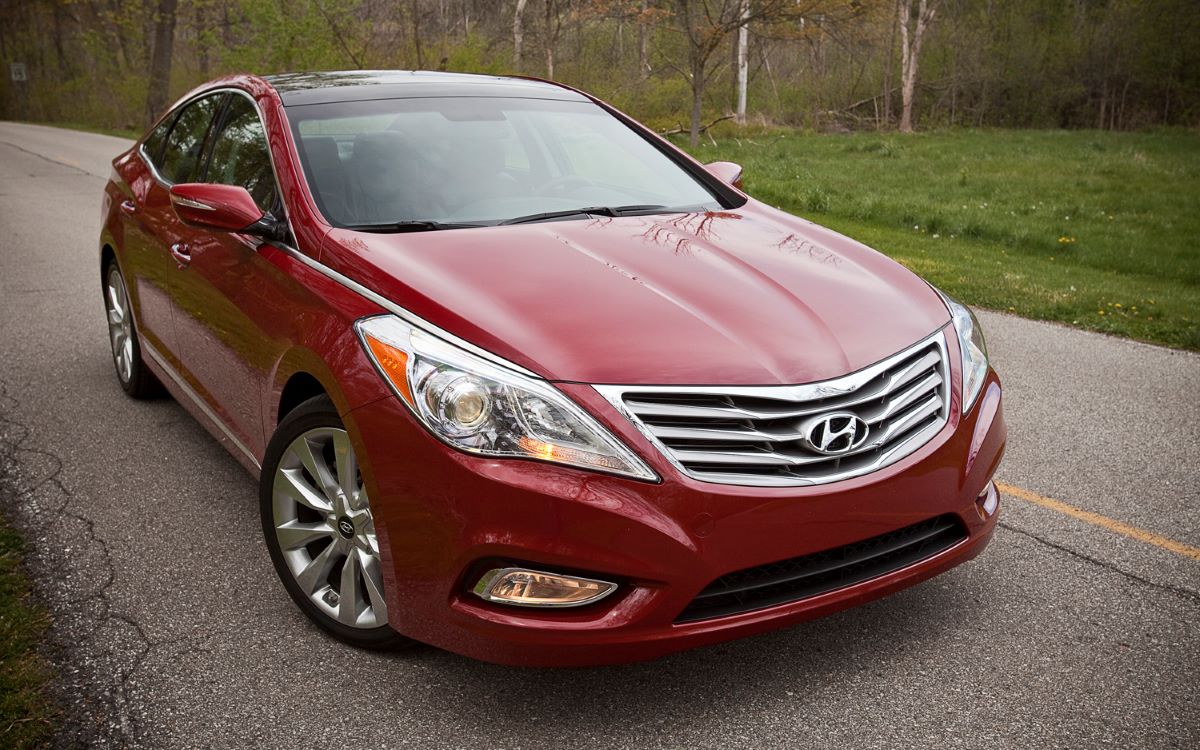
While its overall dimensions remain similar to the previous generation, the 2012 Azera boasts a much bolder exterior design and a far more refined and visually appealing interior.
The price tag has climbed compared to past models, but that increase is justified by an extensive list of standard features, leather seating and a navigation system come included, as well as a more powerful and fuel-efficient V6 engine under the hood.
Out on the road, the Azera unmistakably drives like the large sedan it is. That can be taken as a compliment for its composed, confident feel on the highway, but it also means maneuvering through tight urban environments can be a bit of a chore.
Still, where the Azera clearly distances itself from the competition is inside the cabin. It offers generous interior space, with enough legroom and headroom to comfortably accommodate four tall adults. Trunk capacity is equally impressive, providing ample space for everyone’s luggage without compromise.
Also Read: 10 Performance Sedans That Can Still Be Daily Drivers
5. Hyundai Genesis Coupe (2010–2014)
Though a fan favorite among tuners, the Genesis Coupe especially early models suffered when subjected to hard daily use.
Manual transmission issues, clutch wear, and suspension component failures are common themes. Many were driven aggressively, which exposed weaknesses in build quality.
Even stock models often showed their age before 80,000 miles when used as daily drivers in less-than-ideal conditions. Hyundai has made huge progress in producing vehicles that are both enjoyable and reliable. However, not every model is created equal when it comes to surviving the rigors of American daily driving.
The 2014 Hyundai Genesis Coupe comes standard with rear-wheel drive and offers buyers a choice between two distinct engines. The 2.0T models are powered by a turbocharged 2.0-liter inline four-cylinder engine that produces 274 horsepower and 275 pound-feet of torque.
An eight-speed automatic transmission with paddle shifters is standard on the base 2.0T and the 2.0T Premium, while the sportier 2.0T R-Spec is available exclusively with a six-speed manual gearbox. According to EPA estimates, fuel economy for the automatic version stands at 21 mpg combined (17 mpg city/27 mpg highway), while the manual edges ahead slightly at 22 mpg combined (19 city/27 highway).
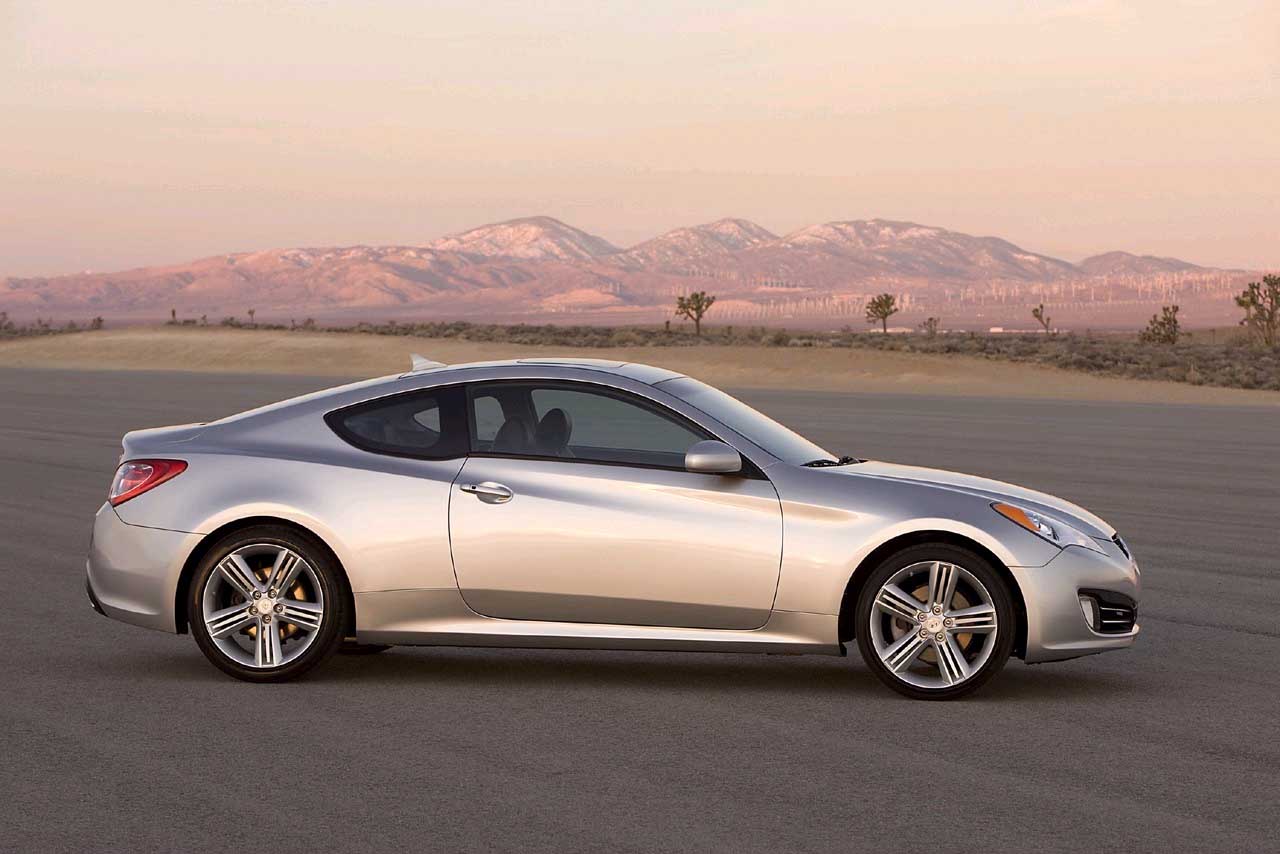
Stepping up to the 3.8 models brings a 3.8-liter V6 engine generating 348 horsepower and 295 lb-ft of torque. The 3.8 R-Spec comes only with a manual transmission, the 3.8 Grand Touring is paired with the eight-speed automatic, and the 3.8 Ultimate gives you the choice of either.
Fuel economy for the V6 isn’t particularly impressive, rated at 19 mpg combined (16 city/25 highway) for the automatic and 19 mpg combined (16 city/24 highway) for the manual.
On the safety front, all 2014 Genesis Coupes come equipped with standard features such as stability and traction control, antilock disc brakes, front-seat side airbags, full-length side curtain airbags, and active front head restraints.
Behind the wheel, the 2014 Hyundai Genesis Coupe holds its own as one of the better-balanced options in its class. While the steering doesn’t provide much feedback, it responds crisply and helps deliver a playful, poised driving experience that rivals some luxury-brand coupes.
The R-Spec and 3.8 Ultimate trims offer even sharper performance, although their stiffer suspensions and larger low-profile tires come at the cost of a rougher ride and more road noise.
As for power delivery, the turbocharged 2.0T engine delivers more than enough performance for most drivers. It’s a significant improvement over the Genesis Coupe’s earlier 210-hp turbo-four, which often felt underwhelming next to the V6.
The Elantra, Sonata (non-turbo), Santa Fe, Tucson, and Accent have earned trust among high-mileage drivers for their resilience. On the flip side, more complex or performance-oriented models like the Genesis Coupe and early Sonata Turbo often can’t handle years of abuse without costly repairs.
When choosing a Hyundai for tough daily use, opt for simplicity, proven engines, and recent-generation build quality and you’ll likely have a car that serves you well past the 100,000-mile mark.
