BMWs have long carried a reputation for blending luxury, performance, and status. But when it comes to daily usability, not every model is built equally.
Some BMWs offer bulletproof reliability, comfortable rides, and easy maintenance making them ideal for the morning commute or school drop-offs.
Others, however, are better left for weekend fun or garage decoration, thanks to complex electronics, stiff suspensions, or sky-high maintenance costs.
Here’s a breakdown for the U.S. market: 5 BMWs that make excellent daily drivers, and 5 that should stay in the garage unless you’re heading to a car show or the track.
BMWs That Can Actually Be Daily Drivers
Not every BMW has to be a high-strung performance machine or a weekend-only toy. In fact, some of the brand’s most compelling models strike a sweet balance between luxury, performance, and practicality, making them perfect for the daily grind.
Whether you’re navigating traffic, racking up highway miles, or just want a refined commute with a little edge, these BMWs prove that driving something fun every day doesn’t have to come at the cost of comfort or usability.
1. BMW 328i (F30, 2012–2018)
The F30-generation 328i is a perfect example of a BMW that balances performance and practicality. It comes with a 2.0-liter turbocharged four-cylinder engine that’s both fuel-efficient and lively.
The ride quality is smooth enough for rough city roads, and the cabin remains quiet during highway cruising. Most importantly, this model tends to be more reliable than its six-cylinder siblings, especially when well-maintained. Plus, it has reasonable repair costs compared to higher trims.
The F30-generation BMW 3 Series hasn’t quite lived up to its legacy as the definitive driver’s luxury sedan. With rivals like Audi, Cadillac, and Lexus stepping up their game, BMW’s once-unshakable hold on the enthusiast sedan segment has been challenged.
Part of the blame lies with the increasingly competent competition. But more notably, the 3 Series’ own identity has grown a bit murky, as BMW shifts focus toward a broader, more mainstream market.
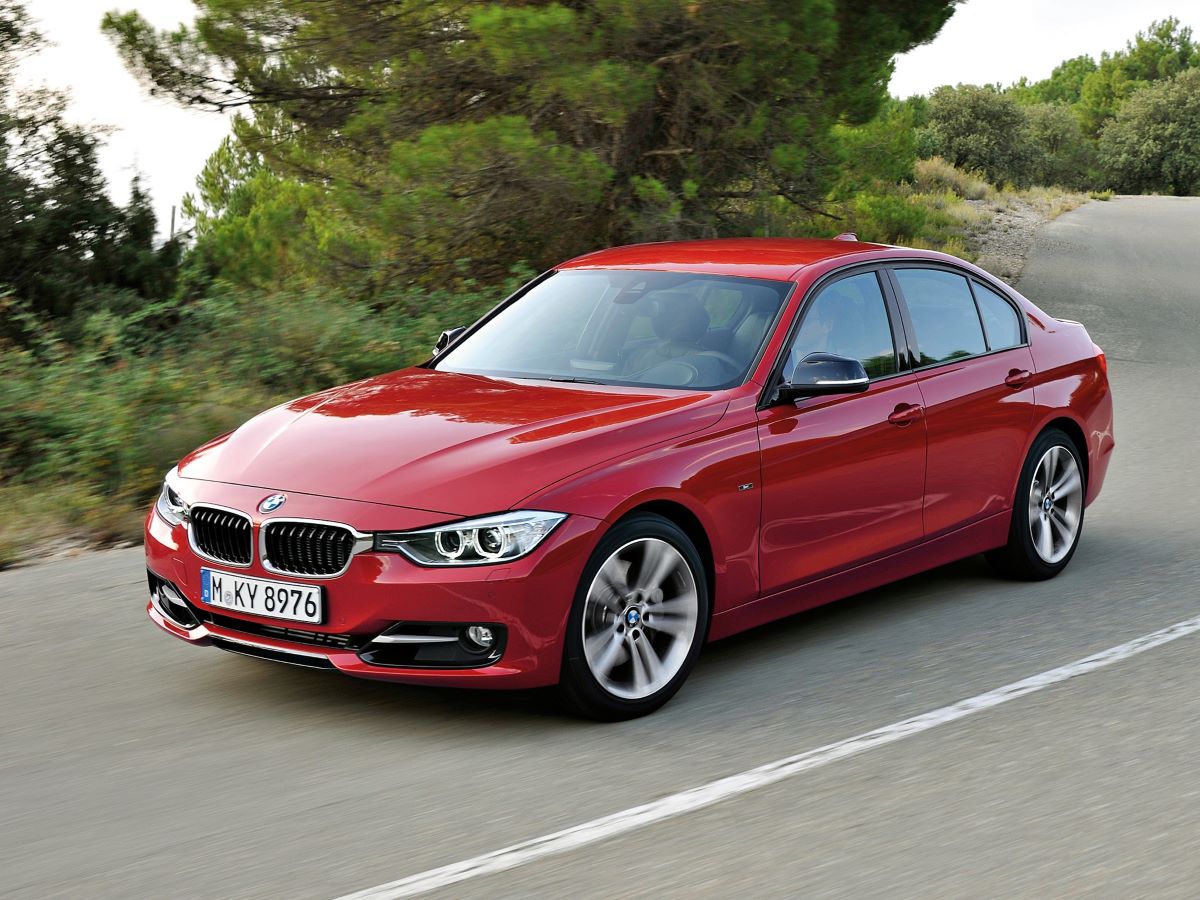
For 2016, BMW delivered a series of modest midcycle updates intended to rekindle the magic—but while they offer incremental improvements, they don’t quite return the 3 Series to its former glory.
One of the biggest changes for 2016 is the renaming of the 335i to 340i, which now features a new 320-hp turbocharged inline-six. However, the 328i remains mechanically unchanged, still powered by the N20 2.0-liter turbocharged four-cylinder—a familiar engine that’s refined and eager.
With 240 horsepower at 5000 rpm and 258 lb-ft of torque peaking at just 1250 rpm, the N20 delivers strong, responsive performance. It revs cleanly to its 7000-rpm redline, and while nothing under the hood has dramatically changed for 2016, some acoustic tuning gives it a throatier (albeit synthetic) soundtrack.
Paired with the excellent ZF eight-speed automatic transmission, still one of the best in the business, the 328i remains a quick car. Launch control is standard with the automatic, and our rear-wheel-drive test car rocketed to 60 mph in just 5.2 seconds, with a quarter-mile time of 13.9 seconds at 99 mph. That’s among the quickest results we’ve recorded for a 328i.
For purists, BMW continues to offer a six-speed manual at no extra cost, a welcome option in an era where sticks are vanishing fast.
While the 328i is still a sharp and capable compact sport sedan, the F30 generation doesn’t quite hit the same emotional notes that earlier 3 Series models did. BMW’s attempts to broaden its appeal have smoothed over some of the rawness that once defined this car. It’s still good—quick, composed, and high-tech, but no longer the automatic choice for those who live for the drive.
Also Read: 10 Best Cars That Feel Expensive But Cost Pennies
2. BMW X3 (G01, 2018–present)
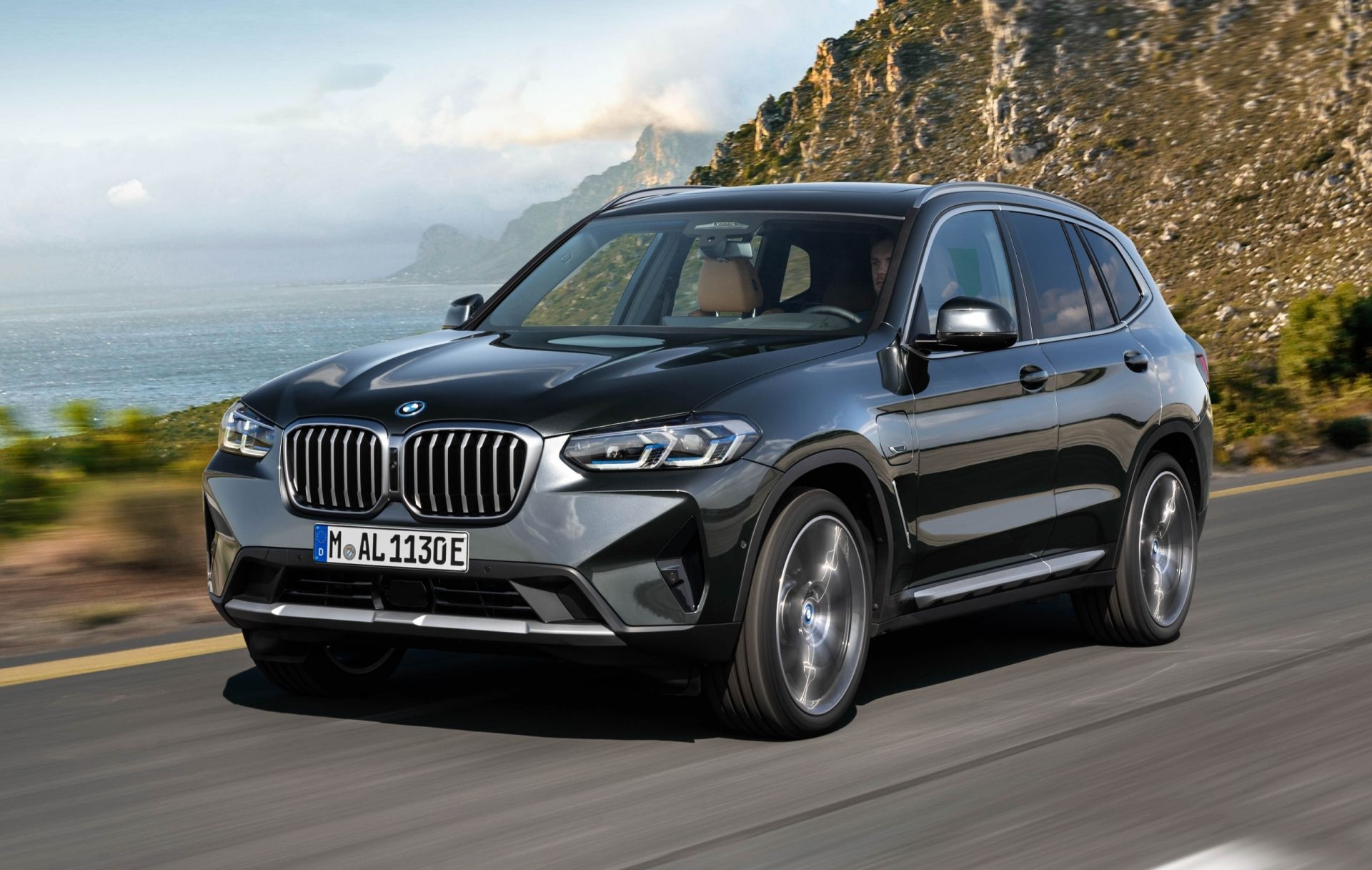
The current-generation BMW X3 hits the sweet spot for Americans who want SUV practicality without sacrificing luxury. It offers ample cargo space, standard all-wheel drive in many trims, and strong engines that don’t guzzle gas. It also sits at a comfortable ride height, which helps in urban parking situations and winter driving.
Owners report solid reliability on the base xDrive30i model, especially after the first model year bugs were worked out. For years, the BMW 3-Series was the benchmark for luxury sport sedans. But the F30 generation, introduced in 2012, hasn’t quite lived up to its lineage.
As rivals from Audi, Cadillac, and Lexus have stepped up their game, delivering sharper handling, more character, and serious luxury, the once-dominant 3-Series has started to lose its edge. BMW’s push to broaden the car’s appeal has come at a cost: that unmistakable behind-the-wheel magic has faded.
To be fair, 2016 brought a handful of midcycle updates meant to address those criticisms. But while they do help in some areas, they don’t fully restore the 3-Series to its former status as the ultimate driver’s sedan.
One of the more notable changes for 2016 was the renaming of the 335i to the 340i, which comes with a new 320-horsepower turbo inline-six. But the 328i, like our test car, sticks with the tried-and-true N20 2.0-liter turbocharged four-cylinder.
Don’t write it off—it’s still a lively little engine. With 258 lb-ft of torque available at just 1,250 rpm and a 7,000-rpm redline, it offers a surprisingly flexible and rev-happy driving experience. Peak output hits 240 horsepower at 5,000 rpm.
The standard ZF eight-speed automatic transmission remains one of the best in the business—smooth, intuitive, and quick to respond. BMW also continues to offer a six-speed manual as a no-cost option, keeping a lifeline open for purists.
These are some of the best performance results we’ve seen from this configuration. The engine hasn’t seen major changes, aside from some acoustic tuning. It now delivers a throatier, though synthetic, growl that’s meant to enhance the driving experience. It works, but it’s not the same as the naturally engaging soundtrack of BMWs past.
The F30 3-Series still offers solid performance, confident road manners, and plenty of tech. But if you’re looking for that classic BMW feel, the one that defined the segment for decades, you may walk away wanting more. The 2016 refresh helps, but it doesn’t recapture the 3-Series magic entirely.
That said, in a straight line and on paper, the 328i still holds its own. For buyers seeking a luxury sedan with badge appeal and respectable speed, it’s a solid choice.
3. BMW 330e Plug-In Hybrid (G20, 2021–present)
For eco-conscious drivers who still crave a dynamic ride, the G20-generation 330e is a standout. It pairs a turbocharged 2.0-liter engine with an electric motor for strong torque and short-range EV-only driving.
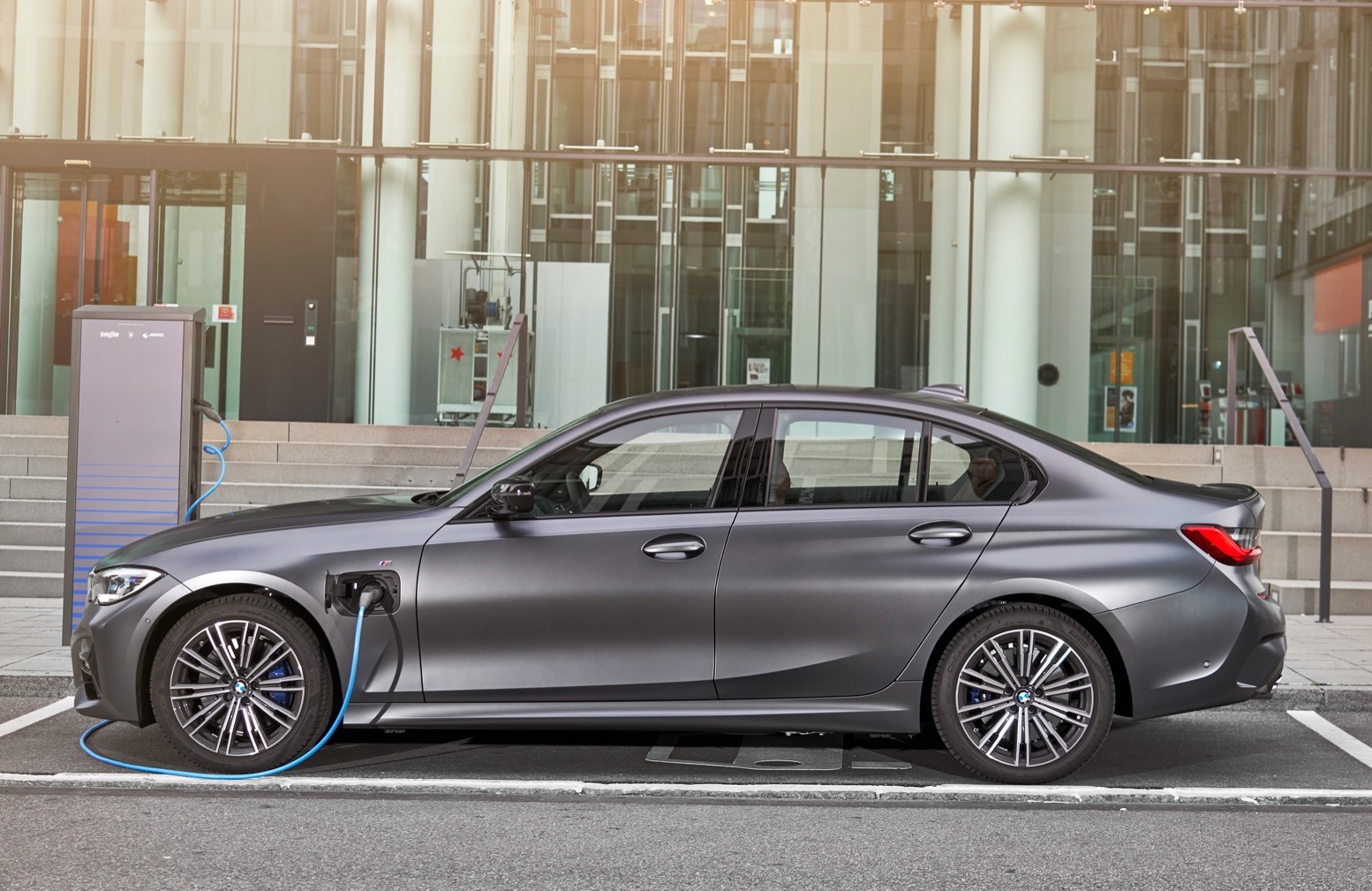
This makes it a solid option for daily commuters, especially those with short trips and charging at home or work. It’s also eligible for certain state and federal incentives in the U.S., lowering the total cost of ownership.
BMW’s 3 Series sedan has always been a staple in the entry-luxury segment, and the current generation continues that legacy with refinement and a growing range of powertrains. For 2021, the lineup expands with the addition of the 330e plug-in hybrid, offering an electrified twist on the traditional 3 Series formula.
The 2021 BMW 3 Series is a smarter, more well-rounded version of itself. It may not satisfy every enthusiast’s nostalgia, but it’s still a quick, comfortable, and tech-savvy luxury sedan. The addition of the 330e plug-in hybrid gives eco-conscious buyers another reason to take a closer look, especially with potential rebates sweetening the deal.
4. BMW 530i (G30, 2017–2023)
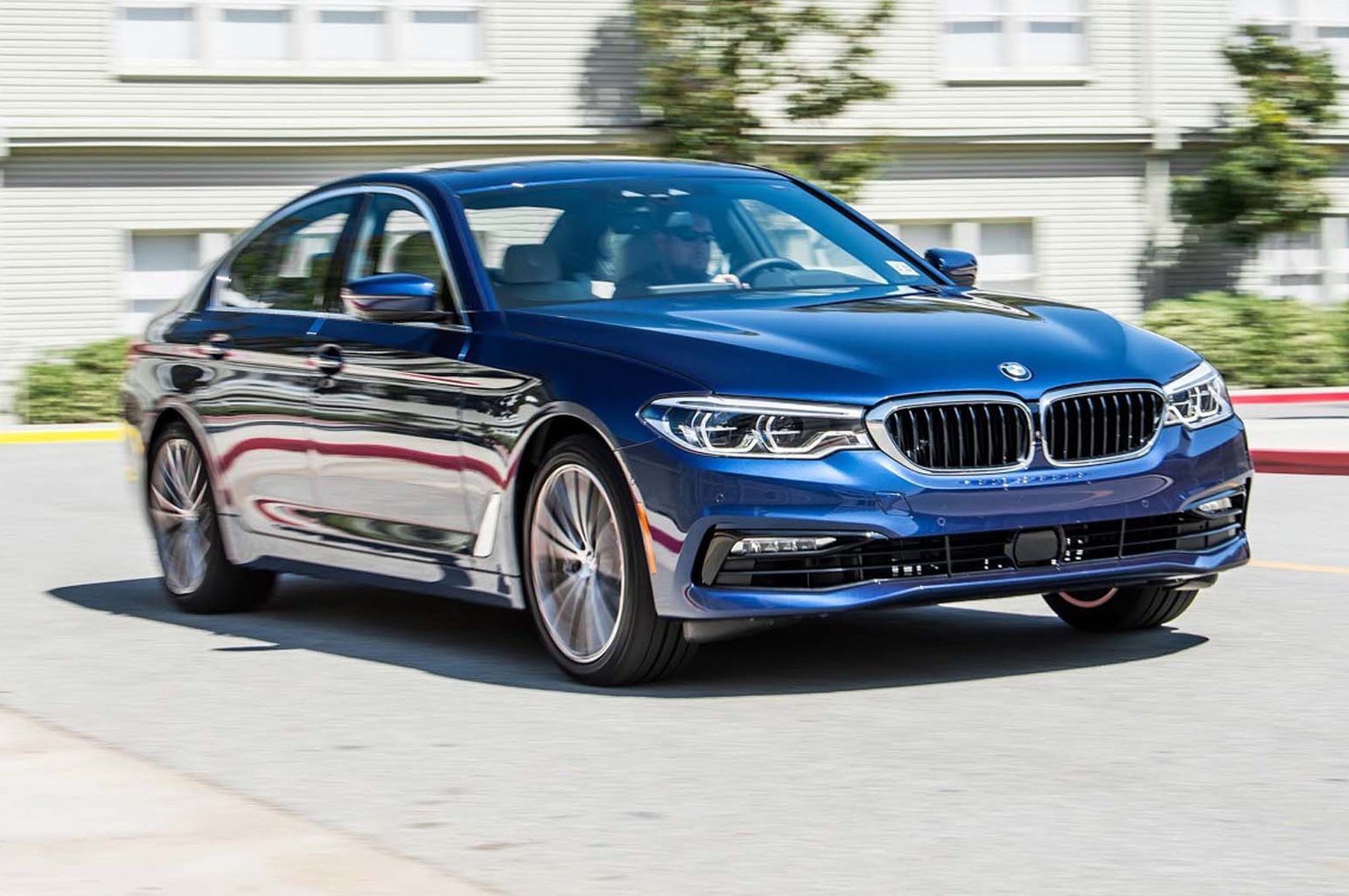
This mid-size luxury sedan offers one of the most refined driving experiences in its class. The 530i is smooth, quiet, and packed with tech features like adaptive cruise control, lane assist, and an intuitive infotainment system.
Fuel economy is respectable for its size, and it has proven to be more reliable than the more complicated 540i or V8-powered 550i variants. It’s an executive daily driver that won’t wear you out.
Think of the BMW 5 Series as the Goldilocks of BMW’s sedan family, not too big like the 7 Series, not too compact like the 3 Series, but just right for buyers looking for space, comfort, and prestige in a midsize package.
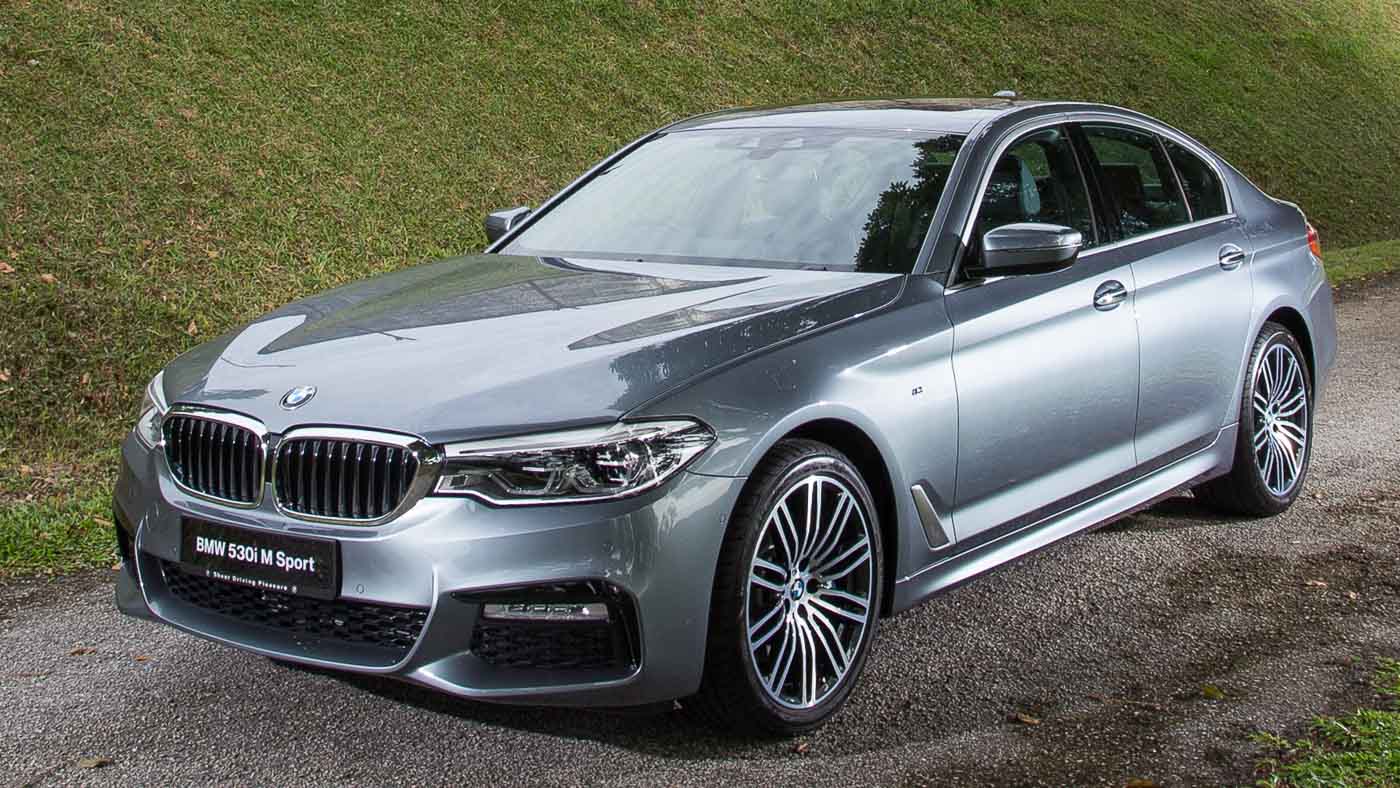
If you’re not sold on the bold new grille of the smaller 4 Series Gran Coupe, the 5 Series offers a more traditional, understated design that still feels upscale without shouting about it. It’s a refined, executive-level sedan that delivers a smooth ride, high-quality interior, and just enough driving engagement to remind you it’s still a BMW.
Sure, the styling might not turn heads like some rivals, but the 5 Series more than makes up for it with its premium cabin, strong tech offerings, and broad engine lineup, ranging from efficient four-cylinders to beastly V8s in the M550i. Whether you’re commuting, road-tripping, or just heading to the golf course, the 5 Series quietly gets it all done, with class.
5. BMW i3 (2014–2021)
While its styling may not be for everyone, the BMW i3 is a shockingly practical city car. It’s small enough for tight urban streets, yet roomy inside thanks to a clever layout.
The electric range on later models can reach up to 150 miles, which is plenty for a daily round-trip. Plus, its carbon-fiber structure and regenerative braking system keep it light and efficient.
Maintenance is minimal due to its all-electric powertrain, making it wallet-friendly over time. Electric vehicles can seem intimidating, loaded with tech and buried in buzzwords but the BMW i3 cuts through all that noise with something rare: functional simplicity.
Thanks to its single-speed direct-drive transmission, the i3 delivers power in a smooth, seamless wave. It accelerates quietly and quickly, without the drama of gear changes or fake engine sounds.
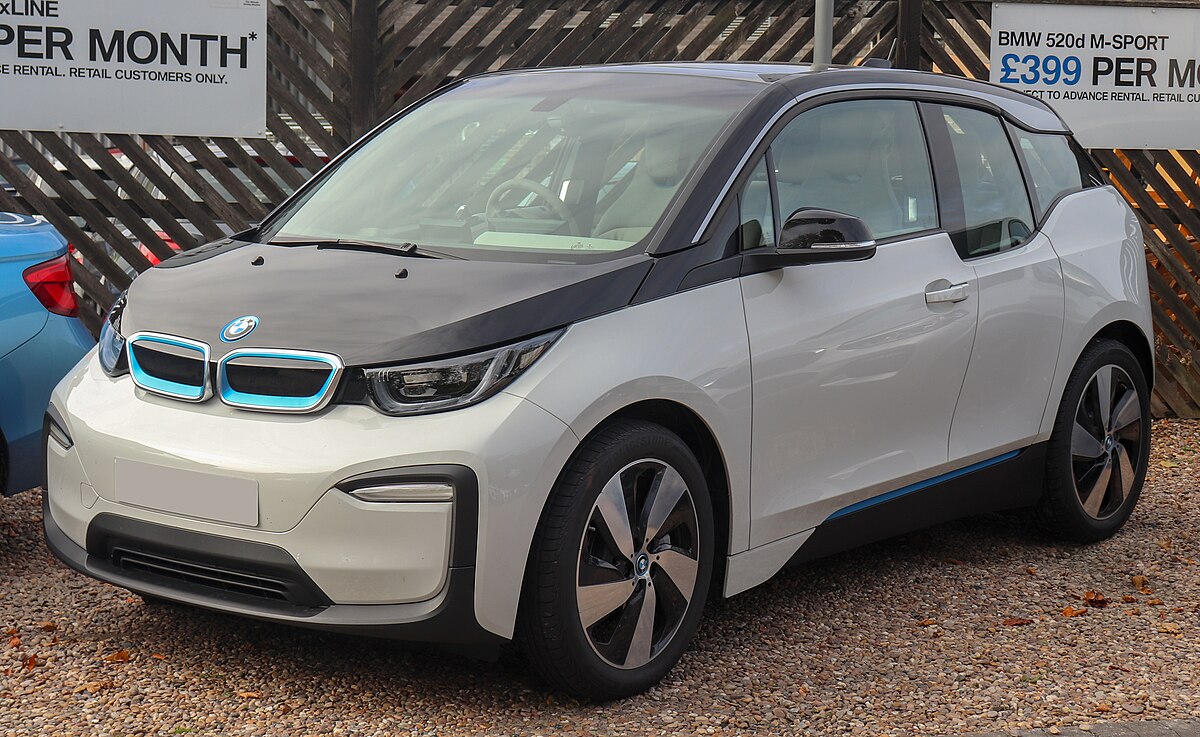
In fact, it’s quicker than you might expect from its quirky, upright design. In testing, the standard i3 sprinted from 0 to 60 mph in just 6.6 seconds, while the slightly more athletic i3s shaved that down to 6.3 seconds. Not bad for a premium city car focused on sustainability.
The drive itself feels refined and whisper-quiet. There’s no engine growl, no rattling vibrations, just a serene, near-silent glide. The ride quality is smooth and composed, absorbing pavement imperfections with ease.
In fact, it might feel too isolated at times. The steering is light and numb, offering little feedback from the road, which won’t bother casual drivers but could disappoint enthusiasts.
Things do change if you opt for the range-extender model, when the small gas engine kicks on to recharge the battery, the peace is briefly interrupted. Still, the i3 remains a standout for anyone craving the future of driving, minus the learning curve.
Also Read: 12 Cars That Went From Unpopular to Everyday Sight
BMWs That Belong in the Garage
Some BMWs are meant to be driven every day, but others deserve a permanent spot in the garage, preserved like fine art or saved for those perfect Sunday morning blasts. Whether it’s because of their rarity, performance pedigree, or future collector status, these are the Bimmers that enthusiasts should think twice about using as daily drivers.
From iconic M models to limited-production gems, these are the BMWs that truly belong in the garage, not because they can’t be driven, but because they’re too special to waste on the mundane.
1. BMW M5 (F10, 2011–2016)
This V8-powered monster is thrilling to drive but punishing to maintain. With a twin-turbocharged 4.4-liter engine pushing over 550 hp, the F10 M5 is more supercar than sedan. It also has a complicated seven-speed dual-clutch transmission that’s known to be finicky in stop-and-go traffic.
Fuel economy is laughable, and any mechanical issue can easily run into four figures. Great for weekend blasts, not so much for Monday mornings.
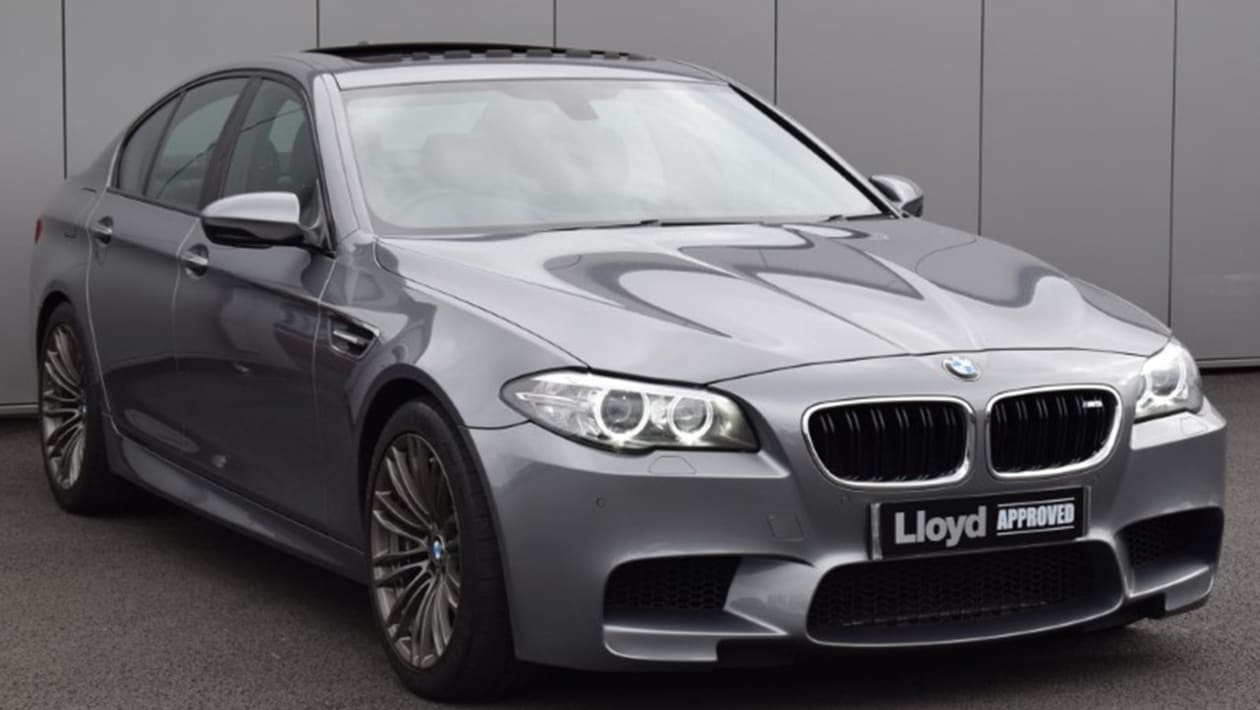
The 2025 BMW M5 marks a major shift in the high-performance sedan’s evolution. Under the hood, BMW has ditched the purely gas-fed setup in favor of a plug-in hybrid powertrain. It pairs a twin-turbo 4.4-liter V8 with an electric motor and an eight-speed automatic transmission for a combined 717 horsepower, nearly 100 hp more than the previous-gen M5.
All-wheel drive is still standard, but BMW now offers a variety of customizable drive modes, including a rear-biased drift mode for those who like their tire smoke with a side of adrenaline. Add in adaptive dampers, rear-wheel steering, and massive brakes, and this M5 is loaded with hardware to back up the horsepower.
2. BMW 850i (G15, 2019–present)
The modern 8 Series coupe is undeniably stunning, but it’s more grand tourer than grocery-getter. With its wide body, low ride height, and powerful V8, it’s not built for pothole-ridden roads or frequent errands.
Insurance and depreciation also bite hard. It’s a car that looks great in a pristine garage but doesn’t mesh with the demands of daily driving in most American cities.
BMW’s flagship coupe and convertible, the 8 Series, kick things off with the 840i models, powered by a 335-hp turbocharged inline-six. Paired with an eight-speed automatic transmission, you can choose between classic rear-wheel drive or BMW’s xDrive all-wheel drive system.
We haven’t yet tested the coupe or convertible with this engine, but we have driven the 8 Series Gran Coupe variant. BMW’s reputation for silky, responsive straight-sixes remains firmly intact. Expect a 0–60 mph time around 4.7 seconds.
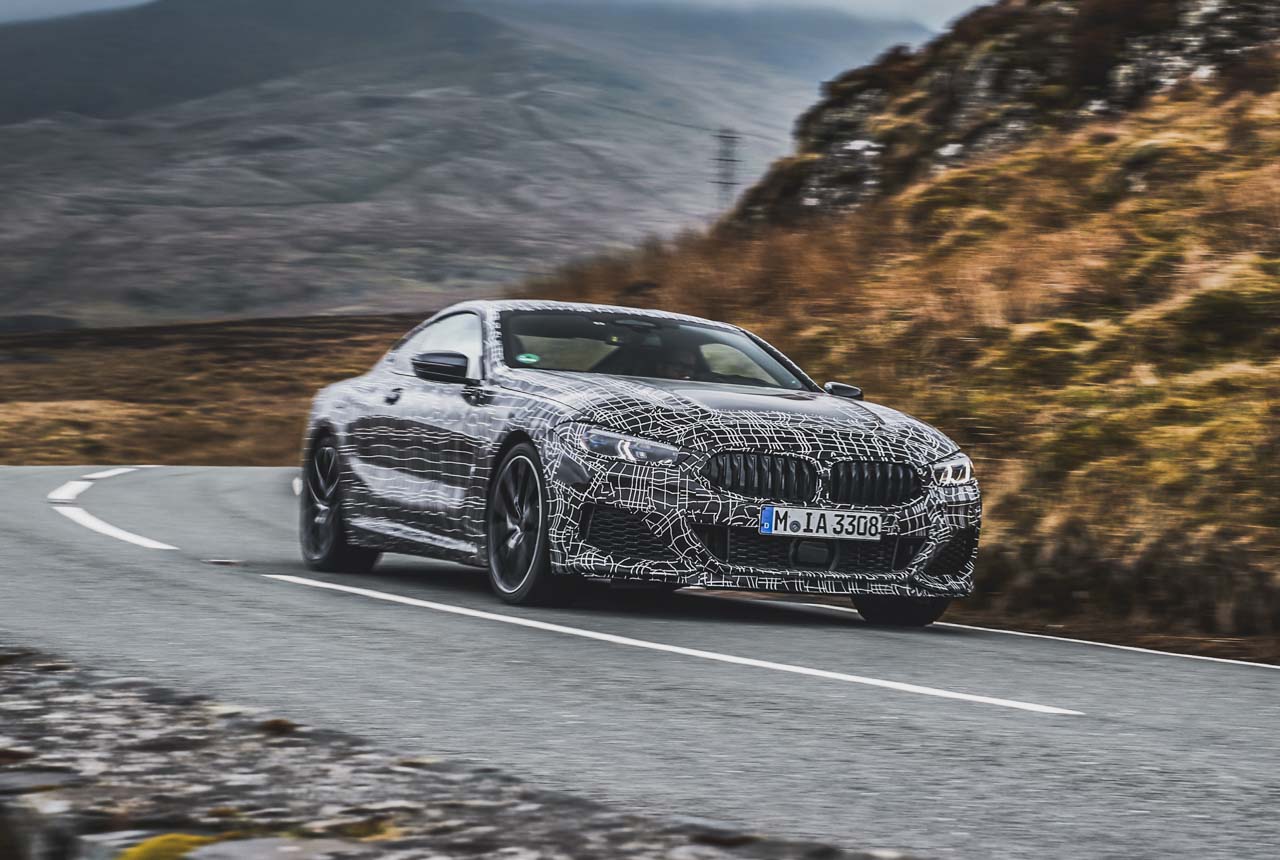
But if you’re after something that’ll push you back in your seat, the M850i brings serious heat. A 523-hp twin-turbo V8, standard xDrive, and the same smooth eight-speed transmission combine for a blistering 3.5-second 0–60 sprint. It’s not just fast, it sounds the part, too, with a muscular exhaust note that sings in Sport mode.
Beyond the power, the 8 Series delivers what a grand tourer should: a tranquil cabin, refined ride, and a planted, composed feel at speed. Steering is clean and linear, though it filters out road chatter in favor of comfort.
Adaptive dampers adjust on the fly depending on the drive mode, soft enough to soak up rough pavement, but firm enough in Sport mode to inspire real confidence through corners. Powerful brakes add to that sense of control and composure. In short: the 8 Series doesn’t just look the part, it backs it up with performance, poise, and true GT luxury.
3. BMW Z4 (E89, 2009–2016)
This second-generation Z4 roadster offers a lot of charm but isn’t exactly daily-driver friendly. The long hood and rear-wheel-drive layout give it classic sports car vibes, but it also comes with harsh ride quality and minimal trunk space.
Plus, the folding hardtop is prone to issues as it ages. It’s a fun weekend cruiser but falls short in day-to-day practicality, especially during bad weather.
The BMW Z4 has always straddled the line between luxury roadster and pure sports car, and the current model continues that trend—though with a bit more fire under the hood.
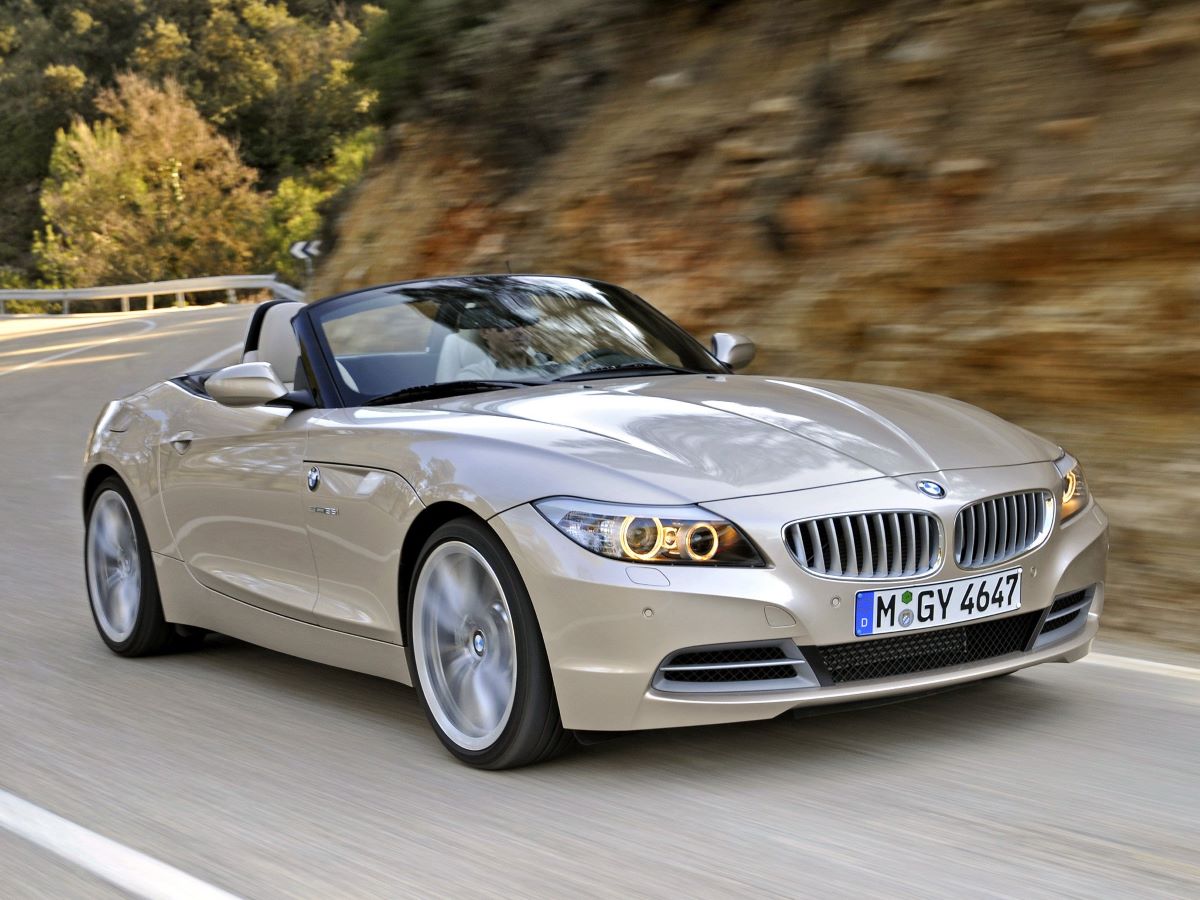
The base sDrive30i is powered by BMW’s excellent turbocharged 2.0-liter four-cylinder, producing 255 horsepower. That figure might not sound massive, but thanks to its abundant torque and eager delivery, the engine feels stronger than the numbers suggest. It’s quick, confident, and ideal for spirited daily driving or weekend canyon runs.
But if you’re after something with more bite, the M40i is the real head-turner. Under the hood is a 382-hp turbocharged inline-six, one of BMW’s finest engines. It’s silky-smooth, effortlessly fast, and has a ferocious edge when you dig into the throttle.
Mated to an eight-speed automatic, arguably one of the best in the business, the M40i fires off snappy, precise shifts whether you’re cruising or attacking a back road. Paddle shifters come standard, of course.
4. BMW X6 (E71, 2008–2014)
The first-generation X6 is often criticized for being a “style over substance” SUV. Its coupe-like roofline sacrifices rear headroom and cargo space, making it less practical than the X5 it’s based on.
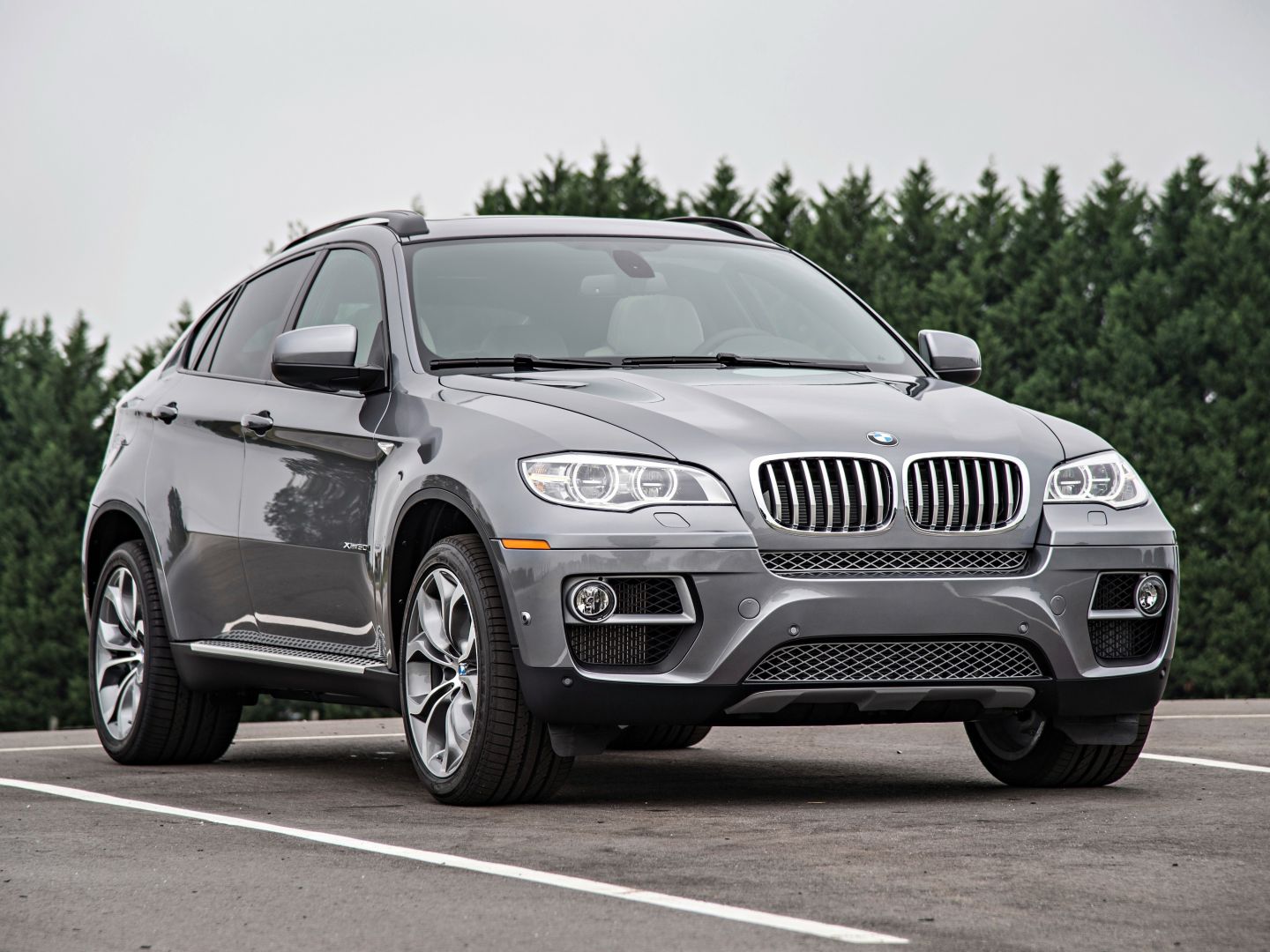
Reliability is also hit-or-miss, particularly on the V8 models that suffer from oil leaks, cooling system issues, and failing electronics. Combine that with poor visibility and high repair costs, and it’s better left as a statement piece.
Trying to fit the BMW X6 into a neat category is a challenge in itself. Technically, it shares its underpinnings with the more traditional X5, but you wouldn’t know it just by looking. The X6 sets itself apart with a wider stance, sculpted bodywork, and that signature sloping coupe-style roofline, all of which give it a bold, athletic presence that’s hard to ignore.
Under the hood, BMW offers two compelling powertrains: a 300-horsepower six-cylinder that’s more than capable for daily driving, and a wild 400-hp V8 that brings serious performance and a deep, throaty growl. The V8’s aggressive soundtrack and muscular performance complement the X6’s extroverted design perfectly.
But that style doesn’t come cheap. Choosing an X6 over an X5 means shelling out nearly $9,000 more, and that premium doesn’t just hit your wallet, it affects practicality too. The fastback-like roof cuts into rear headroom and cargo space, and rear visibility suffers as well.
Also helping matters for 2025 is BMW’s updated iDrive system. It now features streamlined menus and expanded controls that go a long way in reducing the learning curve and frustration that plagued earlier versions. The optional navigation system has also been refreshed with sharper graphics and a more modern user interface.
In short, the X6 delivers standout styling and performance, but buyers need to weigh those strengths against the real-world compromises in utility and price.
5. BMW M4 (F82, 2014–2020)
The F82 M4 looks like it could be a daily driver it’s a coupe based on the practical 3 Series but in reality, it’s a precision instrument not meant for daily abuse.
The stiff suspension and heavy clutch make it uncomfortable in traffic. Owners also report frequent tire wear, squeaky carbon brakes, and high service intervals.
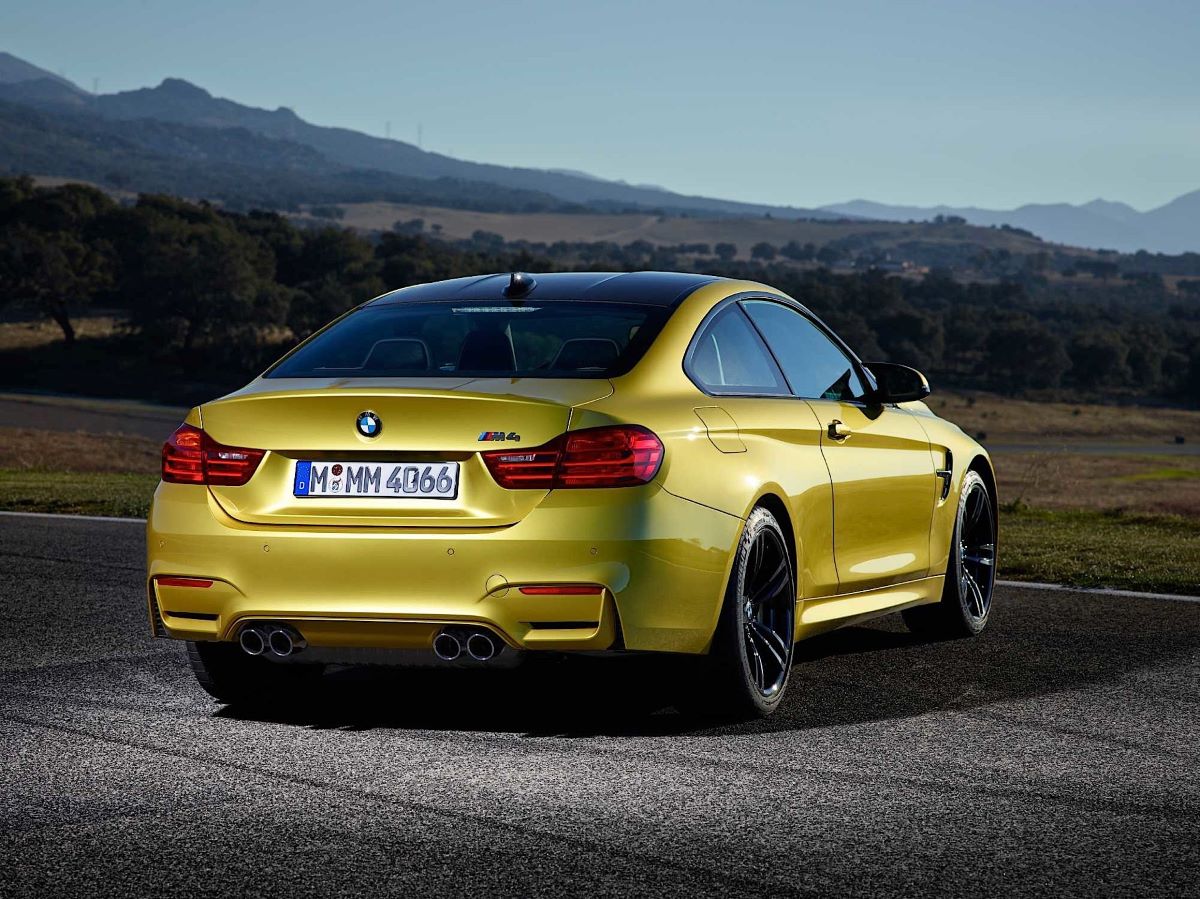
It shines on track days and open highways but not in morning commutes or city parking garages. BMWs come in many flavors some are perfectly suited for everyday life, while others demand more attention and care than most people can give daily.
The 2022 BMW M4 delivers the kind of visceral performance that driving enthusiasts crave—and it does so with versatility and style. As the two-door counterpart to the M3 sedan, the M4 comes in both coupe and soft-top convertible body styles, giving drivers a choice between closed-roof precision and open-air exhilaration.
At its core, the base M4 is a rear-wheel-drive purist’s dream. It packs a 473-horsepower twin-turbocharged inline-six, paired exclusively with a six-speed manual transmission, a rarity in today’s performance landscape. For those who crave even more, the M4 Competition turns up the heat with 503 horsepower, a rapid-fire automatic transmission, and upgraded chassis tuning designed to deliver track-day dominance.
For U.S. buyers looking for a dependable and refined experience, models like the 328i, X3, and 530i strike the right balance.
On the flip side, enthusiast-oriented BMWs like the M5 or M4 are best enjoyed on special occasions, where their high-performance quirks become part of the fun rather than a daily headache.