
Car buyers in the United States have always paid attention to how a vehicle looks, not just how it performs. Among all the categories, SUVs have continued to be a strong choice because they offer size, strength, and presence.
But while some SUV models manage to stay visually attractive for years, others seem to lose their charm shortly after they are released. This difference in how long a car design feels fresh can shape how people view certain brands and whether a model will keep its resale value.
Design matters a lot in the SUV market because people now want their vehicles to reflect their style. Whether it is a family looking for a reliable but good-looking ride or someone who just enjoys driving a bold and modern-looking machine, the look of an SUV affects how it is judged.
Manufacturers try to come up with new shapes, sharper details, and unique lighting designs to give their cars a fresh appearance. However, these efforts do not always pay off in the same way. Some SUVs manage to age gracefully, keeping a clean and sharp appearance even five or six years later. Others start to look out of place as trends in design move forward.
We will be focusing on both sides of this issue. We will go through five SUV models that continue to look stylish long after their release. These vehicles hold their beauty with timeless design features, smart proportions, and smooth details. Also, we will look at five SUVs that appeared fresh at first but aged faster than expected.
Their designs may have failed to keep up with what car buyers want now, or they were simply too bold at the time of release and became outdated quickly. Each section will look at these vehicles closely, touching on their design choices and why they either stayed sharp or fell behind.
5 SUVs That Stay Stylish
1. 2023 Mazda CX-5
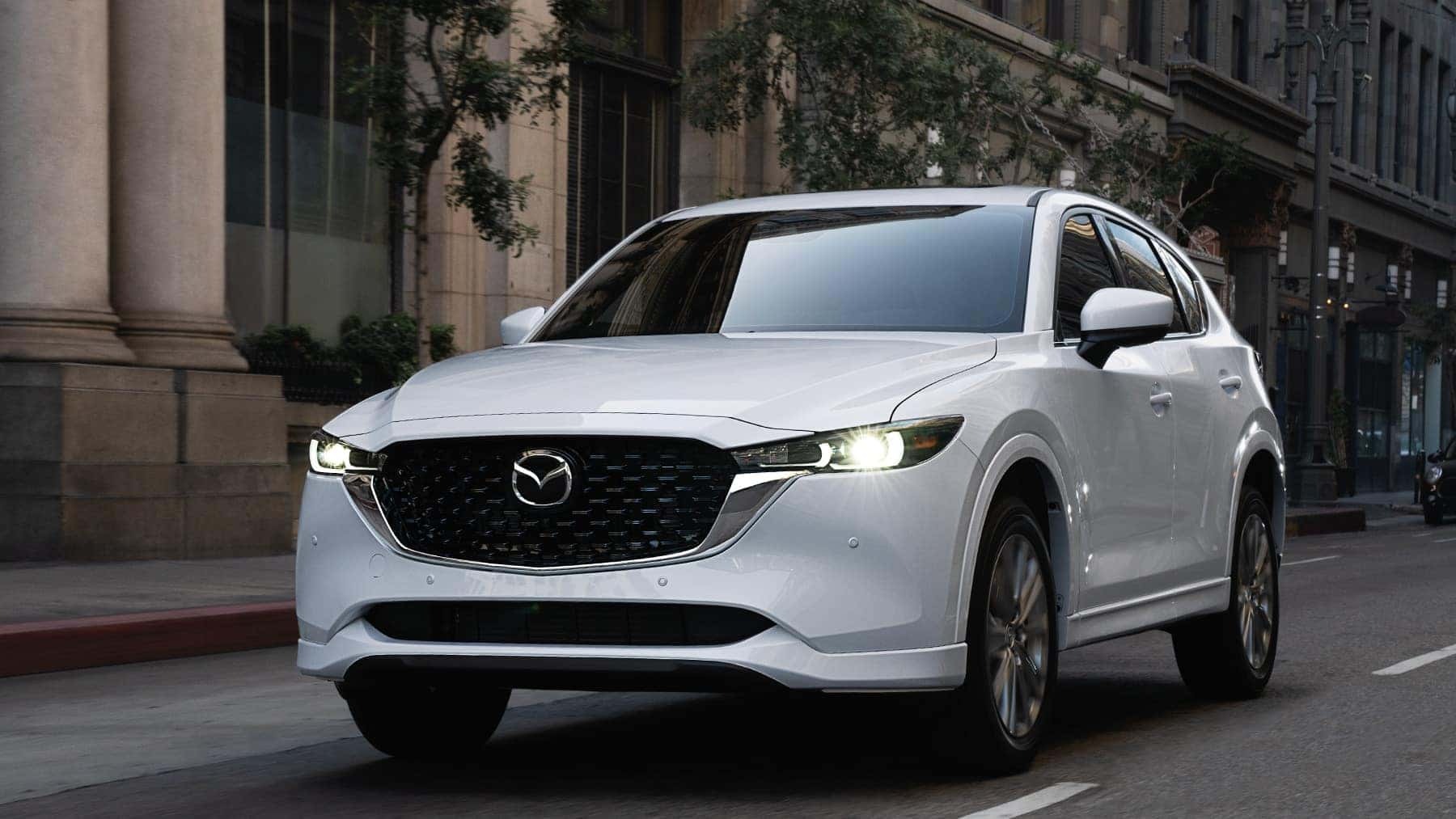
Mazda has kept things simple but very attractive with the CX-5. Since it entered the market, this SUV has shown a level of beauty that is hard to ignore. What makes the CX-5 stand out is that it does not rely on flashy parts or strange angles.
Instead, Mazda focused on smooth lines and elegant curves. This choice allows the vehicle to look balanced and attractive without feeling overdesigned. Even though it’s been around for a while, people still turn their heads when they see it on the road.
Mazda uses what it calls “Kodo” design language. This means the body of the car looks like it’s in motion, even when it’s standing still. The CX-5 benefits from this approach because its surface is clean and sharp without being aggressive.
The front grille has a confident but not exaggerated look, and the headlights blend well with the body rather than sticking out. Altogether, it forms an SUV that looks well-planned and very current, even next to newer models.
Another part of the CX-5’s lasting appeal comes from Mazda’s decision to avoid unnecessary design changes. Many brands try to force updates every few years, adding big new grills or changing the rear end too much.
Mazda did not follow that pattern. They made small updates to lighting and trim but kept the body shape and lines mostly untouched. That decision has helped the CX-5 age better than many of its competitors. Instead of chasing trends, the design stayed calm and timeless.
Even on the inside, Mazda has taken a clean and minimal direction. There’s no wild shape on the dashboard or overly bright colors. They chose simple layouts and high-quality materials, giving drivers the feeling of a premium car. This helps the whole vehicle stay stylish and relevant.
The CX-5 continues to perform well in terms of sales, and its appearance plays a major part in that. Its look remains modern, which makes it attractive for new buyers while also helping it keep good value when it’s resold.
2. 2024 Genesis GV70
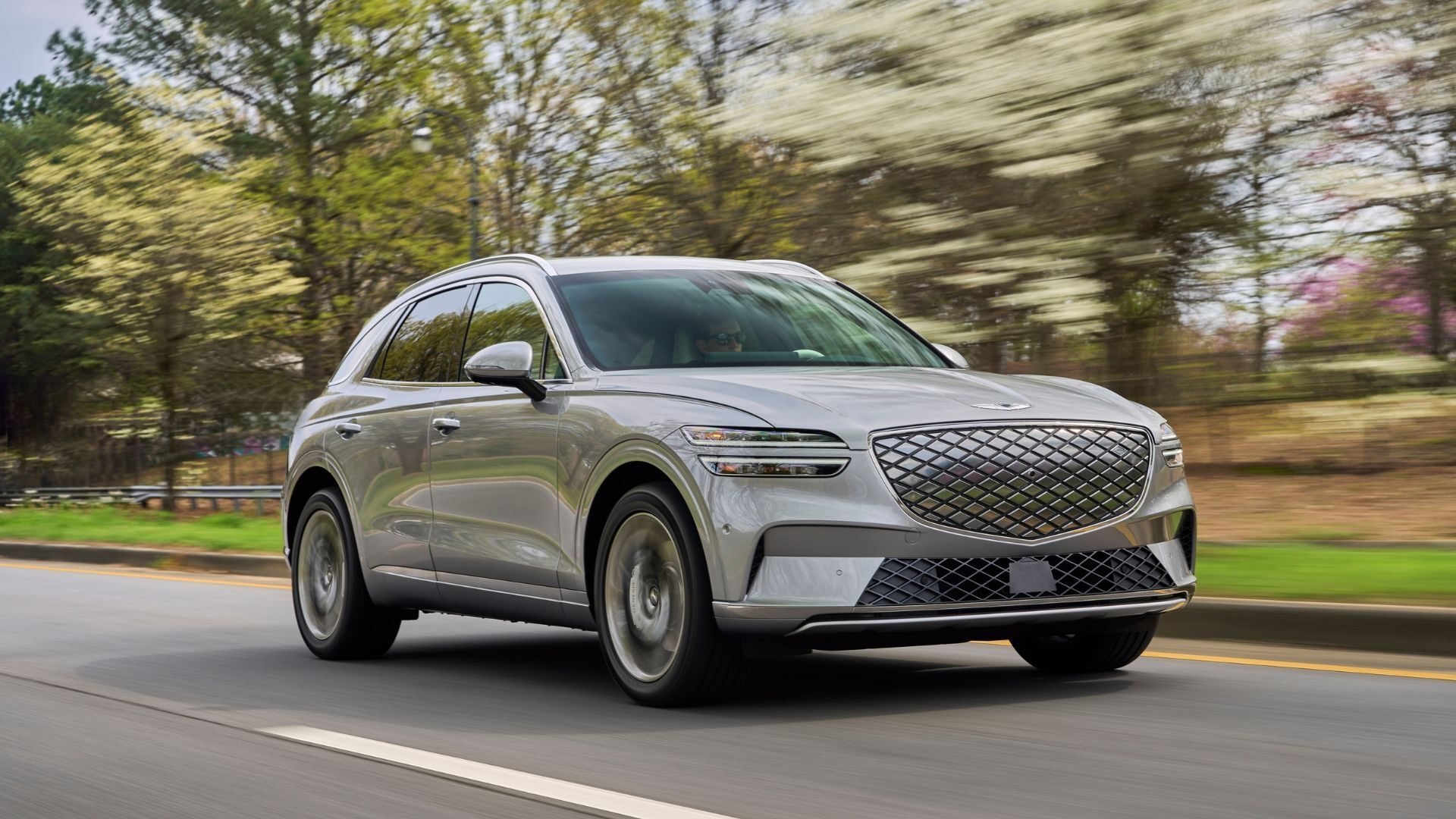
Genesis, which is Hyundai’s luxury line, created something very impressive with the GV70. From first glance, it is easy to see that the designers paid attention to the smallest details. This SUV doesn’t just look fancy; it feels well-balanced and modern. The GV70 combines smooth body lines with bold shapes, and the result is a vehicle that can easily stand beside more expensive European brands in terms of beauty.
One major part of the GV70’s design success is how it blends bold elements without doing too much. The front end has a wide grille that doesn’t feel forced, and the split headlight design is done in a way that gives it personality. While some brands try to make the lights look unusual just to be different, Genesis made them match the shape of the vehicle. They don’t scream for attention, but they add to its appeal.
The side view is just as impressive. The shape of the roof flows smoothly into the back, and the rear lights mirror the front in a very stylish way. Even the tailpipes were designed with care, not just placed randomly. These thoughtful touches keep the GV70 looking current and refined, even when parked next to newer models.
Inside the car, Genesis continued that same level of care. The dashboard layout is simple and elegant, with clean lines and controls that feel easy to use. The materials feel high-quality, and the design avoids being flashy. This kind of interior is what helps a car stay stylish beyond the first few years. It doesn’t rely on bright colors or strange shapes that might go out of style quickly.
Another thing that helps the GV70 is that it looks good in many different paint colors. Some cars only look sharp in black or silver, but the GV70 handles bold or light colors well, which shows how flexible the design is. Genesis managed to create a premium-looking SUV that does not lose its shine as time passes. The GV70 will likely remain attractive for many years, both inside and out.
Also Read: 5 Cars With Ideal Cup Holders and 5 With Awkward Holders
3. 2024 Kia Telluride
Kia made a strong move in the SUV market with the Telluride, and since its arrival, it has continued to gain positive attention. One reason this vehicle stays attractive is because of its bold and mature styling.
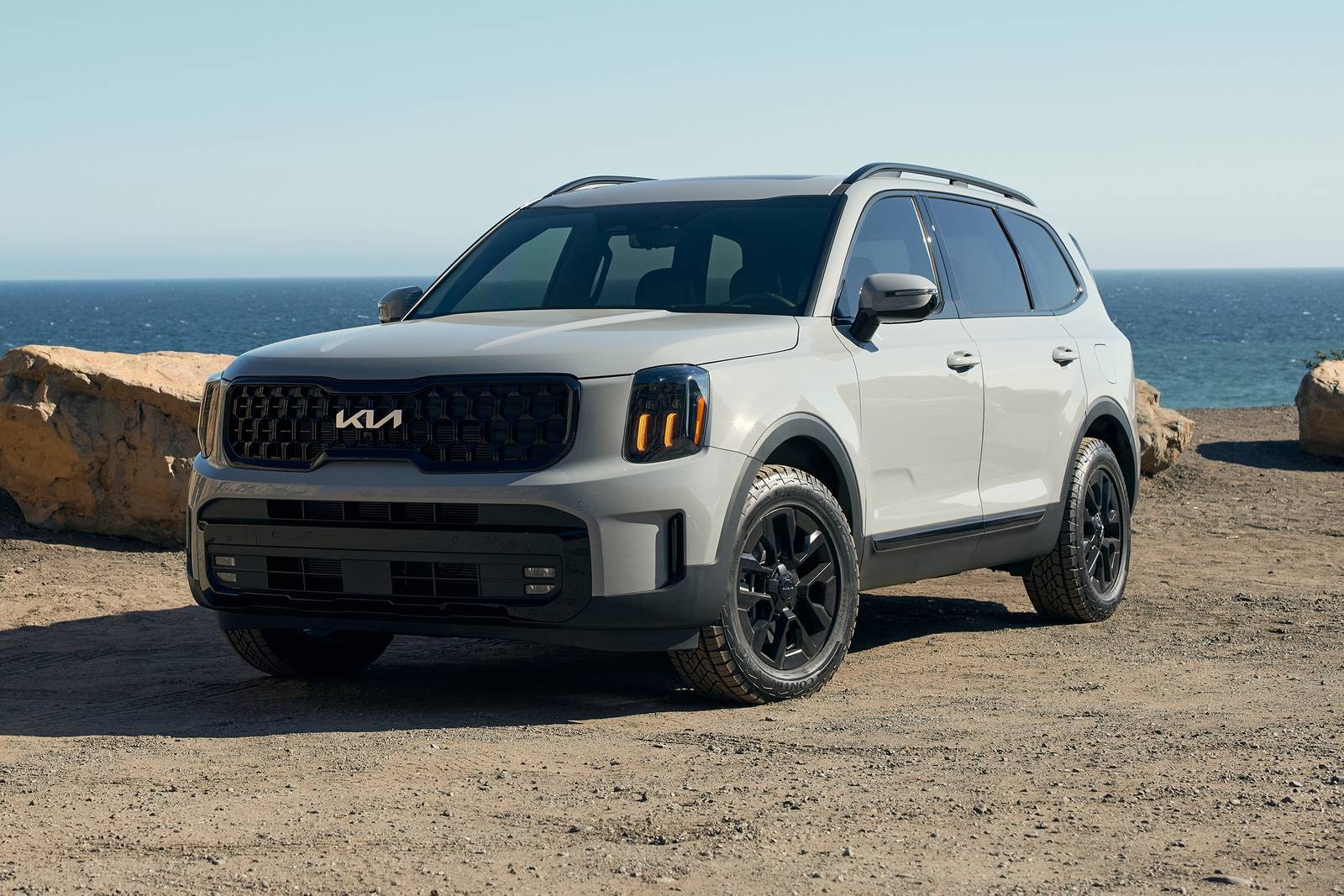
The Telluride looks big without being too much, and its strong road presence helps it maintain attention even as newer models come out. The design does not feel like something that was built to follow a short trend. Instead, it gives the impression of careful planning.
The front of the Telluride carries a square shape that gives it a confident look. The headlights are clean and rectangular, and they go perfectly with the wide grille. This gives the car a strong face without looking aggressive.
The LED light signature also helps it stand out, especially at night. Compared to other SUVs that go for sharp edges or overly curved bodies, the Telluride stays neat and powerful. Moving to the sides, the Telluride keeps its strong image going. The wheel arches are well-shaped, and the lines across the body are straight and clear. This gives it a tough but refined appearance.
The windows are big enough to create good visibility, and the chrome trim around them adds a touch of class. At the back, the vertical tail lights add more character, and the rear bumper supports the entire firm design.
Inside the vehicle, Kia also followed the same design style. The dashboard is wide and organized, and the screen layout feels current. The materials used for the seats and panels look good and feel soft. There are no wild colors or odd buttons, which helps the interior stay fresh even years after buying the car. The design does not chase attention; it earns it by being well-balanced.
Even as other carmakers bring in updates and new models, the Telluride has continued to stay relevant because of its solid shape and high-quality look. It is the kind of SUV that does not need a redesign every two years to stay appealing.
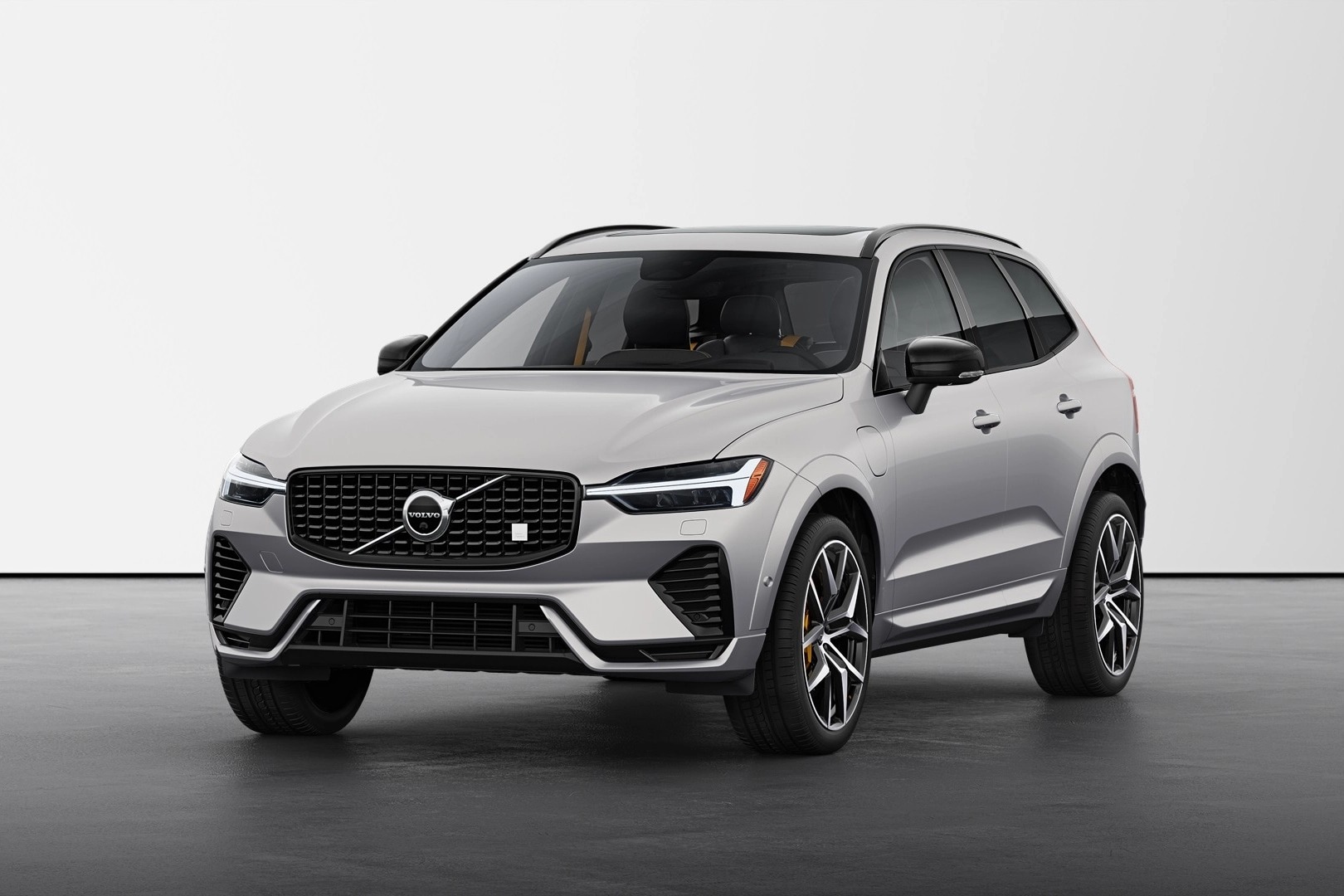
4. 2023 Volvo XC60
Volvo has always been known for keeping things simple, and the XC60 is one of the best examples of how calm design can still look great. This SUV does not use bold cuts or strange body shapes to get noticed. Instead, it depends on perfect proportions and tidy lines. That strategy helps it stay current without needing too many changes every year.
From the front, the XC60 carries the signature Thor’s Hammer LED lights, which have become a strong symbol for the brand. The lights are shaped in a way that looks both unique and sensible. The grille is not too large, and the whole front end feels like it was shaped with care. There’s nothing overdone about it. This makes the vehicle easy to enjoy visually, even several years after its release.
Along the sides, the XC60 continues with clean shapes and balanced surfaces. The body has a slight curve in the right places, and the windows follow a neat line that keeps the whole look smooth. This kind of quiet confidence is what helps a car stay fresh for a long time. It doesn’t matter whether it’s parked in a city or the suburbs; the XC60 looks like it belongs.
The rear of the SUV features vertical tail lights that give it structure and style at the same time. Volvo didn’t go for tricks or fake vents. The back part of the vehicle matches the front in terms of balance. The shape is strong without being too serious, which helps it age slowly.
Inside, the XC60 is even more impressive. The seats are shaped well, and the dashboard uses quality materials with a soft touch. The center screen is placed vertically and gives the interior a more modern feel, but still stays simple. All the controls are arranged in a way that makes sense, which adds to the sense of calm style.
Volvo chose to avoid following short-term design ideas, and that choice has helped the XC60 continue to look attractive long after other models have started to feel old.
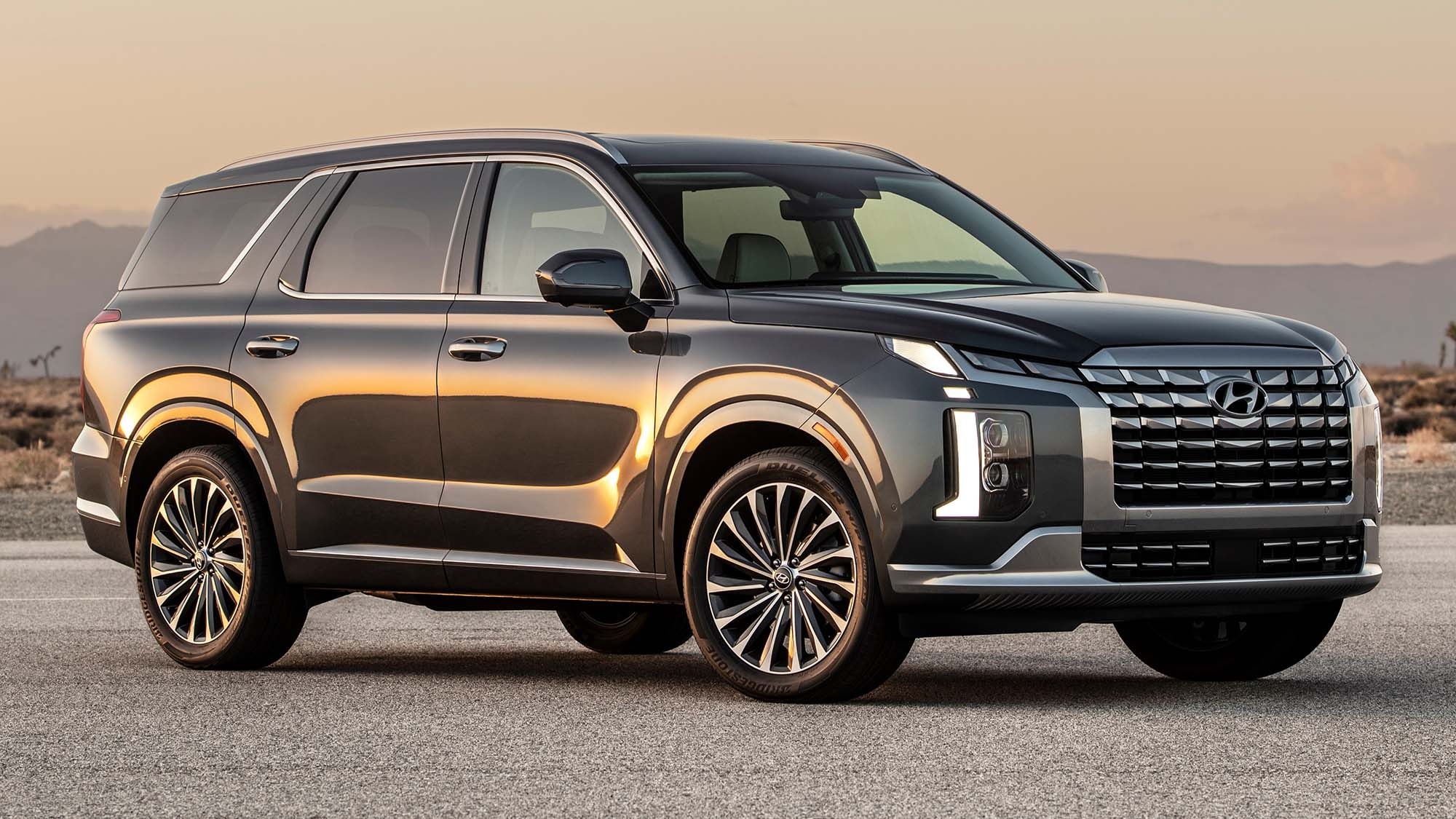
5. 2023 Hyundai Palisade
Hyundai brought something bold to the table with the Palisade, and the company made sure the design was both modern and elegant. It wasn’t just about creating a large SUV; it was about shaping it in a way that showed purpose and style. As a result, the Palisade continues to be seen as one of the best-looking SUVs in its class, even with new entries showing up each year.
At the front, the vehicle makes a strong first impression. The headlights are divided vertically, giving the Palisade a unique identity. While this could have gone wrong if done poorly, Hyundai managed to make it look clean and confident. The large grille also helps build that strong first image without becoming a distraction.
Along the side, the Palisade shows off clean body panels and nice surface detail. The shape is upright but not boxy, and the lines are smooth enough to keep the look fresh. The chrome around the windows adds just the right amount of shine, giving it a premium touch. The door panels have soft curves that work well with the entire proportions.
At the back, the vertical lights match the front design, and the whole rear section feels neat and complete. There are no strange shapes or clashing lines to confuse the eye. Instead, everything looks like it fits, which helps the car keep its value and style.
Inside the Palisade, the attention to design continues. The dashboard uses high-end materials and stays away from loud styles. The controls are simple to understand, and the screens are shaped in a way that looks modern but not futuristic. That balance is what allows the Palisade to stay stylish over the years.
By not pushing too far in any one direction, Hyundai managed to create an SUV that looks sharp without chasing short-lived trends. It is likely to continue looking fresh for a long time.
5 SUVs That Look Old Too Soon
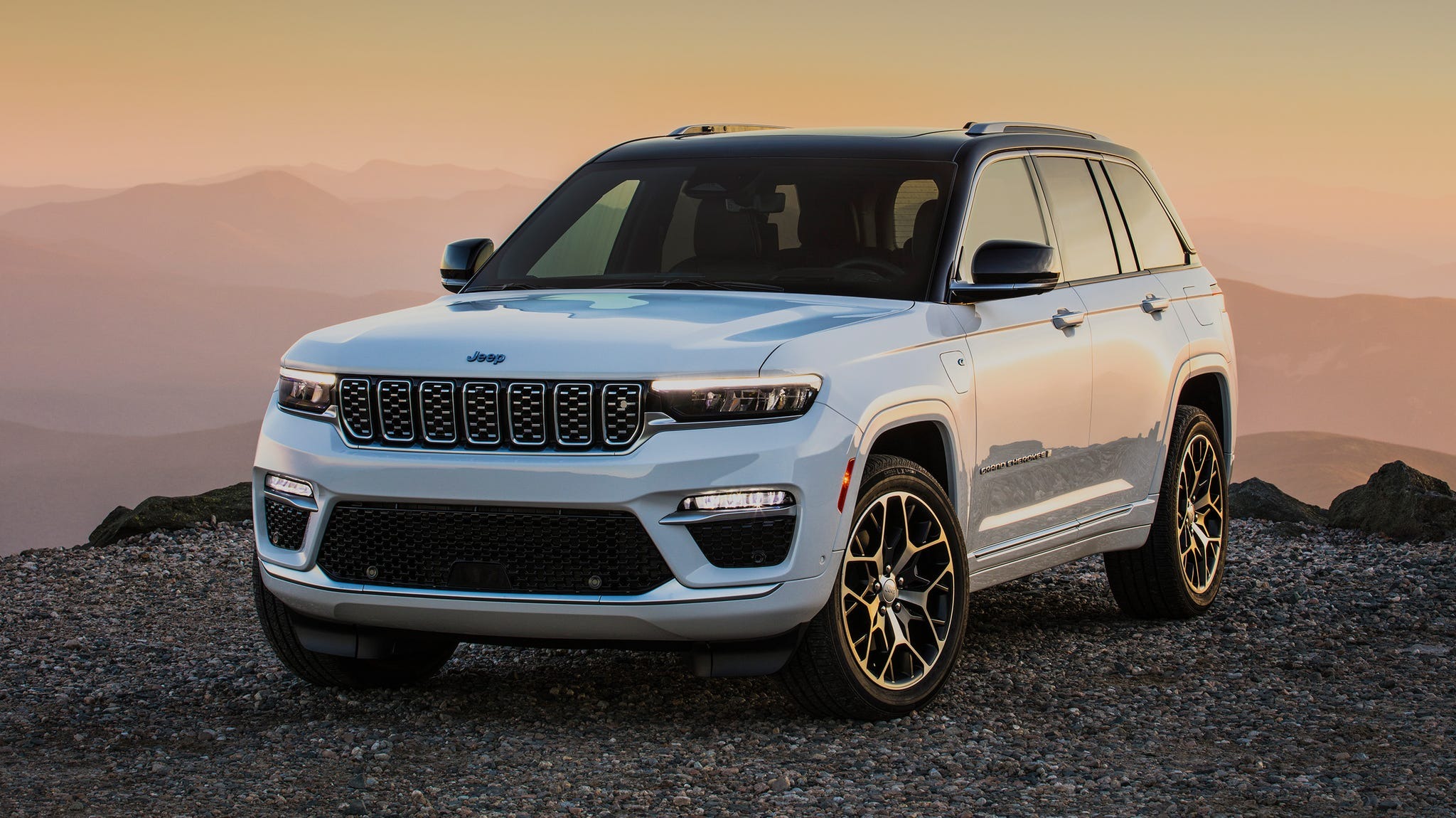
1. 2022 Jeep Cherokee
When Jeep released the 2022 Cherokee, it was meant to offer something a bit different from the boxy image most people connect with the brand. While the goal was to create a sleeker SUV, the outcome did not please everyone. The front-end styling, especially the unusual headlights, gave the Cherokee a face that people either liked or disliked. It stood out, but not always for good reasons.
One of the main reasons why this SUV looks aged fast is that it tried too hard to be different from traditional Jeep models. People who like Jeeps usually want that rough, off-road appearance.
The Cherokee went away from that style and gave something more urban, but the mix didn’t quite land. The rounded front design and slim lights made it look less like a rugged SUV and more like a crossover that didn’t know its place. As time went on, those unique features started looking out of fashion.
Another thing that worked against the Cherokee is how quickly other carmakers improved their SUV designs. While competitors started showing bold and confident shapes, the Cherokee stayed mostly the same.
And instead of looking sleek and simple, it ended up feeling dated. The grille design didn’t match the rest of the body, and the rear didn’t offer anything strong enough to balance out the front. After some time, buyers began to prefer sharper-looking SUVs.
Inside, the dashboard layout and materials did not help the situation either. While Jeep improved technology and comfort, the styling didn’t move with the times. Other brands offered cleaner interiors with fewer buttons and more modern screen placement. The Cherokee kept a layout that felt stuck in the past. That affected how buyers felt when sitting inside the car.
While Jeep still has a strong name and many loyal customers, the Cherokee from this year did not do much to protect its long-term look. As more stylish and better-designed SUVs appeared, this model quickly lost attention and started feeling like a design from an earlier era.
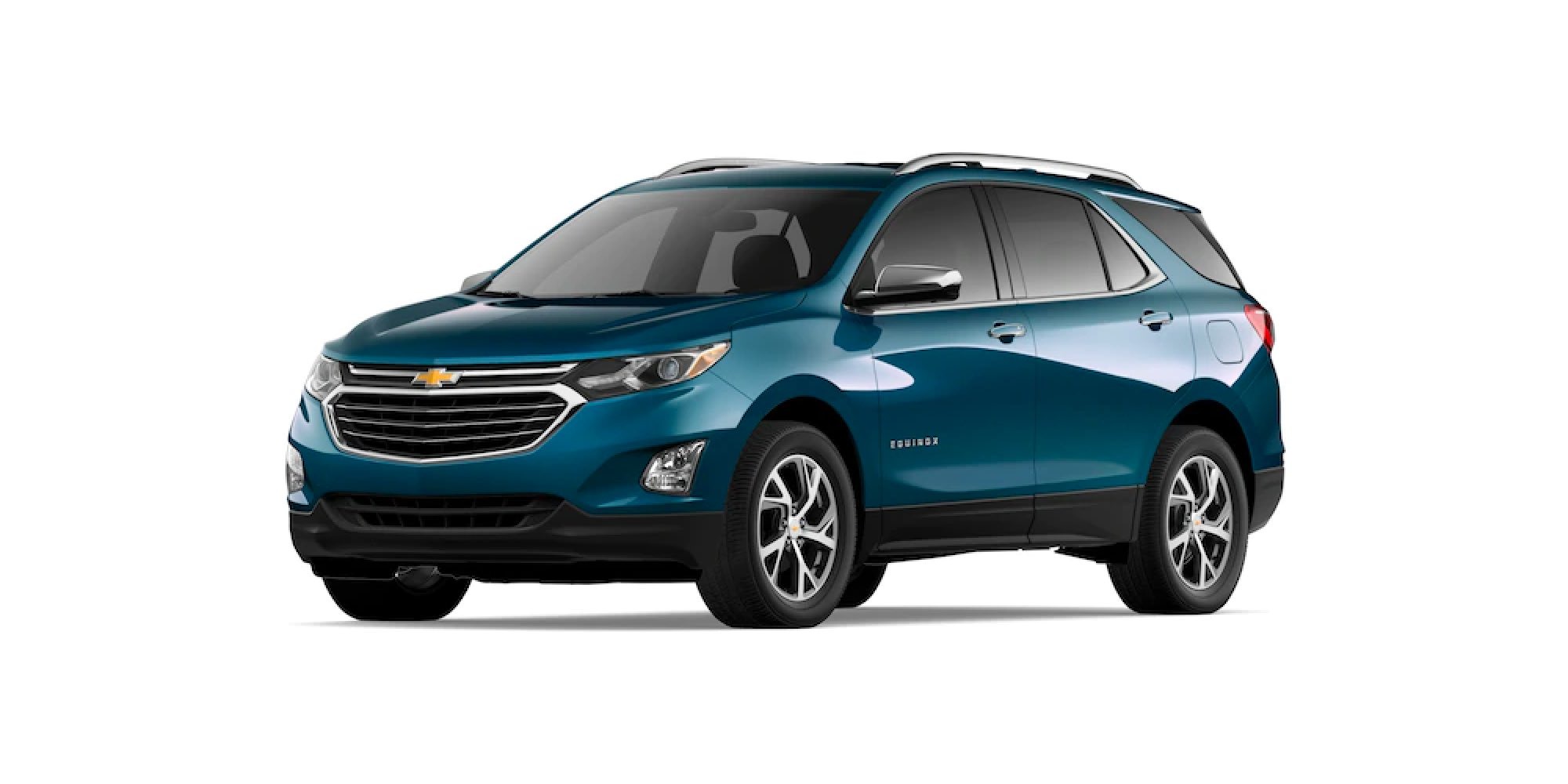
2. 2021 Chevrolet Equinox
The 2021 Chevrolet Equinox came into the market with hopes of competing in the busy compact SUV segment. While it did offer strong points in performance and practicality, its design failed to match the fast-moving style updates in the car market. When first released, the Equinox looked clean and safe. However, that safe design ended up being too plain, and it quickly became one of those vehicles people no longer noticed.
The front design of the Equinox tries to show energy, but the results are not that strong. The headlights are shaped in a way that tries to look sharp, but the rest of the front feels too soft and simple. The grille is wide but lacks strong character, and the bumper does not give the vehicle a solid look. Because of that, the whole front design feels like it didn’t go far enough to make a lasting mark.
From the side, the Equinox does not offer much excitement either. The body panels are smooth, but there’s no strong line or shape that gives the SUV a confident profile. While this might help it avoid strong opinions, it also means it doesn’t stand out at all. When parked beside newer and bolder SUVs, the Equinox ends up fading into the background.
The rear styling continues this same pattern. The tail lights are shaped simply, and the back of the SUV does not have any design feature that grabs attention. This is part of why the Equinox started to feel old much quicker than expected. Car buyers today are used to seeing sharp edges, deep body creases, and unique lighting styles. The Equinox skipped all of that.
Inside, the story is quite similar. The dashboard looks like it came from an older generation. The buttons and screen placement feel too basic, and the materials used do not help build a feeling of freshness. Even with updates in technology, the interior does not offer the kind of design that feels future-ready.
Because of these choices, the Equinox does not hold up well in style against newer options. Its quiet and soft design made it easy to forget shortly after launch.
3. 2021 Toyota C-HR
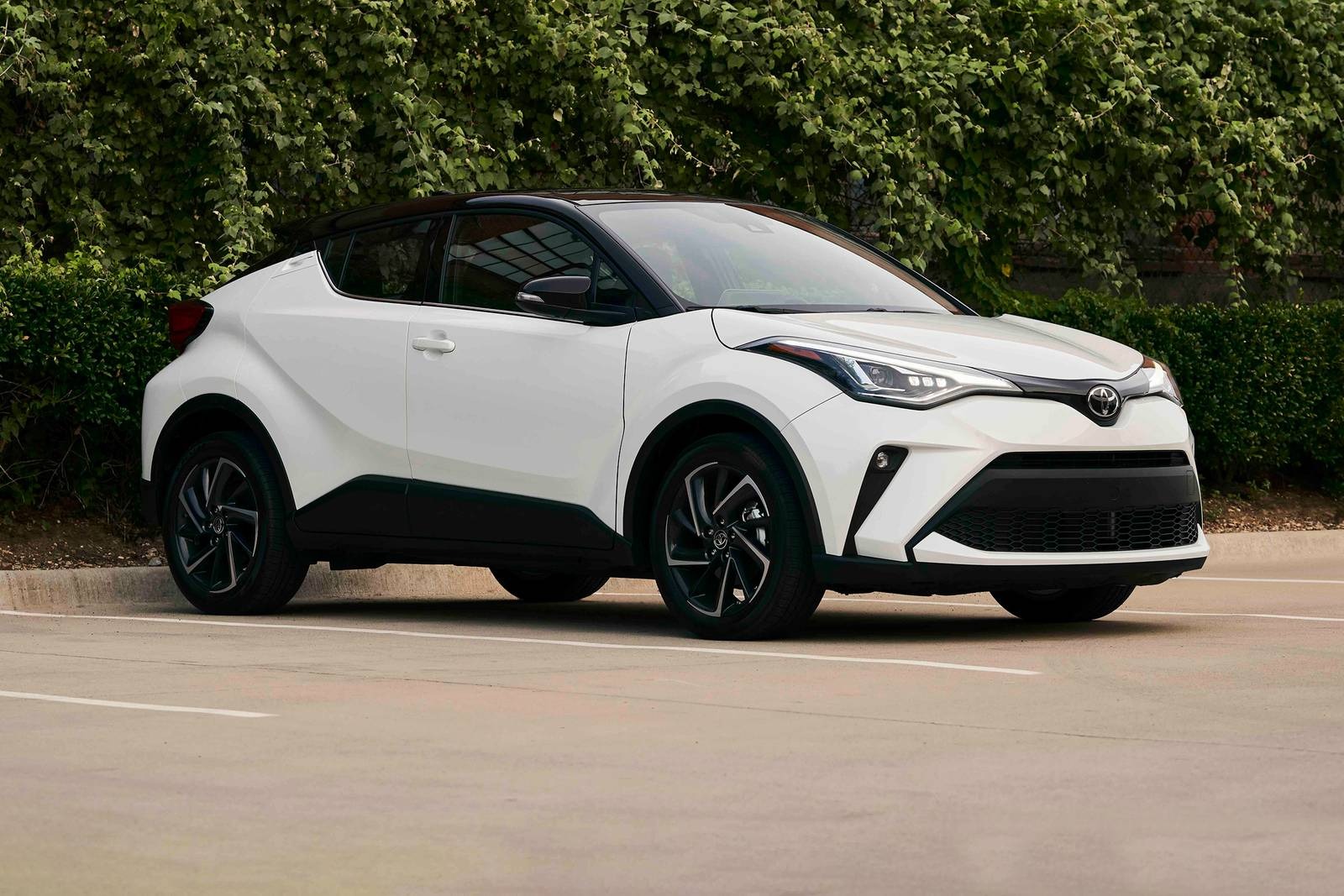
Toyota tried something different with the C-HR. Instead of going with the usual clean shapes they’re known for, they decided to give this SUV a more playful and eye-catching look. At first, it seemed like a smart idea, especially to draw attention from younger buyers. But the design ended up being too busy, and that made the car look outdated sooner than expected.
The body of the C-HR is filled with strange angles, extra creases, and roof curves that may have looked exciting during launch, but started feeling odd as time passed. The roof slopes aggressively toward the back, which affects not only the design but also the space inside.
The rear door handles are placed high near the window, making the back look more like a two-door coupe than a family SUV. While this might have been seen as cool at first, many buyers found it inconvenient. From the front, the headlight shape and grille placement feel like they are trying too hard.
There are many cuts and shapes going on at once, and the fog light housing is shaped in a way that doesn’t blend well with the rest of the face. It does not help that other brands have moved toward smoother and simpler shapes while the C-HR continues to look like it was drawn in too many stages.
Even though the vehicle has a bright personality, it loses its shine quickly because of how overdesigned it feels. It does not have the kind of shape that stays clean and fresh for a long time. Buyers who want something that ages well usually go for designs that are easy to look at without too many details fighting for attention.
Inside the car, the cabin also shows signs of outdated thinking. While Toyota tried to make the dashboard stylish, the patterns and surface finishes don’t match what people expect from a modern interior. The screen placement and control layout also lack the clean feeling found in newer models.
Because of these design decisions, the C-HR didn’t age well. Its styling, which looked new and different in its early days, has now become one of its biggest weaknesses.
4. 2020 Ford Edge
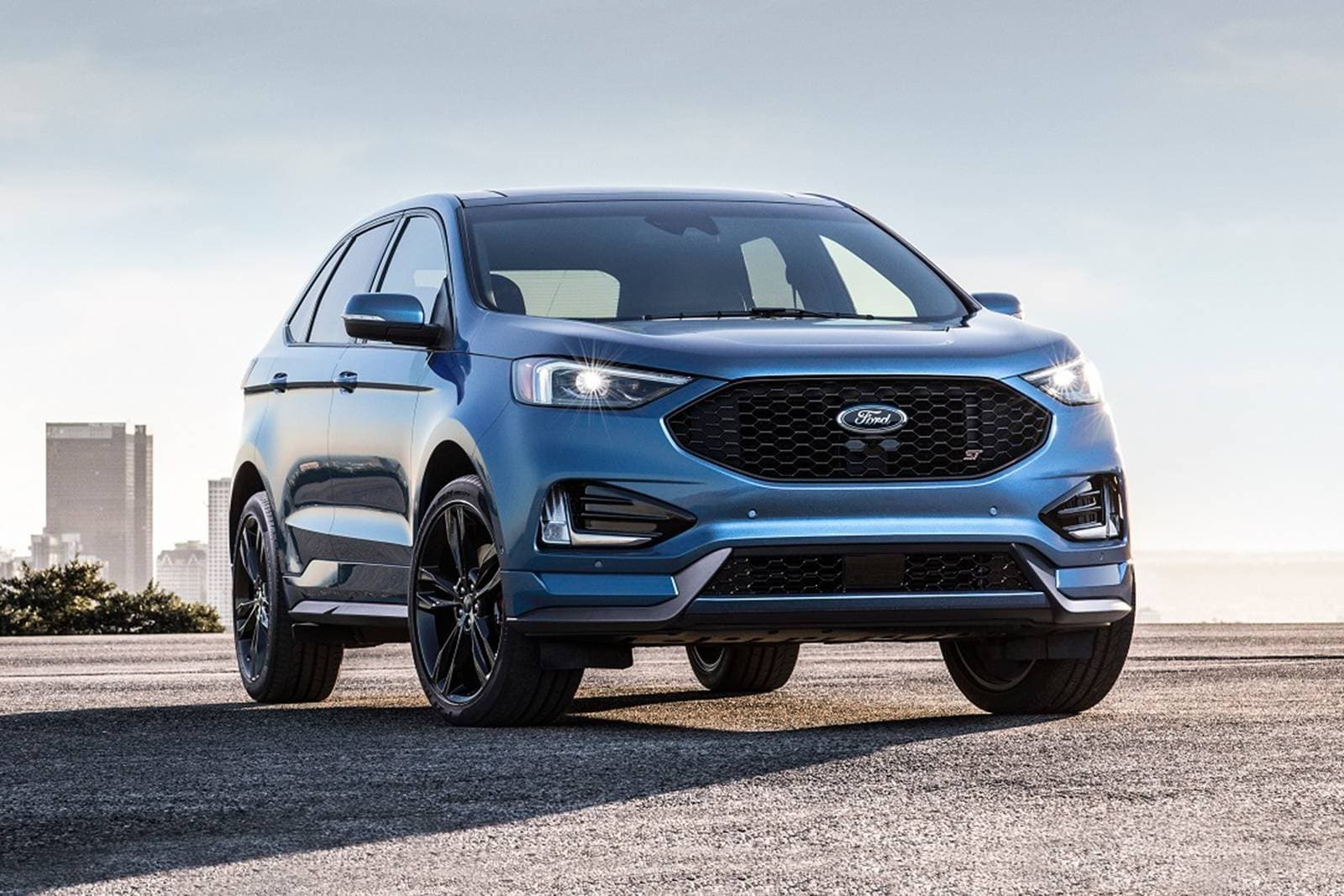
The Ford Edge is one of those SUVs that entered the market with high hopes, mainly because of the strong name behind it. But design-wise, it didn’t hold up very well. While the body shape and features might have seemed fine at launch, they didn’t age well when compared to newer options from both local and foreign brands.
The front of the Edge feels like it’s stuck between two styles. The grille is big, but it does not have the bold structure that buyers look for in this size of SUV. The headlights don’t add enough personality, and the bumper design feels flat. Altogether, the front fails to give the car a strong identity.
From the sides, the body looks large, but there are few sharp lines or creative shapes to give it any uniqueness. The wheels appear too small for the size in some trims, which adds to the sense that the design was not fully planned out. Without strong design features, it becomes easy for the Edge to blend into traffic and go unnoticed.
The rear part of the SUV does little to improve its image. The tail lights are basic in shape, and the rear bumper doesn’t carry enough design character. Even the liftgate area feels like it came from a much older generation of design. As time goes on, these parts start to feel more out of place compared to the rising level of styling seen in other SUVs.
Inside the cabin, the story remains the same. The layout does its job, but it looks outdated. The dashboard feels like it missed out on recent improvements in layout and shape. While the screen is present, the frame and buttons surrounding it make it look older.
Other cars in the same price range now offer cleaner and brighter interiors that feel far more updated. Ford tried to keep the Edge appealing through technology and features, but the design didn’t age well. As a result, it started to fall behind in terms of looks much quicker than expected.
Also Read: 5 Cars With Ample Cargo Space and 5 With Tiny Trunks
5. 2022 Mitsubishi Outlander
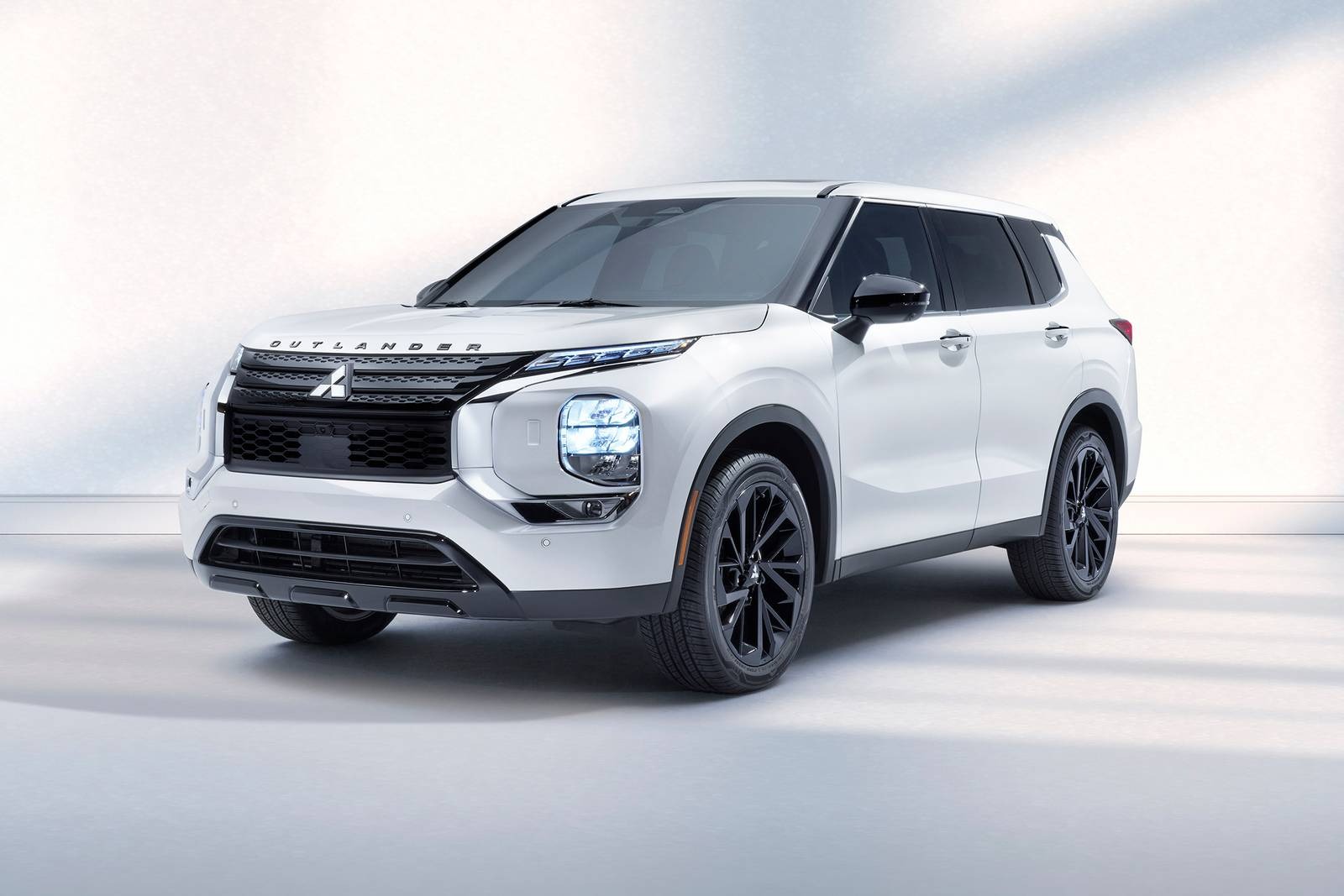
Mitsubishi gave the Outlander a big design change in 2022, and at first, people noticed. The shape was larger, the grille was bolder, and the lighting setup looked futuristic. But while this new look gained attention in the beginning, it didn’t stay fresh for long. As more SUVs arrived with smarter and cleaner designs, the Outlander’s appearance began to feel too dramatic and less natural.
The biggest issue with the design is the front. The lights are split into two levels, with the top part acting as daytime lights and the main lights sitting lower. While this idea was fresh at launch, it started to feel strange as time passed. The large chrome shapes around the grille also added too much pressure to the eyes. Instead of feeling clean and controlled, the face of the Outlander began to look crowded.
From the sides, the SUV does better. The body has good proportions, and the line work is simple. But the bold front ends up affecting how the entire car is viewed. Even though the sides are balanced, the strong face overshadows the rest of the design. That kind of imbalance is part of why the car’s style aged quicker than expected.
The back of the car tries to keep things calm, but it doesn’t do enough to fix what’s happening up front. The tail lights are shaped nicely, but they don’t have the strength to carry the whole look.
Inside the car, the cabin does a better job. The dashboard looks clean, and the materials are better than older Mitsubishi models. But design is about both the outside and the inside, and the outside is where the Outlander struggles most.
Because of these styling choices, the Outlander became one of those SUVs that looked sharp at first but didn’t hold onto that feeling for very long.
