
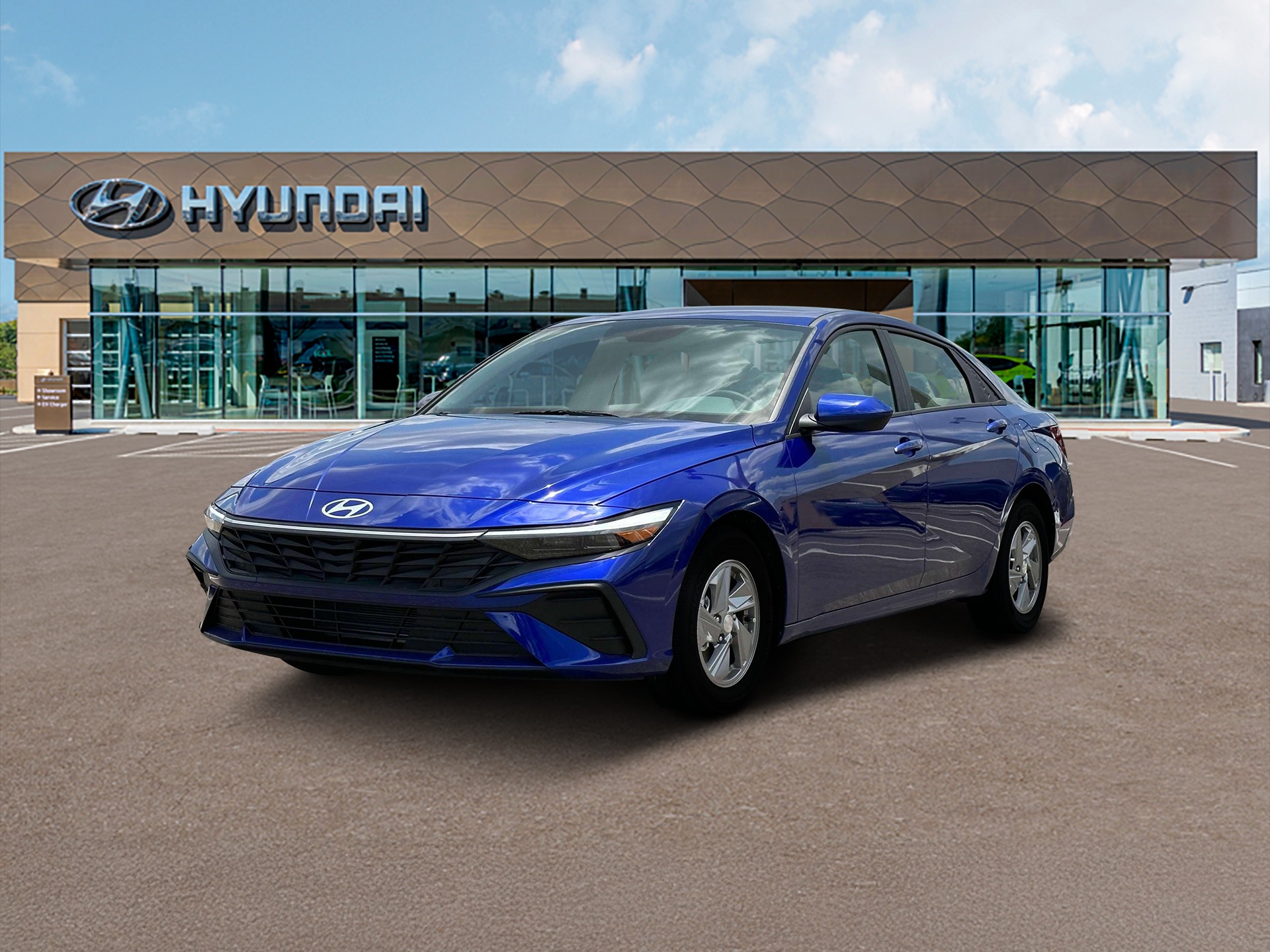
Many car buyers today place long-term dependability above anything else when choosing a vehicle. While some people change their cars every few years, others plan to keep their vehicles running smoothly for more than a decade. For those in the second group, owning a car that can go past 150,000 miles with very few problems is extremely valuable.
This is where reliability takes center stage. Sedans have long been seen as trusted choices for families, daily commuters, and professionals who need a mix of comfort and performance. However, not every sedan manages to remain reliable past 60,000 miles, much less 150,000.
It is common for new vehicles to perform well during their first few years. Manufacturers often make sure everything works as expected to impress customers and earn good reviews. But the true strength of a car becomes clear once the warranty expires and the vehicle enters the latter part of its lifespan.
Some sedans continue to function without trouble well past the 100,000-mile mark. Others, though, begin to break down earlier than expected. These early problems can range from electrical failures to transmission trouble and engine faults that cost a lot to repair. When that happens, owners either spend heavily to fix the issues or give up and replace the car entirely.
Choosing a sedan with long-lasting quality helps save money, reduce stress, and avoid unexpected breakdowns. Some models gain a solid reputation as time goes on because they prove themselves dependable even under heavy use. Others lose trust due to mechanical failures and expensive repair bills before even reaching average mileage figures.
We shall review five sedans that remain dependable beyond 150,000 miles and rarely face mechanical failure if properly maintained. After that, we shall go through five sedans that often begin to give serious issues before they even reach 60,000 miles. This should give buyers a clear picture of which models to trust and which ones to avoid when shopping for long-term value.
5 Sedans That Stay Dependable at 150K
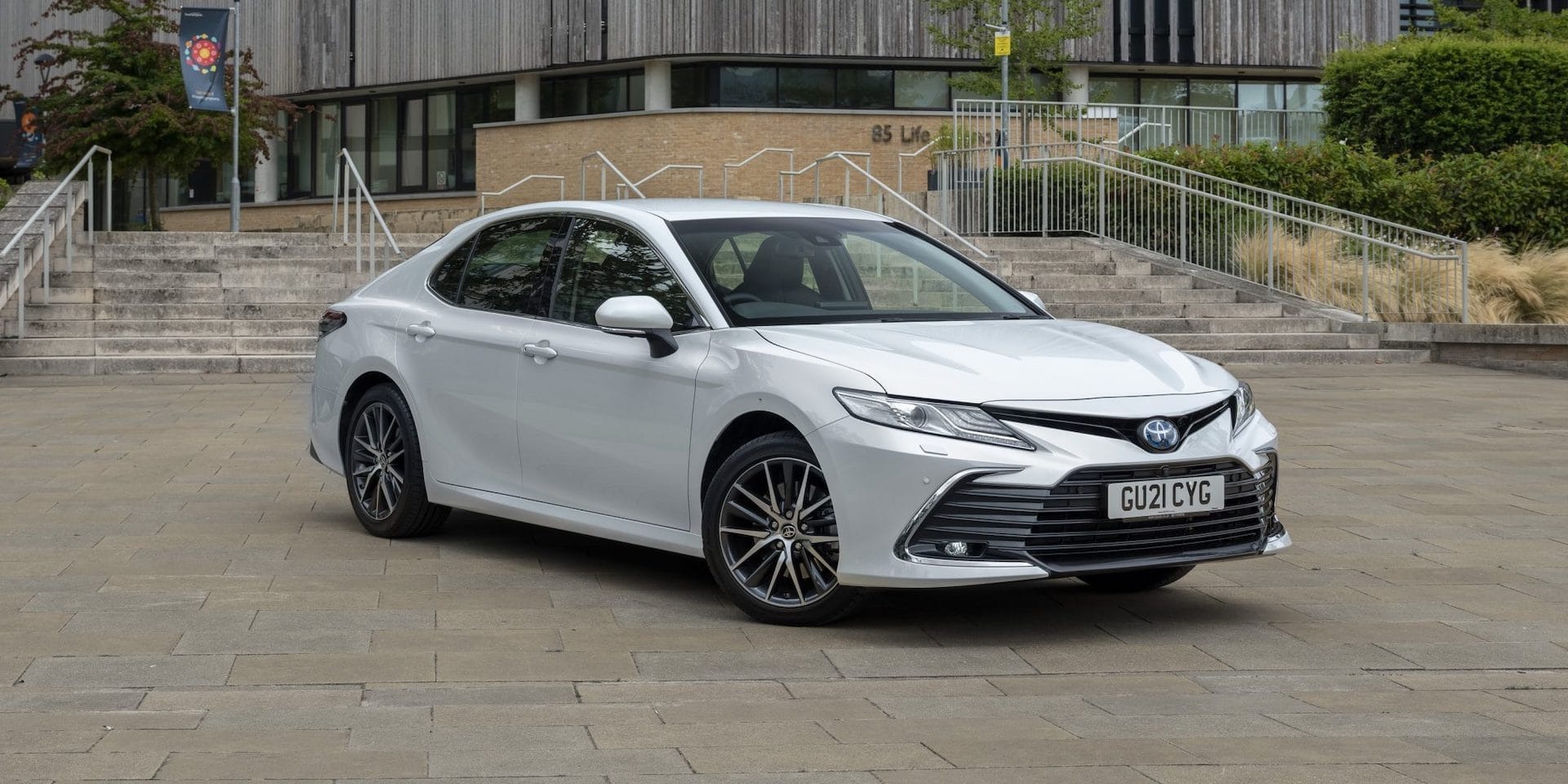
1. Toyota Camry
The Toyota Camry continues to remain one of the most trusted sedans when it comes to long-term durability. It has gained a solid reputation for lasting well beyond 150,000 miles when maintained properly. Many owners share stories of their Camrys reaching 200,000 miles or even more without major repairs.
The design of the Camry focuses on mechanical simplicity and high-quality engineering. It comes with engines that have proven to be reliable under different driving conditions. Whether you are doing daily city driving or going on long-distance trips, the Camry usually performs without making the driver worry about breakdowns.
One of the strongest points of the Camry is its powertrain. Both the four-cylinder and V6 options are known for smooth operation and long life. The transmissions also hold up well under pressure, with very few complaints about early failure. Drivers who follow regular oil change and maintenance schedules often report trouble-free ownership for over a decade.
Another thing that helps the Camry stay dependable is the reasonable cost of maintenance. Replacement parts are widely available and often priced lower than competitors. Most local repair shops know how to work on the Camry without needing special tools or expensive procedures. That adds to its long-term value by keeping repair costs low.
Many Camry models from past years still run strong, with their interiors and exterior parts holding up well despite high mileage. The seats, dashboard, and controls do not fall apart easily, which keeps the car feeling solid even after years of use.
Owners who stick with factory service recommendations and avoid aggressive driving habits usually enjoy quiet, smooth performance throughout the vehicle’s life. For anyone who values peace of mind and mechanical dependability, the Toyota Camry remains one of the best options in the sedan category.
Also Read: 10 Sedans That Dominate U.S. Sales and Whether They’re Worth It
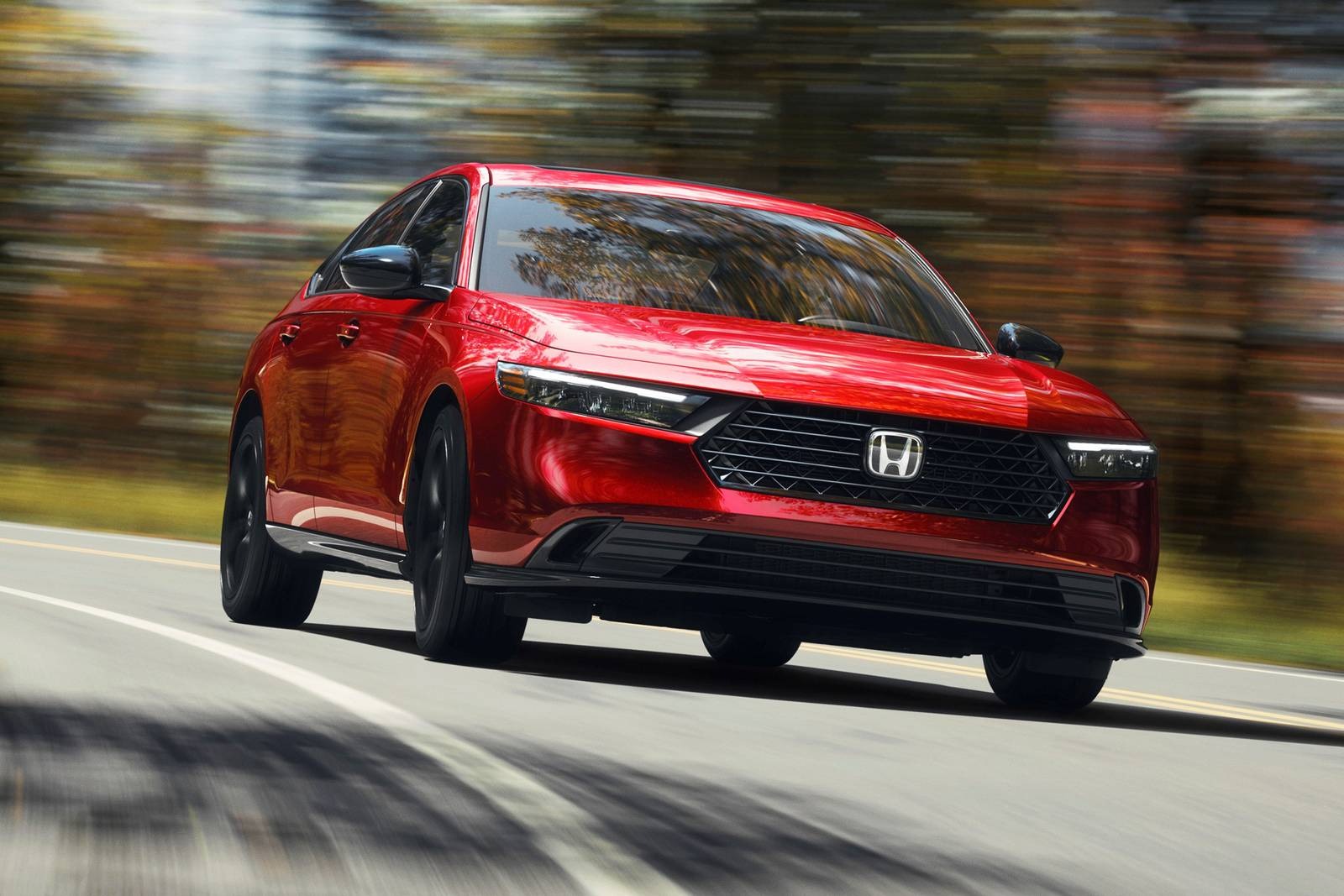
2. Honda Accord
The Honda Accord has remained one of the most reliable choices in the sedan segment for many years. Known for a solid build and efficient performance, this vehicle is trusted by drivers who expect long-term use without stress. Many Honda Accords continue performing well past 150,000 miles, with some even going over 250,000 miles when cared for correctly.
What makes the Accord dependable is its strong engine design. Both the four-cylinder and V6 engines are designed for durability. They do not require much attention as long as the owner sticks to basic maintenance. Oil changes, coolant flushes, and spark plug replacements are usually enough to keep the Accord running properly. It is rare to hear about major engine trouble with this car, even after many years of daily use.
The automatic and manual transmissions also last long. Many owners say their Accord changes smoothly even after years of driving. Honda’s engineers paid close attention to how the transmission interacts with the engine, which helps reduce wear and improve the vehicle’s general drive quality. Drivers feel confident knowing they can rely on the car whether they’re on the highway or stuck in traffic.
Honda also uses strong suspension components, which hold up well on rough roads. The body structure stays firm without too much noise or shaking, and the brakes respond well even after long-term use. Interior features like the climate system, dashboard controls, and seat comfort tend to hold up just as well as the mechanical parts. This means the car remains enjoyable to use even when the mileage gets high.
Many used Honda Accords remain in high demand because buyers know they will still get value from them. Insurance costs are reasonable, and the car holds its resale value better than most sedans in its class. For people who want a sedan that delivers steady performance year after year, the Honda Accord remains a wise choice with a long history of lasting reliability.
Also Read: 5 Budget Sedans That Feel Like New for Years vs 5 That Don’t Last
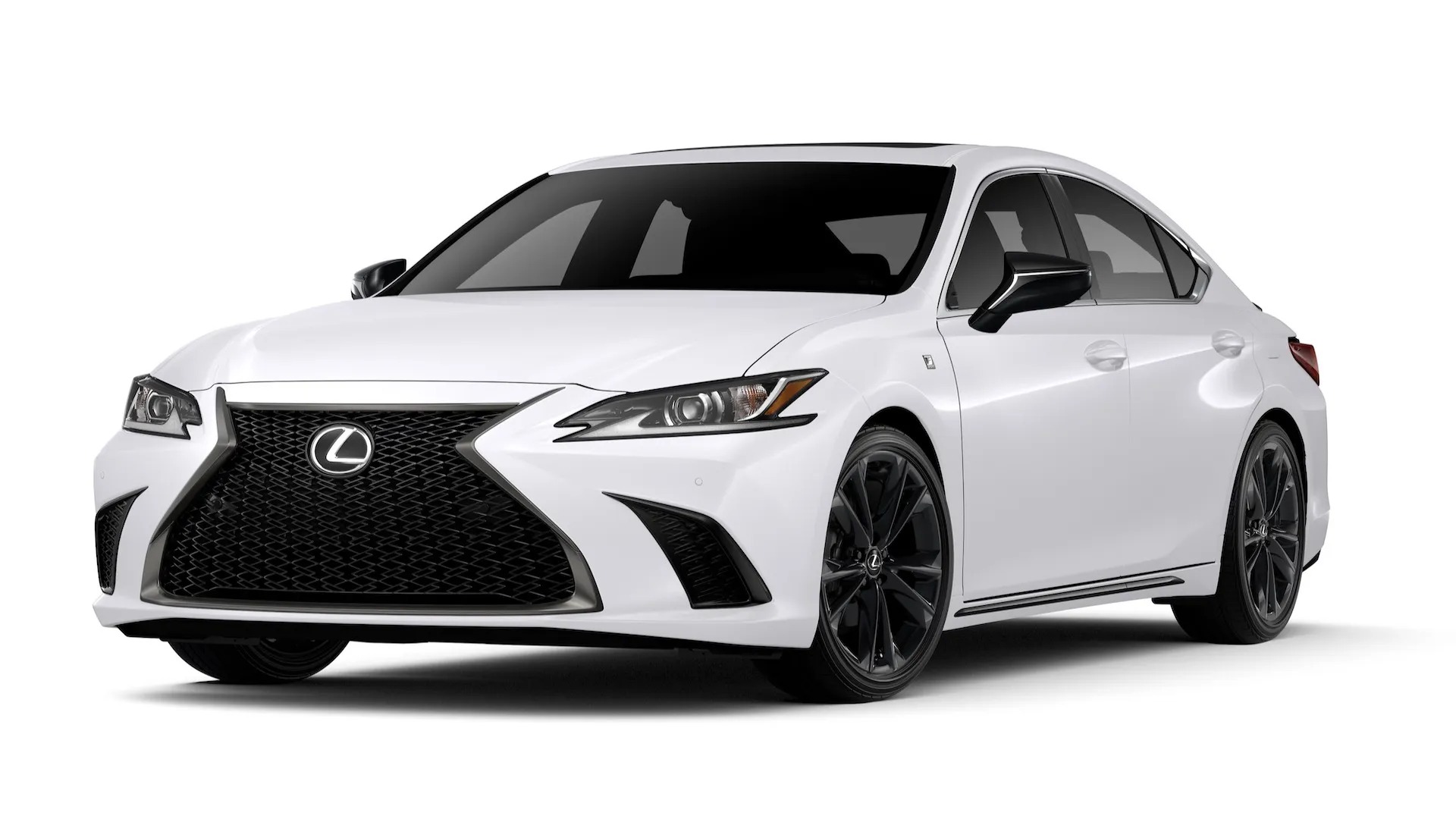
3. Lexus ES
The Lexus ES stands out as one of the most dependable luxury sedans available today. Built with the same careful engineering found in Toyota vehicles, the ES offers both comfort and strength in a way that few other sedans manage to match. Many owners report driving their Lexus ES past 150,000 miles without ever needing major repairs. It delivers long-lasting service while keeping passengers comfortable throughout the years.
This sedan shares many parts with the Toyota Camry, which helps improve its reliability. The engines, whether it’s the V6 or the hybrid option, are known to run smoothly even after a decade of use.
These powertrains are designed to keep going as long as the owner follows a basic maintenance schedule. Oil changes, air filter replacements, and routine inspections are usually enough to keep this vehicle in good condition.
One reason the Lexus ES remains strong as time goes on is its calm driving behavior. This car is not meant for aggressive driving or hard cornering. Instead, it focuses on smooth handling and quiet operation. This gentler style of driving helps reduce stress on the engine, brakes, and suspension, allowing the car to last longer than many performance-focused sedans.
The build quality of the ES is also one of its best features. From the exterior paint to the interior materials, everything feels solid and well-made. The leather seats do not crack easily, the buttons and switches continue to work after years of use, and the sound insulation keeps outside noise low. Even the air conditioning and infotainment systems usually remain problem-free for the life of the vehicle.
Maintenance costs are manageable for a luxury car, especially since many repair shops can handle routine service without needing to go to a dealership. Replacement parts are available and not too expensive due to their shared platform with other Toyota models.
For drivers who want both elegance and dependability, the Lexus ES proves that a luxury sedan can go well past 150,000 miles without turning into a financial burden.
4. Subaru Legacy
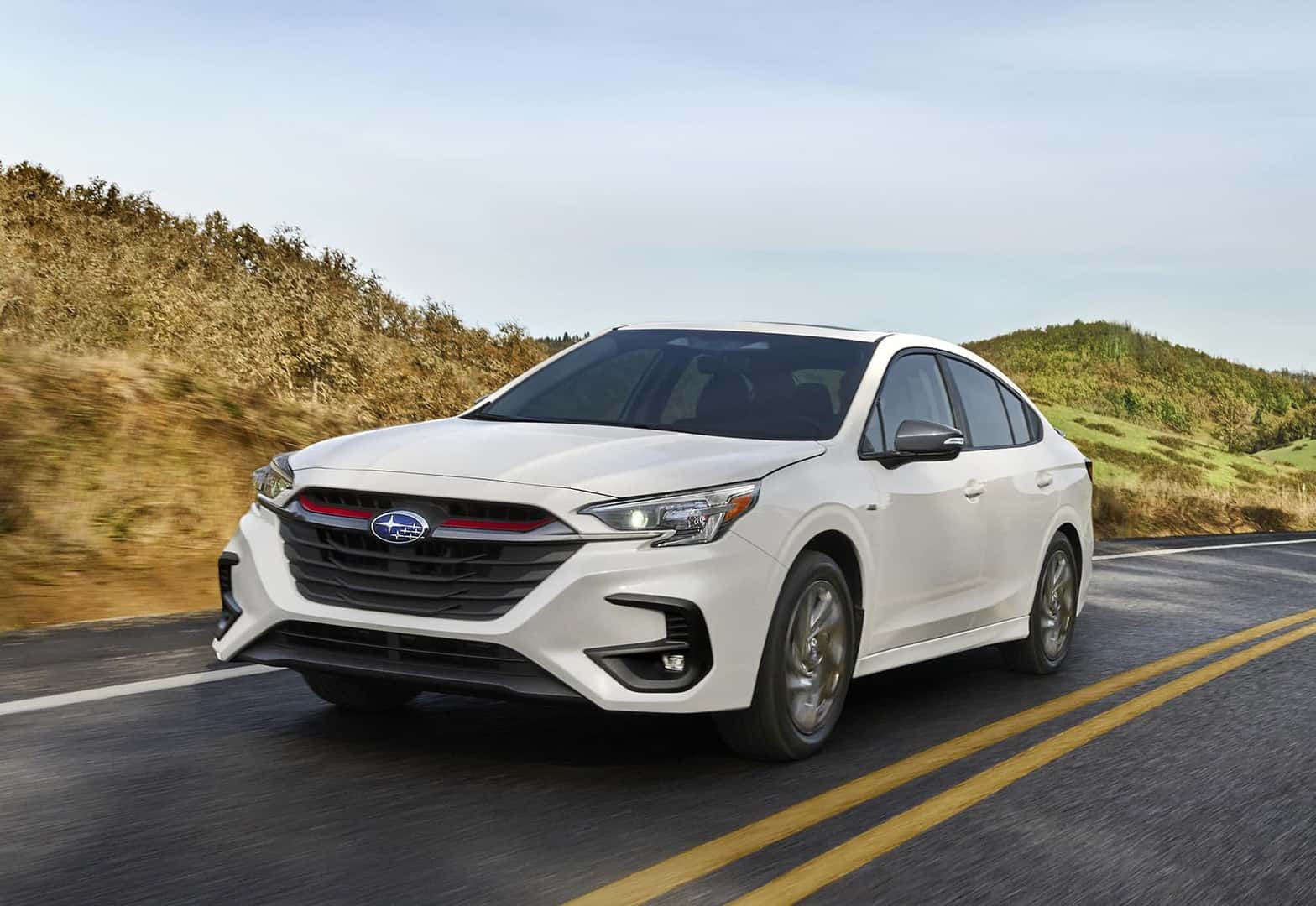
The Subaru Legacy has built a strong name for itself as a durable sedan that performs well under different driving conditions. It is especially appreciated in areas with cold winters and rough roads, thanks to its standard all-wheel-drive system. But what truly makes the Legacy stand out is its ability to stay reliable past 150,000 miles when maintained properly.
One of the main things that helps the Legacy last long is its strong engine design. Subaru’s signature boxer engine gives the car a low center of gravity and smooth power delivery. While some older models had oil consumption issues, the newer ones have improved. Regular oil checks, filter changes, and timing belt replacements help prevent serious problems. Many drivers have used their Legacy for more than a decade without engine failure.
The all-wheel-drive system, which comes standard on every Legacy, is also built to last. This system gives the car strong road grip and better control in wet or snowy conditions. Unlike some vehicles that develop problems with their drivetrains as mileage increases, the Legacy often keeps its all-wheel-drive system running well far into high-mileage years.
Subaru also made sure the Legacy’s interior holds up with age. The seats stay firm, the touchscreen infotainment system works for years, and the climate controls usually do not fail. These small things matter as time goes on, especially for drivers who keep their cars beyond 100,000 miles. Many owners say the cabin still feels tight and quiet after many miles on the road.
Another plus is the Legacy’s strong resale value and fair maintenance cost. Even though it has a more complicated drivetrain than some rivals, most parts are easy to find and not too expensive to replace. Many shops are familiar with Subaru’s systems and can handle repairs quickly.
For those looking for a sedan that handles tough road conditions and stays dependable beyond 150,000 miles, the Subaru Legacy continues to be a trusted choice among long-term drivers.
5. Mazda6
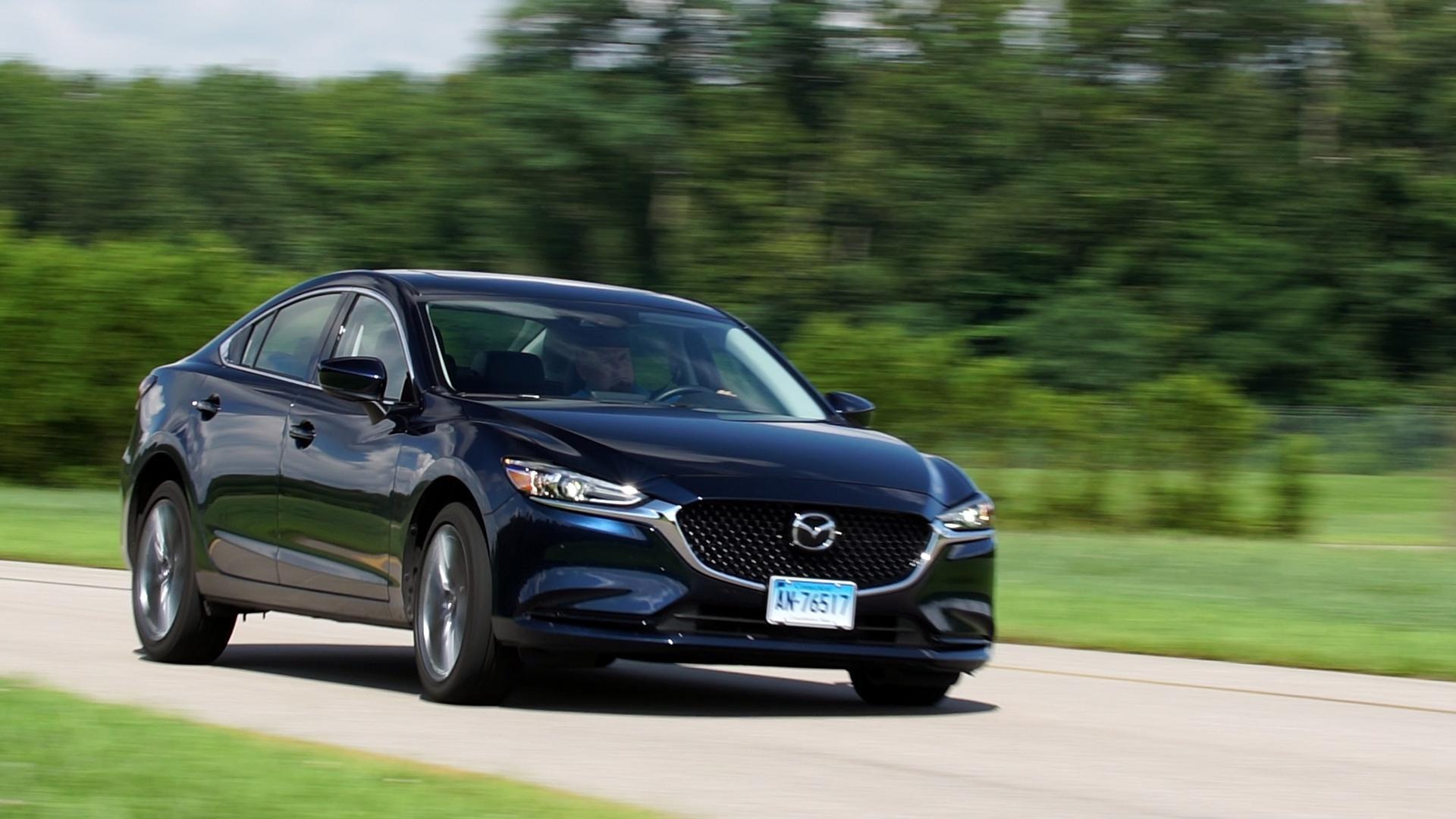
The Mazda6 delivers a dependable driving experience that blends reliability with sharp handling and sleek design. While it might not be the first name people mention when discussing long-lasting sedans, this vehicle has quietly built a solid reputation for staying strong past 150,000 miles. With proper care, many Mazda6 models have proven that they can run well for over a decade without giving their owners major problems.
One of the Mazda6’s biggest strengths is its strong four-cylinder engine. The Skyactiv-G engines used in recent models are known for being efficient, durable, and responsive. These engines do not suffer from common issues like head gasket failure or oil leaks when serviced regularly. With simple maintenance like oil changes, fluid checks, and air filter replacements, the engine continues to run smoothly even after heavy use.
The transmission system is also well-designed and does not wear out quickly. Whether the car is equipped with a manual or automatic transmission, owners report very few issues related to gear slipping or failure. That alone makes the Mazda6 more dependable than several competitors that struggle with transmission problems by the 80,000-mile mark.
Mazda also put effort into building the car’s structure with strength and safety in mind. The suspension components hold up well as time goes on, and the brakes respond consistently even after long-distance driving. Drivers appreciate how the car continues to offer precise handling and good road feel even after many years on the road.
The cabin quality is another area where the Mazda6 shines. The seats stay supportive, and the trim pieces do not fall apart with age. Electronic features like the infotainment screen and climate controls continue working with few complaints. Mazda used good materials inside, which helps the car feel newer even as the mileage increases.
Although Mazda no longer sells the Mazda6 in the US as of recent years, used models remain popular because of their strong performance and durability. For anyone who wants a sedan that can go well past 150,000 miles without becoming a burden, the Mazda6 offers quiet strength and long-term value.
5 Sedans That Barely Make 60K
1. Chrysler 200
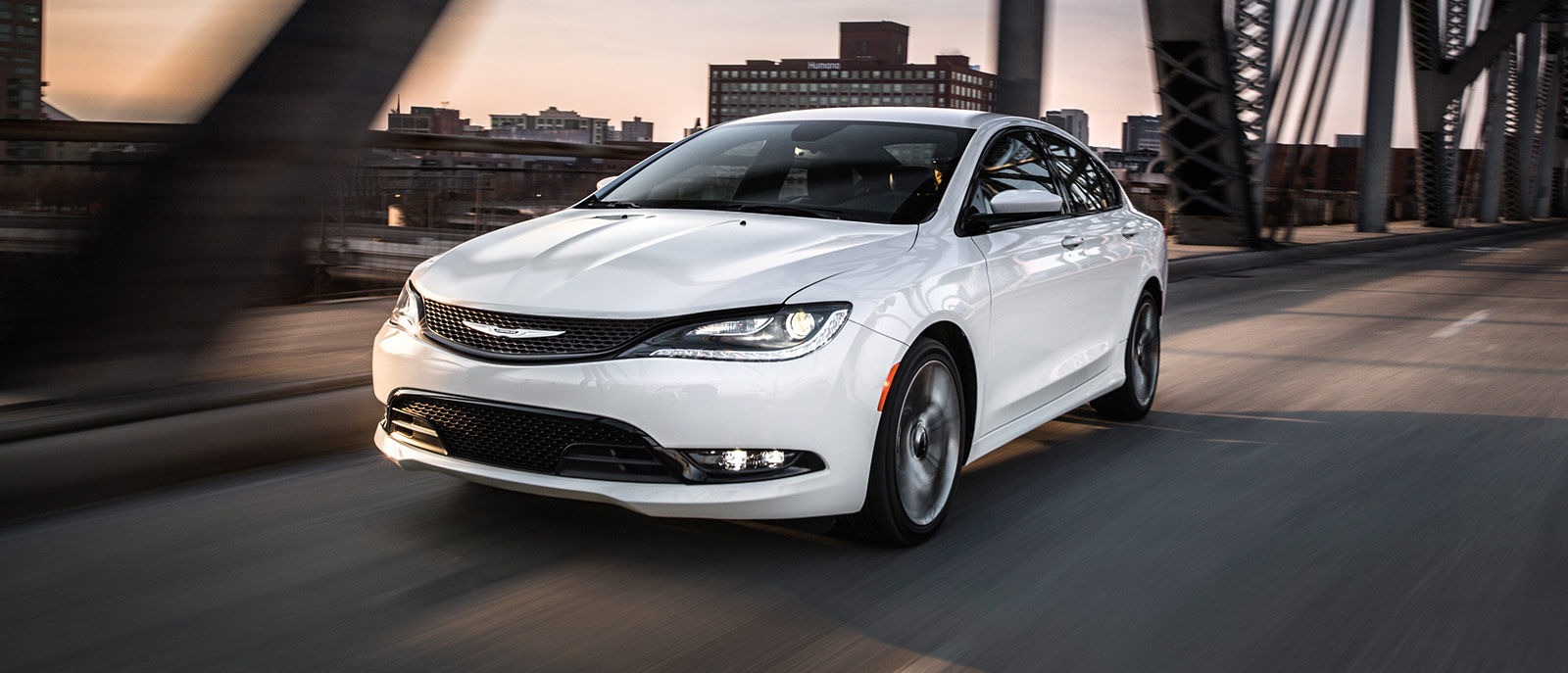
The Chrysler 200 came with attractive styling and a comfortable ride when it first entered the market. Many buyers were drawn to its modern design and high-end interior features, especially in the later model years.
But underneath all that appearance, the car failed to meet expectations in long-term reliability. Numerous owners have faced repeated mechanical failures well before the vehicle reached 60,000 miles, making it one of the most troublesome sedans in its class.
A major source of problems in the Chrysler 200 comes from its transmission system. The nine-speed automatic transmission, in particular, has caused issues for many owners. Common complaints include rough shifting, jerking during acceleration, hesitation when changing gears, and early failure. In some cases, drivers had to replace or repair the transmission entirely after just 30,000 to 50,000 miles, which led to high repair costs and serious inconvenience.
Engine performance also tends to decline early. Some owners have reported stalling during driving, difficulty starting, and sudden drops in power. These problems often come with warning lights and require expensive diagnostics that do not always solve the underlying issue. The engine’s internal components wear out quickly in some models, especially when not maintained perfectly.
Interior electronics do not hold up well either. The touchscreen infotainment system, while sharp and modern-looking, is prone to freezing, crashing, and refusing to respond. Some climate control functions also stop working earlier than expected. Electrical gremlins can spread across multiple systems, affecting lighting, door locks, and power windows.
The Chrysler 200’s early decline in reliability, coupled with limited resale value and high repair costs, has led to strong disappointment among many owners. While the vehicle offers comfort and visual appeal at first, those positives quickly fade once the repairs begin. For buyers hoping to use their car for more than a few years without constant trips to the mechanic, the Chrysler 200 falls short very early in its lifespan.
2. Ford Focus Sedan
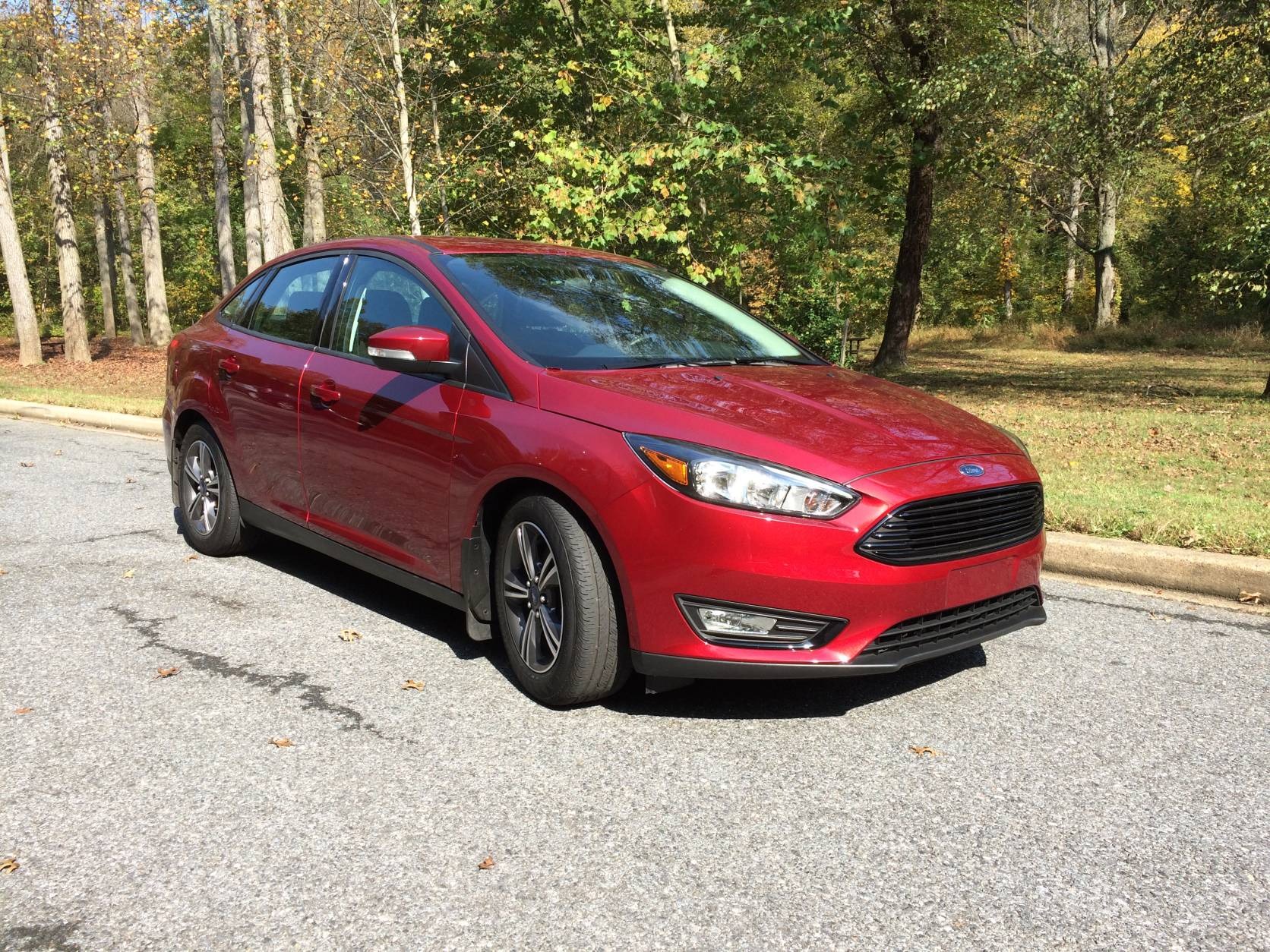
The Ford Focus sedan was once one of the most common compact cars on American roads. It delivered good fuel economy, a comfortable cabin, and easy handling, which helped it gain popularity.
However, many of its later models, especially those built between 2012 and 2016, have shown serious reliability concerns that often begin before the car hits 60,000 miles. Owners have faced repeated issues, many of which center around the PowerShift automatic transmission.
This transmission was designed to offer better fuel efficiency and faster gear changes, but in reality, it became a source of ongoing frustration for many drivers. Common problems include hesitation when accelerating, gear slippage, sudden jerks while shifting, and failure to engage properly. Some drivers had to replace the clutch or even the full transmission multiple times within the first 50,000 miles.
Ford released several software updates and technical service bulletins, but even with these changes, many problems continued. Lawsuits and customer complaints piled up over the years, causing long-term damage to the vehicle’s reputation. Buyers who expected a dependable commuter car were often stuck with constant service visits and expensive out-of-pocket costs after the warranty ended.
Apart from the transmission, the Focus sedan also struggles with electrical faults. These include warning lights coming on without reason, malfunctioning sensors, and problems with the infotainment system. Some models even experienced door latches that would suddenly fail, creating safety risks for passengers.
The suspension and brake components also wear out earlier than expected in many units, adding to the already long list of faults. Even basic parts like spark plugs and ignition coils may fail within the first few years of use.
Although the Focus has a loyal following, especially among earlier model fans, the reliability issues seen in recent years have discouraged many owners. For anyone expecting a sedan that would stay strong for more than 100,000 miles, the Focus falls apart too early to provide confidence.
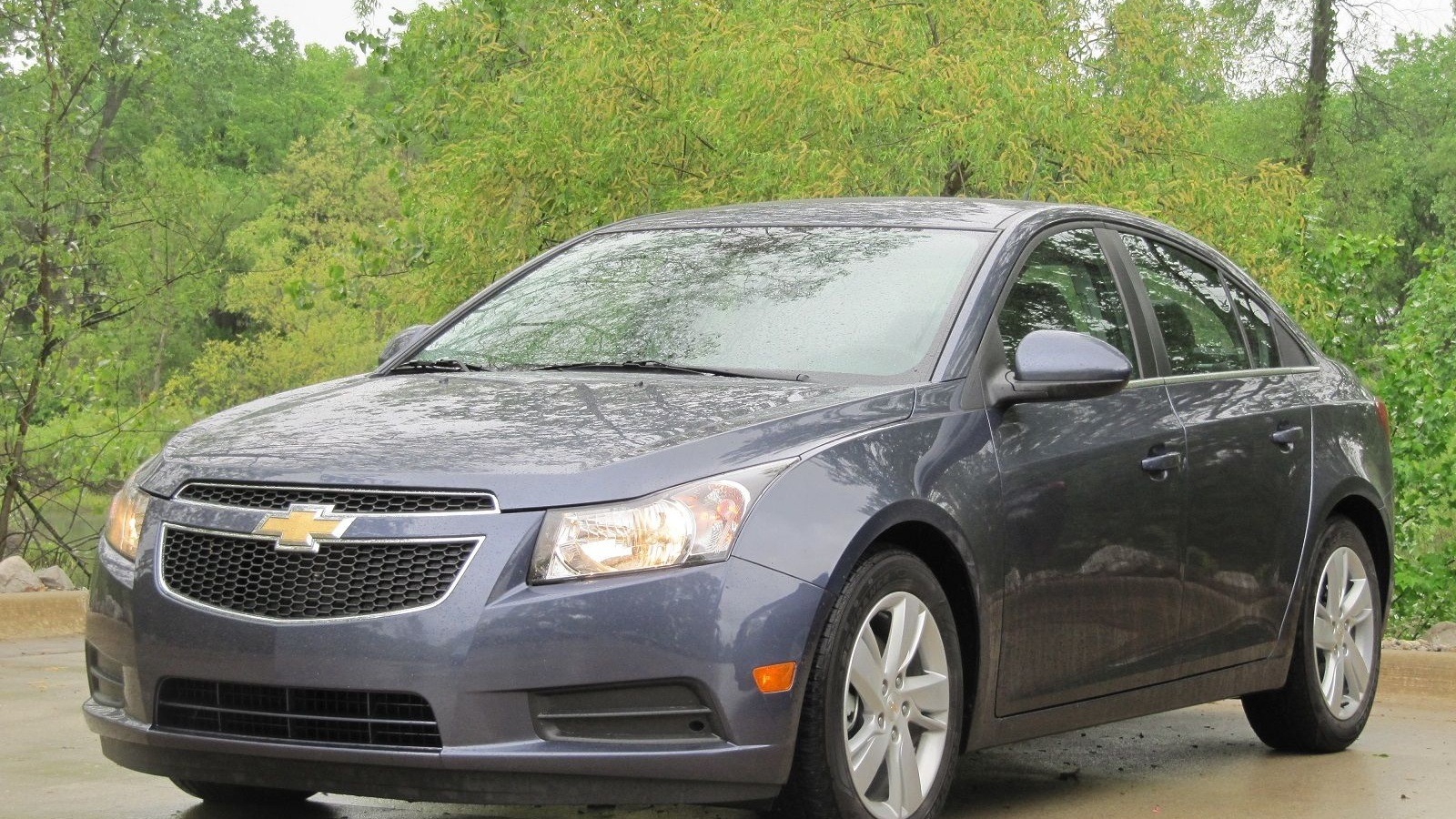
3. Chevrolet Cruze
The Chevrolet Cruze offered a modern design, a smooth ride, and decent fuel economy when it first launched. Many buyers were attracted to its clean looks and quiet interior.
But once owners spent more time with the car, they began to notice that it started to break down long before it should. In several cases, major issues developed before the vehicle could even reach 60,000 miles, making it one of the least reliable sedans for long-term use.
One of the biggest weaknesses of the Cruze is its engine. Turbocharged models in particular are known to experience serious problems early in their lives. Coolant leaks, overheating, and engine misfires are all commonly reported.
Some drivers faced full engine replacements before the vehicle hit 70,000 miles. The cooling system seems to be poorly designed, and parts like the thermostat housing and water pump often fail.
Oil leaks are another source of concern. Valve cover gaskets and seals begin to break down early, leading to oil loss and engine damage if not caught in time. The engine’s electronic sensors also fail more often than they should, causing warning lights to appear and the engine to run poorly.
The Cruze’s automatic transmission is another area of concern. Many owners have reported issues with rough shifting, slipping, and hesitation during gear changes. In some cases, transmission repairs are needed before 60,000 miles. These problems are expensive and reduce confidence in the vehicle’s dependability.
The Cruze also suffers from electrical system trouble. Malfunctions in the radio, power windows, and dashboard lights appear earlier than expected. Even the air conditioning system can start to break down while the car is still fairly new.
For drivers who want a sedan that stays trouble-free with routine maintenance, the Cruze falls short. Its long list of early mechanical and electrical faults has caused many owners to regret their purchase, especially when they expected the car to last well beyond the 60,000-mile mark.
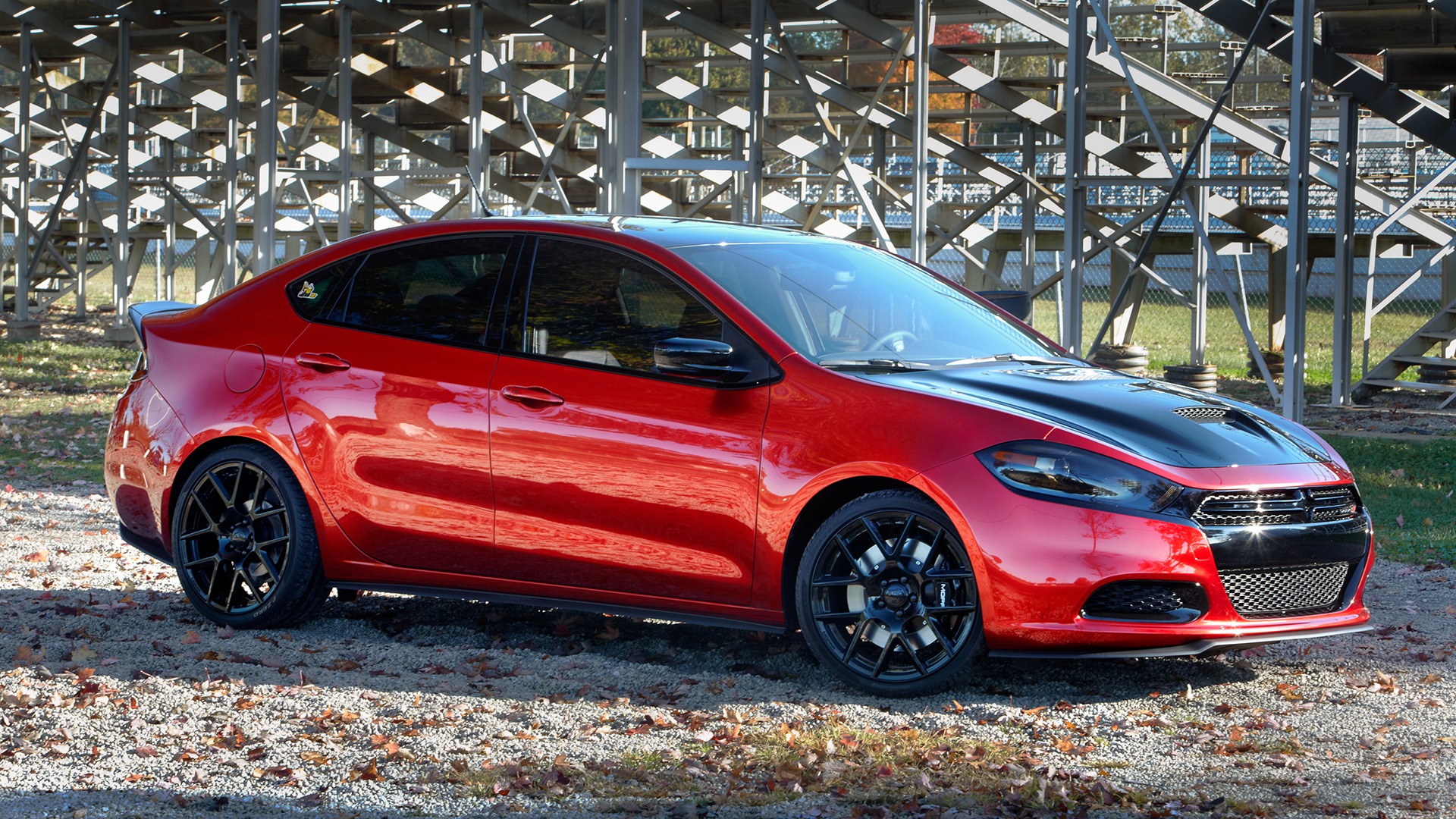
4. Dodge Dart
The Dodge Dart was introduced with great hopes of becoming a strong player in the compact sedan market. It combined aggressive styling with modern technology, and at first glance, it seemed like a solid choice.
But many owners quickly discovered that the Dart struggles to maintain reliability beyond just a few years. Several owners have reported major issues showing up before reaching 60,000 miles. The Dart’s biggest weakness is its powertrain.
The engines used in the Dart are known to suffer from early oil leaks, rough idling, and stalling. Turbocharged versions in particular face more serious issues, including failing turbo components and cracked engine parts. When the check engine light comes on, it often leads to lengthy diagnostics and costly repairs that can surprise owners who thought the car was still fairly new.
The transmission system does not fare much better. Owners have reported hard shifting, slipping, and failure to stay in gear. In some cases, the vehicle loses power during acceleration, which can create dangerous situations in traffic. These problems are not only expensive to fix but also difficult to diagnose, leading to repeat visits to the mechanic.
Electronic features inside the Dart also cause problems. The touchscreens may freeze or go black entirely, and the Bluetooth system often fails to connect. Other features, like the automatic climate control and power seat functions, may stop working before the car reaches moderate mileage.
Suspension components also wear down faster than expected. Noises from the front end, uneven tire wear, and steering issues have been commonly reported. These problems reduce comfort and safety, especially for drivers using the car daily.
Because of its frequent repairs and weak resale value, the Dodge Dart does not provide peace of mind to owners who want a dependable sedan. Though it offers stylish design and tech features, those positives are quickly overshadowed by the repeated issues that begin too early.
Also Read: 5 Sedans That Age Gracefully and 5 That Fall Apart Fast
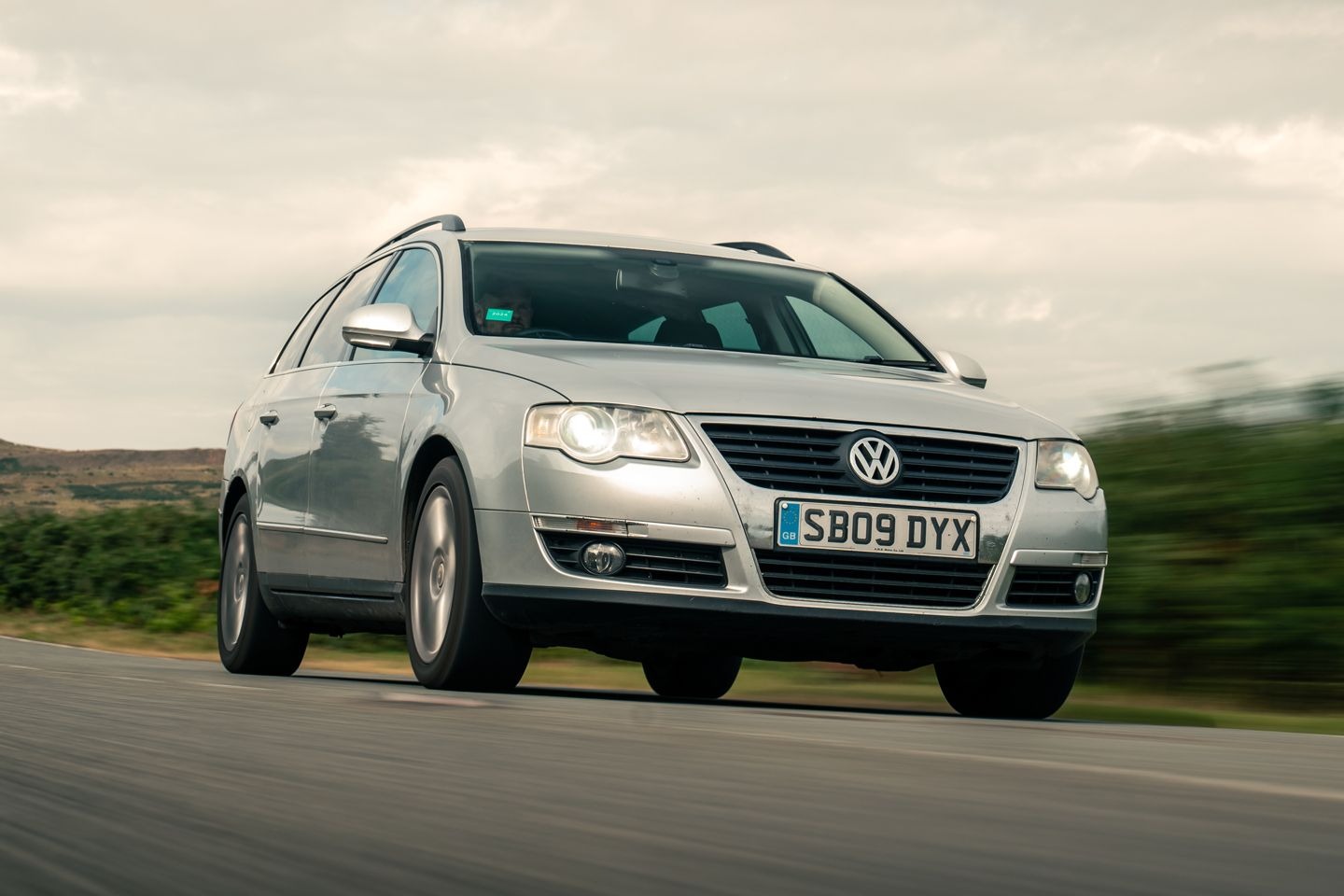
5. Volkswagen Passat (Certain Years)
The Volkswagen Passat has seen many good years, especially in earlier generations. However, certain recent model years have been plagued with reliability problems that begin earlier than expected. While the Passat may feel well-built and comfortable, many owners have experienced serious issues before even reaching 60,000 miles.
A major area of concern lies in the electrical system. The Passat often suffers from sensor failures that cause the vehicle to enter limp mode or prevent it from starting altogether.
Warning lights related to emissions, ABS, tire pressure, and engine temperature appear frequently, even when the vehicle is in good condition. Many of these errors require dealership visits for resets or parts replacement.
In addition to electronics, the turbocharged engines in certain model years of the Passat have shown weaknesses in the cooling system. Drivers report overheating, coolant leaks, and issues with the water pump. These faults show up much earlier than expected and lead to expensive repairs that are not always covered by warranty.
The transmission system also comes under criticism. Hesitation, rough gear changes, and clunking noises are common complaints. These issues affect both the driving experience and long-term reliability of the car. In some cases, drivers need full transmission replacements within 50,000 miles.
Interior build quality is another problem in some versions. The infotainment system crashes, the climate control stops responding, and even the sunroof mechanisms fail. Many of these features are expensive to fix and add stress to ownership.
Though Volkswagen made efforts to improve reliability in later models, certain Passat years have already gained a bad reputation among drivers. For someone looking to avoid repeated problems in the early life of their sedan, the Passat from those specific model years brings too much risk for comfort.
