
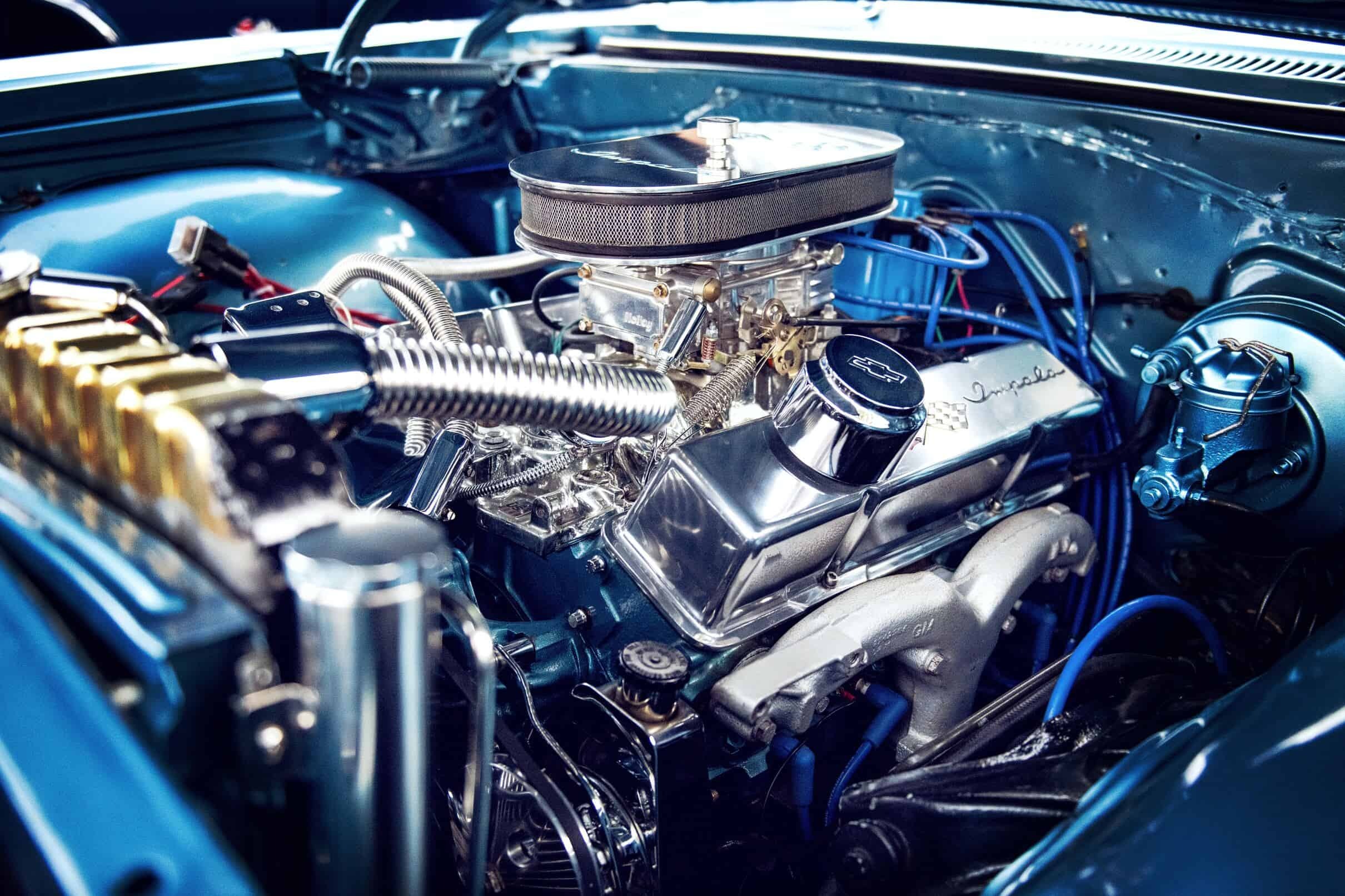
People who love cars usually care about three main things when it comes to engine power, reliability, and how they sound when running. Many car lovers agree that the sound of a good engine can make the driving experience far more enjoyable.
While some drivers prefer quiet motors, others enjoy that deep growl or smooth hum that comes with a properly tuned engine. But not all engines give you that joy. Some engines knock, rattle, or produce unpleasant sounds after just a few months or miles, no matter how well you treat them.
You don’t have to spend thousands of dollars on a luxury vehicle just to enjoy a great engine sound. There are plenty of low-cost options that still deliver when it comes to a clean, enjoyable engine note.
These affordable engines surprise many people because they sound better than their price suggests. They combine smart engineering, good balance, and strong design to deliver a pleasing driving experience without being too loud or annoying.
But on the other side, some engines may seem okay at first, but develop knocking sounds early in their use. Some of these engines are common in everyday cars and can start giving problems not long after purchase. Engine knock can come from poor design, low-quality parts, or manufacturing shortcuts. This issue makes the ride uncomfortable and can also lead to major damage if ignored.
Our list below features five budget-friendly engines that still sound good and do not lose their smooth tone with time. It also points out five engines that are known to knock often and are better avoided if sound quality and engine durability are important to you. Whether you want something sporty, something simple, or something long-lasting, you’ll find useful information here.
5 Affordable Engines That Still Sound Good
1. Honda K20 Series
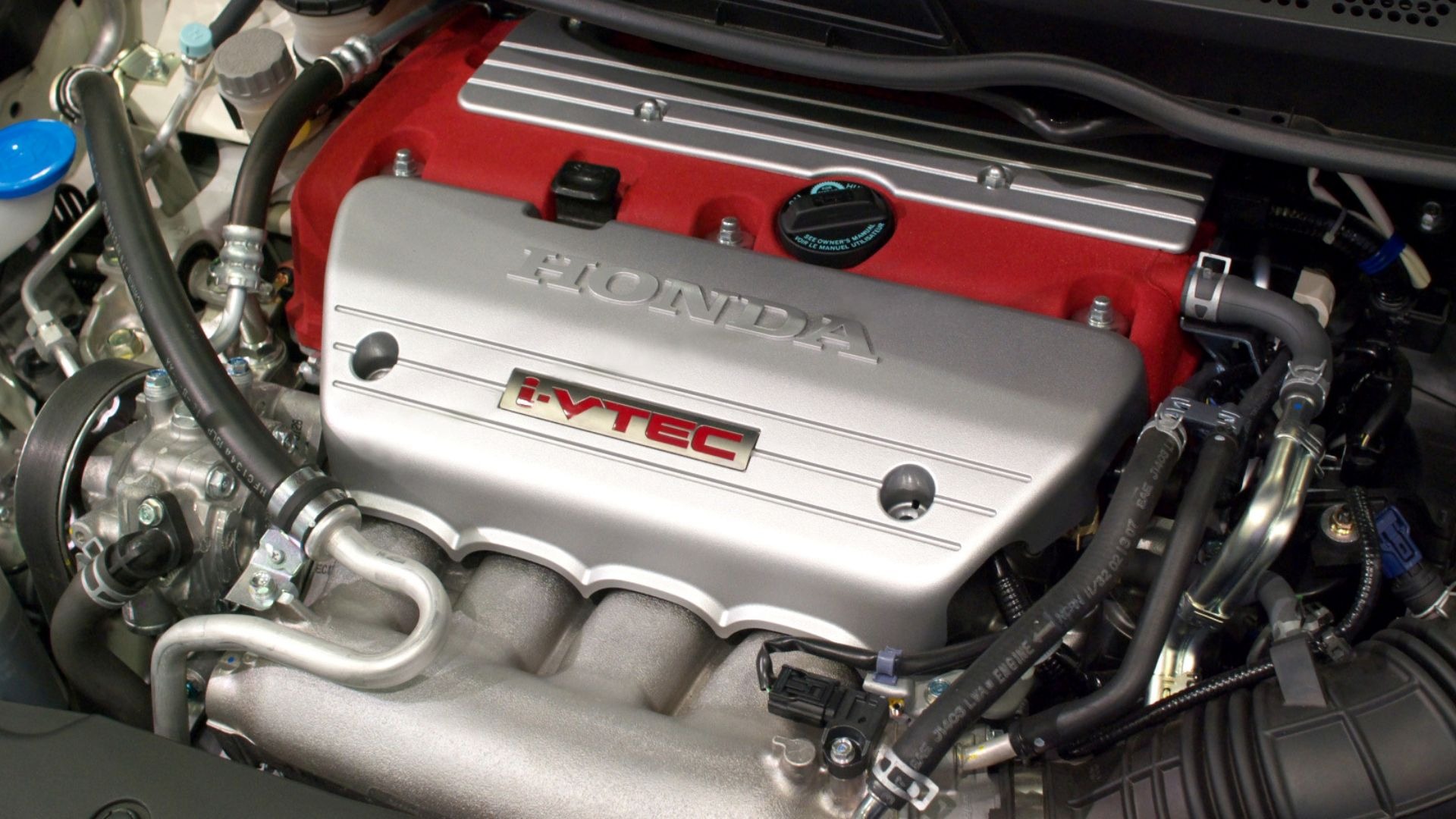
Honda’s K20 engine series has earned strong respect among car lovers for its dependable build and nice engine tone. These engines have been used in several Honda models, including the Civic Si and Acura RSX. What many drivers appreciate about the K20 is how it manages to sound clean, sharp, and exciting even without any extra modifications.
The K20 engine uses a dual overhead cam design and variable valve timing, which allows it to breathe properly at different speeds. At low RPMs, the engine stays smooth and quiet. But as you press harder on the gas, it produces a powerful sound that does not feel harsh or noisy. That ability to give a strong yet refined sound makes it very attractive to those who want a sporty feel without paying for a high-end engine.
Another thing that makes the K20 stand out is its balance. The engine does not shake much and is well-supported in the engine bay, so it avoids those annoying rattles or vibrations that often ruin engine tone. Also, because Honda builds its engines with very close attention to detail, even older K20 engines still sound good if they’ve been maintained properly.
The materials used to build the K20 help reduce heat and wear, which means the parts stay solid for a long time. Even with basic maintenance, it avoids the early knocking that often affects lower-cost engines. Many drivers install cold air intakes or aftermarket exhausts to let the engine breathe more freely, but even in stock form, the K20 delivers a pleasing tone.
Whether you’re driving daily or pushing it a bit on the highway, the K20 engine offers good performance, great sound, and durability without a big price tag. It is one of those engines that proves you don’t need a luxury car to enjoy a solid driving experience.
2. Toyota 2AR-FE
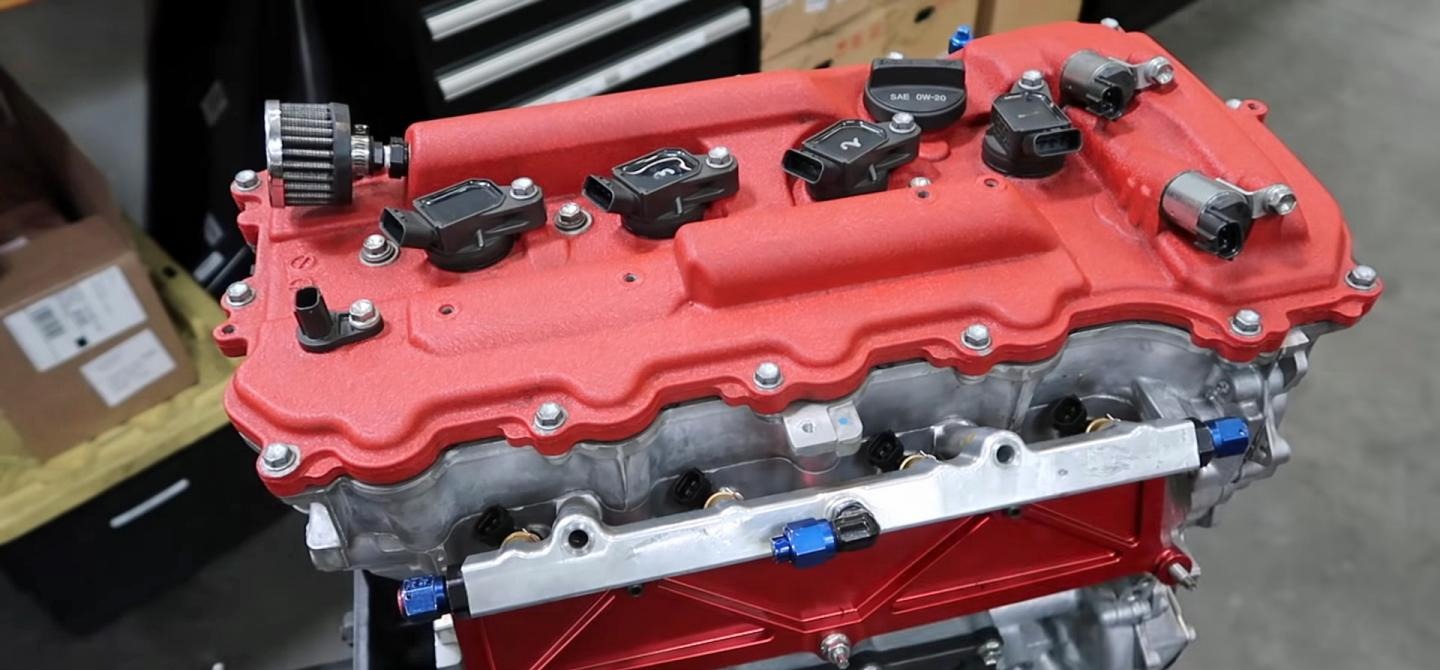
Toyota’s 2AR-FE engine powers several models like the Camry, RAV4, and Scion tC. This engine might not be known for speed, but its sound quality remains a pleasant surprise. With its 2.5-liter four-cylinder setup, it delivers a deep, quiet hum that does not become annoying, even during long drives.
The 2AR-FE is built with an aluminum block and aluminum head, which helps keep the engine weight low and heat levels balanced. These features also help reduce early engine wear and the chance of knocking. Unlike many entry-level engines, this Toyota motor stays quiet without feeling lifeless. As the RPM climbs, the engine gives a full and stable tone, especially under steady acceleration.
It also uses a timing chain instead of a belt, which removes the ticking noise that belt engines sometimes produce as they age. The use of high-quality components throughout the motor helps it keep a consistent tone for many years. Some drivers describe it as “refined” or “stable” because the engine doesn’t sound cheap or hollow.
This engine performs best when matched with Toyota’s automatic transmission, which changes smoothly and allows the engine to work without extra stress. Whether you’re idling in traffic or cruising on the freeway, the sound remains even and easy on the ears.
Even though this engine was not built for sport, its calm strength and reliable note have made it a favorite among those who want a simple, good-sounding daily driver. You don’t need to modify it or add performance parts; the 2AR-FE sounds decent right from the factory.
Also Read: 5 Small Engines That Survive Neglect vs 5 That Can’t Handle It
3. Ford Duratec 2.3L
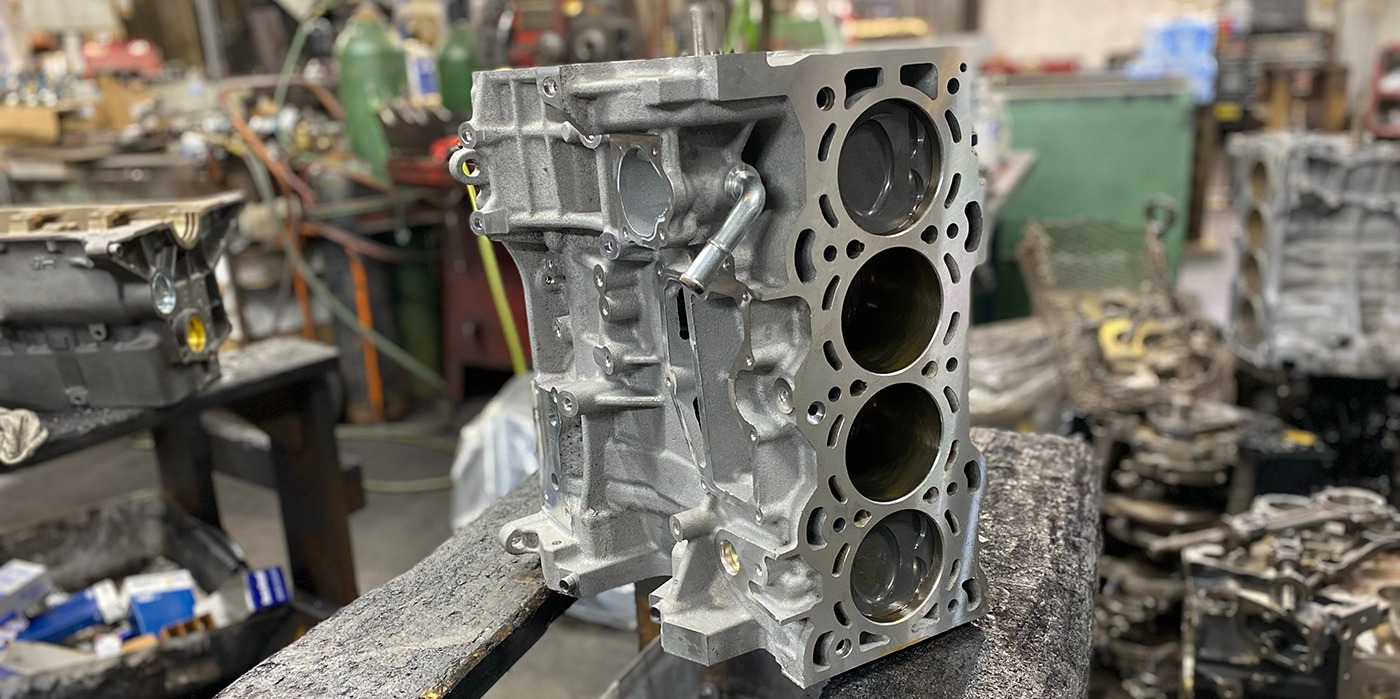
The 2.3-liter Duratec engine used in some Ford models like the Ford Focus and Mazda3 is one of those engines that sounds better than many people expect. This four-cylinder engine is known for its clean power delivery and strong sound, especially in the mid-range RPMs.
Ford used an all-aluminum setup in this engine, which helps reduce weight and also improves how the engine responds when you press the throttle. As a result, the engine produces a controlled growl that becomes more noticeable when accelerating, but never turns rough. This makes it suitable for people who enjoy hearing the engine work without having to shout over it.
This engine also uses a chain-driven system that keeps the engine tight and reduces loose, noisy movement inside. Some versions come with variable valve timing, which helps the engine remain efficient and smooth under different driving situations. With regular oil changes and minor care, the Duratec 2.3L avoids engine knock and stays consistent for many miles.
While not a race engine, it still manages to keep a sharp sound that makes daily driving feel more connected. Many owners enjoy the fact that they do not need to add aftermarket exhausts or make modifications just to get a pleasant tone.
This engine shows that good engine sound doesn’t always come from large engines or high performance. With the right design and balance, even a simple four-cylinder can produce sound quality that brings enjoyment on every drive.
4. Nissan QR25DE
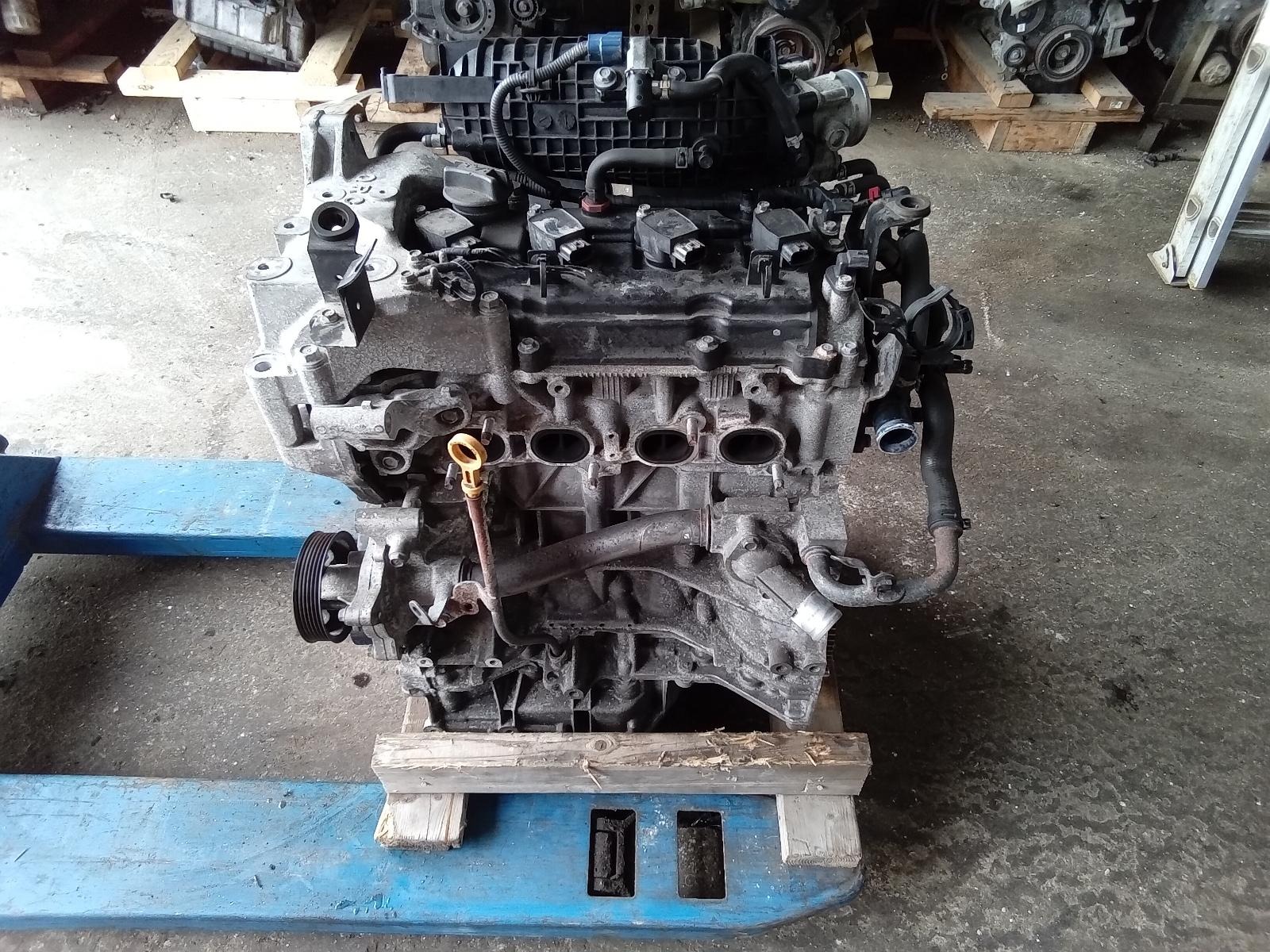
The QR25DE engine is a 2.5-liter inline-four found in several Nissan models such as the Altima and Sentra SE-R. This engine provides strong mid-range torque and produces a very steady, warm sound that many drivers appreciate. It has been around for many years, and Nissan has made several updates after some time to improve its smoothness and efficiency.
The engine does well in terms of sound because of its layout and exhaust design. At idle, it gives off a low, stable hum, and under pressure, it produces a bold but calm tone that is not too loud or annoying. The smoothness of the engine helps the sound feel more controlled, especially during steady highway driving or regular commutes.
Nissan used materials in the QR25DE that help with noise reduction. The engine mounts and vibration dampers reduce shaking, and the lightweight parts allow the engine to rev without creating harsh noise. When paired with a decent exhaust, the QR25DE can even sound close to a sporty setup.
This engine does not knock easily, especially when maintained with the correct oil and fuel grade. Timing chain design also helps reduce extra noise that often comes with aging engines. While it might not be a favorite for racing, it gives everyday drivers something reliable and enjoyable to listen to.
With the right care and maintenance, the QR25DE delivers good fuel use, nice torque, and a strong sound that stays consistent year after year. For someone on a budget who still wants decent sound and performance, this engine is worth considering.
5. Subaru EJ25
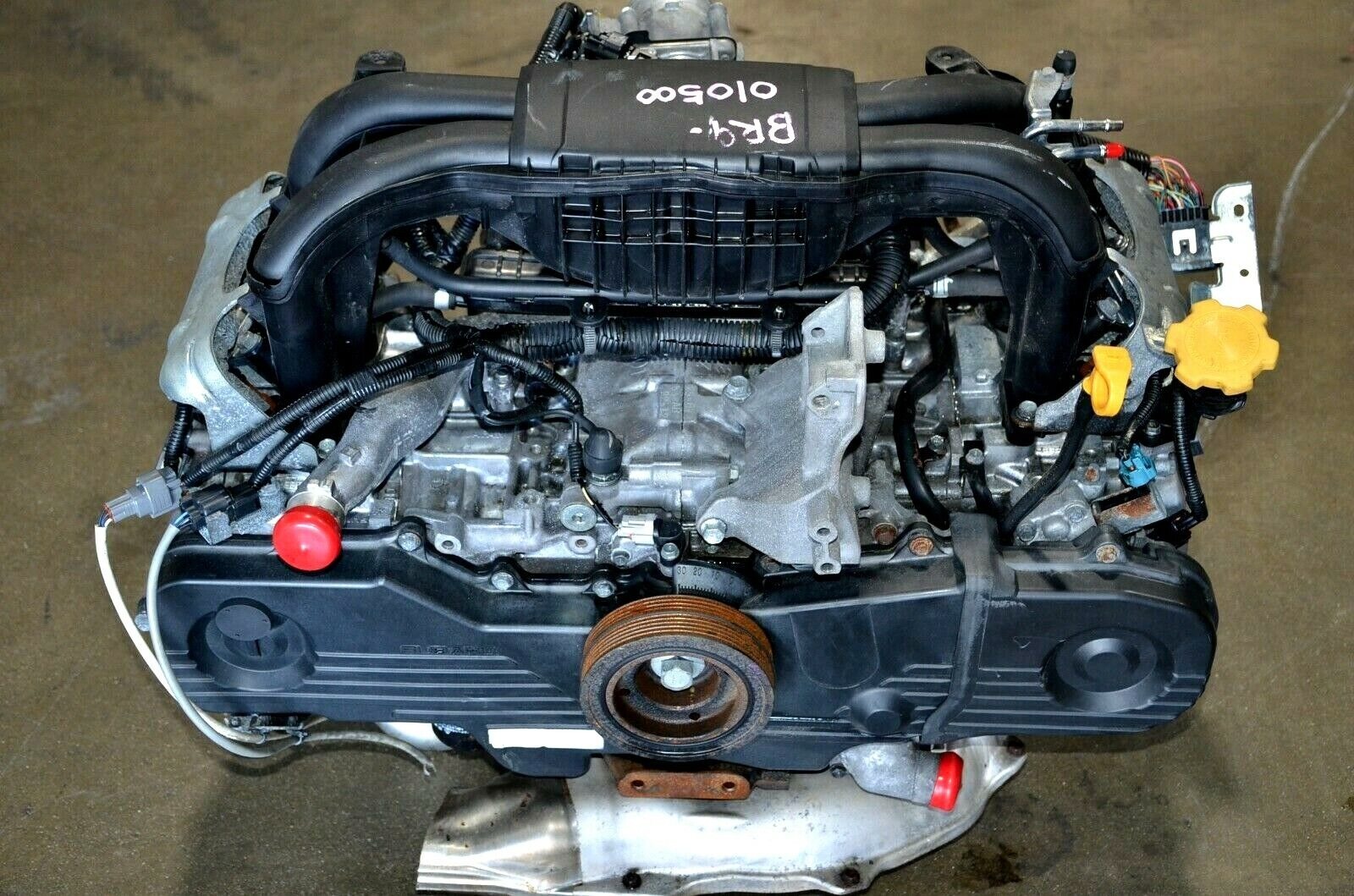
The EJ25 from Subaru has a sound that is quite different from most engines in its class. This 2.5-liter flat-four engine, used in models like the Impreza and Forester, is known for its deep rumble that comes from the unique boxer layout. That flat design puts the pistons on opposite sides, creating a sound pattern that stands out.
The rumble of the EJ25 is especially noticeable at idle and low RPMs, where the engine sounds full and strong. Many drivers enjoy this unique tone, which gives the car a bit more personality without needing any added parts. As the engine revs higher, the sound becomes sharper but still stays smooth and well-balanced.
The EJ25 is made with solid materials, and its design keeps the center of gravity low, which improves handling and reduces stress on engine mounts. This helps keep engine movement under control, which means fewer unwanted vibrations and cleaner sound.
While the EJ25 has had some mechanical issues in older versions, those who take care of it properly say it stays reliable and avoids knocking. Using high-quality oil and fixing leaks early helps this engine maintain its sound and performance over the years.
This engine might not win awards for fuel economy, but its tone and character make it worth considering. For anyone who wants a vehicle that sounds different from most others on the road and still keeps costs reasonable, the EJ25 is a strong option.
5 Engines That Always Knock
1. GM 2.4L Ecotec (LE5, LE9, LAT, LEA, LAF)
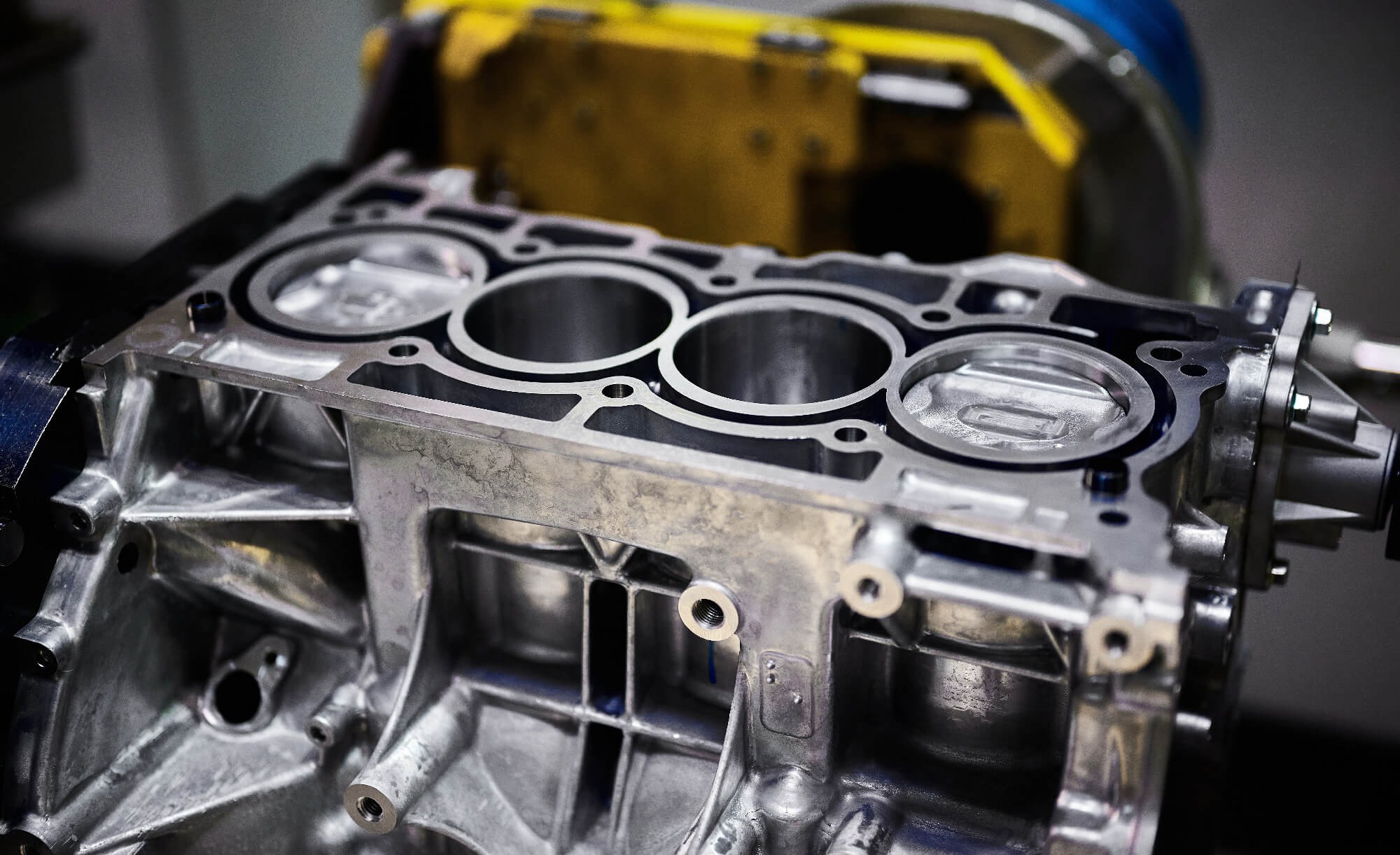
The GM 2.4L Ecotec engine, found in models like the Chevrolet Equinox, Pontiac G6, and GMC Terrain, has a long-standing reputation for developing knocking issues. Drivers who use cars fitted with this engine often complain about rough idling, loud ticking, and engine knock that starts even at moderate mileage. While the Ecotec family includes different variations, many of them face similar mechanical weaknesses that lead to knocking sounds during normal operation.
One major reason behind this problem is the direct injection system combined with poor oil flow in some engine versions. The timing chain also tends to stretch early if the oil quality drops, and that leads to rattling and knocking at startup. Some drivers report hearing metallic tapping noises even after doing routine oil changes.
This engine is also sensitive to heat. As it warms up during long drives or city traffic, the knocking sounds tend to increase. Some people think it’s just fuel quality, but in reality, it’s often linked to wear in the timing system or piston slap from loose tolerances.
Even when kept in good condition, the 2.4L Ecotec is known to burn oil, which adds more problems to the knocking situation. Low oil levels or dirty oil make the engine noisier and increase damage to moving parts. These issues often show up before the car reaches 100,000 miles.
The frustrating part is that many owners take the car to mechanics, only to be told that “this sound is normal” for the engine. But the knocking continues, and eventually, parts like the crankshaft or lifters wear out. This engine might be affordable to buy, but the extra cost of dealing with constant knocking makes it a poor long-term choice.
2. Chrysler 2.7L V6
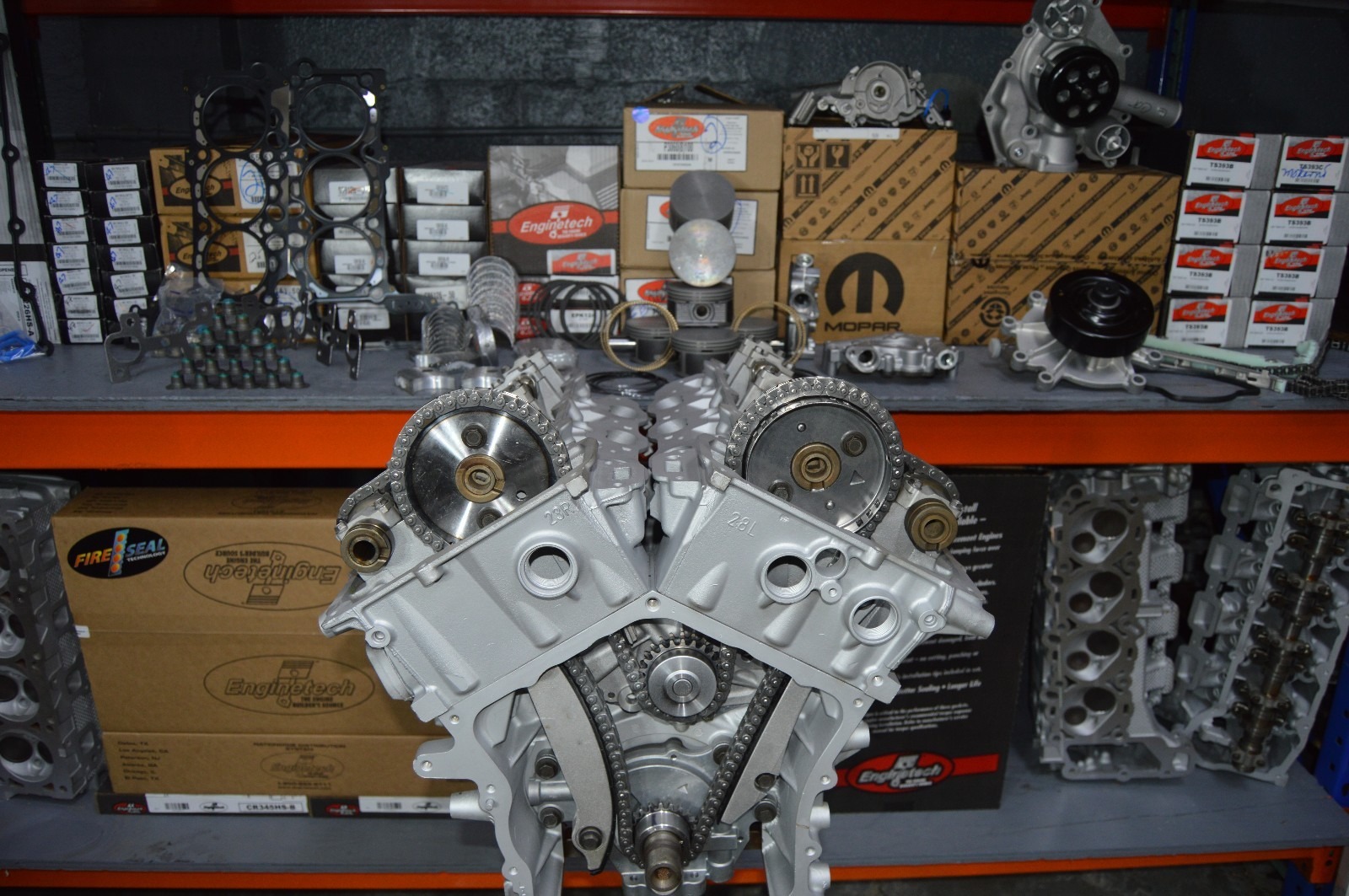
The Chrysler 2.7L V6 engine was used in vehicles like the Dodge Intrepid, Chrysler Sebring, and Dodge Stratus. Even though it came with a nice V6 layout and some promising features, this engine quickly became known for knocking problems and early failure.
One big issue with this engine is the poor oil circulation system. The oil passages are too small, and sludge builds up easily inside the engine. When that happens, it blocks oil from reaching important moving parts like the pistons and camshaft. Once the parts don’t get enough oil, they begin to rub against each other and produce knocking noises that get worse with time.
This engine is also sensitive to heat, and the cooling system sometimes fails to handle long trips or heavy traffic. As the temperature rises, engine knock becomes louder and can lead to complete engine failure if ignored. Many owners report hearing loud tapping from the top of the engine within the first few years of ownership.
Another problem is that the timing chain tensioners tend to wear out fast, leading to slapping sounds that often get mistaken for piston knock. If left alone, these noises turn into bigger problems, including broken timing chains and damaged valves.
Even with perfect maintenance, many of these engines still develop knocking because the design flaws go deeper than just oil changes and tune-ups. Mechanics who work on these cars often say that engine replacement is more common than repair.
While the car models using this engine might seem affordable, the risk of hearing that unwanted knocking sound so early makes it one of the engines that most people should avoid if long-term peace of mind matters.
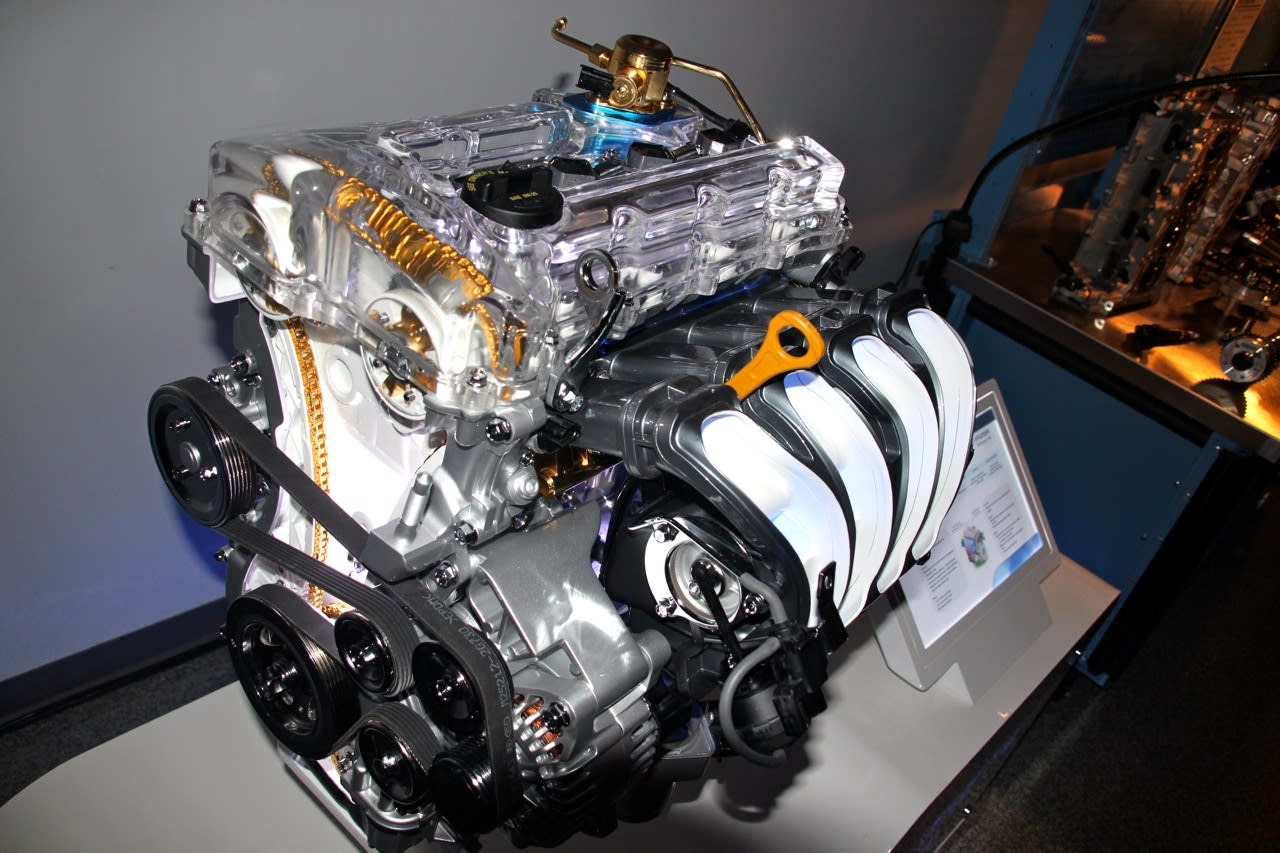
3. Hyundai 2.4L GDI (Theta II Engine)
Hyundai’s 2.4L GDI engine, often found in the Sonata, Santa Fe, and Kia Optima, has been widely discussed due to early engine knock issues. Even though the engine was meant to offer good fuel efficiency and performance, it ends up producing knocking sounds in many cases, sometimes even before hitting medium mileage.
One big reason for the knocking in this engine is poor manufacturing quality. Some engines were built with leftover metal debris inside the engine block. After some time, that debris damages the crankshaft and bearings, leading to a knocking sound that worsens during acceleration or when the engine gets hot.
Even after Hyundai made design updates, some of the problems continued. The engine often starts making light tapping noises that grow into louder knocking if ignored. Many drivers say the noise begins as a soft rattle at idle but becomes stronger once the car warms up.
Another issue is that the oil passages in the engine are too narrow, making it easy for dirt or sludge to block oil from reaching important parts. Once that happens, piston slap or bearing wear begins, which results in knocking. These engines are also known for burning oil, which increases friction and worsens the sound.
Though this engine provides good power and decent fuel economy, it often comes with unexpected knocking sounds that spoil the driving experience. Repairs can be expensive, and some people have had to replace the whole engine far earlier than expected.
For those who value quiet, smooth engine performance, this GDI engine brings too many headaches. Buying a car with this engine might save you money at first, but the constant ticking, tapping, and knocking noises will eventually cause both stress and high repair costs.
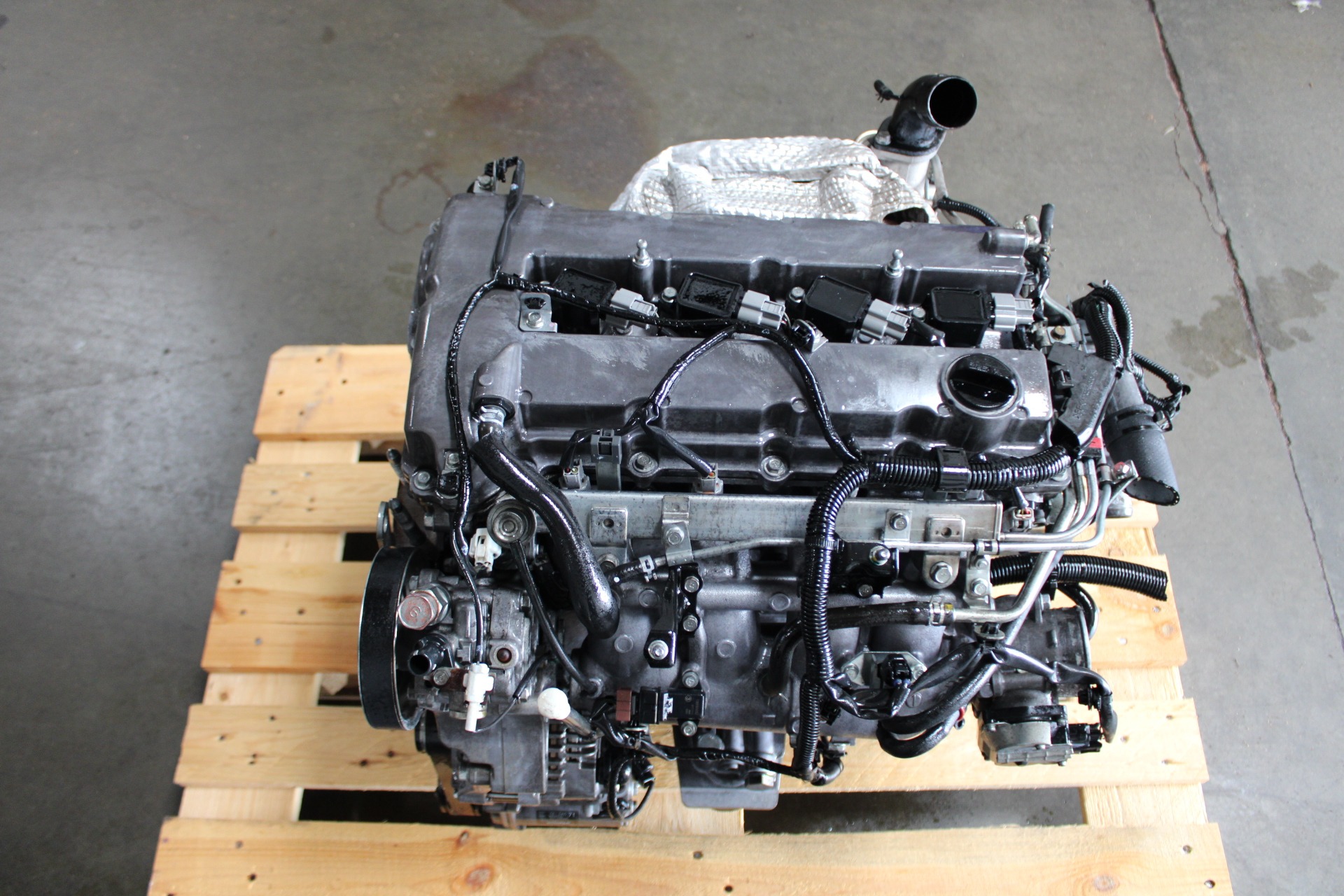
4. Mitsubishi 2.0L 4B11
The 2.0L 4B11 engine, used in some Mitsubishi Lancer and Outlander models, had great potential when it first came out. It was designed to replace the older 4G63 engine and offered better emissions and lighter construction. But even with those improvements, many owners still report knocking problems.
The issue often starts with uneven fuel delivery. This engine tends to run lean under certain conditions, meaning there’s too much air and not enough fuel in the mix. That balance causes knocking, especially when the engine is under heavy load or climbing hills. The sound begins as a soft ping but grows louder if the problem is not corrected.
Some drivers also complain that the engine produces tapping noises even at idle. These sounds are sometimes blamed on lifter noise or loose camshaft tensioners. Others believe the knocking is linked to the variable valve timing system, which does not always respond properly, especially on older models.
Another weak point is the timing chain setup. When it begins to stretch, it makes the engine sound harsh. After some time, if not adjusted or replaced, this turns into a knocking issue that can’t be ignored. And since this engine is often used in daily drivers, the noise becomes very noticeable in city driving.
Even though this engine can perform well, its noisy habits make it a problem for many owners. If you’re looking for a quiet, reliable engine, the 4B11 may not meet your expectations. While some people manage to tune the engine or update parts to reduce knocking, the cost of those upgrades often takes away the original benefit of choosing a budget car.
Also Read: 5 Boxer Engines That Last Forever vs 5 That Constantly Blow Gaskets
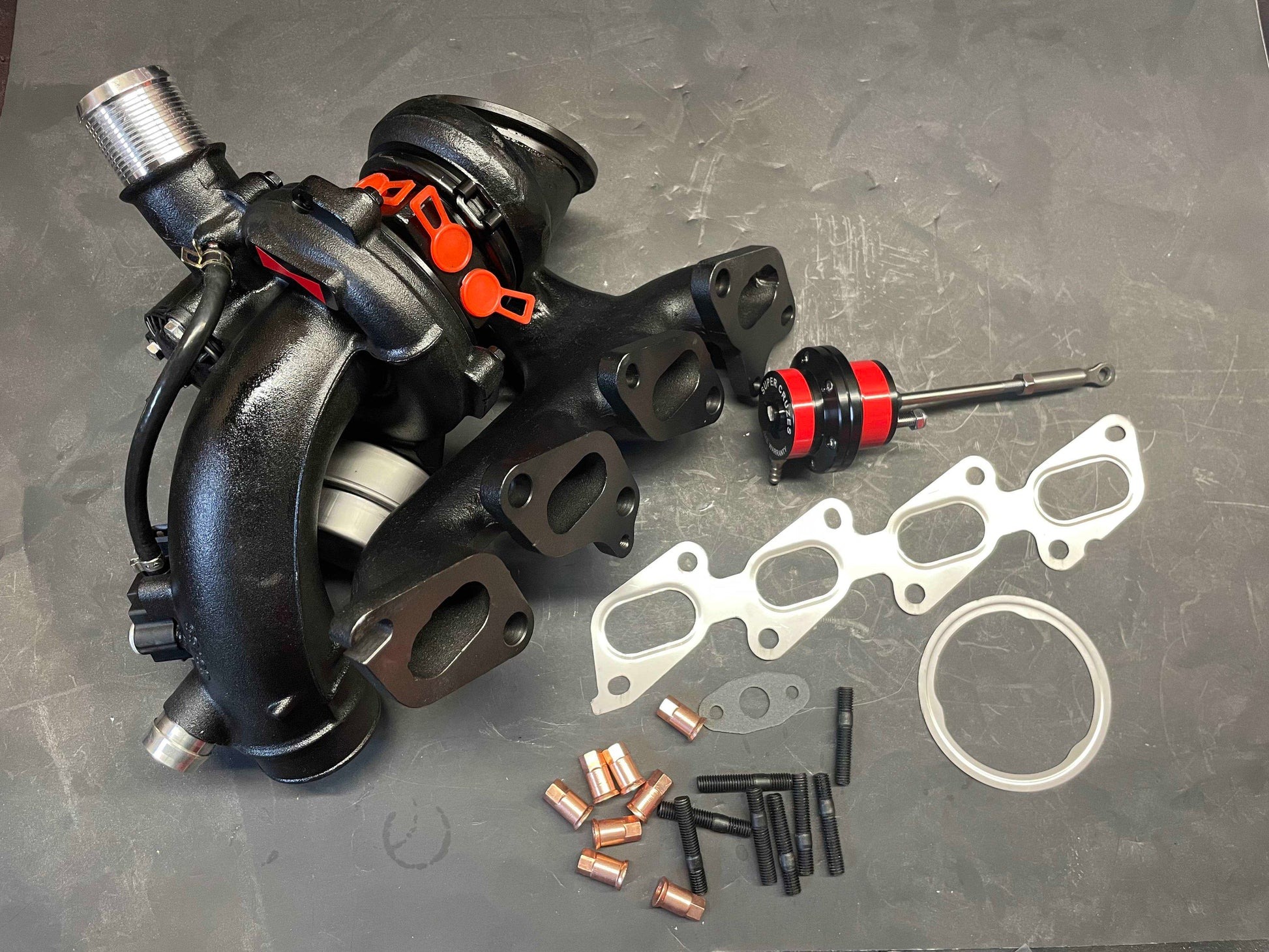
5. Chevrolet 1.4L Turbo (LUJ/LUV)
The 1.4L Turbo engine found in vehicles like the Chevy Cruze, Sonic, and Trax might sound promising because of its turbocharged setup, but it is known for knocking issues that develop early. This engine was meant to offer fuel savings and low-end torque, but many drivers quickly noticed unwanted sounds coming from the engine bay.
The main reason for the knocking is the use of lower-quality materials combined with poor heat control. Turbocharged engines create more pressure and heat, and when not managed well, those conditions lead to pre-ignition or detonation, both of which sound like knocking. The engine becomes noisy when climbing hills or driving in warm weather.
Another issue is the spark plugs. If not replaced on time, they add to the knocking problem. Some versions of this engine are also known to misfire or produce ticking noises, which are early signs of internal wear. If left untreated, these sounds grow into full knocking and can lead to engine failure.
Oil leaks are also common in this engine. Once the oil level drops, friction increases, and the knocking becomes more noticeable. Many owners report hearing knocking sounds during cold starts, which often means the timing parts are under strain. The turbocharger itself sometimes adds to the noise if it becomes worn.
Even with careful maintenance, this engine doesn’t always stay quiet. For many drivers, the cost of dealing with constant sounds, replacing sensors, or correcting early wear removes the comfort of having an affordable vehicle.
If you’re trying to avoid engine trouble or unwanted noise, the Chevrolet 1.4L Turbo is one of the engines better left off your shopping list.
