
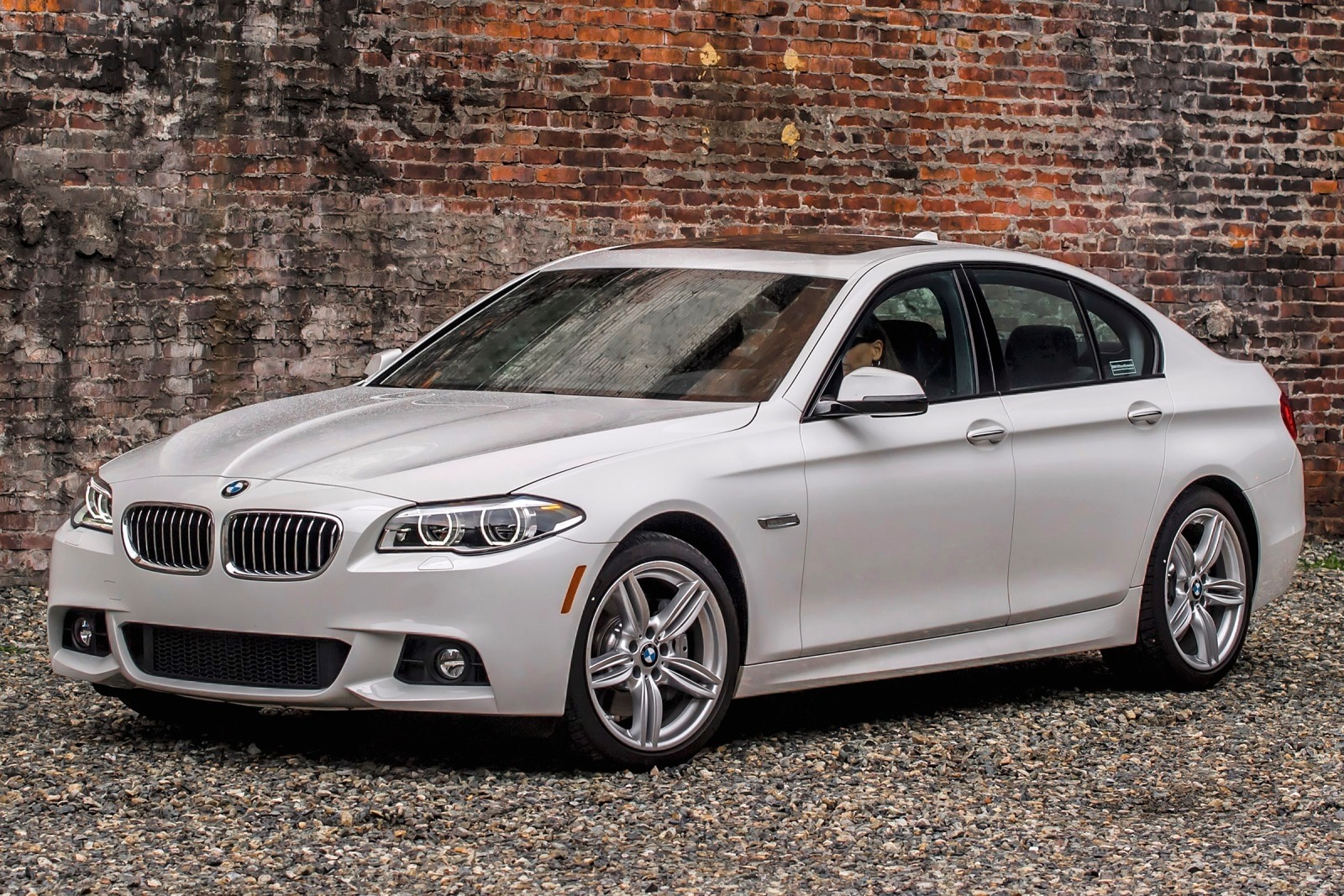
When choosing a new sedan, many buyers spend time looking at the engine, the features inside, and how comfortable the car feels. However, one thing that often goes unnoticed is the quality of the tires that come with the vehicle straight from the factory.
These factory tires, also called original equipment tires, can make a big difference in how the car drives, handles the road, and even how long it stays in good condition. While some brands put in extra effort to give their cars strong, reliable tires from the beginning, others fit their sedans with tires that wear out too fast or do not handle daily use well.
The factory tires on a sedan can affect how safe the car is, especially during bad weather. Good tires improve grip and braking, help with fuel economy, and make the ride smoother.
While tires that wear quickly or do not grip the road properly can reduce driving comfort and cost the owner more money in the long run, since they would need replacement earlier than expected. In many cases, buyers do not realize how important tire quality is until they start noticing poor road handling or uneven wear after a few thousand miles.
Some brands work closely with top tire makers to design strong factory tires that match the suspension and driving behavior of the car. This partnership gives drivers more peace of mind during long trips or tough driving conditions. But other carmakers may try to save money by choosing cheaper tire options, leading to more complaints from owners within the first year.
We will look at five sedans that come with factory tires that perform well and stay strong for a long time. After that, we will move to five sedans known for having factory tires that wear down faster than expected, causing frustration for many drivers.
5 Sedans With Good Factory Tires
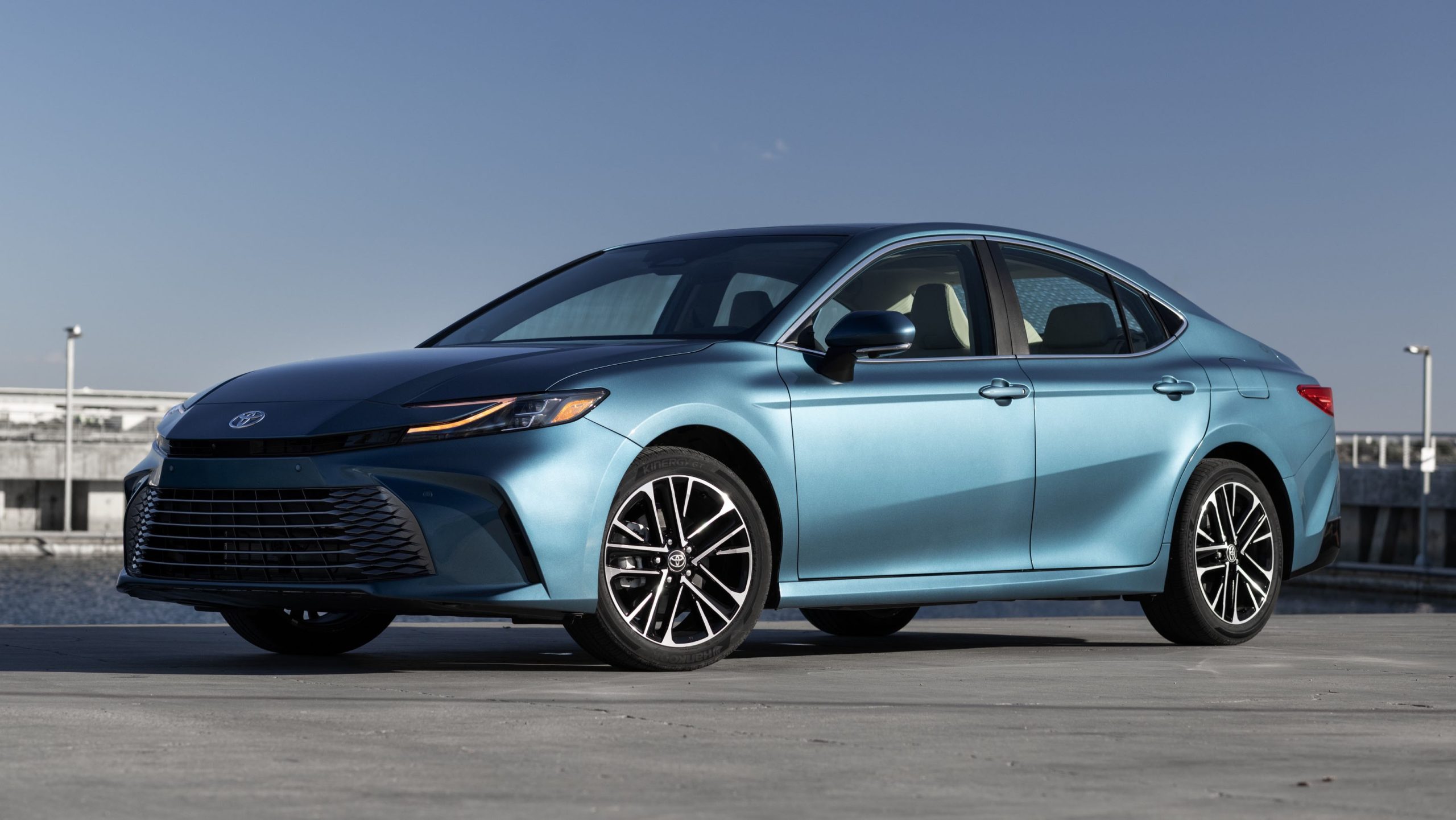
1. Toyota Camry
The Toyota Camry is often praised for its durability and fuel efficiency, and the factory tires it comes with follow the same level of dependability. Many owners have shared how the tires fitted on the Camry from the factory perform well in various driving conditions, offering a stable and confident ride from the first day of ownership. Whether you are driving on smooth highways or rougher roads, the factory tires on the Camry hold up very well.
Toyota usually partners with reliable tire manufacturers who produce models designed to match the Camry’s suspension and steering system. These factory tires have been tested and adjusted to support the car’s weight and improve how it responds to steering inputs.
That means the tires do not just provide basic grip, but also help with comfort and control. Drivers often find that the car feels balanced and does not slide even during sudden turns or wet conditions.
Another good thing about these tires is how well they resist uneven wear. Many drivers report that the tread stays in good shape for over 40,000 miles if properly maintained. That includes keeping the tires inflated correctly, rotating them on time, and checking wheel alignment. These steps help the Camry’s tires stay reliable for everyday use.
The Camry also comes with tires that offer a quiet and smooth ride. Road noise is kept to a minimum, which makes long trips more comfortable. In addition, fuel efficiency benefits from low rolling resistance, which helps reduce how hard the engine has to work to move the car.
Drivers who want to buy a sedan and not worry about replacing tires too soon will find the Camry to be a good choice. With strong performance, safety, and comfort in one package, the factory tires play a strong role in making the Camry dependable for years of regular use.
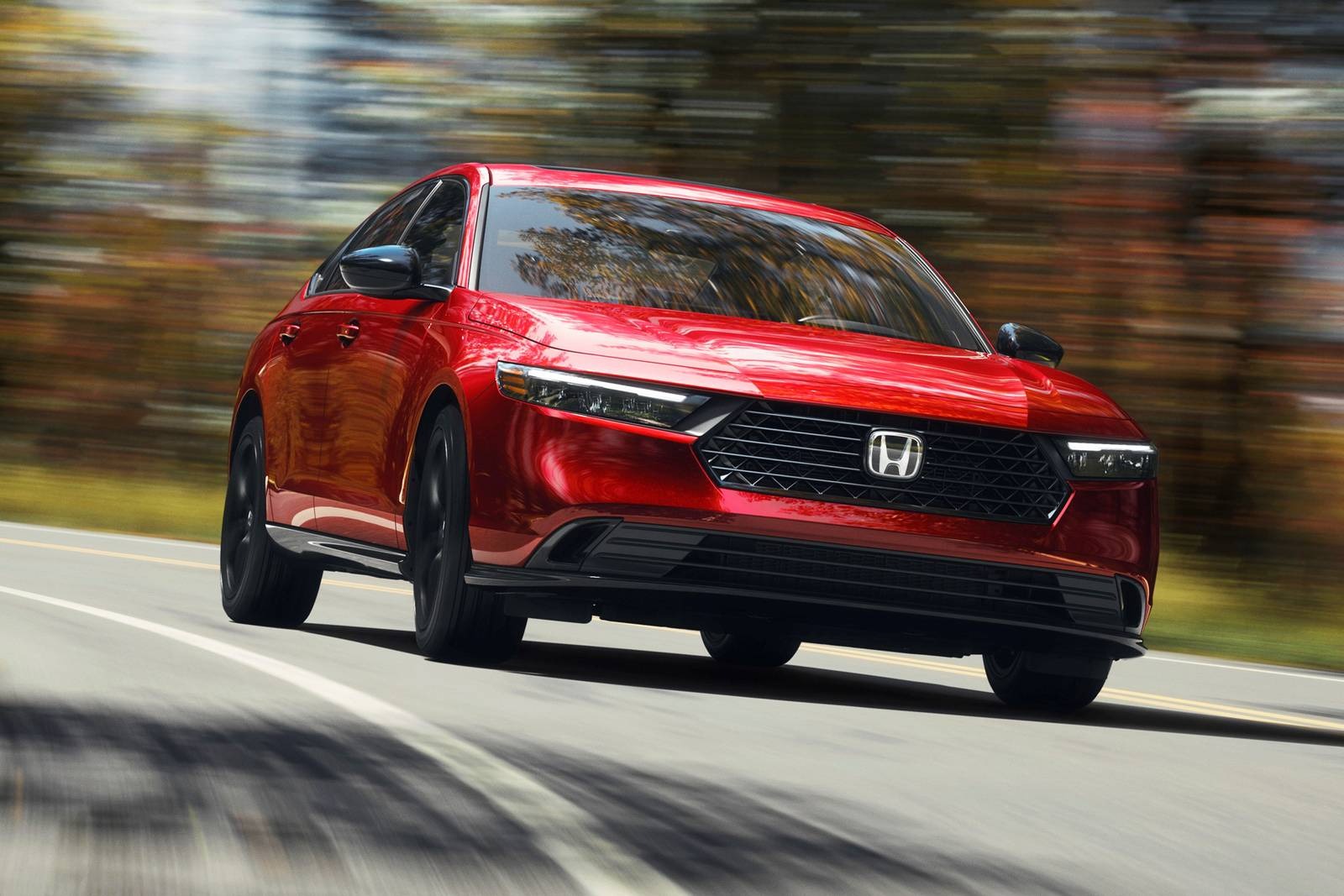
2. Honda Accord
The Honda Accord is known for its smooth handling and reliable build quality, and the factory tires it comes with support those features effectively. When you buy a new Accord, the tires fitted from the factory are often high in quality and offer both performance and comfort in different road conditions. These tires have shown good results in tests for wet braking, dry grip, and noise reduction.
Honda puts attention into choosing tires that fit the Accord’s driving style. Whether the trim is a base model or a sportier version, the factory tires usually have well-balanced features. They give the car enough grip to stay steady during high-speed turns, and they do not lose performance in wet weather. This is important for safety and confidence while driving in different seasons.
One of the biggest benefits that owners point out is how long the tires last. Many drivers say they get close to 50,000 miles before needing to replace them. This makes the Accord stand out, especially for people who use their cars every day for commuting or family duties. The tires wear evenly and hold air pressure well, reducing the chance of early damage or poor fuel economy.
The ride comfort is also improved because of the soft yet strong rubber compound used in the tires. It absorbs most road bumps without making the cabin noisy. This smooth ride helps reduce stress during long drives and adds to the appeal of the Accord as a family-friendly car.
For those who pay attention to fuel costs, the factory tires on the Accord help save money because of their low resistance and light weight. This means less effort from the engine and better mileage per gallon.
The Accord delivers a smart mix of safety, comfort, and cost savings, and the quality of its factory tires is one of the reasons it performs so well in those areas. For people looking to buy a sedan with dependable tires from day one, this Honda continues to be a smart choice.
Also Read: 5 Luxury Sedans That Stay Solid vs 5 That Constantly Break Electronics
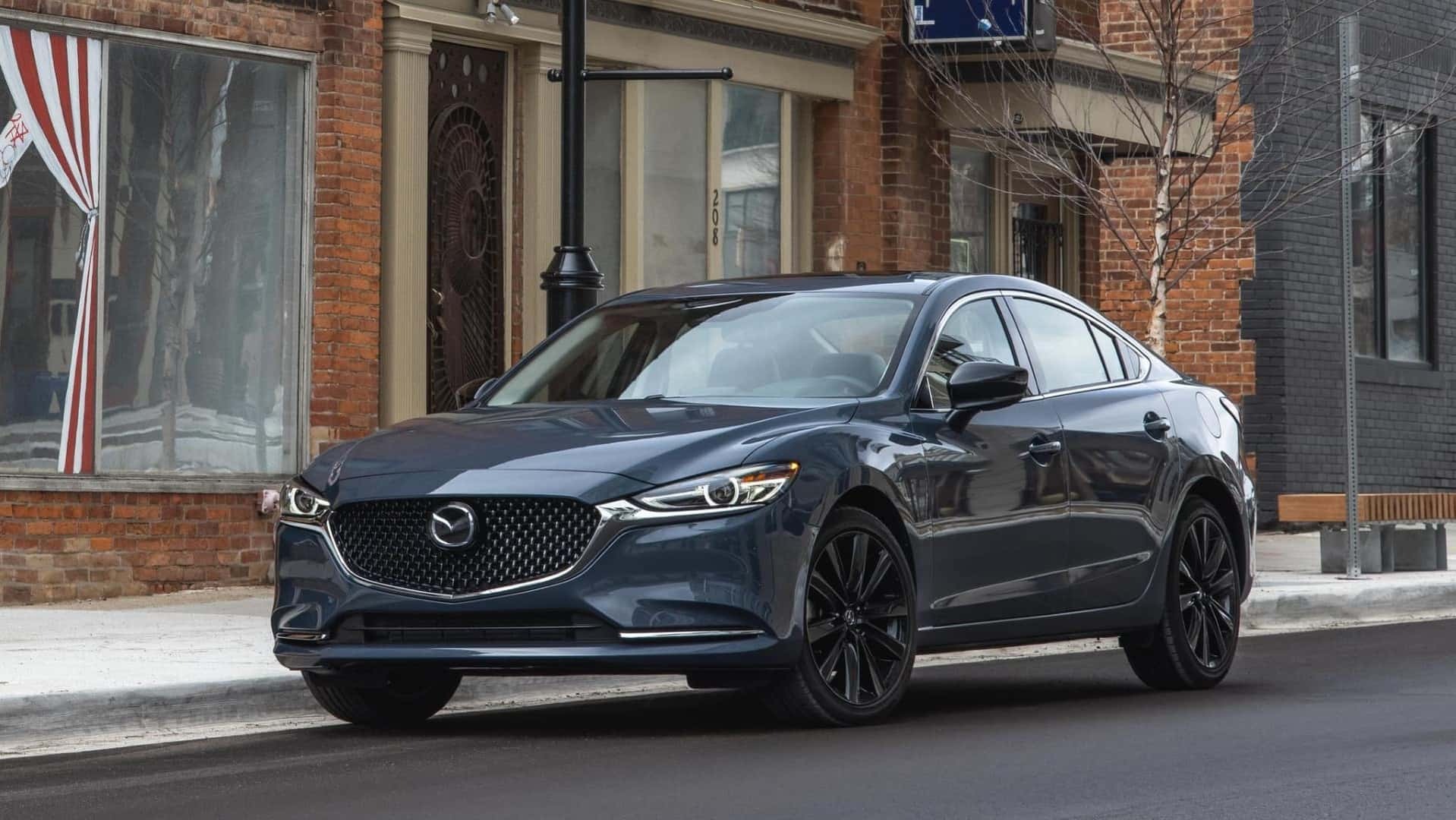
3. Mazda6
The Mazda6 stands out for its sharp handling and stylish design, but its factory tires also play a major part in delivering that enjoyable driving feel. Mazda works to make sure that every part of the car supports how it moves and responds, and the tires are no exception. From the showroom, the Mazda6 comes with tires that match its suspension and steering system well, allowing drivers to feel connected to the road without losing comfort.
The factory tires on the Mazda6 give consistent grip in both dry and wet conditions. Drivers often say the car stays firm during cornering and does not lose control easily, even during sudden stops. The tread design helps channel water away to prevent hydroplaning, which improves safety during rain.
Another reason the Mazda6 performs well in this area is because of how evenly the tires wear. As long as they are rotated properly and the car’s alignment is kept in check, these tires remain in good shape for a long time. Most owners get up to 45,000 miles or more from the original tires, depending on how they drive and where they drive.
Ride quality is also something the Mazda6 handles well. The factory tires help reduce noise and keep the car stable on uneven roads. The rubber compound used is firm enough to offer performance yet soft enough to absorb small road impacts. This mix makes the Mazda6 a pleasure to drive, whether you are on city roads or highways.
Fuel economy is improved too, because of the low rolling resistance in these tires. The car does not feel heavy when accelerating, which helps reduce how much fuel is used. For people who want both driving enjoyment and smart fuel use, the Mazda6 delivers a satisfying result through its factory tire setup.
Owners looking for a sedan that handles well and feels reliable on the road will be happy with the tire quality that comes with the Mazda6. It is one more reason why this model continues to impress in its category.

4. Hyundai Sonata
The Hyundai Sonata has improved in many ways over the years, and one of those improvements includes better factory tires. When buyers get behind the wheel of a new Sonata, they often find that the tires provide strong grip and long life from the start. Hyundai takes care in picking tires that work well with how the Sonata drives, giving users a safe and smooth experience.
From dry roads to wet conditions, the factory tires on the Sonata hold their own without much trouble. The tread design is smart and keeps water from building up under the tires, which helps maintain road contact during heavy rain. This gives drivers peace of mind during everyday driving and longer trips.
These tires also hold up well against wear. With proper maintenance like rotation and pressure checks, most owners can reach around 45,000 to 50,000 miles before replacement is needed. That means fewer visits to the tire shop and less money spent in the early years of owning the car.
Hyundai made sure to use tires that balance comfort and efficiency. The rubber is made from materials that reduce road vibration, which makes the ride more relaxed even when the road is not perfect. At the same time, the tires are not too soft, so handling does not suffer. The car stays firm during turns, and braking distance stays short.
Another benefit is how well these tires manage fuel usage. Because of low rolling resistance, the car does not burn extra fuel to keep moving. That adds to the fuel efficiency numbers that Sonata is known for, which is important for people looking to save on gas.
Hyundai’s choice of factory tires for the Sonata gives the sedan more than just basic performance. It offers comfort, safety, and long-term value, making it a smart pick for drivers who want a car that needs less tire-related attention early on.
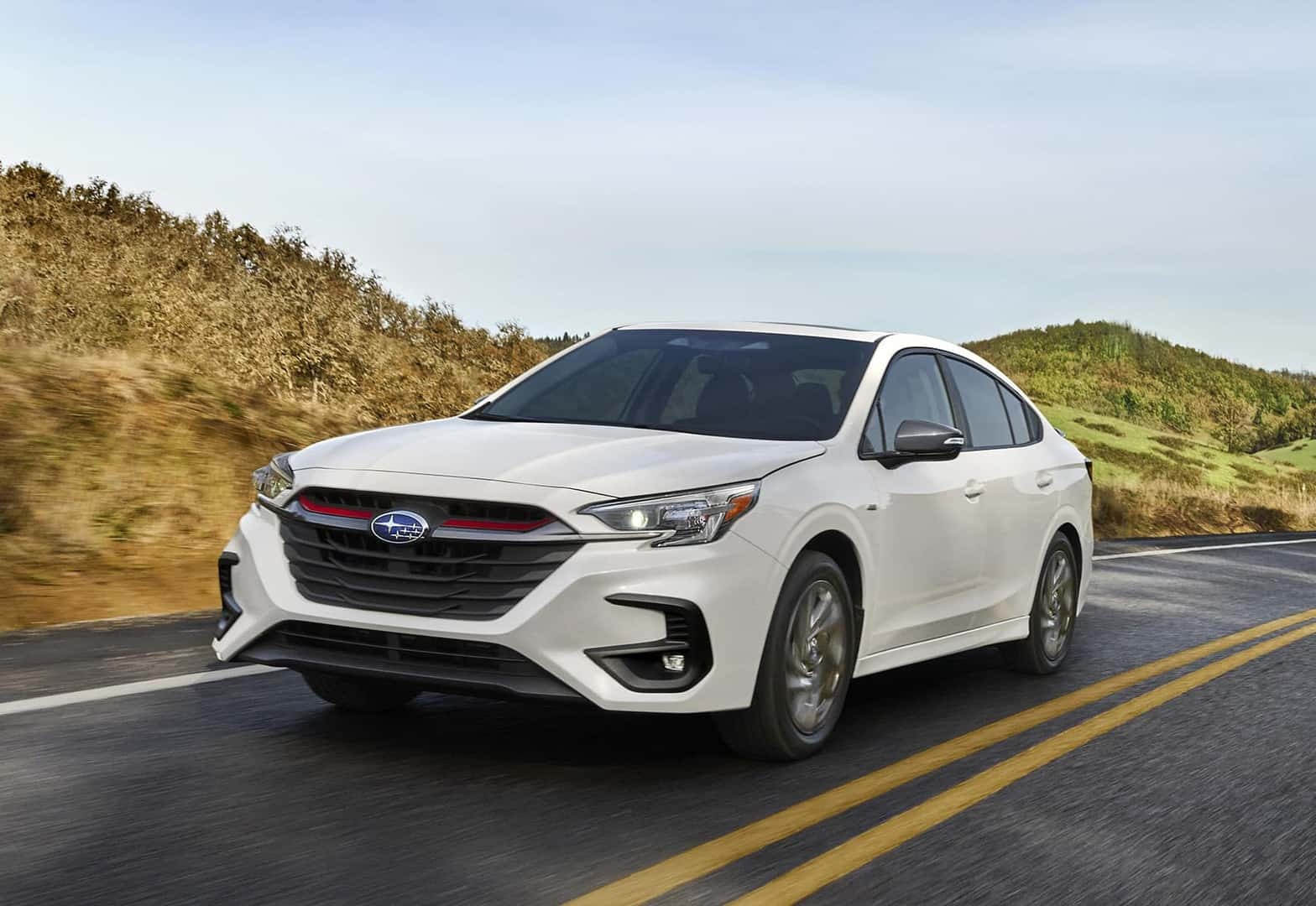
5. Subaru Legacy
The Subaru Legacy stands out for its all-wheel-drive system, but it also comes with factory tires that support that system properly. Subaru has matched the car with tires that work well in many conditions, including wet roads, snow, and dry pavement. The tires provide a confident grip that suits the car’s balanced ride and smooth cornering.
These factory tires are designed to support the Legacy’s handling by giving even traction to all four wheels. Drivers often share that the tires offer excellent grip in light snow and rain without needing to upgrade to more expensive tires. This makes the Legacy a good option for areas with changing seasons.
Another strength of these tires is how well they wear. As long as they are rotated regularly and air pressure is monitored, they can last over 45,000 miles for most users. The tread wears down slowly and evenly, so drivers do not need to worry about sudden tire changes after just a few years.
Comfort on the road is also improved because of the quiet and stable ride these tires support. They are made from materials that keep road noise down, which makes the cabin quieter and long trips more pleasant. Even when the road surface is rough, the tires help smooth out the bumps without affecting how the car handles.
Fuel economy gets a small boost as well. The tires are made to move with less resistance, which means the engine does not have to work harder than needed. This can lead to lower fuel use, especially for drivers who spend a lot of time commuting.
Subaru made sure to pick factory tires that can handle both daily use and occasional bad weather. With solid traction, long life, and quiet comfort, the Legacy continues to be a smart sedan choice for people who want less stress from their tires.
5 Sedans With Factory Tires That Wear Out Fast
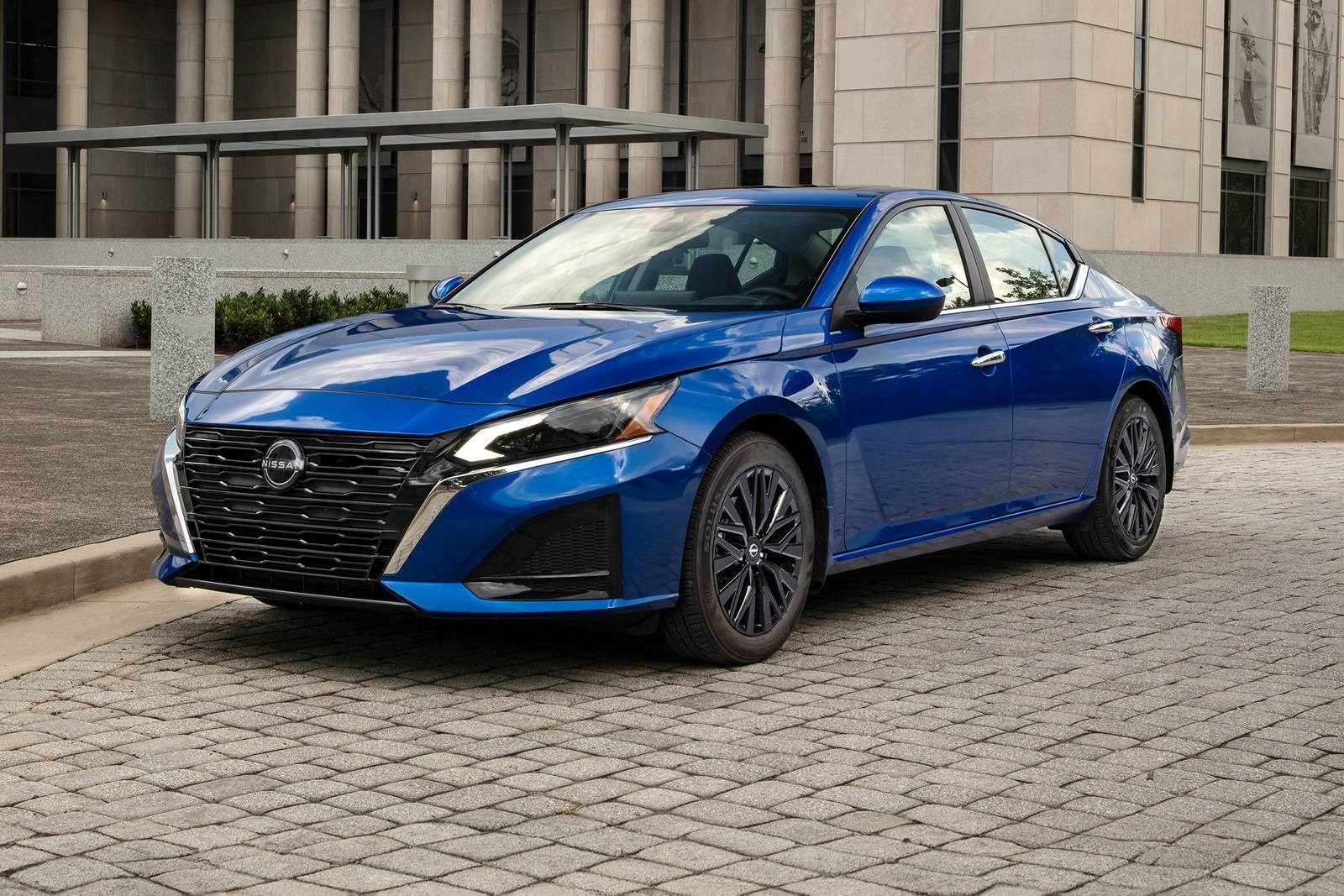
1. Nissan Altima
The Nissan Altima remains one of the most popular sedans in the United States, but one common complaint among owners is how quickly the factory tires wear down. Many drivers say the tires begin to show uneven tread wear earlier than expected, even before hitting 25,000 miles. This early decline in performance often leads to a frustrating ownership experience, especially for drivers who expected the original tires to last longer.
One of the main reasons behind this problem is the type of tires fitted from the factory. While the Altima itself is built with comfort in mind, the tires are not always designed to match the weight and driving style of the car.
Some models come with low-cost tires that may be good for fuel economy but are not strong enough for long-term use. The rubber compound wears quickly, especially under regular driving conditions like highway cruising or city traffic with frequent stops.
Another issue is uneven wear on the edges of the tires. This could be caused by alignment issues or poor tire design that does not distribute pressure properly. As a result, owners often find themselves replacing tires much sooner than they expected, even when they have followed maintenance steps like rotation and air pressure checks.
Drivers have also pointed out that these tires tend to lose grip faster as the tread wears down. On wet roads, the car may feel less stable, and braking distances can increase. This reduces the safety level of the vehicle and makes many users switch to better aftermarket tire brands earlier than planned.
Comfort also takes a hit. As the tread wears, road noise becomes louder and the ride quality gets worse. Bumps and vibrations are more noticeable, which affects long-distance comfort. For those who drive daily or take long road trips, this can become very tiring.
The Altima is still a solid sedan choice for many, but the factory tires fall short of expectations. Buyers who choose this car should be ready to replace the tires sooner than usual if they want to maintain both comfort and safety on the road.

2. Chevrolet Malibu
The Chevrolet Malibu has gone through many updates over the years, but one thing that still causes complaints is the factory tires. Many owners have reported that the tires fitted from the factory wear out faster than expected. This problem affects not only how often the tires need to be changed, but also how safe and smooth the car feels during daily driving.
One reason for the early wear is that the tires are often made from softer rubber that sacrifices durability for initial comfort. While the ride may feel smooth at first, the tread wears down quickly under normal use. After about 20,000 to 25,000 miles, many drivers notice clear signs of wear, such as shallow tread depth, reduced grip, and visible edge wear.
Another concern is that the tires lose their road grip faster than they should. When driving in the rain or on slippery surfaces, the car may take longer to stop or feel unstable during sharp turns. For people who rely on their cars for daily commuting, this kind of issue can affect confidence and safety.
Owners have also raised complaints about noise levels increasing as the tires wear down. The Malibu is designed to be a quiet and comfortable car, but as the factory tires age, road noise becomes more noticeable. This can make highway travel less enjoyable, especially for drivers who spend hours behind the wheel.
The problem is not always because of aggressive driving. Even drivers who follow proper maintenance routines and rotate their tires regularly find themselves changing the original set far earlier than expected. That means additional costs for new tires, sometimes within the first two years of owning the vehicle.
While the Malibu has its strengths in styling and cabin comfort, the factory tires remain a weak point. Anyone considering this sedan should factor in the cost and effort of replacing tires early, especially if they plan to keep the car for several years.
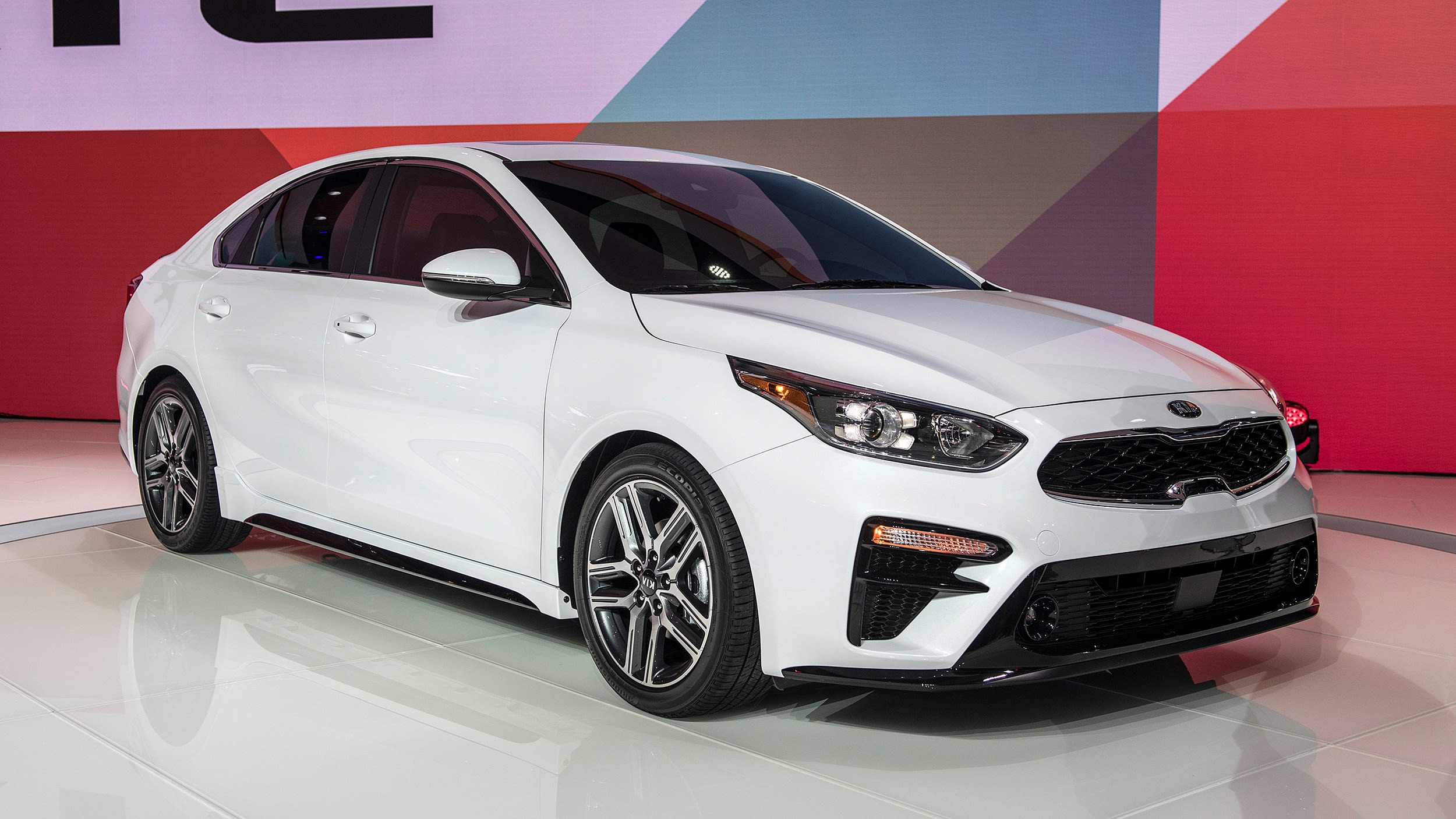
3. Kia Forte
The Kia Forte delivers decent value and features at a good price, but the factory tires do not live up to the same standard. A common issue among owners is how quickly the tires wear out, especially when the car is driven regularly on city roads or highways. While Kia has improved many areas of the Forte, the tires remain one of its weak spots.
The Forte often comes equipped with low rolling resistance tires that help improve fuel economy, but this choice comes at the cost of durability. These tires are built to reduce friction with the road, which helps the engine work less and saves gas.
However, the softer rubber material used for this purpose is not made to last long. Many drivers report needing to replace their tires at around 20,000 to 25,000 miles, even when following all the right tire care steps.
Another issue is tread noise and loss of grip after the first year of use. As the tread wears down, the tires become louder on rough roads, and they lose performance in both dry and wet conditions. Drivers start to notice more vibration in the steering wheel and less control when cornering or braking suddenly.
The tires on the Forte are also known to wear unevenly, especially along the inner or outer edges. This problem sometimes points to poor alignment from the factory or a tire design that does not match the weight distribution of the vehicle well. Uneven wear forces owners to replace the tires even if part of the tread still looks fine, which wastes money.
For people who buy the Forte expecting low maintenance costs, this early tire wear can come as an unpleasant surprise. Though the car handles well and offers good features for its price, the tire problem reduces the general driving experience. Many owners choose to switch to stronger aftermarket tires as soon as the original ones wear out.
Buyers interested in the Forte should be aware that they may have to invest in better tires within a shorter time frame if they want to keep the car riding smoothly and safely.
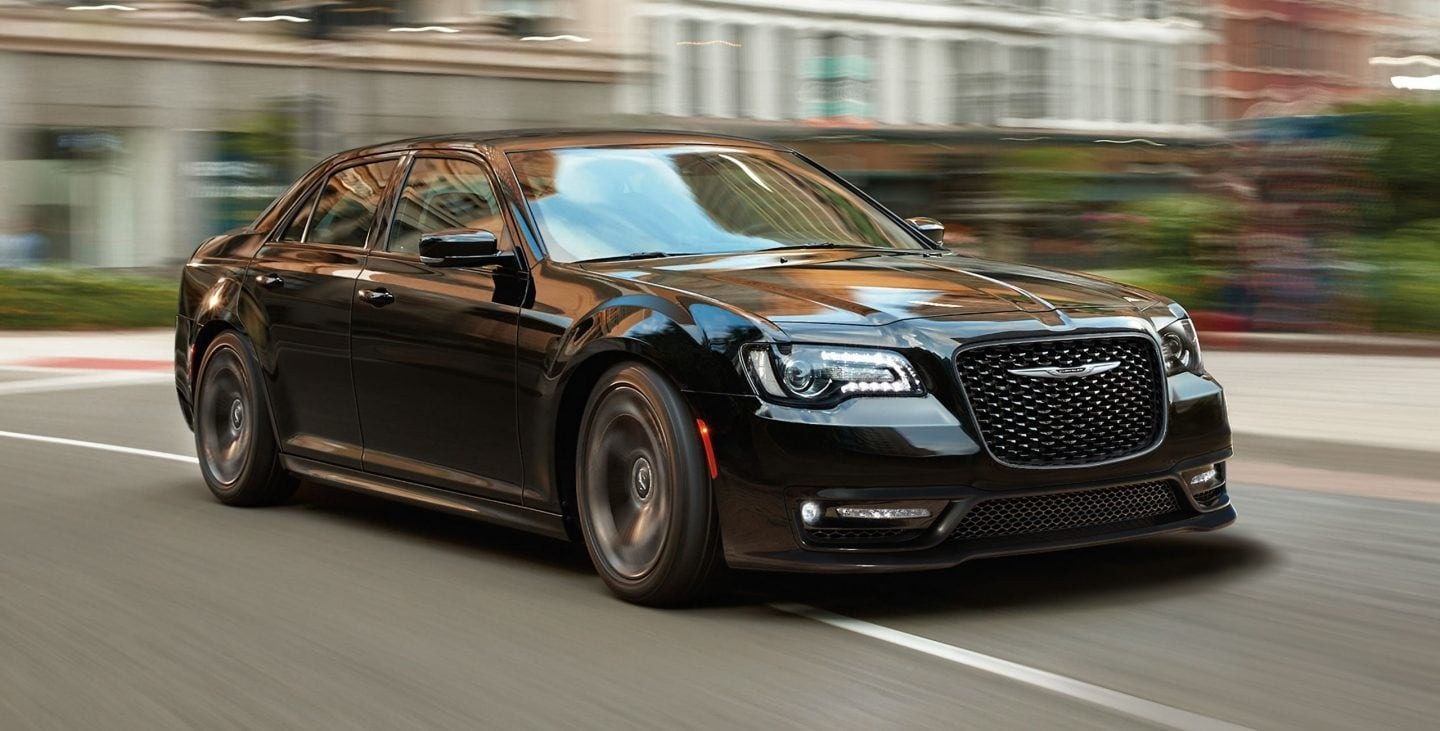
4. Chrysler 300
The Chrysler 300 is known for its strong engine options and large body design. However, this heavy build puts a lot of pressure on the factory tires, causing them to wear out faster than some owners expect. While the car delivers a comfortable ride, the original tires often do not hold up well under daily use, especially when driven in city traffic or on long highway trips.
From the factory, the Chrysler 300 is fitted with tires that may be good for basic comfort, but they often lack the strength to support the full weight of the vehicle as time goes on. As a result, the tires begin to show tread loss after just 20,000 to 25,000 miles, especially when driven under regular load with passengers or luggage.
Owners often notice that the edges of the tires wear out faster, and in some cases, the tread begins to crack or show bald spots before it reaches half of its expected life. This early wear affects how the car drives. Braking distances increase, steering becomes less responsive, and cornering feels softer or less precise.
Another issue linked to the factory tires is how they perform under wet or slippery road conditions. As the tread wears down, the grip reduces quickly, and hydroplaning becomes more likely. This makes the car harder to control during rainy weather or winter months, even if the tires still appear to have some life left.
The road noise level also rises after the first year of use. While the Chrysler 300 cabin is built to be quiet, worn-out tires reduce that quiet comfort. Vibrations from the road can be felt more clearly, especially during highway driving, where the tire wear becomes more noticeable.
Drivers who enjoy the space and power of the Chrysler 300 may find themselves dealing with early tire replacements unless they choose stronger aftermarket options. The factory tires simply do not keep up with the car’s size and power as well as they should.
Also Read: 5 Budget Sedans That Feel Like New for Years vs 5 That Don’t Last
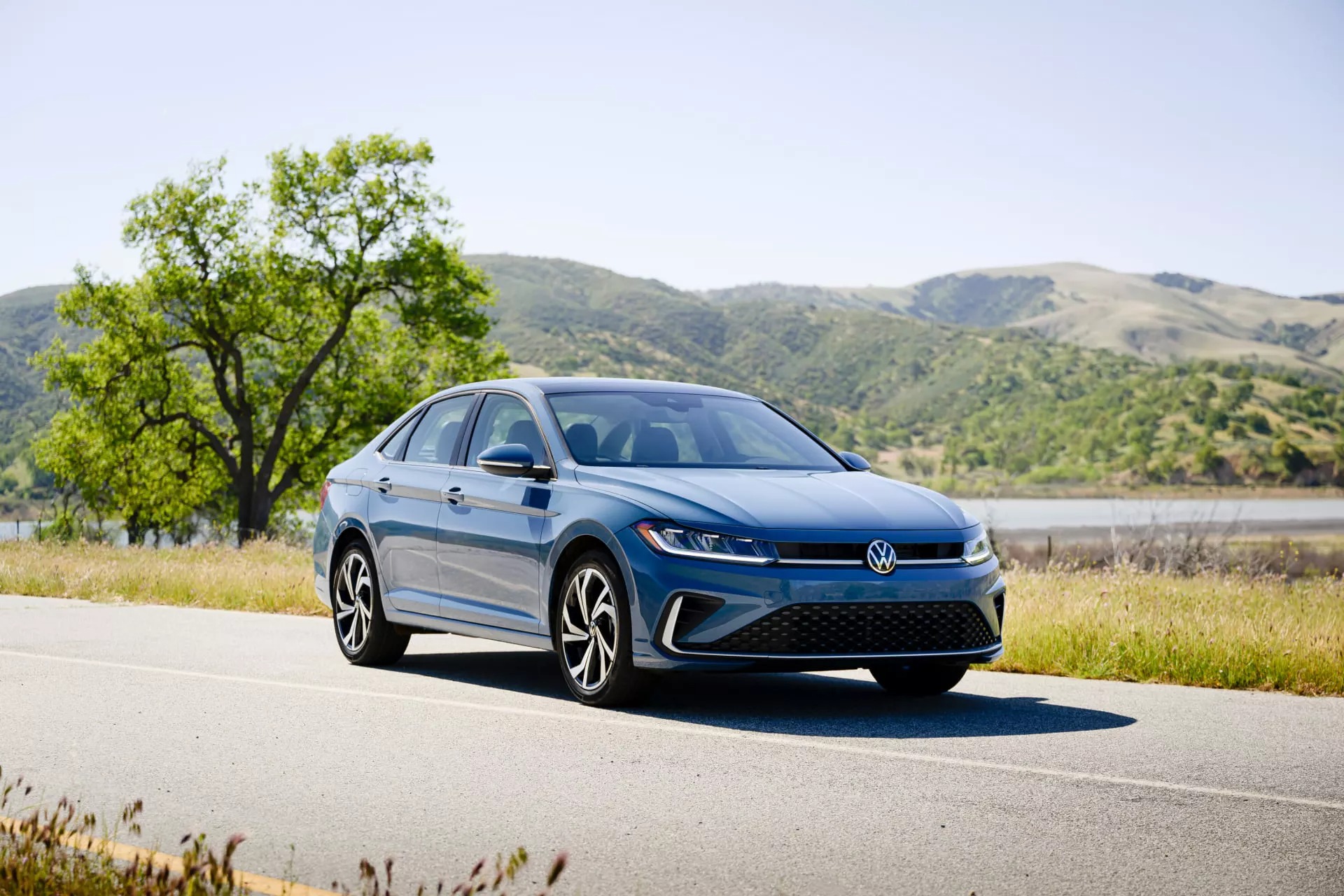
5. Volkswagen Jetta
The Volkswagen Jetta combines smart engineering with efficient fuel use, but one common issue with this sedan is the performance of its original tires. Many drivers find that the tires wear down much earlier than they hoped.
The problem is not always about how the car is driven. Even people who drive gently and follow all the correct maintenance steps report that the tires do not last beyond 25,000 miles in many cases.
One of the causes is the soft material used in the tire compound. While this helps the Jetta ride smoothly when it is brand new, it also means the tires are less resistant to wear. Long-distance drivers or those who spend a lot of time on the road see the tread wear faster, which leads to reduced traction and early tire replacement costs.
Another complaint from Jetta owners involves tire noise. As the tread wears down, the tires begin to produce more noise, especially on rough or uneven roads. The increase in cabin noise takes away from the comfortable feel that Jetta drivers expect.
Uneven wear is also reported often. Some drivers notice the front tires wearing out faster than the rear ones, or the inner edges wearing more than the outer parts. These issues may come from alignment settings or from the type of tires chosen for the car at the factory.
Wet road performance also suffers as the tires wear down. The car may take longer to stop or lose grip during turns, which affects driver confidence. Since many Jetta models are used as daily drivers for work or school, this loss of performance can become a serious issue as time goes on.
The Jetta remains a fuel-efficient and stylish compact sedan, but buyers should expect to replace the factory tires earlier than they would on similar vehicles. Anyone choosing this car may want to budget for a tire upgrade within the first few years to enjoy better road handling and longer-lasting performance.
