For American car buyers, Chevrolet has long been a household name offering everything from budget-friendly compacts to full-size SUVs and performance cars.
But affordability doesn’t always stop at the dealership. Some Chevys hold their value well and remain inexpensive to own, while others end up costing a fortune in repairs, maintenance, or depreciation.
Here’s a detailed look at five Chevrolets that stay affordable long-term versus five that often break the bank.
Chevrolets That Stay Affordable Long Term
When shopping for a vehicle, the purchase price is only part of the equation. Over time, factors like maintenance costs, repair bills, fuel efficiency, and overall reliability can have a big impact on your wallet.
While some cars may seem like a bargain at first, they can quickly become costly to own. Fortunately, Chevrolet has produced several models that not only offer solid value upfront but also remain budget-friendly as the miles add up.
These Chevrolets combine dependable performance, reasonable upkeep, and lasting quality, making them smart choices for drivers who want to keep ownership costs low in the long run.
1. Chevrolet Cruze (2016–2019)
The Cruze earned a reputation as one of the most economical Chevys for commuting and everyday use. With decent fuel efficiency (up to 40 MPG highway on the diesel model), solid reliability, and affordable parts, it keeps ownership costs low.
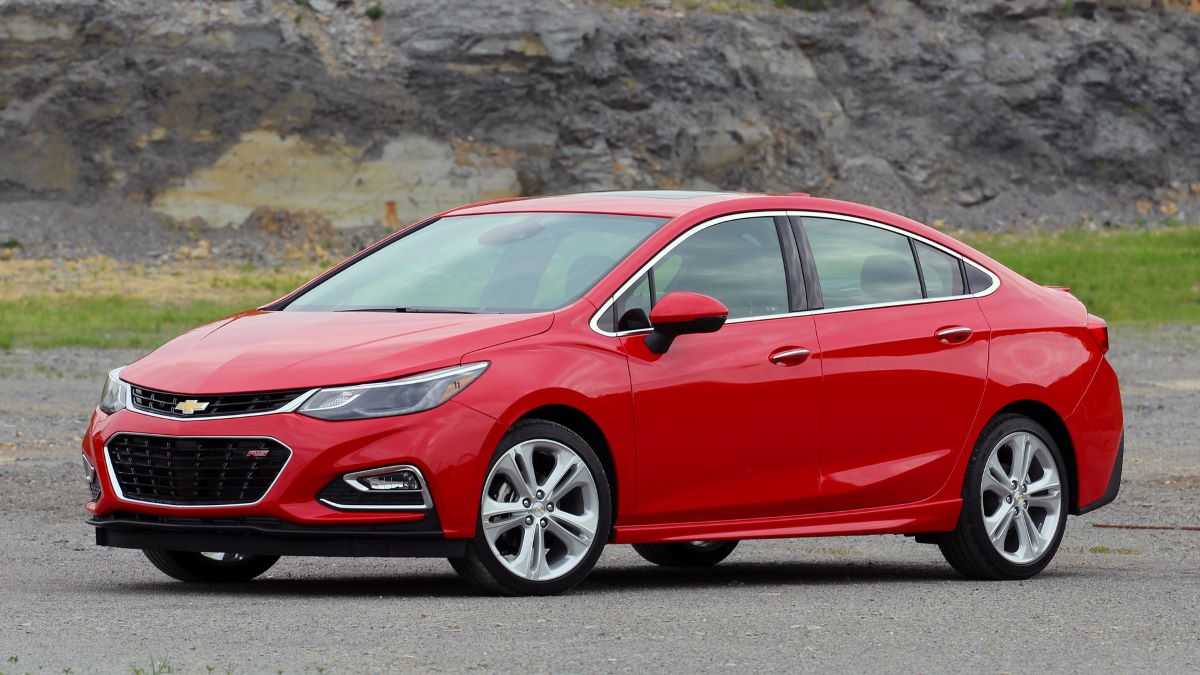
The 1.4L turbo engine, though not thrilling, is easy to maintain, and the interior tech still holds up for budget-conscious buyers.
It’s a compact that delivers real value without constant trips to the mechanic.
Chevrolet launched the second generation of the Cruze in the U.S. market in 2016, followed by a refreshed version in 2018, offered in both sedan and hatchback body styles.
To reduce development costs, Chevrolet relied heavily on the Opel/Vauxhall Astra K platform for the U.S. model. While it took the bow-tie brand an additional year to adapt the vehicle for American buyers, the effort paid off.
More than half of Cruze customers were new to the Chevrolet lineup, with the sedan variant proving particularly popular. However, slow demand for the manual transmission led GM to discontinue it, making automatic transmissions standard across the 2019 model year.
The facelift brought a redesigned front fascia featuring a wide lower grille integrated into the front bumper, flanked by side scoops housing the fog lights.
The updated headlights incorporated new DRLs, while the side profile showcased new wheel designs. At the rear, Chevrolet introduced LED taillights to complete the refreshed look.
Inside, a 7-inch touchscreen infotainment system became standard, with SiriusXM Satellite Radio available as an option. Depending on the trim, features such as keyless entry and push-button start were added. The LT trim level, in particular, gained several new amenities.
Under the hood, Chevrolet offered two powertrains: a 1.4-liter turbocharged gasoline engine paired with a six-speed automatic transmission, and a 1.6-liter turbo-diesel matched with a nine-speed automatic.
2. Chevrolet Malibu (2016–2021)
The ninth-generation Malibu offers midsize comfort with excellent long-term affordability.
Thanks to its fuel-efficient turbocharged 4-cylinder engines and conservative styling, it avoids high insurance premiums and steep depreciation.
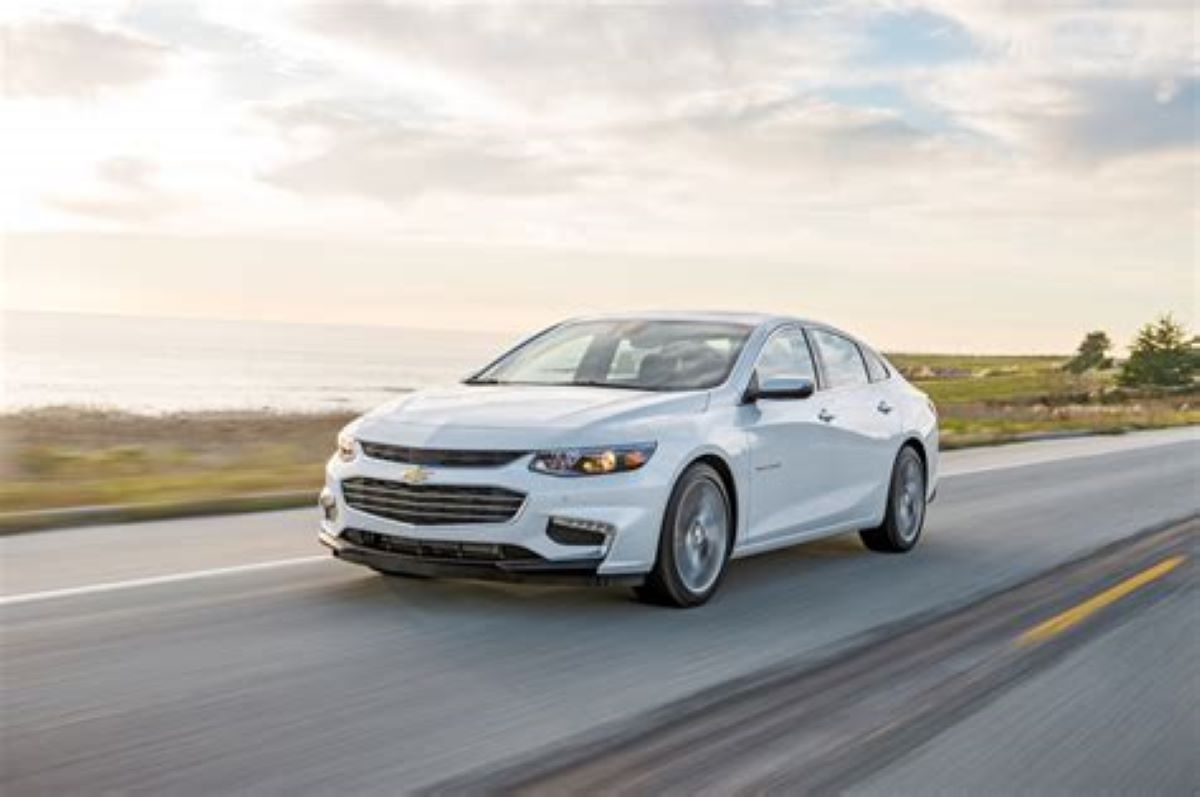
The 1.5L model, in particular, is known for reliability and lower maintenance costs compared to its V6 predecessors. It’s also widely available on the used market for well under $20,000.
Chevrolet’s Malibu has long been a dependable choice for midsize sedan shoppers. (Or, at the very least, it’s been a car you wouldn’t mind getting as a rental.) However, after the 2025 model year, Chevrolet’s final sedan will be discontinued. The current Malibu, last redesigned in 2016, has grown less competitive over time.
While the Malibu does have a few appealing qualities, many rival sedans simply offer more. Its touchscreen interface is user-friendly, though this is largely due to its older, less feature-rich design compared to newer systems.
The limitations extend beyond infotainment, competitors provide more advanced driver assistance technologies, additional safety equipment, and greater convenience features.
Many also offer hybrid powertrains for improved fuel efficiency or stronger engines for a sportier drive. Unfortunately, the Malibu offers neither option.
Also Read: 5 Cars With Best Visibility and 5 With Major Blind Spots
3. Chevrolet Impala (2014–2020)
Often overlooked, the Impala was built with comfort and longevity in mind. Its 3.6L V6 engine is durable and widely used across GM’s lineup, making repairs inexpensive.
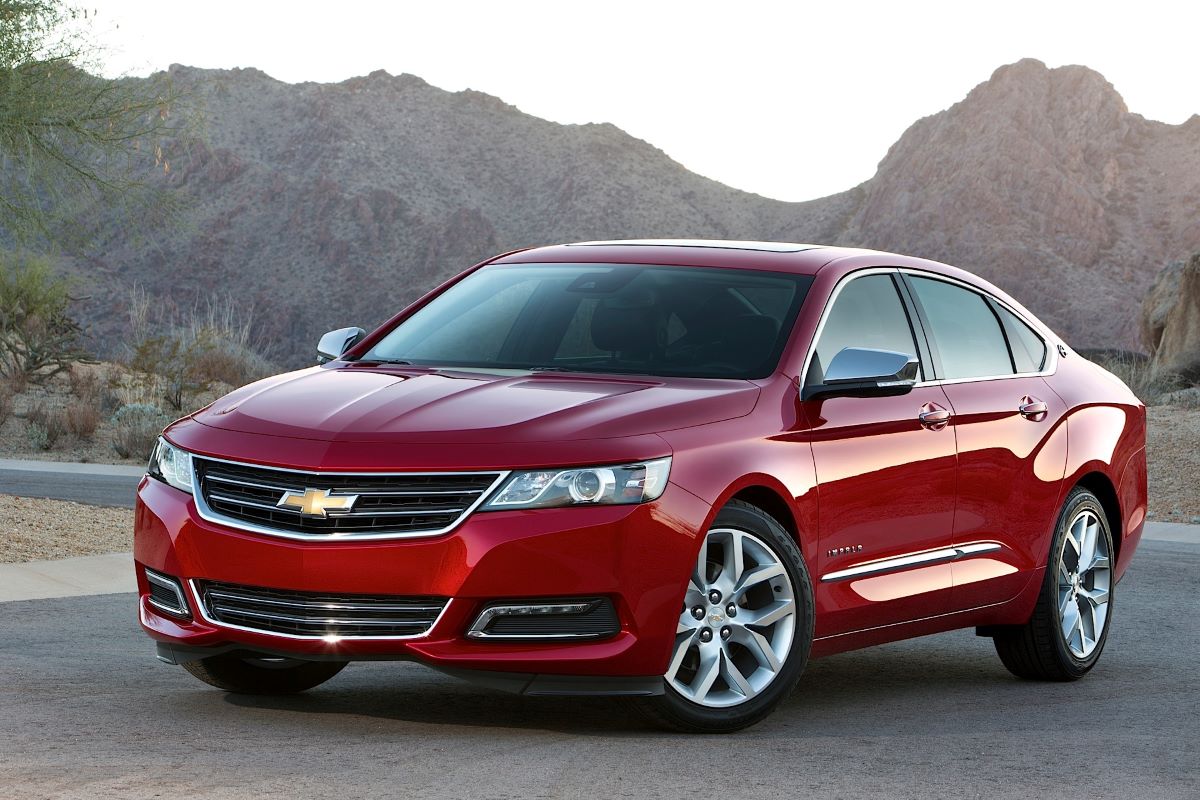
It doesn’t have the brand cachet of luxury sedans, which helps keep resale prices low, but that’s a win for used buyers. Plus, its spacious interior and smooth ride make it a great highway cruiser without breaking the bank.
Staying true to its role as a full-size sedan, the 2020 Chevrolet Impala places a strong emphasis on comfort. Even with the larger 19- or 20-inch alloy wheel options, its suspension delivers an impressively smooth ride while maintaining surprisingly capable handling for a vehicle of its size.
With supportive front seats, a spacious interior, and a large trunk, the Impala fits the mold of a classic American cruiser, only now powered by a lively V-6 that can hit 60 mph in 6.3 seconds, rather than a traditional big-block V-8.
As for drawbacks, the rear bench could benefit from softer cushions, and more advanced driver assistance features, particularly those that help prevent collisions, should come standard across the lineup.
The 2020 Chevrolet Impala is available with just one engine: a 3.6-liter V-6 producing 305 horsepower and 264 lb-ft of torque. Paired with a standard six-speed automatic transmission, it earns EPA fuel economy ratings of 19 mpg in the city and 28 mpg on the highway.
4. Chevrolet Equinox (2018–2022)
While not every compact SUV can claim affordability over time, the Equinox particularly those equipped with the 1.5L turbo hits a sweet spot. It’s relatively fuel-efficient for its class, and parts are abundant.
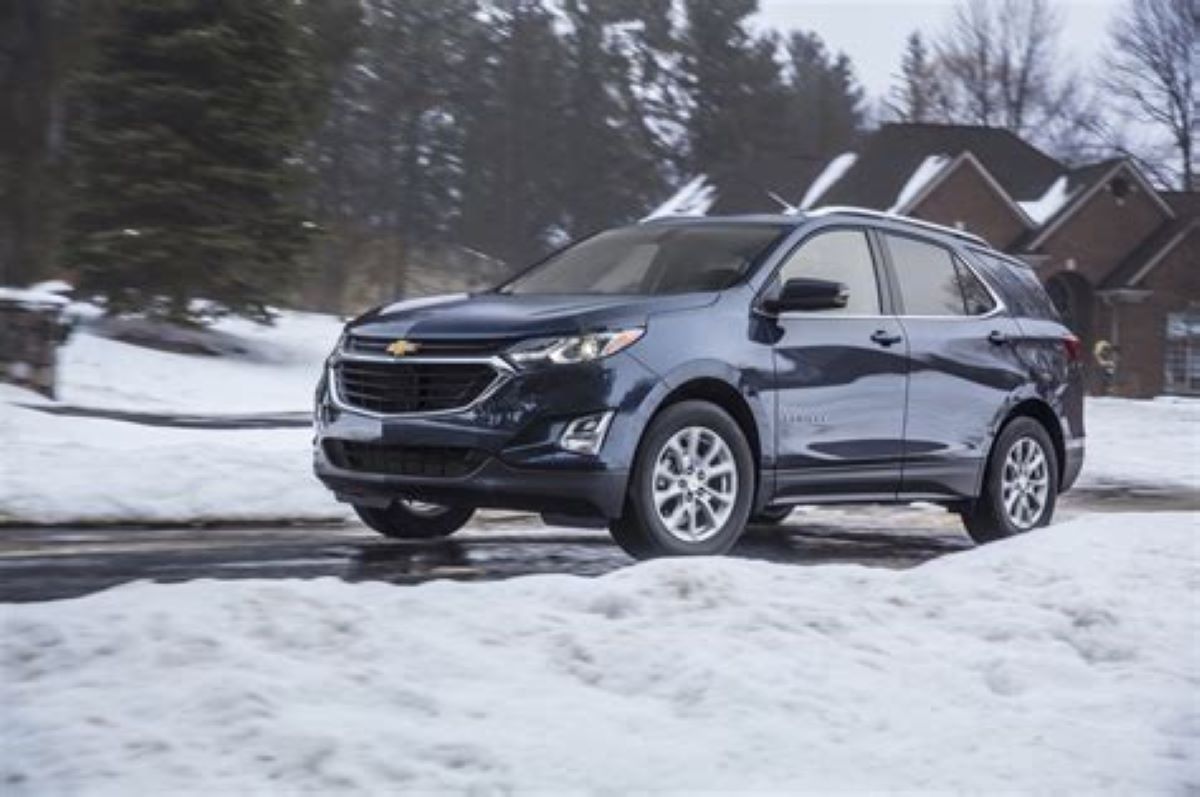
Common repairs like brake jobs and suspension work are inexpensive due to its popularity. For small families, the Equinox delivers a practical, budget-conscious option that avoids major repair pitfalls.
The latest Chevrolet Equinox is smaller and lighter than its predecessor, powered exclusively by turbocharged four-cylinder engines equipped with standard stop-start technology.
According to Chevy, the most fuel-efficient option, a 1.6-liter diesel engine, delivers an impressive 40 mpg on the highway. Even without opting for the diesel, all standard engines provide improved fuel economy compared to the previous model.
Despite its reduced size, the Equinox retains a spacious interior. Tall passengers will find ample legroom in all outboard seats, though the available panoramic sunroof slightly reduces headroom in the rear.
The back seats fold flat with the pull of a lever, expanding cargo capacity to 63.5 cubic feet. This additional space is welcome, as the 29.9 cubic feet available behind the rear seats is smaller than what most competitors offer.
Chevrolet equips the Equinox with an array of advanced safety features, including a standard rearview camera and the Teen Driver reporting system.
Available options include a top-down parking camera system, lane departure warning, and lane-keeping assist. On the tech side, every Equinox comes standard with a touchscreen display as well as Apple CarPlay and Android Auto integration.
While the Equinox may not be the most thrilling compact crossover to drive, it stands out as one of the segment’s most well-rounded choices. If you can overlook its smaller cargo capacity, you’ll enjoy a comfortable ride, a roomy cabin, and one of the most user-friendly touchscreen systems available.
Also Read: 12 Cars That Went From Unpopular to Everyday Sight
5. Chevrolet Spark (2016–2022)
As one of the cheapest new cars in the U.S. before its discontinuation, the Spark has always prioritized affordability.
With a sub-$15K MSRP, low insurance rates, and excellent fuel economy, it’s hard to beat for cost-conscious urban drivers.
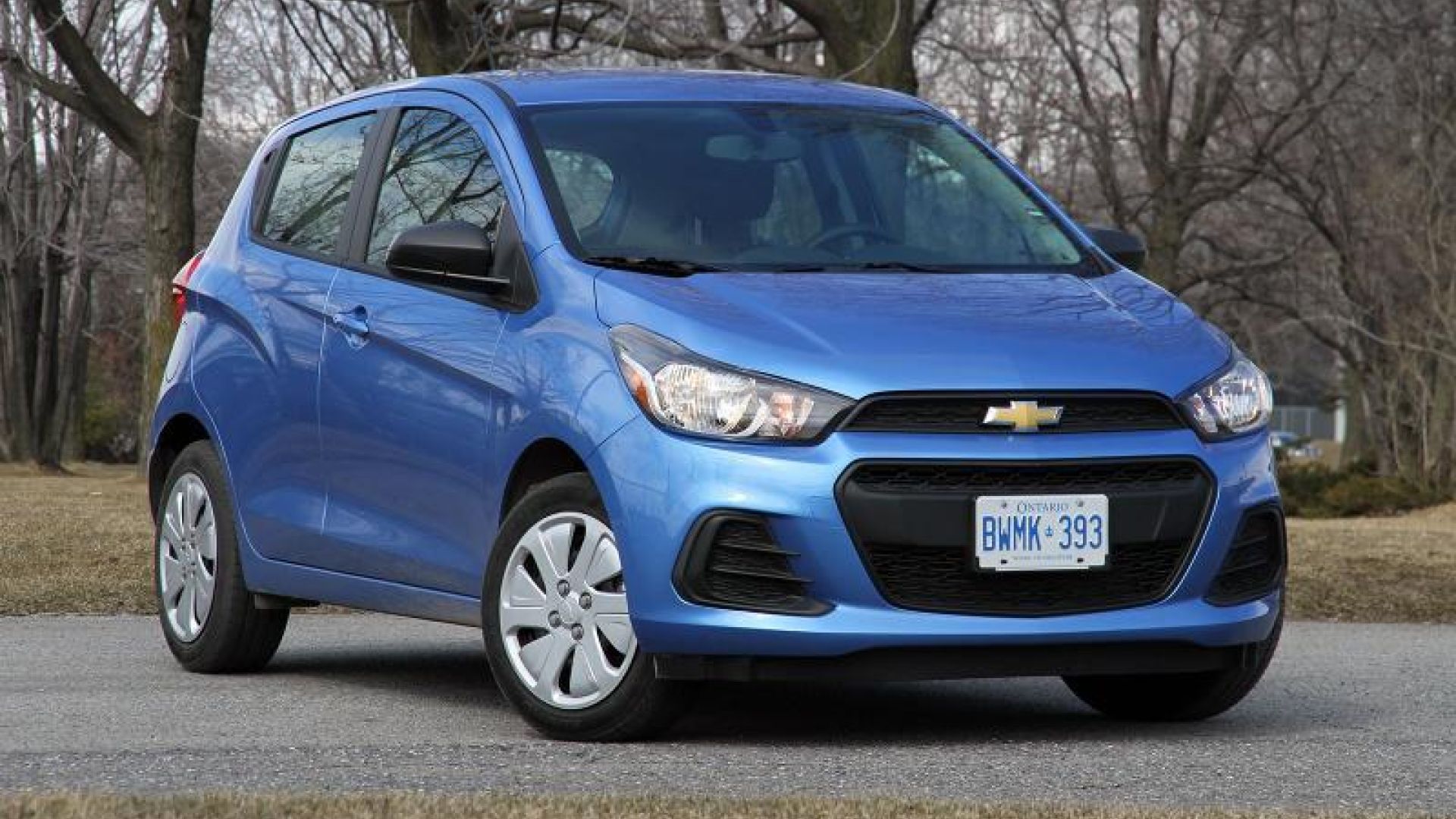
The naturally aspirated 1.4L engine is simple and reliable, and while it’s not powerful, it keeps things easy on the wallet.
The Chevrolet Spark delivers strong value for the money, offering good fuel economy, an affordable starting price, and a generous list of standard features.
However, some competitors, such as the Kia Rio and Hyundai Accent, are slightly more powerful, more efficient, and better equipped. For example, both rivals include standard power door locks and windows, while these features are optional on the Spark.
Still, considering that there are far less appealing choices in the segment (Mitsubishi Mirage, we’re looking at you), the Spark may not be the most exciting hatchback on the market, but it remains a solid option.
Chevrolets That Cost a Fortune
Not all Chevrolets are created equal when it comes to long-term affordability. While the brand is known for producing dependable and reasonably priced vehicles, some models can end up draining your wallet as the years go by.
High repair bills, expensive parts, frequent maintenance needs, and poor fuel economy can all contribute to ownership costs spiraling out of control. For buyers who value budget-friendly driving, these Chevrolets are the ones to approach with caution, as they tend to cost a fortune to keep on the road.
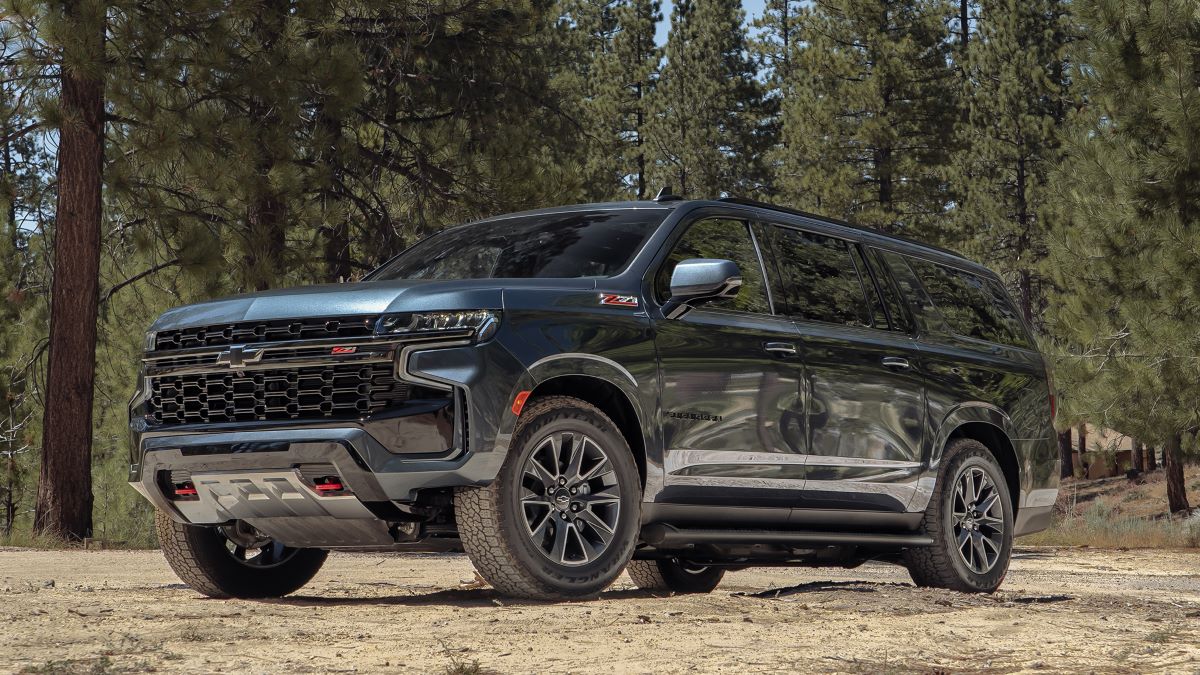
1. Chevrolet Suburban (2021–Present)
The Suburban is a staple of American family hauling, but its long-term costs can be massive. With a high starting price, the full-size SUV also drinks fuel at a rate that hurts in today’s economy.
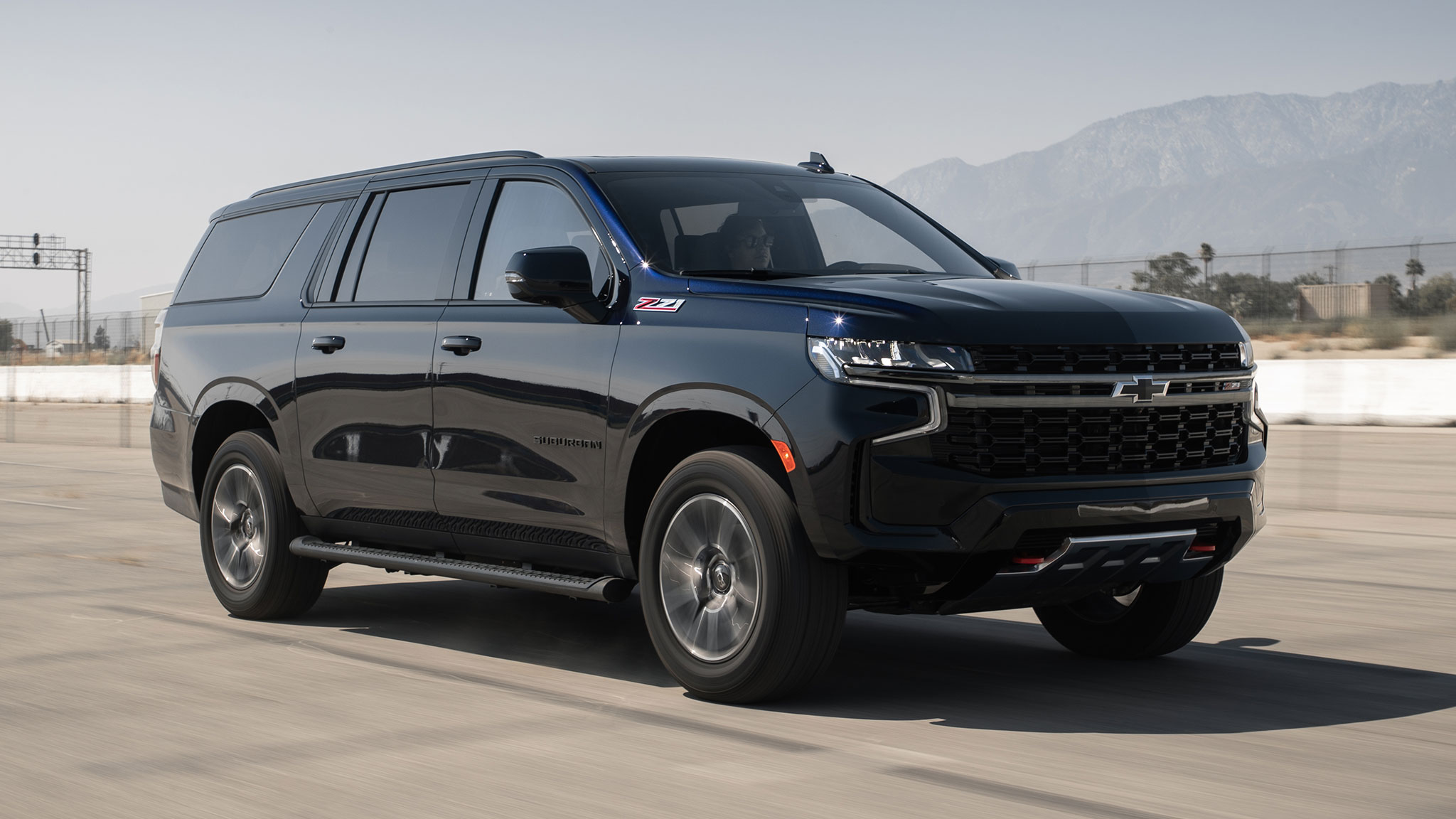
Maintenance on the 5.3L or 6.2L V8s isn’t cheap, especially when towing or heavy use is involved.
Add complex air suspension, advanced electronics, and body-on-frame design and you’ve got a vehicle that demands a fat wallet after purchase.
The Suburban is Chevrolet’s largest SUV and remains one of the few truck-based, body-on-frame SUVs still in production.
Built on the same platform as the Chevy Silverado 1500, it delivers ample power for towing along with vast space for both passengers and cargo. For 2021, Chevrolet has given this iconic SUV a completely new look and feel.
While the previous-generation Suburban was certainly capable, it fell short in areas such as refinement, versatility, and available features. In recent years, its main competitor, the Ford Expedition, has surpassed it with a more modern yet equally rugged design.
The 2021 Suburban addresses these shortcomings with added rear-seat legroom, increased cargo space, and, for the first time, an independent rear suspension.
These changes, along with other suspension upgrades, make this the smoothest-riding and most confident-handling Suburban to date.
Additionally, there’s a new diesel-powered engine option that offers better fuel economy than the gasoline V8, plus updated safety and technology features.
If you’re in the market for a large three-row SUV with strong towing and hauling capabilities, the Suburban deserves serious consideration alongside the Ford Expedition and its corporate twin, the GMC Yukon XL.
2. Chevrolet Corvette C7 Z06 (2015–2019)
While a performance bargain up front, the Z06 can bleed you dry with running costs. Its supercharged 6.2L V8 is a monster, but also prone to heat soak, carbon buildup, and other expensive issues if not properly maintained.
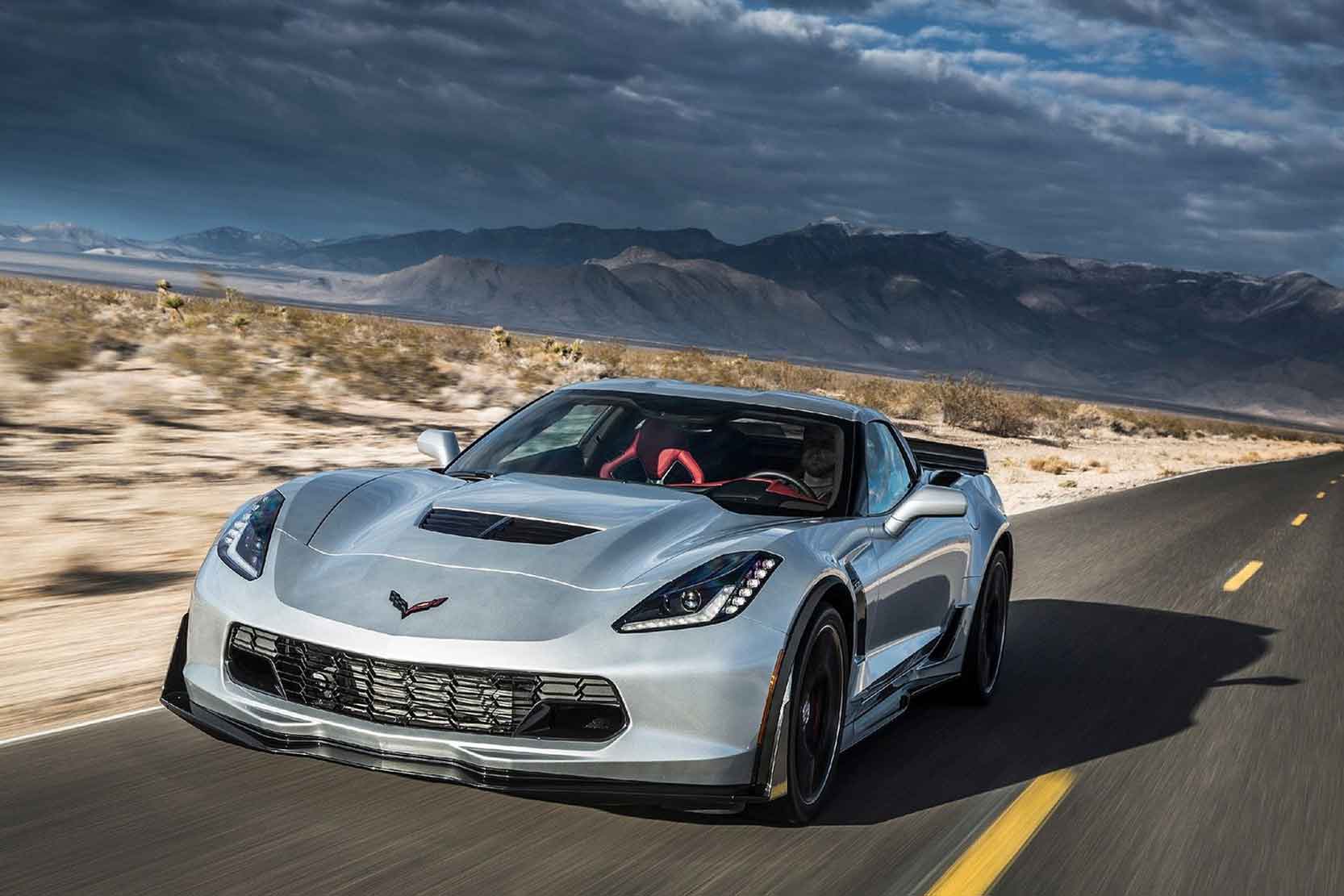
Track use, premium tires, and specialized parts make repairs costly. Insurance premiums and depreciation from initial MSRP levels can also sting if you’re not buying carefully.
The Suburban is Chevrolet’s largest SUV and remains one of the few truck-based, body-on-frame SUVs still in production.
Built on the same platform as the Chevy Silverado 1500, it delivers ample power for towing along with vast space for both passengers and cargo. For 2021, Chevrolet has given this iconic SUV a completely new look and feel.
While the previous-generation Suburban was certainly capable, it fell short in areas such as refinement, versatility, and available features. In recent years, its main competitor, the Ford Expedition, has surpassed it with a more modern yet equally rugged design.
The 2021 Suburban addresses these shortcomings with added rear-seat legroom, increased cargo space, and, for the first time, an independent rear suspension. These changes, along with other suspension upgrades, make this the smoothest-riding and most confident-handling Suburban to date.
Additionally, there’s a new diesel-powered engine option that offers better fuel economy than the gasoline V8, plus updated safety and technology features.
If you’re in the market for a large three-row SUV with strong towing and hauling capabilities, the Suburban deserves serious consideration alongside the Ford Expedition and its corporate twin, the GMC Yukon XL.
3. Chevrolet Colorado (2015–2022 Diesel)
On paper, the diesel Colorado offers great torque and fuel economy, but its long-term costs can creep up fast.
Diesel repairs are notoriously expensive, and emissions-related issues like DEF systems and EGR valves often cause headaches.
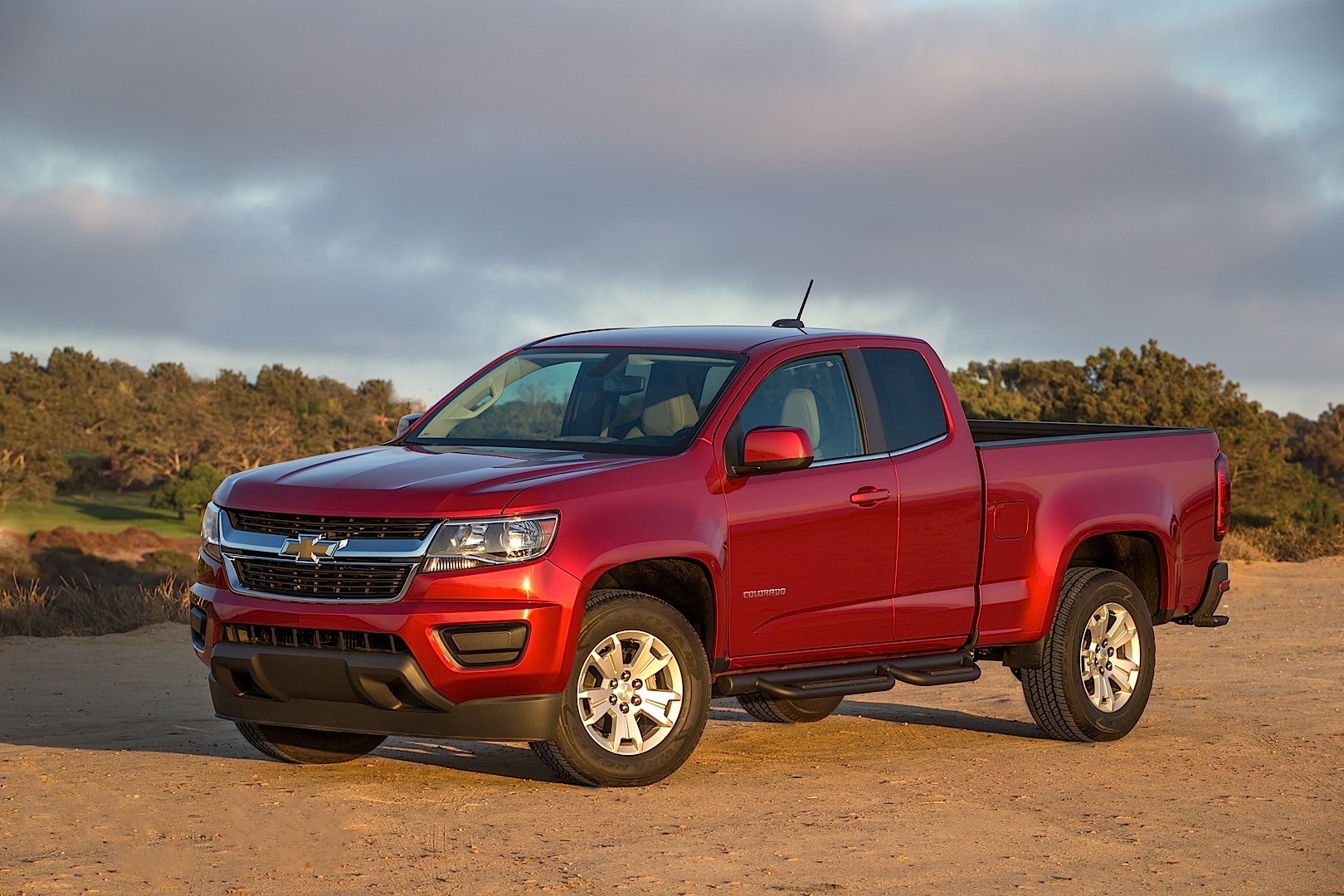
Owners report high repair costs once warranties run out, especially if the truck is regularly used for towing. The 2.8L Duramax, while capable, is not a budget-friendly engine to maintain.
After all, this is a 2.8-liter four-cylinder engine producing just 181 horsepower. However, the key figure here is its 369 pound-feet of torque.
That’s significantly more torque than the gasoline V6 offers, and it means a diesel-powered Chevrolet Colorado can tackle even larger towing tasks. It will also feel stronger and smoother when pulling a trailer up highway grades.
In everyday driving, the diesel delivers a more relaxed demeanor compared to the Colorado’s gas engines, and thanks to its abundant low-end torque, the standard six-speed automatic transmission doesn’t need to shift as often. For now, Chevrolet is offering the diesel option to retail customers only in crew cab models.
Another noteworthy update for the 2016 Colorado is the addition of Apple CarPlay smartphone integration for trucks equipped with the optional 8-inch MyLink touchscreen interface.
This feature should make the Colorado even more attractive to buyers seeking seamless connectivity. It’s worth mentioning that the full-size Silverado 1500 also gains Apple CarPlay for 2016, and for those considering the Colorado V6, there’s a reasonable case for making the jump to the Silverado instead.
4. Chevrolet Traverse (2018–2022)
This three-row SUV looks like a practical family hauler, but many owners have faced high long-term costs due to transmission issues, electrical gremlins, and expensive repair labor.
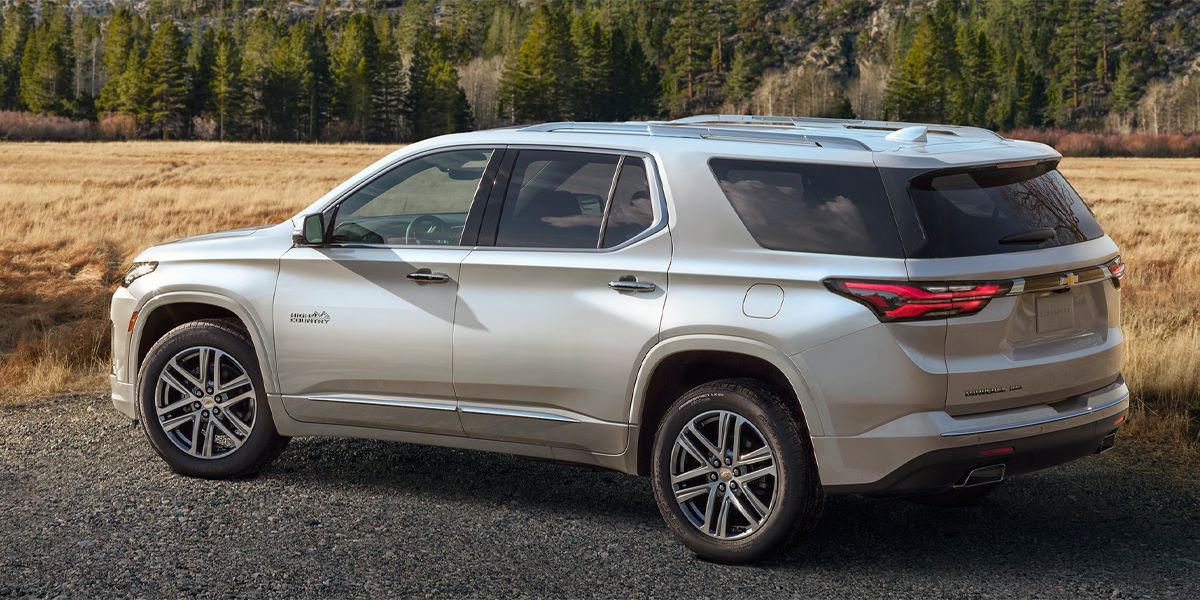
The 3.6L V6 isn’t inherently unreliable, but when problems arise, they’re not cheap.
Combined with lower-than-expected resale value, the Traverse can become a money pit over time compared to more reliable competitors like the Toyota Highlander.
Two years after its major redesign, the Chevrolet Traverse returns for 2020 with a few minor updates. Certain option packages gain new features, for instance, an automatic heated steering wheel is now included in the Driver Confidence II package.
The 2020 model also debuts the Chevrolet Infotainment 3 system, which brings sharper graphics and a more streamlined, smartphone-like touchscreen interface.
The most notable change for 2020 is the removal of the RS trim’s turbocharged four-cylinder engine. A V6 now comes standard across all Traverse models, and considering the turbo four’s difficulty in moving the SUV’s considerable weight with confidence, its absence is unlikely to be missed.
Otherwise, the Traverse continues with the same formula. It remains the most spacious three-row SUV available that isn’t a full-size, truck-based model like the Chevrolet Suburban.
However, that space does come at a cost, competitors from Honda and Toyota can be priced several thousand dollars less and feature higher-quality interiors than the Traverse’s somewhat budget-oriented cabin materials.
Still, for those seeking a comfortable highway ride paired with generous passenger and cargo space, the Traverse is a tough option to beat.
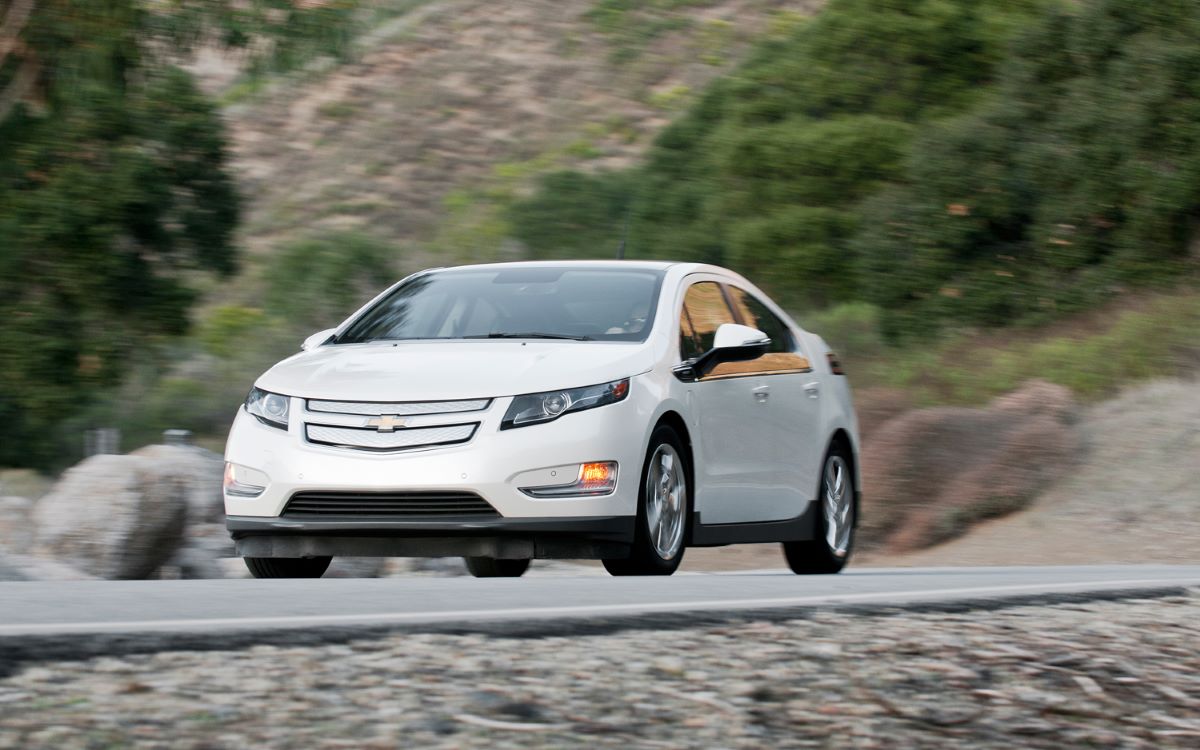
5. Chevrolet Volt (2011–2019)
While the Volt is praised for innovation and early electrification, its hybrid-electric platform brings unique long-term expenses.
Battery replacements are costly, and few independent shops are trained to service the Volt’s complex powertrain.
Even minor electrical issues can require dealership-level diagnostics. As the car ages and support dwindles, repair costs could skyrocket, especially in less EV-friendly states.
Chevrolet’s lineup covers the full range of affordability from budget-friendly compacts to expensive, tech-heavy SUVs and sports cars.
While cars like the Cruze, Malibu, and Spark offer reliable, cost-effective transportation, buyers should be cautious with complex or performance-focused models like the Z06 or Suburban, which can rack up expenses quickly.
It’s fair to say that no vehicle bridges the gap between hybrids and pure electric models better than the 2019 Chevrolet Volt. In terms of all-electric range, no other plug-in hybrid can match its EPA-rated 53 miles.
In practical terms, that means you can drive the Volt for about 53 miles before it switches over to its gasoline engine, allowing many drivers to complete daily commutes without using any fuel at all.
Once the battery is depleted, the Volt operates like any other hybrid, fill it with gas, drive until empty, refill, and keep going.
It’s also surprisingly enjoyable to drive, offering quick acceleration, strong braking, and capable handling even on curvy back roads.
A key upgrade for 2019 is the newly available 7.2-kWh onboard charger, which replaces the previous 3.6-kWh unit and cuts 240-volt charging times in half, allowing a full recharge in about 2.3 hours.
Inside, the Volt benefits from a redesigned infotainment interface and an available power-adjustable driver’s seat. Together, these updates help it maintain a top position among plug-in hybrids, even with strong rivals such as the Kia Niro Plug-In, Honda Clarity Plug-In, and Toyota Prius Prime.
Plug-in hybrids cater to a niche audience, but the Volt is well-suited to those who want an impressive all-electric range and a seamless transition from battery to engine power.
This was evident during a two-year test that logged nearly 29,000 miles of city driving and long-distance trips. Although that test was conducted on a 2016 Volt, most of the findings apply to the 2019 model as well.
In Edmunds’ Expert Rating, the Volt scores an overall 8.0 out of 10, with 8.5 for driving, 7.5 for comfort, 7.0 for interior, and 8.0 for utility. Its performance is commendable for a fuel-efficient, eco-focused vehicle, delivering smooth power in nearly every scenario.
Ride quality is generally good, though rough roads can unsettle the suspension. Seats are shaped well for most drivers, but some may find them lacking in long-term comfort. The interior is more practical than the previous generation and can seat up to five, though competitors offer more space and better visibility.
Cargo space is modest, but the hatchback design makes good use of it for everyday needs. Technology is another strength, with an easy-to-use touchscreen and a solid selection of driver assistance features, many of which are standard or optional.
As always, doing your homework on vehicle history, maintenance costs, and known issues is key to ensuring long-term value.