
For more than a decade, the automotive industry has seen a handful of cars consistently secure their place as top-sellers in the United States. These vehicles resonate with a wide range of drivers through their reliability, practicality, and strong brand reputation.
Sales charts are more than a reflection of marketing or flashy redesigns; they offer a window into the everyday needs, financial considerations, and preferences of American consumers. Vehicles that achieve a perennial slot on these lists do more than simply move units they establish themselves as trusted partners for families, commuters, and businesses alike.
Over the years, the formula for success in this market has shifted. From the heyday of full-size sedans to the current surge in trucks and SUVs, manufacturers have had to adapt, ensuring that their most popular models evolve with changing technology, safety standards, and consumer lifestyles.
Yet, despite industry buzzwords and the constant introduction of new technology, a select group of vehicles keeps finding favor year after year.
These models combine affordability, durability, and a host of features that meet the practical needs of millions. In this article, we spotlight seven such cars that have withstood the test of time, earning a spot on U.S. top-sales rankings for over ten years straight.
Also Read: 5 Kias That Rarely Fail Tech vs 5 That Always Have Glitches
1. Ford F-Series
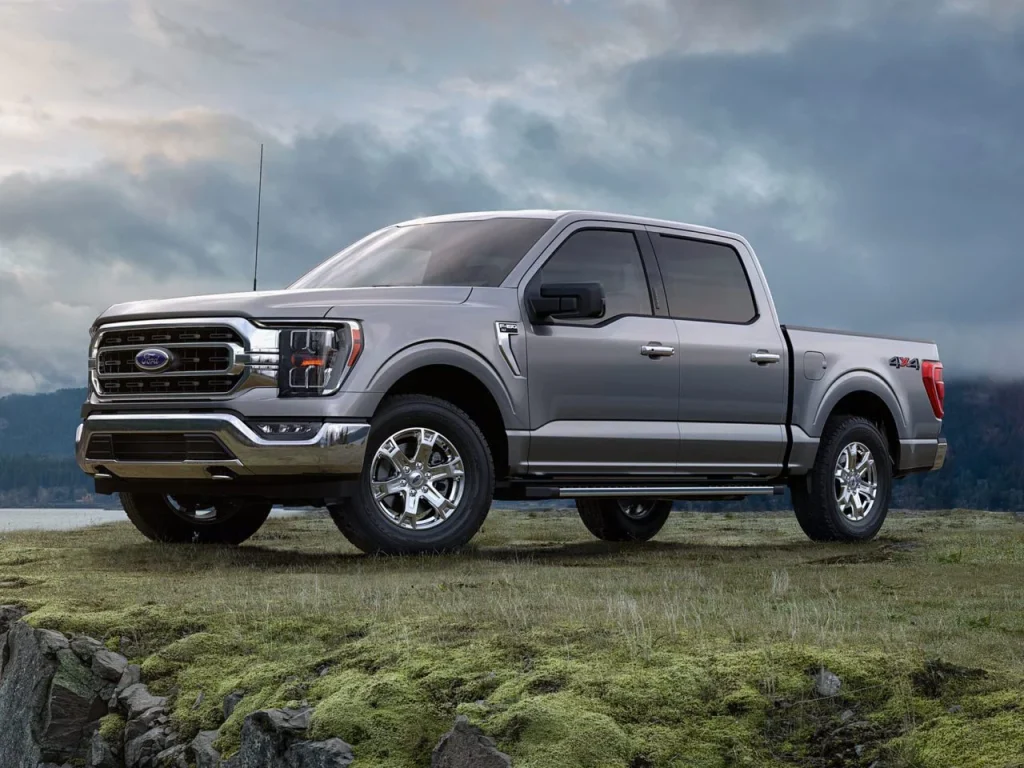
Few vehicles can boast the legacy and impact of the Ford F-Series. As America’s best-selling truck for over four decades, and a regular at the very top of U.S. sales charts for even longer, the F-Series stands out as a symbol of durability and performance.
Its origins date back to 1948, but in more recent decades, particularly from the early 2000s onward, models like the F-150 have become ubiquitous on American roads. The F-Series’ enduring appeal is grounded in versatility.
It’s as much at home on construction sites as it is towing a boat to the lake for a weekend getaway. With successive generations, Ford has continually updated its trucks with new powertrains, advanced towing technologies, and driver-assistance features, making sure it remains ahead of rivals.
A significant factor in the truck’s success has been its adaptability. Whether the driver wants a workhorse capable of hauling significant payloads, a family vehicle with advanced safety features, or a luxurious crew cab with heated seats and a panoramic sunroof, the F-Series lineup provides ample choice.
The engine lineup, too, ranges from robust V6s and V8s to more fuel-efficient turbocharged EcoBoost options. In recent years, Ford even introduced the PowerBoost hybrid and, most recently, the fully electric F-150 Lightning, showing a willingness to pivot as customers demand more sustainable options.
The F-Series’ build quality and resale value also inspire buyer confidence. High average transaction prices and consistently strong resale values underline the trust placed in this truck.
For small businesses and large fleets alike, total ownership costs matter, and the Ford F-Series repeatedly earns high marks for durability and affordability in maintenance. Notably, Ford has invested heavily in strengthening both its manufacturing and after-sales service, further cementing its reputation.
Loyalty to the F-Series runs deep. Owners commonly cite pride in “American-made” toughness, versatility for work and play, as well as the evolving array of comfort and safety features.
Over the past decade, as competitors like Ram and Chevrolet Silverado upped their game, the F-Series responded by delivering stronger engines, improved towing capacities, and a more comfortable ride.
Innovations such as the Pro Power Onboard generator system and a tailgate that doubles as a workbench showcase Ford’s attention to the daily realities of its customers.
The F-Series’ role in American culture also can’t be ignored. It’s been referenced in music, television, and even politics as a representation of hardworking values.
As electric vehicles become a larger segment of the market, Ford’s effort to reimagine this iconic line for the future suggests that the F-Series’ run at the top is far from finished.
2. Chevrolet Silverado
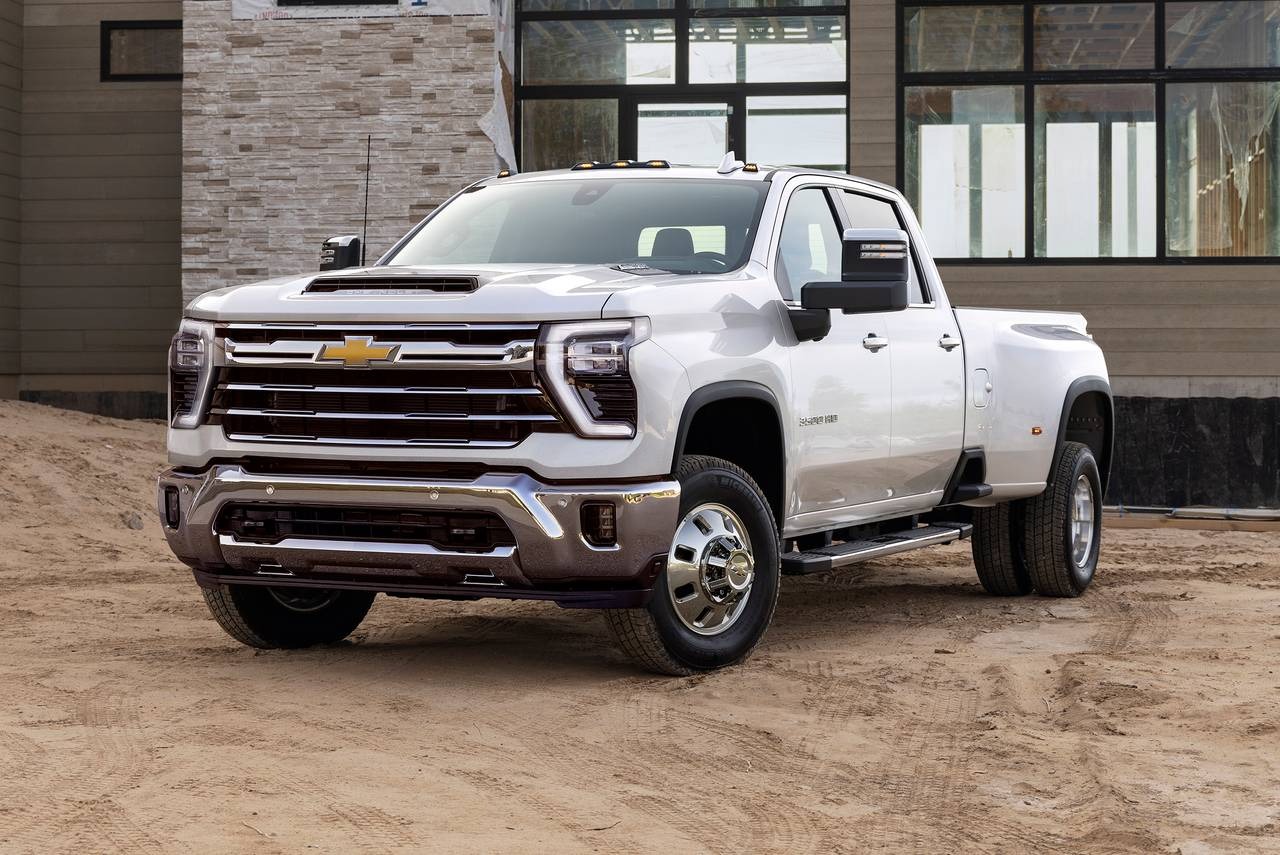
The Chevrolet Silverado is another perennial powerhouse in the world of U.S. vehicle sales. Since its official launch as a standalone model in 1999 (though the name appeared on earlier trim packages), the Silverado has become a mainstay for truck buyers seeking a blend of capability, comfort, and dependability.
Over the last decade, Silverado sales numbers have routinely placed it within the top three best-selling vehicles in the country, thanks in part to Chevrolet’s constant evolution of the truck to meet changing consumer demands.
What sets the Silverado apart is the range of configurations and options available. Buyers can choose from a basic work truck all the way to the high-end High Country trim, ensuring there’s a setup for tradespeople, families, and weekend adventurers.
The available engines cater to almost every need: V6, several V8s (notably the 5.3L and 6.2L), and recently, a Duramax turbo-diesel a testament to Chevy’s recognition of the importance of both power and efficiency.
Another key to the Silverado’s success is its emphasis on durability. The truck has forged a reputation for handling tough jobs without fuss, whether it’s towing, hauling, or tackling rough terrain.
Chevrolet’s attention to frame and suspension design means drivers get a solid, confident feel on the road. Over the years, improvements in ride comfort and interior quality have helped broaden the Silverado’s appeal far beyond the job site.
Technology has also played a significant role. In recent generations, the Silverado boasts touchscreen infotainment systems, advanced connectivity like Wi-Fi hotspots, and an array of driver assistance features.
Chevrolet’s Teen Driver program, which allows owners to set speed and audio volume limits for new drivers, reflects an understanding of evolving customer priorities.
For many, brand loyalty runs deep, with generations of families sticking with the Silverado due to its reliability and the widespread availability of parts and service.
Businesses often bulk-purchase Silverados for their fleets, ensuring consistent resale values and robust demand on the used market.
The Silverado’s strong rivalry with the Ford F-Series has resulted in an ongoing “arms race” in capacity, technology, and comfort.
With each iteration, Chevrolet doubles down on the core values that keep the Silverado at the pinnacle: strength, usability, and a refined driving experience.
Looking ahead, Chevrolet’s plans to electrify its truck lineup point to an intent to stay relevant well into the future, following the lead of the popular gas and diesel-powered models that have dominated sales charts for so many years.
3. Toyota Camry
Turning to passenger cars, the Toyota Camry stands as a benchmark of reliability, efficiency, and value. Introduced to U.S. buyers in 1982, the Camry has regularly claimed the title of best-selling passenger sedan over the past several decades.
It’s rare to scan an annual sales report without finding the Camry at or near the top of the list, even as SUVs and crossovers have surged in popularity.
The Camry’s success hinges on its straightforward proposition: it is a practical, reliable car with low cost of ownership and impressive longevity.
Toyota engineers the Camry to excel at the core attributes people expect from a midsize sedan: comfortable ride, ample trunk space, solid fuel economy, and minimal surprises in terms of maintenance or repairs.
For many American families, the Camry’s reputation for dependability translates into peace of mind when selecting a new or pre-owned vehicle.
Over the last decade, the Camry hasn’t rested on its laurels. Each redesign brings subtle but meaningful upgrades improved suspension tuning for a smoother ride, more efficient engines, and a shift towards premium interior materials.
The addition of safety features like Toyota’s Safety Sense (which includes adaptive cruise control, lane-keeping assist, and automatic emergency braking) demonstrates the company’s eagerness to stay ahead of the curve on driver protection.
Toyota has also responded to changing tastes by offering a range of trims, from the practical LE to the sportier XSE and TRD models.
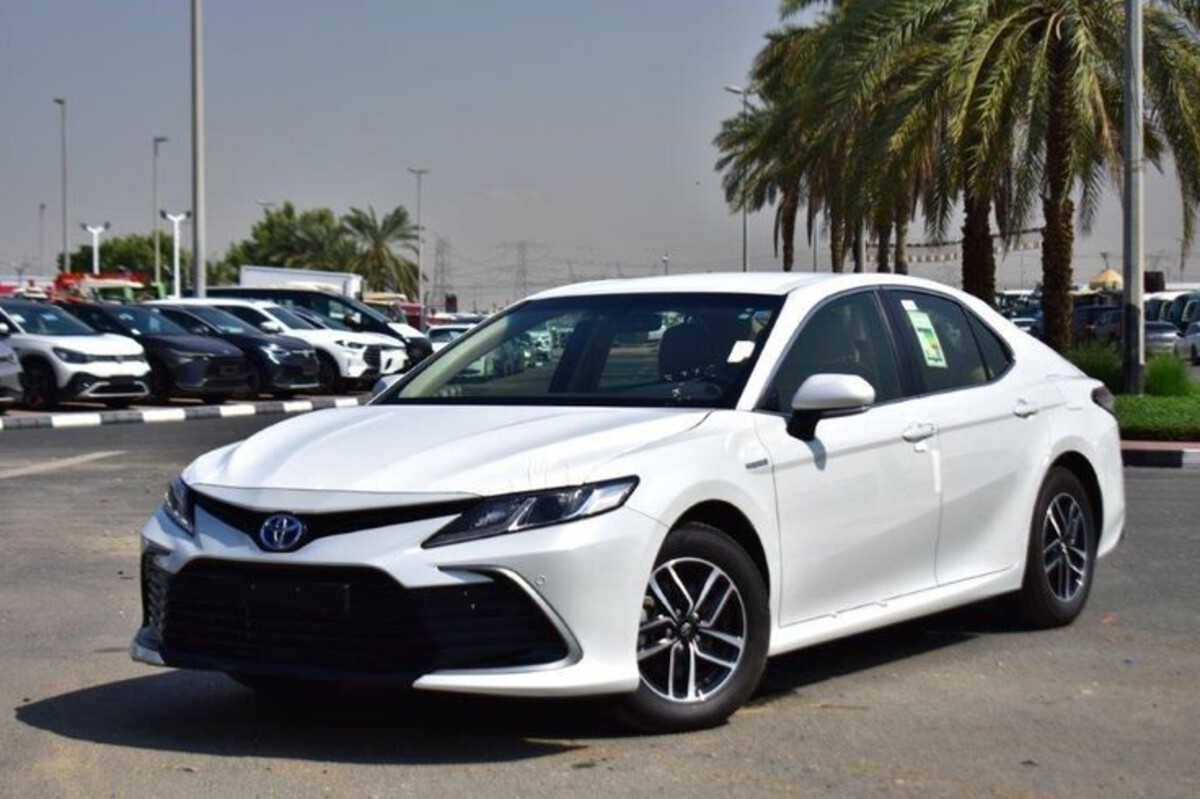
The Camry Hybrid has become especially attractive amid rising fuel economy expectations, offering substantial mileage without sacrificing amenities or driving dynamics. Toyota’s proven hybrid technology, built up over years of Prius development, gives the Camry Hybrid an edge over many rivals.
For many buyers, a Camry isn’t just a car; it’s a long-term investment. High trade-in values and a vast network of dealerships across the country contribute to the Camry’s ongoing popularity. The model’s presence in rental, rideshare, and taxi fleets only underlines its reputation for bulletproof reliability.
Against the backdrop of shifting trends toward SUVs, the Camry’s continued sales dominance among sedans speaks to Toyota’s commitment to quality and its fine-tuned understanding of what American drivers value.
With each new generation, Toyota subtly refines the formula, ensuring that this familiar nameplate remains as relevant today as it was when it first claimed the title of America’s best-selling car.
4. Honda Civic
The Honda Civic is a model that has consistently resonated with American drivers looking for economy, style, and agile driving dynamics. Introduced to the U.S. in 1972, the Civic has moved far beyond its original compact, economy-focused roots.
By the late 1990s and into the new millennium, it became a fixture among the top-selling cars, reflecting Honda’s ability to anticipate and meet changing consumer needs.
What has made the Civic a lasting favorite is its blend of affordability, efficiency, and adaptability. Available as a sedan, coupe, hatchback, and in performance-oriented Si and Type R trims, the Civic line speaks to a broad cross-section of buyers.
Each new generation brings innovative features such as advanced infotainment, robust safety technologies like Honda Sensing, and increasingly refined ride quality.
Fuel efficiency has always been a Civic hallmark. In an era defined by rising gas prices and environmental awareness, the Civic’s ability to deliver strong mileage often over 35mpg in real-world conditions has become a key selling point. Models with turbocharged engines or hybrid systems now appeal to drivers looking for a sportier experience or reduced emissions.
Interior design is equally important. Honda’s approach emphasizes ergonomic controls, high-quality materials, and clever storage, creating a cabin experience that feels a notch above rivals in the segment.
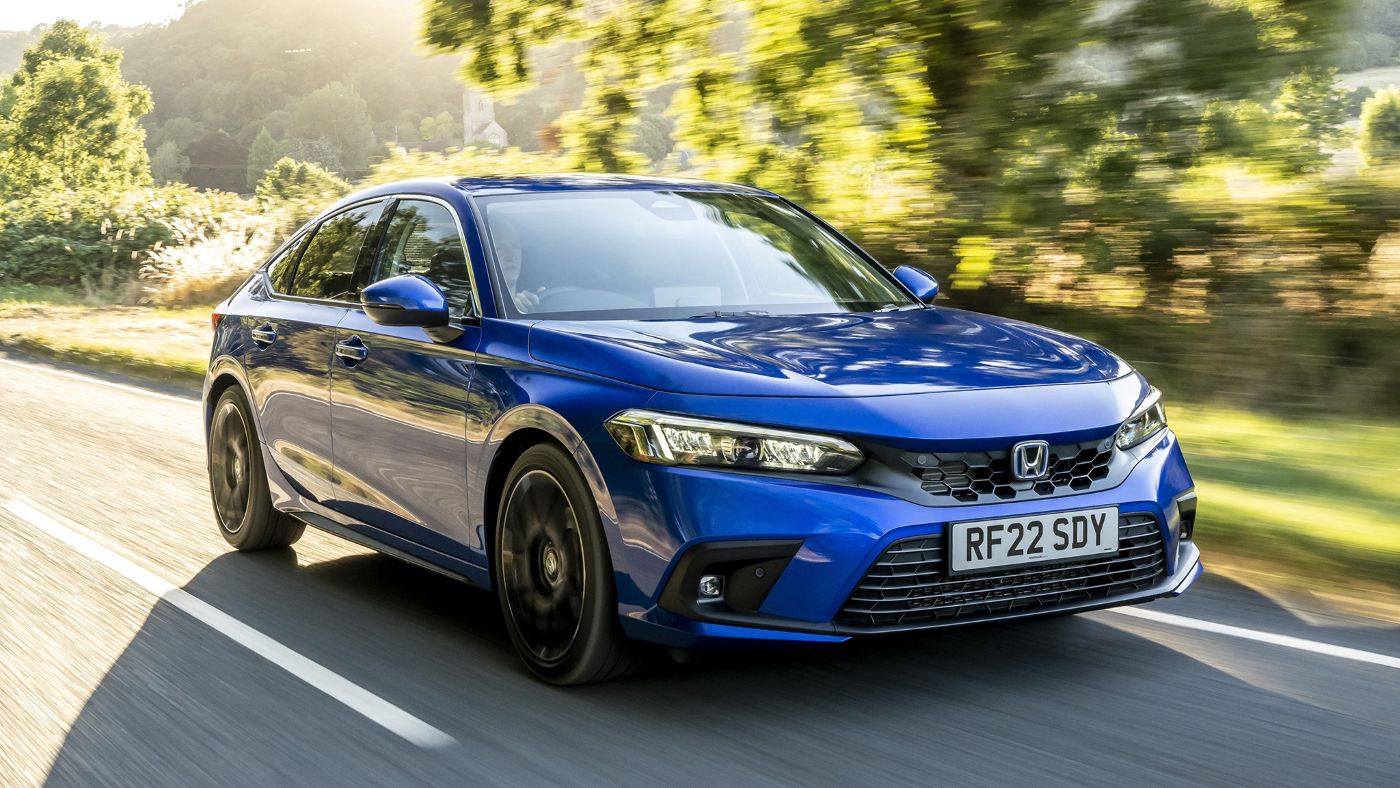
Even entry-level Civics offer amenities like digital instrumentation and advanced audio systems, helping cement the car’s popularity among first-time buyers and younger drivers.
Reliability remains a cornerstone of Civic’s appeal. Dependable performance translates to strong long-term value, high resale prices, and a positive ownership experience, whether for students, professionals, or families buying secondhand. The Civic’s widespread popularity also means that maintenance and parts are readily available and affordable.
The Civic is also woven into American car culture, especially among car enthusiasts and tuners. Its platform is popular for customization, from subtle styling tweaks to major performance upgrades.
This dynamic has elevated the Civic beyond a mere transportation appliance and into the realm of a fun, genuinely engaging car that appeals to a wide spectrum of drivers.
Honda designed the Civic to evolve without losing the core values that have kept it on U.S. sales charts for decades. As the car industry shifts toward electrification, the Civic’s adaptability and name recognition suggest it is well-positioned to remain in the mix for years to come.
5. Toyota Corolla
With an unmatched global legacy, the Toyota Corolla has been a consistent presence among America’s best-selling vehicles for decades.
Introduced stateside in 1968, the Corolla has maintained a stronghold thanks to its bulletproof reliability, straightforward design, and competitive pricing.
Throughout its long run, the Corolla has regularly occupied a position among the top 10 best-selling cars in the United States year after year.
Part of its enduring appeal is found in its accessibility, both in terms of price and ease of ownership. The Corolla often serves as a gateway vehicle for first-time buyers, students, and families on a budget.
Despite its accessible cost, Toyota has made a point of equipping even base models with desirable features: modern infotainment, advanced safety suites, and solid build quality all play a part.
The Corolla’s reputation is built on years of dependable service. Owners frequently boast about vehicles that cross 200,000 miles with only minimal maintenance, while strong resale values make buying a Corolla a sensible financial decision. The car’s consistent performance in reliability and ownership satisfaction surveys bolsters its status year after year.
Toyota’s approach to the Corolla’s evolution has leaned towards continuous improvement rather than radical change. Over the past ten years, the Corolla has seen upgrades in ride comfort, materials, and technology integration.

The introduction of a Corolla Hybrid variant widened its appeal to those prioritizing fuel economy, and sportier trims like the Apex Edition offer options for buyers who want more engaging driving dynamics without sacrificing daily practicality.
The Corolla also finds favor with urban drivers, thanks in part to its compact size, straightforward controls, and fuel-efficient powertrains.
Its compact platform allows for easy parking and nimble navigation in congested city streets, while its interior design makes the most of every inch for passengers and cargo.
Families and singles alike appreciate the blend of safety features, Toyota was among the first to provide advanced driver assists standard, and predictable, low-cost ownership.
In sum, the Corolla’s long stay on top sales lists is a reflection of its role as a practical, dependable everyday car that delivers consistent value, year after year.
6. Ram Pickup
Among American automakers, Ram has made a name for itself with a truck that’s not only a workhorse but also steadily among the country’s leaders in sales.
Originally sold under the Dodge badge before splitting off as its own brand in 2010, the Ram Pickup has enjoyed a dynamic rise, particularly over the past decade, cementing its status among the “Big Three” full-size pickups.
One consistent reason for Ram’s enduring popularity is its focus on comfort and refinement without compromising on capability. In the most recent generations, Ram has pushed boundaries with interior design, producing trucks that rival luxury SUVs.
High-quality materials, plush seating, and user-friendly technology make the Ram’s cabin a standout in its segment. For drivers spending long hours on the road as is common in much of the American heartland, this focus on comfort is a persuasive selling point.
Yet, the Ram is by no means soft when it comes to getting work done. With strong engine options, including the EcoDiesel V6 for efficiency-minded owners and the formidable HEMI V8, the Ram lineup meets a wide range of needs, from towing heavy trailers to daily commuting.
Innovations like the class-exclusive coil-spring rear suspension and available air suspension enhance both ride quality and payload capability.
Technological integration is another key draw. Ram introduced features such as the Uconnect infotainment system with oversized screens, surround-view cameras, and a customizable digital instrument cluster.
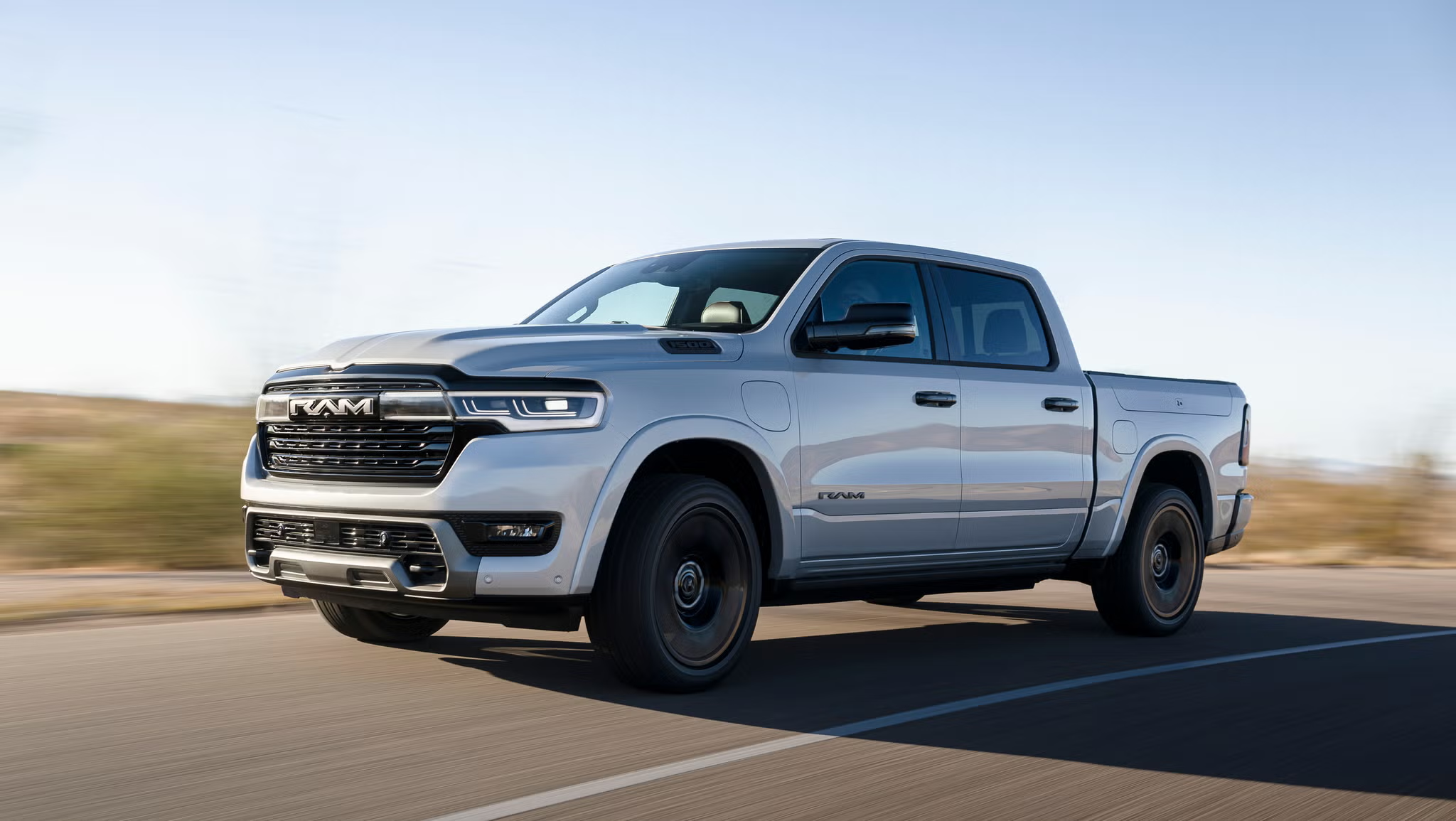
Advanced safety tech, including adaptive cruise control and automatic emergency braking, has made Ram’s pickups just as suitable for family transport as for construction work.
Ram also understands curb appeal. Regular design refreshes keep its trucks looking fresh in a segment where style plays a surprisingly big role. The breadth of trims and configurations including the off-road-focused Rebel and the luxurious Limited means that there’s a Ram for nearly every taste and budget.
The Ram Pickup’s rapid rise up the sales charts is a testament to the brand’s willingness to challenge conventions and respond directly to customer feedback.
Combining brute strength, technological prowess, and an unexpectedly refined driving experience, Ram’s signature truck holds firmly onto its place among America’s best-sellers.
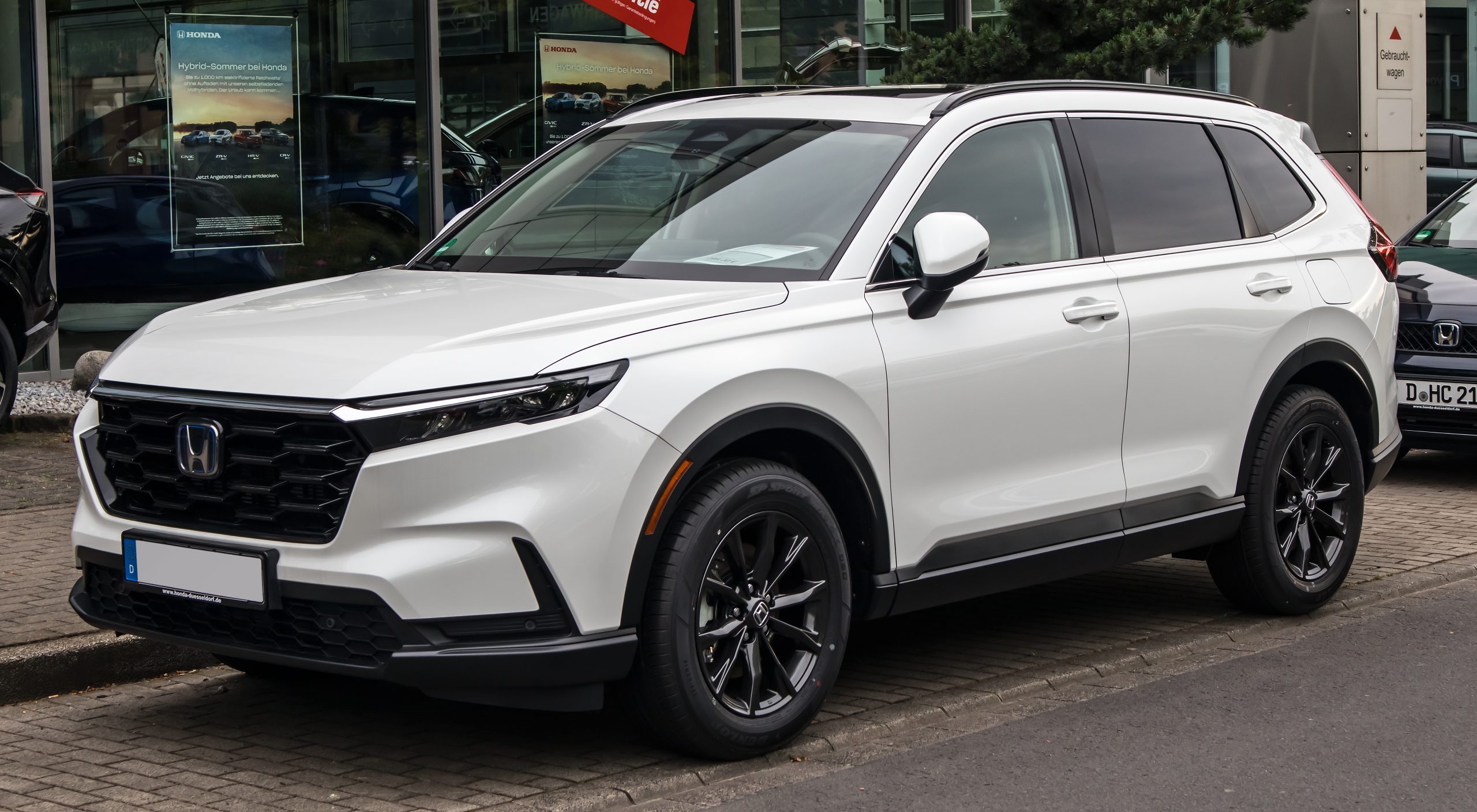
7. Honda CR-V
Rounding out this group is the Honda CR-V, which exemplifies the meteoric rise of the compact SUV segment over the past twenty years.
First sold in the U.S. in 1997, the CR-V steadily worked its way up the sales ranks by offering families a winning mix of car-like handling, generous cargo space, and solid fuel efficiency. The past decade has only solidified the CR-V’s reputation, as American drivers increasingly favor SUVs over traditional sedans.
One key to the CR-V’s ongoing success is its practical layout. The cabin is designed with usability in mind: wide doors, fold-flat rear seats, and a low load floor make it easy to accommodate groceries, strollers, luggage, or home improvement supplies.
For many growing families, the CR-V represents the perfect midpoint between a sedan and a full-size SUV, providing comfort and flexibility with a manageable footprint.
Honda has kept the CR-V current by refreshing styling, improving cabin materials, and adding infotainment upgrades. Modern CR-Vs offer touchscreen displays, smartphone integration, and a suite of advanced driver aids through Honda Sensing. These features, once reserved for luxury vehicles, are now standard across most trims.
Powertrains have evolved alongside consumer expectations. Spaciousness doesn’t come at the cost of efficiency: fuel economy figures routinely top the segment, even as Honda has introduced turbocharged engines and hybrid models to suit a broader variety of buyers.
The hybrid CR-V stands out as one of the few mainstream compact SUVs that balances strong mileage with available all-wheel-drive.
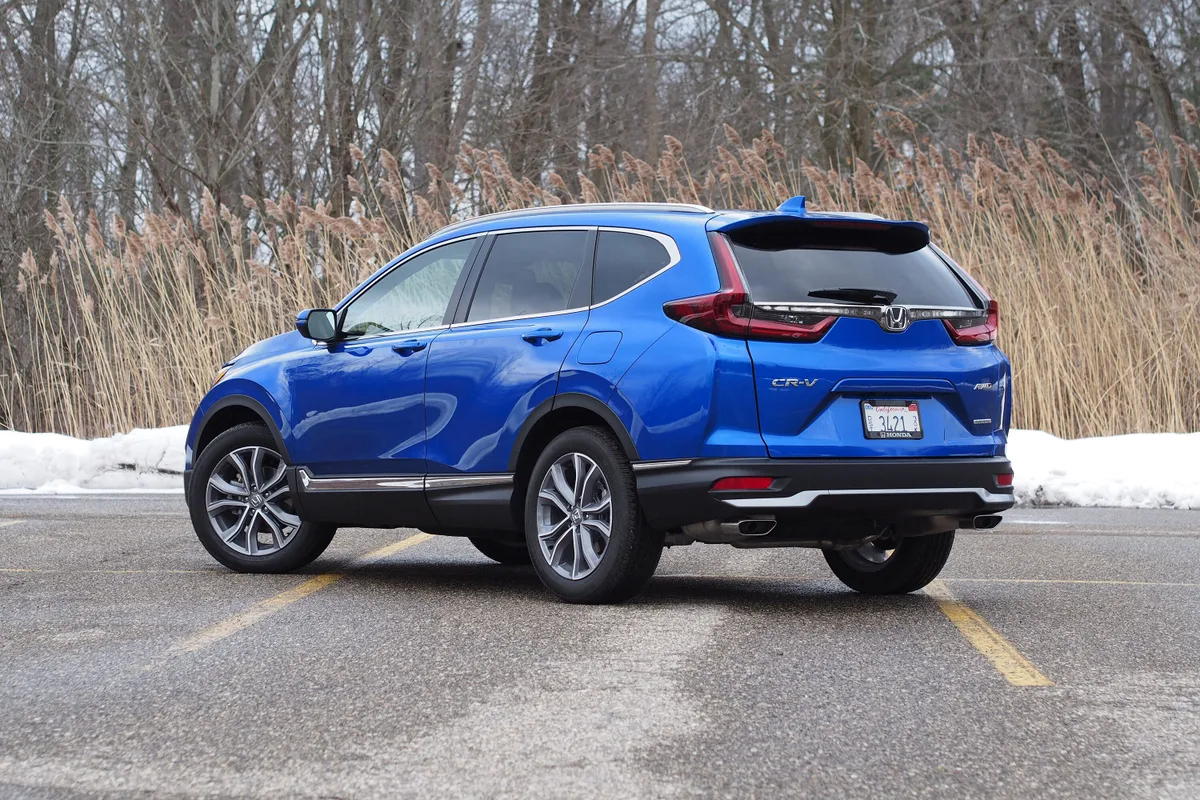
Safety, always a Honda priority, remains front and center. Excellent crash-test scores, standard airbags, collision mitigation braking, and adaptive cruise control have helped the CR-V earn a place in driveways from coast to coast.
Resale value and reliability are two pillars of the CR-V’s long-term appeal. High marks from owners for dependability, alongside lower-than-average maintenance costs, combine to make ownership less stressful.
As the compact SUV market grows more competitive, the CR-V’s consistency as a leader proves that Honda’s formula thoughtful packaging, modern features, and an unflagging focus on customer satisfaction continues to resonate with U.S. car buyers.
These seven vehicles have each carved out a special place on U.S. top-sales lists for more than a decade. Each represents a slightly different answer to the question of what Americans value in their vehicles, but all share an ability to meet and often exceed the everyday needs of a diverse nation of drivers.
Also Read: 5 Hyundais That Handle Daily Abuse vs 5 That Fall Apart Too Soon
