
When it comes to owning and maintaining a vehicle, many drivers assume that repair costs will be straightforward: cheaper for common models and more expensive for luxury ones. However, the reality of automotive repair expenses is far more complex.
Some vehicles, regardless of their brand prestige or market value, accumulate repair bills that surprise even seasoned mechanics. These unexpected maintenance burdens can emerge from various factors such as rare parts, complex engineering, or intricate electronic systems.
What might seem like a simple fix on the surface can quickly turn into a costly ordeal once the vehicle is in the shop. For owners unaware of these hidden challenges, routine maintenance can become a source of frustration and financial strain.
Mechanics often share stories about certain cars that keep coming back with problems that require expensive or time-consuming repairs.
These vehicles may have initial reputations for being stylish, efficient, or luxurious, but their upkeep proves to be far less accommodating.
Some luxury brands are known for their steep repair bills, but interestingly some non-luxury cars can also carry high costs due to quirks in their design or supply chain for parts. Access to specialized knowledge, proprietary tools, or expensive components can all contribute to inflated repair expenses.
Understanding which cars have the potential for surprising repair costs is important for buyers looking to make informed decisions. Beyond the initial purchase price, knowing about possible long-term expenses can make a significant difference in ownership satisfaction.
This series examines nine vehicles notorious for having repair costs that even experienced mechanics find surprising. Each vehicle is covered in detail, from the reasons behind its high repair bills to the kinds of issues owners should watch out for.
Whether you are considering one of these cars or just curious about automotive repair realities, the insights below offer valuable perspective on unexpected automotive expenses.
Also Read: 5 GMCs That Rarely Need Suspension Work vs 5 That Constantly Fail
1. BMW 7 Series
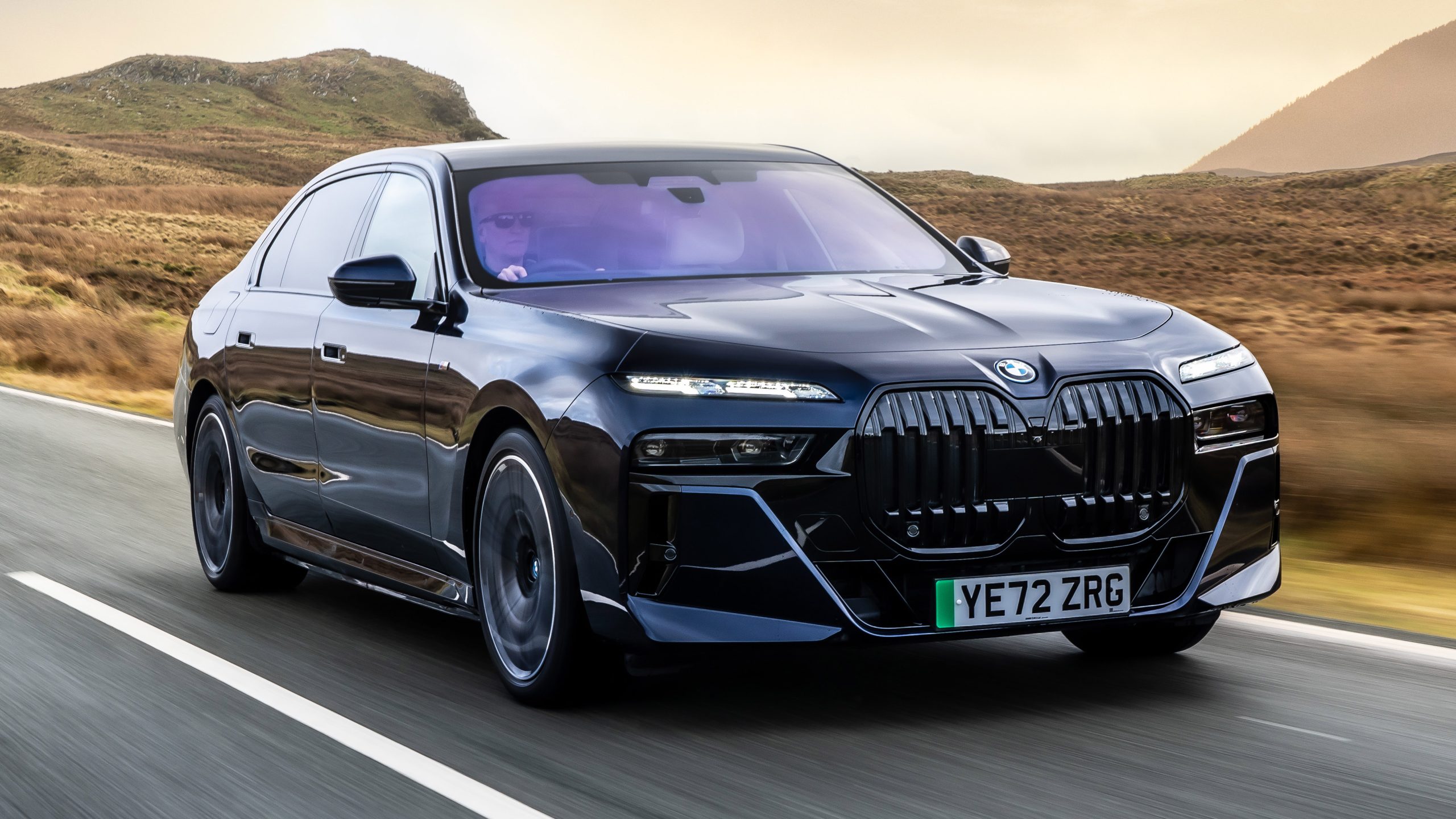
The BMW 7 Series has long been the flagship luxury sedan representing the German automaker’s best engineering, technology, and comfort features.
However, beneath its impeccable styling and impressive specifications lies a vehicle that often surprises even experienced mechanics with its repair expenses.
One key reason why the 7 Series can rack up high repair bills is its complex technology. BMW equips this sedan with cutting-edge electronics, including advanced suspension systems, multiple sensors, and high-end infotainment controls.
While these features enhance the driving experience, they also require specialized diagnostic tools and expertise for repairs and maintenance. The complexity adds both time and cost whenever something goes wrong.
The engine options in the 7 Series, especially the turbocharged units and hybrid variants, include intricate components that are costly to replace or repair. Turbochargers, for instance, can fail and require expensive parts and labor to fix.
Timing chain issues or valve stem seals can be other common engine repair challenges that drive costs up. Furthermore, these cars often need premium fluids and specialized lubricants, adding to routine maintenance expenses.
Another cost factor stems from the use of high-quality, expensive parts sourced from Europe. Components like air suspension parts, brakes, or even electronic control units can carry hefty price tags due to their rarity and precision engineering.
Repairs can take longer than average because mechanics must handle these sophisticated components carefully, using BMW-specific tools.
Owners and mechanics also point out that the 7 Series requires frequent calibration for its driver assistance systems, cameras, and sensors, which can be costly and time-consuming. Even seemingly minor issues can trigger multiple system checks to ensure everything is functioning correctly.
Despite the repair costs, many owners feel that the driving performance, comfort, and prestige of the BMW 7 Series justify the expenses.
However, buyers should be prepared for unexpected visits to the repair shop and higher-than-average maintenance budgets when choosing this flagship luxury sedan.
2. Land Rover Range Rover
The Land Rover Range Rover is synonymous with luxury and off-road capability, but its upkeep is often a shocker for owners and mechanics alike.
Known for its refined interior and strong road presence, the Range Rover also carries a reputation for having some of the most expensive repair bills in the luxury SUV segment.
One main contributor to high repair costs lies in the Range Rover’s sophisticated air suspension system. This system provides an exceptionally smooth ride and adjustable ground clearance but is prone to issues such as air leaks, compressor failure, or valve malfunctions.
Repairing or replacing suspension components can be expensive, sometimes costing thousands of dollars, as the parts themselves are costly and labor-intensive to install.
Electronics and electrical issues are another challenge for this vehicle. The Range Rover is equipped with multiple electronic modules controlling everything from infotainment to engine management and off-road systems.
Problems with wiring, sensors, or control units often require detailed diagnostics and replacement of expensive parts.
Repairs to the drivetrain, especially the eight-speed automatic transmission, are known to be costly due to the complexity and need for precise calibration.
Additionally, engine repairs on models with larger V8 engines can easily escalate in cost because of the components’ size and integration with emissions control systems.

The vehicle’s build quality and design also mean many parts are bespoke to Land Rover, leading to longer wait times and higher prices for replacement parts. This factor sometimes increases repair turnaround times, adding to the overall expense for owners.
Despite these costs, the Range Rover remains highly desirable for its unique blend of luxury and off-road capability. However, prospective buyers should be well informed about the potential for costly repairs and factor maintenance expenses into the ownership experience.
3. Audi A8
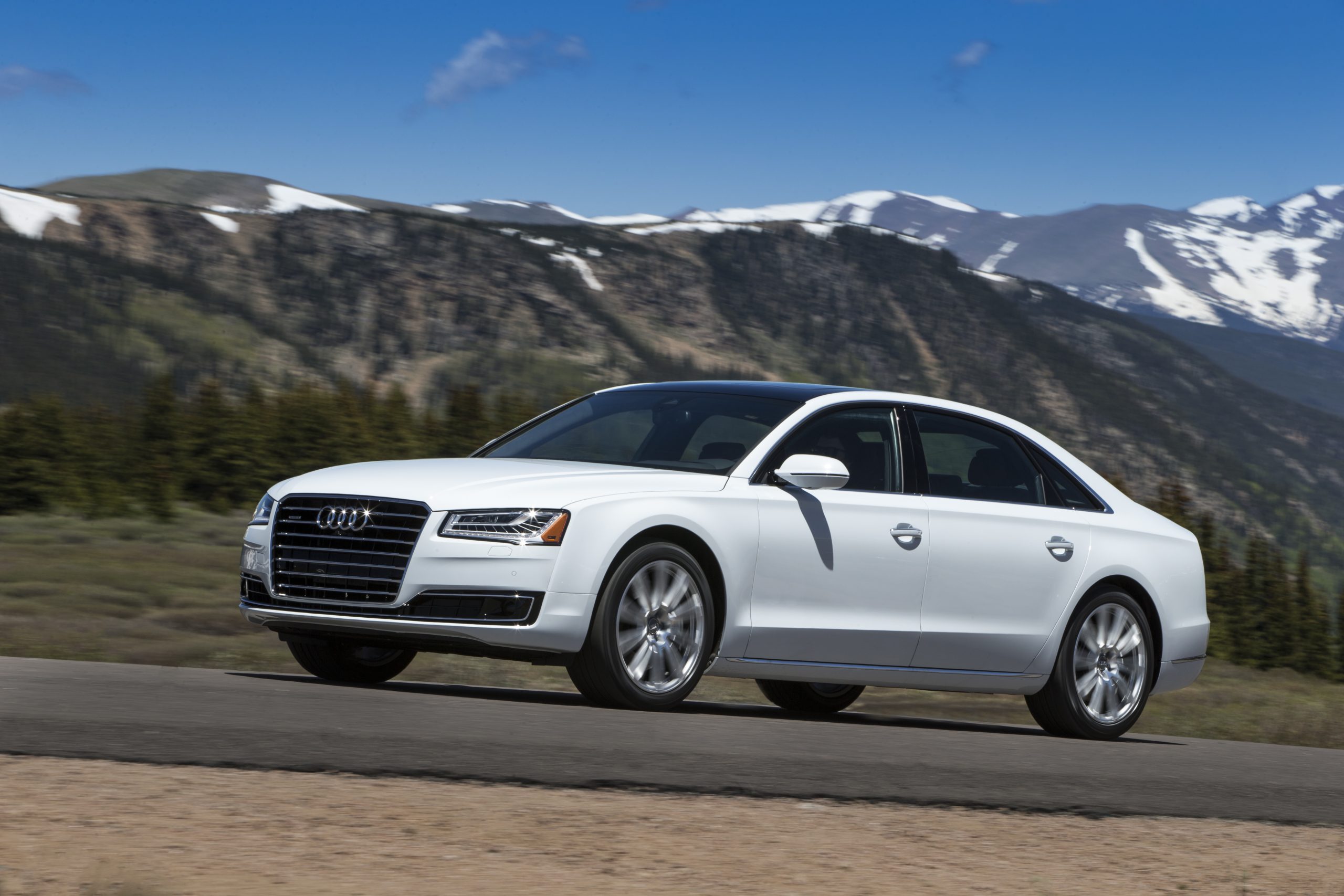
Audi’s flagship sedan, the A8, is praised for its premium features and cutting-edge technology. Nevertheless, its repair costs often catch owners and mechanics off guard due to the intricate electronic systems and advanced engineering underpinning the vehicle.
The Audi A8 uses a variety of complex systems such as adaptive air suspension, all-wheel drive with electronic differentials, and extensive driver assistance technologies.
While these enhance safety and comfort, they also increase the likelihood of costly repairs when systems malfunction. The electronics require highly specialized diagnostic equipment, and fixing electrical faults can involve replacing expensive modules.
The vehicle’s engine technology, including turbocharged and V6 to V8 configurations, also presents repair challenges.
Turbocharger replacement, fuel system repairs, and cooling system maintenance are common costly interventions. The timing chain system, in particular, has been noted as a source of expensive repairs on certain model years.
Audi’s use of lightweight materials and advanced design can make some repairs labor-intensive. Body repairs or interior fixes demand precision work, often involving specialized parts and materials. Additionally, genuine Audi parts carry a premium price, reflecting the brand’s status and quality standards.
The A8’s complicated infotainment and control systems frequently need software updates and calibrations, which may only be performed at authorized dealerships or specialized shops, adding to service costs.
Owning an Audi A8 offers luxury and performance, but also requires readiness for unexpected repair costs tied to its advanced engineering and technology. Buyers should consider these factors carefully to avoid surprises down the road.
4. Mercedes-Benz S-Class
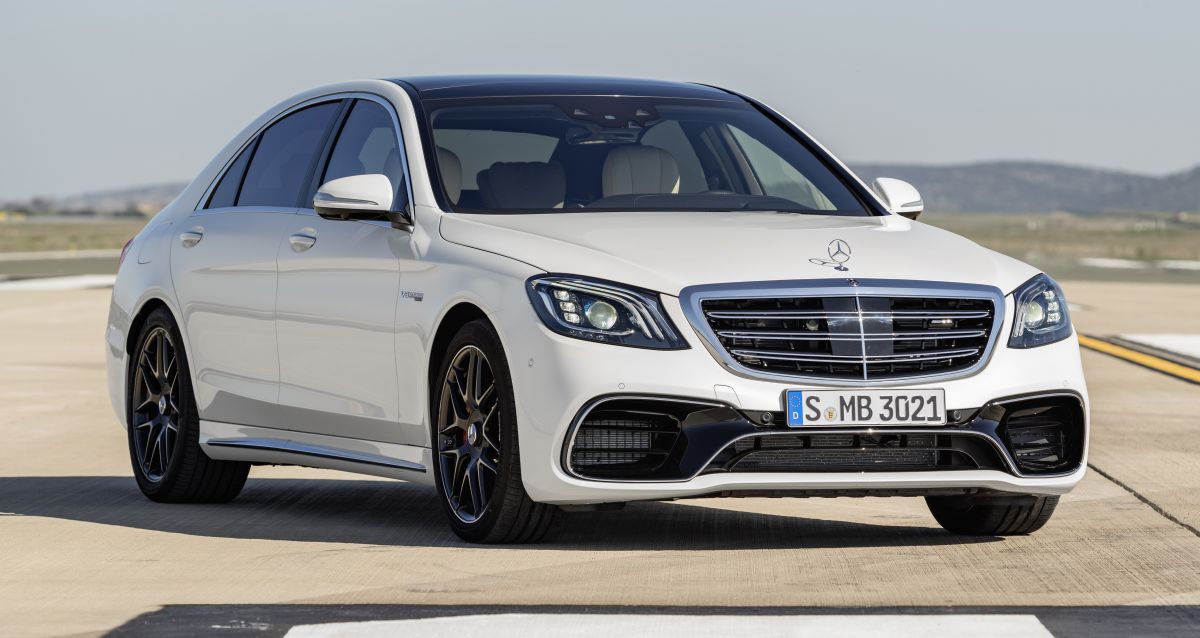
The Mercedes-Benz S-Class is widely regarded as a standard-bearer for luxury sedans, packing an astonishing array of technology, comfort features, and powerful engines.
However, maintenance and repair expenses often stand out, even among other luxury cars. For many owners, the level of surprise comes not just from price but also from the nature of the problems that can emerge.
To begin with, the S-Class is loaded with innovative systems. These include adaptive air suspension, advanced driver assistance suites, soft-close doors, automatic scent dispensers, capacitive touch controls, and, in more recent generations, semi-autonomous driving features.
While these innovations deliver an extraordinary user experience, they introduce complex points of failure. Air suspension components, for example, can fail after years of use. Fixing a leaking air strut or failed compressor is never cheap, and diagnostics typically require dealership-level equipment.
Another source of high costs stems from the car’s tightly integrated electronics. The S-Class frequently uses a network of control modules for everything from massage seats to ambient lighting.
Should even a minor control unit malfunction, the repair can mean replacing expensive proprietary components and possibly needing software programming. Technicians often need to access parts that are deeply buried within the vehicle, resulting in high labor costs.
Powertrain repairs are also concerning. Engines range from silky-smooth six-cylinders to fire-breathing V8s and V12s. Repairs to timing chains, turbos, or emissions equipment (like NOx sensors and particulate filters) often carry significant expense, both for parts and labor.
Moreover, maintenance items such as spark plugs or filters might require removal of several body panels, boosting labor time.
Even cosmetic elements can be eye-wateringly expensive. The S-Class uses unique interior materials, from real wood to custom-stitched leather, so fixing a scratched trim piece or broken switch can require a pricey part sourced straight from Germany.
Despite these high costs, fans of the S-Class argue that the comfort, status, and advanced engineering justify the investment. Still, new buyers should be alert to the fact that even the best luxury ownership experience comes with a matching maintenance bill.
5. Porsche Cayenne
The Porsche Cayenne helped redefine what an SUV could be, blending performance-car handling with practicality and luxury.
It’s a favorite among drivers who want to combine sports-car spirit with family utility, but it also has a reputation for mechanical complexity and unexpectedly high repair costs, occasionally even rivaling Porsche’s fabled sports cars.
A significant portion of the Cayenne’s repair bills can be traced to its engine choices. Owners often select powerful V6, V8, or hybrid powertrains, all of which are densely packed beneath the hood.
Accessing certain components, like the starter or even spark plugs, can require hours of labor sometimes requiring dropping the engine or disassembling half the bay. When it comes to timing-chain or gasket failures, labor and parts tend to total significantly higher than more mainstream SUVs.
Electronics are another pain point. Features such as air suspension, complex infotainment, and variable all-wheel drive systems are all potential sources of expensive repairs.
Failures in air struts or control modules are not uncommon as the models age, leading to large repair quotes. Electrical issues with items like rear hatch mechanisms or window regulators can involve replacing the entire module, not just fixing a small part.
Porsche’s commitment to performance means the Cayenne is often driven harder than your average SUV. Brakes, for example, are massive and often compounded, requiring expensive pads and rotors designed for spirited driving.

Even relatively routine items oil changes or transmission servicing, often require special fluids and filters, which are sold at a Porsche premium.
Parts availability can be another stumbling block. While Porsche’s German factory ships globally, few independent shops keep a wide range of Cayenne-specific items in stock, leading to longer repair times or shipping charges.
Some components are deliberately designed to be replaced as a unit, rather than repaired piecemeal, further inflating prices.
Ultimately, the Porsche Cayenne rewards with a distinct driving experience and badge prestige, but few owners escape without a story of a repair invoice that left them speechless, mechanics included.
6. Tesla Model S
Tesla has turned the auto world upside down with electric vehicles that deliver jaw-dropping performance, technology, and a fresh take on what luxury means.
But Tesla’s flagship sedan, the Model S, can also generate surprising repair bills, especially for those unfamiliar with the unique challenges and realities of EV maintenance.
Right off the bat, independent mechanics often struggle to service the Model S because of limited access to Tesla’s diagnostic software and detailed repair information.
As a result, many repairs must be carried out at official Tesla Service Centers. Labor can be costly, and scheduling appointments can take time in areas without extensive Tesla service coverage.
One significant area for surprising costs is the Model S battery pack, which is the most expensive single component on the car.
While battery degradation is slower than many expected, battery-related fixes such as cooling system failures, connections, or voltage anomalies—require high skill levels and often come with large parts expenses. Replacing a full battery pack remains among the priciest single repairs for any vehicle on the road today.
Another source of trouble stems from the Model S’s air suspension and electronically controlled systems. Failures in height adjustment, compressors, or the ride system must often be handled by Tesla and involve proprietary parts.
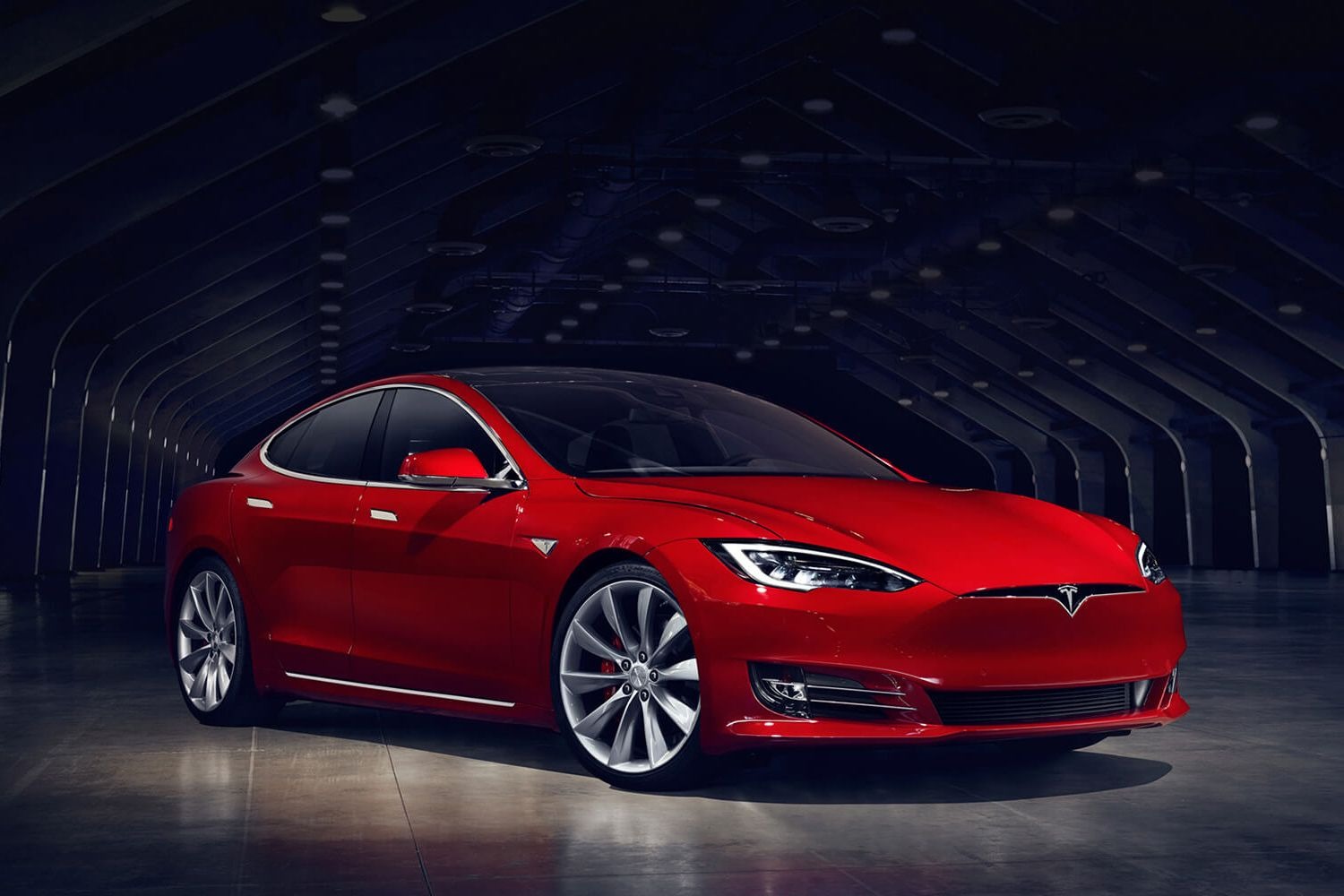
Window regulators, door handles, and touchscreen displays have also been named by owners as common pain points where out-of-warranty repairs can cost more than anticipated.
Paint and body repairs for Teslas are an ongoing conversation in the industry. Because panels are made of aluminum and Tesla’s paint codes can be difficult to match, even minor fender benders sometimes require longer repair times and specialized shops, resulting in unexpectedly high insurance claims.
Finally, software updates happen over the air, but if something technical goes wrong, a small issue can result in a trip to the service center for a software flash, which can cost both time and money if out of warranty.
While the Model S is undeniably exciting and cutting-edge, owners and mechanics alike have come to realize that EVs bring a new set of surprises to the world of car repair.
7. MINI Cooper S
The MINI Cooper S is beloved for its cheeky personality, sporty handling, and unique design. Its appeal stretches across a broad demographic, from city dwellers who appreciate its compact dimensions to enthusiasts who relish its go-kart driving experience.
Beneath that fun-loving exterior, however, lurk some repair surprises that often catch new owners off guard. One of the most significant sources of expensive repair bills stems from the turbocharged engine featured in most modern MINI Cooper S models.
Early iterations, especially those produced between 2007 and 2013, are infamous among mechanics for issues related to timing chains and tensioners.
When these components fail, repairs can quickly rack up high labor and parts costs. Accessing the timing chain involves significant engine disassembly, making it far more expensive than similar repairs on other vehicles.
Electrical gremlins are another common headache. Owners and mechanics regularly cite problems with power window motors, door locks, and faulty sensors that trigger warning lights or limp-home mode.
Fixes often require both replacement parts and labor-intensive diagnostics, only available at specialist shops or dealerships. The MINI’s central information display and navigation units can go blank or become glitchy, requiring full module replacements rather than simple repairs.
Suspension and steering components also tend to wear faster than expected, in part due to the MINI’s sporty nature and run-flat tires, which are notorious for transmitting road harshness to the suspension.
Bushings, control arms, and wheel bearings often need replacing well before other cars of the same vintage, with parts costs higher than drivers might anticipate, since many pieces are unique to MINI.
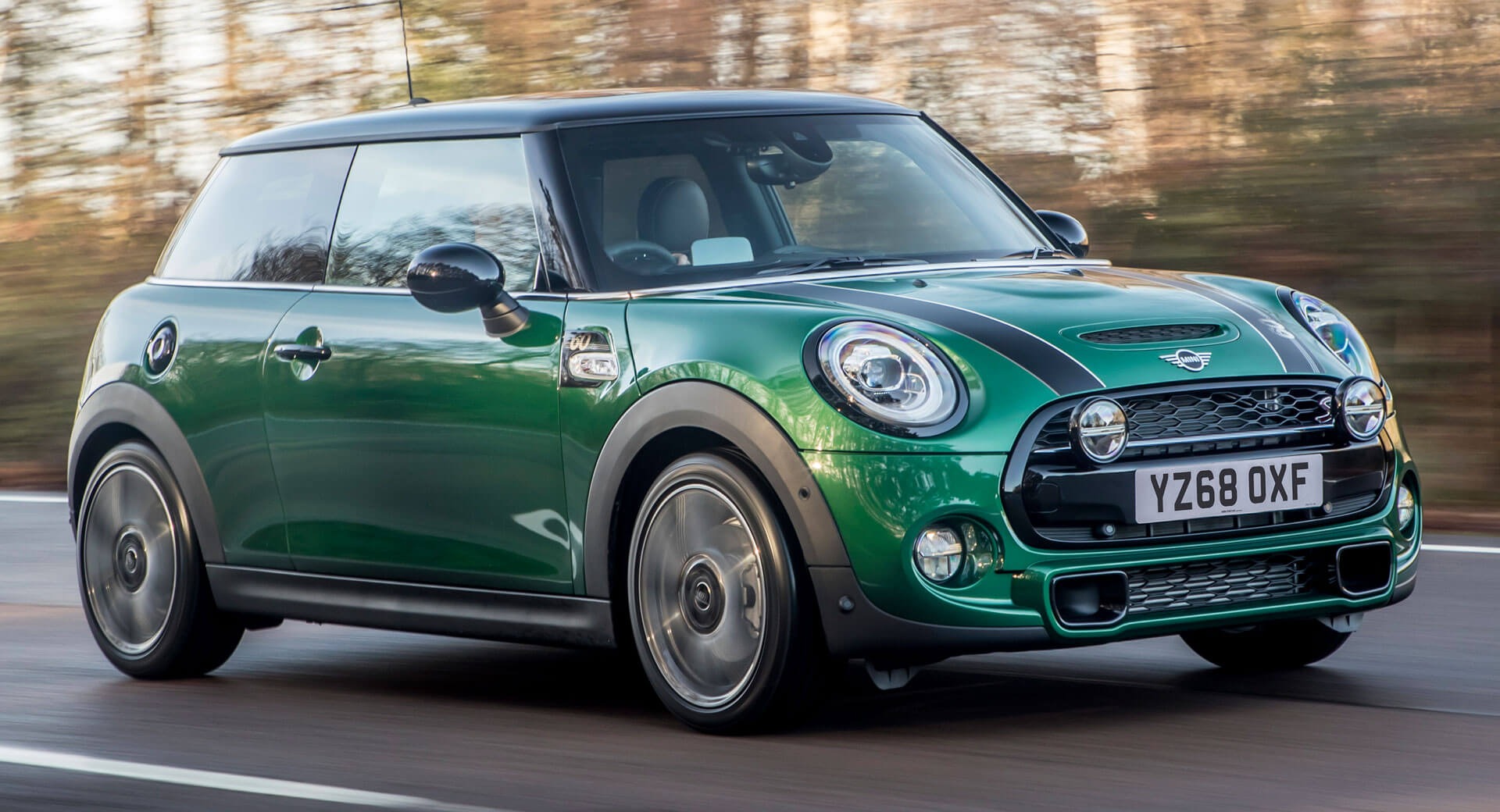
Additionally, the cramped engine bay can make even routine maintenance changing spark plugs, coils, or thermostats, a costly affair because of lengthy labor times.
While many owners adore the MINI Cooper S and consider the driving experience to be worth the occasional financial surprise, the car’s whimsical charm comes with a price tag that’s anything but small when the repair list grows.
8. Jaguar XF
The Jaguar XF has long occupied a niche for those who want British elegance blended with athletic performance, yet the journey to maintain this sense of style and speed often comes with a steep and unexpected price tag.
Many mechanics and owners find themselves surprised not only by the bills themselves but by the frequency of issues that crop up over the years.
One of the main drivers of high repair costs in the Jaguar XF is its sophisticated engine technology. Both V6 and V8 options are forceful performers, but they rely on high-pressure fuel systems, complex timing mechanisms, and superchargers, all of which are prone to wear.
Supercharger failure, in particular, can leave owners facing multi-thousand-dollar repair quotes, and timing chain replacements or camshaft repairs are labor-intensive endeavors.
Electrical and infotainment problems also figure prominently. The XF is packed with premium features like touch-screen navigation, adaptive lighting, and electric seat memory functions. However, these systems are known to falter, especially in earlier models.
Replacing modules or repairing wiring harnesses is rarely straightforward due to the intricate assembly and the necessity for specialized Jaguar-specific diagnostic equipment.
Suspension issues are not uncommon, especially in models with adaptive dampers. Leaks in hydraulic lines or failures in the shock absorber systems can result in expensive repairs due to both the high part prices and the specialised labour required.
The braking system, featuring larger rotors and sometimes electronic parking brakes, carries above-average costs for replacement or repair, particularly as genuine Jaguar parts are often needed.
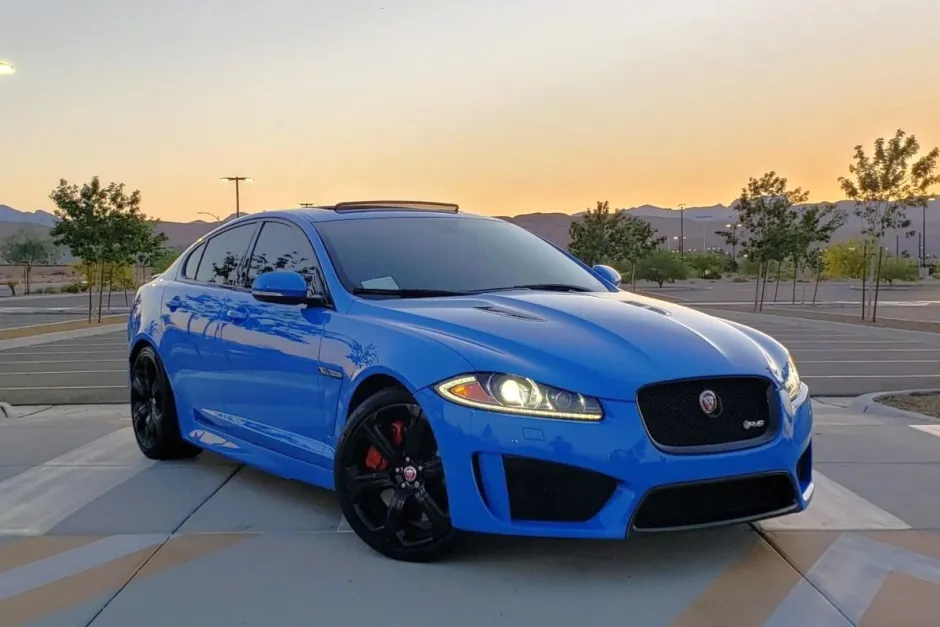
Bodywork and paint repairs may be more expensive than prospective owners realize, partly because Jaguar’s aluminium-intensive architecture can be tricky to repair and refinish. Some owners report extended waits for parts to arrive from the UK, adding inconvenience to the financial sting.
Despite these frequent repair surprises, many XF drivers remain loyal, embracing the British aesthetic and driving feel.
Still, potential buyers need to budget for more than the purchase price, as maintenance and unexpected repairs can make this feline luxury performer a costly companion.
9. Subaru WRX STI
The Subaru WRX STI is a legend among car enthusiasts, known for rally-inspired performance, sharp handling, and potent all-wheel-drive dynamics.
It’s beloved for its ability to thrill on winding roads and track days, yet this very capability often conceals a set of repair challenges that frequently surprise both owners and experienced mechanics.
A standout issue arises with the WRX STI’s high-performance turbocharged boxer engine. The very design that provides Subaru’s unique driving experience also brings complexity. Head gasket failures, especially in earlier generations, are a recurring concern.
Repairs for head gasket problems tend to be among the most expensive for this model, as they involve substantial engine disassembly. The horizontally opposed engine layout complicates access to critical components, driving labor costs higher than on more conventional engines.
Transmission and drivetrain repairs are another costly matter. The WRX STI employs a performance-oriented all-wheel-drive system with limited-slip differentials and advanced center torque controls.
Diagnosing and repairing faults in this system require both specialized Subaru tools and expert knowledge, so independent mechanics sometimes refer customers to dealerships for major repairs.
Replacement parts for the drivetrain are often priced at a premium, given their role in coping with extreme forces during fast driving.
Suspension components also see heavy wear, a reflection of enthusiastic driving and often less-than-perfect road conditions. Struts and bushings need replacing more frequently in WRX STI models that have been driven hard or modified.
Owners who upgrade their cars tend to encounter further repair costs if aftermarket parts were poorly installed or not compatible with Subaru’s unique geometry.
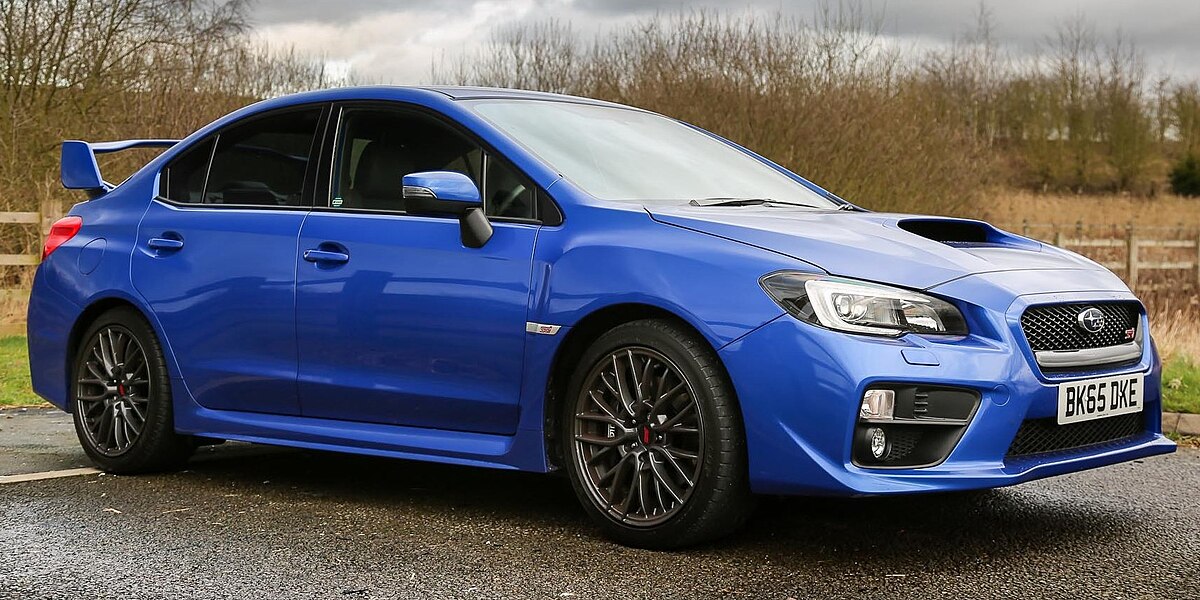
Clutch replacements, exhaust fixes, and turbo swaps are also more complex and expensive due to the performance-focused design and cramped engine bay.
For many fans, these expenses are a fair trade for the thrills delivered by Subaru’s rally icon. However, first-time buyers, unaware of the car’s true maintenance needs, may find themselves staggered by repair quotes that are anything but budget-friendly.
Also Read: 10 Cars That Don’t Have Engine Overhaul Horror Stories
