
Buying a vehicle is a significant financial decision that goes beyond just the sticker price. Many potential buyers focus largely on the initial cost and overlook other expenses that can add up significantly after the purchase.
These hidden costs can catch owners by surprise and strain their budgets. Understanding these expenses beforehand helps in making a well-informed decision that fits both financial capability and lifestyle.
Hidden costs of owning a vehicle can take many forms, including maintenance, repairs, insurance premiums, fuel consumption, depreciation, and even taxes or fees that vary by location and model.
Some vehicles come with higher service costs due to parts availability or complexity, while certain models may have insurance rates that are steeper because of safety records or repair costs.
Fuel efficiency differences can also greatly affect ongoing costs. Keeping these factors in mind allows buyers to assess the true cost of vehicle ownership rather than just the upfront price. Here are five vehicles with hidden costs that prospective buyers should be aware of before committing.
Each of these cars has unique factors that contribute to higher-than-expected expenses. The following sections will break down these vehicles in detail, outlining the key areas leading to increased costs to help buyers anticipate and plan accordingly.
Also Read: 5 Fords That Survive Off‑Road Life vs 5 That Should Stay on Pavement
1. BMW 7 Series
The BMW 7 Series is synonymous with luxury and advanced technology, offering drivers comfort, performance, and prestige. However, owning this vehicle comes with hidden costs that go well beyond its high purchase price.
For luxury cars like the 7 Series, maintenance and repair costs notably surpass those of average sedans, largely because of the premium parts, specialized labor, and sophisticated engineering involved.
Routine maintenance on the BMW 7 Series includes expensive oil changes, brake services, and fluid replacements, which are often more frequent and pricier compared to non-luxury vehicles.
For instance, synthetic oil changes required by BMWs can cost several hundred dollars. Additionally, the 7 Series incorporates advanced electronics and systems such as adaptive suspension, active steering, and high-tech infotainment, which can be costly to repair or replace once out of warranty.
Insurance premiums on the 7 Series are also elevated due to the high replacement and repair costs. Insurers factor in the cost of premium parts and the likelihood of costly claims, making insurance a significant part of the ownership expense.
Fuel economy is another consideration; powerful engine options, including V8s and V12s, mean lower miles per gallon, adding up to higher fuel expenses.
Depreciation can be steep on luxury sedans as well. The BMW 7 Series typically loses a significant portion of its value within the first few years, affecting resale or trade-in values. Furthermore, some owners may face costly repairs related to wear on components like air suspension or turbocharged engines as the car ages.
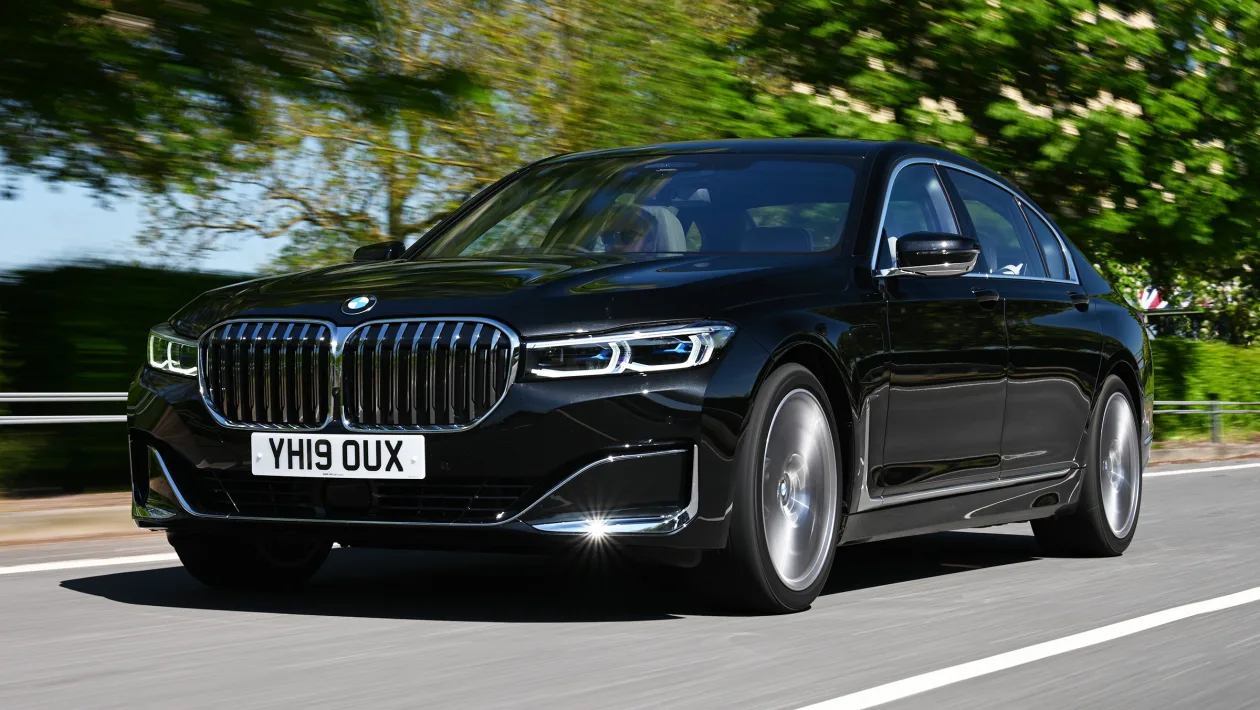
While the BMW 7 Series delivers an exceptional driving experience and luxury features, buyers must prepare for ongoing costs related to maintenance, repairs, insurance, fuel, and depreciation that collectively impact the total cost of ownership significantly.
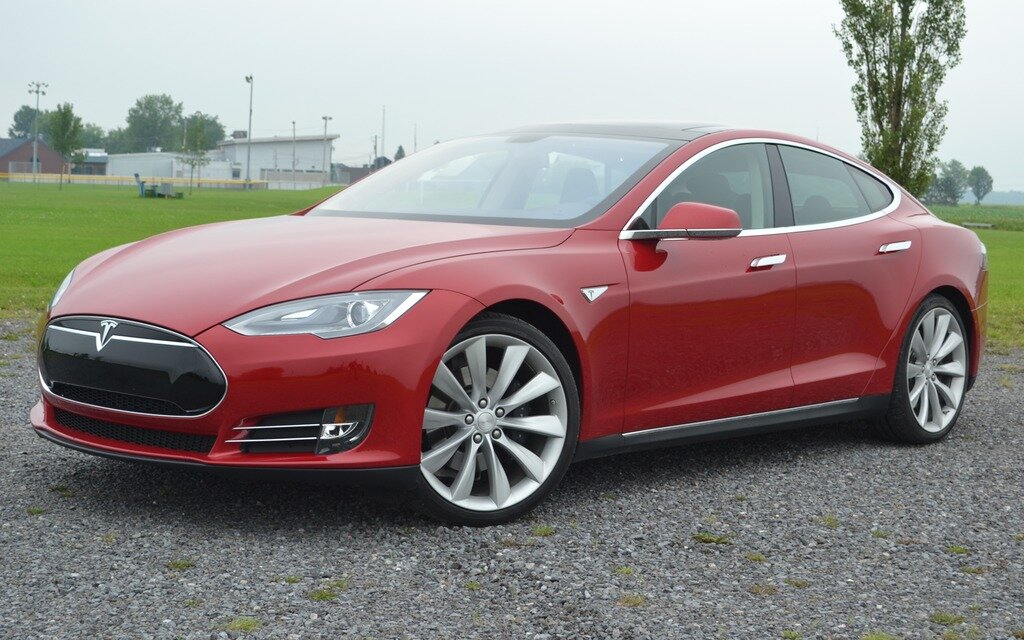
2. Tesla Model S
Tesla’s Model S has made waves for its cutting-edge electric technology and impressive performance, attracting drivers seeking luxury and sustainability.
While the absence of a traditional combustion engine lowers some maintenance costs, unique hidden expenses surface for owners of this advanced vehicle.
One area where costs quietly add up is charging infrastructure. Relying entirely on public chargers can be inconvenient or more expensive over time, prompting most owners to install a home charging setup.
While more convenient, the price of a Level 2 home charging station, including professional electric installation often ranges from $1,000 to $2,500, depending on home wiring and location. Ongoing increases in residential electricity rates can also quietly raise monthly operating costs, especially in areas with higher tariffs.
Next, battery replacement is a concern few new buyers think about. Though Tesla’s batteries are designed to last hundreds of thousands of miles, they do degrade over time.
Out-of-warranty battery replacements have been reported between $10,000 and $20,000 depending on the battery version and labor costs.
As electric vehicles age, this looming expense becomes more relevant, especially for those planning to keep the car long term or purchasing used.
Insurance is another area where the Model S stands out. High repair costs, particularly for its aluminum body, advanced sensors, and camera systems, push up premiums.
While Teslas tend to fare well in accidents due to their safety ratings, even minor bodywork can be expensive because Tesla-certified repair facilities and parts are limited. This sometimes results in longer wait times and higher bills for even simple repairs.
Software updates keep older cars modern, but certain high-value features, like Enhanced Autopilot or Full Self-Driving Capability, are paid upgrades. These can cost several thousand dollars, even after the initial purchase, surprising owners who assume all tech is included.
Lastly, depreciation for electric vehicles is still uncertain compared to gasoline models. As battery and EV technology rapidly evolve, older versions of the Model S may lose value more quickly when new, longer-range or more advanced models hit the market.
While the Tesla Model S represents a fascinating leap in automotive engineering and eco-friendly luxury, it brings ongoing costs tied to its unique technology, charging needs, insurance, and the long-term realities of EV ownership.
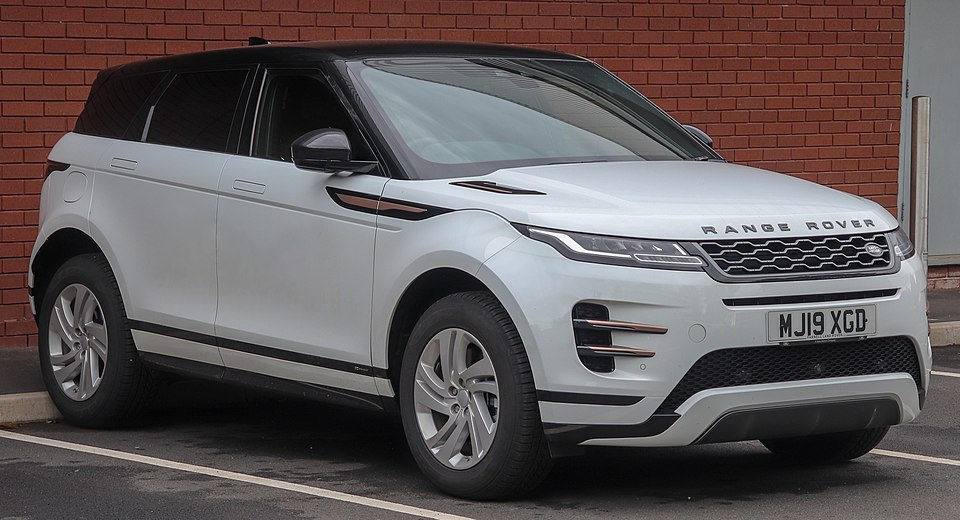
3. Range Rover
The Range Rover represents the pinnacle of SUV luxury and off-road capability, but it also comes with a well-known reputation for high and sometimes unexpected ownership costs.
Many buyers are drawn to its refined interiors, go-anywhere promise, and prestige, yet there are several financial factors to consider beyond its premium price tag.
Maintenance and repairs are significant contributors to hidden costs. The Range Rover is built on complex systems like air suspension, electronic terrain response, and powerful turbocharged engines.
While these features enhance comfort and performance, they’re also potential sources of expensive repairs, especially as the vehicle ages. Air suspension failures, for example, are a common headache, with replacements often running into thousands of dollars.
Parts and labor for Land Rovers are costly due to the brand’s exclusivity and the engineering complexity of its parts.
Owners often report that even routine items such as brake pads, rotors, or cooling system components carry premium pricing. Extended warranties are almost a necessity, but these increase upfront costs and don’t always cover everything prone to wear.
Insurance for Range Rovers is among the highest in the SUV segment. Their high value, sometimes lackluster theft deterrent record, and costly repairs all contribute to expensive premiums and sometimes limited coverage options.
Luxury SUVs also tend to attract higher taxes and registration fees, depending on regional regulations.
Another consideration is poor fuel efficiency. While newer models have improved somewhat, powerful engines and a heavier chassis mean frequent and costly trips to the gas station, which can quickly surpass the expectations of new owners accustomed to more efficient vehicles.
Depreciation hits hard with Range Rovers, especially considering how quickly technology in this segment advances.
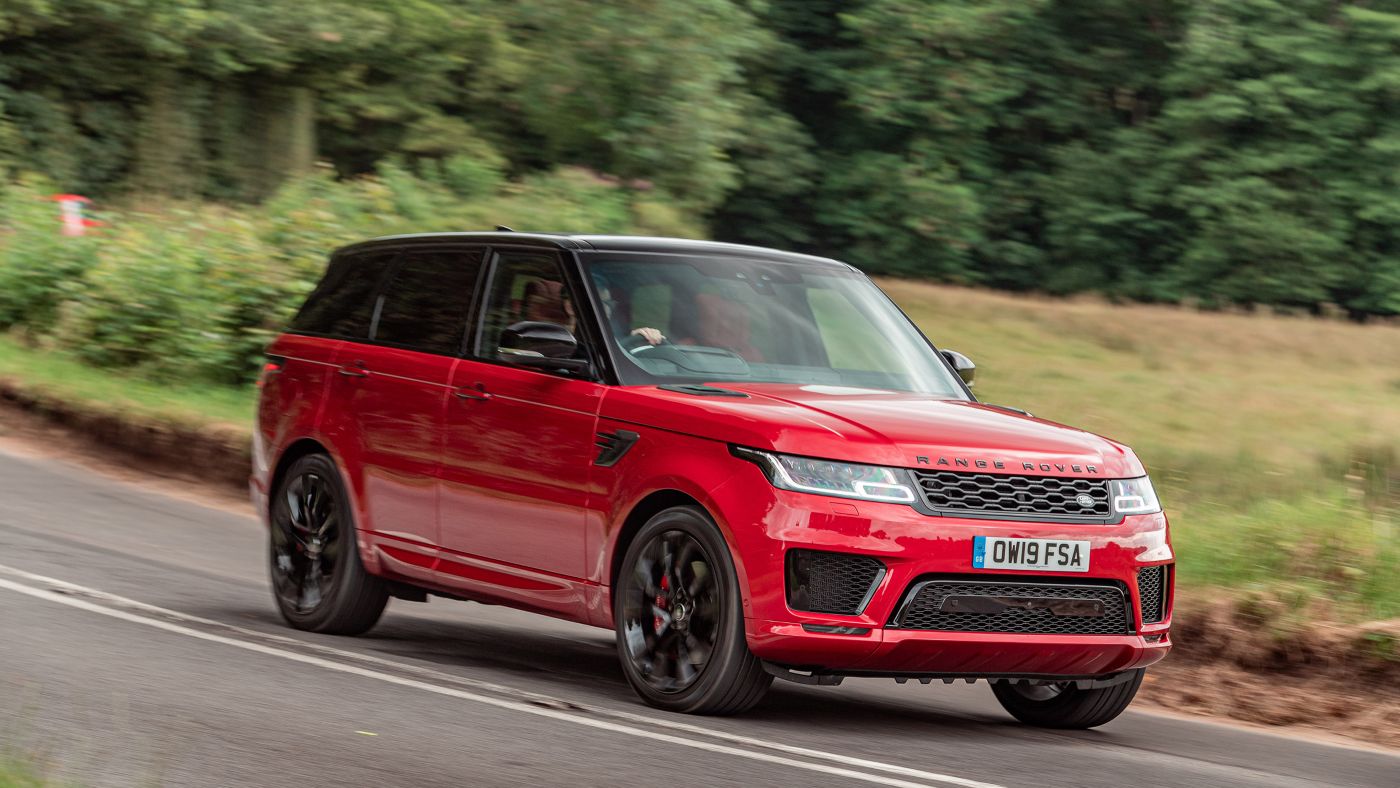
Furthermore, the model’s reputation for reliability issues harms resale values, meaning a larger percentage of the purchase price is lost compared to many other luxury SUVs.
Finally, expect regular trips to the dealership for software updates, technical service bulletins, and recalls. Although some are covered under warranty, the inconvenience and potential out-of-pocket costs for labor and transport can stack up.
When considering a luxury SUV like the Range Rover, look closely at reliability ratings, warranty coverage, realistic fuel costs, and how much a premium for exclusivity truly adds to the total price of ownership.
4. Jeep Wrangler
The Jeep Wrangler is legendary among adventure-seekers and off-roading enthusiasts. Its unmistakable design, open-air possibilities, and go-anywhere spirit appeal to those who prioritize rugged outdoor capability. Yet, beneath its fun and freedom, owners should expect several hidden costs as part of Wrangler ownership.
To begin with, the Jeep Wrangler often requires more frequent maintenance and repairs than many realize. The Wrangler’s design a body-on-frame setup with solid axles and heavy-duty 4×4 components, stands up well to trail use, but these rugged features place additional stress on components.
Suspension parts, driveshafts, and bushings may wear much faster, especially for owners who take advantage of the vehicle’s off-road capabilities.
Even for those primarily driving on pavement, the ride quality and steering precision, due to the solid axle, can lead to quicker tire wear and higher alignment costs.
Accessories and modifications represent another major expense for Wrangler owners. Many fans are drawn to the endless array of aftermarket upgrades lift kits, larger wheels, off-road lighting, winches, bumpers, roof racks, and more.
While these additions boost performance and style, they are rarely factored into the initial purchase price and can quickly add up, with some spending thousands upon thousands on upgrading and customizing their vehicles.
Insurance costs for Wranglers can fluctuate depending on usage, location, and modifications. Often insured at higher premiums than typical SUVs, Wranglers are sometimes targeted for theft due to their popularity and removable parts.
Coverage for off-roading accidents may also be limited, requiring specialty policies for enthusiasts who venture far beyond the pavement.
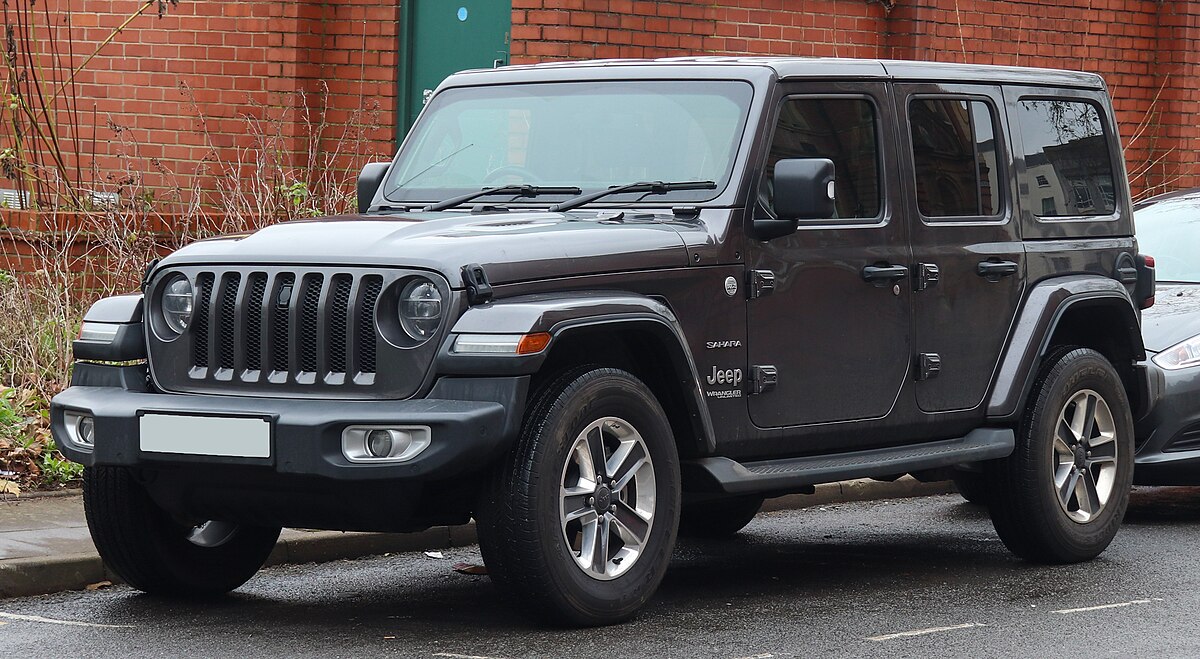
Fuel efficiency is another area where expectations and reality collide for Jeep owners. Despite more efficient options in recent generations, most Wrangler models, especially those equipped for off-roading with bigger tires or lifted suspensions, return mileage well below standard crossovers or compact SUVs.
For commuters, the frequent refueling and associated costs take a toll, with annual fuel expenses adding up. Rust and wear from exposure to mud, rocks, and weather can also accelerate depreciation if not carefully managed.
Wranglers generally hold their value well, but off-road abuse without routine cleaning and maintenance can lead to early mechanical or cosmetic troubles, resulting in lower resale values and higher repair bills.
Finally, there are taxes and registration fees to consider. Heavier, more powerful models or those with advanced four-wheel-drive setups may attract higher registration costs in some regions, while modifications can sometimes require additional inspections or certifications. Prospective buyers should research local laws carefully.
For all the fun and freedom that come with owning a Jeep Wrangler, the real-world financial impact extends well beyond the initial excitement. Upkeep, upgrades, insurance, and fuel represent ongoing investments that should be weighed against lifestyle and long-term plans.
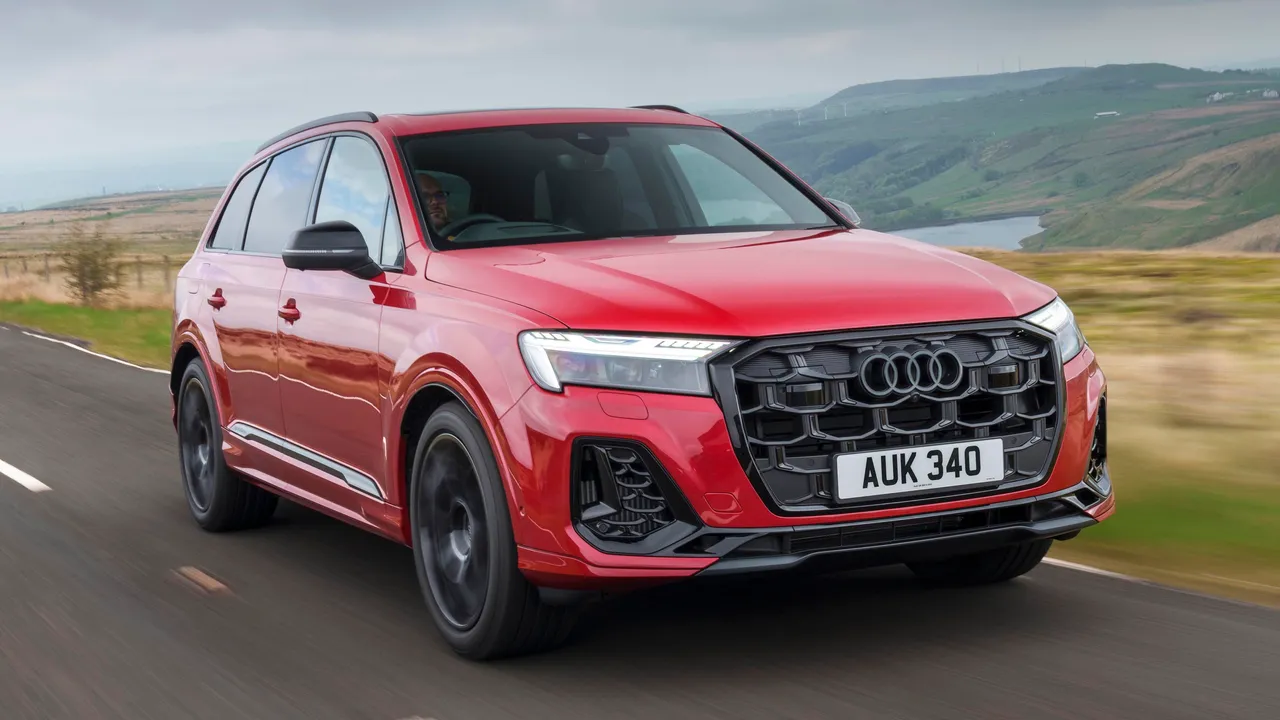
5. Audi Q7
The Audi Q7 is celebrated for blending luxury and versatile family capability in a stylish SUV package. Its refined driving experience, high-quality cabin, and advanced tech make it a favorite in the premium utility segment.
As with other upscale European legends, buyers may not expect the array of extra costs that start showing up over time.
First off, maintenance for the Audi Q7 can be especially demanding as the vehicle ages. Scheduled service intervals are generally shorter and far more expensive than most non-luxury or domestic SUVs.
Simple regular services, such as oil changes, transmission fluid, and brake pad replacements, are priced higher due to the use of premium synthetic oils, imported parts, and specialized labor.
As the Q7 is packed with technology digital cockpit, adaptive cruise, advanced safety systems, repairs often require scanning equipment and expertise that only Audi dealerships or select specialists possess.
Another source of expense is the Q7’s sophisticated air suspension and electronic systems. These advanced systems bring exceptional comfort and handling, but failures are not uncommon, particularly after several years and tens of thousands of miles.
Air suspension repairs or replacement can reach thousands, and even minor sensor failures relating to safety or infotainment systems may result in multi-hundred dollar repair bills.
Insurance premiums for the Q7 are typically among the higher tiers for SUVs. Risk is calculated not just based on the value of the vehicle, but also the price of parts, frequency of accidents, and overall cost of repair.
Even minor accidents can mean significant expenses, especially given the complexity of body panels, lighting systems, and interior electronics.

Fuel economy is average for its class, but Q7s equipped with larger engines or towing packages consume fuel at a rate closer to full-size trucks. For buyers expecting sedan-like economy, the realization hits at the pump, particularly during long family road trips or towing periods.
Depreciation is worth attention too. Like most luxury vehicles, the Q7 suffers considerable value drop early in its lifespan.
Though Audi’s reputation for quality helps slow the decline compared to some peers, resale values generally lag far behind more mainstream SUVs. Buyers intending to trade in after a few years should investigate typical market values and understand the expected loss.
Lastly, taxes and registration fees for a Q7 can stretch higher due to its size, luxury status, and higher purchase price. In regions where luxury vehicles carry extra levies, buyers must plan for additional annual expenses.
Overall, the Audi Q7 provides a rewarding ownership experience for those seeking premium quality and utility, but every aspect of its design and engineering introduces additional costs.
From maintenance and insurance to fuel and depreciation, understanding these factors helps avoid unwelcome surprises and ensures that the vehicle truly fits the intended budget.
Hidden costs can make a major impact on the total financial commitment of vehicle ownership.
As explored with these five popular but costly cars the BMW 7 Series, Tesla Model S, Range Rover, Jeep Wrangler, and Audi Q7, unexpected expenses are often rooted in design complexity, luxury features, technical systems, and the realities of everyday use.
Maintenance, insurance, fuel, depreciation, upgrades, and regional taxes all play a role, varying significantly by make, model, and how the vehicle is used.
When considering a new purchase, doing thorough research is vital. This means talking to current owners, reading real-world reviews, examining repair histories, and understanding both recurring and rare issues specific to your dream car.
Don’t rely solely on brochures and sales pitches; actual cost-of-ownership calculators, dealership service schedules, and conversations with local mechanics can reveal what’s coming down the road.
Budgeting realistically should include all expenses: routine servicing, tires, unexpected repairs, insurance, accessory upgrades, fuel, and future resale value.
Building an emergency fund for repairs and maintenance can cushion the blow when surprise costs appear. Extended warranties and maintenance packages may help, but always read the fine print to know what is and isn’t covered.
Finally, choosing a car that fits both your financial situation and intended lifestyle goes beyond horsepower and luxury features.
The most satisfying ownership stories come from those who researched carefully, planned ahead, and matched their vehicle to their needs and abilities. With the right preparation and understanding, you can enjoy your new car without any hidden costs spoiling the journey.
Also Read: 10 Cars That Made the Switch From Luxury to Mainstream
