Daily urban commutes in the US often mean dealing with endless stoplights, bottlenecks, and gridlocked highways. Stop-and-go traffic is brutal on vehicles it tests transmissions, cooling systems, brakes, and the driver’s patience.
Some cars handle it better than others, offering smooth operation, minimal wear, and features that make slow-moving traffic far less stressful.
Here are ten cars that can survive the grind of stop-and-go driving without complaints, based on their proven reliability, comfort, and smart design.
1. Toyota Camry
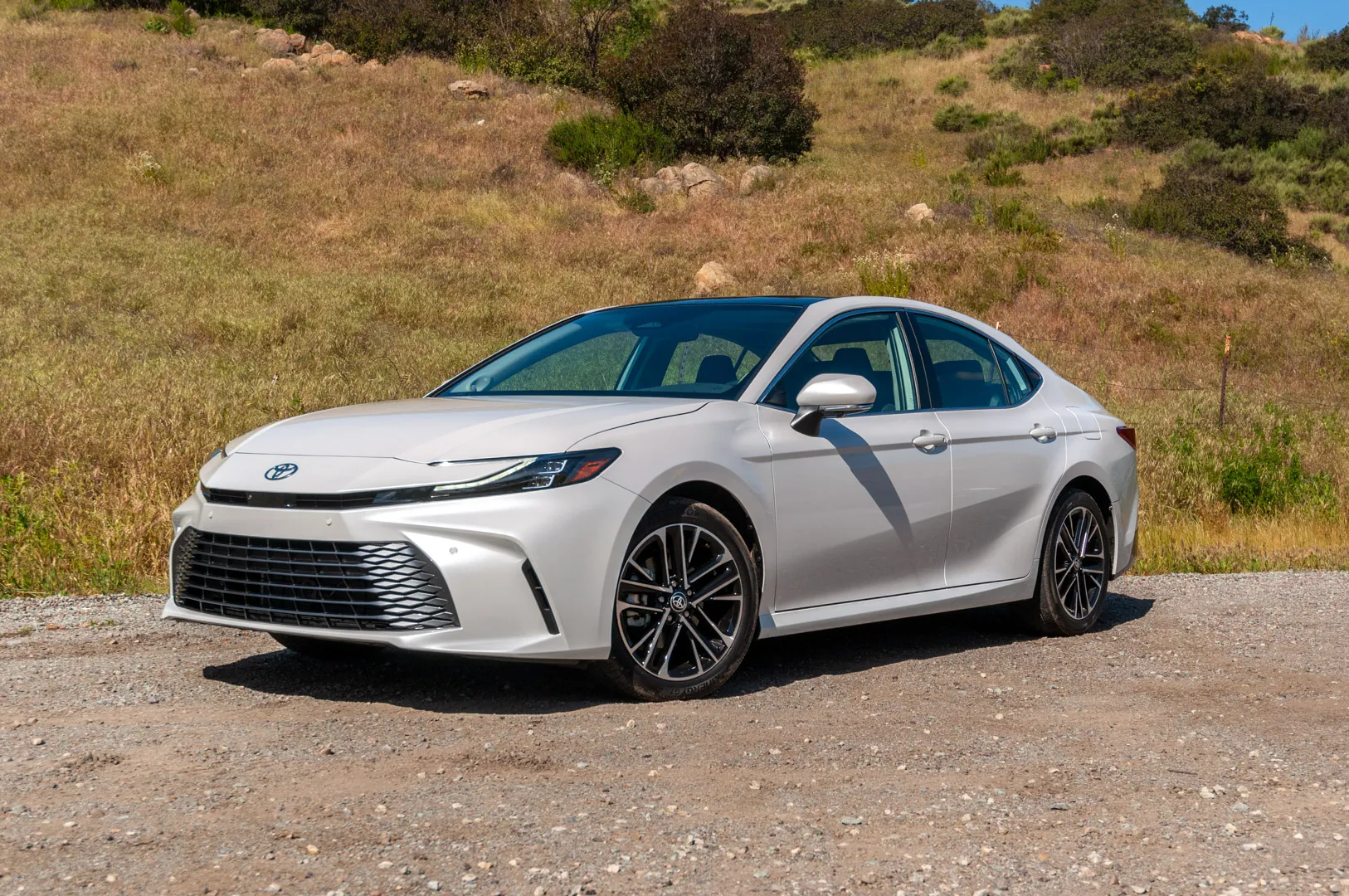
The Toyota Camry has built its reputation on durability, and that extends to traffic-heavy city life. Its smooth-shifting automatic transmission and efficient cooling systems prevent overheating during long idle times.
The hybrid version is particularly good in stop-and-go situations since it can operate in electric mode at low speeds, reducing fuel use and wear on the gas engine.
Even though the Camry has always been packed with advantages, it’s never exactly been a style icon or a thrilling car to look at, until now. My very first reaction upon seeing the 2025 Camry in person was simple: it looks better than ever. Toyota’s designers had already knocked it out of the park with the current-generation Prius, which I consider possibly the most attractive Toyota ever.
The Prius sports an elegant front end, ultra-clean sides, and a tidy rear, showing real restraint, a quality that its spaceship-like predecessors never quite achieved. While the new Camry doesn’t reach quite that level of grace, it’s a massive step up compared to the outgoing model.
The grille, still bold and imposing, now fits the front end far more cohesively and is nowhere near as radical as before. The last generation had a front that looked like a wild carnival of angles and creases that made little visual sense. The new C-shaped headlights clearly take cues from the Prius’ lighting design, and the rear of the Camry is much cleaner now, with C-shaped lamps mirroring the front’s lighting signature.
Between the front and back, the door panels, side mirror housings, and exterior door handles remain largely unchanged, and the side glass, often called the daylight opening, looks almost the same, save for minor tweaks near the rear door’s shut lines.
All in all, the Camry is more attractive than ever. This generation’s design doesn’t shout for attention or try to stand out aggressively; instead, it carries itself with quiet confidence, and I respect that much more.
Simple, clean designs age better and feel more genuine. It’s far preferable to come across as honest and straightforward than to try and be edgy only to end up cringey. Sure, there’s less flash and pizzazz here than in previous years, but I personally much, much, MUCH prefer this tasteful, subtle approach. Keep it coming, Toyota.
2. Honda Accord
The Accord blends responsive handling with a transmission designed to handle constant low-speed changes without jerks or delays. Its engines whether turbocharged or hybrid run cool in heavy congestion, and the interior remains quiet even in chaotic traffic.
Honda’s driver-assist features, like adaptive cruise control with low-speed follow, take the edge off bumper-to-bumper driving.
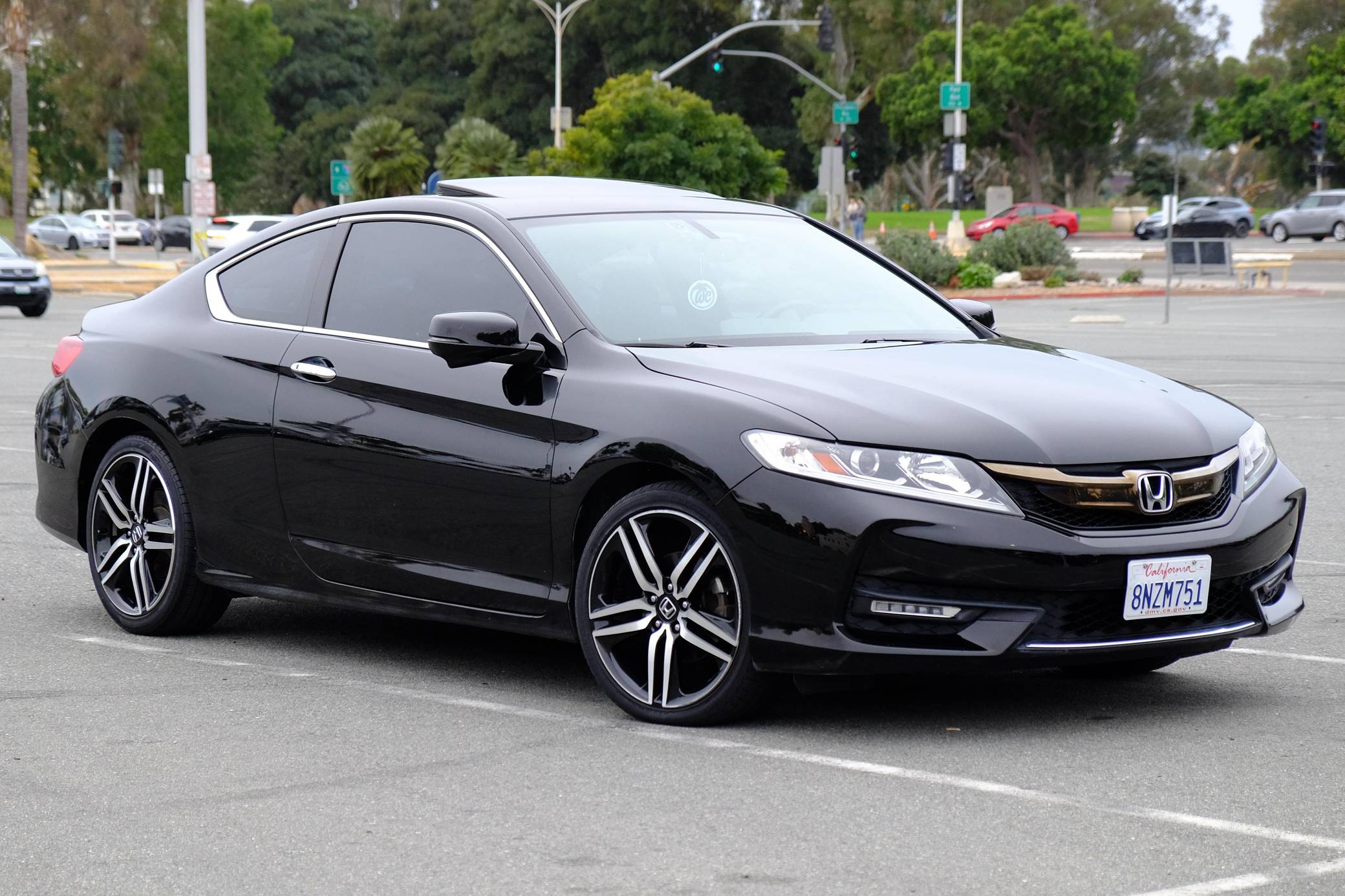
When the 10th-generation Honda Accord launched back in 2018, it was an immediate hit, reminding us why this midsize sedan has such a loyal following. Fast forward to 2020, and Honda hasn’t changed a thing, which honestly isn’t a problem. The Accord remains stylish, comfortable, and delivers serious practicality, ticking all the right boxes.
Most competitors in this segment have either been refreshed or redesigned in recent years, but the Accord still stands out strong in its class. On the road, it delivers a quiet and smooth ride, though we do wish the tire noise at highway speeds was a bit less intrusive. It’s also genuinely fun to drive, thanks to two lively engine options and the availability of a manual transmission for those who want it.
Cargo space is generous, too, with 16.7 cubic feet in the trunk, one of the largest in its category. Inside, the passenger cabin is thoughtful, with plenty of bins and compartments to stash your phone, sunglasses, water bottles, and other daily essentials.
Honda doesn’t skimp on technology, either. The standard Honda Sensing suite includes adaptive cruise control, lane keeping assist, and traffic sign recognition. On top of that, the Accord offers Apple CarPlay and Android Auto compatibility, LED lighting, and even a wireless phone charger.
If you’re after a more luxurious interior, the Mazda 6 might catch your eye, or if you crave a sportier drive, the Kia Stinger could be your pick. But for a well-rounded, dependable midsize sedan, the Honda Accord continues to reign.
Also Read: 9 Best-Selling Cars That Actually Deserve the Hype
3. Lexus ES
The Lexus ES takes the reliability of Toyota engineering and adds luxury-grade comfort. In stop-and-go situations, its plush suspension, supportive seats, and whisper-quiet cabin help drivers stay calm.
The smooth V6 and hybrid options both excel in traffic, with hybrids especially adept at using electric power for creeping forward without burning fuel.
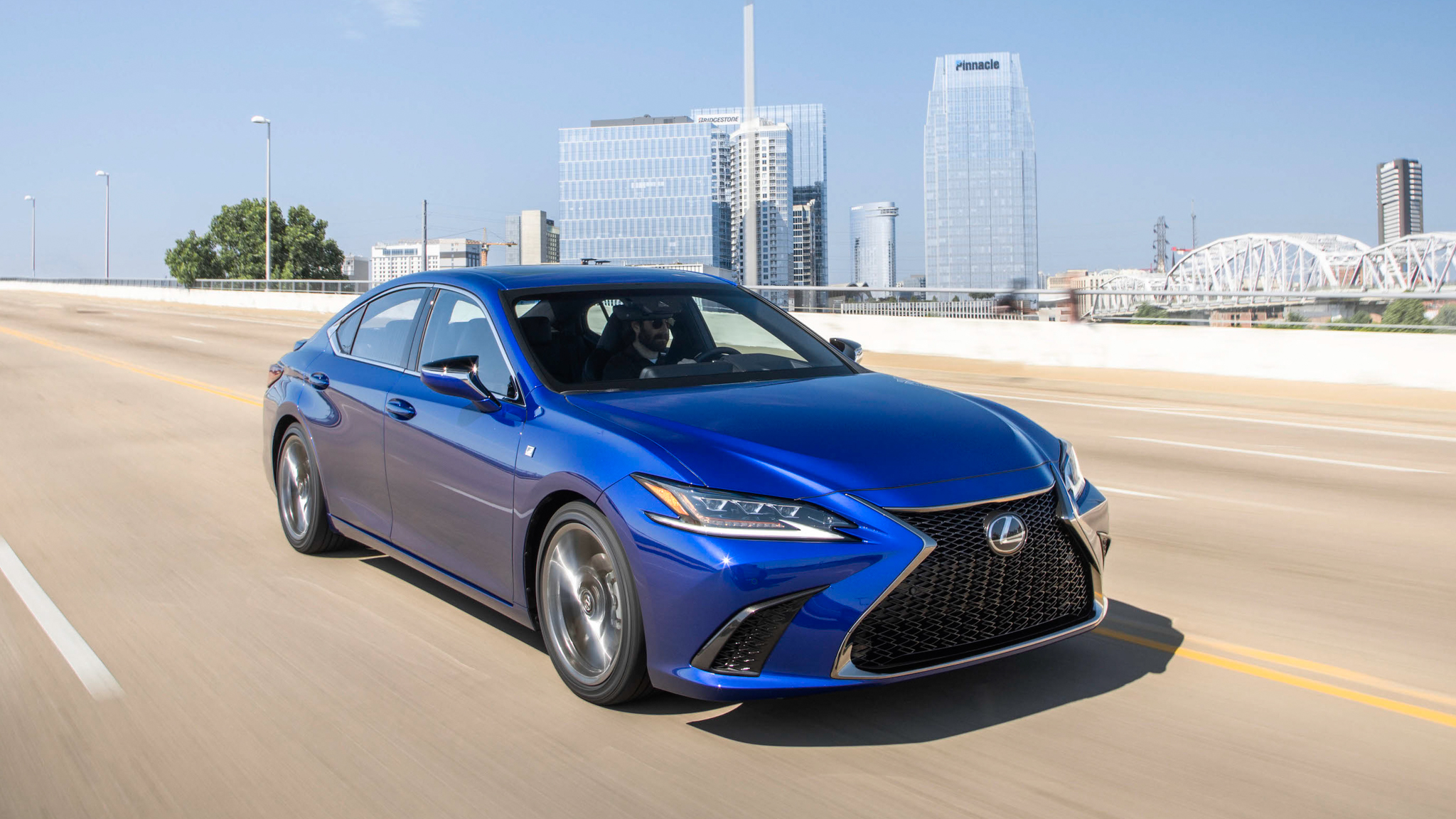
The 2025 Lexus ES sits comfortably in the brand’s midsize luxury sedan lineup. It’s a bit bigger than the sportier IS and noticeably more affordable than the larger, flagship LS. The ES shines thanks to spacious seating, a smooth and refined ride quality, and a solid roster of upscale features that feel well worth the price.
For 2025, Lexus has introduced a new Black Line appearance package. This is offered on the ES 350 models equipped with the F Sport Handling trim and adds sleek black-painted exterior trim details to boost its visual appeal.
The ES lineup breaks down into three main versions: the 250, 350, and 300h. Each has a similar starting price but offers distinct benefits. The ES 250 is the least powerful but comes standard with all-wheel drive, a major plus if you regularly face winter driving conditions.
The 300h is the hybrid model, boasting an impressive EPA-estimated 44 mpg combined, making it a great choice for efficiency-minded drivers. If raw power is what you want, the ES 350 delivers with a 302-horsepower V6 engine under the hood.
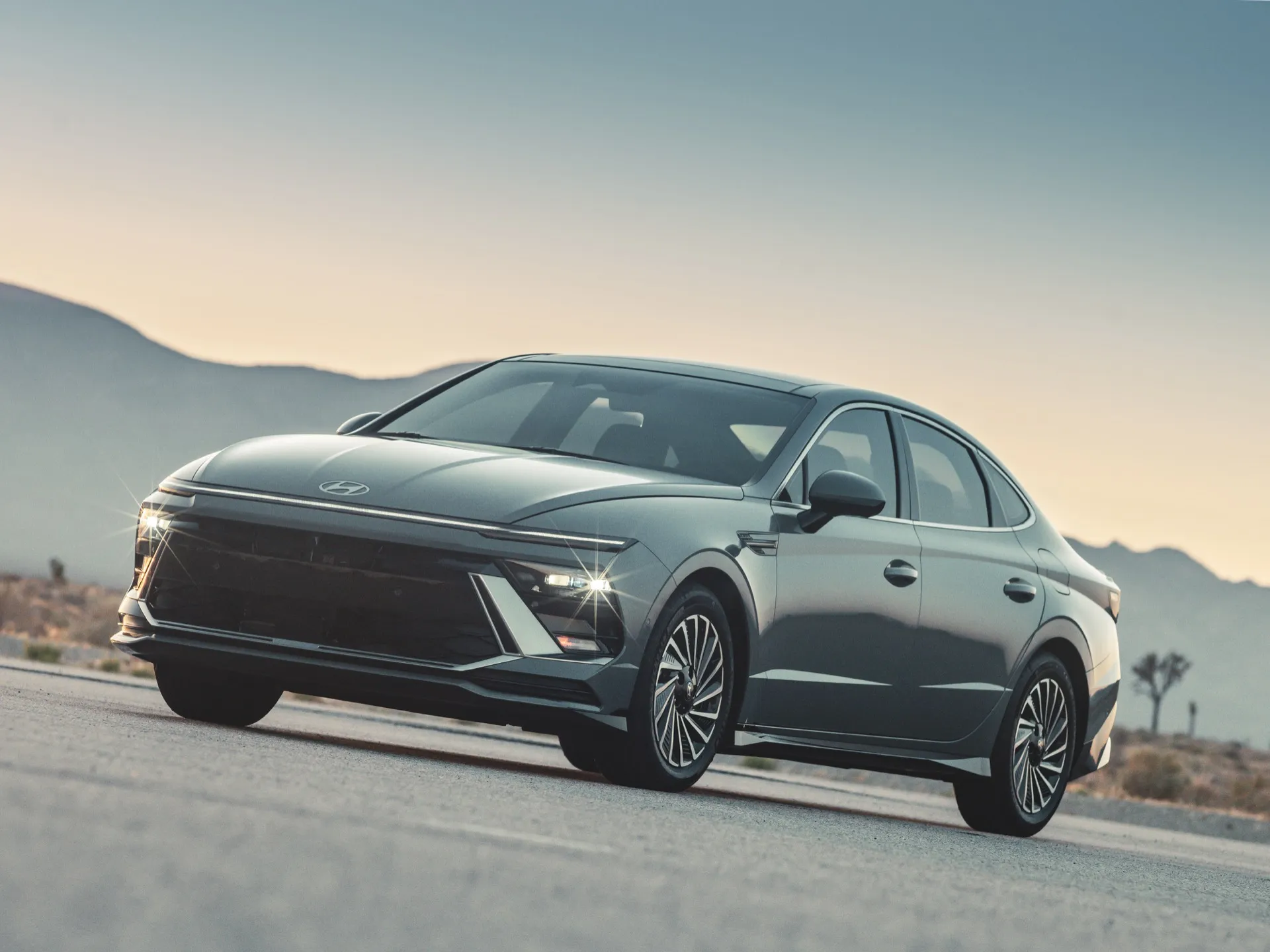
4. Hyundai Sonata Hybrid
The Sonata Hybrid stands out in urban driving thanks to its ability to glide on electric power in traffic.
The powertrain is tuned for seamless low-speed transitions, and the regenerative braking system works smoothly without the grabby feel some hybrids have. Its spacious, comfortable interior makes the grind less fatiguing.
Over the years, Hyundai’s Sonata has earned a solid reputation as a dependable sedan that delivers serious bang for your buck. But in 2020, Hyundai decided that simply being a value leader wasn’t enough.
That’s when they rolled out a bold redesign, injecting the Sonata with a hefty dose of avant-garde style that turned heads. Then, in 2021, they turned up the excitement by introducing the Sonata N Line. Packing a 290-horsepower engine, the N Line raised the bar for midsize sport sedans, staking its claim as a new performance benchmark.
For 2022, the Sonata sees mostly minor updates. The biggest change is that the once-optional Tech package on the already well-equipped SEL Plus trim is now standard, which means even more value. Meanwhile, the Sonata N Line gets a fresh new look with the Night Edition appearance package, featuring a blend of matte and gloss black exterior accents and some tasteful carbon-fiber trim to add an extra dash of aggression.
5. Tesla Model 3
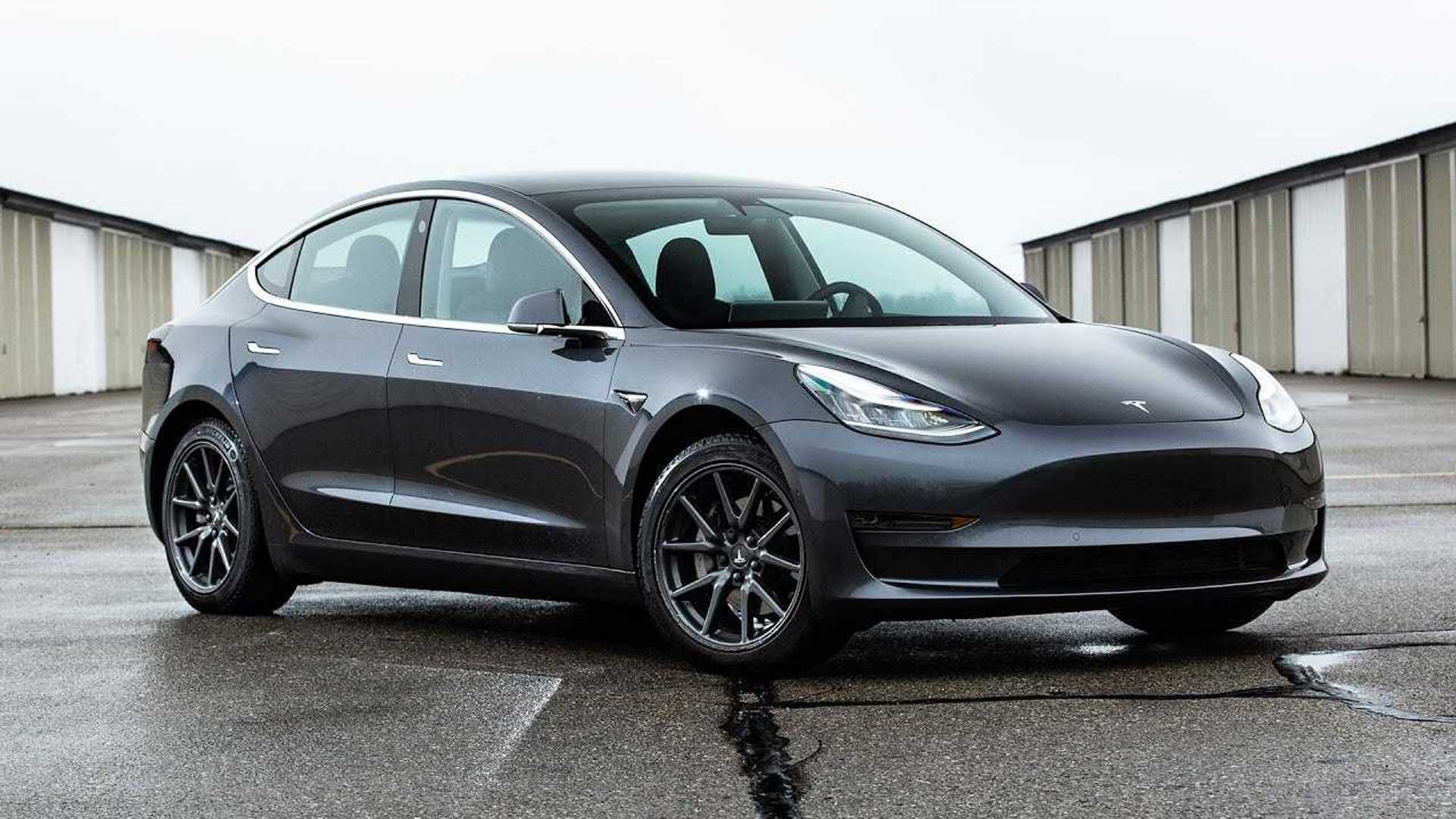
Electric vehicles like the Tesla Model 3 are inherently well-suited to stop-and-go driving. With instant torque and single-speed transmissions, they eliminate the lurches of gear changes.
The Model 3 also uses regenerative braking to slow the car without excessive brake wear, and its driver-assistance system can manage slow traffic almost autonomously.
Seven years ago, Tesla completely disrupted the sedan market with its Model 3 electric car, launching at a time when very few EV competitors existed. The Model 3 brought electric vehicles into the mainstream thanks to an affordable starting price, impressive performance, and driving range that rivaled traditional gas-powered cars.
It quickly became Tesla’s best-selling model, until the Model Y crossover edged ahead. Now, the 2024 Model 3 arrives with its first major overhaul: sleeker styling, better build quality, a newfound touch of refinement, up to 363 miles of range, and some thoughtful new features.
There are four trims available: the base rear-wheel-drive model with 257 horsepower; the Long Range RWD with 295 hp; the dual-motor Long Range all-wheel drive pushing 393 hp; and the all-wheel-drive Performance version packing a hefty 510 hp.
A lot has changed over seven years, especially with fresh challengers like the Hyundai Ioniq 6 and Polestar 2 entering the fray. The Model 3, once groundbreaking, is now the oldest player in a much younger, highly competitive field.
The revamped 2024 Model 3 has officially landed in the U.S. The exterior changes are the most obvious, featuring redesigned headlights and taillights and improved aerodynamics that trim the drag coefficient from 0.225 to 0.219.
Tesla also introduces two new paint options, Stealth Gray and Ultra Red, with the latter priced at a steep $2,000 upgrade. Build quality sees a boost with tighter panel gaps, acoustic glass all around for quieter rides, and upgraded suspension bushings that reduce noise by 20%.
Inside, the cabin gains more premium materials, adjustable wraparound ambient lighting that extends to the rear seats, ventilated front seats, and upgraded audio options with either nine or 17 speakers. Rear passengers now get a new bench seat that’s more comfortable, plus an eight-inch touchscreen to control climate or infotainment.
6. Subaru Outback
The Outback’s continuously variable transmission (CVT) is tuned to handle low-speed operation smoothly, and Subaru’s symmetrical all-wheel drive offers excellent stability in unpredictable city conditions.
The raised seating position improves visibility for navigating crowded roads, while the interior remains comfortable and well-insulated.
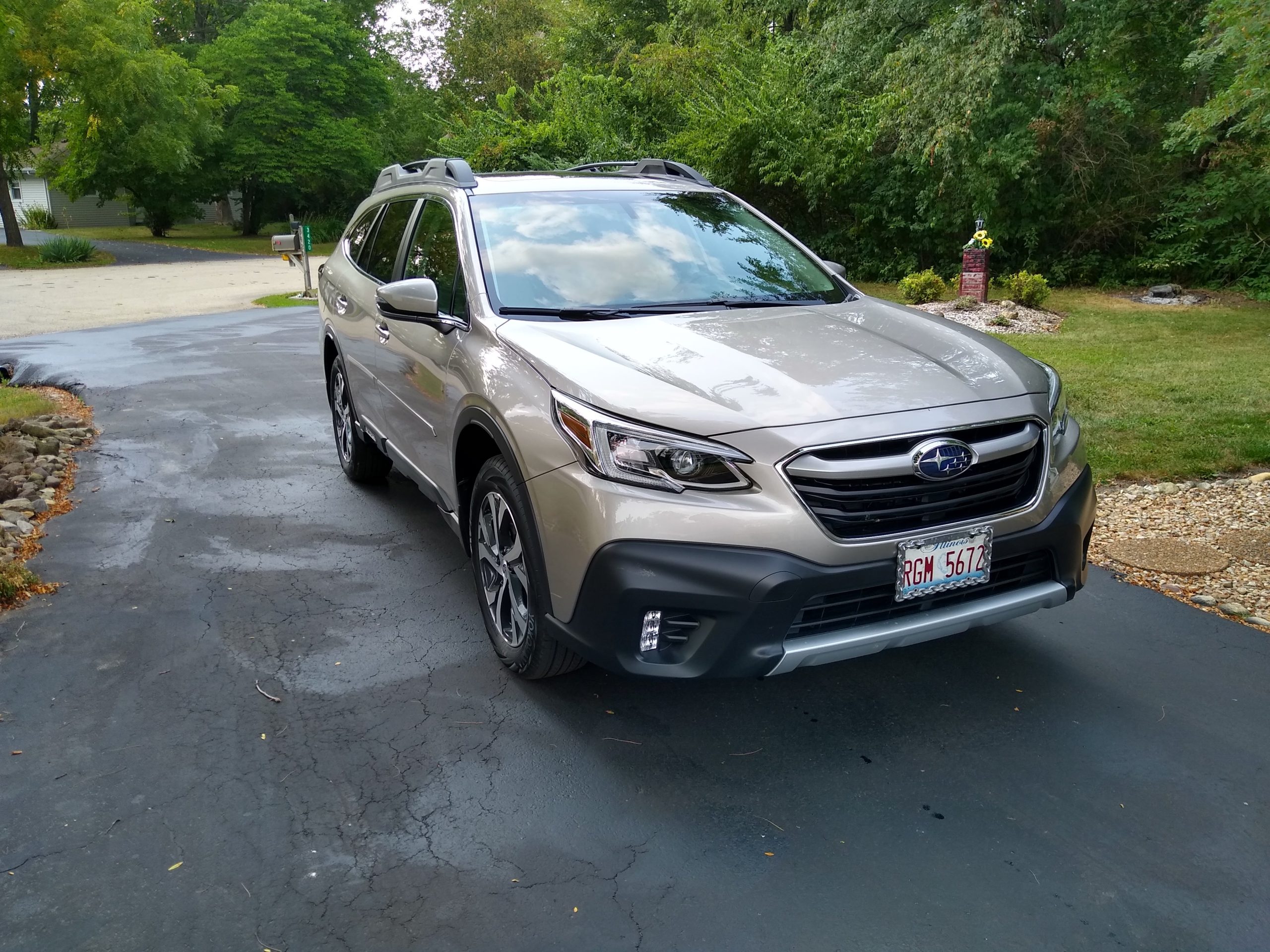
The 2023 Subaru Outback sits right on the border between wagon and SUV, borrowing strengths from both to deliver a truly versatile vehicle. While its wagon-like shape means it doesn’t quite offer the maximum cargo capacity some midsize SUVs boast, it compensates with a lower-than-average roofline that makes loading gear on top much easier.
On the SUV side of things, you get standard all-wheel drive and solid ground clearance, features that excel whether you’re tackling rough off-road trails or just dealing with tricky weather conditions.
For 2023, the Outback gets a subtle refresh with new plastic cladding beneath the headlights and around the wheel arches—design cues borrowed from the Wilderness trim that debuted last year. Curiously, the Wilderness trim itself returns almost unchanged, missing out on these new touches.
On the tech front, the infotainment system gets an upgrade, now supporting wireless smartphone integration via the large 11.6-inch touchscreen, meaning no more fiddling with USB cables. The Onyx Edition lineup expands its options, offering both the base engine and a turbocharged version now labeled the Onyx Edition XT. As before, this remains the most affordable turbocharged trim available.
The Outback’s distinctive style brings some unique choices for buyers. Even among the crowded SUV market, only a select few rivals can match its off-road chops, think Honda Passport and Jeep Cherokee.
If you’re eyeing tougher terrain, models like the Ford Bronco, Jeep Wrangler, and Toyota 4Runner might catch your attention, though they sacrifice ride comfort on paved roads. Overall, the 2023 Subaru Outback’s blend of capabilities and features makes it a compelling option for a broad spectrum of drivers.
7. Ford Escape Hybrid
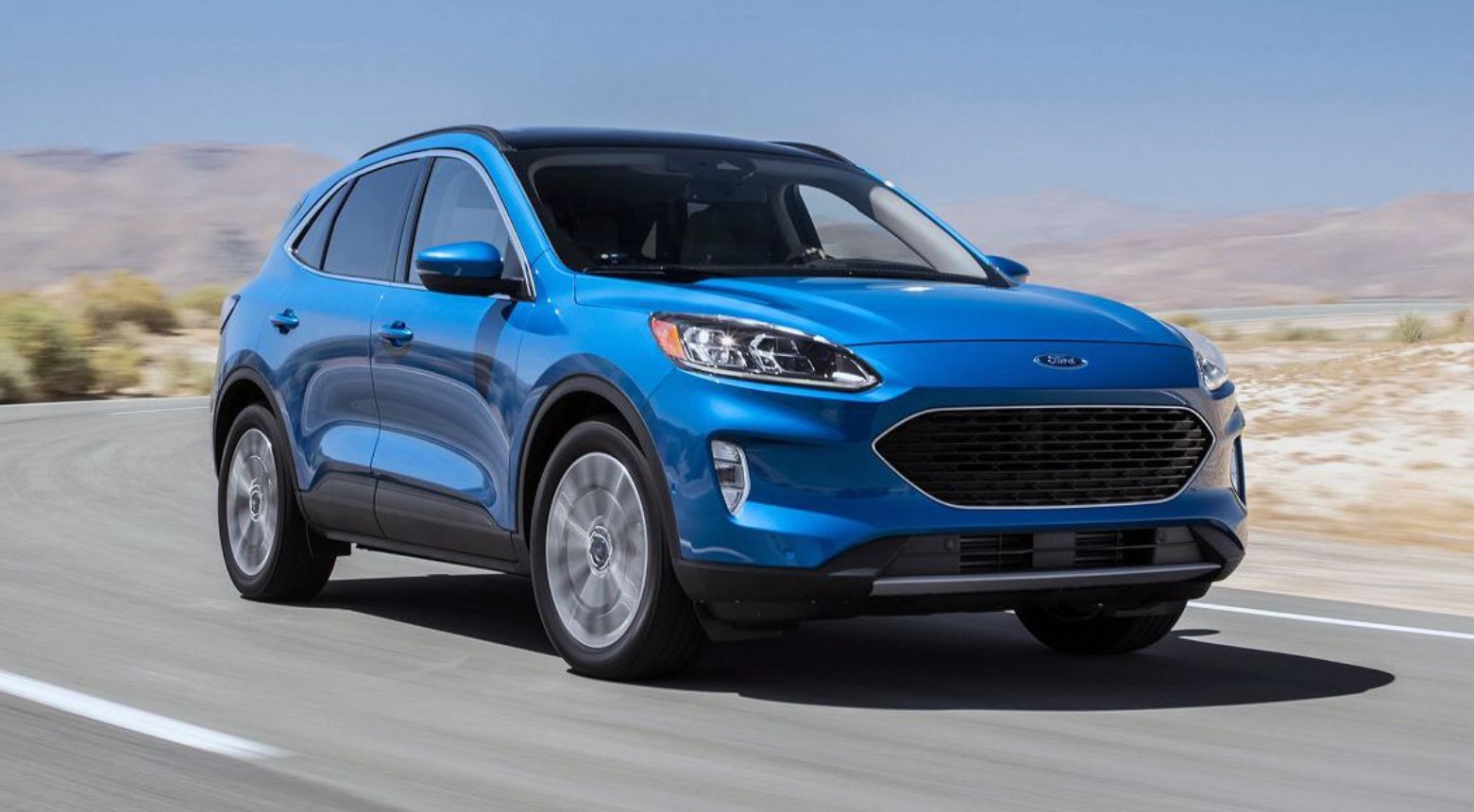
The Ford Escape Hybrid thrives in traffic-heavy environments. The hybrid system allows it to run on electric power in low-speed situations, saving fuel and reducing strain on the gas engine.
Ford’s adaptive cruise control with stop-and-go capability is one of the smoother systems available, making it less tiring to drive in congestion.
To go head-to-head with competitors like the Honda CR-V Hybrid and Toyota RAV4 Hybrid, the Ford Escape Hybrid comes with two distinct electrified powertrains. The standard setup features a 2.5-liter four-cylinder engine paired with two electric motors, delivering a combined output of 192 horsepower.
Front-wheel drive and a continuously variable automatic transmission (CVT) come standard, while all-wheel drive is available as an option. On the other hand, there’s an optional plug-in hybrid variant boasting a more powerful electric motor that bumps the combined horsepower to 210. This plug-in hybrid is offered exclusively with front-wheel drive.
When it comes to handling, both powertrains perform adequately but fail to impress driving enthusiasts. The Escape Hybrid isn’t exactly the car for those seeking excitement on twisty roads. However, for buyers focused on a smooth and comfortable ride, especially for daily commuting, it delivers nicely.
On our test track, the standard Escape Hybrid powertrain took 7.7 seconds to accelerate from 0 to 60 mph, falling behind comparable models from Honda and Toyota. The plug-in hybrid also clocked a 7.7-second sprint to 60 mph, which is notably slower than the RAV4 Prime plug-in hybrid’s impressive 5.6 seconds, thanks to its 302-hp powertrain.
The plug-in hybrid model packs an 11.2-kWh battery, enabling an EPA-estimated electric-only driving range of 37 miles. In our 75-mph highway fuel economy test, the plug-in hybrid maintained 30 miles of all-electric driving before the battery ran out.
With either front-wheel or all-wheel drive and the standard powertrain, the Escape Hybrid earns EPA ratings of 42 mpg in the city and 36 mpg on the highway. The plug-in hybrid version improves on this, achieving fuel economy ratings as high as 44 mpg city. For detailed info, check out the EPA’s official website.
Inside, the Escape Hybrid’s cabin is tastefully designed and roomy enough for passengers both front and rear. However, some interior panels, such as those on the doors and lower center console, feel cheap due to low-quality plastics.
Cloth-and-vinyl upholstery is standard, while leather seats are available on the Platinum, ST-Line Elite, and PHEV trims. Cargo space behind the rear seats is generous, holding up to eight carry-on suitcases—tying it with the Chevrolet Equinox in this category.
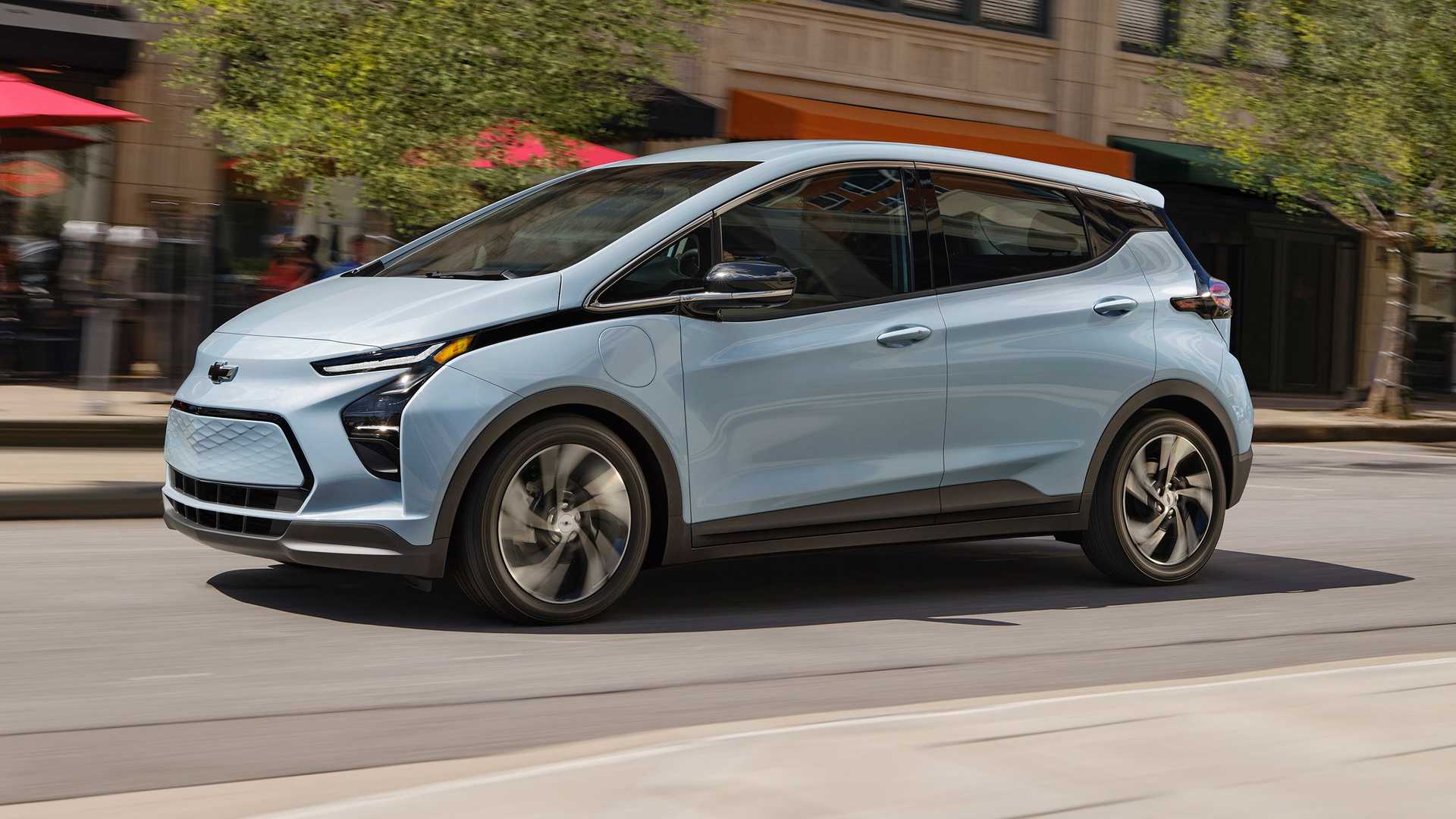
8. Chevrolet Bolt EUV
Like other EVs, the Bolt EUV is a natural fit for stop-and-go traffic. Its instant power delivery, regenerative braking, and one-pedal driving mode make crawling through urban jams almost effortless.
The compact size also makes it easier to navigate and park in crowded cities, while its quiet operation adds to overall comfort.
For 2023, the Chevrolet Bolt EUV gets a fresh Redline Edition package, available on both the LT and Premier trims. Choosing the Redline Edition swaps out the Bolt EUV’s usual chrome exterior accents for glossy black trim and adds exclusive wheels featuring a red stripe for a sportier look.
But the bigger news is the significant price cut across both the Bolt EUV and its hatchback counterpart, the Bolt EV — entry prices have dropped by $6,300 this year. Sadly, 2023 marks the final model year for the Bolt, as General Motors is repurposing the factory to build electric Silverado and Sierra pickups instead.
Every Bolt EUV is powered by the same 200-horsepower electric motor with front-wheel drive; there’s no all-wheel-drive option. Thanks to the instant torque that electric motors deliver, acceleration feels lively.
Regenerative braking supports one-pedal driving while helping recoup energy to extend driving range. Though it’s not the fastest electric SUV out there, the Bolt EUV recorded a solid 6.8 seconds to 60 mph at our test track. Its handling is competent but not exactly thrilling, and the ride quality remains comfortable, even on rough roads.
Also Read: 12 Cars That Went From Unpopular to Everyday Sight
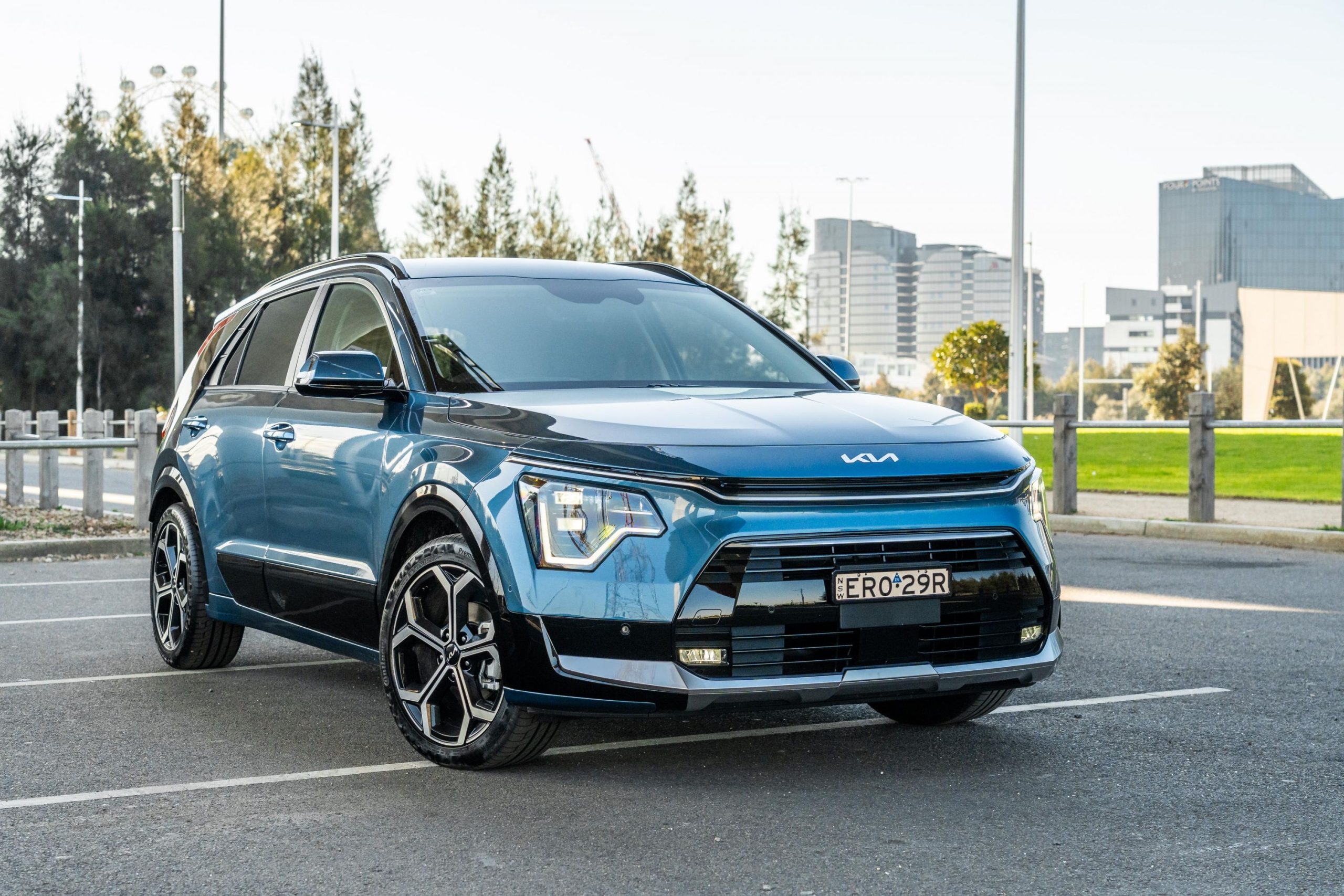
9. Kia Niro Hybrid
The Kia Niro Hybrid offers a city-friendly footprint and an efficient hybrid powertrain that’s ideal for stop-and-go conditions. Its smooth transition between electric and gasoline power avoids the jerky feel that plagues some hybrids. The cabin is comfortable and tech-filled, making slow commutes more bearable.
The Niro Hybrid packs a modest 139 horsepower from its 1.6-liter four-cylinder engine paired with an electric motor. It’s got a six-speed dual-clutch automatic transmission and comes only in front-wheel drive. The plug-in hybrid steps up the power to 180 horsepower with a beefier electric motor, so it’s noticeably quicker off the line.
The plug-in hybrid has an 11.1-kWh battery good for about 33 miles of pure electric driving. Hook it up to a Level 2 charger and you’re back to full charge in under three hours. On the highway, our real-world test saw it cruise 25 miles on electricity before the gas engine kicked in.
Inside, the Niro nails a modern vibe with a sculptural dashboard and eco-friendly materials like eucalyptus fibers and recycled plastics. Space is cozy but practical, it fits four adults comfortably.
The cargo area handles a hefty grocery haul: 8 carry-on suitcases behind the rear seats, and 20 with those folded down in the hybrid. The plug-in hybrid loses a bit of cargo room to the battery but still manages 6 carry-ons behind the seats and 18 total with them folded.
The rotary shift knob gives a classy nod to Kia’s upscale Genesis line, and ambient lighting keeps things feeling fresh.
10. Honda CR-V Hybrid
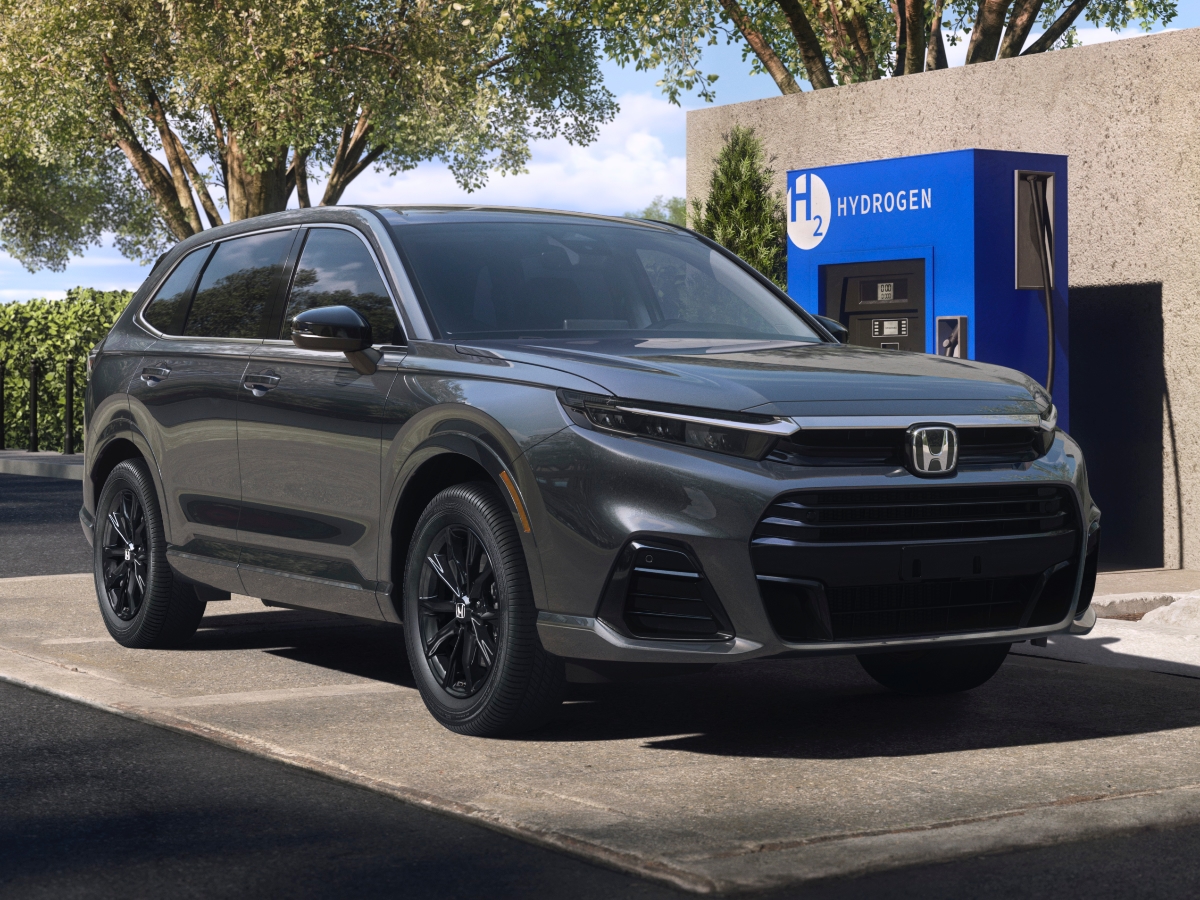
The CR-V Hybrid combines Honda’s well-regarded reliability with a hybrid system tuned for urban driving. It frequently operates in EV mode at low speeds, reducing noise and fuel use.
The ride quality stays composed even on bumpy city streets, and the interior is spacious enough to keep passengers comfortable during long delays.
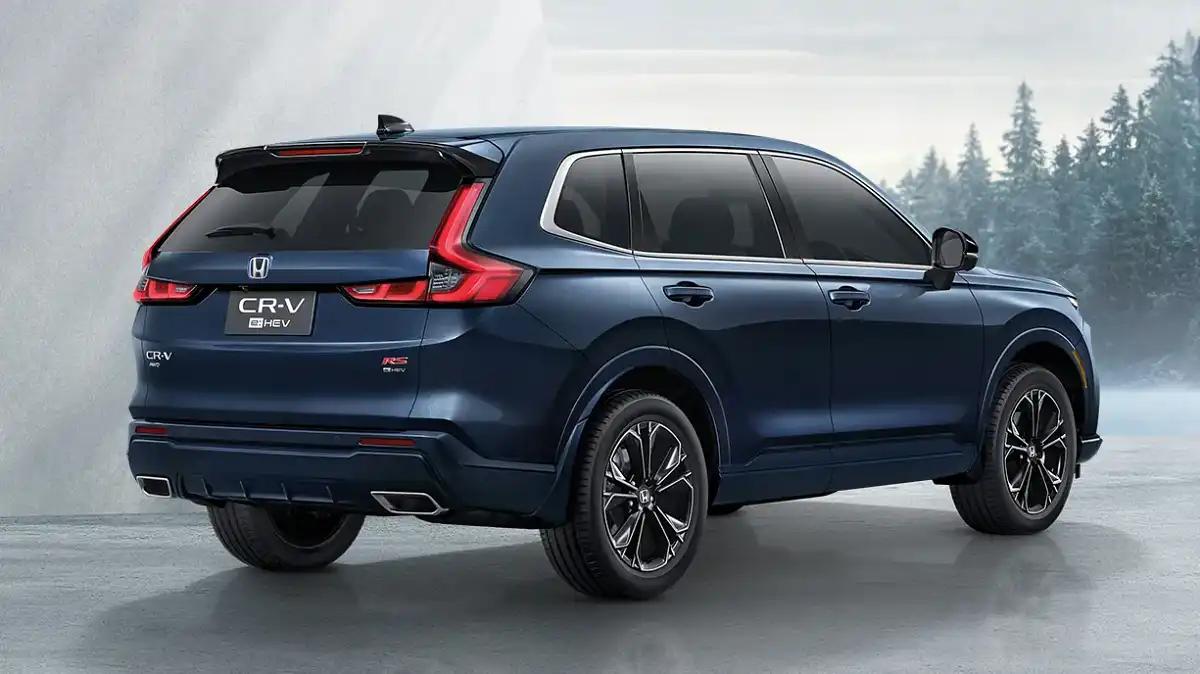
The 2025 Honda CR-V Hybrid continues to set the benchmark for compact hybrid SUVs by delivering a well-rounded package of practicality, efficiency, and refinement. It offers more power and better fuel economy than the nonhybrid CR-V, with only a slight compromise in cargo space due to the hybrid battery placement.
The front-wheel-drive model achieves an impressive 40 mpg combined rating, while the all-wheel-drive version dips slightly to 37 mpg, both of which are excellent for a vehicle of this size. The hybrid powertrain feels smooth and responsive, making the CR-V Hybrid enjoyable to drive compared to some sluggish competitors.
Pricing ranges from $36,100 for the base Sport trim to $42,550 for the fully loaded Sport Touring. The Sport-L trim, priced at $39,100, is the sweet spot, offering a strong balance of value and features without the steep price jump of the top-tier model.
All-wheel drive is available as a $1,500 option on the Sport and Sport-L trims and comes standard on the Sport Touring. While the Sport Touring’s long list of amenities is tempting, its higher price can be tough to justify for many buyers.
Stop-and-go traffic is one of the toughest tests for any car. Engines must avoid overheating, transmissions must shift smoothly, and drivers need comfort and features that reduce stress.
These ten vehicles are proven to handle the daily grind without fuss, making them excellent choices for US drivers who spend a lot of time crawling through congestion.
Whether you prefer a traditional gas sedan, a fuel-sipping hybrid, or a smooth electric vehicle, each of these models is built to endure the urban traffic test.