Driving for Uber, Lyft, or any other rideshare service means your car isn’t just transportation it’s your workplace.
The vehicle you choose directly impacts your earnings, passenger satisfaction, and your ability to keep working without constant repairs eating away at profits.
In the US, rideshare cars often rack up high mileage quickly, with drivers easily hitting 40,000–60,000 miles a year.
That’s why durability, comfort, and cost-effectiveness matter just as much as fuel economy. Here are eight cars that can handle the wear and tear of rideshare life without falling apart.
1. Toyota Camry
The Toyota Camry is a top pick for many rideshare drivers thanks to its near-bulletproof reliability and smooth, quiet ride.
With proper maintenance, it’s common to see Camrys exceed 300,000 miles without major repairs.
The interior is roomy enough for passengers to sit comfortably, and the trunk can easily handle luggage for airport runs. Its hybrid variant offers excellent fuel savings for city-heavy driving.
Toyota is gearing up to drop a new Camry, and the biggest news is that for the first time, the hybrid version will come with all-wheel drive.
That’s a smart move, especially since AWD hybrids are becoming a must-have in this segment and can give Toyota an edge over rivals like the Honda Accord.
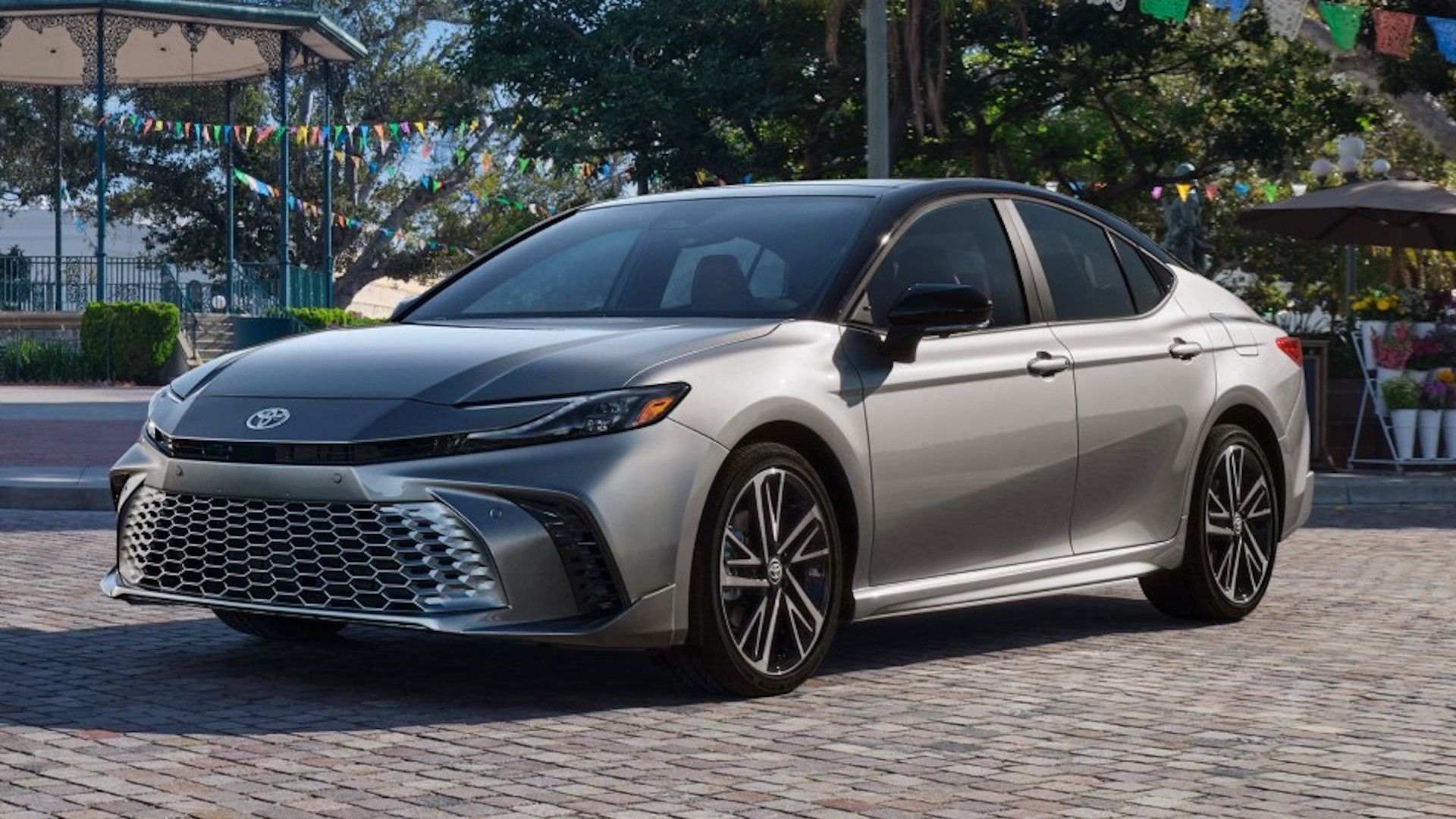
Under the hood, expect the carryover of the current 208-horsepower 2.5-liter hybrid engine, but Toyota might also introduce a turbocharged 2.4-liter hybrid setup from its Crown model to offer a more powerful option.
Gas-only versions won’t vanish but will likely stay basic to keep entry prices competitive, and don’t expect a full electric Camry anytime soon, Toyota’s EV plans are still focused elsewhere for now.
Styling-wise, the new Camry is expected to push the sporty envelope even further, borrowing cues from recent Toyota models like the Prius and Crown. The design should be sharper and more aggressive, aiming to keep the Camry relevant in a market increasingly dominated by SUVs and crossovers.
Rumors of a sportier TRD or even a high-performance GR Camry are making rounds, which could inject some much-needed excitement into the lineup and attract buyers who want a sedan with some real pep.
Also Read: 5 Trucks With the Best Factory Docking Stations and 5 Bare Consoles
2. Honda Accord
The Honda Accord is another midsize sedan that delivers on durability. Its responsive handling makes it easy to navigate through busy city streets, while its spacious cabin keeps riders comfortable.
Many rideshare drivers appreciate that parts are widely available and relatively inexpensive in the US, which helps keep maintenance costs low over the long haul.
While many car manufacturers have either cut back on or completely dropped sedans from their lineups, the Honda Accord stands out as a top contender in the midsize sedan arena. Unlike rivals such as the Toyota Camry, which has gone all-in on hybrid-only models, the Accord keeps things flexible by offering a wider range of trims and powertrain options.
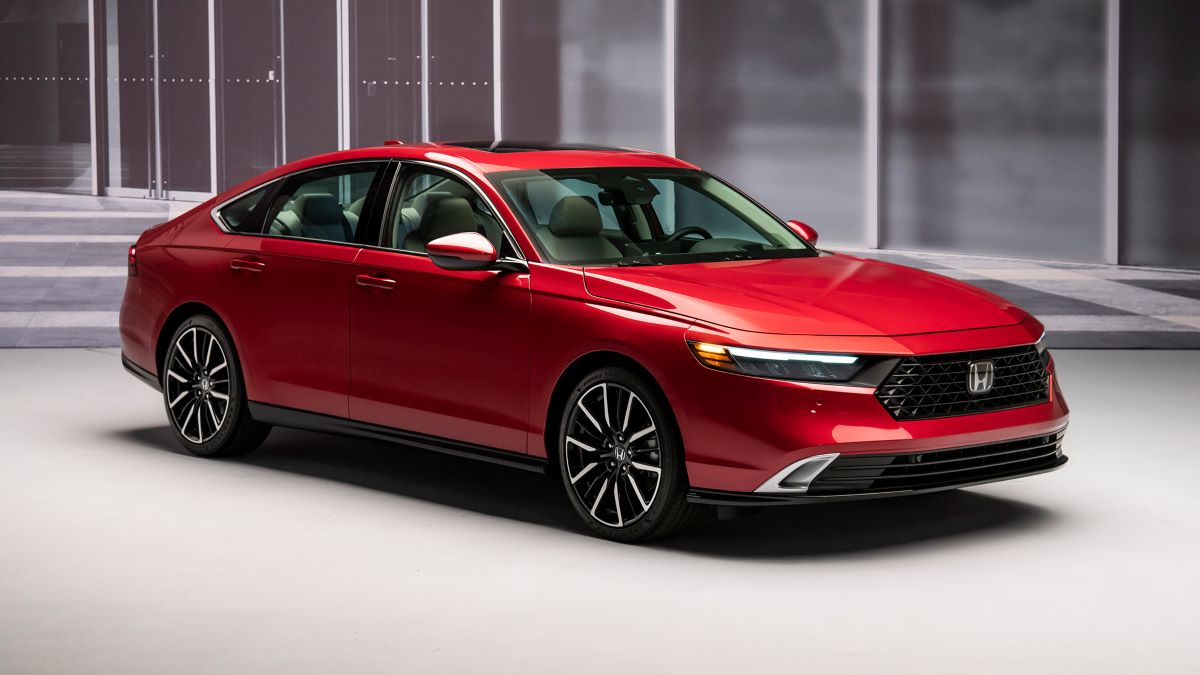
The 2025 Accord comes in six different trims: LX, SE, Sport Hybrid, EX-L Hybrid, Sport-L Hybrid, and Touring Hybrid, making it attractive to a broader spectrum of buyers. Pricing, including destination fees, starts at $29,445 for the LX trim and climbs up to $40,450 for the Touring Hybrid.
Under the hood, the LX and SE trims are powered by a 1.5-liter turbocharged four-cylinder engine that delivers 192 horsepower, routed through a continuously variable automatic transmission (CVT) to the front wheels.
Meanwhile, the hybrid versions also feature front-wheel drive but pair a 2.0-liter four-cylinder engine with an electric motor, producing a combined 204 horsepower and boasting up to 44 mpg combined.
Unlike the Camry, the Accord doesn’t offer all-wheel drive, but where it shines is in its solid fuel efficiency, spacious comfort, and genuinely enjoyable driving dynamics.
Thanks to its variety of trims and powertrains, the 2025 Accord covers all the bases, from the base models that emphasize value and fuel economy, to the hybrids that bring in upgraded technology and stronger performance. Below is a detailed breakdown of what each trim offers, along with their pricing at the time of publication.
3. Toyota Prius
For drivers focused on fuel savings without sacrificing longevity, the Toyota Prius is a standout.
Its hybrid system has proven remarkably reliable, and it’s especially ideal for urban rideshare work where stop-and-go traffic would eat into the efficiency of a gas-only vehicle.
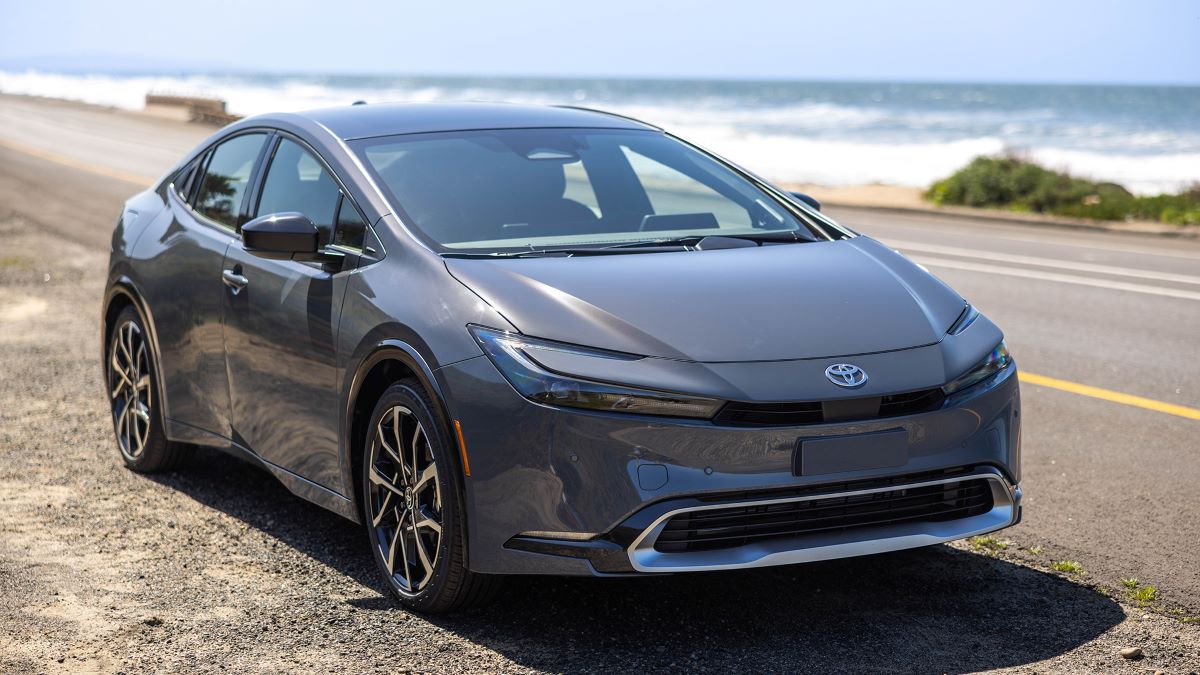
While the rear seat space isn’t as generous as larger sedans, the fuel savings often make up for it. Now in its fifth generation, the Prius has achieved something it never managed before: it looks genuinely fantastic.
Once criticized for its quirky, unconventional design, the Toyota Prius now sports a sleek, rakish appearance, thanks to its sharply swept-back roofline and wide stance. Just keep in mind that rear visibility remains limited, much like the previous generation.
Driving the new Prius is a noticeably better experience as well. As we highlighted in our First Drive, the car’s passing power has been boosted by a stronger engine and motors. The transmission shifts smoothly, helping to offset the somewhat average ride quality and the road noise that can creep into the cabin at higher speeds.
The brakes feel almost entirely natural, coming close to what you’d expect in a traditional non-hybrid vehicle. And of course, the Prius’ impressive fuel economy and extended driving range remain hard to beat.
Toyota pairs a 2.0-liter naturally aspirated four-cylinder engine with an electric motor, producing a combined 194 horsepower in the front-wheel-drive models. The all-wheel-drive versions add a second motor in the rear, bumping the horsepower slightly to 196.
In a 2023 Prius XLE, we clocked a 0-60 mph time of 7.2 seconds, a massive leap forward from the previous generation’s sluggish 9.8 seconds. Toyota claims fuel efficiency can reach up to 57 mpg combined, with driving ranges varying between 554 and 644 miles depending on the configuration.
Adding to the standard Prius hybrid lineup, Toyota has rolled out a brand-new Prius Prime that shares the same striking design. The electric-only range jumps to roughly 37 miles, and total power output surges by nearly 100 horsepower to reach 220 hp.
This makes the Prius Prime the fastest model in the Prius family, with a Toyota-claimed 0-60 mph sprint of 6.6 seconds. While Toyota equips the Prime with unique wheels, distinctive taillight designs, and a sportier interior, it carries over most of its technology and safety features from the conventional hybrid version.
4. Hyundai Elantra
The Hyundai Elantra offers an excellent balance of affordability and reliability. Recent models have improved significantly in build quality, and Hyundai’s long warranty is a huge plus for rideshare drivers putting in high annual mileage.
The Elantra’s comfortable ride and easy-to-use tech features, like Apple CarPlay and Android Auto, also add to the passenger experience.
The 2025 Hyundai Elantra is the South Korean brand’s compact sedan, positioned just below the midsize Sonata. But once you step inside, you might be surprised by how spacious a “small” sedan feels these days. Even rear passengers get plenty of legroom.
The Elantra stands out with its bold styling, a wealth of features for the price, a lengthy warranty, and a varied lineup that includes the fuel-efficient Elantra Hybrid as well as the sporty Elantra N.
Compact sedans like the 2024 Hyundai Elantra often get pigeonholed as basic transportation, perfect for first-time buyers, fuel-efficient, and easy to maneuver in tight spots.
But the Elantra goes beyond just the essentials. Its sharp, eye-catching exterior design stands out in a crowded segment, while the interior offers surprisingly roomy space, especially in the back seat. Plus, the available hybrid model cements its reputation as a fuel-sipping champion.
The base powertrain is a naturally aspirated 2.0-liter four-cylinder engine that’s a bit underwhelming in terms of excitement, but the sportier N-Line model spices things up with a turbocharged 1.6-liter four-cylinder engine. Still, none of the Elantra trims are heart-racers.
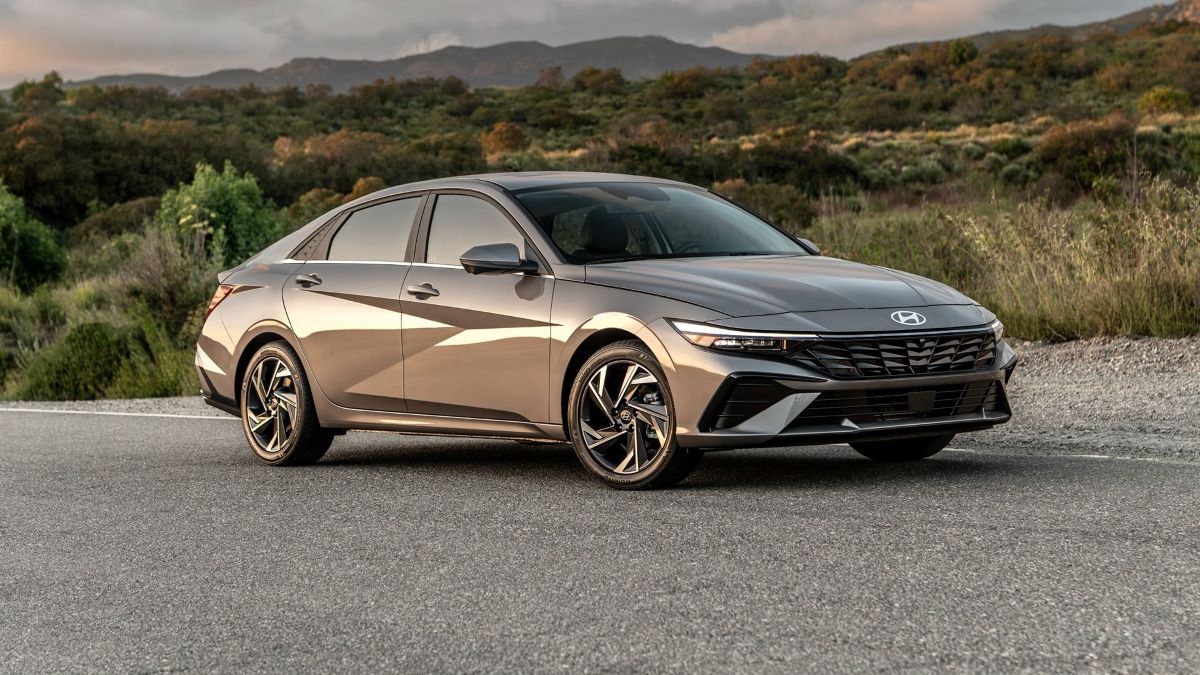
Compared to rivals like the Honda Civic and Mazda 3, the Elantra’s handling and steering feel less sharp and less engaging. For those craving real performance thrills, the Elantra N is the pick, though it comes with a heftier price tag.
For 2024, Hyundai refreshed the Elantra’s look with a sharper front end, updated exterior lighting, and new wheel designs. The color palette expanded to include bold choices like Exotic Green and Ultimate Red. Safety also got a boost: rear side-impact airbags and a rear-seat seatbelt reminder are now standard across all trims.
Driver aids such as lane-keeping assist, blind-spot monitoring, and rear cross-traffic alert still come standard but now feature haptic feedback through the steering wheel, improving driver awareness without being intrusive.
Pricing for the 2024 Elantra ranges from $22,775 up to $30,600 depending on trim and options. The midrange SEL trim offers the best balance of price and features, adding conveniences like a hands-free trunk release and SiriusXM radio over the base SE.
Opting for the SEL also unlocks appealing option packages, like the SEL Convenience package, which bundles a large digital gauge cluster, a bigger touchscreen with navigation, adaptive cruise control, leather-wrapped controls, wireless phone charging, and heated seats and mirrors.
Under the hood, the SE and SEL trims house a modest 2.0-liter four-cylinder engine producing 147 horsepower and 132 pound-feet of torque, adequate but not thrilling.
The N-Line’s turbocharged 1.6-liter engine ups the output to 201 horsepower and 195 pound-feet of torque, delivering livelier acceleration. Hybrid variants use a 1.6-liter four-cylinder paired with an electric motor for a combined 139 horsepower but torque matching the N-Line’s 195 pound-feet.
While the SE and SEL rely on a continuously variable transmission (CVT), the sportier N-Line and hybrid models are equipped with a dual-clutch transmission (DCT)—seven-speed for the N-Line and six-speed for hybrids.
The N-Line strikes a neat balance for those wanting some zip without paying for the full-on Elantra N, which is much pricier. In tests, the Elantra clocked 0-60 mph in 8.1 seconds, with the hybrid version trailing just behind at 8.4 seconds.
Fuel economy remains a strong suit for the Elantra. The EPA rates the base 2.0-liter at up to 33 mpg city and 42 mpg highway, while the turbocharged N-Line scores 28 mpg city and 36 mpg highway. The hybrid is the most efficient, rated at 53 mpg city and 56 mpg highway.
However, in real-world highway testing at 75 mph, the hybrid managed 48 mpg and the nonhybrid Limited trim hit 38 mpg. By comparison, the Toyota Corolla hybrid achieved 56 mpg under the same conditions.
Inside, the Elantra’s futuristic cabin matches its bold exterior. The driver-oriented dashboard and center console wrap around the driver, while the passenger side keeps things minimalist.
A thin LED strip runs across the dashboard, adding a modern touch. Rear-seat space is generous for a compact car, making the Elantra competitive with larger rivals like the Nissan Sentra and Volkswagen Jetta.
Don’t expect luxury materials, though, hard plastics dominate, which is common at this price point. The trunk space is decent too, comfortably fitting six carry-on suitcases.
Tech-wise, the Elantra offers an optional dual-screen setup with a 10.3-inch digital instrument cluster paired with a 10.3-inch infotainment touchscreen perched atop the dash. The base trim comes with an 8-inch infotainment screen and traditional analog gauges.
Hyundai’s latest infotainment system supports Apple CarPlay, Android Auto, and built-in Wi-Fi as standard, along with a voice recognition system that controls climate and heated seats with simple commands. The base stereo features six speakers, while Limited and N-Line trims get an upgraded eight-speaker Bose sound system.
Safety features are robust and plentiful across the lineup. Standard gear includes automated emergency braking with pedestrian detection, lane-departure warning and lane-keeping assist, with adaptive cruise control featuring lane-centering available on higher trims.
Hyundai’s strong safety suite, combined with solid crash-test scores, rounds out the Elantra’s package well.
Finally, Hyundai backs the Elantra with its renowned 10-year/100,000-mile powertrain warranty—the best in the compact car segment.
They also throw in three years of complimentary scheduled maintenance, which is a nice bonus that competitors rarely match. The limited warranty covers five years or 60,000 miles, while the powertrain coverage extends to a decade or 100,000 miles.
5. Kia Forte
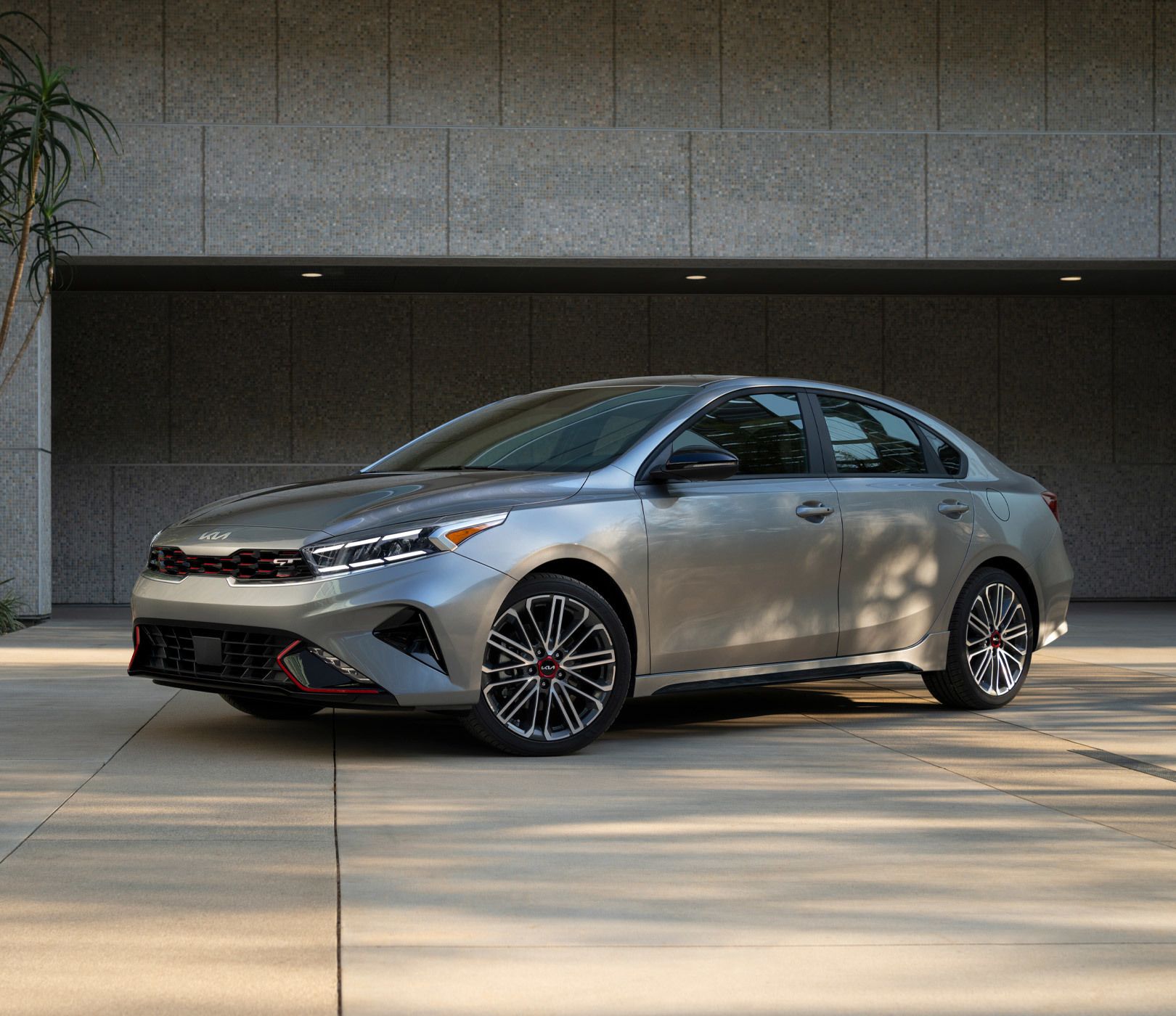
Kia has come a long way in terms of quality and durability, and the Forte is proof of that. It’s affordable, fuel-efficient, and backed by one of the longest warranties in the industry.
While it’s a compact sedan, the interior space is generous enough for most rideshare needs, making it a smart choice for budget-conscious drivers.
The Kia Forte looks sporty and sharp, but don’t let its aggressive styling fool you, its biggest strength isn’t how thrilling it is behind the wheel, but how friendly it is to your wallet. Under the hood, you get a modest 2.0-liter four-cylinder engine paired with front-wheel drive as standard.
It’s perfectly capable for everyday city driving, but if you want a bit more excitement, the GT model steps things up. The GT amps up the Forte’s sporty look and swaps in a turbocharged 1.6-liter four-cylinder engine, available with either a dual-clutch automatic or a six-speed manual transmission.
While that turbocharged engine delivers more punch, the GT’s chassis tuning doesn’t quite match the sharper handling of sport sedans like the VW Jetta GLI or Honda Civic Si.
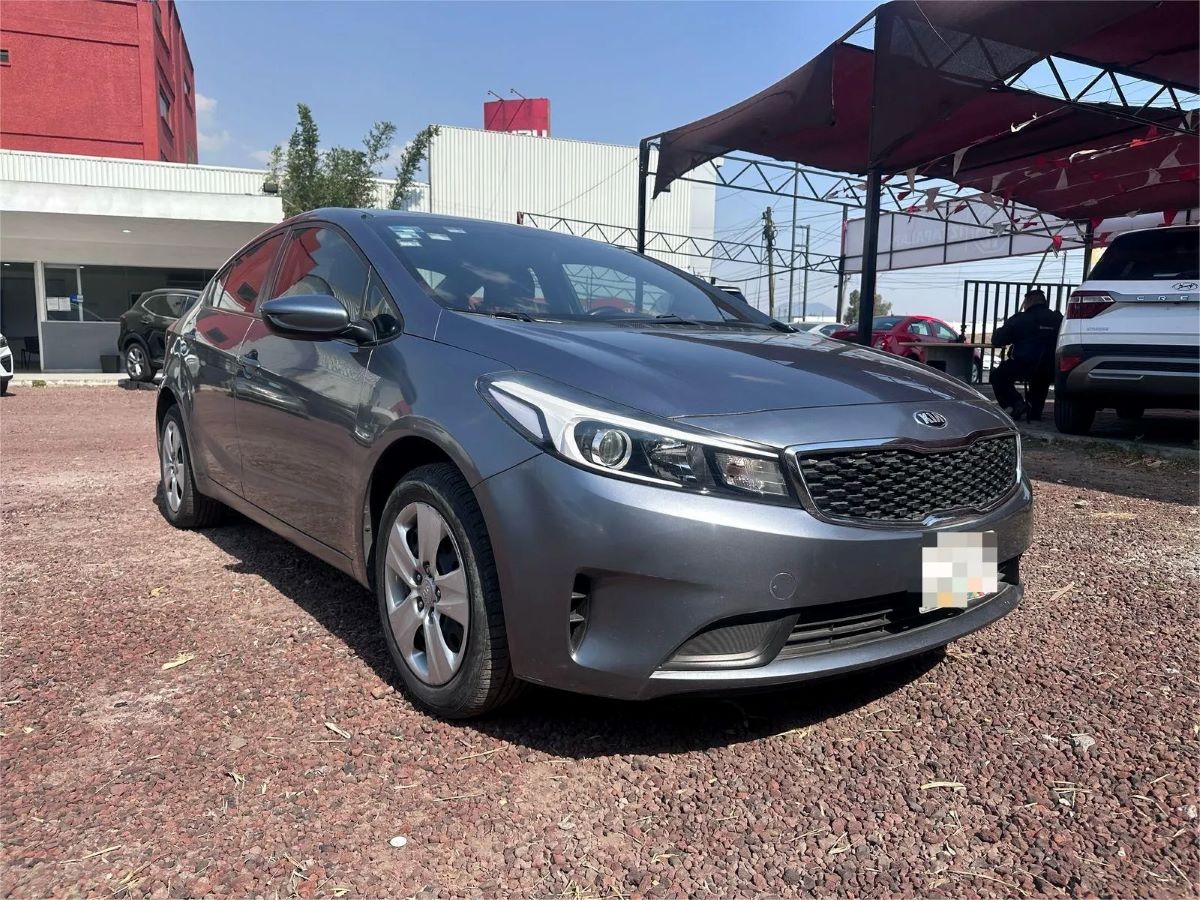
What the Forte lineup truly offers is excellent value, packed with a solid list of standard features across four sleek trim levels, all at impressively low prices. Plus, its powertrain warranty outshines even BMW’s and Mercedes-Benz’s.
The 2024 Forte arrives with no major changes from last year’s model. The GT remains the sporty standout, and the base LX keeps its attractively low starting price.
Our pick is the GT model, which ditches the standard continuously variable automatic transmission (CVT) in favor of either a seven-speed dual-clutch automatic or a six-speed manual. We’d go for the manual, it costs $700 more than the DCT but offers far better driver engagement.
You won’t need many extras because the Forte GT comes well-equipped, with its 201-horsepower turbocharged four-cylinder delivering much quicker acceleration, plus attractive features like 18-inch wheels, sport seats, ambient interior lighting, and a wireless smartphone charging pad.
Also Read: 10 SUVs That Were Popular but Suddenly Disappeared
6. Chevrolet Malibu
The Chevrolet Malibu is a solid American-made choice that provides a smooth ride and a quiet cabin qualities passengers appreciate during longer trips.
It’s less expensive to insure than some imports and offers decent fuel economy for its size. Reliability has improved in recent years, making it a more viable long-term rideshare option than it once was.
The Chevrolet Malibu has been a decent choice for midsize sedan buyers over the years, or at least something you’d be fine renting if needed.
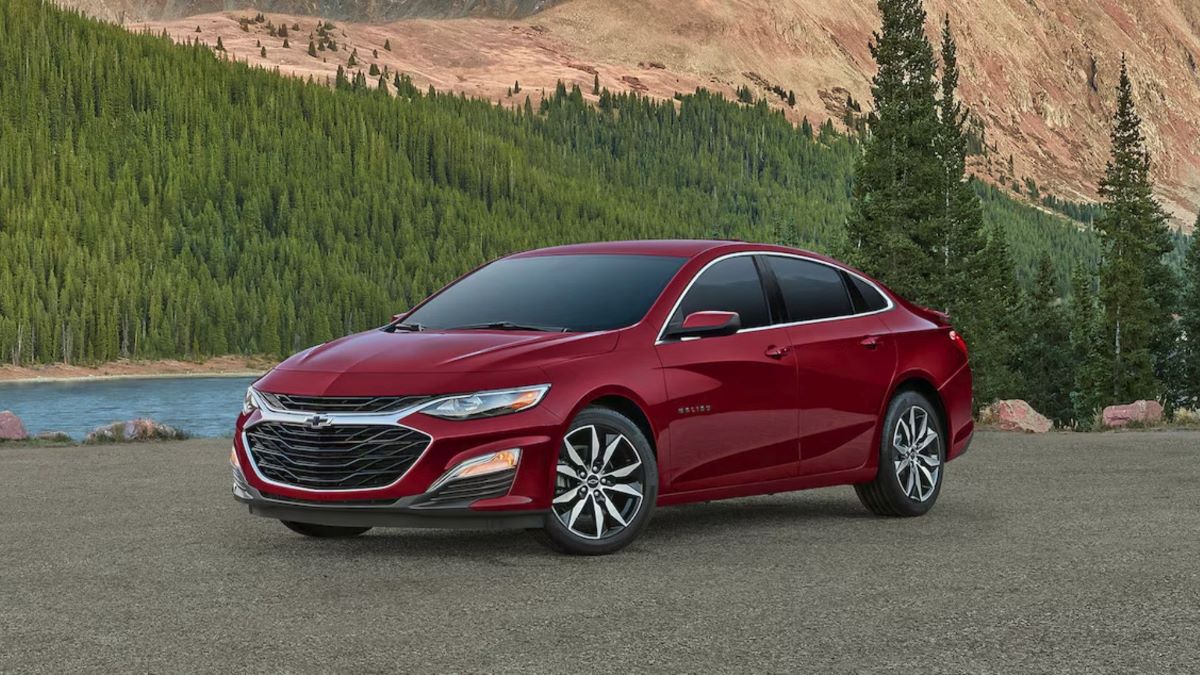
But after the 2025 model year, Chevy is pulling the plug on its last sedan. The current Malibu hasn’t seen a redesign since 2016, and it’s starting to show its age, falling behind more competitive options.
While the Malibu has some perks, plenty of other sedans offer way more. Its touchscreen is easy to use, but that’s mostly because it’s outdated and lacks many features found in newer systems.
It’s not just the infotainment, competitors pack in better driver assistance, more safety tech, and extra convenience features. Plus, many rivals offer hybrid models for better fuel economy or stronger engines for a sportier drive. The Malibu, unfortunately, doesn’t offer either
7. Honda Civic
The Honda Civic is a favorite for its versatility, low operating costs, and impressive longevity. Whether you choose the sedan or hatchback version, the Civic’s build quality and fuel efficiency are hard to beat.
Many drivers note that Civics remain tight and rattle-free even after well over 150,000 miles of heavy use.
An icon of reliable, affordable transportation, the Honda Civic is now at its best yet. The current 11th-generation Civic launched for the 2022 model year, available as both a sedan and a hatchback.
Since it’s still fresh on the scene, the 2023 model remains mostly unchanged, except for the arrival of the sporty Civic Type R.
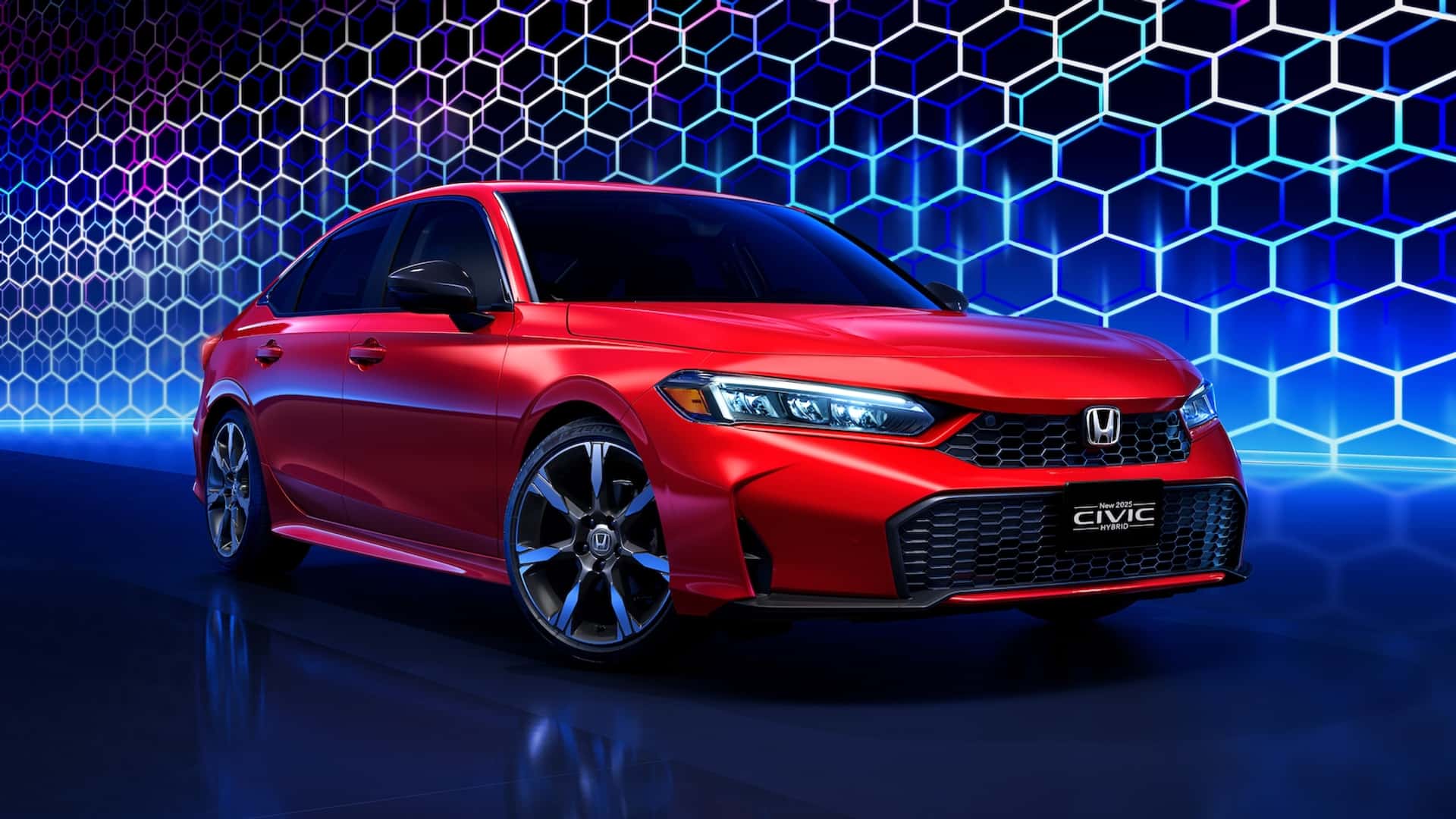
Honda didn’t have to make the Civic this good. At this point, the name alone would carry it even with average styling and handling. But this Civic exceeds expectations, delivering an excellent all-around package that truly lives up to its legacy.
All the familiar Civic strengths remain intact. It’s still value-packed, fuel-efficient, and high-quality. Safety and tech features have moved toward the front of the class as well.
Styling and driving dynamics have never been better. The Civic looks more mature and refined compared to the last generation’s busy design, while the interior strikes a perfect balance between style and usability.
Though not a speed demon, its ride and handling feel well-sorted and engaging, easy enough for daily driving but with just enough enthusiasm to keep things fun.
8. Toyota Corolla
The Toyota Corolla is one of the most reliable compact sedans ever made, and it’s been a staple in the rideshare world for years.
It’s inexpensive to run, easy to maintain, and delivers consistently high fuel economy. The Toyota Corolla is so common it feels like everyone has either owned one or knows someone who has.
Since its debut in the early 1970s and now through 12 generations, the Corolla remains the go-to for affordable, reliable, and straightforward transportation. It’s not flashy, and that’s exactly the point.
The 2025 Corolla sticks to the same formula with little change, but a redesign is definitely coming down the line. Likely fresh styling, an updated interior, and added technology to keep pace with the growing competition in the compact car segment.
Meanwhile, you might want to check out the new-for-2025 FX Special Edition. Based on the SE trim, it adds a rear spoiler, lowering springs, 18-inch black-painted alloy wheels, and blacked-out exterior trim for a sportier look.
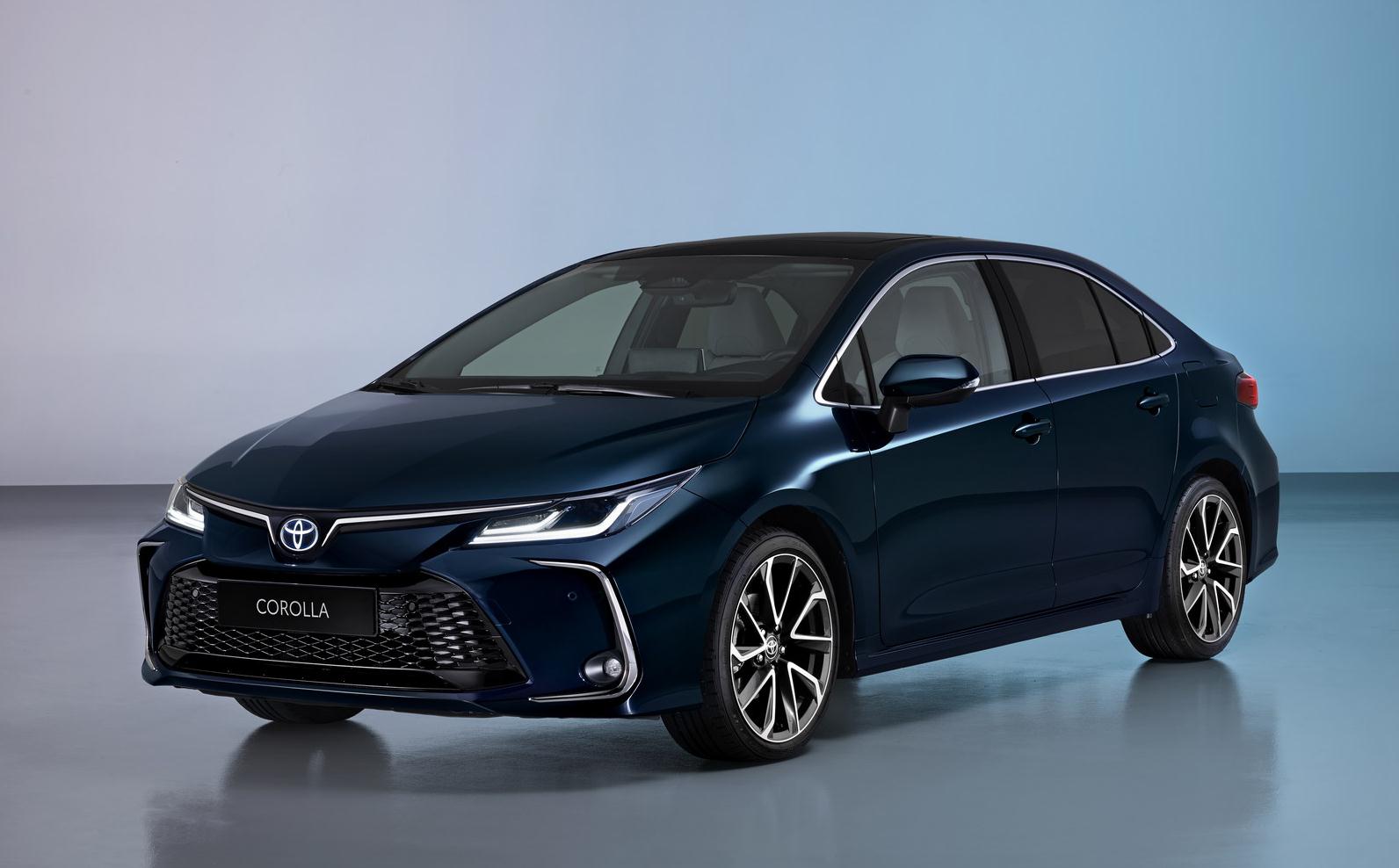
While it’s not as spacious as a Camry, its reputation for lasting hundreds of thousands of miles with minimal issues makes it a safe investment for high-mileage work.
When it comes to rideshare driving in the US, your car is both your income source and your business expense.
Choosing a vehicle with proven reliability, low maintenance costs, and strong resale value will protect your earnings in the long run.
These eight models have a track record of surviving the high-mileage grind without falling apart and that peace of mind can be just as valuable as your next fare.