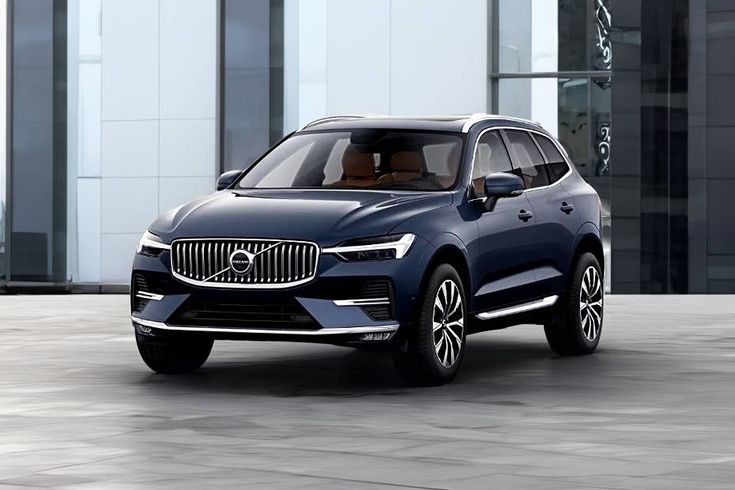
For true automotive enthusiasts, climate control is not just about comfort. It is about ensuring that every drive, from the dead of winter to the height of summer, is an experience without compromise.
Few things can sour a road trip faster than a heater that blows cold air in January or an air conditioner that fails under the July sun. Reliable climate controls are the silent guardians of your driving enjoyment, quietly maintaining the perfect environment so you can focus on the road ahead.
Modern vehicles often feature advanced dual-zone or even tri-zone systems, capable of customizing temperature and airflow for each passenger.
In well-engineered models, these systems work flawlessly year after year, proving that climate comfort is as important as horsepower or handling. On the other hand, poorly designed or cheaply built climate systems can be a nightmare. Broken blend doors, leaking condensers, failed compressors, and glitchy control panels can transform your dream car into an oven or an icebox.
This is not simply about luxury; it is about reliability and engineering integrity. A dependable climate system is part of a vehicle’s identity. Whether it is a luxury sedan cruising cross-country or a rugged SUV tackling snow-covered mountain passes, the ability to keep its occupants comfortable matters.
Today, we will explore two sides of this story. First, five vehicles that excel with climate systems you can count on for years. Then, five that have left too many owners frustrated, shivering, or sweating while reaching for the repair manual.
The goal is not only to celebrate the best but also to caution against models where climate control has been an Achilles’ heel. After all, comfort is not optional when you love driving as much as we do.
5 Vehicles With Reliable Climate Controls
Some cars and trucks simply get it right when it comes to climate comfort. They deliver consistent heating and cooling year after year, even after hundreds of thousands of miles. These vehicles often feature robust components, intelligent air distribution, and cabin insulation that enhances the system’s efficiency.
Whether you are stuck in traffic on a sweltering afternoon or navigating icy backroads in January, these climate control champions keep their promise. Owners of these models frequently report little to no trouble with air conditioning or heating systems, even on older, high-mileage examples.
This level of dependability not only improves day-to-day comfort but also saves thousands of dollars in repair costs over the life of the vehicle. They prove that durability in climate systems is no accident; it is the result of thoughtful engineering and quality manufacturing. Here are five vehicles that stand as benchmarks for climate reliability.
ALSO READ: 5 Cars With Durable Cup Holders vs 5 That Break Easily
1. Toyota Camry (2012–2022)
The Toyota Camry’s reputation for all-around dependability extends directly to its climate control system. Across multiple generations, Toyota has consistently engineered the Camry with HVAC components that rarely fail, even in high-mileage cars.
The automatic climate control in higher trims and the manual systems in base models both deliver steady, even airflow that warms quickly in winter and cools efficiently in summer.
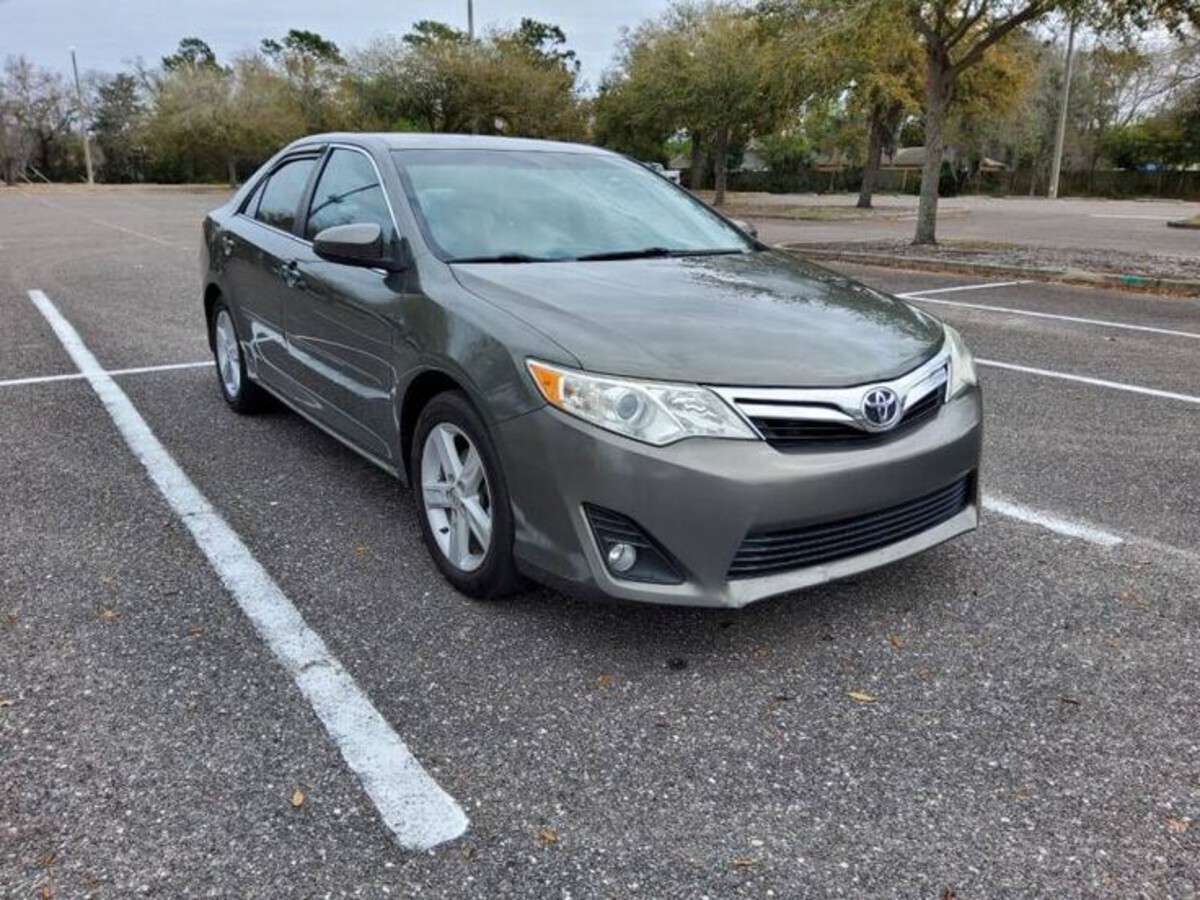
Part of the Camry’s success lies in Toyota’s use of quality compressors, durable blend door actuators, and reliable electronics that manage airflow distribution.
Many owners in hot climates report that the A/C continues blowing ice-cold air after a decade of service without any major repairs. Similarly, those in cold-weather regions praise the quick warm-up time and the ability to defog windows rapidly, which adds to safety as well as comfort.
Toyota also engineered the system to be easy to maintain. Cabin air filters are simple to replace, and refrigerant lines are routed in a way that reduces the risk of leaks. The overall insulation of the cabin helps maintain temperature, meaning the system does not have to work as hard to keep conditions perfect.
In the used market, this reliability is a selling point. Buyers often note the absence of climate-related repair history in well-kept Camrys, making them a smart choice for anyone seeking year-round comfort without the fear of sudden A/C or heater failure. Simply put, the Camry proves that Toyota’s reliability extends far beyond the engine bay.
2. Honda CR-V (2013–2021)
The Honda CR-V has long been a family favorite for its spacious interior, solid fuel economy, and exceptional reliability, and its climate control system is no exception. Whether equipped with manual dials or dual-zone automatic controls in higher trims, the CR-V’s HVAC system consistently delivers balanced and powerful airflow to every seat in the cabin.
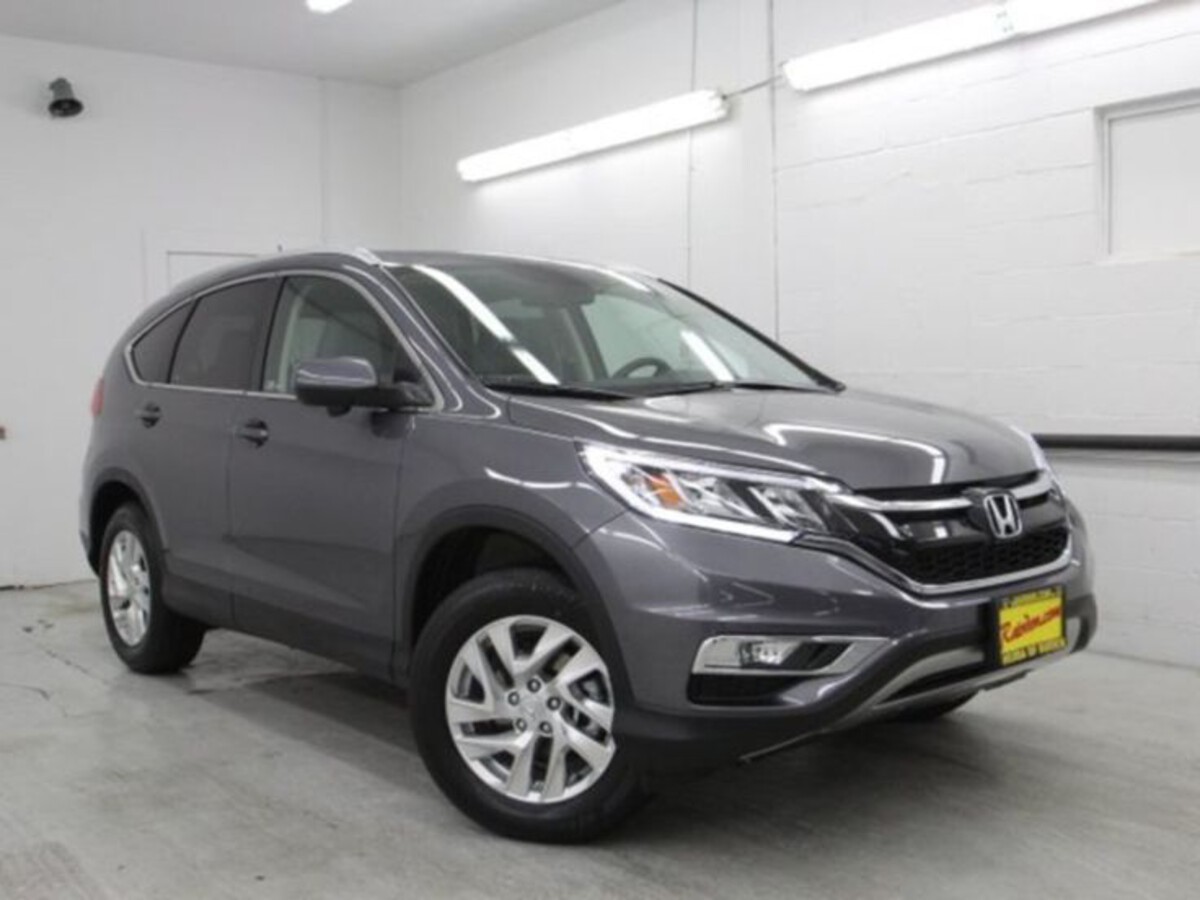
Owners praise the speed at which the system responds, quickly cooling the cabin during sweltering summer days and warming it efficiently in the cold. Honda’s engineering includes robust condensers, high-quality compressors, and blend doors that rarely stick or break. Unlike some competitors, the CR-V’s heater core design minimizes the risk of clogging, which means warm air flows consistently even in older models.
The interior layout also contributes to climate comfort. Vents are strategically positioned for even coverage, and rear passengers benefit from well-placed ducts that prevent them from feeling left out during extreme weather. The cabin insulation works hand-in-hand with the HVAC system to maintain a stable temperature without overtaxing components.
In regions with extreme climates, this reliability becomes invaluable. A CR-V owner in Arizona can rely on their A/C to endure the summer heat, while a driver in Minnesota knows their heater will not leave them stranded in subzero conditions. For used car buyers, the CR-V’s track record in climate control performance is another reason it consistently ranks among the most dependable compact SUVs available.
3. Lexus RX (2010–2020)
Luxury vehicles are expected to excel in climate comfort, and the Lexus RX delivers exactly that. From its dual-zone automatic climate control to available tri-zone systems, the RX’s HVAC setup is built to provide quiet, seamless temperature regulation for years.
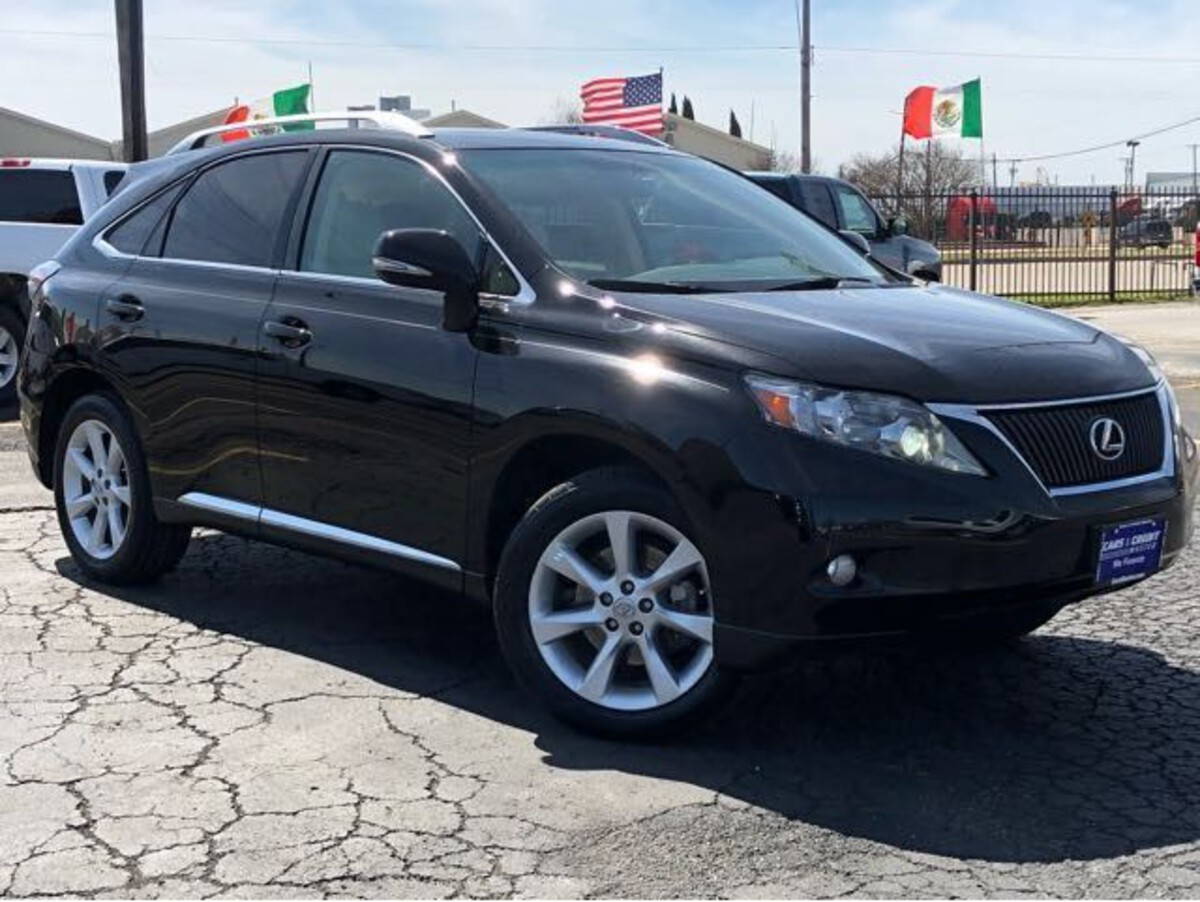
Lexus designs its systems with premium components, including variable-speed fans, high-grade compressors, and electronically controlled vents that direct airflow precisely. Owners often report that even after 150,000 miles, their RX still cools and heats as if it were new. This is partly due to Lexus’ meticulous assembly standards, which ensure airtight seals and well-routed refrigerant lines.
Noise levels are another strength. The RX’s fans operate quietly without sacrificing power, maintaining a serene cabin atmosphere. The system also responds quickly to temperature changes, a must-have for drivers moving between climates or facing sudden weather shifts.
Durability is further enhanced by Lexus’ commitment to preventive design. The climate system is resistant to common failures like evaporator leaks or actuator malfunctions, problems that plague many other luxury SUVs. Combined with the vehicle’s plush interior and sound insulation, the RX creates a cocoon-like environment that remains comfortable regardless of what is happening outside.
For anyone seeking a dependable luxury SUV that does not just promise comfort but delivers it year after year, the Lexus RX sets a high standard.
4. Subaru Outback (2015–2022)
The Subaru Outback is beloved for its go-anywhere capability, but its climate system is just as ready for adventure as its drivetrain. Whether you are tackling a snowy mountain pass or crossing a sunbaked desert highway, the Outback’s climate controls are engineered to perform reliably.
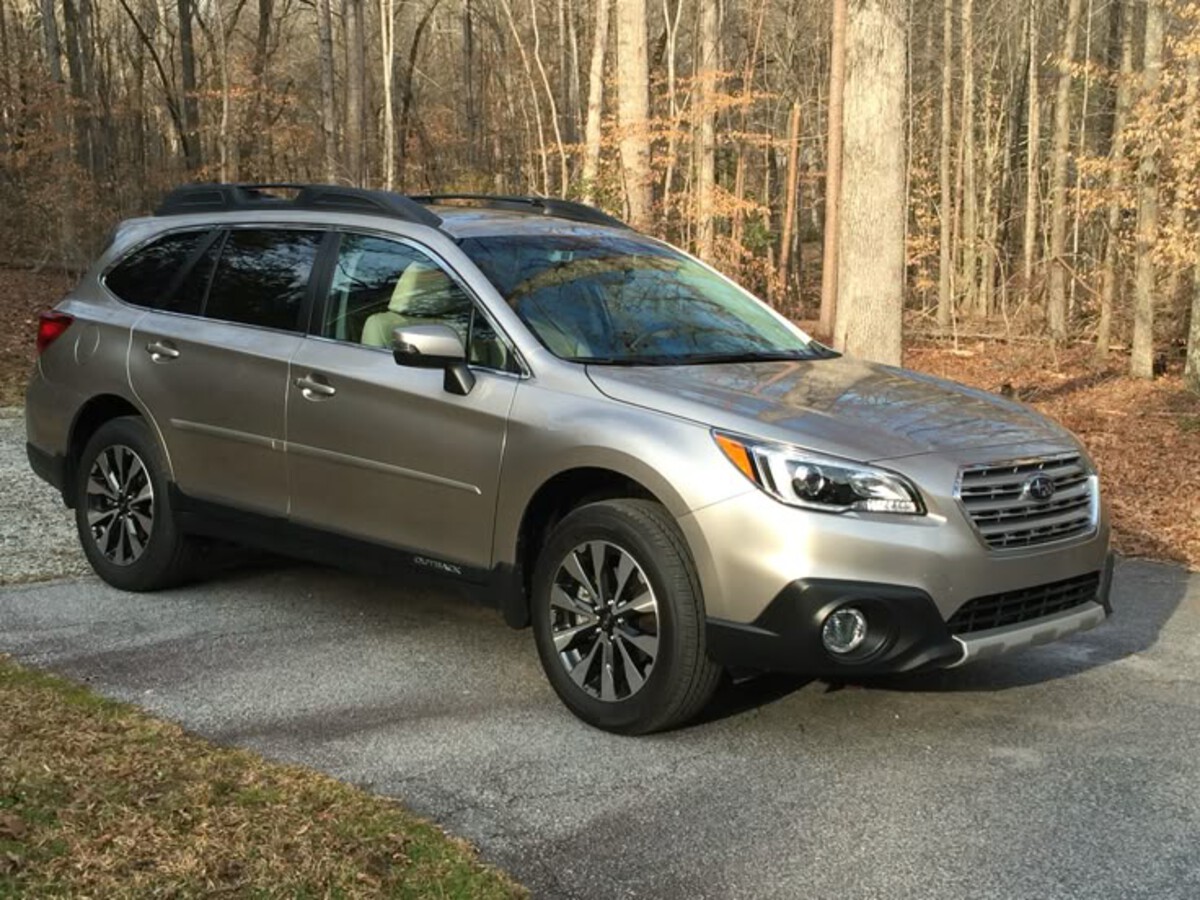
Subaru equips the Outback with a well-insulated cabin and a highly efficient HVAC system that warms quickly in the cold and cools rapidly in the heat. Dual-zone automatic controls are standard on most trims, and vents are well-positioned for even distribution to both front and rear passengers.
Reliability is a hallmark here. The Outback uses sturdy compressors and corrosion-resistant components, which is especially valuable for drivers in areas with salted winter roads. Owners rarely report major failures, and when maintenance is needed, the design allows for relatively straightforward servicing.
For those who love outdoor adventures, the dependable defrosting performance is a standout feature. The system clears fogged or iced-over windows quickly, helping drivers maintain visibility and safety. Even after years of heavy use, many Outbacks continue to deliver the same strong climate performance as when they were new.
In a segment where ruggedness sometimes comes at the cost of comfort, the Subaru Outback proves that you can have both. It is a vehicle that not only conquers challenging roads but also keeps its passengers in perfect comfort along the way.
5. Ford F-150 (2015–2022)
The Ford F-150 is America’s best-selling truck, and part of its appeal lies in the comfort it offers for long hours on the road or job site. The F-150’s climate control system is a workhorse, designed to handle everything from scorching heat to frigid mornings without missing a beat.

Ford outfits the F-150 with robust A/C compressors and high-capacity heaters capable of warming the cabin quickly even in crew cab models. Higher trims feature dual-zone automatic controls, while base models have manual dials that are equally reliable. Vent placement is excellent, ensuring airflow reaches every corner of the cabin, which is especially important in the larger SuperCrew configurations.
The truck’s well-insulated interior works in harmony with the climate system, reducing the workload on the components and extending their lifespan. Owners appreciate the system’s rapid response, particularly in extreme climates where delays can make driving uncomfortable.
From towing in the heat of summer to plowing snow in winter, the F-150’s climate controls remain consistent and dependable. It is one of those trucks you can count on to keep you comfortable regardless of the weather or the miles ahead.
Perfect, I’ll continue right from where we left off so the tone stays consistent and the article flows naturally.
5 Vehicles With Failing AC/Heater
Not every vehicle earns praise for its climate system. Some are plagued with frustrating issues that leave owners sweating in summer or freezing in winter. Problems range from faulty compressors and leaky evaporators to malfunctioning blend doors and failing heater cores.
In many cases, these problems appear far earlier than they should, creating expensive repair bills and tarnishing an otherwise good ownership experience. A failing climate control system is more than an inconvenience; it can make a vehicle downright unpleasant to drive, reduce resale value, and even pose safety risks when windows cannot be properly defogged.
These vehicles have become known for their climate-related shortcomings, with owners often sharing stories of repeated visits to repair shops. Whether the failures stem from cost-cutting in materials or poor engineering design, the results are the same discomfort and frustration.
Here are five vehicles that, unfortunately, have left too many drivers wishing for more dependable heating and cooling.
ALSO READ: 5 Models With Quality Door Panels vs 5 With Flimsy Interiors
1. Jeep Grand Cherokee (2011–2015)
While the Jeep Grand Cherokee is admired for its off-road capability and upscale design, its climate control system during the 2011–2015 model years has been a sore point for many owners. A recurring issue involves the blend door actuators, which regulate airflow between the A/C and heater. When these fail a common occurrence in this generation, the system may blow only hot or only cold air regardless of settings.
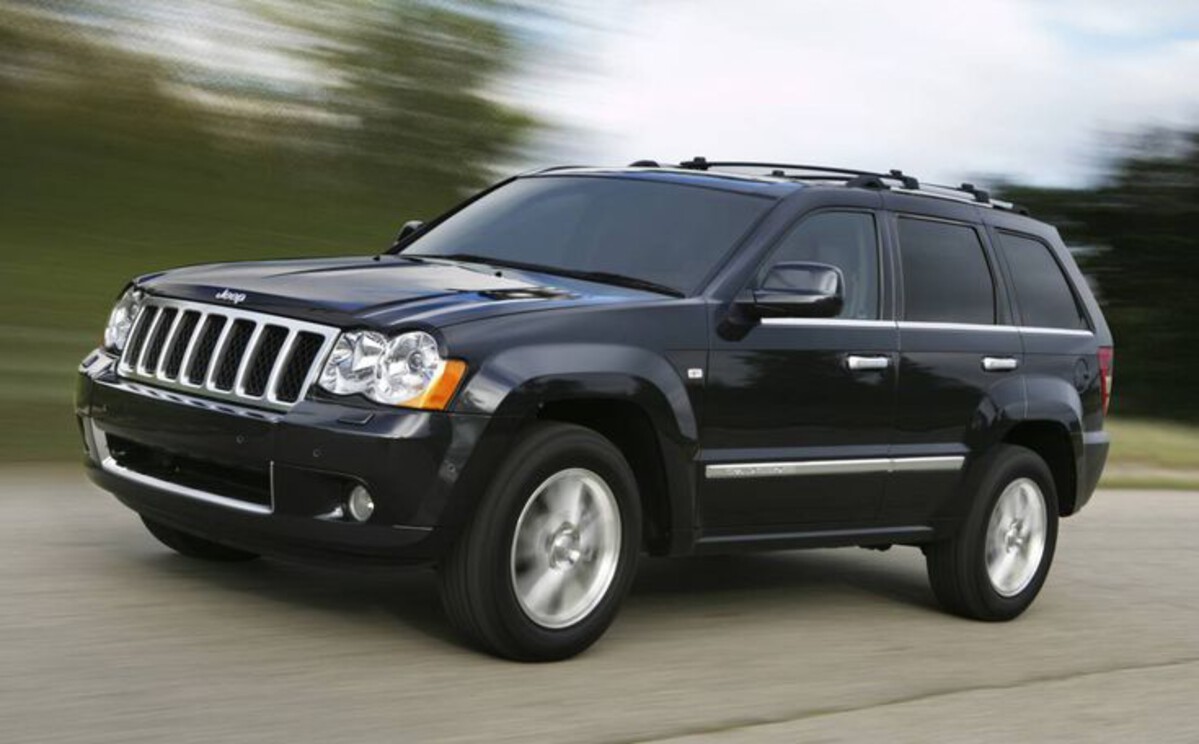
Some drivers have experienced complete loss of heat in winter or A/C in summer, forcing costly repairs that often require dashboard removal. The dual-zone climate control system, while convenient in theory, is particularly susceptible to these failures, sometimes delivering warm air on one side and cold on the other.
Adding to the frustration, several owners report condenser leaks and compressor failures far earlier than expected. Even after repairs, some find themselves facing repeat problems within a few years. The complexity of the HVAC system, combined with the premium branding of the Grand Cherokee, makes these failures especially disappointing.
For buyers considering this generation, a thorough inspection of the climate system is essential. Without repairs, you could be left with an SUV that excels in off-road performance but fails to keep you comfortable on the road.
2. Chevrolet Equinox (2010–2017)
The Chevrolet Equinox offers a comfortable ride and roomy interior, but its climate control reliability in the 2010–2017 range leaves much to be desired. A widespread problem is premature A/C compressor failure, often accompanied by refrigerant leaks. In some cases, the system stops cooling entirely without warning, leaving drivers in sweltering cabins.
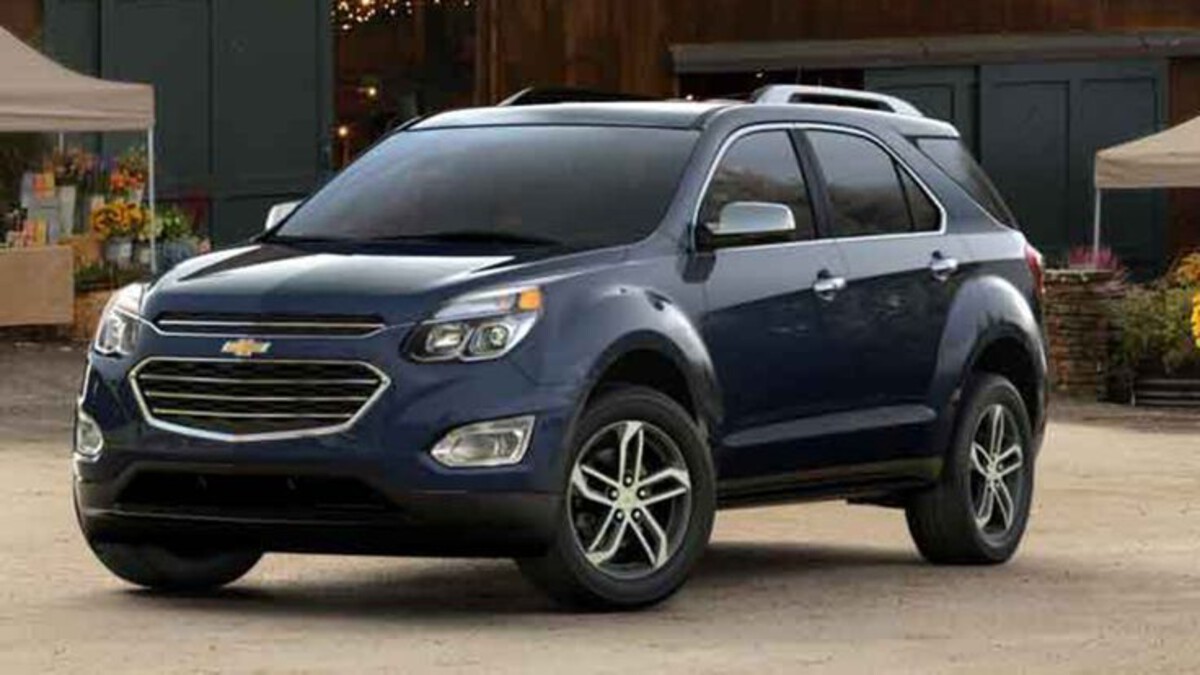
Another common issue involves the heater core, which can clog over time due to debris or coolant contamination. When this happens, warm air output is drastically reduced, making cold-weather driving uncomfortable and even unsafe. Some owners also report problems with the blower motor resistor, leading to loss of fan speeds or complete airflow failure.
These problems tend to arise well before 100,000 miles, and repairs can be costly, particularly if the evaporator core is involved, as it requires significant labor to replace. Owners in hot climates often find themselves replacing major A/C components more than once during the vehicle’s lifespan.
While the Equinox is otherwise a solid family crossover, its HVAC troubles have become a well-known drawback. Potential buyers of used models in this generation should budget for possible climate control repairs or seek vehicles with documented recent replacements of major components.
3. Dodge Journey (2009–2019)
The Dodge Journey may have been positioned as a versatile family crossover, but it has earned a reputation for climate control problems that frustrate owners. One of the most common complaints involves the heater core, which can clog prematurely, resulting in little to no heat output.

On the A/C side, compressor and condenser failures are frequent, often occurring before the vehicle reaches mid-life mileage. Some owners experience sudden loss of cooling capacity during peak summer months, with repairs running into four figures. In addition, the Journey’s blower motors have been known to fail unexpectedly, leaving the system unable to circulate air at all.
The complexity of the Journey’s climate system makes these repairs time-consuming and costly. For families relying on the vehicle for daily commutes or long trips, these failures can quickly turn ownership into a stressful experience.
Even though the Journey offers a spacious cabin and reasonable pricing, the risk of repeated climate control failures makes it a less appealing choice for drivers who value comfort and reliability in extreme weather. Many owners eventually choose to trade the vehicle rather than invest in another round of HVAC repairs.
4. BMW 3 Series (2006–2013)
The BMW 3 Series is celebrated for its sharp handling and performance, but models from 2006 to 2013 are not immune to climate system headaches. One of the more notorious issues is failure of the final stage resistor, which controls blower fan operation. When it fails, airflow becomes inconsistent or stops entirely, leaving occupants without effective heating or cooling.

A/C compressor failures and refrigerant leaks are also reported, particularly as these cars age. In some cases, the system will still blow air but fail to cool it effectively, a problem that often traces back to a leaking evaporator core. Heater performance can also suffer due to faulty thermostat operation or airlocks in the cooling system.
Because BMW’s climate systems are tightly integrated with the vehicle’s electronic controls, diagnosing and repairing issues can be expensive. Even relatively simple fixes often come with high labor costs due to the premium brand’s design complexity.
While enthusiasts may overlook these problems for the sake of the 3 Series’ driving dynamics, those seeking year-round comfort should be prepared for the possibility of HVAC-related expenses.
5. Nissan Altima (2013–2018)
The Nissan Altima offers comfortable seating and decent fuel economy, but its climate control reliability between 2013 and 2018 has disappointed many owners. One common complaint is a weak A/C system that struggles to keep the cabin cool in high temperatures. This often stems from condenser leaks or compressor inefficiency, sometimes occurring before 60,000 miles.
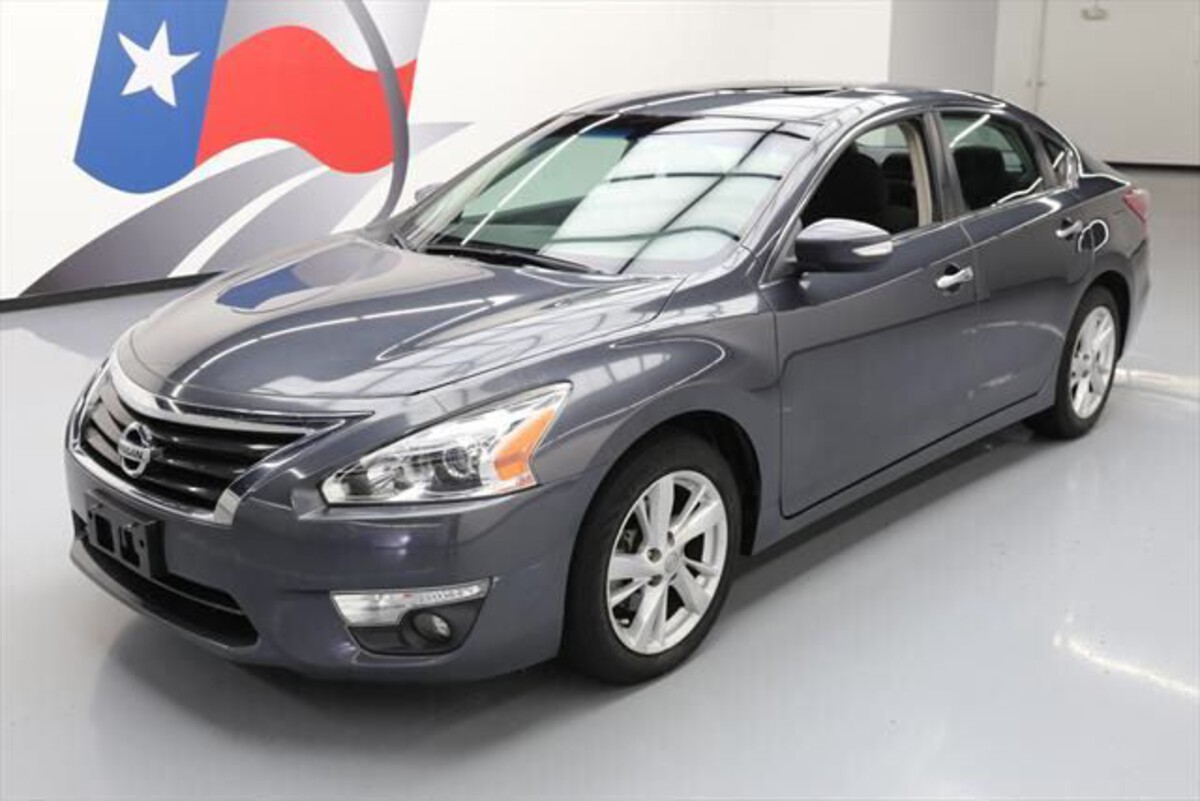
Heating performance can also be inconsistent, with some owners reporting lukewarm air even when the system is set to maximum heat. Faulty blend door actuators are frequently to blame, as they can stick or fail entirely, preventing proper airflow direction and temperature control.
Adding to the frustration, several owners have dealt with blower motor failures that eliminate airflow altogether. Repairs for these issues can add up quickly, particularly if multiple components need replacement at the same time.
While the Altima remains a popular mid-size sedan, its climate control troubles have tarnished its reputation for some buyers. For those living in regions with extreme weather, these shortcomings can be a dealbreaker unless the vehicle has a proven history of recent HVAC repairs.
Climate control might not be the flashiest feature in a vehicle, but its importance cannot be overstated. A dependable HVAC system ensures every drive is pleasant, whether you are carving through mountain passes in the winter or cruising along the coast under a blazing summer sun. The vehicles on the reliable list prove that thoughtful engineering and quality materials can create systems that stand the test of time, requiring little more than routine maintenance to keep performing at their best.
On the other hand, the vehicles with failing systems serve as cautionary tales. Even the most stylish, capable, or performance-oriented models can feel miserable to own if they cannot maintain a comfortable cabin temperature. Repairs for faulty A/C and heating systems are often expensive, and repeated failures can erode trust in a brand.
For buyers, the takeaway is clear: when researching your next vehicle, do not overlook the HVAC system. Look for owner reviews that specifically mention climate control performance, ask for maintenance records related to the system, and, if possible, test it in both heating and cooling modes before committing to a purchase.
In the end, cars are about more than just getting from point A to point B. They are about the journey, the feeling behind the wheel, and the ability to enjoy that experience in total comfort. By choosing a vehicle with a proven track record for climate reliability, you are ensuring that every drive remains as enjoyable as the day you first turn the key.