There’s nothing quite like the thrill of gripping the steering wheel, feeling the road respond, and watching the scenery flow through your windshield. But here’s the thing most people don’t talk about: glare can ruin that entire experience. Sunlight bouncing off shiny dashboard plastics or glossy trims can be more than just annoying. It can reduce visibility, distract your eyes, and in some cases, become downright unsafe.
Automakers have caught on to this, especially those with a performance or touring heritage, and some have mastered the art of crafting cockpits that soak up light instead of scattering it into your vision. These anti-glare interiors are a quiet but vital safety and comfort feature, especially for those who spend long hours behind the wheel.
On the flip side, not every brand gets it right. While reflective trim might look flashy under showroom lights, it can be a headache when you’re out on a sunny highway. High-gloss plastics, chrome accents, and poorly positioned infotainment screens can act like miniature mirrors.
In the wrong conditions, they can blind you just enough to miss a turn, drift in your lane, or lose sight of the car ahead. The cars on our “reflective” list are not necessarily bad machines overall, but they have interior design flaws that become glaringly obvious in real-world sunlight.
In this deep dive, we’ll look at five vehicles that have nailed anti-glare cockpit design and five that have fallen short, at least in this department. This isn’t just about aesthetics, it’s about how these interiors perform when the sun is at its harshest. Whether you’re carving through a mountain pass or crawling in city traffic, glare control matters more than you might think.
Let’s dig into which models keep your eyes comfortable and which ones could use some dimming down.
5 Cars With Anti-Glare Cockpits
True anti-glare cockpit design is about more than just matte finishes. It’s a holistic approach where dashboard materials, instrument cluster positioning, and screen brightness calibration work together to reduce visual strain.
These five cars stand out because they combine functional ergonomics with smart material choices. They use low-reflectivity plastics, leather or Alcantara textures, and carefully angled components to keep sunlight from bouncing directly into your line of sight. Even in direct midday sun, these interiors maintain their composure. For long-distance drivers, that means fewer headaches, less squinting, and better overall focus.
It’s also a sign of thoughtful engineering. Automakers who nail this detail tend to be the ones who obsess over driver experience in other ways too. From grand tourers to family SUVs, anti-glare interiors add a layer of comfort and safety that you only truly appreciate when you’ve experienced both sides of the glare equation.
ALSO READ: 5 Vehicles With Resilient Roof Liners vs 5 With Peeling Headliners
1. Mazda CX-5 (2024)
Mazda has built a reputation for interiors that feel premium without being pretentious, and the latest CX-5 is a perfect example. The dashboard uses a combination of soft-touch matte materials and subtly textured surfaces that swallow light rather than reflect it.
The infotainment screen is recessed into the dash rather than perched upright, minimizing the angle at which sunlight can hit and bounce toward the driver’s face. Even the piano black trim a material many brands overuse, is limited here and strategically placed in low-light zones away from direct sunlight exposure.
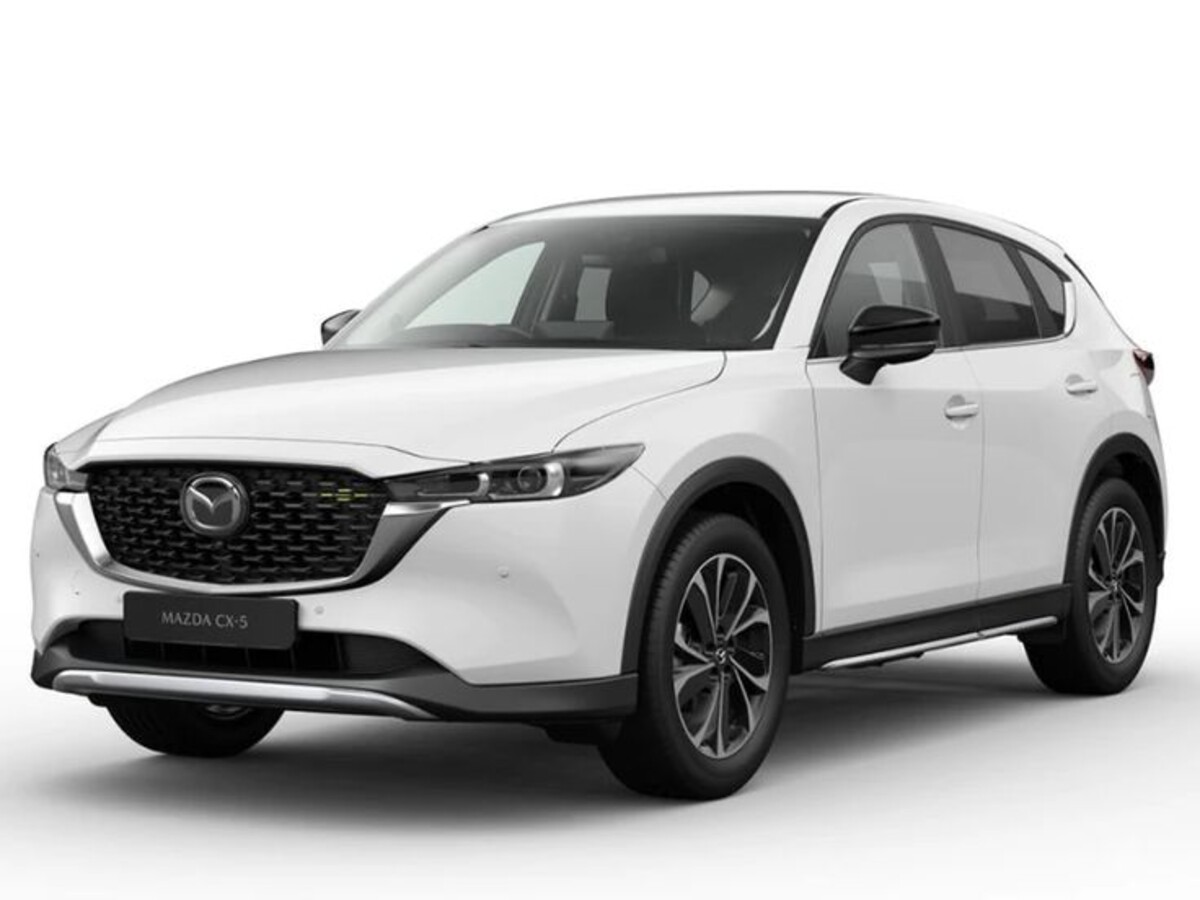
Mazda also tuned the brightness and contrast of its instrument cluster and head-up display to adapt automatically in real-time. This means you won’t be squinting when driving east in the morning or west during sunset. The steering wheel and center console are finished with a fine-grain leather wrap that diffuses glare beautifully.
What’s impressive is that Mazda achieved all of this without sacrificing style. The cockpit still feels modern and elegant, but it’s clear the design team prioritized driver visibility and comfort above showroom glitz.
For those who regularly drive in bright climates or spend hours on long road trips, the CX-5 offers an interior that stays visually calm, no matter what the sun is doing. It’s the kind of detail that makes this SUV feel like it was designed by actual drivers rather than just stylists.
2. BMW 3 Series (G20, 2023)
BMW has long understood the importance of an ergonomic cockpit, and the G20-generation 3 Series demonstrates that awareness. This is a sports sedan designed for people who love driving, and glare management is built into the experience. The dashboard features a matte upper surface made from high-quality soft-touch polymers, while the trim inlay options, even the brushed aluminum, are designed with a satin finish that diffuses light.

BMW also engineered the infotainment screen with a slight tilt toward the driver, but not so much that it becomes a glare magnet. The anti-reflective coating on the display is genuinely effective, making the navigation and system menus readable even under harsh daylight. The analog-digital hybrid instrument cluster automatically adjusts brightness in sync with ambient light sensors, so your eyes never have to strain when transitioning from shade to direct sun.
Even small touches, like the steering wheel stitching and subtle grain patterns on the gear selector, help reduce reflective hotspots. This level of attention isn’t accidental. BMW’s development process for the 3 Series includes extensive real-world sunlight testing to ensure the driver’s visual environment remains distraction-free. For enthusiasts who care about every detail of the driving experience, this sedan proves that even something as seemingly small as cockpit glare can influence the joy of driving.
3. Lexus RX (2024)
Luxury often flirts with shiny surfaces, but Lexus has proven you can keep elegance without creating a glare nightmare. The 2024 RX uses a clever combination of matte leather, soft-touch polymers, and brushed metal that maintains an upscale look while staying easy on the eyes. Even the wood trim options have a satin finish instead of a mirror-like gloss.
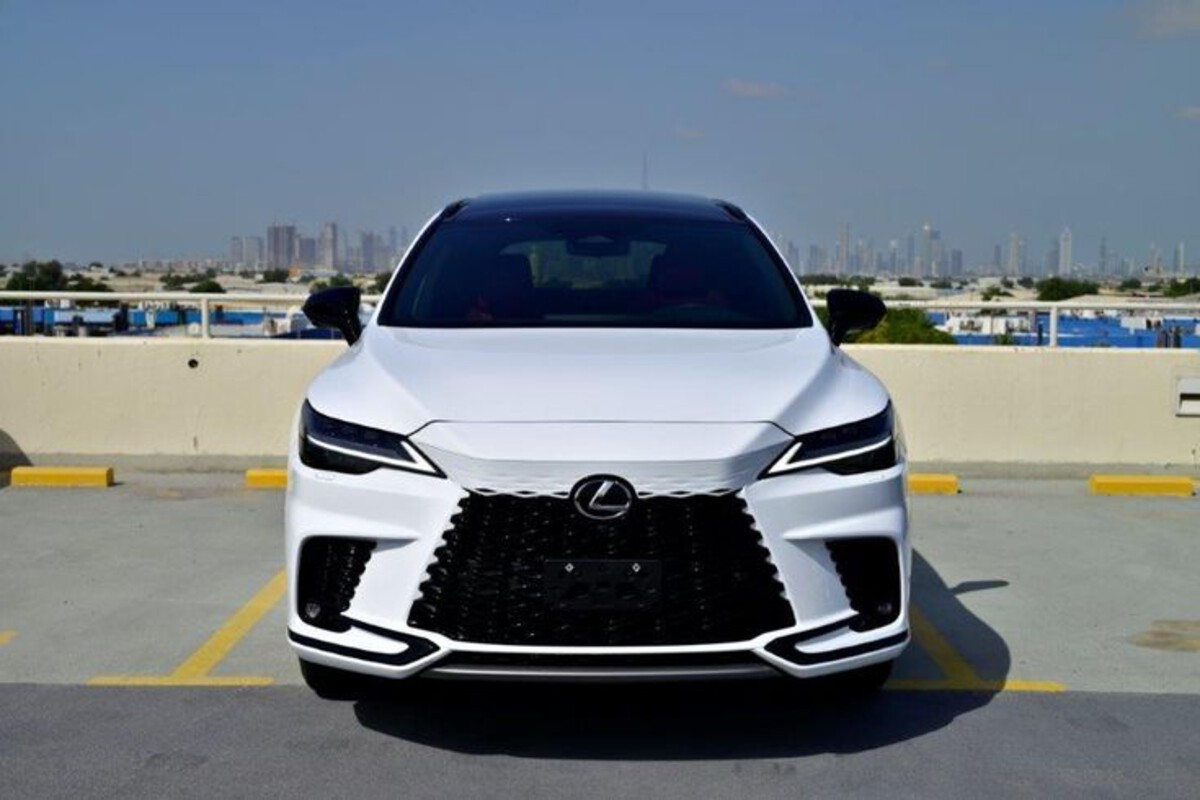
The center touchscreen is recessed just enough to be shielded by the dash overhang, making it usable in midday sun without any awkward hand shading. Lexus also optimizes display contrast and applies an anti-glare coating to both the infotainment and digital gauge cluster. The dashboard layout itself follows a low-profile design, ensuring that bright light entering through the windshield won’t catch large flat surfaces at an angle that reflects into your eyes.
Another subtle but effective touch is how Lexus positions its air vents and metallic controls. They’re angled in such a way that they avoid catching full sunlight. It’s not the kind of thing most people notice until they drive a car that gets it wrong.
In the RX, you simply enjoy a calm, clear forward view. This approach shows that glare prevention is not just for sports sedans and driver’s cars. Family-oriented luxury SUVs can benefit from it just as much, making every journey more comfortable for both driver and passengers.
4. Porsche 911 Carrera (992, 2024)
The Porsche 911’s cockpit is a driver’s playground, but it’s also a masterclass in functional design. The 992 generation takes anti-glare seriously, using a dashboard wrapped in low-sheen leather and Alcantara in performance-oriented trims. Even the optional carbon fiber inlays are finished in a satin clear coat rather than a high-gloss lacquer, preventing sunlight from turning them into reflective strips.
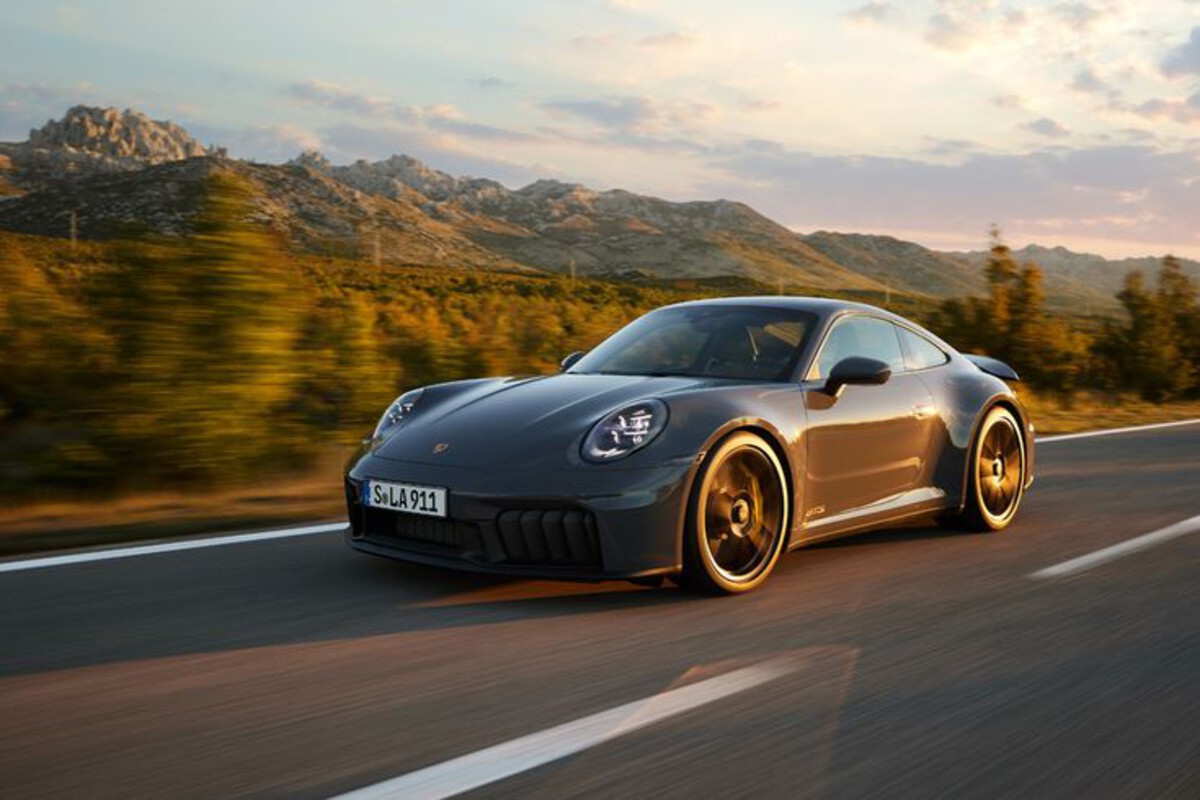
The gauge cluster, while partially digital, is set deep within a hooded binnacle. This traditional sports car design shields the displays from overhead light, and Porsche’s use of anti-reflective coatings makes sure they remain crisp in all lighting conditions. The central infotainment screen also sits at an angle that minimizes reflections from both the windshield and side windows.
Porsche’s philosophy is simple: every design choice must serve the driver. In the case of glare control, that means materials and shapes that absorb rather than scatter light. The Alcantara steering wheel option is particularly effective for sunny track days, offering both tactile grip and glare-free operation. This blend of aesthetics and function reinforces why the 911 remains the benchmark for driver-focused interiors.
5. Volvo XC60 (2024)
Volvo interiors have always had a calming Scandinavian feel, and the XC60 takes that serenity to a practical level with anti-glare design. The dashboard is topped with a textured soft-touch surface that naturally diffuses light. Trim accents are available in open-pore wood or satin metal, both of which avoid harsh reflections.
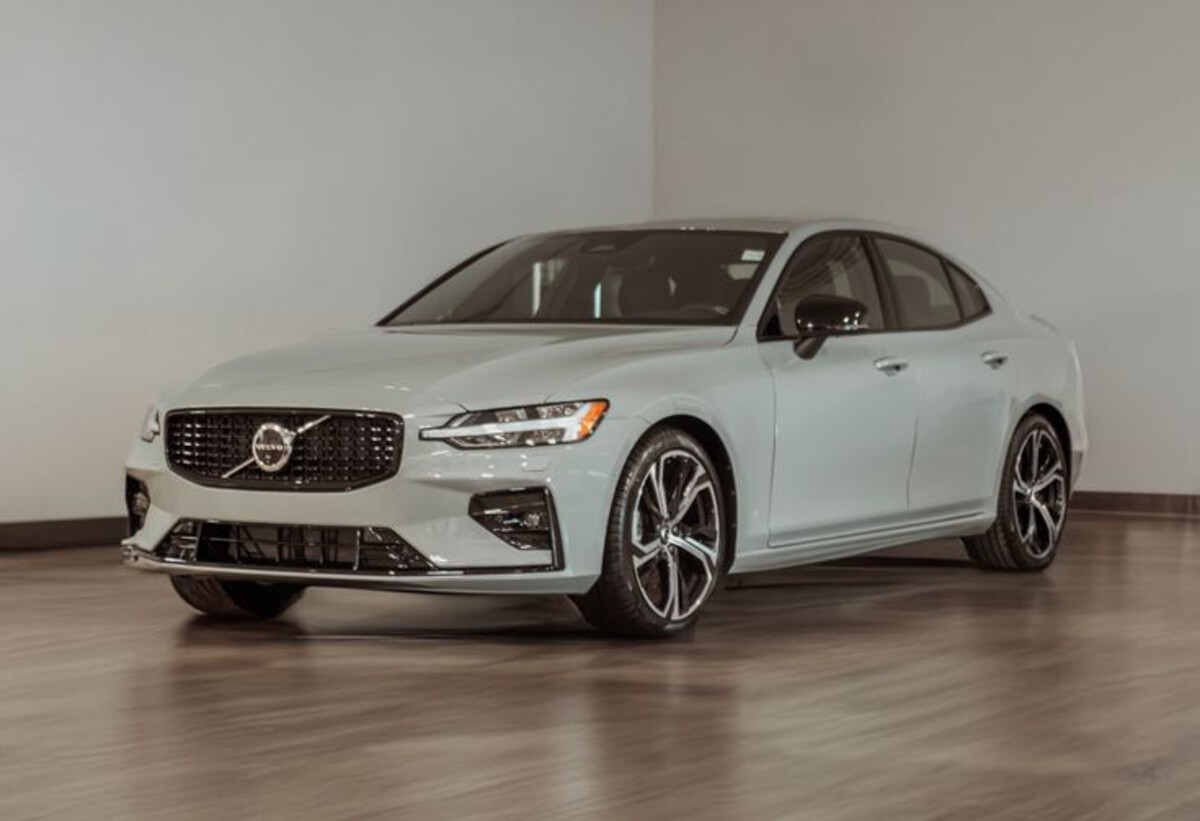
The vertical infotainment screen is recessed into the center stack, surrounded by matte-finish framing that reduces contrast and prevents stray sunlight from washing out the display. Even the smallest controls, such as the knurled start-stop switch and volume knob, use a muted metallic sheen that stays glare-free.
Volvo also employs one of the best automatic brightness systems in the industry. Whether you’re emerging from a dark tunnel into bright daylight or driving at sunset with sun directly in your line of sight, the displays adjust smoothly without jarring transitions. This attention to comfort matches Volvo’s safety-first ethos, proving that glare management is not just about convenience but about keeping the driver’s focus where it belongs on the road ahead.
5 Cars With Reflective Surfaces
An interior that looks stunning in a showroom under perfect lighting can quickly turn into a driver’s nightmare under real-world sun. Reflective cockpits are often the result of design choices aimed more at visual flash than functional clarity. High-gloss plastics, chrome strips, and poorly angled screens can all contribute to glare problems, and while they may not be deal-breakers for every driver, they can certainly make long drives less enjoyable and sometimes even unsafe.
The five vehicles here are not bad cars overall in fact, some are otherwise fantastic but their interiors reveal a flaw when the sun hits just right. This is where beauty and practicality clash, and where form has slightly overpowered function. These models serve as a reminder that in automotive design, the best-looking solution isn’t always the best-driving one.
ALSO READ: 5 Cars With Easy-to-Operate Controls vs 5 With Sticky Buttons
1. Jeep Grand Cherokee (2023)
The Jeep Grand Cherokee’s latest generation is packed with tech, style, and comfort, but its interior can be a glare-prone environment. The issue lies mostly with the use of piano black trim that sprawls across the dashboard and center console. While it looks sharp when polished, it becomes a perfect mirror for sunlight, often reflecting directly into the driver’s eyes during mid-morning or late afternoon drives.

Adding to this, the chrome accents surrounding the air vents and gear selector can catch the sun and send blinding flashes toward the cabin. The center infotainment screen, although crisp and feature-rich, sits in a position that can pick up reflections from the passenger-side window, washing out visibility unless the brightness is maxed.
For drivers in sunny climates, these reflections can become more than just a minor annoyance. They require constant eye adjustments and sometimes force you to shield certain surfaces with your hand.
The frustrating part is that Jeep could solve much of this with subtle tweaks using matte or brushed finishes instead of glossy plastic, and angling certain elements differently. As it stands, the Grand Cherokee remains a capable SUV in terms of performance and off-road ability, but its interior glare issues feel like a step back in driver-focused comfort.
2. Tesla Model 3 (2023)
The Tesla Model 3’s interior is all about minimalism, but its reliance on large, flat surfaces with glossy finishes makes it a hotspot for reflections. The centerpiece of the cabin, the massive horizontal infotainment screen, is coated in glass that can become highly reflective in direct sunlight. Depending on your seating position and the sun’s angle, you might find yourself squinting to read navigation or adjusting your head just to see clearly.
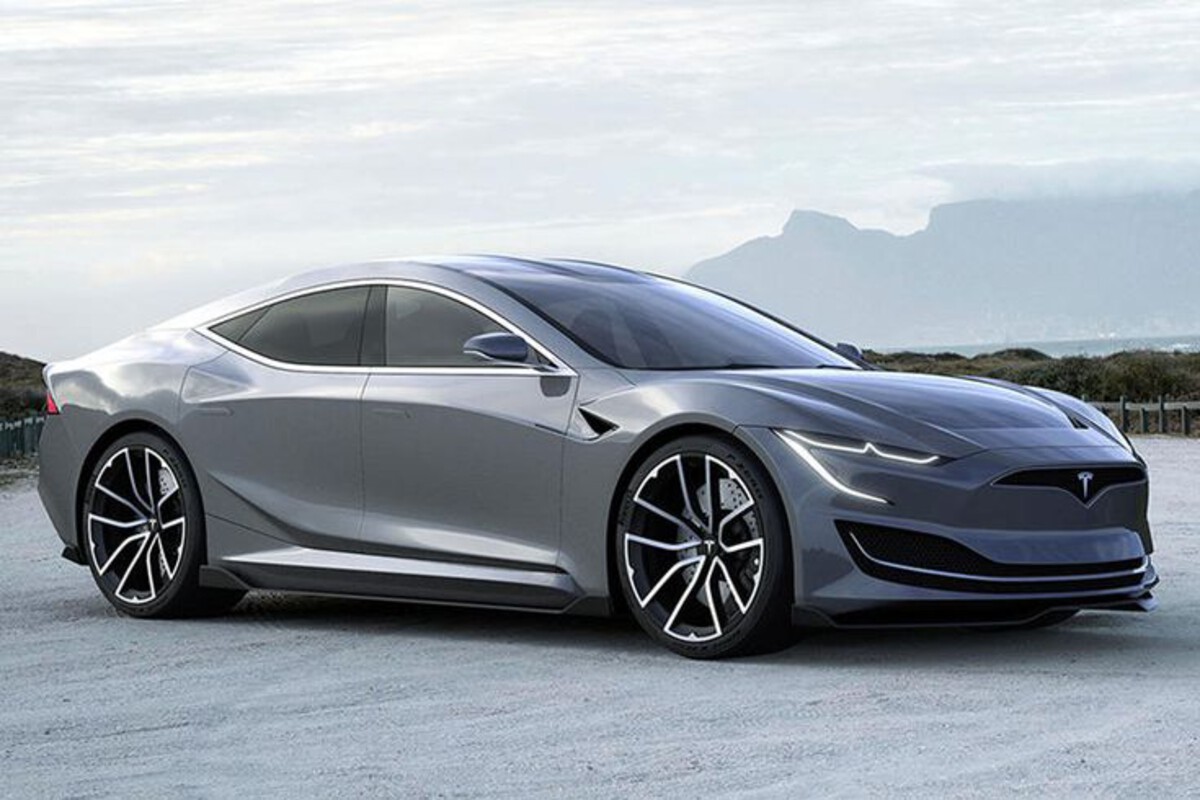
The wood or white synthetic dashboard accent, while stylish, is placed in a way that can catch sunlight and bounce it toward the driver’s eyes. Even the glossy black center console, introduced in earlier models and still present in certain trims, acts like a mirror, reflecting light from side windows and even bright clothing.
In cloudy or nighttime conditions, these surfaces feel sleek and futuristic. But in bright daylight, the glare undermines Tesla’s otherwise intuitive interface. For a brand that prides itself on forward-thinking design, the Model 3’s glare issue feels like a miss in the realm of ergonomics. While aftermarket matte screen protectors and vinyl wraps can help, they’re workarounds for a problem that could have been addressed in the factory design phase.
3. Ford Mustang Mach-E (2023)
Ford’s electric SUV, the Mustang Mach-E, delivers impressive performance and technology, but its interior suffers from a mix of shiny finishes that don’t play well with sunlight. The massive vertical infotainment screen is framed by glossy black trim that easily catches reflections. Sunlight entering from the panoramic roof can hit the display at just the wrong angle, creating visibility issues for key controls.
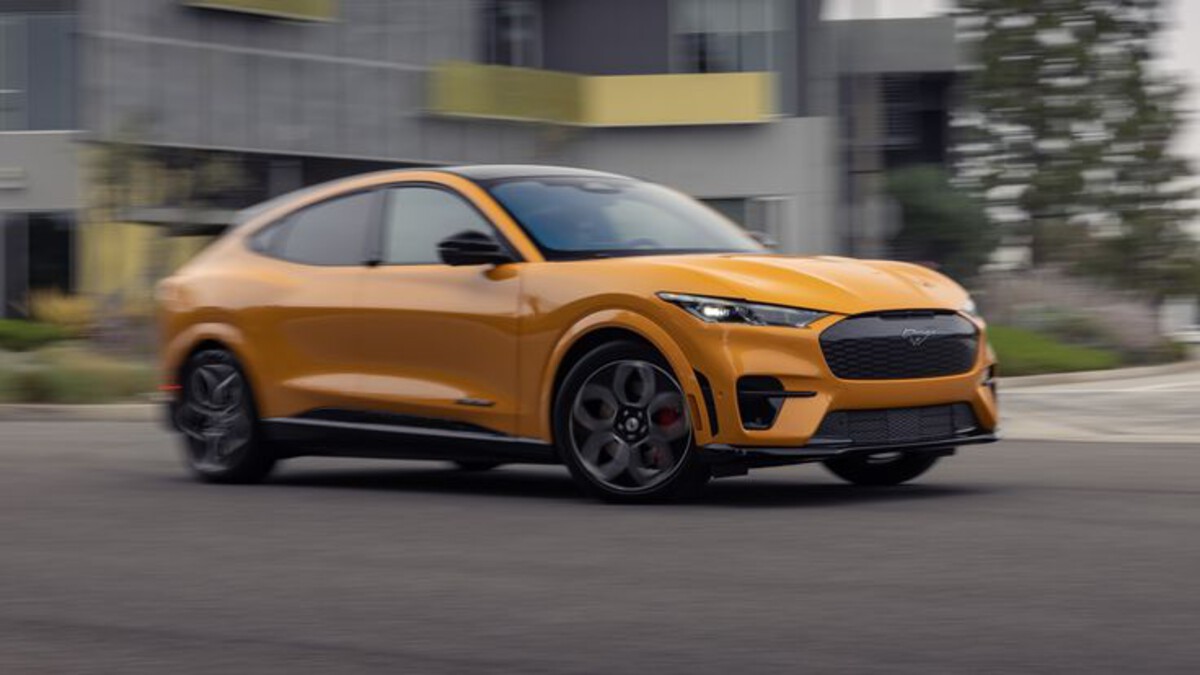
The dashboard also uses smooth plastic surfaces with a sheen that bounces light across the cabin. Combined with silver metallic trim pieces around vents and the steering wheel, the glare can be distracting, especially on longer drives where eye fatigue sets in.
It’s clear Ford wanted the Mach-E to look modern and premium, and under the right lighting it succeeds. But when the sun is high, the glossy detailing turns from eye-catching to eye-irritating. Matte finishes or more textured materials could have kept the sleek look while improving daytime drivability. For now, Mach-E owners in sunny regions may find themselves adjusting seat position or using polarized sunglasses just to tame the shine.
4. Mercedes-Benz A-Class (W177, 2023)
Mercedes knows how to make an interior that wows, and the A-Class is a prime example of showroom appeal. Its dual widescreen displays, turbine-style vents, and liberal use of gloss black create a futuristic vibe. However, this visual drama comes at the expense of glare control.
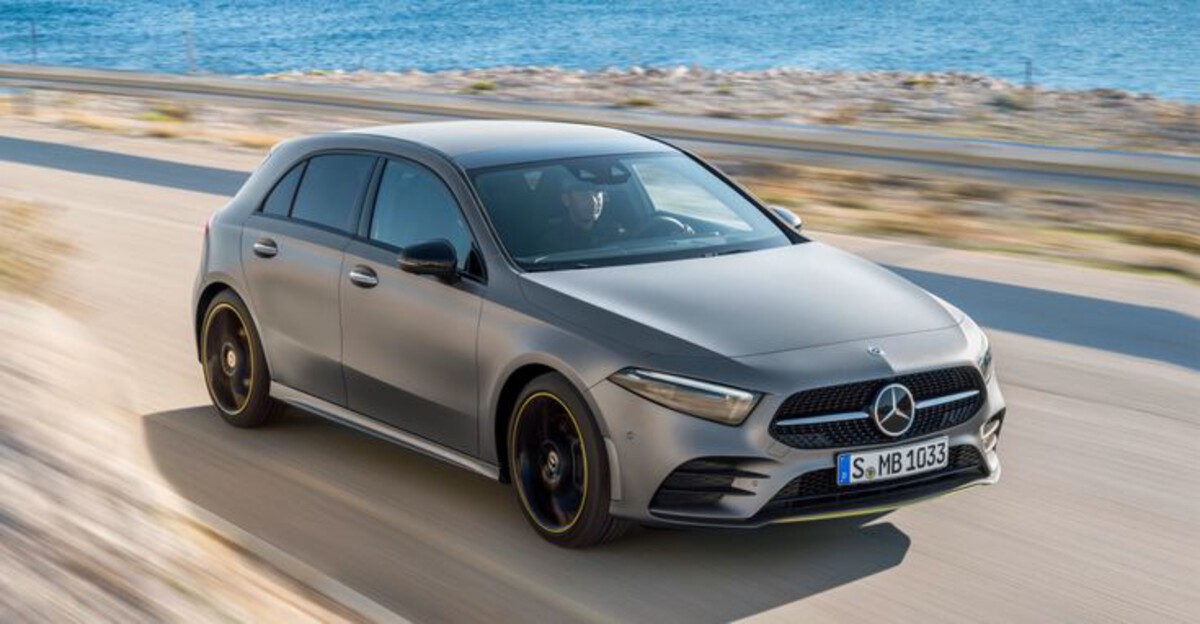
The screens themselves have anti-reflective coatings, but they’re still susceptible to washing out in certain sunlight angles. The bigger problem is the surrounding trim glossy black plastic panels stretch across the dash and center console, acting as prime reflective surfaces. Even the metallic finish on the air vents can catch the sun and throw it straight into your peripheral vision.
During evening drives when the sun is low, this becomes particularly noticeable, as reflections can bounce between the dashboard and windshield. Mercedes has the expertise to balance luxury with function, and in higher-end models they’ve done it better. But in the A-Class, style slightly edges out practicality, making it a car that dazzles indoors but demands more from your eyes outdoors.
5. Chevrolet Camaro (2023)
The Camaro’s cockpit is designed for drama, with its aggressive angles and bold trim choices. Unfortunately, some of those choices lead to glare problem in bright daylight. The center console uses shiny metallic inserts that can reflect sunlight right into the driver’s line of sight. The gauge cluster hood, while deep enough to protect the instruments, is flanked by glossy trim that catches side window glare.
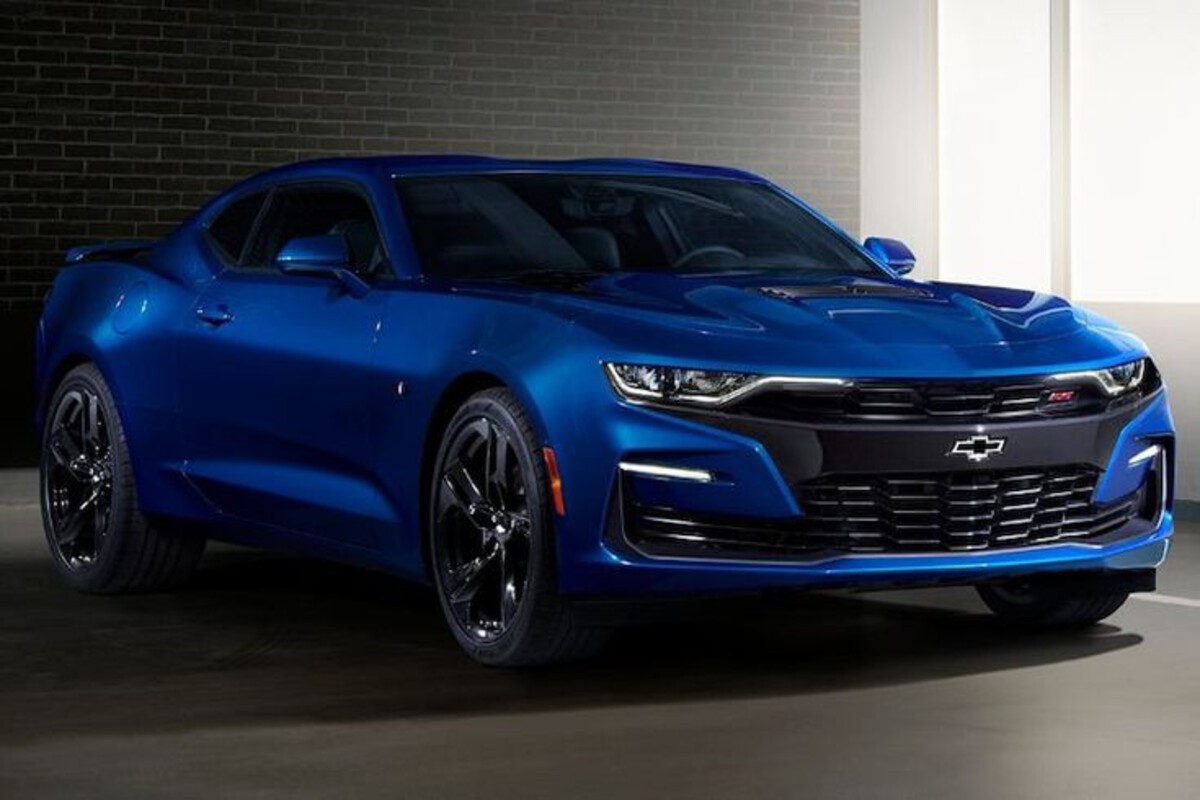
The infotainment screen is canted slightly toward the driver, which is great for ergonomics, but the glossy surface means sunlight from the passenger side can create sharp reflections. Even the chrome-ringed air vents add to the issue, catching beams of light during certain turns.
It’s frustrating because the Camaro is otherwise a car that connects you to the road in a thrilling way. But when glare interferes, it adds an unnecessary distraction to an otherwise visceral driving experience. A few tweaks in materials like matte carbon fiber or brushed aluminum could make the Camaro’s interior not just exciting but also more usable in all lighting conditions.
The difference between a good cockpit and a great one often comes down to the small details you don’t notice until they’re done wrong. Glare control is one of those details. Cars with anti-glare interiors prove that you can have style and usability in the same package.
They’re the ones that feel effortless to drive at noon on a summer day, keeping your focus on the road and your eyes relaxed. These vehicles show that thoughtful material choices, strategic screen placement, and clever use of textures can turn a cabin into a space where you want to spend hours.
On the other hand, cars with reflective surfaces are cautionary tales. They remind us that what shines in a showroom doesn’t always shine on the road. It’s not about criticizing the entire vehicle, many of the “reflective” list cars excel in performance, safety, or technology. But when you’re forced to squint or constantly adjust your driving posture because of sunlight bouncing into your eyes, the experience loses some of its magic.
Automakers have the tools to fix this. Matte finishes, recessed screens, non-glossy metals, and smarter trim placement aren’t revolutionary concepts, they just need to be prioritized. As more drivers become aware of cockpit glare, we can expect this to be an area where manufacturers will either win loyalty or lose it. For those of us who live and breathe driving, the road ahead is always more enjoyable when our view stays clear, no matter how bright the sun gets.