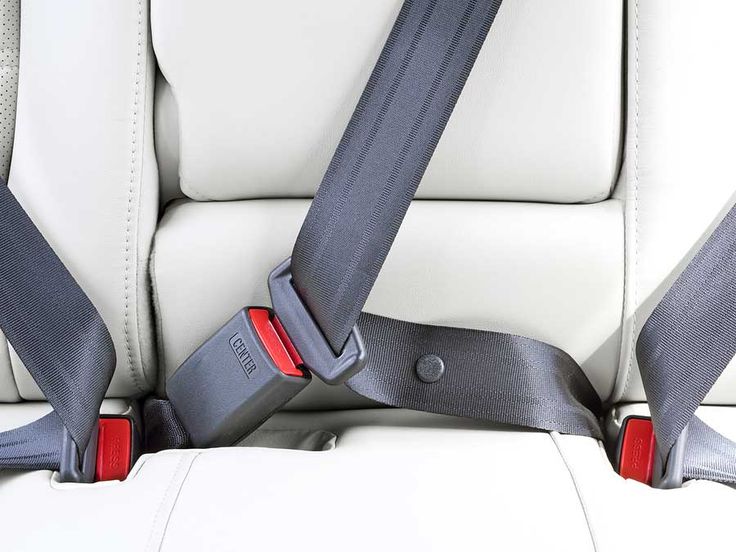
Seatbelts are often the most underrated component in a car’s safety arsenal. They are quiet heroes, doing their job without fanfare, yet they are the single most effective life-saving device in any vehicle. While advanced driver assistance systems and airbags get the spotlight, a strong, well-engineered seatbelt is the first and most important defense in a collision.
For many drivers, the assumption is that all seatbelts are created equal, but the truth is more complicated. Variations in webbing quality, retractor reliability, pretensioner response times, and even stitching durability can mean the difference between walking away from an accident or sustaining serious injuries.
Over the years, automakers have experimented with materials, anchoring methods, and safety mechanisms to improve restraint systems. Some brands have built reputations for uncompromising seatbelt performance, ensuring that the belts maintain their strength and responsiveness even after years of use. These vehicles inspire trust, not just because of their crash test ratings, but because their safety equipment holds up under real-world conditions.
On the other hand, not all vehicles share that commitment to excellence. Some seatbelt systems, despite meeting regulatory standards when new, degrade faster than expected.
This can be due to cheaper webbing materials that fade and fray, retractors that lose tension, or pretensioners that fail to engage properly over time. While these flaws might not be apparent during daily driving, they can have severe consequences when seconds matter.
In this article, we’ll explore five vehicles known for their robust, reliable seatbelt systems machines that protect occupants with unwavering consistency and five vehicles that have developed a reputation for fading restraint quality, whether from flawed design, poor material choices, or inadequate long-term durability. This is not just about safety ratings; it’s about how well these systems truly endure.
5 Cars With Strong Seatbelts
Seatbelt excellence comes from a combination of cutting-edge safety engineering and high-quality materials. It’s not just about ticking boxes for crash tests it’s about delivering real-world protection year after year, mile after mile. Vehicles in this category don’t just perform well when they’re brand-new; they continue to inspire confidence even after years of exposure to sunlight, temperature extremes, and daily wear.
These five models stand out because their seatbelt systems have been engineered with meticulous attention to detail. The webbing resists fading and fraying, the retractors maintain smooth operation, and the pretensioners engage with precision when a crash is imminent. They are often paired with advanced features like load limiters to reduce chest injuries or inflatable belt technology for extra cushioning.
Drivers of these cars often remark on the solid, consistent feel of the belts, a tactile reassurance that they’ll do their job when called upon. From modern SUVs packed with technology to legendary sedans from decades past, these vehicles prove that restraint reliability is both an engineering priority and a brand philosophy.
ALSO READ: 5 Vehicles With Scratch-Proof Trim vs 5 With Chipped Paint Edges
1. 2024 Volvo XC90
When it comes to safety, Volvo has built a legacy that few brands can match, and the 2024 XC90 is a shining example. The Swedish automaker’s obsession with occupant protection extends well beyond crash avoidance features and into the fundamentals of crash survivability starting with the seatbelt.
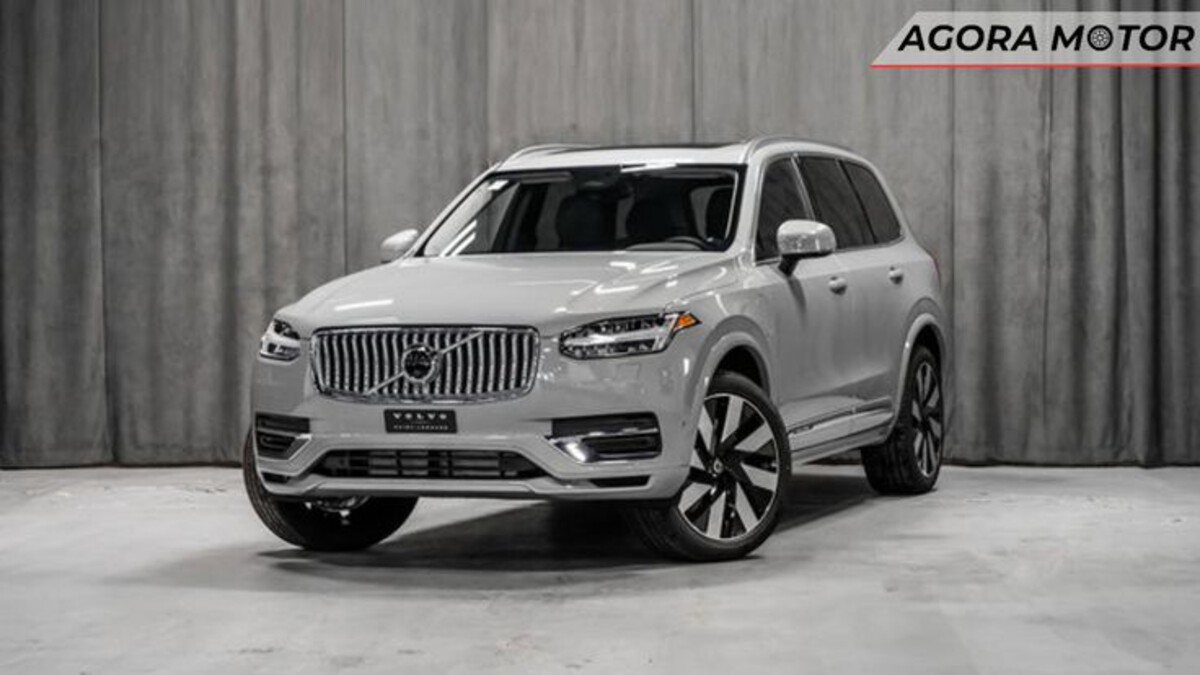
The XC90’s seatbelts feature high-strength polyester webbing that resists UV degradation and fraying, even in harsh climates. Volvo uses advanced pretensioners on both front and rear seats, ensuring that slack is instantly removed in a crash, keeping passengers firmly secured in the optimal position for airbag deployment.
The belts also incorporate load limiters, which allow a small amount of give to reduce the force on the chest during severe impacts, balancing restraint with injury mitigation.
What sets the XC90 apart is its integration of seatbelt function with the vehicle’s full safety ecosystem. Sensors detect an imminent collision and prepare not only the airbags but also the seatbelts, pre-tensioning them milliseconds before impact. The rear outboard seats even offer optional inflatable belts, which distribute crash forces over a wider area, ideal for child and elderly passengers.
In long-term ownership, XC90 owners report minimal fading or stiffness in the webbing, thanks to Volvo’s UV-resistant treatments. Retractor performance remains smooth and responsive, avoiding the sticky or sluggish behavior seen in cheaper designs. Even after years of family use, the belts maintain their tactile firmness and security.
Ultimately, the 2024 XC90 doesn’t just meet safety standards it embodies them. Whether you’re navigating icy Scandinavian roads or congested urban traffic, the XC90’s seatbelt system is engineered to perform flawlessly, reinforcing Volvo’s well-earned reputation as a brand where safety is more than just a marketing slogan.
2. 2018 Subaru Outback
The Subaru Outback has long been a favorite among adventure-seekers and safety-conscious drivers alike, and the 2018 model year reinforces that trust. Subaru’s engineering approach focuses heavily on real-world survivability, and its seatbelt systems are designed with the same rugged reliability that the brand’s AWD powertrains are known for.
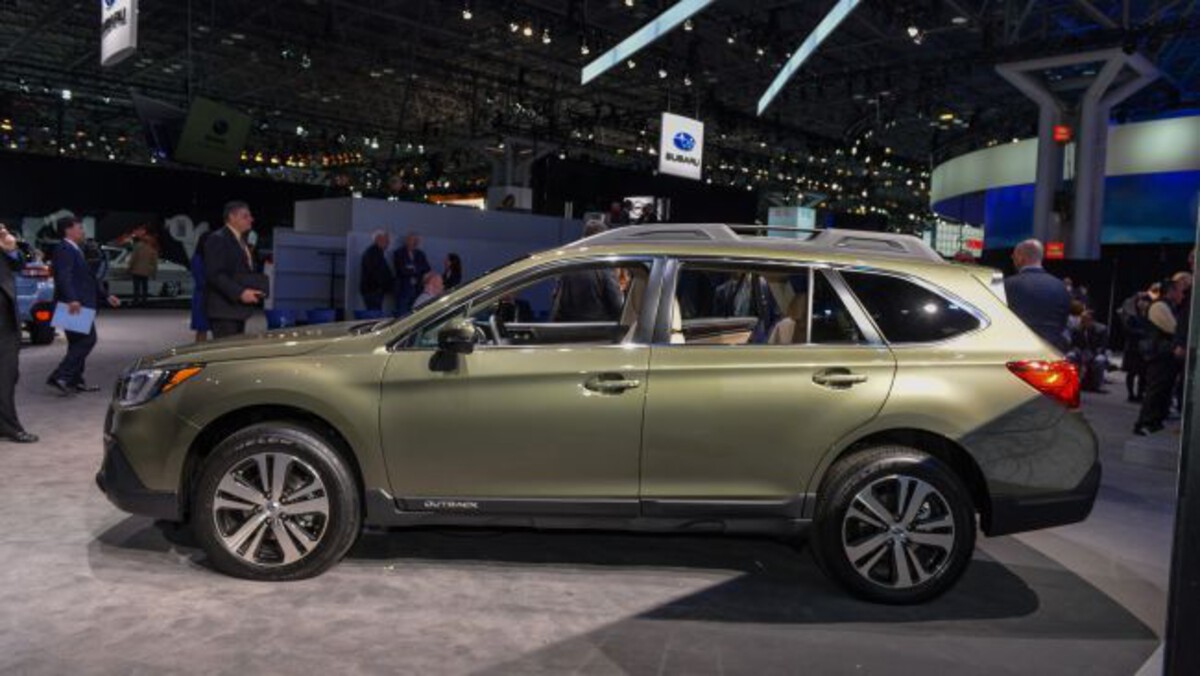
In the 2018 Outback, high-tensile seatbelt webbing resists stretching and deformation, even after prolonged use. The front seatbelts feature dual-stage pretensioners that work in conjunction with the brand’s advanced airbag deployment logic. In certain crash scenarios, the system slightly delays airbag deployment to allow the pretensioners to fully secure the occupants, optimizing protection.
Rear seat passengers aren’t left behind, as Subaru equips the Outback with rear pretensioners and load limiters on outboard seats a rare feature in this price segment. This ensures even backseat occupants get protection usually reserved for higher-end vehicles.
Subaru’s EyeSight Driver Assist technology works hand-in-hand with the restraint system. If the sensors detect an imminent collision, the car pre-loads the pretensioners, shaving precious milliseconds off reaction time. This integration helps reduce injury severity in both frontal and side impacts.
Long-term durability is another strength. Owners consistently report that the seatbelt fabric retains its pliability without becoming stiff or brittle from sun exposure. Retractors remain responsive, even after years in dusty, outdoor environments. For families and outdoor enthusiasts who demand reliability, the 2018 Outback’s restraint system delivers peace of mind that holds up over time.
The combination of rugged engineering, thoughtful safety integration, and proven reliability makes the 2018 Subaru Outback a standout in the conversation about strong, dependable seatbelt systems. It’s a vehicle that keeps safety at the forefront, no matter where the road or trail leads.
3. 1997 Mercedes-Benz S-Class (W140)
The W140-generation Mercedes-Benz S-Class, produced from 1991 to 1998, remains a gold standard in automotive engineering, and the 1997 model represents the peak of Mercedes’ obsession with safety before cost-cutting began in later years. Among its most underappreciated innovations were its seatbelt systems, which were engineered with a degree of overkill that only 1990s Mercedes could justify.
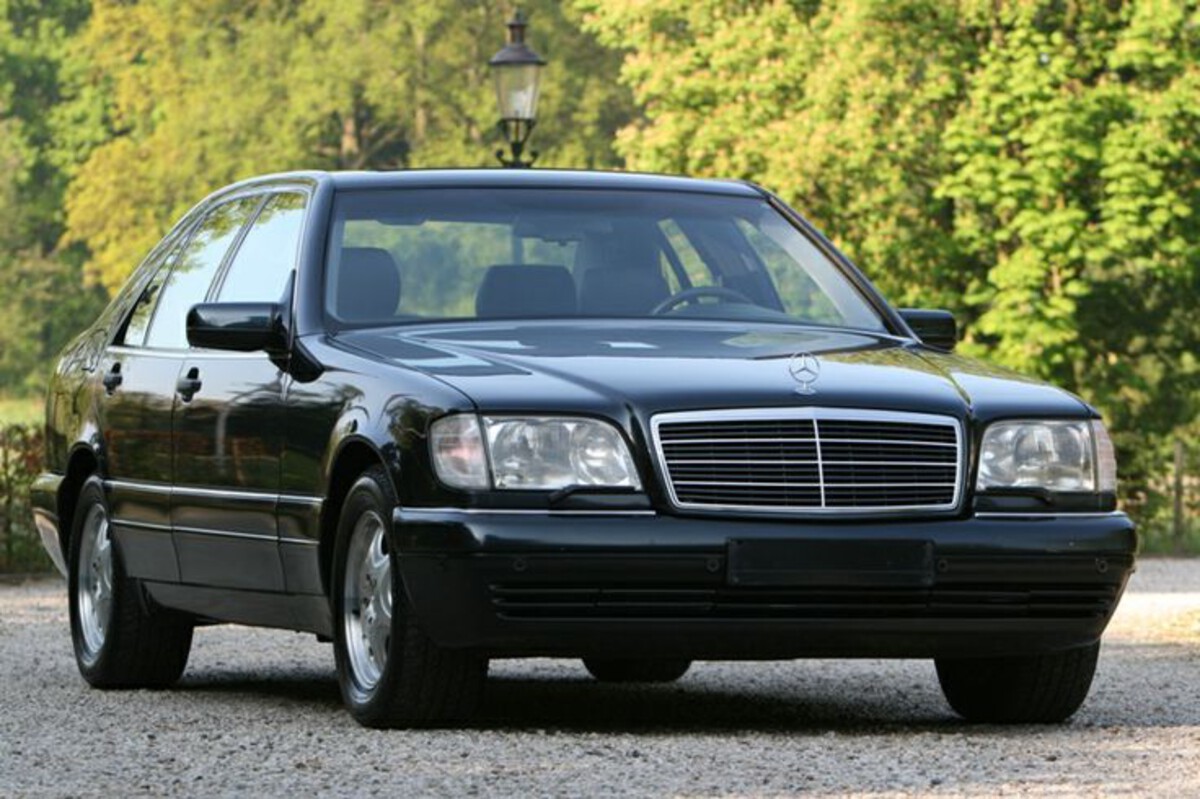
The seatbelt webbing in the W140 was thicker and denser than many contemporary designs, providing exceptional tear resistance. The retractors featured pyrotechnic pretensioners, which were cutting-edge for the era.
In the event of a crash, a small explosive charge instantly tightened the belt, eliminating slack before the occupant could move forward. Mercedes also incorporated belt force limiters, allowing controlled release to minimize chest injuries from the restraint itself.
Unique to the W140 was the attention given to rear-seat passengers. Even in the late ’90s, Mercedes equipped the outboard rear seats with pretensioners and integrated them seamlessly with the vehicle’s crash sensors. The goal was to provide the same level of protection to all occupants, regardless of seating position.
Owners of these vehicles often remark that even after decades, the seatbelts retract crisply, and the webbing shows minimal fading or fraying, a testament to the quality of the materials used. The UV resistance in the fibers and the smooth, precise engineering of the retractors have helped them remain functional long after many competitors’ systems would have weakened.
The W140 S-Class is remembered for its bank-vault build quality, and its seatbelts are no exception. They’re a reminder that when safety is prioritized without compromise, the results can endure for decades, protecting passengers as effectively today as they did when the car first rolled off the production line.
4. 2023 Toyota Camry
The Toyota Camry has long been known for reliability, but the 2023 model also underscores Toyota’s commitment to occupant safety through well-engineered restraint systems. This sedan’s seatbelt design is a blend of durability, comfort, and advanced crash protection technology.
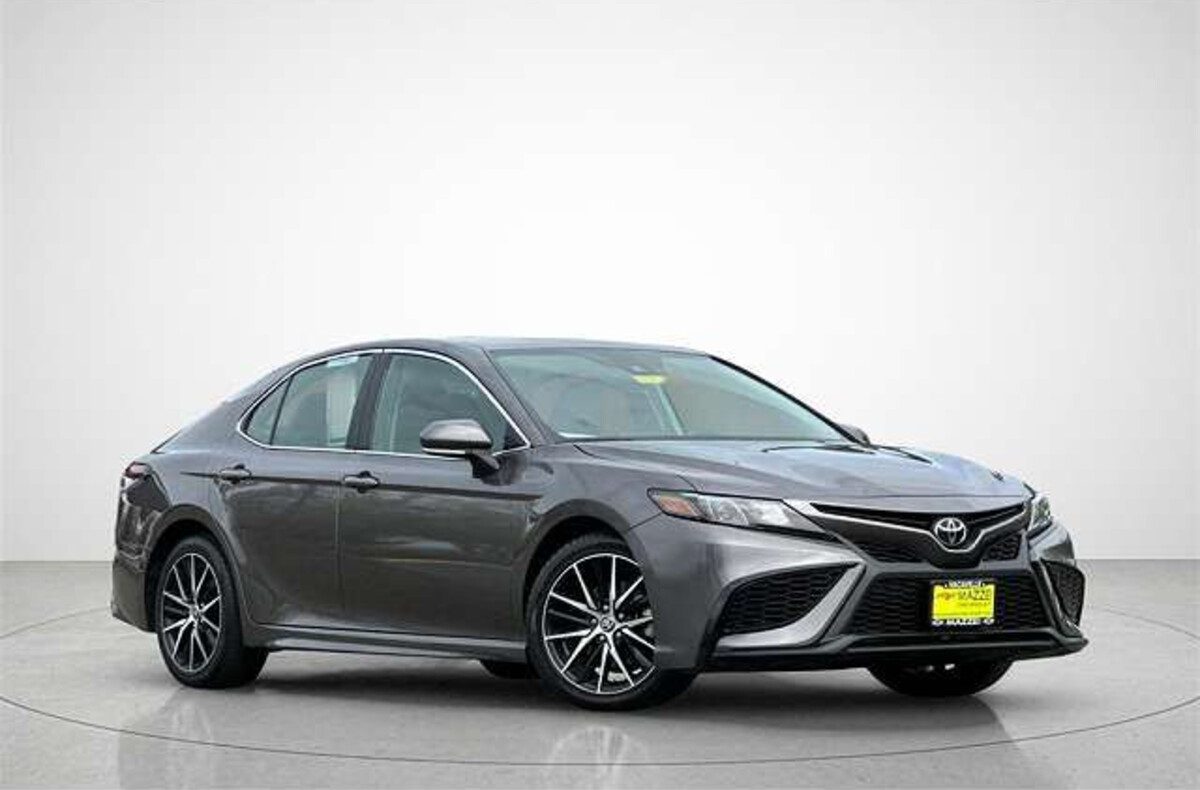
Toyota uses high-strength, fade-resistant polyester for the webbing, ensuring that belts remain flexible and free from fraying even after years of daily use. The retractors employ electric pretensioners tied into the vehicle’s pre-collision system, which can detect imminent impacts and cinch the belts before a crash occurs. This proactive approach minimizes occupant movement, giving airbags the ideal opportunity to deploy effectively.
The front belts feature advanced load limiters, reducing the force on the chest during severe deceleration. In addition, the Camry offers rear outboard pretensioners, a feature still missing in many competitors’ sedans. This ensures rear passengers are just as secure as those in the front.
Toyota’s engineering also focuses on long-term usability. The retractors maintain consistent tension over time, and the belts retract smoothly without sticking. Even after repeated use, the buckles engage with a satisfying, secure click, providing immediate reassurance of their function.
In real-world crash data, the Camry’s seatbelt system consistently performs well, often exceeding regulatory requirements. The combination of robust materials, precise mechanical design, and integration with modern safety electronics ensures these belts are dependable for years.
For buyers who want a car that pairs long-lasting mechanical reliability with unwavering safety performance, the 2023 Toyota Camry delivers both in abundance. It’s proof that even a mainstream sedan can offer premium-level restraint engineering without inflating the price tag.
5. 2005 Honda Accord
The 2005 Honda Accord strikes a balance between everyday practicality and dependable safety, and its seatbelt system is a key part of that formula. This generation of Accord arrived with several restraint upgrades that put it ahead of many competitors in its class at the time.
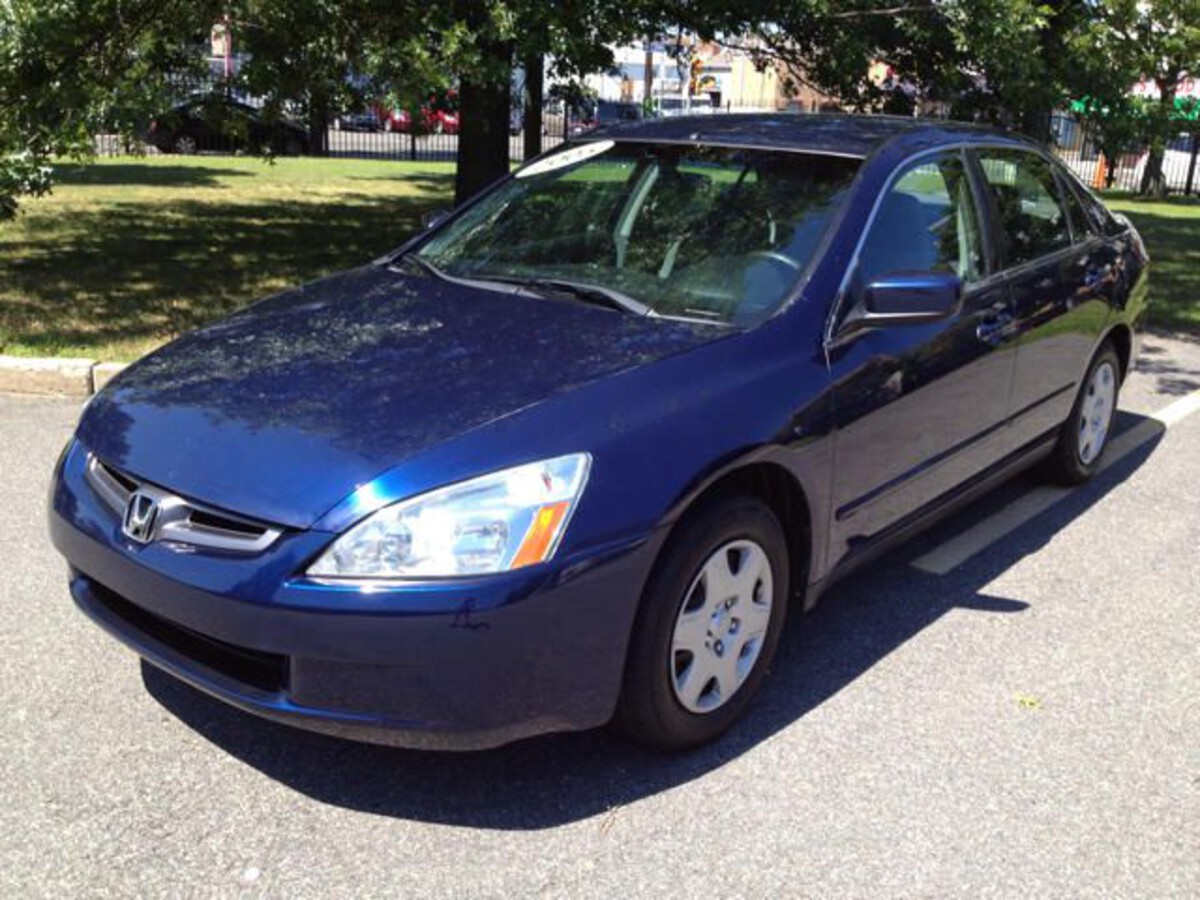
The front seatbelts feature dual-stage pretensioners, which engage in two phases during a collision. This allows the system to tighten rapidly at first to restrain forward movement, then slightly relax to prevent excessive force on the occupant’s chest. Honda paired this with load limiters, which further reduce the risk of seatbelt-induced injury during high-impact crashes.
One standout element of the 2005 Accord’s belts is the quality of the webbing. The polyester material was treated with UV inhibitors, which helped prevent fading and weakening over years of exposure. Owners in sunny climates report that the belts remain pliable and strong even after extended use. The retractors maintain smooth, reliable operation, avoiding the sluggishness that can plague older cars.
Honda’s focus on safety was also evident in the rear seats, where the outboard positions received pretensioners a rare inclusion in mid-2000s midsize sedans. This attention to all passengers’ safety underscored Honda’s commitment to comprehensive protection.
Crash tests of the 2005 Accord reflected the effectiveness of these seatbelts, with high ratings in both frontal and side impacts. Even two decades later, well-maintained examples still deliver dependable restraint performance.
The 2005 Honda Accord demonstrates that safety-focused engineering decisions can stand the test of time. For buyers seeking a budget-friendly used car that doesn’t compromise on seatbelt reliability, this Accord remains a wise choice.
5 Cars With Fading Restraints
Not every car ages gracefully, especially when it comes to seatbelt systems. Even vehicles that once met safety standards can develop problems over time if the materials or mechanisms weren’t built for long-term endurance.
In some cases, cost-cutting during production led to the use of lower-grade webbing that fades and weakens under UV exposure. In others, the retractors or pretensioners suffer from mechanical wear or corrosion, compromising their performance.
The vehicles in this list share one unfortunate trait: their seatbelts tend to lose effectiveness faster than expected. Whether it’s belts that become stiff and hard to extend, webbing that frays or discolors, or retractors that fail to retract completely, these issues can undermine occupant protection in a crash.
While some of these shortcomings can be addressed with replacement parts, the fact remains that their factory systems have a reputation for fading both literally and functionally. These examples serve as reminders that restraint system quality can vary widely, and not every car’s safety gear is built to last.
ALSO READ: 5 Vehicles with Resilient Headliners vs 5 With Sagging Roof Liners
1. 1999 Ford Explorer
The late-1990s Ford Explorer was a best-seller, but its seatbelt system has not aged as gracefully as its rugged image suggests. Many owners have reported that the webbing on these seatbelts becomes stiff and discolored over time, especially in sun-exposed interiors. The fading is more than cosmetic; UV damage can weaken fibers, reducing tensile strength.
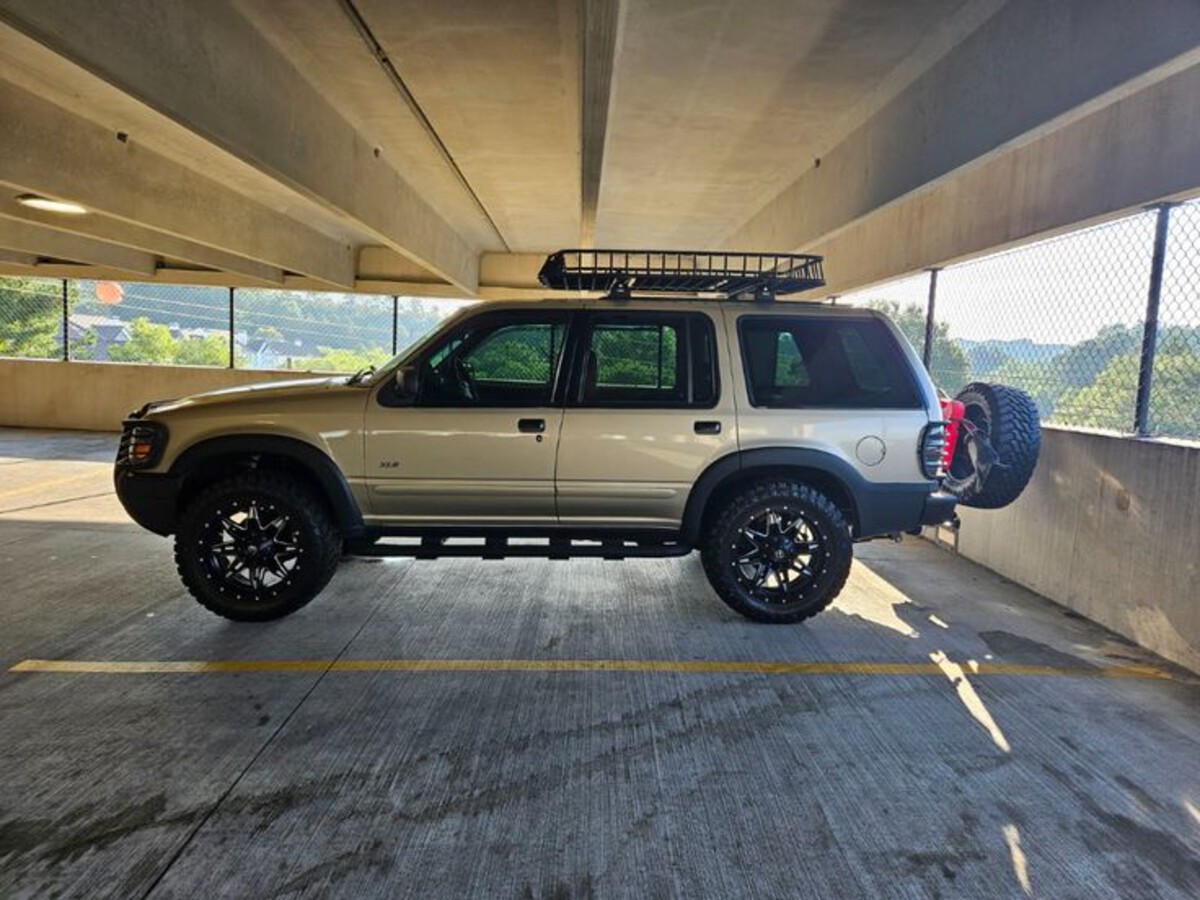
Another common complaint involves sluggish or incomplete retraction. In many cases, the belts fail to retract fully, leaving slack that could be dangerous in an accident. The retractors use older mechanical designs without the benefit of modern pretensioner technology, meaning they rely solely on inertia-locking mechanisms. While these worked adequately when new, decades of wear and dust intrusion often compromise their responsiveness.
In crash scenarios, belts with slack can increase the forward movement of occupants, reducing the effectiveness of airbags and increasing injury risk. While replacing worn components is possible, sourcing OEM-quality parts for older models can be a challenge, and aftermarket replacements often lack the same fit and finish.
The 1999 Explorer’s restraint issues highlight how safety equipment, while functional at first, can degrade significantly over time if not engineered for extreme longevity. For owners of older SUVs, a thorough inspection of the seatbelt system should be a priority before trusting it for daily use.
2. 2004 Chevrolet TrailBlazer
The 2004 Chevrolet TrailBlazer offered plenty of power and space for families, but its seatbelt system has developed a questionable reputation over the years. Owners frequently report fraying along the edges of the belt webbing, often within a decade of use. This fraying not only looks concerning but also compromises the belt’s ability to evenly distribute force in a collision.
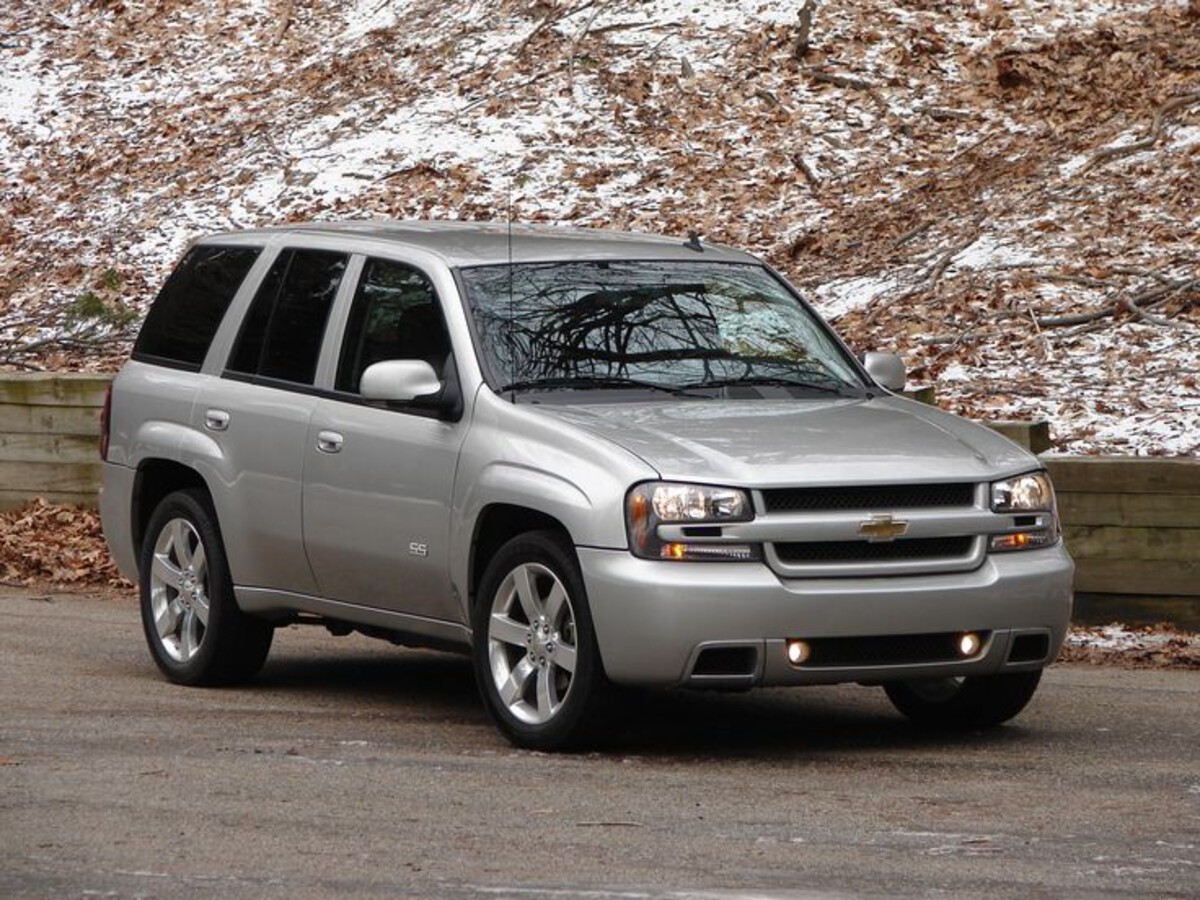
The retractors, especially in the driver’s seat, are prone to becoming sluggish or failing entirely. Many TrailBlazer belts will not retract without assistance, leaving them hanging loosely. This is particularly problematic in sudden-stop situations, where slack in the belt can lead to excessive occupant movement.
While the TrailBlazer did feature pretensioners in the front seats, these components can become less reliable over time due to corrosion in the mechanism. This is more common in regions with high humidity or where road salt is used in winter. Even when the pretensioner does function, the weakened webbing can reduce its effectiveness.
The decline in restraint performance is most noticeable in high-mileage TrailBlazers, where years of sun exposure and heavy use have taken their toll. Replacing the belts can help, but many owners are unaware of the deterioration until it’s too late.
This SUV’s issues are a reminder that a seatbelt system’s longevity depends on both initial design quality and material durability. The 2004 TrailBlazer may still be capable on the road, but its factory restraint system has shown it can fade faster than drivers might expect.
3. 1988 Chrysler New Yorker
The 1988 Chrysler New Yorker was positioned as a comfortable, tech-forward sedan for its time, but its seatbelt system reflects an era when long-term durability was not always the highest priority. One of the biggest concerns is the early passive restraint design, which included motorized shoulder belts that moved into place automatically when the door closed.
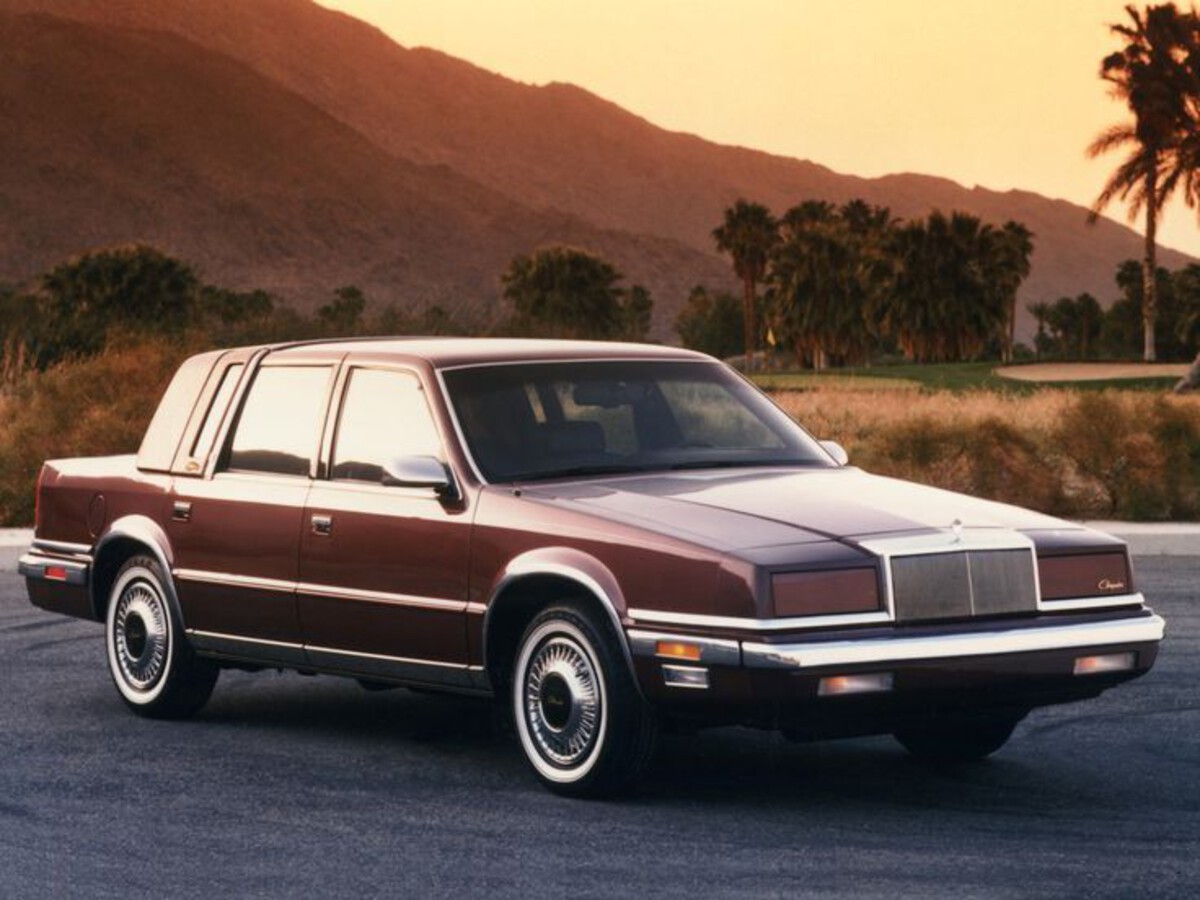
While innovative at the time, these systems relied on complex tracks and electric motors that often failed after several years. Once the motorized belt stopped working, many owners simply left it in place without repairing it, compromising proper fit and security.
Even when functional, the belt webbing was prone to fading and losing flexibility due to sun exposure. This weakening of the fibers can significantly reduce the belt’s strength in a crash. In some cases, the lap belt section separate from the motorized shoulder belt would also develop slack due to worn retractors.
The New Yorker’s restraint issues are compounded by the fact that replacement parts are now rare, and retrofitting a modern system is often impractical. As a result, many surviving examples are driven with restraint systems that no longer provide adequate protection.
While the 1988 New Yorker holds nostalgic appeal for some enthusiasts, it stands as a case study in how well-intentioned safety innovations can age poorly. Modern seatbelt systems have benefited from decades of refinement, but older designs like this one often fail to maintain effectiveness in the long run.
4. 2011 Nissan Versa
The 2011 Nissan Versa is known for being an affordable, no-frills commuter, but its seatbelt system has been criticized for durability issues. Owners have reported premature fraying of the front seatbelt webbing, sometimes within just a few years of ownership. This fraying is most common where the belt rubs against the guide near the shoulder, suggesting a design flaw in the belt path.
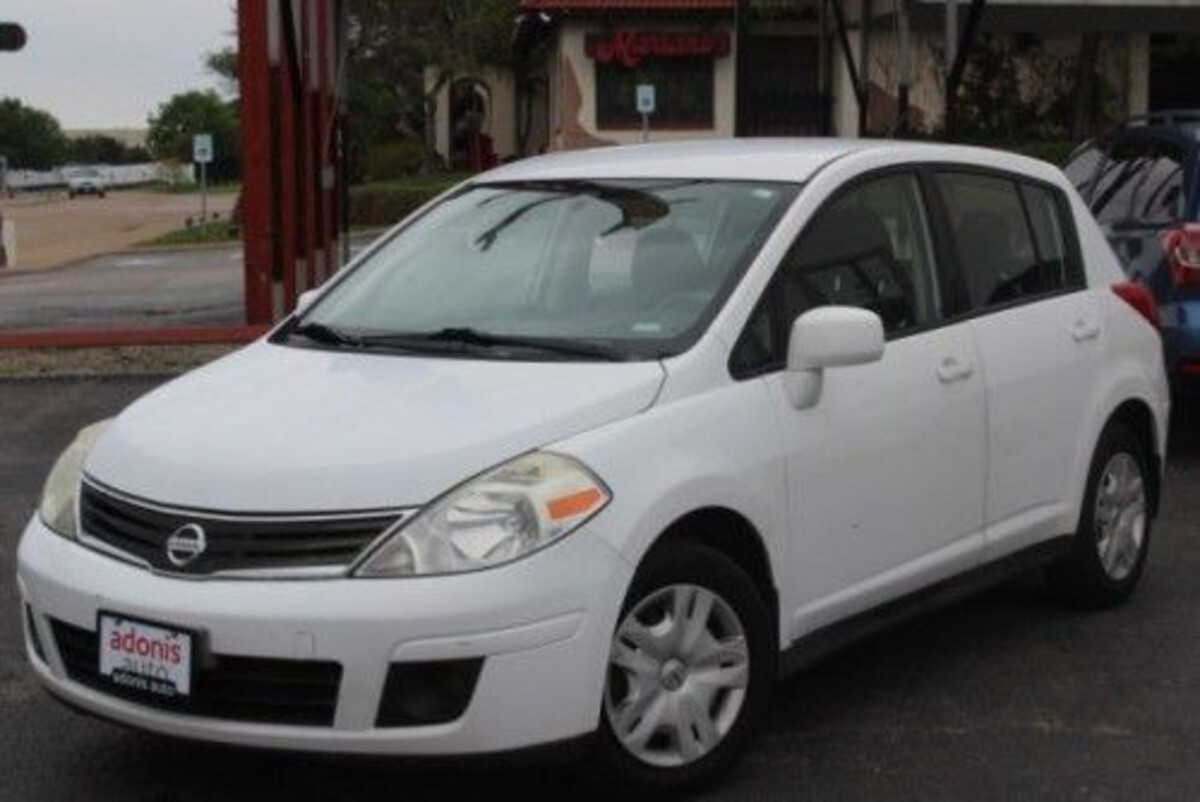
Retractor issues have also been noted. In colder climates, the retractors can become sluggish, failing to pull the belt back smoothly. This creates an unsafe amount of slack, especially during quick stops. The pretensioners, while present, are basic in design and not as fast-acting as those found in higher-end vehicles of the same era.
Some crash test data showed adequate performance when new, but real-world aging has revealed weaknesses in the materials. Belts exposed to high levels of sunlight often lose their color and feel stiffer, which can make them uncomfortable to wear and less effective in a crash.
The Versa’s restraint system serves as a reminder that meeting minimum safety requirements at launch is not enough. True occupant protection requires a design that can maintain its performance for years, something this model struggles with. For used Versa buyers, a careful inspection of the seatbelt condition is highly recommended before purchase.
5. 2002 Jeep Liberty
The 2002 Jeep Liberty was marketed as a rugged, adventure-ready SUV, but its seatbelt system has been one of its weaker points over time. The belt webbing in many examples shows significant fading and fraying after years of sun exposure, especially in models with lighter-colored interiors. This degradation can reduce the belt’s tensile strength and compromise occupant safety.
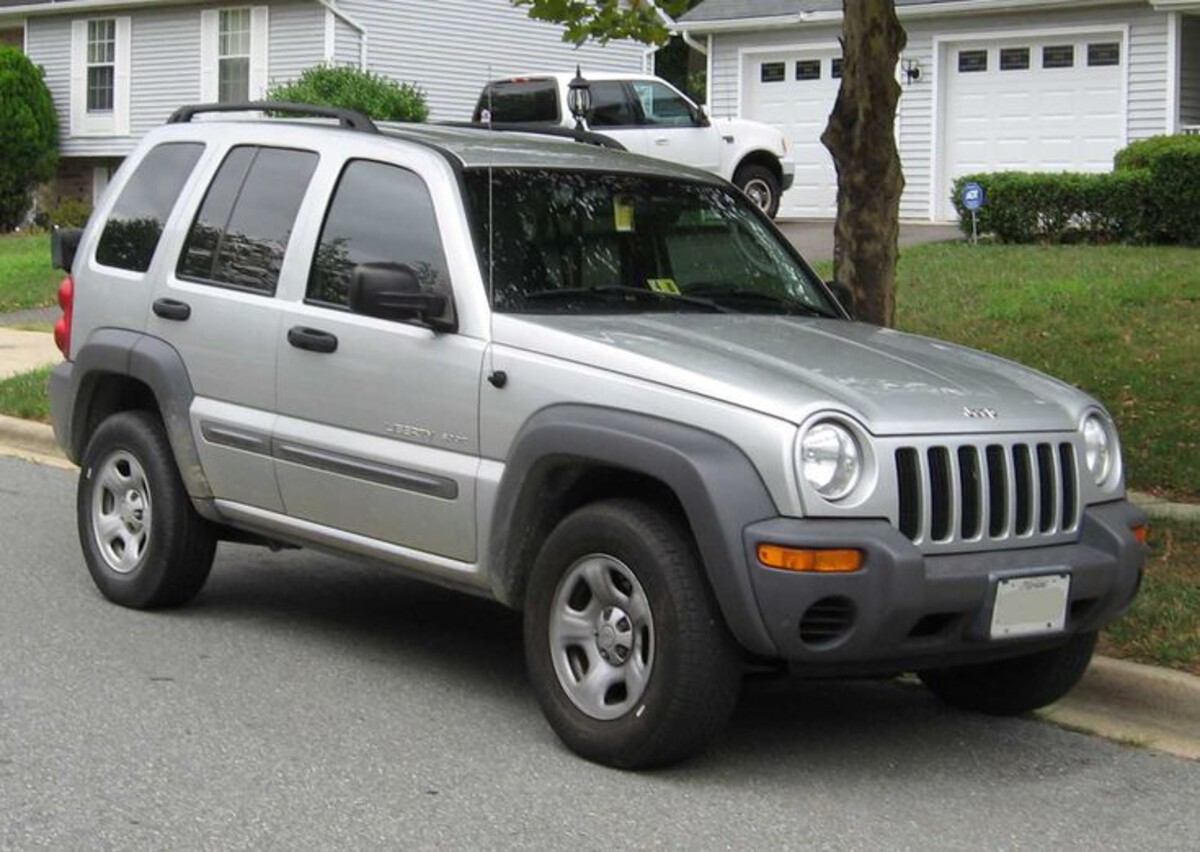
Retractor reliability has also been a recurring issue. Owners report belts that either fail to retract fully or lock up unexpectedly during normal use. In some cases, the mechanism becomes jammed due to dirt and debris entering the housing a problem exacerbated by the Liberty’s appeal to off-road enthusiasts.
While the Liberty does include pretensioners in the front seats, they are mechanical rather than pyrotechnic, which means they rely on momentum to activate. This can result in slower engagement compared to more advanced systems.
The combination of environmental wear, mechanical shortcomings, and aging materials makes the 2002 Liberty’s seatbelt system less dependable as the years go by. Replacement is possible, but given the vehicle’s age, many owners simply continue using worn belts, often unaware of the potential risk.
For a model built to tackle tough terrain, the Liberty’s fading restraint performance is a surprising weak point. It’s a reminder that safety systems need to be as durable as the rest of the vehicle’s capabilities.
Seatbelts may be simple in concept, but their execution and durability are anything but. As this list shows, there’s a clear divide between vehicles that maintain restraint integrity over time and those that falter.
Strong seatbelt systems like those in the Volvo XC90, Subaru Outback, or Mercedes W140 combine high-quality materials with precise engineering, ensuring that protection remains reliable year after year. These systems inspire confidence because they were built with a long-term vision, not just to pass initial crash tests.
On the other side, fading restraint systems remind us that even vehicles with solid reputations in other areas can have weaknesses that emerge with age. The Ford Explorer’s UV-weakened webbing, the TrailBlazer’s sluggish retractors, and the New Yorker’s aging passive belts all illustrate how time and design flaws can erode a system’s effectiveness.
The difference often comes down to manufacturer priorities. Brands with a deep-rooted safety culture tend to invest in superior webbing, robust retractors, and pretensioners that work in harmony with other safety systems. Those that focus more on cost-cutting or flashy innovations sometimes overlook how their designs will perform after years in real-world conditions.
For car buyers, whether shopping for a brand-new model or a used classic paying attention to seatbelt condition is essential. Inspect for fraying, fading, or sluggish retraction, and don’t underestimate the importance of pretensioner functionality. A seatbelt is your first and most dependable line of defense in an accident.
In the end, vehicles that protect you as well in their tenth year as they did on day one earn a trust that’s hard to quantify but easy to feel every time that buckle clicks into place.