The U.S. auto market is shifting fast in 2025, with changing consumer priorities, evolving technology, and economic pressures reshaping what sells and what doesn’t.
While some models are thriving in this new environment, others have fallen out of favor, whether due to outdated features, rising prices, or the arrival of more appealing competitors.
Here are ten cars that Americans have largely walked away from this year and the reasons behind their decline.
1. Chevrolet Malibu
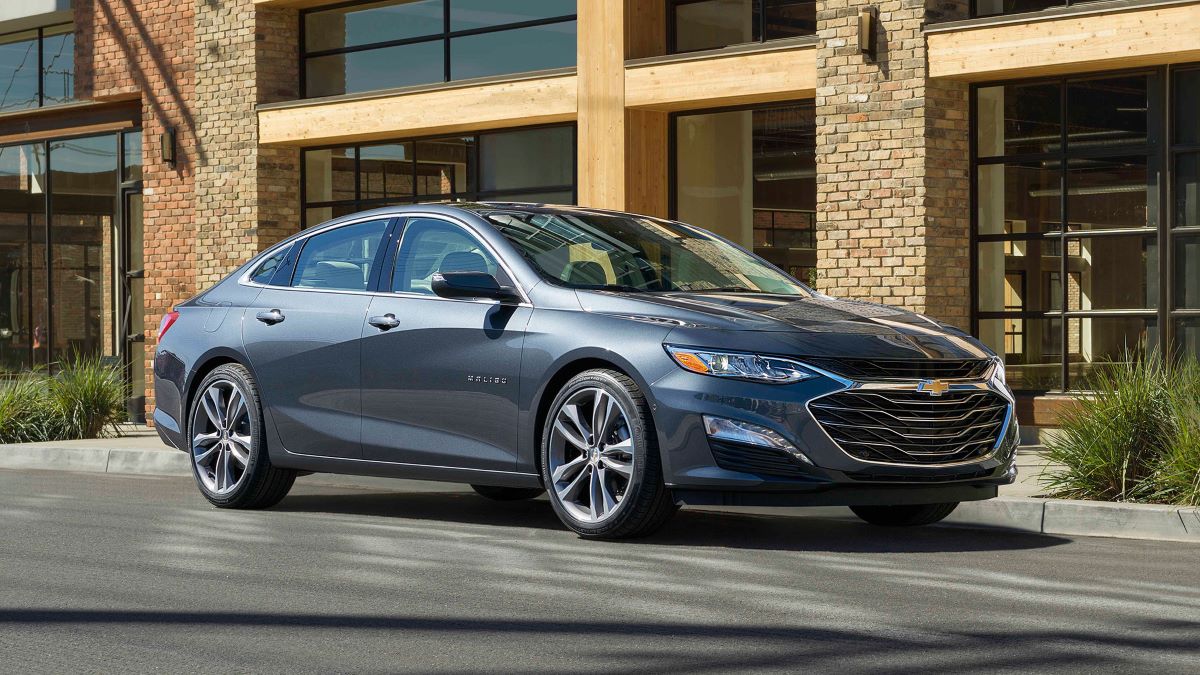
The Malibu, once a solid midsize sedan choice, has been hit hard by the U.S. pivot toward SUVs and crossovers. In 2025, buyers see little reason to choose it over similarly priced SUVs that offer more cargo space, higher driving positions, and AWD options.
Chevrolet’s lack of major updates in recent years sealed the deal, making the Malibu feel dated compared to rivals.
The 2024 Chevrolet Malibu may be approaching a decade in its current form, but it still manages to hold its own in the mid-size sedan segment. While it has never been a standout in the class, the Malibu offers a respectable combination of style, a comfortable ride, and capable handling.
Power comes from a turbocharged four-cylinder engine paired with a continuously variable automatic transmission (CVT), delivering adequate performance for city driving. However, it lacks the stronger acceleration found in rivals with more powerful turbocharged or six-cylinder options.
The interior is one of the Malibu’s weaker points, with an abundance of low-grade plastics that diminish the overall feel.
Its list of standard features is also slimmer compared to competitors like the Honda Accord and Hyundai Sonata. While not unpleasant to drive or own, the Malibu falls short of the well-rounded packages offered by its peers.
For 2024, all Malibu trims now include a standard tire inflation kit. Chevrolet has also added a new color option, Lakeshore Blue Metallic, to the palette.
The 2024 Malibu starts at $26,195 for the LS trim and goes up to $32,595 for the top-tier 2LT. The RS trim is priced at $27,095, while the recommended LT trim starts at $29,195.
The LT stands out as the best value, offering 17-inch wheels, dual-zone automatic climate control, remote engine start, heated front seats, and a power-adjustable driver’s seat.
It also comes standard with automated emergency braking and lane-keeping assist. For an additional $250, buyers can add a blind-spot monitor and rear cross-traffic alert, rounding out the safety package.
Also Read: 5 Popular Cars That Everyone Regrets Buying and 5 They’d Buy Again
2. Nissan Maxima
Once Nissan’s flagship sedan, the Maxima struggled as consumers increasingly favored crossovers like the Rogue and Pathfinder.
Its sporty personality and strong V6 weren’t enough to counter its high fuel consumption and lack of interior space compared to similarly priced SUVs. Nissan’s decision to wind down production also made buyers hesitant.
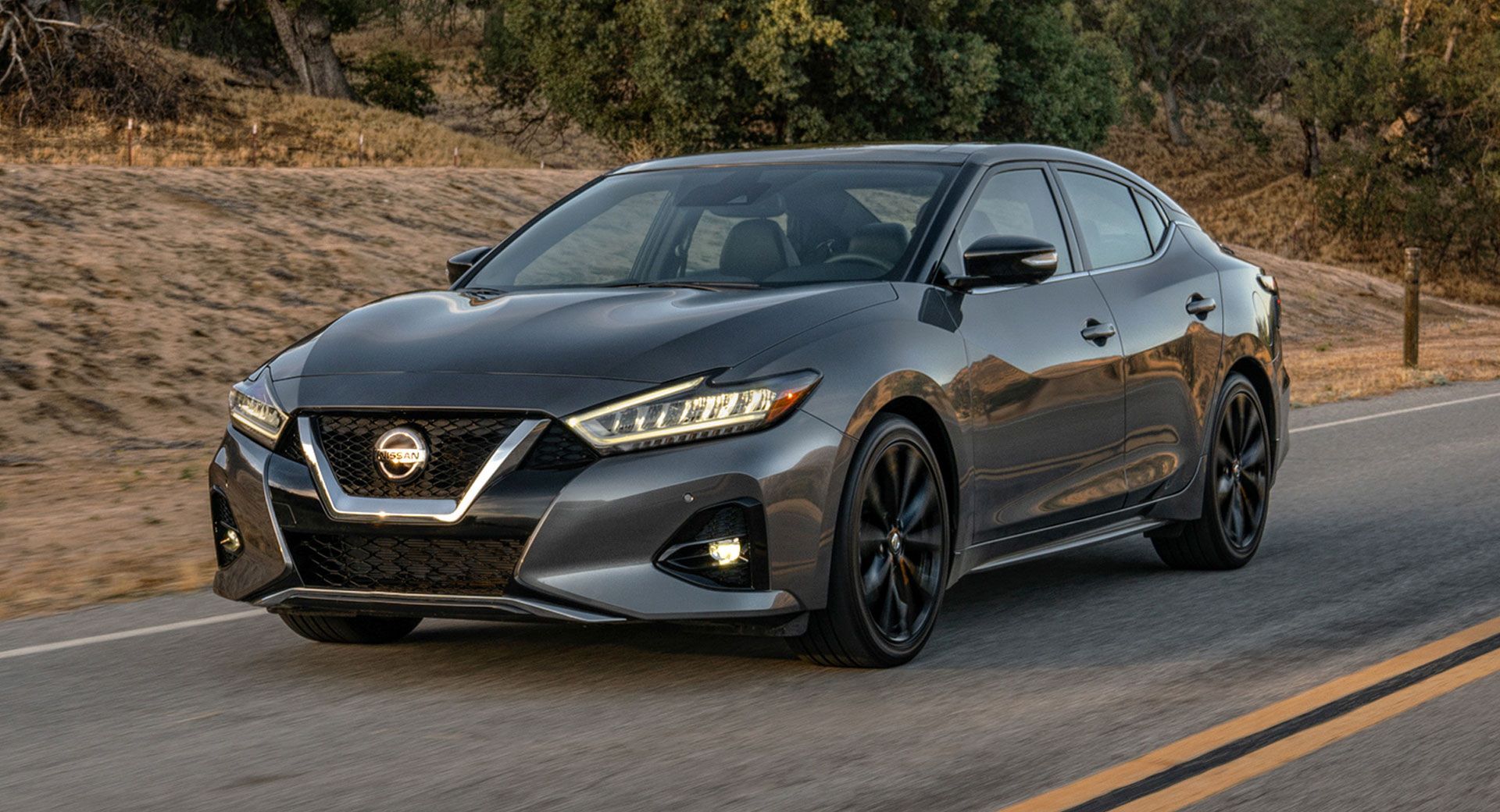
The Nissan Maxima stands out as one of the quicker options in the full-size sedan category, thanks to its strong 3.5-liter V-6 engine that produces 300 horsepower and delivers an engaging exhaust note when pushed hard.
This powertrain provides brisk acceleration, with a Maxima Platinum model reaching 60 mph in just 5.7 seconds during testing, outpacing competitors like the Volkswagen Arteon and V-6-powered versions of the Dodge Charger.
While the continuously variable automatic transmission (CVT) helps manage power delivery, it somewhat undermines the Maxima’s sports-sedan character. On the road, the Maxima offers sharp handling for its size, with a suspension that is firmly tuned—possibly too firm for some in this segment.
Body roll is minimal during aggressive cornering, and in our tests, the sport-oriented Maxima SR proved to be more agile than many of its direct rivals.
3. Ford Edge
The Ford Edge is suffering from an identity crisis in 2025. It’s larger and more expensive than compact SUVs but lacks the third row of a true midsize family hauler.
With Ford focusing on electric vehicles and the Bronco Sport gaining popularity, the Edge has become a hard sell, especially given its aging design.
The 2024 Ford Edge continues to position itself as a mid-size SUV that prioritizes two-row comfort over three-row practicality, offering a spacious cabin, a well-finished interior, and a large cargo area.
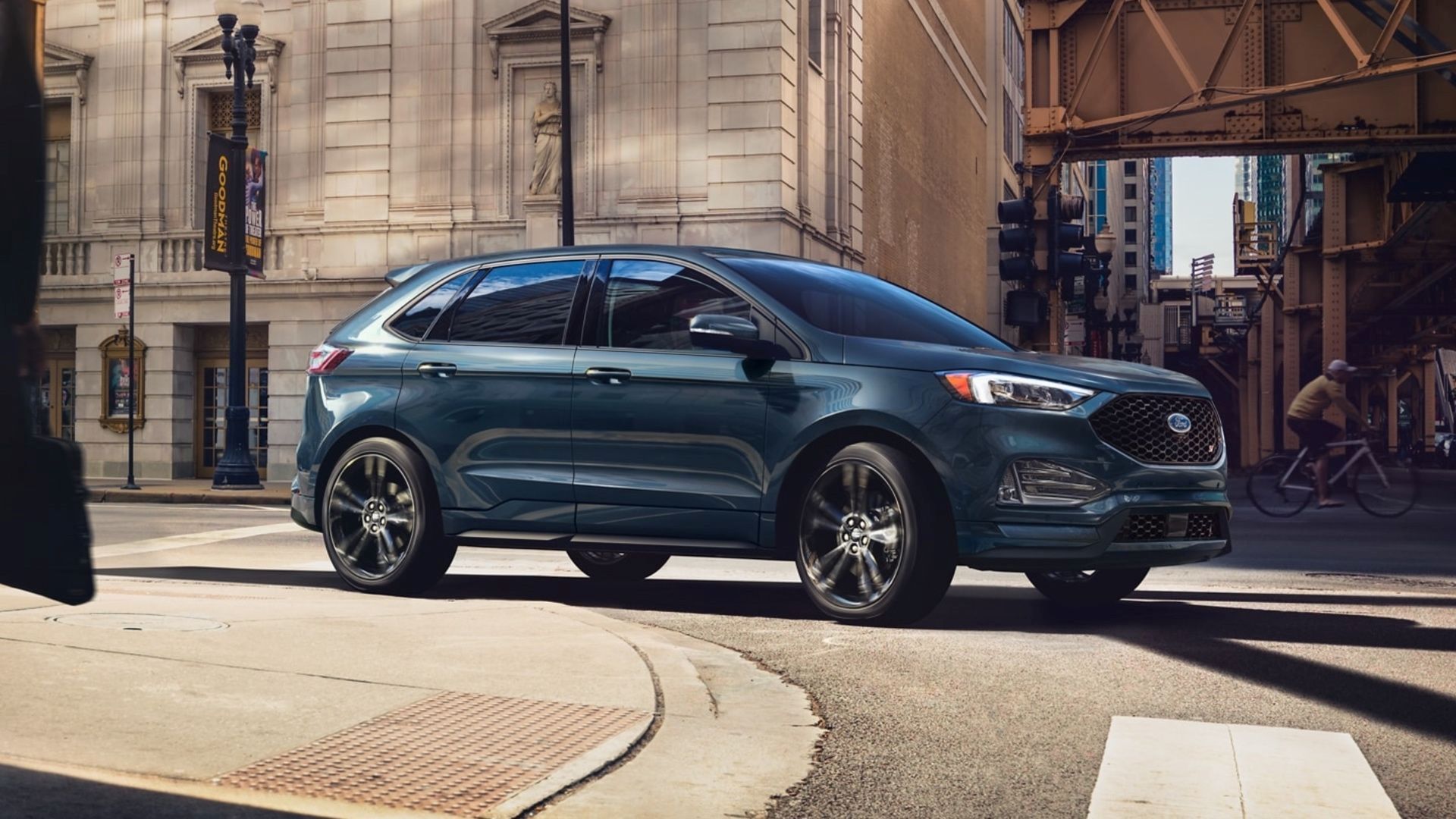
Its sleek, sharply styled exterior helps it stand out, while the standard turbocharged four-cylinder engine delivers solid, everyday performance. For buyers seeking more excitement, the ST trim offers a 335-hp twin-turbo V-6, adding genuine sportiness to the lineup.
However, the Edge’s appeal is tempered by its age, it has been on sale since 2019 with minimal updates and a starting price that is higher than some excellent three-row rivals like the Kia Telluride and Hyundai Palisade.
For 2024, changes are minimal, with the most notable update being extended complimentary subscription services, built-in navigation now free for three years and Ford’s streaming service extended to a full year.
Pricing starts at $39,960 for the SE trim and tops out at $48,700 for the ST. While the ST’s performance is enticing, its price places it in competition with the more luxurious Lincoln Nautilus.
The SEL trim strikes the best balance, adding desirable upgrades such as a leather-wrapped steering wheel, heated front seats, a nine-speaker stereo, LED fog lamps, and additional comfort features over the base model without pushing the price into luxury-brand territory.
4. Toyota C-HR
The Toyota C-HR’s bold styling initially attracted younger buyers, but the lack of AWD and modest performance hurt its appeal over time.
In 2025, with Toyota introducing the Corolla Cross and a stronger hybrid lineup, the C-HR feels redundant and overpriced for its size.
The 2025 Toyota C-HR+ marks the all-electric debut of Toyota’s second-generation compact crossover coupe, which first launched in the summer of 2023.
Unlike some automakers that rushed EVs to market, Toyota took a more deliberate approach, adapting the design of its hybrid C-HR for electric power while introducing a stronger and more engaging drivetrain. The C-HR+ is available in both single- and dual-motor configurations, offering customers flexibility in performance and capability.
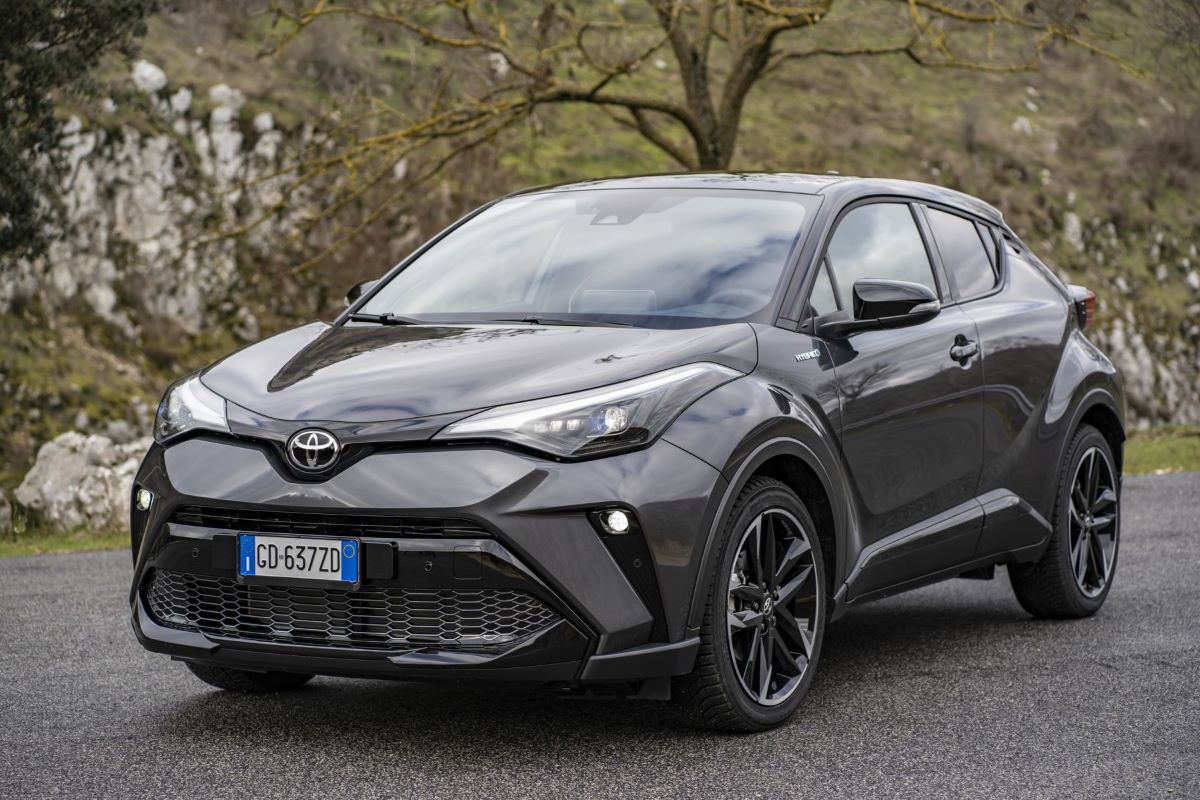
To keep production costs manageable, Toyota carried over many components from the hybrid model. The C-HR+ shares its distinctive front fascia, with elevated C-shaped LED daytime running lights positioned above LED headlights.
Between them sits a flat, closed panel integrated into the bumper, while a broad trapezoidal air intake and functional side scoops direct airflow to reduce drag. The profile blends crossover proportions with coupe-inspired lines, featuring black cladding around the wheel arches and available 20-inch alloy wheels.
A signature waistline, dipping slightly on the doors before rising toward the rear pillars. flows into the sharply designed LED taillights. At the rear, the steeply raked tailgate and roof spoiler emphasize sportiness, while the EV-specific bumper integrates a diffuser accented by wide silver trim in place of exhaust outlets.
Inside, the cabin mirrors the modern, tech-forward feel of Toyota’s bZ4X, with a flat dashboard, a fully digital driver display, and a floating 14-inch infotainment touchscreen. Notably, there’s no glovebox, allowing for a cleaner layout.
Sporty, high-bolstered front seats upholstered in recycled materials offer strong support, and the center console houses the drive selector alongside dual wireless charging pads.
Power comes from either a 57.7-kWh or 77-kWh battery pack, paired with three drivetrain options. The base model uses a 123-kW (165-hp) motor, the mid-range version gets a 165-kW (221-hp) motor, and the range-topping variant features a dual-motor setup producing 252 kW (338 hp) and standard all-wheel drive.
Both the mid- and high-spec versions are paired with the larger battery, delivering more range and performance. This combination of familiar styling, versatile configurations, and electric power positions the 2025 Toyota C-HR+ as a stylish, youthful, and competitive entry in the EV crossover market.
Also Read: 10 Cars That Americans Will Never Stop Buying
5. Chrysler 300
The Chrysler 300’s muscular V8 option and classic American sedan charm couldn’t hide the fact that it hadn’t seen a major redesign in over a decade.
In an era of fuel-conscious shoppers and strict emissions regulations, its aging platform and low mpg made it an easy pass for most buyers in 2025.
The 2023 model year marks the end of the road for the Chrysler 300, a full-size sedan that has been a familiar presence on American streets for over a decade. Introduced in its current form back in 2011, the 300 has aged gracefully, maintaining its bold, bad-ass stance and offering a spacious, comfortable interior.
While it may not match rivals in fuel efficiency or the latest tech features, it remains a solid choice for those who still value the size, style, and presence of a traditional full-size sedan, a category that continues to shrink year after year.
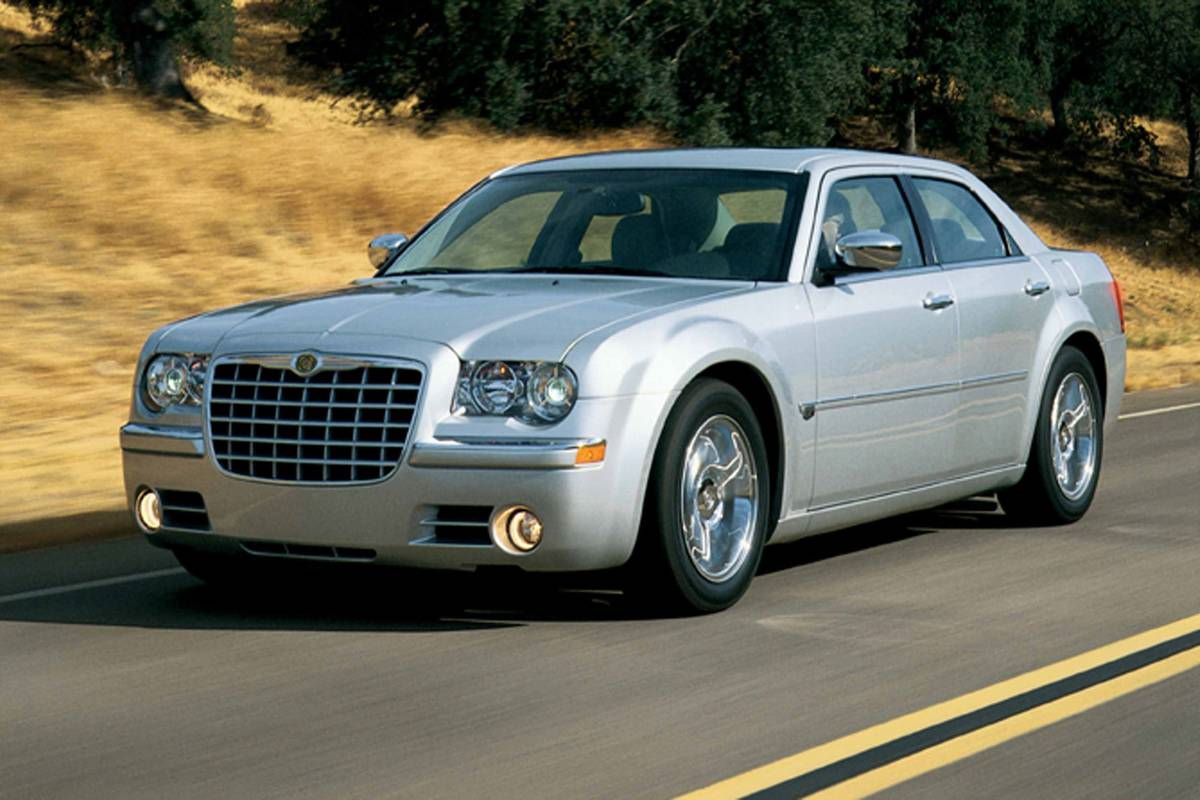
Power comes standard from the dependable Pentastar V6, available with either rear- or all-wheel drive. Two V8 options are also on offer, though they remain rear-drive only.
For its farewell tour, Chrysler has given the 300 one last adrenaline boost with the return of the high-performance 300C.
This model is powered by a 6.4-liter V8 borrowed from the Dodge Challenger and Charger, delivering an impressive 485 horsepower and 475 lb-ft of torque. Chrysler claims this powerplant can launch the 300C from 0 to 60 mph in just 4.3 seconds, a figure we’re eager to see verified on the test track.
The 300C also gains performance-focused upgrades, including Brembo brakes, adaptive suspension, carbon fiber interior accents, and a distinctive tri-color badge unique to the model. Aside from these final-year additions, the rest of the lineup remains largely unchanged, giving the Chrysler 300 a dignified yet powerful send-off.
6. Honda Insight
The Honda Insight delivered excellent fuel economy, but in 2025, the market is overflowing with hybrid options that offer more style, more tech, and better all-electric range.
The rise of the Civic Hybrid and Accord Hybrid effectively pushed the Insight off the stage, leaving little reason for buyers to choose it.
The 2022 Honda Insight sees a notable change as the base LX trim is dropped from the lineup, leaving the better-equipped EX as the new entry point and the Touring model unchanged. Honda has also confirmed that the Insight will be discontinued after this model year.
Pricing starts at $26,855 for the EX and tops out at $30,885 for the Touring. Given its balance of features, value, and slightly better fuel economy, thanks to lower weight and smaller wheels, the EX is the recommended choice over the pricier Touring.
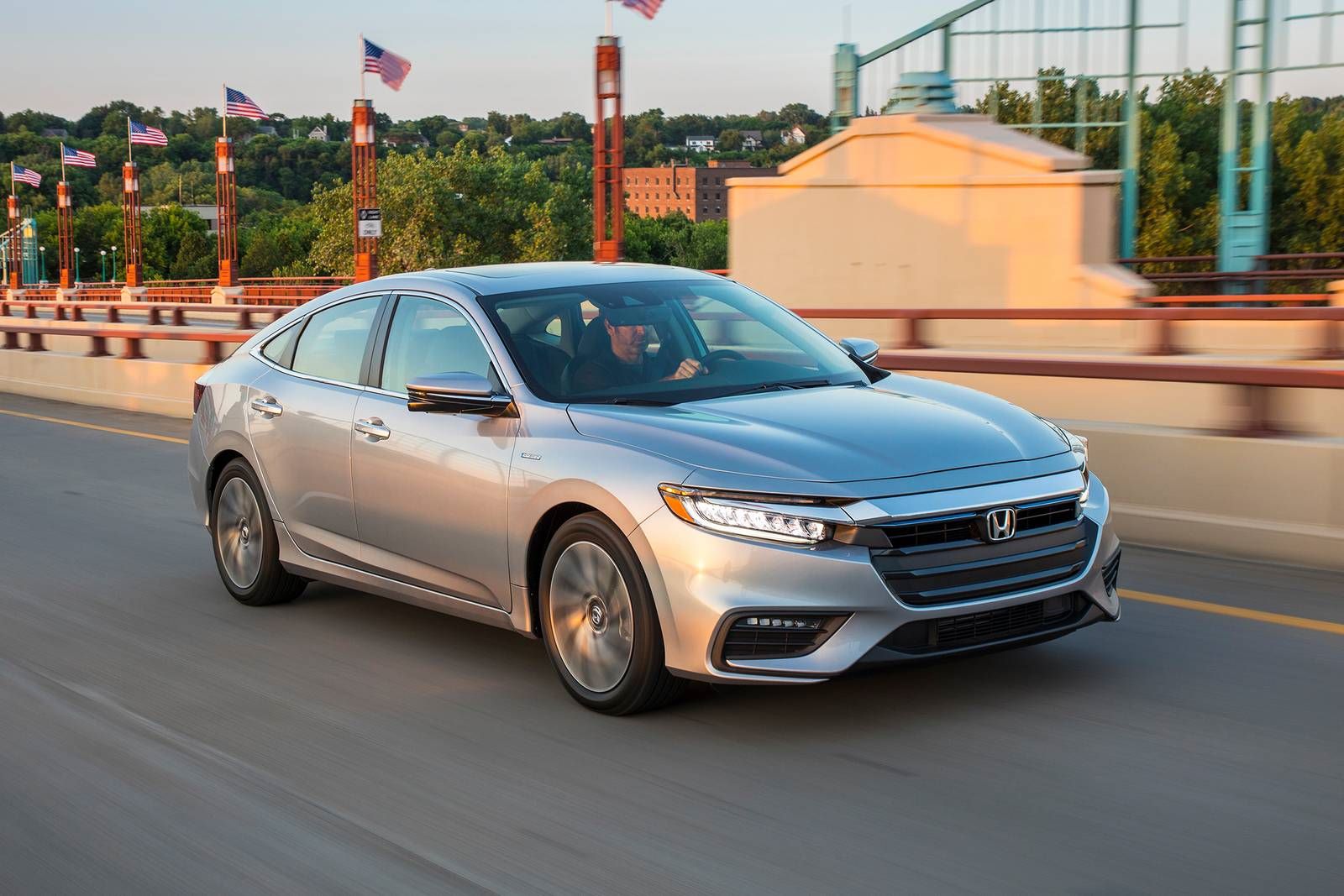
Under the hood, the Insight pairs a gasoline engine with electric motors to produce a combined 151 horsepower, enabling a 0–60 mph time of 7.7 seconds, quicker than many rival hybrids and on par with several gas-powered compacts.
It can travel about one mile on electric power alone at low speeds, but the gas engine seamlessly joins in for stronger acceleration. While the engine can get loud under hard throttle, the overall powertrain remains quiet, refined, and responsive.
On the road, the Insight delivers a driving experience reminiscent of the Honda Civic sedan, with confident handling, a comfortable ride, and composed suspension tuning. It soaks up bumps with ease, and its quick steering makes for responsive direction changes.
Braking performance is particularly impressive for a hybrid, with a progressive, natural feel that avoids the grabby or inconsistent feedback common in many competitors. Overall, the Insight stands out as a hybrid that blends efficiency with a genuinely enjoyable driving experience.
7. Jeep Cherokee
The Cherokee once held a strong position as a capable, adventure-ready SUV. But with rising prices, middling fuel economy, and interior quality that lagged behind rivals, it’s lost its competitive edge.
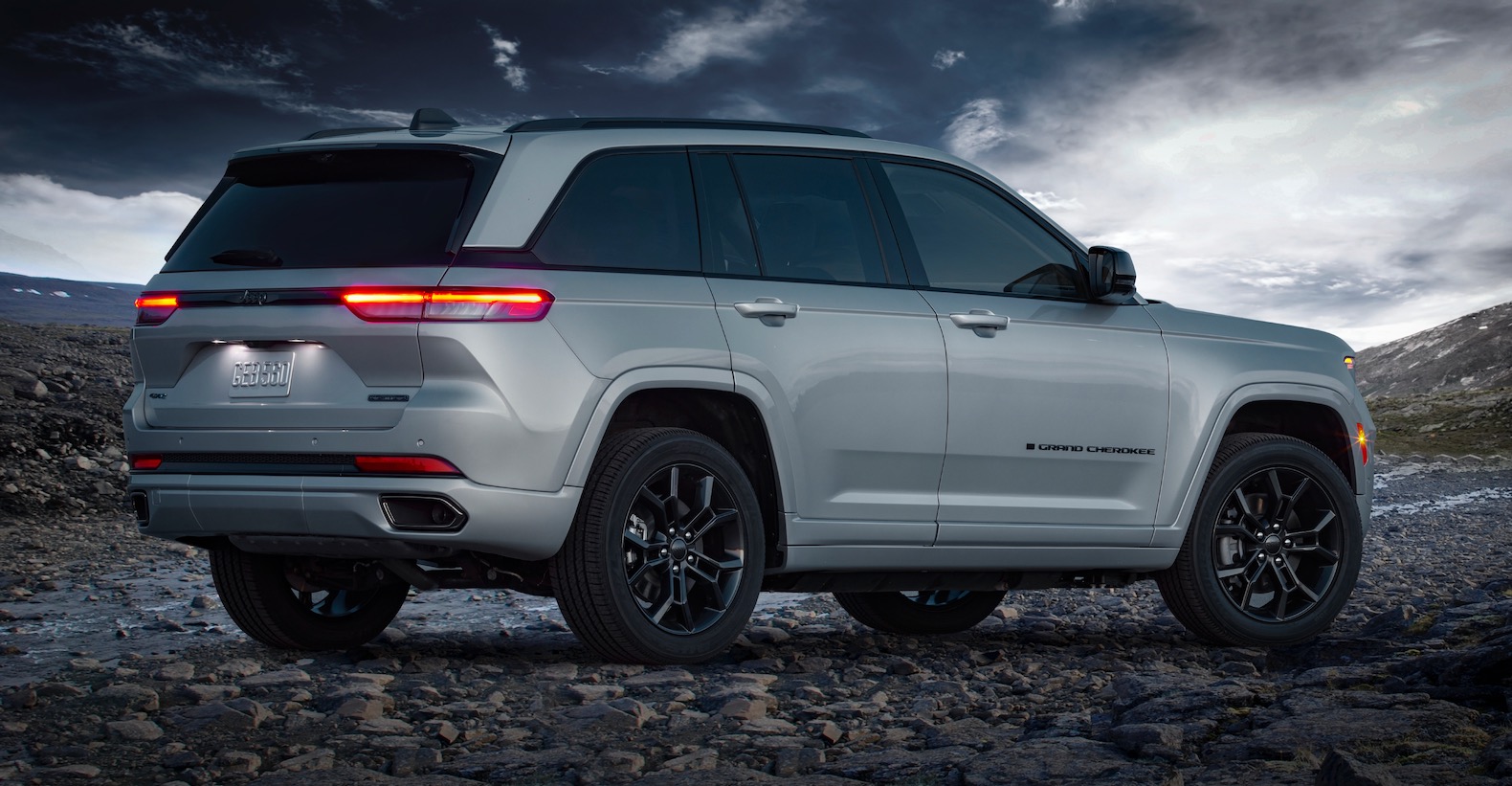
Jeep’s newer Compass and Grand Cherokee models have effectively cannibalized its market share.
For 2022, Jeep narrows the Cherokee lineup to four trims, introducing the all-new X model. This variant features distinctive exterior graphics, unique seat inserts, a 1.0-inch suspension lift, and more aggressive all-terrain tires, along with the standard V-6 engine.
All 2022 Cherokees now come equipped with an 8.4-inch touchscreen and SiriusXM satellite radio, replacing the previous 7.0-inch unit. The Latitude Lux model also gains added standard equipment, including a 7.0-inch gauge-cluster display, dual-zone automatic climate control, a 115-volt power outlet, and additional upgrades.
Pricing for the 2022 Cherokee starts at $31,590 and ranges up to $40,940, depending on trim and options. The Altitude begins at $31,590, the Latitude Lux at $36,490, the X at $36,840, the Trailhawk at $39,140, and the Limited tops the range at $40,940.
Our pick would be the Trailhawk, which comes standard with the robust V-6 engine and an advanced all-wheel-drive system with a locking rear differential.
It also includes features like heated front seats, a heated steering wheel, a full-size spare tire, red tow hooks, a matte-black hood decal, an off-road suspension that raises ride height, and 17-inch wheels with all-terrain tires. For those planning to tow, the Trailer Tow package is worth adding, as it enables the Cherokee’s maximum towing capacity of 4,500 pounds.
The Cherokee’s standard engine is a 270-hp 3.2-liter V-6, while an optional turbocharged 2.0-liter four-cylinder offers more torque but less towing capability, topping out at 4,000 pounds. Both engines are paired with a nine-speed automatic transmission and are available with either front- or all-wheel drive.
In testing, the turbocharged four-cylinder lacked the responsiveness of the V-6, making the latter the better choice for performance and utility. True to Jeep’s heritage, the Cherokee has a solid, planted feel, with firm suspension tuning that minimizes body roll while maintaining ride comfort.
It handles bumps without excessive rebound and feels stable on the highway. Steering is accurate and nicely weighted, though it could provide more road feedback. Braking is confident, with a firm pedal feel, and the Cherokee’s 70-mph-to-zero stopping performance ranks average for the class.
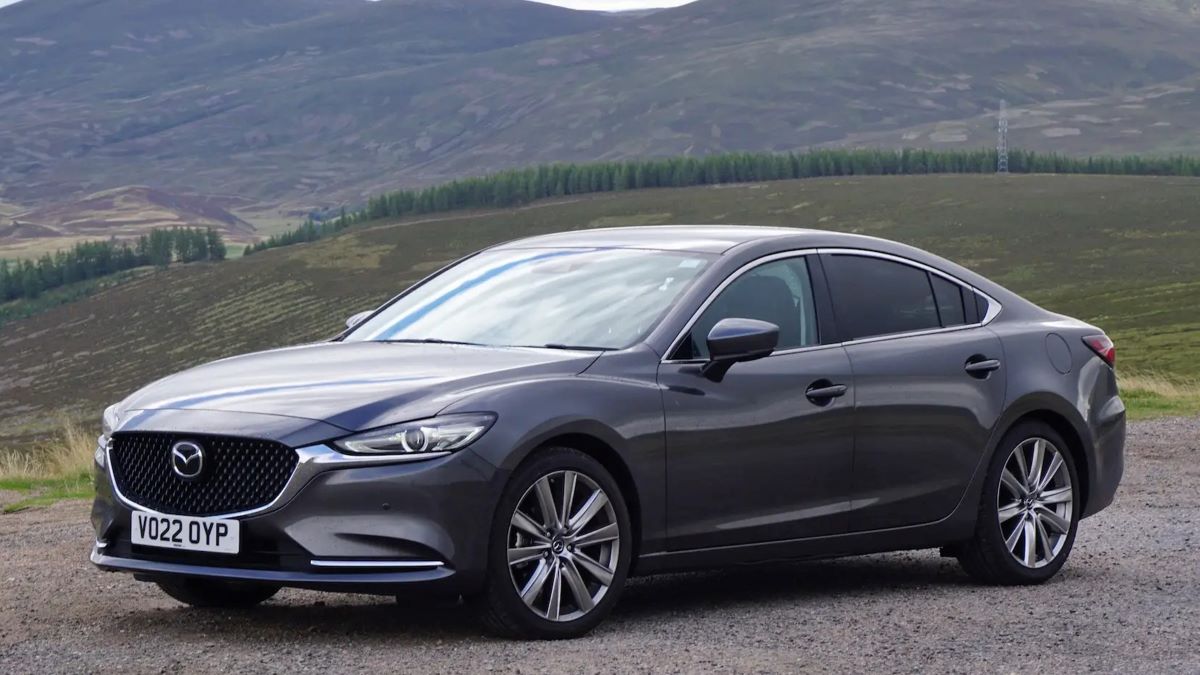
8. Mazda6
Mazda built the 6 to be one of the most engaging midsize sedans on the market, but Americans have moved on.
In 2025, Mazda’s attention is on SUVs like the CX-50 and CX-90, leaving the 6 without fresh updates. Buyers who might have considered it are now opting for crossovers with similar pricing.
The Mazda 6 is far more than the typical mid-size family sedan. With its sculpted exterior and refined interior, it could easily be mistaken for a much more expensive vehicle. Its exceptionally tuned chassis also delivers a level of driving enjoyment usually found in premium sports sedans.
Together, these qualities create an impressive combination of luxury-like atmosphere and unmatched handling, all at a surprisingly accessible price. Rather than offering individual options, Mazda encourages buyers to move up to higher trim levels to access desired features.
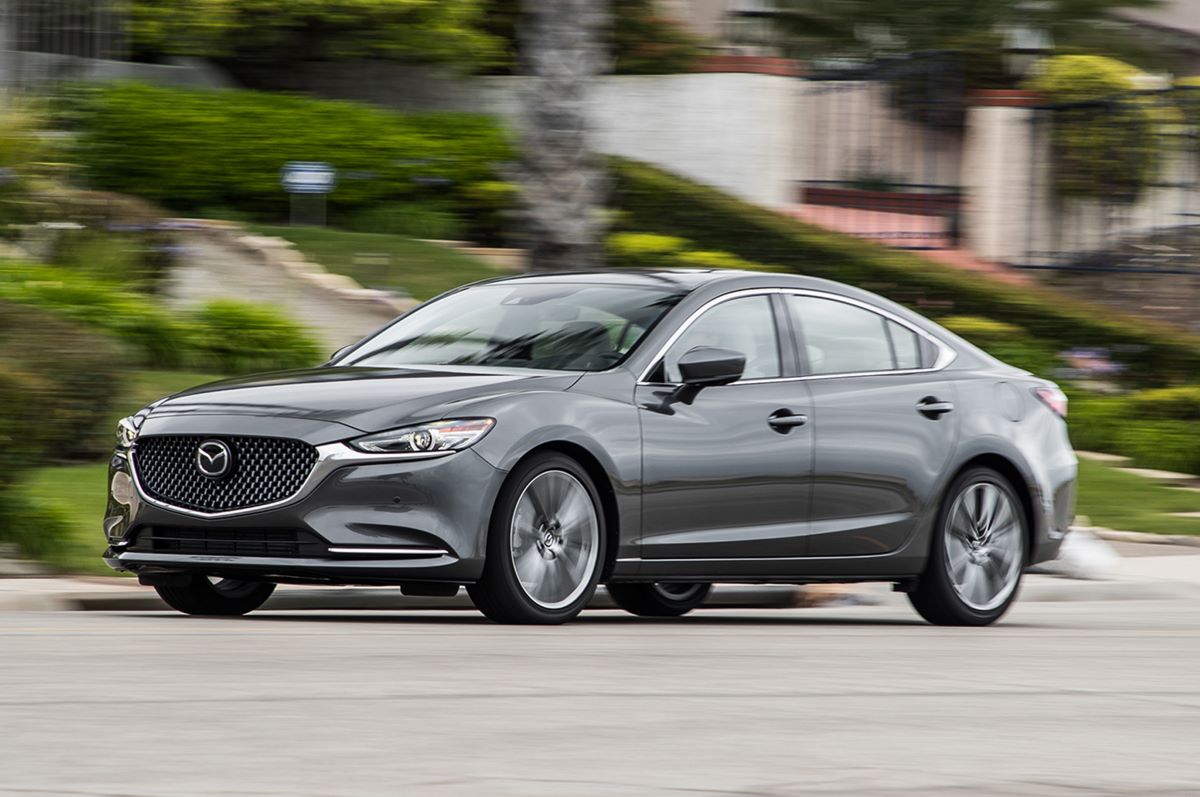
While the Mazda 6 may not dominate objective comparisons, it’s neither the fastest, most fuel-efficient, nor the most technology-packed, it excels in appealing to the senses, offering a driving and ownership experience that goes beyond what its mainstream mid-size classification might imply.
For 2018, the Mazda 6 undergoes its third refresh in five model years. Changes include subtly updated exterior styling, a redesigned interior, and the introduction of an additional engine option.
The new turbocharged 2.5-liter four-cylinder sits above the standard naturally aspirated 2.5-liter engine, which now features cylinder deactivation and gains a slight boost in horsepower and torque.
Beyond the powertrain updates, Mazda has retuned the chassis and significantly reduced cabin noise for a more refined ride. The lineup also adds the Grand Touring Reserve trim and the range-topping Signature model, which comes equipped with premium leather, genuine wood accents, and an extensive list of standard amenities.
9. Buick Encore
The Buick Encore once offered an accessible entry into the brand, but its cramped interior, modest power, and dated styling no longer appeal to U.S. SUV buyers, who now expect more space and advanced tech even in subcompact models.
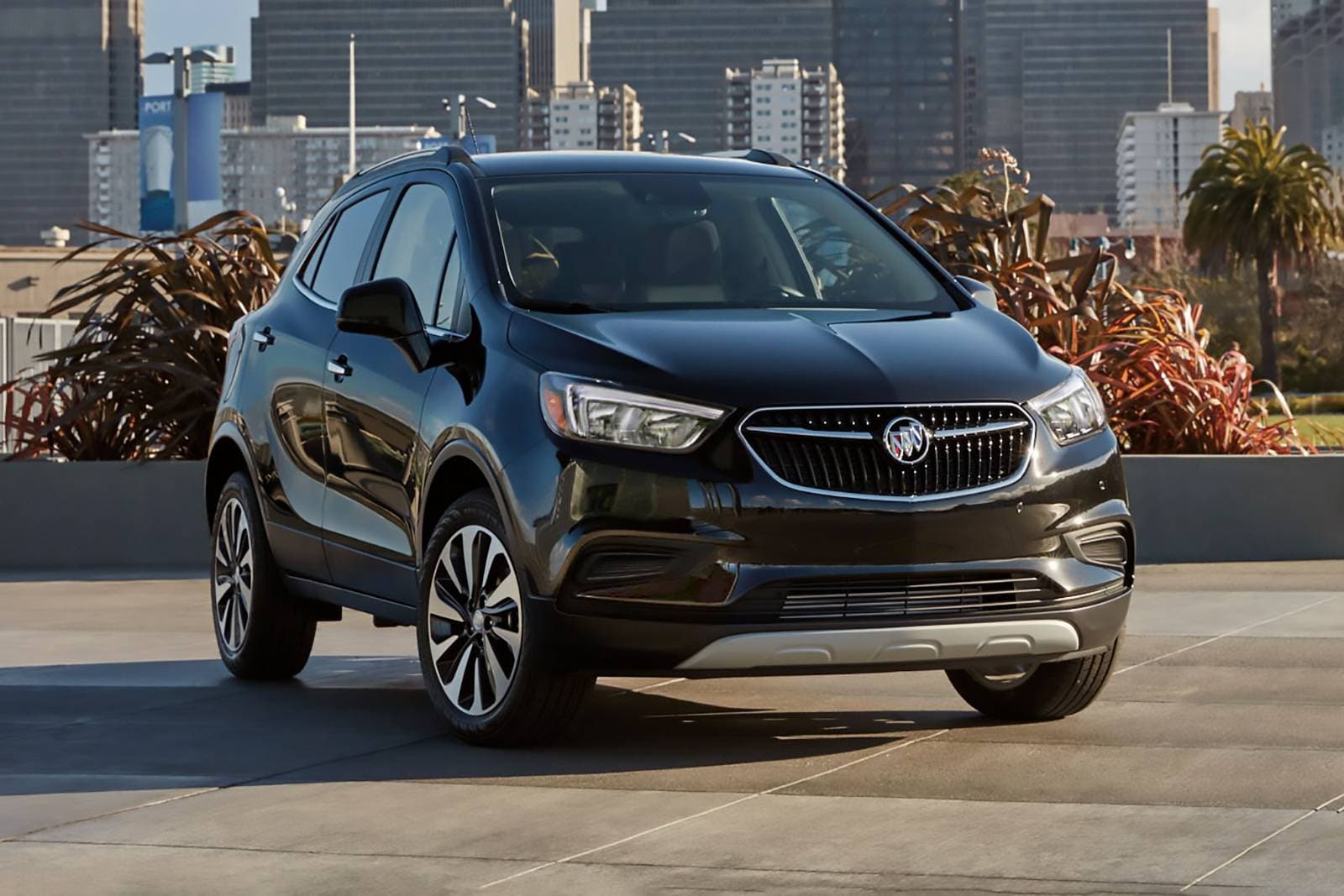
Buick’s focus on the slightly larger Encore GX has made the original Encore obsolete.
Buick’s current range isn’t lacking in small crossovers, and the 2026 Encore GX fits neatly above the brand’s most affordable offering, the Envista. Like its less expensive counterpart, the Encore GX is designed to enhance the small crossover experience with an upscale interior and refined styling.
Where it sets itself apart from the coupe-inspired Envista is in its more traditional SUV proportions, which provide additional passenger and cargo room. Another key difference is capability, the Encore GX offers an available all-wheel-drive system, a feature the Envista does without.
10. Volkswagen Passat
The Passat once competed strongly in the midsize sedan space, but by 2025, it’s a relic. Its plain styling, lack of hybrid or EV powertrains, and a sparse dealer network in some regions have led buyers to choose more modern alternatives.
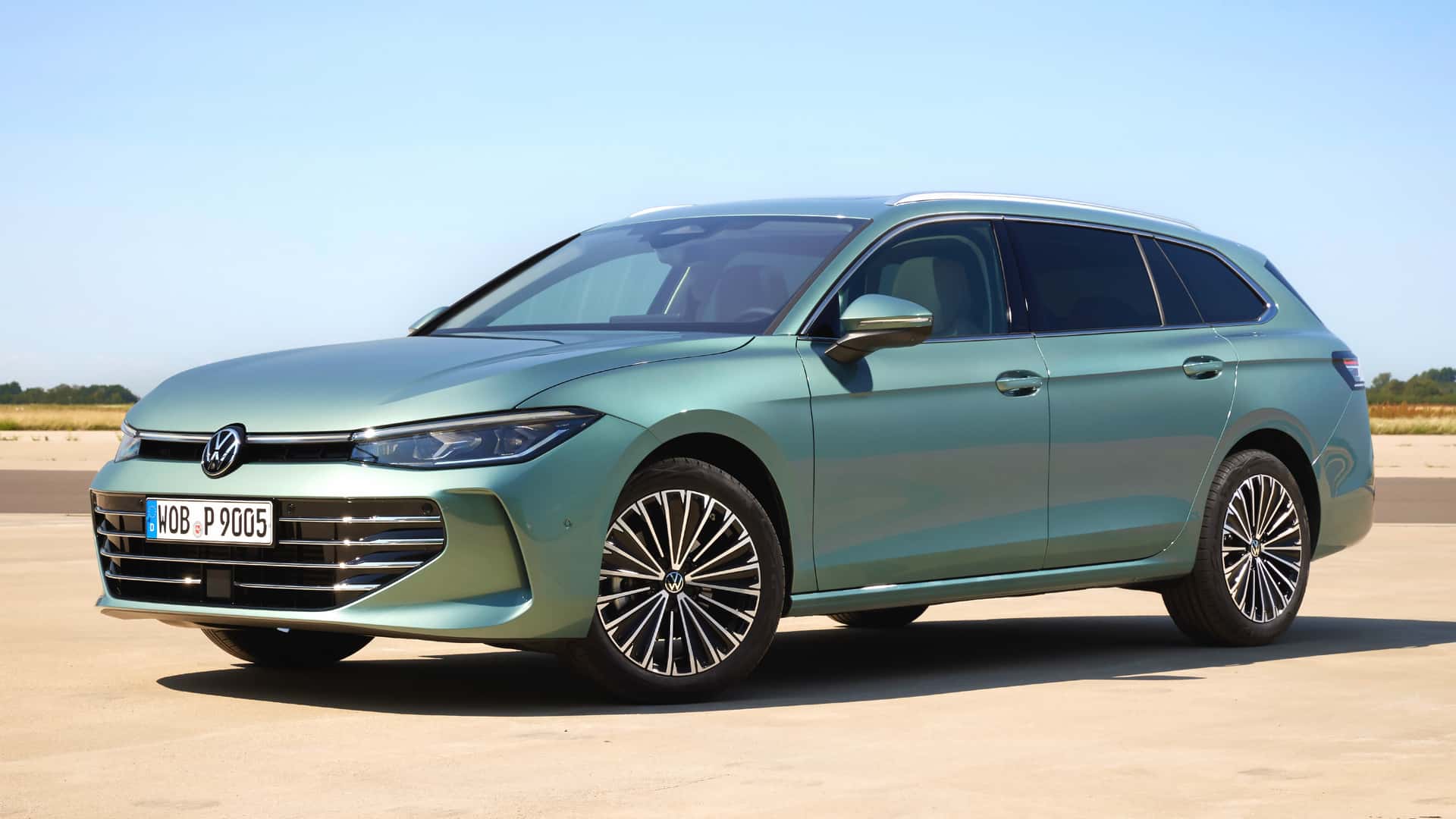
VW’s focus on EVs like the ID.4 has pushed the Passat into the background. The 2022 Volkswagen Passat may not turn heads like some of its more stylish and performance-focused rivals, but it offers a refined, comfortable, and family-friendly experience.
Its understated exterior and simple yet well-constructed interior lean toward a practical, German design ethos, and the spacious back seat stands out as one of the largest in the segment.
Standard driver-assistance features such as automated emergency braking and blind-spot monitoring enhance its family appeal, while its 174-hp turbocharged four-cylinder delivers smooth, capable performance, though without the speed or efficiency of competitors like the Honda Accord or Toyota Camry.
The ride quality is soft and composed, steering is precise if not especially communicative, and pricing remains competitive.
For 2022, Volkswagen sends the Passat off with a Limited Edition model featuring unique styling touches, upscale interior upgrades, and a nod to the Chattanooga, Tennessee plant where it has been built for the past decade.
These models share a common thread: they’re victims of changing U.S. buying habits. SUVs and crossovers dominate the landscape, hybrids and EVs are in high demand, and consumers are quick to abandon vehicles that feel outdated, overpriced, or poorly positioned.
In 2025, a competitive product needs not just solid performance but also cutting-edge tech, efficient drivetrains, and a design that resonates with modern lifestyles. Those that can’t keep up are quickly left behind.