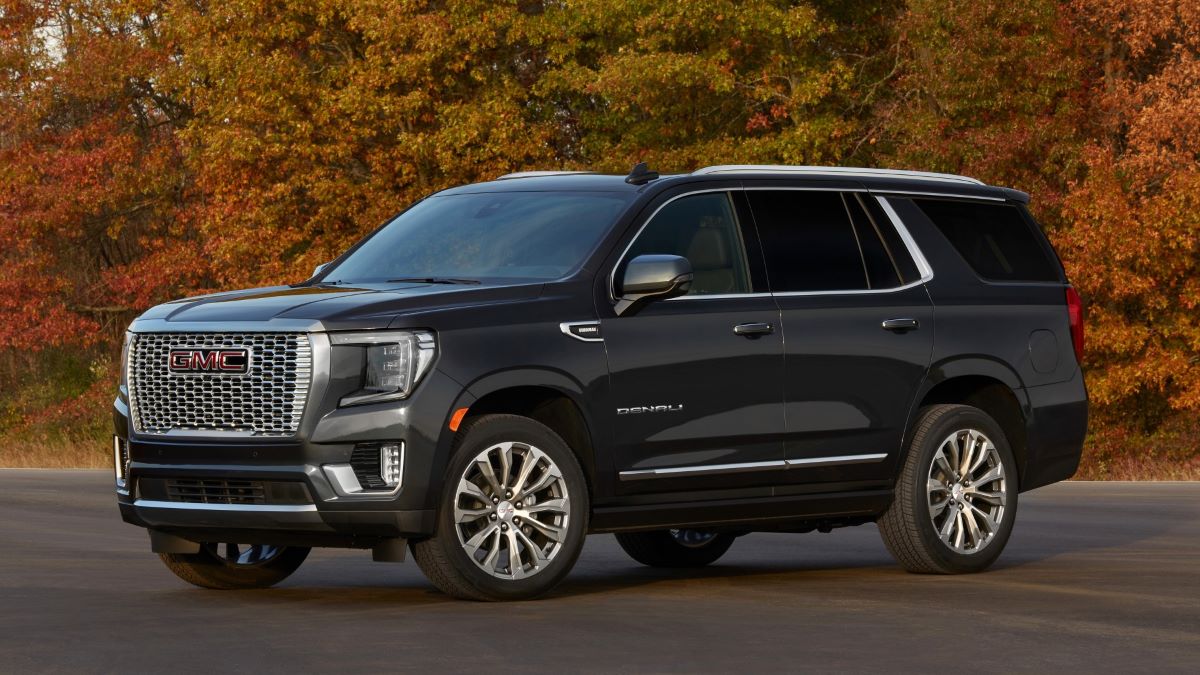
In 2025, the U.S. automotive market is undergoing a significant transformation as SUVs continue to outpace sedans in popularity and sales.
This shift is driven by evolving consumer preferences, advancements in technology, and strategic moves by automakers focusing on more profitable and versatile SUV models.
Sedans, once the staple of American roads, are losing ground as buyers seek vehicles offering more space, utility, and modern features that SUVs provide.
1. Chevrolet Equinox
The 2025 Chevrolet Equinox has seen a notable resurgence, thanks to its refreshed styling, improved fuel efficiency, and upgraded technology.
These enhancements have made it a strong contender in the compact SUV segment. Chevrolet’s renewed focus on SUV offerings has paid off, with General Motors reporting a 12% increase in U.S. vehicle sales during the first half of 2025, outpacing the overall industry growth.
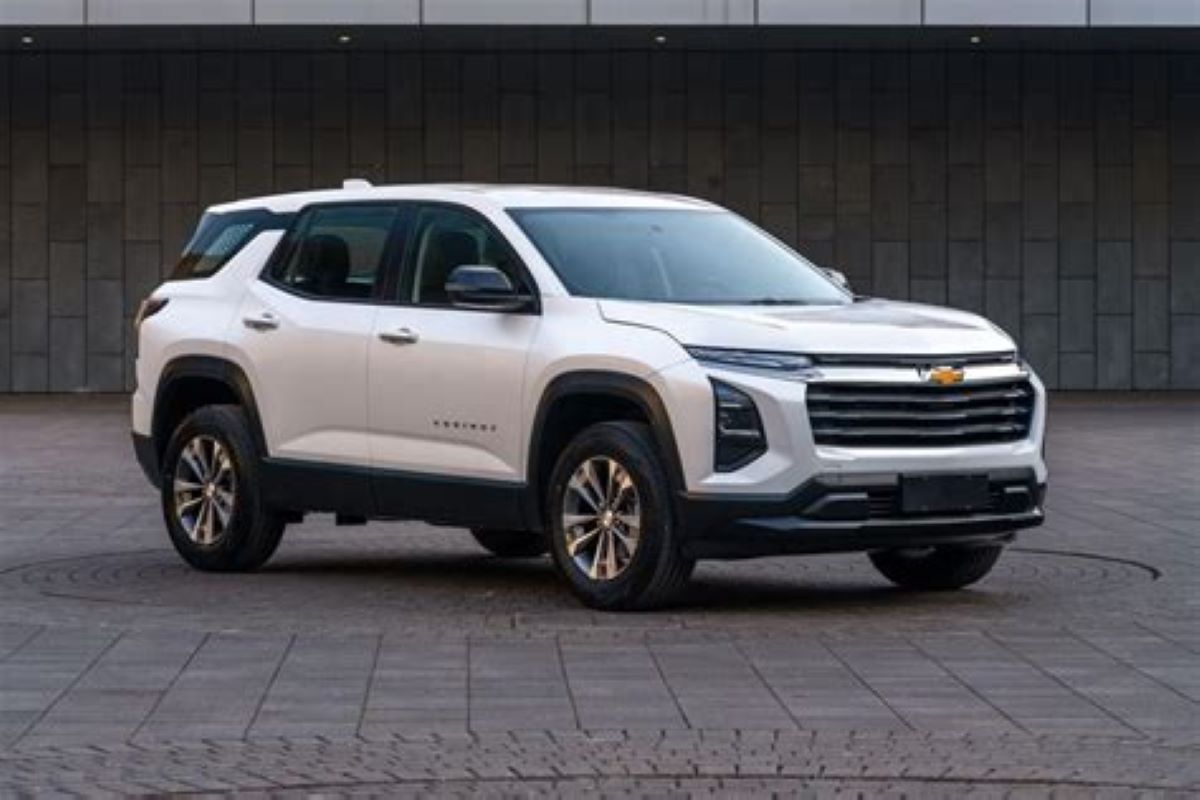
There’s a clear reason why the Equinox ranks as Chevrolet’s second best-selling model after the Silverado pickup, but it’s not because the compact SUV is particularly exciting.
Instead, its popularity stems from its wide availability and affordable pricing, with a fully loaded version starting just above $33,000. In contrast, segment leaders like the Honda CR-V and Mazda CX-50 can push past the $40,000 mark.
It’s important to remember that the 2024 Equinox is showing its age, offering only an underwhelming 175-hp turbocharged four-cylinder paired with an unremarkable automatic transmission and a somewhat unintuitive optional all-wheel-drive system. Despite sluggish acceleration, the Equinox delivers a comfortable ride and drives well relative to its peers.
The interior design and materials leave much to be desired, but the SUV makes up for it with generous passenger space and a range of appealing infotainment features.
Still, that’s not quite enough to make the Equinox a top contender in this fiercely competitive segment, though buyers seeking a Chevy SUV should find it easy to pick one up at a reasonable price.
For 2024, the Equinox carries over largely unchanged, though an all-electric variant is set to debut separately. The gasoline-powered model gains two new metallic paint options: Riptide Blue and Lakeshore Blue.
Chevy also updates the Driver Confidence II package by adding blind-spot monitoring and rear cross-traffic alert, making it available on the base LS trim for just $395. Previously, this package cost $195 on the LS and included only rear parking sensors.
2. Ford Expedition
Ford’s large SUV, the 2025 Expedition, remains a favorite among families and outdoor enthusiasts due to its spacious interior, impressive towing capacity, and modern amenities.
The Expedition’s continued success is part of Ford’s broader emphasis on SUVs and trucks, which contributed to a 9.3% increase in U.S. sales for July compared to the previous year.
Ford has refreshed the Expedition lineup for 2025 with several updates. New head- and taillights, a redesigned grille, and fresh wheel designs give the SUV a more modern look. At the rear, cargo access is improved with a two-piece opening featuring an upper liftgate and a lower tailgate, similar to the updated Lincoln Navigator.
Inside, a new bi-level screen setup greets drivers: a large infotainment display occupies the center stack, while a wider screen above shows the gauges and additional information. Last year’s off-road-ready Expedition Timberline has been replaced by the Tremor trim, which comes equipped with similar rugged gear.
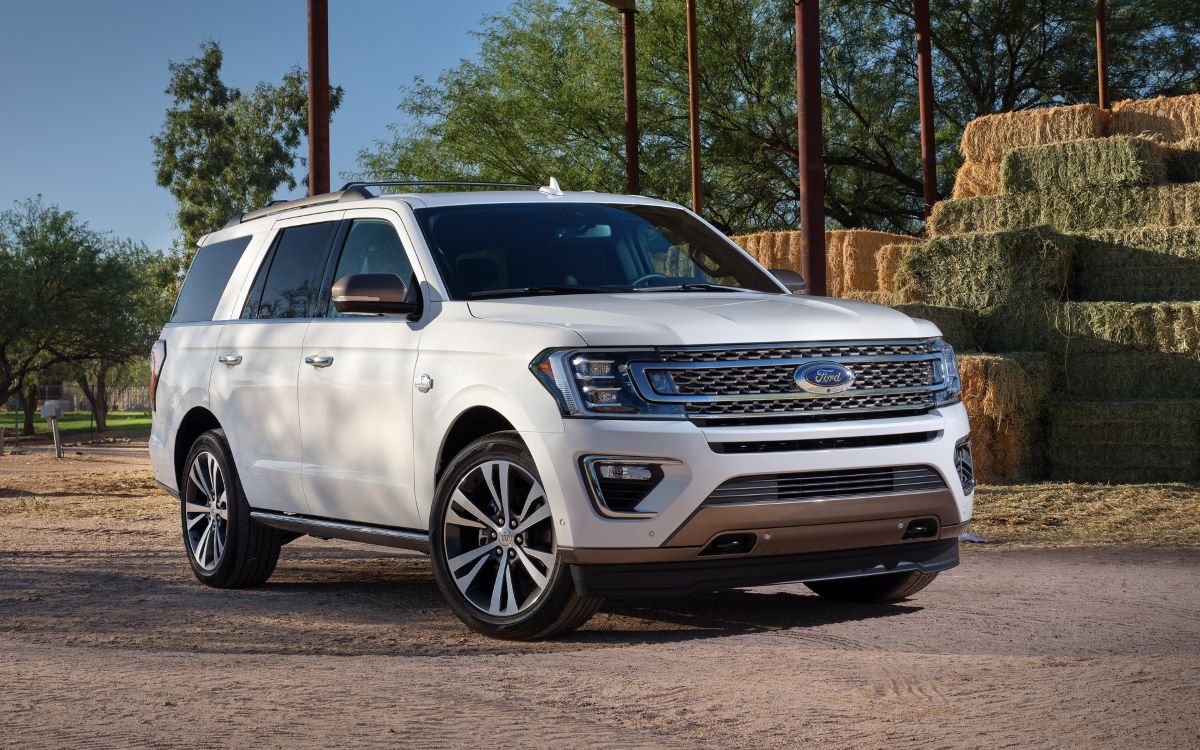
The 2025 Ford Expedition and Expedition Max start at $64,515 and range up to $86,170, depending on trim and options.
The base Active trim is well-equipped with a large 24-inch display, onboard Wi-Fi, a power-adjustable center console, and more. However, we recommend upgrading to the Tremor, especially if you plan on taking the Expedition off-road.
The Tremor features 33-inch all-terrain tires, a 440-hp version of the twin-turbo V-6, and off-road tech including Ford’s Trail Turn Assist and low-speed cruise control.
Want to compare the 2025 Ford Expedition or Expedition Max to other vehicles? Our new compare tool offers a side-by-side look at up to five models of your choice.
Powering the Expedition is a twin-turbocharged 3.5-liter V-6 paired with a responsive 10-speed automatic transmission, available with rear- or four-wheel drive.
The standard engine delivers 400 horsepower, while an upgraded version boosts output to 440 hp. All models use an independent rear suspension.
During a recent 350-mile road trip from Ford’s Kentucky Truck Plant to our Ann Arbor office, our Expedition Platinum Max test vehicle impressed with a soft, comfortable highway ride but showed clunky handling and imprecise steering on twisty back roads.
The off-road-focused Tremor trim raises the suspension slightly, adds skid plates, and rides on unique 18-inch wheels wrapped in 33-inch General Grabber all-terrain tires.
It also includes a Rock Crawl driving mode and off-road aids like hill-descent cruise control and Trail Turn Assist, which applies brakes to the inside rear wheel during slow, sharp turns in four-wheel-drive mode on soft terrain to help swing the rear end around tight corners.
3. GMC Yukon
The GMC Yukon, available in both standard and XL versions, combines luxury features with practical versatility. Its strong sales reflect the growing consumer preference for premium, spacious SUVs.
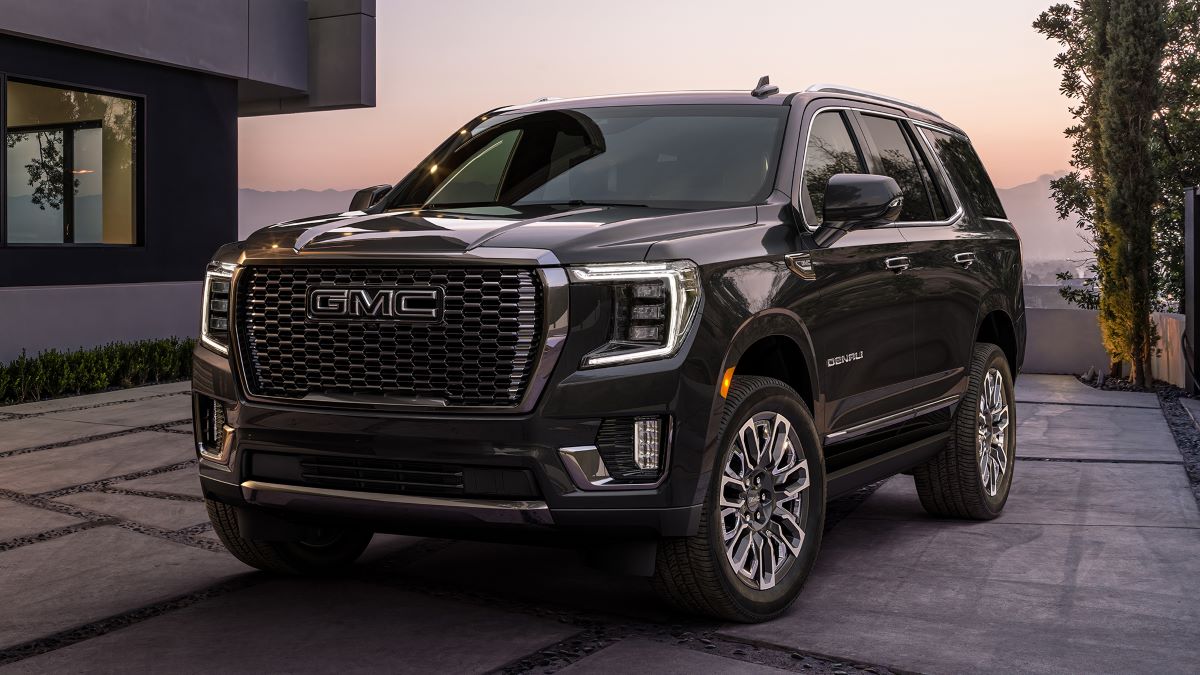
General Motors’ prioritization of SUVs like the Yukon underscores the market’s shift away from traditional sedans.
General Motors’ GMC division is traditionally known for commercial vehicles and work trucks, but the 2023 Yukon stands out as one of the brand’s most spacious and luxurious passenger SUVs ever.
This large family SUV offers generous room across three rows of seats and is also available with an extended wheelbase version, the Yukon XL, which provides even more cargo space.
Most models come equipped with a V-8 engine, either a 5.3-liter or a 6.2-liter, though a turbo-diesel 3.0-liter inline-six option is also offered, a rarity in this segment. Towing capacity and acceleration are strong with all powertrains, but the V-8 engines fall short in fuel efficiency.
Even the base SLE trim is well-equipped with a range of convenience and technology features, while the upscale Denali trims elevate the luxury to compete with premium rivals like the Cadillac Escalade and Lincoln Navigator.
The Yukon’s toughest competition comes from within GM itself, with the Chevrolet Tahoe and Suburban offering nearly identical mechanicals and similar features at a slightly lower price point.
4. Hyundai Ioniq 9
Hyundai’s 2025 Ioniq 9 electric SUV stands out for its sleek design, long driving range, and cutting-edge technology.
This model has attracted eco-conscious consumers seeking electric options without sacrificing size or comfort. Hyundai’s focus on electrified SUVs has helped the company achieve record sales growth, including a 15% increase year-over-year in July.
The long-anticipated 2026 Hyundai Ioniq 9 has arrived as a three-row electric SUV that combines bold design, spaciousness, and advanced technology.
Drawing inspiration from Hyundai’s futuristic Seven concept, the Ioniq 9 is sized comparably to the Hyundai Palisade and shares a family resemblance with the Kia EV9. Built on Hyundai-Kia’s E-GMP platform, it features striking exterior styling and a lounge-like interior configurable for six or seven passengers.
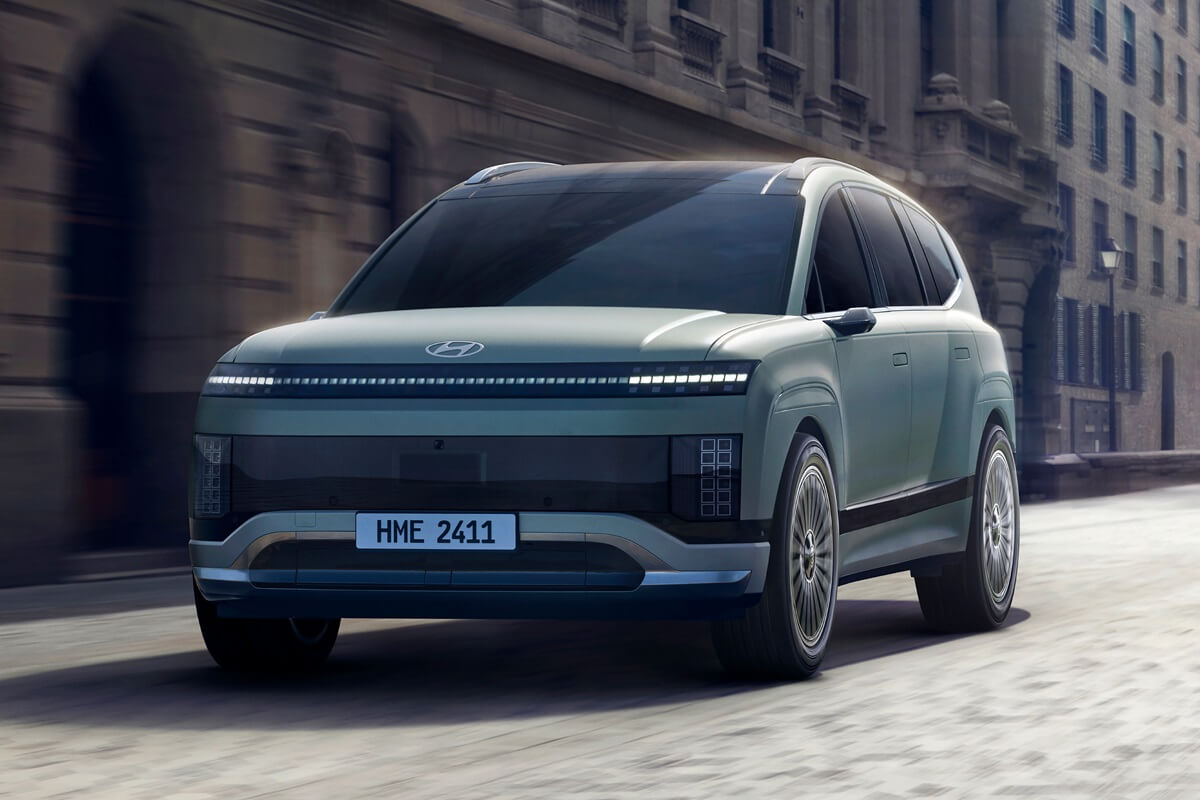
All models use a 110.3-kWh lithium-ion battery. The Performance AWD model accelerates from 0 to 60 mph in just 4.4 seconds and has a top speed of 124 mph. Suspension includes self-leveling dampers and torque-vectoring for improved handling.
Pricing starts at $60,555 for the base S trim and climbs to $79,090 for the top-tier Performance Calligraphy Design. We recommend the dual-motor SE AWD for buyers in harsh climates, thanks to all-wheel drive and a higher towing capacity of 5,000 pounds.
The interior offers unique relaxation seats with dynamic massage, sustainable materials like recycled plastics and wool, and spacious cargo volumes.
Innovative features include second-row seats that can swivel to face the rear passengers (availability in the U.S. is yet to be confirmed), a sliding center console, and a 3-cubic-foot front trunk on RWD models.
A 12-inch digital instrument cluster blends into a large curved infotainment touchscreen, supported by Hyundai’s Bluelink Connected Car Services. There are seven USB-C ports throughout the cabin, wireless charging, a digital key feature, and available premium Bose 14-speaker audio.
The 110.3-kWh battery supports rapid DC fast charging from 10% to 80% in approximately 24 minutes on a 350-kW charger, making long-distance travel more convenient. Real-world MPGe ratings range from 85 to 92, depending on the drivetrain.
Also Read: 5 Sedans With the Best Key Fob Range and 5 That Fail At Distance
5. Jeep Wagoneer
The 2025 Jeep Wagoneer blends rugged off-road capability with luxury and spaciousness, making it popular among adventure seekers who don’t want to compromise on comfort.
Its strong sales demonstrate the resurgence of interest in large SUVs that balance performance and refinement.
After nearly three decades of absence, Jeep revived the Wagoneer nameplate as a full-size SUV a few years ago. The 2025 Wagoneer delivers everything you expect from a large SUV: seating for up to eight passengers, generous cargo space, and a towing capacity of up to 10,000 pounds when properly equipped.
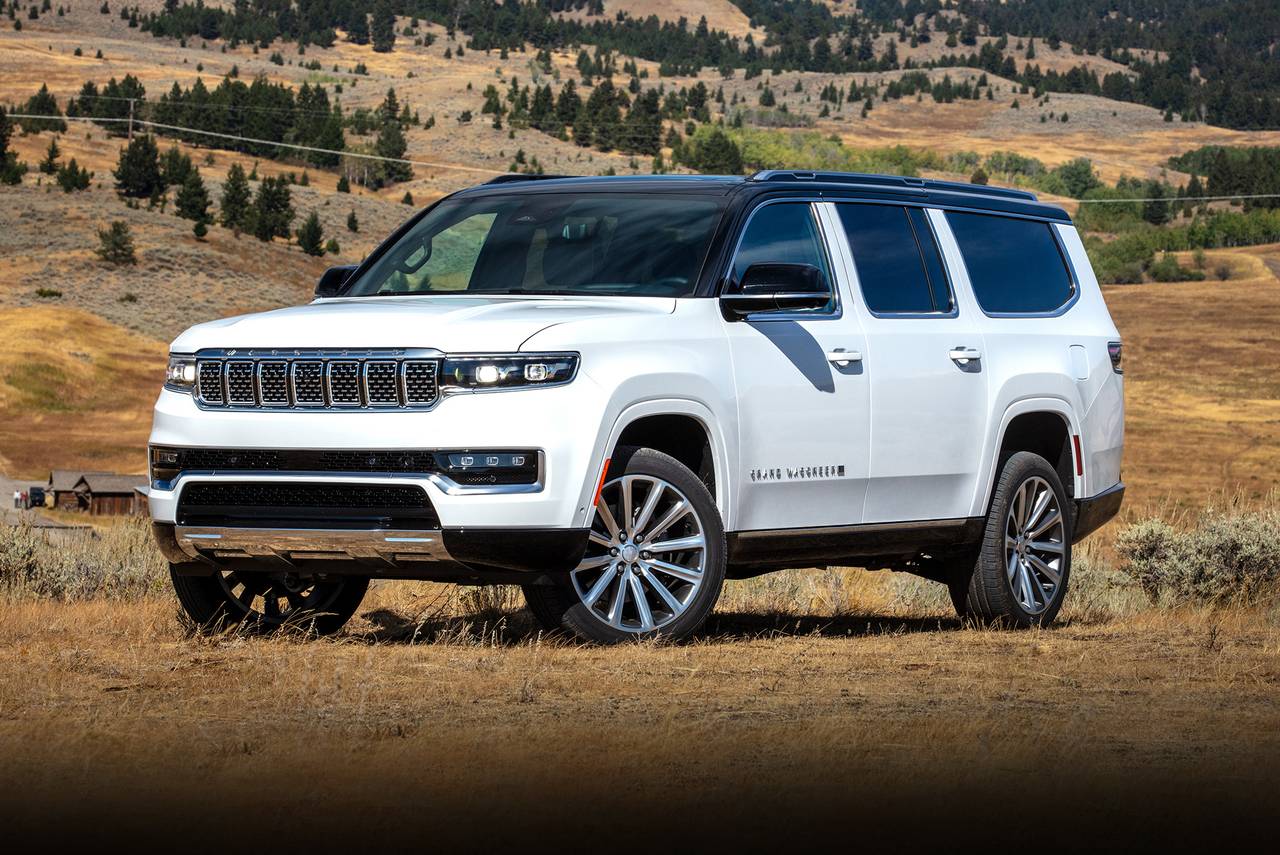
Surprisingly, instead of a traditional V8, it’s powered by a turbocharged inline six-cylinder engine that produces 420 horsepower and a strong 468 lb-ft of torque.
For its fourth year, the 2025 Jeep Wagoneer receives only minor updates. Power-folding mirrors, previously exclusive to Grand models, are now available on lower trims. Base Wagoneer trims also upgrade from 18-inch to 20-inch wheels as standard, while advanced driver aids like lane-keeping assist and adaptive cruise control become standard across all trims.
Under the hood, the Wagoneer is powered solely by a twin-turbocharged 3.0-liter inline-six engine producing a strong 420 horsepower, paired with an eight-speed automatic transmission.
Rear-wheel drive comes standard, but buyers seeking off-road capability can choose from three different four-wheel-drive systems. Additional off-road features include an adjustable air suspension that raises ground clearance by 3.6 inches and a drive-mode selector offering sand/mud, snow, and rock settings.
The Wagoneer can tow up to 10,000 pounds, and its softly tuned suspension delivers a smooth and comfortable ride on the highway. In testing, the 420-hp model accelerated to 60 mph in 5.3 seconds, quicker than the prior V-8 version.
EPA fuel economy estimates show the rear-wheel-drive Wagoneer achieves 17 mpg city and 24 mpg highway, with four-wheel-drive models rated slightly lower at 16 mpg city and 23 mpg highway. On our 75-mph highway fuel-economy test, the Wagoneer returned 22 mpg.
Inside, the spacious three-row cabin accommodates up to eight passengers, though selecting second-row captain’s chairs reduces capacity to seven.
The interior is richly designed and well-equipped, featuring leather upholstery, 12-way power-adjustable front seats, ambient lighting, and three-zone automatic climate control as standard. While the ultra-luxurious Grand Wagoneer trim offers even more upscale features, the regular Wagoneer is sufficiently refined for most buyers.
Cargo capacity is generous, with room for seven carry-on suitcases behind the third row in the short-wheelbase model and 14 in the longer L version. Folding all seats flat expands cargo space dramatically, fitting 40 carry-ons in the short-wheelbase and 56 in the L model.
6. Kia Telluride
Known for its upscale features, roomy interior, and value, the 2025 Kia Telluride remains a dominant force in the mid-size SUV category.
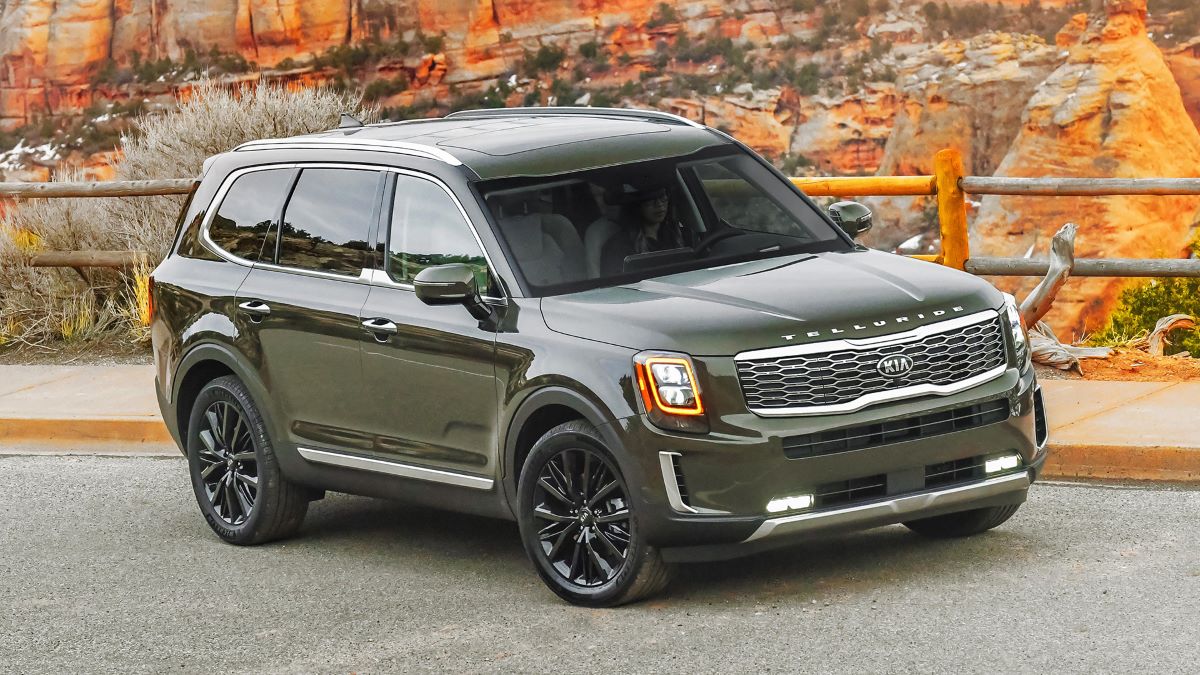
Kia reported a 12% increase in year-over-year sales in July, underscoring the Telluride’s appeal as consumers continue to prefer SUVs over sedans.
The Kia Telluride has remained a top contender in the three-row SUV segment since its introduction in 2020. The 2025 model brings only minor updates but continues to stand out with its attractive styling and well-crafted interior.
It competes directly with SUVs like the Hyundai Palisade, Toyota Grand Highlander, and Honda Pilot, while a second-generation Telluride is expected in 2026. For 2025, second-row side airbags and upgraded highway driving assist technology become standard across the lineup.
The X-Line and X-Pro trims receive refreshed interior materials, updated technology, and new gloss black exterior accents. The X-Pro AWD model also gains 10 mm of extra ground clearance and an increased towing capacity of 5,500 pounds, up 500 pounds from before.
Despite being a few years old, the Telluride remains a strong competitor thanks to its bold design, spacious and upscale cabin, and comfortable ride. The available SX X-Pro trim offers slightly improved off-road capability and a more rugged look.
However, the Telluride is limited by offering only one engine option, a 3.8-liter V-6 with middling fuel economy, and the third-row seating is somewhat cramped with a fiddly folding mechanism. Nevertheless, these issues have not kept it from finishing near the top in comparison tests, often just behind the Hyundai Palisade.
Every 2025 Telluride is powered by the 3.8-liter V-6 producing 291 horsepower and 262 lb-ft of torque, paired with an eight-speed automatic transmission. Front-wheel drive is standard, with all-wheel drive available or included depending on trim. In testing, the Telluride X-Line accelerates from zero to 60 mph in 6.9 seconds, while the off-road X-Pro takes 7.0 seconds.
Fuel economy is rated at 20/26 mpg city/highway for front-wheel-drive models and 18/23 mpg for all-wheel-drive versions. A hybrid Telluride would be a valuable addition to improve fuel efficiency, complementing Kia’s hybrid Sorento and Carnival models.
The X-Line trim offers mostly cosmetic upgrades such as a unique grille, 20-inch wheels, body-color door handles, bridge-style roof rails, special badges, and embossed seats.
The X-Pro trim adds more off-road readiness with 18-inch wheels wrapped in all-terrain tires, increased ground clearance, and a towing capacity boosted to 5,500 pounds. Inside, the X-Pro features branded seats and a 110-volt power outlet in the cargo area.
Standard safety features across the Telluride lineup include blind-spot detection, rear cross-traffic collision avoidance, lane-keeping and following assist, safe exit assist, rear occupant alert, rear parking sensors, and driver attention warning.
The adaptive cruise control system now automatically adjusts speed through curves. Automatic emergency braking with pedestrian, cyclist, and intersection detection is also standard.
Higher trims add front parking sensors, a blind-spot-view monitor, a 360-degree camera, a digital rearview mirror, and Kia’s Highway Driving Assist 2, which includes automated lane change functionality. Overall, the Telluride remains a well-rounded family SUV with a strong value proposition despite a few minor shortcomings.
7. Nissan Armada
The Nissan Armada impresses with its powerful engine, spacious cabin, and abundant standard features.
Its blend of luxury and performance makes it a favorite in the large SUV market, contributing to Nissan’s growing share in this segment as demand for SUVs rises.
The 2025 Nissan Armada undergoes a complete redesign while staying true to its role as a capable full-size SUV built for hauling passengers and cargo.
Departing from the previous generation’s V-8, the Armada now features a more powerful twin-turbocharged 3.5-liter V-6 engine that delivers 425 horsepower and 516 pound-feet of torque, surpassing the old V-8 by 25 hp and 103 lb-ft.
The new model offers rear-wheel drive as standard, with four-wheel drive available across most trims and standard on the off-road-focused Pro-4X.
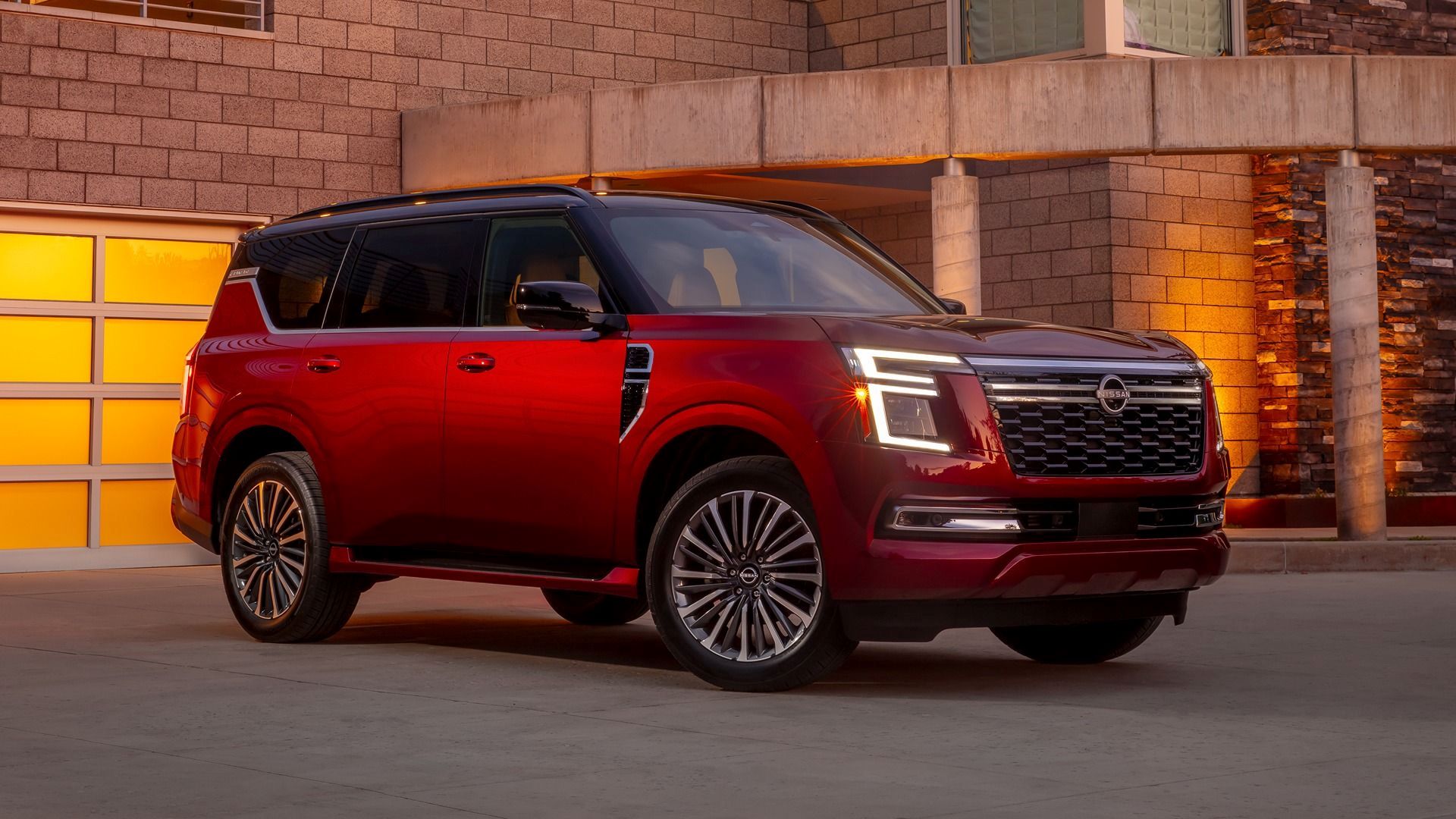
Additional features such as an optional height-adjustable air suspension and a locking rear differential in 4WD variants enhance its driving dynamics and off-road capability.
The 2025 Armada shares more design and engineering traits with the global-market Nissan Patrol, while expanding its lineup with the introduction of the Pro-4X and Platinum Reserve trims. Pricing starts at $59,530 for the base SV and climbs to $79,000 for the fully loaded Platinum Reserve.
We recommend the SL trim as the best value, as it includes a premium audio system, heated front seats and steering wheel, power-folding third-row seats, and a power liftgate. Four-wheel drive is available for $3,000 on most trims, except the Pro-4X where it’s standard.
Driving the new Armada reveals strong acceleration and improved ride and handling compared to its predecessor. While the Platinum Reserve we tested, equipped with 22-inch wheels, exhibited some jittery body motions, the Pro-4X with its 20-inch wheels offers a more composed and comfortable ride.
Overall, the redesigned Armada blends enhanced power, updated tech, and refined driving dynamics, securing its place as a serious contender among full-size SUVs.
8. Toyota Grand Highlander
Designed with families in mind, the 2025 Toyota Grand Highlander offers three-row seating and hybrid powertrain options.
This SUV balances efficiency and space, meeting the needs of buyers looking for a practical yet environmentally conscious vehicle. Toyota’s focus on SUVs like the Grand Highlander reflects the broader industry trend toward larger, versatile vehicles.
Several factors explain why SUVs are overtaking sedans in the U.S. market. Consumers increasingly favor SUVs for their spaciousness, higher driving position, and versatility, which fit a wide range of lifestyles.
Automakers are responding by scaling back electric vehicle plans in favor of producing larger, profitable SUVs and trucks. Despite concerns about fuel costs, SUVs continue to offer perceived value, utility, and advanced features that sedans often lack.
The Toyota Grand Highlander addresses a key shortcoming of the standard Highlander, interior space, by offering a larger, more spacious three-row midsize SUV option. Measuring four inches longer than the regular Highlander, it provides significantly more room, especially in the third row, which can comfortably accommodate adults.
Powering the Grand Highlander is a turbocharged 2.4-liter four-cylinder engine paired with an eight-speed automatic transmission, driving the front wheels as standard with all-wheel drive available. There’s also a hybrid version offered separately.
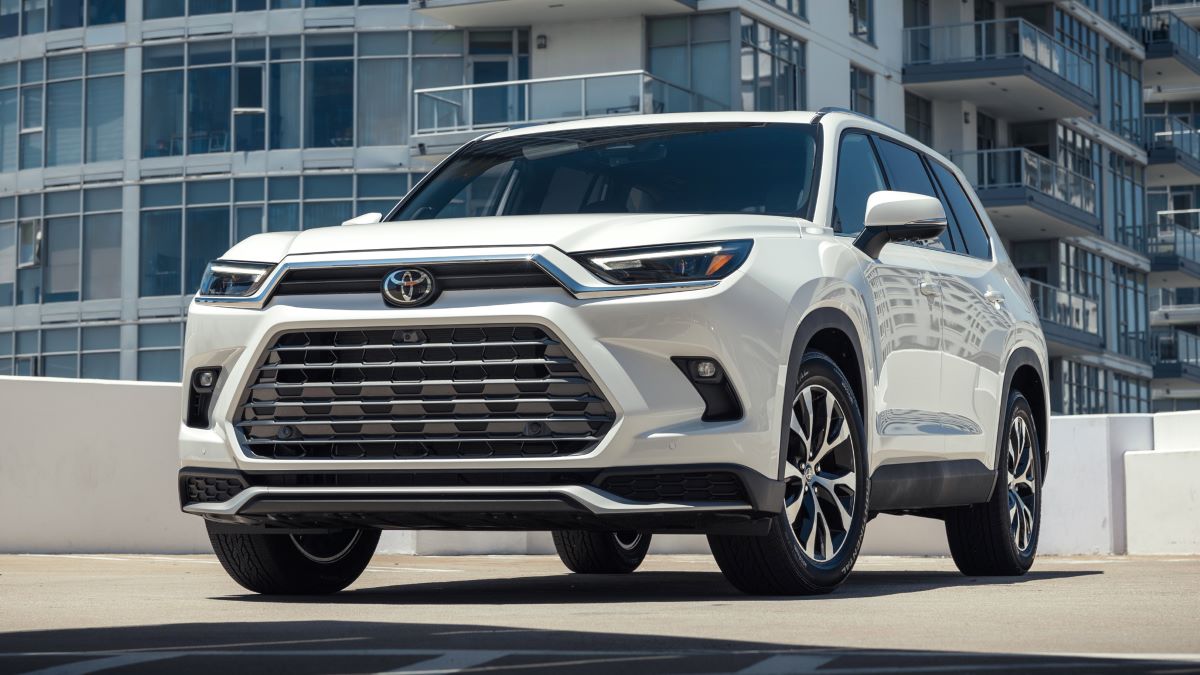
For 2025, Toyota adds a new entry-level LE trim, providing a more affordable option, along with a removable second-row center console on XLE trims and above. New paint colors include Cement and Heavy Metal, while Coastal Cream is discontinued. Pricing ranges from $42,355 for the LE trim up to $55,540 for the top Platinum model.
We recommend the XLE trim, which upgrades cloth upholstery to synthetic leather, includes a power liftgate, heated power front seats, a leather-wrapped steering wheel, wireless phone charging, and offers a choice between second-row captain’s chairs or a three-across bench.
The turbocharged 2.4-liter engine delivers 265 horsepower and offers a smooth, quiet ride with light steering and a 67-decibel cabin noise level at highway speeds. While it won’t excite those seeking sporty handling, its balanced performance suits everyday driving and family duties well, achieving 0–60 mph in about 7 seconds.
The Grand Highlander can tow up to 5,000 pounds, matching many rivals but falling short of some heavier haulers like the Dodge Durango. EPA fuel economy is rated at 21 mpg city and 28 mpg highway, with real-world highway testing showing 29 mpg.
Inside, the Grand Highlander’s cabin feels notably larger and more comfortable than the standard Highlander’s, particularly in the third row.
The dashboard design is more symmetrical and modern, and family-friendly features abound, including a power liftgate, heated front seats, second-row window shades, and multiple USB and power outlets.
Seating configurations allow for either eight passengers with a bench in the second row or seven with captain’s chairs, making it versatile for families. Overall, the Grand Highlander combines space, comfort, and convenience to deliver a compelling choice for midsize SUV buyers.
The rise of SUVs over sedans in 2025 is a clear sign of changing preferences and industry dynamics.
As automakers continue to invest heavily in SUV production and innovation, this trend is expected to shape the future of the U.S. automotive market, with SUVs dominating sales and roadways in the years ahead.