For decades, American drivers associated certain vehicles with raw power, heavy fuel consumption, and frequent stops at the pump.
These “gas guzzlers” often prioritized horsepower, towing capacity, and size over fuel economy. However, with rising fuel prices, stricter emissions regulations, and a growing consumer demand for efficiency, automakers have been forced to rethink their approach.
The result? Some of the most notorious gas-thirsty models have reinvented themselves, offering hybrid, plug-in hybrid, or even fully electric variants while still delivering the performance and comfort buyers expect.
Here are 10 vehicles that have made the dramatic shift from guzzlers to efficiency champions.
1. Ford F-150
The Ford F-150, America’s best-selling truck, has long been a symbol of V8 power and low MPG ratings. Today, it’s available in more fuel-friendly configurations, including the F-150 Hybrid and the all-electric F-150 Lightning.
These new models retain towing capability and rugged utility but dramatically cut fuel costs for drivers who once accepted poor mileage as the trade-off for owning a full-size truck.
A plastic surgeon might call 2020 a “maintenance year” for the Ford F-150, subtle updates rather than major changes. The most notable news is that the Power Stroke turbo-diesel V-6 is now available on the more affordable XLT trims. Moving one step up, Lariat models now come standard with Ford’s Co-Pilot360 suite of advanced driver-assistance technologies.
Base XL trucks can be dressed up with the STX Sport Appearance package, while XLT and Lariat buyers now have access to an optional Black Appearance package. Three new paint colors also join the lineup: Iconic Silver, Rapid Red Tinted Clearcoat, and Star White Metallic Tri-Coat.
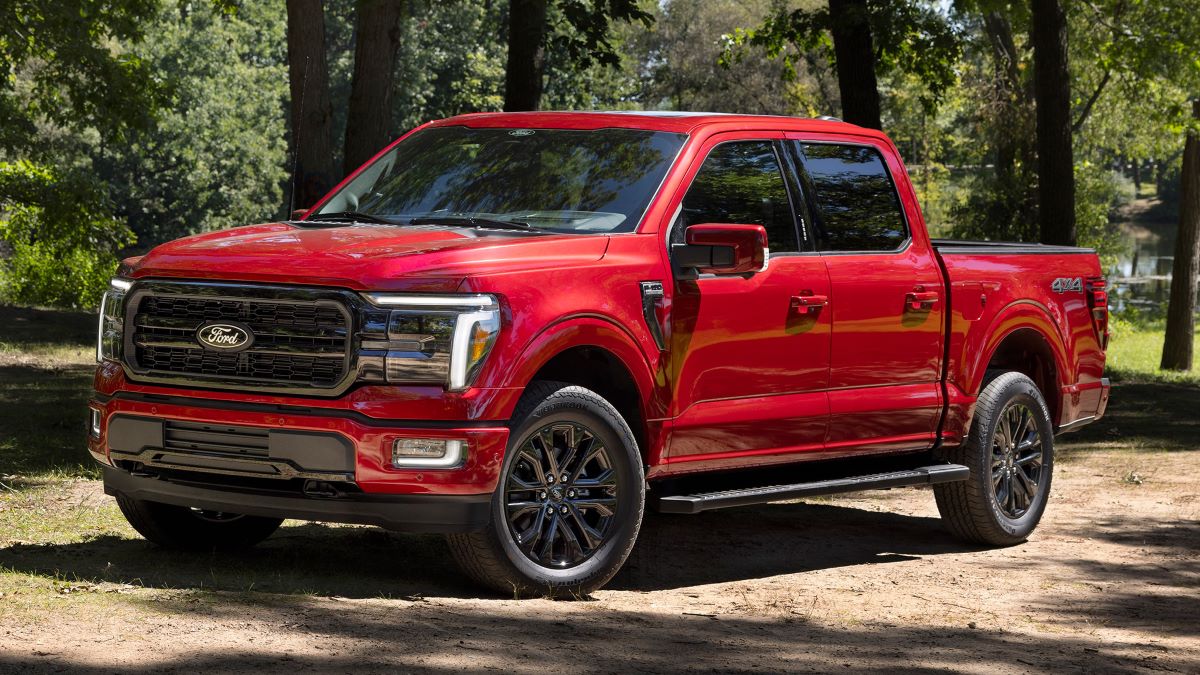
While there’s a nostalgic charm to a regular-cab, two-door truck, the Lariat SuperCrew 4×4 with the 6.5-foot cargo box offers far more versatility and value. Starting at $51,630, it can be upgraded to an EcoBoost V-6 for $600 or the Power Stroke turbo-diesel for $3,000, but the standard 5.0-liter V-8 delivers plenty of power for hauling without compromise.
The cabin is well-equipped, featuring an 8.0-inch touchscreen with Apple CarPlay and Android Auto, dual-zone climate control, and heated and ventilated front seats. If towing is on the agenda, the Trailer Tow package and integrated trailer-brake controller are must-haves, and they’ll boost resale value down the road.
The F-150 lineup offers an impressive range of powertrains, including a 3.0-liter diesel producing 440 lb-ft of torque. Most engines are paired with Ford’s 10-speed automatic transmission.
In testing, a King Ranch model with a 375-horsepower V-6 ranked near the top in performance against competitors equipped with larger V-8s. The V-8-powered F-150 was slightly slower to 60 mph at 6.3 seconds, but its 50-to-70 mph acceleration was nearly identical to the V-6. The 10-speed automatic in the V-6 was occasionally slow to respond under heavy throttle, but otherwise worked smoothly.
Ride quality is composed on smooth pavement, but over rougher surfaces, the rear can jitter — a reminder that it can’t quite match the plush comfort of the Ram 1500’s optional air-spring suspension.
2. Chevrolet Silverado
Once a poster child for heavy fuel consumption, the Chevrolet Silverado has joined the efficiency movement with its 3.0L Duramax diesel option and new hybrid technology.
The diesel offers impressive highway MPG, making long-distance drives more economical without sacrificing payload or towing performance. For 2023, most of the Chevrolet Silverado 1500’s equipment carries over, but there’s a notable update for the Duramax diesel powertrain.
Available on the Custom Trail Boss, LT, RST, LT Trail Boss, LTZ, and High Country trims, the turbocharged 3.0-liter inline-six Duramax now produces 305 horsepower and 495 pound-feet of torque, an increase of 28 horsepower and 35 pound-feet. Chevy credits the bump in output to a retuned turbocharger, new pistons with a revised combustion bowl, and updated fuel injectors, all working together to give the diesel more muscle.
The 2023 Silverado 1500 lineup starts at $36,645 and tops out at $63,945: The base Work Truck and Custom trims are ideal for tradespeople or buyers seeking value, but the LT trim adds a more refined interior, making it our pick. We’d pair it with the crew cab and standard-length bed for maximum passenger and cargo space.
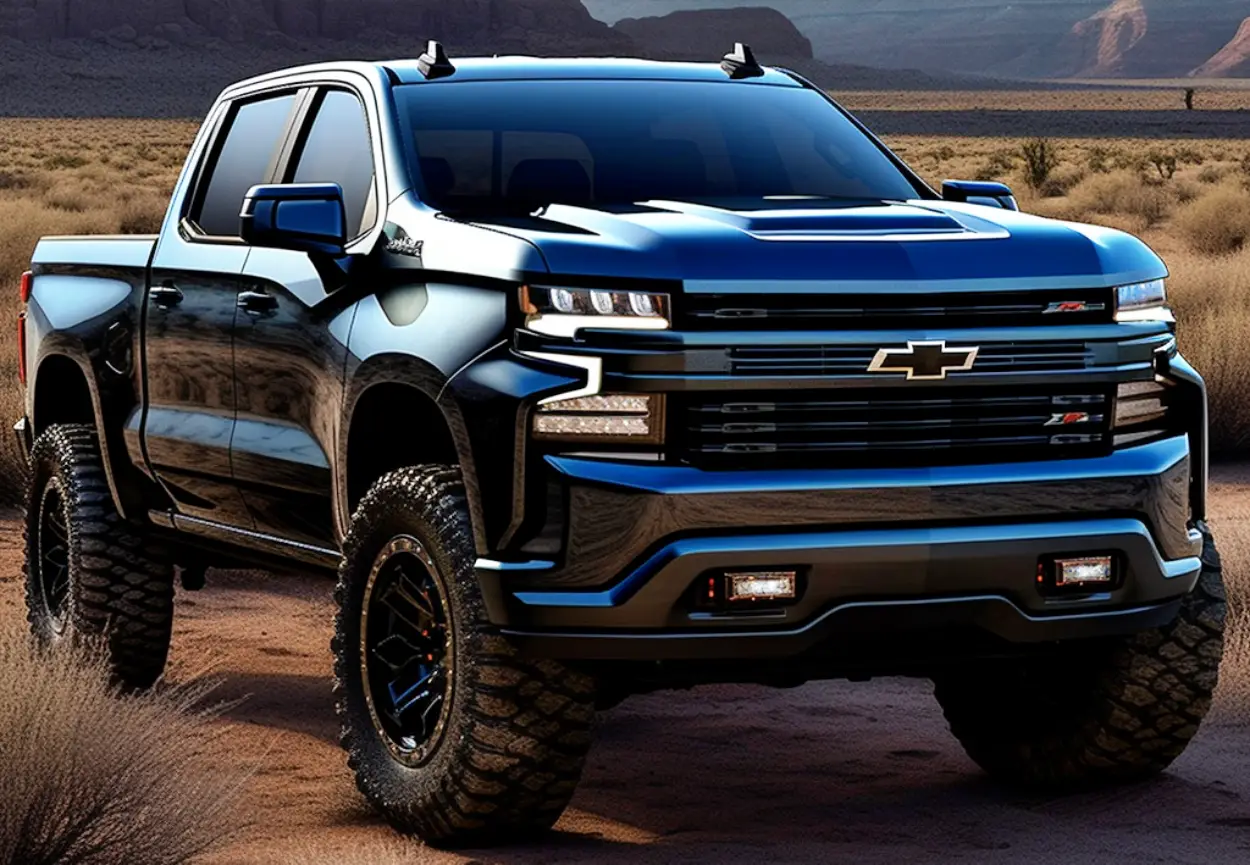
For power, the 5.3-liter V-8 is our choice over the optional diesel, it’s both cheaper and quicker. Unlike the standard turbo-four, the V-8 also opens the door to the Z71 Off-Road package, which includes upgraded hardware for tackling dirt, mud, and rough terrain.
The Silverado 1500 offers a wide range of engines: a turbocharged 2.7-liter four-cylinder, two V-8s, and the updated Duramax 3.0-liter inline-six diesel. Of the two V-8s, the 6.2-liter is the quickest, producing 420 horsepower and 460 pound-feet of torque and launching the High Country model we tested to 60 mph in just 5.4 seconds.
The smaller 355-horsepower 5.3-liter V-8 posted a 6.1-second time. The turbo-four brings a healthy 420 pound-feet of torque, while the diesel, now at 305 horsepower and 495 pound-feet, delivers the slowest acceleration but impresses with smooth, quiet operation.
Across the lineup, the Silverado handles more nimbly than its size suggests, with surprisingly agile cornering and a brake pedal that feels firm and confidence-inspiring. For off-road enthusiasts, the Trail Boss trim adds a 2.0-inch suspension lift, aggressive tires, and other upgrades designed to make venturing off the beaten path easier and more enjoyable.
Also Read: 12 Classic Cars That Are Popular for DIY Restorations
3. Toyota Sequoia
Toyota’s Sequoia SUV used to be one of the thirstiest in its class. In 2023, Toyota transformed it by introducing a standard hybrid powertrain, pairing a twin-turbo V6 with electric assistance.
The new model not only improves efficiency but also boosts torque for towing, proving large SUVs can be both capable and fuel-conscious.
For 2022, Toyota leaves the Sequoia lineup largely unchanged. The only notable update is the addition of a new exterior color, Wind Chill Pearl, which replaces both Blizzard Pearl and Super White. With the arrival of the all-new Toyota Tundra, though, it’s likely the Sequoia will follow suit and transition into a new generation, potentially for the 2023 model year.
To get the most value, we’d choose the well-equipped SR5 base model, which comes standard with a robust suite of driver-assistance features, many of which are optional on competing SUVs. The SR5 seats eight with its standard second-row bench, while a seven-passenger layout with captain’s chairs is also available.
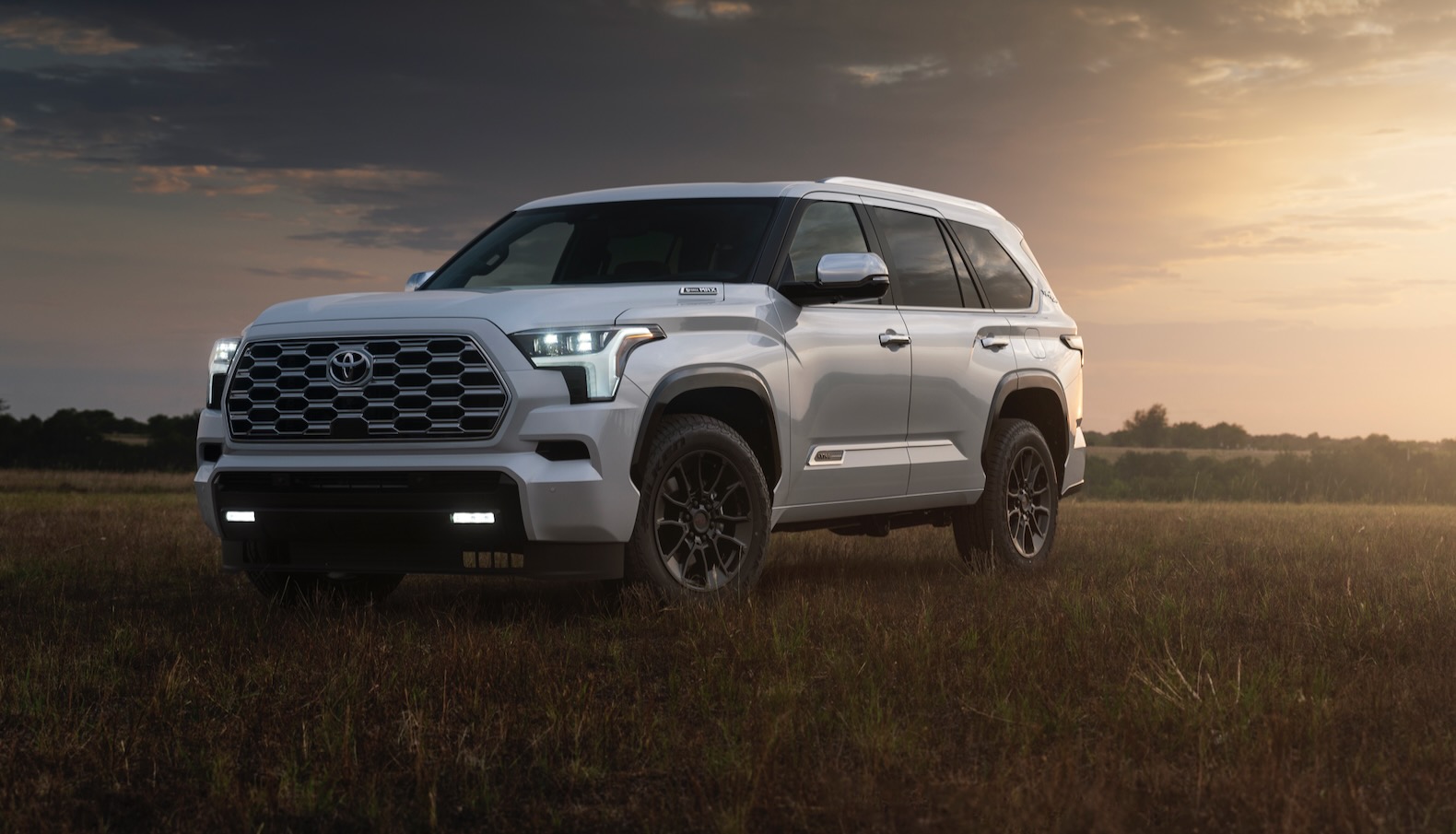
Adding four-wheel drive costs $3,255 and brings added year-round traction for those who need it. The only major upgrade available is the Premium package, but its steep price makes it less appealing. Unfortunately, it’s the only way to equip the SR5 with leather upholstery, a premium audio system, and heated front seats.
Every Sequoia comes powered by a 381-hp V-8 paired with a six-speed automatic transmission, with the choice of rear- or four-wheel drive. In testing, the Sequoia delivered solid around-town performance, with a responsive throttle and smooth gear changes.
Highway passing and merging were handled with ease thanks to ample power. Built on a pickup-truck platform, the Sequoia uses a modern rear suspension design that smooths out most bumps, though rough roads still send more shakes and rattles into the cabin than some competitors.
While none of its full-size SUV rivals are truly engaging to drive, most feel more composed in handling. Light steering makes the Sequoia easy to maneuver in parking lots and relaxed to drive on the highway, though its lack of feedback detracts from driver engagement. The brake pedal is predictable, with a firm feel after initial input.
For buyers interested in off-road capability, the TRD Pro trim adds serious hardware, including a lifted suspension, heavy-duty shock absorbers, and unique wheels wrapped in aggressive tires. Towing capacity maxes out at 7,400 pounds, which is respectable but still about 1,000 pounds shy of what several rivals can pull.
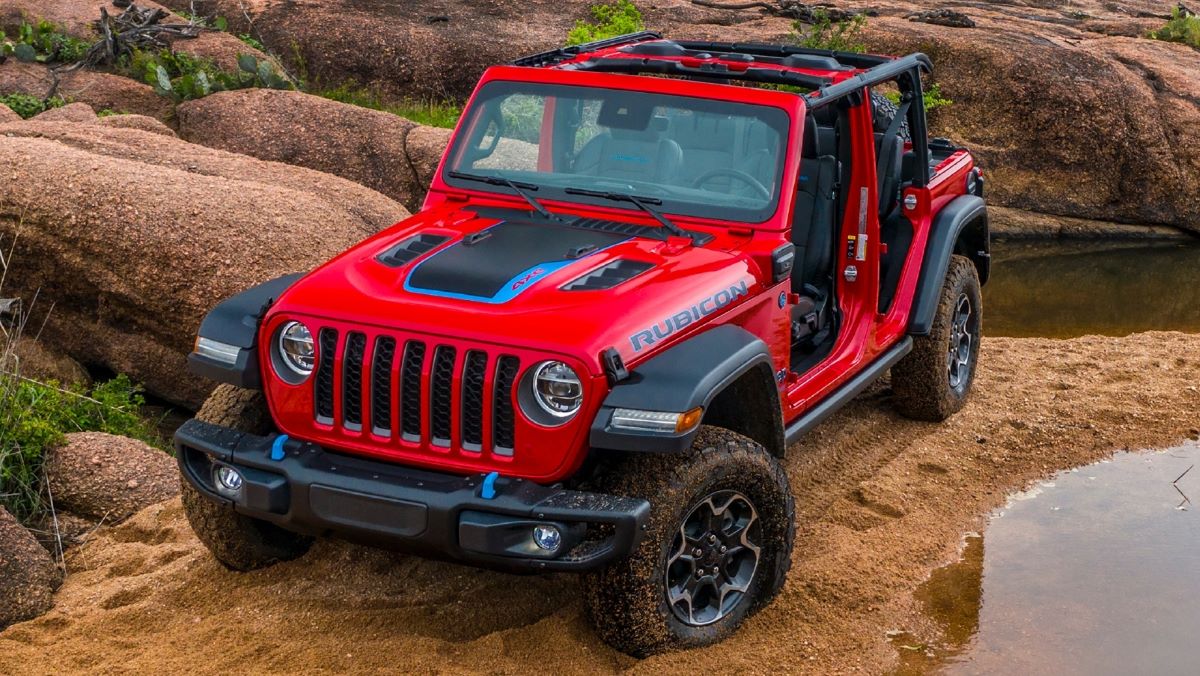
4. Jeep Wrangler
The Wrangler was never about fuel efficiency it was built for off-road adventures. The Wrangler has long been the default choice for off-road enthusiasts, and the latest generation proudly continues that legacy. Even in its more basic trims, it delivers impressive off-road capability.
Opt for packages that add heavy-duty axles, upgraded shocks, and locking differentials, and you’ll have a set of proven, rugged components ready for serious trail work. Over the years, everything from the Wrangler’s low, narrow hood to the placement of its interior controls has been fine-tuned, making Jeep’s iconic off-roader even more intuitive and capable when the pavement ends.

But with the introduction of the Wrangler 4xe plug-in hybrid, Jeep has given drivers the option to tackle trails with electric power alone for short trips, significantly reducing gas usage without sacrificing the iconic Jeep experience.
5. GMC Yukon
The GMC Yukon, like its Chevrolet Tahoe sibling, was infamous for single-digit city MPG in earlier generations.
Now, buyers can choose a 3.0L Duramax diesel variant, delivering far better fuel economy on highways, making it a more attractive option for road trips and family hauling without breaking the fuel budget.
The Yukon comes with three powertrain options: two gasoline V-8s and a diesel engine. Standard on the Elevation and AT4 trims is a 355-hp 5.3-liter V-8, while the Denali and Denali Ultimate get a standard 420-hp 6.2-liter V-8, which can also be ordered on the AT4. Across the lineup, buyers can opt for the diesel 3.0-liter inline-six, now boosted to 305 horsepower and 495 pound-feet of torque, an increase from its previous 277 horsepower and 460 pound-feet.
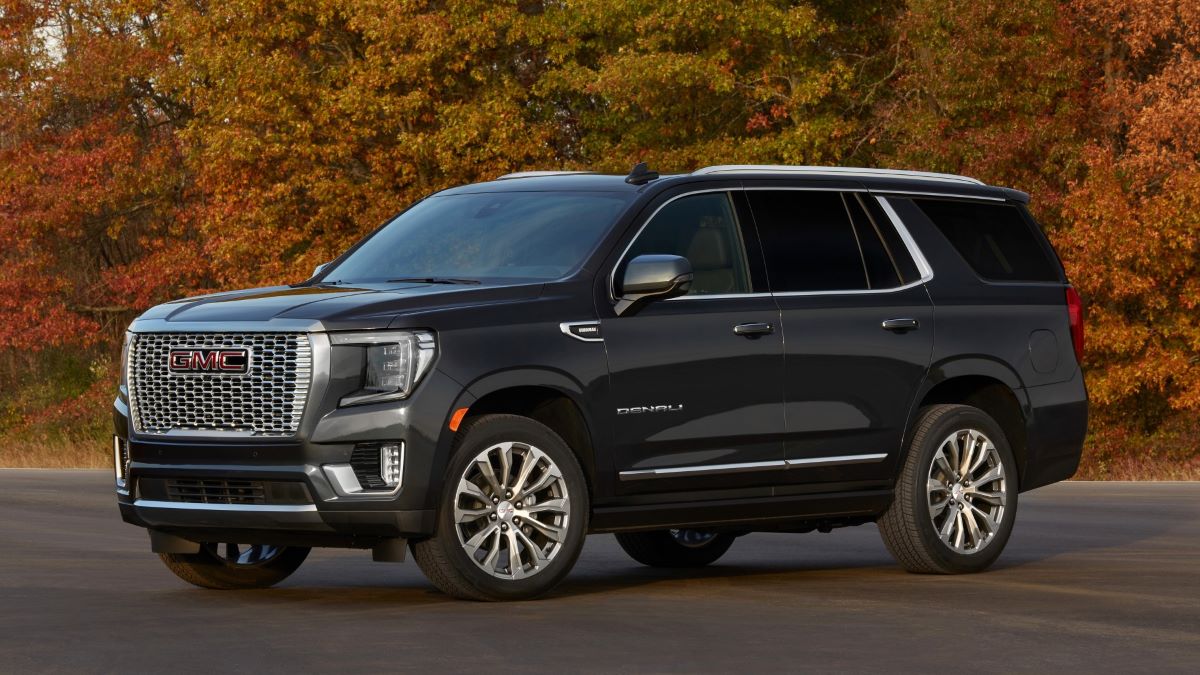
Every Yukon is paired with a 10-speed automatic transmission and offers a choice between rear- and all-wheel drive. For 2025, the gear selector shifts from dashboard-mounted buttons to a more intuitive steering column lever.
The off-road-focused AT4 trim is equipped with a two-speed transfer case, 20-inch wheels wrapped in all-terrain tires, underbody skid plates, and an available air suspension that can add up to two extra inches of ground clearance. While each engine option delivers capable performance, the diesel’s abundant low-end torque and notably better fuel economy make it especially well-matched to the Yukon’s size and purpose.
6. Dodge Durango
The Dodge Durango has long been known for its HEMI V8 roar and the gas bills to match.
Recently, Dodge has expanded its offerings to include more efficient V6 engines and mild-hybrid technology in certain trims, reducing fuel consumption while maintaining a sporty edge.
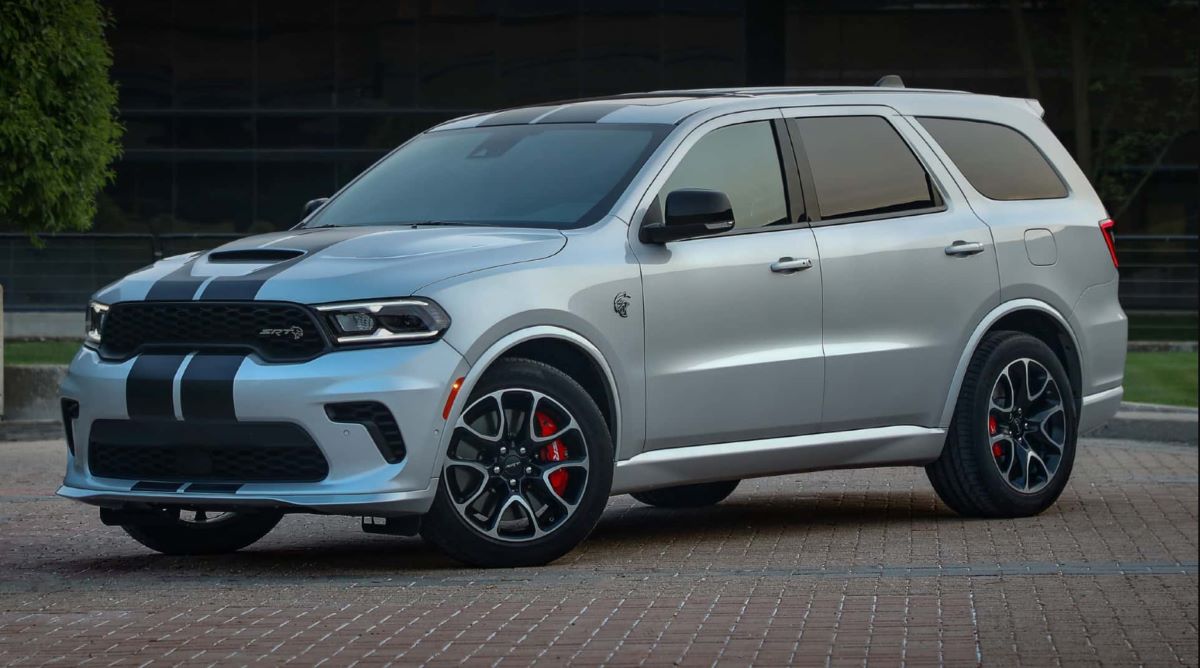
Dodge may have retired the Charger and Challenger for 2025, but muscle fans still have an option in the 2025 Durango. This three-row SUV stands out as an appealing choice for buyers who find most three-row crossovers too bland. With a more assertive personality than the typical family hauler, the Durango injects some character into practicality.
Opting for the available V8 not only enhances that personality but also equips the Durango with the capability to tow small to midsize trailers without breaking a sweat. That said, it’s worth noting that this generation of the Durango has been on the market for quite some time.
7. Cadillac Escalade
The Cadillac Escalade was once the epitome of luxury excess, with fuel economy to match. The current generation offers the efficient 3.0L turbo-diesel engine, which delivers excellent highway mileage for such a large, plush SUV.
This shift has made it more appealing to luxury buyers who don’t want to feel guilty at the gas station. The 2025 Cadillac Escalade receives a notable mid-cycle refresh, reinforcing its position as the alpha in the luxury SUV segment.
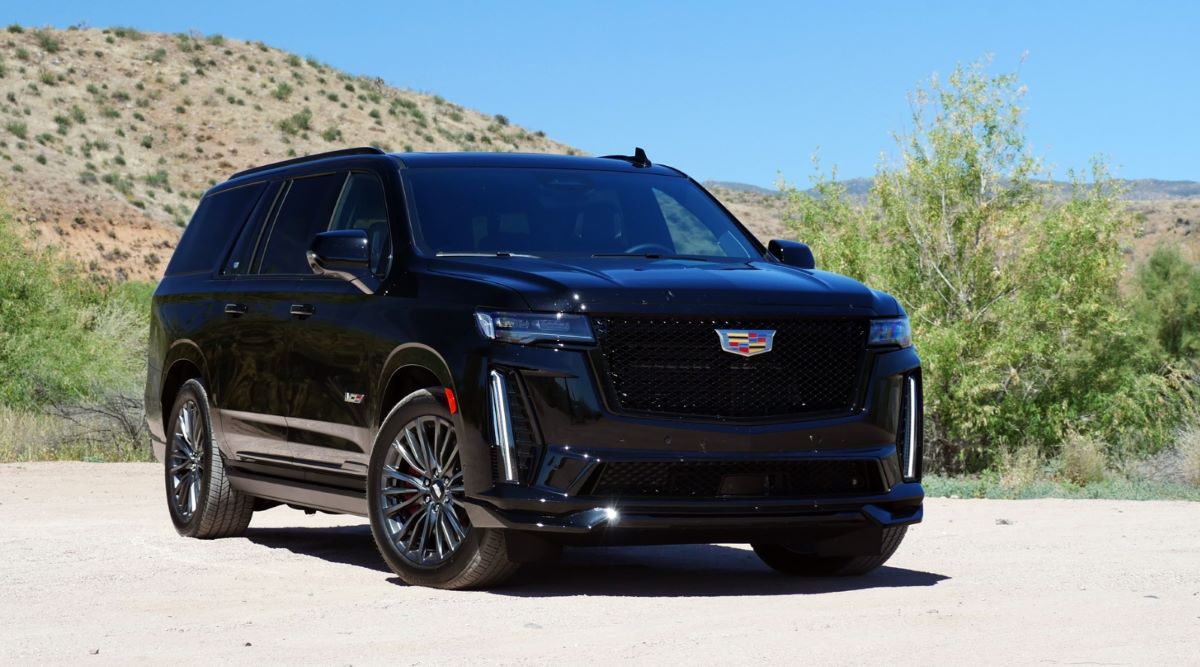
Sleeker, vertically oriented headlights, a full-width digital display, and available lounge-style seating elevate its presence even further, though the 3.0-liter diesel engine option has been dropped for this year.
Still, the Escalade remains a master of its craft, offering seating for up to eight, the ability to tow up to 8,100 pounds, and an available supercharged V8 producing 682 horsepower. Its mission hasn’t changed: to make a lasting impression.
Also Read: Top 10 Hybrid Coupes That Stay Lively While Offering Fuel Efficiency
8. Nissan Armada
The Nissan Armada, with its big V8, had been a fuel-draining family hauler.
In recent years, Nissan has improved engine efficiency, introduced better gearing, and integrated fuel-saving tech, giving the Armada competitive MPG without losing its commanding presence and interior comfort.
The 2025 Nissan Armada arrives as a full redesign, replacing what had been our lowest-rated large SUV. The good news is this new version is a substantial upgrade, boasting enhanced technology and a far more refined interior layout.
A notable addition is the new Pro-4X trim, which bolsters the Armada’s off-road credibility. The question is whether these improvements are enough to elevate it from bottom-tier status to a serious competitor.
Under the hood, a new turbocharged V6 produces 425 horsepower and 516 lb-ft of torque, paired with a nine-speed automatic transmission. While that’s an increase in horsepower compared to the outgoing V8, this engine tends to strain in lower gears and can get quite loud when accelerating to highway speeds.
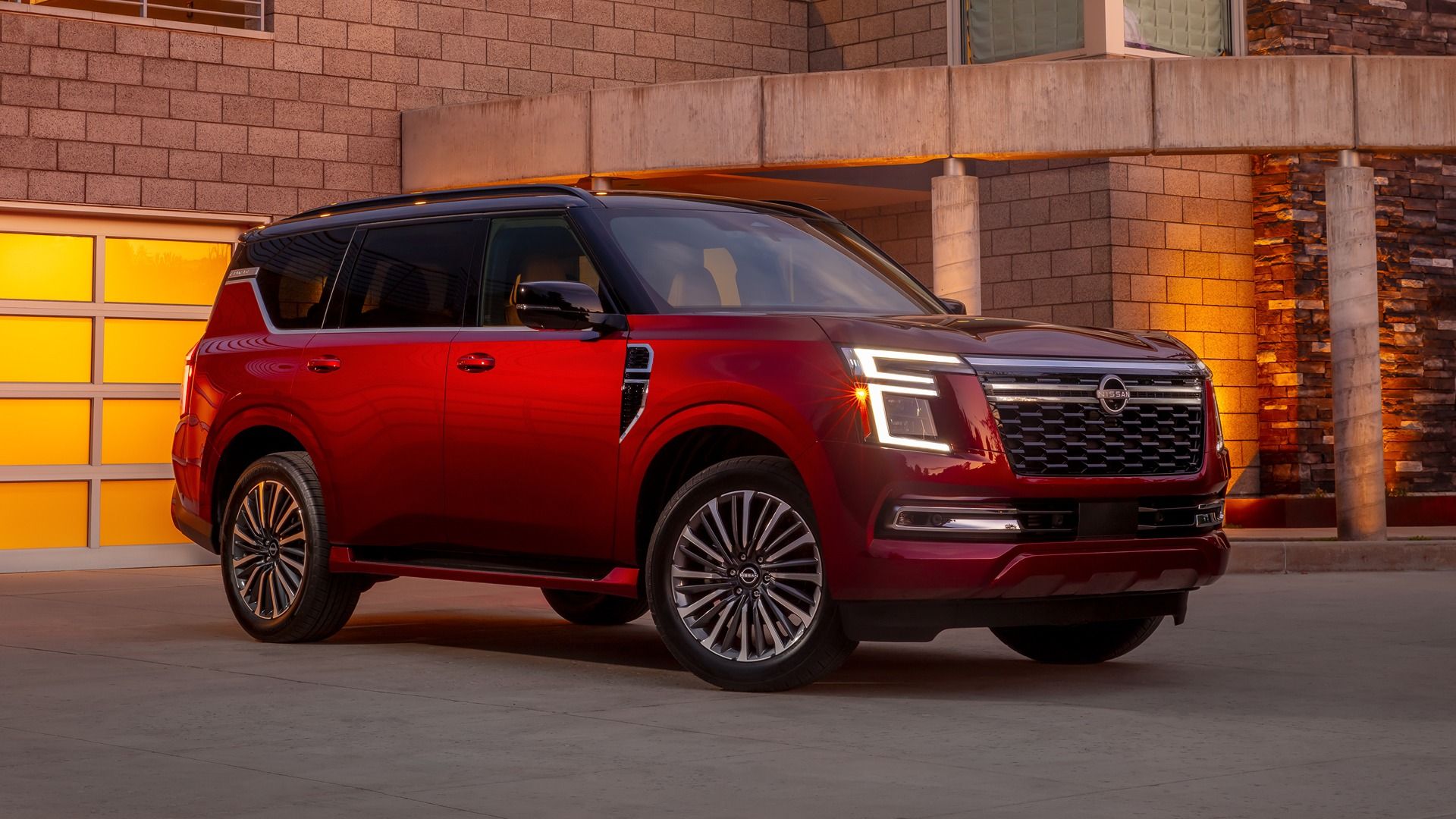
There’s also a discernible pause between pressing the gas pedal and the SUV delivering its full power, even in Sport mode. The performance is there, it just takes a beat to access it. Nissan hasn’t released official fuel economy numbers yet, but on a drive through rural Tennessee, I averaged roughly 18 mpg, which is about average for a vehicle of this size.
The Pro-4X trim injects extra ruggedness into Nissan’s full-size SUV. Sitting mid-pack in the Armada lineup, it blends some upscale elements from the Platinum trim with a stronger off-road focus. For those wanting the best of both worlds, the Pro-4X Premium package adds upgrades such as a panoramic sunroof, heated and ventilated front seats, heated second-row seats, a hands-free liftgate, and more.
Naturally, the appeal of the Pro-4X lies in its capability, or at least the look of it. It rides on 20-inch wheels, sports unique bumpers for improved approach and departure angles, and includes tow hooks and a front skid plate. Distinct fender flares and specialized Armada badging further set it apart visually.
Driving the Pro-4X along a tight, muddy trail in Tennessee wasn’t a full-blown off-road trial, but it was enough to showcase the SUV’s composure in such conditions. Multiple camera views, including one showing the front tires—proved invaluable for navigating between trees and placing the wheels exactly where I wanted them.
9. Range Rover
Range Rovers were infamous for their poor gas mileage, especially among luxury SUVs. Today, Land Rover offers plug-in hybrid variants that allow electric-only driving for short commutes.
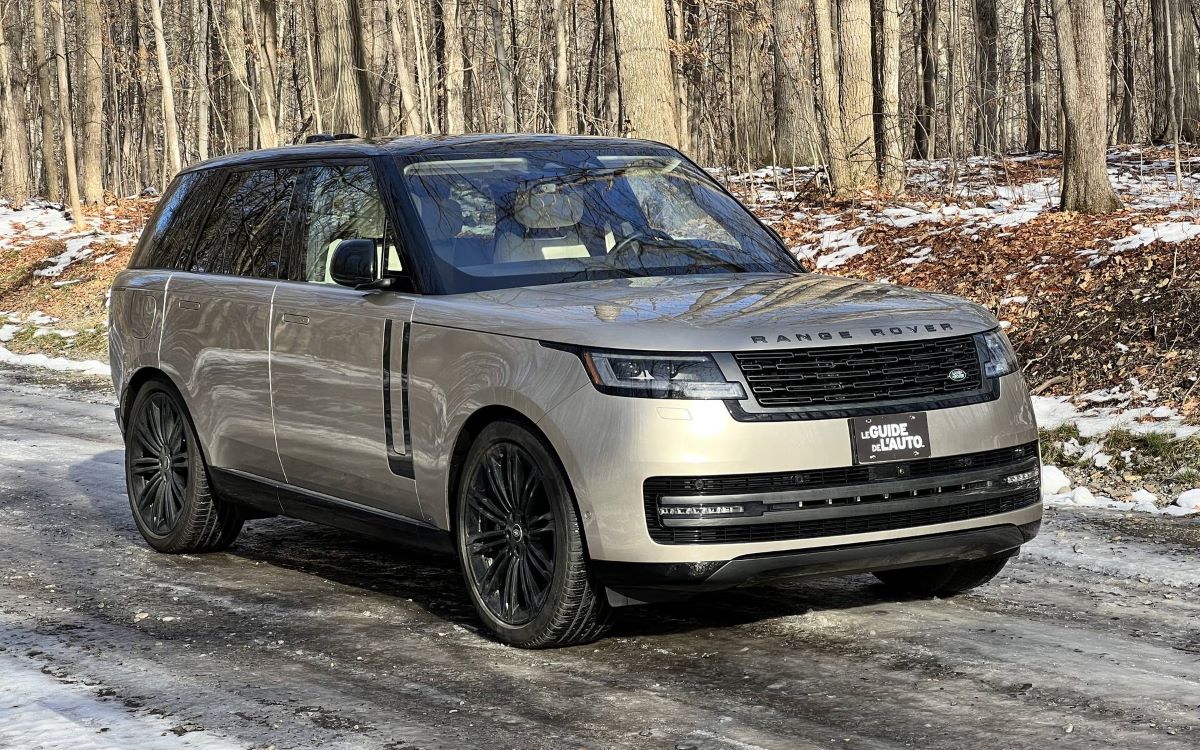
This shift gives owners a taste of electric luxury while still offering the off-road prowess the brand is known for. The Range Rover’s understated elegance is evident in both its design and its road manners.
While instantly recognizable, its exterior styling is simpler and less contemporary than many rival luxury SUVs. Inside, craftsmanship and material quality are exceptional, but the minimalist approach creates a somewhat stark atmosphere. This reductive design also impacts usability, removing physical buttons makes basic adjustments more cumbersome than they should be.
On the road, the Range Rover is all about serenity. Its superbly tuned suspension delivers a smooth, composed ride, and the cabin remains impressively hushed. That said, the driving experience offers little engagement. Light steering and deliberately slow responses can make the driver feel a bit removed from the action.
The Range Rover’s reputation as a luxury icon is well-earned, with world-class refinement and genuine all-terrain capability. Still, there are competitors that offer sharper styling, more engaging performance, and stronger value propositions.
10. Porsche Cayenne
When Porsche first introduced the Cayenne, it shocked purists and consumed fuel at an alarming rate. Now, the Cayenne lineup includes plug-in hybrid models that blend high performance with significant efficiency improvements, proving even performance SUVs can go green without losing their soul.
For 2025, the Porsche Cayenne lineup welcomes a new 493-horsepower GTS model. This performance-focused variant uses the same twin-turbocharged 4.0-liter V-8 as the Cayenne S but gains an extra 25 horsepower. It also inherits some hardware from the extreme Turbo GT model, including a water-cooled all-wheel-drive system and suspension components designed to sharpen steering response.
The GTS comes standard with the Sport Design package, which adds black exterior trim, dark bronze exhaust outlets, and black wheels, while the interior features GTS logos on the headrests and other trim-specific details.
Pricing for the 2025 Cayenne starts at $86,695 for the base model and tops out at $205,795 for the Turbo GT Coupe. The lineup includes the base Cayenne ($86,695), Cayenne Coupe ($91,795), Cayenne S ($103,595), Cayenne S Coupe ($109,995), Cayenne GTS ($126,895), Cayenne GTS Coupe ($131,495), and Cayenne Turbo GT Coupe ($205,795).
The base Cayenne offers strong value with standard features such as a 12.3-inch touchscreen, 10-speaker audio system, and Wi-Fi hotspot. Our preferred build would add the Premium package for ambient interior lighting, adaptive cruise control, a Bose surround-sound system, heated front and rear seats, and a panoramic sunroof.
To further boost capability, we’d select the Sport Chrono package, which brings extra drive modes and launch control, along with the Off-Road package for added underbody protection and specialized displays, and the adaptive air suspension for improved ride and handling balance.
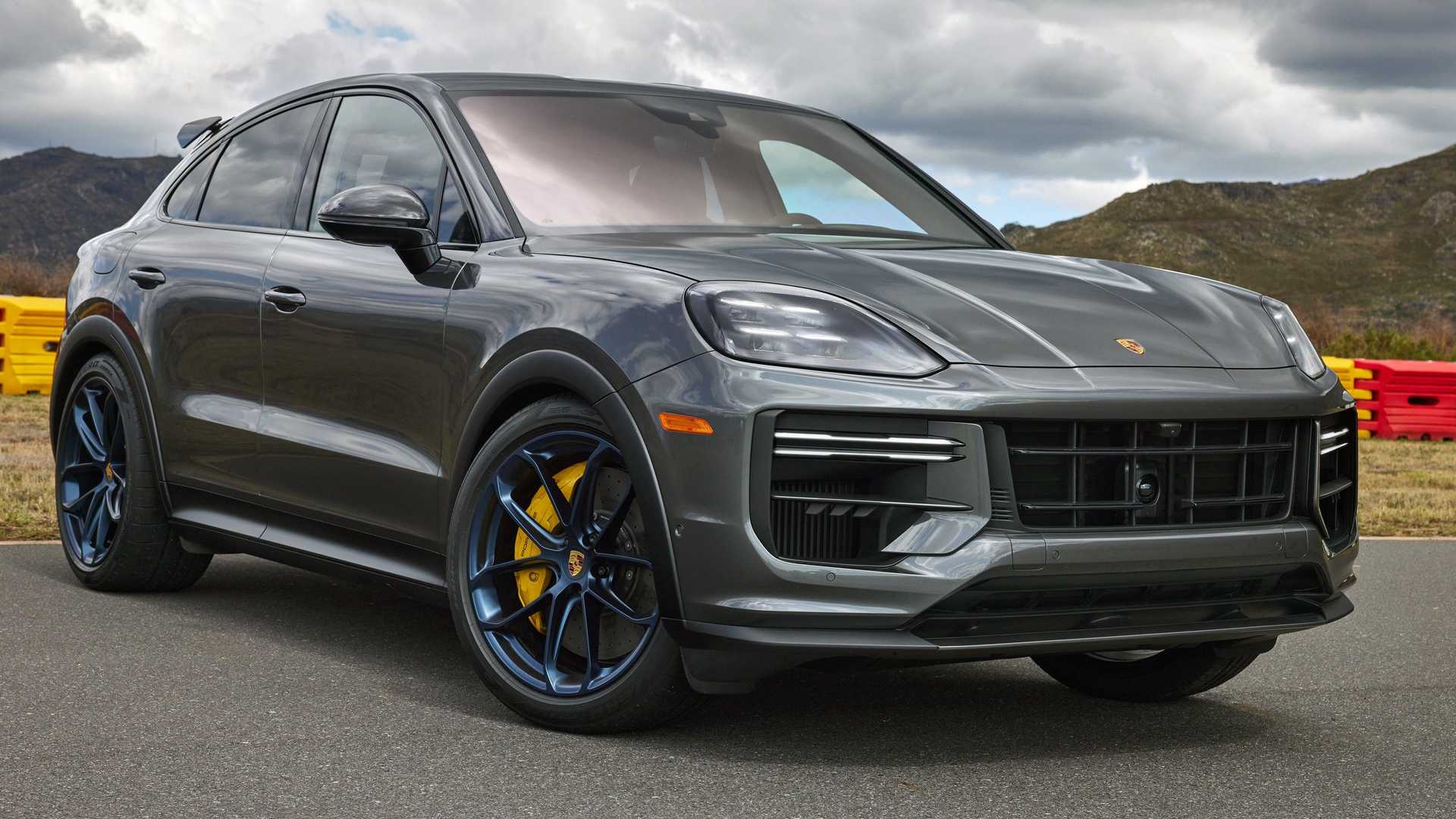
The Cayenne’s nonhybrid engine lineup begins with a turbocharged 3.0-liter V-6 producing 348 horsepower. The Cayenne S upgrades to a 468-hp twin-turbo V-8 with thrilling acceleration and a rich exhaust note, while the new GTS pushes that same engine to 493 horsepower.
At the top, the Turbo GT Coupe unleashes 650 horsepower from a high-performance twin-turbo V-8 and comes equipped with a uniquely tuned suspension, massive brakes, and lightweight components. All engines are paired with an eight-speed automatic transmission and all-wheel drive. Despite its substantial weight, the Cayenne moves with surprising agility.
In our testing, the Cayenne S delivered the same blend of athleticism and refinement as before, while the GTS offered an even more engaging drive. Adaptive dampers are now standard across the range, and additional available performance upgrades include adjustable air suspension, four-wheel steering for improved maneuverability, and active anti-roll bars for enhanced cornering stability.
The transformation of these vehicles reflects a broader shift in the automotive industry. Efficiency is no longer a niche concern it’s a core selling point.
Automakers have learned that drivers want both performance and practicality, and modern technology makes it possible to deliver both.
For US buyers who once felt forced to choose between power and economy, these updated models prove you really can have the best of both worlds.