
Driving long distances can bring out the true character of any vehicle. While some cars inspire confidence with precise steering, strong stability, and a planted feel at higher speeds, others tend to feel less connected to the road, almost like they are drifting on a cushion of air.
Both traits can be influenced by design, suspension setup, weight distribution, aerodynamics, and even the type of tyres. People who frequently travel on interstates or wide highways often value cars that stay composed during lane changes and cornering, especially when sharing the road with large trucks or dealing with crosswinds.
While some drivers enjoy softer rides that absorb road imperfections, this can sometimes lead to a floating sensation at high speed. Automakers have different approaches to suspension tuning.
Performance-oriented brands often favour firmer setups with sharper steering response, ensuring the car stays on its intended path without unnecessary body roll. Comfort-focused models may prioritise a smoother ride over absolute handling precision, leading to that “floating” feeling when driving quickly or over uneven road surfaces.
Neither approach is inherently bad; it simply depends on what a driver values most. For instance, sports sedans and well-tuned hatchbacks tend to keep a firm grip on the road, making them ideal for spirited highway drives.
Large luxury sedans or certain SUVs might lean towards a plush, almost boat-like quality that cushions passengers from bumps but reduces connection with the pavement. We will look at five cars that stand out for their tight highway manners and five others known for a softer, more floaty behaviour.
5 Cars That Stay Tight on the Highway
1. BMW 3 Series
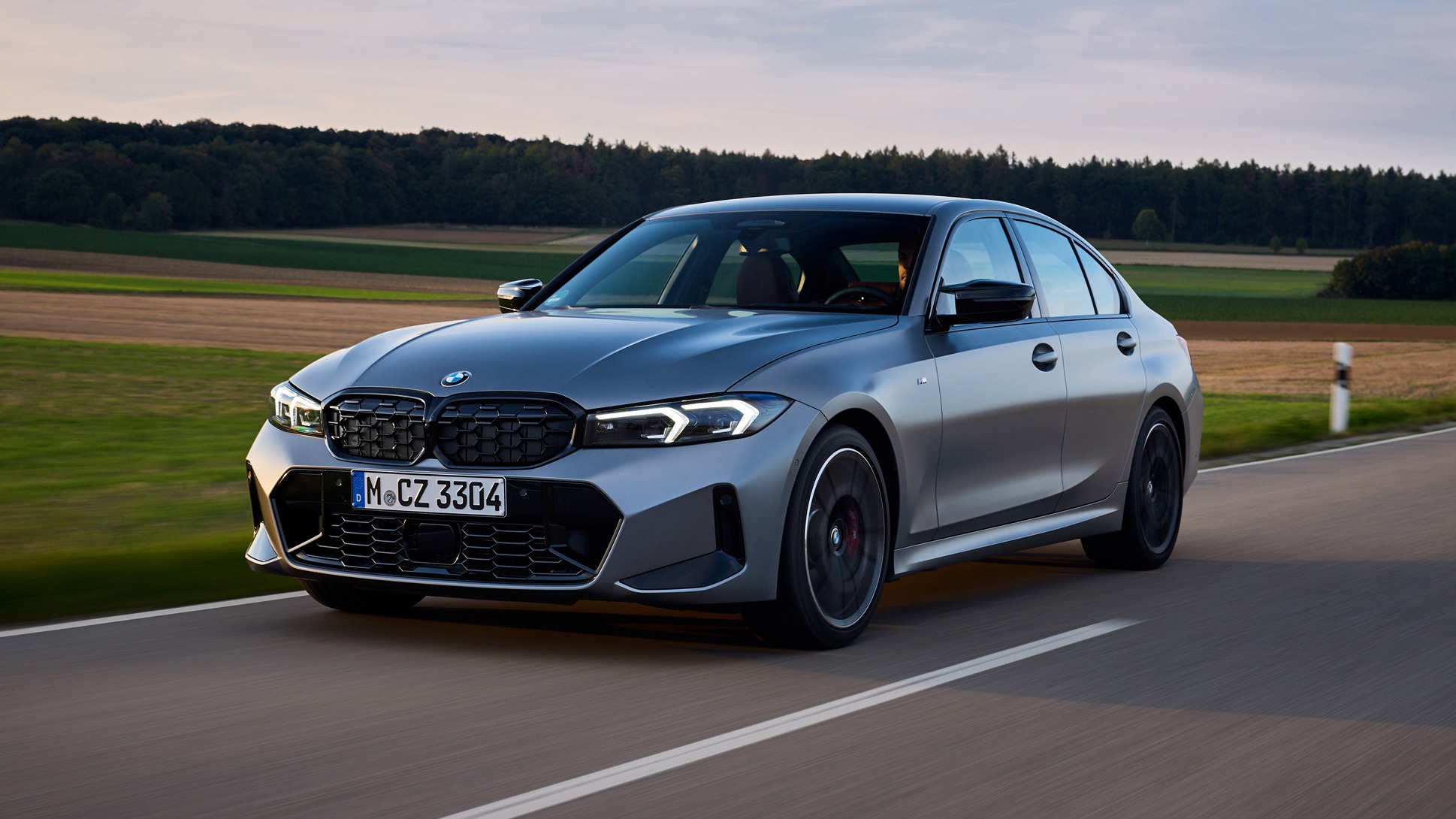
Among sports sedans, the BMW 3 Series has long been respected for its ability to stay composed and confident at high speed. The chassis feels well-balanced, and the steering communicates road conditions clearly.
When driving on a highway, the car maintains its line even when passing large trucks or facing moderate crosswinds. This stability is partly due to BMW’s consistent focus on a near 50:50 weight distribution and its advanced suspension design. The dampers control body motion effectively without making the ride uncomfortable.
The current generation benefits from improved chassis stiffness, which translates to better control through sweeping bends. Even when the road surface changes, the 3 Series remains predictable, avoiding sudden jolts or floaty sensations.
The adaptive suspension option allows drivers to fine-tune the balance between comfort and firmness, making it versatile for different driving styles. Tyre choice also plays a role. Performance tyres on the 3 Series provide excellent grip, enhancing confidence when changing lanes quickly.
Another aspect that makes the 3 Series perform so well on highways is its precise steering rack. The electric power steering offers quick responses without feeling twitchy, and the wheel weight adjusts naturally at higher speeds. This means the driver does not need to make constant corrections to keep the car straight. Even over long hours of driving, this precision reduces fatigue.
BMW also works on aerodynamics, ensuring the car cuts through the air efficiently. This reduces wind noise and stabilises the vehicle. Whether it is the base model or the sportier trims, the 3 Series shows the benefits of engineering focused on both driver engagement and stability. For anyone who values a planted, confident feel on the open road, it remains one of the most satisfying choices in its segment.
2. Audi A6
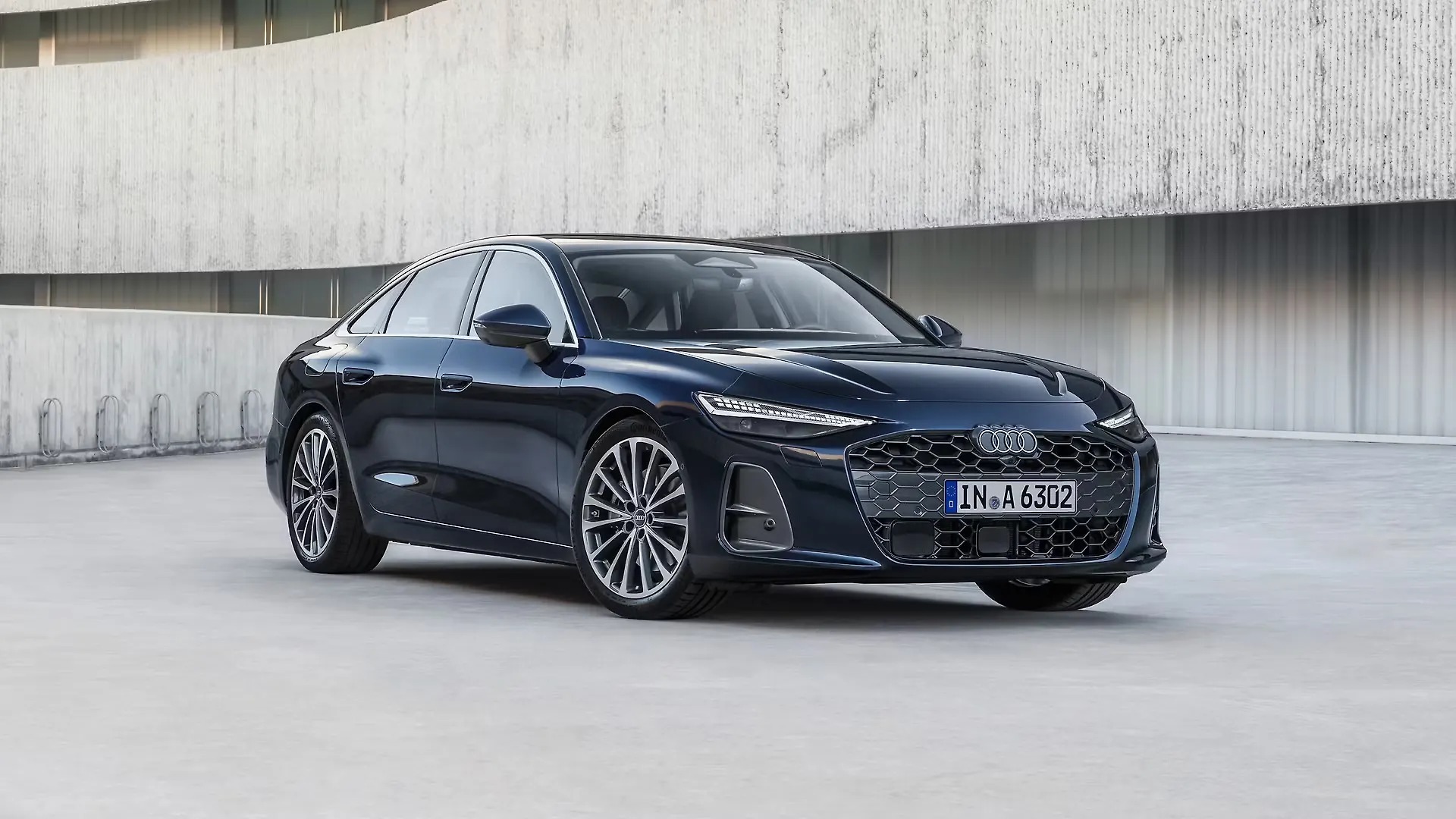
The Audi A6 combines luxury comfort with stability that inspires confidence at higher speeds. It has a sophisticated suspension setup that keeps the body level through long highway curves.
The steering is well-tuned, giving accurate feedback without feeling heavy. Even on rougher sections of road, the A6 maintains a smooth and controlled ride, thanks to its adaptive dampers that automatically adjust to changing conditions.
Audi engineers have paid careful attention to weight balance and chassis rigidity. This means the car remains stable when passing through sweeping bends or during quick lane changes. The quattro all-wheel-drive system further enhances grip, distributing power to the wheels with the most traction. This is especially useful in rain or light snow, where the car continues to feel secure and planted.
Wind and road noise are minimal inside the cabin, which makes long journeys more relaxing. However, the A6 does not sacrifice road feel for quietness. You can still sense what the tyres are doing, giving you confidence when driving at higher speeds. The wide track of the car adds to its composure, and its low centre of gravity ensures that it resists unwanted body roll.
Drivers who appreciate refined control will notice that the Audi A6 responds to steering inputs with precision. It feels predictable, even if you need to avoid an obstacle suddenly. The electronic stability systems work subtly in the background, intervening only when necessary.
For highway driving, this combination of comfort, quietness, and stability makes the A6 an excellent companion. Whether covering hundreds of miles in one trip or simply enjoying a quiet evening drive, it delivers a reassuringly solid performance.
Also Read: 12 Sedans With High Resale in Private Sales
3. Lexus ES
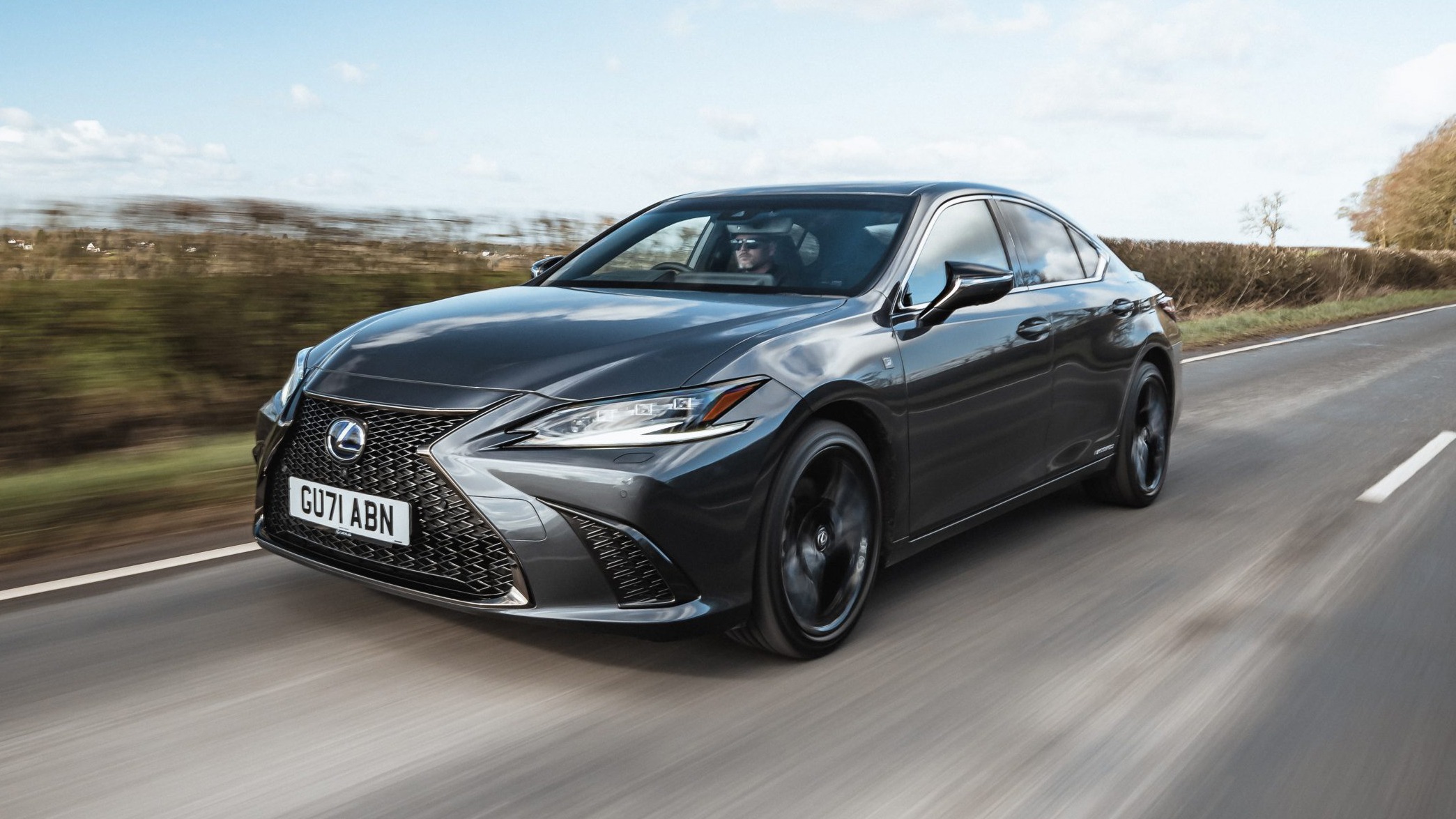
The Lexus ES is often associated with comfort, but it also offers a surprising level of stability on highways. While the suspension is tuned for a smooth ride, Lexus has found a balance that prevents the car from feeling too soft or detached from the road. On long stretches of highway, the ES holds its line well and reacts predictably to steering inputs.
A major contributor to this balance is the car’s platform, which has been made more rigid in recent years. This stiffness allows the suspension to do its job effectively, controlling body movement without introducing harshness. Even in strong crosswinds, the ES feels planted, and lane changes are smooth and controlled.
The steering is light but accurate, allowing for easy control at high speeds without constant corrections. Lexus engineers have also worked to reduce vibration and harshness, which means that while the driver can feel the road, the feedback is never uncomfortable. The car’s aerodynamic design reduces lift, further improving stability.
Inside the cabin, passengers enjoy a quiet environment, yet the driver still has a sense of connection with the road. Tyre grip is strong, especially with the higher-spec models that come with larger wheels and performance tyres. Even though the ES prioritises comfort, its stability on the highway makes it a great choice for drivers who want a relaxed yet confident driving experience.
For those who regularly travel long distances but still want to feel secure in changing traffic or weather conditions, the Lexus ES offers a reassuring blend of smoothness and control.
4. Mercedes-Benz E-Class
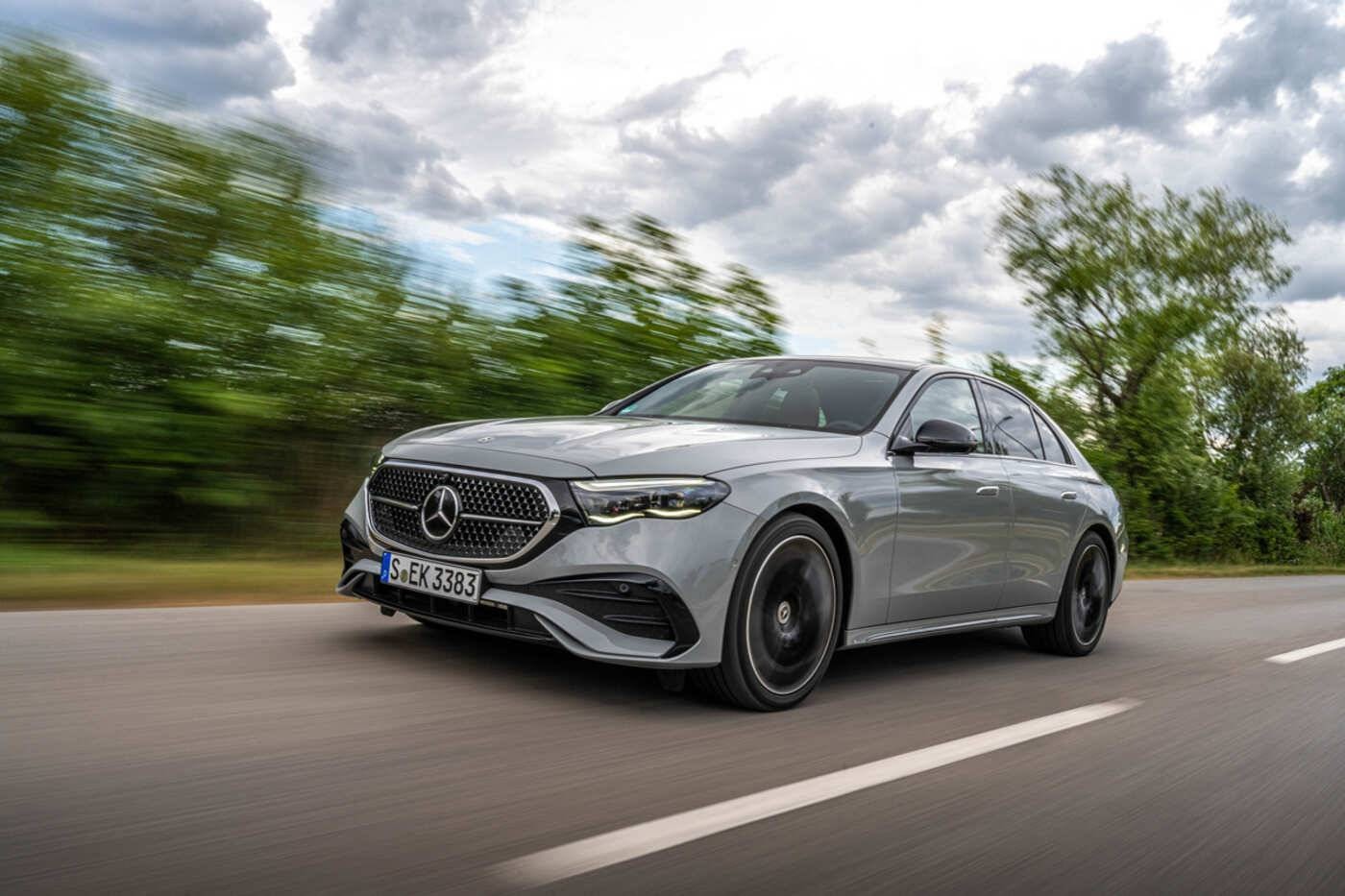
The Mercedes-Benz E-Class stands out for its ability to combine high comfort levels with impressive highway stability. Its suspension system, whether in standard steel spring form or with optional air suspension, absorbs imperfections in the road while maintaining strong body control. The result is a car that glides smoothly but stays firmly connected to the pavement.
The E-Class benefits from precise steering that is neither too light nor too heavy. At highway speeds, the steering weights up naturally, giving the driver a solid sense of control. The long wheelbase and wide stance also contribute to stability, ensuring the car feels steady during quick lane changes or when overtaking at higher speeds.
Mercedes has also put effort into aerodynamic efficiency, reducing turbulence around the car and improving straight-line stability. Even in windy conditions, the E-Class stays composed. The available 4MATIC all-wheel-drive system distributes power intelligently, which is helpful when driving on wet or uneven surfaces.
Inside, the E-Class offers a peaceful cabin environment, but it never feels disconnected. Road feel is present, so the driver always knows what the tyres are doing. The adaptive cruise control and lane-keeping assist systems can make long highway trips even more relaxed, but the core stability of the car comes from its engineering. For those who appreciate a luxury sedan that can cover great distances without tiring the driver, the E-Class remains one of the most dependable options in its class.
5. Mazda 6
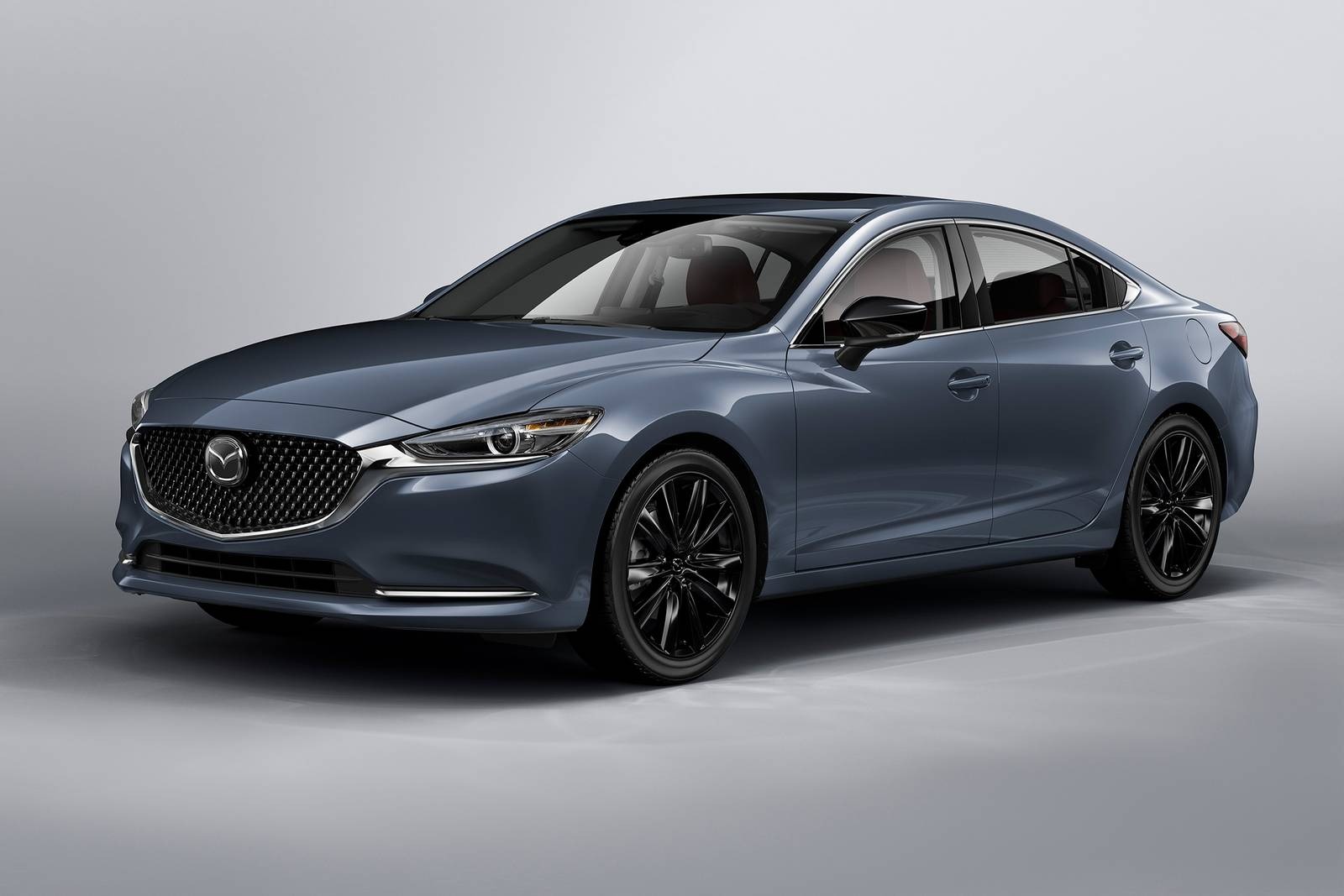
The Mazda 6 may not have the luxury badge of some competitors, but it delivers an engaging driving experience that shines on the highway. Its steering is sharp and communicative, giving the driver a clear sense of the road surface. The chassis is tuned to feel agile without sacrificing stability, making it a great option for spirited long-distance driving.
Mazda’s suspension strikes a fine balance between firmness and comfort. On smooth highways, the car feels taut and responsive. When the road gets rough, the suspension absorbs bumps well, keeping the car steady. The low centre of gravity and balanced weight distribution contribute to the planted feel at high speeds.
Another advantage of the Mazda 6 is its responsive throttle and well-matched transmission. When overtaking, the car accelerates quickly and smoothly, without unsettling the chassis. Even during sudden lane changes, the steering and suspension work together to maintain control.
Tyres with a strong grip help keep the Mazda 6 locked onto the road surface. Wind noise is minimal, and the aerodynamic shape helps the car stay stable in breezy conditions. While it may not have the same level of insulation as high-end sedans, it makes up for it with a sense of connection and control that is often missing in softer-riding cars. For drivers who enjoy feeling engaged on the highway but still want a comfortable cabin, the Mazda 6 offers an appealing mix of both qualities.
5 Cars That Float Like Boats
1. Toyota Avalon
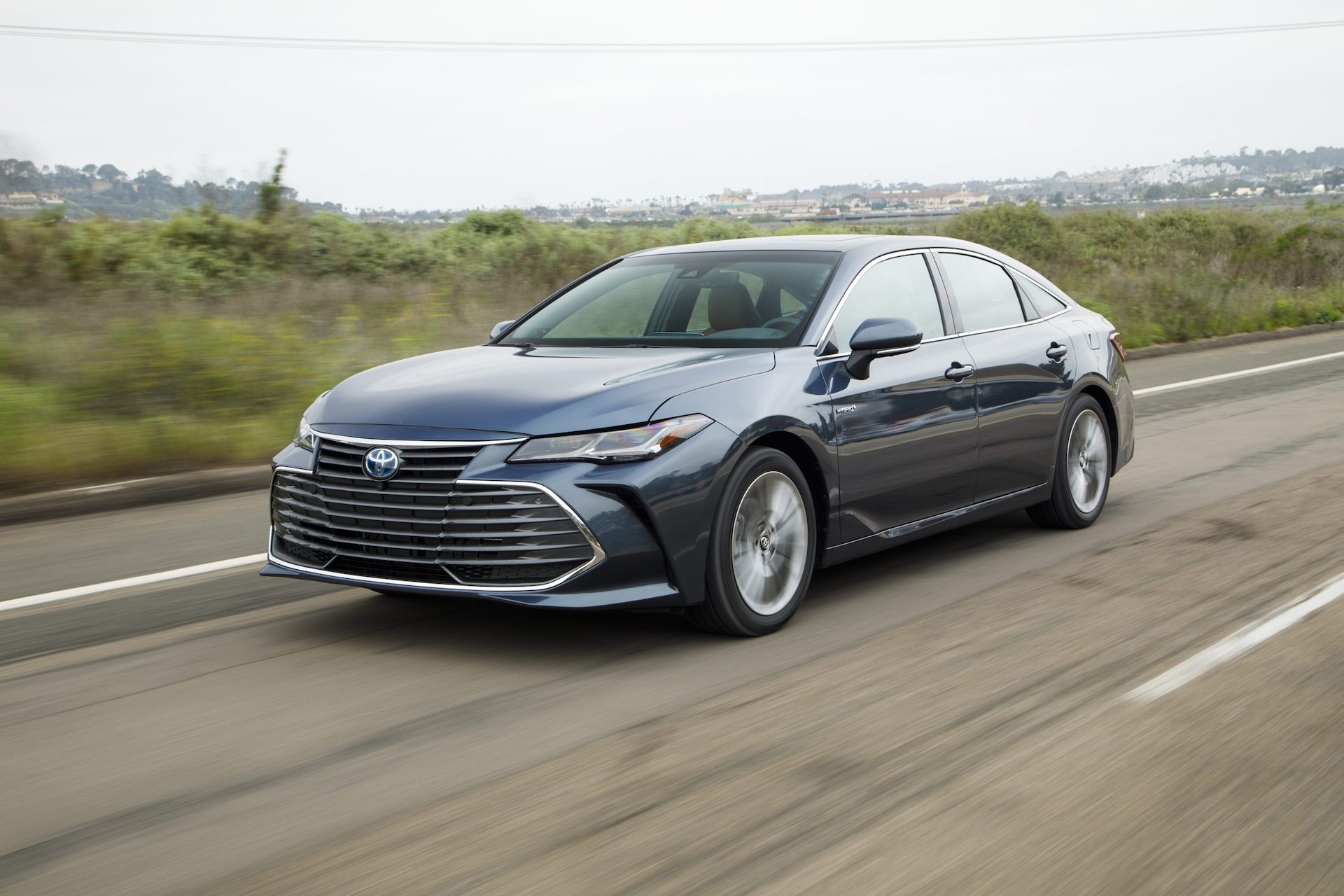
The Toyota Avalon is a full-size sedan known for its comfort-first approach. On the highway, it offers a soft, cushion-like ride that can make passengers feel as though the car is gliding rather than rolling. This comfort is thanks to a suspension tuned for smoothness and a long wheelbase that soaks up imperfections in the road.
However, this plush ride comes at the cost of some precision. At higher speeds, especially during quick lane changes, the Avalon can feel less connected to the pavement. The steering is light, which makes it easy to manoeuvre in relaxed driving, but does not offer the same level of feedback as sportier sedans. In windy conditions, the car remains safe, but the sensation is more of a float than a grip.
The Avalon’s cabin is quiet, with minimal vibration, which enhances the perception of softness. For those who prioritise comfort above all else, this can be a positive trait. It is an ideal highway companion for long, steady drives where agility is not the main requirement.
While the Avalon’s floaty nature may not suit drivers seeking tight handling, it appeals to those who want to relax during long journeys. It is especially good for passengers who may be sensitive to bumps or sharp movements. Toyota has aimed to create a car that delivers a stress-free ride, and in that respect, the Avalon succeeds.
2. Chevrolet Impala
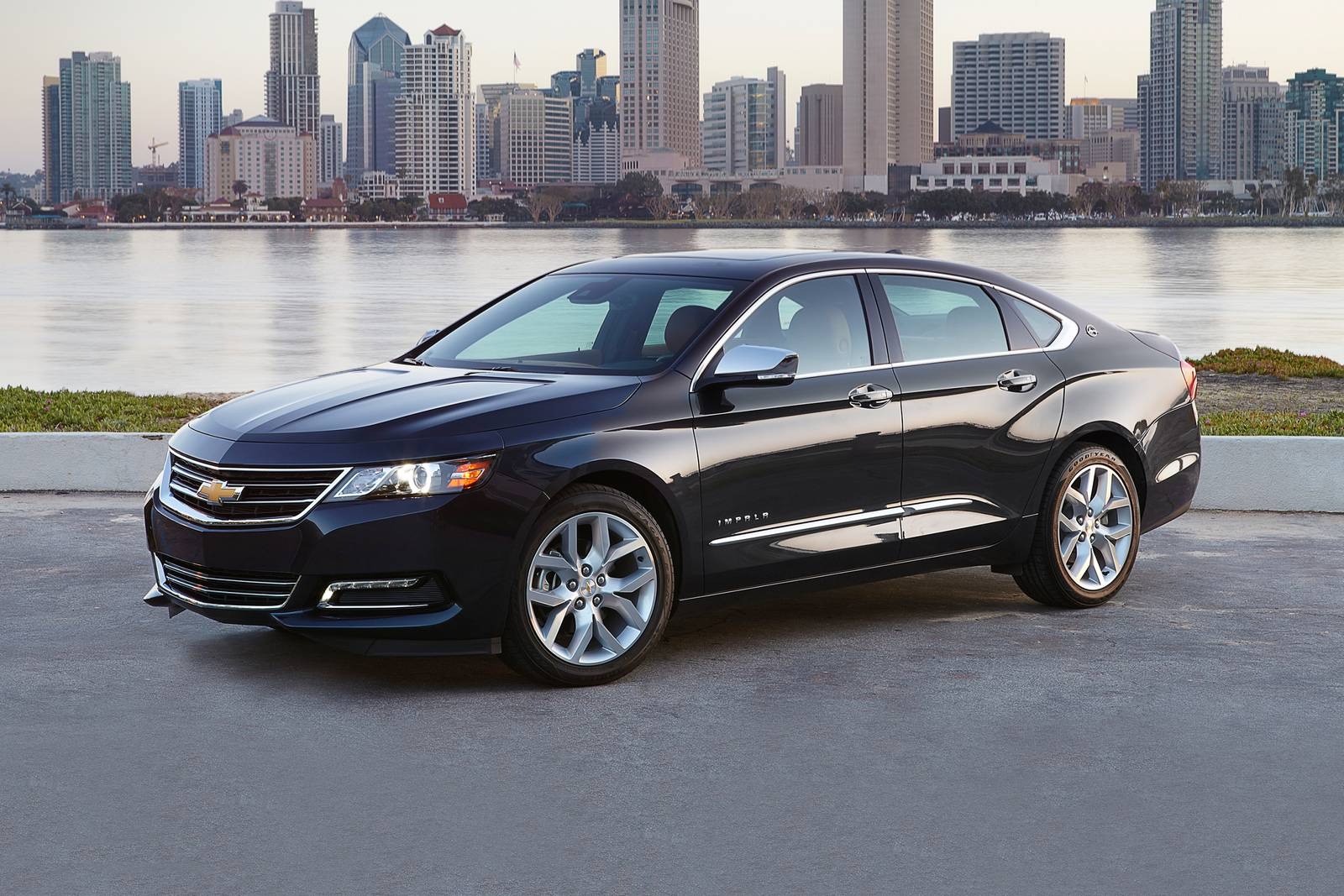
The Chevrolet Impala is built with comfort as a top priority, and that is exactly how it behaves on the highway. Its suspension is tuned to smooth out road imperfections to the point that bumps and cracks are barely noticeable. This softness gives the car a calm and relaxing ride quality, but it also means the Impala does not feel as tightly controlled as smaller, sportier sedans.
At higher speeds, the steering remains light, which is fine for gentle cruising but does not deliver the same sense of precision found in more performance-oriented models. Long sweeping bends may produce a gentle body lean, reinforcing the impression of a car that prioritises comfort over agility. It is a sensation many passengers appreciate, though keen drivers might wish for a firmer setup.
The Impala’s large dimensions and long wheelbase add to its floating character. It stays stable enough in a straight line but feels less anchored when quick steering corrections are needed. In crosswinds, the body can move slightly before settling, which is a common trait among larger sedans with softer suspensions.
Inside, the spacious cabin and comfortable seats make long-distance travel easy. Noise insulation is strong, and the quiet ride adds to the sense of separation from the road. For people who spend hours on the interstate and want to feel like they are in a rolling living room, the Impala fits the bill.
While it does not offer sharp handling, it delivers a level of comfort that makes it well-suited for those who see driving as a relaxed experience rather than a precise, high-engagement activity.
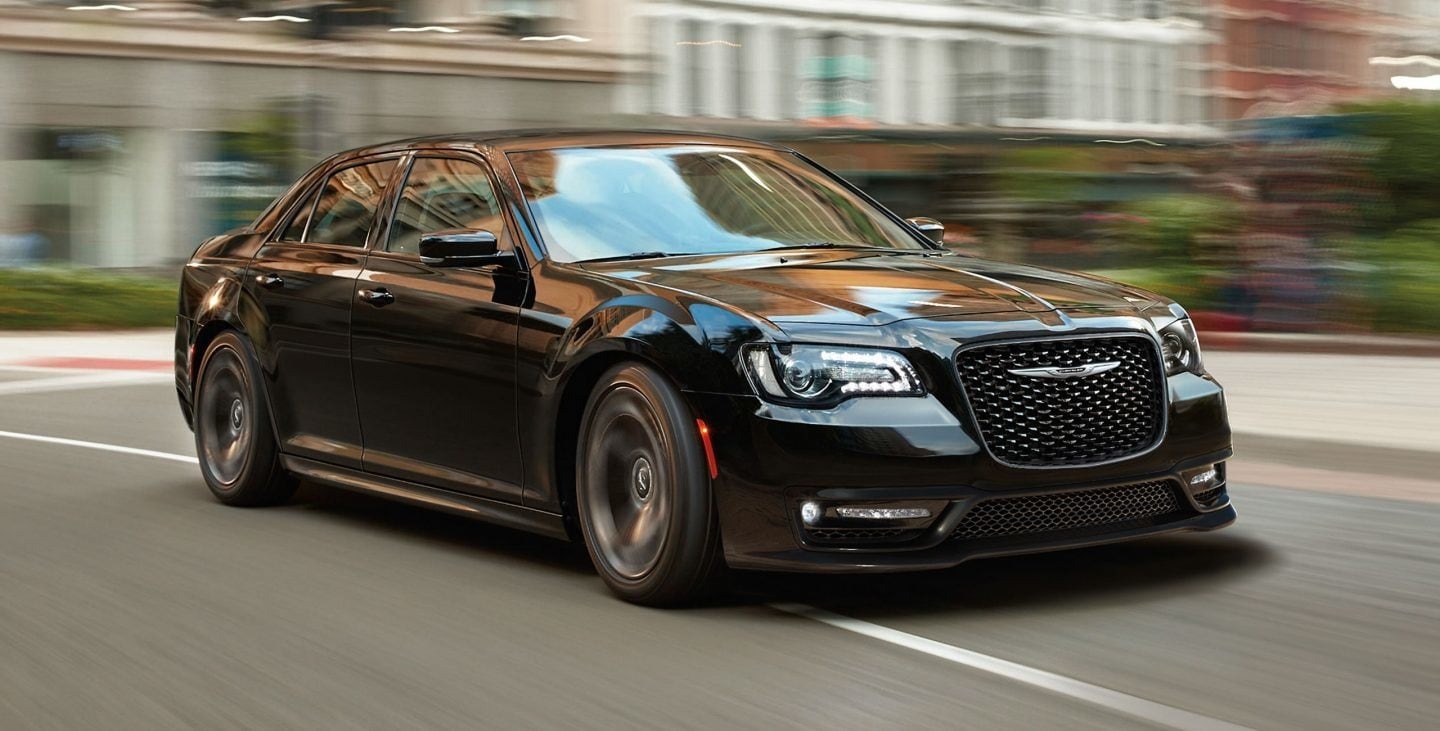
3. Chrysler 300
The Chrysler 300 blends a solid, upscale feel with a ride that leans towards softness. Its heavy body and long wheelbase help absorb road imperfections, and the suspension tuning focuses on smoothness.
On straight stretches of highway, the 300 feels steady and calm. However, when quick steering inputs are required, there is a mild delay before the car responds fully, which gives it a floating sensation.
The steering is tuned for ease rather than sportiness. It is accurate enough for daily driving, but at higher speeds, it lacks the tight, locked-in feeling of sport sedans. Body roll is controlled, but the softer damping means the chassis takes a moment to settle after larger bumps or dips.
One advantage of the Chrysler 300 is its quiet cabin. Road and wind noise are minimal, creating a serene environment for passengers. The ride comfort is high, which is especially appreciated during long trips. While the floaty quality is present, it does not become unsettling. The car remains predictable, even if it is not sharply responsive.
For drivers who enjoy a more relaxed approach to highway travel, the Chrysler 300 works well. It has a commanding presence on the road and provides a comfortable, isolated experience. Those who prefer more direct feedback from the steering and suspension might find it less engaging, but comfort-focused buyers will see the softer ride as a benefit.
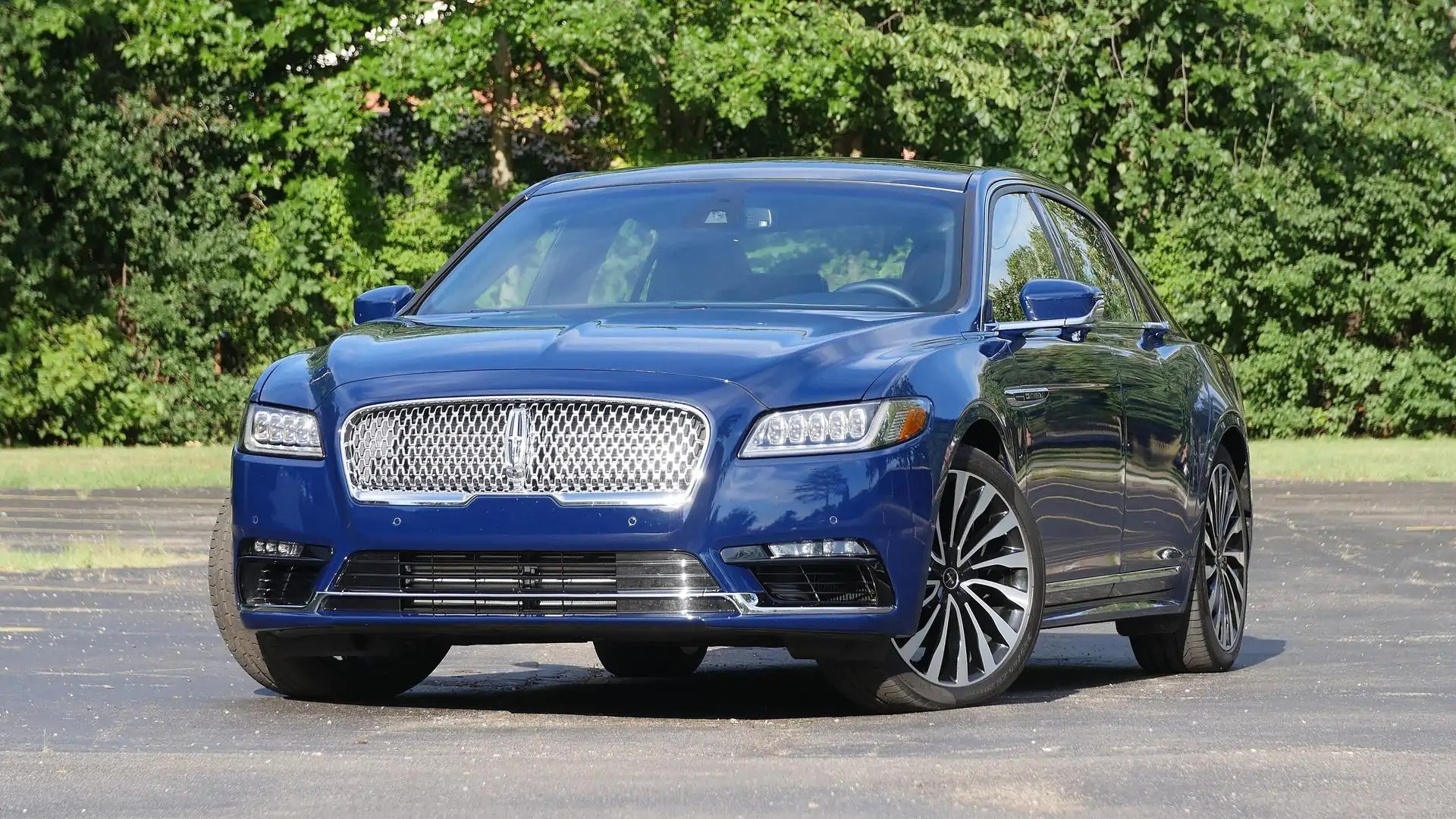
4. Lincoln Continental
The Lincoln Continental has long been associated with comfort and luxury, and the modern version stays true to that identity. On the highway, it feels like it is gliding over the surface, thanks to a suspension that filters out nearly all road harshness. The ride is smooth and controlled at moderate speeds, but at higher speeds, especially over uneven surfaces, there is a sensation of lightness that can be described as floating.
The steering is tuned for relaxed control rather than pinpoint precision. For long, straight drives, this works well, reducing the need for constant adjustments. However, in tighter manoeuvres or during quick lane changes, the Continental takes a moment to settle, which is typical of comfort-first luxury sedans.
The interior is a quiet retreat, with thick insulation keeping outside noise at bay. This adds to the floating sensation, as the driver and passengers feel removed from the road environment. The wide seats, generous space, and soft-touch materials make the car an excellent long-distance companion for those who value relaxation.
Lincoln designed the Continental for comfort-oriented buyers who want their vehicle to feel like a rolling lounge. It does this exceptionally well, though it comes at the expense of the tight, connected feel that performance sedans deliver. For those who prefer a car that cushions every bump and isolates them from rough road textures, the Continental remains a strong choice.
Also Read: 5 Affordable Sedans That Don’t Rust vs 5 That Rot Underneath
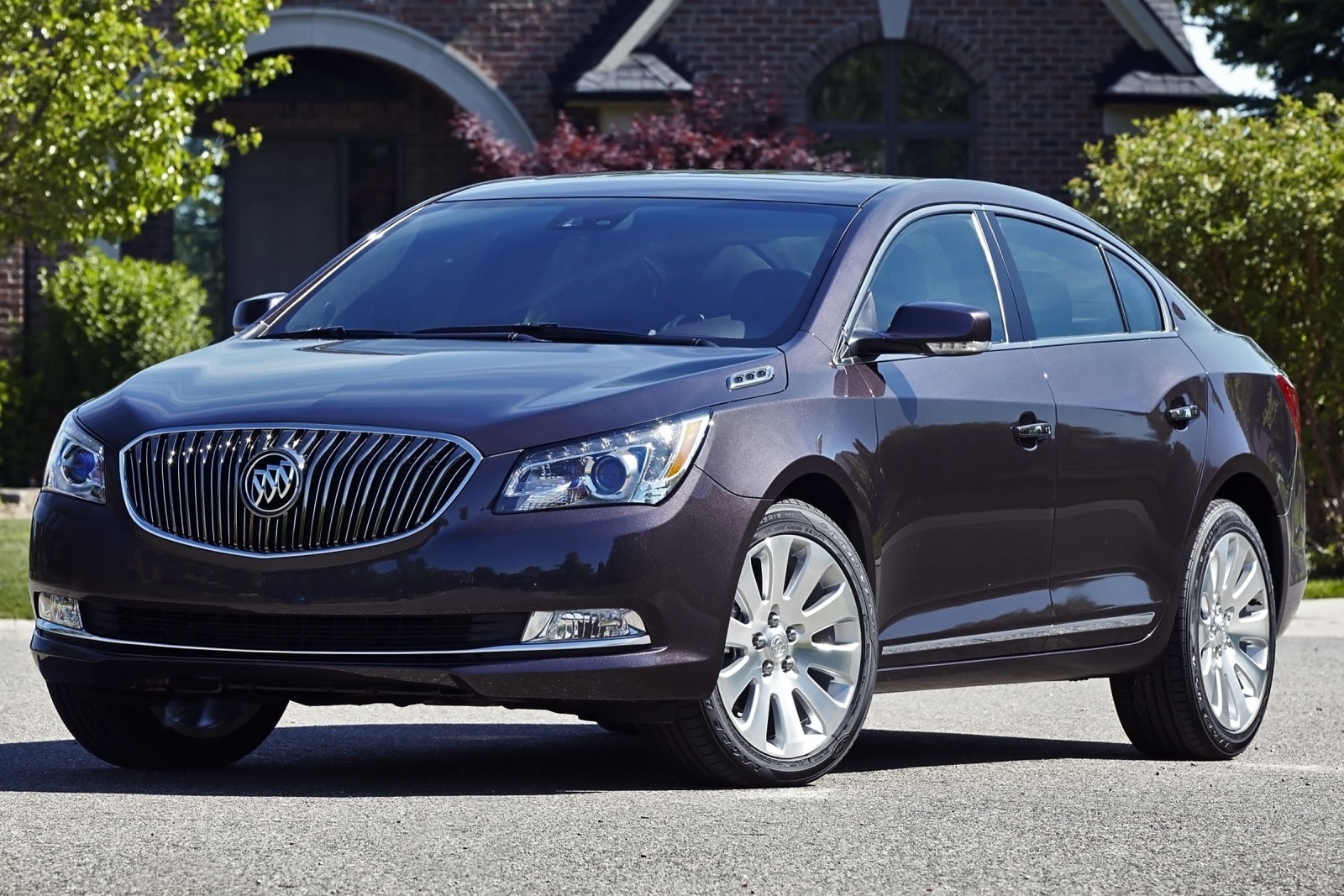
5. Buick LaCrosse
The Buick LaCrosse is another sedan aimed at drivers who value smoothness above all else. On the highway, its suspension soaks up road imperfections with ease, and the car feels calm even over stretches of broken pavement. The steering is light and easy, which makes for effortless cruising but does not encourage quick, precise inputs.
At higher speeds, especially during sudden directional changes, the LaCrosse can feel as though it is gently floating before settling back into its path. This is a common trait in vehicles with a comfort-oriented suspension setup. The benefit is a ride that is free of harshness, making it ideal for passengers who want to feel removed from the bumps and vibrations of the road.
The cabin of the LaCrosse is hushed, with sound-deadening materials and design features that reduce wind and road noise. This quietness enhances the sensation of detachment from the road, adding to the floating impression. Seats are supportive yet soft, allowing for long hours of travel without fatigue.
For people who see driving as an opportunity to relax rather than a task that requires constant attention to handling dynamics, the LaCrosse fits well. While it will not match the responsiveness of sport sedans, it provides a peaceful, smooth ride that suits comfort-focused highway cruising.
Different drivers look for different qualities in a car, especially when it comes to highway performance. Some prefer the tight, confident feel of a well-tuned sports sedan, while others enjoy the plush, floating sensation of a comfort-first cruiser.
The cars discussed here represent both ends of the spectrum, showing how suspension tuning, steering design, and chassis engineering can create vastly different driving experiences. Whether you want precision and feedback or comfort and softness, there is a vehicle to match your preference.
Choosing between these two driving styles often comes down to how you plan to use your car most of the time. If you spend long hours on the interstate and value a sense of control when overtaking or changing lanes at speed, a model with firm suspension, accurate steering, and strong chassis stability will keep you confident behind the wheel.
These cars tend to reward attentive drivers who enjoy feeling directly connected to the road. They are often favoured by those who travel in areas with winding highways or where crosswinds are frequent, as their stability reduces driver fatigue.
If your highway travel is focused on comfort, relaxation, and keeping passengers at ease for hours on end, then a softer-riding vehicle may suit you better. The floating quality, while less precise, delivers a serene experience that allows for conversation, quiet reading, or simply enjoying the scenery without distraction from road texture. These cars are often chosen by those who take steady, unhurried trips and prioritise passenger comfort over sharp handling.
Both types have their advantages. The important thing is to match your car’s character to your driving habits and expectations. A highway journey can either feel like an engaging, confidence-inspiring drive or a calm, floating cruise. Knowing which sensation you prefer ensures you will enjoy every mile.
