
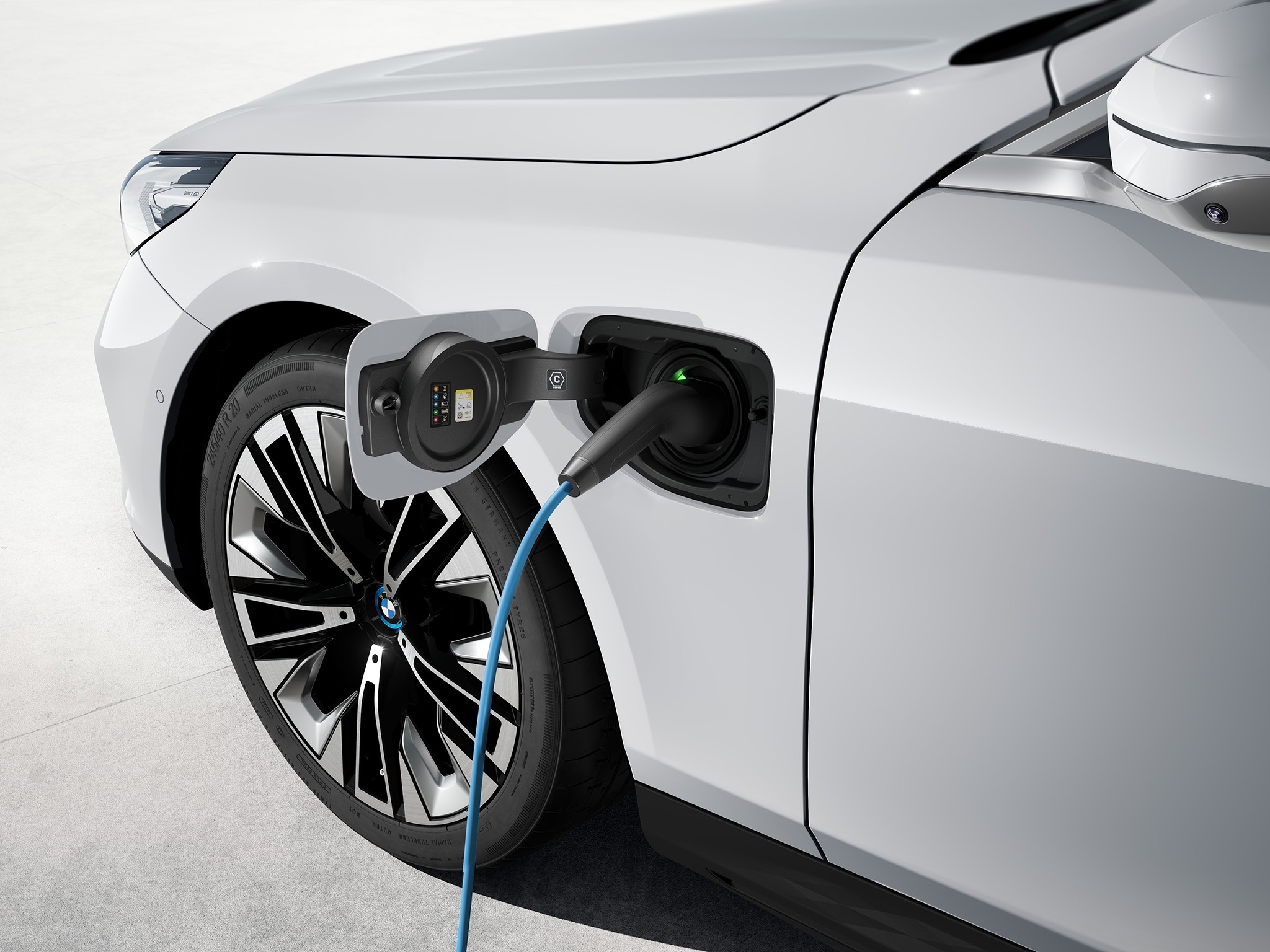
Electric vehicles are no longer a rare sight, as more drivers have started turning to battery-powered cars for daily use. While these vehicles offer clean energy and reduced fuel costs, the time it takes to charge them is one area that many buyers pay close attention to before making a choice.
Some EVs can fully recharge overnight, making them convenient for people who want to start their mornings with a ready battery. Others may require much longer charging hours, which can be frustrating if you rely on your car for constant use.
Charging speed is not just about the battery size; it is also influenced by the car’s charging technology, onboard charger capacity, and the type of charging station used. A vehicle that has excellent range but takes an extremely long time to charge may not be practical for people who travel frequently or live in areas with limited fast-charging facilities.
EVs that can take in power quickly during the night give drivers more freedom to plan trips without worrying about being stuck at a charging point for hours. We will take a closer look at ten electric vehicles: five that can recharge their batteries completely overnight and five that require extended charging sessions before they are ready to hit the road again.
The aim is to help potential buyers understand which models match their lifestyle and driving habits. By knowing the difference between quick-charging EVs and those that are slower, it becomes easier to make a choice that balances performance, convenience, and battery life.
5 EVs That Charge Overnight
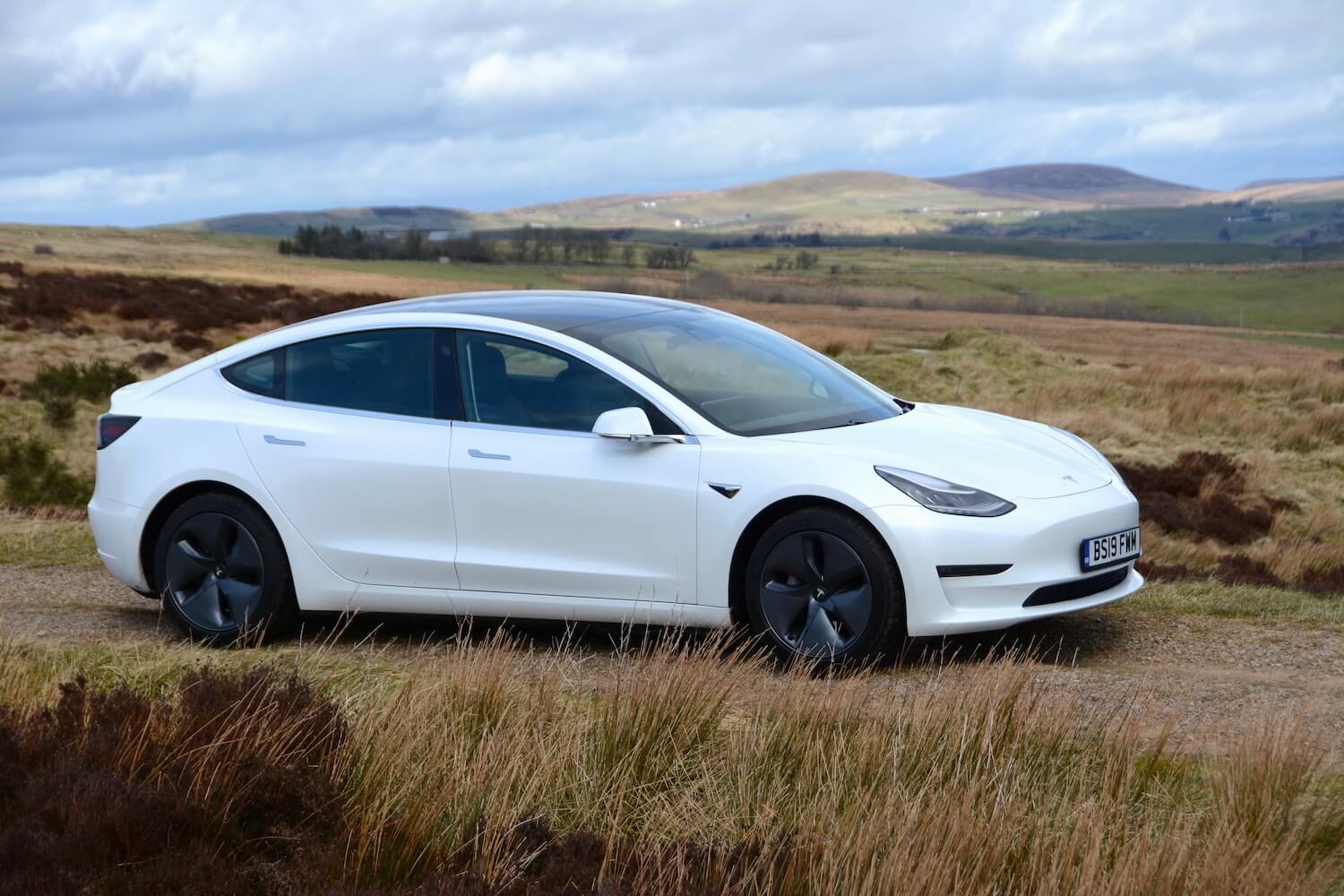
1. Tesla Model 3 Long Range
The Tesla Model 3 Long Range is one of the most popular EVs in the market, and one reason for its success is its charging convenience. With a home Level 2 charger, this model can easily go from a low battery to a full charge in about 8–10 hours. This means you can plug it in before bedtime and wake up to a fully powered car.
The Model 3 Long Range comes with an 82 kWh battery pack, delivering impressive range per charge. Tesla’s advanced charging software helps manage the battery temperature, allowing faster and more consistent charging speeds even in cooler or hotter climates.
Owners with access to Tesla’s Wall Connector will get the most efficient overnight charging results, especially when combined with the car’s ability to schedule charging during off-peak electricity hours.
On road trips, the Tesla Supercharger network is available for rapid top-ups, but for daily home use, the overnight option remains practical. The convenience is even greater for those living in houses with dedicated charging stations, as the charging speed remains steady without sharing power with other units.
Driving performance is another reason many choose this EV. The Model 3 Long Range accelerates quickly, handles smoothly, and has a range that reduces frequent charging stops. However, it is the combination of long driving distance per charge and the ability to recharge fully overnight that truly makes it appealing to people who do not want to think too much about battery management.
For urban commuters, this model offers the perfect balance between daily practicality and long-distance capability. Even if the battery drops to a low percentage after a busy day of driving, plugging it in at night guarantees readiness for the morning. It is a dependable option for anyone looking for quick overnight charging without sacrificing range or performance.
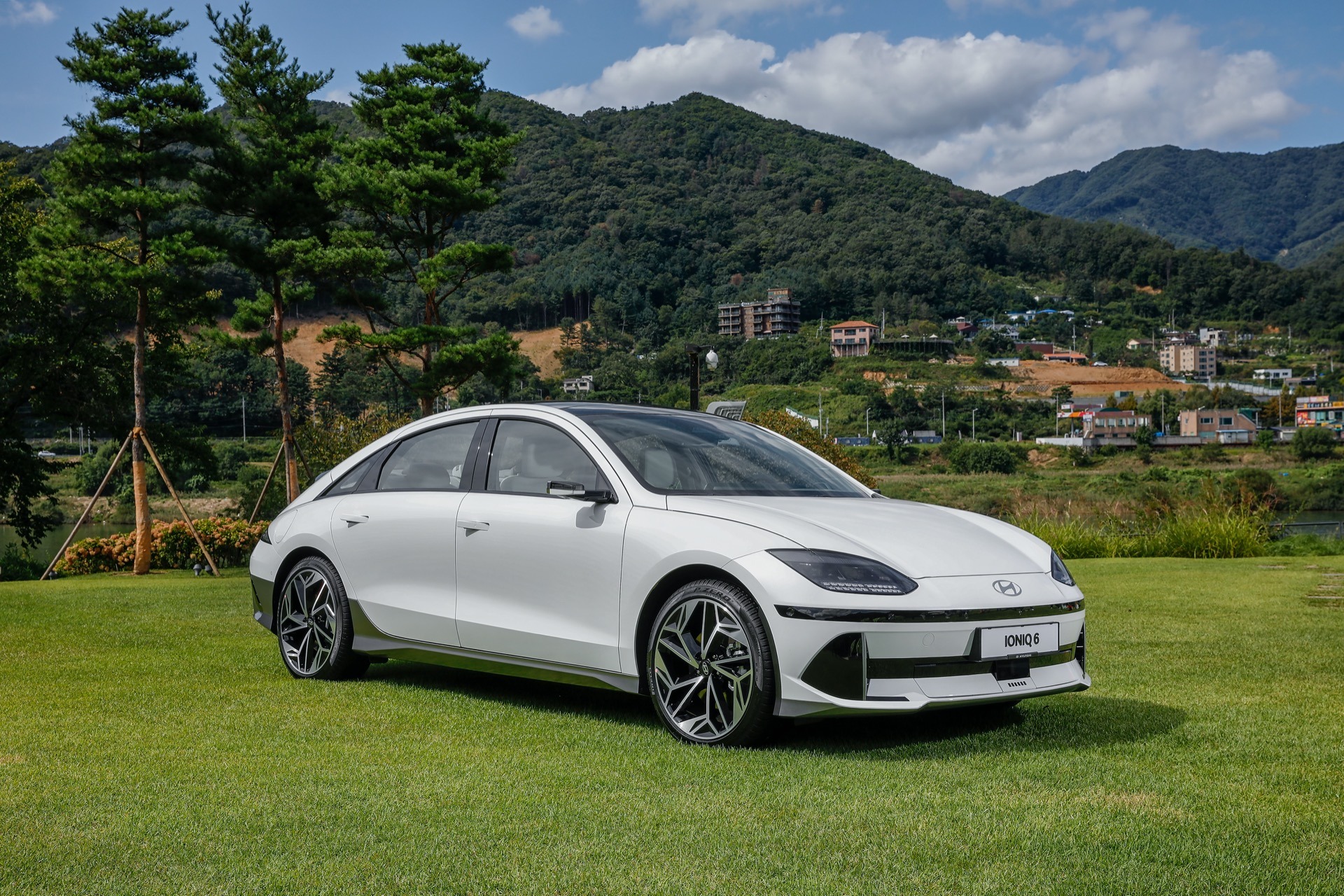
2. Hyundai Ioniq 6
The Hyundai Ioniq 6 is a modern electric sedan that blends stylish looks with efficient charging technology. Using an 800-volt electrical system, it can handle high charging speeds, but even on a Level 2 home charger, it fully recharges within 8–9 hours. This means owners can go to bed and find the battery ready before sunrise.
Equipped with a battery capacity of 77.4 kWh, the Ioniq 6 offers a strong range on a single charge, making it perfect for both city and highway driving. The car’s energy efficiency also helps reduce the number of charging sessions needed during the week. Even if the battery is nearly empty, an overnight charge is enough to bring it back to 100 percent, saving time for busy drivers.
Hyundai has also included a smart charging feature that allows you to set the car to start charging at specific times, often when electricity rates are lower. This is beneficial for those who want to save on energy costs while keeping the car ready for the next day’s activities.
The Ioniq 6’s sleek shape is not just for looks; it improves aerodynamics, which contributes to longer range per charge. This efficiency means drivers can enjoy longer trips without constantly thinking about where the next charging station might be.
Another advantage is the comfort inside the car. With a spacious interior, an advanced infotainment system, and safety features, it ensures that daily driving remains enjoyable. Combining overnight charging convenience with excellent driving experience makes the Ioniq 6 a strong choice for anyone seeking both style and practicality in an electric sedan.
Also Read: 5 EVs That Rarely Break Chargers and 5 That Always Fail
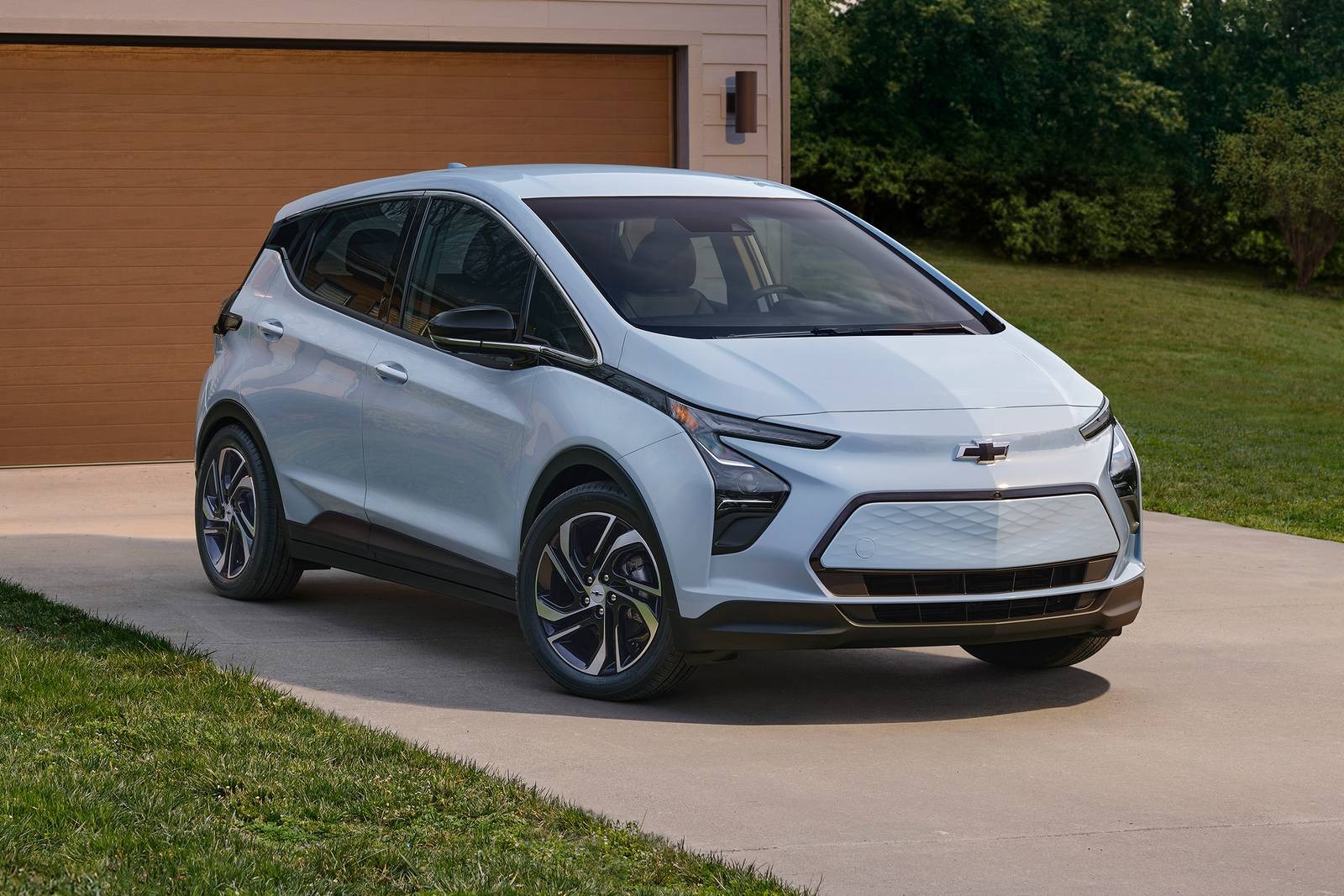
3. Chevrolet Bolt EV
The Chevrolet Bolt EV stands out as one of the most affordable electric cars that still offers impressive charging convenience. When connected to a Level 2 charger at home, the Bolt can go from empty to full in about 7–9 hours, which comfortably fits into an overnight schedule.
With a 66 kWh battery, it provides a solid driving range that covers most daily needs without requiring a mid-day top-up. The car’s charging system is designed to make the most out of a regular household electricity supply, so you do not need overly expensive equipment to enjoy fast overnight charging.
Chevrolet has focused on making this EV practical for everyday use. Its compact size makes it easy to park and maneuver in busy cities, while the interior space is surprisingly roomy for a car of its category. Families and commuters alike will appreciate the balance between affordability and performance.
The Bolt EV also includes regenerative braking, which helps extend driving range by converting energy from braking back into battery power. This feature reduces how often you need to plug in and adds to the vehicle’s general efficiency.
For those living in apartments or shared housing, the Bolt EV’s ability to charge overnight from a basic 240-volt outlet means less time waiting and more time driving. It is especially useful for people who prefer predictable charging patterns without worrying about finding public stations every few days.
4. Nissan Leaf Plus
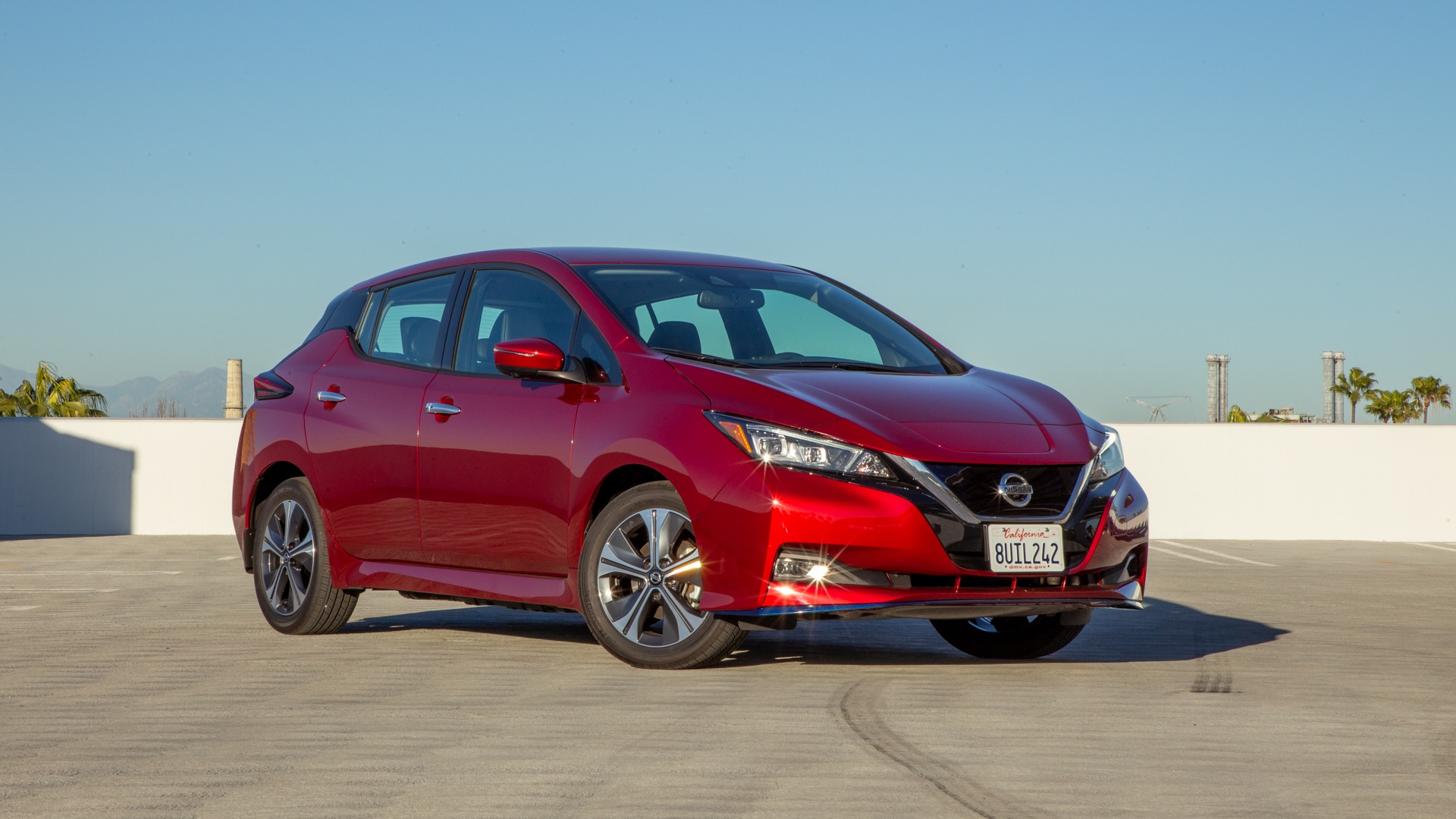
The Nissan Leaf Plus has been a trusted choice for many electric car owners, and one reason is how simple it is to charge overnight. Using a 240-volt Level 2 home charger, the Leaf Plus can go from a low battery to a full charge in about 8–9 hours. This is ideal for drivers who want to plug in after work and have the car ready before the next morning.
The Plus version carries a 62 kWh battery pack, which is larger than the standard Leaf’s battery, giving it better range for longer trips. The battery design works well with household charging equipment, meaning you do not need to invest in special charging systems to enjoy overnight readiness.
One advantage the Leaf Plus offers is its availability. It is one of the most widely recognized electric cars, so support, servicing, and replacement parts are easy to find. Drivers also appreciate the e-Pedal feature, which allows the car to be driven using mostly one pedal by combining acceleration and regenerative braking into a single control. This helps extend range and reduces the frequency of plugging in.
Comfort and practicality are also strong points. The Leaf Plus provides a quiet drive, spacious cabin, and straightforward controls that appeal to drivers who prefer a simple layout. Even without advanced luxury features, the Leaf Plus delivers on the core requirements of an EV: range, reliability, and charging convenience.
For those who drive daily in both city and suburban environments, the Leaf Plus makes a lot of sense. It is affordable, dependable, and works perfectly for people who want to avoid the hassle of public charging stations. The fact that it can regain a full battery overnight on standard Level 2 equipment makes it a stress-free option for everyday use.
5. Ford Mustang Mach-E Extended Range
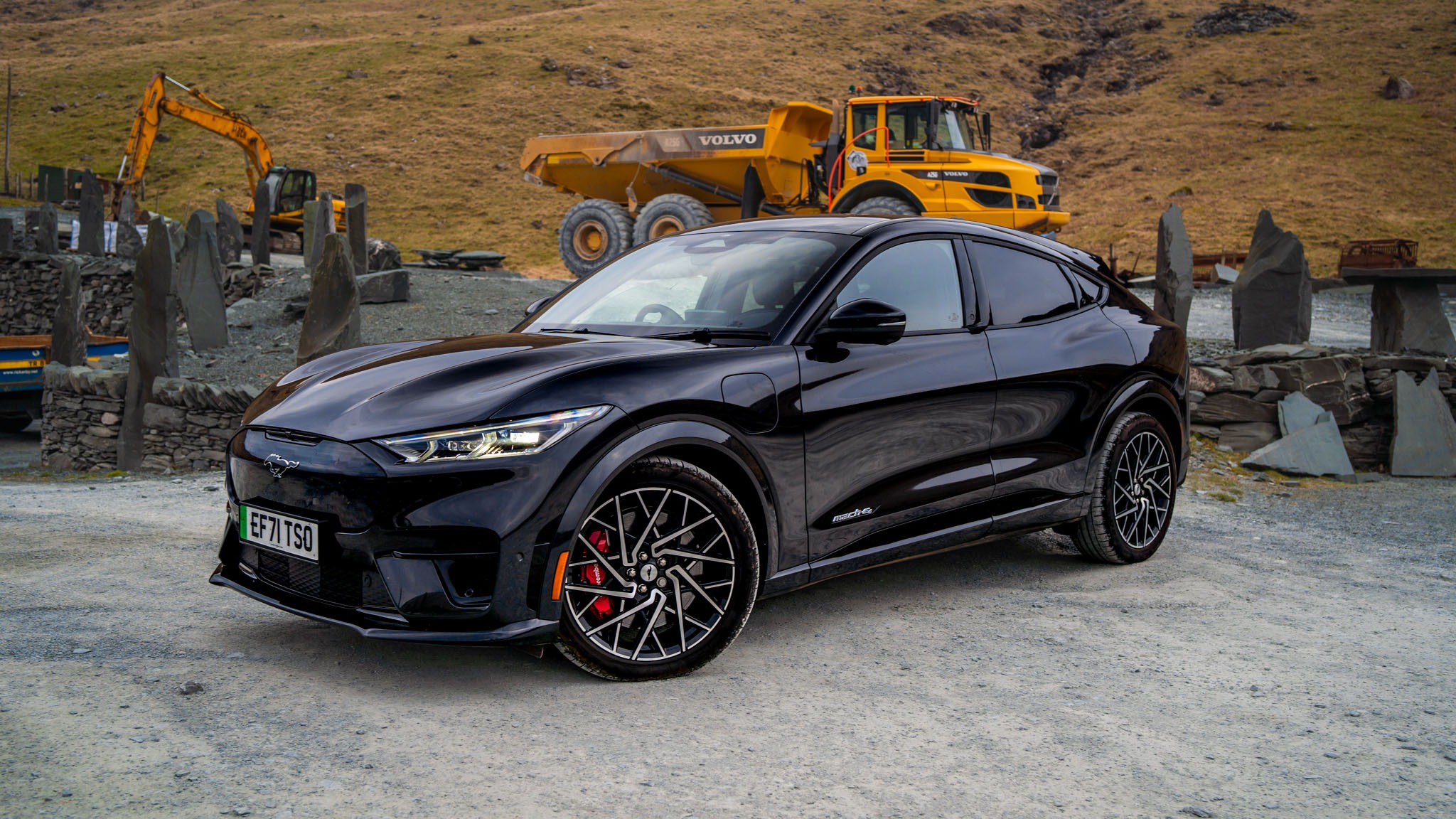
The Ford Mustang Mach-E Extended Range offers a blend of sporty design and practical electric performance. With its larger battery pack of 88 kWh, it delivers excellent driving range, yet still manages to fully charge overnight when connected to a capable home Level 2 charger. Charging from near empty to full typically takes about 9–10 hours, making it a perfect fit for overnight energy replenishment.
Ford has equipped the Mach-E with a modern charging system that allows owners to schedule charging times and monitor progress through the FordPass app. This makes it easy to take advantage of off-peak electricity rates while ensuring the car is ready in the morning. The onboard charging hardware efficiently manages energy flow, preventing overheating and allowing steady charging speeds.
On the road, the Mach-E offers smooth handling, quick acceleration, and an interior filled with advanced tech features. Its infotainment system is intuitive, and the cabin is spacious enough for families and road trips. Despite its performance-focused branding, the Mach-E Extended Range is designed with practicality in mind, especially for people who rely on home charging rather than public fast chargers.
The convenience of plugging it in at night and waking up to a full range is a major advantage. It removes the stress of planning around public charging stops for daily commutes. While fast charging is available for long-distance travel, most owners will find that overnight home charging is all they need for their regular driving patterns.
In short, the Ford Mustang Mach-E Extended Range combines style, range, and the ability to charge fully overnight, making it a strong contender for those who want both performance and everyday usability without worrying about battery downtime.
5 EVs That Take Forever to Charge
1. Mazda MX-30
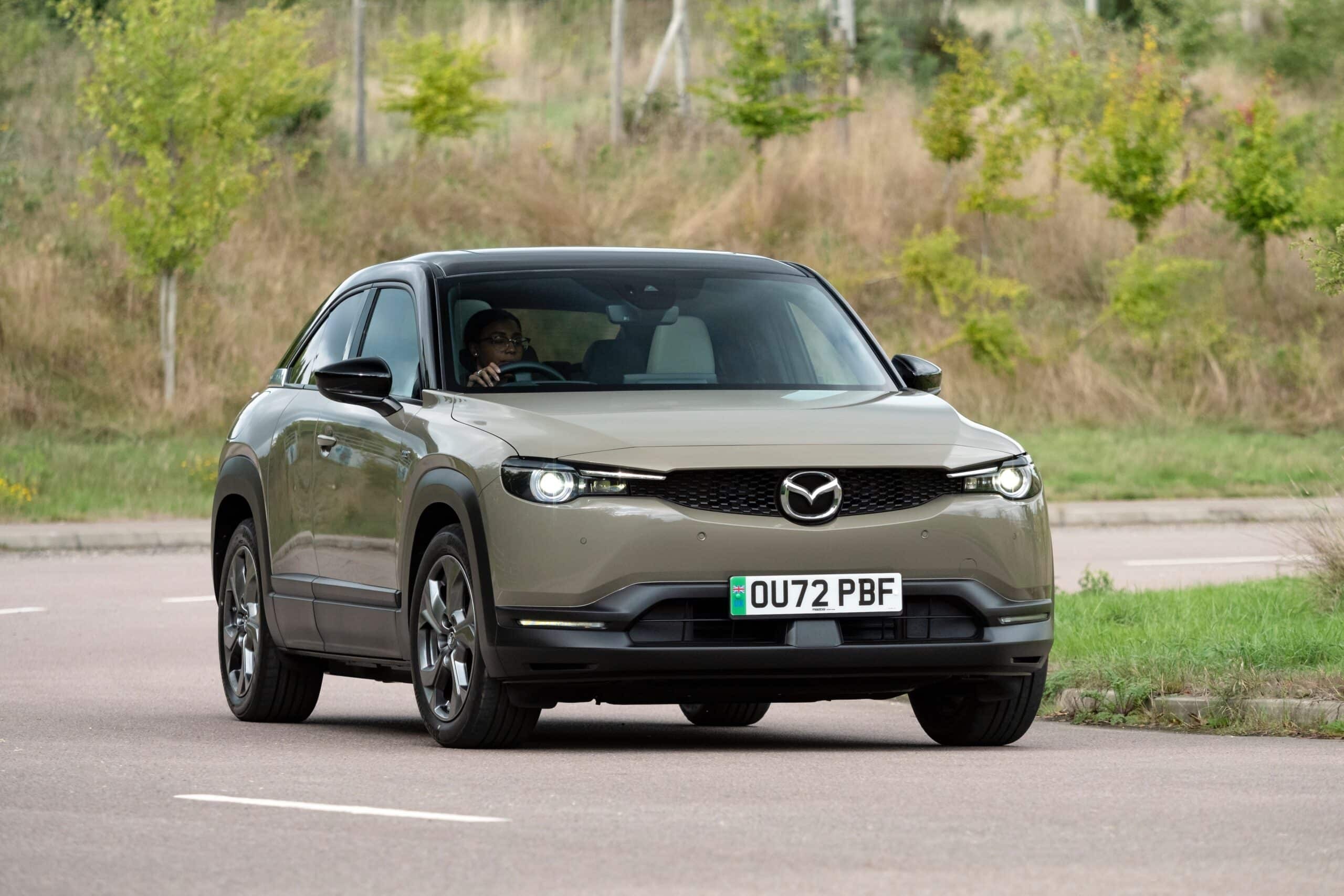
The Mazda MX-30 is unique in its design and driving feel, but one area where it falls short is charging time. Its 35.5 kWh battery is smaller than most modern EVs, yet it can take up to 13–14 hours to fully charge on a Level 2 home charger. This is longer than expected for a battery of its size, and it can be frustrating for drivers who need quick turnarounds between trips.
Mazda positioned the MX-30 as a city-focused EV with limited range, so the smaller battery makes sense for short daily drives. However, the long charging hours mean that if you run the battery low during the day, you may have to wait until the following day before you can use it again for a full trip.
Part of the delay is due to its onboard charger, which is rated lower than those in many competitors. This means that even if you connect it to a high-capacity home charger, it still charges at a slower rate than other EVs. While DC fast charging is available, it is not as fast as many rivals, topping out at around 50 kW.
On the positive side, the MX-30 has an appealing interior with quality materials and a comfortable driving position. Its design feels modern and distinctive, and it handles well for city driving. Still, for those who value charging speed, the MX-30 might not be the best choice unless your driving needs are very light and you do not mind waiting overnight and part of the day for a full charge.
2. Mini Electric (Mini Cooper SE)
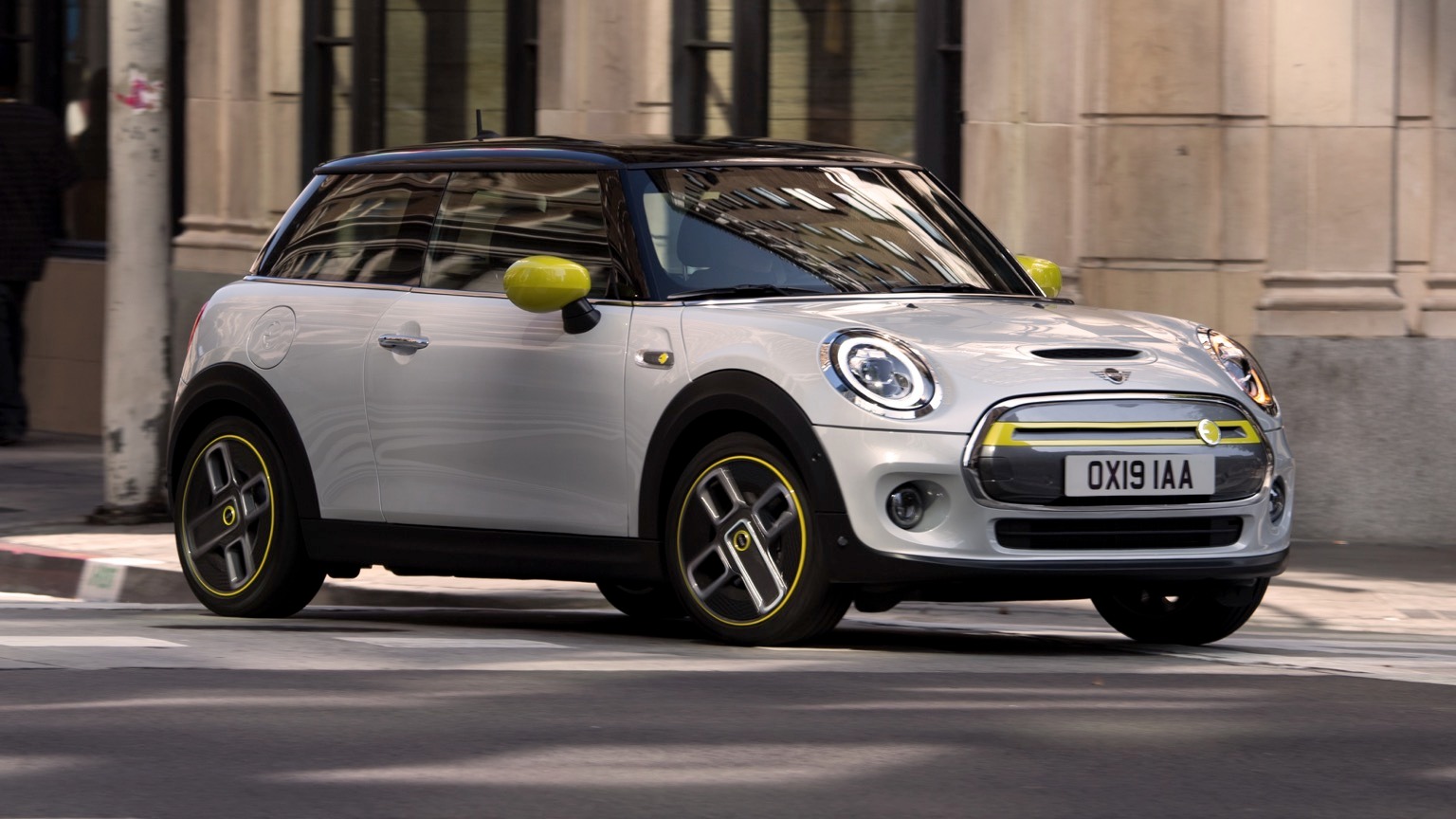
The Mini Electric, also known as the Mini Cooper SE, brings the fun driving feel of the classic Mini into the electric era. However, one major drawback is its charging time when using standard home equipment. The 32.6 kWh battery may seem small compared to many EVs today, but the Mini Electric still requires about 12–14 hours to charge fully on a regular Level 2 home charger if the battery is near empty.
The slow charging rate comes from its onboard charger, which is rated lower than many competitors. Even when plugged into a faster home station, the car’s internal system limits how quickly it can take in energy. While it supports DC fast charging at up to 50 kW, that option is mainly useful for quick top-ups rather than daily full charging.
For city driving, the Mini Electric’s range is often enough for a couple of days before a recharge is needed, which slightly reduces the impact of its slow charging. Still, for drivers who cover more miles daily, the wait for a full battery can be inconvenient.
In terms of design and handling, the Mini Electric stays true to the brand’s tradition. It is compact, agile, and fun to drive, especially on tight city streets. The interior keeps the stylish look that Mini owners love, and it comes with modern tech features for comfort and convenience.
That said, buyers looking for a balance between driving enjoyment and charging convenience may need to think carefully before choosing this model. It is better suited for people with shorter daily routes who can leave it plugged in for long periods without urgency. For those who want a quick overnight recharge, the Mini Electric’s slower charging speed could be a dealbreaker.
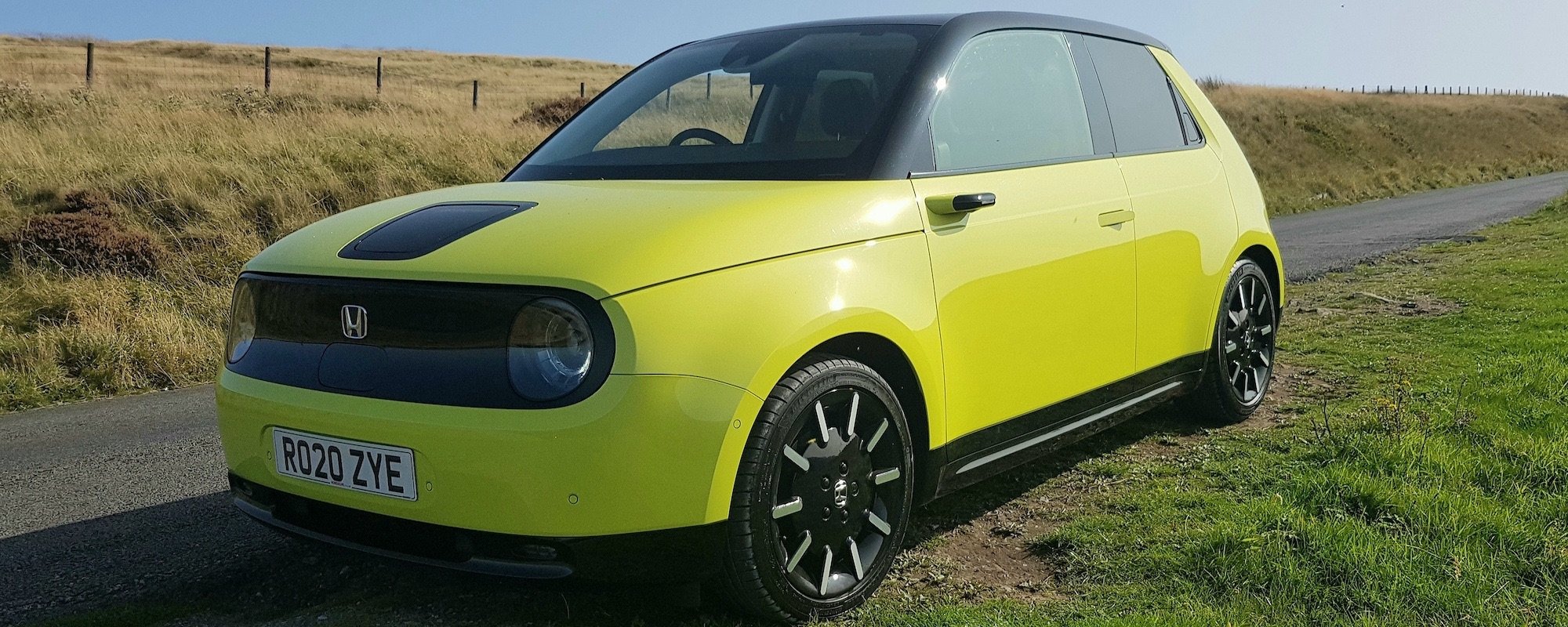
3. Honda e
The Honda e is a small, stylish electric hatchback that has gained attention for its retro-inspired design and advanced interior technology. However, charging speed is not one of its strong points. With a 35.5 kWh battery, it can take about 13–14 hours to fully charge using a Level 2 home charger from near empty.
While the battery size is modest, the car’s charging hardware is not designed for quick energy intake. This means that even with a capable home charging station, the Honda e will still fill up at a slower pace than many of its rivals. For people who plan to use the car heavily during the day, this extended charging period can be limiting.
The Honda e does support DC fast charging, allowing the battery to reach 80 percent in about 30 minutes under ideal conditions. However, DC chargers are less common for home setups, so most owners rely on overnight home charging, which can spill into the next day if the battery is drained completely.
In terms of comfort and design, the Honda e excels. The cabin feels modern, with wide digital screens stretching across the dashboard. The seating position is comfortable, and the ride quality is smooth, making it an enjoyable city car. The compact size also makes parking and maneuvering in tight areas much easier.
Still, for those who prioritize quick overnight charging, the Honda e may feel less practical. It fits best into a lifestyle where short daily distances are the norm and where the vehicle can remain plugged in for long hours without disrupting travel plans. For heavy users, the long charging duration could be a deciding factor against it.
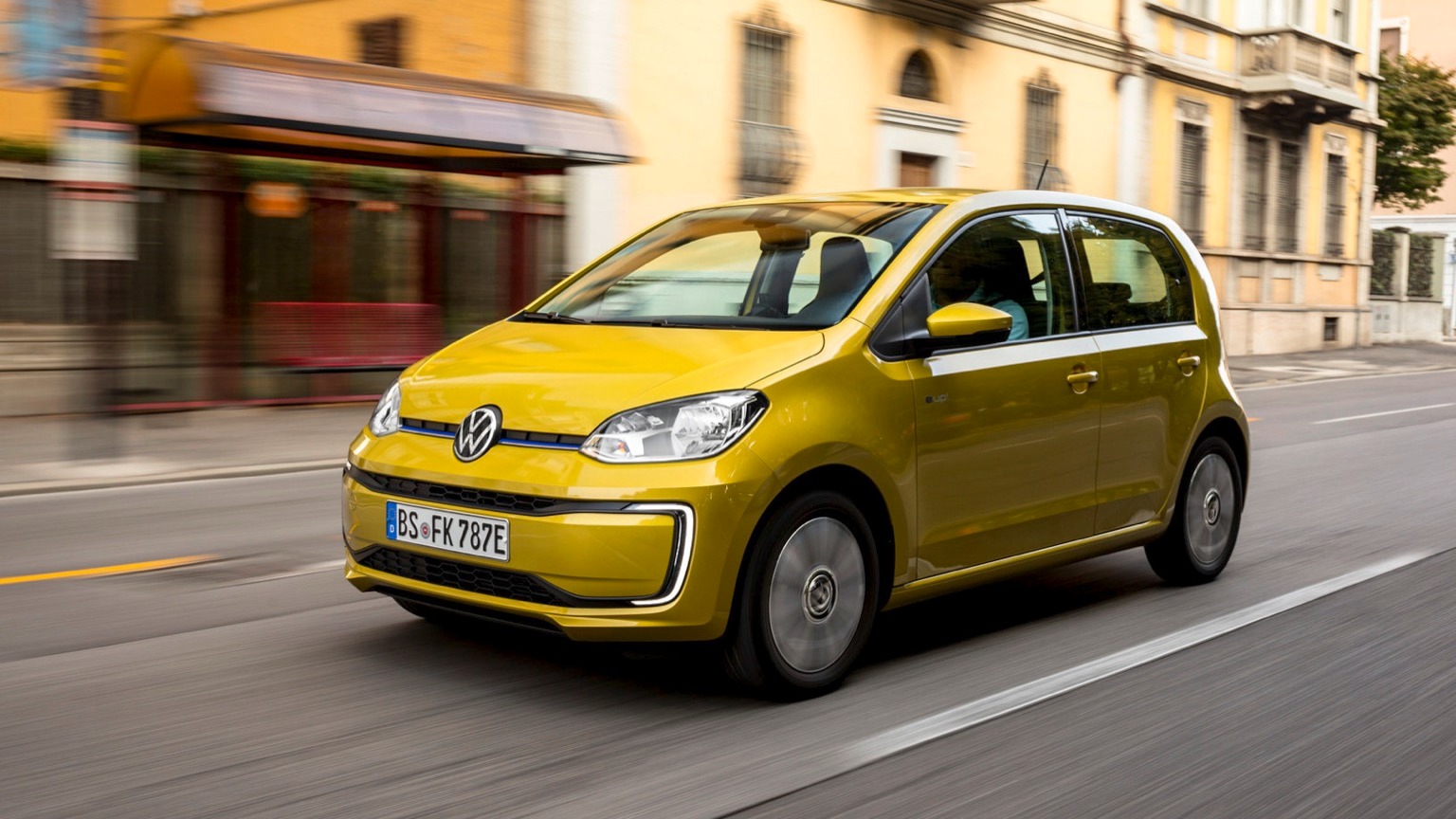
4. Volkswagen e-Up
The Volkswagen e-Up is a small electric city car that offers decent range for its size, but is held back by its charging time. With a 36.8 kWh battery, it needs roughly 12–13 hours to achieve a full charge on a typical Level 2 home charging setup. For such a small battery, this wait feels longer than expected.
The reason for the delay is that the e-Up’s onboard charger is not optimized for high-speed charging. Even when connected to a capable home station, it charges at a limited rate. DC fast charging is available and can get the battery to 80 percent in about an hour, but this is mainly a convenience for occasional long trips, not daily use.
As a city car, the e-Up is practical. Its compact size makes it perfect for crowded streets, and the interior space is used efficiently. The driving experience is light and easy, which suits short commutes and errands. However, the longer home charging period can be inconvenient if you rely heavily on the car and do not have multiple vehicles in your household.
For people who drive less than 50 miles a day, the charging time may not be a big concern, since the battery could last several days between charges. But for those who cover more ground or who like to keep their battery topped up daily, the e-Up’s slow charging can be frustrating.
The e-Up works best as a second vehicle or for drivers with very light travel needs. If quick turnaround charging is a priority, other EVs in a similar price range may offer better options.
Also Read: 5 EVs That Last for Decades and 5 That Don’t See Year Five
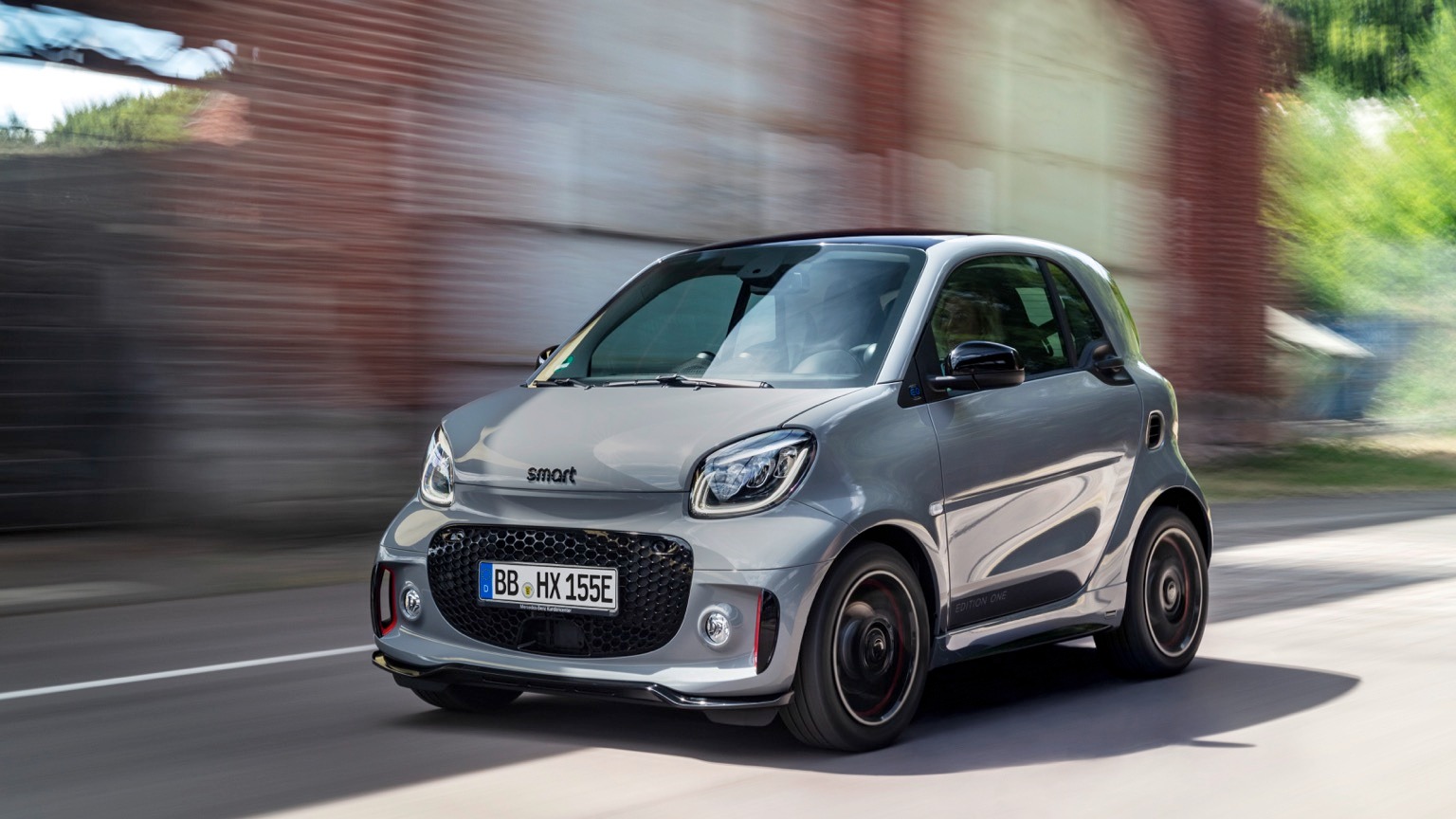
5. Smart EQ ForTwo
The Smart EQ ForTwo is designed for city life, with its tiny size making parking and maneuvering incredibly easy. However, its charging performance is one of the slowest in the EV market. With a 17.6 kWh battery, it might seem like it should charge quickly, but in reality, it takes around 8–9 hours on a Level 2 home charger to go from empty to full, and for such a small battery, that is a long time.
The issue lies in its charging hardware, which limits how much power the car can draw from a charger at one time. This means that even with strong charging equipment, the EQ ForTwo still trickles in power at a slower pace than you might expect.
For very short daily drives, the EQ ForTwo works fine, as the battery might last for a few days before needing a recharge. But if you end up draining it completely, you will need to leave it plugged in for most of the night and possibly part of the day to reach a full charge.
Inside, the Smart EQ ForTwo is basic but functional. It seats two people comfortably and has enough space for small grocery trips or city errands. Its turning radius is excellent, and it feels right at home in tight spaces where larger cars would struggle.
That said, buyers who need flexibility in charging schedules may find this EV restrictive. The long charging time compared to its battery size can be a problem for those who need frequent use throughout the day. For people who only use a car occasionally and in short bursts, it could still be a fun and practical choice.
