
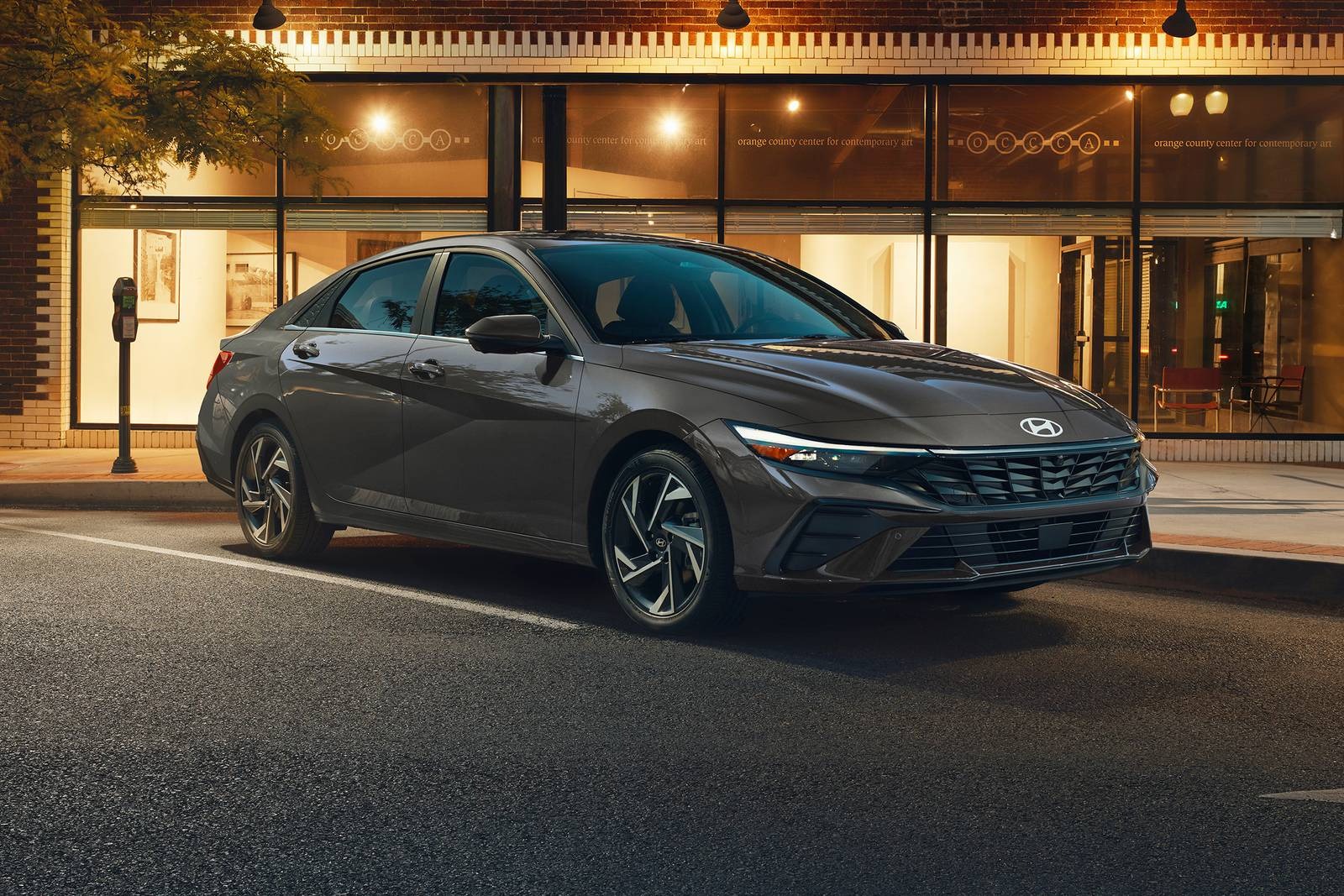
Hybrid vehicles have gained a strong presence in the automobile market because they combine the benefits of petrol engines with electric power. Many drivers choose hybrids for their fuel-saving ability and environmental friendliness. However, one area that often raises concern is whether these vehicles maintain their fuel economy after they have covered a long distance.
While most hybrid cars deliver excellent miles per gallon during the first years of ownership, questions arise when they reach 100,000 miles or more. Some models continue to perform efficiently with minimal loss in fuel economy, while others start to show a noticeable drop.
The durability of fuel economy in a hybrid depends on many factors. The design of the powertrain, the reliability of the battery system, the weight of the car, and the type of driving all play a role. Drivers who take good care of their hybrids and service them regularly are more likely to enjoy steady fuel efficiency for a longer period.
However, even with proper care, certain models are known to lose their fuel-saving advantage as the mileage climbs. This is often due to battery wear, aging engine components, or the inability of the hybrid system to operate at its best after years of use.
Knowing which hybrids can hold their MPG after high mileage and which ones cannot is important for buyers who want to get the best long-term value. We will look into five hybrids that continue to deliver good fuel economy beyond 100,000 miles, as well as five that tend to lose efficiency after reaching that point.
Each model is examined based on long-term performance, reliability, and how well it keeps its fuel economy in real-world driving conditions. With this information, drivers can make a more informed decision when choosing a hybrid for both short and long-term ownership.
5 Hybrids That Keep MPG After 100K
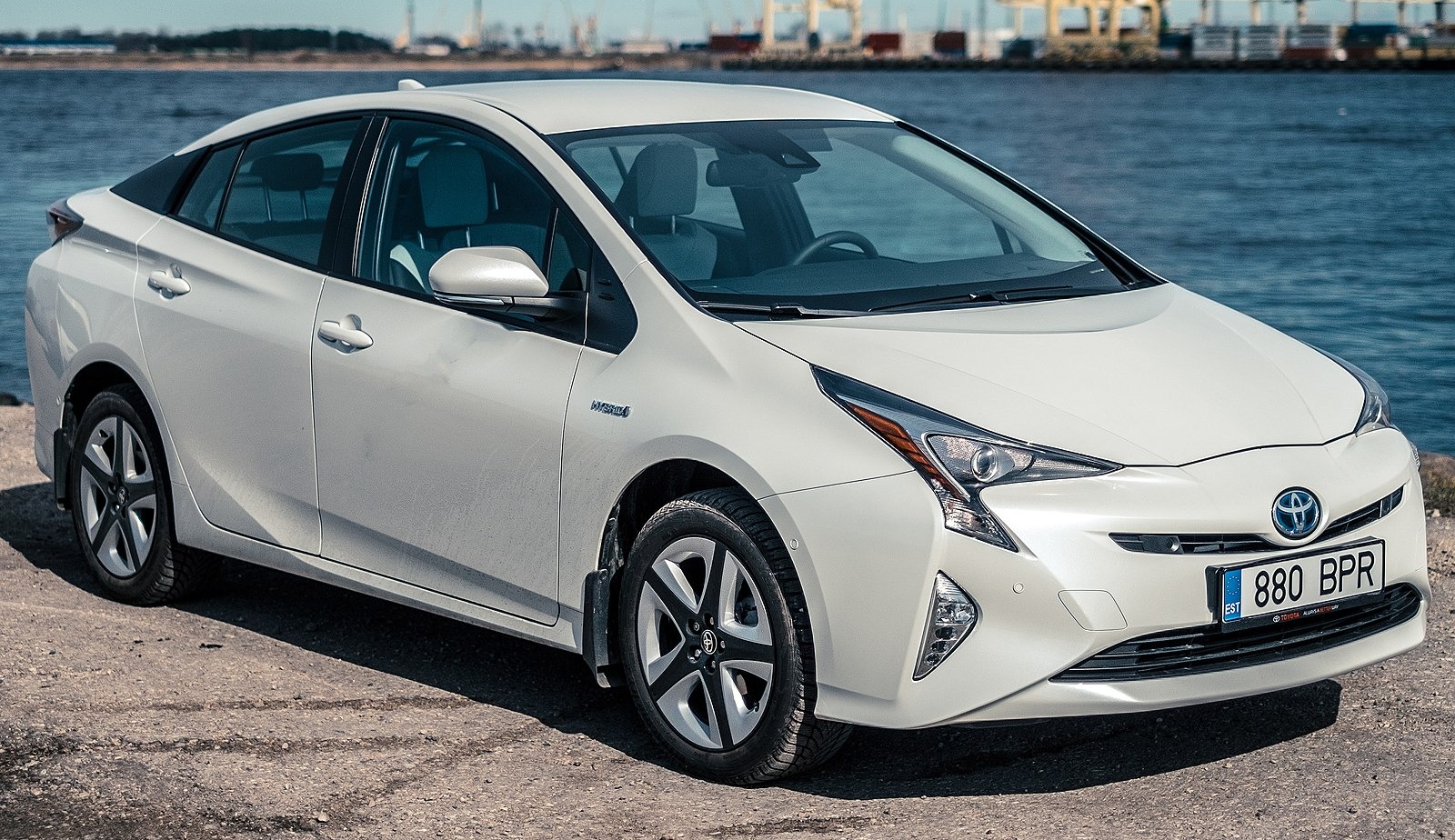
1. Toyota Prius
The Toyota Prius has built a reputation as one of the most dependable hybrids when it comes to keeping fuel economy consistent even after crossing the 100,000-mile mark. This car’s engineering is focused on long-term reliability, and it has one of the most proven hybrid powertrains in the market. Owners who have kept their Prius for many years often report minimal changes in MPG, sometimes only losing one to two miles per gallon after very high mileage.
The way in which the Prius maintains its efficiency is through the durability of its battery system. Toyota uses a nickel-metal hydride battery in most Prius models, which has been known to last well beyond 150,000 miles with proper care.
The hybrid system is designed in a way that the petrol engine and electric motor share the workload efficiently, which reduces stress on both. Even when the battery begins to age, the vehicle’s control systems can still manage power distribution effectively, allowing the car to perform almost as well as when it was new.
Routine maintenance plays a major role in keeping the Prius at peak efficiency. Regular oil changes, timely replacement of air filters, and keeping tire pressure at the right level all help preserve MPG. Many long-term Prius owners also make sure to use high-quality petrol and avoid aggressive driving habits, which can quickly reduce efficiency in any car.
Another factor working in favour of the Prius is its lightweight design and aerodynamic shape, which reduce the amount of energy needed to move the vehicle. This allows the hybrid system to operate with less strain, even when the mileage climbs. Drivers who live in areas with mild weather conditions also benefit, as extreme temperatures can sometimes put stress on the hybrid battery.
For anyone looking for a hybrid that delivers fuel economy as promised, even after years of use, the Toyota Prius remains one of the best choices. The combination of proven battery technology, efficient engineering, and ease of maintenance makes it a model that truly keeps its MPG even after 100,000 miles.
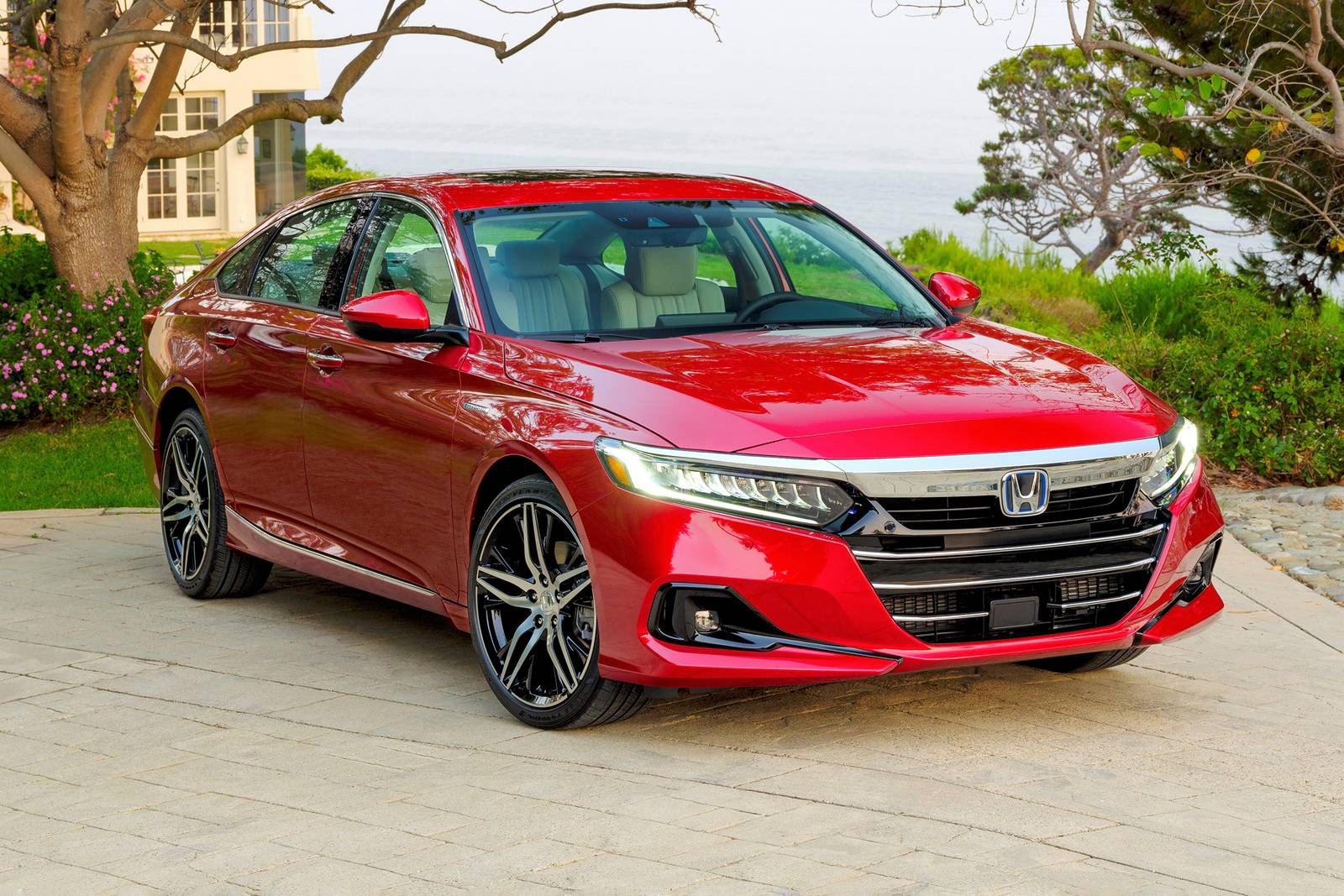
2. Honda Accord Hybrid
The Honda Accord Hybrid is another strong performer when it comes to maintaining fuel economy after extensive use. Known for blending comfort with efficiency, the Accord Hybrid has been a favourite among drivers who want a midsize sedan that offers both good fuel savings and a spacious interior. Many owners report that even after surpassing 100,000 miles, the drop in fuel economy is very minimal.
Honda’s two-motor hybrid system is central to the car’s lasting efficiency. This setup allows the petrol engine to either power the car directly or generate electricity to drive the electric motor, depending on the driving situation.
The control system decides the most efficient mode automatically, which helps preserve fuel economy as the car ages. The battery pack in the Accord Hybrid has proven to be reliable, and in most cases, it does not require replacement until well past 150,000 miles.
Maintenance and driving habits play a strong role in keeping the Accord Hybrid’s efficiency. Drivers who follow the manufacturer’s service schedule, especially for battery cooling system checks and brake servicing, tend to see very little change in MPG even after years of use. The regenerative braking system also reduces wear on the conventional brakes, which helps in lowering general maintenance costs.
One of the reasons the Accord Hybrid performs so well long-term is that its petrol engine does not work as hard as in a standard car. The electric motor assists during acceleration and light cruising, meaning the engine undergoes less wear. This lower strain means it can deliver nearly the same efficiency figures years down the line.
While hybrids often see some reduction in fuel economy after their battery starts aging, the Accord Hybrid manages to keep the difference small. For drivers seeking a larger car than the Prius but still want a hybrid that keeps good MPG past 100,000 miles, the Honda Accord Hybrid stands as a smart option that combines performance, comfort, and durability.
Also Read: 5 Hybrids That Feel Like Gas Cars and 5 That Feel Awkward
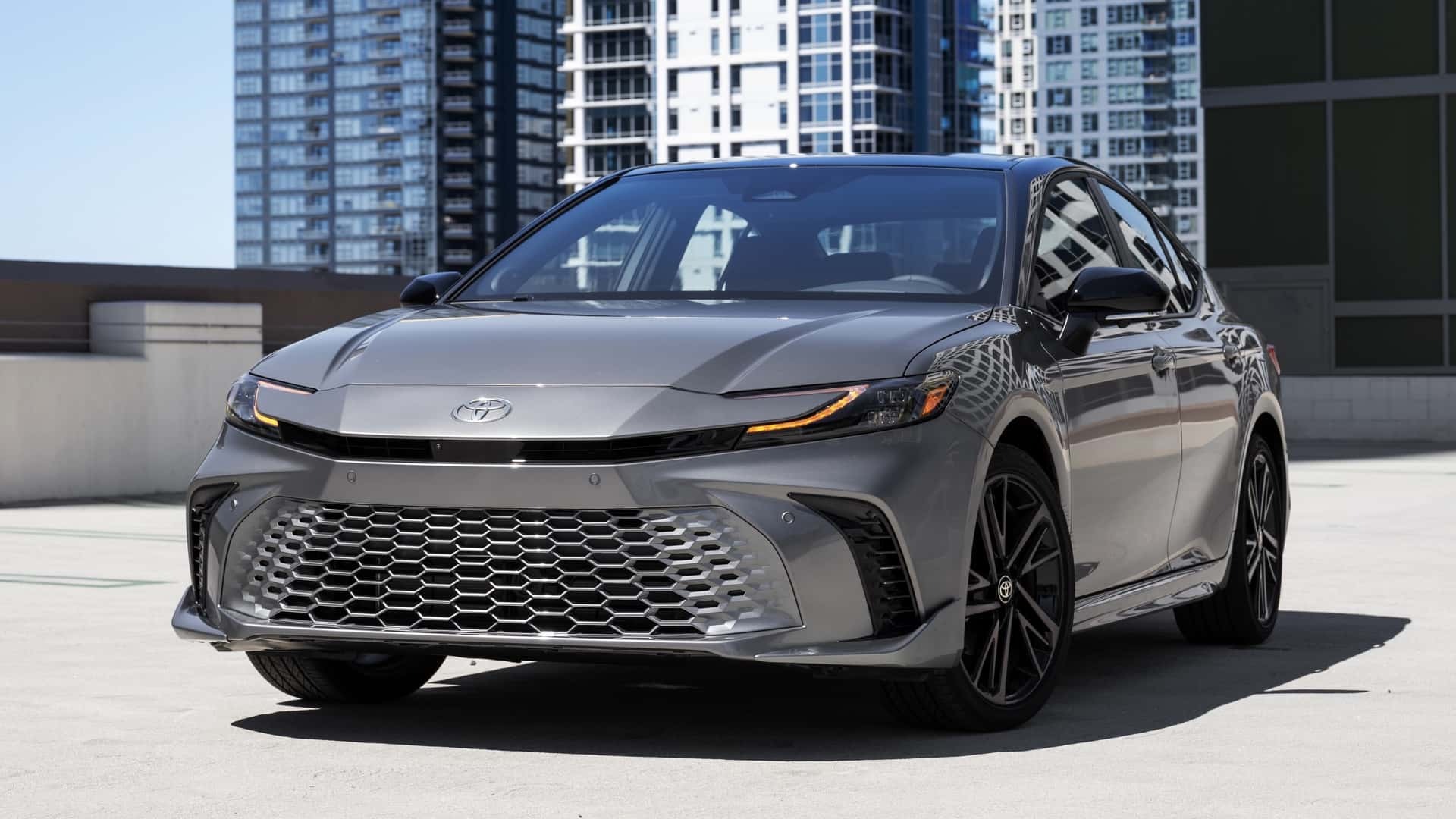
3. Toyota Camry Hybrid
The Toyota Camry Hybrid offers an excellent balance between performance, comfort, and fuel economy. Known for its quiet ride and spacious cabin, it has become a preferred choice for those who want more than just an economical commuter car. Its ability to keep impressive MPG figures after crossing 100,000 miles is one reason why many owners keep it for a long time.
The Camry Hybrid uses Toyota’s proven Hybrid Synergy Drive, which has been refined over several generations. This system seamlessly blends petrol and electric power, and it is engineered to handle high mileage without a steep drop in efficiency. Reports from long-term owners often show only a small MPG reduction, with many still achieving mid-to-high 40s in miles per gallon even after years of use.
Battery reliability is a strong point for the Camry Hybrid. Toyota’s battery cooling design ensures that the pack remains within optimal temperature ranges during operation, which helps prolong its lifespan. Regular maintenance, such as ensuring the battery cooling fan is clean and unobstructed, contributes to keeping the hybrid system efficient for the long haul.
Driving habits also influence the car’s ability to maintain MPG. Smooth acceleration, gentle braking, and consistent speeds help reduce strain on both the battery and engine. Those who frequently drive in stop-and-go traffic may see slightly higher battery wear, but the Camry Hybrid is built to handle such conditions better than many rivals.
Another advantage is that the Camry Hybrid is lighter than some other midsize hybrids, which helps it maintain efficiency. Its aerodynamic body shape reduces drag, making it easier for the hybrid system to achieve high MPG numbers.
Owners who have crossed the 150,000-mile mark often praise the car’s consistent performance, with many stating that fuel costs remain low even after years of ownership. This combination of efficiency, comfort, and long-term reliability makes the Toyota Camry Hybrid a dependable option for drivers seeking strong MPG retention after high mileage.
4. Ford Fusion Hybrid
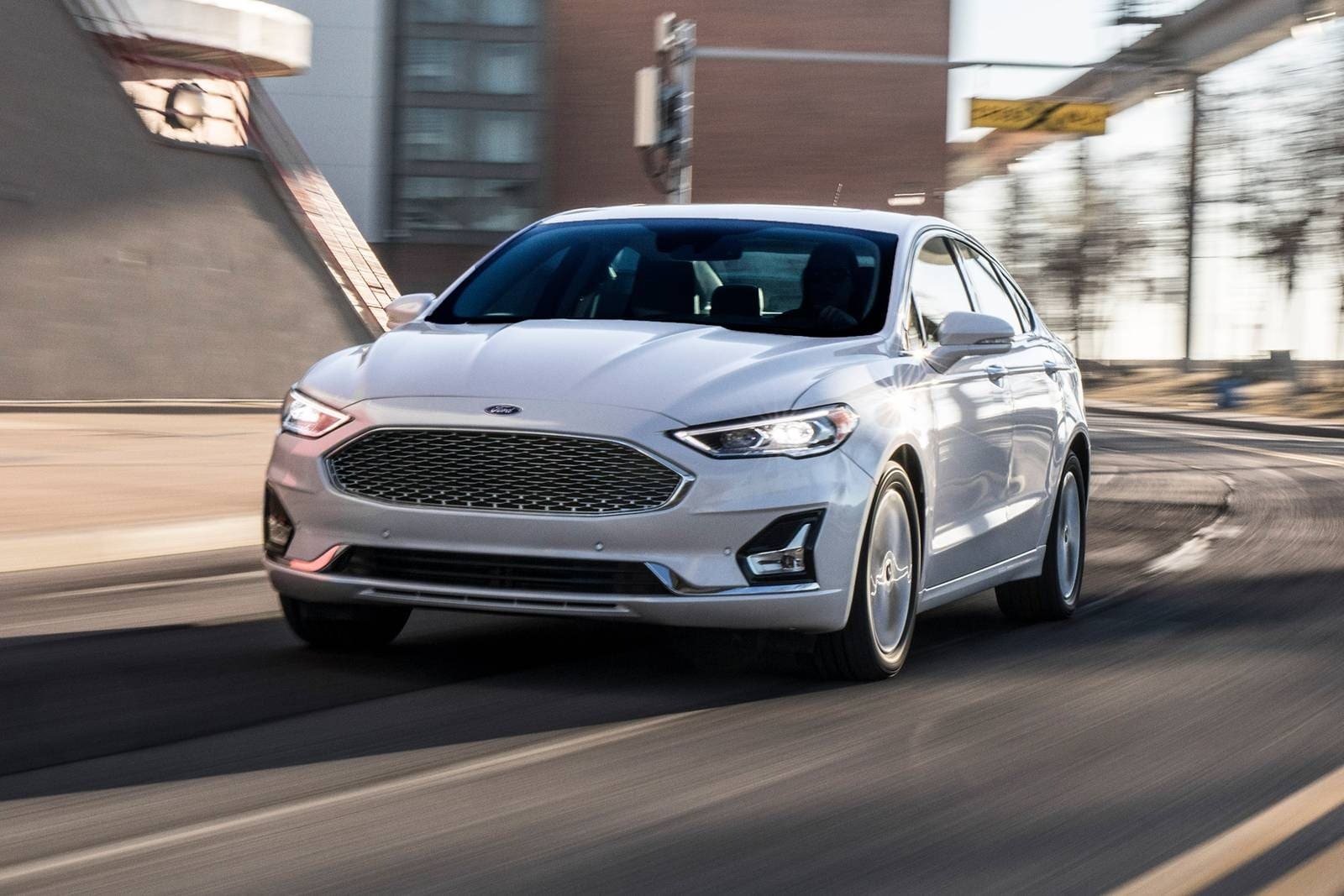
The Ford Fusion Hybrid is a midsize sedan that has built a solid reputation for balancing comfort, technology, and efficiency. Even when pushed beyond 100,000 miles, many drivers find that it still offers fuel economy close to its original figures. This makes it a valuable choice for those who want to enjoy the benefits of hybrid ownership for many years without a big drop in MPG.
Ford’s hybrid system pairs a petrol engine with an electric motor that works through an electronically controlled continuously variable transmission. This combination allows for smooth power delivery and efficient energy use.
Owners often report that, with proper maintenance, the battery and electric motor remain effective well past the 100,000-mile mark. The hybrid battery in the Fusion is well-cooled and benefits from Ford’s long-standing research in hybrid technology.
Maintenance is a central factor in preserving MPG. Regular servicing, including coolant checks for the hybrid system, oil changes, and brake inspections, keeps the car running efficiently. Since the Fusion Hybrid uses regenerative braking, there is reduced wear on the traditional braking system, which helps maintain its efficiency without frequent repairs.
Driving style also influences fuel economy retention. Those who accelerate gently and make use of coasting see better long-term MPG results. Many high-mileage Fusion Hybrid owners report that they can still achieve 40 miles per gallon or more in combined driving, which is impressive for a sedan of its size.
The Fusion Hybrid’s aerodynamic design and moderate weight contribute to its efficiency after some time. Even as components age, the car’s engineering ensures the petrol engine and electric motor share the load in a balanced way. This reduces the stress on each system and allows the vehicle to keep delivering good fuel numbers for years.
For anyone looking for a reliable midsize hybrid that can hold its MPG long after the odometer has passed six figures, the Ford Fusion Hybrid stands as a worthy choice. Its combination of proven hybrid engineering, comfortable driving experience, and strong long-term economy makes it a dependable option.
5. Lexus ES 300h
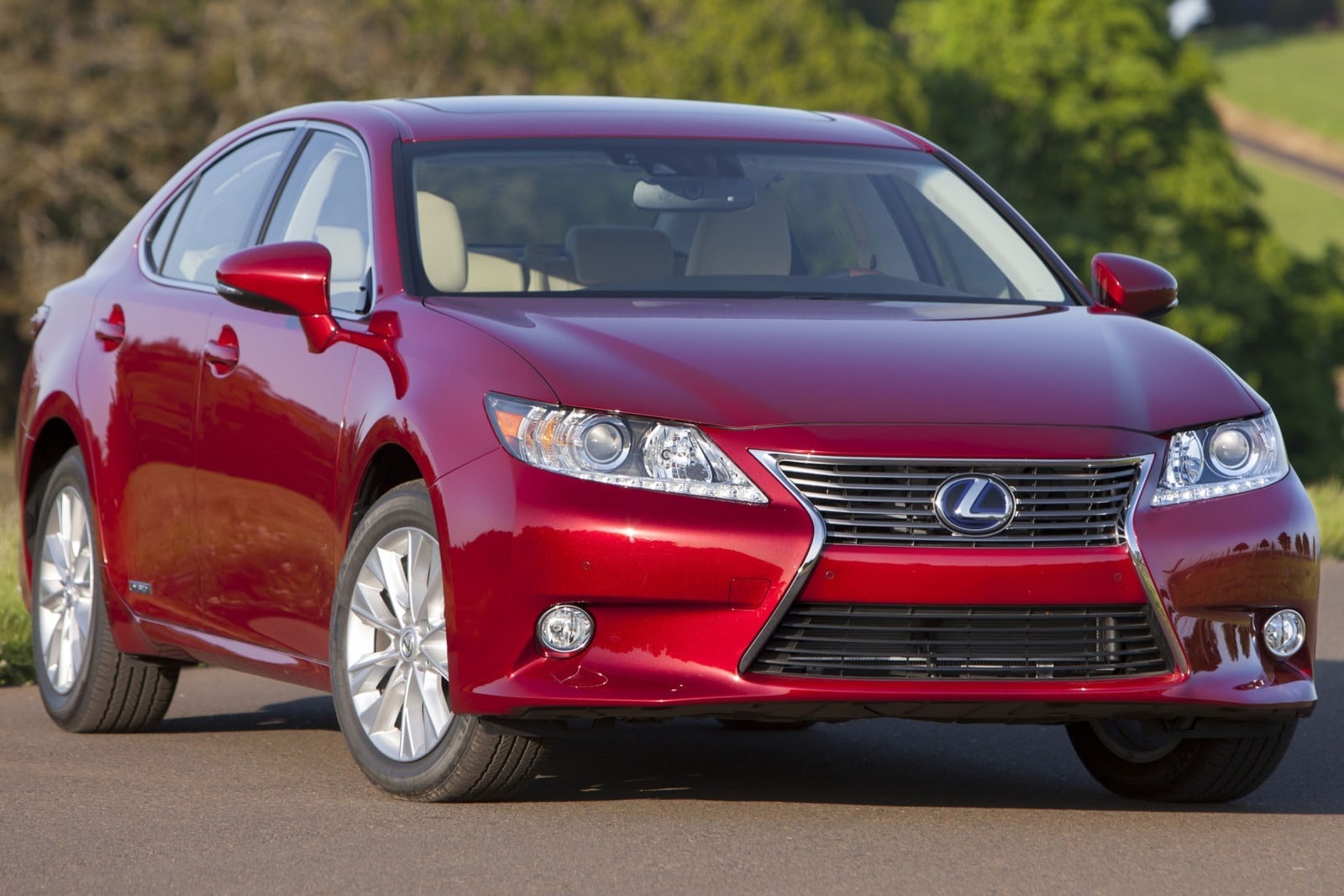
The Lexus ES 300h offers luxury combined with hybrid efficiency, making it one of the few premium vehicles that can hold strong MPG numbers after 100,000 miles. Many owners appreciate not only the refined ride and upscale interior but also the fact that the ES 300h continues to deliver fuel economy that competes with smaller, less luxurious cars even after years of use.
Built with Toyota’s reliable hybrid technology, the ES 300h uses a petrol engine and electric motor combination that works seamlessly to provide smooth acceleration and efficient cruising. The hybrid battery is well-protected and benefits from advanced cooling systems, which help it remain effective for a long period.
Drivers who keep up with maintenance, including regular oil changes, cooling system checks, and inspections of the hybrid components, often report minimal fuel economy loss even past 120,000 miles. The ES 300h’s hybrid system is designed to prevent the petrol engine from running at high stress for long periods, reducing wear and helping maintain efficiency.
Its aerodynamic design, combined with attention to weight balance, ensures the hybrid system works with less strain. This is especially important at higher mileages when any inefficiency in the design could show more clearly. The ES 300h avoids this problem, which is why many long-term owners still report MPG in the low-to-mid 40s.
The quiet, comfortable ride also encourages gentle driving habits, which naturally help preserve fuel economy. Aggressive driving is less common among ES 300h owners, and this helps the car keep its efficiency figures for a longer time.
For those who want a hybrid that offers both comfort and lasting efficiency, the Lexus ES 300h is an excellent choice. Its ability to keep high MPG after 100,000 miles makes it stand out in the luxury segment.
5 Hybrids That Don’t Keep MPG After 100K
1. Hyundai Sonata Hybrid
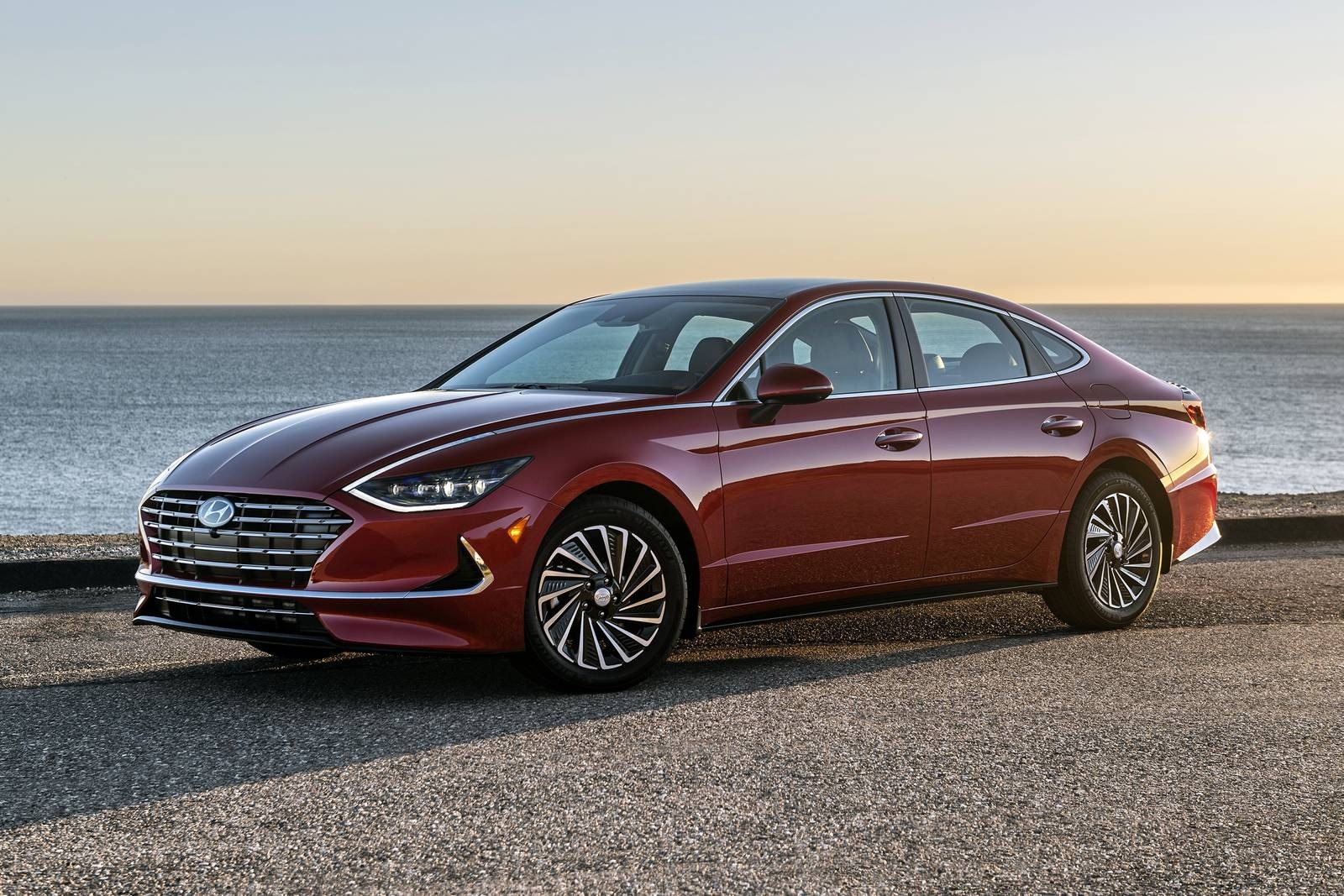
While the Hyundai Sonata Hybrid performs well in its early years, some owners notice a drop in fuel economy after the car crosses 100,000 miles. This does not mean it becomes inefficient, but the change is more noticeable compared to some rivals. The loss can range from three to five miles per gallon in real-world driving.
One of the main reasons is battery wear. While the battery in the Sonata Hybrid is built to last, it tends to lose some of its capacity after many years, especially in regions with extreme temperatures. This reduced capacity means the electric motor has to rely more on the petrol engine, which lowers fuel economy.
The Sonata Hybrid’s petrol engine is efficient, but once it starts doing more of the work, it uses more fuel. In addition, some owners report that transmission behaviour changes slightly with age, which can also affect MPG. Regular servicing can slow this decline, but the design of the hybrid system makes it less resistant to fuel economy loss than some competitors.
Another factor is that the Sonata Hybrid is a larger and heavier sedan than models like the Prius, which means any reduction in electric motor assistance has a bigger effect on efficiency. The aerodynamic design helps, but weight still plays a role in long-term MPG retention.
Drivers who maintain their Sonata Hybrid carefully, including battery cooling system checks and software updates, can reduce the loss of MPG. However, it is realistic to expect that after 100,000 miles, the car may no longer deliver the same fuel numbers as when it was new.
2. Ford C-Max Hybrid
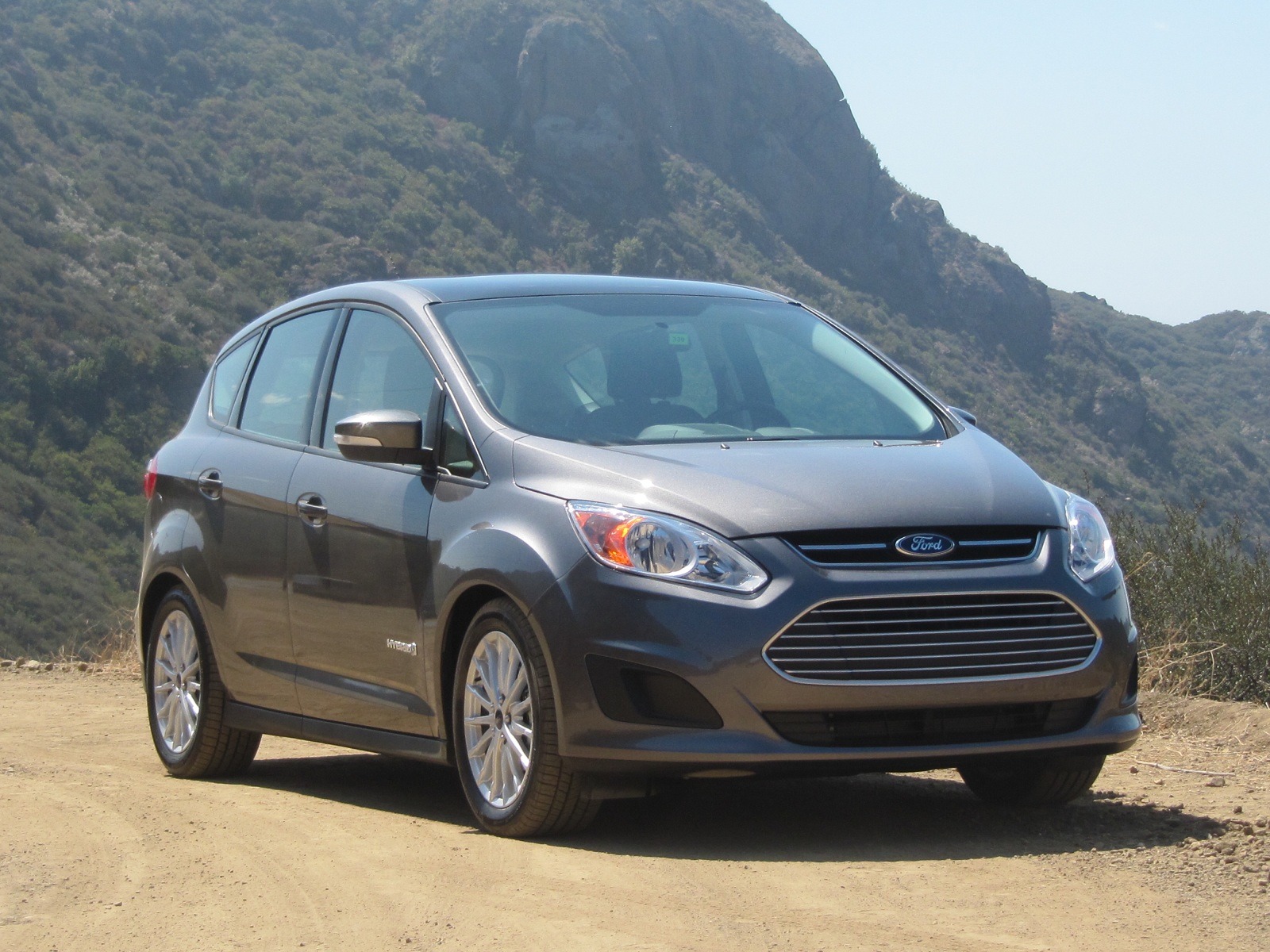
The Ford C-Max Hybrid was introduced with impressive MPG claims, especially for city driving. While it performs well during the first years of ownership, many high-mileage owners have observed a clear decline in efficiency after surpassing 100,000 miles. The loss is often in the range of five to seven miles per gallon compared to the car’s early performance.
One of the main reasons is the ageing of the hybrid battery. The C-Max uses a lithium-ion battery, which provides good efficiency when new but can lose capacity faster than some nickel-metal hydride systems. Once the battery’s capacity decreases, the petrol engine must take on more of the driving load, which quickly affects fuel economy.
The C-Max is also heavier than many other hybrids in its class. This higher weight means the electric motor needs to work harder, and when the battery is not performing at its best, MPG drops more noticeably. The car’s shape, designed for practicality rather than aerodynamics, adds some drag, making it even more dependent on the electric system to keep the MPG high.
Transmission wear can also influence efficiency. The C-Max Hybrid uses an electronically controlled continuously variable transmission, and while generally durable, it can develop small inefficiencies after some time that impact fuel numbers.
Owners who keep up with battery maintenance, such as ensuring the cooling system is working properly and driving in ways that avoid constant heavy acceleration, may be able to slow the MPG decline. Still, compared to hybrids like the Prius or Camry Hybrid, the C-Max is more likely to show a noticeable drop once the odometer climbs past six figures.
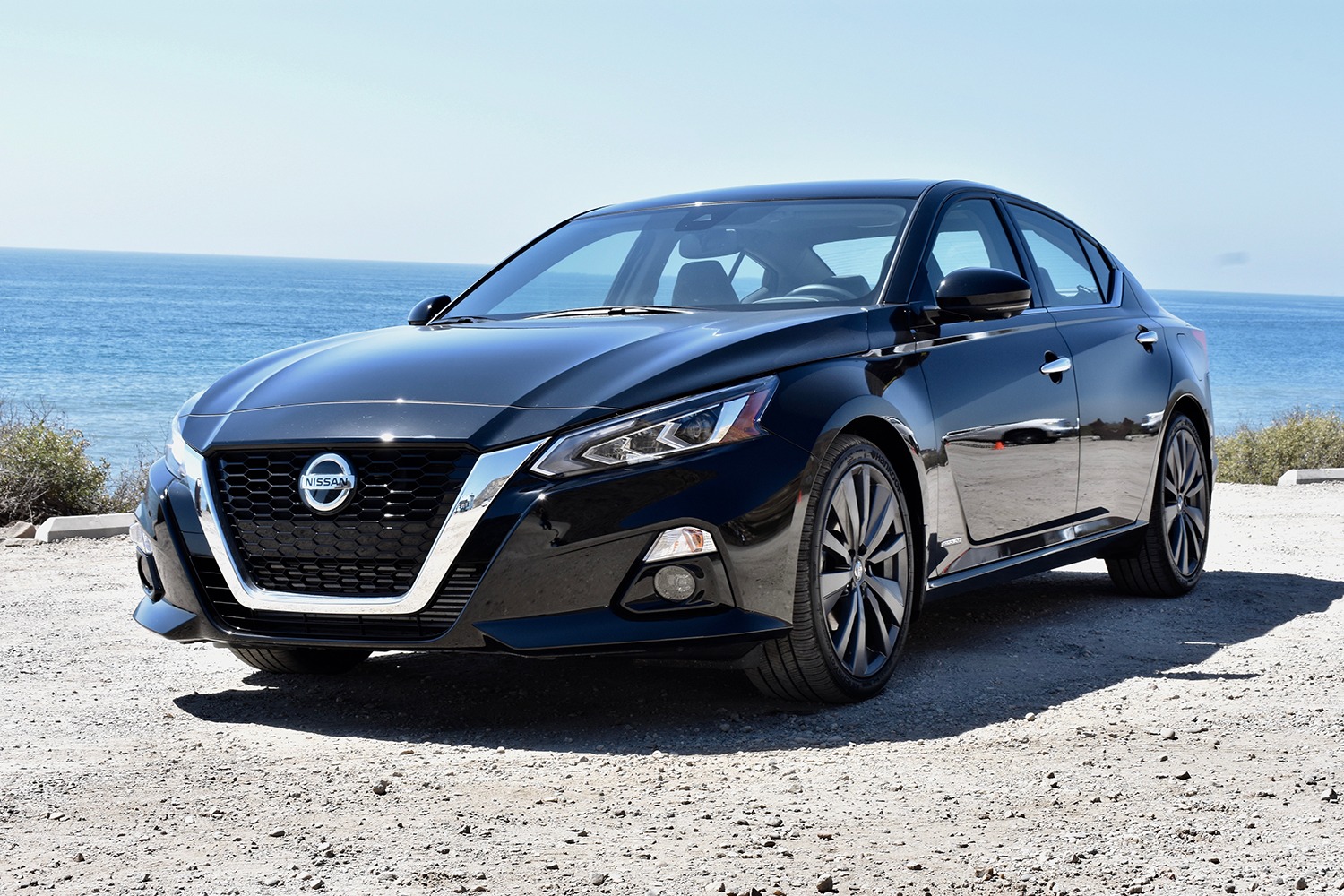
3. Nissan Altima Hybrid
The Nissan Altima Hybrid was produced for a limited time, and while it delivered respectable MPG when new, its long-term efficiency retention is less impressive. Many owners have reported a loss of four to six miles per gallon after passing 100,000 miles.
Part of the reason is that the Altima Hybrid used older hybrid technology licensed from Toyota. While reliable, this early system was not as refined as later generations, especially in battery management. The nickel-metal hydride battery can last a long time, but once it starts to lose capacity, the car’s efficiency suffers.
Another factor is that the Altima Hybrid’s petrol engine is larger than those in some competing hybrids. A bigger engine offers more power but consumes more fuel when it has to run more often, which becomes the case as the electric system ages. This is especially noticeable in city driving, where the hybrid system is meant to provide the most fuel savings.
Weight also plays a role. The Altima Hybrid is heavier than a Prius or Civic Hybrid, so when electric assistance drops, MPG declines faster. Maintenance can help slow the drop, but even with proper care, it is common to see a difference in fuel economy after high mileage.
While the Altima Hybrid is no longer in production, used models are still on the market. Buyers should be aware that while it can still be a reliable car, they may not get the same MPG figures as when it was new, especially if the mileage is already high.
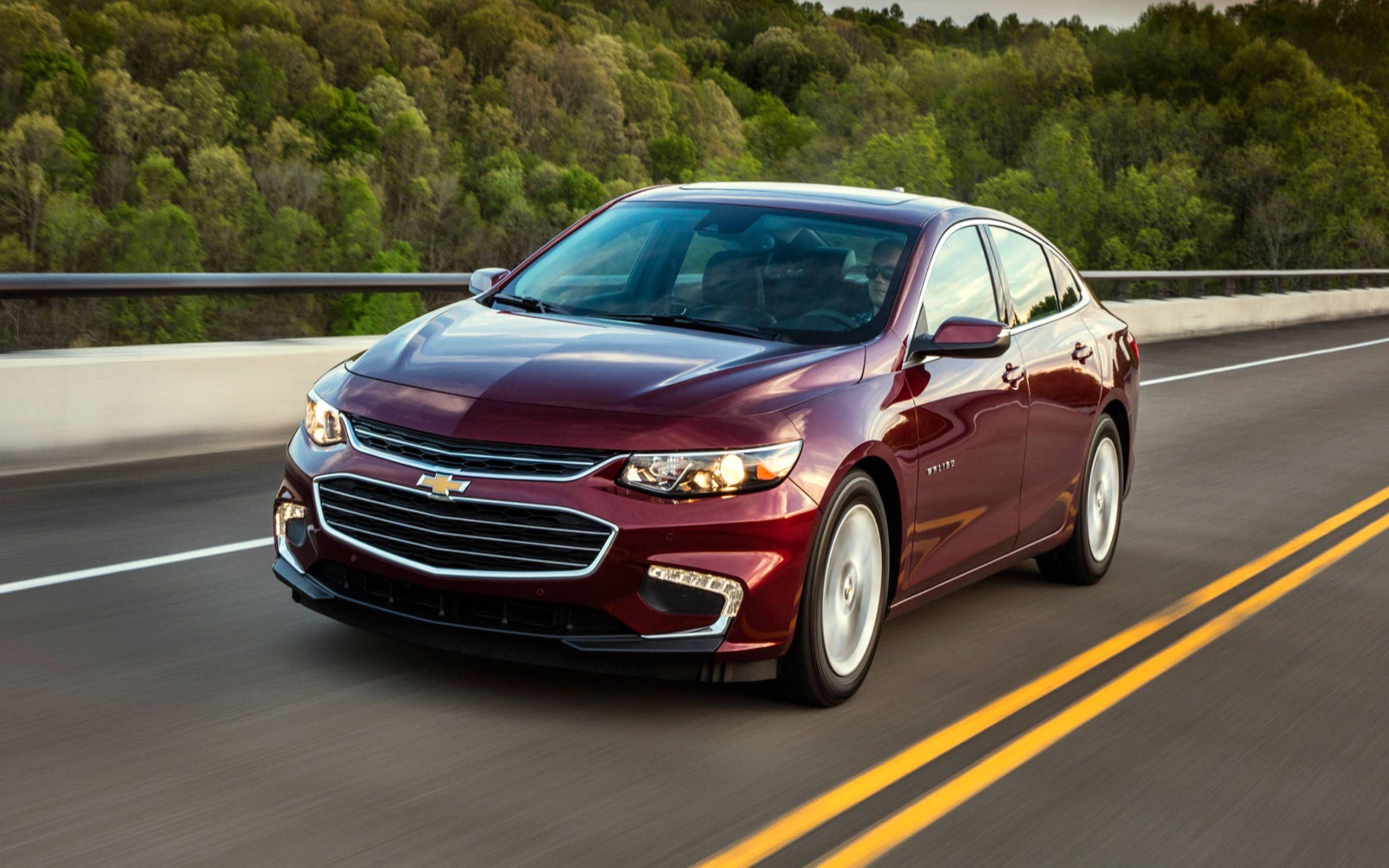
4. Chevrolet Malibu Hybrid
The Chevrolet Malibu Hybrid delivers competitive MPG ratings when new, but long-term performance shows that it can lose efficiency after crossing the 100,000-mile mark. The decline is not extreme but is noticeable, with drops of about four to five miles per gallon reported by many owners.
The Malibu Hybrid uses a system that blends a small petrol engine with an electric motor, and while efficient, the battery system does not hold capacity as well as some rivals. Once the battery starts to weaken, the car relies more on its petrol engine, which increases fuel use.
The car’s weight and size also contribute to MPG loss. Being a midsize sedan, the Malibu Hybrid requires more power to move, so when the electric motor cannot provide its usual level of assistance, the difference in MPG becomes clear. Aerodynamic design helps, but it cannot fully counter the loss caused by reduced electric performance.
Another issue is that the Malibu Hybrid’s hybrid components require careful software calibration to keep efficiency high. As time goes on, especially if updates are not performed, the system may not operate at its original best, which can lower MPG.
Owners who maintain the cooling system for the battery and keep the car serviced according to schedule can slow this decline. However, compared to hybrids from Toyota or Honda, the Malibu Hybrid shows a more noticeable MPG drop when driven well past 100,000 miles.
Also Read: 5 Hybrids That Keep Owners Happy and 5 That Don’t
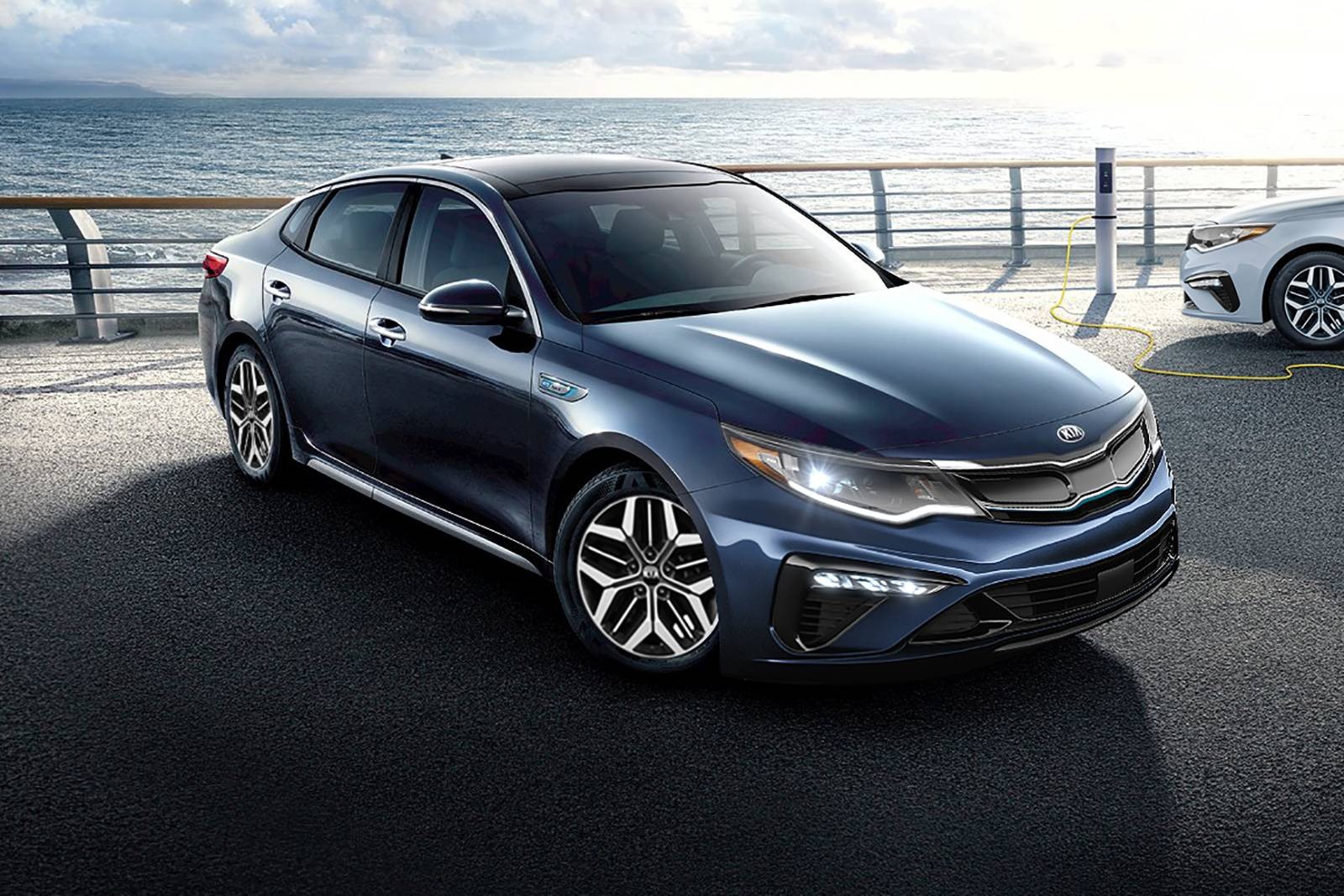
5. Kia Optima Hybrid
The Kia Optima Hybrid is stylish and comfortable, with good fuel economy in its early years. But once it reaches higher mileage, many drivers find that it struggles to keep the same MPG figures. Losses of four to six miles per gallon are common after 100,000 miles.
The battery system in the Optima Hybrid is effective when new but tends to lose capacity as time goes on, particularly in hot climates. Once this happens, the electric motor provides less assistance, and the petrol engine takes on more work, leading to higher fuel use.
The Optima Hybrid is also on the heavier side for its class, so any reduction in electric help has a bigger impact on MPG. The aerodynamic design softens the blow, but fuel numbers still drop compared to the first years of ownership.
Transmission behaviour can also change slightly with age, affecting the smoothness and efficiency of power delivery. This is not usually a major mechanical failure, but it can add up to small reductions in MPG as time goes on.
Careful maintenance can delay the drop in fuel economy. Keeping the battery cooling system clean, using proper servicing intervals, and avoiding aggressive driving can help. Still, the Optima Hybrid does not retain MPG as strongly as long-term leaders like the Prius or Accord Hybrid.
