
For motorcycle owners, passing an inspection can feel like a yearly test of responsibility and maintenance habits. An inspection is meant to confirm that your bike is safe to ride, roadworthy, and compliant with state requirements.
The process usually covers areas such as brakes, tires, lights, exhaust systems, and emissions. Some motorcycles seem to pass with little effort, often due to their build quality, durability, and low-maintenance nature. Others, however, demand extra attention, and no matter how careful the owner is, these machines often need something fixed before they can get a pass.
The difference between a smooth inspection and a troublesome one often comes down to design, engineering choices, and the type of riding the bike is commonly used for. Some brands are known for their reliability and their ability to stay in good condition even after years of regular use.
Others have a reputation for small but frequent problems that inspectors quickly spot. While any motorcycle can fail if it is neglected, certain models simply tend to perform better during these checks.
Now, let us look at five motorcycles that almost always clear inspections without drama and five that regularly require extra work before they can be certified. The aim is not to discourage anyone from owning the bikes in the second category, but to prepare owners for the extra maintenance they may face.
Understanding these tendencies can help riders plan more effectively, maintain their bikes in excellent condition, and save time and stress during inspection periods. Each model will be examined for its strengths, common issues, and why it often performs the way it does under the careful eyes of inspectors.
5 Bikes That Rarely Fail Inspections
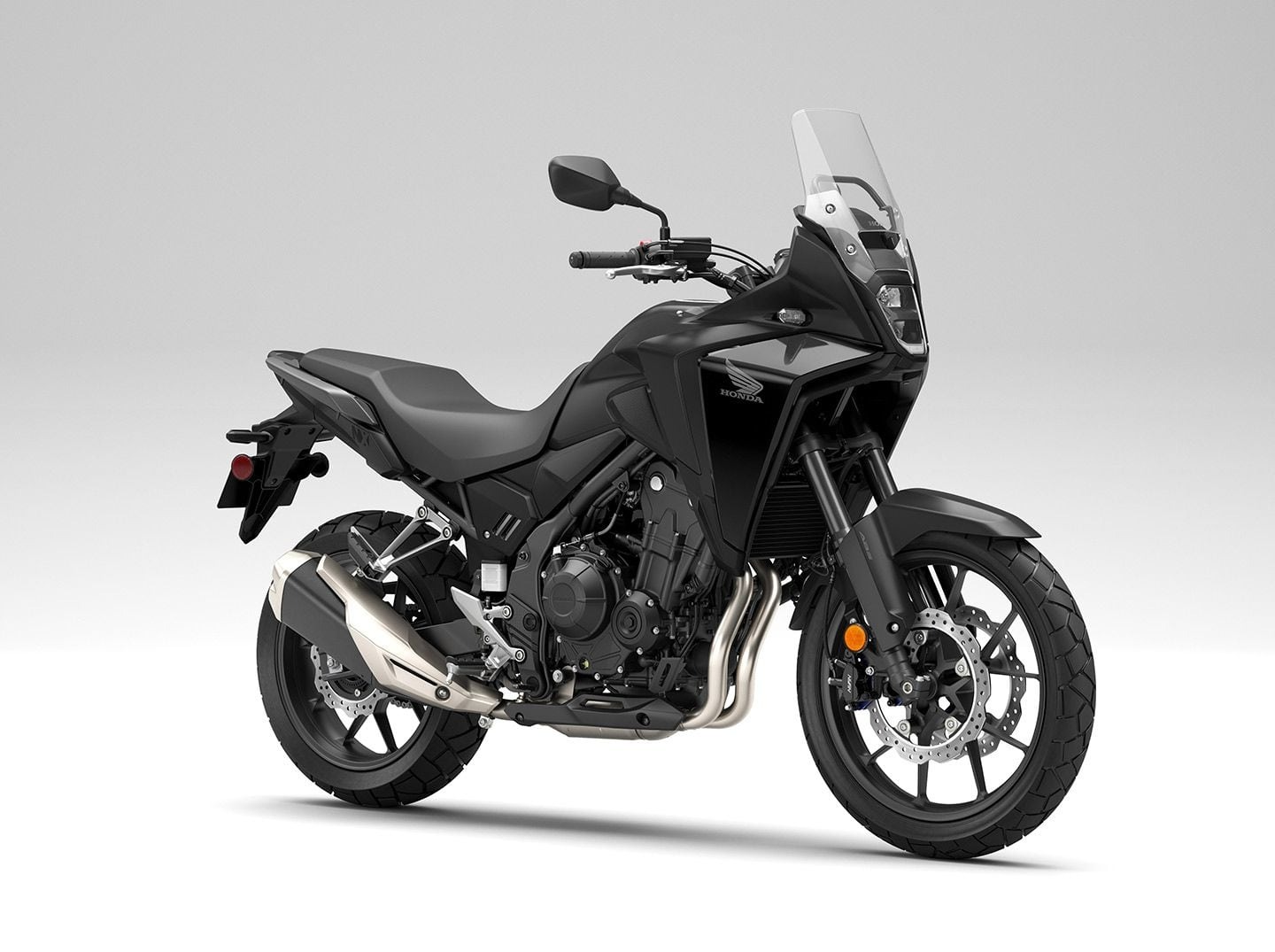
1. Honda CB500 Series
The Honda CB500 series has earned a strong reputation for being one of the most dependable mid-range motorcycles on the market. Many riders describe it as a bike that rarely complains, even when used daily for commuting or weekend leisure rides. This model family, which includes the CB500F, CB500X, and CBR500R, is engineered with practicality in mind, and that has a direct effect on how well it performs during inspections.
One of the main reasons this bike passes inspection without much fuss is the balance between engine power and durability. The 471cc parallel-twin engine is tuned to deliver steady performance without pushing the limits of its components.
Because the motor is not over-stressed, wear and tear on critical parts like the valves, pistons, and crankshaft is minimal. This directly reduces the likelihood of internal engine problems being detected during the inspection.
The CB500 series also benefits from high-quality factory parts. The brake system, for example, is designed to be both responsive and long-lasting. Disc brakes on both wheels, combined with ABS on newer models, provide reliable stopping power that remains consistent even after years of use. Inspectors checking brake efficiency often find little to fault in these bikes.
Another advantage is the electrical system. Headlights, turn signals, and brake lights tend to remain functional over long periods without frequent bulb replacements. The wiring layout is well-protected from moisture, which means there are fewer electrical shorts or corroded connectors that could lead to an inspection failure.
Owners of this bike often comment on how easy it is to maintain. Routine checks like oil changes, chain lubrication, and tire pressure adjustments are straightforward and inexpensive. As a result, most CB500 bikes are well cared for, and that regular attention ensures they meet safety and emissions standards year after year.
It is worth noting that this motorcycle is not designed for extreme off-road riding or aggressive high-speed use, which helps it avoid the kind of damage that often troubles sportbikes and dirt bikes during inspections.
The combination of moderate performance, strong engineering, and simple upkeep makes the Honda CB500 series a model that breezes through inspection points without giving owners unnecessary stress.
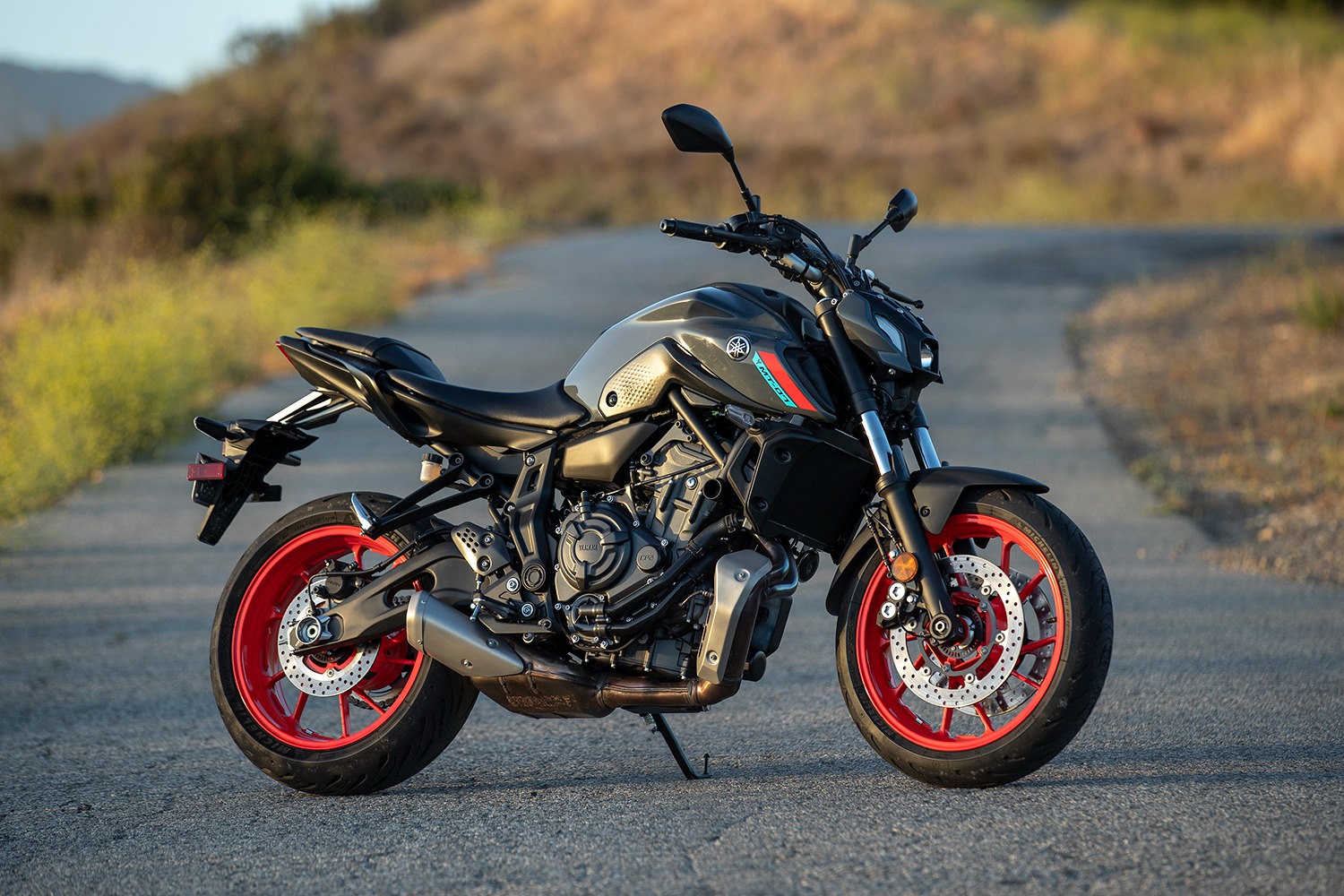
2. Yamaha MT-07
The Yamaha MT-07 has become one of the most admired middleweight motorcycles for both new and experienced riders, and its reputation extends to how well it performs during inspections.
It has a design that prioritises dependability, with a focus on long-lasting parts and an engine that delivers smooth power without excessive strain on components. Many owners find that it requires minimal work to prepare for an annual or biannual inspection, which is why it often gets a clean bill of health.
The heart of the MT-07 is its 689cc parallel-twin engine. This motor is known for its balance between performance and efficiency. It does not run excessively hot under normal conditions, which helps preserve gaskets, seals, and other heat-sensitive parts. When an inspector checks for leaks or unusual noises, the MT-07 often passes without concern because these engines are less prone to oil seepage or rattles.
Braking is another area where the MT-07 stands out. The dual front discs and single rear disc provide consistent stopping ability, and Yamaha’s braking components have a strong reputation for retaining effectiveness over several years of regular use. Many inspection stations test braking performance by simulating emergency stops, and MT-07 models tend to score well in this aspect.
Lighting is also a strength. The MT-07’s headlight, indicators, and brake light use reliable bulbs that have a long lifespan. The wiring harness is well-shielded, reducing the chance of frayed wires or poor connections that could fail an inspection. Inspectors often remark that these bikes maintain their electrical integrity better than some higher-end models.
Another factor in the MT-07’s inspection success is its ease of maintenance. Routine servicing is straightforward, which encourages owners to keep the bike in top condition. Chain tension, tire tread depth, and fluid levels are all easy to check, meaning these items are rarely neglected. Since many inspection failures stem from small oversights, a bike that promotes easy care has a clear advantage.
The MT-07 is also light and manoeuvrable, meaning it is less likely to suffer frame stress or hidden structural issues from rough handling. Its combination of mechanical reliability, thoughtful design, and user-friendly upkeep makes it one of the models that consistently clears inspections without requiring costly last-minute repairs.
Also Read: 5 Bikes That Start Instantly and 5 That Take Forever
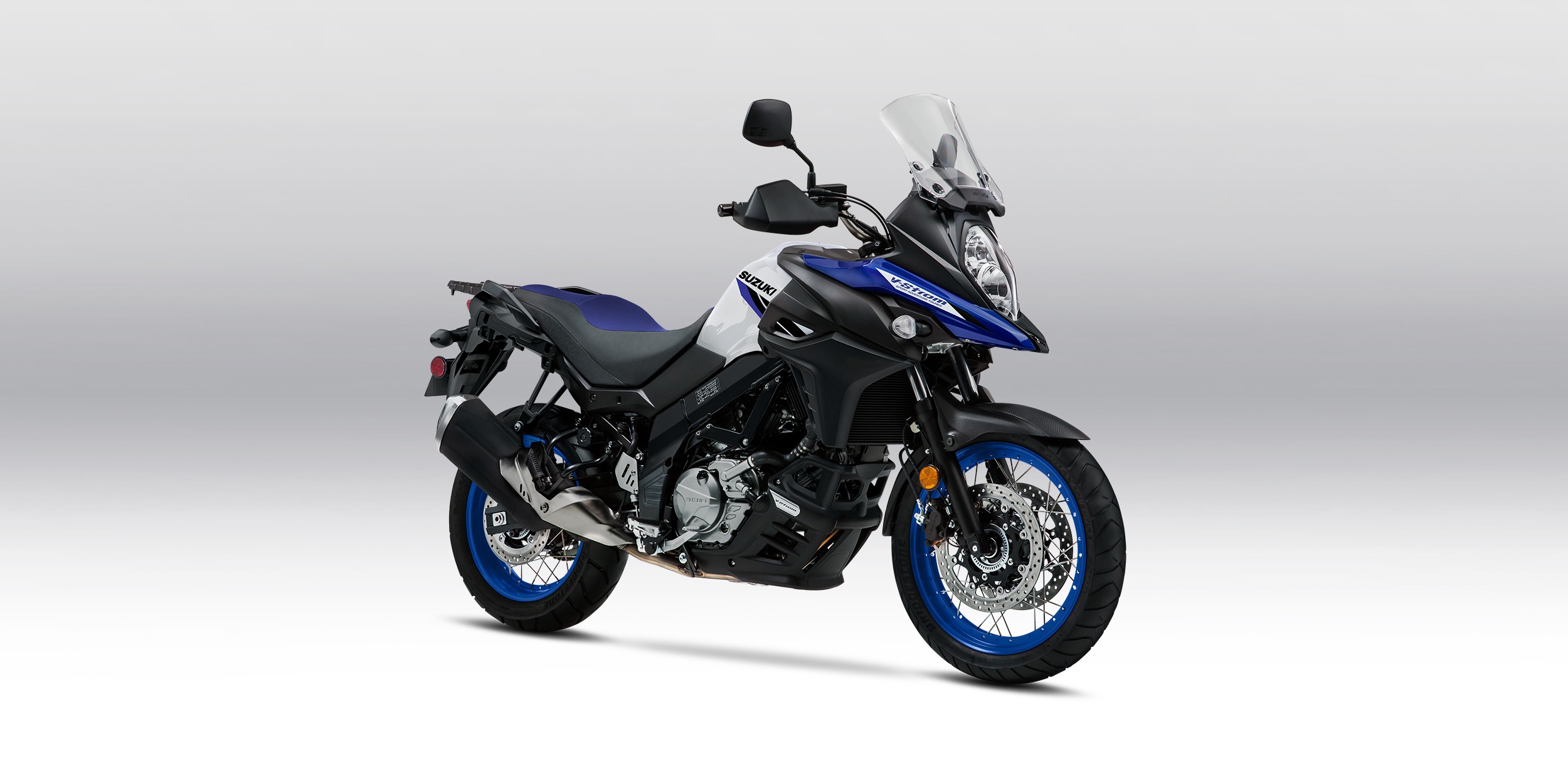
3. Suzuki V-Strom 650
The Suzuki V-Strom 650 has long been regarded as a dependable touring and adventure motorcycle that handles a wide range of riding conditions with ease. One of the reasons it performs so well during inspections is its solid engineering and balanced approach to power delivery. The bike is designed for comfort, endurance, and consistent operation rather than extreme performance, which helps keep wear and tear low and reliability high.
At its core, the V-Strom 650 features a 645cc V-twin engine that delivers smooth torque and a steady output of power. This engine is well-known for its longevity, often reaching high mileage without major repairs.
When an inspector examines it for oil leaks, smoke, or abnormal sounds, it usually passes without any issues. The motor is also fuel-injected, which maintains a clean burn and keeps emissions within legal limits.
The braking system is another strong point. The dual-disc front brakes and single-disc rear brakes offer predictable stopping performance that holds up well after years of use. Many owners also keep their braking systems in good shape because parts are reasonably priced and easy to replace. As a result, inspections rarely find brake wear severe enough to cause a failure.
Lighting and electrical systems on the V-Strom are built to handle long journeys and varying weather conditions. The headlamp is powerful, the turn signals are clear and bright, and the wiring is carefully routed to avoid chafing. Inspectors checking electrical function often find everything in order.
Tire wear on the V-Strom is usually even, partly because the bike’s weight distribution is well-balanced. This reduces stress on suspension components and lowers the chances of uneven tire tread, which is a common reason for failed inspections.
Another advantage is that V-Strom riders tend to be conscientious about maintenance. The type of owner who invests in an adventure-touring motorcycle often pays attention to servicing schedules, making sure items like fluid changes, chain lubrication, and bolt tightening are done regularly. That level of care shows during inspections, where a clean, well-maintained V-Strom 650 typically passes without any problems.
Its combination of reliable mechanical systems, robust design, and careful ownership habits keeps the Suzuki V-Strom 650 firmly in the group of motorcycles that rarely need repairs before clearing inspection checks.
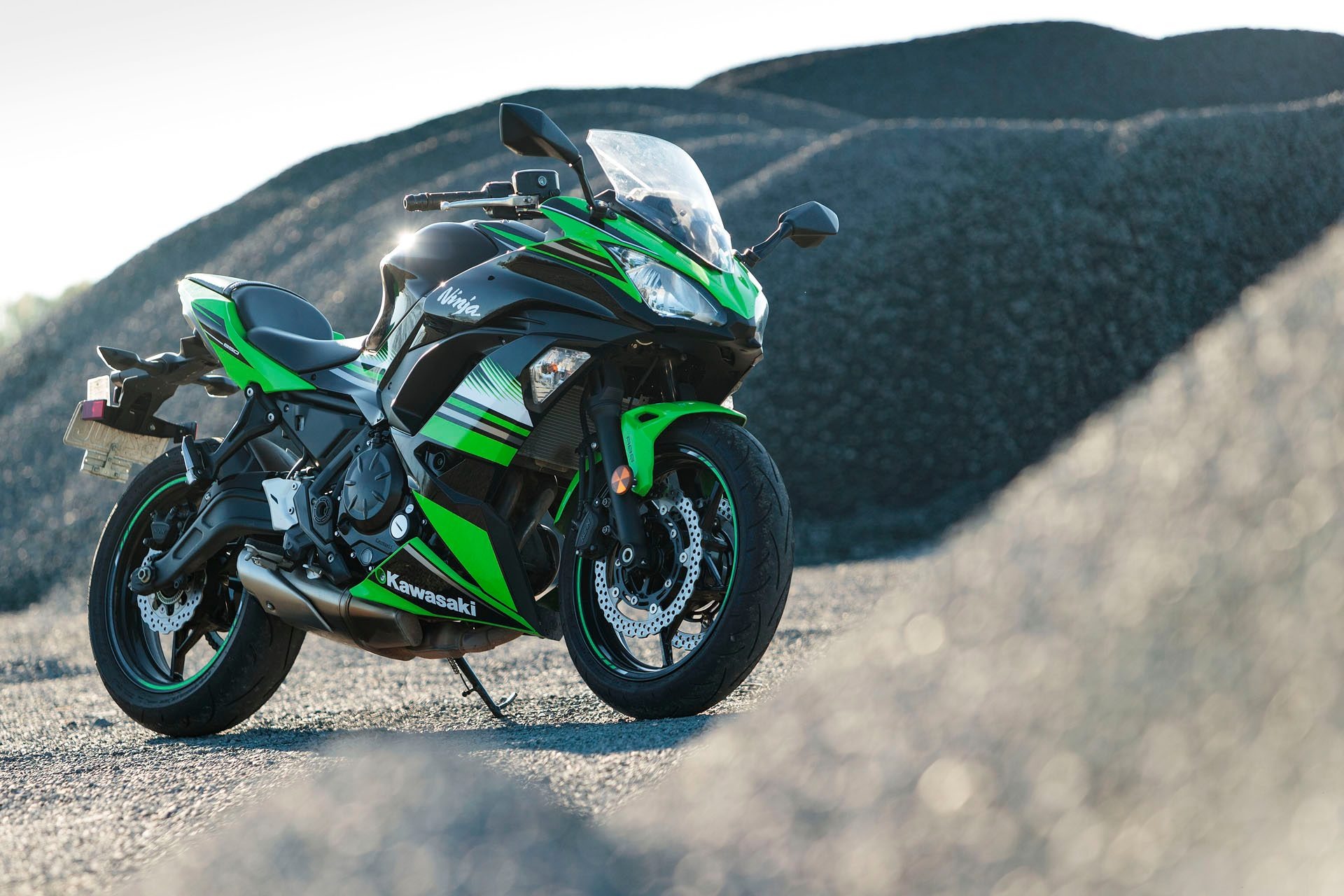
4. Kawasaki Ninja 650
The Kawasaki Ninja 650 strikes a balance between sporty performance and everyday practicality, which plays a major role in how it performs during inspections. While many sportbikes are known for needing more frequent repairs due to aggressive riding styles, the Ninja 650 stands apart because it is designed for a wide range of riders, including commuters and touring enthusiasts, not just high-speed thrill seekers.
This broader focus results in a motorcycle that often arrives at inspection stations in great shape. Powered by a 649cc parallel-twin engine, the Ninja 650 delivers smooth acceleration without stressing its internal components excessively.
The engine runs efficiently and remains stable under various riding conditions, which keeps oil leaks, overheating, and excessive emissions to a minimum. Inspection checks on the motor often reveal no concerning signs, making it easier for the bike to get a pass.
The braking system is reliable and straightforward. Dual semi-floating front discs and a single rear disc offer consistent braking performance. Newer models also come with ABS, which not only improves rider safety but also ensures braking tests during inspections show proper stopping distance and control. The components are built to last, meaning they rarely need urgent replacement before inspection day.
Another reason the Ninja 650 passes inspections easily is its solid electrical setup. The headlights are bright and well-angled, the turn signals respond quickly, and the brake lights maintain good visibility. Wiring is well-secured and resistant to moisture, reducing the likelihood of electrical faults that might fail a safety check.
Tire wear tends to be even on this motorcycle, largely because it has a balanced chassis and is lighter than many bigger sportbikes. This makes it less likely to have suspension issues or uneven tread depth, both of which are common reasons some motorcycles fail inspections.
Maintenance on the Ninja 650 is also straightforward. The chain, oil, brake pads, and other service items are easy to access, encouraging owners to keep everything in proper condition. Riders who stay on top of these routine tasks find their Ninja 650 almost always ready for inspection without major repairs.
Its combination of dependable engineering, balanced performance, and accessible maintenance keeps the Kawasaki Ninja 650 among the sport-oriented bikes that consistently pass inspections with little trouble.
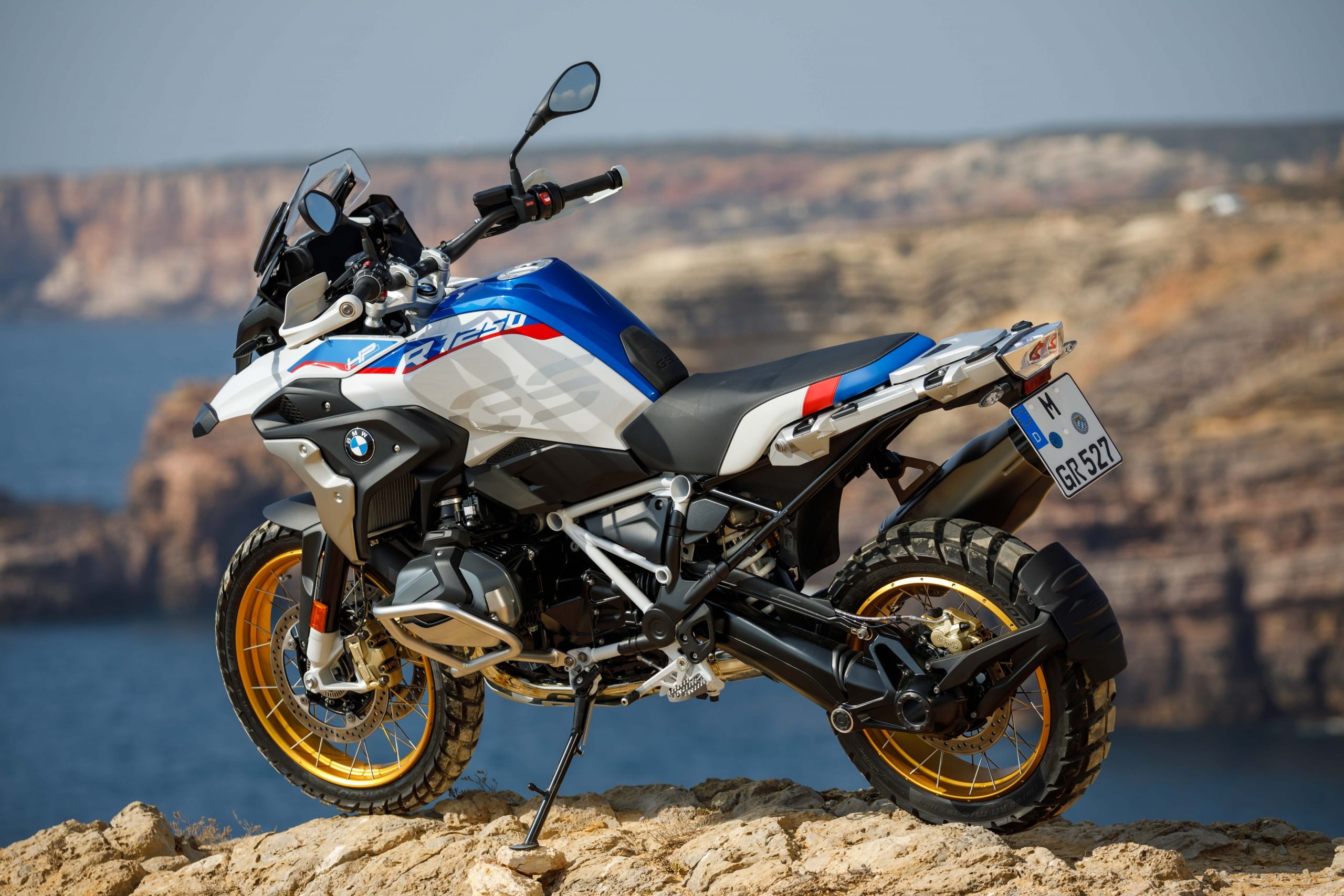
5. BMW R1250GS
The BMW R1250GS has built its reputation as one of the most dependable adventure-touring motorcycles on the market. Known for its ability to handle long-distance travel, mixed terrain, and varied weather conditions, it also stands out for passing inspections with minimal effort. Its engineering, build quality, and strong maintenance culture among owners contribute to its high inspection success rate.
At the heart of the R1250GS is BMW’s 1254cc boxer-twin engine with ShiftCam technology. This powerplant is designed to deliver both smooth low-end torque and strong top-end performance without placing excessive stress on the internal components.
Its cooling system is efficient, preventing overheating even during prolonged rides, which helps it pass mechanical checks for leaks or unusual engine noise. Fuel injection keeps combustion clean, ensuring emissions tests are rarely a problem.
The braking setup is among the best in its category. Dual front discs paired with a single rear disc and advanced ABS provide excellent stopping control. These components are built to endure years of heavy use, meaning they maintain their efficiency and rarely require urgent servicing before an inspection.
Electrical systems on the R1250GS are also well protected. The lighting, including LED headlights and indicators, is bright and long-lasting. The wiring is neatly routed and sealed against dust and moisture, which prevents the electrical faults that can delay a pass during inspection.
Another reason this model rarely fails inspections is its suspension quality. The Telelever front suspension and Paralever rear system are engineered to reduce wear on critical parts, helping maintain proper handling and stability. Inspectors often find these systems in good condition even after extensive mileage.
BMW R1250GS owners typically maintain their bikes diligently, partly because the machine represents a serious investment. Scheduled servicing is followed closely, and wear items like brake pads, tires, and fluids are kept in top condition. This attention to detail means that, by the time an inspection is due, the bike is already in excellent shape.
Its combination of premium build, advanced engineering, and responsible ownership habits makes the BMW R1250GS one of the motorcycles that consistently pass inspections without the need for emergency repairs.
5 Bikes That Always Need Work
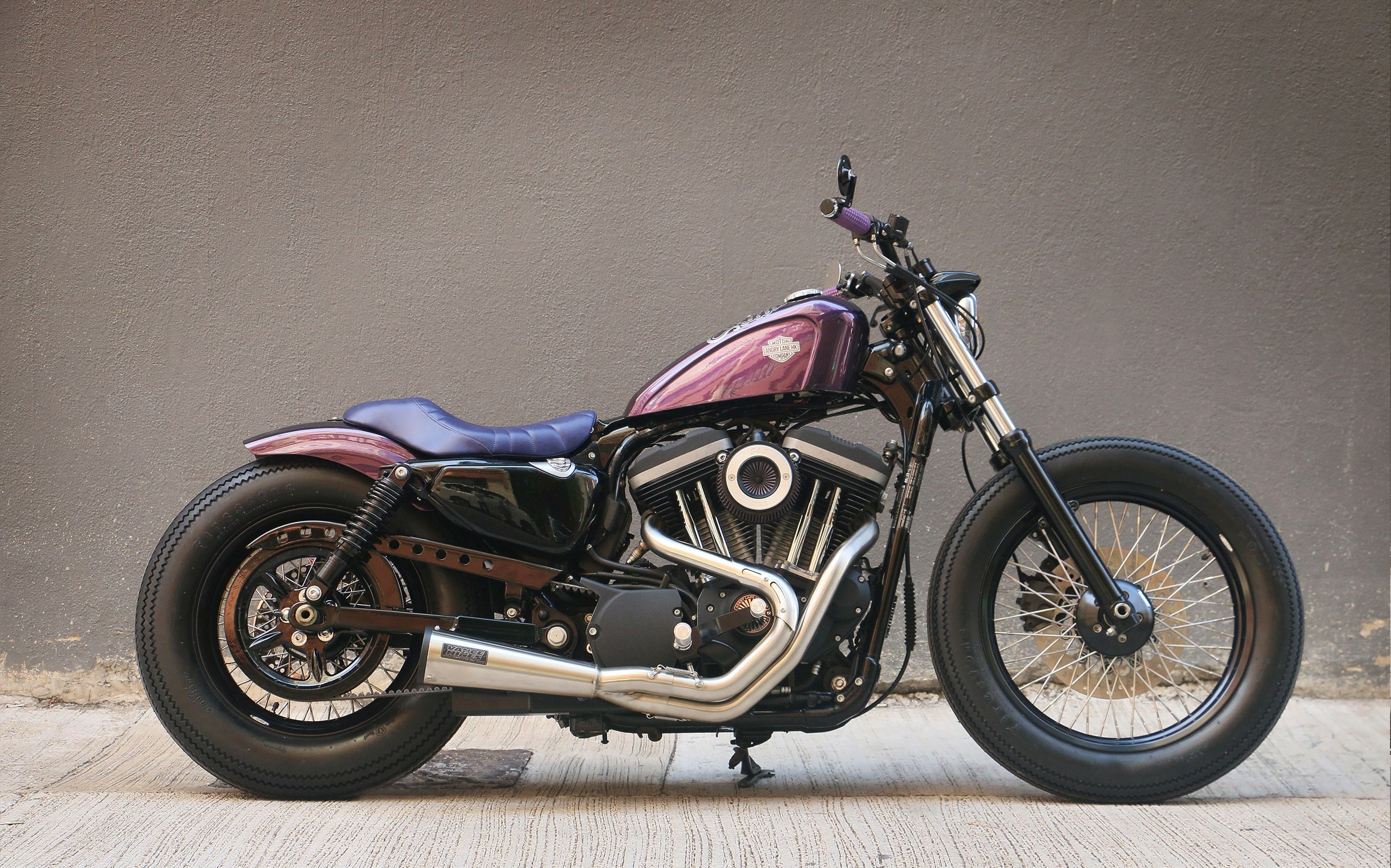
1. Harley-Davidson Sportster Iron 883
The Harley-Davidson Sportster Iron 883 is admired for its classic style and distinct riding feel, but when it comes to inspections, it often requires attention before it can pass.
This is not necessarily because it is poorly built, but rather due to the way it is used, the nature of its design, and the maintenance demands it places on owners. Riders who enjoy the Iron 883’s raw, traditional charm often put it through conditions that accelerate wear on certain parts, which inspectors are quick to notice.
The 883cc air-cooled V-twin engine is iconic, but air cooling means it operates at higher temperatures compared to liquid-cooled motors. After some time, this can lead to gasket wear, small oil leaks, and occasional seepage around cylinder heads. During inspections, oil spots or residue are red flags that must be addressed before a pass can be issued.
The braking system, while functional, is not as sharp as that of many modern motorcycles. Single-disc setups on both the front and rear can develop uneven wear on brake pads, and the performance of older calipers sometimes falls short during braking efficiency tests. This often leads to pad replacement or caliper servicing before the bike can be certified.
Electrical issues are another common challenge. The Iron 883’s wiring is exposed in some areas, making it more vulnerable to moisture and corrosion, particularly if the bike is ridden in wet or coastal environments. Inspectors often pick up on dim turn signals, weak brake lights, or inconsistent headlight performance, all of which must be fixed to meet safety standards.
Tire wear is another frequent problem. The bike’s weight distribution and riding style lead to faster rear tire degradation, and uneven tread depth can result in inspection failure. Suspension components can also develop stiffness or sag, which affects handling tests during the inspection process.
Owners who stay on top of maintenance can reduce these issues, but because many Sportster riders focus more on style and casual cruising than strict upkeep schedules, the Iron 883 often finds itself in the workshop for small but necessary fixes before it gets an inspection pass.
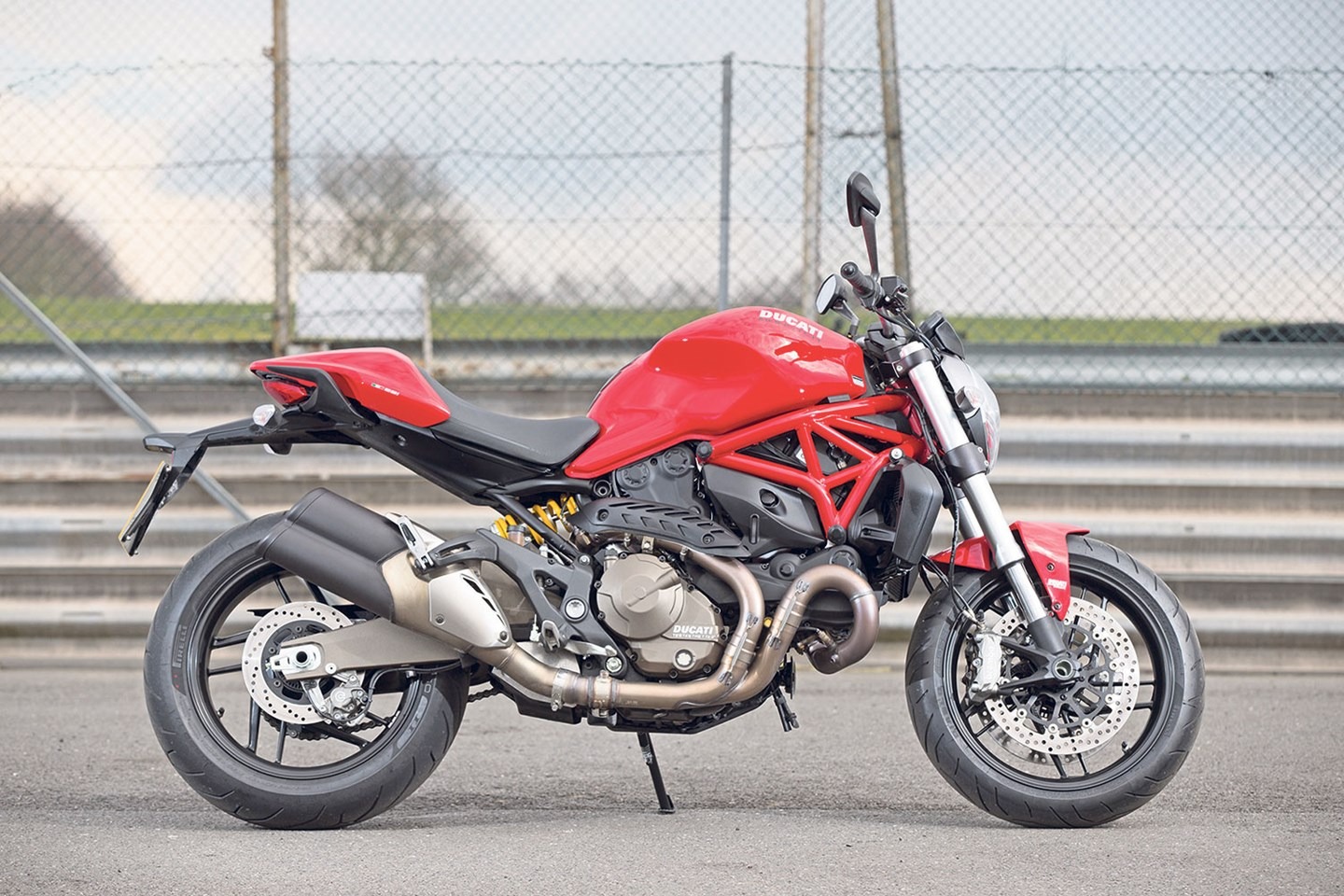
2. Ducati Monster 821
The Ducati Monster 821 is admired for its aggressive styling and thrilling performance, but its inspection record often reflects a need for pre-check servicing. This is not unusual for high-performance European motorcycles, which tend to require closer attention to detail and more frequent upkeep to stay in top condition.
The Monster 821’s design and engine configuration make it a joy to ride, but they also create points of vulnerability that inspectors quickly identify. At the heart of the bike is an 821cc Testastretta L-twin engine. While it delivers impressive power and responsiveness, it also produces a lot of heat, especially during city riding.
That heat can accelerate the wear of rubber seals, gaskets, and hoses, leading to small leaks or visible residue that will not pass a close inspection. Owners who ride the Monster hard often see these issues earlier than those who use it for lighter riding.
The braking system is powerful, with twin front discs and a single rear disc supported by ABS. However, high-performance brakes tend to wear faster, and if the pads or rotors are near their service limit, an inspector will require them to be replaced before approval. The same applies to the chain and sprockets, which can wear quickly due to the bike’s torque delivery.
Electrical reliability can also be a concern. While the lighting is bright and modern, sensors and connectors sometimes suffer from exposure to moisture or dust. If a headlight or turn signal flickers during an inspection, it will prompt an automatic fail until the fault is corrected.
Tire wear is another frequent issue. The Monster’s sporty riding position encourages cornering, which can result in uneven tread wear on the sides of the tires. Any tread depth below legal minimums means replacement before a pass is given.
While well-maintained Monsters can pass inspections without trouble, many owners find themselves replacing consumable parts and addressing minor leaks before their scheduled check. This combination of high performance, heat generation, and frequent component wear keeps the Ducati Monster 821 on the list of bikes that often need work before inspections.
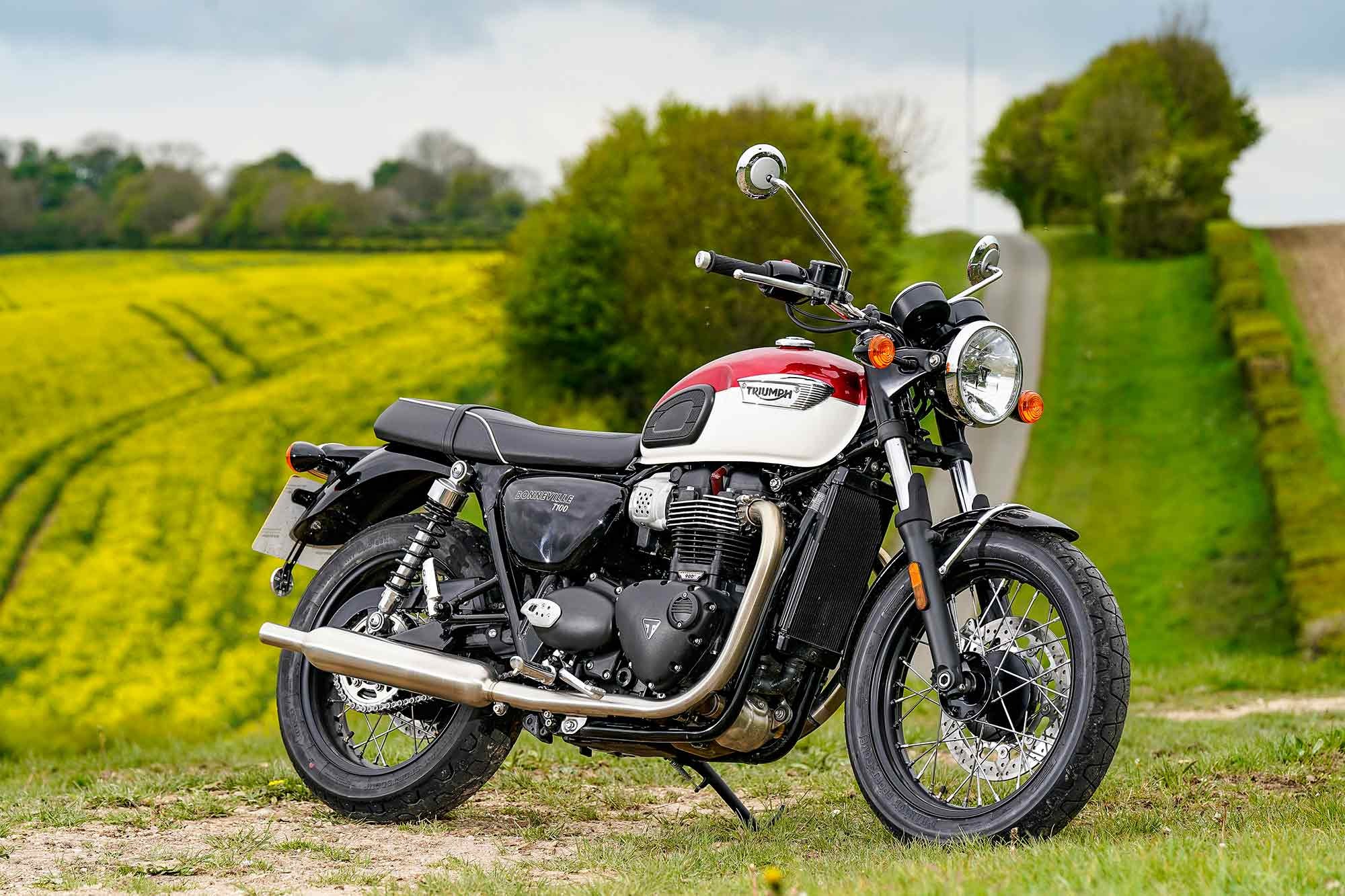
3. Triumph Bonneville T100
The Triumph Bonneville T100 attracts riders who love the timeless look of classic British motorcycles, but despite its charm, it often requires attention before it can pass an inspection. The issues are not necessarily due to poor craftsmanship; instead, they stem from its traditional mechanical design, frequent use in varied conditions, and the fact that many owners keep it as a long-term bike, which means wear accumulates over the years.
Powered by a 900cc parallel-twin engine, the Bonneville T100 delivers smooth performance and a strong low-end pull. However, being air-cooled means it is more prone to temperature fluctuations. After some time, gaskets can harden, leading to minor oil seepage. Inspectors checking under the bike may spot drips or residue that need to be cleaned and repaired before approval.
The braking system, while adequate for the bike’s performance, is not as advanced as that of modern sport or touring motorcycles. It features a single front disc and a single rear disc, which can develop uneven wear on pads if maintenance is delayed. If the stopping distance measured during inspection is longer than acceptable, new pads or brake fluid changes are usually required.
Electrical reliability is generally decent, but older models or those stored outdoors can suffer from corroded connectors, leading to dim headlights or inconsistent turn signals. These issues are small but enough to trigger an inspection failure until repairs are made.
Tire wear on the Bonneville T100 can be another challenge. The bike’s weight and upright riding style can lead to quicker front tire wear, especially if the suspension is not regularly adjusted. Any sign of uneven tread depth or cracking from age will require replacement before passing.
Another factor is that many Bonneville owners enjoy customising their bikes. While custom parts can enhance appearance, some modifications, such as non-standard exhausts, can cause the bike to fail emissions or noise checks during inspection.
Riders who stay disciplined with servicing schedules can avoid many of these problems, but for others, the Bonneville T100 often means a pre-inspection visit to a mechanic to replace worn consumables, fix small leaks, or address minor electrical faults. Its classic appeal comes with a responsibility to keep it in inspection-ready condition year after year.
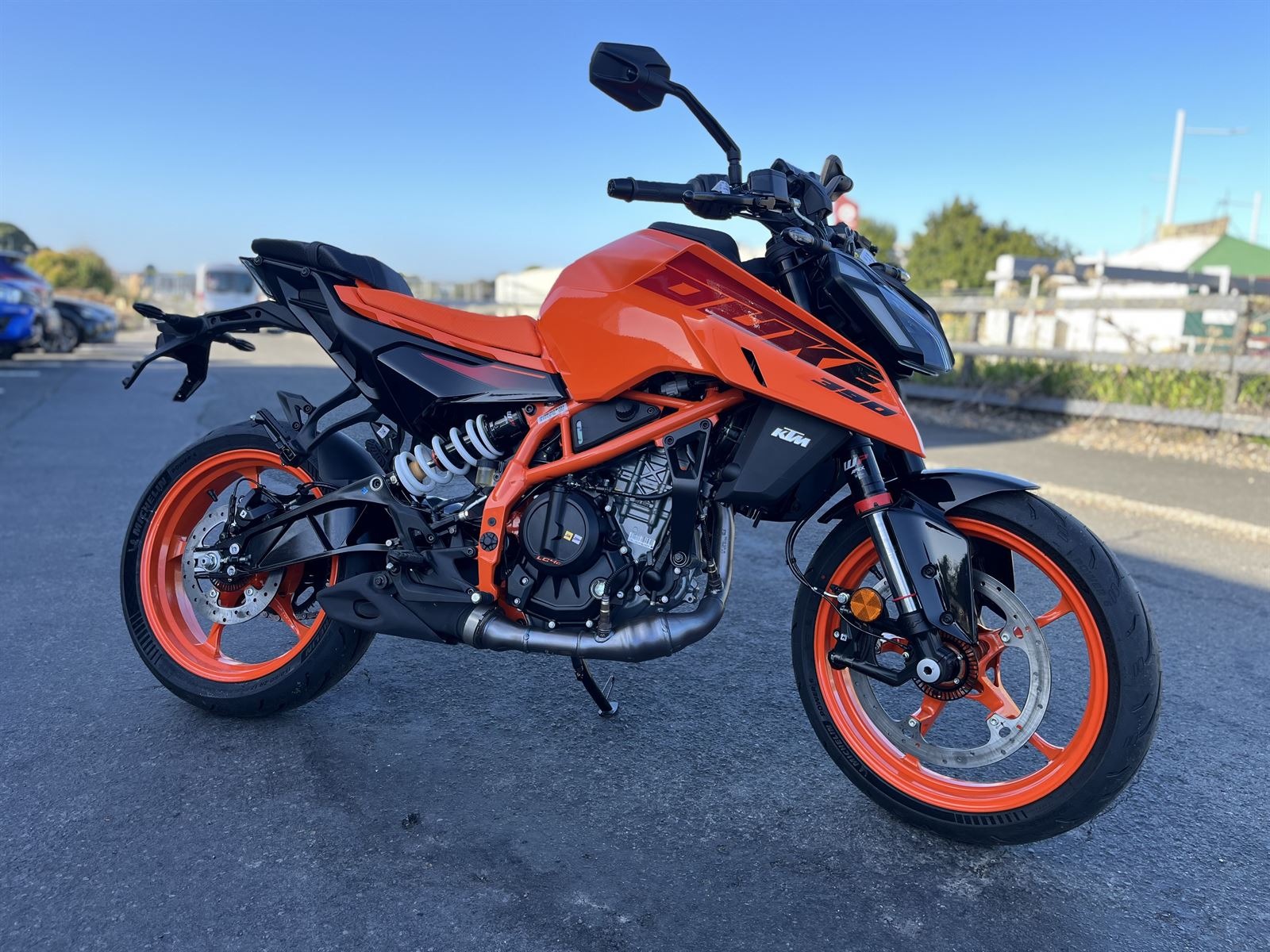
4. KTM 390 Duke
The KTM 390 Duke is a favourite among riders who enjoy a lightweight, agile motorcycle with sporty handling, but its inspection record often shows a need for repairs before approval. While it offers an exciting riding experience, its design and component wear patterns mean owners frequently have to address certain issues before passing safety and emissions checks.
Powered by a 373cc single-cylinder engine, the 390 Duke delivers quick acceleration for its size, but the engine works hard to provide that performance. Higher operating stress can lead to faster wear on gaskets, seals, and cooling components. Inspectors checking for oil leaks or coolant residue often find small signs of seepage, which must be addressed before the bike can be cleared.
Braking is another area where the bike can face challenges. Although the front and rear disc brakes offer strong stopping power, smaller brake components on lightweight bikes tend to wear quickly, especially if the motorcycle is used in heavy traffic or spirited riding. Pad wear or rotor scoring can be enough to trigger a fail until replacements are made.
Electrical issues, though not severe, do arise. The bike’s compact wiring setup is more exposed to the elements than that of larger touring motorcycles. Moisture can affect connections, leading to flickering headlights or weak indicators, both of which can be flagged during inspection.
Tire life is another recurring concern. The combination of lightweight and sporty suspension tuning often leads to uneven wear, especially on the rear tire. Many owners also fit softer compound tires for better grip, which wear out faster. If tread depth falls below legal limits, the bike will need new tires before it can pass.
The KTM 390 Duke’s appeal lies in its nimble handling and youthful styling, but those same traits encourage frequent and aggressive riding. This can accelerate wear on the chain, sprockets, and suspension bushings, which inspectors may note during the mechanical check.
With consistent maintenance and timely part replacements, the 390 Duke can clear inspections without much trouble. However, riders who delay routine servicing often find themselves facing a list of small but necessary repairs before the bike meets inspection requirements.
Also Read: 5 Bikes That Ride Smoothly and 5 That Shake Constantly
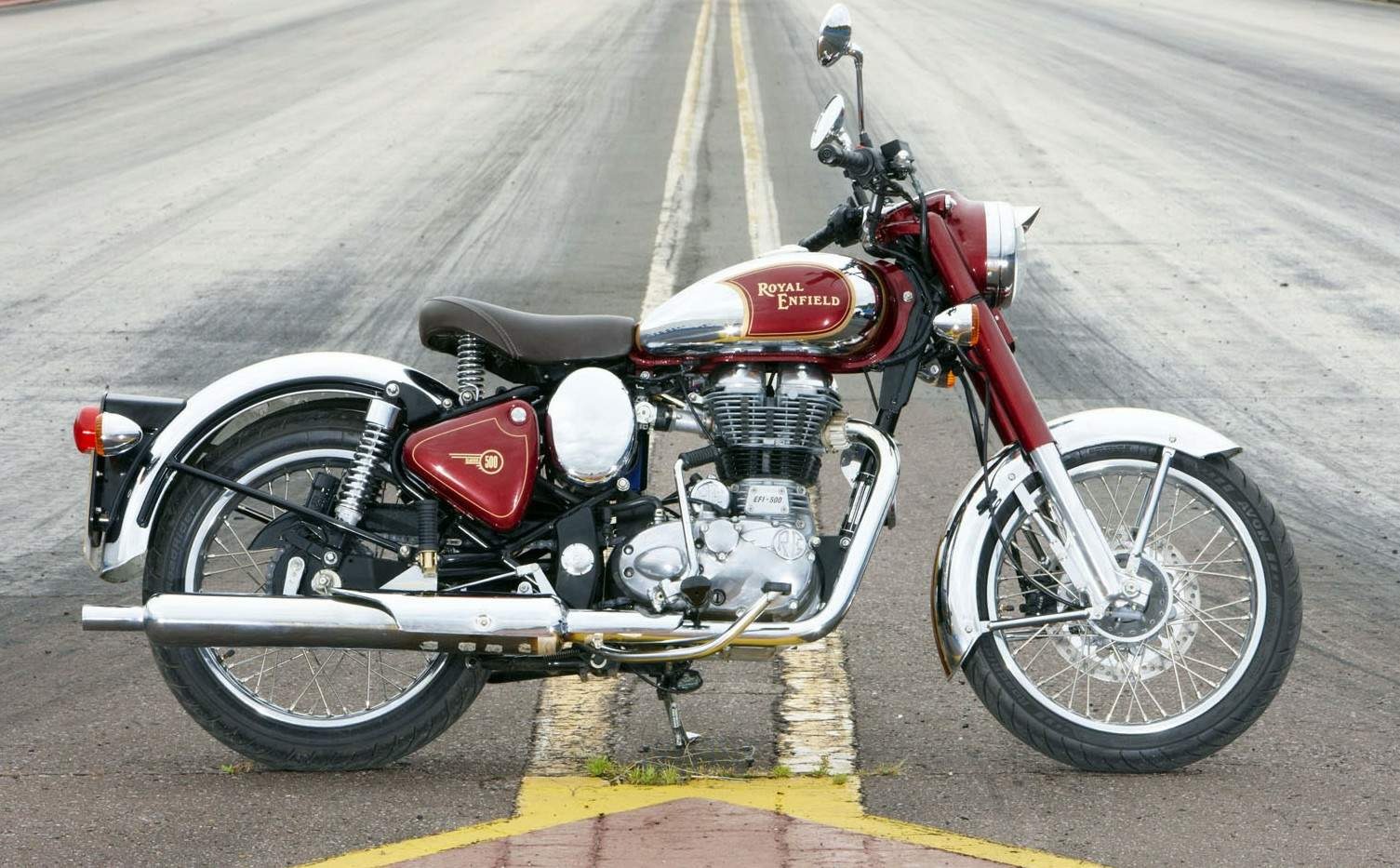
5. Royal Enfield Classic 500
The Royal Enfield Classic 500 is loved for its vintage charm, thumping single-cylinder sound, and relaxed cruising style. While it appeals to riders who want a throwback motorcycle experience, its inspection record shows that it often needs attention before it can be approved.
The combination of traditional engineering, exposed mechanical parts, and owner usage patterns contributes to a higher likelihood of pre-inspection repairs. Its 499cc air-cooled single-cylinder engine is simple in design, but air cooling means it operates with higher temperature fluctuations.
After some time, this can lead to gasket hardening, oil seepage, or small leaks around the cylinder head and crankcase. Inspectors looking for fluid leaks often find traces that must be resolved before the bike can be certified.
The braking setup, with a single disc in the front and a drum or disc in the rear, depending on the model year, can fall short of modern braking standards if not maintained well. Brake shoes in the drum setup can wear unevenly, and the disc components require regular inspection for pad thickness and rotor condition. Any sign of reduced braking efficiency can cause a fail during inspection.
Electrical reliability is another concern. The Classic 500’s wiring is not as heavily shielded as that of more modern motorcycles, which means it can be vulnerable to moisture, dust, or vibration damage. Faulty connections can cause dim headlights, flickering turn signals, or weak brake lights, all of which are checked closely during an inspection.
Tire wear also contributes to its inspection challenges. The bike’s weight and relaxed suspension tuning can lead to faster wear on the rear tire, while older models stored outdoors sometimes show cracks in the sidewalls due to weather exposure. Any tread depth or structural issue must be addressed before the bike can pass.
Another factor is the tendency of many Classic 500 owners to modify the exhaust system for a louder sound. While it enhances the vintage feel, non-standard exhausts can fail noise or emissions checks. Inspectors are quick to require a return to a compliant exhaust before approving.
For owners who keep up with servicing, use quality parts, and store the bike properly, the Classic 500 can pass inspections without much difficulty. But for many riders, its combination of traditional mechanics and exposure-prone components means extra work is often required before it meets inspection standards.
