Work trucks are more than transportation; they’re essential tools in industries like construction, farming, and logistics. A reliable truck ensures projects stay on schedule, reduces downtime, and avoids expensive repairs.
But not all trucks are created equal; some thrive under heavy loads and tough environments, while others struggle and break down, often needing costly towing. This breakdown is divided into two sections: five models that excel on job sites and five that consistently disappoint under pressure.
By understanding the strengths and weaknesses of each, buyers and fleet managers can make informed decisions that protect productivity and budgets in demanding work settings.
5 Work Trucks That Survive Job Sites
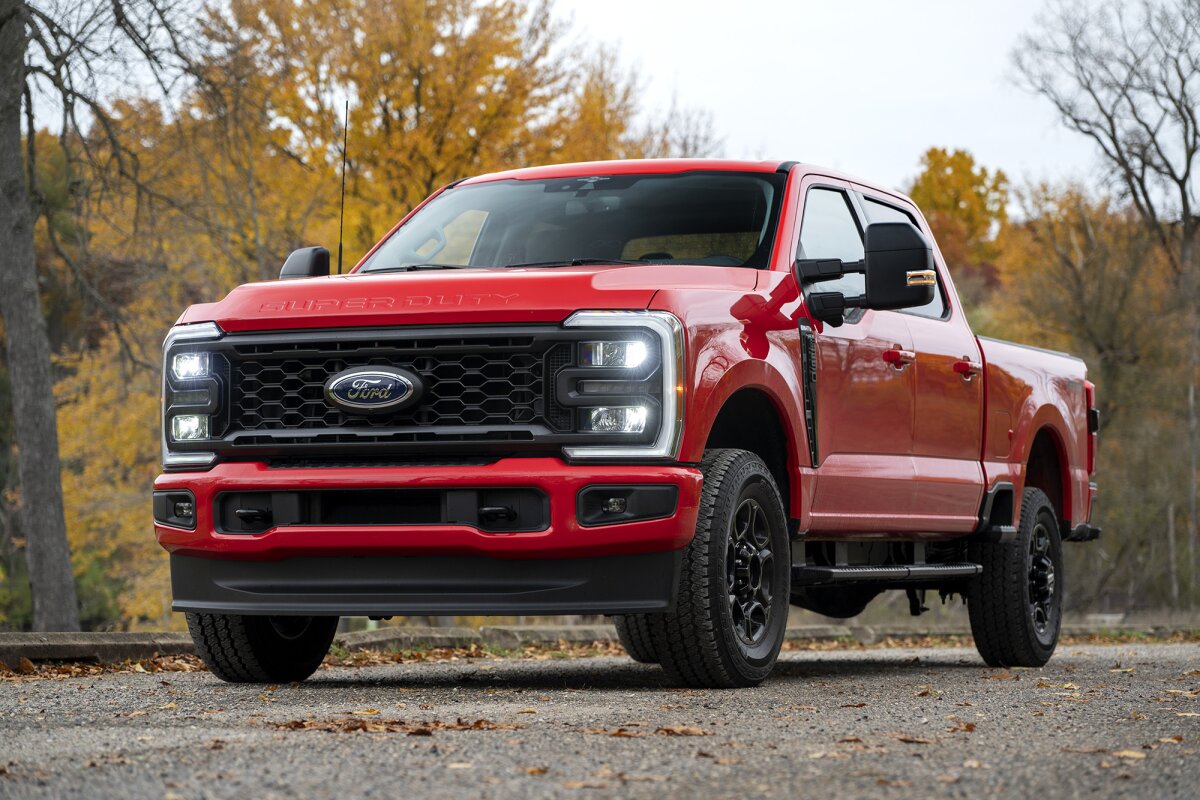
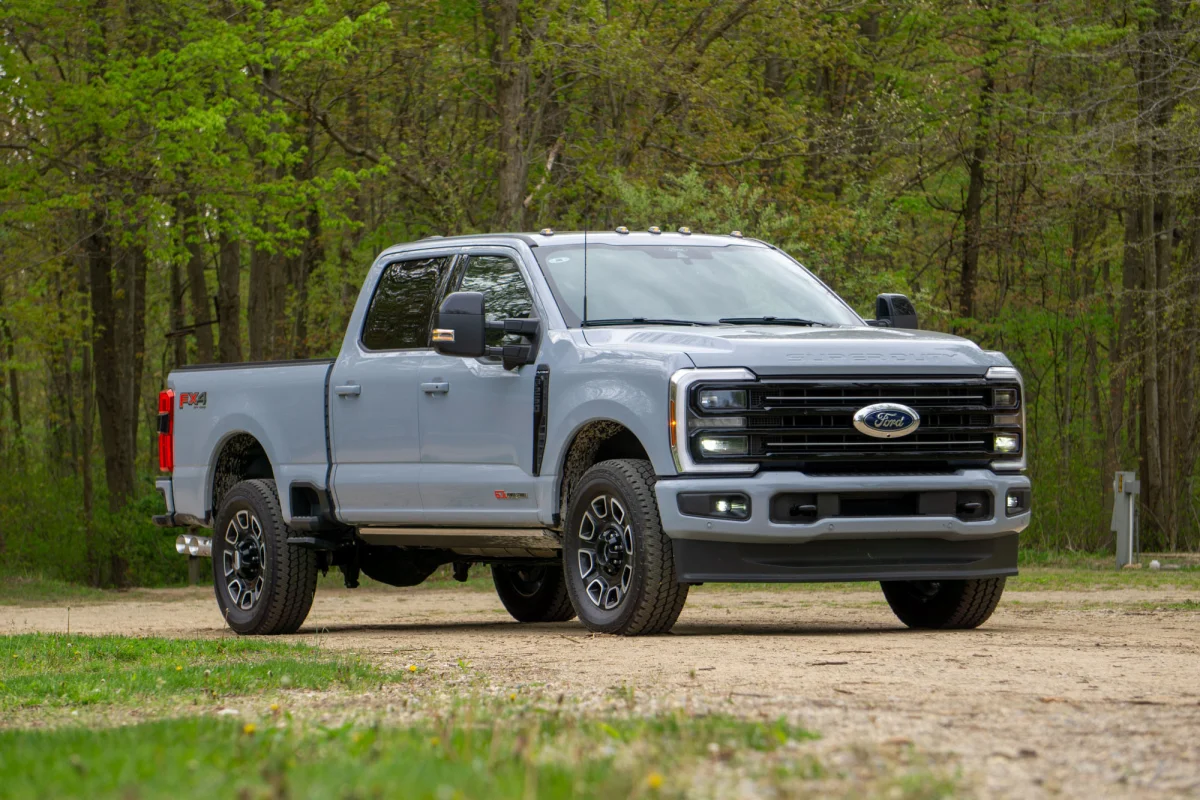
1. Ford F-250 Super Duty – Heavy-Duty Resilience
The Ford F-250 Super Duty has built a reputation for toughness and reliability, thanks to a robust ladder-frame chassis, reinforced axles, and heavy-duty suspension. Designed to endure construction sites and long-haul towing, it thrives in the most demanding conditions.
The standout 6.7L Power Stroke diesel engine delivers immense torque while advanced cooling systems prevent overheating under sustained load. Maintenance is straightforward due to Ford’s extensive service network and easy access to parts.
Inside, ergonomic controls, comfortable seating, and safety features like trailer sway control enhance both safety and driver endurance. Its consistent performance has made the F-250 a top pick for commercial fleets.
2. Chevrolet Silverado 2500HD – Consistent and Capable
Built on a fully boxed frame and equipped with heavy-duty suspension, the Chevrolet Silverado 2500HD is a powerhouse for payload and towing. Its 6.6L Duramax turbo diesel engine produces excellent torque, maintaining performance during long, demanding hauls.
Reinforced internal components and advanced cooling keep it running reliably, while a spacious, ergonomic cabin minimizes driver fatigue. Features like trailer sway control and onboard diagnostics further protect against breakdowns.
With Chevrolet’s widespread service network ensuring parts and repairs are accessible, the Silverado 2500HD minimizes downtime. Its combination of strength, comfort, and maintenance accessibility has earned it a strong reputation as a dependable work partner.
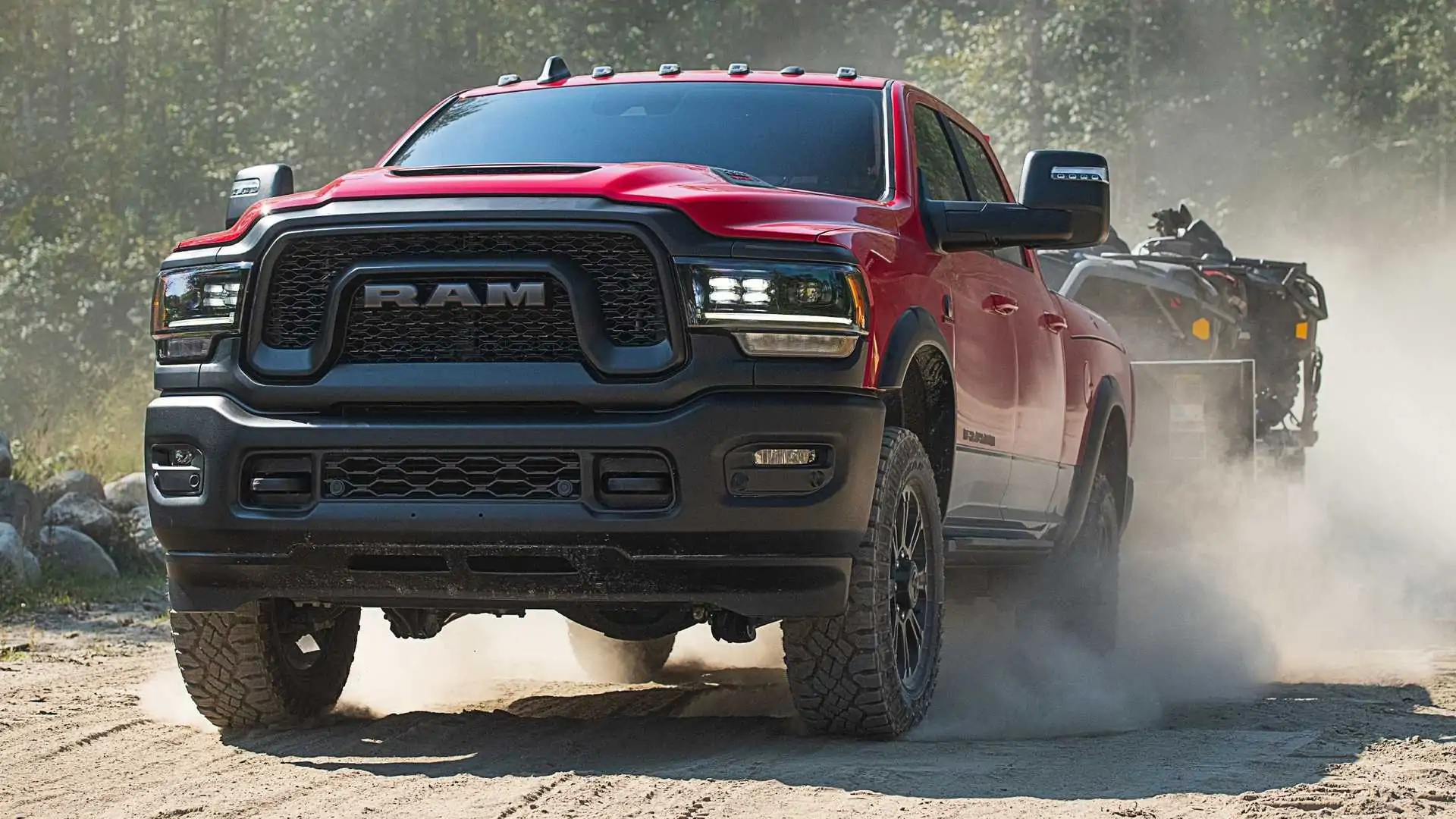
3. Ram 2500 Heavy Duty – Built for Tough Work
The Ram 2500 Heavy Duty blends rugged construction with proven power. A reinforced steel frame and durable suspension handle harsh jobsite conditions, while the available Cummins turbo diesel engine delivers high torque and long-term reliability.
Its reinforced components resist wear during heavy towing and hauling, and maintenance is simplified thanks to accessible engine design and strong market parts availability. The cabin features durable materials alongside driver comfort amenities, supporting long shifts without excessive fatigue.
Owners frequently report years of service without major mechanical issues. The Ram 2500’s mix of toughness, serviceability, and comfort has secured its position as a reliable workhorse.
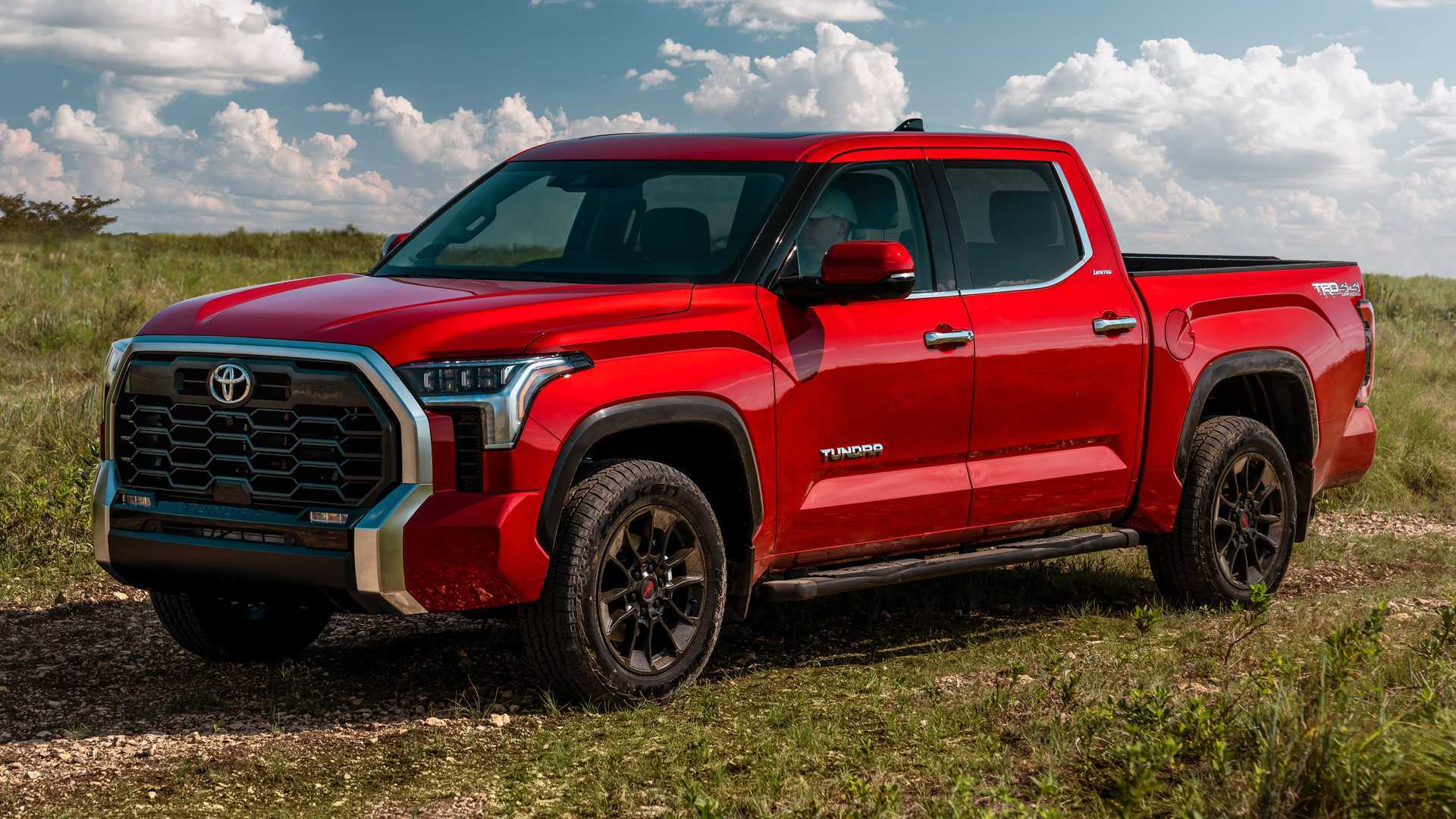
4. Toyota Tundra – Long-Lasting Performance
The Toyota Tundra, while less common in heavy-duty fleets, offers exceptional reliability for medium-duty work. Its full-frame design and refined 5.7L V8 prioritize proven, durable engineering over complex, failure-prone systems.
Many owners surpass 200,000 miles without major repairs, aided by Toyota’s high-quality components and easy maintenance access. Effective cooling systems guard against overheating during intense use, and the comfortable, ergonomic cabin helps reduce driver fatigue.
With Toyota’s extensive dealer network ensuring quick service, downtime is kept minimal. For operators needing steady, long-term performance without the extreme towing capacity of larger trucks, the Tundra provides a trustworthy balance of strength and dependability.
5. Nissan Titan XD – The Middleweight Contender
The Nissan Titan XD bridges the gap between light-duty and heavy-duty trucks, offering strong hauling capability without the size of full heavy-duty models. Its reinforced frame, heavy-duty suspension, and Cummins turbo diesel option provide reliable torque and performance under load.
Advanced cooling systems prevent overheating, and available gasoline V8 options suit varied workloads. Safety systems such as trailer sway control and hill start assist reduce accident risks, while straightforward maintenance and good parts access support uptime.
Owners appreciate its solid construction and smoother ride. The Titan XD is ideal for users seeking heavy-duty power in a more manageable, dependable package.
5 That Can’t Handle the Load
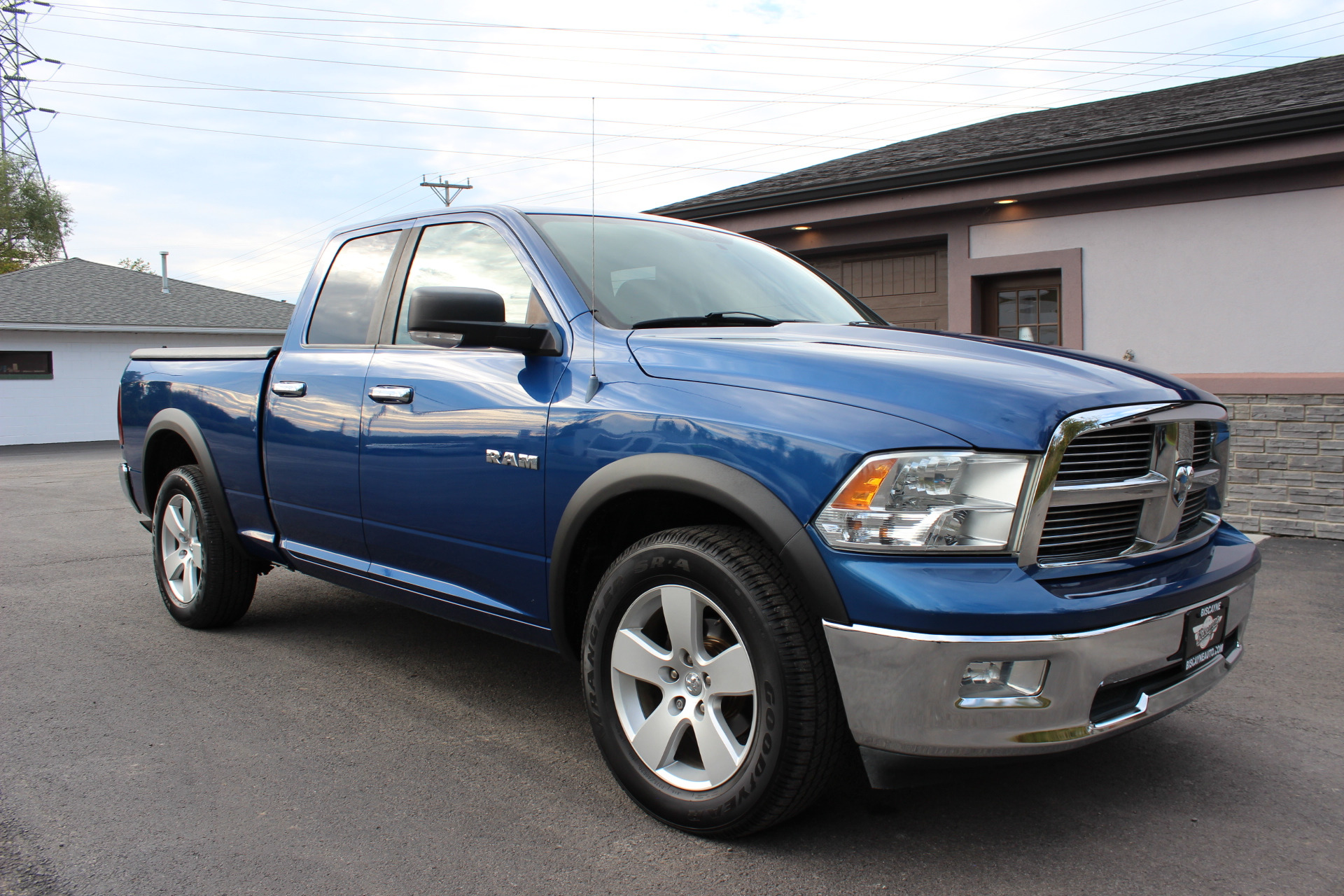
1. Dodge Ram 1500 (Pre-2010) – Frequent Failures
Pre-2010 Dodge Ram 1500 models have a history of breakdowns, especially in work applications. Their 4-speed automatic transmissions often fail suddenly, leaving trucks immobile and requiring costly towing.
Engine options like the 3.7L V6 and 4.7L V8 are prone to overheating, head gasket damage, and coolant leaks. Electrical problems further reduce dependability, causing erratic starts and stalling. Cooling systems struggle with sustained workloads, worsening mechanical wear.
While later Ram 1500s have improved significantly, these older models remain notorious for downtime and high repair costs. For professional use, they often fail to provide the consistent, reliable service required on demanding job sites.
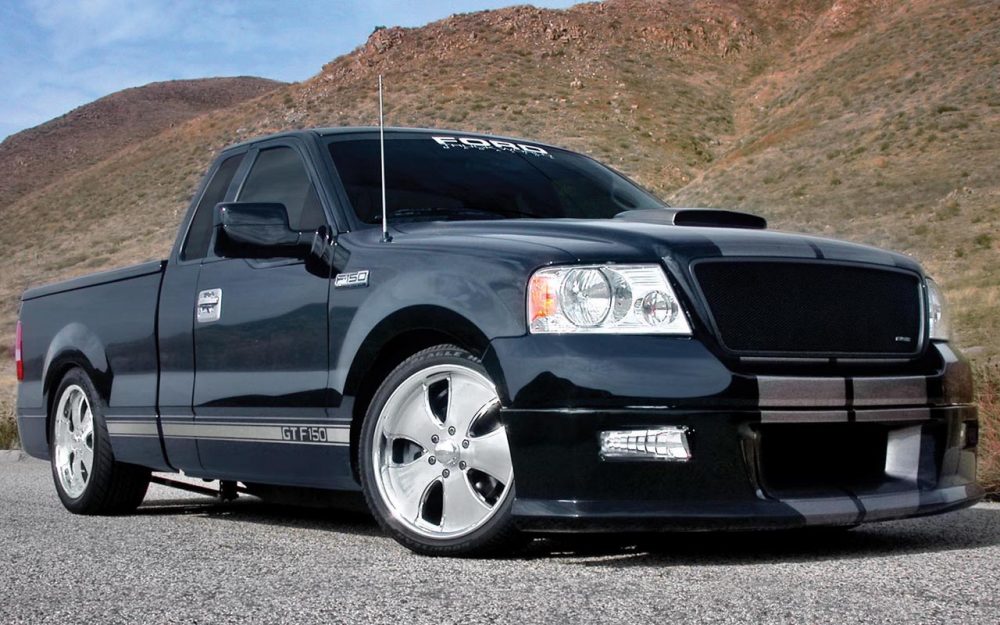
2. Ford F-150 (2004–2008) – Unreliable Despite Popularity
Although the Ford F-150 is a sales leader, the 2004–2008 models suffer from serious reliability issues. Transmission problems are common, including slipping gears, rough shifting, and sudden failure, often necessitating towing.
The 4.6L V8 engine struggles with spark plug failures, coil pack issues, and misfires, causing stalling and loss of power. Overheating and coolant leaks are also prevalent. Electrical glitches, such as faulty sensors, add further frustration by causing false warnings or start failures.
These recurring problems make the mid-2000s F-150 a poor choice for heavy workloads, as downtime and repair costs quickly erode its usefulness as a dependable work truck.
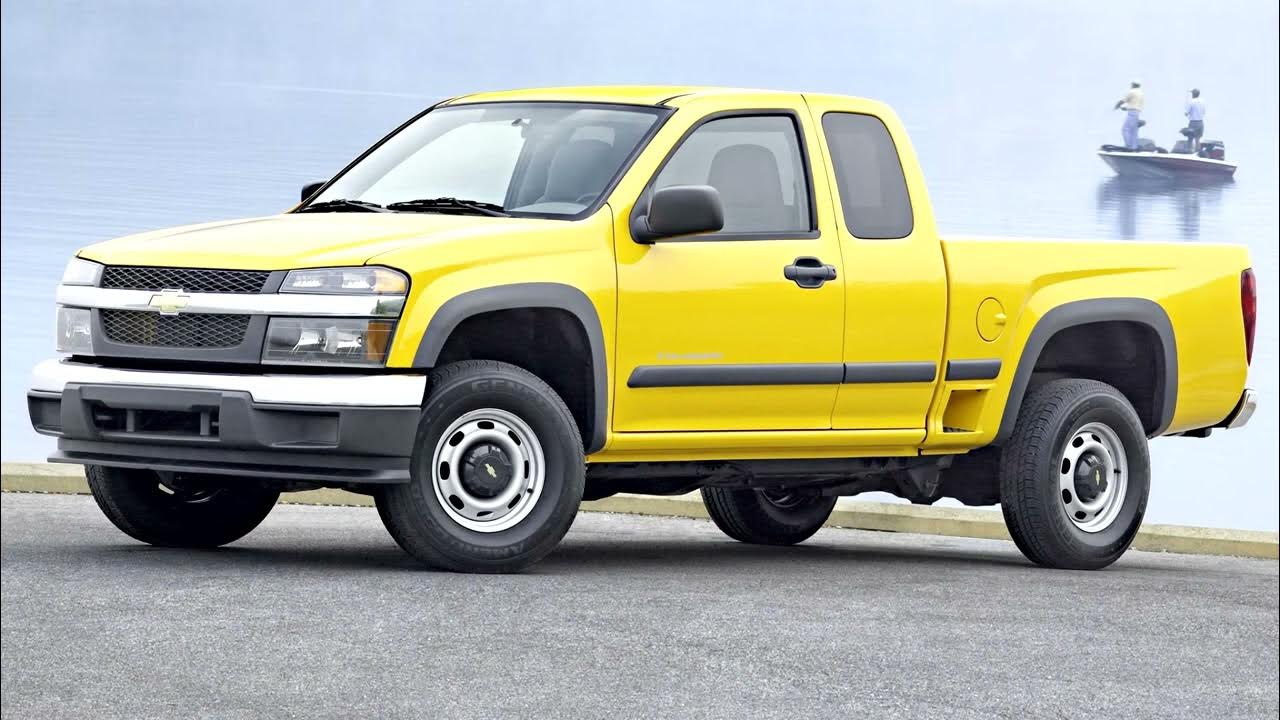
3. Chevrolet Colorado (First Generation) – Prone to Breakdowns
The first-generation Chevrolet Colorado (2004–2012) often falls short in demanding work conditions. Its 3.5L and 3.7L engines are prone to timing chain failures, excessive oil consumption, and valve train damage, leading to sudden breakdowns.
Automatic transmissions frequently fail or shift harshly due to inadequate cooling. Suspension parts wear prematurely, compromising handling and safety. These weaknesses result in high maintenance costs and unexpected towing.
While later models improved, early Colorados lack the durability needed for heavy or sustained work use. Owners frequently report that under jobsite demands, the first-gen Colorado requires more repairs than comparable trucks, making it a less viable option.
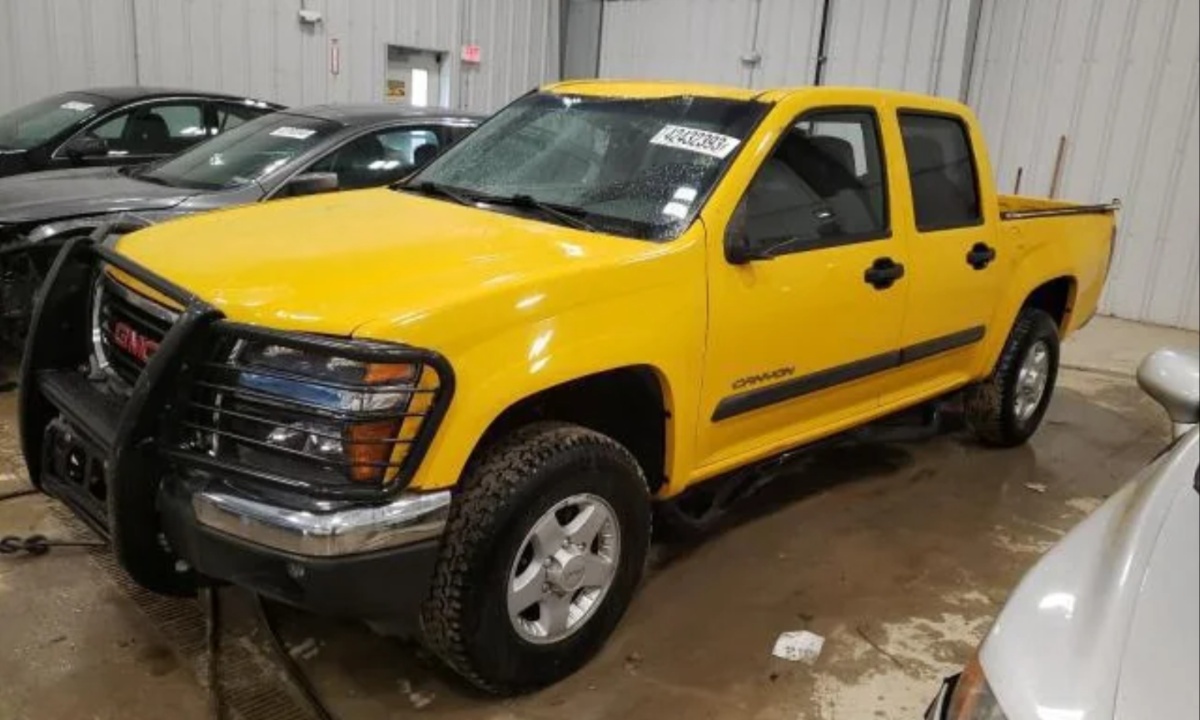
4. GMC Canyon (First Generation) – Same Weaknesses as Colorado
Sharing its platform with the early Chevrolet Colorado, the first-generation GMC Canyon (2004–2012) inherits the same reliability issues. Engine problems like timing chain failures, oil consumption, and overheating reduce lifespan, while automatic transmissions often fail without warning.
Suspension components wear out prematurely, leading to unsafe handling and frequent repairs. These issues make the Canyon a poor choice for work applications requiring consistent performance and minimal downtime.
Breakdowns tend to occur suddenly, resulting in towing expenses and lost productivity. Although newer models improved significantly, early Canyons remain associated with high maintenance demands and lower-than-expected durability for commercial or heavy-duty use.
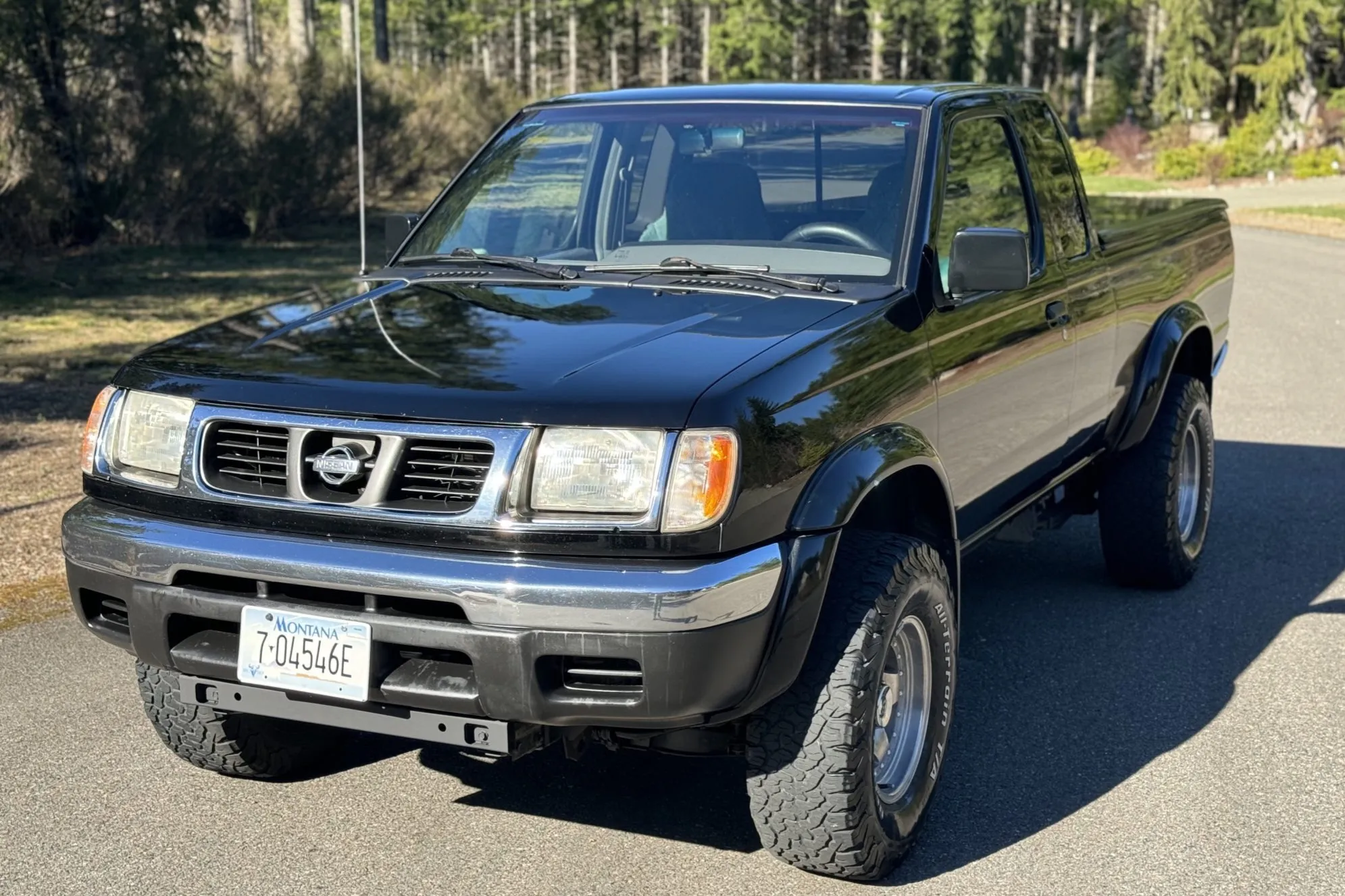
5. Nissan Frontier (Early 2000s) – Reliability Risks
Early-2000s Nissan Frontiers have struggled with mechanical reliability, making them risky for work truck roles. Timing chain tensioner failures, oil leaks, and overheating are common, reducing engine performance and increasing breakdown risk.
Transmission issues, including slipping gears and sudden failure, often require complete replacement. Suspension wear further impacts safety and ride quality. These problems frequently arise without warning, forcing owners to rely on towing and expensive repairs.
While newer Frontiers have resolved many of these concerns, older models remain a gamble for anyone needing a work-ready truck capable of sustaining heavy or medium-duty demands without frequent mechanical setbacks.
The right work truck can mean the difference between consistent productivity and constant downtime. Trucks like the Ford F-250, Chevrolet Silverado 2500HD, Ram 2500, Toyota Tundra, and Nissan Titan XD have demonstrated they can withstand jobsite challenges with minimal failures.
Conversely, early Dodge Ram 1500s, mid-2000s Ford F-150s, first-generation Chevrolet Colorados and GMC Canyons, and early Nissan Frontiers often fall short, suffering from costly and frequent breakdowns.
For professionals who depend on their trucks daily, investing in a proven, durable model is essential to avoid lost time, repair bills, and frustration, ensuring the vehicle remains an asset rather than a liability on the job.
Also Read: 10 Cars With Rear Parking Sensors That Are Actually Useful