
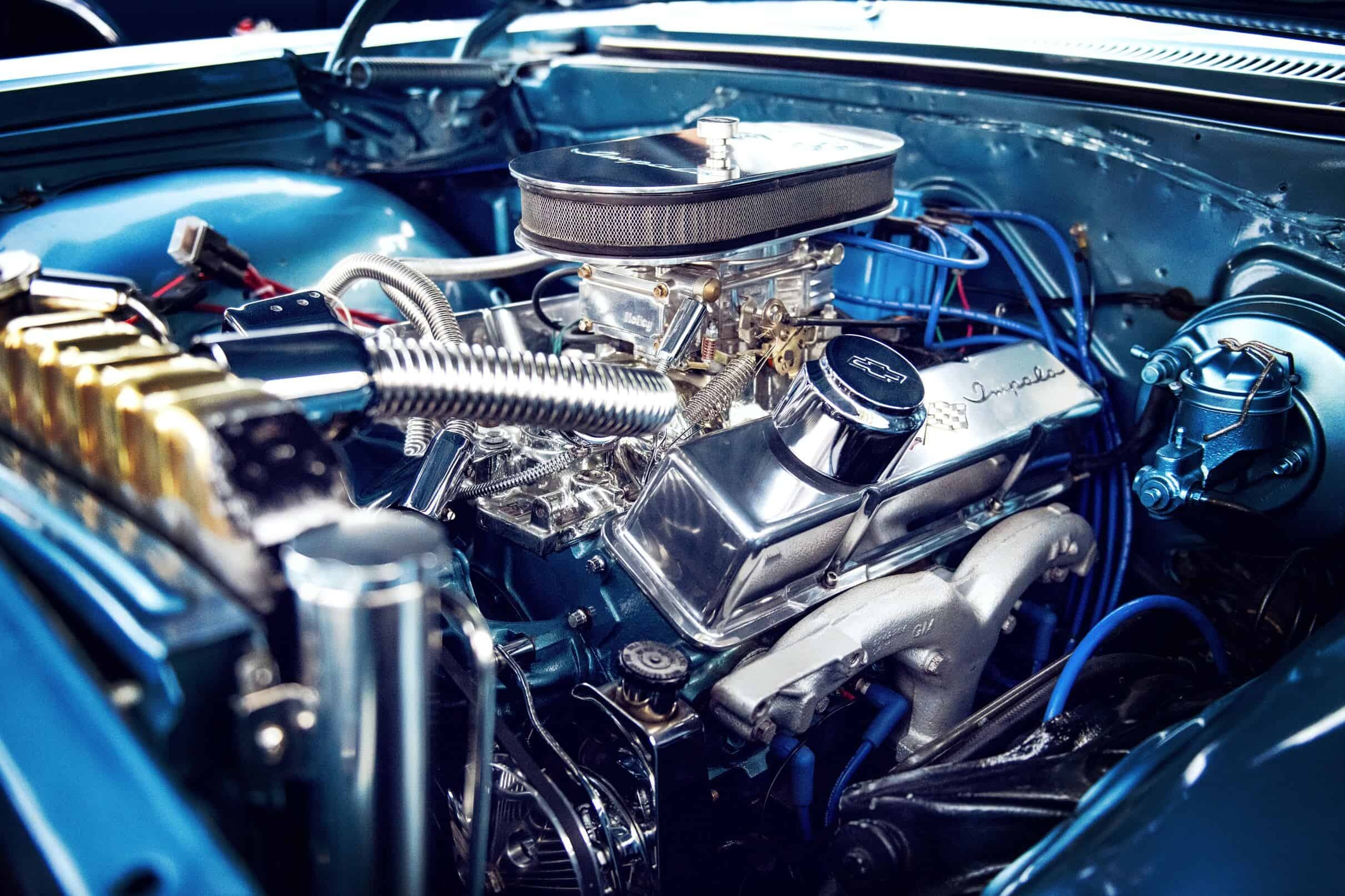
When car buyers think of performance, the first images that often come to mind are high-end sports cars with price tags that can stretch into the hundreds of thousands of dollars. Yet, the reality is that there are engines out there that provide impressive power without breaking the bank.
Manufacturers sometimes fit their more budget-friendly models with engines that deliver surprising speed and acceleration. These engines often belong to cars that do not advertise themselves as performance machines but still hold the ability to excite drivers when pushed to their limits.
It is also important to remember that not every engine in a lower-priced vehicle is built for thrilling performance. Some affordable cars carry engines that feel underwhelming, leaving drivers wishing for more responsiveness, quicker acceleration, or a stronger push when merging onto the highway.
Automakers may have valid reasons for such choices, whether it is to keep fuel economy high, to reduce manufacturing costs, or to make the vehicle appeal to those who prioritise smoothness over speed. By looking at both sides, one can see that affordability does not always mean sacrifice, and expensive cars are not the only ones capable of delivering strong factory performance.
Some engines provide much more power than expected at their price range, making them attractive to buyers who want value and excitement together. Others might make the purchase price attractive but fail to impress in real-world driving, particularly for those who want more than just basic transportation.
We are going to look at five affordable engines that bring commendable factory power, along with five that tend to feel weak. The aim is to highlight where you can find satisfying performance without emptying your wallet, and also to show where expectations might fall short despite an appealing sticker price.
5 Affordable Engines With Strong Factory Power
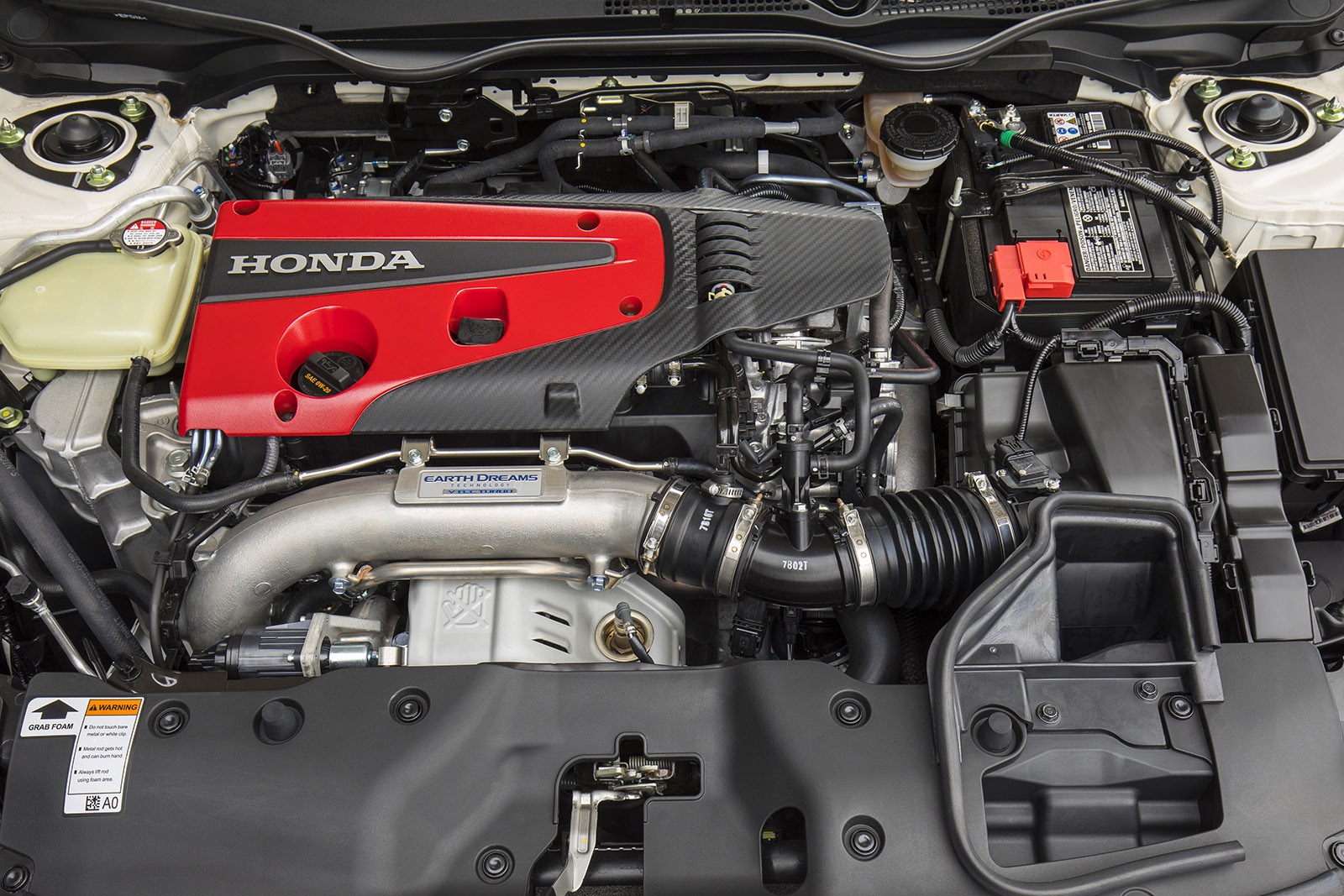
1. Honda Civic Type R 2.0-Litre Turbocharged Inline-Four
The Honda Civic Type R has earned its place as one of the most respected performance hatchbacks available for a relatively reasonable price compared to sports car standards. Its 2.0-litre turbocharged inline-four engine delivers around 315 horsepower in its recent generation, offering power that can genuinely rival more expensive performance sedans.
Honda engineers have tuned the engine to deliver a broad torque curve, meaning acceleration feels strong whether you are pulling away from a stoplight or overtaking on the motorway. Turbocharging gives the Type R the advantage of combining everyday usability with serious performance. When driven gently, it can behave like a regular Civic, offering decent fuel economy and comfort.
Yet, when the throttle is pressed harder, the engine transforms into a responsive powerhouse. The six-speed manual transmission that pairs with the engine enhances the experience, giving enthusiasts full control over the power delivery.
One of the reasons the Civic Type R’s engine stands out is how balanced it feels between performance and daily driving practicality. While it is not the cheapest Civic available, it still costs far less than many European hot hatches with similar performance figures. Its engine technology, including direct fuel injection and variable valve timing, helps deliver both efficiency and strength.
Drivers often praise the engine for its quick response and minimal turbo lag. Even though the turbocharged layout could lead to delayed acceleration in some cars, Honda’s engineering keeps that delay almost unnoticeable.
This makes the Civic Type R a versatile choice for those who want an affordable yet truly potent engine straight from the factory, ready to deliver excitement without major modifications.
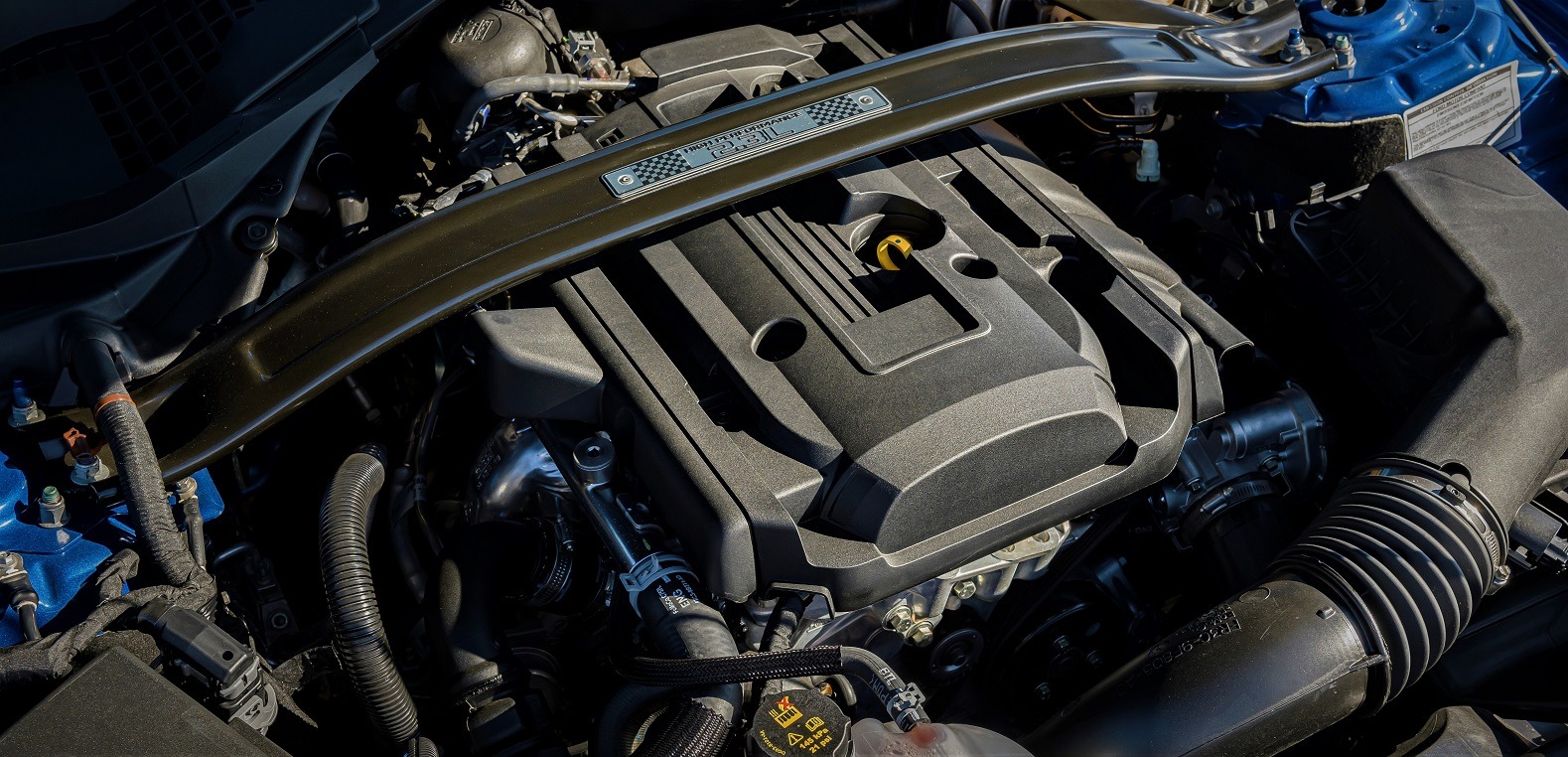
2. Ford Mustang EcoBoost 2.3-Litre Turbocharged Inline-Four
The Ford Mustang is widely recognised for its V8 heritage, but the more affordable EcoBoost variant proves that strong performance is not limited to the top trim. The 2.3-litre turbocharged inline-four in the Mustang EcoBoost produces about 310 horsepower and an impressive 350 lb-ft of torque in recent versions.
This allows it to achieve brisk acceleration and highway passing power that surprises drivers who expect less from a four-cylinder. By using turbocharging, Ford has been able to make the EcoBoost both powerful and relatively fuel-efficient.
For drivers who want the look and feel of a Mustang without the higher fuel costs and initial price tag of the V8 model, this engine offers a well-balanced compromise. In day-to-day driving, it remains smooth and predictable, yet it still can produce sports-car-like acceleration when asked.
The torque delivery is another highlight. It arrives early in the rev range, which makes the Mustang EcoBoost feel lively in city traffic and energetic on open roads. Paired with either a ten-speed automatic or a six-speed manual transmission, it offers a level of driver engagement that keeps it from feeling like a lesser version of the Mustang.
This engine also benefits from Ford’s efforts to make the EcoBoost appealing to a younger audience looking for an affordable entry into performance cars. It keeps insurance costs lower compared to the V8 while still providing enough punch to satisfy most enthusiasts.
For those who want the Mustang experience without overspending, this turbocharged four-cylinder proves that factory power can come in smaller packages without losing the excitement.
Also Read: 5 Affordable Engines That Still Sound Good and 5 That Always Knock

3. Hyundai Veloster N 2.0-Litre Turbocharged Inline-Four
Hyundai’s Veloster N was designed with driving enjoyment in mind, and its 2.0-litre turbocharged inline-four engine is the heart of that mission. Producing around 275 horsepower, this engine delivers sharp acceleration and a lively character that surprises many who still associate Hyundai with purely economy-focused cars. The Veloster N’s affordability makes its performance output even more impressive.
The turbocharged setup ensures a strong midrange pull, making highway merges and overtaking maneuvers quick and effortless. The available six-speed manual transmission adds to the fun, though Hyundai also offers an eight-speed dual-clutch automatic for those who prefer quick, automated changes. Either way, the engine responds eagerly, making the car feel much more expensive than it is.
Hyundai has tuned this engine for more than just numbers on paper. The sound, especially in the N mode, adds a sporty and engaging character. Pops and crackles from the exhaust give it personality, while the turbo whistle reminds you that this is no ordinary budget hatchback.
Reliability is another strong point, as the engine has proven durable under spirited driving. It handles daily use without strain, while still offering weekend thrills. The combination of affordability, practicality, and strong factory performance makes the Veloster N’s engine one of the most appealing in its segment.

4. Volkswagen Golf GTI 2.0-Litre Turbocharged Inline-Four
The Volkswagen Golf GTI has long been a benchmark for hot hatchbacks, offering a blend of practicality and performance that appeals to a wide audience. Its 2.0-litre turbocharged inline-four engine is a central reason for its reputation.
In recent models, it produces around 241 horsepower, which might seem modest compared to some rivals, but its real-world performance feels much stronger thanks to its well-tuned power delivery and responsive throttle.
One of the GTI’s strengths is how usable the power is in everyday situations. The turbocharged engine delivers torque early in the rev range, allowing smooth yet quick acceleration from low speeds.
Whether in city traffic or cruising on the highway, the GTI’s engine feels ready to respond without hesitation. This accessibility makes it a joy for both spirited weekend drives and regular commuting.
The engine is paired with either a six-speed manual or a seven-speed dual-clutch automatic, both of which complement the GTI’s performance-oriented nature. The manual offers a more traditional driving experience, while the automatic delivers rapid gear changes that keep the engine in its power band.
Another advantage of this engine is its balance between performance and efficiency. While delivering solid acceleration and engaging dynamics, it remains fuel-conscious enough to keep running costs reasonable. For many buyers, this combination is exactly what makes the GTI such a strong value proposition.
Volkswagen has also worked to ensure that the GTI’s engine remains refined under various driving conditions. It offers a mature driving experience without sacrificing fun, making it appealing to drivers who want a versatile yet affordable performance car.
For its price point, the Golf GTI’s turbocharged engine delivers a satisfying level of power straight from the factory, maintaining its position as a go-to choice for enthusiasts on a budget.
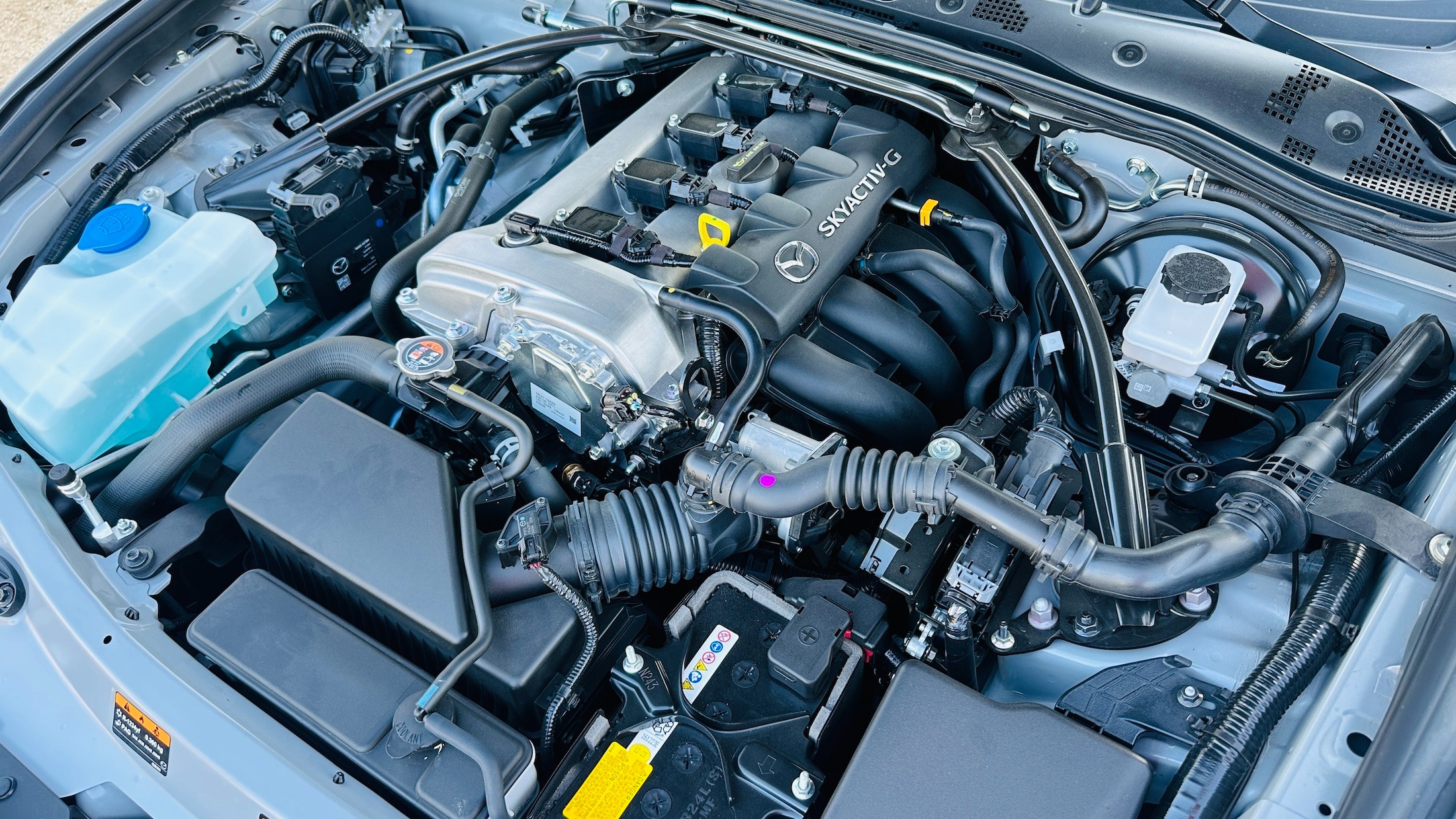
5. Mazda MX-5 Miata 2.0-Litre Naturally Aspirated Inline-Four
While many affordable performance engines rely on turbocharging, the Mazda MX-5 Miata proves that naturally aspirated power can still be highly rewarding. Its 2.0-litre inline-four produces about 181 horsepower, which on paper may seem modest compared to turbocharged rivals. However, the Miata’s lightweight design means that this engine delivers a thrilling driving experience without needing massive output figures.
One of the defining traits of the Miata’s engine is its immediate response. Without a turbo to spool, the power delivery feels direct, allowing precise control over acceleration. This makes the Miata engaging to drive in a way that is different from many modern performance cars. It thrives on being revved, rewarding drivers who keep it near the top of its range with a smooth, enthusiastic pull.
Mazda has engineered this engine to be durable and consistent, making it reliable for both daily driving and spirited weekend runs. The pairing with a slick six-speed manual transmission further enhances its character, though an automatic option is available for those who prefer it.
Fuel efficiency is another benefit of the Miata’s relatively small engine. While still providing enough power for fun on winding roads, it remains easy to live with in terms of running costs. This balance between excitement and practicality is what has kept the Miata relevant for decades.
The appeal of the MX-5 Miata’s engine lies not just in its numbers but in how it works with the car’s general design. Lightweight construction and balanced handling mean that every bit of its horsepower is used effectively.
For those who value connection with the car over sheer speed, this naturally aspirated engine offers a pure driving experience that remains affordable and accessible straight from the factory.
5 Affordable Engines That Feel Weak
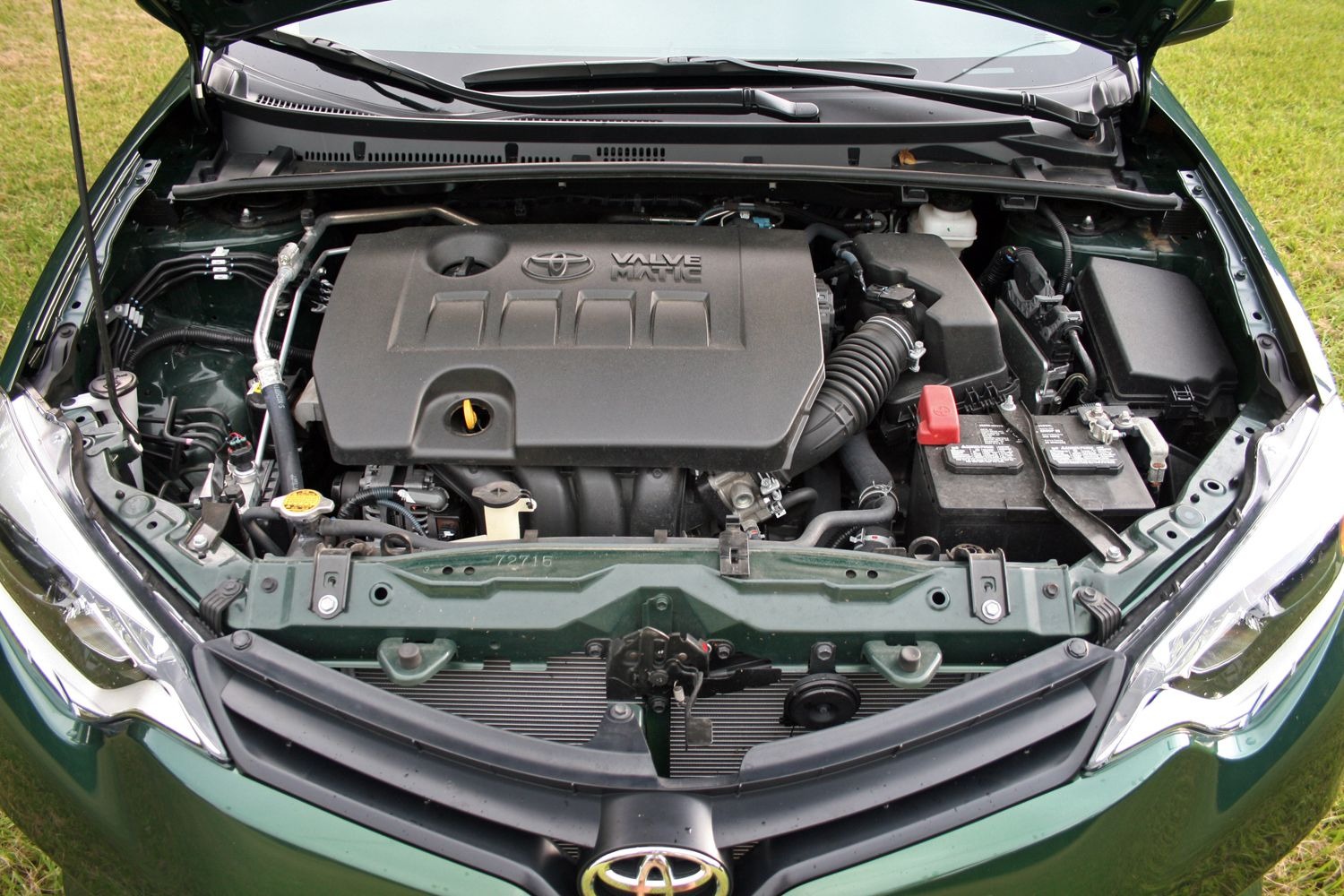
1. Toyota Corolla 1.8-Litre Inline-Four
The Toyota Corolla is one of the best-selling cars worldwide, known for its dependability and efficiency. However, its 1.8-litre inline-four engine in base trims often leaves driving enthusiasts wanting more. Producing around 139 horsepower, this engine prioritises fuel economy and smooth operation over performance, which can result in a lack of excitement behind the wheel.
Acceleration with the Corolla’s 1.8-litre engine is adequate for city driving but can feel sluggish when merging onto highways or overtaking at higher speeds. The continuously variable transmission (CVT) it is paired with does little to enhance the sensation of speed, often keeping the engine at a constant hum without delivering a strong surge of power.
For daily commuting, the engine’s predictability and efficiency are undeniable strengths. It sips fuel conservatively, and Toyota’s reputation for reliability means it can run for many years with minimal issues. However, for buyers seeking a balance of affordability and spirited performance, this engine might not satisfy.
In comparison to some rivals that offer turbocharged options in their affordable sedans, the Corolla’s 1.8-litre unit feels dated in its power delivery. It handles everyday needs well, but its lack of punch can become apparent in situations where quick acceleration is necessary.
While the Corolla remains an excellent choice for buyers who prioritise reliability and comfort, those who want their affordable car to also deliver factory performance may need to look elsewhere in Toyota’s lineup, such as the sportier Corolla GR. The 1.8-litre engine serves its purpose for efficiency-focused buyers but does not offer the excitement some drivers might expect.

2. Nissan Sentra 2.0-Litre Inline-Four
The current Nissan Sentra comes with a 2.0-litre inline-four producing about 149 horsepower, which is an improvement over the previous generation’s 1.8-litre engine but still feels underwhelming compared to some competitors. While the Sentra offers a comfortable ride and an upscale interior for its price, its performance leaves much to be desired.
Acceleration is modest, and the car can feel strained when pushed hard, especially with passengers or cargo on board. The CVT it is paired with prioritises smoothness over quick response, which can make the Sentra feel slower than its numbers suggest. In city driving, the engine manages fine, but highway passing often requires planning and patience.
Fuel efficiency is decent, and the engine operates quietly under light loads, which benefits comfort during commutes. However, buyers who want more energetic performance from their affordable sedan may be disappointed. Many competitors now offer turbocharged engines that deliver better acceleration while maintaining similar fuel economy.
The Sentra’s 2.0-litre engine is dependable and inexpensive to maintain, making it suitable for buyers focused purely on practicality. Still, for those who see driving as more than just getting from point A to point B, this powertrain lacks the excitement and urgency found in some rivals. It gets the job done, but it does not provide the engaging feel that some buyers look for in even an affordable vehicle.

3. Mitsubishi Mirage 1.2-Litre Three-Cylinder
The Mitsubishi Mirage is one of the most budget-friendly cars available today, but its low price comes with an engine that feels far from energetic. Powered by a 1.2-litre three-cylinder producing just about 78 horsepower, the Mirage offers transportation in its simplest form. While this setup helps achieve excellent fuel economy, it falls short in almost every measure of performance.
Acceleration is slow, and reaching highway speeds can be a test of patience. The Mirage’s small engine has to work hard to keep up with traffic, and overtaking requires careful timing and a lot of road ahead. The continuously variable transmission does its best to make use of the available power, but the result is still a driving experience that feels strained when pushed.
The light weight of the Mirage helps to a degree, allowing it to handle city speeds without much fuss. However, once outside urban environments, the lack of power becomes more noticeable. This can be a concern for drivers who regularly travel on highways or need to climb steep hills.
From a reliability and cost-of-ownership standpoint, the Mirage’s engine has its merits. It is simple, inexpensive to service, and known for being economical to run. That said, those merits come at the expense of driving enjoyment.
For buyers seeking an affordable car that also feels lively, the Mirage’s engine is unlikely to meet expectations. It is a case of prioritising affordability and efficiency over performance, which works for some but leaves others unsatisfied.
4. Chevrolet Spark 1.4-Litre Inline-Four
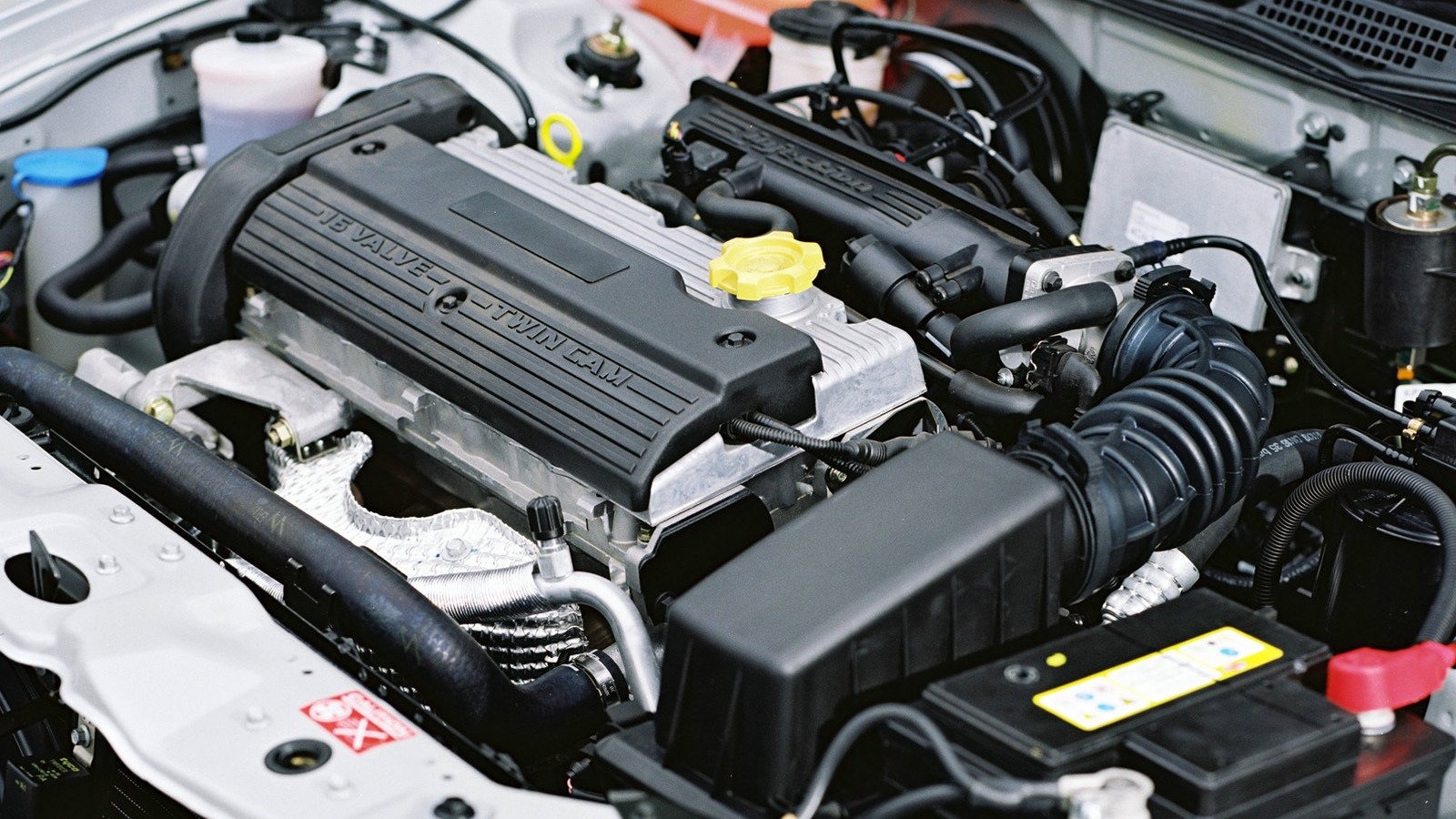
The Chevrolet Spark is designed to be an entry-level hatchback for budget-conscious buyers, and its 1.4-litre inline-four engine reflects that focus. Producing 98 horsepower, it offers just enough to handle daily commuting but lacks the punch that might make driving more engaging.
In city environments, the Spark’s engine is adequate, moving the small car around with relative ease at low speeds. The problem arises when quicker acceleration is needed, such as merging onto a highway or overtaking another vehicle. In those scenarios, the engine’s limitations become clear, requiring long stretches of road to complete maneuvers that more powerful cars can handle quickly.
The five-speed manual transmission option offers a bit more control and can help drivers make the most of the modest power output. However, the available continuously variable transmission tends to keep the engine droning at higher RPMs without providing much of a boost in speed.
Chevrolet has kept the Spark’s engine simple, which benefits maintenance costs and reliability. It is a dependable unit that can last many years if maintained properly, but it does not offer any excitement for those who enjoy spirited driving.
The Spark is best suited for buyers who value a low purchase price and efficiency over performance, making it a sensible choice for short commutes but a less appealing one for those who spend a lot of time on highways.
Also Read: 5 Engines with Reinforced Cylinder Walls vs 5 that Scuff Under High Miles
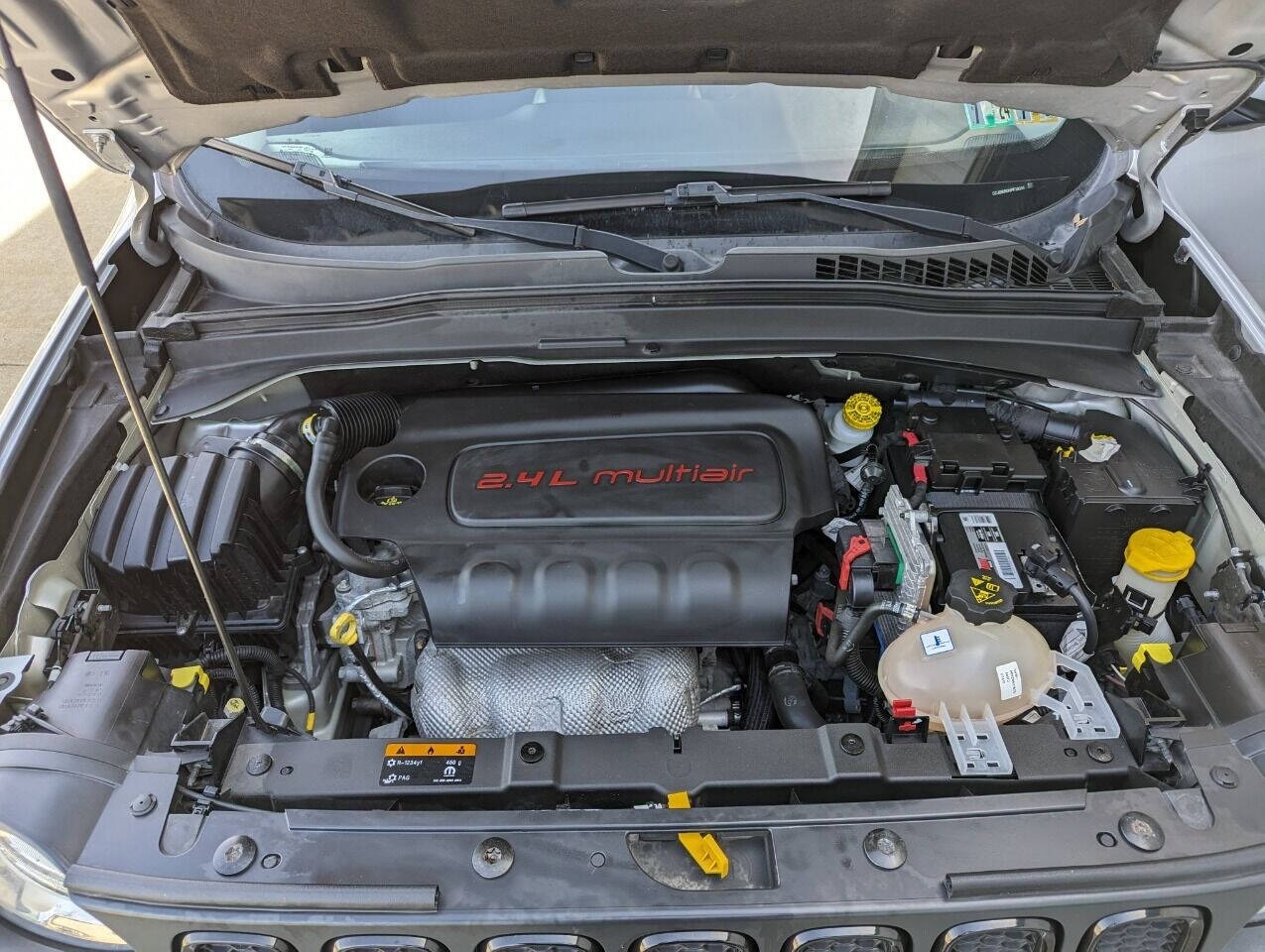
5. Jeep Renegade 2.4-Litre Tigershark Inline-Four
The Jeep Renegade’s 2.4-litre Tigershark inline-four engine has faced criticism for its lackluster performance, especially considering its size. Producing around 180 horsepower, it might seem respectable on paper, but in practice, it often feels sluggish due to the Renegade’s weight and the engine’s power delivery characteristics.
Acceleration is adequate for casual driving, but it lacks the responsiveness many expect from a vehicle in this class. When combined with the nine-speed automatic transmission, gear changes can feel hesitant, further reducing the sense of urgency. This becomes more noticeable when trying to accelerate onto highways or pass other vehicles at speed.
Fuel efficiency is also not as competitive as some smaller turbocharged engines found in rival compact SUVs, which can be disappointing for buyers who were hoping for both performance and economy. The Tigershark engine tends to sound strained under heavy throttle, which can detract from the driving experience.
On the positive side, the engine is durable and can handle light off-road use, aligning with Jeep’s brand image. For drivers who prioritise rugged styling and capability over speed, the Renegade can still be appealing.
However, for those who want a balance between affordability and energetic performance, this engine falls short. It works best for relaxed driving rather than spirited performance. Affordable cars can deliver strong performance when manufacturers decide to fit them with engines designed for more than just basic transportation.
Models like the Honda Civic Type R, Ford Mustang EcoBoost, and Hyundai Veloster N prove that you do not have to spend a fortune to get a powerful, enjoyable driving experience straight from the factory. They combine accessible pricing with engineering that gives drivers both speed and daily usability, which makes them an excellent value for money in the performance segment.
At the same time, some affordable cars prioritise efficiency, cost, and dependability at the expense of excitement. While engines like those in the Toyota Corolla or Mitsubishi Mirage serve their purpose well for certain buyers, they leave others wishing for more speed and responsiveness.
These cars are built to meet a different set of priorities, focusing on low running costs, reliability, and ease of ownership rather than high performance. When choosing an affordable vehicle, it is important to understand what you value most.
If you are looking for something that will make every drive more engaging, you should look toward the affordable models with engines tuned for strong output and responsive acceleration. However, if your main goal is a dependable car that will cost little to maintain and sip fuel gently, then even the less powerful engines can still meet your needs.
It also helps to test-drive different options. Paper specifications only tell part of the story, and sometimes an engine with fewer horsepower can feel more enjoyable because of the way it delivers its power.
Likewise, a car with an impressive horsepower figure might not feel as exciting if the weight, gearing, or transmission tuning is not in harmony with the engine. The balance between affordability and performance is not impossible to achieve, but it requires knowing which models offer the best mix.
By carefully comparing both the strong and weaker engines in the affordable segment, you can make a decision that gives you the driving experience you want without spending beyond your means. The right choice is the one that meets your balance of performance, comfort, and cost, ensuring you enjoy your car for years to come.
