
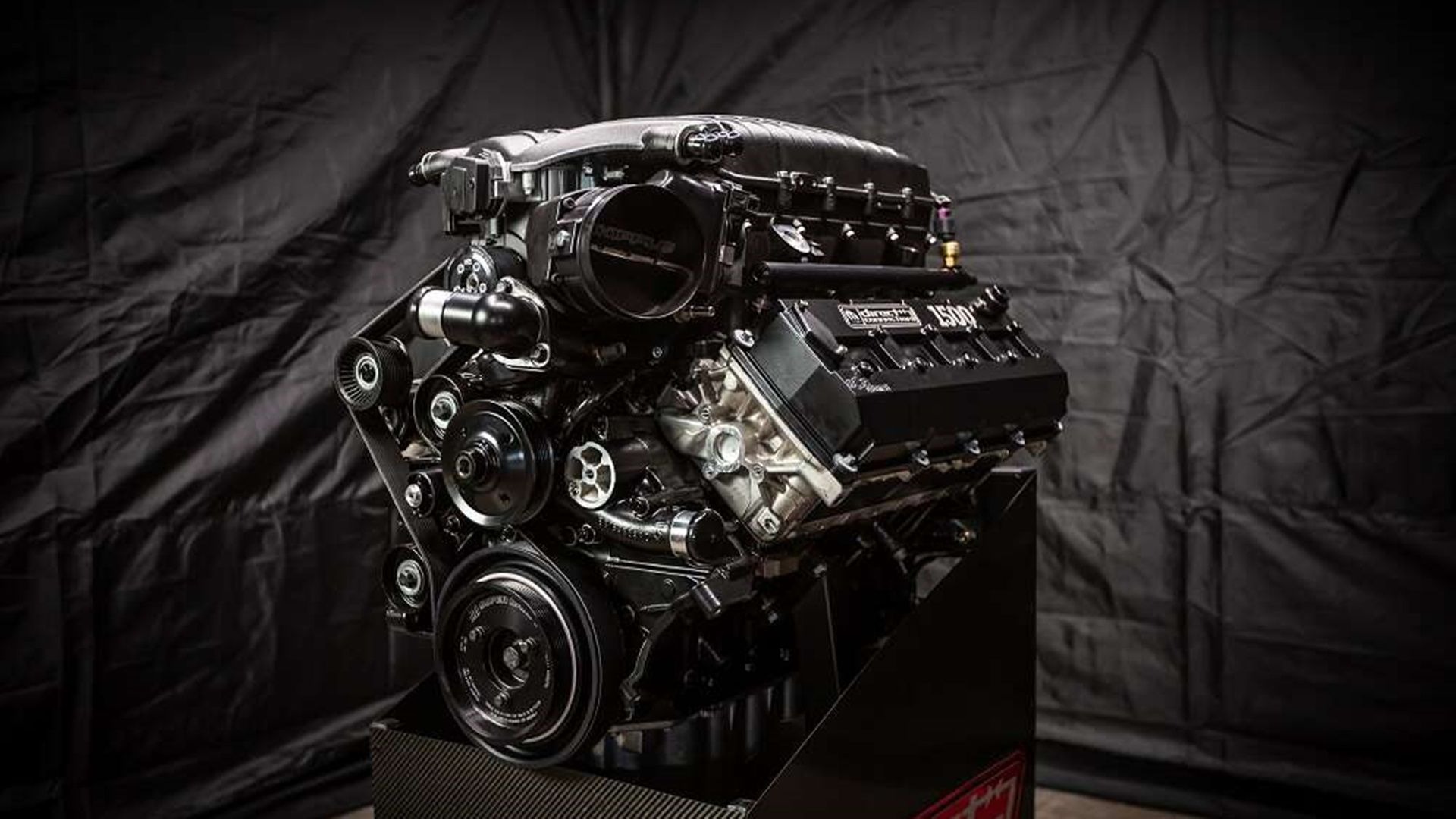
V6 engines have been a preferred choice for many automakers because they can deliver a balance of performance and efficiency. These engines often offer more power than a four-cylinder while still keeping weight and size lower than a V8.
Over the years, the V6 has been used in everything from affordable sedans to high-performance sports cars, pickup trucks, and luxury SUVs. However, while some of these engines are known for their refined operation and reliability, others have earned a reputation for vibration issues, rough idling, and mechanical troubles that make them unpleasant to own.
Smooth-running V6 engines often impress drivers with their seamless power delivery and quiet operation, even under heavy load. This level of refinement usually comes from careful engineering, high-quality balancing, and durable internal components. Vehicles equipped with these engines can remain comfortable for long drives and can serve reliably for hundreds of thousands of miles when properly maintained.
Some V6 engines have been plagued with design flaws or poor engineering choices that cause them to develop serious vibrations. These shaking issues can be felt in the steering wheel, seats, or even through the floor, making the driving experience uncomfortable.
In some cases, the vibration comes from improper engine balancing. In others, it may be related to weak engine mounts, misfiring, or problems with the crankshaft and bearings. Such engines can not only make driving unpleasant but can also cause long-term wear to the vehicle.
Here, we will look at five V6 engines that have a reputation for smoothness and long life, as well as five that are known for their harshness and vibration problems. Each one has a history that tells whether it should be celebrated or avoided.
5 V6 Engines That Stay Smooth
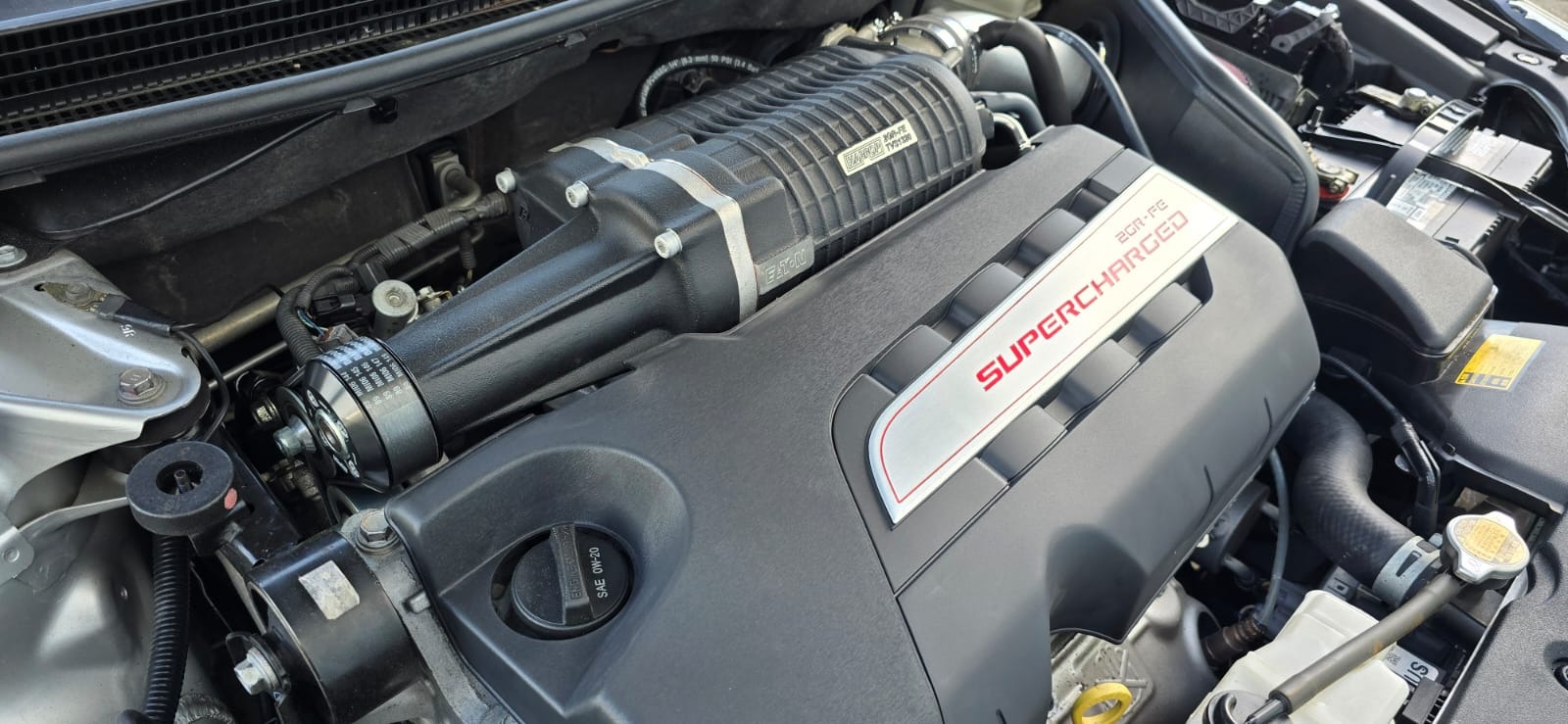
1. Toyota 2GR-FE
The Toyota 2GR-FE is a 3.5-litre V6 engine that has become one of the most respected in modern automotive engineering. Introduced in the mid-2000s, this engine has been used in a wide range of Toyota and Lexus models, including the Camry, Avalon, RAV4, Highlander, Sienna, and ES 350.
It stands out for its ability to deliver strong performance while maintaining a high level of refinement, even under demanding driving conditions. One reason for its smoothness is the dual VVT-i system, which adjusts the intake and exhaust valve timing for optimal performance at all engine speeds.
This technology not only improves fuel efficiency but also ensures that power delivery feels consistent and linear. The 2GR-FE also features an aluminum alloy block and heads, which reduce weight and help with heat dissipation, further enhancing performance and reliability.
Drivers often praise this engine for being exceptionally quiet during highway cruising and for producing minimal vibration during city driving. Even when accelerating hard, the 2GR-FE maintains a composed character that makes it pleasant for daily commuting and long-distance travel alike. It is also known for its durability, often reaching 250,000 miles or more with basic maintenance.
Another factor that contributes to its refinement is the precision balancing of its rotating assembly. Toyota engineers took special care to minimize any internal imbalance that could lead to vibration. Combined with high-quality engine mounts, this ensures that unwanted movement and noise are kept to a minimum.
While no engine is completely without faults, the 2GR-FE’s issues are relatively minor and typically easy to address. The most common complaint is the possibility of oil leaks from the valve cover gaskets after very high mileage, which is a simple repair. Considering its performance, refinement, and longevity, the Toyota 2GR-FE remains one of the finest examples of a smooth-running V6 available.
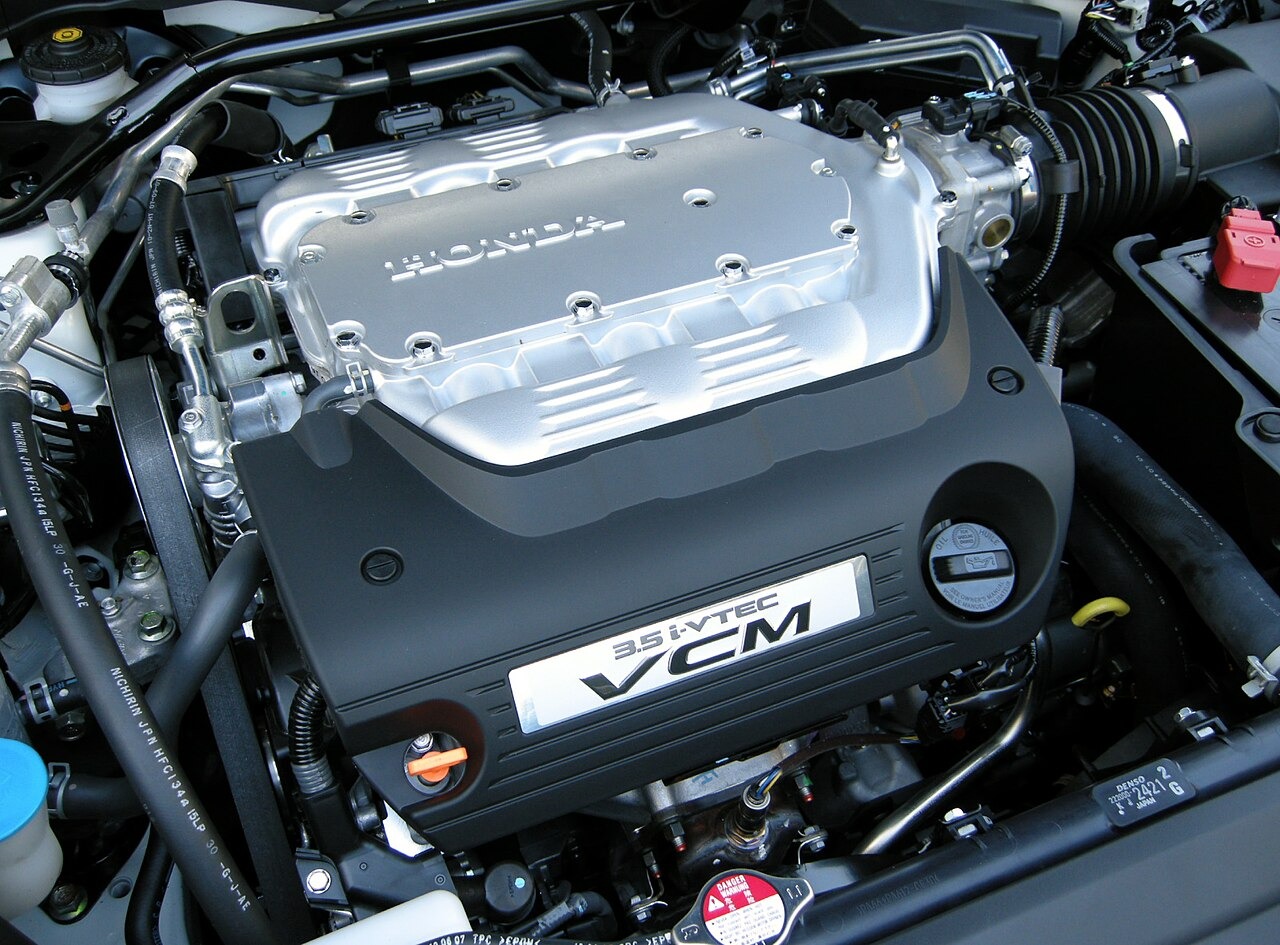
2. Honda J35
Honda’s J35 engine family has long been praised for its smooth operation and dependable performance. This 3.5-litre V6 has been found in vehicles such as the Honda Accord V6, Odyssey, Pilot, Ridgeline, and several Acura models, including the MDX and TL. Honda built this engine with a focus on quiet running, efficient power delivery, and long-term reliability.
A major factor behind its refinement is Honda’s Variable Cylinder Management system in some versions. This technology allows the engine to shut down three cylinders during light-load driving, reducing fuel consumption without affecting smoothness. The switch between three and six cylinders is barely noticeable, which is a testament to Honda’s engineering precision.
The J35 uses a 60-degree V6 layout, which is naturally balanced and less prone to vibration compared to some other engine designs. This balance means fewer harsh sensations are transmitted to the cabin, making the driving experience comfortable even during extended trips. The engine’s aluminum block and cylinder heads help keep weight down, improving handling while also contributing to its quiet running character.
Drivers often remark on how effortlessly the J35 delivers power. Whether merging onto a highway, overtaking, or climbing steep roads, the acceleration feels smooth and responsive. Even under hard acceleration, the engine maintains a composed tone that avoids the coarse growl some V6s produce.
Longevity is another strong point. Many J35 engines have been known to cross 300,000 miles when maintained properly. Issues are relatively minor, with some owners reporting timing belt replacements and occasional oil leaks at high mileage, both of which are expected for an engine of this age.
The combination of refined performance, strong reliability, and comfortable operation makes the Honda J35 a standout in the category of smooth V6 engines. It offers a blend of comfort and capability that many drivers appreciate, making it a trustworthy choice for those who want a V6 without sacrificing refinement.
Also Read: 5 Engines with Reinforced Cylinder Walls vs 5 that Scuff Under High Miles
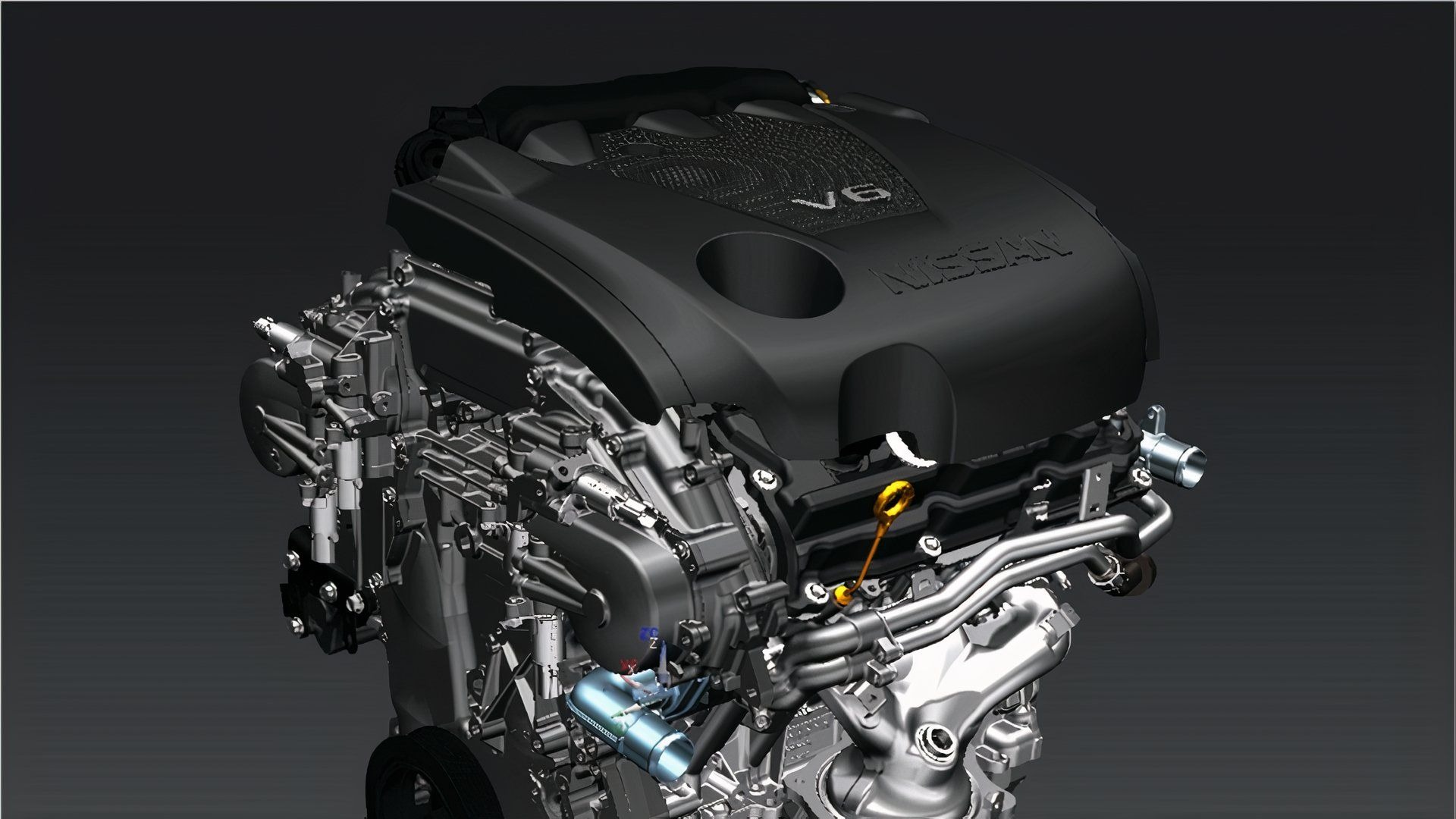
3. Nissan VQ35DE
Nissan’s VQ engine family has received praise for decades, and the VQ35DE stands out as one of the most refined members of this lineup. This 3.5-litre V6 has powered vehicles such as the Nissan Maxima, Altima 3.5, Murano, Pathfinder, and the Infiniti G35 and FX35. It has been celebrated for its strong performance, durability, and smooth character.
Part of its refinement comes from the VQ’s 60-degree V6 design, which is inherently balanced. This reduces the need for additional balancing shafts, allowing for a simpler and more reliable internal setup. The forged crankshaft, high-quality pistons, and careful machining of internal components also contribute to its vibration-free operation.
One of the most appealing qualities of the VQ35DE is its ability to rev freely while maintaining a silky smooth feel. Whether cruising at low RPM or climbing toward its redline, the engine delivers consistent and linear power without harshness. Many drivers enjoy how it responds quickly to throttle input without hesitation, making it ideal for both city driving and spirited runs on open roads.
In addition to its mechanical balance, Nissan equipped the VQ35DE with well-tuned engine mounts that absorb much of the vibration before it reaches the cabin. This results in a quiet and comfortable experience for passengers, even at higher speeds. The exhaust note is also pleasing, offering a refined growl without being intrusive.
Durability is another strong point. With proper maintenance, it is common for the VQ35DE to last beyond 250,000 miles without major repairs. Some early models experienced issues with oil consumption, but these were typically linked to neglected maintenance or worn piston rings after high mileage.
The VQ35DE has earned its place as one of the smoothest V6 engines thanks to its balance, strong performance, and lasting reliability. For those seeking a blend of refinement and excitement, it remains a strong contender.
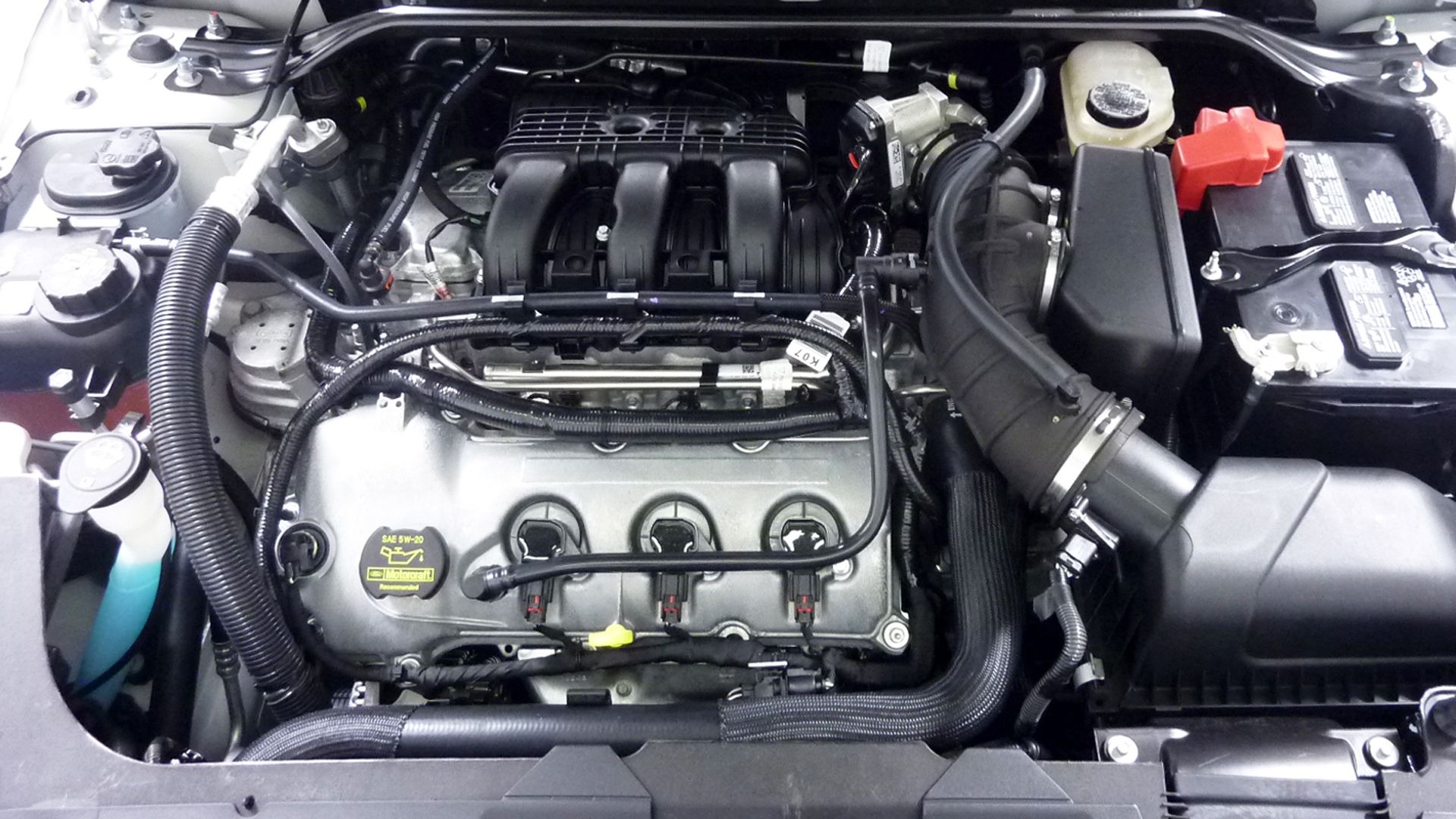
4. Ford Duratec 37
The Ford Duratec 37 is a 3.7-litre V6 engine that has powered a range of vehicles, including the Ford Edge, Lincoln MKX, Mazda CX-9, and Ford Mustang V6. It has been appreciated for its ability to combine strong performance with a smooth and comfortable driving feel.
This engine uses an aluminum block and heads, which help reduce weight while maintaining strength. The design includes dual overhead camshafts and variable valve timing, allowing for improved efficiency and smoother power delivery across the rev range. Ford engineers worked on balancing the rotating assembly carefully, resulting in reduced vibration and noise.
One reason the Duratec 37 feels so refined is its wide torque curve. It delivers usable power at low speeds for city driving but also pulls strongly at higher RPMs for highway merging and passing. Drivers often report that acceleration feels effortless and free of harshness, even under full throttle.
The engine’s 60-degree V6 configuration naturally minimizes vibration. Combined with hydraulic engine mounts, this setup ensures that very little of the engine’s movement is transmitted into the cabin. As a result, passengers enjoy a comfortable ride whether cruising or accelerating.
Maintenance is straightforward, and the engine has a reputation for longevity when serviced regularly. It can easily surpass 200,000 miles with minimal issues. Some common maintenance points include water pump replacement and periodic spark plug changes, both of which are standard for a V6 of this size.
The Duratec 37 is an example of a V6 that can offer strong performance without sacrificing comfort. Whether in a family SUV or a sporty coupe, it delivers smooth and consistent operation, making it a well-rounded option for those who appreciate refinement in their daily drive.
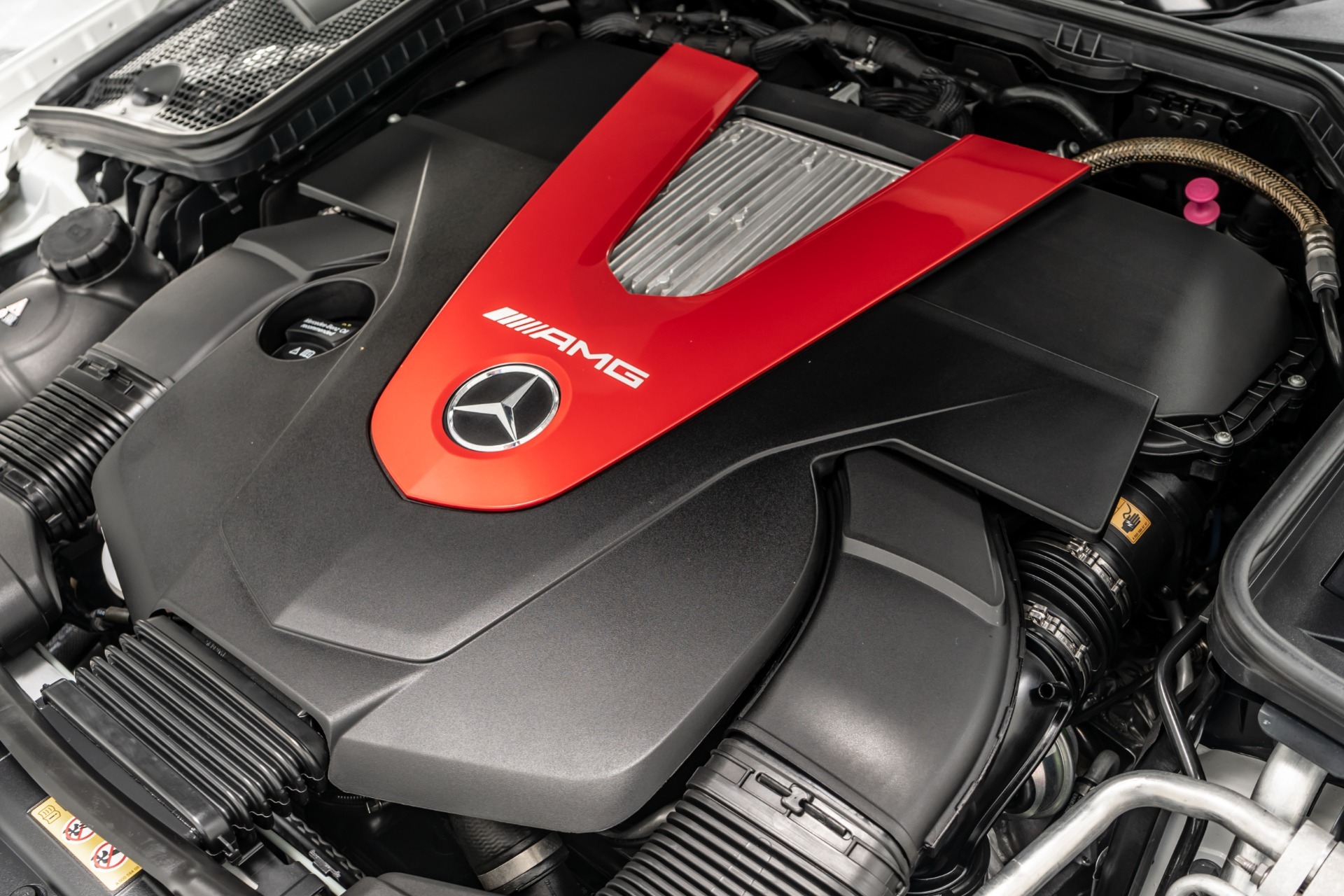
5. Mercedes-Benz M276
The Mercedes-Benz M276 is a 3.0-litre twin-turbocharged V6 that has been used in a wide range of the brand’s vehicles, including the E-Class, C-Class, GLE, and CLS. As one would expect from a luxury automaker, this engine was engineered to deliver smoothness, quiet operation, and strong performance.
Its refinement comes from precision balancing of its internal components, as well as advanced engine mounts designed to minimize vibration. The M276 also uses direct injection and turbocharging to provide strong acceleration without needing high revs, which keeps noise and harshness low.
One of the main strengths of the M276 is how effortless it feels during everyday driving. Even when accelerating briskly, the engine maintains a calm demeanor, with a muted yet satisfying exhaust tone. Long-distance drives are especially comfortable because of the engine’s ability to maintain steady speeds without noticeable vibration.
The twin-turbo setup provides abundant low-end torque, so the engine does not need to work hard to move heavy sedans and SUVs. This contributes to a smooth power delivery that feels natural and composed. The transition between low-load cruising and heavy acceleration is seamless, adding to the luxurious driving feel.
With regular maintenance, the M276 can last well over 200,000 miles. Common service items include replacing spark plugs, ignition coils, and keeping the turbochargers in good condition. While maintenance costs can be higher than average, the reward is an engine that delivers the refinement expected from Mercedes-Benz.
The M276 stands as an excellent example of a modern V6 that combines advanced technology with a focus on comfort and quietness. For drivers who prioritize smoothness without giving up performance, it is a standout choice.
5 V6 Engines Normally That Shake to Death
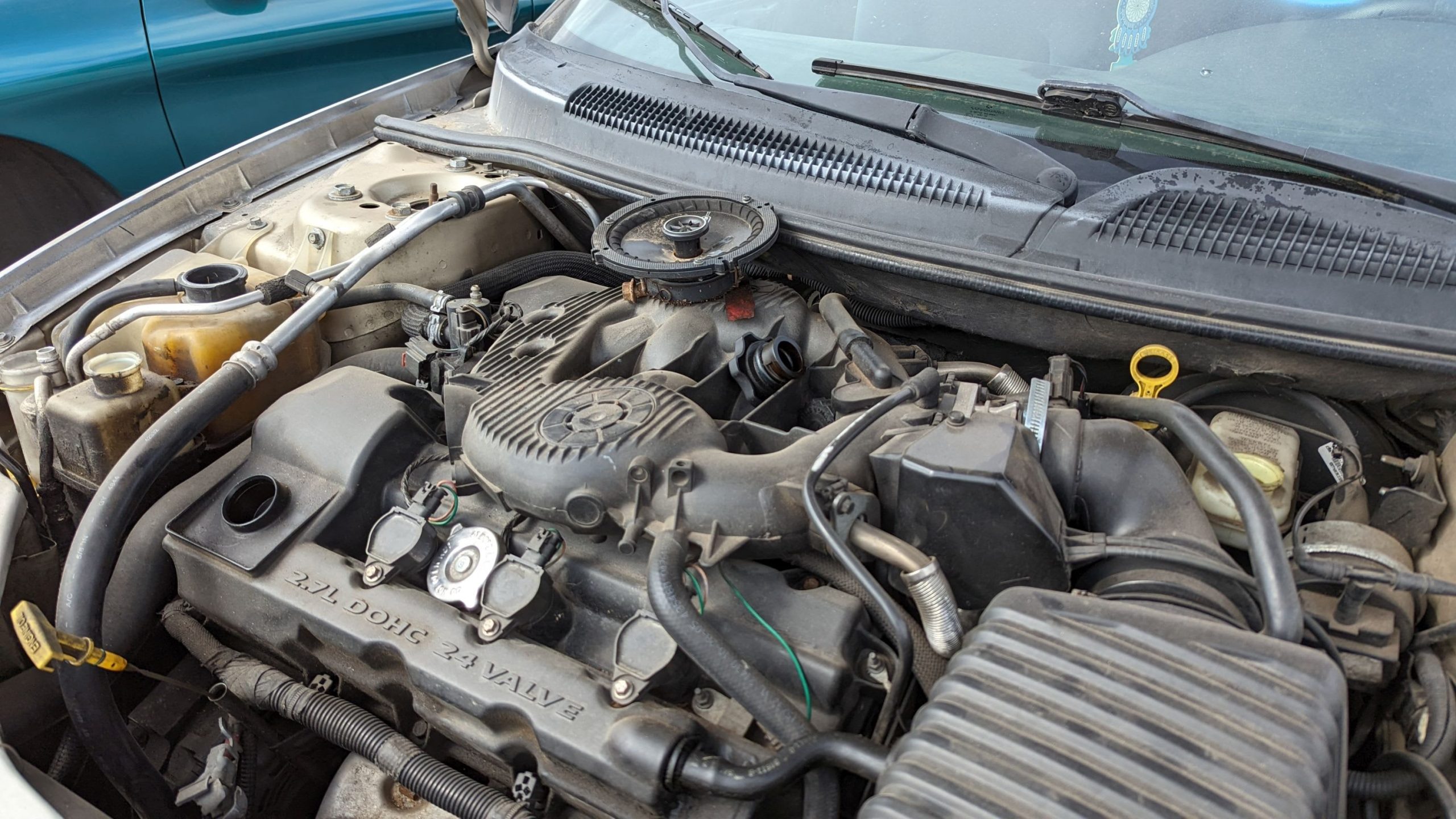
1. Chrysler 2.7L LH V6
The Chrysler 2.7-litre LH V6, used in vehicles such as the Chrysler Sebring, Dodge Intrepid, and some base Dodge Chargers, is often remembered for its harsh operation and frequent mechanical troubles. While it was meant to be an efficient and modern design when introduced in the late 1990s, the reality for many owners has been disappointing.
One major problem with the 2.7L LH V6 is its tendency to develop internal sludge build-up. This happens when oil passages inside the engine become clogged, restricting lubrication to important components.
Poor lubrication not only shortens the life of the engine but also increases vibration as internal parts begin to wear unevenly. Drivers often notice shaking during idle and roughness when accelerating.
The design of this V6 also means it operates at higher internal temperatures than some competitors. This heat can cause early breakdown of engine mounts and other rubber components that help absorb vibration. Once those mounts lose effectiveness, more shaking and harshness are felt inside the cabin.
Another weakness is the relatively narrow 60-degree bank angle combined with certain balancing choices that make the engine prone to transmitting vibration through the chassis. While this layout should be smooth in theory, the implementation in the 2.7L was less refined compared to other manufacturers’ efforts.
As the miles add up, timing chain tensioners can fail, leading to misfires and severe rattling. Misfiring not only reduces performance but also makes the vehicle feel unstable and noisy. For many drivers, this harshness is one of the first signs that major repairs are on the horizon.
While it is possible to keep the 2.7L running smoothly with very frequent oil changes and careful maintenance, the reality is that many examples have suffered early failure.
The combination of sludge issues, poor heat management, and weak vibration control means this engine is far from refined. It stands as an example of how design flaws can lead to an unpleasant driving experience and a short service life.
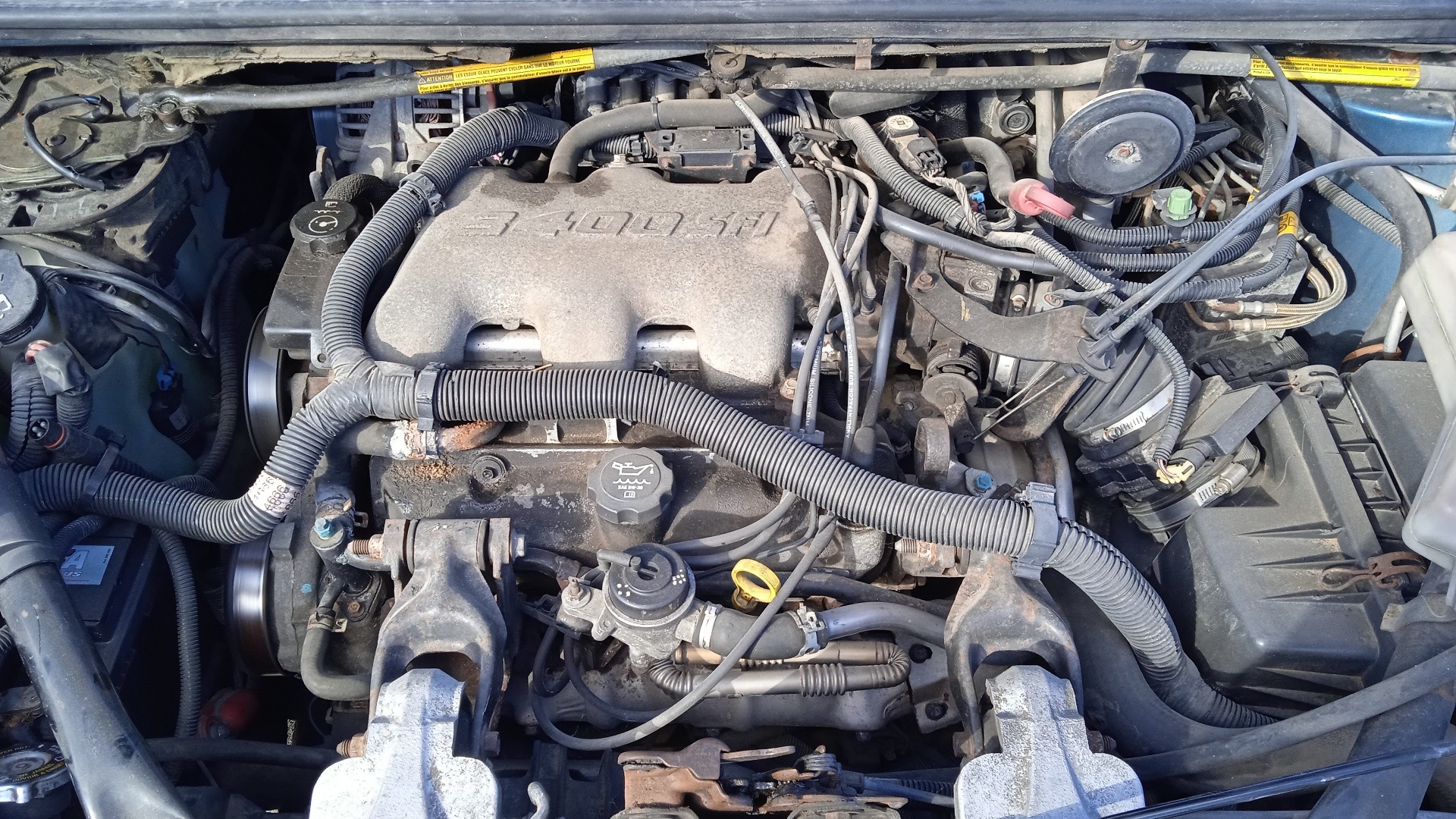
2. GM 3.4L LA1 V6
General Motors’ 3.4-litre LA1 V6, used widely in vehicles such as the Chevrolet Impala, Pontiac Grand Am, and Oldsmobile Alero, is another engine with a reputation for being rough and unpleasant to operate. While it offered decent low-end torque for everyday driving, it lacked the smoothness and refinement that many competitors were achieving at the time.
One reason for its unrefined feel is its aging design. The LA1 was part of GM’s 60-degree V6 family that dated back decades, and by the late 1990s and early 2000s, it felt outdated compared to newer, more balanced V6 engines. The internal components were not as precisely balanced as they could have been, leading to noticeable vibration, particularly at idle and during acceleration.
Another common complaint from owners is the engine’s tendency to develop intake manifold gasket leaks. When coolant leaks into the intake system, it can cause rough running and misfiring. Misfires not only harm performance but also make the engine shake more than normal, leading to a poor driving experience.
The 3.4L also struggles with worn motor mounts, which can happen earlier than expected. Once these mounts fail, the vibration that was already present becomes much more noticeable. The engine’s roughness is then transmitted directly into the passenger cabin, making long drives uncomfortable.
While the LA1 can be reliable if maintained well, it never matched the refinement of engines from Toyota, Honda, or Nissan. Even when running in perfect condition, there is a coarseness to its power delivery that leaves it feeling outdated. Drivers often reported that the engine sounded strained when revved and that its vibration was tiring during long trips.
For those who prioritize smooth operation, the GM 3.4L LA1 V6 has been one to avoid. Its outdated design and lack of balance make it one of the least refined V6 engines in recent decades.
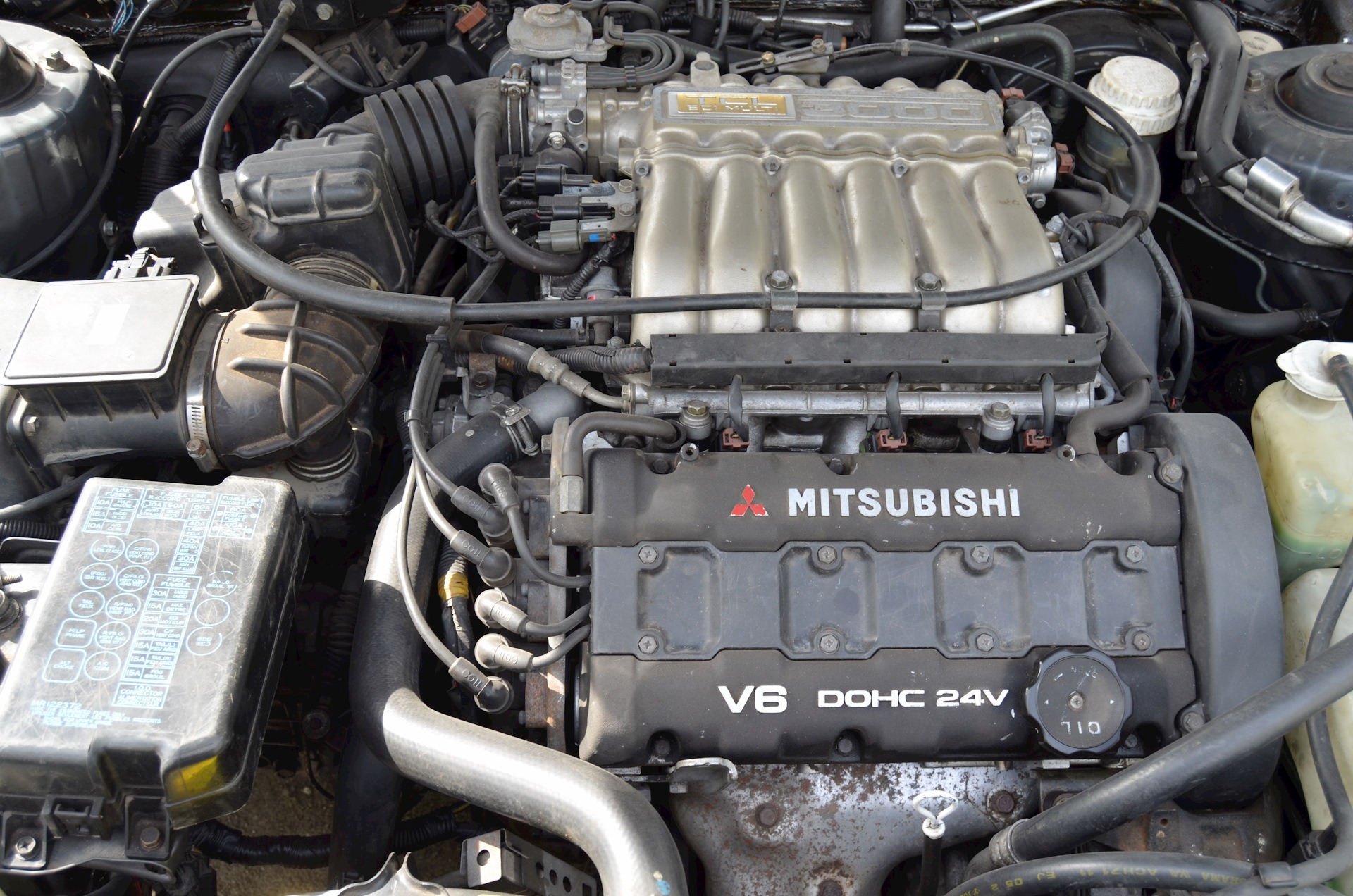
3. Mitsubishi 6G72
The Mitsubishi 6G72 V6 has an interesting history, being used in a wide range of vehicles, including the Dodge Stealth, Mitsubishi 3000GT, Montero, and some Chrysler minivans. While the high-performance twin-turbo version in the 3000GT VR-4 was loved for its speed, many naturally aspirated versions of this engine developed harshness as time went on.
One contributing factor to its roughness is the design of its balance shaft system. The 6G72 uses balance shafts to counteract vibrations, but when the bearings for these shafts wear out or when the timing belt for the balance shaft system fails, the engine can shake severely. In some cases, the extra vibration can damage other components such as engine mounts and accessories.
Another issue is the tendency for carbon build-up on the intake valves and in the combustion chambers, particularly in engines that have not been regularly maintained. This build-up can cause uneven combustion, leading to misfires and a rough idle. When combined with worn mounts or tired ignition components, the vibration becomes even more noticeable.
The 6G72 also suffers from worn hydraulic lifters in many high-mileage examples. These lifters can collapse, leading to ticking noises and increased harshness. Although this does not always lead to catastrophic failure, it adds to the engine’s reputation for losing refinement as it ages.
Owners of well-maintained 6G72 engines often report that they can still be smooth, but neglect quickly turns them into rough-running powerplants. Once vibration problems set in, they can be costly to fix because they may involve replacing balance shaft bearings, engine mounts, and valve components.
While the 6G72 was versatile and capable of producing good power, its tendency to lose smoothness after a while makes it a risky choice for those who value refined operation. In certain vehicles, it stands out as one of the less pleasant V6 options from its era.
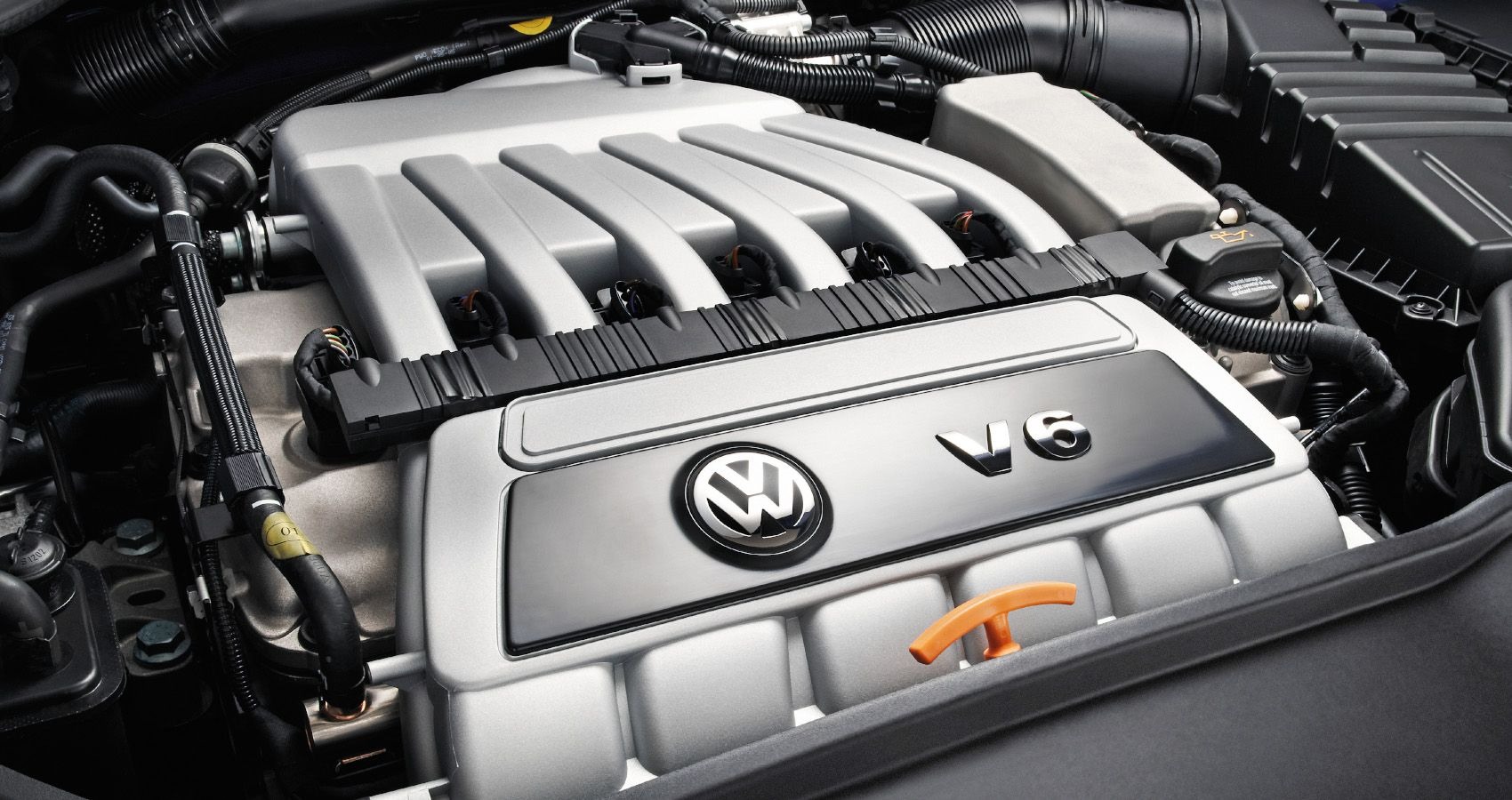
4. Volkswagen VR6
Volkswagen’s VR6 engine was known for its compact design that allowed a six-cylinder engine to fit in smaller vehicles like the Golf and Jetta. While later versions improved refinement, the early VR6 engines from the 1990s and early 2000s could be surprisingly harsh under certain conditions.
Part of the issue is the VR6’s unusual narrow-angle design. While it allowed VW to mount the engine transversely in smaller cars, the layout meant it was not as naturally balanced as a traditional 60-degree V6. This resulted in more vibration being transmitted into the chassis, especially at idle.
The VR6 also has a long timing chain that can stretch in the long run. A stretched timing chain can cause poor valve timing, leading to rough running and noticeable vibration. Repairing this requires serious labor because the chain is located at the transmission end of the engine, making it difficult to access.
Another complaint from some owners was the engine’s uneven idle when components like ignition coils, spark plugs, or mass airflow sensors began to wear. Since the VR6 relies on precise fuel and spark delivery to stay smooth, even small problems could cause the engine to shake.
While enthusiasts loved the VR6 for its strong mid-range torque and unique exhaust note, those looking for a refined and quiet drive often found it lacking. The combination of design limitations and sensitivity to wear meant that early VR6 engines could become harsh as they aged.
Also Read: Why the ‘Check Engine’ Light Doesn’t Always Mean the Worst
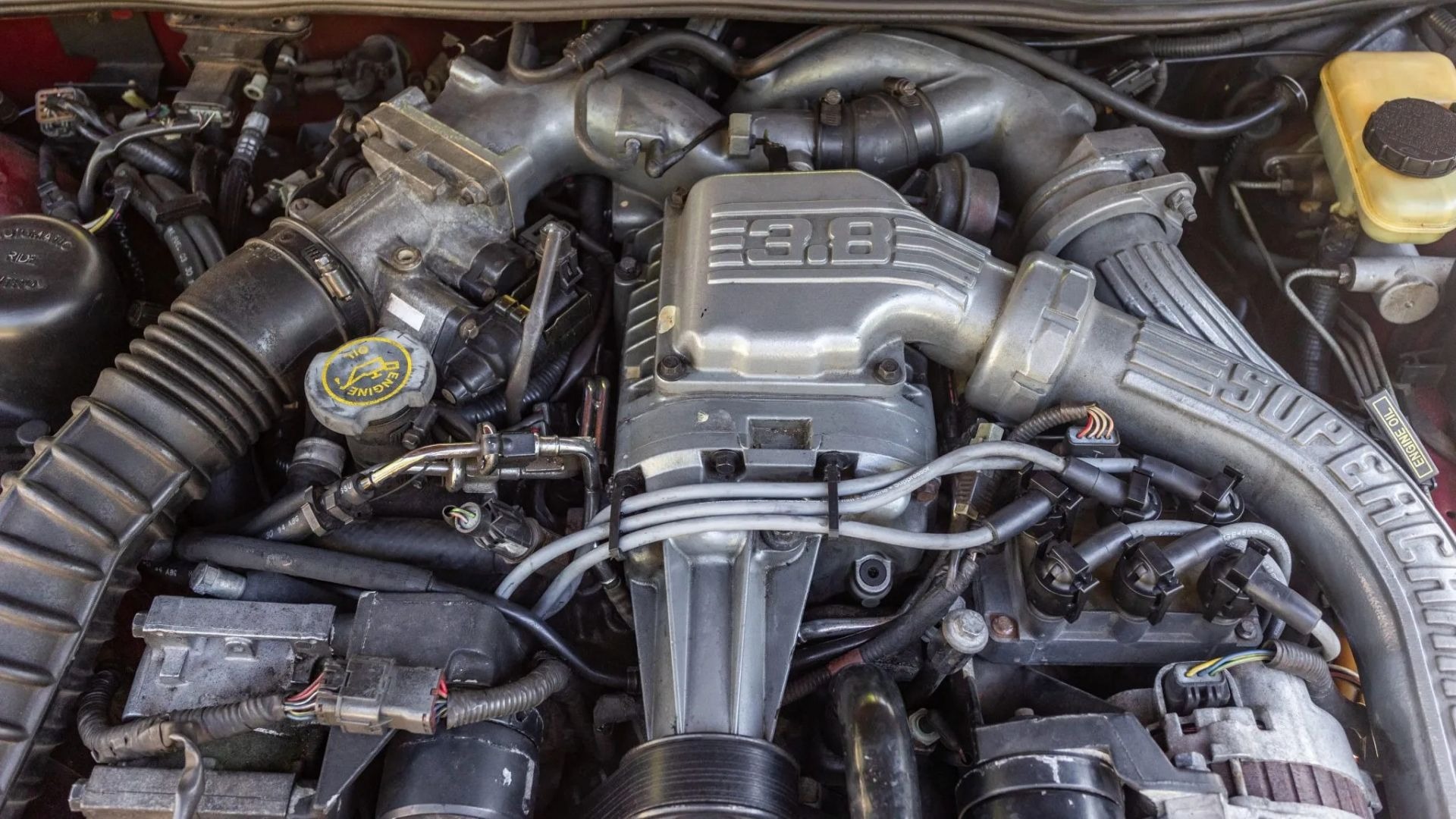
5. Ford Essex 3.8L V6
The Ford Essex 3.8-litre V6, used in vehicles such as the Ford Taurus, Windstar, and Mustang, is often remembered for its lack of refinement. While it offered decent low-end torque, it had a tendency to produce vibration and noise that made it less pleasant than competitors’ engines.
One of the biggest weaknesses of the Essex 3.8L was its tendency to blow head gaskets. When this happened, coolant could leak into the cylinders, leading to rough running, misfires, and a harsh idle. Even before a failure occurred, many engines developed uneven power delivery that made them feel coarse.
The Essex V6 also suffered from worn motor mounts in many applications, particularly in heavier vehicles like the Windstar minivan. Once the mounts weakened, vibration levels increased inside the cabin.
While it used a 90-degree V6 layout, which is less naturally balanced than a 60-degree design, Ford did not equip it with the most effective balance measures. As a result, even when running correctly, it was not as smooth as many rival engines of its time.
Although some owners managed to get long life from their Essex V6, it rarely delivered the level of refinement found in Toyota, Honda, or Nissan offerings. For those who value a comfortable and quiet ride, this engine remains one to avoid.
