When it comes to trucks, durability isn’t just about engine power or towing capacity it’s also about how well they withstand harsh winter conditions. Road salt, snow, and moisture can accelerate rust, compromising safety and resale value.
Some trucks, thanks to advanced engineering and corrosion-resistant materials, remain rust-free for decades, even in snowy climates. Others, unfortunately, fall victim to rust within just a couple of winters.
Knowing which trucks stand up to winter’s toughest challenges can save buyers from costly repairs and headaches. This guide reviews five trucks renowned for their rust resistance and five models infamous for quick rust deterioration, helping you make informed decisions whether shopping new or used.
5 Trucks That Stay Rust-Free for Decades
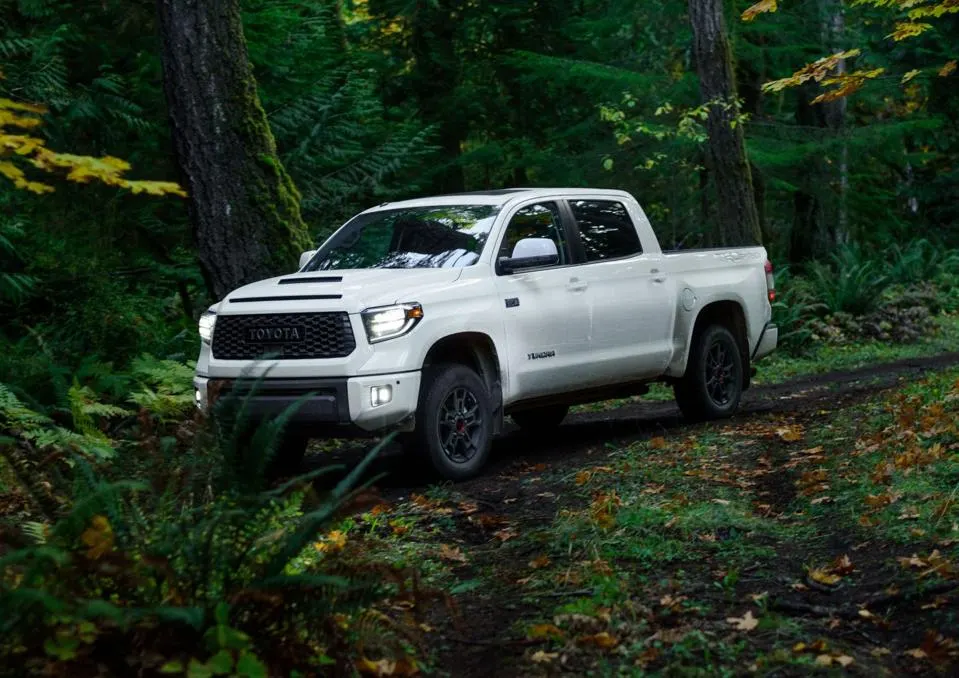
1. Toyota Tundra
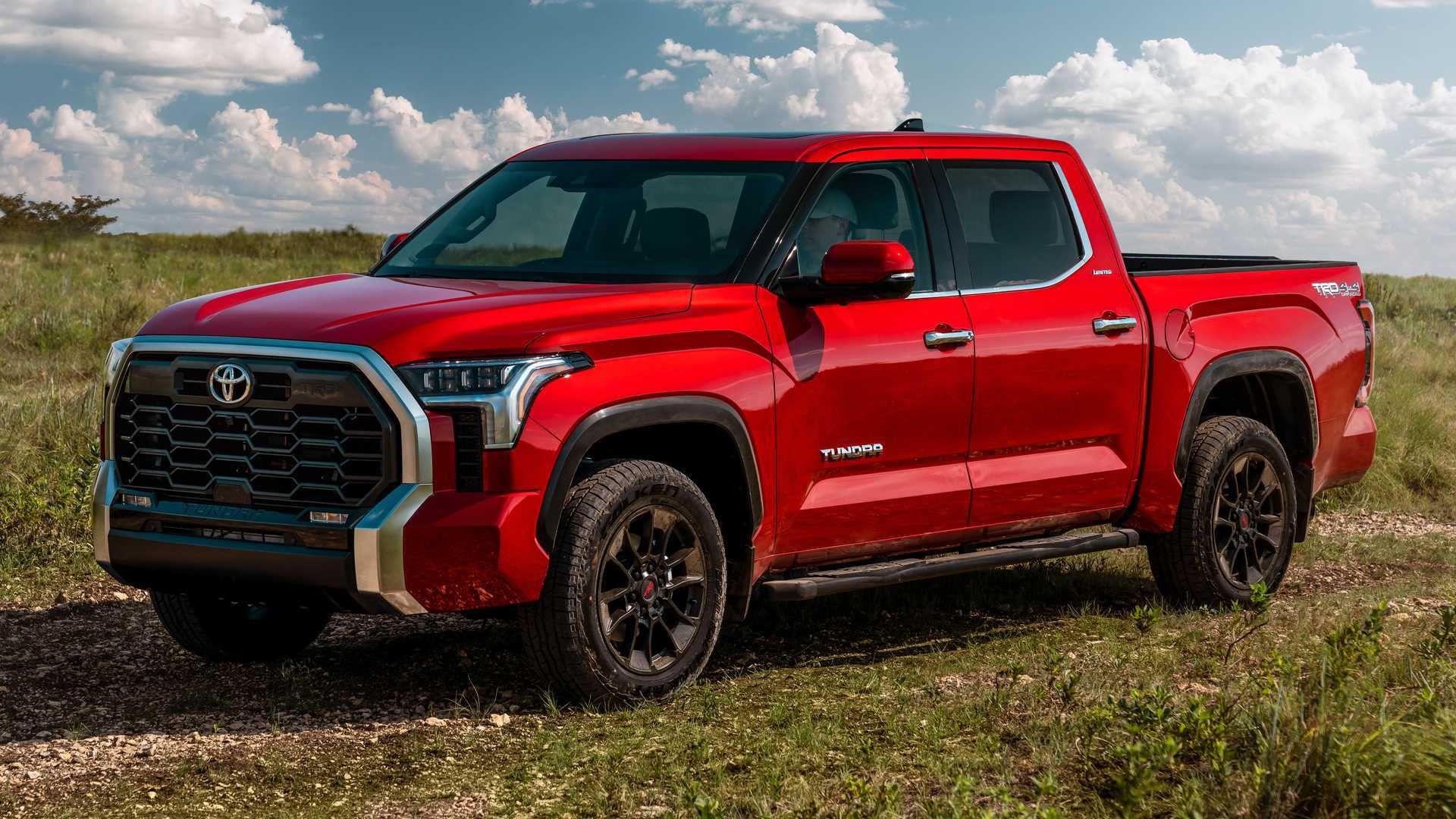
The Toyota Tundra has earned a strong reputation for reliability and rust resistance, especially in second-generation models and newer ones. Toyota’s use of galvanized body panels and improved undercoating significantly reduces corrosion risks.
Earlier frame issues were fixed, resulting in trucks that withstand snowy, salted roads without serious rust damage. Owners in the Northeast and Midwest report minimal surface rust even after years, with many trucks surpassing 200,000 miles without major undercarriage problems.
Its straightforward design, featuring wide wheel wells and flat surfaces, makes salt and snow easy to rinse away. Regular washing and occasional rustproofing only enhance the Tundra’s longevity, making it a favorite in cold climates.
2. Ford F-150 (Aluminum Body Models)
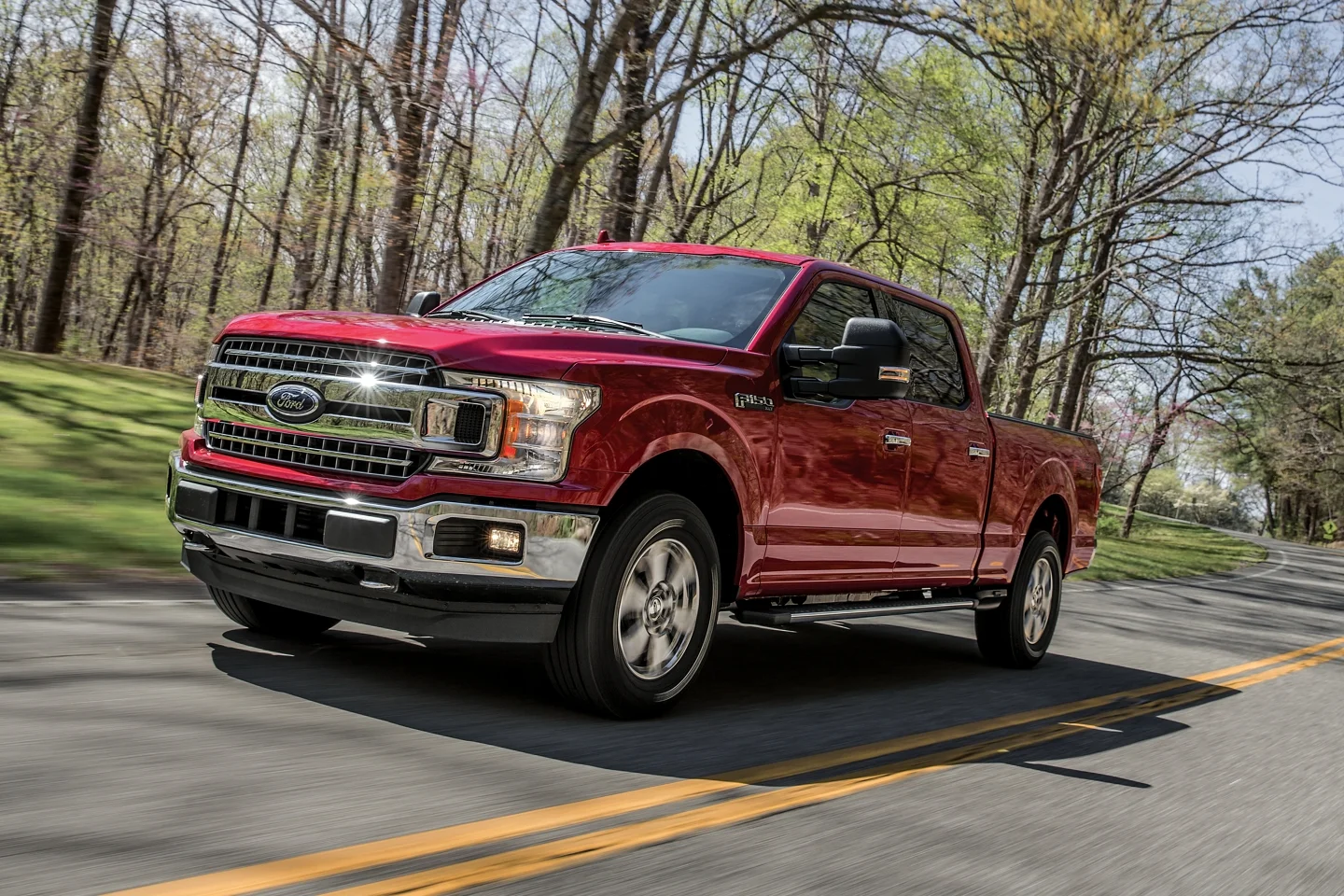
Starting in 2015, Ford revolutionized the F-150 by switching to aluminum body panels. Unlike steel, aluminum resists rust far better, making these trucks ideal for winter conditions. Even when paint chips, aluminum doesn’t bubble or corrode like steel.
Ford also applies protective coatings on the remaining steel frame parts, further preventing rust. The lighter materials also improve fuel efficiency and payload. Owners report significantly less rust after five years compared to earlier steel-bodied models.
While maintenance is still important, this generation marks a significant improvement in corrosion resistance, making the aluminum F-150 a strong choice for those facing salted roads each winter.
3. Honda Ridgeline
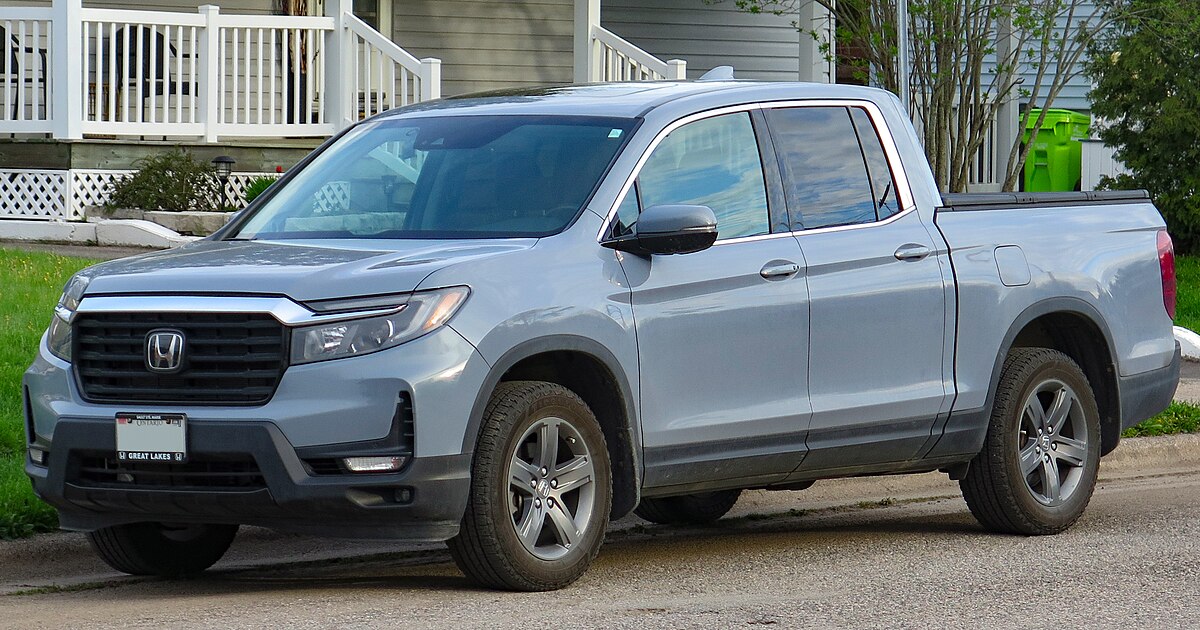
Though a unibody rather than traditional body-on-frame truck, the Honda Ridgeline boasts impressive corrosion resistance. Its design incorporates protective coatings, strategic drainage points, and fewer exposed frame rails, minimizing areas where salt collects.
Drivers in northern states often find their Ridgelines’ undercarriages surprisingly clean after several winters. Lower ground clearance and a smooth underbody make washing easier and more effective. While not built for heavy-duty hauling, the Ridgeline offers daily winter reliability without succumbing to rust.
For buyers seeking comfort and durability in snowy conditions, the Ridgeline is a noteworthy option that often outperforms more rugged competitors in longevity.
4. Chevrolet Silverado (2019 and Newer)
Earlier Silverados were notorious for rust, but the 2019 redesign brought major corrosion improvements. Enhanced frame coatings, better drainage, and superior body panel protection slow rust development significantly.
Newer models feature stronger sealants and underbody sprays that protect common trouble spots like wheel wells and bed rails. Though the frame remains steel, factory-applied coatings outperform previous versions, giving Silverado trucks improved winter resilience.
Owner feedback confirms slower rust progression, and these trucks now retain higher resale values in snowy states. GM’s focus on corrosion control marks a turnaround, making recent Silverados a more trustworthy option for long-lasting winter use.
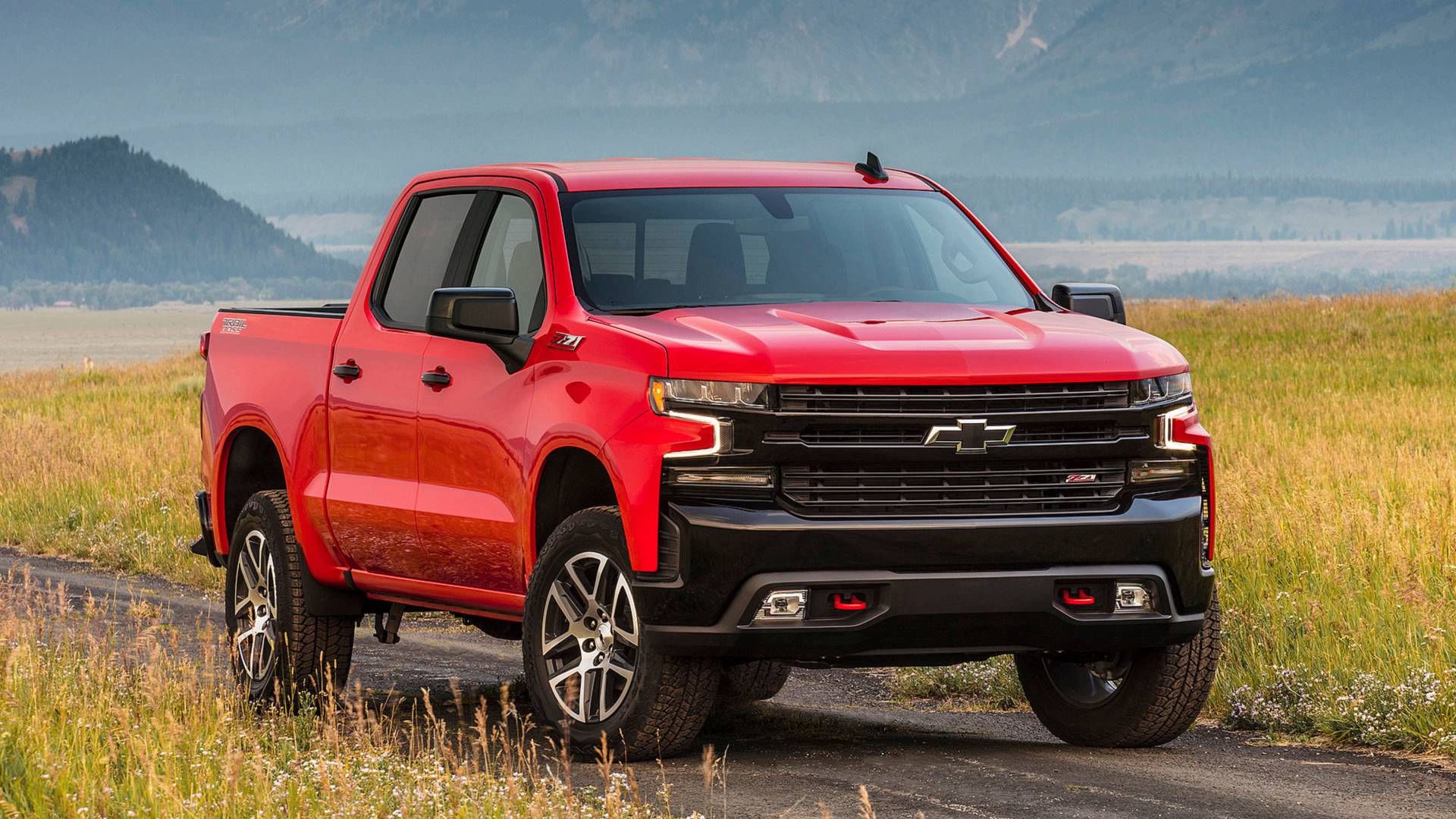
5. Ram 1500 (2019 and Newer)
The Ram 1500’s early 2000s models struggled with rust, but the 2019 redesign improved corrosion resistance dramatically. More galvanized steel panels, enhanced undercoating, and better drainage systems protect vulnerable areas like rocker panels and bed seams.
Owners report noticeably less rust and slower deterioration compared to older models. These trucks withstand harsh winter conditions longer, making them a smart choice for drivers in salt-heavy regions.
Mechanics confirm fewer frame corrosion cases, and many previous Ram skeptics in the Great Lakes and Northeast are reconsidering the brand. While maintenance remains important, the newer Ram 1500 offers significant reliability improvements against rust.
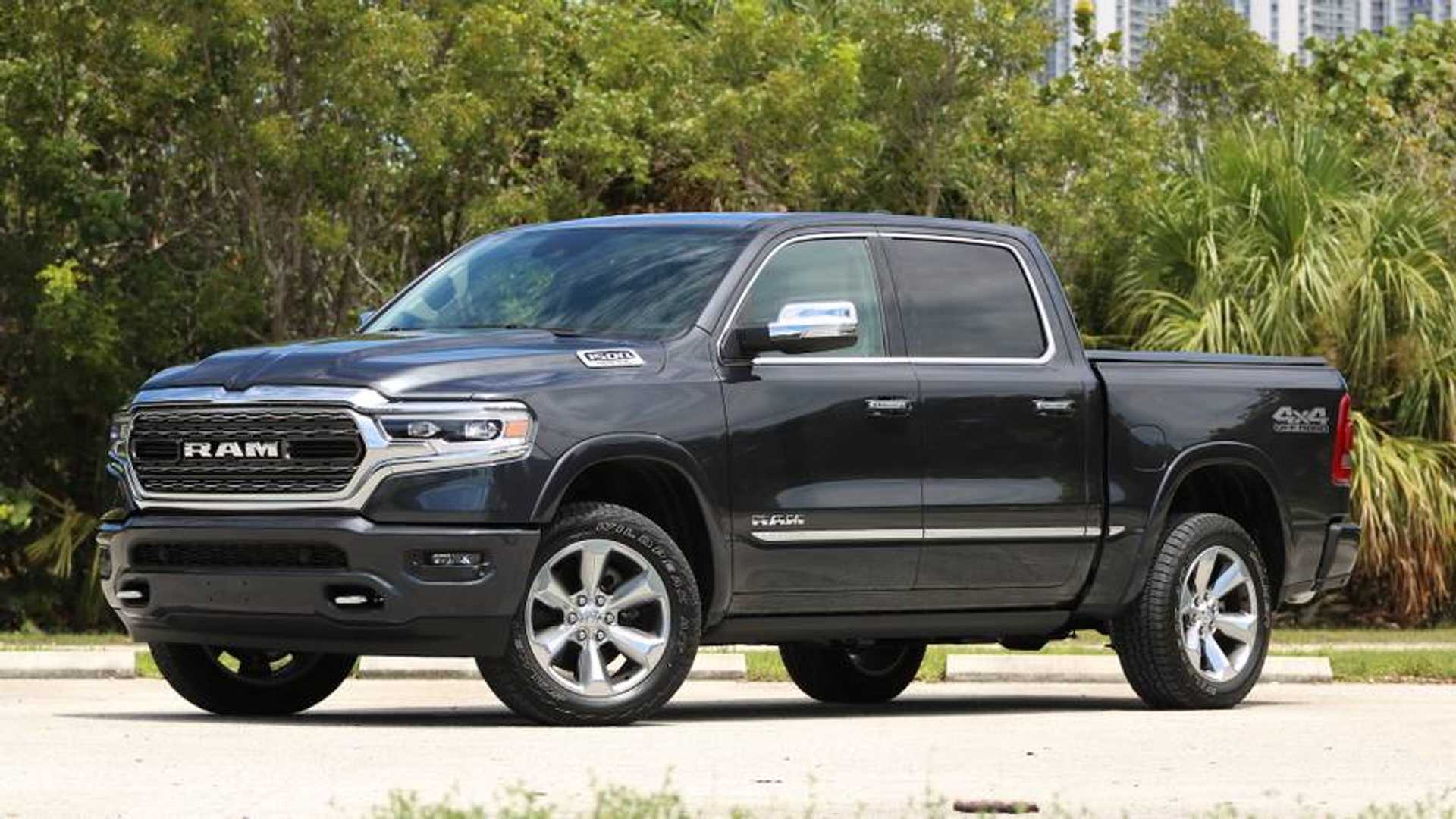
5 Trucks That Rot in Two Winters
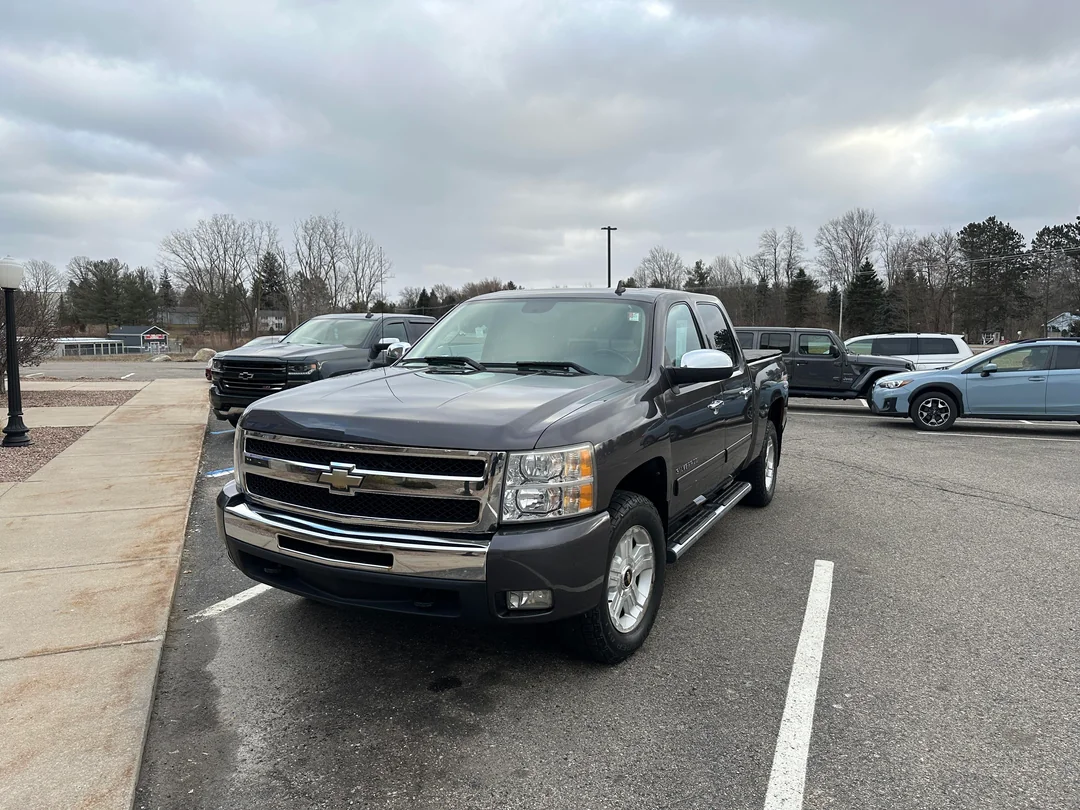
1. Chevrolet Silverado (Early 2000s to Mid-2010s)
Silverados from 1999 to 2014 are infamous for early, severe rust problems, especially in northern states. Inconsistent factory undercoating allowed salt and moisture to penetrate, leading to rapid corrosion around wheel wells, cab corners, and frames.
Many trucks developed frame rot, requiring costly repairs or replacement within just a few winters. Poor drainage trapped moisture in hard-to-reach spots, accelerating rust. Even diligent owners who washed frequently found it difficult to prevent damage.
These models saw steep resale value drops due to their rust issues, and aftermarket rustproofing often came too late. Buyers should exercise caution when considering older Silverados, especially those exposed to salted roads.
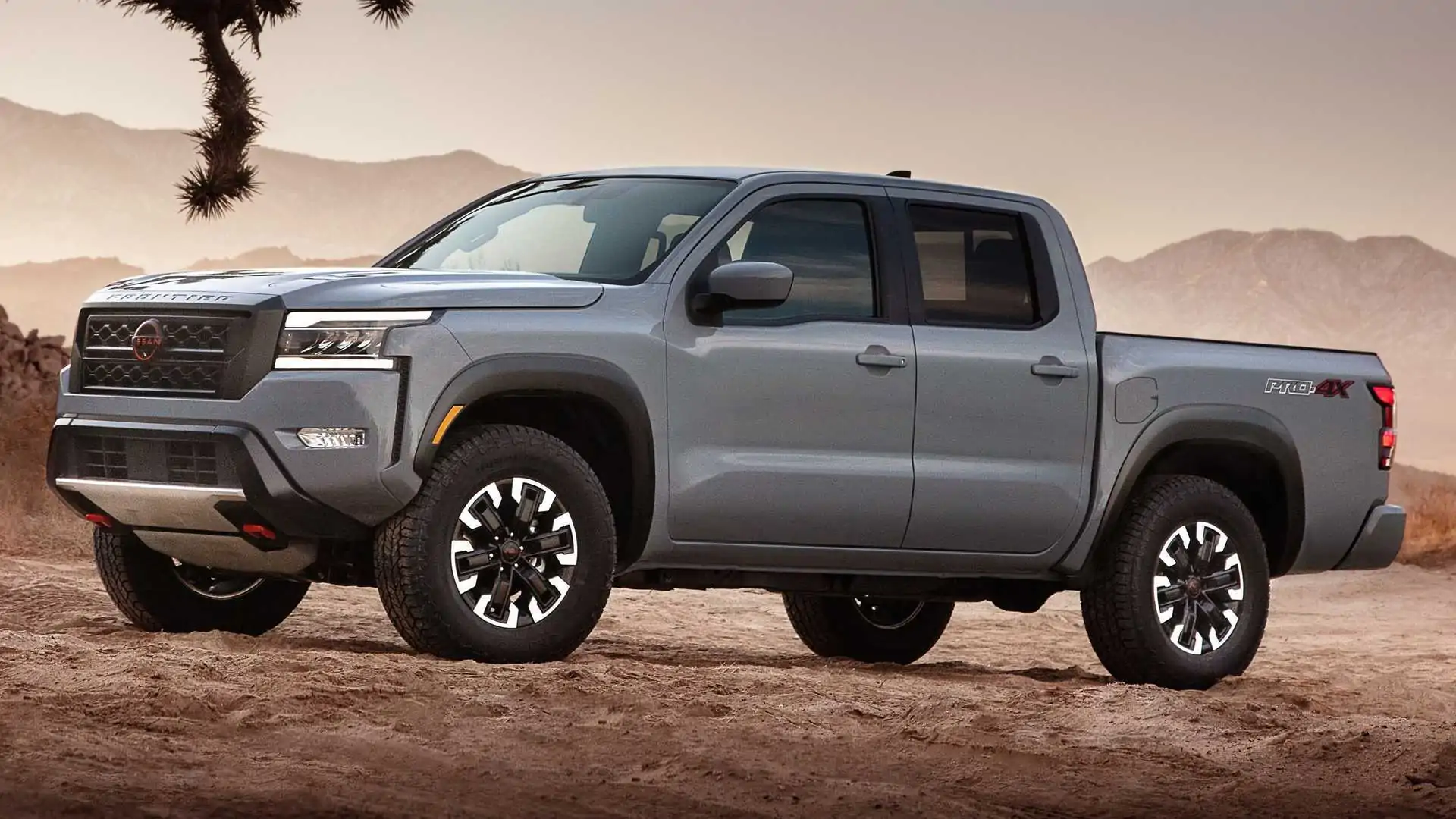
2. Nissan Frontier (Pre-2022 Models)
The Nissan Frontier, while mechanically reliable, struggled with rust on models from 2005 to 2021. Frame and suspension components often showed extensive corrosion after only one or two winters, undermining durability.
The frame design and steel quality contributed to hidden rust beneath paint and factory coatings, which worsened over time. Despite regular washing, rust formed around wheel wells and frame rails.
The lack of modern corrosion-resistant coatings put the Frontier at a disadvantage compared to competitors evolving in rust protection. The 2022 redesign appears improved, but previous generations remain rust-prone and require careful inspection before purchase.
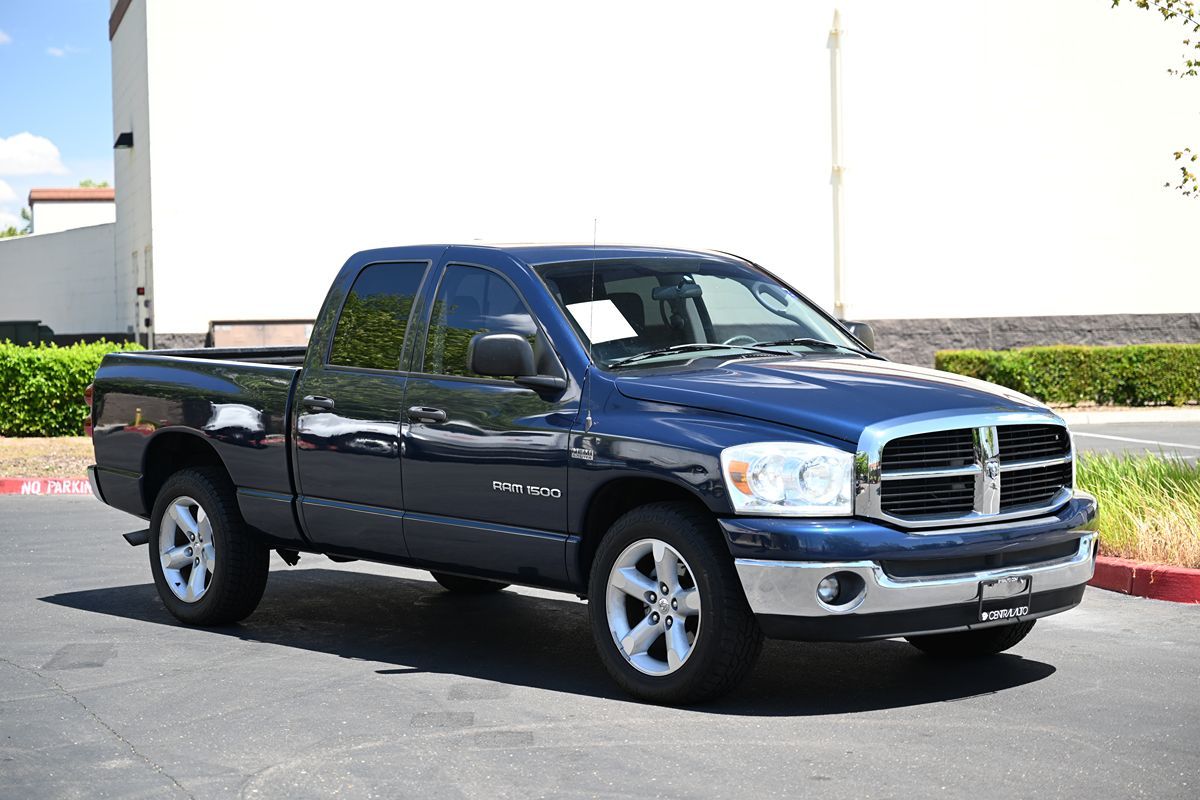
3. Dodge Ram 1500 (Early 2000s to Mid-2010s)
Older Ram 1500 models were highly susceptible to rust, especially around rear wheel wells, frames, and cab corners. Visible rust could appear after just one winter without aftermarket rustproofing.
Lack of galvanized steel and inconsistent undercoating worsened corrosion. Structural damage from rust sometimes led to failed safety inspections and expensive repairs. Owners in rust-prone states like Michigan and Pennsylvania frequently cited rust as a key reason for selling or scrapping these trucks.
Though newer Rams have improved, the earlier models’ poor corrosion reputation still affects buyers. Prospective owners should scrutinize known trouble spots carefully to avoid hidden structural damage.
4. Ford Ranger (1998–2011 Models)
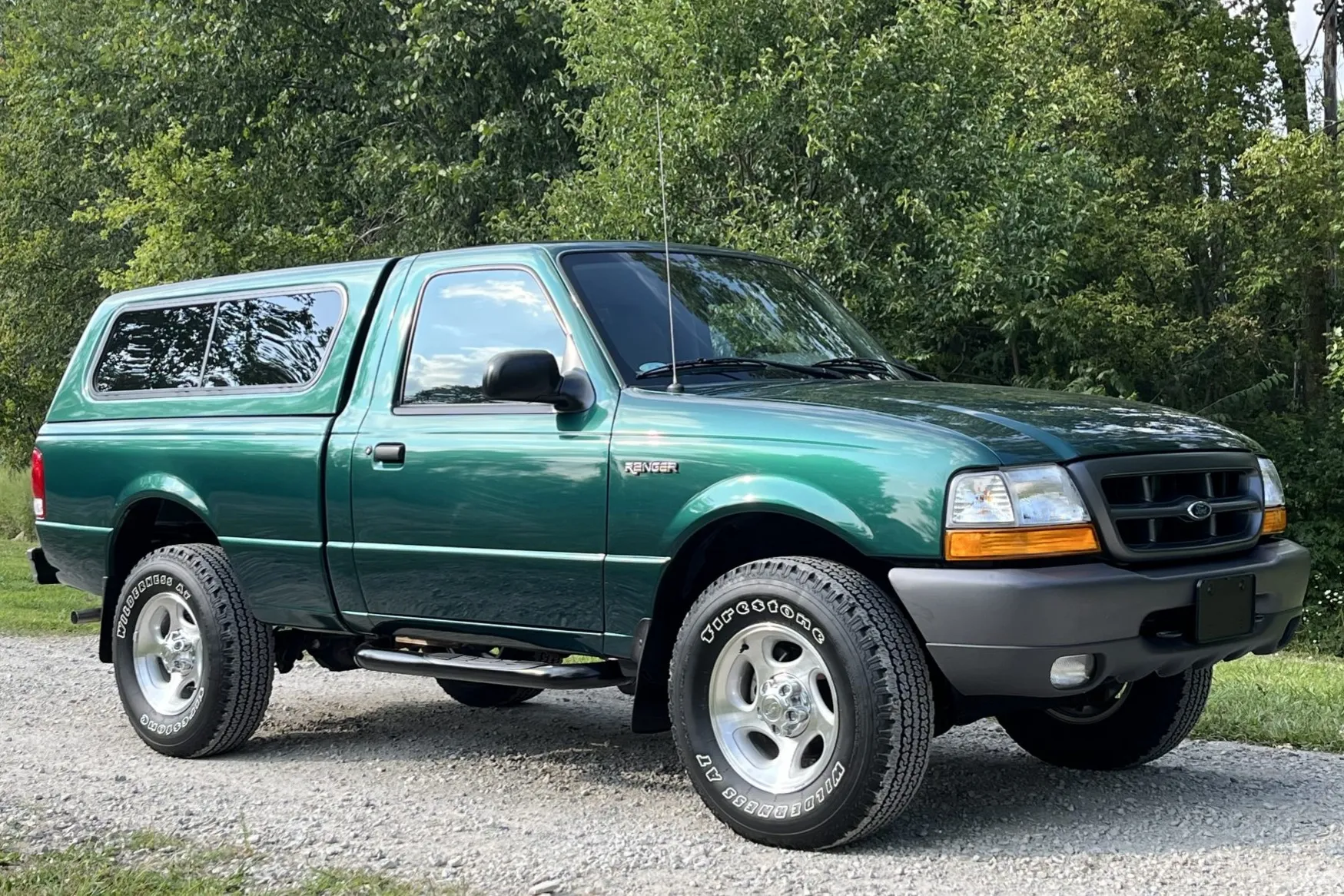
While popular and practical, early Ford Rangers struggled with frame rust, especially in northern climates. Minimal factory undercoating and exposed frame designs trapped salt and moisture, causing frame rails to deteriorate within a few winters.
Rust often spreads from underneath to body panels and floorboards, leading to holes and weakened structures long before mechanical failure. Despite long engine life, the body-on-frame design hindered cleaning and accelerated corrosion.
Though the modern Ranger has improved, older models remain vulnerable. Buyers should pay close attention to frame condition, particularly in trucks exposed to harsh winters with salted roads.
5. GMC Sierra (2000s to Mid-2010s)
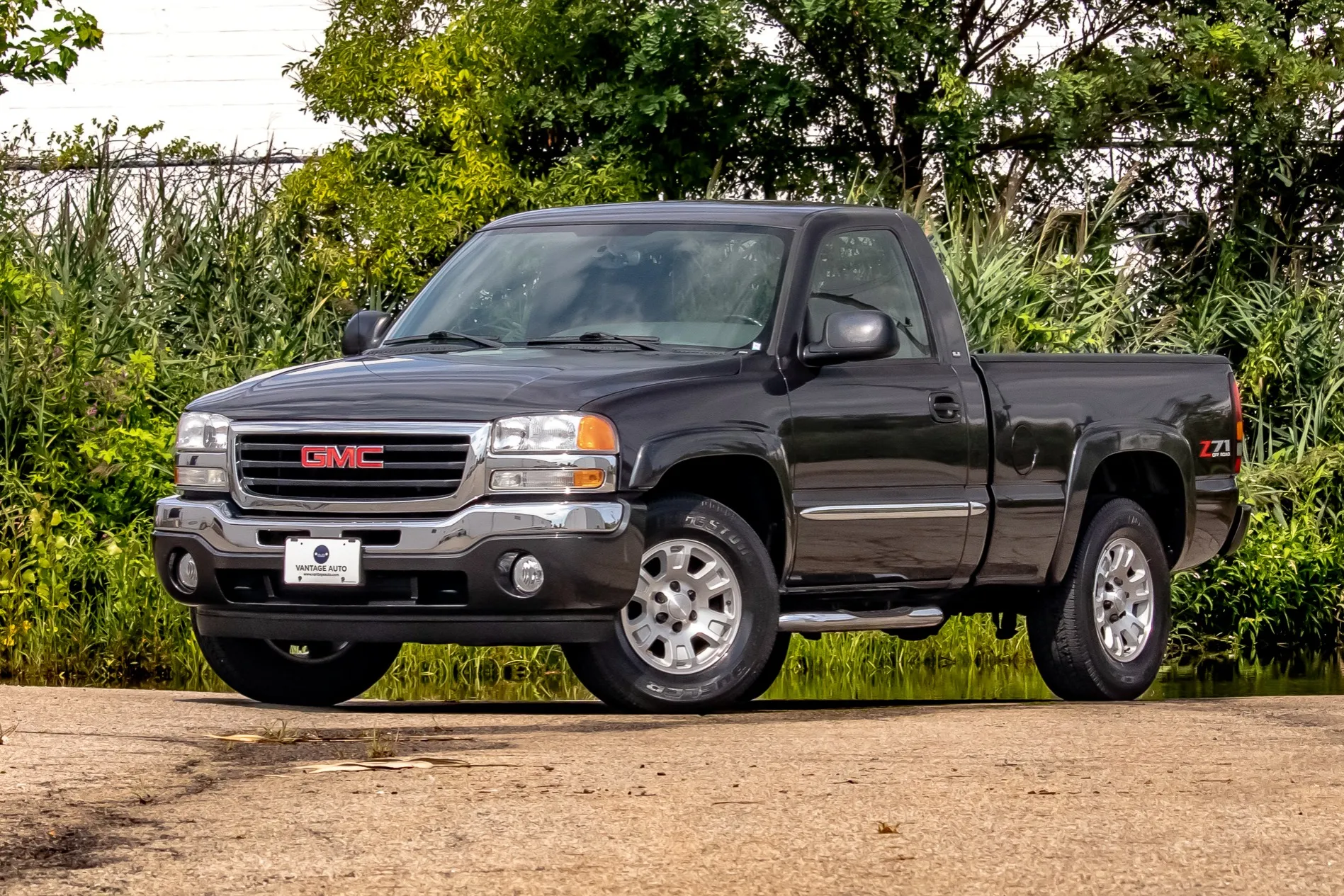
Sharing a platform with the Silverado, the early 2000s to mid-2010s GMC Sierra suffered similar rust issues. Surface rust quickly progressed to frame rot, bed corrosion, and bubbling paint. Poor drainage and inadequate undercoating trapped moisture behind panels, accelerating corrosion.
Rust often appeared around wheel wells, door bottoms, and cab corners, sometimes causing severe underbody damage unseen at first glance. Many owners needed structural repairs or frame replacements to keep trucks safe.
The resulting depreciation in snowy states was significant. Despite improvements in newer models, these older Sierras require thorough inspections before purchase.
Rust resistance in trucks is a vital consideration for anyone living in snowy, salt-heavy regions. The trucks that stay rust-free for decades, such as the Toyota Tundra, aluminum-bodied Ford F-150, Honda Ridgeline, newer Silverado, and Ram 1500, show how engineering advancements and quality materials can protect against corrosion.
Conversely, models like early Silverados, Nissan Frontiers, older Rams, Ford Rangers, and GMC Sierras demonstrate the consequences of poor rust protection.
Understanding these differences helps buyers make smarter choices, saving money and avoiding premature vehicle deterioration. Ultimately, selecting a rust-resistant truck ensures safety, durability, and peace of mind through many harsh winters.
Also Read: 10 Cars With Rear Parking Sensors That Are Actually Useful