In the constantly shifting landscape of the American car market, some models rise to prominence through sheer predictability SUVs dominate sales charts, pickup trucks hold strong, and hybrids steadily gain ground.
But every so often, certain vehicles manage to catch U.S. buyers off guard by surging in popularity without a clear precedent.
Sometimes it’s the result of viral social media buzz, an under-the-radar redesign, or a perfect blend of value and performance that suddenly clicks with consumers.
In 2025, a handful of cars are breaking expectations, drawing attention from buyers who might never have considered them before.
From unlikely sedans to niche crossovers, these models are riding a wave of interest thanks to shifting tastes, new tech features, and changing economic priorities. Here are six cars that are unexpectedly trending with U.S. buyers this year.
1. Toyota Crown
When Toyota replaced the long-running Avalon with the Crown, many assumed it would quietly serve as a modest luxury sedan for a small audience.
Instead, it’s become something of a sleeper hit. Its elevated ride height, hybrid-only powertrain, and distinct styling have attracted both sedan loyalists and SUV-curious buyers looking for a more efficient daily driver.
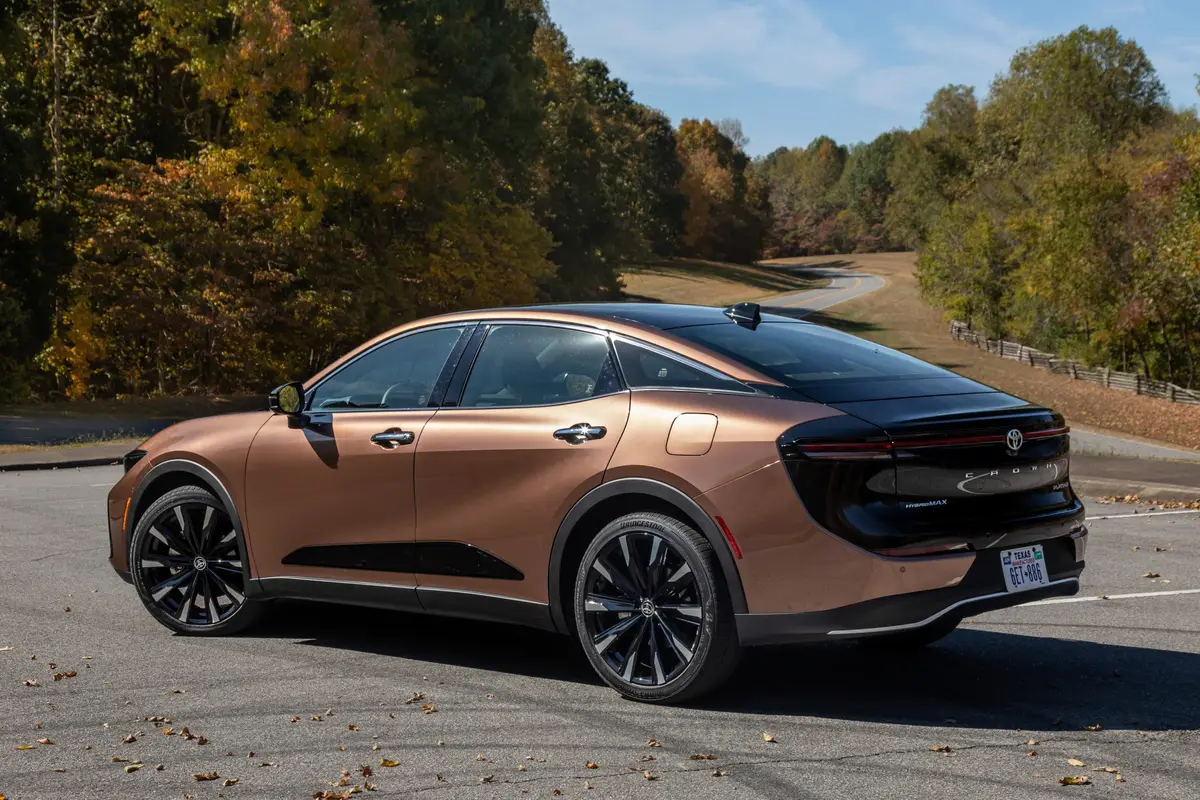
The Crown’s blend of comfort, upscale interior design, and 40-plus mpg capability has given it an edge in an era when fuel costs remain unpredictable.
It wasn’t much of a surprise when Toyota discontinued the luxury-leaning Avalon sedan in 2022, given that most shoppers have been favoring SUVs for well over a decade. What is a bit unexpected, however, is Toyota’s decision to jump back into this category with the all-new 2023 Toyota Crown.
Like the Avalon, the Crown sits in that in-between space, larger than a typical midsize sedan but not quite large enough to be considered a full-size sedan. Where it differs is in its elevated ride height and distinctive styling, which set it apart visually from its predecessor.
As unconventional as the Crown’s design may be, it’s likely to appeal to the same type of buyer who values comfort and luxury over outright performance. In those respects, it delivers, with a soft suspension and a spacious interior that make for a pleasant driving experience.
Its standout advantage, however, is fuel economy: the base hybrid engine, paired with standard all-wheel drive, earns an impressive EPA-estimated 41 mpg in combined driving. Opting for the more powerful engine in the top Platinum trim will give you extra performance but costs 11 mpg in efficiency.
The Crown’s soft suspension tuning prioritizes ride comfort but comes at the expense of driving enjoyment. Competitors like the Kia Stinger, Volkswagen Arteon, and Genesis G80 offer sharper handling and more poised cornering while still maintaining a comfortable ride, though none can match the Crown’s fuel efficiency.
For anyone who has considered an Avalon in the past, the 2023 Crown should easily meet, or even exceed, expectations. Like the Avalon, it carries a more premium feel than most Toyotas, though it’s not at the level of a Lexus or other true luxury brand.
It also has no direct rivals unless you venture into a higher price bracket for a luxury sedan. Still, alternatives like the Kia Stinger and Volkswagen Arteon are worth a look.
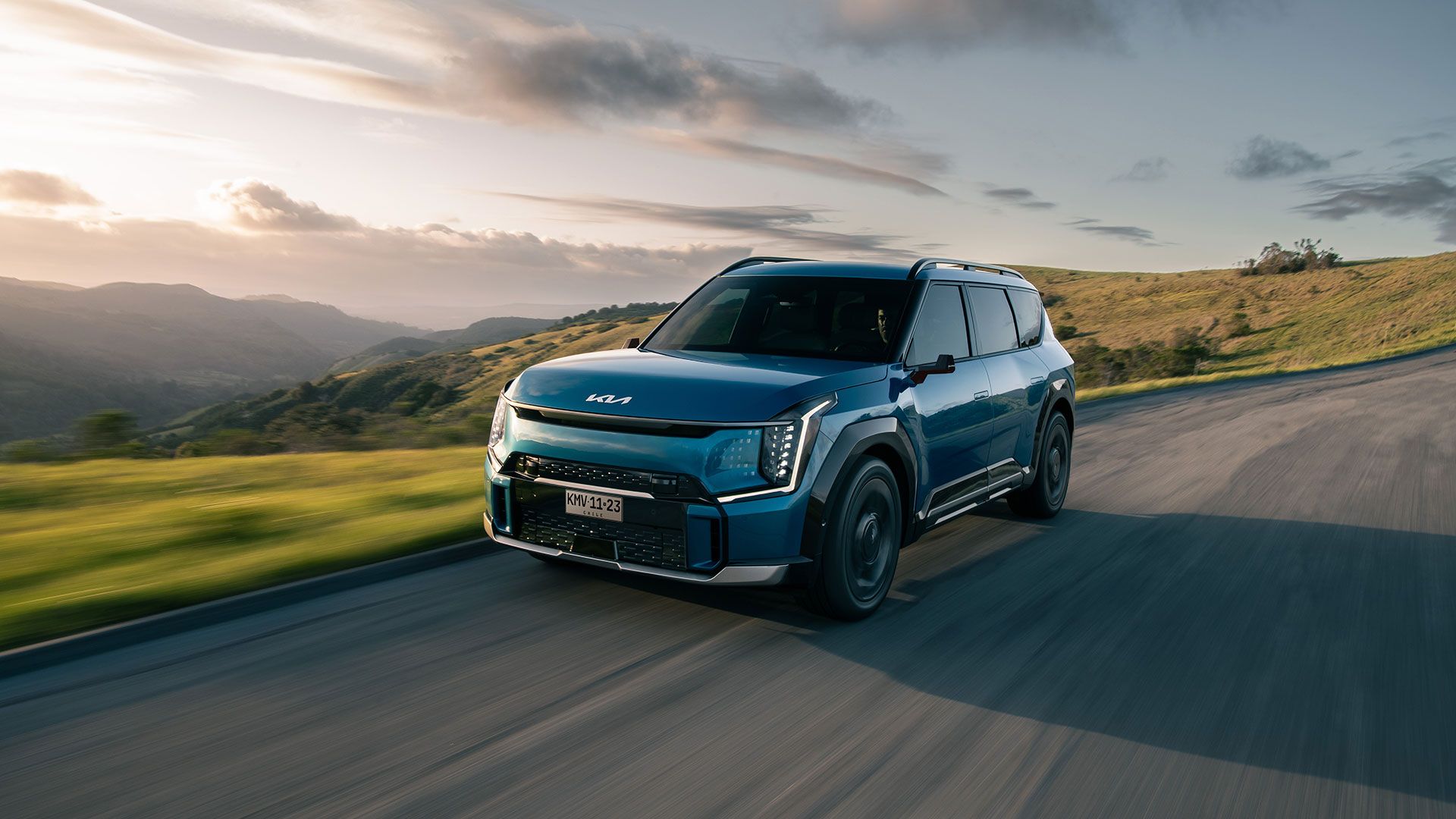
2. Kia EV9
Large electric SUVs are still a developing market segment in the U.S., but Kia’s EV9 has made a bigger splash than expected. Its combination of three-row practicality, futuristic styling, and competitive pricing undercuts many rivals.
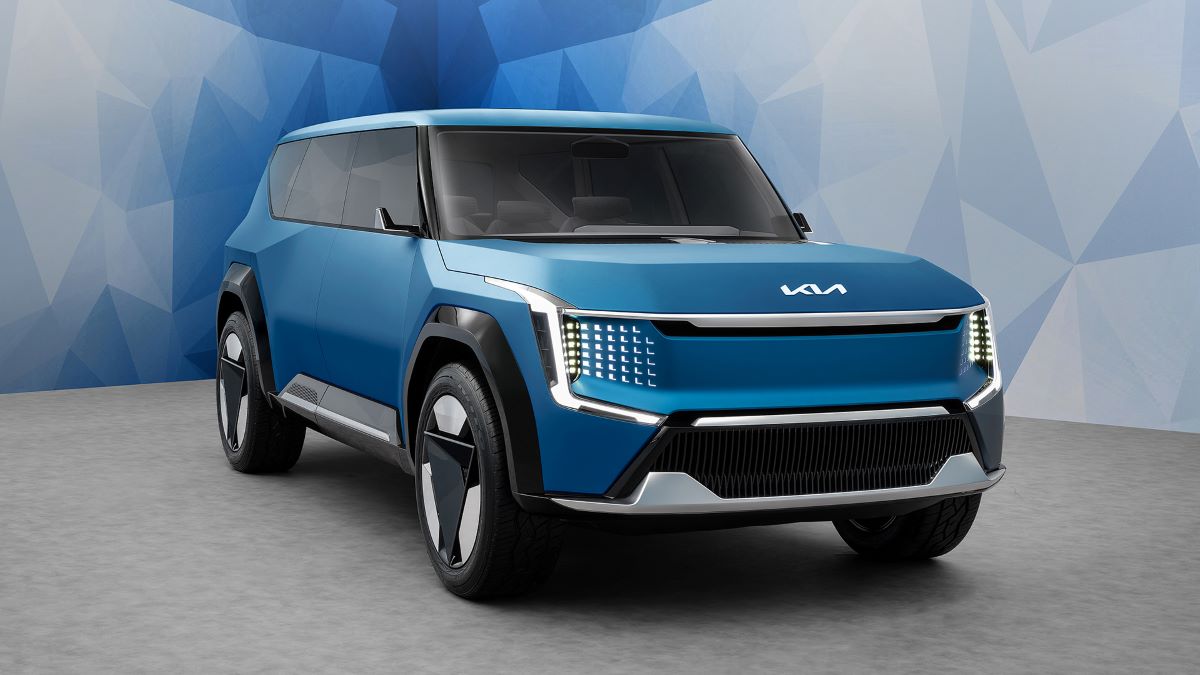
For families who want to go electric without sacrificing space, the EV9 has emerged as an appealing option, especially with federal EV tax credits still in play.
Its strong early sales numbers suggest it’s doing more than just turning heads it’s convincing buyers to make the switch.
The 2024 Kia EV9 proves that going all-electric isn’t just for sedans, pickups, and compact SUVs anymore. Roughly the same size as Kia’s gas-powered Telluride, the EV9 offers seating for up to seven and a usable third row, making it one of the few three-row EVs on the market, and one of the only ones with a starting price under $60K.
It rides on the same platform as the upcoming Hyundai Ioniq 7 and comes in rear- or all-wheel drive, with the latter using a dual-motor setup good for 379 horsepower.
Standard rear-wheel-drive models use a 76.1-kWh battery and deliver an EPA-estimated 230 miles of range, while Long Range rear-drive and all-wheel-drive versions get a larger 99.8-kWh battery capable of up to 304 miles in the single-motor configuration. Regardless of powertrain, towing capacity tops out at 5,000 pounds, matching the Telluride.
The EV9 is brand new for 2024 as part of Kia’s push to introduce 11 new EVs by 2026. Pricing ranges from $56,395 to $75,395, with the midrange Wind trim offering the best value thanks to its standard all-wheel drive, 379-hp output, second-row captain’s chairs, heated front seats and steering wheel, heat pump, and a full suite of driver-assistance tech.
Performance is especially strong in the AWD models, which can sprint to 60 mph in just 4.5 seconds, two seconds quicker than the gas-powered Telluride. A Boost mode is available for even more torque, and a GT model with up to 576 hp is set to arrive for 2025.
On the road, the EV9 balances comfort and control well, delivering a soft, composed ride and quiet cabin. The optional one-pedal driving mode works smoothly, bringing the SUV to a complete stop without drama.
Also Read: 10 Best Car Models That Improved in New Generations
3. Nissan Z
In a market dominated by SUVs, you wouldn’t expect a two-seat sports car to gain momentum. Yet, Nissan’s revived Z is finding a surprising amount of interest among younger buyers and nostalgic enthusiasts alike.
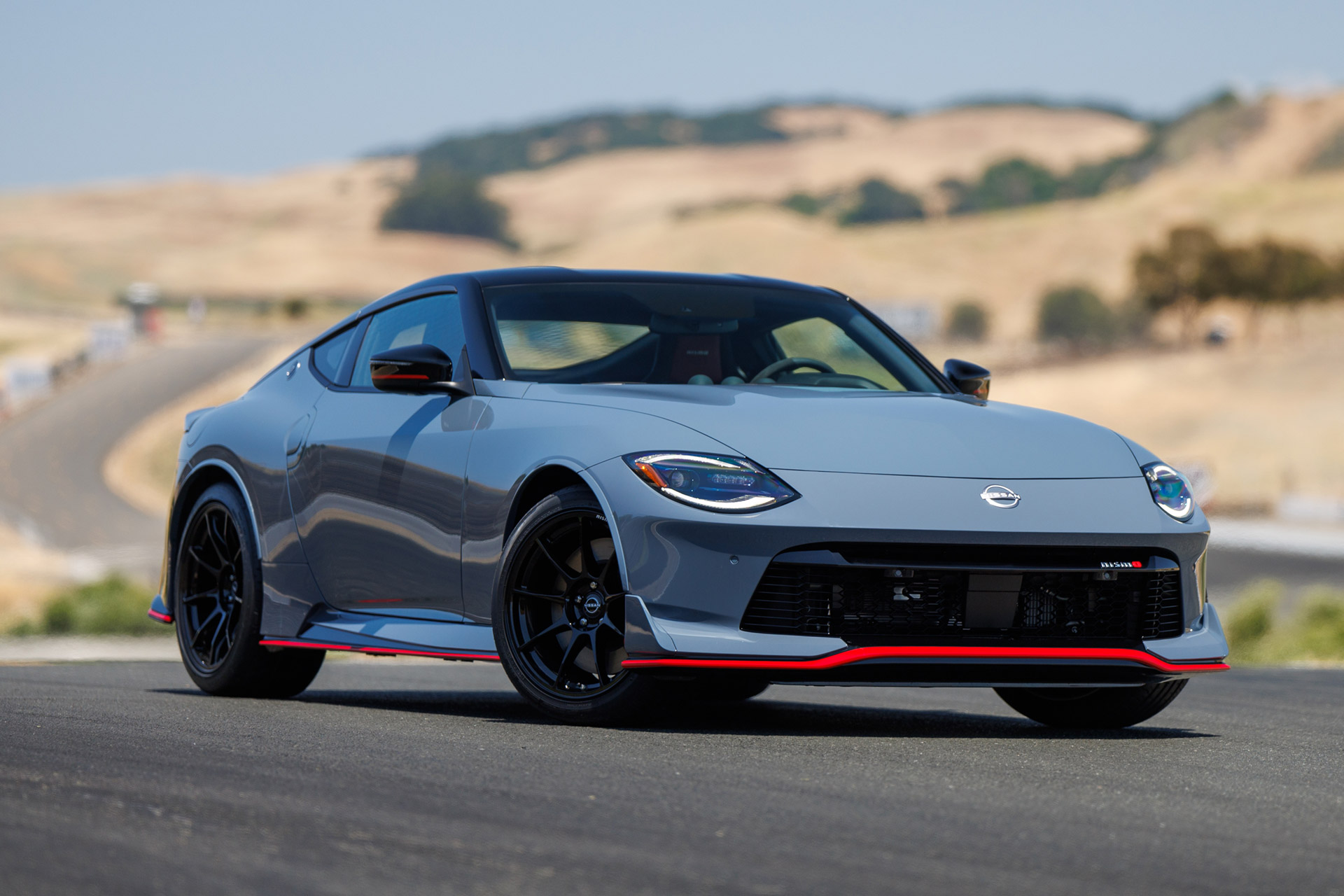
With retro-inspired styling, a twin-turbo V6, and a starting price that undercuts many performance rivals, the Z offers a slice of classic sports-car fun in a modern package. Social media exposure and positive reviews have helped it punch far above its projected sales weight.
The 2020 Nissan 370Z may not hold much sway with today’s car enthusiasts, but this rear-wheel-drive coupe still manages to deliver some thrills. It can represent a solid value compared to pricier sports cars, though it falls short of matching their performance on and off the track.
Its naturally aspirated 3.7-liter V-6 produces 332 horsepower, offering responsive acceleration and nimble handling that make it an easy car to enjoy. That said, its performance limits are lower, and it lacks the refinement found in more modern rivals.
The 370Z’s age is also apparent in its styling, particularly inside the cabin, where it’s missing basic amenities such as a telescoping steering wheel, and some trims don’t even offer an up-to-date infotainment system. While long-time fans and budget-conscious buyers might still appreciate it, the 370Z is overdue for a full redesign to remain competitive.
For 2020, Nissan makes minimal changes to the lineup. The convertible variant is gone, leaving only the coupe body style. To mark the Z car’s 50th anniversary, two special-edition packages are available, featuring unique decals, paint combinations, and a few added features, though they don’t dramatically change the car’s character.
Pricing starts at $30,985 for the base model and reaches $46,740 for the top-tier NISMO. The Sport trim offers the best balance of value and features, with a limited-slip differential, upgraded brakes, 19-inch wheels, and aerodynamic enhancements.
An automatic transmission is only available on the more expensive Sport Touring trim, which also brings leather seating and a 7.0-inch touchscreen, but enthusiasts will likely prefer the six-speed manual in the Sport model.
The 50th Anniversary packages add special interior trim, heated and power-adjustable seats, and bold two-tone paint schemes, but the exterior decals may be a dealbreaker for some.
Under the hood, every 2020 370Z sends power to the rear wheels via its 3.7-liter V-6, paired with either a standard six-speed manual or an optional seven-speed automatic. The engine responds eagerly to throttle inputs, and at higher revs, it delivers a satisfying exhaust note.
In testing, the manual model proved easy to drive in town and quick enough for highway passing, but the shifter’s vague gates and transmitted vibrations were less enjoyable. Even in its most performance-oriented NISMO trim, the 370Z can’t match the precision of smaller, lighter rivals such as the Mazda Miata or the sharper Toyota Supra.
Still, it remains easy to drive enthusiastically, and its daily comfort is respectable. Steering is light, braking performance is average, but the rear-drive layout allows skilled drivers to indulge in tail-out antics.
Fuel economy varies depending on transmission choice. With the automatic, the 370Z is rated at 19 mpg city and 26 mpg highway, while the manual drops the city rating to 17 mpg but keeps the same highway figure.
On a 200-mile real-world highway loop, the manual exceeded expectations, returning 29 mpg. Inside, the 370Z’s cabin layout is logical and well-assembled, but its nearly decade-old design shows its age.
Comfort is decent, with seats supportive enough for spirited driving. The NISMO model features leather- and faux-suede Recaro seats, a unique tachometer, and other sporty touches. Storage is limited, but there’s enough space behind the seats for three carry-on bags—one fewer than the Supra accommodates.
Infotainment is perhaps the weakest point. The base model comes with a basic AM/FM radio and a red-on-black dot-matrix display, though it does include a CD player, USB port, and auxiliary input.
A 7.0-inch touchscreen is available, but only on the Sport Touring trim, and there’s no Apple CarPlay or Android Auto offered.
Safety is also bare-bones, neither NHTSA nor IIHS has crash-tested the 2020 370Z, and it lacks driver-assistance tech such as adaptive cruise control or automated emergency braking, prioritizing driver engagement over electronic aids.
Warranty coverage includes a three-year/36,000-mile limited warranty and a five-year/60,000-mile powertrain warranty, with no complimentary scheduled maintenance—something competitors like the Supra and Audi TT provide.
Also Read: Top 9 Cars in 2025 That Americans Rarely Trade-In
4. Chevrolet Bolt EUV
Despite Chevrolet announcing plans to wind down the Bolt EV lineup, the Bolt EUV has been experiencing a last-minute surge.
Affordable pricing, practical hatchback versatility, and eligibility for EV tax credits make it one of the most budget-friendly ways to go electric.
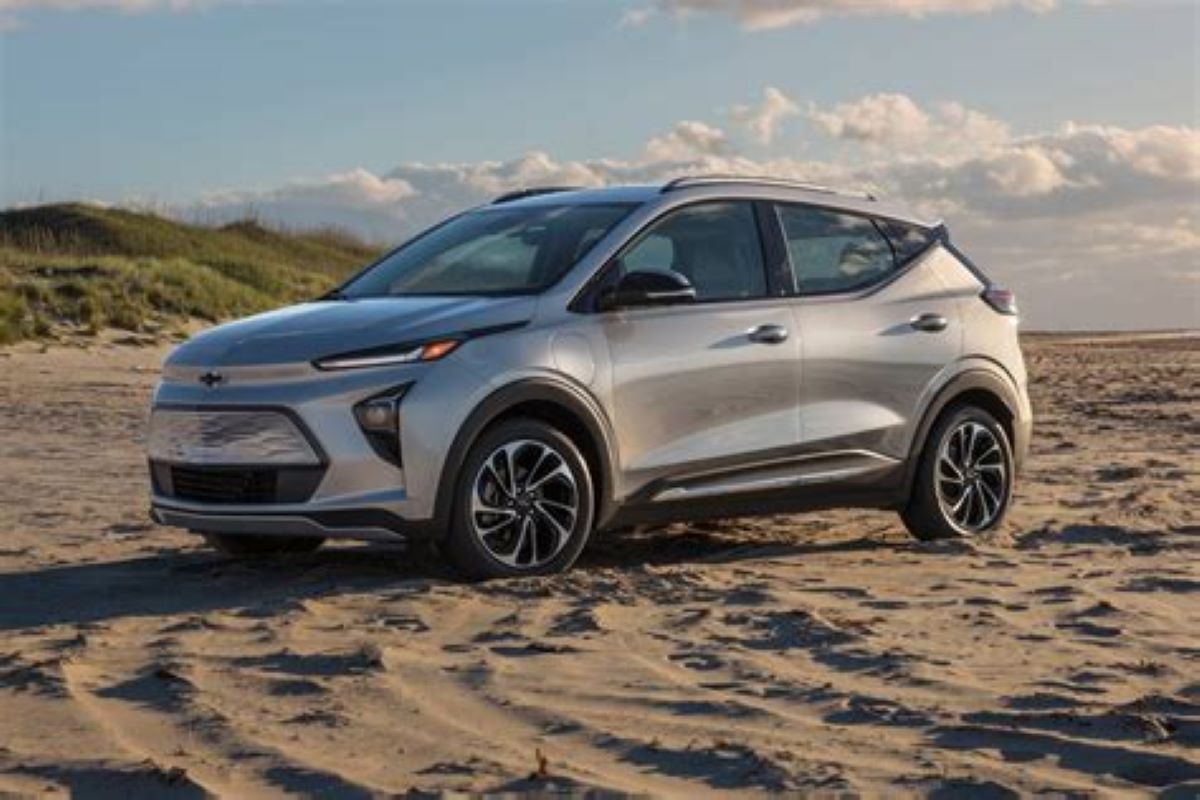
Some buyers are rushing to grab one before production ends, turning it into an unexpected hot commodity for 2025. The Bolt EUV’s strong demand in its final months underscores the growing appetite for affordable EVs.
The 2023 Chevrolet Bolt EUV builds on the regular Bolt EV hatchback’s platform but wraps it in SUV-inspired sheetmetal, catering to the American preference for crossovers. It offers 247 miles of range from its 65.0-kWh battery pack, which was once impressive but now sits mid-pack in the growing EV market.
Power comes from a 200-hp electric motor driving the front wheels, delivering decent acceleration without any off-road ambitions, similar to rivals like the Hyundai Kona Electric, Ford Mustang Mach-E, and Tesla Model Y. Where the Bolt EUV stands out is in technology, particularly the availability of GM’s Super Cruise hands-free driving system on the Premier trim.
A notable price drop for 2023 makes it one of the most affordable options in its segment, though it no longer qualifies for the $7,500 federal tax credit. This will be the model’s last year in production as GM retools the factory for its upcoming electric Silverado and Sierra pickups.
For 2023, a new Redline Edition package adds blacked-out trim and unique wheels with red accents to either the LT or Premier trims. Pricing starts at $28,795 for the LT and tops out at $33,295 for the well-equipped Premier, which adds leather upholstery, heated and ventilated power front seats, adaptive cruise control, lane-keeping assist, and blind-spot monitoring.
Performance is consistent across the lineup, with quick throttle response and smooth regenerative braking that enables one-pedal driving. It hits 60 mph in 6.8 seconds—respectable for the class—and offers agreeable ride comfort with composed, if unexciting, handling.
5. Hyundai Ioniq 6
While Hyundai’s Ioniq 5 crossover has been the brand’s electric star, the sleeker Ioniq 6 sedan is now finding its own audience.
With its aerodynamic design, impressive range, and competitive pricing, it’s drawing buyers who want EV efficiency without the bulk of an SUV.
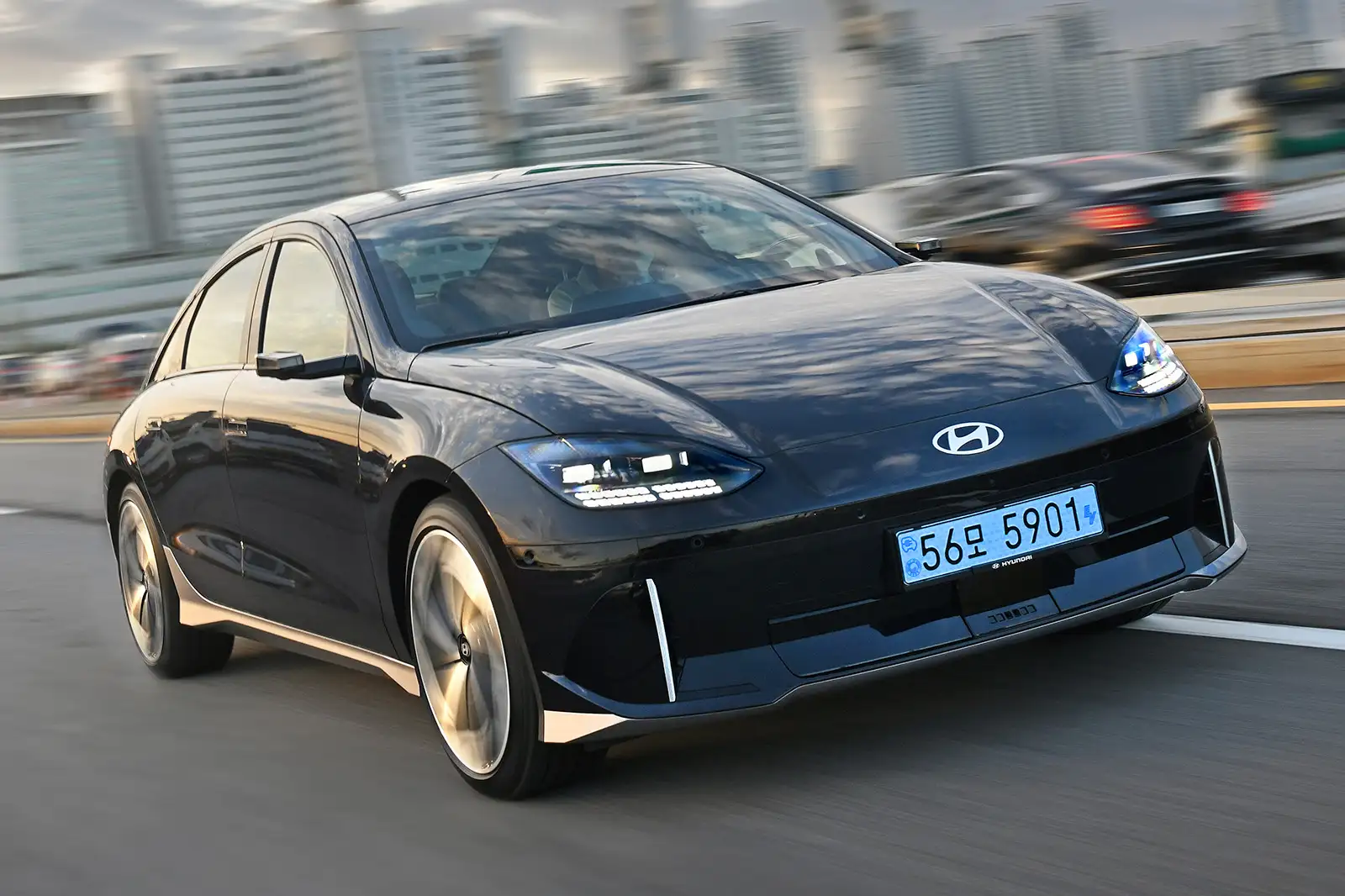
The Ioniq 6 also stands out for its ultra-fast charging speeds, making it a practical option for longer trips. Early skepticism about sedan EVs hasn’t stopped this one from gaining momentum in 2025.
The refreshed Hyundai IONIQ 6 arrives smarter, sleeker, and more efficient, boasting nearly 350 miles of range, making it the longest-range domestic EV in Korea.
First launched in September 2022, the updated “electrified streamliner” now features Hyundai’s fourth-generation battery technology, outperforming the Kia EV4’s 341-mile range.
Its fastback silhouette has been fine-tuned for aerodynamics, achieving an impressive 0.21 drag coefficient, the lowest of any Hyundai, Kia, or Genesis model.
Inside, Hyundai has refined the “Mindful Cocoon” cabin based on customer feedback, introducing higher-quality materials on the steering wheel and door trim, along with a redesigned center console.
New features include Air Conditioning Occupancy Detection, automatically adjusting climate control based on passenger presence, and Smooth Mode, which reduces motion sickness by softening acceleration and deceleration.
Buyers can choose between a 63-kWh battery (272 miles of range) or an 84-kWh pack (349 miles), with both able to charge from 10% to 80% in just 18 minutes using a 350-kW fast charger.
In Korea, pricing starts at 48.56 million won (about $35,000) for the base E-Value+ model, climbing to 61.32 million won ($45,000) for the top Prestige N Line. Thanks to subsidies, the real-world cost will be lower.
The U.S. version, expected in early 2026, may top 350 miles of EPA-rated range and is likely to include a built-in NACS charging port for access to Tesla Superchargers. Until then, Hyundai is offering aggressive lease deals on current models, with the 2025 IONIQ 6 starting at $169 per month and the IONIQ 5 at $179.
6. Subaru Crosstrek Hybrid
Plug-in hybrids have been hit-or-miss in the U.S., but the Subaru Crosstrek Hybrid is enjoying a surprising upswing. Outdoor-oriented buyers like its combination of AWD capability, crossover practicality, and the ability to drive short daily commutes purely on electric power.
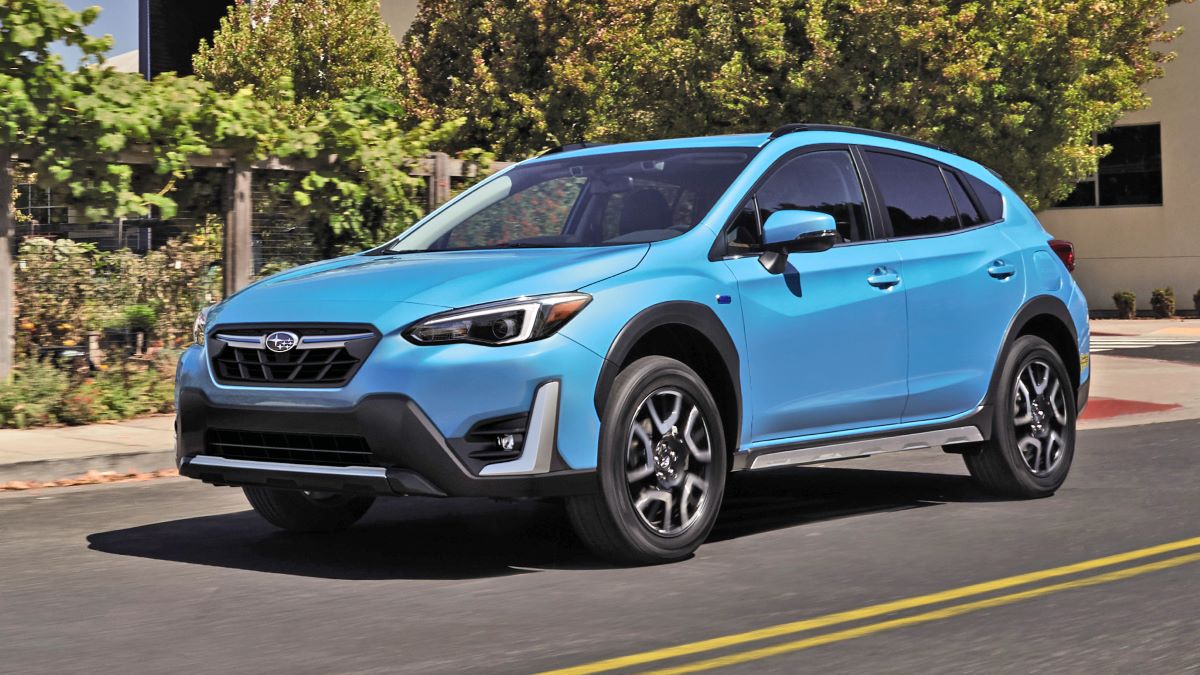
With fuel efficiency improving and federal incentives available, more shoppers are giving it a second look especially those who aren’t ready to commit fully to an EV but still want to lower their fuel bills.
Small in size but ready for big adventures, the Subaru Crosstrek remains the brand’s entry-level subcompact crossover, and for 2024, it enters a new generation. A hybrid powertrain will return, but not immediately, it’s still a few model years away.
Unlike the previous plug-in hybrid (PHEV) version, which offered 17 miles of electric-only driving, the upcoming Crosstrek Hybrid will use the same setup found in the new Forester Hybrid.
This system pairs a 2.5-liter flat-four engine with an electric motor and a 1.1-kWh battery, delivering a combined 194 horsepower through a CVT automatic and Subaru’s standard all-wheel drive. The shift away from PHEV technology lowers the starting price but sacrifices the ability to drive short trips entirely on electric power.
Official EPA ratings aren’t out yet, but Subaru says the new model will be 20 percent more efficient than the previous PHEV. Based on that claim, we expect about 42 mpg combined and an estimated range of 621 miles from its 16.6-gallon tank.
Off-road capability remains a highlight thanks to Subaru’s symmetrical all-wheel drive, 8.7 inches of ground clearance, an 18.0-degree approach angle, and X-Mode off-road traction control.
Safety tech is well-covered, with the Crosstrek Hybrid benefiting from the brand’s latest EyeSight suite. Features include adaptive cruise control, lane-keep assist, blind-spot monitoring, automatic emergency braking, and intersection collision mitigation, aided by upgraded cameras with a wider field of view for improved system response.
On the tech front, the biggest change is inside the cabin, where the largest previous display, an 8.0-inch unit, has been replaced with the 11.6-inch vertical touchscreen seen in other Subaru models like the Outback and Ascent.
A 12.3-inch digital driver display is also available. While the new infotainment layout looks sharp, it isn’t the most intuitive for simple adjustments like fan speed. Wireless Apple CarPlay and Android Auto come standard, and multiple USB ports will be available throughout the cabin.
The U.S. car market is full of predictable best-sellers, but 2025 proves that there’s still room for surprises. These six vehicles each for their own reasons are striking a chord with buyers who might have overlooked them in previous years.
Whether it’s a final-run rush, fresh design appeal, or a balance of practicality and new technology, they’re proof that trends in the auto industry can shift quickly when the right mix of value, style, and timing comes together.