
In 2025, the used car market in the US is shifting in surprising ways. While demand for certain vehicles remains predictable think popular SUVs and hybrids some cars that previously struggled to find buyers are now flying off listings faster than expected.
Changes in gas prices, supply chain recovery, evolving buyer preferences, and a stronger focus on value have all played a role. For sellers, this means there’s opportunity hiding in unexpected corners of the market.
Whether it’s due to nostalgia, renewed practicality, or niche appeal, these cars are moving faster than many would guess. Here’s a closer look at seven models that are easier to sell in 2025 than you might expect.
1. Chevrolet Bolt EV
Just a few years ago, the Chevy Bolt EV was overshadowed by more high-profile electric vehicles.
Now, with EV incentives returning in many states and used EV prices stabilizing, the Bolt has found a sweet spot with budget-conscious buyers looking for electric range without Tesla-level pricing.
Its respectable battery life, easy charging, and compact size make it perfect for city dwellers, which means sellers are getting quick offers.
The Chevy Bolt EV was once one of the most affordable electric vehicles available, which made it a favorite among budget-conscious EV buyers. Its discontinuation left a noticeable gap in the market, but in 2023, GM CEO Mary Barra confirmed that a new Bolt EV was on the way.
Now, with the first prototypes spotted testing on public roads, we’re getting our first real look at the next generation. Early spy shots reveal that the 2026 Bolt EV will retain a familiar overall shape but with updated styling.
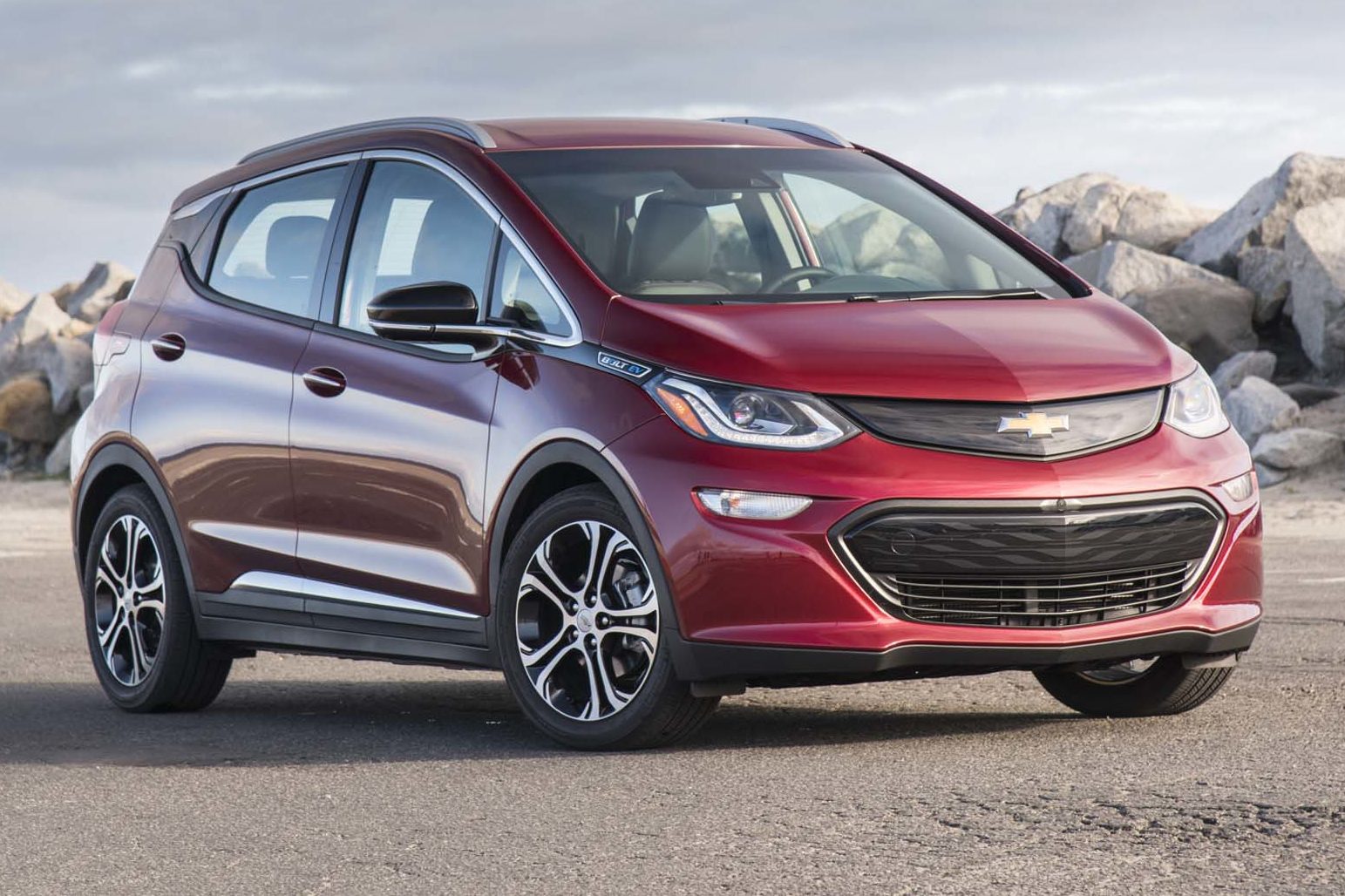
The front fascia will feature a prominent LED light strip, a design cue shared with other Chevrolet EVs, and the rear end will see only light modifications from the outgoing model. The look appears slightly less “cutesy” than before, drawing more from Chevy’s small SUV lineup, such as the Trax and Equinox.
While interior photos weren’t captured, expectations are high for a more significant cabin redesign, likely including a fully digital gauge cluster and a large central touchscreen. Unfortunately, like other upcoming GM EVs, it’s probable that the system won’t support Apple CarPlay.
Underneath, the 2026 Bolt EV will move to GM’s Ultium battery platform, a shift that brings both faster charging speeds and greater efficiency.
GM is expected to use lithium-ion phosphate batteries, which are less expensive and allow for faster production but could slightly impact driving range compared to higher-end chemistries. Even so, projections suggest a range exceeding 300 miles, keeping the new Bolt competitive in its segment.
Another major update is the inclusion of GM’s Super Cruise hands-free highway driving technology, previously offered only on the slightly larger Bolt EUV. This addition should broaden the Bolt EV’s appeal for buyers interested in advanced driver-assistance features.
Chevrolet plans to begin production of the 2026 Bolt EV in late 2025, with the official market launch expected in early to mid-2026. If it delivers on range, tech, and pricing, the Bolt EV could reclaim its position as one of the most accessible and practical EVs for everyday drivers.
2. Toyota Prius
The Prius went from being a punchline in car culture to a sought-after hybrid in 2025. Rising fuel prices and a public push for eco-friendly transportation have reignited its appeal.
Newer hybrid competitors may be flashier, but the Prius’s reliability, low maintenance costs, and proven efficiency mean used models sell quickly often faster than gas-powered sedans in the same price bracket.
For its fifth generation, the Toyota Prius has undergone a dramatic reinvention, swapping its old “eco geek” image for a far more stylish “eco chic” persona. The 2023 model features a complete redesign, with a sleeker, more aerodynamic profile and a fully overhauled interior.
Under the hood, Toyota has introduced a stronger hybrid powertrain that delivers a substantial boost in performance while maintaining fuel efficiency levels similar to those of previous models. The new system produces up to 196 horsepower, a huge leap from the previous generation’s modest 121-hp output.
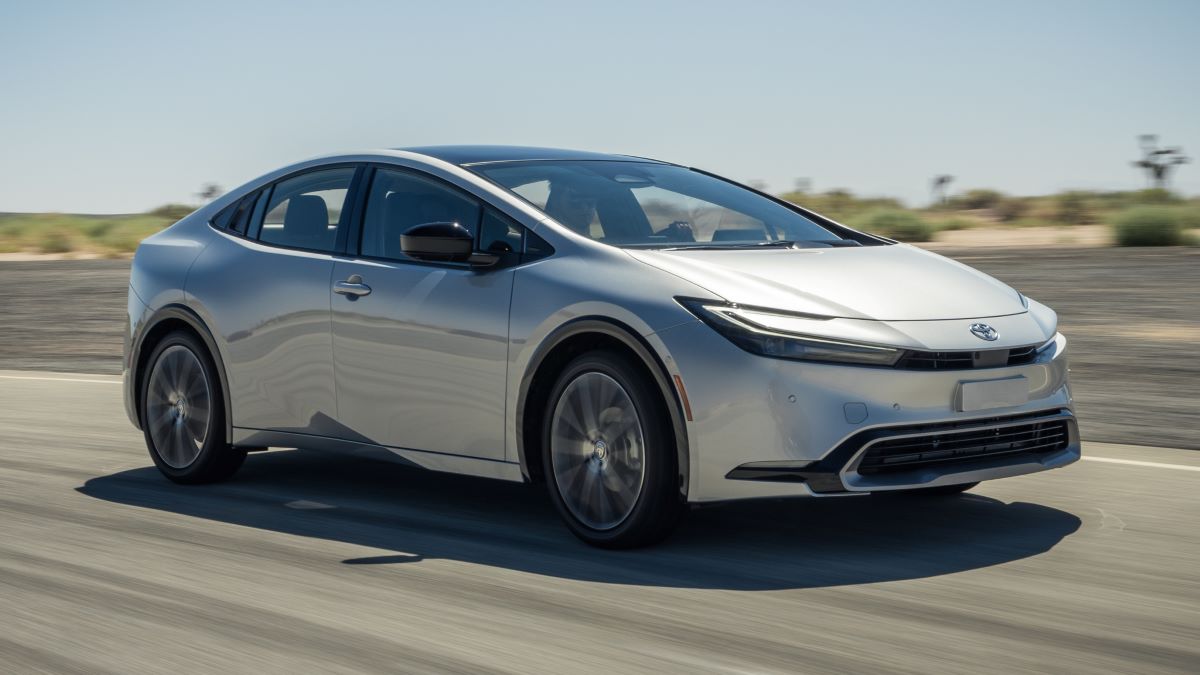
As a result, the Prius can now sprint from 0 to 60 mph in roughly seven seconds, a remarkable improvement over the 10.7 seconds it took the last Prius we tested. This extra muscle makes highway merges and on-ramp accelerations far less stressful.
Fuel economy remains a highlight, with Toyota estimating between 49 and 57 mpg combined, depending on the specific model configuration. For buyers seeking even more efficiency and versatility, the plug-in hybrid Prius Prime is also all-new, offering an extended electric-only driving range compared to its predecessor.
While the exterior redesign turns heads, the interior transformation is arguably even more impressive. The cabin adopts a clean, modern aesthetic complemented by a significantly upgraded tech suite.
An 8-inch touchscreen comes standard, while higher trims receive a 12.3-inch display. Available features include heated and ventilated front seats, ambient interior lighting, and a panoramic glass roof. Thanks to its hatchback design, the Prius also offers a respectably spacious cargo area, making it practical as well as efficient.
With core rivals like the Honda Insight and Hyundai Ioniq now discontinued, the Prius stands out as one of the last strongholds in the hybrid hatchback segment. The Kia Niro remains its closest competitor, offering both hybrid and plug-in hybrid versions.
Given its vastly improved performance, upscale design, and class-leading efficiency, the 2023 Prius earns our strong recommendation for anyone looking for a fuel-efficient daily driver.
3. Mazda MX-5 Miata
Sports cars typically sit on the market longer, but the MX-5 Miata is an exception this year. Thanks to its reputation for driving fun, strong resale value, and low running costs, it’s attracting buyers who want a weekend toy that won’t break the bank.
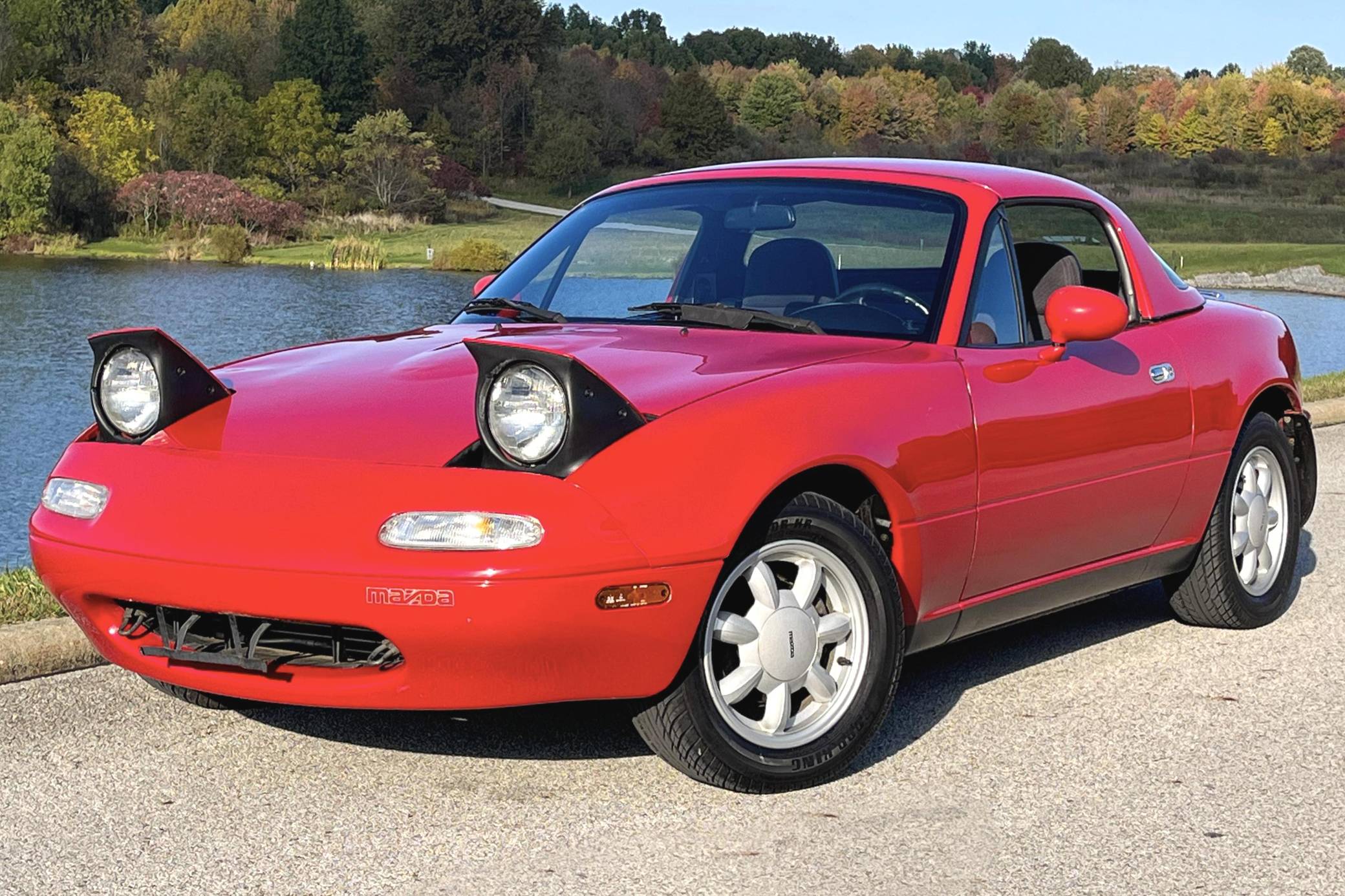
Enthusiasts and casual drivers alike are snapping them up, especially well-maintained models with manual transmissions.
Few cars deliver driving thrills at an affordable price quite like the 2022 Mazda MX-5 Miata, and it stands out as the only affordable sports car with a convertible top. It’s a favorite on our 2022 Editors’ Choice list for good reason.
Under the hood, a lively four-cylinder engine pairs primarily with a satisfying six-speed manual transmission, though an automatic is offered on select trims. The Miata’s handling is eager, playful, and precise, making twisty roads a genuine joy to navigate.
Most models come with a manually folding soft-top, but there’s also the pricier RF variant, which features a power-folding Targa hardtop for those wanting a bit more refinement. The interior is snug but nicely equipped, with Apple CarPlay and Android Auto standard across all trims, ensuring you stay connected on the go.
For 2022, Mazda has trimmed down the availability of the six-speed automatic, limiting it mostly to the top-tier Grand Touring trim, where it’s a $500 option on the soft-top and $550 on the RF. We say good riddance, the Miata just feels right with a manual.
Mazda also introduced a new feature called Kinematic Posture Control, which improves handling by applying slight brake pressure to the inner rear wheel during corners, reducing body roll and boosting stability.
The color palette expands with Platinum Quartz Metallic and a new Terracotta Nappa leather upholstery exclusive to the Grand Touring trim. Additionally, the Miata RF’s Club trim automatically includes the Brembo BBS Recaro package, which bundles Brembo brakes, BBS wheels, and Recaro seats, serious gear for enthusiasts.
Pricing for the 2022 MX-5 Miata ranges from $28,715 for the base Sport trim to $40,210 for the top-end Club RF model. The mid-range Club trim strikes the best balance between features and performance, boasting 17-inch wheels, a limited-slip rear differential, heated seats, and a nine-speaker Bose stereo system. While the automatic is available, the crisp and engaging six-speed manual, standard on the Club, is the transmission we’d choose every time.
Performance-wise, the Miata’s engine eagerly revs, providing spirited acceleration that can rocket the soft-top model from 0 to 60 mph in just 5.7 seconds, with the slightly heavier RF hardtop close behind at 5.8 seconds.
The ride is firm and sporty, sometimes feeling bouncy over a series of bumps, especially in the Club trim with its firmer shocks and springs. Handling is sharp and responsive, with light, tactile steering that keeps the driver connected to the front tires and the road.
Simply put, this is a fun car through and through, rewarding those who enjoy exploring the engine’s rev-happy character with a direct and easy-to-shift manual gearbox. Even the automatic version is well-tuned, offering quick shifts and sporty programming.
Fuel economy benefits from the Miata’s light weight, with ratings of 26 mpg city and 35 mpg highway (with the automatic). Real-world tests prove even better, as a soft-top Grand Touring returned 36 mpg on a 200-mile highway run, while the RF Club hardtop managed 37 mpg using the manual transmission.
Inside, the Miata’s cabin is cozy, you don’t so much sit in it as wear it. The two-seat interior is minimalistic and focused, prioritizing driving essentials like the steering wheel, pedals, and shifter, with few distractions.
Storage is limited, with tiny cubbies and a very small trunk, reflecting the car’s pure sports car ethos rather than practicality. Still, if you pack light, the trunk can handle a weekend’s worth of gear for two.
By comparison, rivals like the Subaru BRZ and Toyota GR 86 offer much more cargo space, thanks to their folding rear seats and larger interiors, making them better choices if practicality is a priority. But if driving excitement is your main goal, the MX-5 Miata remains hard to beat.
4. Honda Fit
Despite being discontinued in the US in 2020, the Honda Fit is enjoying a resurgence in 2025. Buyers love its surprisingly spacious interior, excellent fuel economy, and bulletproof reliability.
With small, efficient cars in short supply, used Fits are selling fast often to first-time buyers, college students, and commuters looking for a practical yet affordable option.
The 2020 Honda Fit is pretty much a modern-day magic clown car, surprising everyone with its ability to haul way more stuff than its compact size would lead you to believe.
This subcompact hatchback boasts more passenger space than you’d expect, thanks largely to its incredibly versatile multi-way folding back seat, which unlocks tons of cargo flexibility.
While this generation of the Fit has lost a bit of the fun-to-drive spirit that defined earlier versions, it still delivers a very fuel-efficient engine paired with a smooth and comfortable ride.
On the downside, the engine can get a bit buzzy under load, and the interior materials feel pretty basic and bland, reminding you that you’re in a budget ride. But even with these quirks, the Fit remains one of the most practical and versatile small cars available.
Looking at where the Fit stands, it ranked fifth among the best subcompact cars for 2020, trailing behind competitors like the Toyota Yaris, Hyundai Accent, Kia Rio, and Nissan Versa. Pricing starts at an accessible $17,185 for the base LX trim and tops out at $21,615 for the fully loaded EX-L.
Most buyers won’t want to settle for the base model though, as the Sport trim brings a better balance of features and price. It adds a 7.0-inch touchscreen with Apple CarPlay and Android Auto, plus some sharper exterior styling.
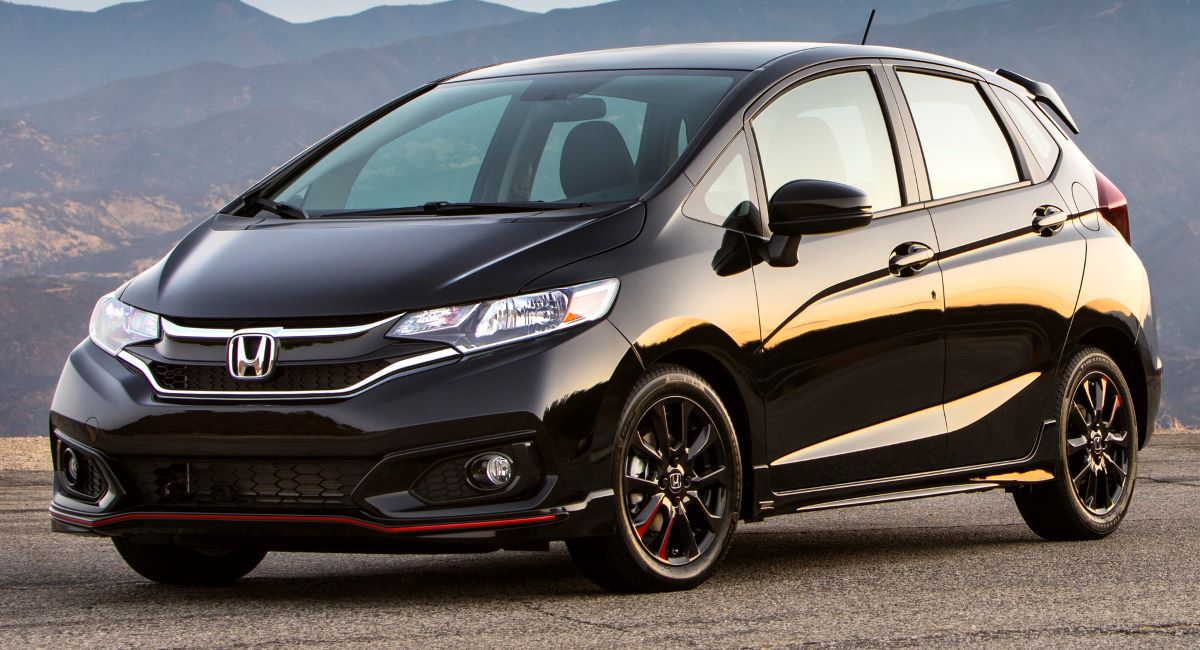
While the standard six-speed manual transmission is a fun option for driving enthusiasts, the CVT automatic is worth the extra cash because it boosts fuel economy and unlocks the Honda Sensing safety suite. This package includes adaptive cruise control, automated emergency braking, and lane-keeping assist, features that are increasingly expected these days.
Under the hood, your main choice is between the six-speed manual and the CVT. The manual gives you more direct control and makes the most of the engine’s modest power, while the CVT tends to dull the driving experience and drop horsepower to 128.
When pushed hard, the engine can get buzzy, which can detract from the overall vibe. The ride quality is one of the Fit’s stronger points; it glides over bumps with surprising suppleness, especially in the base LX trim with its larger tires.
However, the soft suspension means the Fit doesn’t shine in handling, it exhibits noticeable body roll in corners, and the steering lacks feel and precision compared to the previous generation. The result is a car that’s competent for daily driving but doesn’t exactly excite behind the wheel.
One final note: while Honda unveiled an all-new Fit at the 2019 Tokyo auto show, it won’t be sold in the U.S., and the Fit will be discontinued here entirely after 2020. So if you’re eyeing the Fit for its practicality and efficiency, this model marks the end of the line in America.
5. Subaru Outback
The Outback’s rugged image, standard all-wheel drive, and long-standing durability make it a top choice for outdoor enthusiasts.
In 2025, its resale market is hotter than ever, fueled by road trip culture and buyers in colder climates looking for a reliable year-round vehicle. Even higher-mileage Outbacks are selling quickly if they’ve been maintained well.
The 2025 Subaru Outback handles like a solid, dependable wagon but don’t expect anything thrilling behind the wheel. Its steering feels balanced and direct but doesn’t give much feedback, which means it’s competent but uninspiring when it comes to driver engagement.
It rides smoothly over most surfaces and can handle some light off-road dirt or gravel roads with ease, making it a practical choice for those who want a mix of daily comfort and weekend adventure capability.
Under the hood, most Outbacks come with a 2.5-liter flat four-cylinder engine producing 182 horsepower and 176 pound-feet of torque, which is perfectly fine for everyday driving but can feel a little underpowered when you’re pushing it.
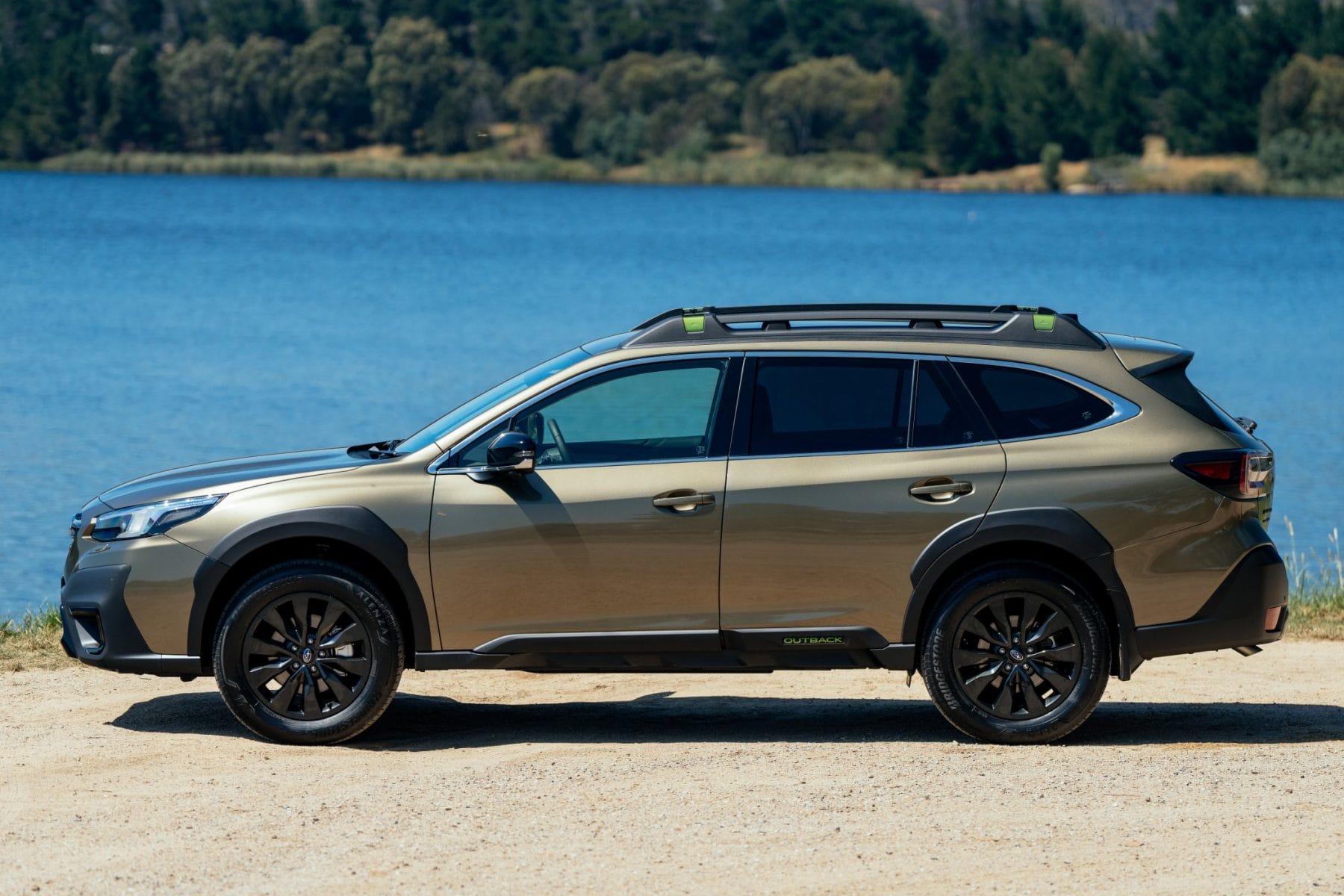
If you want more oomph, there’s a turbocharged 2.4-liter flat four with 260 horsepower and 277 pound-feet, found on higher trims and standard in the Wilderness model.
This engine is noticeably more lively, though some turbo lag is present. Every Outback uses all-wheel drive paired with a continuously variable automatic transmission (CVT), which often feels unrefined, especially at higher speeds, detracting a bit from the driving experience.
Fuel economy is one of the Outback’s strengths, scoring above average for the wagon segment. The base engine models achieve an EPA rating of 26 mpg city and 32 mpg highway, while the turbo-four models get a respectable 22/29 mpg.
The Wilderness trim drops slightly to 21/26 mpg. Inside, the Outback doesn’t wow with flashy design, but it’s well-built, practical, and comfortable, making it a pleasant place to spend time.
It seats five comfortably, with supportive front seats and decent rear space that can fit adults without much complaint. Cargo capacity is generous, 32.6 cubic feet behind the second row and a whopping 75.6 cubic feet with the seats folded down, offering plenty of room for camping gear, bikes, or luggage.
Its child safety seat setup is among the best, boasting versatile LATCH anchors that earned a Good+ rating. Reliability is predicted to be average with a J.D. Power score of 80 out of 100.
Pricing starts at $28,895 for the base model, which includes two 7-inch touchscreens, lane-keep assist, and automatic emergency braking. The Premium trim bumps the price to $31,195 and adds an 11.6-inch touchscreen, heated front seats, and more creature comforts.
The Onyx Edition starts at $36,105, bringing synthetic leather, a Harman Kardon stereo, and a moonroof to the table. Leather lovers can opt for the Limited trim at $37,855, which adds genuine leather upholstery and heated rear seats. For the off-road fans, the Wilderness trim at $39,960 features the turbocharged engine, all-terrain tires, and increased ground clearance.
The top-tier Touring trim starts at $40,345 and comes loaded with Nappa leather seats and ventilated front seats. Turbocharged versions of the Onyx Edition XT, Limited XT, and Touring XT trims start at $39,360, $40,195, and $42,795 respectively, delivering that extra power for those who crave it.
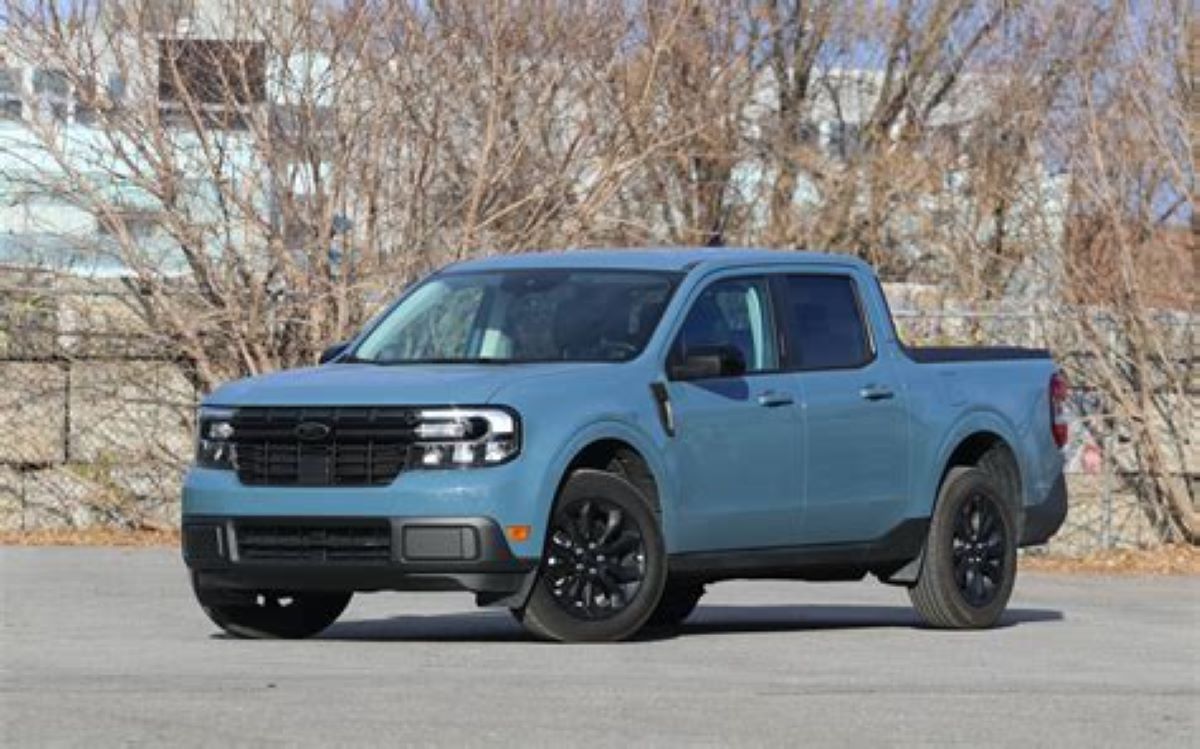
6. Ford Maverick
Compact pickup trucks used to be a niche market, but the Ford Maverick has turned that around.
With its hybrid option, solid payload capacity, and everyday usability, it’s appealing to urban and suburban buyers who want a truck without the size and cost of a full-size model.
Used Mavericks are in such high demand that sellers often find buyers within days. Ford dusted off the “Maverick” name from the 1970s and slapped it on this new compact pickup that’s basically a small truck with SUV bones.
It’s built on the same unibody platform as the Ford Escape and Bronco Sport, which means it’s lighter and more car-like compared to the traditional, body-on-frame construction you get with the Ranger and F-150. That makes it more maneuverable and easier to drive in tight spots, but it also limits its heavy-duty truck capabilities.
What’s cool about the Maverick is it offers a legit hybrid powertrain as standard, a 2.5-liter four-cylinder paired with an electric motor that pumps out a combined 191 horsepower. The fuel economy numbers are killer for a truck: an EPA-estimated 37 mpg combined (42 city/33 highway).
That’s a serious win if you want pickup versatility without guzzling gas. If you’re craving more grunt, you can step up to the turbocharged 2.0-liter four-cylinder that cranks out 250 hp and gives a more traditional gas-powered truck feel.
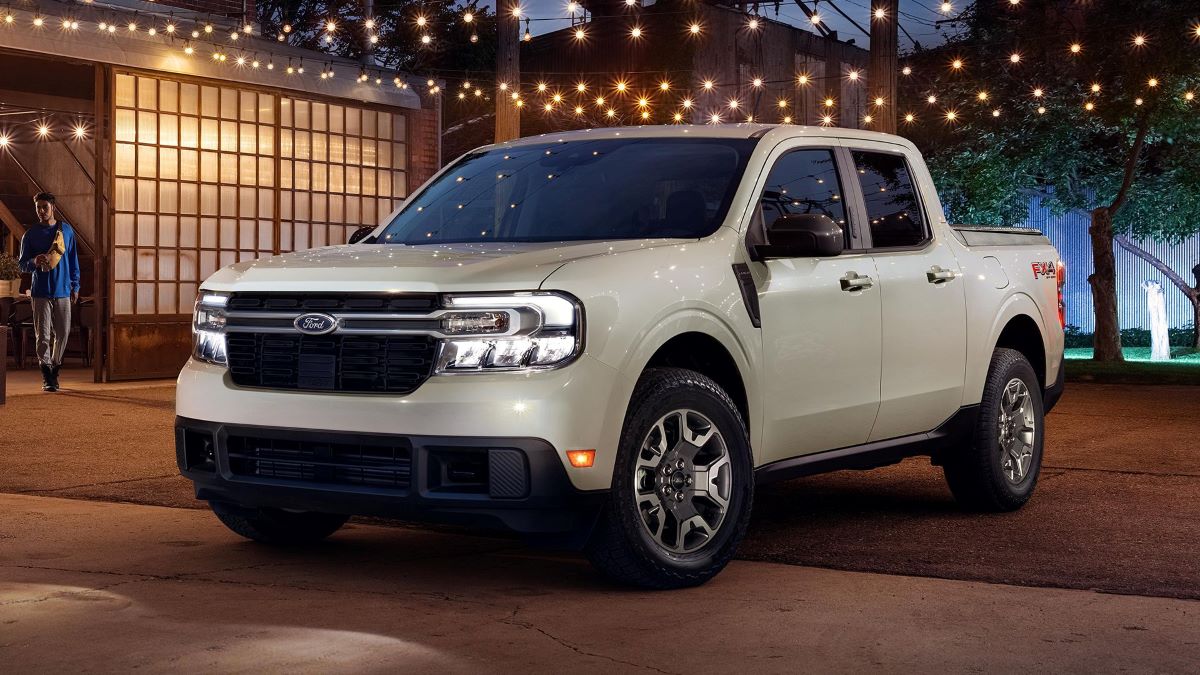
Now, don’t expect it to haul like a full-size pickup but the Maverick still holds its own with a 1,500-pound payload across the board and a towing capacity of up to 2,000 pounds with the hybrid and 4,000 pounds with the turbo and towing package. Not bad at all for a small pickup.
Inside, the Maverick is functional and straightforward, leaning more towards a truck vibe than luxury. It’s all about practicality and getting the job done without unnecessary bells and whistles.
The 2022 Ford Maverick is a smart, affordable, and efficient small pickup that nails the basics for people who want truck utility but don’t need the size, price, or fuel consumption of a Ranger or F-150. If you want a practical pickup for city driving, light towing, and daily versatility, the Maverick deserves a serious look.
7. Volkswagen Golf GTI
The Golf GTI blends practicality and performance, and that’s proving to be a winning formula in 2025’s resale market. It’s sporty without being impractical, fuel-efficient without being boring, and has a loyal fan base that keeps demand steady.
Well-kept GTIs, especially manual versions, are finding new owners faster than many SUVs in the same price range.
The GTI has been a go-to for affordable performance for decades, and it still has that punchy turbocharged 2.0-liter engine pushing 241 horsepower and 273 lb-ft of torque. That’s nothing to sneeze at — 0-60 in 5.7 seconds is quick enough to keep most drivers smiling.
It’s fast and slick, minimizing turbo lag and giving you that instant throttle response. But… the loss of the manual transmission is a punch to the gut for purists. No more clutch, no more row-your-own fun, just paddle shifters pretending to fill the void.
Inside, the GTI is still a looker with a modern, premium-feeling cabin, especially with those iconic plaid seats, which fans will appreciate. The Slate Blue paint option is also a winner. But it’s not all roses. The minimal hard buttons in the center console are a real frustration.
Trying to swipe volume or climate controls on a touchscreen slider while driving. That’s a safety and usability fail in 2025. VW has added some buttons back on the steering wheel after complaints, but they’re still behind the times ergonomically.
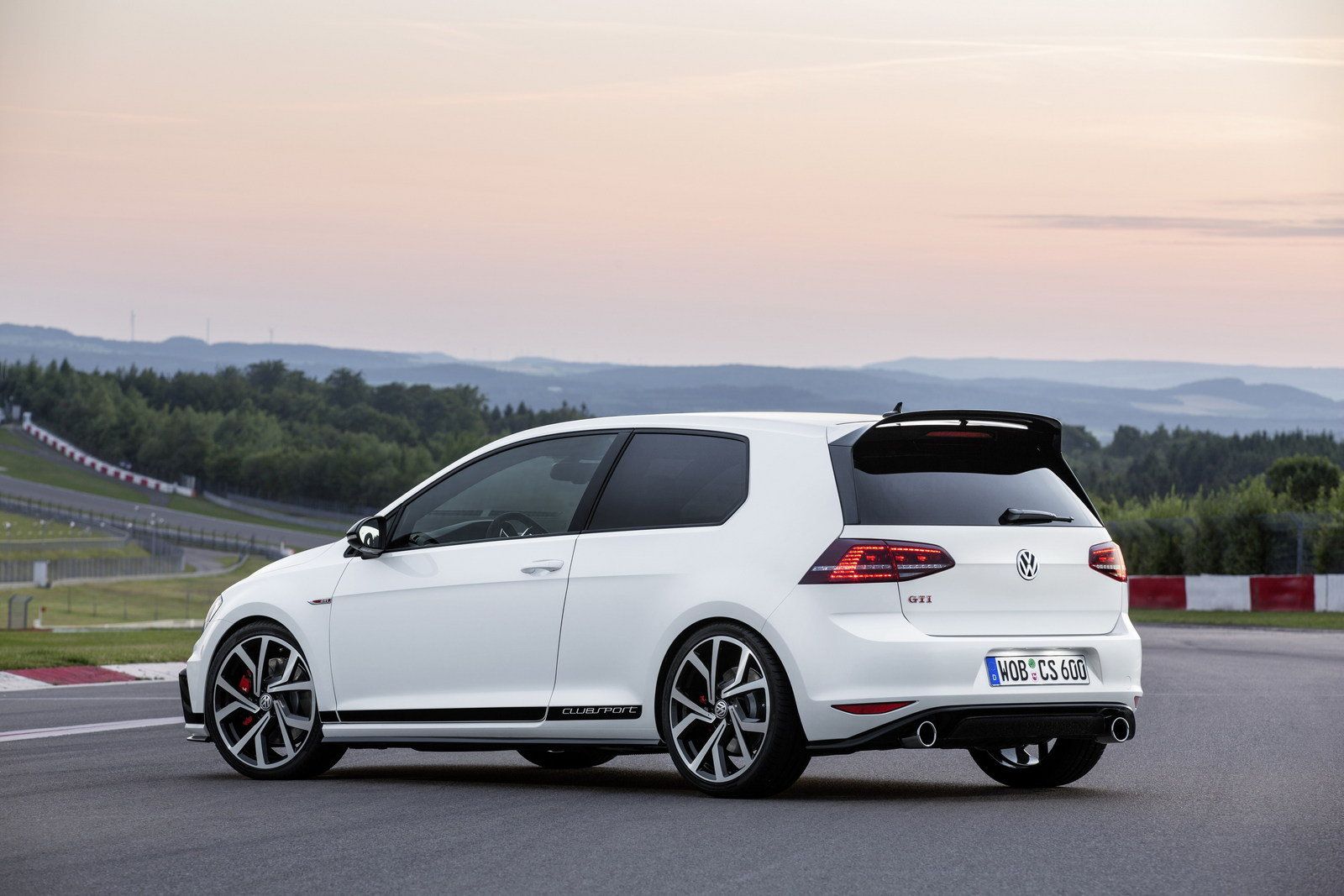
Here’s where it stumbles compared to newer rivals. The GTI is competent and composed but lacks the dynamic excitement and sharpness of competitors like the Honda Civic Si, Toyota GR Corolla, or Hyundai Elantra N.
The suspension is solid but not thrilling, steering is balanced but doesn’t feed you that connection to the road, and overall it feels a bit flat.
Pricing-wise, the GTI is still a deal. Starting just under $34k, it undercuts some more aggressive hot hatches by a few grand, making it a solid value if you want good performance without bleeding your wallet dry.
But if you crave a truly engaging driver’s car, there are fresher, more exciting options that give you better handling and more thrills for a similar price.
The 2025 GTI is a reliable, fast, and handsome hatchback, but it’s slowly losing its edge. If you want a fun, affordable performance car that’s still somewhat familiar, it fits the bill.
If you want excitement and engagement that makes your pulse race, the GTI is starting to feel like yesterday’s news. Time for VW to either reinvent it or step aside.
If you’re looking to sell in 2025, the market might surprise you. While some vehicles require months of listings and price cuts to move, these seven models are proving that the right blend of practicality, performance, and cultural timing can turn even unexpected contenders into quick sellers.
