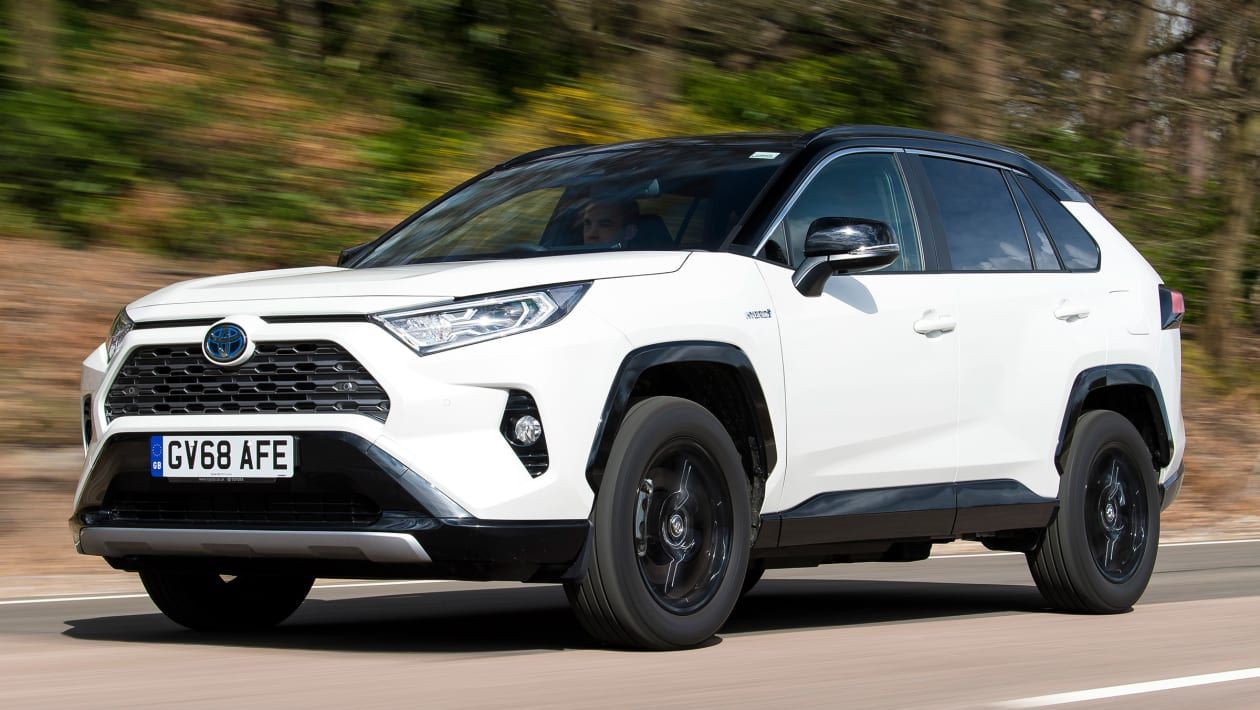
In the U.S. used car market, demand is often shaped by a blend of reliability, brand reputation, affordability, and real-world practicality.
While some models lose their appeal as newer generations roll in, others continue to command strong prices and quick sales even years after their release.
These vehicles stay “hot” because they deliver a dependable ownership experience, are inexpensive to maintain, and often fit into multiple lifestyle needs.
From family SUVs to rugged trucks and fuel-efficient sedans, here are 10 vehicles that continue to shine on the used market and why buyers keep chasing them.
1. Toyota Camry
The Toyota Camry has long been a used car staple in America, and it’s easy to see why. Known for bulletproof reliability, low maintenance costs, and a comfortable ride, the Camry consistently holds its value and sells quickly.
The Toyota Camry brings a lot to the table: spacious rear seating, a decent-sized trunk, three different powertrain options, and enough variations to match nearly any driver’s taste. Its trim lineup stretches from basic, no-frills versions all the way up to trims that feel almost luxurious.
For those mindful of their environmental footprint, there’s also an efficient hybrid model on offer. But arguably the Camry’s biggest selling point is its rock-solid reputation for reliability, a quality that not only keeps owners happy but also helps maintain strong resale values.
While the Camry is known for its practicality, it remains as plain and straightforward as ever, which isn’t necessarily a bad thing. After all, it consistently ranks as one of the best-selling vehicles in the U.S.
The 2017 Camry sticks with the same formula. The major overhaul came in 2015, bringing significant changes like an almost entirely new exterior design , a stiffer body structure, and upgraded infotainment features.
That redesign also introduced the XSE trim, which adds some upscale interior details in the sportier versions. A new redesign is scheduled for next year.
Under the hood, the Camry offers two engine options: a standard 2.5-liter four-cylinder putting out 178 horsepower, or an optional 3.5-liter V-6 that delivers a more robust 268 horsepower.
Both engines come paired with front-wheel drive and a smooth six-speed automatic transmission. The four-cylinder isn’t going to set any speed records and delivers fuel economy that’s only average, but it’s dependable and steady, qualities we respect.
The V-6 injects more power and a satisfying punch to the Camry, though it feels somewhat excessive for what is mainly a family commuter. The Camry is comfortable whether you’re navigating city streets or cruising the highway, though the ride quality is a bit firmer than you might expect in a family sedan.
The sportier SE and XSE trims feature suspension tuning aimed at a firmer ride and sharper cornering. Meanwhile, the LE and XLE trims can feel bumpy and noisy on rough pavement and tend to have softer, less precise handling around corners.
The SE and XSE models, with their firmer suspension and larger 17-inch wheels (compared to the base models’ 16-inch wheels), offer a less cushioned ride but reward you with better control and predictability when you push the car a little harder.
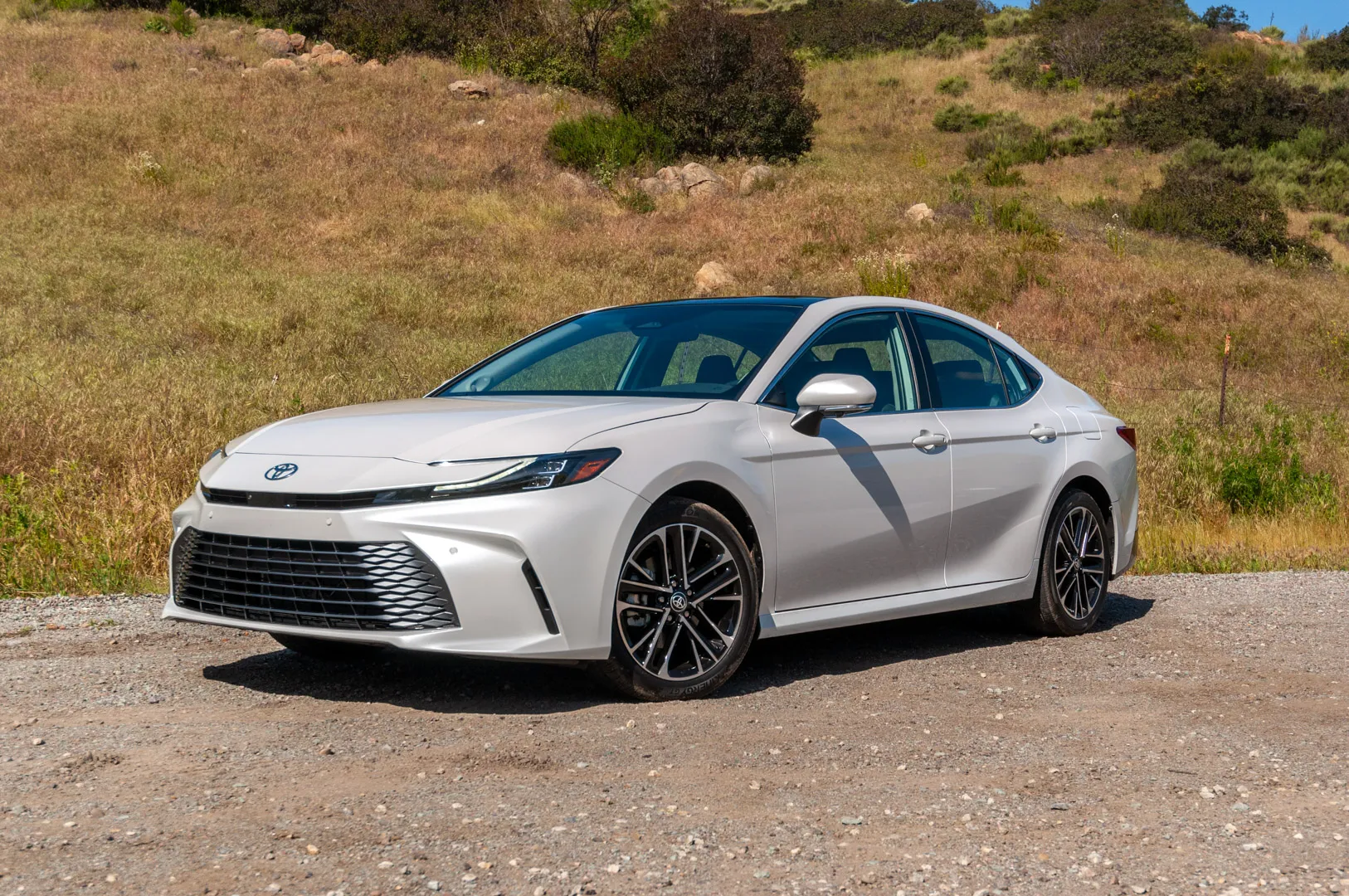
Even older models with higher mileage can attract strong offers thanks to Toyota’s trusted engineering.
2. Honda Civic
The Honda Civic remains a go-to choice for those seeking a practical, fuel-efficient, and stylish compact car.
The 2019 Honda Civic is the gold standard in the compact-car world, balancing everyday practicality with an engaging, fun-to-drive personality. This Civic lineup offers something for everyone, featuring a two-door coupe, a four-door sedan, and a versatile hatchback.
Under the hood, you get two solid four-cylinder engine options paired with either a smooth continuously variable automatic transmission (CVT) or a crisp six-speed manual.
If you want practicality without jumping into a crossover, or crave sporty vibes without committing to a full sports car, the 2019 Civic Sport fits the bill, and it does so at a price that won’t break the bank.
The 2019 Civic lineup comes with a variety of updates, ranging from subtle styling changes to new standard features, plus expanding the Sport badge to both the coupe and sedan models.
One of the most overlooked but appreciated tweaks is the return of a volume knob and physical buttons on the touchscreen, something that drivers had been craving since the touchscreen alone was a source of frustration. Beyond that, the sedan and coupe have cleaner front-end styling and added standard driver-assistance tech.
While the Sport trim is now available on both sedan and coupe, only the hatchback gets the 180-horsepower four-cylinder engine, which packs 22 more horses than the others. Still, the Sport coupe and sedan keep their blacked-out styling and firmer suspension tuning.
Inside, all Civics now boast larger cupholders, revamped steering wheel controls, and improved sound insulation. On the color front, new shades like Platinum White Pearl, Lava Pearl, and Tonic Yellow Pearl add some flair.
With three body styles across these trims, our top pick is the versatile Sport version. Its dark exterior accents and sharpened handling dial up the fun factor without sacrificing practicality. We recommend sticking to the six-speed manual for the purest driving experience instead of the CVT option.
The hatchback stands out as the most practical choice, featuring the more powerful 1.5-liter turbocharged four-cylinder engine, and it costs only a bit more. Every Sport trim also comes standard with a leather-wrapped steering wheel and shift knob, automatic climate control, and 18-inch wheels.
The Civic’s four-cylinder engines deliver peppy performance, with the turbocharged version standing out as our favorite for its extra power. In our testing, it eagerly launched the Civic Touring trim from stoplights with confidence.
While we prefer the light, precise feel of the six-speed manual transmission over the optional CVT, the continuously variable transmission isn’t a slouch, it’s actually one of the best CVTs on the market.
The Civic is a true jack-of-all-trades, striking a near-perfect balance between comfort and driver involvement. Its ride quality sits right in the sweet spot, not too soft, not too harsh. Steering is quick, well-weighted, and surprisingly tactile, making every drive enjoyable.
For those craving a bit more edge, the Sport trims offer even sharper steering. Despite having a firm brake pedal with good feedback, the Civic’s brakes don’t quite match the stopping power of some rivals.
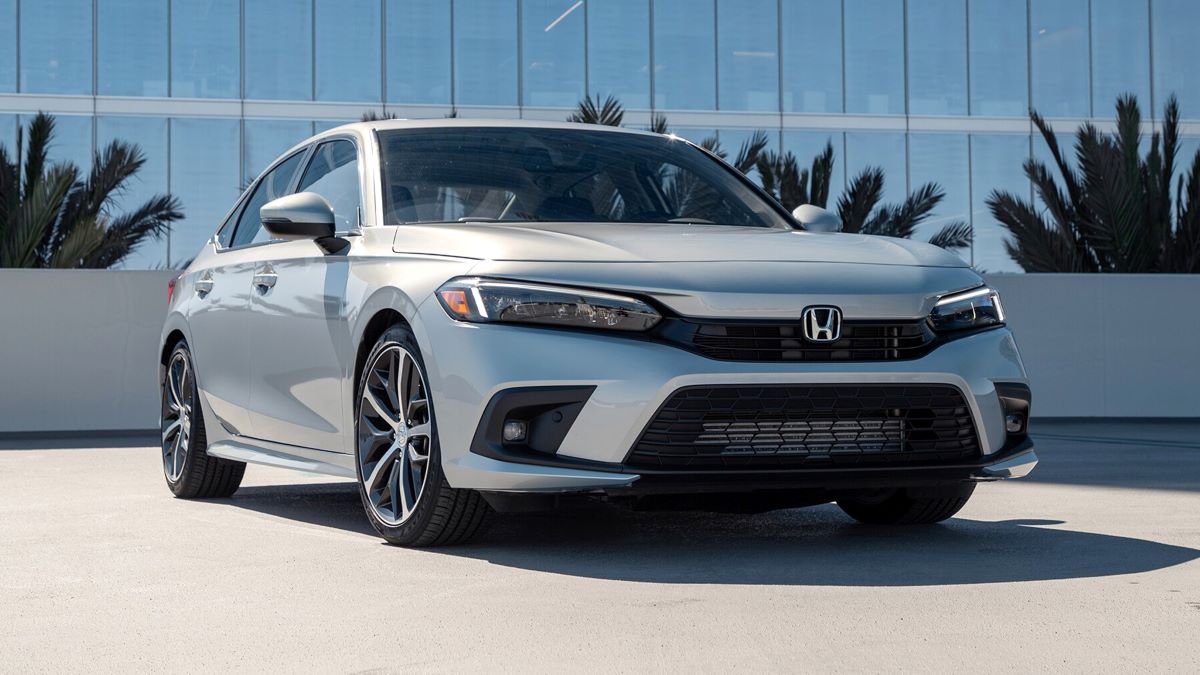
With a reputation for lasting well beyond 200,000 miles, the Civic appeals to a broad range of drivers from first-time buyers to commuters making it a quick mover on the used market.
Also Read: 5 Base-Model Cars That Resell Best vs 5 Trims That Aren’t Worth the Premium
3. Toyota RAV4
The Toyota RAV4 stays hot thanks to its blend of SUV utility, solid fuel economy, and Toyota dependability.
The RAV4 lineup is diverse, offering a traditional gas-powered version with 203 horsepower, a hybrid variant that boosts output to 218 hp while improving fuel efficiency, and a plug-in hybrid delivering a hefty 302 horsepower along with an electric-only range of 42 miles.
After plenty of speculation that 2025 would bring the sixth generation, the new RAV4 arrives largely unchanged and without much fanfare. Fortunately, Toyota has kept the compact SUV feeling fresh with its most recent facelift arriving in 2023.
The lineup has been slimmed down with the removal of the TRD-Pro and Adventure trims, while the Prime model has dropped that name in favor of the clearer “plug-in hybrid” label.
You’d have to be a serious detail fanatic to notice that the Toyota badge on remaining trims no longer features blue accents, this is the only visible change. There’s a strong possibility that next year will finally usher in a completely redesigned RAV4, including updated hybrid versions.
The 2025 RAV4 offers two main powertrains spread across several trim levels. Starting with the gas-powered models, the entry-level LE kicks off at $28,850 MSRP. Next up is the XLE at $30,360, followed by the XLE Premium at $33,250, and the Limited rounding out the internal combustion lineup at $37,155.
The hybrid trims mirror this structure, beginning with the Hybrid LE at $31,900, then the XLE at $33,410, and the XLE Premium at $36,300. Newer additions like the Woodland Edition ($35,120), SE ($34,595), and XSE ($37,560) also join the hybrid ranks.
The Limited remains the top hybrid trim, priced at $40,205. For the plug-in hybrid, only the SE and XSE trims continue, priced at $44,265 and $48,135, respectively. Keep in mind, there’s a $1,395 destination fee added to all prices, and all-wheel drive is available on most models for an additional $1,400.
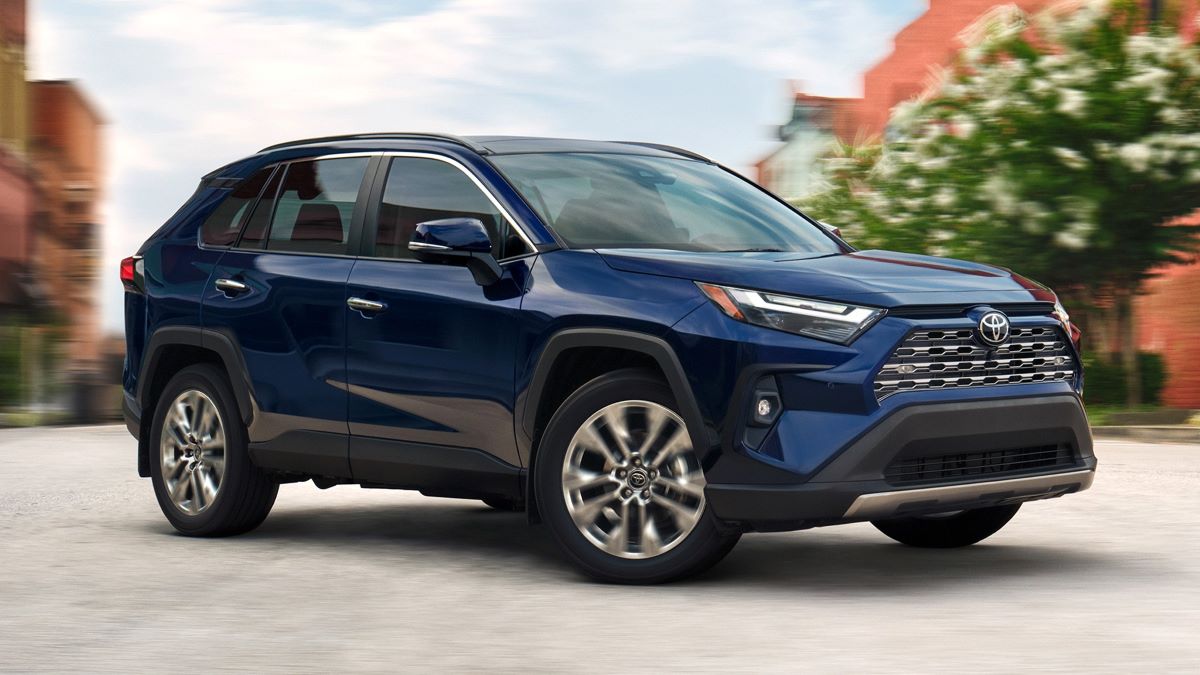
As the demand for crossovers has surged, used RAV4s even those a few years old command premium prices because they fit both city driving and weekend adventure needs.
4. Ford F-150
The Ford F-150 is America’s best-selling truck, and that popularity carries into the used market.
The pickup truck scene has shifted quite a bit lately. We’re seeing more midsize and compact “crossover” trucks than in years, but when it comes to sheer sales and capability, full-size trucks still dominate the market.
Topping the charts in this category, the 2022 Ford F-150, fresh off a complete redesign last year, has become our top pick. It boasts cutting-edge technology, a long list of features designed specifically for truck users, and an interior that feels completely modern.
Like most full-size trucks, the F-150 is available in multiple body styles, bed lengths, and engine options. For 2022, Ford dropped the 3.0-liter diesel, but the much-anticipated all-electric F-150 Lightning is set to hit the market this year.
Ford’s PowerBoost hybrid powertrain is still in play, offering a powerful yet fuel-efficient alternative to traditional gas engines. Bonus: it can even function as a backup power source for your home.
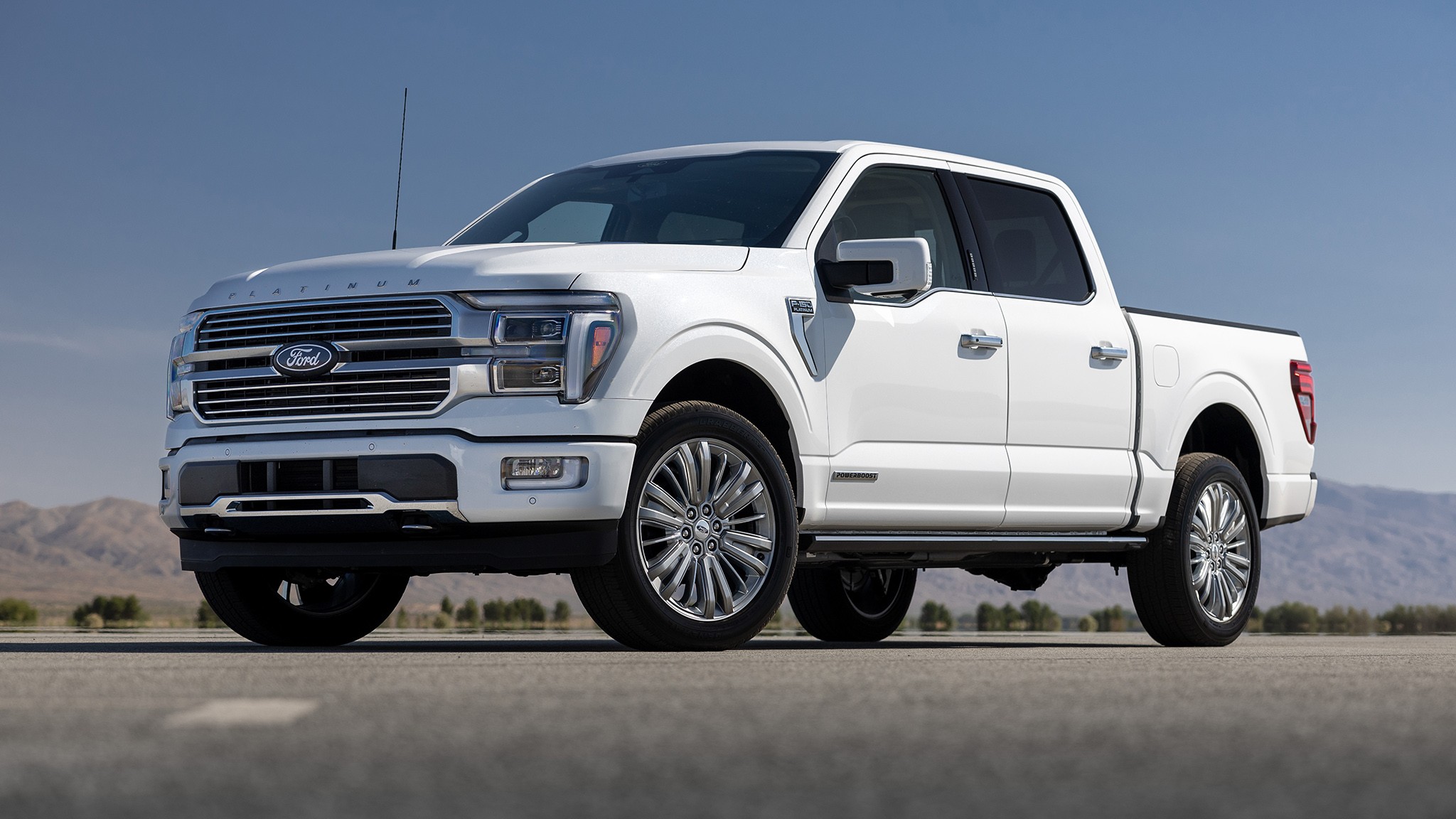
Buyers prize its wide range of trims, impressive towing and hauling capacity, and ability to handle both work and family duties, keeping demand consistently high.
5. Jeep Wrangler
The Jeep Wrangler is one of the rare vehicles whose personality drives its resale strength.
Its off-road capability, rugged image, and removable top make it a lifestyle purchase as much as a vehicle, meaning even older Wranglers with wear and tear can still pull in strong offers.
The standard engine is a 285-horsepower 3.6-liter V-6, which you can pair with either a six-speed manual transmission or an optional eight-speed automatic—the automatic being standard on the four- and eight-cylinder models.
For those craving serious muscle, there’s a 470-horsepower 6.4-liter V-8 available exclusively in the wild Rubicon 392 Final Edition, which comes paired with an eight-speed automatic.
On the other end, you’ve got a 270-hp 2.0-liter turbocharged four-cylinder and a 375-hp plug-in hybrid 4xe powertrain, which we cover in a separate review.
Wranglers come ready for off-road action right from the factory, with part-time four-wheel drive standard on most models. Some trims, Sport, Sahara, and Rubicon, offer a full-time four-wheel-drive system, which is standard on the 392.
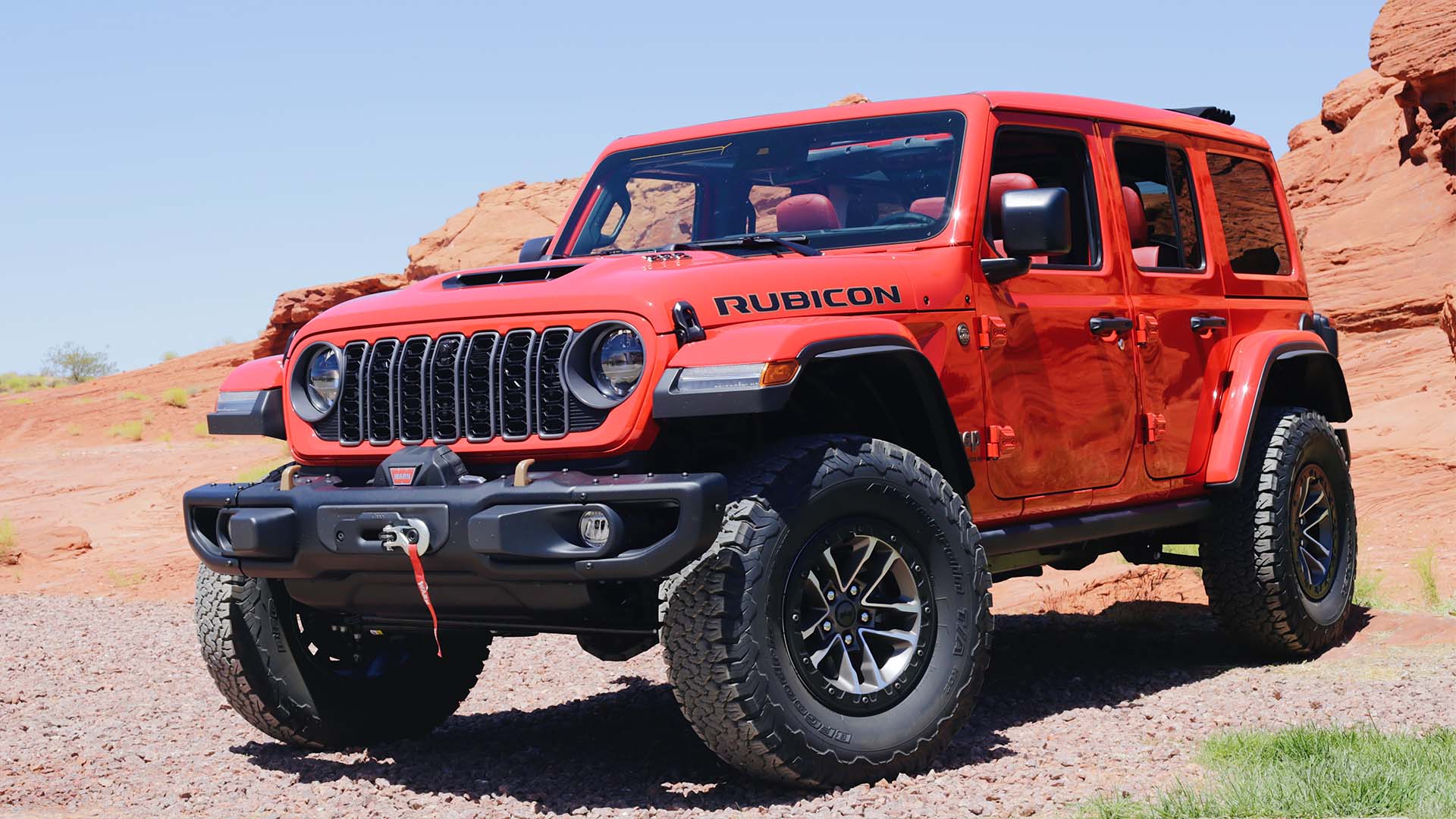
While the Wrangler’s handling has definitely gotten better, it still feels old-school and truck-like compared to today’s more polished SUVs and pickups.
The four-door version delivers a ride that’s reasonably smooth over rough terrain, but the shorter two-door can be a bit buck-wild when hitting bigger bumps.
6. Honda CR-V
The Honda CR-V continues to be a family favorite, offering roomy interiors, reliable performance, and excellent fuel economy for an SUV.
It’s also one of the most low-maintenance models in its class, making it a smart choice for budget-conscious used buyers.
The 2017 Honda CR-V is completely new from the ground up. It sports a bolder, more aggressive design, offers an optional turbocharged engine, and boasts a significantly upgraded interior.
Honda could have easily played it safe with the 2017 CR-V, after all, the previous model was still dominating sales in its class, so there was no real need to reinvent the wheel. A few minor design tweaks would’ve made sense, and no one would’ve complained. But instead, Honda went all in.
The 2017 CR-V ditches its conservative predecessor for a far more striking look. The front end is aggressive and commanding, the rear windows have been reshaped, and the sculpted haunches give the SUV an unexpectedly muscular stance.
Under the hood, all trims except the base LX come with Honda’s excellent 1.5-liter turbocharged four-cylinder engine, a powerplant borrowed from the Civic that delivers plenty of low-end torque and impressive fuel efficiency, reaching up to 34 mpg on the highway according to the EPA.
Step inside, and you’ll find a cabin inspired by the latest Civic’s modern design. The dashboard feels contemporary, the instrument cluster is digitally enhanced, and the touchscreen now includes a volume knob, finally addressing a common gripe.
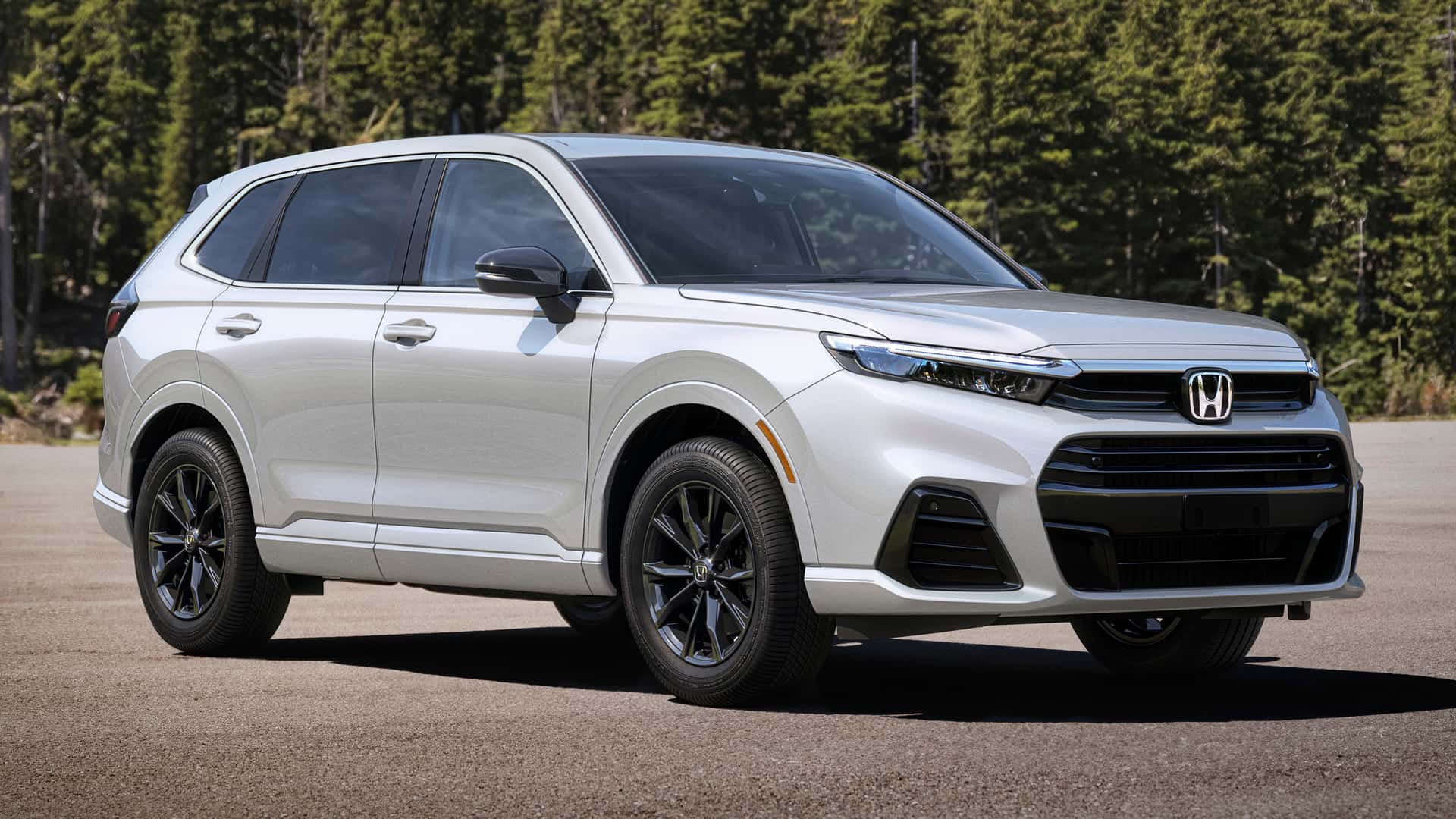
Rear passengers get more legroom than before, and the CR-V offers a massive 75.8 cubic feet of maximum cargo space, pushing this “compact” SUV well into midsize territory.
Beneath the surface, the 2017 CR-V features extensively reworked underpinnings that reduce body roll in corners without sacrificing ride comfort.
The wheelbase has grown longer, the front and rear tracks are wider, and ground clearance has increased by 1.5 inches, perfect for drivers who found the old CR-V scraping on uneven terrain. All told, these improvements make the 2017 CR-V a top contender for best-in-class honors.
7. Chevrolet Silverado 1500
The Chevrolet Silverado 1500 holds strong in the used market for the same reasons as the F-150 versatility, capability, and brand loyalty.
With a broad lineup of engines, including a V-6, two V-8s, a turbocharged four-cylinder, and a diesel inline-six, the 2019 Silverado 1500 has a powertrain to match virtually any task.
Among the two V-8 options, our pick is the 420-horsepower 6.2-liter, which propelled the Silverado from 0 to 60 mph in a quick 5.4 seconds during our testing. By comparison, the smaller 355-hp 5.3-liter V-8 took 6.1 seconds to reach the same speed.
The turbocharged 2.7-liter four-cylinder, rated at 310 hp, still pulls decent loads but lagged behind in acceleration, needing 7.0 seconds to hit 60 mph, and it actually delivered worse fuel economy than the 5.3-liter V-8 in our 200-mile highway test.
On the road, the Silverado feels smaller than its size suggests. Its handling is unexpectedly nimble, and the suspension does a solid job of smoothing out rough surfaces.
Looking ahead to 2020, Chevrolet has shuffled its powertrain lineup, making the largest V-8 engine and the 10-speed automatic transmission available on more Silverado trims.
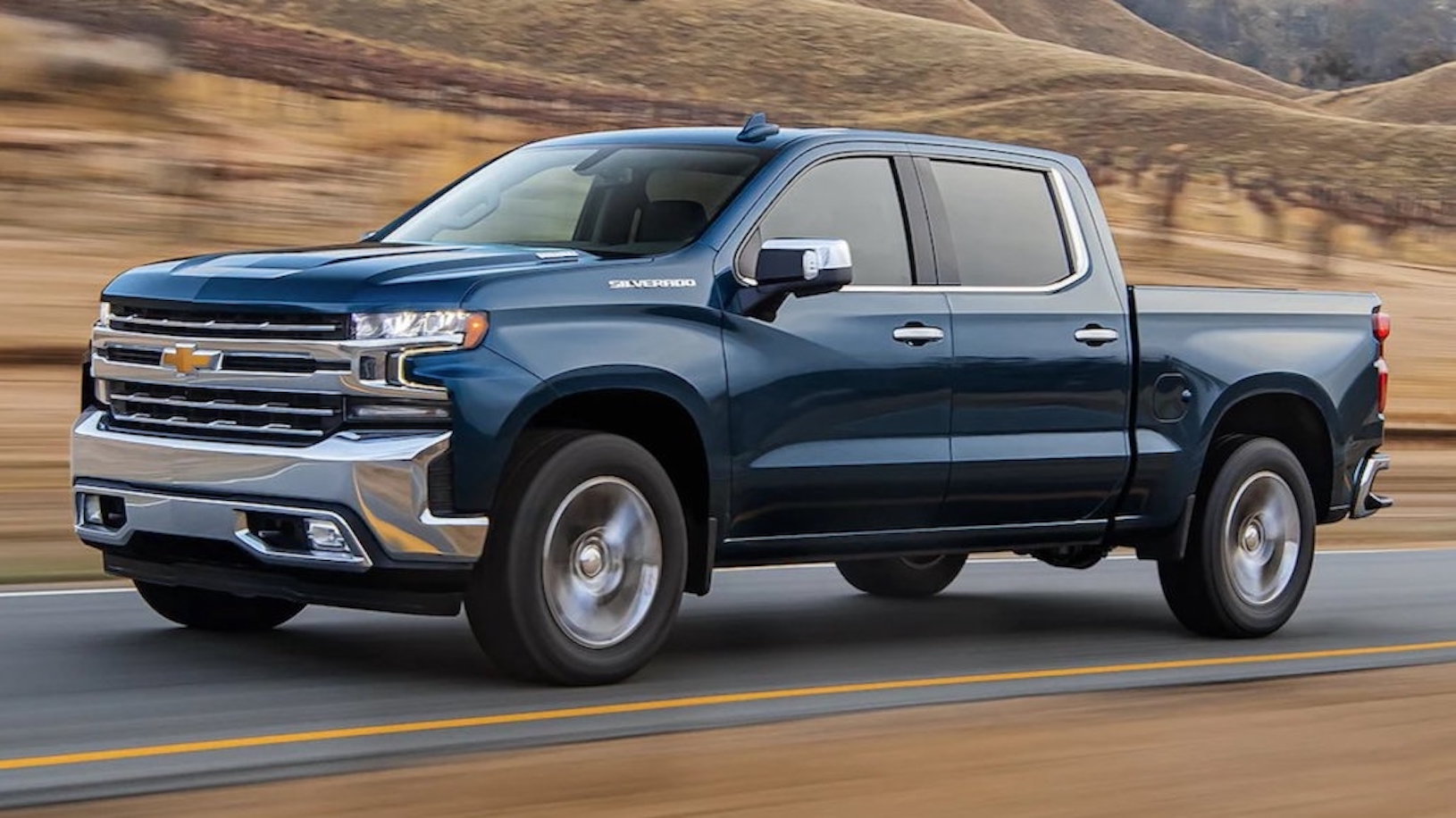
Many buyers also appreciate its broad availability of configurations, making it easier to find a used model that fits specific needs.
8. Subaru Outback
The Subaru Outback attracts a loyal fan base with its all-wheel-drive capability, roomy interior, and long-distance comfort.
The Subaru Outback has been carving out its own unique spot for more than 25 years, blending the best of midsize SUVs and station wagons. That sweet spot has broad appeal, and the Outback has stuck to its winning formula across six generations.
While it handles mostly like a conventional car, its hatchback design, decent ground clearance, and elevated seating position give it a distinct SUV vibe.
We think it’s a winning combination. The Outback offers comfort, solid features, versatility, and a comprehensive suite of standard driver-assistance technologies that make it an attractive choice.
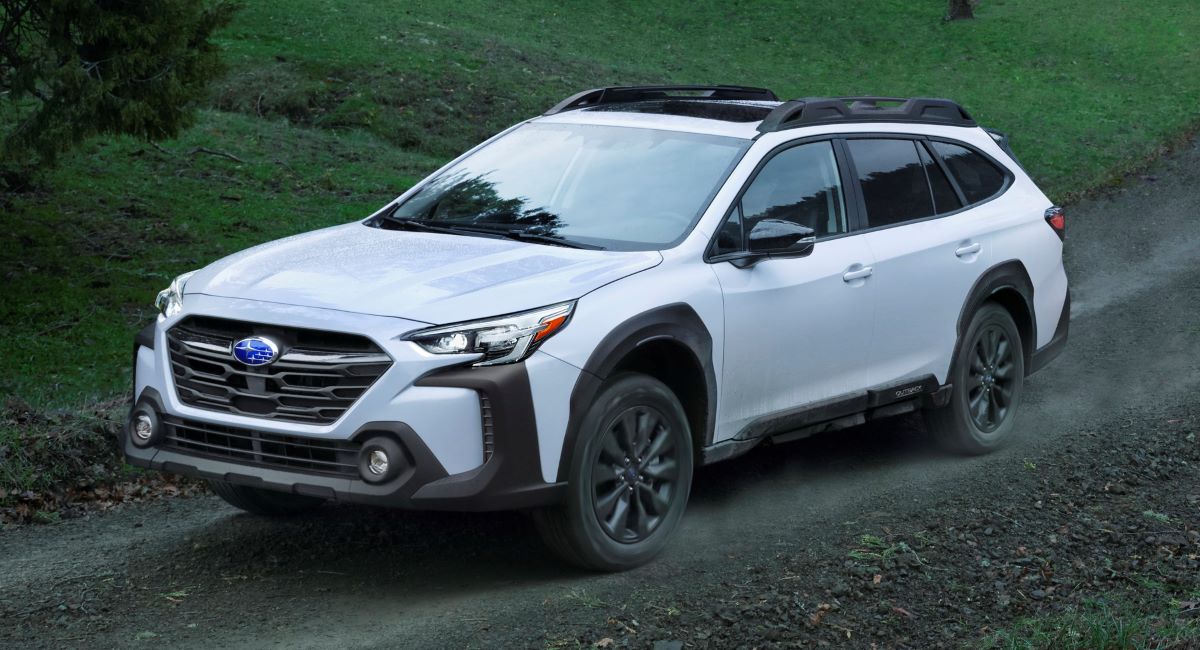
Used Outbacks often sell fast in regions with harsh winters or outdoor-oriented lifestyles, where traction and cargo space are essential.
9. Toyota Tacoma
The Toyota Tacoma dominates the midsize truck segment in resale value. The Tacoma’s optional V-6 engine delivers solid performance and towing capability, but the base four-cylinder feels underpowered and is best left alone.
We also recommend avoiding the finicky six-speed automatic transmission available with either engine, your best bet is the six-speed manual paired with the V-6. When paired with the automatic, the V-6 sometimes struggles to keep up.
The TRD Sport and Limited trims are designed more for city and highway driving, while the TRD Off-Road and TRD Pro models are built for tackling tougher terrain. None of these variants are particularly fast, though.
The Tacoma isn’t exactly the benchmark for ride comfort or handling, but it’s a beast when it comes to trails and rough backroads. It can be customized to excel both in off-road dirt trails and smooth pavement cruising.
Among the trims, the Limited offers the most refined ride, smoother and quieter compared to the rugged off-road models.
We took the updated 2020 Tacoma TRD Pro out West and found that its lifted suspension, heavy-duty shocks, and aggressive tires make it a top contender for off-road adventures, but it’s less comfortable for everyday driving.
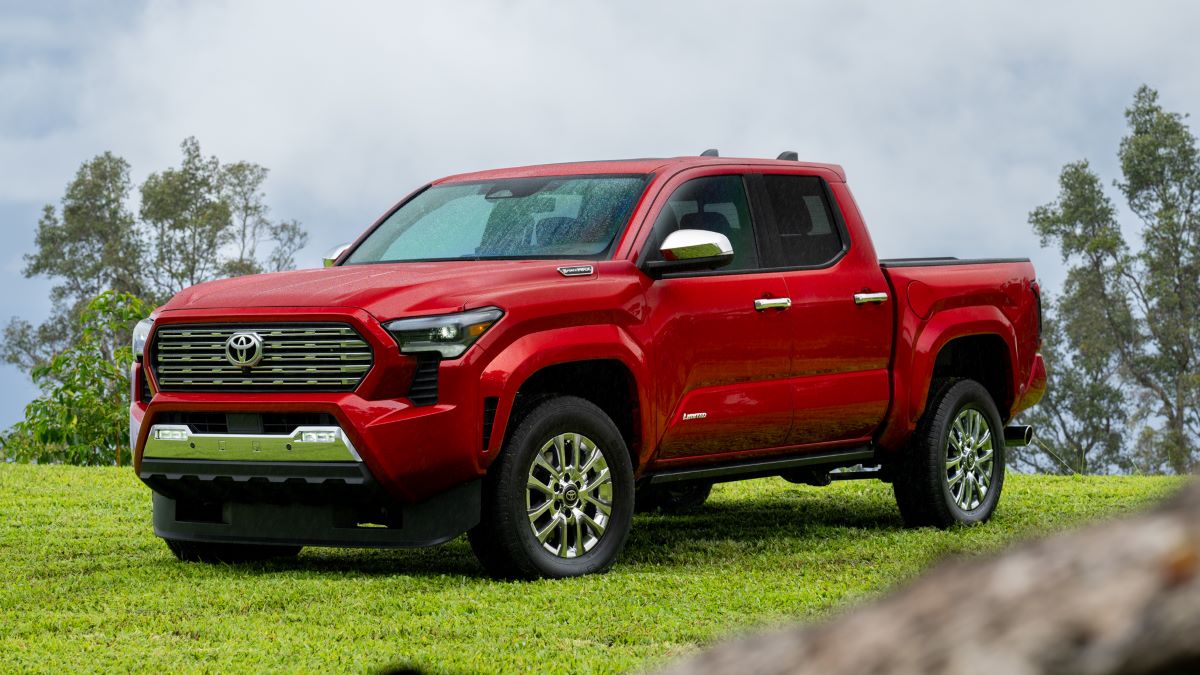
Renowned for its durability, off-road chops, and loyal fan base, used Tacomas often sell within days and sometimes at prices close to new models.
10. Hyundai Tucson
The Hyundai Tucson has become a surprising used market star in recent years. The Hyundai Tucson is the quiet workhorse of the compact SUV world, maybe overshadowed by flashier siblings like the Palisade and the peppy Kona, but it’s packing plenty under the hood and inside the cabin.
The interior is well laid out with plenty of convenience and luxury features, especially if you’re eyeing the higher trims like the Limited or Ultimate. Under the hood, you get a choice between a 164-hp 2.0-liter four-cylinder or a slightly peppier 181-hp 2.4-liter engine, and you can pick front-wheel or all-wheel drive depending on your needs.
Sure, the Tucson doesn’t lead the class in fuel efficiency or cargo space, but it’s close enough that you probably won’t miss the difference, especially when you consider its smooth ride and agreeable handling. Plus, it comes loaded with driver-assistance features as standard, which is a huge bonus these days.
The base 2.0-liter engine feels a bit slow off the line and a little underwhelming overall. We haven’t tested the 2.4-liter, but expect it to offer just enough pep to keep things interesting.
Handling is solid, not sporty, but definitely confident and smooth, with well-controlled body roll and nicely weighted steering. The ride quality is smooth and composed, soaking up bumps like a champ. It’s not flashy, but it won’t disappoint if you want a balanced, no-drama ride.
Basically, the Tucson is the reliable, value-packed choice that does its job well without trying to be a showstopper. Perfect for buyers who want a comfortable, practical ride with some nice features, but if you want more excitement, you’ll have to look elsewhere.
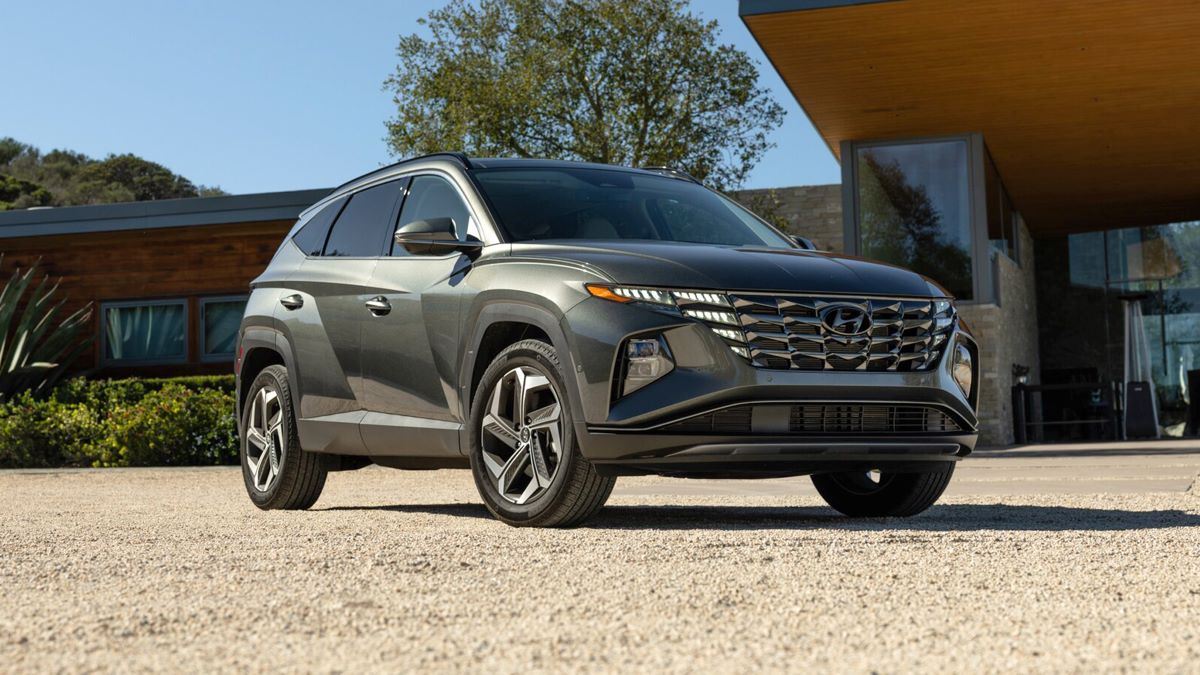
With newer models offering upscale features, strong warranties, and improved reliability, the Tucson appeals to buyers seeking a modern SUV experience without the new-car price tag.