
Hybrid vehicles have become an important option for drivers who want better fuel economy while reducing trips to the petrol station. They combine a petrol engine with an electric motor, offering a balance between traditional combustion power and modern electric efficiency.
Many buyers are drawn to hybrids because of the promise of lower fuel costs, reduced emissions, and advanced technology. However, just like any type of vehicle, the quality and durability of hybrids vary widely.
Some hybrid models can run smoothly for well over a decade with only routine maintenance, while others start to give trouble within a few years of ownership. When choosing a hybrid, reliability should be a top priority. Buying a vehicle that develops costly mechanical or battery issues early can be frustrating and expensive.
Some hybrids have proven themselves through years of dependable service, with owners reporting minimal breakdowns and lower repair bills. These models often keep their value longer and provide the peace of mind that comes from knowing your car will keep working as expected.
Some hybrids tend to experience serious problems before they even reach their fourth year. These issues may include battery failure, transmission problems, or complications with the electric drive systems.
In some cases, repairs are so expensive that owners consider replacing the vehicle altogether. For anyone considering a hybrid purchase, knowing which models have stood the test of time and which ones tend to fail early can save money and prevent regret.
Without wasting time, we will look at five hybrids known for their long-lasting performance, as well as five that often struggle to make it past three years without major issues. Each section will provide details on why these cars have earned their reputation, helping you make a better decision when it comes to investing in a hybrid vehicle.
5 Hybrids That Last Forever
1. Toyota Prius
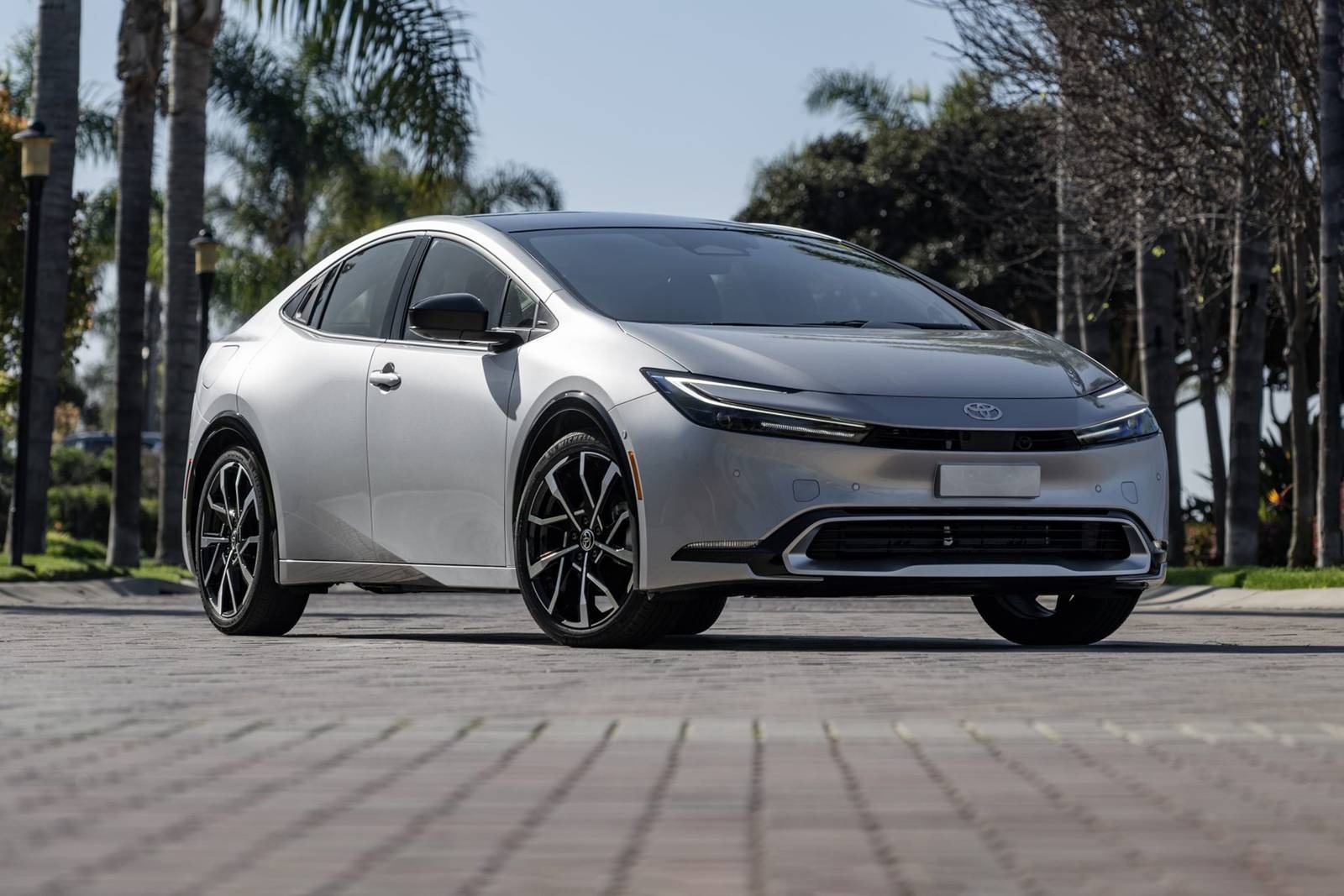
The Toyota Prius has become one of the most recognised hybrid vehicles in the United States, largely because of its consistent performance and reliability record. Introduced to American drivers in the early 2000s, the Prius quickly built a reputation for lasting well beyond 200,000 miles with proper care.
Many owners have even reported mileage above 300,000 miles without experiencing major engine or battery replacements. This durability has made the Prius an easy choice for those who want a dependable hybrid.
One of the main reasons the Prius lasts so long is the simplicity and efficiency of Toyota’s hybrid system. The company has been refining its hybrid technology for decades, which means most mechanical parts are thoroughly tested before being released.
The battery packs are designed to handle frequent charging and discharging cycles, and the petrol engine operates in a way that reduces wear compared to traditional engines. By allowing the electric motor to handle part of the workload, the petrol engine is not under as much strain, which extends its lifespan.
Another factor that helps the Prius maintain its strong reputation is its low cost of maintenance. Routine servicing is straightforward, and parts are widely available due to the model’s popularity.
Unlike some hybrids with complicated designs that require specialised repairs, the Prius can be serviced by many standard mechanics. This accessibility helps keep maintenance costs reasonable, which encourages owners to keep their vehicles for longer.
Fuel efficiency is another major advantage. The Prius regularly achieves more than 50 miles per gallon in real-world driving, making it an economical option for both city and highway use. As time goes on, the fuel savings can be substantial, adding another reason owners choose to hold on to the car for many years.
While no vehicle is completely free from problems, the Toyota Prius has one of the strongest track records in the hybrid market. Drivers who stay consistent with maintenance and use quality replacement parts can expect years of reliable service, making it a safe investment for anyone who values long-term durability in a hybrid vehicle.
2. Honda Accord Hybrid
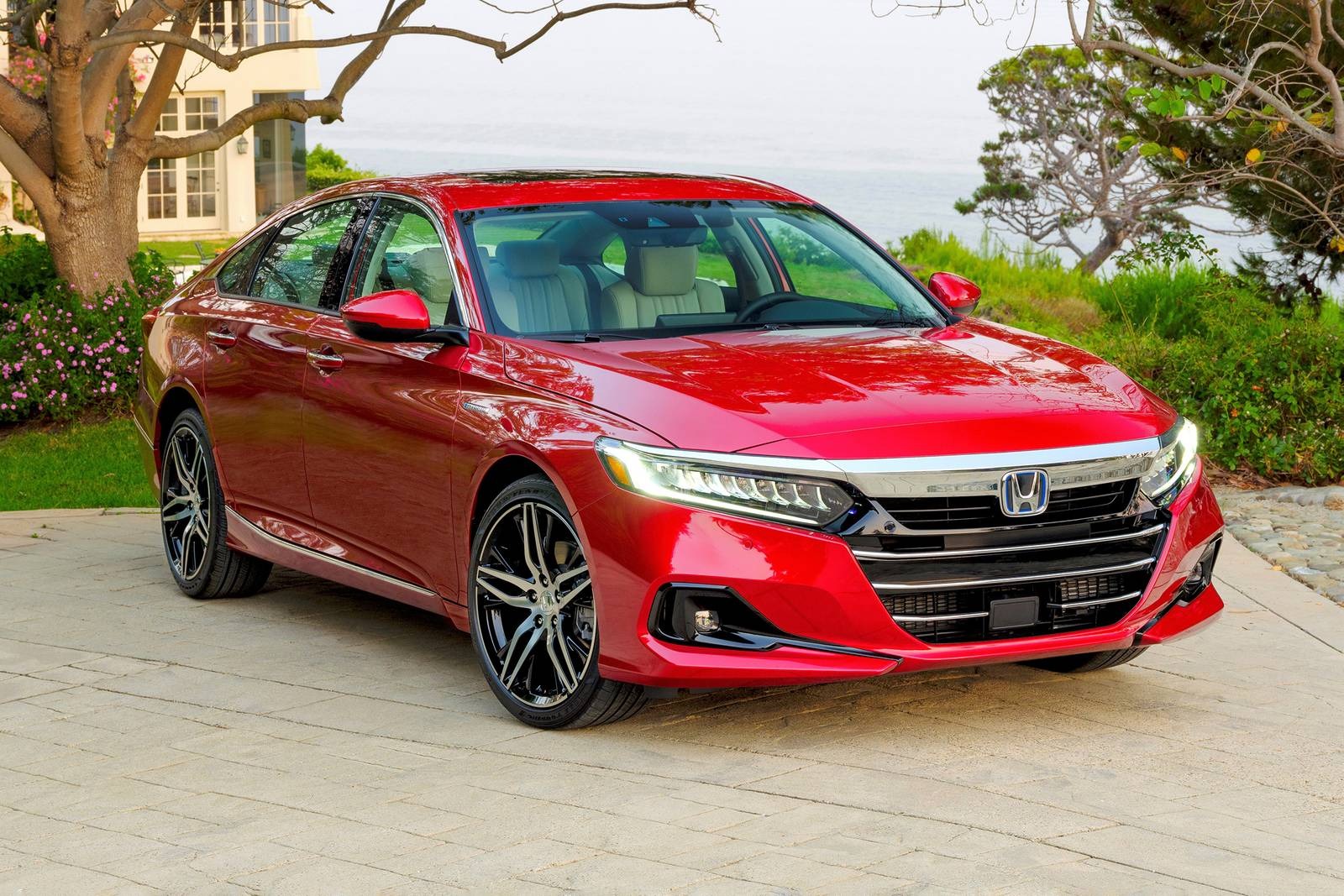
The Honda Accord Hybrid blends the practicality of a mid-size sedan with the efficiency of a hybrid system, and its reputation for reliability has made it a strong choice for drivers who want a vehicle that can serve them for many years.
Built on the solid foundation of the standard Accord, this hybrid version offers the same spacious interior, comfortable ride, and refined driving experience while delivering excellent fuel economy.
One of the Accord Hybrid’s strongest qualities is the balance between power and efficiency. Honda’s two-motor hybrid system allows the car to run in electric-only mode at low speeds, switch to a hybrid drive for mixed conditions, and operate as a petrol-only car when needed.
This intelligent setup reduces engine strain, which is one of the reasons this model can remain in service for well beyond the 200,000-mile mark when well maintained. Owners often praise the Accord Hybrid for its quiet ride and smooth acceleration, which remain consistent even after years of use.
This is partly because Honda builds the car with high-quality components, from the suspension system to the transmission. The hybrid battery is also designed to last a long time, with many reports of original batteries functioning well past a decade.
Maintenance on the Accord Hybrid is relatively easy compared to some other hybrids. Regular oil changes, brake servicing, and tyre care are usually enough to keep the car in good condition.
Since Honda dealerships and many independent mechanics are familiar with the model, finding service is rarely a problem. Replacement parts are affordable and readily available, helping to keep ownership costs under control.
Fuel economy is another major advantage. The Accord Hybrid can deliver up to 48 miles per gallon in combined driving, which makes it a practical choice for long-distance commuters. The savings on fuel over the years can be substantial, and the car’s ability to maintain performance without frequent repairs makes it a smart long-term investment.
For buyers who want a mid-size hybrid that delivers both comfort and endurance, the Honda Accord Hybrid is a dependable option. With regular maintenance and sensible driving habits, it has the potential to serve its owner faithfully for many years without unexpected breakdowns.
Also Read: 5 Hybrids That Stay Cool and 5 That Run Hot
3. Lexus ES 300h
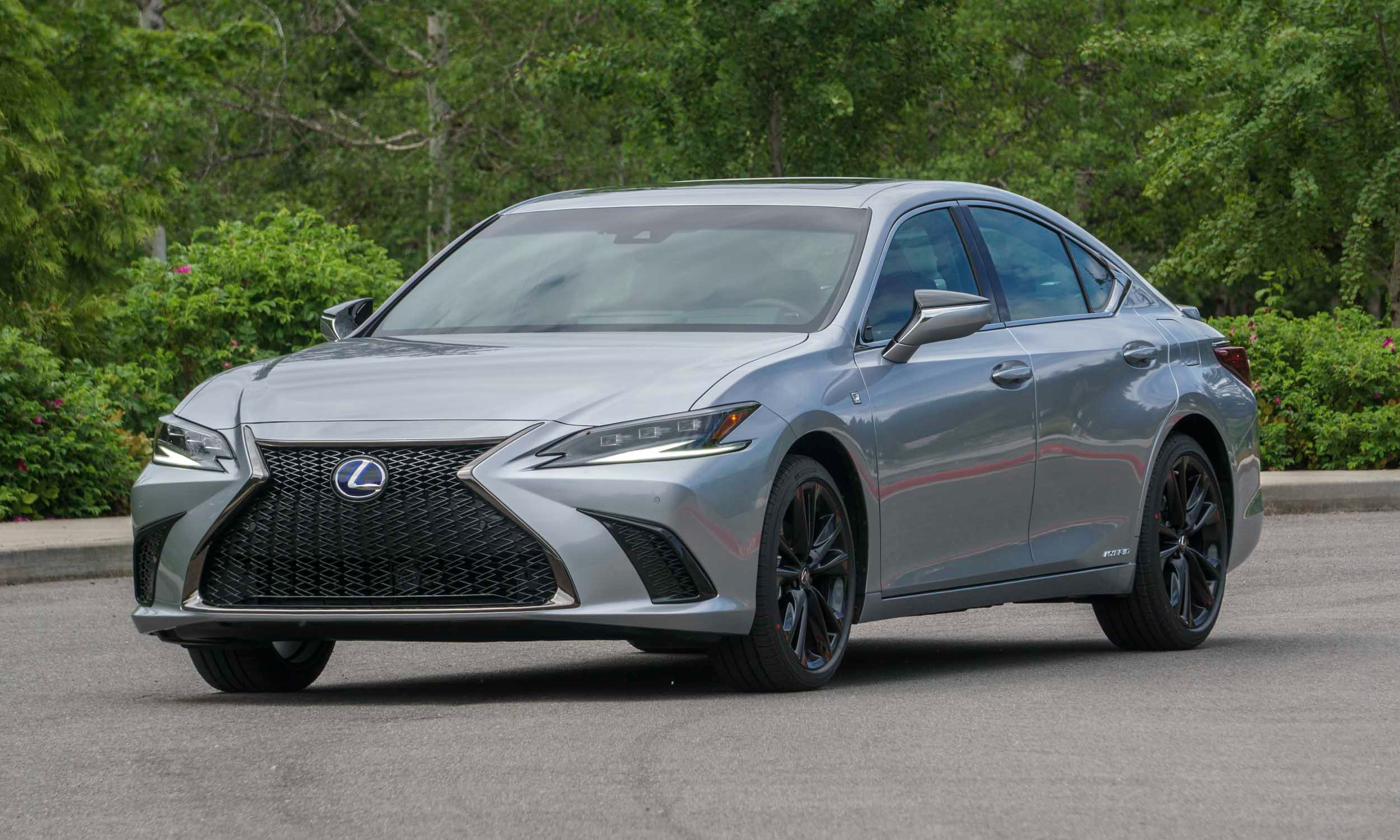
The Lexus ES 300h offers the comfort of a luxury sedan with the dependability of Toyota’s hybrid technology. This model has earned a reputation for delivering a refined driving experience while holding up extremely well after a while. For many drivers, it is the ideal choice when they want something elegant yet built to withstand years of daily use.
The ES 300h is powered by a 2.5-litre petrol engine paired with an electric motor, producing smooth acceleration without straining the components. The combination of petrol and electric power allows the engine to operate efficiently, which helps reduce wear.
The continuously variable transmission (CVT) is another contributing factor to its durability, as it eliminates the abrupt gear changes that can lead to premature transmission problems in other vehicles. One reason the ES 300h often lasts so long is the meticulous build quality Lexus is known for.
The interior materials are designed to resist wear, and the general assembly is done with precision. Even after several years, owners often report that the car still feels tight and well-assembled, without rattles or interior damage.
Routine servicing on the ES 300h is straightforward, and Lexus dealerships provide thorough maintenance schedules that, when followed, can help the car last well beyond the 250,000-mile mark. The hybrid battery is designed to remain reliable for many years, and Toyota’s hybrid expertise ensures that repairs, if needed, are not overly complicated.
Fuel economy is another strong point, with the ES 300h often delivering more than 40 miles per gallon in mixed driving. This efficiency, paired with the car’s comfort, makes it an excellent option for long commutes or frequent travel. Over the years, owners can save a considerable amount on fuel without sacrificing driving enjoyment.
For anyone seeking a hybrid that combines luxury, comfort, and long-term reliability, the Lexus ES 300h is a solid investment. With its proven hybrid system, premium materials, and strong build quality, it is a car that can provide dependable service for well over a decade when cared for properly.
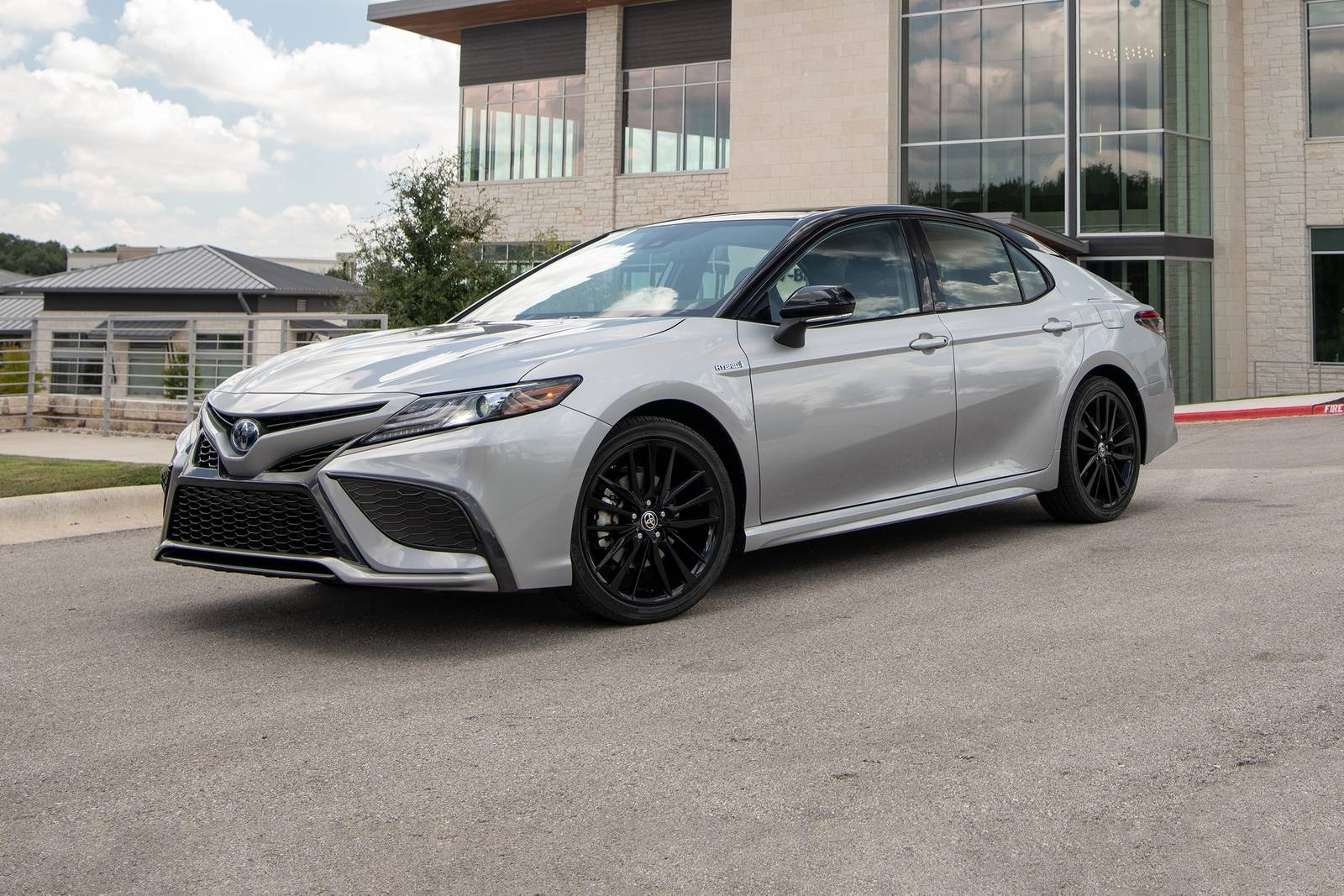
4. Toyota Camry Hybrid
The Toyota Camry Hybrid is another example of Toyota’s mastery in producing durable hybrid vehicles. Built on the same platform as the standard Camry, it benefits from decades of refinement in both petrol and hybrid engineering. Many owners have driven their Camry Hybrids well past 200,000 miles without major issues, making it a trusted choice for those who value durability.
Under the bonnet, the Camry Hybrid uses a combination of a 2.5-litre petrol engine and an electric motor, similar to the setup found in the Lexus ES 300h, but tuned for a more mainstream market.
This pairing provides strong fuel efficiency, often exceeding 50 miles per gallon in city driving, while maintaining reliable performance. The electric motor reduces the workload on the petrol engine, which can extend the life of major components.
The Camry Hybrid’s maintenance requirements are straightforward, which encourages owners to stay on top of servicing. Regular oil changes, brake checks, and battery inspections are typically all that is needed to keep the car running well for many years.
The hybrid battery system is built to handle frequent charging cycles without degradation, and Toyota offers extensive warranties that provide peace of mind during the early years of ownership.
Inside, the Camry Hybrid offers a comfortable and practical cabin. The materials are designed to last, and the build quality ensures that the interior remains in good condition even after heavy daily use. Many drivers also appreciate its quiet ride, which remains smooth and composed after a while.
For buyers who want a midsize sedan that delivers both excellent fuel economy and a long lifespan, the Camry Hybrid is a dependable option. With its proven powertrain, easy maintenance, and reputation for reliability, it has become a staple in the hybrid market and continues to earn the trust of drivers across the United States.
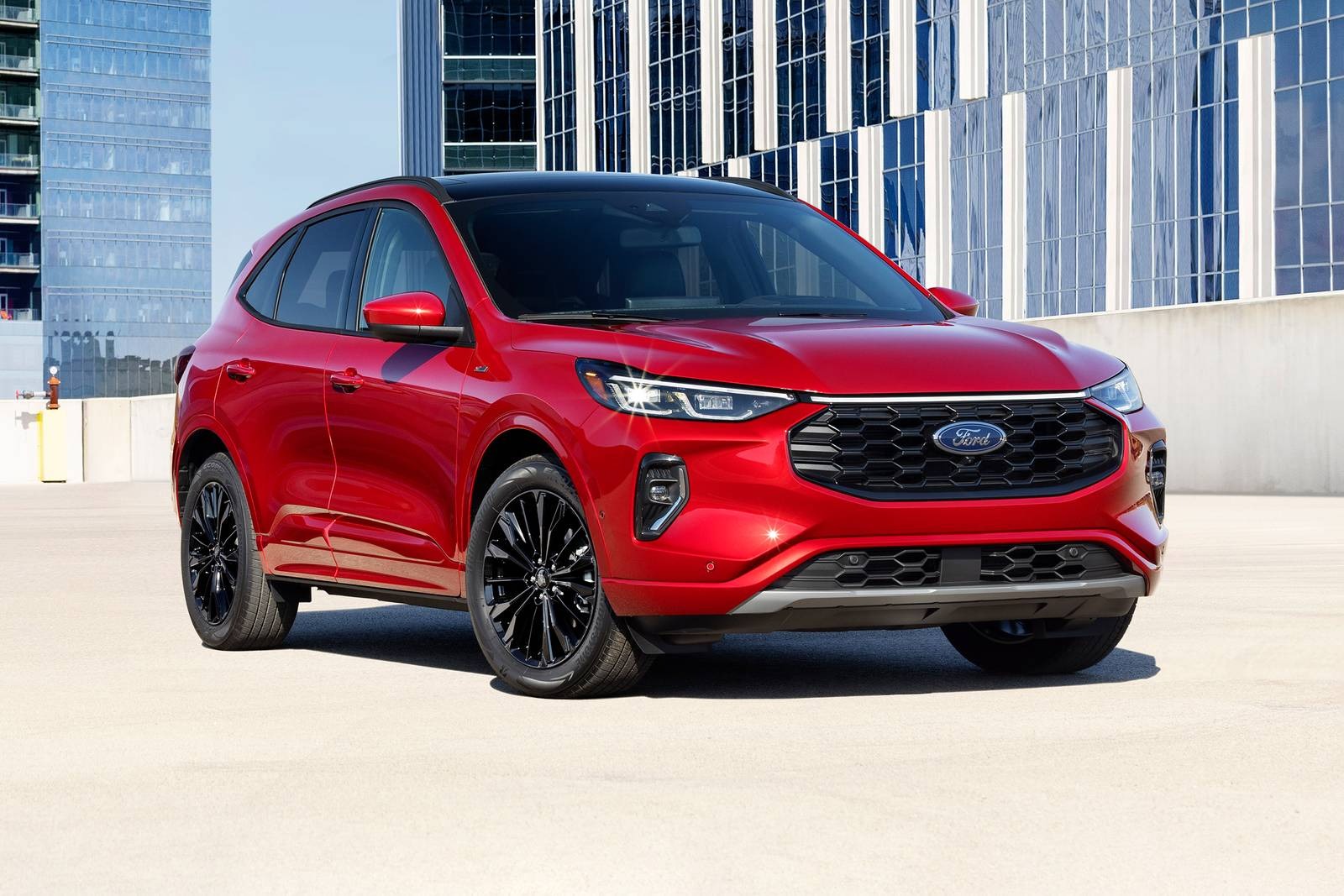
5. Ford Escape Hybrid
The Ford Escape Hybrid offers the practicality of an SUV with the efficiency of a hybrid system, and it has proven itself capable of lasting many years with consistent maintenance. For families or individuals who need extra cargo space but do not want to sacrifice fuel efficiency, this model provides a reliable balance between performance and practicality.
The Escape Hybrid is powered by a 2.5-litre four-cylinder petrol engine combined with an electric motor, delivering smooth acceleration and solid fuel economy for a vehicle in its class.
Many owners report that with proper care, the Escape Hybrid can reach 200,000 miles or more without major repairs. This longevity is partly due to Ford’s commitment to improving hybrid durability in recent years, with upgrades to both battery technology and powertrain components.
Another strength of the Escape Hybrid is its adaptability to different driving conditions. Whether it is used for daily commuting or weekend trips, the vehicle maintains a consistent performance level. The hybrid battery is designed to manage frequent use, and the regenerative braking system helps extend brake life, reducing maintenance costs as time goes on.
The interior is built with practical materials that handle wear well, and the seating layout provides comfort for long journeys. Routine servicing is widely available, as Ford dealerships and many independent mechanics can handle repairs on this model without difficulty.
Fuel economy is strong for an SUV, with many drivers achieving over 40 miles per gallon in city driving. Over years of ownership, these savings can be substantial, especially for drivers who spend a lot of time on the road.
For anyone looking for an SUV that offers both space and long-term dependability, the Ford Escape Hybrid is a worthy choice. With proper care and timely maintenance, it can deliver reliable service for many years, making it a smart option for drivers who want durability alongside versatility.
5 Hybrids That Fail by Year Three
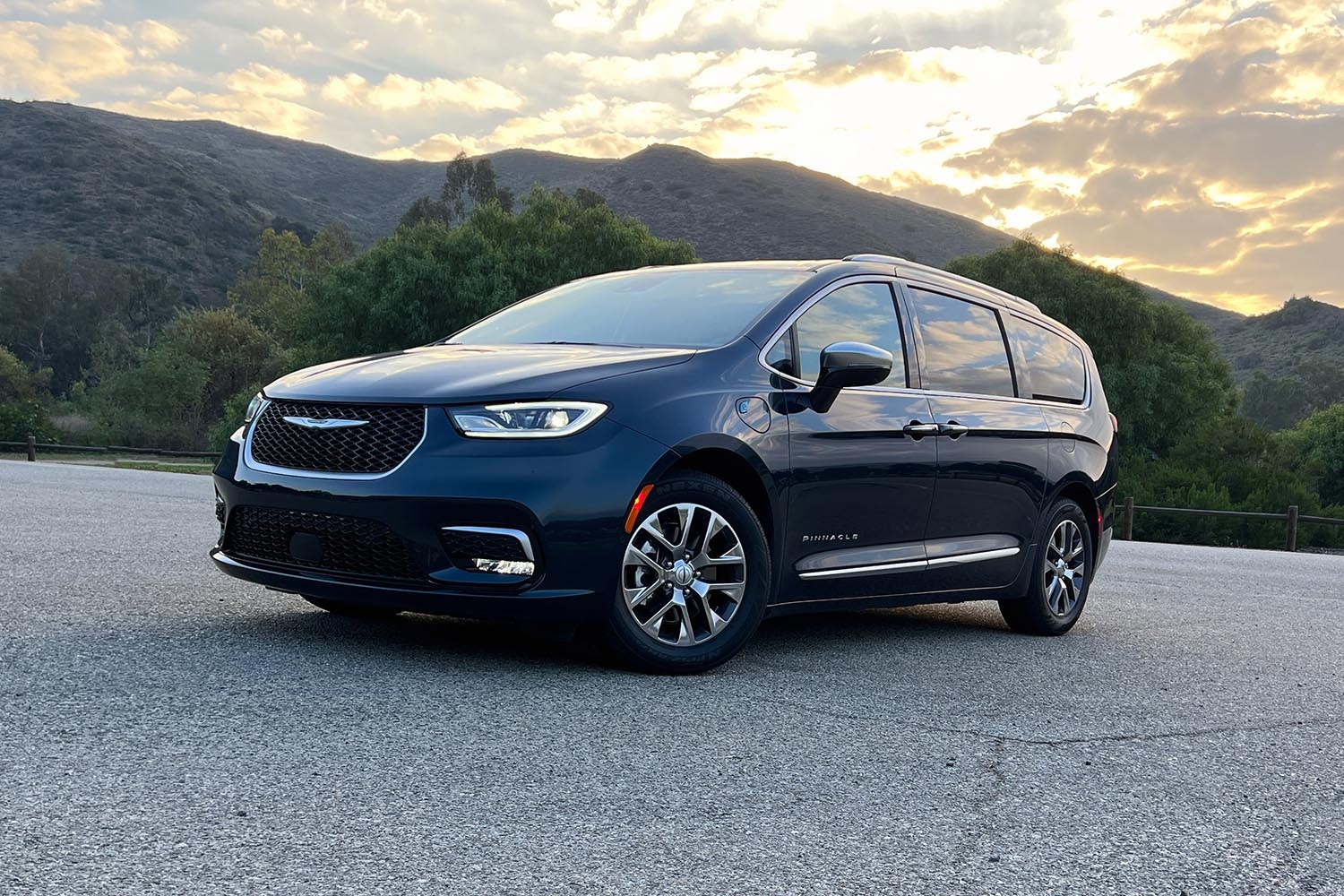
1. Chrysler Pacifica Hybrid
The Chrysler Pacifica Hybrid arrived with strong expectations, as it was one of the first plug-in hybrid minivans available in the United States. On paper, it seemed like an ideal choice for families who wanted the space of a minivan paired with modern fuel-saving technology. However, its track record has been mixed, and many owners report serious problems arising within the first few years of ownership.
One of the main complaints involves the Pacifica Hybrid’s electrical system. Multiple drivers have experienced issues with the battery management system, which can trigger warning lights, reduce performance, or even leave the vehicle unable to start. While Chrysler has addressed some of these problems through recalls and software updates, the underlying reliability concerns have affected the vehicle’s reputation.
Another trouble spot is the transmission. The Pacifica Hybrid uses an electrically variable transmission (EVT), and there have been cases where owners experienced rough shifting, unexpected noises, or complete transmission failure within a short period. Such repairs are costly, and in some cases, the vehicle spends extended periods in the workshop waiting for replacement parts.
The plug-in nature of the Pacifica Hybrid adds convenience for some drivers, but it also increases the complications of the vehicle’s systems. If the battery or charging components fail, the repair process can be complicated and expensive. While Chrysler offers warranties, the inconvenience of repeated visits to the service centre can lead to frustration.
Interior quality is generally good at first, but some owners have reported premature wear on upholstery and interior trim. These cosmetic issues may not stop the vehicle from running, but they can add to the perception that the Pacifica Hybrid does not hold up well in the long run.
For families looking for a reliable hybrid minivan, the Pacifica Hybrid may not be the best option if long-term durability is a top priority. While it offers strong features and an attractive design, its history of electrical, transmission, and battery-related problems suggests that it may struggle to remain trouble-free beyond the third year of ownership.
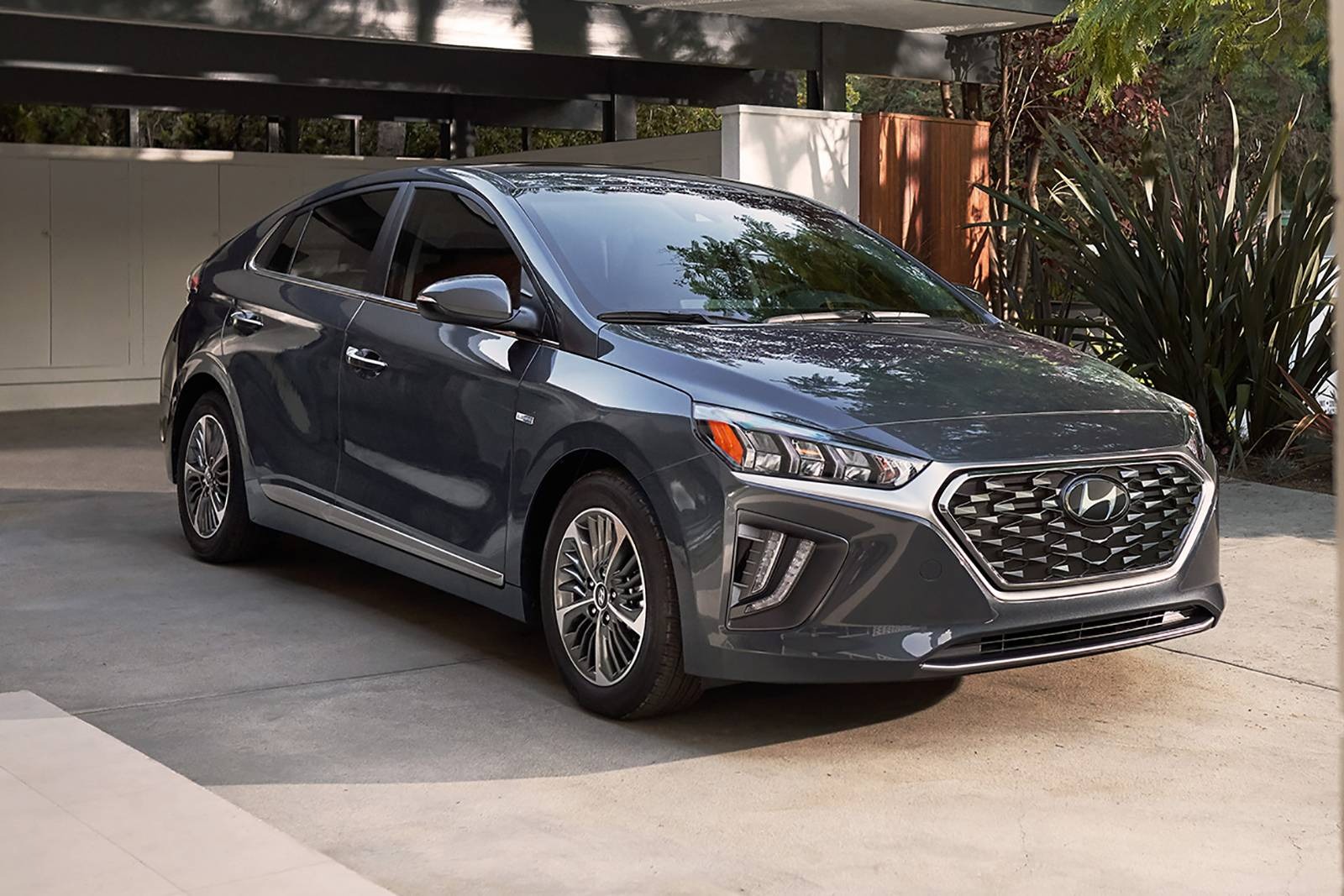
2. Hyundai Ioniq Plug-In Hybrid
The Hyundai Ioniq Plug-In Hybrid was designed to compete directly with popular models like the Toyota Prius, offering both hybrid operation and the ability to drive short distances on electric power alone. While it delivers good fuel economy and a modern design, some owners have found that its reliability starts to decline earlier than expected.
Battery degradation has been one of the most discussed issues. In certain cases, owners have reported a noticeable drop in electric-only range within the first three years, which can make the plug-in feature less useful.
Although battery replacements are covered under warranty for a time, the reduced performance can be disappointing for those who bought the car specifically for its plug-in capability. The transmission has also been a source of complaints.
The Ioniq Plug-In Hybrid uses a dual-clutch transmission, which can deliver smooth changes when new, but has shown signs of hesitation, jerking, or even failure for some owners in relatively low-mileage vehicles. These issues often require professional servicing, and replacement costs can be high if they occur outside the warranty period.
Other reliability concerns include early wear on suspension components and rattling noises developing in the cabin. While these problems may seem minor at first, they can add up and contribute to a perception of declining build quality.
Servicing availability is not usually an issue, as Hyundai has a wide dealership network, but the cost of certain hybrid-specific repairs can still be steep. Additionally, some owners have expressed frustration with software-related glitches affecting the infotainment and driver assistance systems, requiring repeated visits to the workshop.
For buyers seeking a plug-in hybrid that will remain dependable for many years, the Hyundai Ioniq Plug-In Hybrid may not meet expectations. While it offers good fuel efficiency and modern features, its tendency toward battery range loss, transmission troubles, and minor build issues means that it may begin to show its weaknesses before reaching its fourth year on the road.
3. Ford C-Max Hybrid
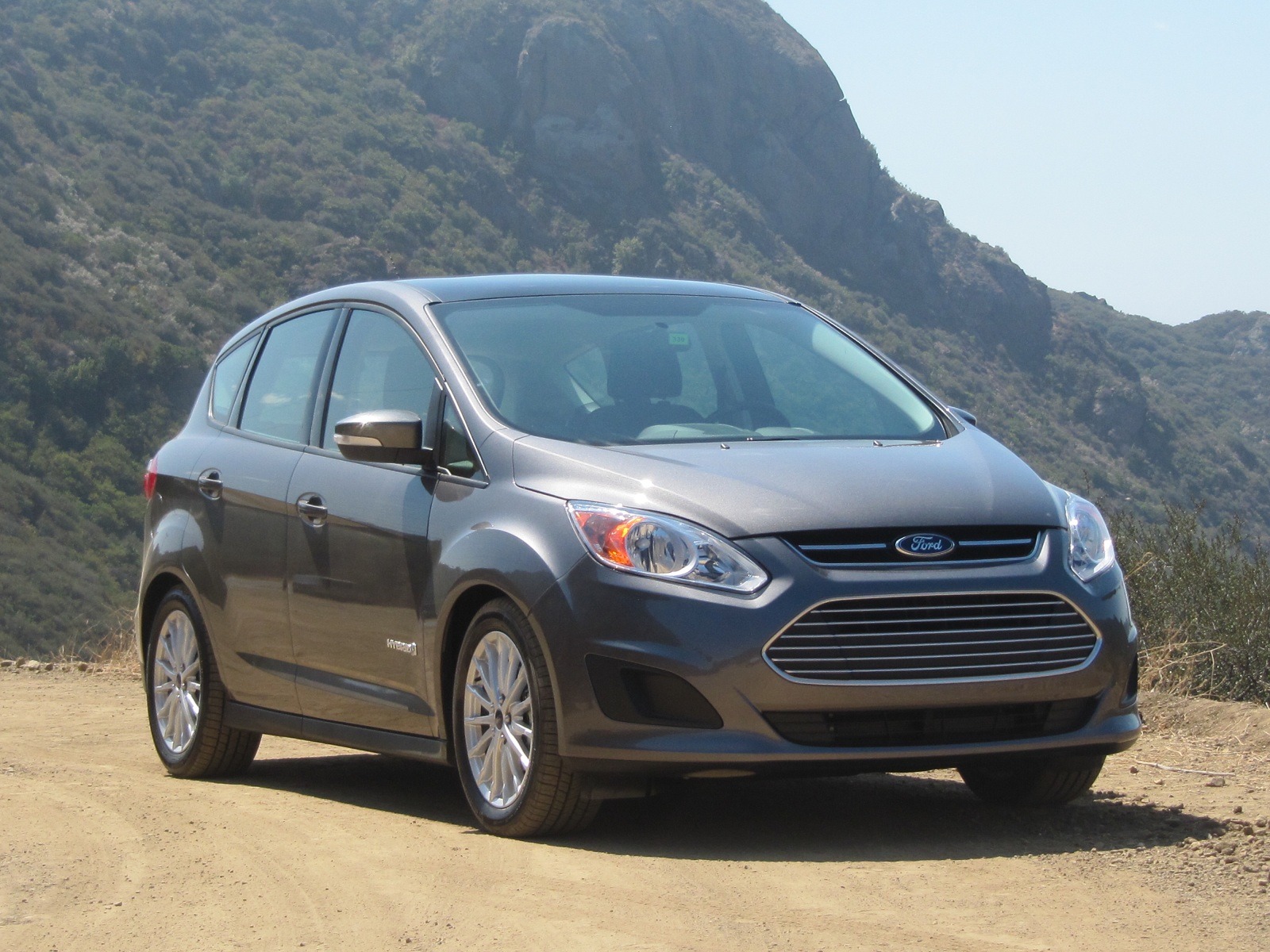
The Ford C-Max Hybrid entered the market as a compact hybrid hatchback aimed at providing better fuel economy than traditional small cars while offering extra interior space. At first, it attracted attention for its comfortable seating position and roomy cabin.
Unfortunately, many owners began reporting problems within just a few years, which has affected its long-term reputation. One major issue has been related to the hybrid battery system. Some owners have experienced early battery failure or reduced performance within the first three years.
When the battery system begins to fail, the car may struggle to switch smoothly between electric and petrol modes, and in some cases, it can lose the ability to operate in electric mode entirely. While battery replacements are covered under certain warranties, the inconvenience of dealing with such issues early on is a strong negative for many drivers.
The transmission has also been a source of complaints. The C-Max Hybrid uses a continuously variable transmission (CVT), which should provide smooth operation. However, reports of sudden jerks, whining noises, and eventual transmission replacement within relatively low mileage have been documented. Such repairs are not only costly but can leave the vehicle out of service for extended periods.
Fuel economy, while decent, often fell short of the initial claims Ford made during the C-Max Hybrid’s launch. This has disappointed some owners who purchased the vehicle for maximum fuel savings. Combined with the reliability issues, this has led to reduced satisfaction.
Another point of concern is electrical reliability. From faulty infotainment systems to inconsistent operation of driver assistance features, the C-Max Hybrid has shown a tendency to develop software and wiring-related issues early in its life.
For drivers looking for a compact hybrid that can serve trouble-free for many years, the C-Max Hybrid’s track record suggests it may not be the most reliable option. Its blend of battery, transmission, and electrical issues means it often starts giving owners headaches before the third year of ownership.
4. Kia Optima Hybrid
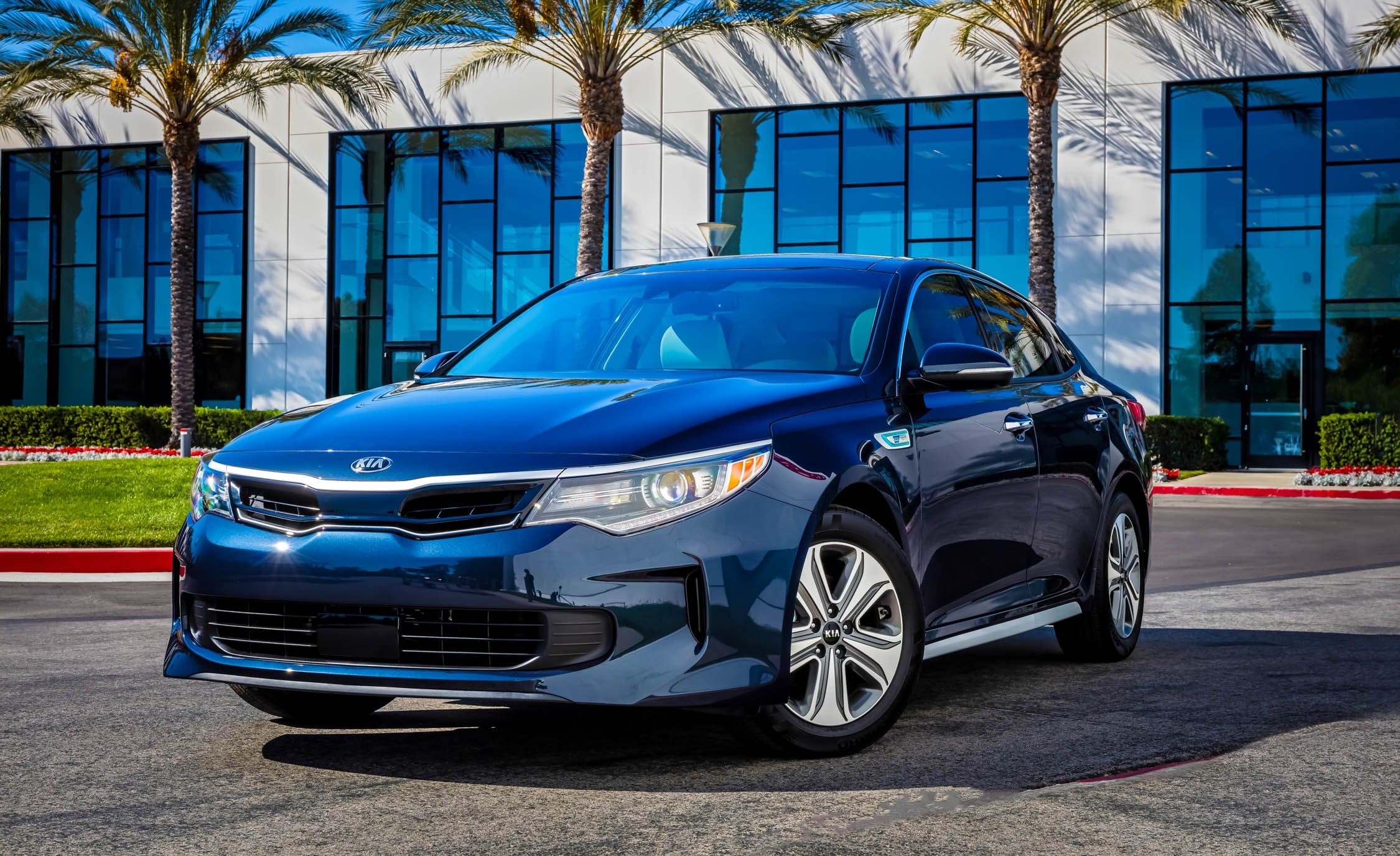
The Kia Optima Hybrid combines the style of a midsize sedan with hybrid efficiency. At first glance, it seems like a strong choice for those who want both comfort and lower fuel costs. However, several reliability concerns have surfaced, particularly within the first three years of ownership, that can affect its appeal for long-term use.
The hybrid system, while capable, has been prone to occasional malfunctions. Some owners have reported sudden loss of power while driving, often traced to problems with the hybrid control unit or battery pack. While these issues are sometimes resolved under warranty, they can still be alarming and inconvenient.
Transmission problems have also been reported. The Optima Hybrid uses a six-speed automatic transmission paired with an electric motor, and in certain cases, drivers have noticed rough changes, delayed engagement, or even transmission failure within relatively low mileage. Such problems can result in high repair bills if they occur after the warranty period.
Battery performance is another area of concern. Although the hybrid battery is designed to last many years, there have been instances where it has shown reduced capacity earlier than expected. This can affect fuel efficiency and general performance.
Interior build quality is generally good, but some owners have mentioned early wear on seat materials and dashboard trim. Electrical issues, such as malfunctioning infotainment systems and faulty sensors, have also been observed in some units.
While the Optima Hybrid offers an attractive design and a comfortable ride, its history of hybrid system faults, transmission concerns, and occasional battery issues means it may not be the best choice for those who plan to keep their vehicle well beyond three years. Drivers who value long-term dependability may want to consider alternatives with a stronger record for durability.
Also Read: 5 Hybrids That Cost Nothing to Maintain and 5 That Drain Wallets
5. Chevrolet Malibu Hybrid
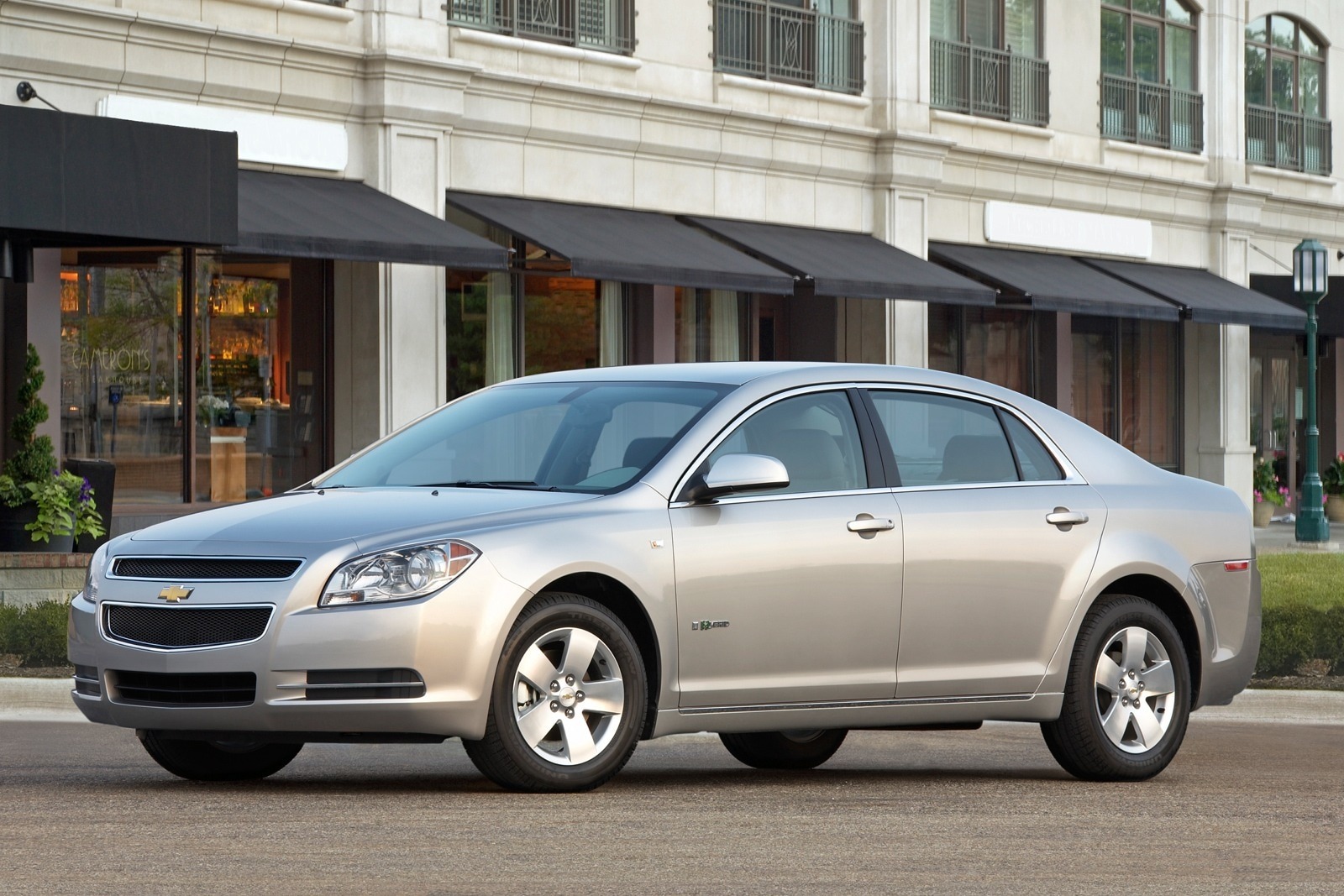
The Chevrolet Malibu Hybrid was introduced as a fuel-efficient version of Chevrolet’s popular midsize sedan, offering good mileage and a smooth driving experience. Initially, it gained attention for its modern styling and advanced hybrid technology. However, its reliability track record shows that it may not maintain its performance as long as some competitors.
One of the main concerns with the Malibu Hybrid is the durability of its hybrid battery system. Some owners have experienced battery-related issues within the first three years, including reduced efficiency and system warnings. In more severe cases, battery replacement has been necessary, which can be expensive if not covered under warranty.
The transmission, which is designed to work seamlessly with the hybrid powertrain, has also been reported to develop problems such as shuddering, rough changes, or complete failure earlier than expected. Such issues can lead to costly repairs and extended time in the workshop.
Electrical reliability is another weak spot. From malfunctioning infotainment systems to faulty sensors in driver assistance features, the Malibu Hybrid has shown a tendency to experience small but frustrating issues that can require repeated visits to the service centre.
While fuel economy is good for a midsize sedan, the combination of potential battery, transmission, and electrical problems makes it less appealing for buyers who want a hybrid they can rely on for a decade or more. The initial appeal of its design and efficiency can fade quickly if expensive repairs start to appear within just a few years.
For drivers seeking a midsize hybrid that will last well beyond three years with minimal trouble, the Malibu Hybrid’s mixed reliability record suggests it may not be the most dependable choice. Other models in its category have shown stronger performance when it comes to long-term durability.
