
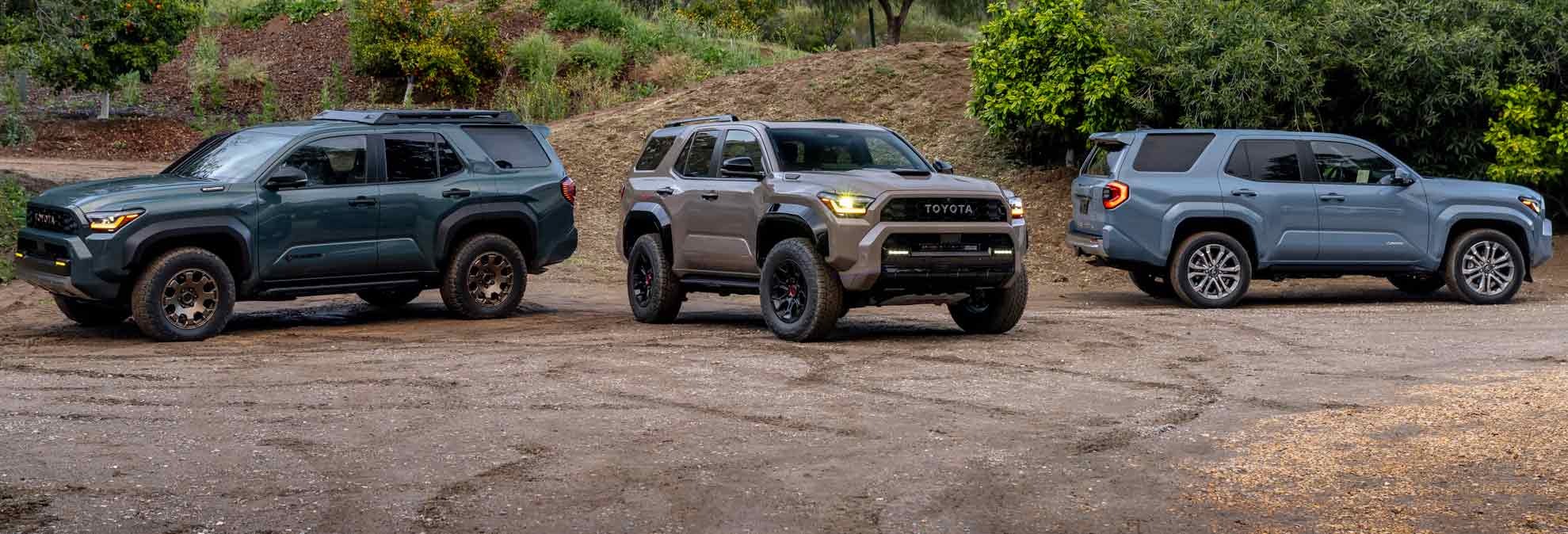
When choosing an SUV, the ability to carry heavy loads is one factor that many drivers place high on their list. Whether the need is for long family trips with plenty of luggage, transporting sports gear, or towing a trailer, an SUV that can manage weight without losing performance offers peace of mind.
Some models are built with strong frames, high torque engines, and reinforced suspension systems that allow them to keep their stability even when fully loaded. These vehicles deliver confident handling, consistent acceleration, and dependable braking regardless of how much weight is inside.
Certain SUVs look tough on the outside but struggle when tasked with carrying heavy cargo or passengers. In such cases, weight can slow acceleration, weaken handling, and even put strain on the braking system.
This usually happens when the vehicle’s engine is underpowered for its size or when its suspension is tuned more for comfort than strength. While these SUVs may excel in everyday city driving, they lose much of their appeal once they are pushed to carry their maximum capacity.
Understanding which SUVs manage heavy loads well and which do not can help buyers make better decisions. By looking at engine output, transmission performance, towing capacity, and general stability, it becomes clear why some SUVs thrive under pressure while others falter.
Let’s break down five SUVs that are known for their strong load-handling abilities and five that are better suited to lighter use. Each model will be described with a focus on its design, mechanical strength, and real-world performance when carrying weight.
SUVs That Handle Heavy Loads
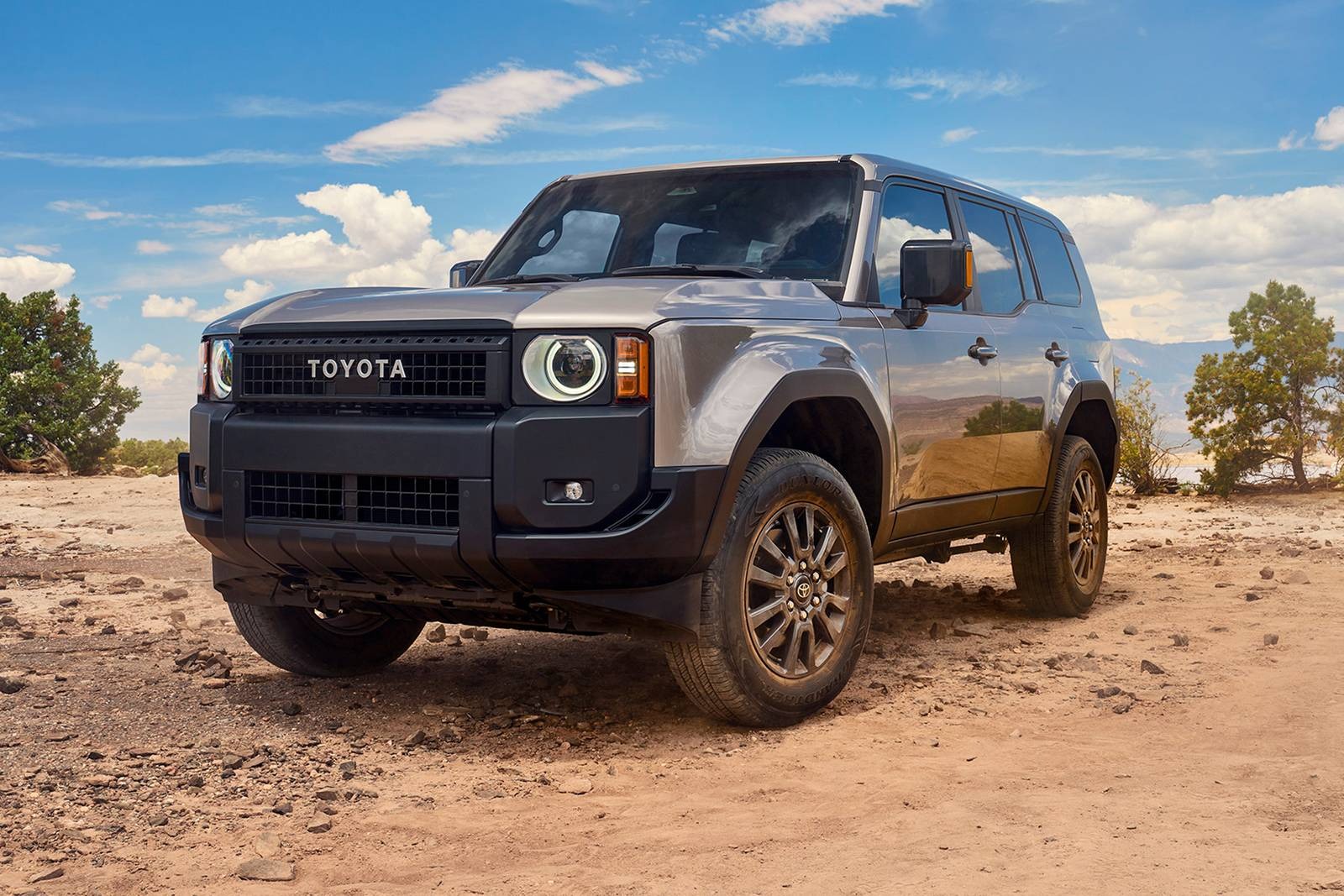
1. Toyota Land Cruiser
The Toyota Land Cruiser has built a long-standing reputation as one of the toughest and most dependable SUVs for carrying heavy loads. Its body-on-frame construction provides the kind of strength that is usually found in full-size trucks. Under the hood, it often comes with a powerful V8 or V6 turbocharged engine that delivers high torque, which is essential for both towing and climbing steep roads when fully loaded.
The Land Cruiser is not just about raw power. Its suspension is engineered to handle rough terrain without transferring excessive vibrations to passengers, even when the cargo area is filled. Many owners appreciate that the vehicle maintains its composure on winding roads despite a heavy load, thanks to its well-balanced weight distribution and responsive steering.
When it comes to towing, the Land Cruiser consistently performs at a high level. It is common to see towing capacities above 8,000 pounds, allowing it to haul boats, trailers, or heavy equipment with ease. The braking system is designed to cope with these demands, giving the driver confidence even when descending steep slopes with weight in tow.
In real-world use, the Land Cruiser has been praised for its reliability under challenging conditions. Whether it is a fully packed family holiday trip or a journey across rugged landscapes, this SUV does not lose its composure.
While it may not be the most fuel-efficient choice, its durability and strength make it a preferred option for those who value performance under load over economy. The Land Cruiser is an SUV that proves its worth every time it is pushed to carry or tow something substantial.
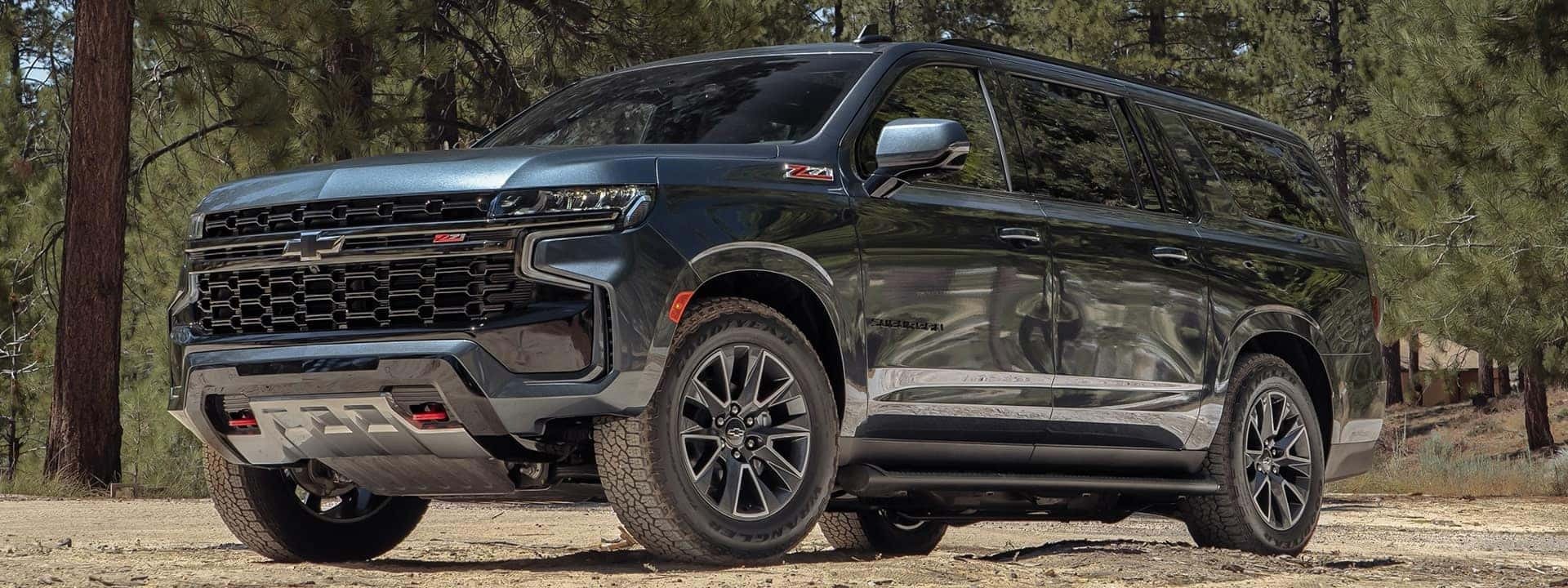
2. Chevrolet Suburban
The Chevrolet Suburban stands among the most capable full-size SUVs when it comes to carrying heavy loads. Built on a truck chassis, it offers the strength of a pickup combined with the comfort of an SUV. Its large displacement V8 engines produce robust horsepower and torque, making it ideal for both hauling and towing.
One of the most impressive features of the Suburban is its cargo space. Even with all seats in place, it offers more storage than many competitors. When the seats are folded, the available space allows for oversized luggage, building materials, or sports equipment without sacrificing passenger comfort. This is enhanced by a suspension that can be equipped with load-leveling technology, keeping the vehicle balanced no matter the weight distribution.
Towing capabilities in the Suburban can easily reach 8,300 pounds when properly equipped, which puts it in the same league as some full-size trucks. The vehicle’s transmission is tuned to manage power delivery smoothly under strain, ensuring that acceleration remains consistent even when pulling heavy trailers.
Drivers who use the Suburban for family vacations or for work purposes often remark on how stable it feels on highways and how little the handling changes when fully loaded. Its wide stance and long wheelbase contribute to this stability, while large brakes ensure safe stopping power.
While its size can make it less agile in tight city spaces, for those who regularly carry heavy loads or tow, the Chevrolet Suburban remains an outstanding choice that combines practicality, space, and muscle in one package.
Also Read: 5 SUVs with Integrated Skid Plates vs 5 that Rust Beneath
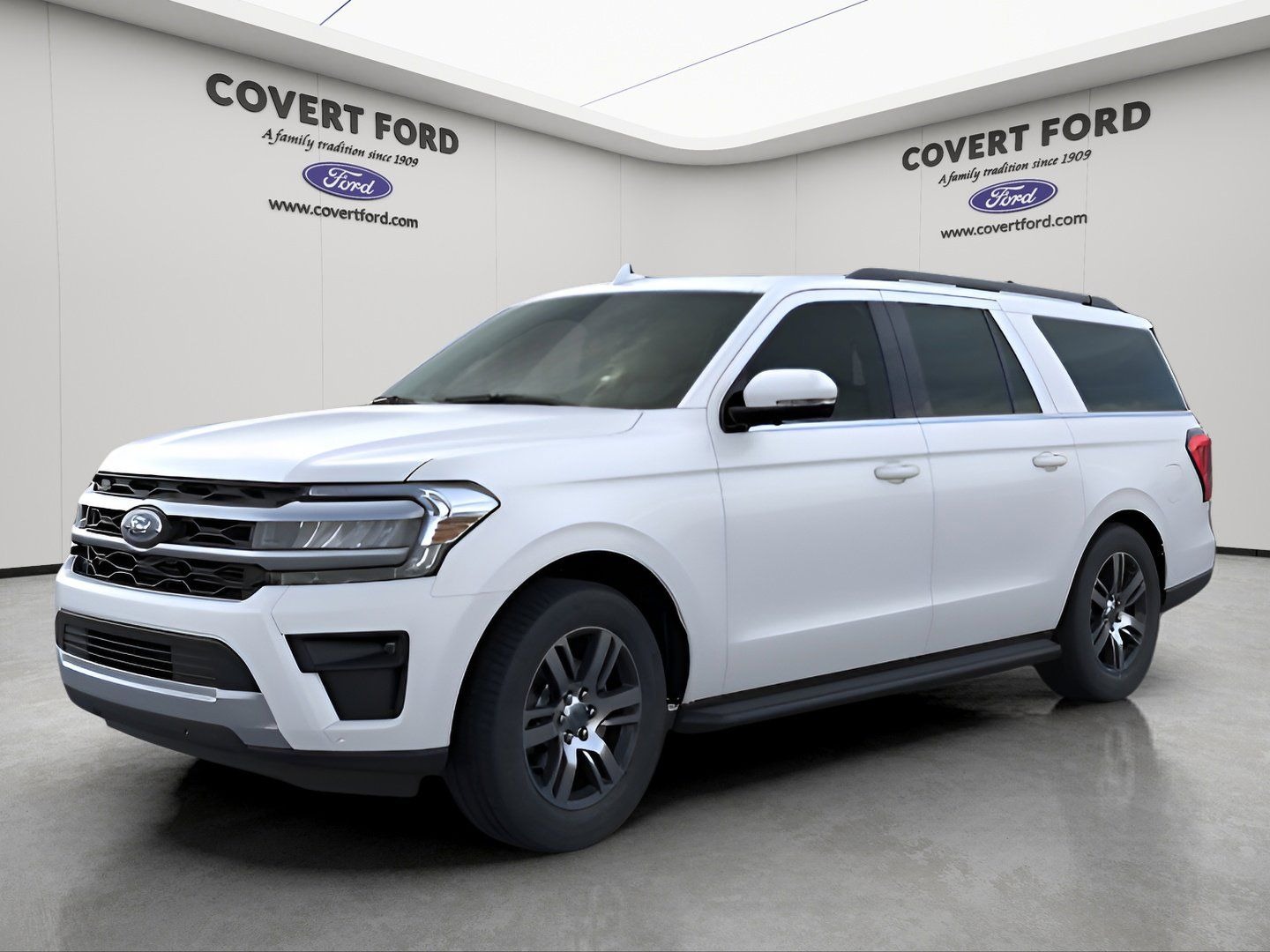
3. Ford Expedition
The Ford Expedition has long been respected for its ability to carry heavy cargo while offering the comfort of a modern SUV. Its twin-turbocharged V6 engine may surprise those expecting a V8, as it delivers remarkable torque and towing strength. This combination of engine performance and a strong frame allows it to handle payloads and trailers without feeling sluggish.
Inside, the Expedition is designed with both passengers and cargo in mind. Its three rows of seating can be adjusted to create a large, flat loading area, and the suspension is tuned to keep the ride smooth even when the vehicle is at full capacity. Ford also offers a heavy-duty trailer tow package that enhances stability and control, especially when pulling weight at highway speeds.
With towing capacities often exceeding 9,000 pounds, the Expedition outperforms many competitors in its segment. Its advanced traction control systems help maintain grip and stability when starting from a stop on steep or slippery roads with a heavy load. This makes it a reliable companion for both work-related hauling and recreational towing.
Drivers appreciate how composed the Expedition remains even when its maximum capacity is tested. It accelerates without excessive strain, and the steering retains a steady, predictable feel. For large families, outdoor enthusiasts, or anyone who needs to move serious weight, the Ford Expedition remains a dependable and versatile option that blends strength with everyday usability.
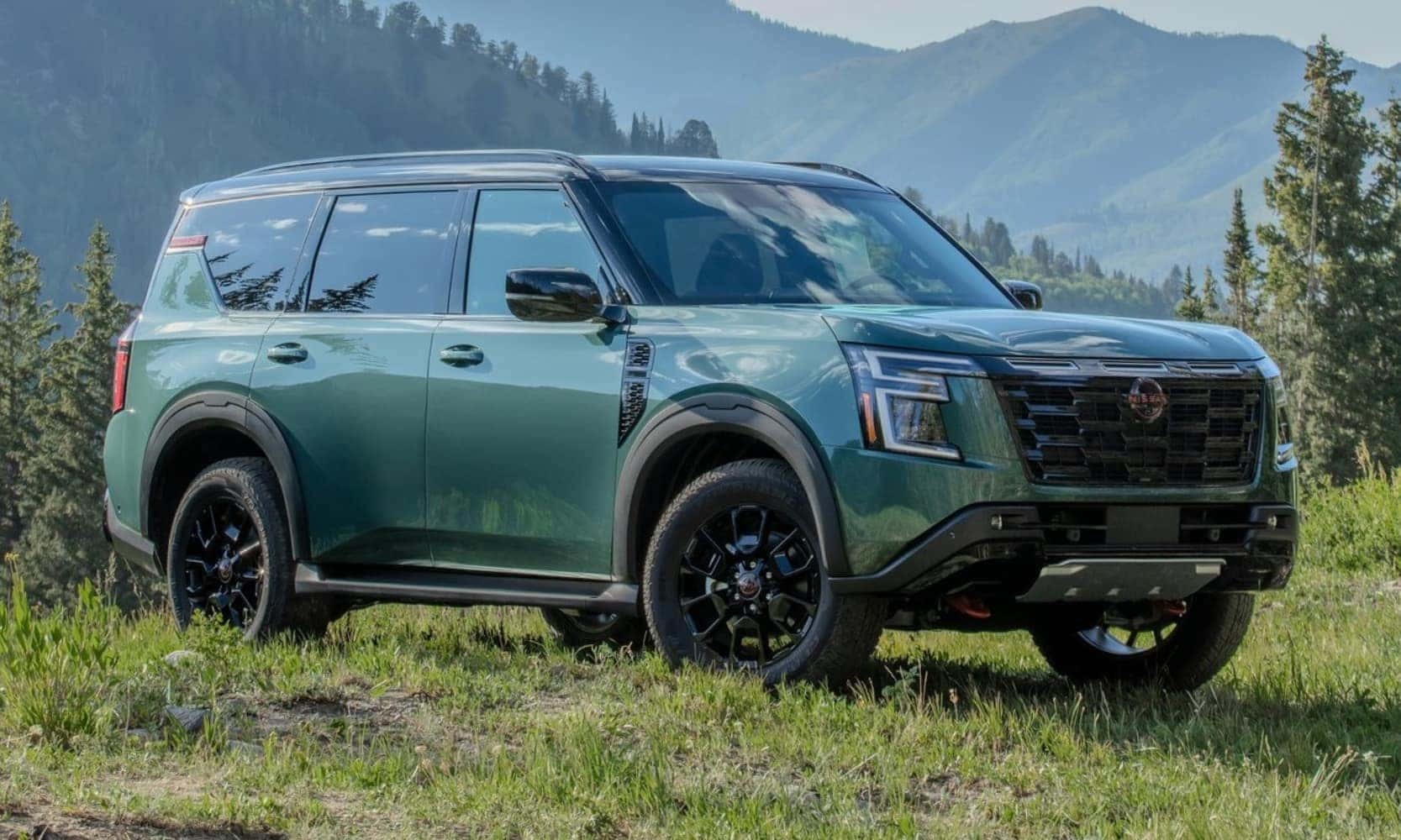
4. Nissan Armada
The Nissan Armada combines the force of a strong V8 engine with a durable body-on-frame build, giving it the strength required for demanding load duties. Its engine produces generous torque, which allows it to maintain steady acceleration even when the cargo area is filled or when a heavy trailer is connected.
This makes it a dependable option for drivers who often transport substantial weight without wanting to sacrifice confidence behind the wheel. Inside, the Armada is designed with practical load management in mind. Its rear seats can be folded completely flat, creating a wide and level cargo space that can accommodate bulky items without difficulty.
The suspension is carefully engineered to manage the added pressure of weight while preventing excessive sway or body roll. This means passengers remain comfortable during the journey, and the driver retains control even when the SUV is operating at its maximum capacity.
The towing capacity is another standout feature, often rated at around 8,500 pounds when properly equipped. This figure makes it capable of hauling boats, small campers, or multiple all-terrain vehicles with ease. The braking system is tuned for stability under load, while the steering remains consistent and reassuring, which is especially important when towing at highway speeds.
Owners frequently remark that the Armada feels larger and stronger than many vehicles in its segment, almost as if it is built for conditions more challenging than most daily drives demand. This sense of being “overbuilt” is precisely what makes it so valuable when heavy hauling becomes necessary.
For big families on cross-country trips with plenty of luggage or for outdoor enthusiasts transporting sports equipment and gear, the Armada provides both security and composure. It is a model that shows its true value under pressure, performing with reliability and strength whenever the task demands more than average capability.
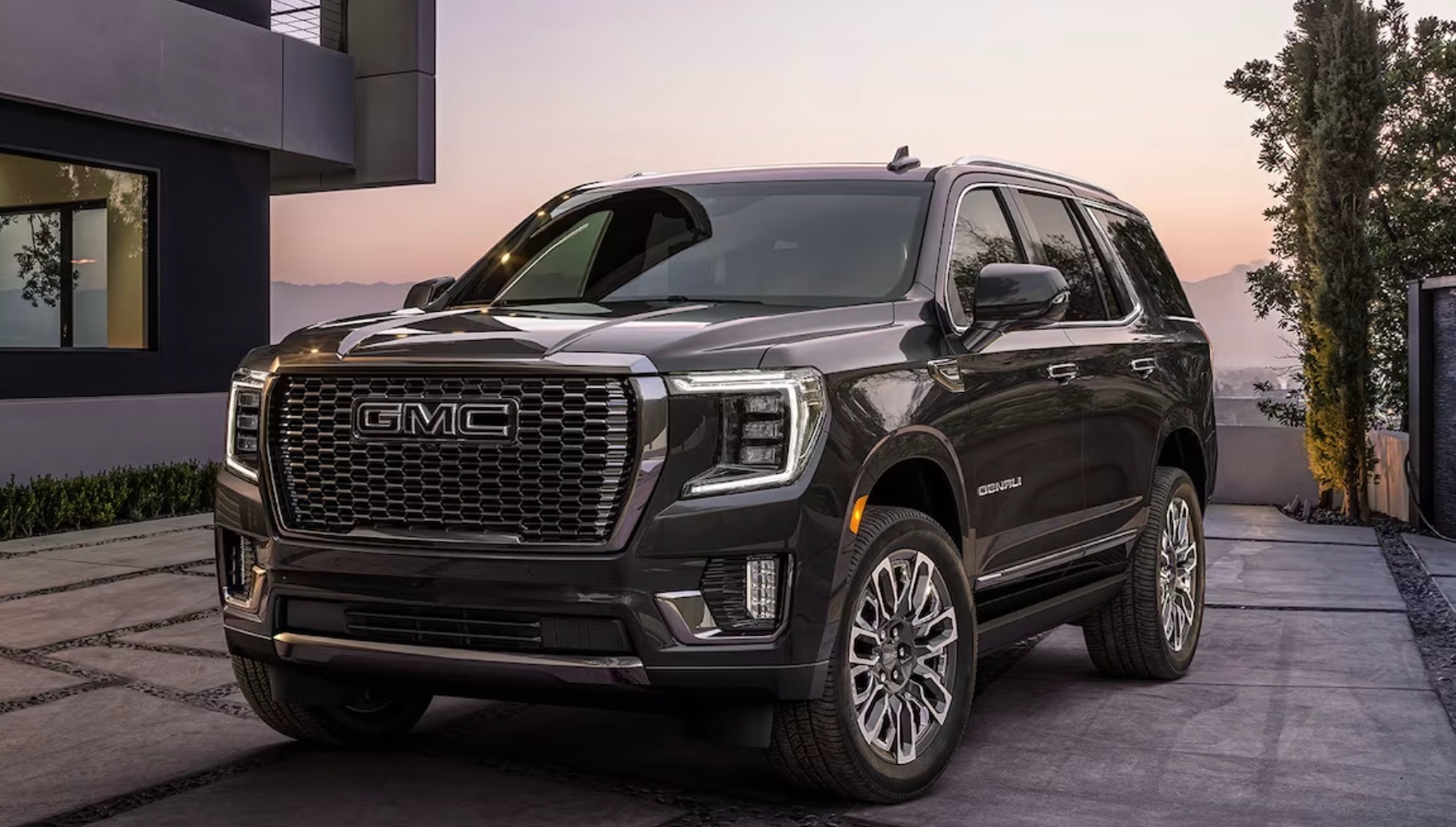
5. GMC Yukon XL
The GMC Yukon XL shares its platform with the Chevrolet Suburban, and it is equally capable when dealing with weight. It offers a selection of powerful V8 engines paired with strong automatic transmissions designed to manage heavy towing and hauling.
Its extended length gives it unmatched cargo space, making it a favorite for large groups and those who need to transport bulky items. Even with the vehicle fully loaded, its ride remains composed, thanks to optional magnetic ride control that adjusts the suspension in real-time to suit driving conditions.
Towing capacities can reach over 8,000 pounds, and when equipped with the Max Trailering Package, it becomes a serious competitor to many full-size trucks. The Yukon XL also features trailer sway control systems, which actively help maintain stability when pulling large loads at speed.
Owners value its balance between comfort and performance. Long-distance drives with passengers and heavy cargo do not compromise the vehicle’s stability, and the interior remains quiet and refined. For those who regularly combine people-carrying duties with hauling, the GMC Yukon XL delivers consistent strength, comfort, and reliability.
SUVs That Hate Weight
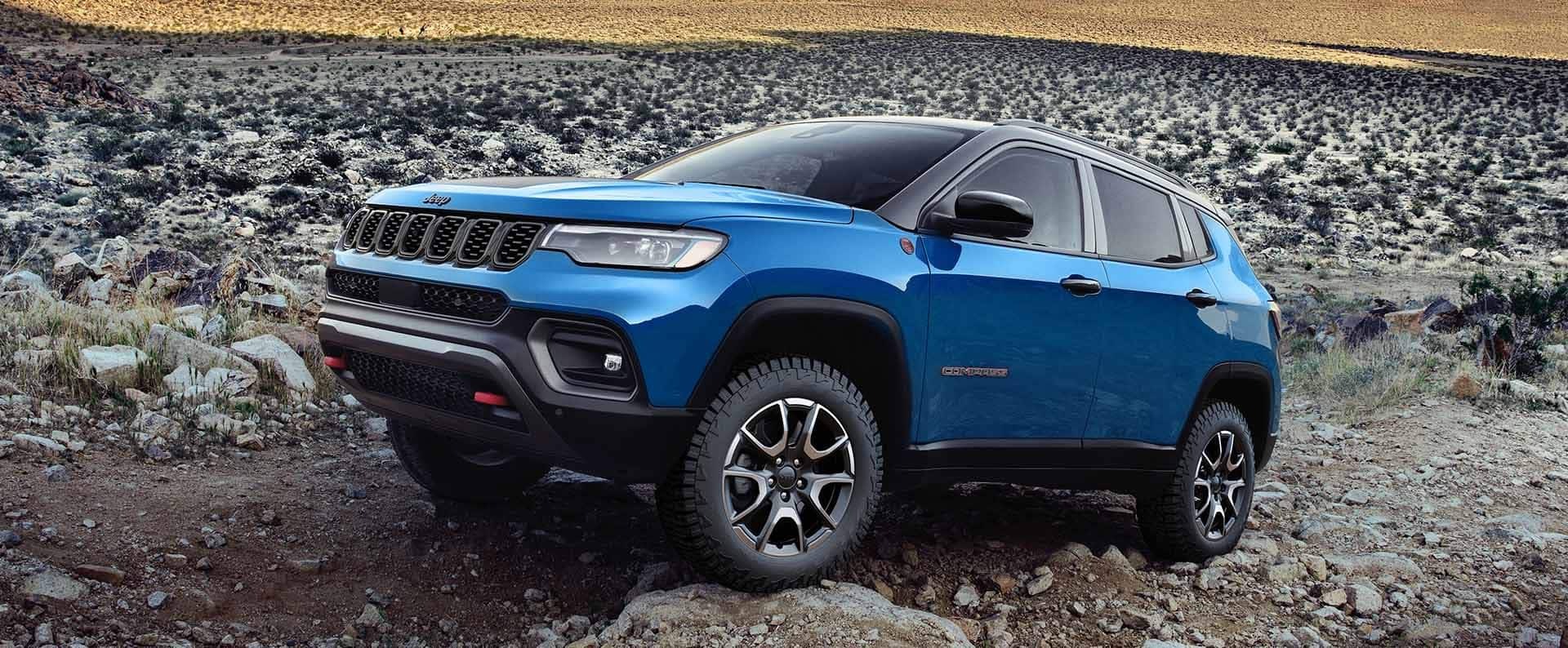
1. Jeep Compass
The Jeep Compass may look rugged at first glance, but when it comes to carrying heavy loads, it reveals its limits quickly. While it offers attractive styling and off-road-inspired branding, its mechanical setup is more suited for light-duty use.
The Compass is powered by engines that lean toward fuel efficiency rather than high torque, which means acceleration suffers noticeably when the vehicle is loaded with passengers and cargo. Its suspension system is tuned for comfort in everyday driving, making it pleasant on smooth city roads but less stable when under heavy strain.
When the cargo space is filled and all seats are occupied, the rear suspension can sag slightly, affecting the ride height and handling. This change in balance can make the Compass feel less responsive during turns, especially at higher speeds.
Towing is another area where the Compass struggles. Many versions are rated for no more than 2,000 pounds, which is low compared to competitors in the same size class. Attempting to tow close to its limit often results in slower acceleration and noticeable engine noise as the powertrain works harder.
While the Compass can manage small loads without issue, it is not the right choice for drivers who frequently need to haul heavy cargo or tow trailers. Its strengths lie in comfort, maneuverability, and efficiency in urban settings, not in heavy-duty performance. For buyers who need an SUV for long trips with a full load, the Compass will likely feel underpowered and less stable than other options.
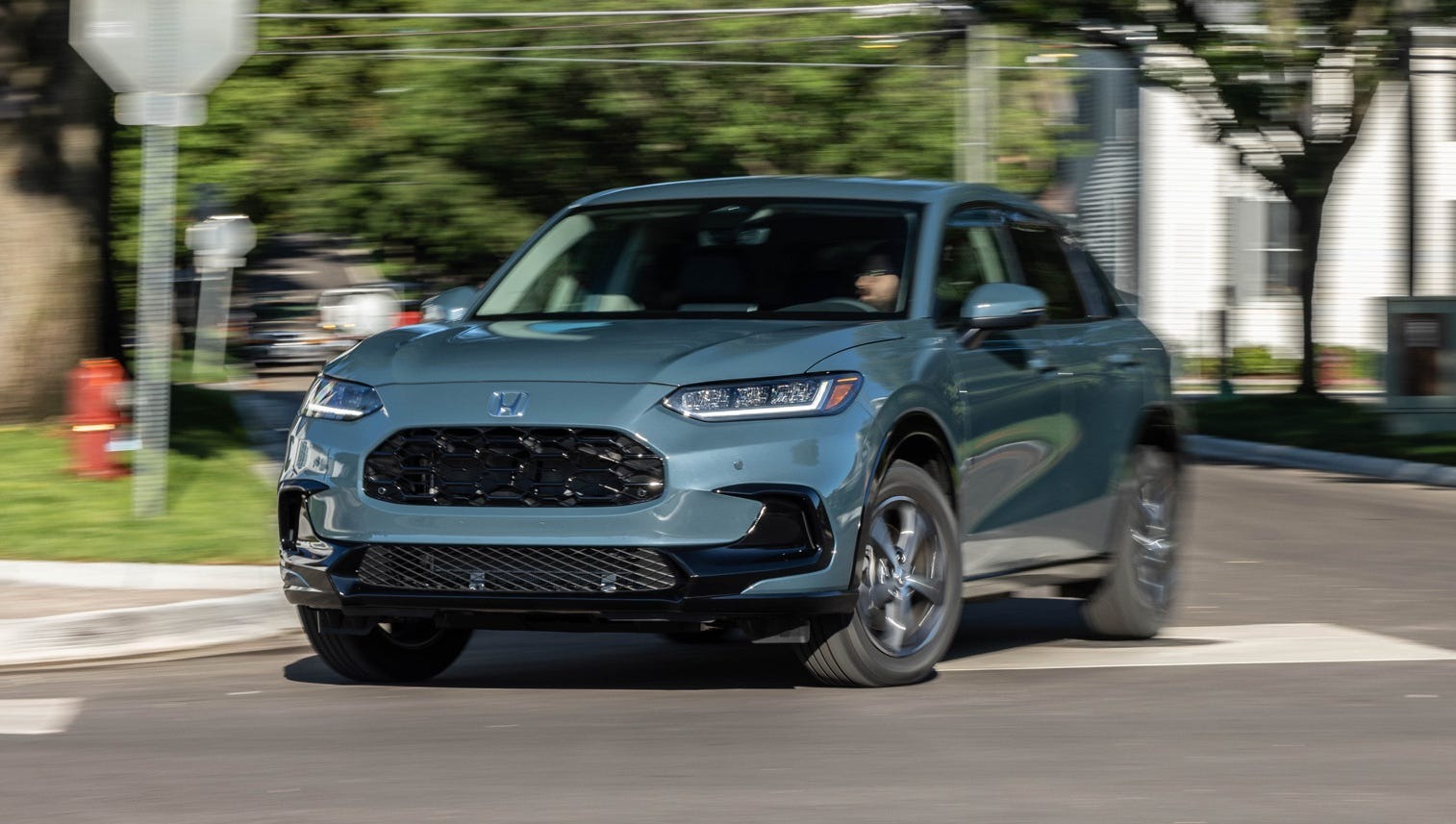
2. Honda HR-V
The Honda HR-V is a practical subcompact SUV for daily commuting, but heavy load handling is not its strong suit. Its engine is designed more for fuel economy and smooth operation than raw pulling power, which becomes obvious when it is filled with passengers and cargo. Acceleration can feel sluggish, especially on inclines, and overtaking at highway speeds takes more effort from the engine.
Its compact size means the suspension is tuned for light loads. When fully packed, the rear end can dip slightly, and the handling becomes less sharp. The steering, while responsive under normal conditions, can feel lighter and less precise when the vehicle is weighed down. This can lead to a less confident driving experience on highways, especially in windy conditions.
Towing capacity is almost nonexistent in the HR-V, with most versions rated for around 1,500 pounds or less. This makes it unsuitable for hauling anything beyond very light trailers. Even with smaller loads, the engine can sound strained, and fuel economy drops faster than expected.
Inside, the HR-V offers good space for its size, but when all that space is used for carrying weight, the performance drop is clear. Drivers who mostly carry light loads will appreciate its comfort and efficiency, but those who plan to frequently transport heavy cargo should consider a stronger alternative. The HR-V’s charm lies in its city-friendly nature, not in its ability to perform under heavy strain.
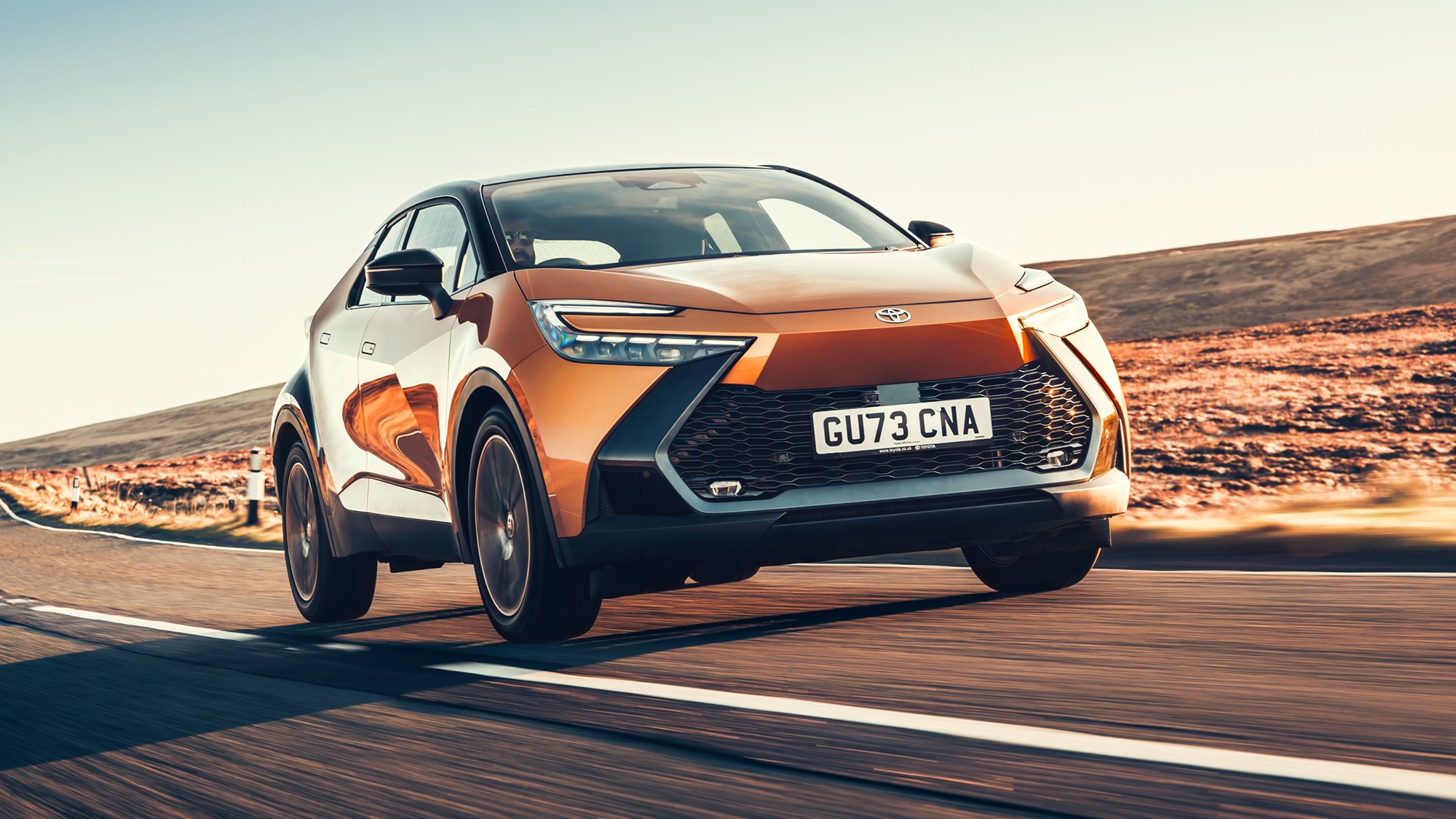
3. Toyota C-HR
The Toyota C-HR stands out in the compact SUV segment for its bold styling and agile feel in city traffic. It appeals strongly to drivers who value a modern design paired with easy maneuverability in tight spaces. In everyday driving with a light load, it delivers a comfortable and composed ride.
However, when the weight inside begins to increase, its performance limitations start to show. The C-HR is powered by a modest four-cylinder engine tuned for efficiency rather than strength, producing horsepower and torque figures that are quickly pushed to their limits once the cabin and cargo space are filled.
With all seats occupied and luggage on board, acceleration becomes noticeably slower. Climbing steep roads or merging onto a busy highway can require more effort from the engine, which may begin to sound strained. The continuously variable transmission (CVT) helps maintain a smooth ride but is not designed for quick bursts of power, adding to the sensation of reduced responsiveness under strain.
The vehicle’s suspension setup is optimized for comfort over light to moderate loads, which works well in normal city driving. However, when carrying extra weight, body roll becomes more pronounced during turns, making the SUV feel less planted. This change in handling can affect driver confidence, particularly on winding roads or when quick steering adjustments are needed.
Towing capacity is minimal, and the C-HR is not intended for hauling even small trailers. It is best suited for lighter duties such as grocery runs, transporting sports gear, or carrying a few suitcases for a weekend trip.
For buyers who prioritize urban agility, fuel efficiency, and a distinctive look, the C-HR delivers those qualities well. Yet, when tasked with heavy cargo regularly, it loses much of its appeal as both performance and stability take a noticeable step back.
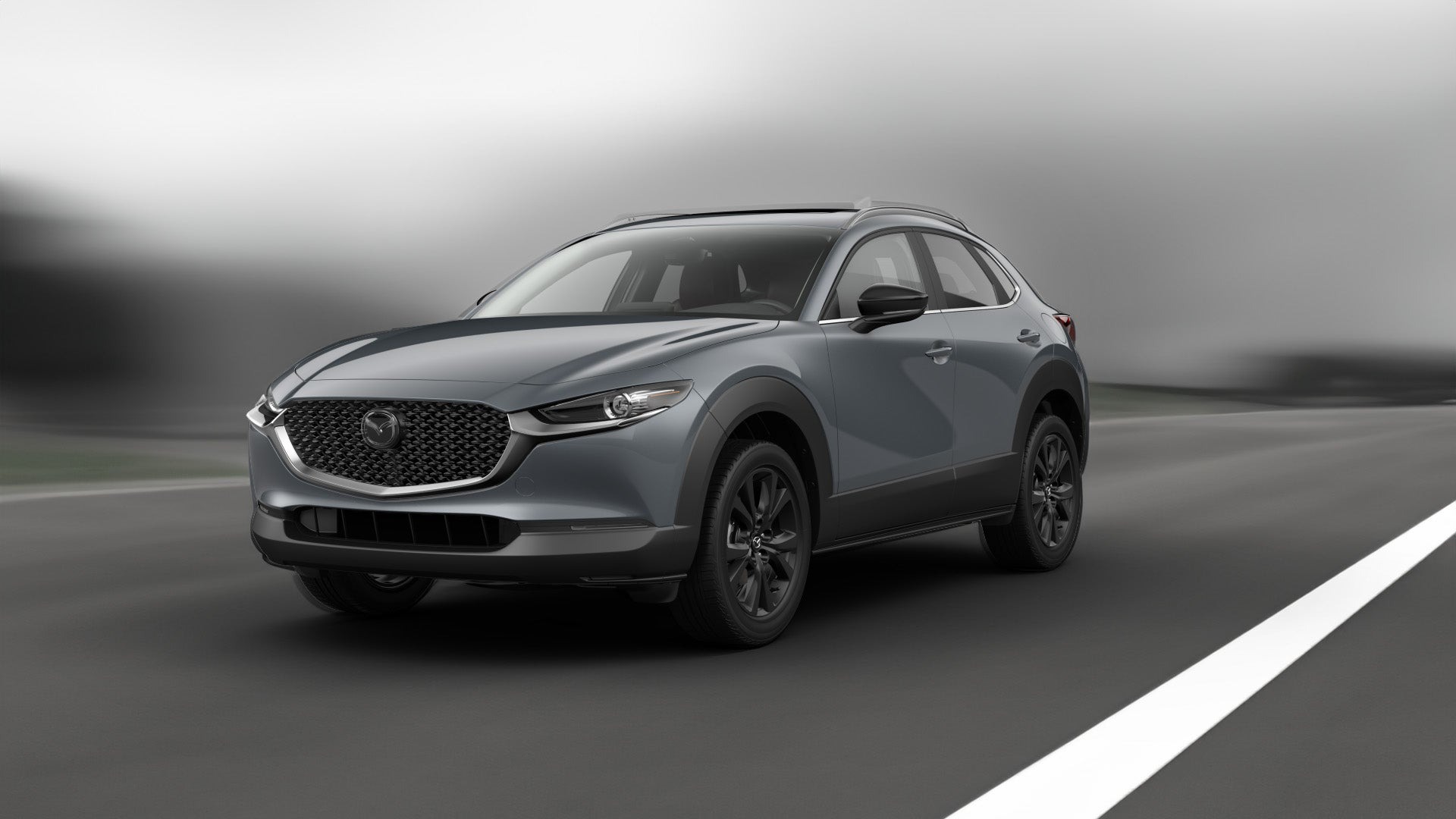
4. Mazda CX-30
The Mazda CX-30 is praised for its refined design and engaging driving dynamics in normal conditions, but heavy load situations reveal its weaknesses. It is powered by small to mid-sized four-cylinder engines that provide lively acceleration when the vehicle is light, but the added weight of passengers and cargo reduces that liveliness meaningfully.
When fully loaded, the CX-30’s acceleration slows, and the engine has to rev higher to maintain speed on highways or uphill roads. This not only impacts performance but can also lead to higher cabin noise levels. The transmission does its best to compensate, but it cannot fully overcome the lack of torque for heavy-duty demands.
Handling is one of the CX-30’s strong points in everyday driving, but with a heavy load, the suspension compresses more than usual, and body control becomes less tight. Quick lane changes or fast cornering can feel less stable compared to its unladen state.
The CX-30 is not designed for serious towing, with ratings often around 2,000 pounds or less. Even approaching that limit can make the vehicle feel strained, especially on long trips or steep roads. This makes it better suited for lighter, everyday hauling needs rather than regular heavy-duty use.
For drivers who value a balance of comfort and sporty handling in a compact SUV, the CX-30 delivers, but only when weight is kept moderate. Those who often need to move heavy loads may find its performance under strain less satisfying than that of larger, more powerful SUVs.
Also Read: 5 SUVs with Oil-Free Sump Systems vs 5 with Wet-Sump Starvation Issues
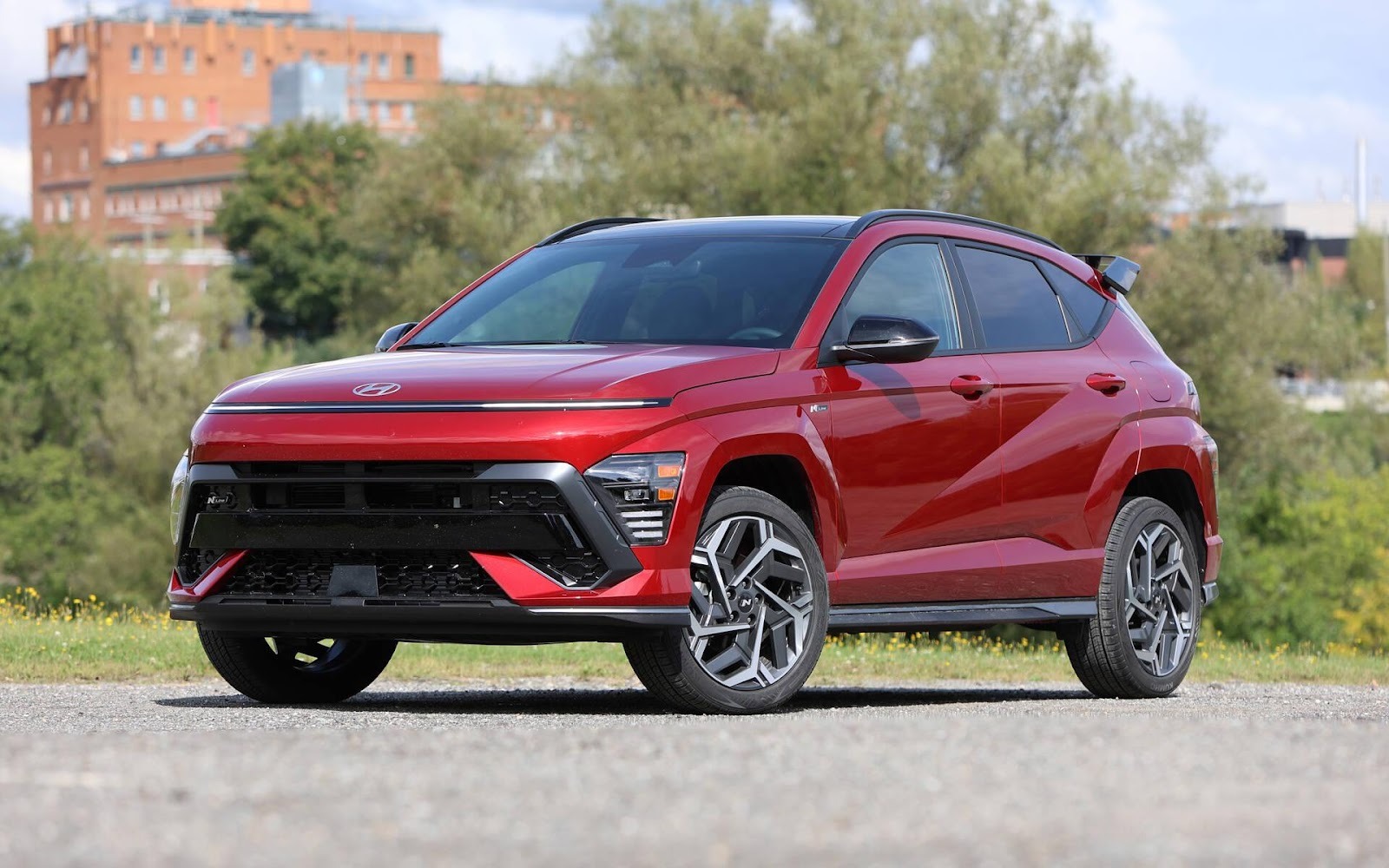
5. Hyundai Kona
The Hyundai Kona is an attractive and efficient compact SUV that fits well into city life, but heavy load capability is not part of its strongest features. Its smaller engines, whether naturally aspirated or turbocharged, are tuned for responsive light-load performance. When all seats are filled and the cargo area is packed, the Kona can lose its quick acceleration and responsive feel.
On steep roads or highways, the engine works harder to keep up with traffic, which can lead to increased noise and reduced fuel economy. The suspension, designed for comfort and agility in daily driving, can feel softer under extra weight, causing more noticeable body movement during turns or over bumps.
Towing capacity is minimal, often below 2,000 pounds, which limits its use for trailers or heavy external loads. Attempting to tow near that figure can make the vehicle feel less stable and increase braking distances.
While the Kona remains a pleasant and reliable choice for those who need a small, stylish SUV for light use, it is not ideal for those who regularly carry heavy cargo. It shines as a commuter and weekend trip vehicle with moderate weight, but under heavy load, its performance and composure both suffer.
Choosing the right SUV often comes down to more than just looks or comfort features. As seen from the models discussed, some vehicles are engineered with the strength and stability to carry heavy loads without compromising safety or performance. Others are better suited for lighter duties, where comfort, efficiency, and style take priority over towing and hauling capabilities.
For those who frequently travel with a full cabin of passengers, load the cargo space to the brim, or tow large trailers, models like the Toyota Land Cruiser, Chevrolet Suburban, Ford Expedition, Nissan Armada, and GMC Yukon XL stand out.
These vehicles have the mechanical power, sturdy suspension systems, and towing ratings that allow them to remain stable and predictable under strain. They deliver peace of mind for long trips and challenging driving conditions where weight can easily become a limiting factor.
SUVs such as the Jeep Compass, Honda HR-V, Toyota C-HR, Mazda CX-30, and Hyundai Kona shine in light-duty roles but show their weaknesses when tasked with heavy loads. While they excel in fuel efficiency, city handling, and everyday practicality, their engines, suspensions, and towing setups are not built for frequent heavy hauling.
Loading them beyond moderate limits can lead to slower acceleration, less precise handling, and a less enjoyable driving experience. Understanding these differences helps buyers match their vehicle choice to their lifestyle. It is better to select an SUV whose strengths align with how it will be used most often.
Whether the priority is dependable power under heavy strain or nimble performance in lighter daily use, there is a model that will meet those needs. By considering both capacity and intended purpose, drivers can ensure that their SUV delivers satisfaction in every journey, no matter the weight it carries.
