
Car door latches play a significant role in shaping the daily driving experience, often going unnoticed until they stand out for the right or wrong reasons.
Many drivers appreciate doors that close quietly, almost silently, suggesting precision engineering and a focus on comfort. These latches offer an understated reassurance every time the door is shut, keeping out street noise and delivering a feeling of solid construction.
Manufacturers continually push for improvements in closure mechanisms, using modern materials and designs. This technology delivers a gentle, almost luxurious experience for all vehicle occupants.
On the other hand, door latches that squeak or close loudly attract immediate attention, usually not in a positive way.
Squeaky or noisy latches can cause frustration and concern, even creating the impression that the vehicle is aging prematurely, poorly maintained, or less safe. Noisy closures undermine the sense of quality in a car, no matter its class.
It is important to recognize why some doors excel at closing quietly while others develop squeaks and rattles over time.
Understanding both ends of the spectrum allows car owners to appreciate the mechanics behind a silent, satisfying closure and address issues when they arise with noisy or squeaky doors.
Also Read: 5 Toyota 4Runner Years You Can Trust vs 5 You Can’t
Car Door Latches That Shut Soft
Modern car buyers have ever-higher expectations for their vehicles, not just in performance and appearance but also in the subtle touches that affect day-to-day comfort.
A car door that shuts with a gentle pull and settles into place without fuss is a feature that impresses both drivers and passengers.
This experience isn’t accidental: it results from thoughtful engineering, superior materials, and careful design choices.
Soft-closing car door latches have become a defining trait of luxury vehicles, but advances in technology are making these systems more widely available across different brands and price points.
The benefit of a car latch that closes quietly goes beyond mere sound. It signals attention to detail and quality control throughout the vehicle.
Besides protecting passengers from being startled by a loud slam, these mechanisms prolong the life of both the latch and the surrounding panels.
Reduced impact helps prevent wear and potential misalignment. In family cars, taxis, and luxury sedans alike, a soft closure reassures everyone of the vehicle’s structural integrity.
For those who appreciate craftsmanship in automotive manufacturing, soft-closing door latches represent a welcome combination of function and sophistication. Highlighting the standout systems on the market reveals how manufacturers deliver this seamless experience.
1. Mercedes-Benz Soft Close Door Latch
The soft-closing door latch found in many Mercedes-Benz models is considered a benchmark in the automotive industry for its reliability, refinement, and subtlety of operation.
This technology was introduced to prevent the need to slam doors, instead allowing them to close completely and securely with nothing more than a gentle push.
When the door reaches the initial catch point, an intelligent motor-driven mechanism detects the position and activates, quietly drawing the door shut. The latch then locks completely, and the entire process typically produces less than 40dB of noise barely audible within most environments.
This design is not reserved for just the most expensive cars. It’s available as a standard or optional feature on a wide range of Mercedes models, including contemporary electric vehicles like the EQS and flagship sedans like the S-Class.
The system relies on intelligent sensors that sense the door’s movement and initiate the soft-close process. Safety is also a priority: the system is equipped with anti-pinch protection so it halts if resistance is detected, providing peace of mind for families.

Why write about this latch in particular? The Mercedes-Benz soft close latch stands out because it manages to balance complexity with reliability. Owners appreciate the convenience gone are the days of reminding passengers not to slam the doors.
Over time, the reduced impact also helps to minimize wear on the doors, hinges, and surrounding bodywork.
The experience of closing a door quietly and effortlessly each time is a mark of attention to detail that drivers and passengers both notice and value, underscoring why this feature is so frequently cited in reviews and owner testimonials.
2. BMW Soft Close Door Latch
BMW’s implementation of the soft-close door latch combines engineering precision with practical benefits, creating a feeling of high-quality craftsmanship in their vehicles.
This mechanism functions similarly to that of Mercedes-Benz but with BMW’s own focus on sporty elegance and driver engagement.
Once the door is gently pushed to the catch point, an electric motor within the latch softly pulls it the rest of the way to secure closure. This removes the need to slam, preventing noise and potential damage that comes with rough handling.
BMW includes this feature in many of its models, especially in higher trims of the 5 Series, 7 Series, and X Series SUVs. The soft shut doors contribute to the luxurious cabin experience by keeping out excessive road noise and drafts when closed properly.
Beyond comfort, the system is built with durability in mind, protecting the door frame and latch from stress over prolonged use.
This latch is notable because it addresses common frustrations with door slams, such as startling passengers or waking children.
It also provides a seamless, premium touch that is especially appreciated in urban settings where car noise can be amplified in parking garages and tight spaces.

The technology reflects BMW’s reputation for thoughtful engineering, aiming at both driver satisfaction and vehicle integrity. The quiet, confident closing sound quietly emphasizes the vehicle’s overall solidity and build quality, contributing to the brand’s premium image.
Sharing this system demonstrates how luxury automakers enhance everyday experiences that might otherwise be overlooked, highlighting soft-close latches as a meaningful comfort and quality feature.
3. Rolls-Royce Soft Close Door Technology
In Rolls-Royce vehicles, the soft-close door latch system is a key part of what elevates their cars to the highest echelons of luxury and refinement. These latches do more than just quietly close the door they help create an atmosphere of absolute calm and exclusivity.
The door gently glides into the frame with the aid of hydraulic dampers and motorized actuators powered by precision electronics.
The process not only muffles sound but also cushions any rough impacts, ensuring no door slamming can disrupt the peaceful interior environment.
Rolls-Royce designs focus on a bespoke experience, and their soft-close doors reflect this with flawless operation tested for maximum longevity.
Beyond the audible quietness, these mechanisms perfectly align multiple contact points automatically, contributing to a whisper-quiet cabin with minimal vibrations or rattles. The precise control over door movement exemplifies the brand’s commitment to meticulous craftsmanship.
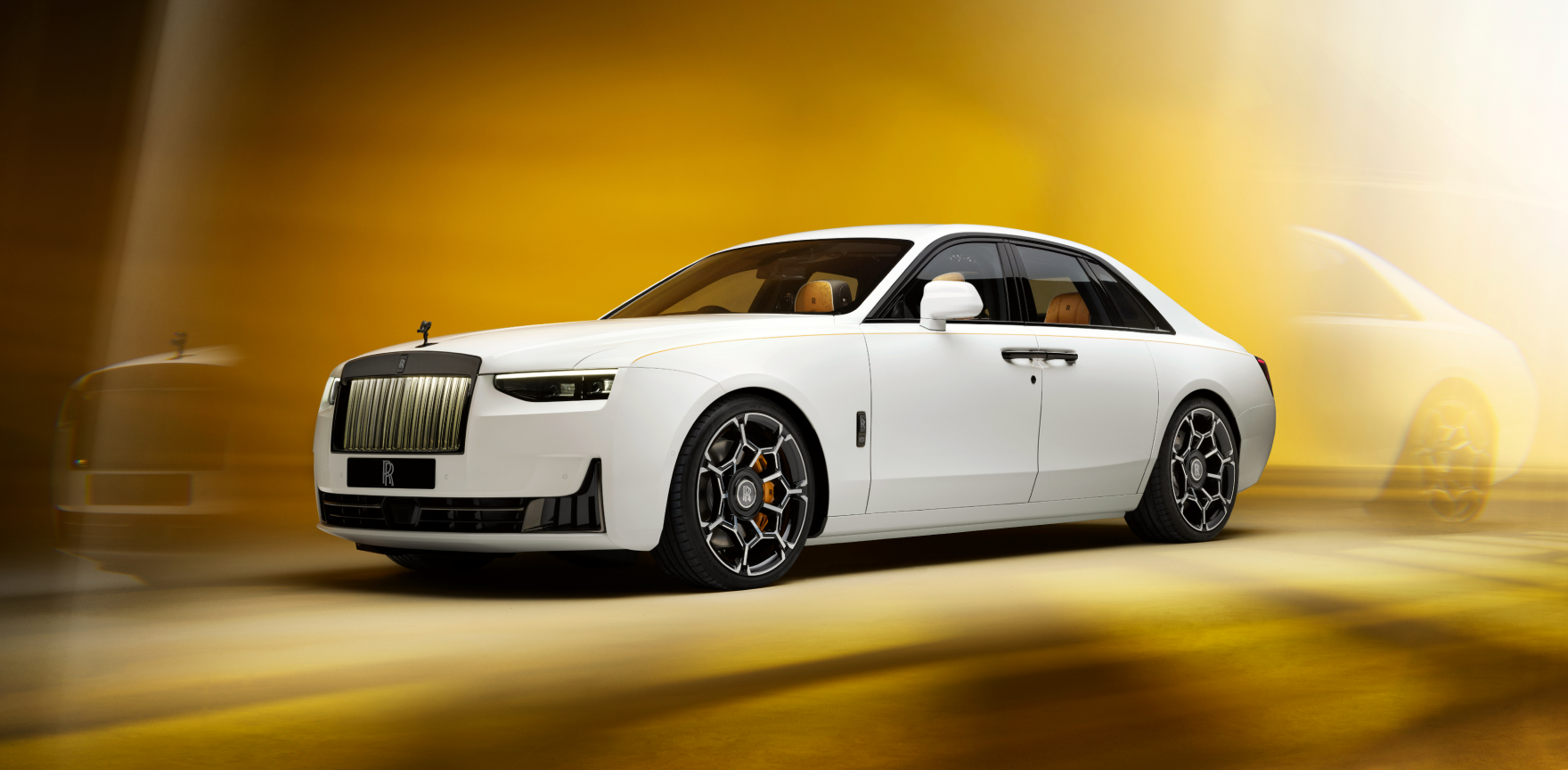
Highlighting Rolls-Royce is important because its soft-close system represents the peak of what modern automotive latches can achieve in terms of smoothness, quietness, and luxury.
Here, the door latch is not merely functional but also a statement of quality and care for detail. It’s part of why owners and critics alike often remark on the “magic carpet” feeling inside a Rolls-Royce, where every touch and sound is carefully engineered for comfort.
This system underlines how soft-closing latches can elevate the entire driving and riding experience, positioning it as an essential feature for those who demand the very best.
4. Audi Soft Close Door Latch
Audi has also embraced the technology of soft-close door latches as part of its ongoing commitment to refined driving experiences.
Their system uses electric actuators integrated directly into the door latch mechanism to quietly pull the door closed after it’s gently pushed to a certain point. This allows for easy closure without the need to slam the door, reducing noise and wear on the vehicle’s structure over time.
The soft-close feature in Audi models like the A8 and Q7 contributes significantly to the premium feel of the vehicle’s interior. Inside, the environment remains peaceful and composed, free of distracting door slams or sudden noises.
The latch’s smooth operation also offers tangible practical benefits: it protects door seals and alignment, extending the longevity of these critical components and maintaining consistent cabin insulation.
Why focus on Audi’s latch? Audi balances engineering sophistication with a sleek and understated aesthetic, and its soft-close door system supports this by quietly enhancing the user experience.
For drivers and passengers, the soft-close latch becomes a subtle yet noticeable sign of quality craftsmanship.

Additionally, the system’s durability and reliability ensure it performs well under different conditions, which is critical for owners in varying climates and driving environments.
Detailing Audi’s soft-close mechanism highlights how automakers tailor this basic feature to reinforce brand identity, where the quiet, precise action of the door latch represents a carefully crafted signature of vehicle quality and driver comfort.
5. Lexus Soft Close Door Latch
Lexus, known for its reputation in building reliable and comfortable vehicles, incorporates soft-close door technology to enhance passenger experience.
The Lexus system combines electric motors and sensors that control the final stage of door closing, gently pulling the door latch to its locked position without requiring forceful slamming. This not only ensures quiet operation but also reduces the stress placed on the body and frame of the vehicle.
Lexus fits this feature especially in its flagship models such as the LS series, where attention to detail is paramount. Having a door that closes softly means passengers won’t be startled by loud noises, while the door seals remain intact longer.
The system also supports the overall quiet cabin environment for which Lexus is known, complementing their focus on sound insulation and vibration control.
Describing Lexus’s soft close latch is important because it illustrates how a brand balances luxury and practicality. It is not only about making the car ‘feel’ expensive but also about longevity and preventing small issues that might accumulate over time.

Lexus’s design emphasizes smoothness and consistency, helping maintain the premium feel throughout the life of the vehicle.
In essence, Lexus’s soft close door latch represents a commitment to comfort, quality, and refinement, reinforcing why this feature is increasingly common among cars marketed as both reliable and luxurious.
5 Door Latches With Loud Squeaks
While soft-shutting car door latches highlight quality and refinement, the opposite problem often draws immediate negative attention: loud, persistent squeaks when doors are opened or closed.
These noises can arise from a variety of issues involving the latch mechanism, hinges, weatherstripping, or lubrication failures.
Not only do squeaky doors detract from the driving experience by creating unwanted distraction and annoyance, but they may also signal underlying mechanical wear or improper maintenance.
Loud squeaks are common enough that many vehicle owners encounter them during the lifespan of their car, often prompting frustration and concerns about potential repairs. They can appear in cars across all classes and ages, from aging budget vehicles to newer models.
Addressing squeaky door latches is important because the noises can worsen over time and might indicate premature wear of critical components. In some cases, ignoring the problem could lead to more serious issues like door misalignment, water leaks, or compromised safety.
Understanding what causes these noises, and how certain models or latch designs are more prone to squeaking, helps drivers maintain their cars better and make informed choices.
This section focuses on five examples of car door latch situations or designs that are known to produce louder squeaks, explaining the reasons behind the sounds and how they impact overall vehicle quality.
1. Older Honda Civic Door Latch Squeak Issue
One common example of car door latch squeaking comes from older models of the Honda Civic, especially those manufactured in the early 2000s. Many owners report a persistent high-pitched squeak when closing or opening the door, which worsens over time if left untreated.
The sound often originates from wear in the latch mechanism or dry hinge areas, coupled with limited lubrication and exposure to the elements.
The latch components in these models are constructed from metal and plastic parts that can corrode or degrade. Over time, accumulated dirt, dust, and moisture can cause the latch to operate less smoothly, resulting in friction that produces the characteristic squeak.
The hinges themselves, which support door movement, may also become dry or rusty, further contributing to the noise.
Why focus on this example? The Honda Civic is one of the world’s most popular cars, which means a large number of drivers face this issue.

It serves as a relatable case study in how regular maintenance such as cleaning, lubricating, and even replacing worn parts, can prevent or fix squeaky doors.
For drivers unfamiliar with the problem, these noises might create the impression of a neglected or unreliable vehicle, even though the root causes are often simple to address.
This example highlights that even widely respected vehicles can encounter latch noise issues, reinforcing the importance of upkeep and understanding the mechanical sources behind loud squeaks.
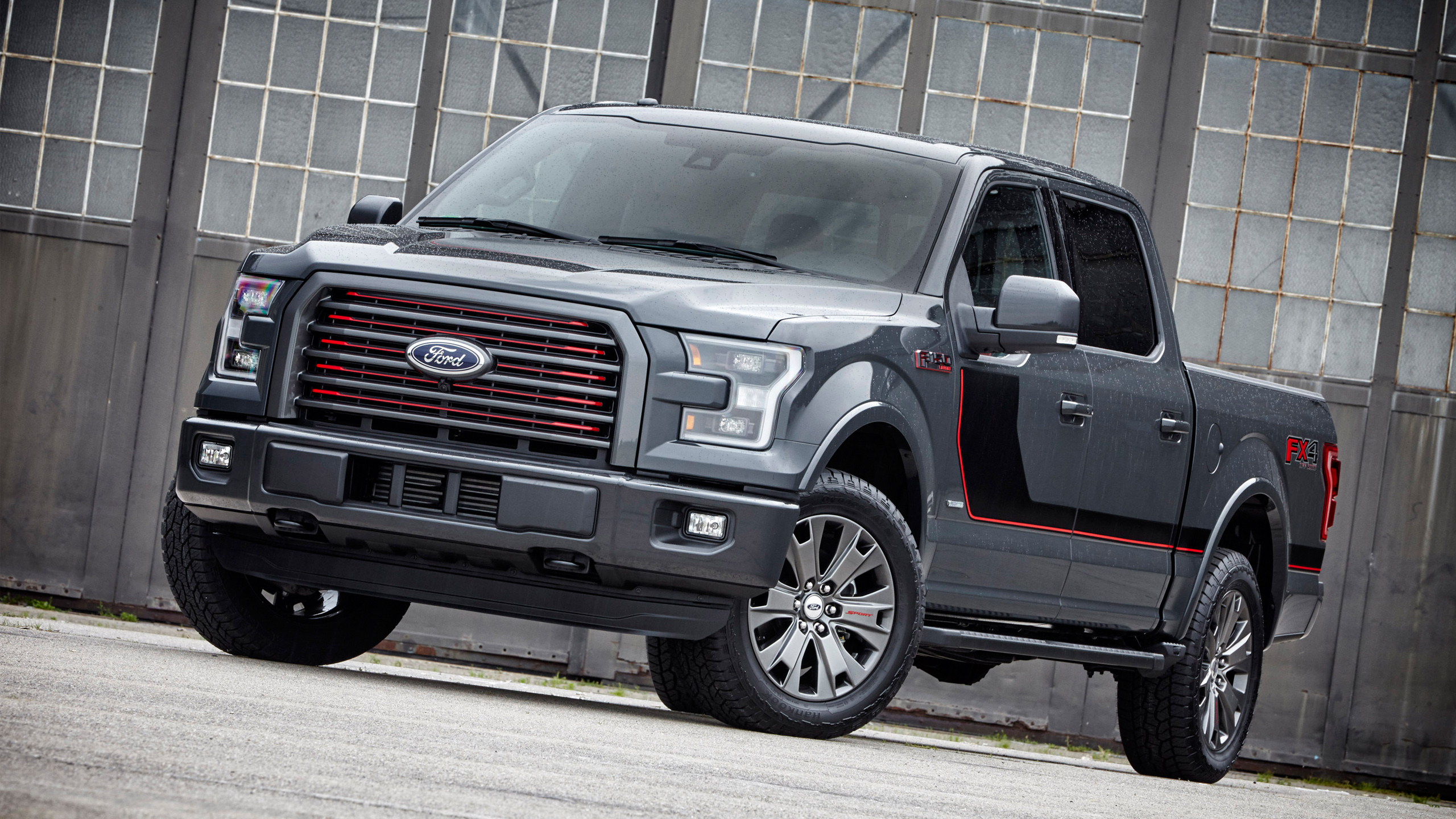
2. Early Ford F-150 Door Latch Squeak
Another notorious case of loud squeaks comes from earlier generations of the Ford F-150, particularly those produced in the late 1990s and early 2000s.
Owners commonly report irritating squeaks when opening or shutting the doors, sometimes accompanied by creaking or grinding from the latch area. The frequent culprit is a combination of door latch corrosion, worn bushings, and neglected lubrication points.
The door latches in these vehicles are exposed to variable weather, dirt, and dust especially relevant for trucks often used in rural, construction, or work environments.
Over time, moisture makes its way into the latch mechanism, leading to mild oxidation and increased friction between metal parts.
Bushings designed to stabilize the latch may also degrade, adding to the problem. As a result, each movement of the door produces the tell-tale squeak that roadside lubrication only temporarily masks.
Highlighting the F-150 latch squeak draws attention to how common, utilitarian vehicles are not immune to this problem. The widespread use of the F-150 means more drivers than ever have heard this specific noise, making it both a shared frustration and a lesson in truck care.
Lack of regular attention allows both hinge and latch points to deteriorate faster, which can worsen the squeak and potentially make the doors harder to close securely.
Sharing this example emphasizes that squeaky latches are a universal experience regardless of vehicle prestige or price. Routine inspection, cleaning, and greasing remain critical steps for any car owner hoping to rid their truck of persistent latch noise.
3. Volkswagen Jetta Latch Rattle and Squeak
The Volkswagen Jetta, especially models from the early 2010s, has developed a reputation among drivers for door latch squeaks and rattles. This issue is often most pronounced in cars subjected to frequent urban driving, where roads are uneven and vibration is constant.
Jetta latches in these years feature a mix of metal and nylon components; over many open-close cycles, the interplay between these parts can create unwanted noise.
Owners report sounds that range from light squeaking during slow closure to rattling as the door is shut firmly. This tendency is made worse when the latch’s internal grease dries out, or when the car is exposed to temperature swings that cause parts to expand and contract.
Dirt and road grime can also find their way into the latch assembly, increasing friction at critical connection points.
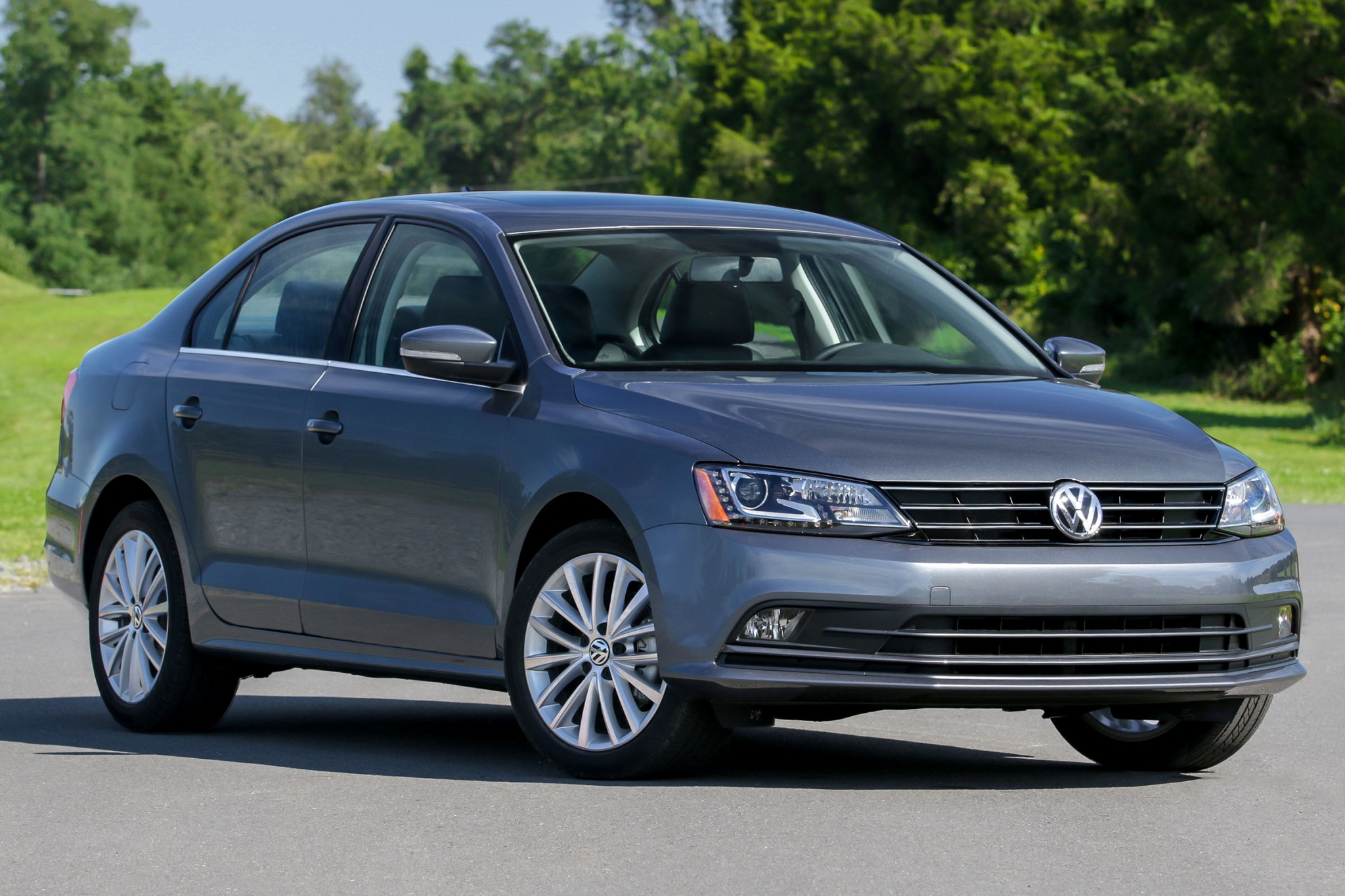
Choosing this example helps highlight how design, usage pattern, and environmental factors contribute to latch squeaks.
The Jetta stands out because VW’s engineering is typically associated with solid build quality, so persistent door noises can be especially disappointing for brand loyalists. It underscores the reality that even carefully engineered parts require ongoing upkeep.
Bringing up the Jetta’s latch noise serves as a reminder that squeaks often stem from overlooked wear and routine neglect rather than manufacturing flaws alone.
For both new and experienced drivers, it reinforces the value of regular maintenance and keen attention to everyday driving conditions affecting latch performance.
4. Jeep Wrangler Door Latch Creaks and Squeaks
The Jeep Wrangler, known for its rugged off-road capabilities, also carries the reputation of producing notable door latch noises. These include creaks, squeaks, and occasional rattles, especially after some years of use or exposure to harsh conditions.
The design of the Wrangler’s door latches and hinges, intended for durability and frequent removal, often leads to increased susceptibility to noise compared to traditional passenger cars.
Wranglers are frequently exposed to dust, mud, rain, and temperature extremes factors that accelerate wear on latch components.
The repeated removal and reattachment of doors during off-roading adventures can exacerbate issues like misalignment, worn bushings, and dry latch mechanisms.
These factors contribute to audible squeaks when doors are opened or closed and sometimes creaks when the vehicle is in motion over rough terrain.
This example is important because it illustrates how vehicle usage directly affects latch noise. Unlike luxury sedans where soft-close latches are integrated carefully, rugged vehicles prioritize ease of maintenance and durability, occasionally at the cost of quiet operation.

Jeep owners often accept some level of noise as inherent to the vehicle’s adventurous nature. Addressing Wrangler latch squeaks typically involves regular cleaning, lubrication, and sometimes replacing worn parts.
Highlighting this case provides useful insight for owners of rugged SUVs that balance off-road resilience with acceptable daily comfort, reminding drivers of the trade-offs related to door latch noise in tough environments.
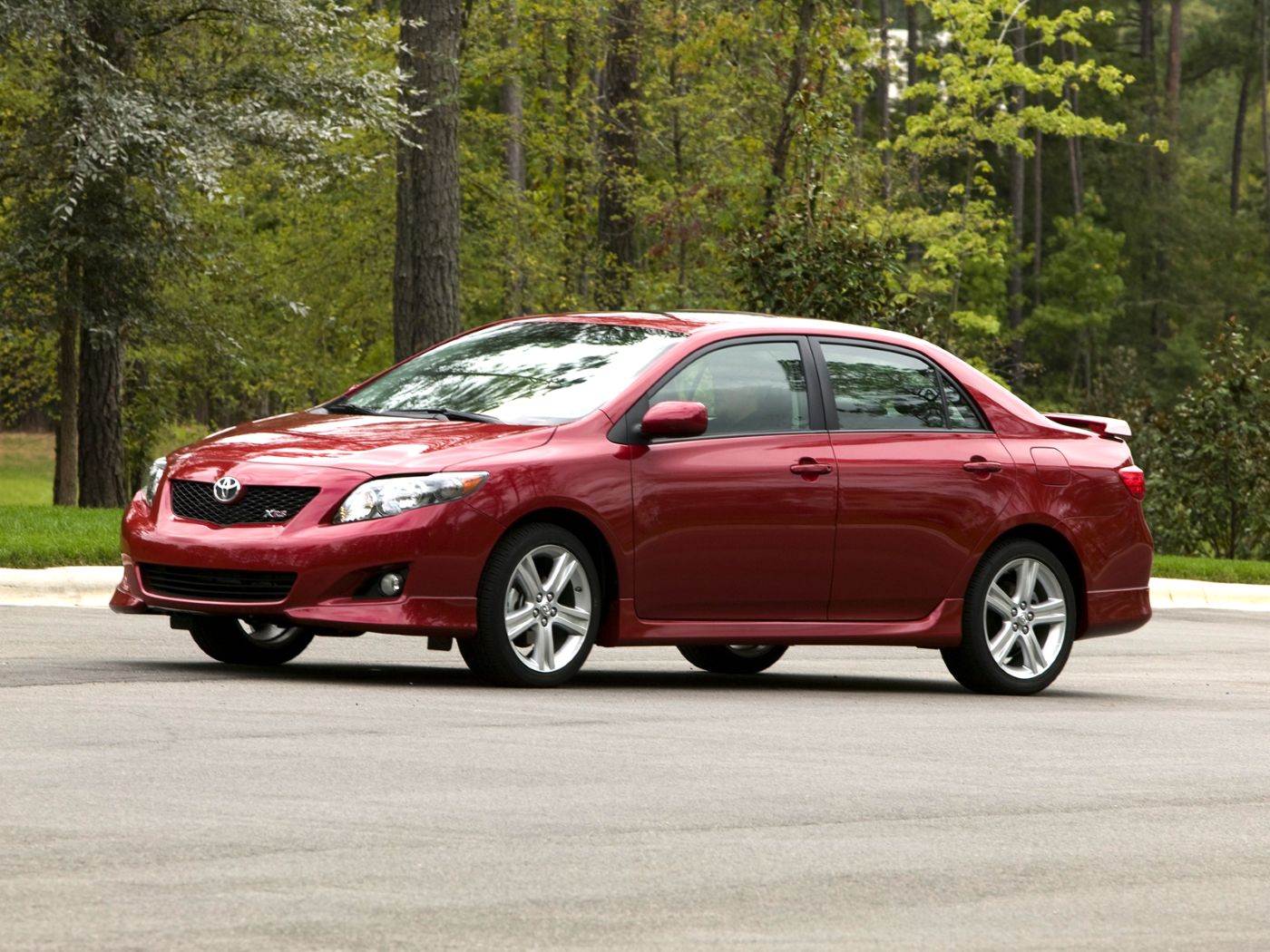
5. Toyota Corolla Door Latch Squeaking Problem
The Toyota Corolla, a benchmark in reliability and affordability, is not immune to door latch squeaks, especially in models a few years old.
Many owners experience a persistent squeak or creak when opening or closing the door, which can create frustration given the vehicle’s otherwise well-regarded build quality.
This noise often results from latch components drying out or accumulating dust and grime over time. The Corolla’s door latches contain metal elements subject to corrosion and plastic parts prone to wear.
Over regular usage, the delicate balance of these components can break down, producing squeaks. In addition, the hinges and striker assemblies also typically contribute to this problem if not adequately maintained.
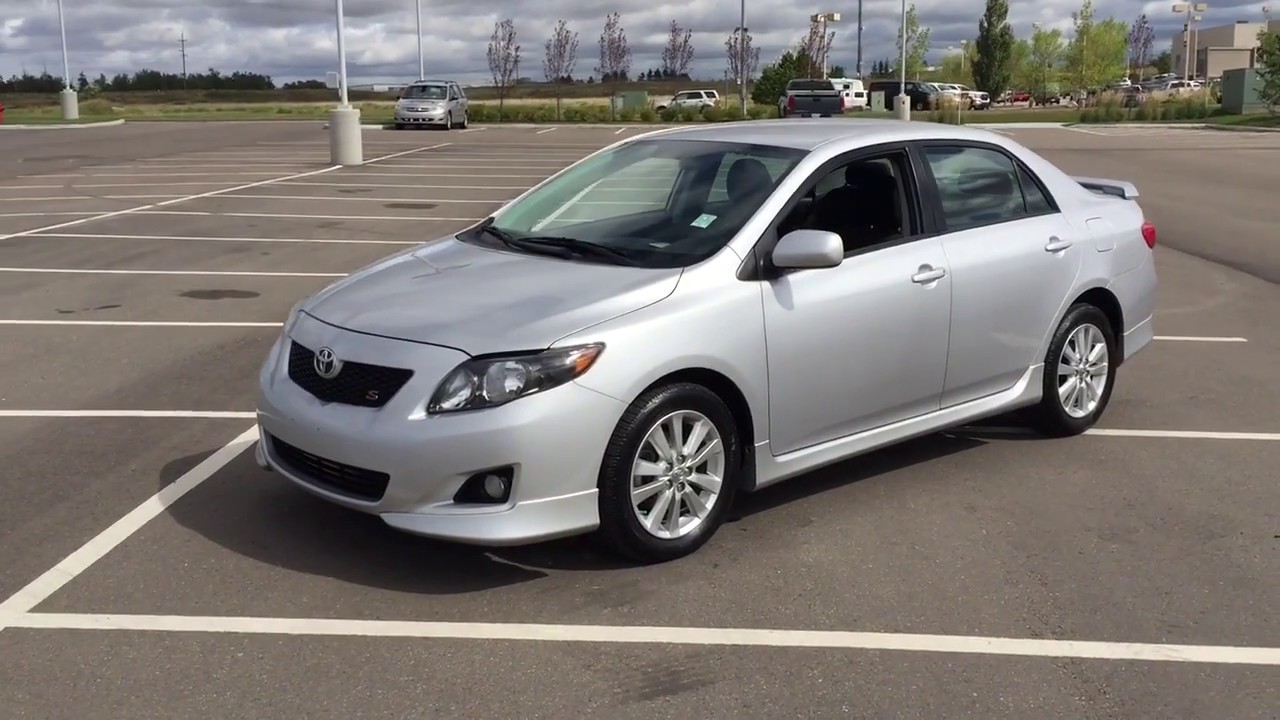
Why include the Corolla? Because it represents one of the most common vehicles globally, making its latch noise issue highly relatable.
Despite the brand’s emphasis on longevity, simple maintenance tasks like greasing hinges and latches are often overlooked, leading to the annoying door sounds.
Highlighting this problem serves as a reminder to all vehicle owners to consider door latch maintenance a key part of car care.
Regular lubrication and cleaning can significantly reduce these noises, preserving the car’s quiet and refined feel, and preventing further wear. For Corolla drivers, addressing the squeak can mean the difference between perceived sound quality and irritation.
Also Read: 5 Pickups That Keep Their Tailgates Solid and 5 With Sagging Hinges
