

Cold conditions can bring a variety of challenges for vehicle owners, and two of the most common concerns are maintaining clear visibility and ensuring accessibility during freezing weather.
Heated mirror systems and frost locking mechanisms address these concerns, playing crucial roles in everyday driving safety and convenience.
A car’s mirrors are among its most vital components for situational awareness; their ability to stay clear despite frost, fog, or ice is essential for safe operation.
Heated mirror systems employ built-in technologies that actively prevent the accumulation of ice or condensation on exterior mirrors, making them invaluable in harsh climates.
This function isn’t just a luxurious extra it enhances safety, streamlines travel routines, and helps prevent the frustration of manually scraping mirrors on cold mornings.
Meanwhile, frost locking describes the distressing phenomenon when a car’s locks become frozen due to moisture infiltration and subsequent temperature drops.
Drivers may find themselves unable to access their vehicles, facing delays or even needing emergency assistance. Preventing and resolving frost locking is not only about convenience but also about ensuring the vehicle’s operational readiness in winter.
Together, heated mirror systems and frost locking solutions reflect advances in automotive design geared toward reliable performance in winter conditions.
They underline how simple innovations can transform the driving experience, prioritizing driver safety and minimizing weather-related disruptions.
Also Read: 5 Floor Mats That Do Not Slide VS 5 That Keep Sliding Under Pedals
5 Heated Mirror Systems Working
Maintaining visibility is a cornerstone of road safety, particularly during winter months when frost and ice can obscure a car’s rearview mirrors.
Heated mirror systems emerged as a practical answer to this everyday hazard, delivering a solution that’s simple in operation yet significant in effect.
These systems utilize advanced heating elements, integrated into the mirror housing, to gently warm the glass surface and eliminate the build-up of frost or condensation.
The heating process is usually triggered either manually via dashboard controls or automatically in response to low ambient temperatures.
Heated mirrors made their way into mass-market vehicles thanks to the growing recognition of their value in cold weather. As technology has advanced, diverse systems have become available, including factory-installed, aftermarket, and self-regulating thermoplastic solutions.
The visible result is clear mirrors that save time in the morning and contribute to safer roadway manoeuvres, especially when changing lanes or reversing. Modern designs even incorporate safety timers and icons for ease of use.
Writing about heated mirror systems is pertinent not only for those living in chilly climates but also for anyone interested in vehicle convenience and technology that makes a practical difference.
In the sections that follow, several key aspects of heated mirror operation and technology will be examined, clarifying their benefits and explaining why this innovation matters in contemporary road travel.
1. Heating Element Integration and Function
Heated mirror systems hinge on their internal heating elements typically thin wires or a conductive coating embedded behind the mirror glass.
Upon activation, electricity passes through these elements, generating controlled warmth that diffuses across the mirror’s surface. This process is remarkably effective: even a brief heating cycle can clear frost, ice, and condensation.
The functional purpose of these elements is straightforward. In icy conditions, a driver facing obscured mirrors risks limited situational awareness, a particular danger during lane changes or merging.
Heated mirrors rapidly counter this threat, restoring visibility without requiring manual scraping. For regions prone to frequent temperature swings and high humidity, the relationship between fog buildup and traffic hazards reinforces the case for widespread heated mirror adoption.
Advancements in the materials used for heating elements have ushered in features like positive temperature coefficient (PTC) materials that self-regulate temperature, eliminating the need for elaborate sensors or controls. This means less wear and tear and minimizes the possibility of overheating, contributing to long-term reliability.
Detailing this essential part of the system illuminates why heating element design receives so much engineering attention. Performance, energy efficiency, and durability are all tightly linked to how well these elements are conceived and installed.
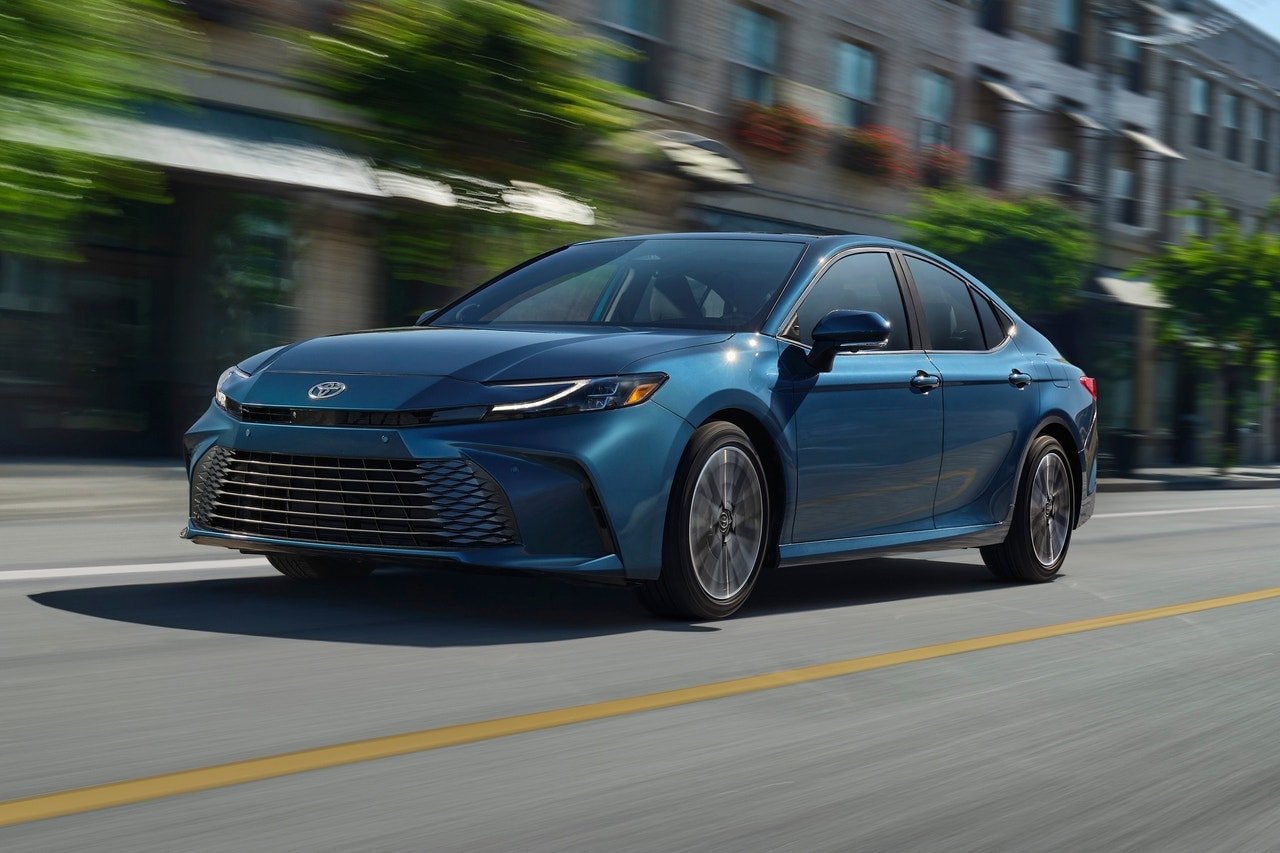
For car owners curious about their vehicle’s cold-weather capabilities, or those choosing an aftermarket upgrade, understanding the heating elements’ operation can inform smarter decisions and highlight why this feature is far more than just an optional comfort it’s a core safety system.
2. Activation and Control Mechanisms
Getting the heated mirrors working involves clear activation protocols, whether by a button, integration with the rear window defroster, or automatic activation below a set temperature. Many vehicles simplify usage by linking mirror heating to the defroster switch, so both the rear windshield and exterior mirrors clear simultaneously.
Some models go further, offering dedicated dashboard controls or automatic triggers based on ambient temperature sensors.
For instance, heated mirrors may automatically engage when the temperature dips below 40°F, reducing driver workload and removing the uncertainty about when activation is necessary.
A small illuminated icon often signals when mirrors are heating, serving both informational and reassurance purposes.
Designers must balance user-friendly operation with the need for energy conservation. Most cars incorporate timers or thermostat-like cutoffs, preventing the system from running endlessly and draining the battery.
These controls ensure mirrors are heated only as long as required, reflecting both environmental considerations and practical convenience.

Why address activation and control mechanisms in detail? They represent the point of interaction between driver and car efficiency, ease of use, and fail-safes all converge here.
Technologies that reduce distraction, automate routine processes, and reliably execute commands are increasingly valuable in modern vehicles.
By understanding these mechanisms, car owners can maximize the advantages offered, recognize symptoms of malfunction, and make informed choices when upgrading or troubleshooting their systems.
3. Materials and Build Quality: Thermoplastic Innovations
Modern heated mirror systems have seen a leap in material engineering, with many designs incorporating electro thermally-active thermoplastic substances.
These materials possess positive temperature coefficient functionalities: they heat up efficiently and then stabilize at a pre-set temperature, automatically cutting power once the optimal warmth is reached.
The practical upshot is threefold. First, using thermoplastics enhances both the durability and safety of the mirror system. Controlled heating helps avert thermal stress which could otherwise damage the mirror or its housing.
Second, the risk of overheating potentially warping the mirror or creating hot spots is eliminated, as the material’s unique properties let it self-regulate without external sensors.
Finally, performance in cold weather is predictable: users get rapid frost removal, and the system ensures energy is expended only as needed, making it cost-effective over time.

This area deserves focus because the choice of material and underlying engineering impacts robustness, energy consumption, and long-term reliability.
Users evaluating aftermarket mirrors or replacement parts should pay attention to thermoplastic components, as these innovations reflect thoughtful design tuned for harsh climates.
Understanding the material science behind heated mirrors demystifies why some products provide years of flawless service while others falter after one harsh winter.
4. Benefits for Visibility and Safety
Clear rearview mirrors are essential for safe operation, especially in winter or rainy weather. Heated mirror systems deliver this crucial function, guarding against impaired vision caused by ice, frost, and fog.
The ability to activate heat and quickly clear the mirror glass improves driver confidence in navigating busy streets and executing maneuvers like merging or reversing.
Enhanced visibility supports broader road safety objectives by reducing the likelihood of accidents related to blind spots or missed hazards.
Research indicates that drivers spend less time distracted by trying to manually clean mirrors, which otherwise puts safety at risk in cold weather. Since the mirror’s surface is kept consistently clear, it helps accommodate sudden weather changes, such as rain turning to snow.
Moreover, the time saved each morning no more scraping and wiping, translates to convenience for individuals in regions where frost is an everyday reality. This feature supports peace of mind and diminishes stress for those dependent on their vehicles for work, school, or other commitments.

Highlighting these benefits ties back to the fundamental role of automotive technology in protecting road users.
Clear visibility isn’t just about comfort it’s about preventing collisions, supporting safe lane changes, and reducing errors due to obscured views.
When car owners weigh upgrades or select new vehicles, mirror heaters deserve consideration not for luxury, but for their tangible contributions to safety and efficiency.
5. Factory-Installed vs. Aftermarket Solutions
Heated mirrors are available in both factory-installed systems and aftermarket kits, each offering distinct advantages and trade-offs.
Vehicles equipped from the factory often benefit from seamless integration features are calibrated to the car’s electrical system, housing, and operational controls, resulting in consistent performance and fewer compatibility issues.
Leading brands, ranging from Honda to Ford and Toyota, increasingly include heated mirrors in select trims and as standard on vehicles targeted at colder climates.
Aftermarket options, meanwhile, enable owners of older or base-model cars to access heating features. Some kits are budget-friendly, starting as low as $12, but may offer less reliability and often lack advanced safety shutdowns found in factory systems.
Installation complexity can vary; while some designs are easily swapped into existing mirror housings, others require detailed electrical work or professional expertise.
Deciding between factory-installed and aftermarket comes down to priorities: reliability, cost, ease of installation, and integration with existing controls.
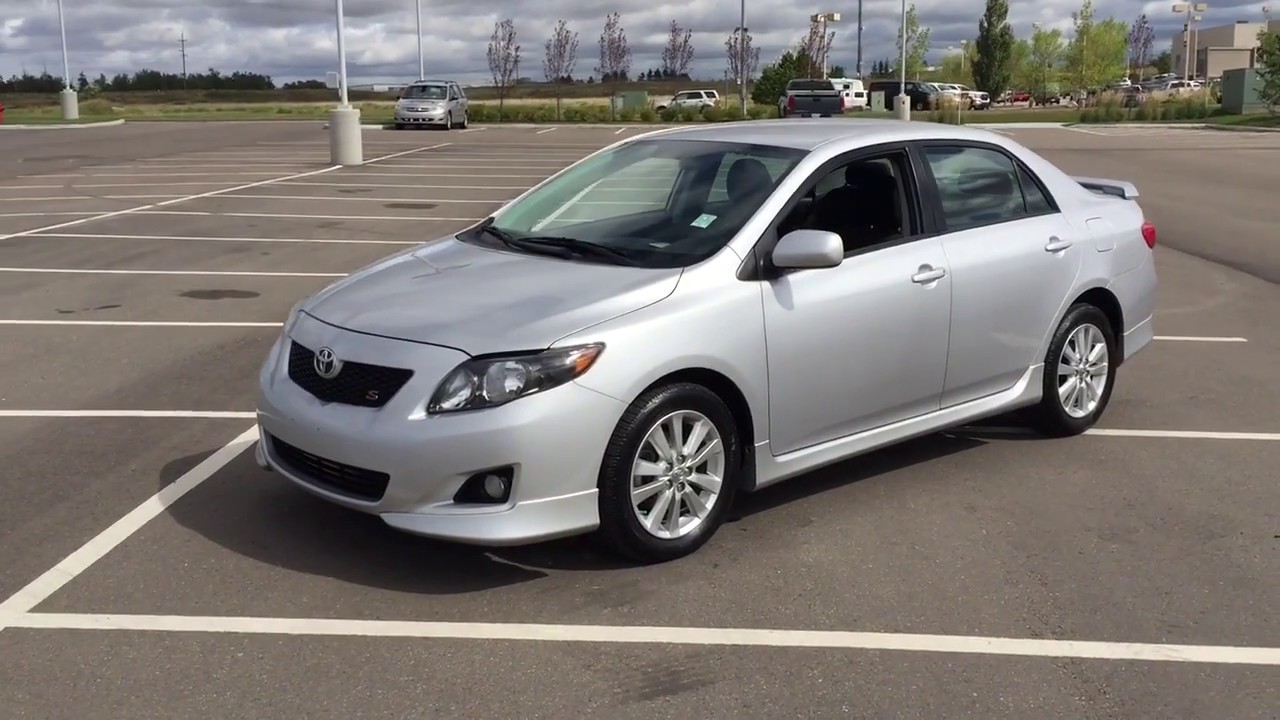
Factory systems tend to offer better durability, warranty coverage, and energy management, while aftermarket options provide flexibility and accessibility for vehicles where heated mirrors aren’t available as a feature.
Writing about these choices clarifies an important point for car owners: regardless of the age or type of vehicle, solutions exist for safer winter driving.
By understanding the variations, consumers can balance initial investment against long-term benefits, making choices that suit their circumstances and driving patterns. This aspect demystifies options and encourages practical improvements to winter readiness.
5 Frost Locking
Freezing conditions frequently pose problems for vehicle accessibility, with frost locking representing one of the most frustrating setbacks faced during winter.
This phenomenon occurs when moisture seeps into the intricate mechanisms of car locks and subsequently freezes, often immobilizing the key or fob entry system.
For drivers, discovering a frozen lock at the start of a busy day is more than an inconvenience it can disrupt schedules, create safety concerns, and sometimes necessitate emergency assistance.
Frost locking can affect any vehicle, regardless of age or make, although older cars and those parked outdoors are usually more susceptible.
The causes are varied, but an underlying factor remains the intrusion of water into lock components, which then solidifies under low temperatures.
Solutions range from simple DIY shortcuts to advanced preventive technologies designed to keep locks functioning through the deepest chill.
Writing about frost locking is valuable for anyone living in regions where sub-zero temperatures are the norm, as well as for those interested in vehicle reliability and preparedness during extreme weather.
The next sections will cover five critical aspects of frost locking, examining the mechanisms behind freezing locks, preventative measures, troubleshooting processes, and useful products to ensure vehicles remain accessible all geared toward fostering readiness and minimizing disruptions during winter.
1. Mechanisms Behind Frost Locking
Frost locking occurs when water finds its way into a car’s lock cylinder or electronic locking mechanism and subsequently freezes, preventing the internal tumblers and latches from moving.
The issue is most prevalent in areas experiencing frequent freeze-thaw cycles. When a lock is exposed to rain, snow, or even condensation, moisture remains trapped within tiny spaces. As night falls and temperatures drop, this water solidifies, forming a barrier that jams moving components.
Older cars with mechanical locks are especially vulnerable. Their more exposed keyholes and simplistic seals provide less protection against environmental infiltration.
Even newer vehicles with central locking systems and fobs are not immune. Water can penetrate around buttons or between poorly fitting panels, causing trouble for keyless entry devices.
Understanding the mechanisms serves a dual purpose: it helps drivers identify risks during wet or snowy weather and sheds light on why some locks freeze seemingly at random while others stay functional.
Certain car designs employ robust rubber gaskets and tight seals, reducing exposure to moisture, but wear and tear or improper maintenance can degrade these protections over time.
Taking note of how frost locking happens allows for targeted prevention. Knowing which winds, parking positions, or washing habits can expose locks to moisture enables drivers to develop routines that minimize freezing events.
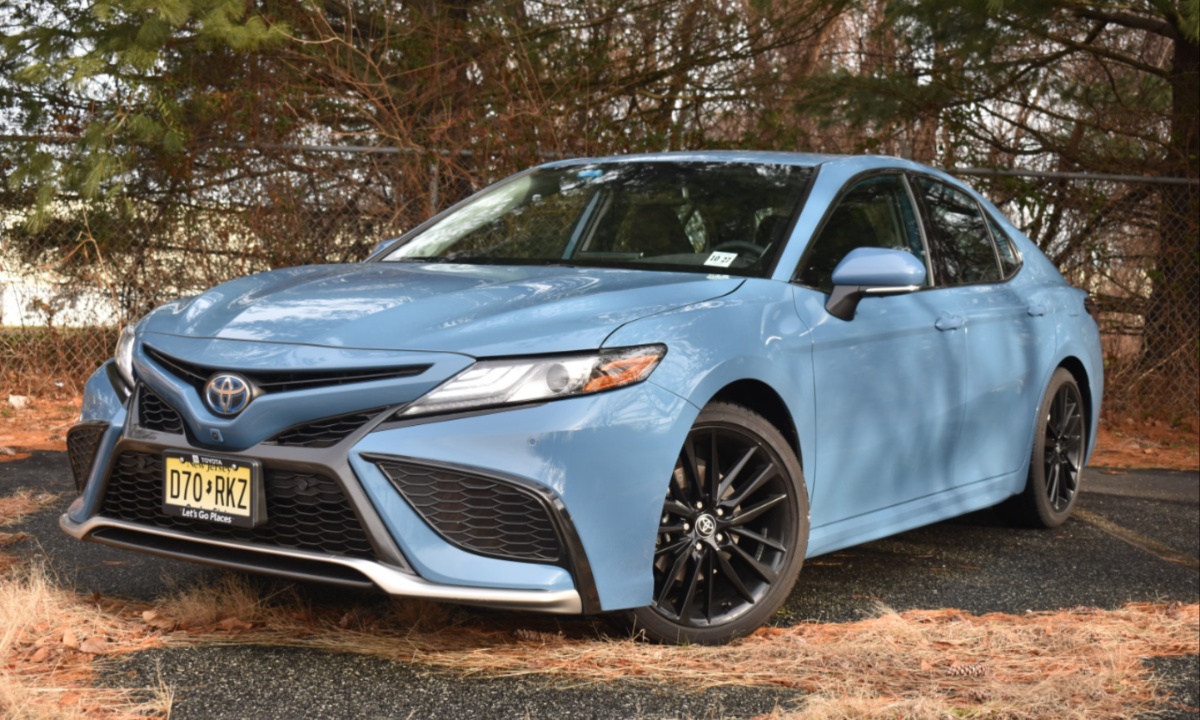
Covering the science behind frozen locks arms car owners with the necessary background to adopt smarter strategies, maintain vehicle operability, and select appropriate remedies whether from a hardware store or an automotive specialist.
This aspect of frost locking deserves close attention for anyone seeking uninterrupted winter mobility.
2. Preventative Measures and Winter Practices
Prevention represents the most reliable strategy for avoiding frost locking, and it begins with modifying habits and employing simple, proactive practices.
One key tactic is minimizing moisture exposure. Parking in a garage or under a carport can significantly reduce risk, as can selecting sheltered parking spots protected from wind-driven rain and snow.
For those without access to covered parking, positioning the vehicle with the lock side away from prevailing winds helps limit direct exposure.
Routine maintenance is equally vital. Treating locks regularly with special weather-resistant lubricants, such as silicone-based sprays, reduces moisture retention and clogging.
These products work to repel water while ensuring internal components stay moving freely. It’s also wise to periodically inspect rubber gaskets and seals around doors and handles for cracks or gaps, replacing them promptly if deterioration is detected.
Another effective measure is employing covers. Car lock covers or temporary plastic wraps can shield lock cylinders from snowfall and ice during overnight exposure, providing an affordable and practical layer of protection. Even something as simple as taping over locks before a storm can make a noticeable difference.
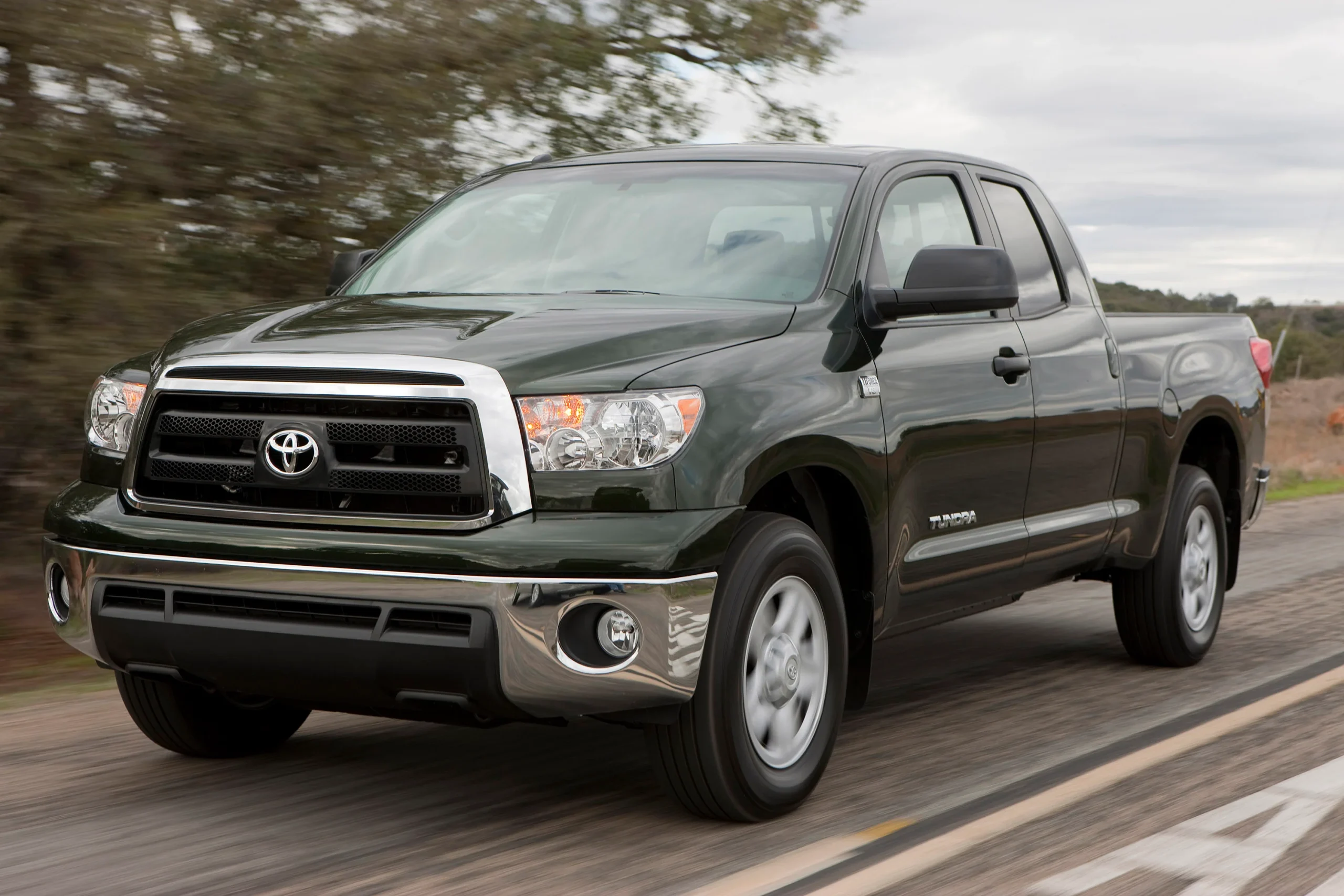
Addressing preventative measures highlights the importance of routine maintenance, attention to weather conditions, and informed purchases.
Protecting a vehicle’s locks is an investment not just in convenience, but in uninterrupted access, comfort, and safety during periods of extreme cold.
By spotlighting these techniques, drivers are empowered to reduce the likelihood of frustrating lockouts and keep their winter schedules running smoothly without the hassle of emergency troubleshooting in freezing temperatures.
3. Emergency Solutions for Frozen Locks
When frost locking strikes unexpectedly, quick and safe solutions are essential to regain access without causing damage to a vehicle.
The most direct remedy for mechanical locks is using a lock de-icer these are commercially available sprays designed to rapidly melt ice within the keyhole.
Most de-icers contain chemicals like isopropyl alcohol that not only liquefy ice but also displace lingering moisture, discouraging re-freezing.
For those without store-bought de-icers, homemade alternatives can serve in a pinch. Rubbing alcohol can be applied to the key and inserted gently, working to melt the ice inside.
In cases where the key still won’t turn, warming it with a hair dryer, heat pack, or even body heat may help.
What’s critical is to avoid forcing the key, as doing so could snap it or damage internal mechanisms.
Electronic locking systems, meanwhile, may respond to gentle warming of the exterior or by using an alternate entry method, like a remote start to engage heating systems inside the car, which in turn might thaw frozen locks.

Manual efforts should never involve boiling water or sharp tools these can break seals, damage paint, or exacerbate the underlying problem by introducing more moisture or causing sudden expansion in freezing temperatures. Instead, patience coupled with the right products is the safest route.
Explaining emergency solutions highlights the importance of gentle and purposeful action when encountering frozen locks.
Drivers can prevent escalation and costly repairs by knowing which products and tactics are effective, ensuring that inconvenience does not spiral into more serious mechanical or structural harm.
4. Advances in Lock Technology and Materials
Recent innovations in lock design have made a significant impact on resistance to frost locking. Automotive suppliers now employ advanced materials and smarter engineering to minimize the likelihood of freezing.
Whereas older locks relied mainly on brass and steel components, newer systems incorporate hydrophobic coatings, synthetic rubber seals, and precision-fit plastic covers that deter water ingress.
Electronic locking systems present their own solutions. Many manufacturers position the most vulnerable elements, like key fob sensors and battery contacts, within weather-sealed components to help isolate them from external factors.
Some luxury car makers have introduced heated lock cylinders, similar in principle to heated mirrors, which gently warm the lock area during periods of risk, preventing ice from forming without drawing excessive power.
The integration of improved materials is vital, as it makes locks more robust over time and less prone to deterioration from repeated freeze-thaw cycles. Advances in gaskets and seals now mean they last longer and retain effectiveness, decreasing maintenance requirements for car owners.

Addressing this topic emphasizes the way modern engineering not only responds to the annoyance of frozen locks but proactively tackles the root cause moisture intrusion.
By understanding the principles behind these material improvements, drivers are better equipped to choose vehicles and replacement parts that offer the highest levels of winter reliability.
This focus also encourages consumers to prioritize technological advancements during vehicle purchases, optimizing their cars for year-round access and function even in the harshest climates.
5. Maintenance and Long-Term Strategies
Ensuring lock reliability through winter begins with ongoing maintenance routines and strategic planning.
The most basic approach is regular application of water-repellent lubricants: products specifically formulated for automotive locks will clean out debris, displace old moisture, and preserve vital freedom of movement within intricate lock mechanisms.
Biannual maintenance one before winter and one after has proven effective in reducing the risk of frost locking for many drivers.
Inspection routines also play a central role. Monitoring seals and weatherstripping for compromised sections, tears, or dry rot lets car owners catch problems before they lead to moisture penetration. Prompt replacement or repair keeps the integrity of the lock system intact.
Adopting lock protectors, such as small rubber or plastic shields, helps block snow and freezing rain and is a simple custom addition for older vehicles.
For those living permanently in cold regions, investing in remote start systems or smart keys with internal heaters can add another preventative layer, automatically warming locks or cabin surfaces before departure.
Thinking beyond individual fixes, manufacturers often provide seasonal maintenance guides detailing best practices for winter readiness.
Drivers following these recommendations consistently report fewer incidents of lock freezing and enjoy increased peace of mind throughout the season.
By highlighting the importance of maintenance and strategic planning, this section reinforces the relationship between proactive care and long-term vehicle functionality.
Preventing frost locking isn’t just a reactionary act it’s part of an ongoing process that ensures accessibility, saves money on repairs, and supports safer winter journeys each year.
Also Read: 5 Trucks With Steel Frames Resisting Rust Vs 5 With Corrosion Issues
