
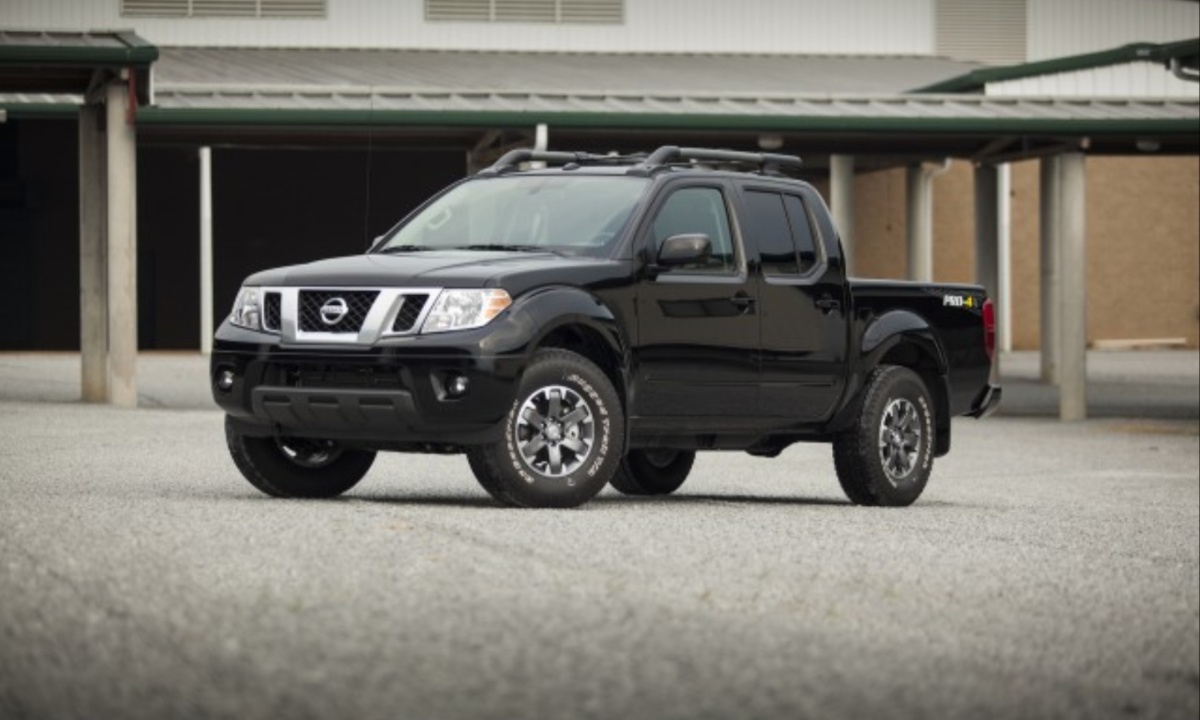
Car floor mats are often overlooked compared to other parts of a vehicle, but they play a crucial role in maintaining the cleanliness, comfort, and overall safety of your driving experience.
Two sides of this practical topic deserve close attention: some drivers enjoy the convenience of mats that remain firmly in place, while others face persistent problems with mats that slide, especially under the pedals.
These seemingly simple details can have far-reaching effects on everyday comfort and even on-road security.
The mats that stay in position help preserve both the appearance and the condition of your car’s flooring. They allow you to drive without thinking about them at all.
Meanwhile, the frustration of mats that repeatedly shift or slide under the pedals can become a serious safety concern, leading to distractions or moments where pedal access is compromised.
Understanding the differences between mats that don’t shift and those that do can help motorists make better choices, prevent accidents, and contribute to smoother journeys.
This dual focus covers not only essential tips and common challenges but also the reasons these matters deserve to be discussed at length for every driver’s peace of mind.
Also Read: 5 Door Seals Flexible VS 5 That Crack In Sun
5 Floor Mats Not Sliding
Imagine stepping into your vehicle each day and noticing that the mats remain exactly where they should be, no matter how many trips you’ve taken or how many times you’ve entered and exited the car.
This simple detail might be easy to take for granted, yet it brings a level of reassurance and order to your daily drives. Mats that do not slide offer more than just a pleasing look they quietly support safer and more comfortable driving.
Having mats that stay fixed is about much more than cosmetic appeal. A properly anchored mat guards the car’s flooring, resists wear and tear, and eliminates the inconvenience of reshuffling mats each time you use the pedals.
For drivers and passengers alike, this stability prevents distractions and maintains pedal access as intended. Mats that do not move are a silent ally, contributing to easier cleaning, a professional appearance, and less time spent on maintenance.
Many motorists might not give their floor mats a second thought unless something goes wrong, but the reality is that a good set of non-sliding mats can make a noticeable difference in both comfort and security.
For these reasons, focusing attention on why certain mats remain firmly in position is worthwhile, offering insights that can benefit every car owner.
Car mats that do not slide are a sign of good design and practical convenience. Focusing on this topic helps drivers become aware of the features, materials, and solutions that prevent mats from moving underfoot.
By discussing five well-chosen aspects of mats that stay put, this section aims to make readers understand how everyday comfort and safety can be quietly improved by investing in or choosing the right mat.
Sometimes, details that seem minor at first glance make the biggest difference on the road and in daily routines.
1. Precision-Fitted Mats: How Custom Sizing Prevents Movement
Precision-fitted mats are designed specifically for each make and model of vehicle, offering a tailored solution rather than generic coverage. These mats match the unique shape of your car’s floor, including every contour and curve around seats, pedals, and footwells.
This custom approach goes beyond basic functionality, as a mat cut to perfectly suit your car leaves little to no room for unwanted movement. Unlike one-size-fits-all mats, which may bunch up, shift, or curl at the edges, a precision-fit mat occupies its space fully and securely.
Drivers who want to eliminate the nuisance of sliding mats often find that this custom fit is one of the most effective answers. By hugging the flooring tightly, these mats anchor themselves naturally, making it much harder for foot traffic to push them out of place.
The snugness not only feels solid underfoot but preserves clear pathways to the pedals and other controls. A better fit also means less dirt and debris slipping underneath, enhancing the cleanliness of the interior with every step you take.
There’s another reason why precision-fitted mats deserve focused attention: they demonstrate the value of choosing gear designed specifically for your vehicle, instead of settling for convenience or price alone.
This careful approach appeals to anyone who sees the car as more than just transportation it’s about respecting both form and function.
Highlighting this factor helps readers understand that investing in custom floor mats is about maximizing comfort and security, two qualities that every driver benefits from with each journey.
2. Anti-Slip Backing: The Role of Material in Securing Floor Mats
Anti-slip backing stands out as one of the most reliable methods to keep floor mats in position. There are many different approaches to backing, but the most successful ones use special materials such as rubberized spikes, textured surfaces, or grippy polymers.
These elements increase the friction between the mat and the car’s carpet, acting as a barrier against shifting.
This design feature is especially valuable in areas where people frequently move their feet, such as the driver’s seat, where even minor movement could lead to sliding if the mat is not properly stabilized.
Why write about anti-slip backing? It tackles the heart of an everyday frustration few things interrupt a smooth ride faster than a floor mat that bunches up or slides as soon as you get in or out.
Beyond comfort, anti-slip features help prevent potentially dangerous situations where mats might slip under the pedals or interfere with driving. For parents, frequent commuters, or professional drivers, this extra level of reliability is a small investment with significant benefits.
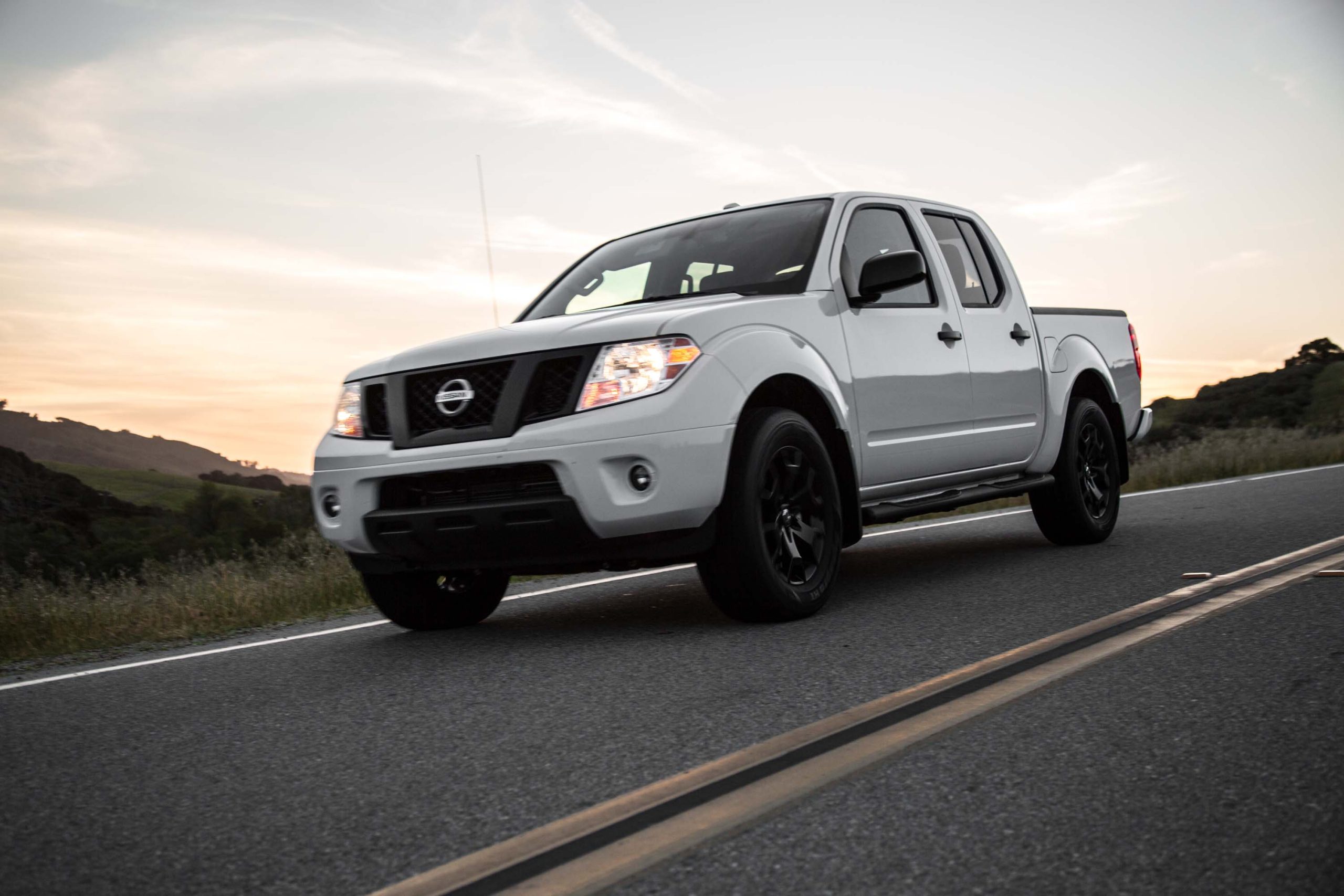
The best anti-slip technologies feel nearly invisible as you use them, yet they work constantly behind the scenes.
Highlighting this aspect reminds drivers that while they may rarely think about what’s underneath their feet, smart engineering can make a significant difference.
Choosing mats with proven anti-slip features is both an easy solution and a wise precaution to avoid accidents or annoyance related to unwanted mat movement.
3. Secure Fastening Systems: Importance of Anchors and Clips
Floor mats that do not slide often owe their stability to secure fastening systems. Many vehicles and aftermarket mats include built-in anchors, hooks, or clips that attach the mat directly to the car’s floor, preventing it from shifting during use.
These mechanical restraints provide an additional layer of safety and assurance beyond just the material’s grip or fit. Mats equipped with such fastening mechanisms are less likely to bunch up or move out of place even when carrying heavy loads or aggressive foot movements.
Writing about fastening systems matters because this feature can drastically reduce the risk of mats interfering with pedal operation. Safety recalls and warnings have sometimes been issued when mats slide beneath pedals, causing unwanted acceleration or braking issues.
Fastening systems offer a clear solution to this problem and should be a point of emphasis for drivers who prioritize safety alongside comfort.
This topic also educates readers on the variety of fastening options available, from simple plastic clips to more elaborate locking mechanisms. Being aware of these choices empowers vehicle owners to make informed decisions about upgrading mats or installing new ones.

Highlighting fastening systems addresses both everyday convenience and critical driving safety, showing that innovation in this seemingly small component has a real impact on the driving experience.
4. High-Quality Materials and Construction: Durability Meets Stability
Another key factor for mats that stay firmly in place is the quality of materials and craftsmanship involved.
High-quality mats use durable rubber, heavy-duty carpet with reinforced backing, or a hybrid combination designed to last under frequent pressure without curling, warping, or stretching.
Mats that wear down quickly or lose their form become prone to sliding, folds, or gaps because they no longer fit snugly against the floor.
Why focus on this? Drivers often underestimate how long-term durability and stability go hand in hand. A mat that looks great initially but loses its grip or shape after a few months becomes a nuisance and a potential hazard.
The material’s ability to retain its form and grip over time ensures that your car mat maintains its non-sliding advantage, protecting both your vehicle’s interior and your safety.
Highlighting construction and material quality encourages readers to think beyond price and instead focus on long-term value. Investing in well-made mats might involve higher upfront costs, but the payoff comes with prolonged comfort, safety, and effectiveness.
This reinforces the idea that quality matters, especially where it relates to the small but significant details that impact your driving routine every day.
5. Proper Placement and Maintenance: User Habits and Their Role
Whether or not mats slide often depends on how they are placed and maintained by the driver. Even the best-designed mats can become a problem if not positioned correctly or if dirt, moisture, and debris accumulate underneath.
Such build-up increases slipperiness and reduces friction, leading to unwanted mat movement. Regular cleaning, correct placement according to manufacturer instructions, and checking fastening points are essential steps for ensuring mats remain stable.
Writing about user habits and maintenance is important because it highlights the shared responsibility between manufacturer design and driver care.
Educating drivers on these simple steps prevents avoidable issues and prolongs the lifespan and safety benefits of the mats. It demonstrates that stability is not only a factor of design but also of ongoing attention.
This topic serves as a practical reminder for vehicle owners: no matter how advanced your floor mats are, they require proper care to work as intended.
Reinforcing maintenance and placement helps readers appreciate their role in preserving the functionality and safety of their car mats, emphasizing that everyday habits can have a big impact.
5 Sliding Under Pedals
Floor mats sliding under the pedals is a problem that can turn a routine drive into a hazardous situation. While many drivers may overlook this issue until it arises, mats that move beneath or around the accelerator, brake, or clutch pedals pose a serious risk.
Such incidents have been linked to accidental acceleration and compromised braking, making the topic one that requires careful attention.
When mats shift under the pedals, even momentarily, it can obstruct smooth pedal use and cause distraction or panic.
This is not just an inconvenience; it can lead to dangerous outcomes, especially in critical traffic situations. Examining common causes and solutions for mats sliding under pedals is vital for ensuring a safer driving environment.
This section will cover five key factors that contribute to this problem. Understanding these factors equips drivers with the knowledge to avoid or mitigate risks associated with mats interfering with pedal operation.
The goal is to highlight why mats may slide under pedals, the potential dangers involved, and practical steps to keep mats safely in place.
Awareness of this issue is an important part of vehicle maintenance and safety, making it a subject that every driver should consider seriously.
1. Ill-Fitting Mats: How Poor Sizing Causes Dangerous Shifts
Ill-fitting mats can create gaps, folds, or edges that easily slide beneath the pedals. Generic or universal mats that aren’t designed for a specific car model frequently fail to conform properly to the floor shape around the pedals, leaving sections loose and prone to sliding.
A mat that moves freely underfoot has the potential to wedge itself beneath a pedal, obstructing driver control at critical moments.
This factor is crucial because many accidents related to pedal interference begin with improperly sized mats.
The importance of correctly sized mats extends beyond aesthetics or floor protection; it is a fundamental safety concern. Drivers may overlook the importance of fit in favor of cost or convenience, but this often leads to frustration and risk.
Writing about ill-fitting mats emphasizes the need for attentiveness when purchasing or replacing mats.

Rather than accepting a one-size-fits-all approach, drivers should seek mats tailored to their vehicle’s footwell layout. By doing so, they reduce the likelihood of dangerous mat shifts and promote a safer driving experience for themselves and others on the road.
2. Worn or Missing Anchors: Why Secure Fastening Is Vital
One common cause of mats sliding under pedals is worn, broken, or missing anchors or clips. Over time, the fasteners that hold mats firmly in place can weaken or become detached, or some mats may not come equipped with anchoring systems at all.
When anchors fail, mats lose their stability and can easily move during driving, sliding toward or beneath pedals.
This issue deserves focus because anchors are a primary safety feature designed to prevent mats from interfering with pedal operation.
Without reliable fastening, even mats made from high-quality materials and with good fit can shift unpredictably, increasing the chance of accidents. Worn anchors are often overlooked until a problem arises, which makes proactive inspection and replacement important.

Highlighting this aspect educates drivers about the significance of checking their mats regularly. It encourages vehicle owners to inspect and replace worn anchors or invest in mats with robust fastening mechanisms.
Ensuring secure anchorage is a straightforward and effective step toward preventing mats from sliding under pedals and causing hazardous situations.
3. Heavy Footwear and Pedal Interaction: How Driving Style Affects Mat Movement
The way drivers use the pedals can contribute to mat sliding. Heavy or bulky footwear, rapid foot movements, and frequent pedal pressure can cause mats to shift, especially if they are not firmly secured.
The repeated action of pressing pedals with forceful or irregular foot placement can create friction that moves poorly fixed mats.
This point is important because it connects human behavior with mat performance. Even the best mats can be compromised by the way drivers position their feet or apply pressure while driving. Bulky boots, for example, may catch the mat edge and pull it toward the pedals unintentionally.
Writing about this factor encourages drivers to consider their footwear and driving habits as part of overall safety measures.
It raises awareness that mat safety isn’t solely dependent on product design but also on interaction between driver and vehicle components. Providing this insight serves as a reminder of the shared responsibility in preventing pedal obstructions.
4. Floor Surface Conditions: Impact of Dirt, Moisture, and Debris on Mat Stability
Surface conditions beneath the mat play a significant role in whether mats slide under pedals. Dirt, moisture, sand, and other debris can accumulate between the mat and the car floor, creating a slippery layer that reduces friction. Wet or dirty surfaces make mats more likely to move, even if the mat design is secure.
This factor is essential because it points to maintenance as a key to preventing sliding mats. Drivers often neglect the condition of the floor beneath the mats, assuming the mat alone guarantees stability. Yet, maintaining a clean, dry floor enhances the grip between mat and car carpet, minimizing undesired movement.

Focusing on floor surface conditions reminds readers of the importance of routine cleaning and inspection. It reinforces the idea that small habits, like vacuuming and drying floors, have a direct impact on safety.
This practical advice supports longer-lasting mats and a safer driving experience by reducing the chance of mats sliding beneath pedals.
5. Cheap or Low-Quality Mats: The Hidden Dangers of Choosing the Wrong Product
One of the most frequent causes of mat sliding under pedals is purchasing cheap or low-quality mats that prioritize cost over safety and durability.
Such mats often use inferior materials, lack proper fitting, and do not include effective anti-slip features or fastening systems. The result is a mat that slides easily and can become an accident waiting to happen.
Writing about this is critical because many drivers are tempted by inexpensive mats without realizing the associated risks.
Poorly made mats may seem like a smart budget choice initially, but they can quickly lead to problems such as interference with pedals, increased wear on car interiors, and the need for frequent replacement.
This topic emphasizes the importance of investing in reliable, well-made mats designed to stay securely in place.
Educating drivers on the risks of low-quality mats helps promote smarter purchasing decisions and encourages manufacturers to raise safety standards. Ultimately, this awareness protects drivers from avoidable dangers caused by substandard products.
Car floor mats play a pivotal role in both the comfort and safety of any vehicle. This comprehensive discussion covered two critical issues that affect every driver’s experience: mats that do not slide and mats that slide under the pedals.
Understanding both sides helps drivers make smarter choices that protect their vehicle’s interior and keep them safe behind the wheel.
Mats that do not slide offer a seamless experience by staying firmly in position regardless of foot movement. Features like precision fitting ensure that mats conform perfectly to the contours of the vehicle’s floor, reducing any extra space where mats might shift.
Anti-slip backing materials, such as rubberized spikes or textured surfaces, provide essential grip between the mat and the car carpet.
Additionally, secure fastening systems anchors, clips, and hooks physically attach mats to the floor, preventing any unwanted movement. High-quality materials and construction ensure durability, meaning mats resist curling or wearing out, which can contribute to sliding.
Finally, user habits such as proper placement and regular maintenance maintain mat stability and prevent debris buildup that could lead to slipping.
These combined features and habits form the foundation for mats that remain safely and comfortably in place, enhancing daily driving confidence.
On the other hand, mats sliding under pedals represent a genuine safety risk. Ill-fitting mats that don’t match the vehicle’s footprint are most vulnerable to slipping beneath pedals and restricting driver control.
The absence or deterioration of fastening anchors can allow mats to move unpredictably during driving. Furthermore, driving style and footwear choices influence mat movement, with heavy boots or abrupt pedal pressures potentially pulling mats out of place.
The floor surface condition beneath the mat matters greatly, as dirt, moisture, and debris can create a slippery interface encouraging mats to shift underfoot.
Finally, purchasing cheap or low-quality mats often compromises fit, materials, and fastening, dramatically increasing the chance of dangerous sliding incidents. Awareness of these factors is essential for reducing risks associated with mats interfering under pedals.
By weighing these two perspectives the benefits of mats that stay put and the dangers of mats that slide under pedals, drivers are better equipped to select mats that balance comfort, durability, and safety.
Attention to proper fit, quality materials, secure fastening, and conscientious maintenance all serve as vital steps toward safer driving experiences.
Prioritizing these elements protects both the vehicle interior and occupant wellbeing, showing that something as simple as floor mats deserves thoughtful consideration and care.
Also Read: 5 Nissan Frontier Years That Last Decades vs 5 That Don’t
