
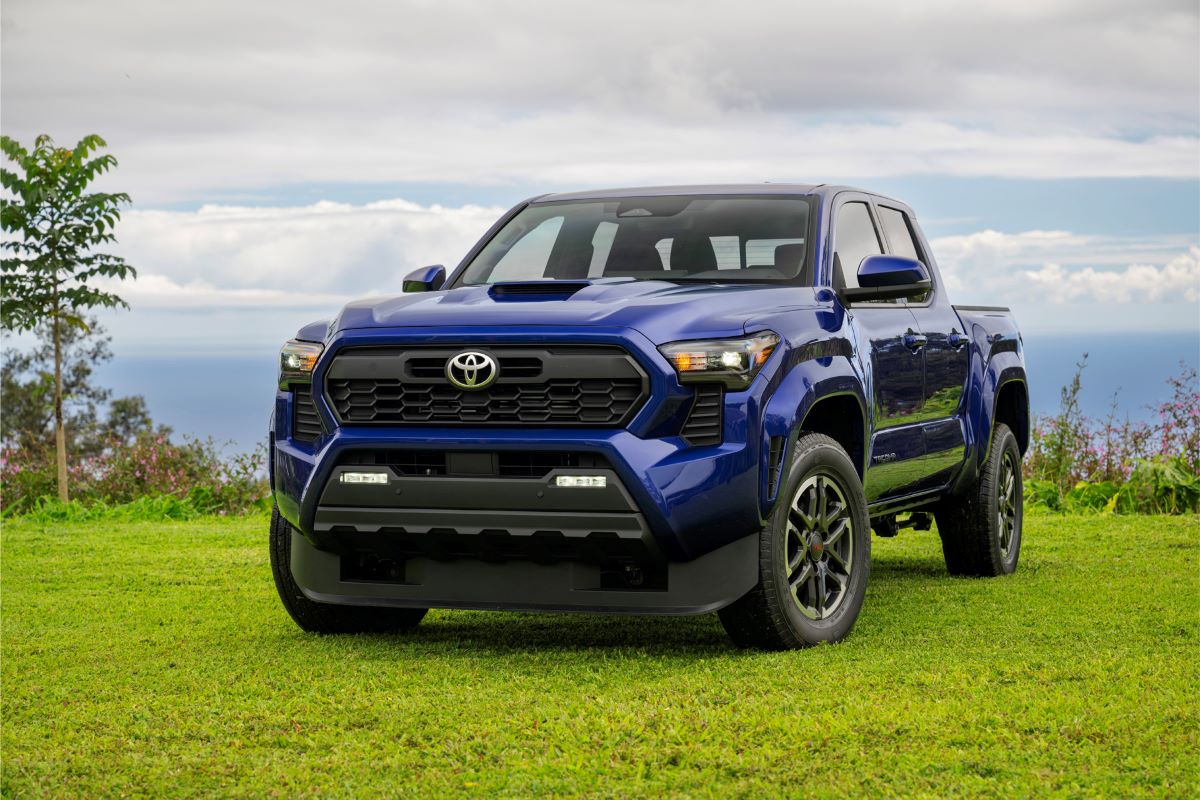
Depreciation is one of the biggest hidden costs of owning a car in the United States. The moment you drive a brand-new vehicle off the dealership lot, it typically loses a significant portion of its value.
Industry averages show that most vehicles drop between 20% and 30% in value in just the first three years, with luxury sedans and less popular models falling even faster.
This can translate into thousands sometimes tens of thousands of dollars in lost value. However, not all cars follow this trend. Some models have a unique combination of qualities that allow them to hold their value exceptionally well.
This could be due to brand reputation, high demand, limited production, durability, performance, or a passionate enthusiast community.
Vehicles that fit these categories often retain a resale value so strong that owners can sell them three years later for almost the same price they paid.
1. Toyota Tacoma
The Toyota Tacoma is one of the most sought-after midsize pickup trucks in America, and its resale value reflects that.
Known for its unmatched reliability, off-road prowess, and strong aftermarket support, the Tacoma has a cult following among truck enthusiasts and adventure seekers alike.
Long considered a cornerstone, if not the outright leader, of the mid-size pickup market, the Toyota Tacoma has recently received a full, much-anticipated redesign that introduces new features, enhanced off-road capability, and competitive advantages over its peers.
The nonhybrid model reviewed here delivers up to 278 horsepower through its turbocharged four-cylinder engine, while the separate hybrid Tacoma variant produces 326 horsepower.
The available rear coil-spring suspension helps smooth out bumps whether you’re on the highway or off the beaten path, and a significantly improved seating position enhances driver comfort while providing a clearer view of the road ahead.
Inside, the cabin reflects the rugged exterior styling and is loaded with modern technology. Toyota continues to offer a broad selection of cab, bed, and trim configurations, though the top-tier (and priciest) trims are reserved for the hybrid models
For the best overall value, the SR5 is a standout. It comes with the 278-hp turbocharged four-cylinder, 17-inch aluminum wheels, blind-spot monitoring, fog lamps, integrated cargo-bed tie-down clamps, push-button start, and an auto-dimming rearview mirror.
All nonhybrid Tacomas are powered by a turbocharged 2.4-liter four-cylinder engine. This engine comes in two variations and can be paired with either an eight-speed automatic or six-speed manual transmission. Buyers can choose between rear-wheel drive or four-wheel drive.
The base 228-hp turbo-four is exclusive to the entry-level SR, while the remaining trims are equipped with more potent i-Force versions delivering up to 278 horsepower and 317 pound-feet of torque.
While all Tacomas use a body-on-frame design, rear suspensions vary. The SR, SR5 extended cab, and TRD PreRunner rely on traditional leaf springs, whereas the other trims employ coil springs. We’ve driven several versions of the updated Tacoma, including the TRD Off-Road, the PreRunner, and the manual-transmission model.
The Tacoma’s on-road refinement has notably improved, particularly in models with coil-spring rear suspension, which offer a considerably smoother ride than those with leaf springs.
Around town, the powertrain provides ample acceleration, and highway merging or passing is effortless. The Tacoma excels in off-road settings, with the specialized models equipped to handle nearly any terrain.
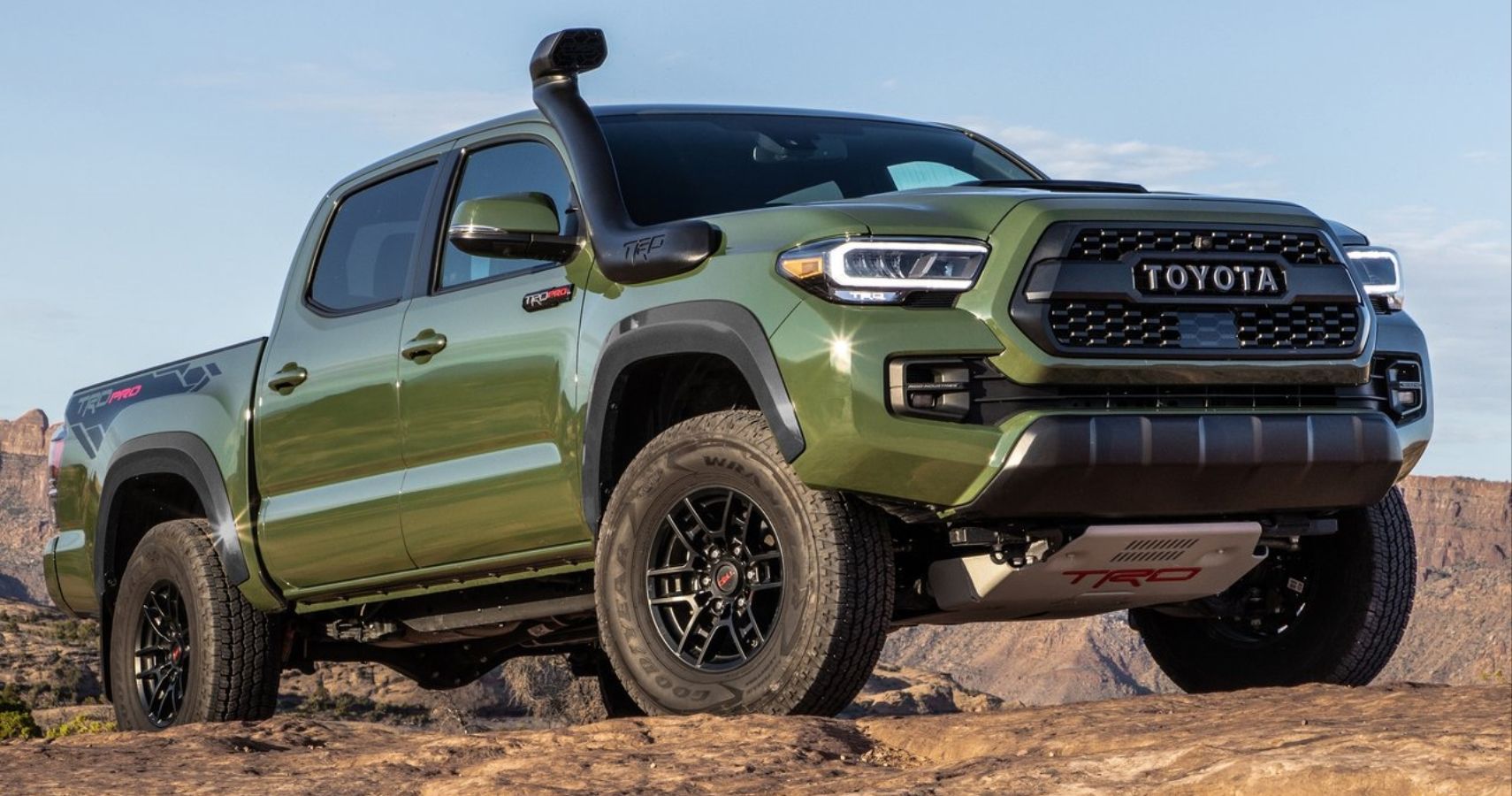
Even after three years, used Tacomas can sell for only 5–10% less than their original MSRP, particularly for trims like the TRD Off-Road or TRD Pro.
Demand is so high that some dealerships list certified pre-owned Tacomas at prices nearly identical to new ones. The Tacoma’s appeal also extends beyond off-roaders its manageable size and durability make it equally popular among tradespeople and daily drivers.
2. Jeep Wrangler
The Jeep Wrangler is one of those rare vehicles that is as much a lifestyle statement as it is a mode of transportation.
With its removable doors and roof, legendary 4×4 capability, and instantly recognizable styling, the Wrangler attracts a loyal base of buyers who often keep them for years and those who sell usually find no shortage of takers.
he headline news for the 2021 Jeep Wrangler is the debut of two new powertrains: the plug-in hybrid 4xe and the high-output, 470-hp V-8 in the all-new Rubicon 392. The electrified 4xe combines a turbocharged four-cylinder with an electric motor for a robust 375-hp total output, though we review this model separately.
The Rubicon 392 represents the pinnacle of Wrangler performance, riding on 33-inch tires and equipped with all the off-road hardware Jeep has to offer; Jeep claims it can reach 60 mph in just 4.5 seconds. Additionally, the lineup welcomes an 80th Anniversary Edition and the playful Islander model, which features a beach-inspired exterior package and a “Jeep Tiki” hood decal.
The base Sport trim is available with a two-speed transfer case, the Rubicon trim offers an optional Rock-Trac four-wheel-drive system, and a TrailCam exterior camera system can now be added to models equipped with the larger 8.4-inch infotainment display.
We appreciate the Wrangler’s commitment to simplicity and affordability, so our pick would start with the two-door Wrangler, which comes standard with a removable cloth top.
That said, we’d go with the Sport S trim for its added features, including air conditioning, a leather-wrapped steering wheel, power windows and locks, automatic headlamps, heated mirrors, and more. We’d also choose the 270-hp 2.0-liter turbocharged four-cylinder, which delivers 295 lb-ft of torque, 35 lb-ft more than the standard V-6.
This four-cylinder pairs with an eight-speed automatic, a combination that should make trail driving easy and stress-free. To round out our build, we’d add the Technology package for its larger 7.0-inch touchscreen and support for Android Auto and Apple CarPlay.
The standard 285-hp 3.6-liter V-6 from the previous-generation Wrangler carries over to the new JL and can be paired with a six-speed manual or a smooth eight-speed automatic. An optional turbocharged four-cylinder pairs with an electric motor to boost low-end power.
Beyond the standard V-6 and optional hybrid four-cylinder, the Wrangler can also be equipped with a 3.6-liter V-6 with hybrid assist, a 3.0-liter diesel V-6, the new 375-hp plug-in hybrid 4xe, and a 6.4-liter V-8. All Wranglers come standard with part-time four-wheel drive, controlled via a lever on the center console, reinforcing the model’s off-road prowess.
Handling has improved compared with earlier Wranglers, though it still feels trucklike next to today’s more refined SUVs and pickups. The four-door version rides reasonably well over rough terrain, though braking distances were inconsistent across our two test vehicles.
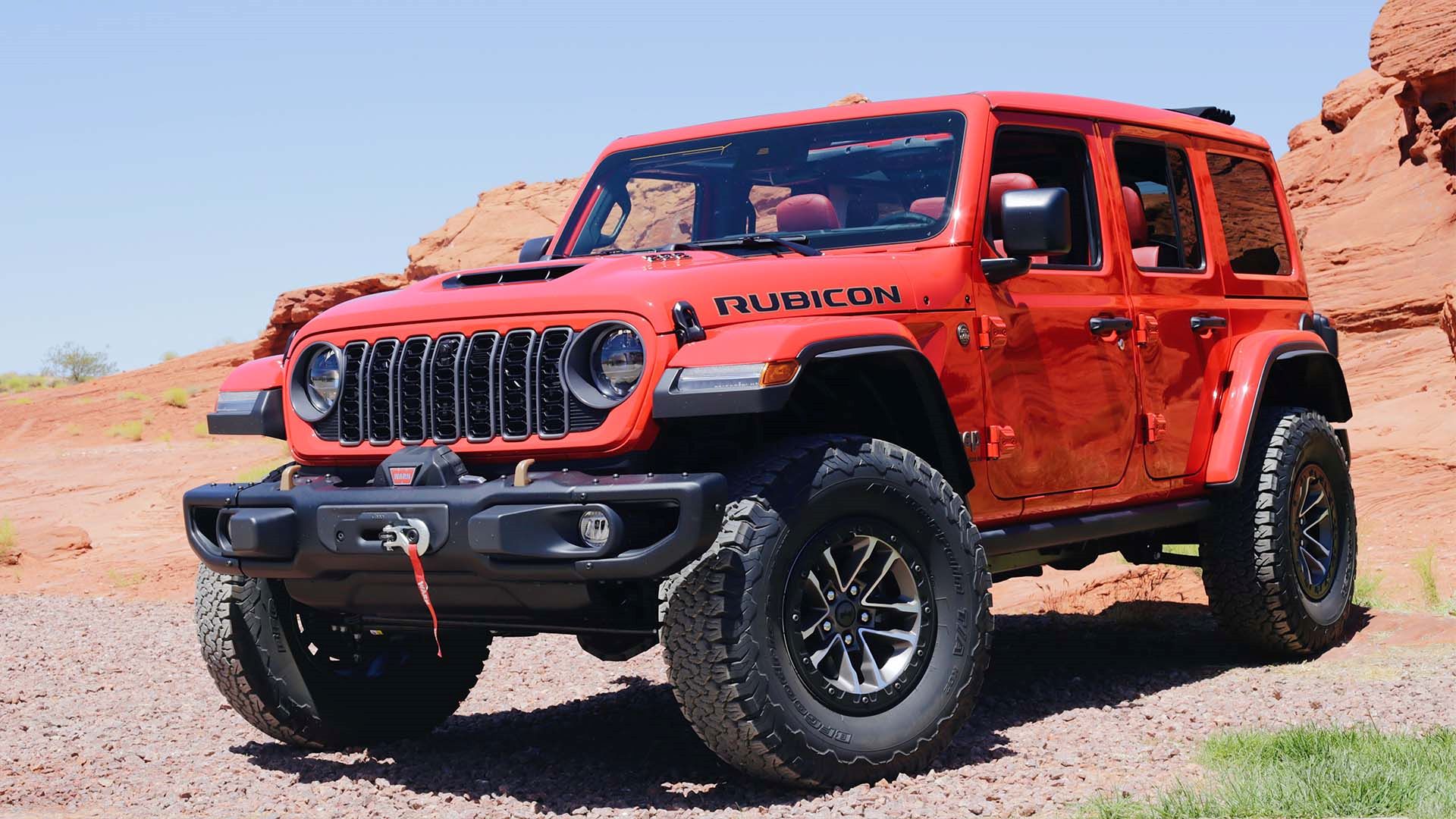
High trims like the Rubicon or Sahara often retain more than 85% of their value after three years.
Demand for Wranglers remains steady nationwide, from the snowy Northeast to the sunny beaches of California, making them one of the safest bets in the automotive market for minimal depreciation.
Also Read: Top 10 EVs With Proven Winter Performance in 2025
3. Porsche 911
Sports cars typically plummet in value quickly, but the Porsche 911 is the exception. Considered one of the most iconic and enduring performance cars in history, the 911’s timeless design and precision engineering ensure that even older models remain desirable.
At the heart of the 911 sits a twin-turbo 3.0-liter flat-six engine mounted in the rear. The base Carrera delivers 379 horsepower, the Carrera S cranks out 443 horses, and the GTS tops the range with 473 ponies.
Every model comes standard with a lightning-quick eight-speed automatic transmission, though enthusiasts can opt for a seven-speed manual, but only on the S or GTS trims. The coupe and cabriolet start with rear-wheel drive, but all-wheel drive is available for enhanced traction in all seasons, while the Targa is exclusively all-wheel drive.
We’ve tested both the base Carrera and several iterations of the more powerful Carrera S, and they all impressed us on the racetrack, with the S demonstrating exceptional grip even in challenging weather.
No matter the model, acceleration is jaw-dropping, especially when the launch control system is engaged. On our test track, the 911 GTS hit 60 mph in just 2.8 seconds with the eight-speed automatic; the seven-speed manual returned a slightly slower 3.2-second sprint.
The Dakar, which leans toward an off-road-oriented setup, landed right in between, achieving 60 mph in 2.9 seconds. Adding Porsche’s optional sport exhaust system further elevates the driving experience by delivering a richer engine note.
Beyond sheer performance, the 911 remains remarkably comfortable and more engaging to drive than ever. Its steering is sharp and communicative, while both the coupe and convertible benefit from improved cornering grip and stability. Ride quality is impressively smooth, even with the 911’s exceptional body control, allowing drivers to transition seamlessly between leisurely cruising and high-speed thrills.
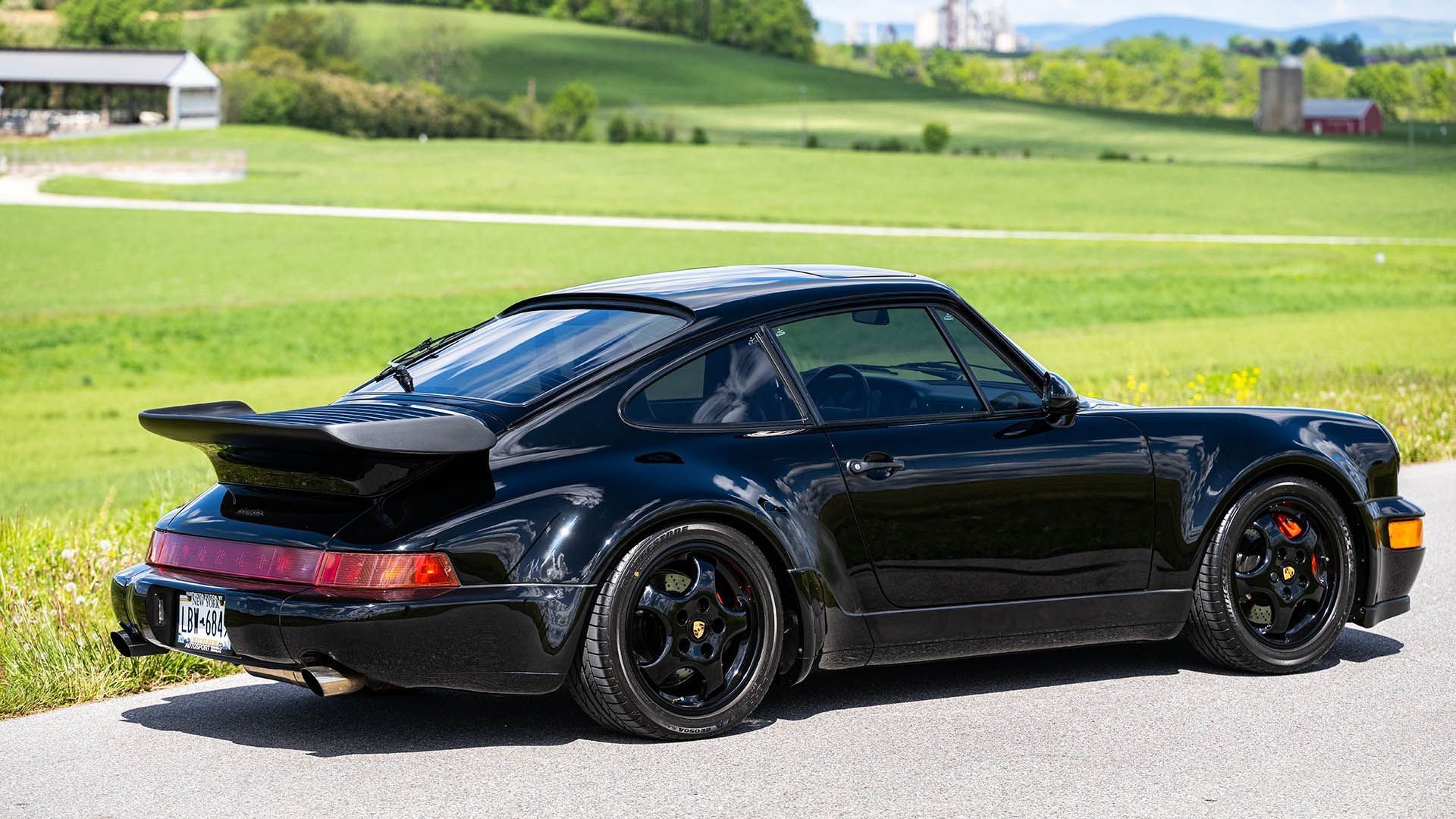
Three-year-old 911s often lose as little as 10–15% of their value, and certain special editions such as the GT3 or Carrera GTS can even appreciate in price.
Porsche’s careful balance of production volume and exclusivity means demand nearly always outpaces supply, which is rare in the performance car market.
4. Toyota 4Runner
The Toyota 4Runner hasn’t drastically changed in years and that’s exactly why people love it. This body-on-frame SUV is built for rugged durability, offering reliability, towing capability, and off-road features that newer crossovers can’t match.
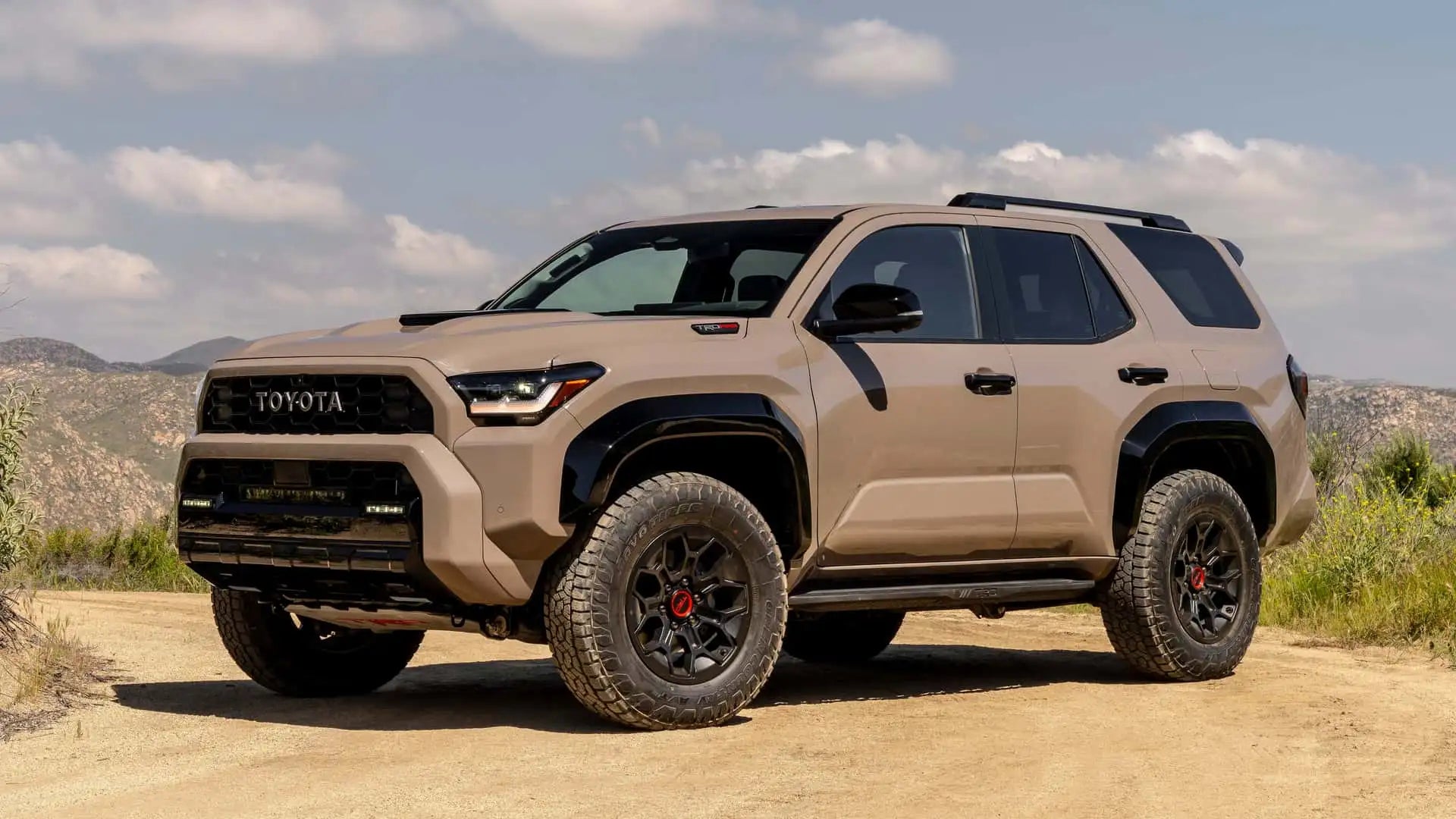
Because of this reputation, buyers are willing to pay top dollar for lightly used models. In fact, certain trims like the TRD Pro are so scarce that used versions can cost more than new ones, especially when dealership markups are factored in. For drivers who want an SUV that will last decades, the 4Runner is hard to beat.
The 2025 Toyota 4Runner is a midsize SUV offered in nine distinct trim levels: SR5, TRD Sport, TRD Sport Premium, TRD Off-Road, TRD Off-Road Premium, Limited, Platinum, TRD Pro, and Trailhunter. Each model accommodates five passengers, and for those who need more space, a third-row option is available on the SR5 and Limited trims, boosting seating capacity to seven.
Powering most 4Runners is a turbocharged 2.4-liter four-cylinder engine that produces 278 horsepower and 317 lb-ft of torque, paired with an eight-speed automatic transmission. Rear-wheel drive comes standard, while four-wheel drive is offered as an option and includes a two-speed transfer case for enhanced off-road capability.
5. Honda Civic Type R
The Honda Civic Type R isn’t just another hatchback it’s one of the most celebrated front-wheel-drive performance cars ever built.
With a turbocharged engine, sharp handling, and race-inspired styling, it’s in high demand among enthusiasts who want practicality without giving up fun. The Honda Civic Type R stands at the pinnacle of its segment, delivering one of the most complete performance packages available in any class.
Compared with the standard Civic, the Type R adds a significantly more potent turbocharged engine, a sophisticated suspension setup, upgraded brakes, grippy tires, and wider bodywork, among other enhancements. Its cornering prowess is exceptional, and with 315 horsepower on tap, it offers more than enough speed once you’re moving.
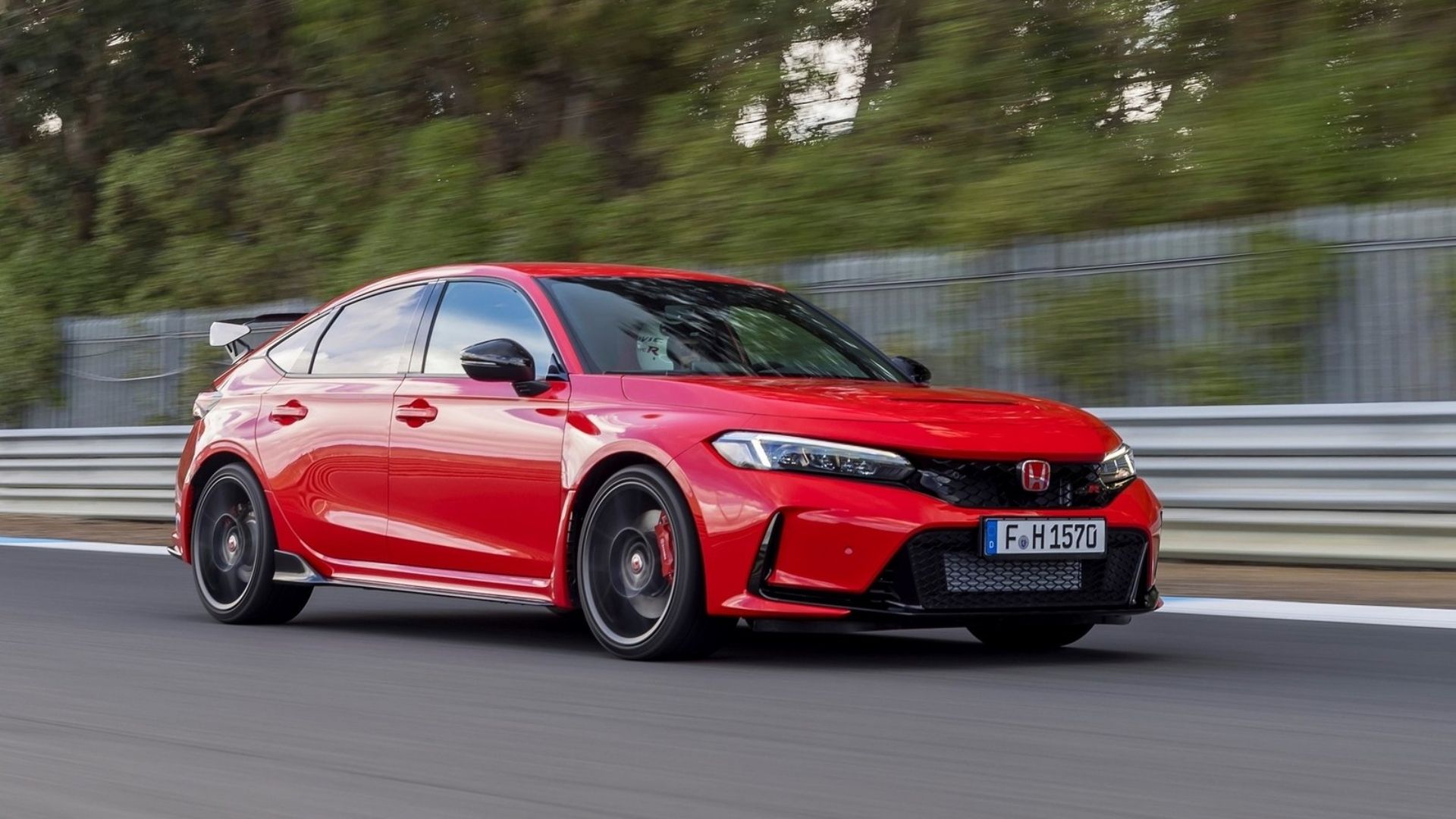
Production numbers are relatively low, which keeps used prices strong. Three-year-old Type Rs often sell for nearly their original price, and rare colors or special editions can even sell for more than MSRP.
The car’s balance of everyday usability and track-ready performance ensures it remains a hot commodity in the used market.
Also Read: 10 Best-Selling Cars in the U.S. and What Makes Them Stand Out
6. Subaru WRX
The Subaru WRX is another enthusiast favorite that refuses to depreciate quickly. Known for its all-wheel-drive system, turbocharged engine, and rally heritage, the WRX offers year-round performance, which makes it appealing in all climates. Every WRX model is powered by the same turbocharged 2.4-liter flat-four engine, producing 271 horsepower and 258 pound-feet of torque.
This engine is paired with all-wheel drive and comes standard with a six-speed manual transmission, while a continuously variable automatic is optional on the Premium and Limited trims and standard on the GT. Depending on the model, the WRX is equipped with either 18- or 19-inch summer tires.
The tS model builds on the outgoing TR with a revised suspension that includes adaptive dampers and upgraded Brembo brakes with larger rotors. These enhancements improve fade resistance, which we verified during a racetrack session at our 2025 Lightning Lap event.
Additional tS-specific updates include black accents on the side mirrors, antenna, and rear spoiler, complemented by gold brake calipers and 19-inch satin gray wheels, giving it a distinctive and aggressive appearance.
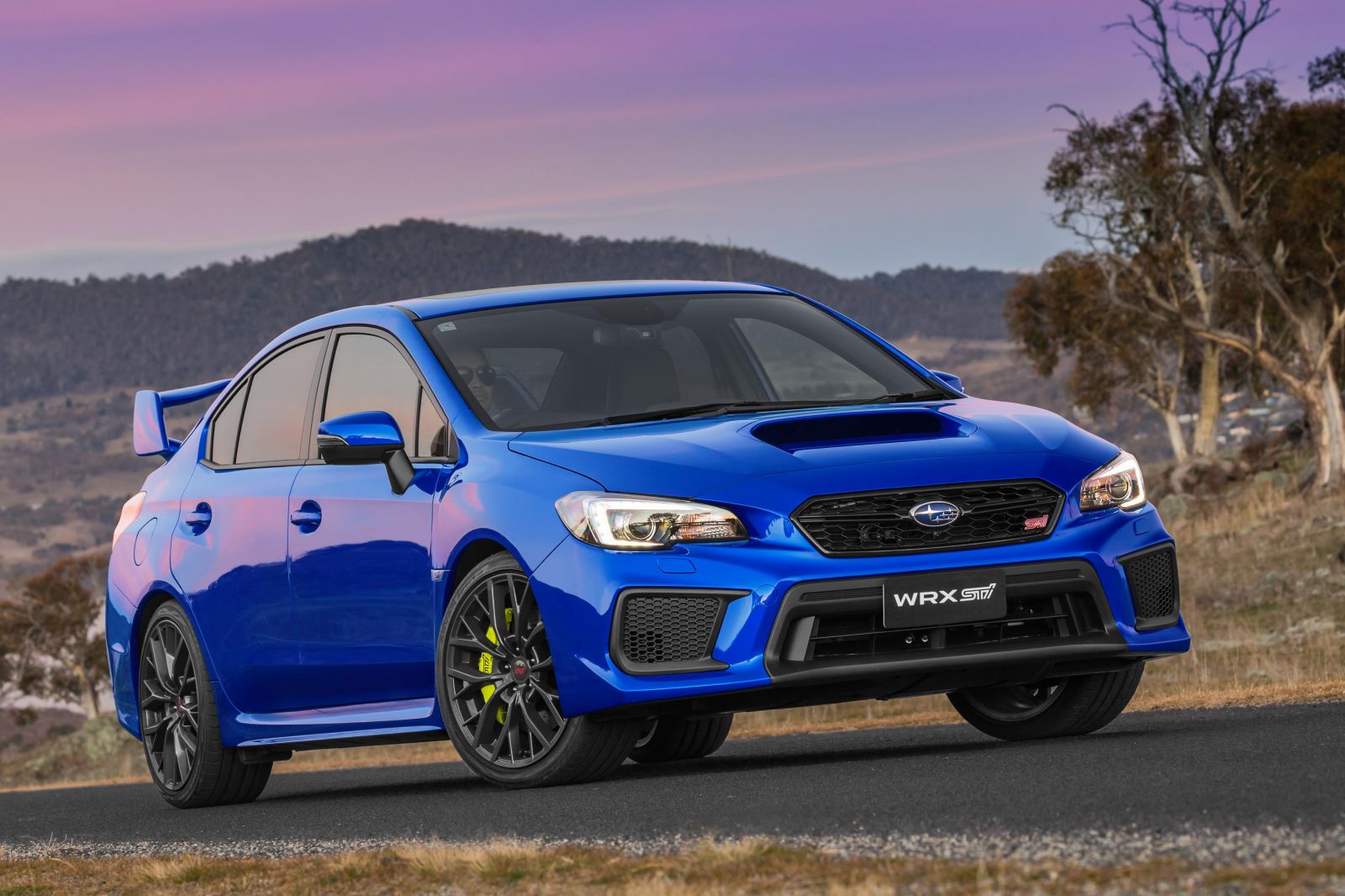
Depreciation rates for the WRX are lower than most sedans, largely because manual-transmission, performance-oriented cars are becoming rarer. Buyers in snowy states especially appreciate its blend of speed and traction, making it easy to sell even in the off-season.
7. Lexus GX
The Lexus GX is a luxury SUV with the heart of a Toyota Land Cruiser, which means it blends comfort and off-road toughness better than almost any competitor.
Despite being a luxury vehicle, it avoids the steep depreciation seen in most premium brands, thanks to its bulletproof reputation.
The Lexus GX aims to balance two sometimes conflicting goals: delivering a luxurious and comfortable driving experience while retaining strong off-road capability. With the 2024 model, the SUV makes strides in both areas. It maintains its trucklike body-on-frame construction but receives updates to its interior, exterior styling, and powertrain that give it a thoroughly modern presence.
The GX is available in five-, six-, and seven-passenger configurations, and every model comes standard with four-wheel drive and a two-speed transfer case. The two trims focused on off-road performance are equipped with specialized wheels, tires, powertrain, and suspension features designed to excel beyond the pavement and prove their worth off the beaten path.
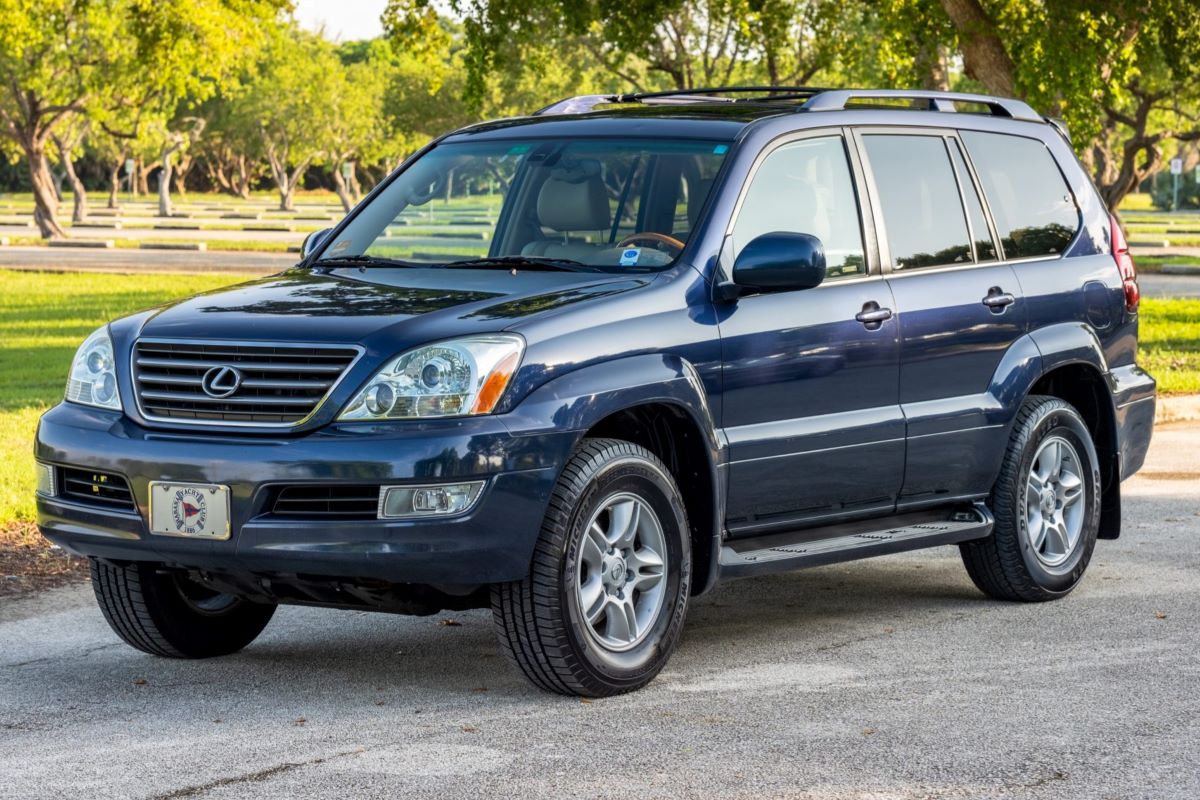
After three years, many GX models still hold 80–85% of their original value. This is largely because the platform is incredibly durable, and buyers are willing to pay more for a luxury SUV that won’t turn into a maintenance nightmare.
8. Chevrolet Corvette
The C8-generation Chevrolet Corvette has completely changed the game for America’s sports car. With its mid-engine layout, exotic looks, and performance rivaling supercars, demand has far exceeded supply since its release.
General Motors’ ZR1X isn’t just the most powerful Corvette ever produced—it’s also the first to carry a price tag above $200,000.
The Detroit automaker revealed pricing for the 2026 Chevrolet Corvette ZR1X, the ZR1’s high-performance sibling, last week, confirming it as the most expensive production Corvette to date. In addition, GM announced that a limited-production Quail Silver Limited Edition package will be available exclusively for this hypercar.
The ZR1X boasts a record-setting 1,250 horsepower thanks to its dual powertrain system. The rear wheels are driven by a twin-turbocharged 5.5-liter V8 engine generating 828 pound-feet of torque, while the front axle receives 145 pound-feet of supplemental power from an electric motor powered by the battery.
Pricing for the 2026 Corvette ZR1X starts at $207,395 for the 1LZ coupe and $217,395 for the 1LZ convertible, both including a $1,995 delivery charge.
This marks the first time a Corvette has broken the $200,000 barrier. The jump in cost surpasses that of the previous top-tier Corvette, the 2025 ZR1, which began at $174,995, itself a significant increase over the 2019 ZR1, which started at $121,000.
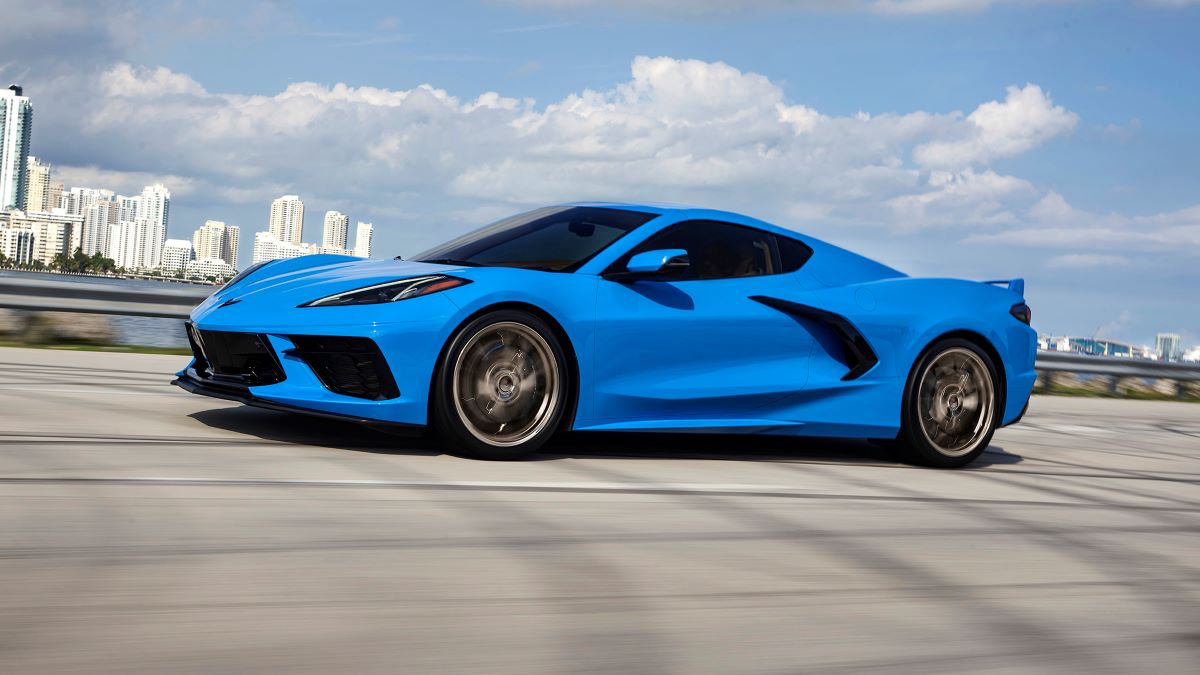
Three-year-old C8 Corvettes often sell for the same price as new models and in some cases, even more due to long waiting lists. Special trims like the Z06 are particularly resistant to depreciation, making the Corvette a rare case where a sports car can actually be a strong investment.
9. Ford Bronco
When Ford revived the Bronco in 2021, it sparked a buying frenzy. The Bronco’s retro design, serious off-road capability, and customization options made it an instant hit. Limited supply and high demand have kept resale prices unusually strong.
The Ford Mustang marked its 60th anniversary last year with a special edition that embraced retro style, and now it’s the Ford Bronco’s turn to get a throwback celebration. Sixty years after the off-road legend first debuted on August 11, 1965, the 2026 Ford Bronco receives its own 60th Anniversary Package, honoring the SUV’s storied history.
Ford first teased the 2026 Bronco 60th Anniversary Package in May, and it turns out the upgrade goes well beyond styling alone. The package begins with the Outer Banks trim and can be paired with either the standard turbocharged 2.3-liter EcoBoost I4 engine or the optional turbocharged 2.7-liter EcoBoost V6, which is exclusively available with the Sasquatch Package.
From the side, the 2026 Bronco 60th Anniversary Package showcases retro-themed graphics and detailing that celebrate six decades of the SUV’s legacy.
The package dresses the off-road icon in a set of beefy 35-inch Goodyear tires mounted on 17-inch Gravity Gray alloy wheels for a vintage vibe. Center caps, finished in Vermillion Red, display the classic Bucking Bronco logo along with “1966,” paying homage to the model year of the original Bronco.
Vermillion Red accents appear throughout the exterior, including 60th Anniversary badging that echoes the commemorative Mustang model. The grille merges iconic Bronco design cues with a modern aesthetic, finished in Warm Alloy with Vermillion Red “BRONCO” lettering.
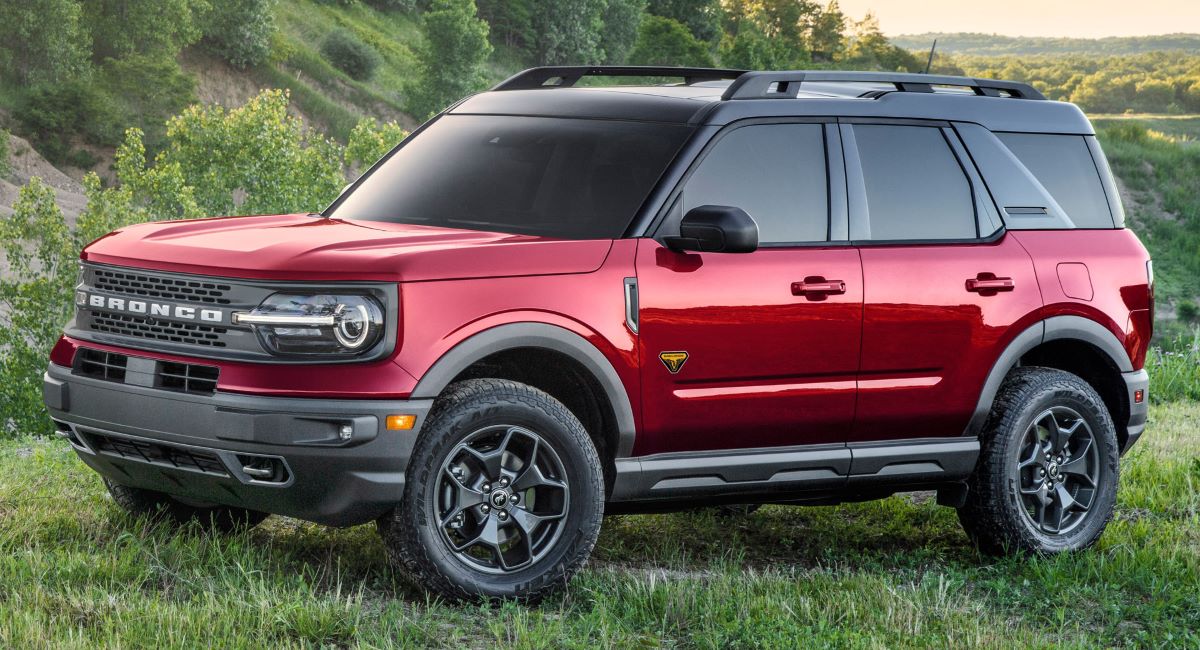
Three-year-old Broncos in good condition can sell for nearly their original MSRP, especially well-equipped versions like the Wildtrak or Badlands. Even the smaller Bronco Sport benefits from the hype, though it doesn’t hold value quite as well as the full-size model.
10. Tesla Model 3
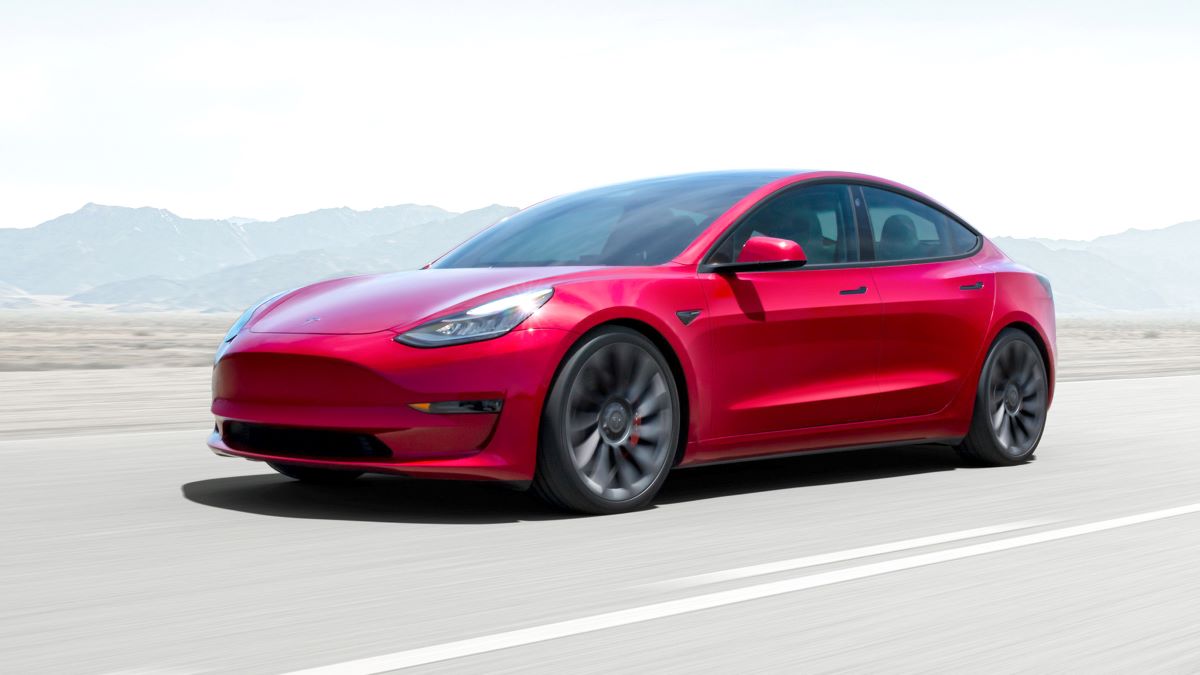
Electric vehicles often lose value faster than gas-powered cars, but the Tesla Model 3 is an exception. Thanks to continuous software updates, a loyal fanbase, and the brand’s dominance in the EV space, the Model 3 maintains strong resale values.
Its popularity in states like California, Texas, and Florida means there’s always a healthy market for used examples. In fact, low-mileage, three-year-old Model 3s often sell for just 10–15% less than their original sticker price.
The Tesla Model 3 essentially created the electric compact sedan segment and continues to be a top pick for EV buyers. The recent “Highland” refresh addressed several longstanding issues: the suspension has been smoothed out for a more comfortable ride, and interior materials now feel noticeably more upscale.
That said, some quirks remain. The infotainment system still doesn’t support Apple CarPlay or Android Auto, and Tesla has removed even more physical controls, there’s no stalk for turn signals, which are now operated via the steering wheel, and the gear selector has been moved entirely to the touchscreen.
Performance-wise, the Model 3 remains thrilling: the Performance trim rockets off the line with brutal acceleration, and even the rear-wheel-drive Long Range model isn’t slow, hitting 60 mph in just 4.6 seconds.
If you’re in the market for a new car but worried about the financial hit of depreciation, these models represent some of the smartest choices you can make.
Not only do they provide years of dependable service, but when it’s time to sell or trade in, you’ll likely recover a much larger percentage of your investment compared to the average vehicle.
In a world where most cars lose value quickly, these 10 prove that buying the right model can keep your wallet happy whether you keep it for three years or three decades.
