
In the fast-paced U.S. auto market, certain vehicles barely have time to cool their engines after arriving on the lot before they’re claimed by eager buyers.
While many models face weeks or even months of sitting unsold due to pricing, competition, or lackluster appeal, some standouts enjoy a completely different reality. These cars are so well-matched to American driving needs that they seem to move the moment they appear.
Why do these particular models sell so fast? It often comes down to a winning combination of practicality, strong resale value, low operating costs, and brand reputation.
Others ride on trends such as the ongoing SUV boom or the surge in electric vehicle interest while some simply offer so much bang for the buck that they draw buyers in regardless of the economy. Many even hold their value so well that used versions sell almost as quickly as new ones.
From reliable family haulers to all-weather warriors and cutting-edge EVs, here are ten vehicles that U.S. dealerships rarely have to dust off before they’re gone.
1. Toyota RAV4
The Toyota RAV4 is a sales juggernaut, regularly topping the charts as America’s best-selling non-pickup truck. It’s a crossover that checks nearly every box: comfortable ride, solid fuel economy, ample cargo space, and a reputation for reliability that’s second to none.
The hybrid version has only fueled demand further, appealing to eco-conscious buyers without compromising on versatility.
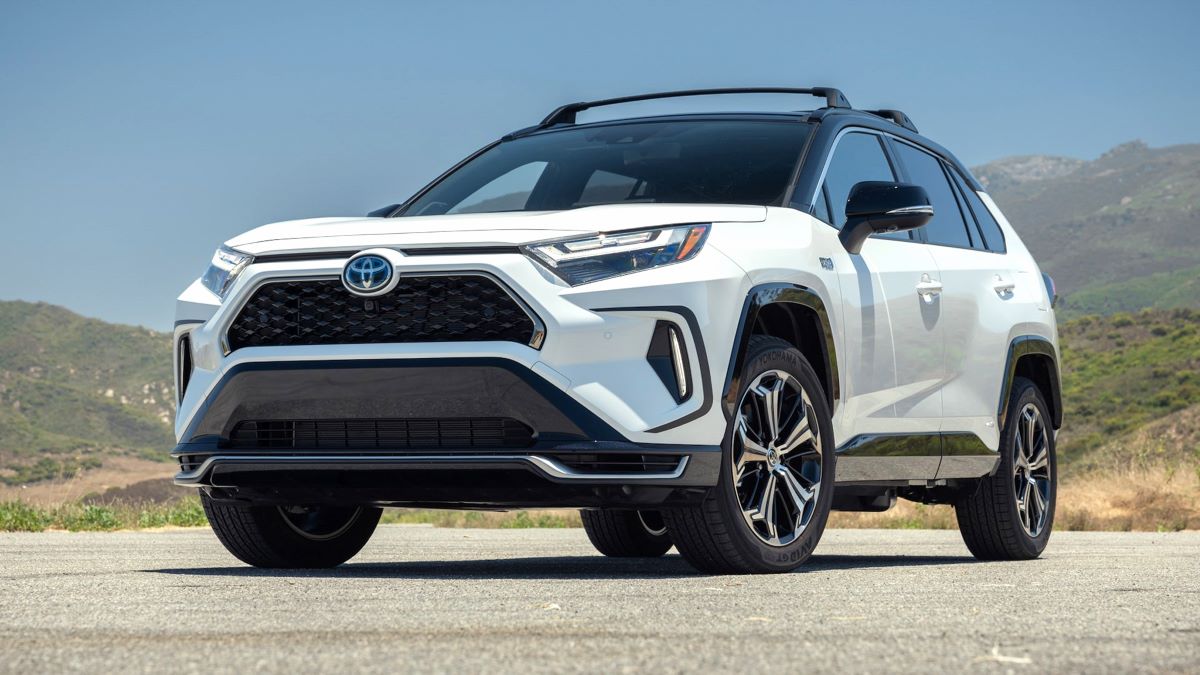
Dealers often report that the most popular trims like the RAV4 Hybrid XLE are sold before they even arrive from the factory. The RAV4’s enduring appeal lies in its ability to serve as a commuter car, family vehicle, and weekend getaway machine all in one package.
The Toyota RAV4 distinguishes itself in the compact SUV segment with its rugged styling, though much of its standout appeal is concentrated up front, particularly now that the Adventure and TRD Off-Road trims, along with their torque-vectoring all-wheel-drive system, have been discontinued.
Still, the RAV4 remains a comfortable and capable compact SUV that suits the needs of most drivers, whose daily lives are primarily on paved roads rather than off the beaten path. Inside, the vehicle offers generous space for both passengers and cargo, complemented by an extensive list of driver-assistance features and user-friendly technology.
The driving experience prioritizes comfort over engagement, a notion reinforced by its 203-hp 2.5-liter four-cylinder engine, which is reasonably efficient but never particularly thrilling. In terms of power, acceleration, and fuel economy, the RAV4 is surpassed by its hybrid and plug-in hybrid siblings, which are reviewed separately.
For 2025, Toyota has removed the Adventure and TRD Off-Road trims from the RAV4 lineup, along with the more advanced all-wheel-drive system they included. Beyond these changes, the rest of the RAV4 lineup remains unchanged for the model year.
For most buyers, we’d exercise a bit of restraint and opt for the mid-range XLE Premium. It includes numerous features that aren’t standard on the LE or XLE, such as fog lights, 19-inch wheels, a power liftgate, a moonroof, dual-zone automatic climate control, faux-leather upholstery, and a leather-wrapped steering wheel and shift knob.
Toyota equips all trims with its full suite of driver-assistance technologies, so choosing a higher trim only makes sense if you want ventilated seats, a hands-free liftgate, or a 360-degree camera.
Want to compare the 2025 Toyota RAV4 with other vehicles you’re considering? Our new compare tool allows a detailed side-by-side look at up to five cars of your choice.
Under the hood, the RAV4 is powered by a 2.5-liter four-cylinder engine producing 203 horsepower and 184 pound-feet of torque, paired with an eight-speed automatic transmission. Front-wheel drive is standard across all trims, with all-wheel drive available as an option.
This workaday engine can feel rough, particularly during highway passing, and the transmission on our test vehicle occasionally struggled when downshifting.
Handling follows a similar theme: the RAV4 is solid and stable on the interstate and competent through corners, but it doesn’t offer the same confidence-inspiring, driver-focused feel as the Mazda CX-50.
Also Read: Top 10 Cars With Easy-to-Clean Floors and Accessible Interiors
2. Honda CR-V
Honda’s CR-V has built its legacy on practicality, comfort, and consistency. The redesigned models have only made it more desirable, offering advanced safety tech, improved infotainment, and more refined styling.
Compact crossovers like the 2025 Honda CR-V remain highly sought after because they combine comfortable seating, respectable fuel economy, and a manageable size that makes city driving and parking easier.
Honda’s upbeat offering in this crowded SUV segment earns a top spot on our list, thanks not only to its practicality but also its surprisingly nimble handling. Available with either front- or all-wheel drive and powered by a 190-hp turbocharged engine, the standard nonhybrid CR-V delivers adequate performance, while the 204-hp hybrid variant, our preferred choice, is reviewed separately.
Although the Mazda CX-50 leans more toward luxury and the Ford Bronco Sport excels in off-road capability, the CR-V strikes the ideal balance for most drivers, offering enjoyable driving dynamics, solid build quality, and a well-calibrated mix of infotainment controls and touchscreen features.
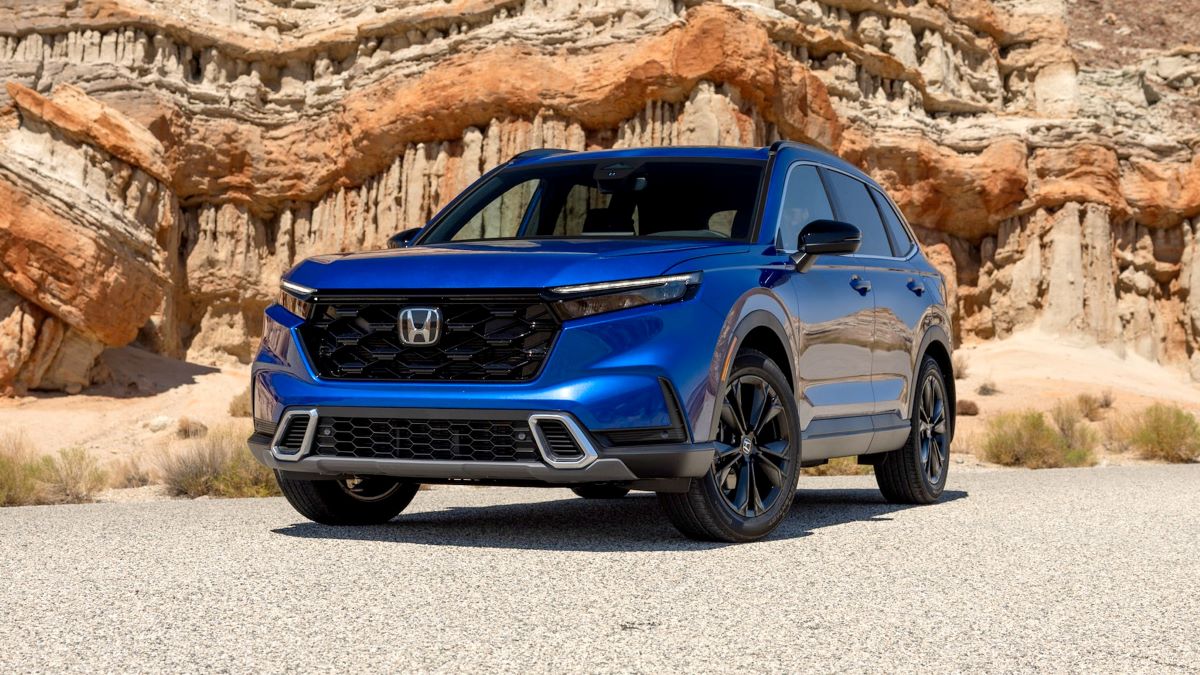
Buyers appreciate the CR-V’s roomy back seat, excellent fuel efficiency, and strong resale value. It’s a vehicle that appeals equally to first-time SUV buyers and downsizing retirees.
Demand is so high that some trims, especially hybrids, may come with long wait times. For shoppers, that’s a small price to pay for one of the most dependable and family-friendly SUVs on the market.
3. Toyota Corolla
For decades, the Toyota Corolla has been the embodiment of no-nonsense transportation. It’s not flashy, but it’s exceptionally dependable, fuel-efficient, and affordable three traits that never go out of style.
Those paying close attention will notice that the Corolla has only recently made its return to the UK, taking over from the Auris after the latter left the market in 2006. Following two generations away, it seems the Corolla badge is now considered more reliable, prompting its comeback in 2018.
This return coincides with arguably the most attractive version of the car in its sixth decade, although not every generation has set high standards in that regard.
The current Corolla was developed on a sophisticated, all-new platform, with Toyota emphasizing stylish design and competent handling during development, and the model received a refresh in 2023. At first glance, it seems the styling goal has been successfully achieved, with handling details covered more thoroughly on the Driving tab.
The advanced platform is shared with the C-HR crossover, which is one of the more nimble crossovers to drive, but the Corolla faces stiffer competition from other hatchbacks.
In line with current trends, there are no diesel options. Today’s buyers can choose between 1.8-liter and 2.0-liter hybrid powertrains. The 1.8 delivers 138bhp and achieves 0–62 mph in 9.1 seconds, while the 2.0 pushes 193bhp, hitting 62 mph in 7.4 seconds.
The compact battery isn’t meant for extended EV-only driving, but it helps maximize efficiency by capturing energy during braking and assisting the engine when possible.
Both engines return fuel economy of roughly 60mpg and CO2 emissions around 100g/km, though larger alloy wheels can slightly reduce efficiency. While the 1.8 is more economical on paper, the 2.0 offers a more relaxed, composed driving experience, which we find preferable.
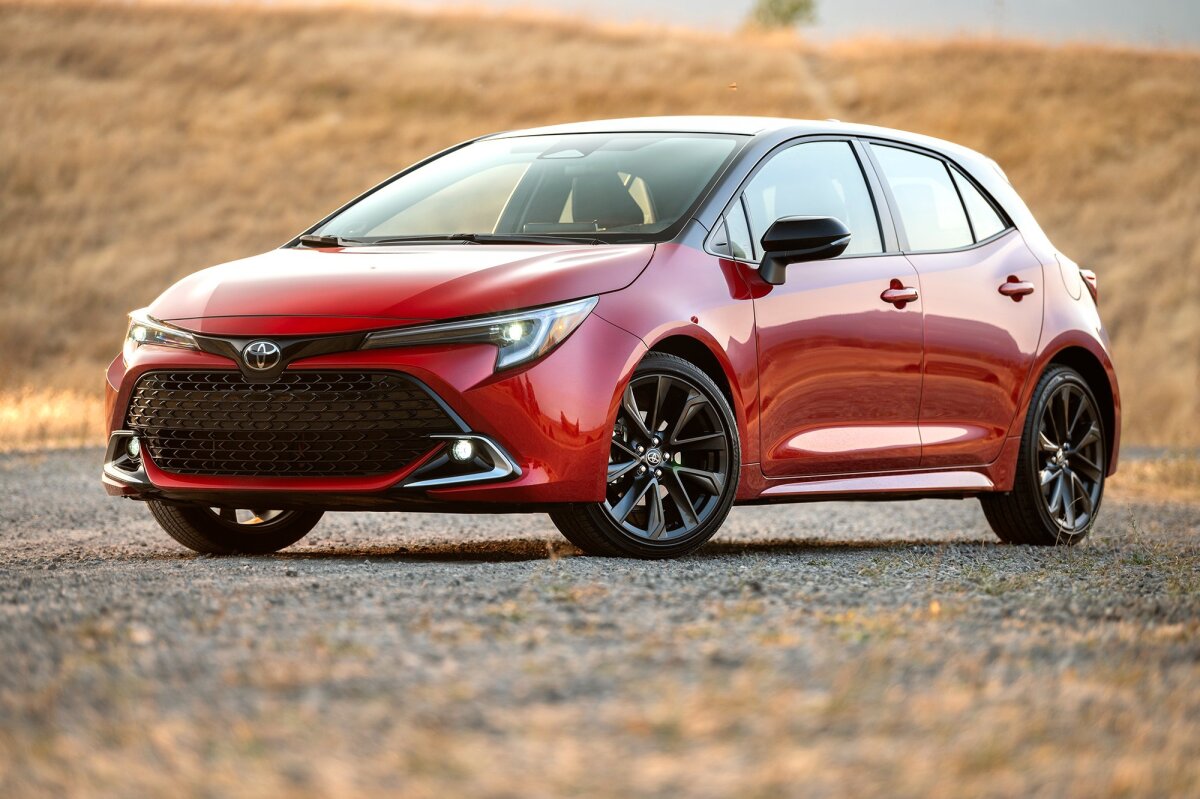
Both sedan and hatchback variants remain hot sellers, thanks to low maintenance costs and Toyota’s proven longevity. Even in a market dominated by SUVs, the Corolla continues to move quickly, especially in urban areas where compact size is a plus.
With the Corolla Hybrid now in the mix, demand has only grown, attracting budget-minded drivers who want long-term value with fewer gas station stops.
4. Subaru Outback
Part wagon, part SUV, the Subaru Outback occupies a unique spot in the American market. Its standard all-wheel drive, generous ground clearance, and rugged durability make it a favorite among outdoor enthusiasts and those living in snow-prone regions.
Outback shoppers can select between two engines: the standard 182-hp, 2.5-liter or the optional 260-hp turbocharged 2.4-liter.
Both engines are paired with a continuously variable automatic transmission (CVT) and all-wheel drive. Subaru has made efforts to give the CVT characteristics similar to a conventional automatic, reducing the droning effect under load, and largely succeeds.
That said, the last Outback we tested with the standard engine still couldn’t escape the limits of physics, delivering lackluster acceleration and a somewhat sluggish transmission response. The turbocharged engine offered noticeably better responsiveness and quicker acceleration during our test drive, though the CVT still dampens the overall effect.
Probably not, as they tend to prioritize ride comfort and the vehicle’s capability for light off-road use. Standard all-wheel drive is advantageous in poor weather, and the 8.7 inches of ground clearance are sufficient for worn two-tracks and occasional rough terrain.
The more rugged Wilderness model further enhances off-road capability with skid plates, a beefier suspension, and 9.5 inches of clearance. It also adds Snow and Mud drive modes to better tackle specific conditions.
Even with these upgrades, the Outback remains more of a car than a true off-road SUV. This translates to a comfortable ride in town and on the highway but a lack of sporty excitement, which may come as a surprise to fans of the rally-inspired WRX who are considering a switch to this more practical wagon.
Regarding utility, the Outback’s standard engine allows for towing up to 2,700 pounds, while the turbocharged version can handle up to 3,500 pounds.
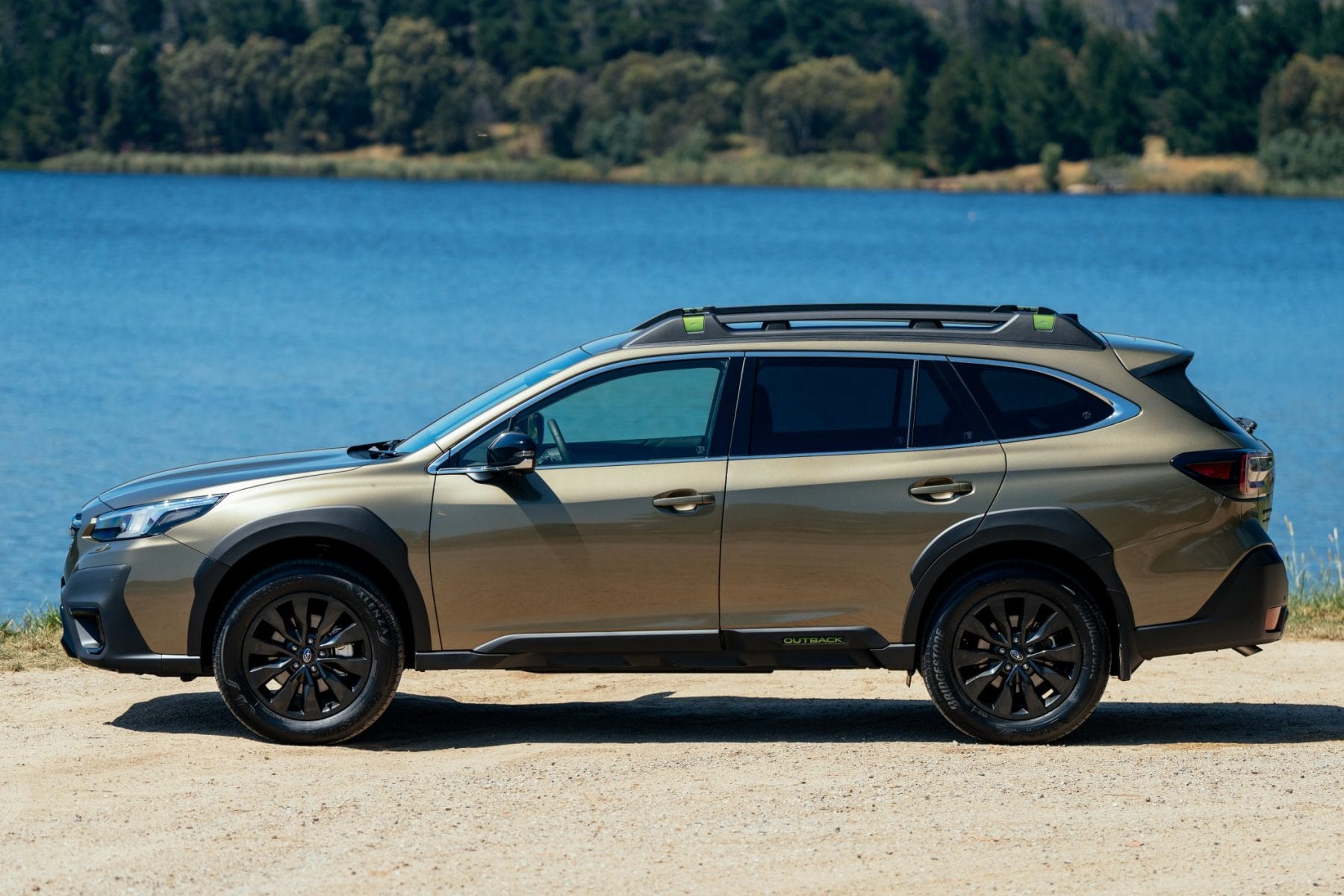
The Outback also doubles as a comfortable highway cruiser, making it just as practical for cross-country road trips as it is for dirt trails.
Subaru’s loyal customer base means many buyers trade in their old Outback only to drive home in a new one keeping turnover lightning-fast on dealer lots.
5. Tesla Model Y
Tesla’s Model Y is arguably the most in-demand electric vehicle in America. Combining impressive acceleration, long range, and the convenience of Tesla’s nationwide Supercharger network, it appeals to both tech enthusiasts and drivers making their first leap into EV ownership.
Tesla’s Model Y midsize SUV is on pace to make history. Although Tesla does not release sales figures for individual models, analysts in the EV space estimate that the Model Y has already outsold its sibling, the Model 3 sedan, and is poised to become the best-selling electric vehicle of all time.
Bold claims, to be sure, and they set the stage for continued success with the 2025 Model Y. While the 2025 Model Y technically carries over from the previous year with no major changes, Tesla introduced a heavily refreshed version, dubbed the New Model Y, earlier in the calendar year.
This updated variant officially debuts for the 2026 model year and stands out with a sleeker front end, redesigned taillights, and a new rear touchscreen that allows backseat passengers to manage climate and infotainment. Additional standard features include ventilated seats and ambient lighting, enhancing comfort and convenience.
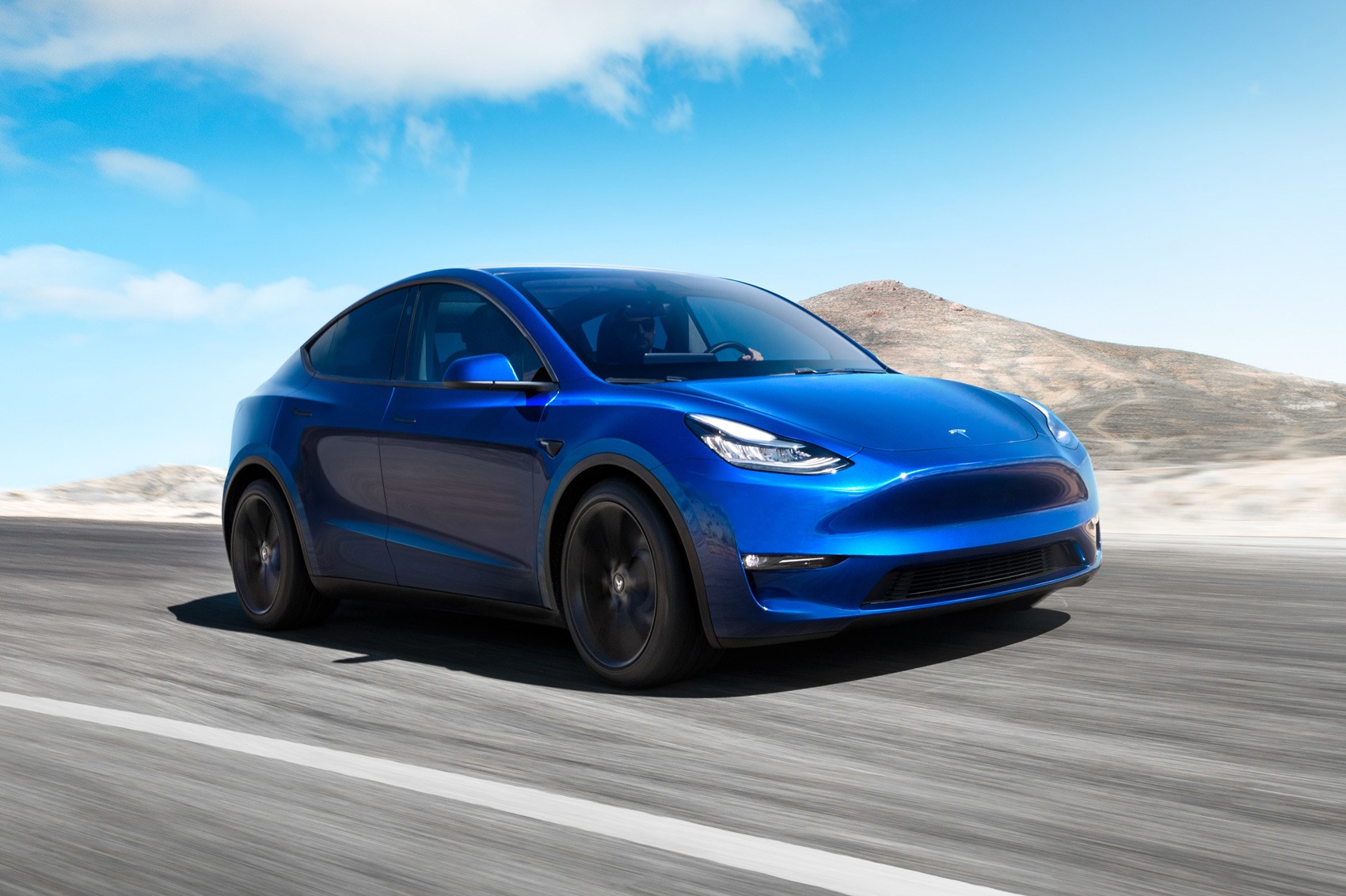
Despite Tesla’s ability to produce the Model Y in large numbers, high demand means inventory often sells out within days or even hours of hitting the market.
Its minimalist interior, over-the-air software updates, and strong resale value only reinforce its status as one of the hottest cars on the road.
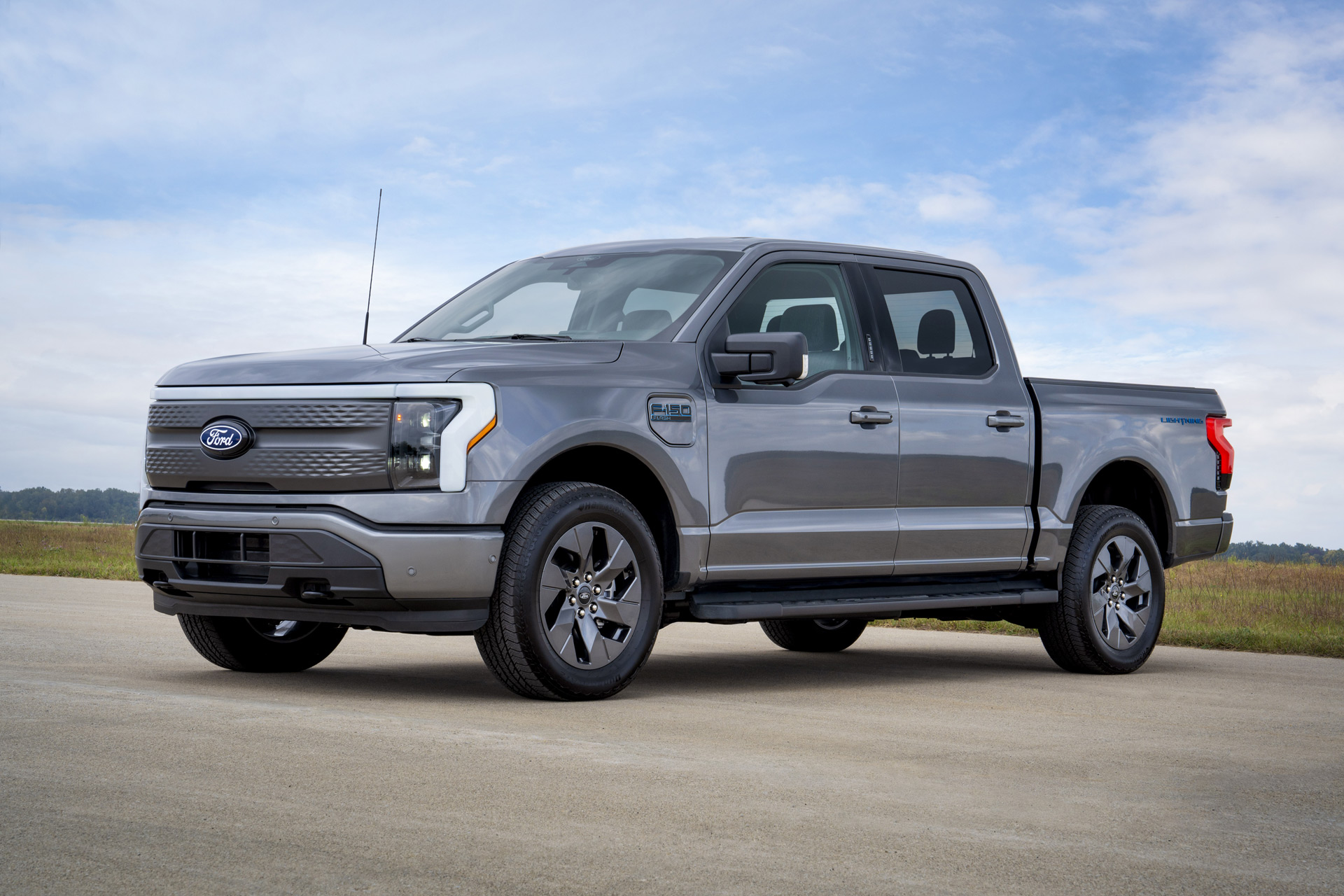
6. Ford F-150
The Ford F-150 is not just America’s best-selling truck it’s the best-selling vehicle, period. Its appeal spans a wide spectrum, from basic work trucks to fully loaded luxury trims.
Buyers value its broad range of engines, including the fuel-efficient hybrid PowerBoost, and its class-leading towing and payload capabilities. Off-road versions like the Raptor generate even more buzz, often selling at or above MSRP.
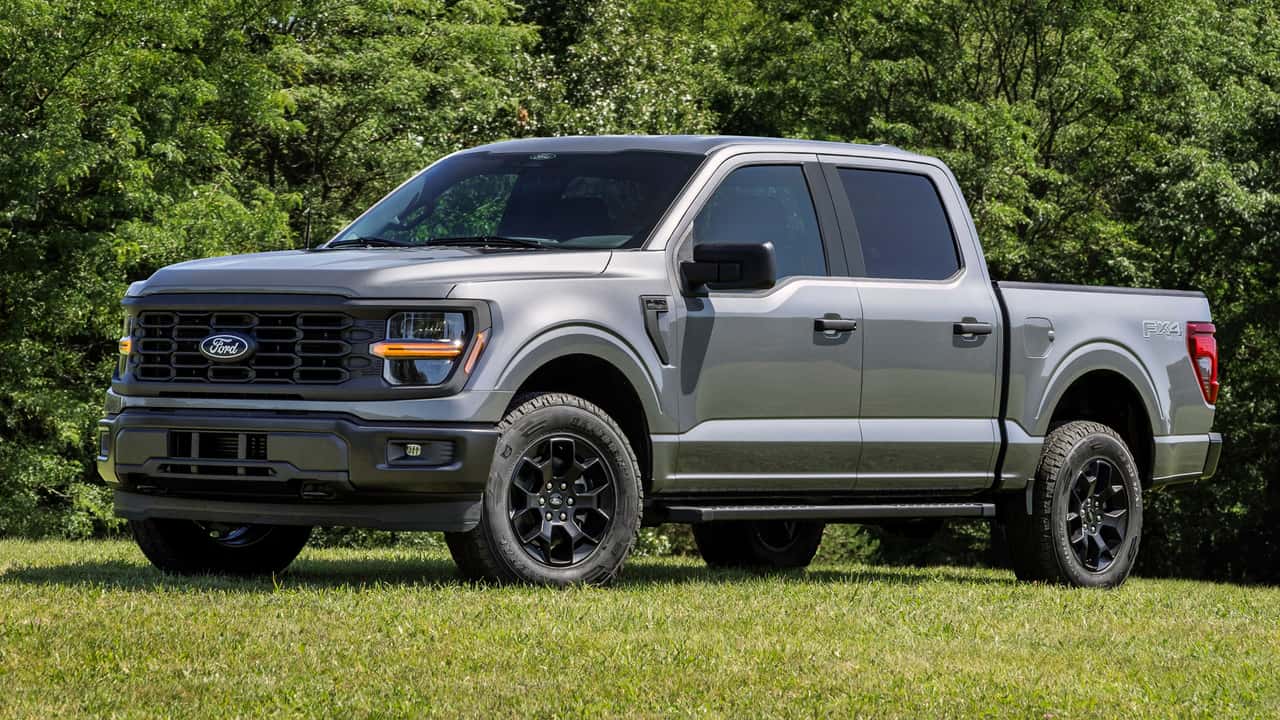
The F-150’s ability to adapt to any lifestyle, from construction sites to suburban driveways, makes it a permanent fixture on the “fast sellers” list.
The Ford F-150 full-size pickup has grown into a remarkably versatile vehicle, equally at home on a job site or in a more upscale setting.
Offered in a wide range of trims, from the entry-level XL to the top-tier Platinum Plus, it features several powertrain options, including a traditional V-8, two turbocharged V-6s, and a hybrid. Buyers can choose from three cab sizes, Regular, Super, and Crew, along with three bed lengths, and there’s an off-road-oriented Tremor model for those seeking rugged adventures.
Across the lineup, drivers benefit from a 12.0-inch infotainment display, striking interior design, and plenty of storage compartments. Towing and hauling remain core strengths, and available onboard scales help keep payloads within safe limits.
7. Hyundai Tucson
Once a modest player in the compact SUV game, the Hyundai Tucson has become a standout thanks to bold styling, impressive features, and strong value. Buyers are drawn to its roomy interior, user-friendly tech, and available hybrid and plug-in hybrid variants.
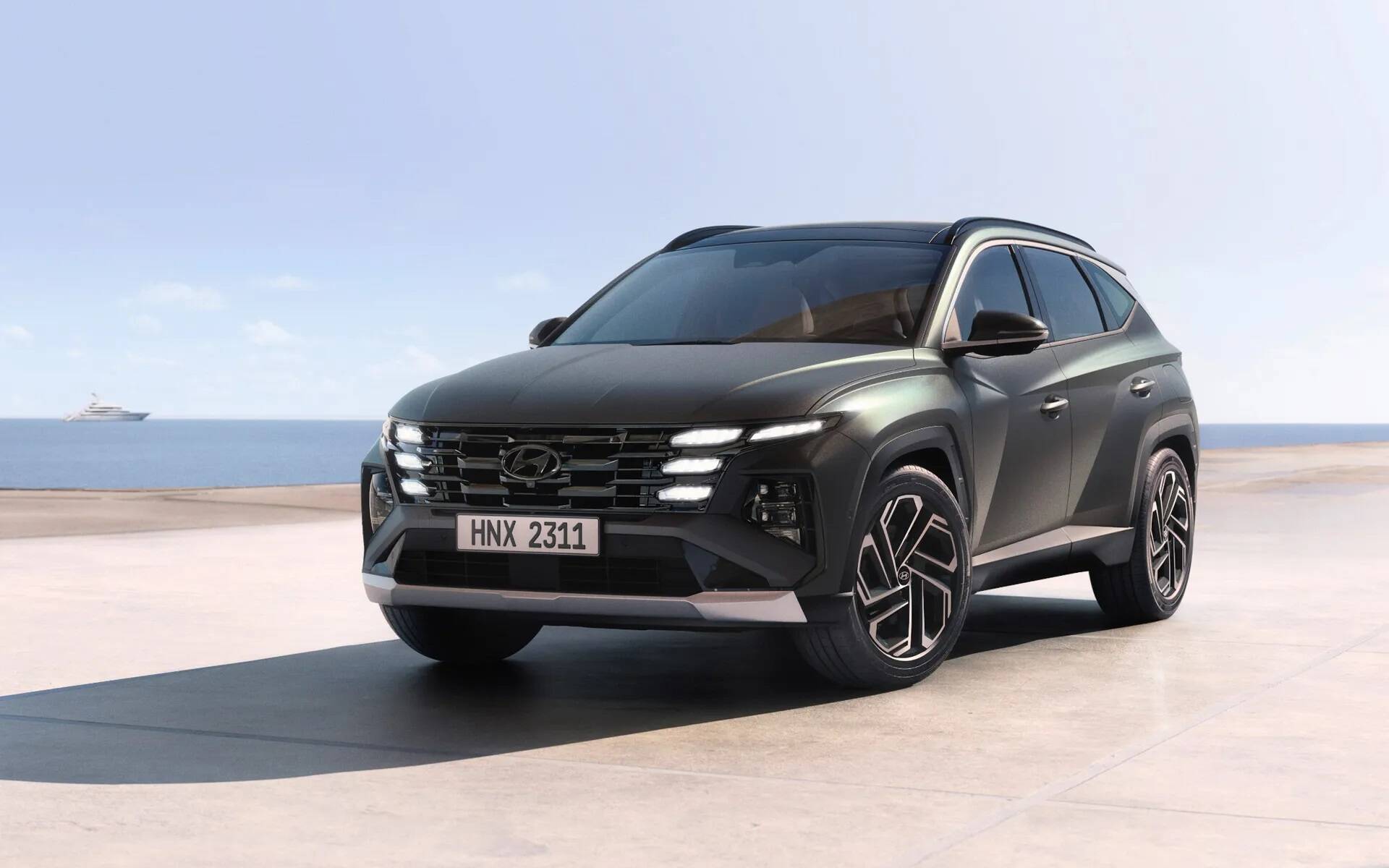
Hyundai’s industry-leading warranty gives shoppers extra confidence, helping to push sales velocity higher.
Many dealerships report that well-equipped trims like the Tucson Limited Hybrid are snapped up quickly, especially by buyers looking for an alternative to the Toyota RAV4 or Honda CR-V without sacrificing features.
The Tucson comes standard with a 187-hp 2.5-liter four-cylinder engine, paired with an eight-speed automatic transmission and available in either front- or all-wheel drive. Its performance delivers just adequate acceleration for city commuting and highway passing, leaving drivers with a heavier foot likely wishing for more power.
Though the Tucson isn’t a sports car, it handles with confidence, its steering is reasonably responsive, and the ride quality is comfortable. What stands out most is how quiet and refined the Tucson feels on the road, these traits give it a sense of luxury that’s uncommon in this segment.
8. Chevrolet Silverado 1500
Chevy’s Silverado 1500 remains a powerhouse in the pickup segment, appealing to both brand loyalists and first-time truck buyers.
Known for its capability, durability, and wide range of configurations, the Silverado moves fast off lots in truck-heavy states like Texas, Florida, and Michigan.
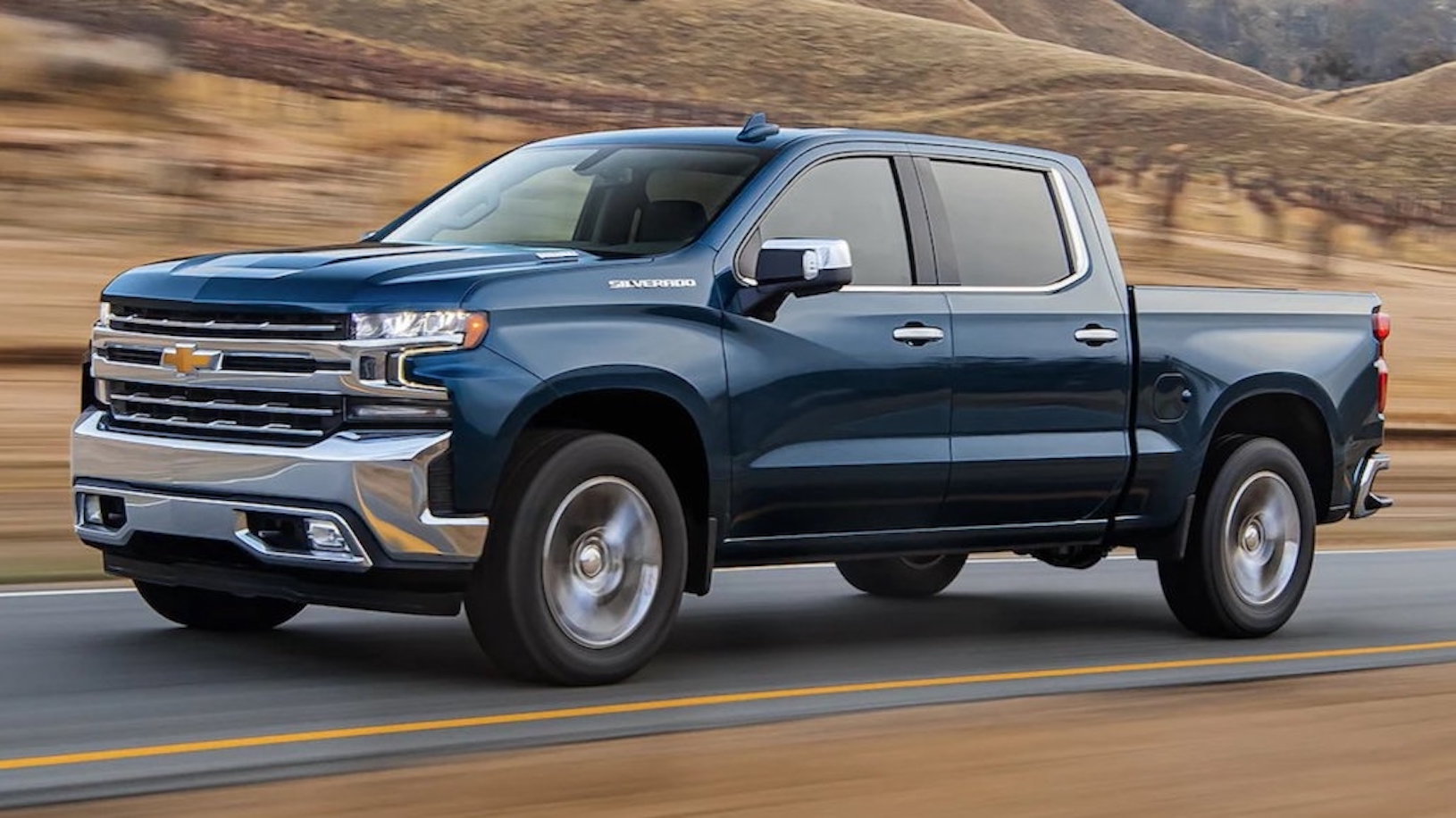
Special editions and higher trims, such as the High Country and ZR2, sell particularly quickly, attracting buyers who want both workhorse performance and upscale amenities.
Incentives and fleet sales also keep turnover high, making the Silverado a constant presence in America’s top-seller rankings.
Choosing an engine for the 2024 Silverado 1500 is easy, there’s no poor choice. The turbocharged I-4 impresses with its capability, even under a full load, while the two V-8 options deliver robust power and a satisfying exhaust note.
The diesel variant provides strong torque and efficiency, and in our test of the ZR2 with the Duramax turbodiesel, we noted that lower horsepower didn’t compromise off-road performance.
Chevrolet offers an extensive range of Silverado 1500 configurations, from no-frills work trucks to street-focused performance models, off-road-ready machines, and long-distance luxury cruisers, some even capable of semi-autonomous driving. The Silverado remains work-ready with practical features such as rear bumper bed steps and an available six-mode tailgate.
The 2022 redesign brought a significantly upgraded interior, combining upscale materials with a large digital interface. However, entry-level models retain the older, less attractive cabin, and some buyers may find the truck’s aggressive exterior styling too bold.
While the Silverado 1500 isn’t our top-rated full-size truck, it remains a strong contender. Its long-standing reputation and the wide range of configurations make it a solid choice, particularly with the expanded options available for 2024.
9. Kia Telluride
Since its debut, the Kia Telluride has been one of the most sought-after three-row SUVs in the U.S. Its combination of upscale design, generous interior space, and a surprisingly affordable price tag makes it an unbeatable value in its class.
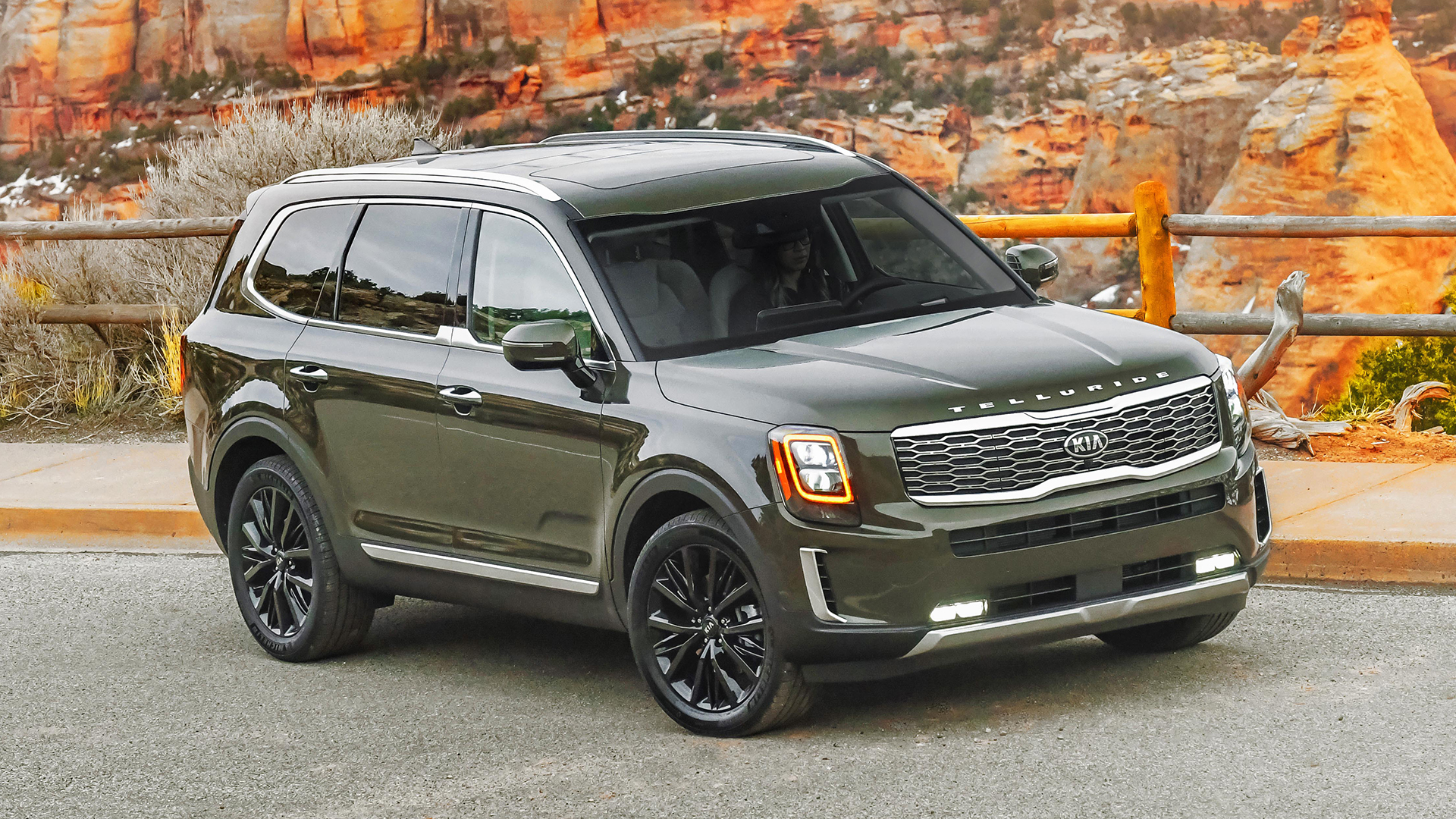
The Telluride has won numerous awards for its quality and design, fueling consumer demand to the point where many units are pre-sold before they even arrive at dealerships.
Families love its comfort and safety features, while style-conscious buyers appreciate its premium look without the luxury-brand markup.
The Kia Telluride debuted in 2020 to challenge three-row SUVs such as the Toyota Highlander, Subaru Ascent, and Honda Pilot. Rather than simply entering the segment, the Telluride quickly rose to the top.
It’s enjoyable to drive, boasts generous cargo capacity, provides a bright and spacious cabin, and carries a stylish, attractive design. For five years running, the Telluride has set the benchmark in its class, and it’s difficult to recommend another SUV over it because it performs so exceptionally well.
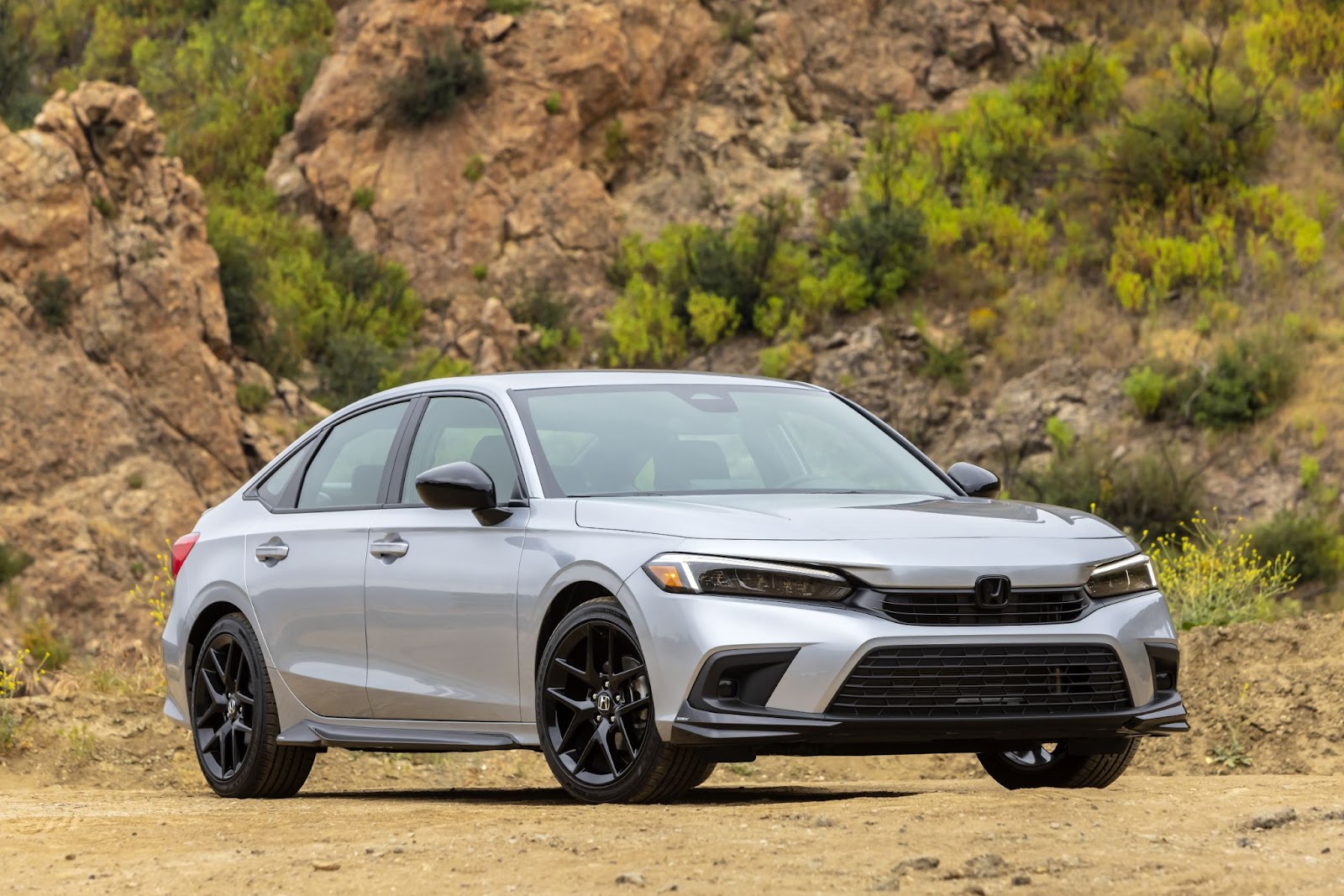
10. Honda Civic
Rounding out the list is the Honda Civic, a nameplate that’s been a consistent sales success for decades. The Civic appeals to a wide audience, from young drivers buying their first car to enthusiasts who appreciate its sporty handling.
The latest generation’s refined interior, advanced driver-assistance tech, and strong fuel economy have only increased its popularity. Both sedan and hatchback models sell quickly, with performance trims like the Civic Si and Type R often being spoken for before they hit the lot.
Although Honda has redesigned nearly every aspect of the new Civic, it has opted to carry over the powertrain options from the previous generation. Base models continue to feature a 158-hp 2.0-liter four-cylinder, while the upgraded turbocharged 1.5-liter four-cylinder now delivers 180 horsepower. The new Civic is offered exclusively with front-wheel drive.
Unfortunately, the manual transmission previously available in the sedan has been dropped for 2022, leaving the continuously variable automatic transmission (CVT) as the only option; the six-speed manual remains available on the hatchback.
On our test track, the turbocharged Touring sedan required 7.5 seconds to hit 60 mph, slightly slower than the last generation Civic, while the manual Sport Touring hatchback managed a marginally quicker 7.3 seconds.
Thankfully, the agile handling, responsive steering, and well-balanced ride that made the previous Civic so engaging are all intact. Sporty Si and high-performance Type-R models are also on the horizon, both retaining manual transmissions, and we review those separately.
These ten vehicles illustrate that in a competitive and sometimes unpredictable automotive market, certain models are simply too good to pass up.
They align perfectly with what American buyers want whether that’s long-term reliability, cutting-edge technology, rugged versatility, or sheer driving enjoyment.
For shoppers, that means acting fast when the right one becomes available. For dealers, it means these cars are the gold standard in quick turnover.
Also Read: 5 Cars That Still Look Stylish and 5 That Look Outdated Instantly
