Hybrid vehicles have become a cornerstone of the U.S. automotive market, offering the perfect mix of fuel efficiency, eco-friendliness, and versatility.
Among the most popular options are crossover hybrids, which combine the practicality of an SUV with the efficiency of a hybrid powertrain.
Yet, while hybrids promise lower gas bills and a smaller environmental footprint, one crucial factor often determines the ownership experience: battery longevity.
The durability of a hybrid’s battery affects not only efficiency and performance but also resale value and long-term maintenance costs.
Understanding which models maintain battery health over time and which are prone to early degradation can help buyers make smarter decisions.
Here, we go five crossover hybrids known for lasting batteries and five models that have historically experienced early battery issues, providing detailed insights into their performance, technology, and what U.S. buyers should consider.
Crossover Hybrids With Lasting Batteries
When we say “lasting batteries,” we’re not just talking about a big EPA number on day one, we mean packs that hold strong after years of school runs, heat waves, cold snaps, and fast-charge detours.
In the crossover space, that durability lives at the intersection of smart thermal management, conservative tuning, and brands that back their tech with real warranties, not wishful thinking.
This guide zeroes in on hybrids that prove it: plug-in models with useful electric range that doesn’t fall off a cliff, and classic hybrids that quietly rack up miles without drama.
We’ll flag who’s building with the right chemistry and cooling, which drivetrains sip fuel even when the battery’s low, and where the warranty fine print actually protects you. Just the crossovers that deliver range you can use and batteries you can trust, today and five winters from now.
1. Toyota RAV4 Hybrid
The Toyota RAV4 Hybrid is a benchmark for reliability in the crossover segment. Equipped with a nickel-metal hydride (NiMH) battery in many trims, the RAV4 Hybrid’s battery packs are renowned for longevity.
Toyota’s advanced thermal management system protects the battery from extreme heat, which is a leading cause of early degradation in hybrids.
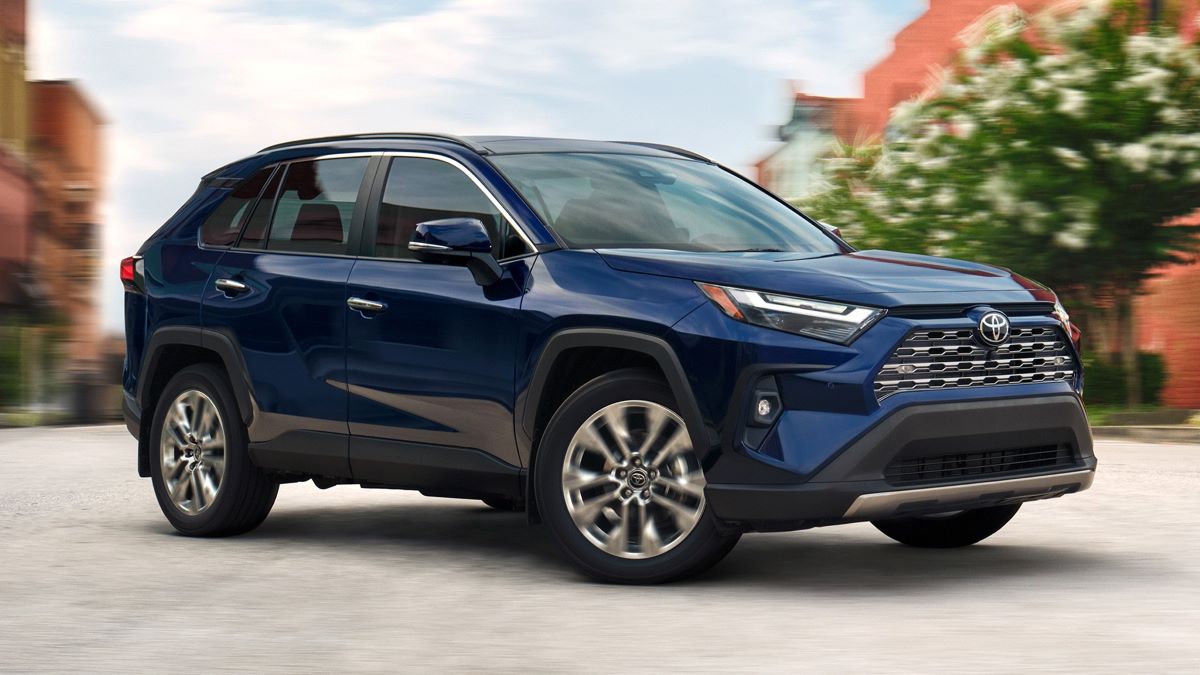
Most RAV4 Hybrid owners report that the battery maintains 80% or more of its original capacity even after 150,000 miles.
Beyond the technology, Toyota’s reputation for low maintenance costs and consistent resale value makes the RAV4 Hybrid a strong candidate for anyone seeking long-term reliability.
Toyota is sticking with the “if it ain’t broke, don’t fix it” philosophy for the über-popular RAV4 Hybrid, rolling the 2025 model out unchanged. That’s not necessarily a drawback, though many rivals have leapfrogged it with flashier tech.
The RAV4’s formula still works: standard all-wheel drive, snappy acceleration, 39 mpg combined, and an airy cabin with generous headroom and cargo space. It’s also one of the more affordable hybrids in its class in base LE trim, though stepping up to a better-equipped version is a smart move.
2. Lexus RX 450h
The luxury-oriented Lexus RX 450h offers an upscale hybrid experience without compromising durability. Its lithium-ion batteries are engineered for resilience, handling frequent charging and high mileage with minimal capacity loss.
The first-generation Lexus RX hit the scene in 1999, beating the early-2000s SUV boom to the punch and staking its claim as a pioneer. It was also the first to bring hybrid tech to the luxury SUV segment, scaling up Toyota’s forward-thinking Prius experiment.
I remember driving it when it was brand new, and like a lot of Japanese machinery from that era, I still get a little nostalgic when I see one on the road.
Today’s RX, now in its fifth generation, stands as the flagship of a much bigger Lexus lineup. Not quite the Doctor Who of SUVs, but it’s had its fair share of regenerations.
Outside of halo cars like the LFA supercar I once flung around the Nürburgring, or the underrated IS F V8 sedan, Lexus doesn’t usually chase adrenaline. But after earning my first speeding ticket in nearly two decades, taking the keys to an RX 450h seems oddly fitting.
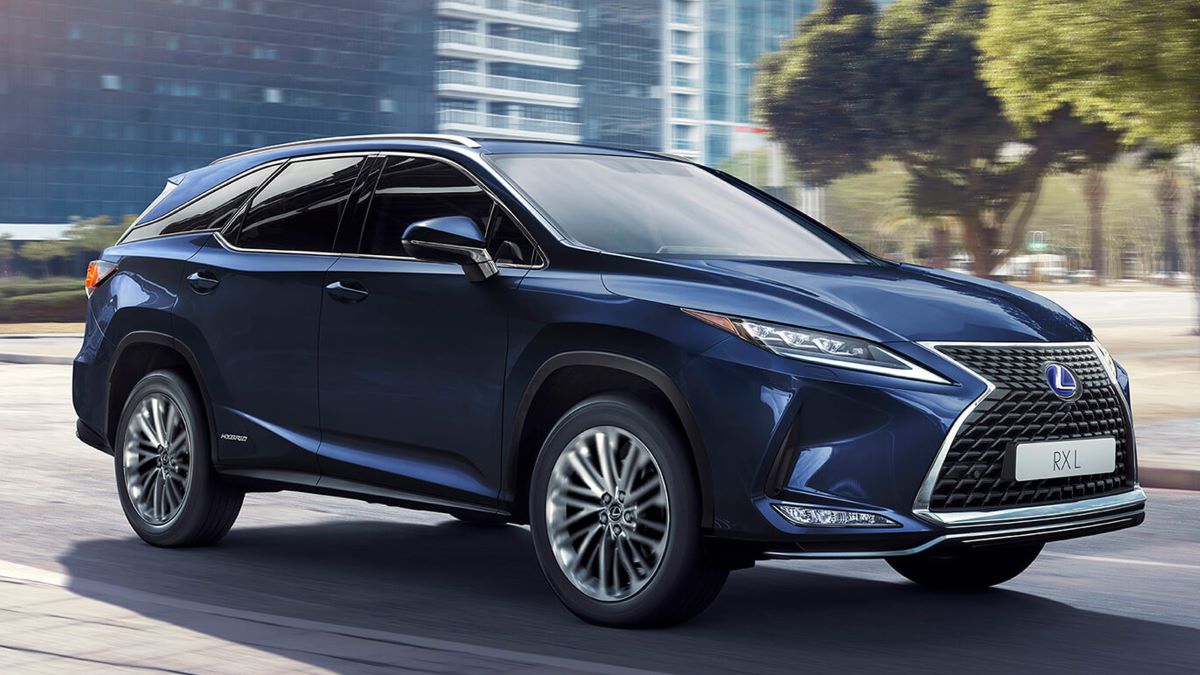
Lexus employs meticulous monitoring and cooling systems to prevent thermal stress, ensuring that many vehicles exceed 200,000 miles without major battery concerns.
For buyers in the U.S. looking for a blend of comfort, performance, and dependable hybrid technology, the RX 450h stands out as a model with proven longevity.
Also Read: 10 Cars That Survive Stop-and-Go Traffic Without Complaints
3. Honda CR-V Hybrid
Honda’s approach to hybrid technology has consistently prioritized balance and longevity. The CR-V Hybrid’s lithium-ion battery packs are managed conservatively, minimizing stress from deep discharges.
Owners commonly report negligible capacity loss even after more than a decade of use. Additionally, Honda’s regenerative braking system is finely tuned to preserve battery health, allowing the CR-V Hybrid to maintain both efficiency and performance over time.
For families and daily commuters, this translates to reliable fuel savings without the anxiety of early battery replacement.
Sitting between the pint-sized HR-V and the bigger Passport and Pilot, the 2025 Honda CR-V remains the middle child of Honda’s SUV family.
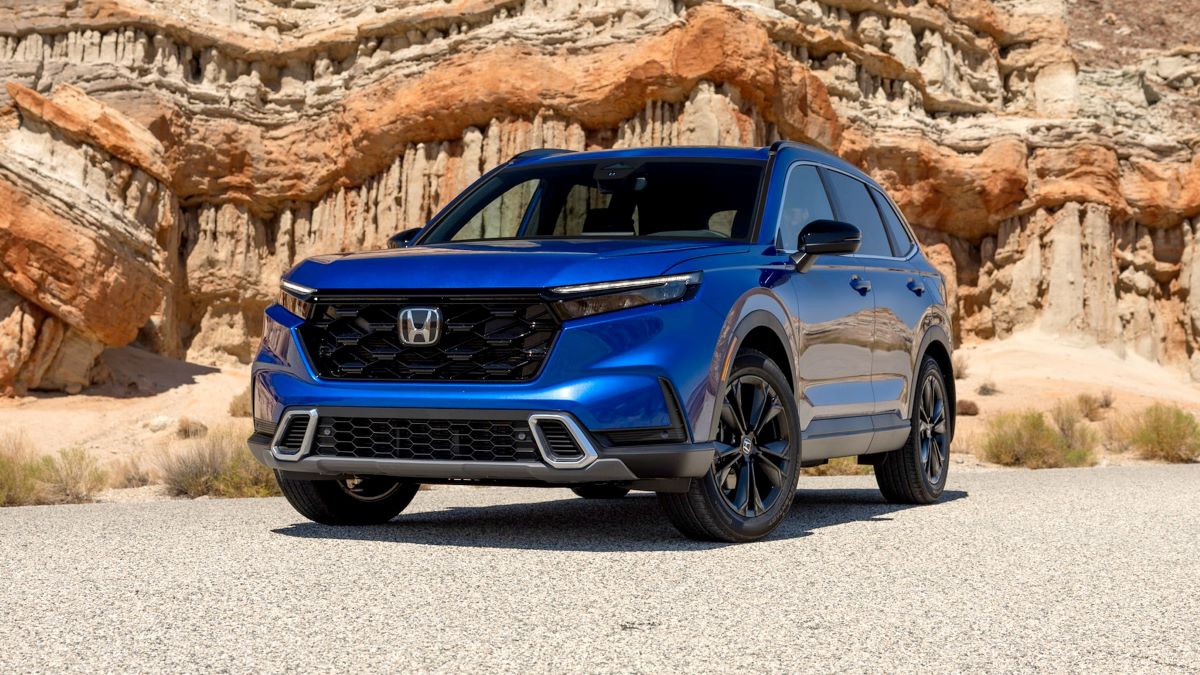
It’s a familiar role, one it’s played well for decades. Fully redesigned in 2023, this generation has kept the CR-V near the top of the small-SUV class, and for 2025, Honda isn’t changing much.
In other words, if you liked what the CR-V offered last year, balanced ride, roomy cabin, and a reputation for reliability, you’ll find the same solid package here.
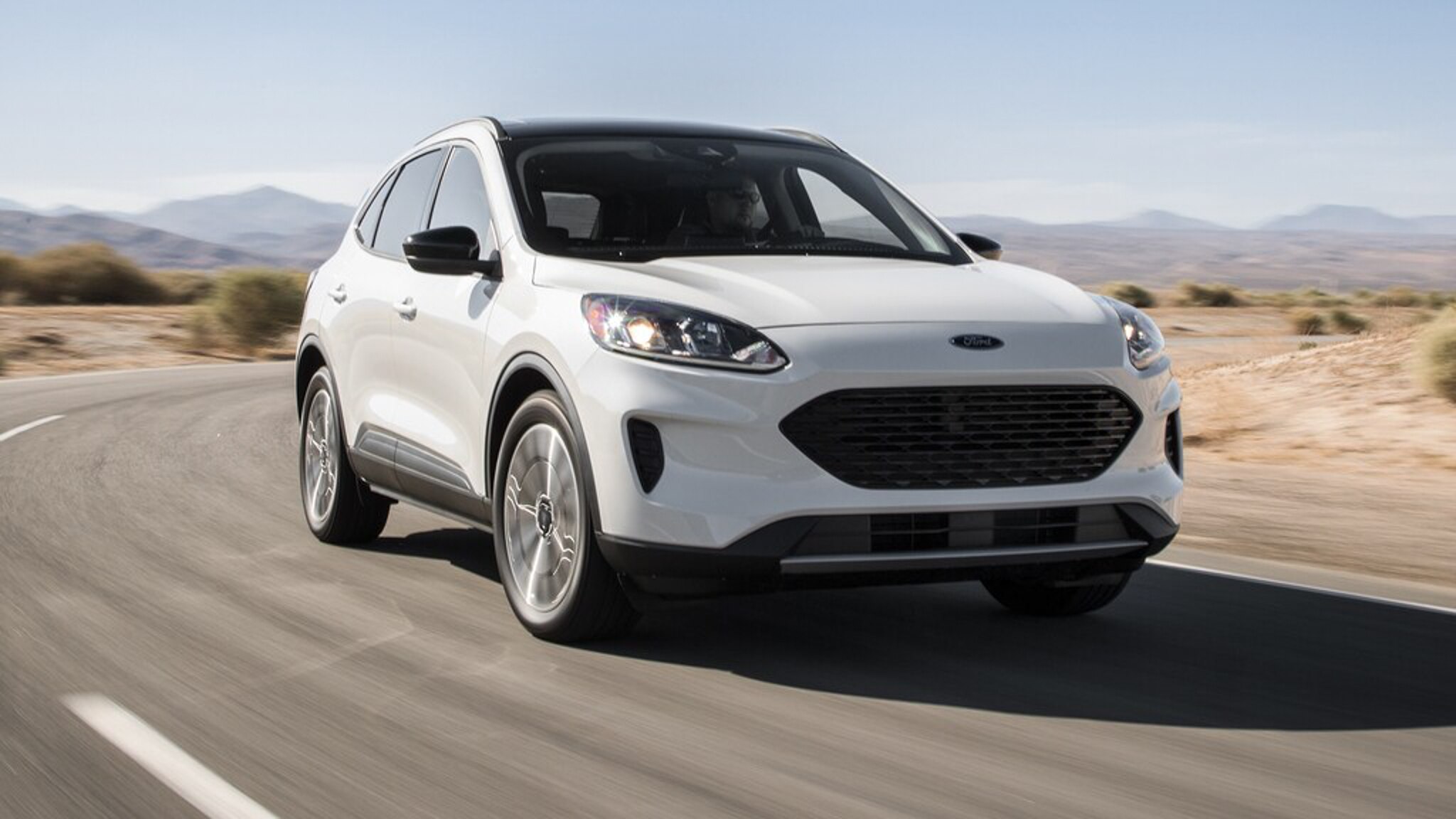
4. Ford Escape Hybrid
The Ford Escape Hybrid combines practicality and durability, making it one of the most dependable American-made crossover hybrids. Its liquid-cooled lithium-ion battery helps mitigate heat-related wear, which is a common culprit in battery degradation.
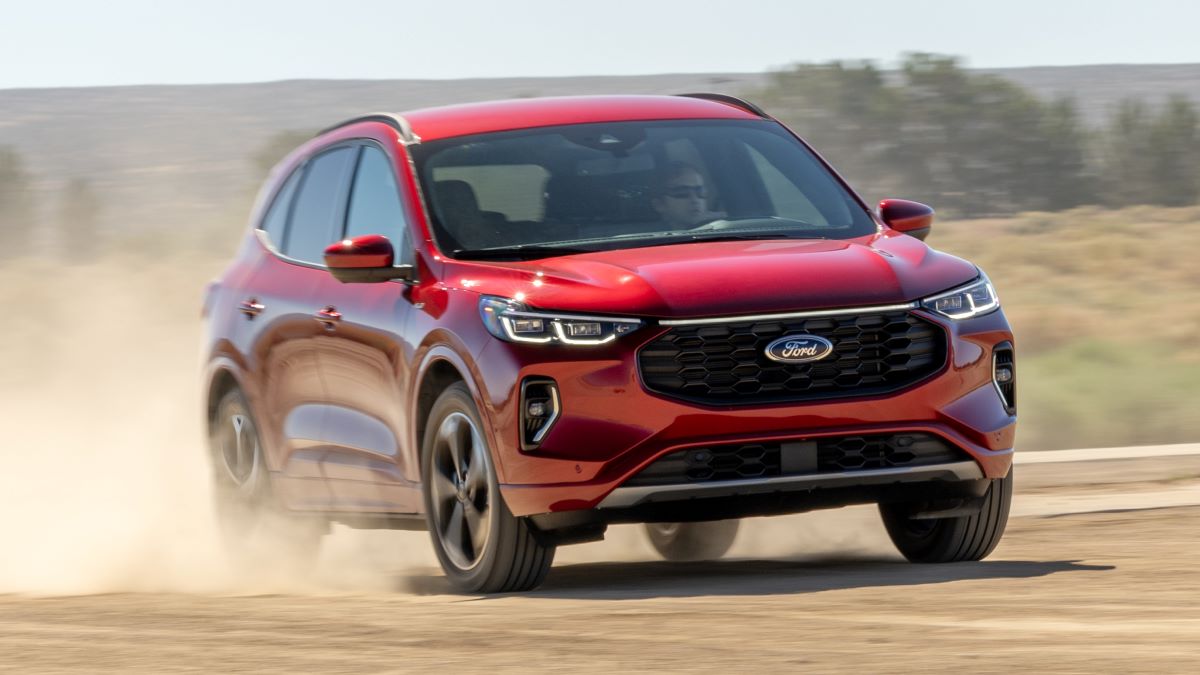
Data from U.S. owners indicate that Escape Hybrid batteries maintain consistent performance past 100,000 miles, even under daily urban driving conditions.
The Escape Hybrid is especially appealing to buyers in warmer climates where heat stress can shorten battery life in less well-engineered hybrids.
The 2022 Ford Escape Hybrid is great on gas for an SUV, but otherwise it struggles to leave a lasting impression. Under the hood, a 2.5-liter four-cylinder engine teams with two electric motors for a combined 200 horsepower in the standard hybrid and 221 horsepower in the plug-in hybrid (PHEV).
Both deliver identical 0–60 mph times of 7.7 seconds in our testing, putting them behind rivals like the Honda CR-V Hybrid or the more potent Toyota RAV4 Prime.
The Escape Hybrid prioritizes commuting comfort over driving excitement, which works for casual drivers but leaves enthusiasts cold, especially since the Honda CR-V Hybrid and Mazda CX-5 also offer more refined interiors. Ford’s cabin design is stylish and roomy for both rows, but hard plastics on the doors and center console, along with basic cloth upholstery in lower trims, undermine the premium feel.
Ford offers the Escape Hybrid in SE, SEL, and Titanium trims, with prices starting at $31,660 and reaching $42,120 for the top-spec Titanium PHEV.
The Titanium trim stands out for its value, bundling leather upholstery, dual-zone climate control, adaptive cruise control, self-parking, in-dash navigation, and a 10-speaker Bang & Olufsen audio system. Front-wheel drive and a CVT are standard for both hybrid versions, with AWD available on the regular hybrid but not the PHEV.
The plug-in hybrid’s 11.2-kWh battery delivers an EPA-estimated 37 miles of electric-only range, though in our 75-mph highway test it managed just 25 miles before switching to gas.
Also Read: 10 Cars That Survive Stop-and-Go Traffic Without Complaints
5. Subaru Crosstrek Hybrid
Subaru’s Crosstrek Hybrid is unique in its segment, offering standard all-wheel drive with hybrid efficiency. Its lithium-ion battery is well-insulated and benefits from Subaru’s conservative charge management, reducing stress during daily commutes and long drives alike.
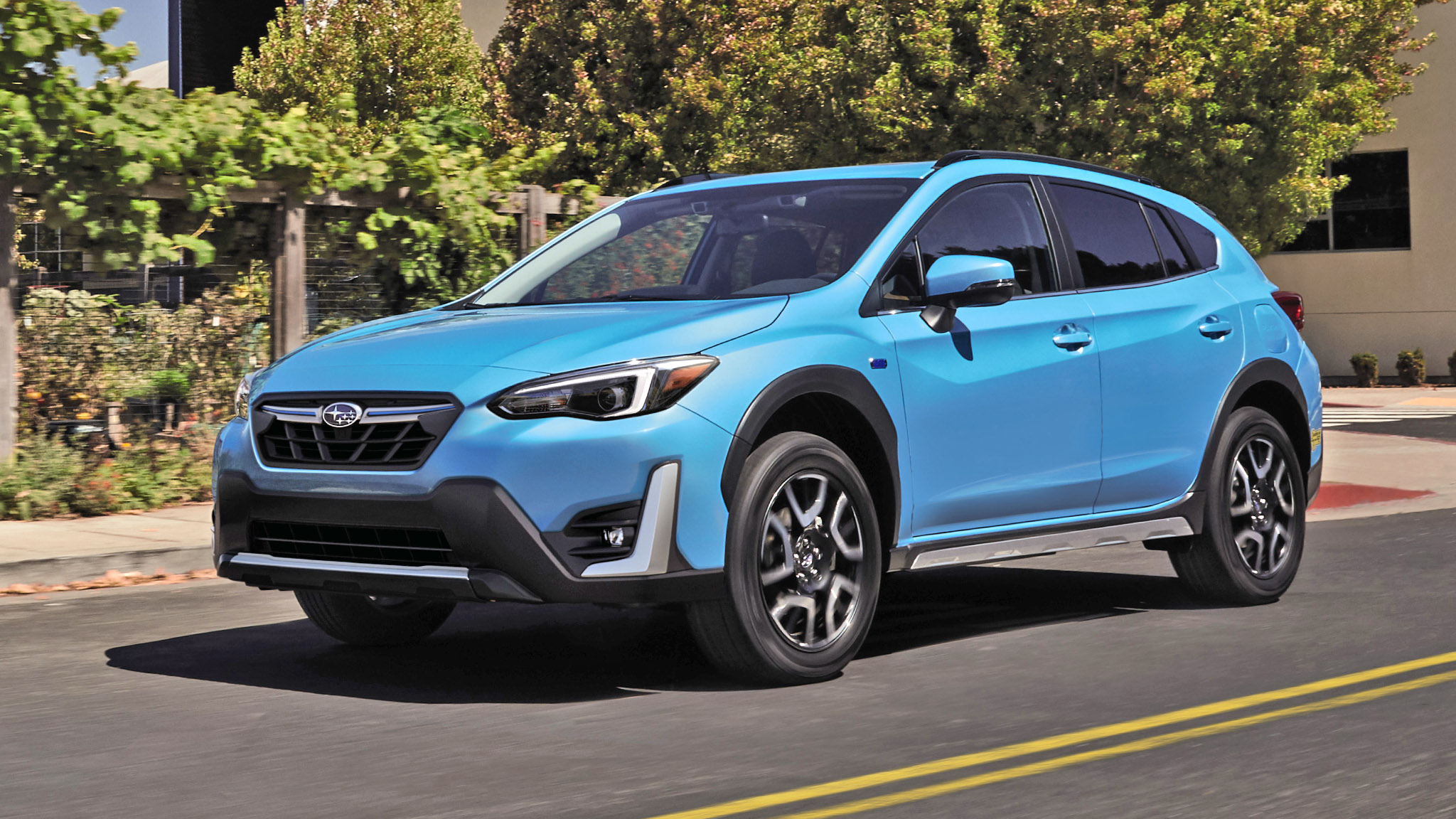
Early reports suggest that battery degradation is rare, making the Crosstrek Hybrid a solid choice for U.S. drivers who want efficiency and reliability in a versatile package. Its durability in diverse weather conditions further adds to its appeal for buyers in states with extreme climates.
The 2026 Subaru Crosstrek may be the smallest and most affordable SUV in Subaru’s stable, but it packs in all the brand’s greatest hits: standard all-wheel drive, a thrifty four-cylinder, and a surprisingly roomy cabin. F
or anyone who spends weekends chasing trails or winters battling snow and ice, it’s an easy SUV to like. This year brings something new, a Crosstrek Hybrid, broadening its appeal to drivers who want Subaru’s go-anywhere grit with the added efficiency (and battery longevity) of hybrid tech.
Crossover Hybrids With Early Battery Degradation
Some crossover hybrids lose their spark early. Not because “batteries are bad,” but because the wrong mix of chemistry, heat, charging habits, and cost-cut corners can chew through capacity faster than owners expect.
In a segment packed with clever packaging and feel-good mpg, early battery degradation is the quiet problem that turns a great first year into a frustrating third, shorter EV range, more gas stops, worse resale, and warranty gray areas you only learn about when it’s too late.
1. Chevrolet Equinox Hybrid
Some early U.S. models of the Chevrolet Equinox Hybrid have experienced premature battery wear. Owners report noticeable capacity loss as early as 60,000 to 80,000 miles, largely due to less effective thermal management in hotter climates.
While later models have improved battery design and software, early adopters often faced unexpected drops in fuel efficiency and performance. Prospective buyers of used early-model Equinox Hybrids should carefully check battery health and maintenance records.
the Equinox Plus comes from SAIC-GM, a joint venture selling exclusively to the Chinese market—and its headline act is a plug-in hybrid powertrain.
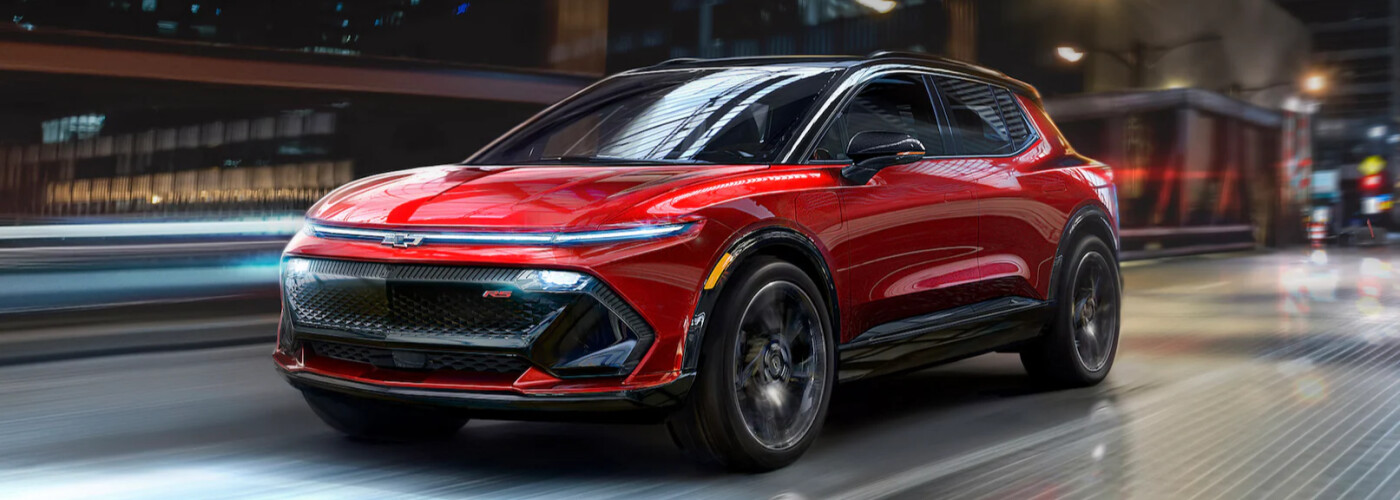
Under the hood is a 1.5-liter turbocharged four-cylinder producing 177 horsepower, paired with an electric motor rated at 188 horsepower.
On paper, that’s a combined 365 hp (272 kW) if you simply add the two figures, though that’s not always how real-world hybrid math works. Chevrolet China quotes a 0–60 mph time of about 6.8 seconds, respectable, but a little underwhelming if the system truly delivers peak output from both sources simultaneously.
2. Mitsubishi Outlander PHEV
The Mitsubishi Outlander PHEV is popular for its plug-in capability, but frequent deep discharges and heavy usage have led to faster battery degradation in some U.S. vehicles. Lithium-ion packs in early models lack robust cooling, which accelerates wear in warmer regions.
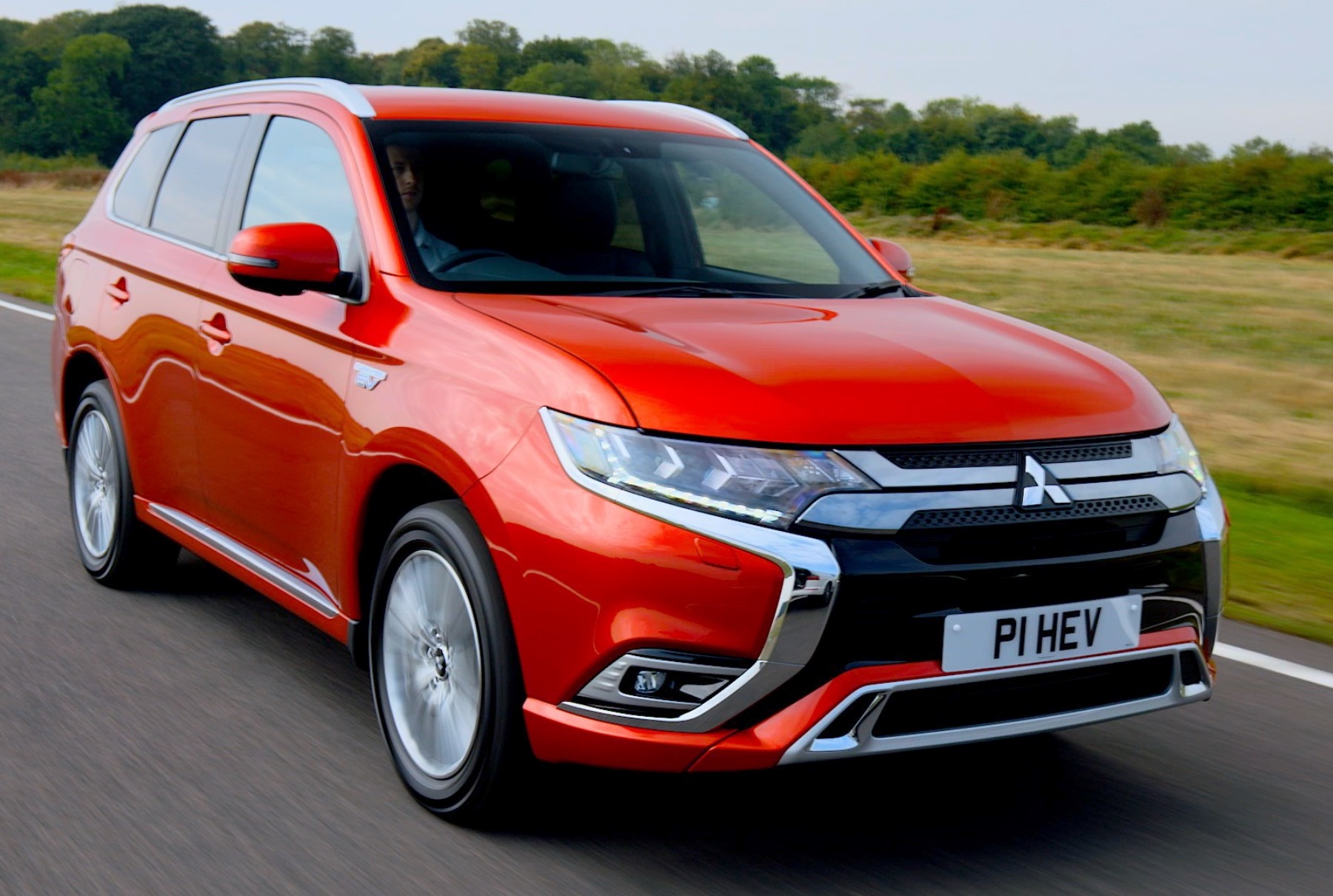
While careful charging can extend battery life, owners may face significant capacity loss around 50,000 to 70,000 miles, potentially leading to costly replacements or reduced electric-only range.
Mitsubishi might not be the first brand, or even the tenth, that comes to mind when shopping for a new SUV, but the 2025 Outlander PHEV earns a spot on the shortlist. Straddling the line between compact and midsize, it’s sized like a small SUV but offers an optional third row, making it a contender for families.
The plug-in hybrid powertrain delivers solid electric range and noticeably stronger performance than the gas-only model, while the cabin’s quality, features, and comfort easily hold their own in the segment. Quietly, it’s one of Mitsubishi’s most compelling offerings in years.
3. Kia Niro Hybrid (First Generation)
The first-generation Kia Niro Hybrid offered strong initial performance but had some battery longevity issues. Some vehicles experienced noticeable capacity loss by around 80,000 miles, primarily due to the battery’s sensitivity to frequent short trips and temperature extremes.
When the Kia Niro first landed, it came with a laser focus on efficiency, and a rare triple play of powertrains: traditional hybrid, plug-in hybrid, and fully electric.
Now, more than two years after our first go with all three, we’ve spent a week living with the standard hybrid to see how it performs in the real world.
Fresh off testing the all-electric Niro GT-Line, which impressed with efficiency and comfort but carried a steeper price tag—we wanted to see what happens when you swing to the opposite end of the lineup.
The hybrid doesn’t need a plug, still delivers impressive fuel economy, and keeps the same easy-to-live-with comfort.
On city streets, highways, and with a full load of passengers and cargo, it simply works, at a price far easier to swallow than its electrified siblings. If you’re after a city-friendly crossover that covers most buyers’ needs without overcomplicating things, the Niro Hybrid is proof Kia knows its audience.
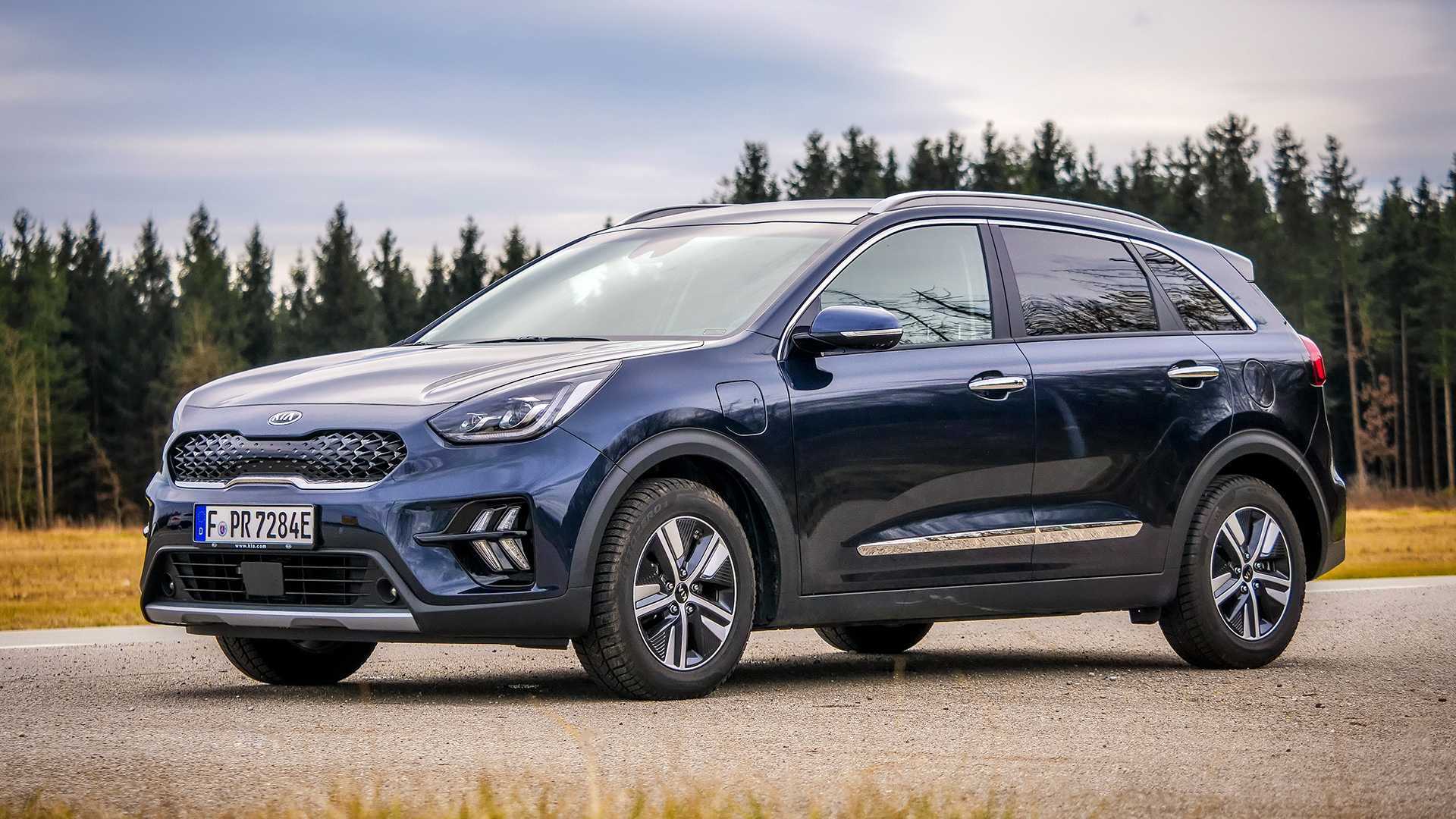
Subsequent generations addressed these concerns with improved chemistry and thermal management, but early buyers sometimes faced efficiency drops and higher long-term costs.
4. Hyundai Tucson Hybrid (Early 2022 Models)
The Hyundai Tucson Hybrid, especially early 2022 U.S. models, showed signs of accelerated battery degradation. Early software calibrations combined with extreme heat exposure contributed to capacity loss before the vehicle reached 100,000 miles.
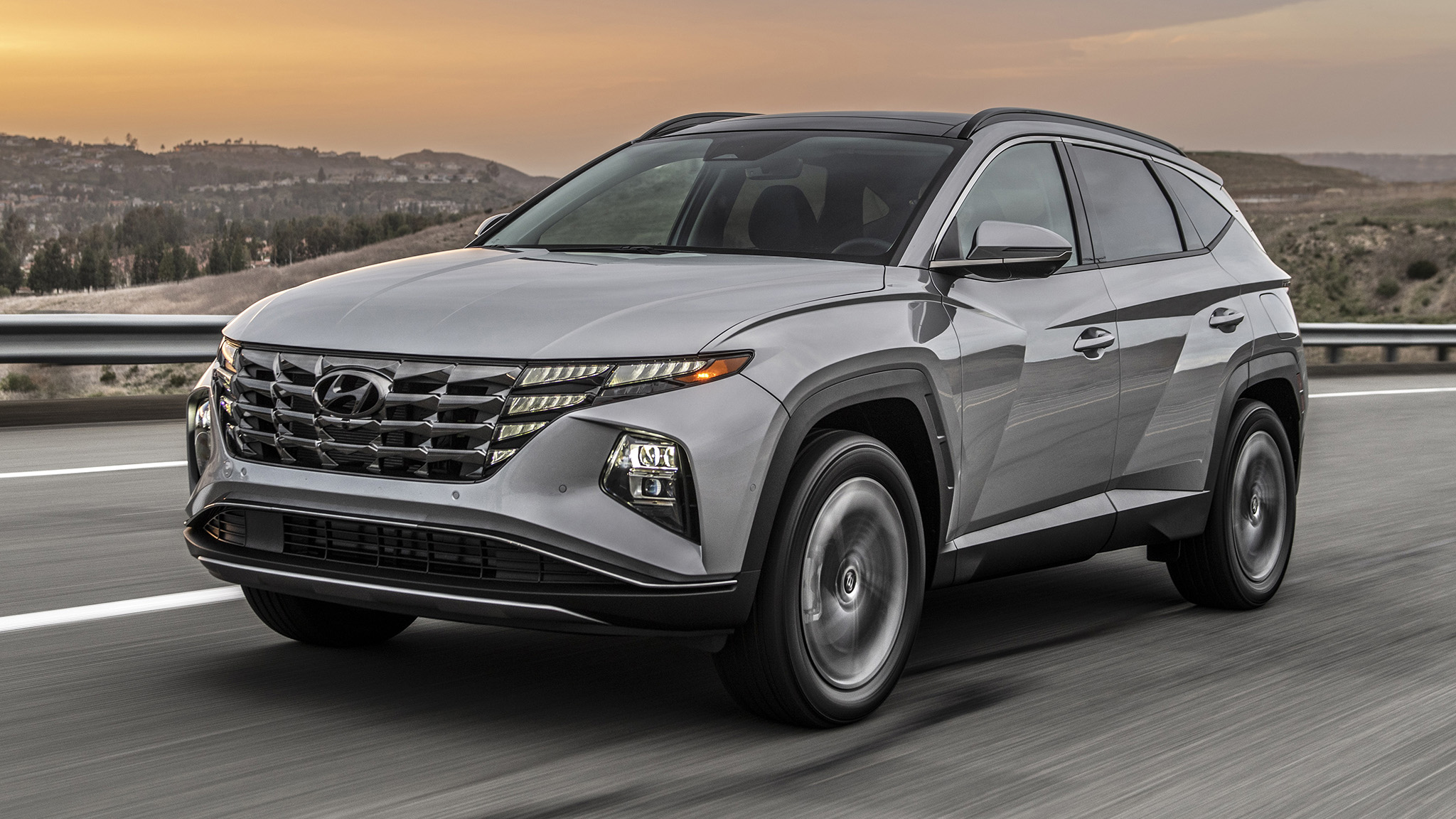
While later models have implemented updates to better manage battery health, buyers of early Tucson Hybrids need to be aware of potential early efficiency declines.
Fuel efficiency may be the headline for the 2025 Hyundai Tucson Hybrid and Tucson PHEV, but thrift isn’t their only selling point. Both models share the standard Tucson’s refreshed-for-2025 angular styling, strong safety and tech features, and a calm, composed ride.
With electric assist and standard all-wheel drive, they’re noticeably quicker than the gas-only version, 231 horsepower for the hybrid, 261 for the PHEV, gains of 44 and 74 hp, respectively, along with significant fuel economy improvements. A traditional six-speed automatic keeps the power delivery smooth and quiet, avoiding the droning feel of CVTs found in many rivals.
Add in the fact that they’re among the most affordable hybrids in the compact SUV segment, and the Tucson Hybrid and PHEV stand out as strong value plays that blend efficiency with extra performance.
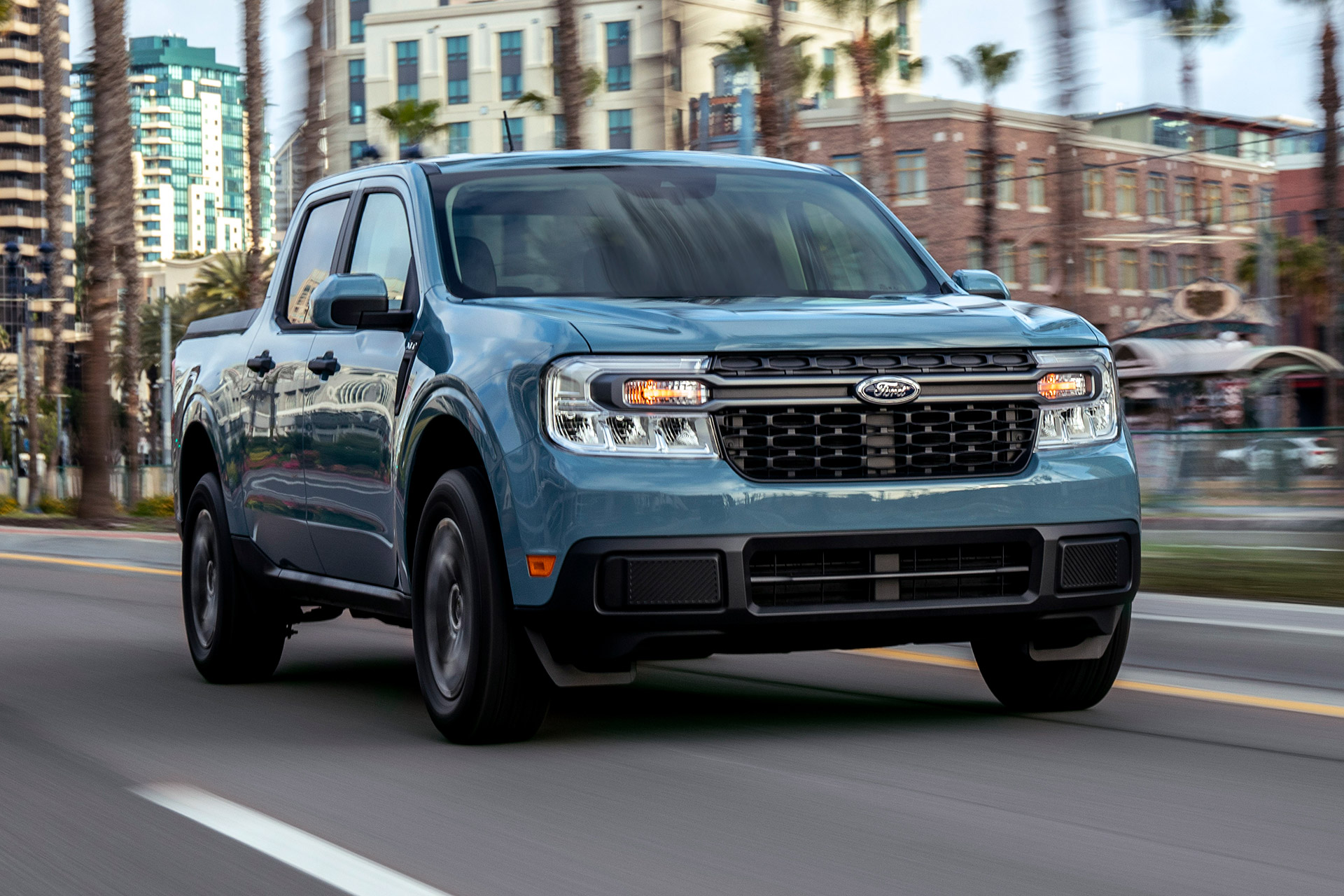
5. Ford Maverick Hybrid (2022 Models)
The compact Ford Maverick Hybrid gained popularity for its innovative pickup-crossover hybrid design. However, some 2022 models experienced early battery wear, particularly under conditions of frequent short trips or aggressive driving.
Early capacity loss affected fuel economy and hybrid performance, though later software updates improved battery management. Buyers considering an early Maverick Hybrid should evaluate battery health as part of their purchase decision.
The 2025 Ford Maverick gets a fresh look, new tech, and a performance-oriented Lobo trim. The Lobo stands out with a 250-hp turbocharged 2.0-liter four-cylinder, standard all-wheel drive, and a seven-speed automatic with paddle shifters borrowed from the European Focus ST.
It rides lower thanks to a sport-tuned suspension, gains upgraded brakes, and wears unique styling elements, including 19-inch rally-inspired wheels. A special Lobo driving mode even encourages the rear end to step out when exiting corners.
All Mavericks receive updates for 2025, including darkened headlamp covers, a redesigned front bumper and grille, and new wheel designs.
Inside, there are fresh trim colors, with the Lariat offering a Smoke Truffle theme featuring bronze accents. A larger 13.2-inch infotainment screen replaces last year’s 8.0-inch unit and now supports wireless Apple CarPlay and Android Auto.
The Maverick’s base hybrid powertrain pairs a 2.5-liter four-cylinder with an electric motor for a combined 191 horsepower, driving the front wheels through a CVT. For 2025, all-wheel drive is now available with the hybrid, and when equipped with the Tow package, it can pull up to 4,000 pounds—double the standard 2,000-pound rating.
Payload capacity is 1,500 pounds across both hybrid and nonhybrid models. The optional turbocharged four-cylinder produces 250 horsepower, comes with an eight-speed automatic, and is standard on the Lobo. In testing, the turbo-four hit 60 mph in 5.9 seconds, while the FWD hybrid managed 7.7 seconds.
Pricing starts at $29,840 for the XL and climbs to $43,120 for the Lobo High. The base XL is bare-bones but affordable, while the XLT—at $32,340—adds 17-inch alloy wheels, cruise control, a power-locking tailgate, and power mirrors, making it the value choice. Every Maverick is a four-door crew cab with a roomy back seat and plenty of storage, including under-seat compartments.
The 4.5-foot bed can fit up to 18 sheets of 4×8-foot, ¾-inch plywood flat. Standard features include a tilt/telescoping steering wheel with audio controls, remote keyless entry, and lumbar adjustment for the driver’s seat, while higher trims add dual-zone climate control, ambient lighting, and power-adjustable front seats. A 12-volt outlet comes standard in the bed, with a 110-volt outlet optional.
All Mavericks now include the 13.2-inch touchscreen with wireless Apple CarPlay and Android Auto, a Wi-Fi hotspot, and available upgrades like SiriusXM, a B&O premium audio system, and wireless phone charging.
Safety equipment includes standard automated emergency braking, lane-departure warning with lane-keeping assist, and adaptive cruise control, with Lariat and Tremor models adding lane-centering and speed-limit sign recognition.
Warranty coverage is three years/36,000 miles for the basic plan, five years/60,000 miles for the powertrain, and eight years/100,000 miles for hybrid components. There’s no complimentary scheduled maintenance.
Battery longevity in crossover hybrids is influenced by several critical factors:
Battery Chemistry: NiMH batteries tend to be more durable over time but are heavier and less energy-dense, whereas lithium-ion batteries offer better efficiency but require careful thermal management.
Thermal Management: Effective cooling and heating systems protect the battery from extreme temperatures, which are a leading cause of degradation.
Charge Cycles: Frequent deep discharges or aggressive driving can shorten battery life, while conservative state-of-charge management extends longevity.
Climate and Driving Conditions: Vehicles in hotter regions or those with heavy stop-and-go traffic may experience faster battery wear.
Choosing a hybrid crossover in the U.S. market requires more than comparing MPG or features it’s about long-term reliability.
Crossovers like the Toyota RAV4 Hybrid, Lexus RX 450h, and Honda CR-V Hybrid demonstrate how strong engineering and thoughtful battery management result in lasting performance.
Conversely, early models of the Chevrolet Equinox Hybrid, Mitsubishi Outlander PHEV, and first-generation Kia Niro reveal that not all hybrids are created equal, with some requiring extra attention to avoid premature degradation.
By understanding these differences, buyers can make informed decisions that maximize efficiency, minimize maintenance costs, and ensure a satisfying hybrid ownership experience for years to come.