Four-wheel drive (4WD) systems are often the backbone of a truck’s capability, giving drivers the confidence to tackle snow, mud, dirt roads, and steep inclines.
In the United States, where pickups are both daily drivers and workhorses, a durable 4WD system can make or break a truck’s long-term value. Yet not all 4WD systems are created equal.
Some trucks are famous for 4WD components that last decades with minimal fuss, while others face recurring transfer case failures that frustrate owners and drive up maintenance costs.
In this guide, we’ll explore five trucks with 4WD systems built to last and five where transfer cases are a known weak spot, helping American buyers make smarter choices when investing in their next pickup.
Trucks With 4WD Systems That Last Decades
If you buy a truck in America, you expect it to pull, crawl, and keep showing up long after the monthly payments stop. Not every 4WD delivers on that promise.
Some rigs age fast, electronics get fussy, transfer cases whine, and “maintenance” turns into a part-time job. But a few trucks are different. They rack up 200,000, 300,000, even 400,000 miles with the original 4WD hardware still clicking into low like day one.
This guide zeroes in on those outliers, the models with simple, overbuilt drivetrains, proven axles, and parts support that won’t vanish when the body style does. No hype. No wishful thinking. Just the trucks that keep working, decade after decade, through salt, heat, mud, and neglect.
1. Toyota Tacoma
The Toyota Tacoma has earned a legendary reputation for reliability in the United States, and its 4WD system is no exception.
Tacomas equipped with part-time 4WD feature robust transfer cases, solid front and rear differentials, and manual locking hubs that rarely fail under normal or off-road use.
Owners routinely report Tacomas exceeding 200,000 miles with fully functional 4WD systems, making them a favorite for outdoor enthusiasts and contractors alike.
The longevity of the Tacoma’s drivetrain stems from Toyota’s conservative engineering, which prioritizes durability over flashy performance upgrades.
Regular fluid changes and occasional inspections of the front differential are usually sufficient to keep the system operating for decades.
The Toyota Tacoma remains the definitive small pickup, a model that has stood the test of time through decades of production and millions of units sold.
It helped define the midsize pickup truck category and pushed other manufacturers to create direct competitors. For 2021, the Tacoma comes in two cab sizes, two bed lengths, and offers a choice between RWD and 4WD.
As the top-selling midsize pickup in the U.S., the Tacoma’s success is no mystery. It’s a sharp-looking truck backed by a strong reputation for quality and reliability. However, once you get behind the wheel, some of that shine wears off.
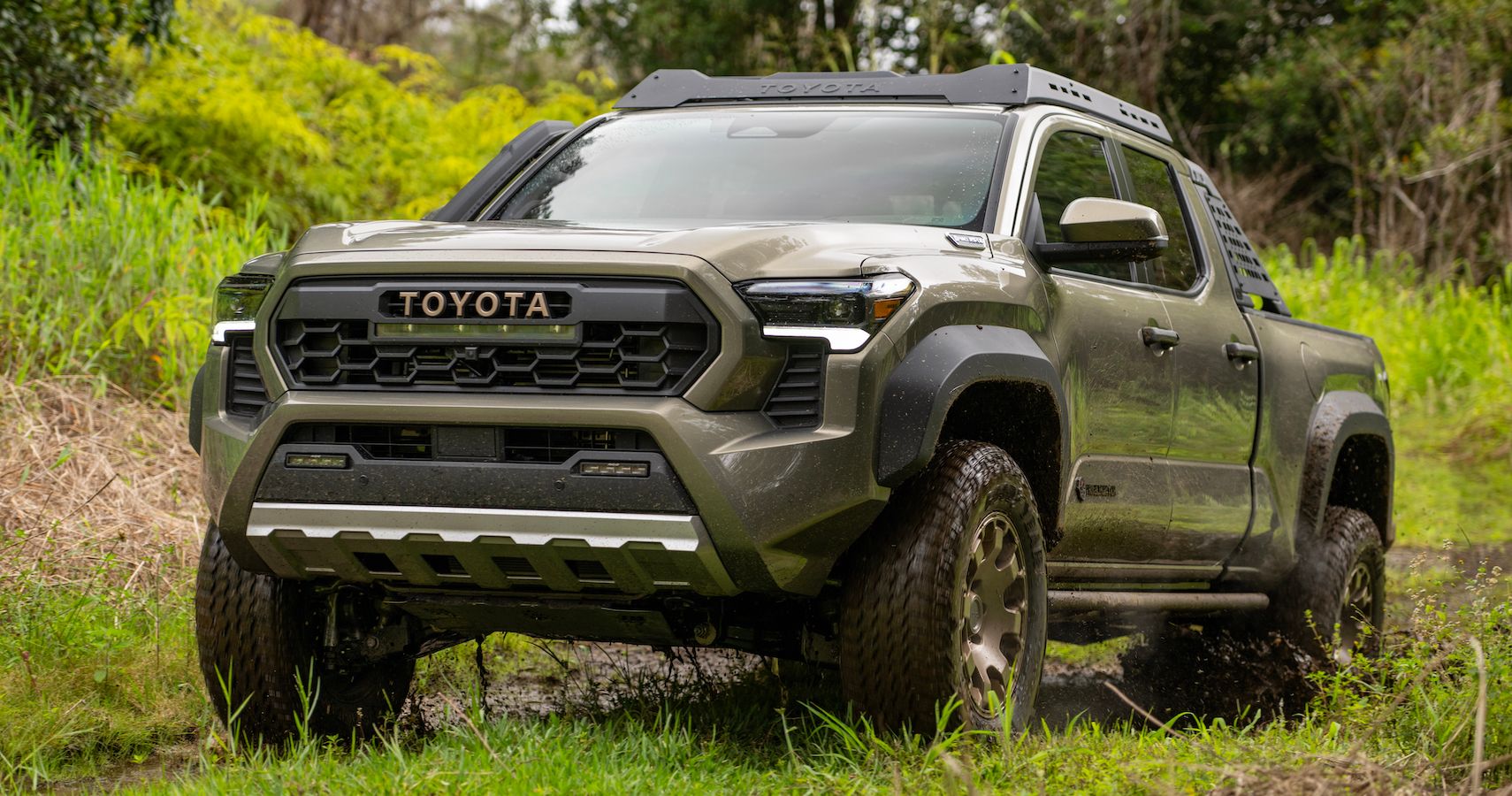
The cabin’s cramped and awkward seating position, along with its firm cushions, make it hard to settle in comfortably. On standard trims, the ride feels harsh and brittle, though the TRD Pro’s upgraded off-road suspension smooths things out somewhat.
Driving performance leaves much to be desired. The handling feels sloppy, the engines lack punch, the automatic transmission often picks the wrong gear, and braking is hindered by noticeable dive.
For serious off-roaders, the TRD Pro delivers impressive trail capability. Still, after taking it on an overlanding trip, we found ourselves favoring other trucks for the experience. As a daily driver or work truck, the Tacoma isn’t the top choice.
The base engine is a 2.7-liter I-4 generating 159 hp and 180 lb-ft of torque, paired with either a six-speed manual or automatic transmission. RWD comes standard, with 4WD as an option. EPA fuel economy with the automatic transmission comes in at 20/23 mpg city/highway for RWD models, or 19/22 mpg with 4WD.
An optional 3.5-liter V-6 pushes out 278 hp and 265 lb-ft of torque. It’s also paired with either a six-speed manual or automatic transmission, again with RWD standard and 4WD available.
2. Toyota Tundra
The Tundra takes everything that makes the Tacoma reliable and scales it up to full-size proportions. Full-time transfer cases in modern Tundras, along with the older part-time systems, are designed for heavy-duty towing and challenging terrain.
Many owners report seamless 4WD performance well beyond 150,000 miles, even with regular hauling of trailers or campers.
In the US market, the Tundra’s rugged 4WD capability makes it a favorite in snow-prone regions like the Northeast and Midwest, where dependable traction is essential during winter months.
With the Tundra receiving a full redesign just last year, Toyota leaves most of its full-size pickup unchanged for 2023. The main update is the addition of the SX appearance package for SR5 trims, which gives the truck a more aggressive, dark-themed look.
This package swaps in dark gray 18-inch wheels, black door handles, body trim, and a darkened middle section on the rear bumper, while also blacking out the rear 4×4 badge.
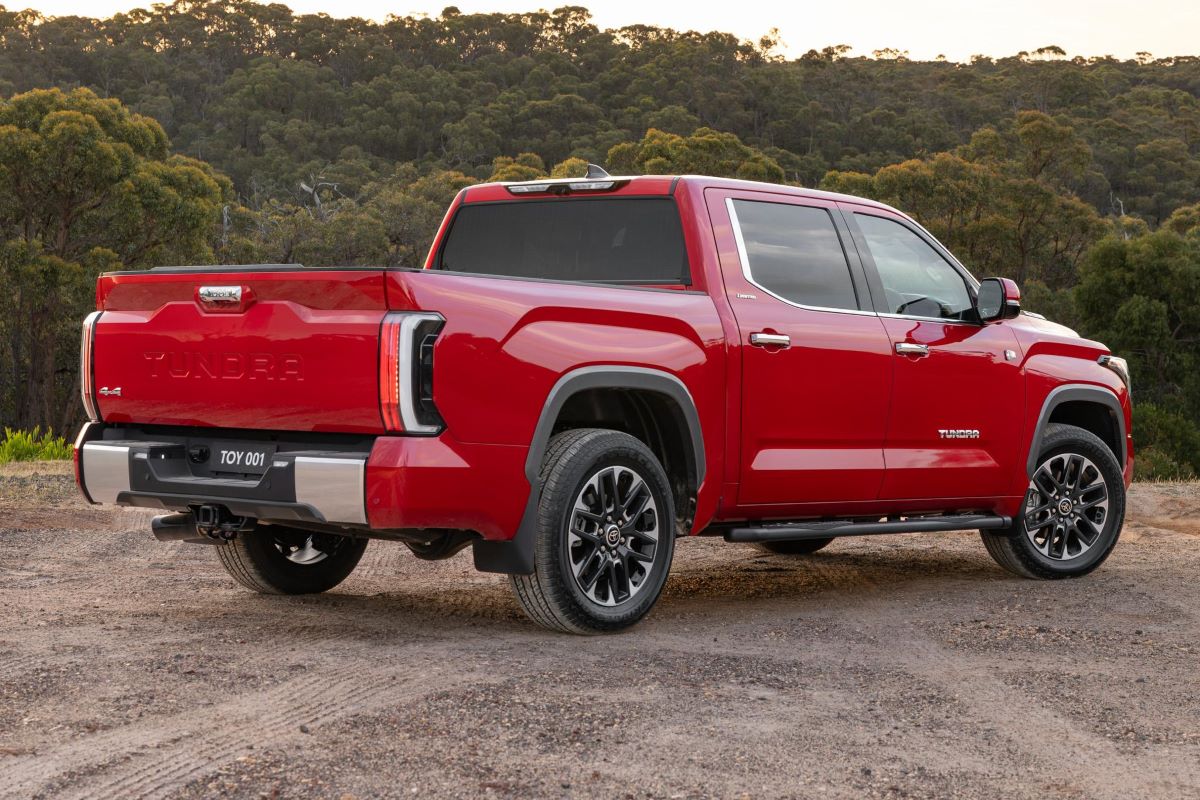
Inside, the accents are switched to black, and the Tundra’s door badges are removed entirely. Buyers can add the SX package to trucks finished in white, silver, gray, or black paint.
While the Tundra’s starting price is higher than its domestic competitors, the base SR trim offers more appealing standard features, most notably a 379-hp twin-turbo V-6 and a coil-spring rear suspension.
For the best balance of value and capability, the SR5 with the TRD Off-Road package is the one to get, as it adds an electronically locking rear differential, unique wheels, upgraded suspension, and additional equipment.
The 2023 Tundra stands out as the only full-size pickup without a V-8 option. Instead, every model comes with a twin-turbo V-6 paired to a 10-speed automatic transmission, offered in three output levels.
In base SR models, it delivers 348 horsepower and 405 lb-ft of torque. In all other trims, output rises to 389 horsepower and 479 lb-ft. In testing, a Limited model ran from 0 to 60 mph in 6.1 seconds.
Toyota also replaces the previous leaf-spring rear suspension with a coil-spring setup, which noticeably improves ride comfort and handling. This change is evident from behind the wheel.
For more specialized setups, Toyota continues to offer the TRD Off-Road and TRD Sport packages, the former bringing an off-road suspension, skid plates, and distinctive wheels, and the latter offering a lowered suspension with 20-inch wheels. The most rugged option, the TRD Pro, comes with a lifted suspension, exclusive dampers, and black 18-inch wheels wrapped in all-terrain tires.
3. Ford F-150 (Pre-2015 Models)
Ford’s F-150 has been America’s best-selling truck for decades, and its 4WD system is a key reason. Pre-2015 models often feature BorgWarner transfer cases, known for their simplicity and durability.
These systems handle harsh winter conditions, off-road trails, and heavy towing without frequent issues.

Owners in northern states particularly value the F-150’s reliability in snow and ice, while commercial operators appreciate a system that can survive years of rugged worksite conditions.
Routine maintenance, like transfer case fluid changes and periodic inspection of the front differential, can extend these systems well past 200,000 miles.
With a version to suit nearly every type of truck buyer, it’s no surprise the Ford F-150 holds the title of best-selling vehicle in the U.S. Positioned above the smaller Maverick and Ranger in Ford’s lineup, this full-size pickup offers a staggering range of configurations to fit almost any need.
From a no-frills work truck built for utility, to a near-luxury model loaded with leather, advanced tech, and gleaming chrome, the F-150 lineup covers the entire spectrum. Ford also offers the all-electric F-150 Lightning and the heavy-duty Super Duty series, each reviewed separately.
4. Chevrolet Silverado 1500 (GMT900 & Newer)
The Chevrolet Silverado 1500 is another full-size truck that shines in the 4WD reliability department. GMT900 generation models and newer trucks feature transfer cases and locking differentials engineered to withstand frequent heavy-duty use.
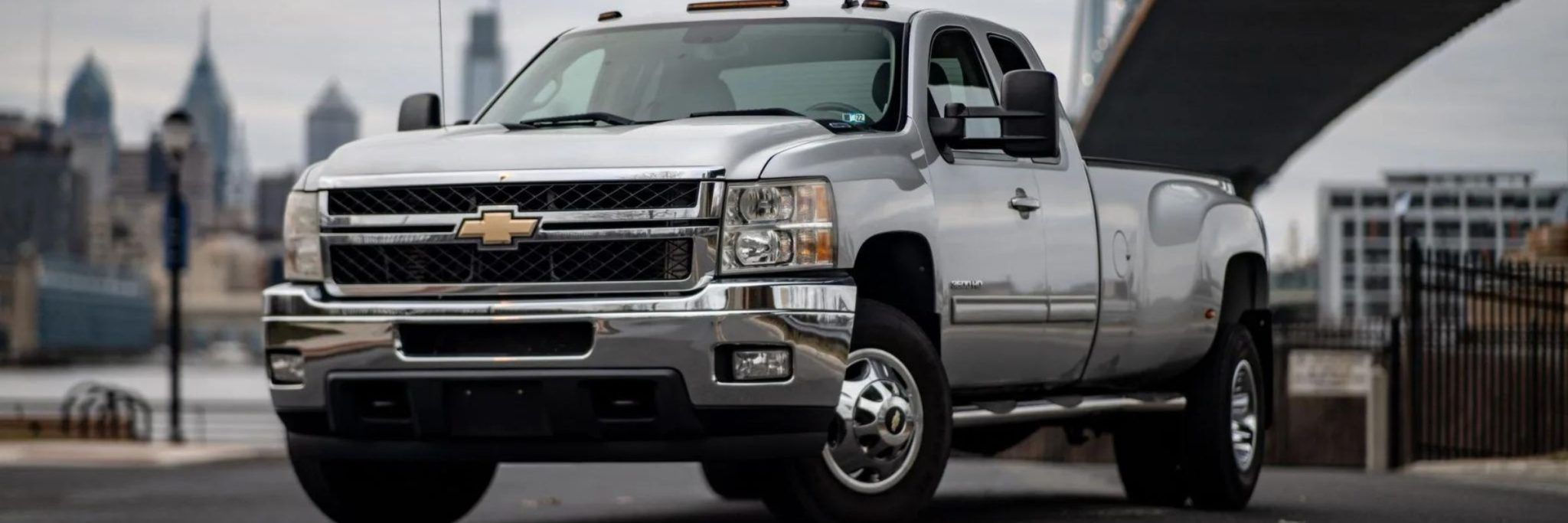
While Silverado shares many mechanical parts with the GMC Sierra, the Silverado often sees fewer issues due to slightly different production tolerances and owner usage patterns.
Silverado 4WD systems are widely praised in the US for their ability to handle snow, mud, and trail conditions with minimal maintenance, giving owners confidence in long-term ownership.
For 2022, Chevrolet gives the Silverado a noticeable refresh. Every trim gets a restyled front end, but only the LT and higher benefit from a redesigned interior. These upgraded cabins feature improved materials, a more modern layout, a 12.3-inch digital gauge cluster, and a massive 13.4-inch touchscreen infotainment display.
Across the lineup, active safety features are now standard, and the range-topping High Country can be equipped with Super Cruise, GM’s hands-free driving system. While the Silverado still doesn’t go as extreme as the Ford F-150 Raptor or Ram 1500 TRX, it does gain the new ZR2 off-road model, which comes with serious trail-ready upgrades (reviewed separately).
The Work Truck and Custom trims serve budget-conscious buyers and work-focused needs, but the LT is the sweet spot thanks to its upgraded interior. Our ideal build would be the LT with a crew cab and standard-length bed for maximum cargo and passenger space.
For power, we’d skip the optional diesel and go with the 5.3-liter V-8, it’s more affordable, quicker, and allows for the Z71 Off-Road package, which adds hardware designed for better performance in dirt and mud. It’s worth noting that Chevy is also selling pre-facelifted 2022 models labeled “LTD,” which are priced below the updated versions.
The Silverado 1500 offers a broad engine lineup: a turbocharged four-cylinder, two V-8s, and a Duramax 3.0-liter inline-six diesel. Of the V-8 options, the 420-hp 6.2-liter is the quickest, taking the High Country we tested from 0 to 60 mph in just 5.4 seconds.
The smaller 355-hp 5.3-liter completed the same run in 6.1 seconds. The updated turbocharged 2.7-liter four-cylinder now produces 420 lb-ft of torque, giving it better pulling power for towing. The diesel variant was the slowest in our testing, but it impressed with its smooth and quiet operation.
No matter the configuration, the Silverado drives with more agility than its size suggests. Steering is responsive, and the brake pedal delivers firm, confident feedback. For those who want a factory-lifted, off-road-ready version, the Trail Boss brings a 2.0-inch lift, aggressive tires, and extra equipment to make off-pavement adventures both easier and more fun.
5. Jeep Gladiator / Wrangler JK & JL
Jeep’s off-road reputation is built on reliable 4WD systems. The Wrangler and Gladiator models offer Command-Trac and Rock-Trac setups that are straightforward to maintain and highly durable.
With proper fluid maintenance, many Jeep 4WD systems continue performing flawlessly for decades, even under extreme off-road conditions.
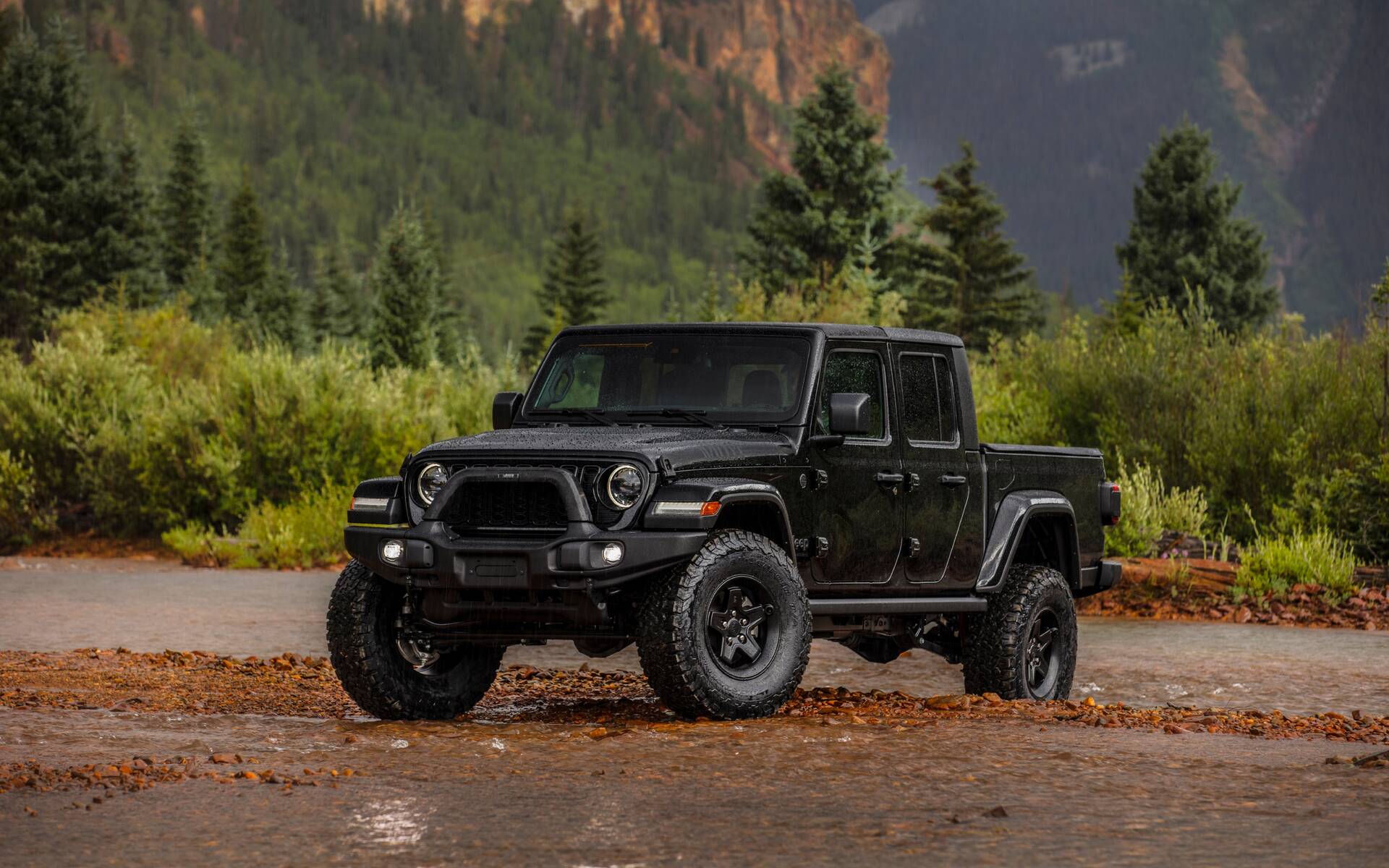
American buyers in regions like the Rocky Mountains and the Southeast, where off-roading is a popular hobby, value the Jeep’s combination of rugged 4WD performance and aftermarket support that ensures replacement parts are readily available.
Trucks With Transfer Cases That Fail Prematurely
You buy a truck to work, haul, and get you home, not to cough up expensive transfer-case repairs every few years. Some transfer cases are built like stopwatches: fragile internals, finicky chain drives, or poorly sealed housings that eat bearings, fluid, and money long before the truck itself is tired.
This piece calls those weak links out by name, explains why they fail (design quirks, bad tolerances, crappy lubrication paths), and shows how to spot the ticking time bombs before you sign the title. Read on if you want to avoid a common and entirely preventable, repair that turns a dependable rig into a wallet-eating liability.
1. Dodge Ram 1500 (2009–2018)
While the Dodge Ram 1500 is generally respected for performance and comfort, certain models, particularly those with NVG 271 or 231 transfer cases, are prone to early failure.
Owners report issues such as leaking seals, stripped gears, and total transfer case failure as early as 50,000–80,000 miles.
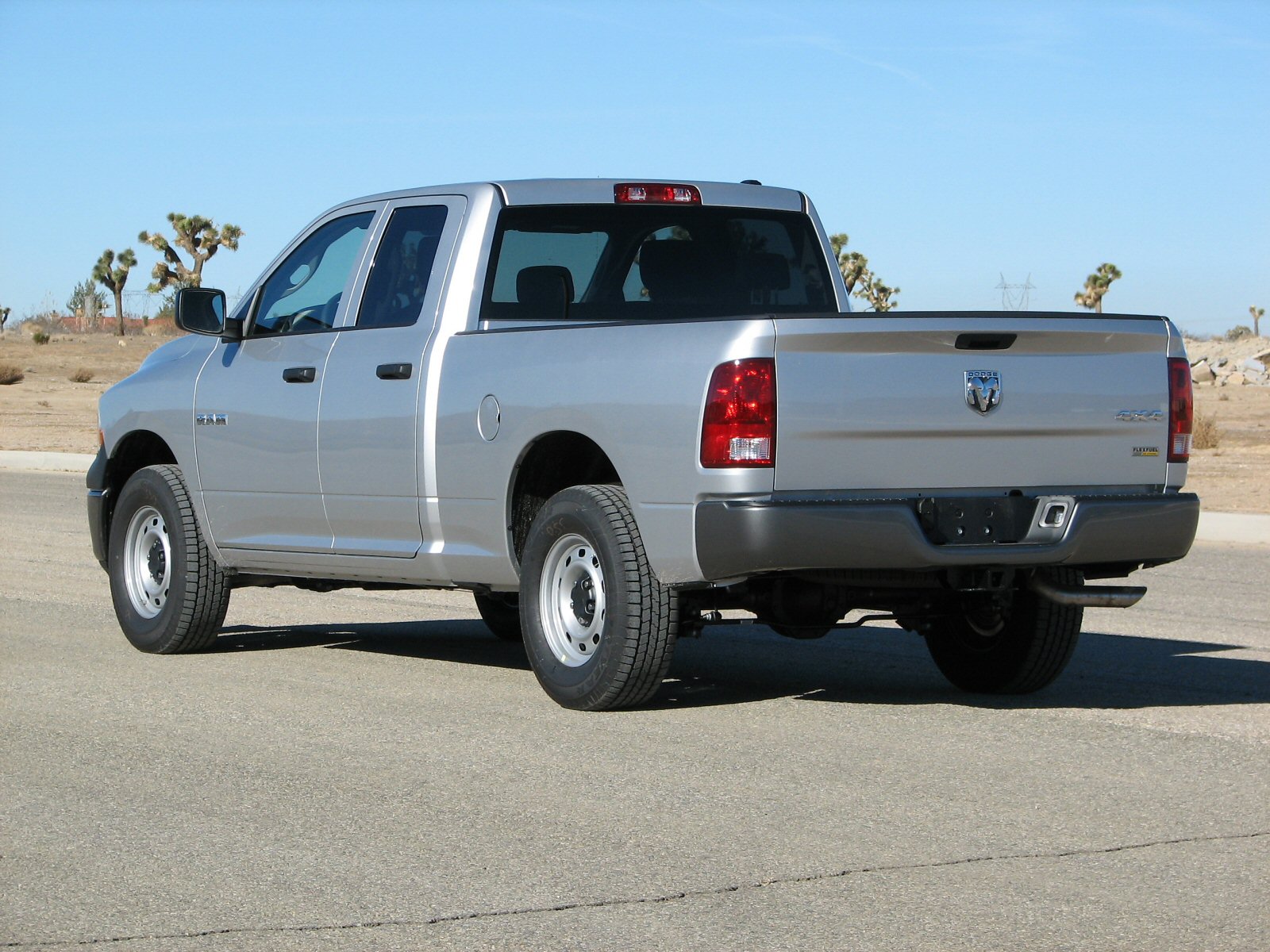
The combination of heavy towing and occasional off-road use exacerbates these weaknesses, making the Ram a less reliable choice for buyers seeking long-term 4WD durability.
2. Ford Super Duty (2017–Present)
Ford’s modern Super Duty trucks, while excellent for towing and hauling, have faced transfer case reliability concerns.
The electronic 4WD systems used in 2017 and newer models can suffer motor failures, sensor issues, and fluid leaks, sometimes leading to a complete loss of 4WD functionality.

While these problems are not universal, they are costly when they occur. For owners in snowy or off-road-prone regions, these potential failures can be a significant drawback, particularly compared to older, mechanically simpler systems.
3. GMC Sierra 1500 (2010–2018)
GMC Sierras, though mechanically similar to Silverados, occasionally suffer from transfer case gear and motor issues in early 2010s models.
Symptoms often include grinding noises, difficulty shifting between 2WD and 4WD, or complete transfer case lockout.
While these problems may not appear in every truck, they are frequent enough to warrant caution for buyers planning long-term use in demanding conditions.
At first glance, it might seem strange that GM offers two separate truck brands selling nearly identical models: the Chevrolet Silverado and the GMC Sierra.
That impression changes once you get behind the wheel. The Silverado is a capable, no-nonsense work truck designed to handle the core duties of a pickup, loading, transporting, and dropping off up to half a ton of whatever you need, without unnecessary frills. It’s built around reliability and practicality, with few embellishments.
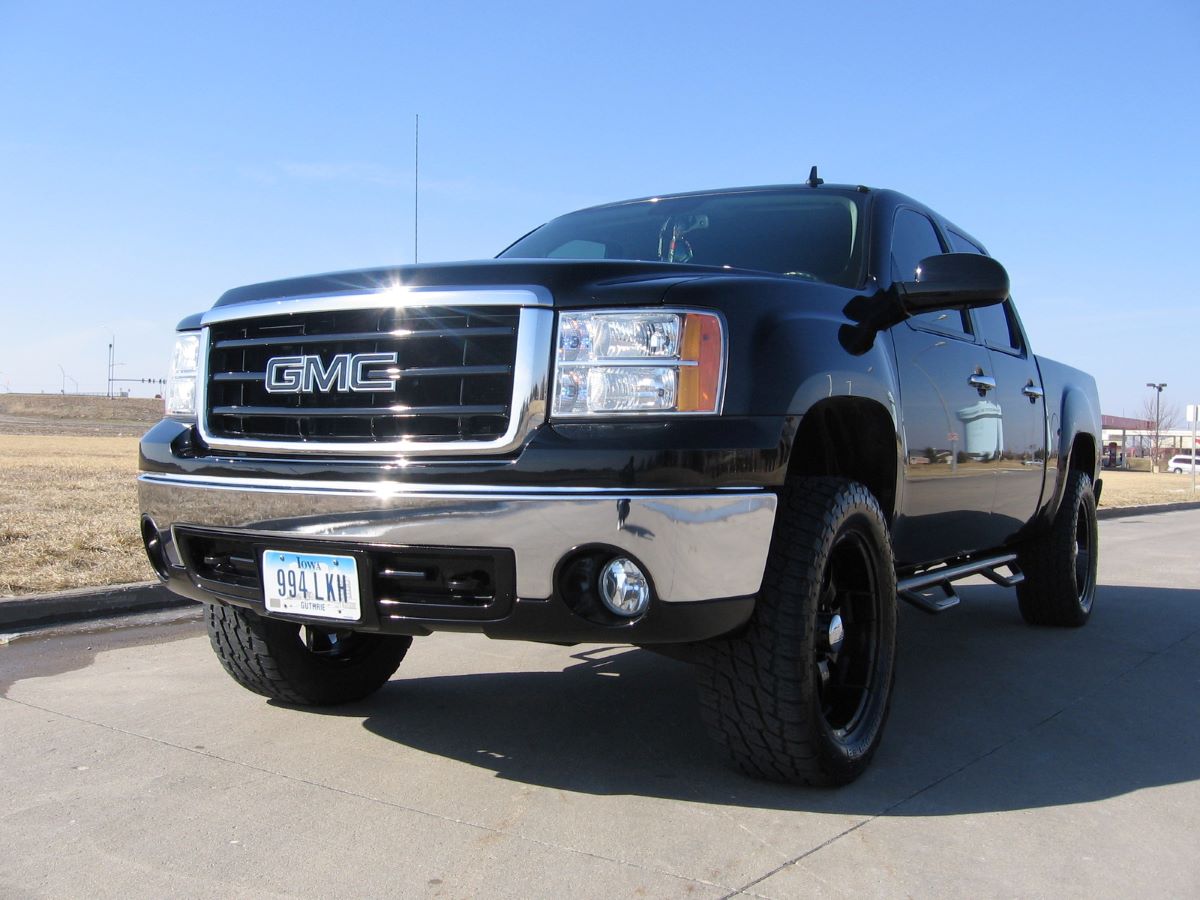
The GMC Sierra, on the other hand, is positioned as a more refined counterpart, emphasizing comfort and convenience alongside its utility. If the Silverado is the rugged, rural workhorse, the Sierra is its more polished, city-oriented sibling.
We’ve already tested the latest Silverado and found it to be a thoroughly practical machine, though it lacks some cabin refinement and street presence.
That puts pressure on the GMC Sierra to elevate its base model to a level that could be considered truly luxurious, not just by truck standards, but for any vehicle. The Sierra lineup includes the 1500 half-ton model as well as the heavier-duty 2500 and 3500 variants, but here we’re focusing on the 1500.
For the 2020 model year, the standout news is the addition of a 3.0-liter Duramax straight-six turbodiesel producing 277 horsepower and 460 lb-ft of torque. While diesel engines have faced criticism over emissions, their generous torque delivery and superior fuel economy make them well-suited for owners who tow frequently.
The Sierra’s diesel stands apart by using an inline-six configuration rather than the turbocharged V-6 setups found in the Ford F-150 and Ram. This design typically delivers smoother, quieter operation, making it a fitting choice for a truck courting a luxury-minded audience.
The only drawback is the Sierra’s maximum towing capacity of 9,100 pounds, which falls short of the Ford F-150 diesel’s 11,400-pound rating and the Ram’s 12,500-pound capability. GM’s response is straightforward: drivers who need to tow more than 10,000 pounds generally choose a heavy-duty truck rather than a half-ton model.
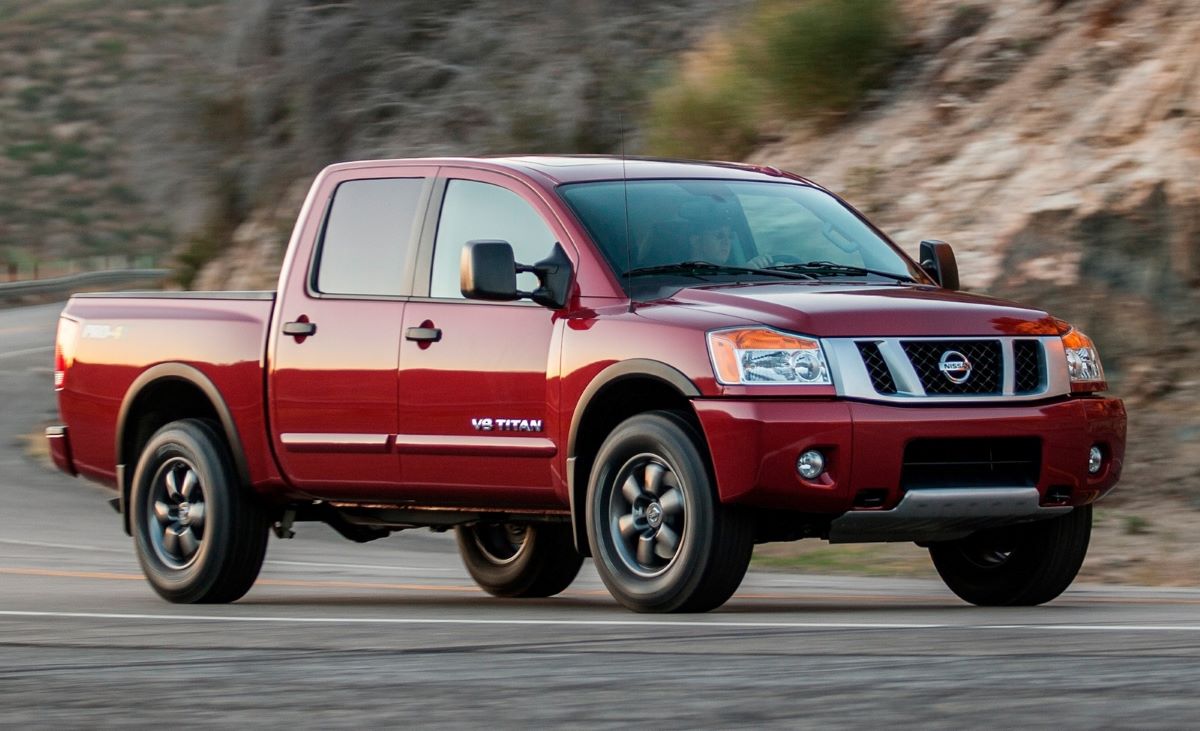
4. Nissan Titan (2004–2015)
The Nissan Titan, particularly first-generation models, has a reputation for transfer case problems. Early Titans use a chain-driven transfer case that can wear prematurely, leading to slipping, shuddering, or complete 4WD lockout.
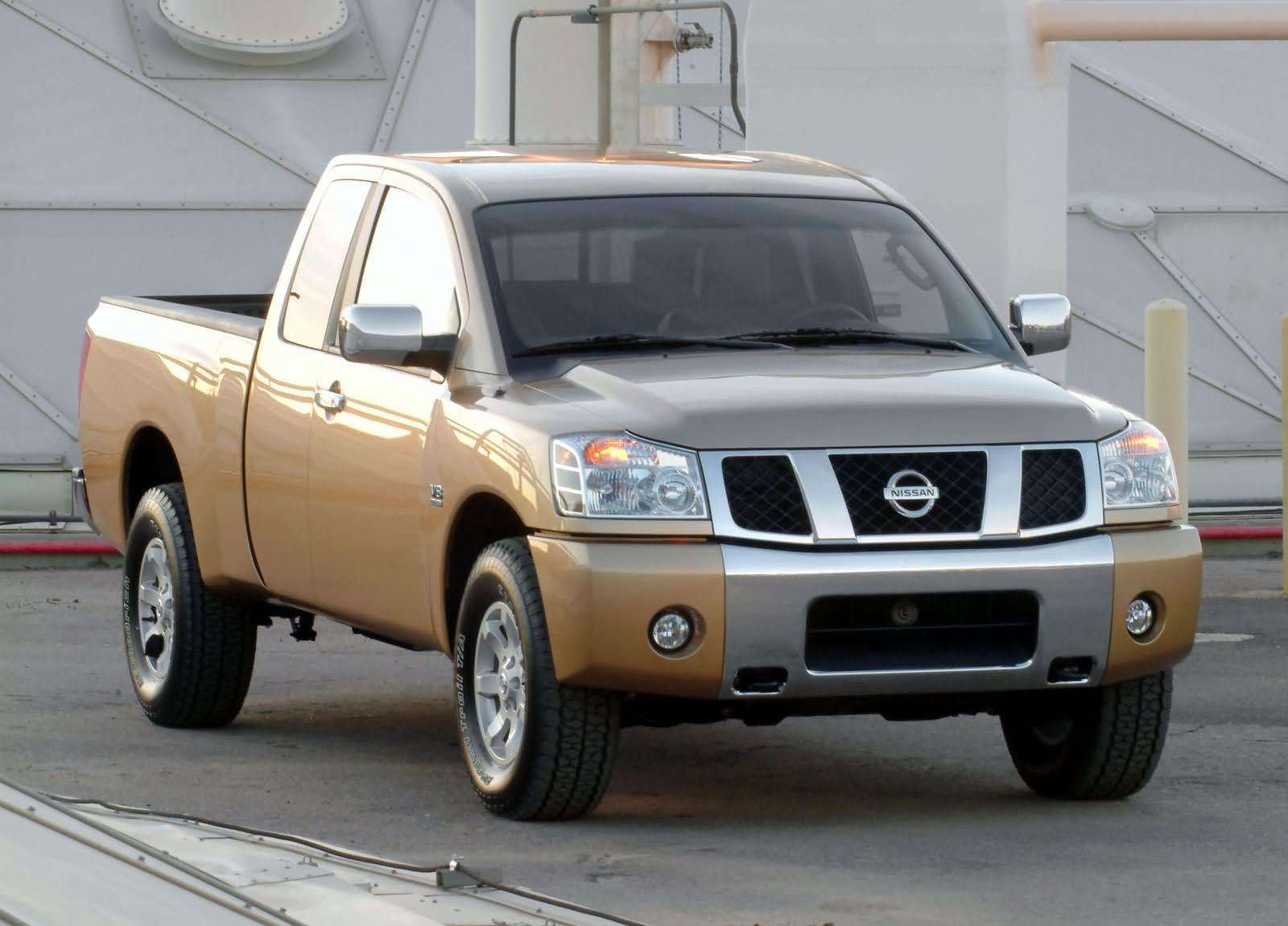
Even moderate towing or off-road use can accelerate wear, making the Titan less ideal for buyers seeking decades-long 4WD reliability. Nissan addressed some issues in later models, but early examples still dominate used truck markets in the US, leaving potential buyers wary.
The Nissan Titan has always stacked up well in terms of towing and hauling capability, and it’s earned praise for its design and on-road manners.
The problem is, those strengths haven’t translated into sales success, the Titan has consistently been one of the least popular full-size pickups on the market. For 2008, Nissan hopes to change that with updates aimed at broadening the truck’s appeal.
The biggest change is the introduction of a long-wheelbase model, extending the wheelbase by 20 inches and available on both extended-cab and crew-cab configurations.
For contractors and heavy haulers who previously found the Titan’s bed sizes limiting, the new setup offers more versatility: the long-wheelbase crew cab now has a 7-foot bed, while the extended cab stretches to an 8-foot bed.
Other updates include revised front-end styling, redesigned seats, a new center stack, and an updated gauge cluster.
On the tech and convenience side, the Titan now offers Bluetooth connectivity, factory-installed satellite radio, and a larger optional rear-seat entertainment screen. Nissan has also rolled out a new Pro-4X trim, essentially a renamed version of last year’s optional off-road package.
These improvements make the 2008 Titan the most well-rounded version yet. Even so, much of the spotlight remains on competitors like the Toyota Tundra and GM’s trucks, both of which received full redesigns the previous year. In a recent comparison test, the Titan placed behind the Tundra and Silverado, falling short in overall capability and comfort.
5. Honda Ridgeline (All Generations)
Although not a traditional pickup, the Honda Ridgeline’s AWD system shares similarities with transfer cases in conventional 4WD trucks.
The dual-motor setup used in early Ridgelines can experience actuator failures and fluid contamination, compromising long-term reliability.
Rather than trying to compete directly with hardcore, body-on-frame trucks in the midsize segment, the 2025 Honda Ridgeline stays true to its well-rounded formula, carrying over unchanged from last year.
In 2024, Honda refreshed parts of the Ridgeline’s interior, added new tech features, and introduced the off-road-oriented TrailSport trim.
Built on a unibody platform, the Ridgeline takes a different approach from traditional pickups, going up against rivals like the Chevrolet Colorado, Ford Ranger, and Toyota Tacoma.
The Ridgeline has its share of critics, but it remains one of the most appealing midsize trucks on the market. Thanks to its unibody construction and fully independent suspension, it’s more comfortable and engaging to drive than typical body-on-frame competitors.
Power comes from a strong V-6 engine that delivers brisk acceleration, though towing capability trails behind key rivals. The truck’s five-foot bed isn’t the largest, but it’s enhanced by a versatile underfloor storage compartment that doubles as an ice chest, along with a clever two-way tailgate.
Interior updates for 2024 brought larger displays, wireless smartphone connectivity, and additional storage space in the center console, making the cabin a more inviting place.
While the TrailSport trim isn’t expected to transform the Ridgeline into a hardcore off-roader, upgrades like all-terrain tires, a suspension lift and retune, and underbody protection should make light trail work easier.
A next-generation Ridgeline is likely on the horizon, though Honda has yet to confirm it. The current model’s interior is beginning to show its age compared to newer vehicles in the brand’s lineup, but as a practical, comfortable, and versatile midsize pickup, the Ridgeline still makes a compelling case for itself.
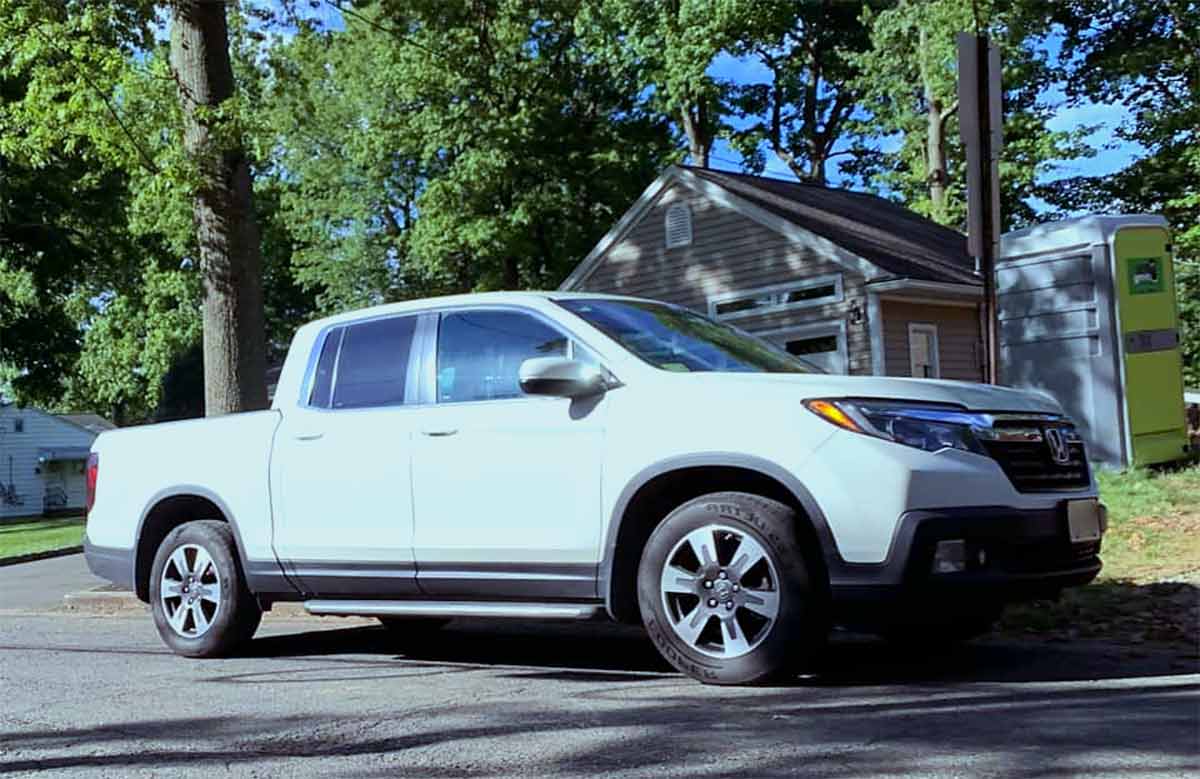
While the Ridgeline offers a smooth, car-like driving experience and light off-road capability, its drivetrain longevity doesn’t match the traditional 4WD trucks listed above, especially for buyers who need rugged off-road performance.
For American truck buyers, understanding the durability of a 4WD system can mean the difference between decades of reliable service and costly repairs.
Toyota Tacomas, Tundras, Ford F-150s, Chevrolet Silverados, and Jeep Wranglers/Gladiators stand out as trucks with 4WD systems built to endure both off-road adventures and heavy-duty work.
Conversely, certain Dodge Rams, Ford Super Duties, GMC Sierras, Nissan Titans, and Honda Ridgelines are prone to transfer case failures that can shorten the lifespan of their 4WD capabilities.
Whether navigating snowy streets, towing trailers, or exploring off-the-beaten-path trails, choosing a truck with a reliable 4WD system ensures confidence, capability, and peace of mind.