
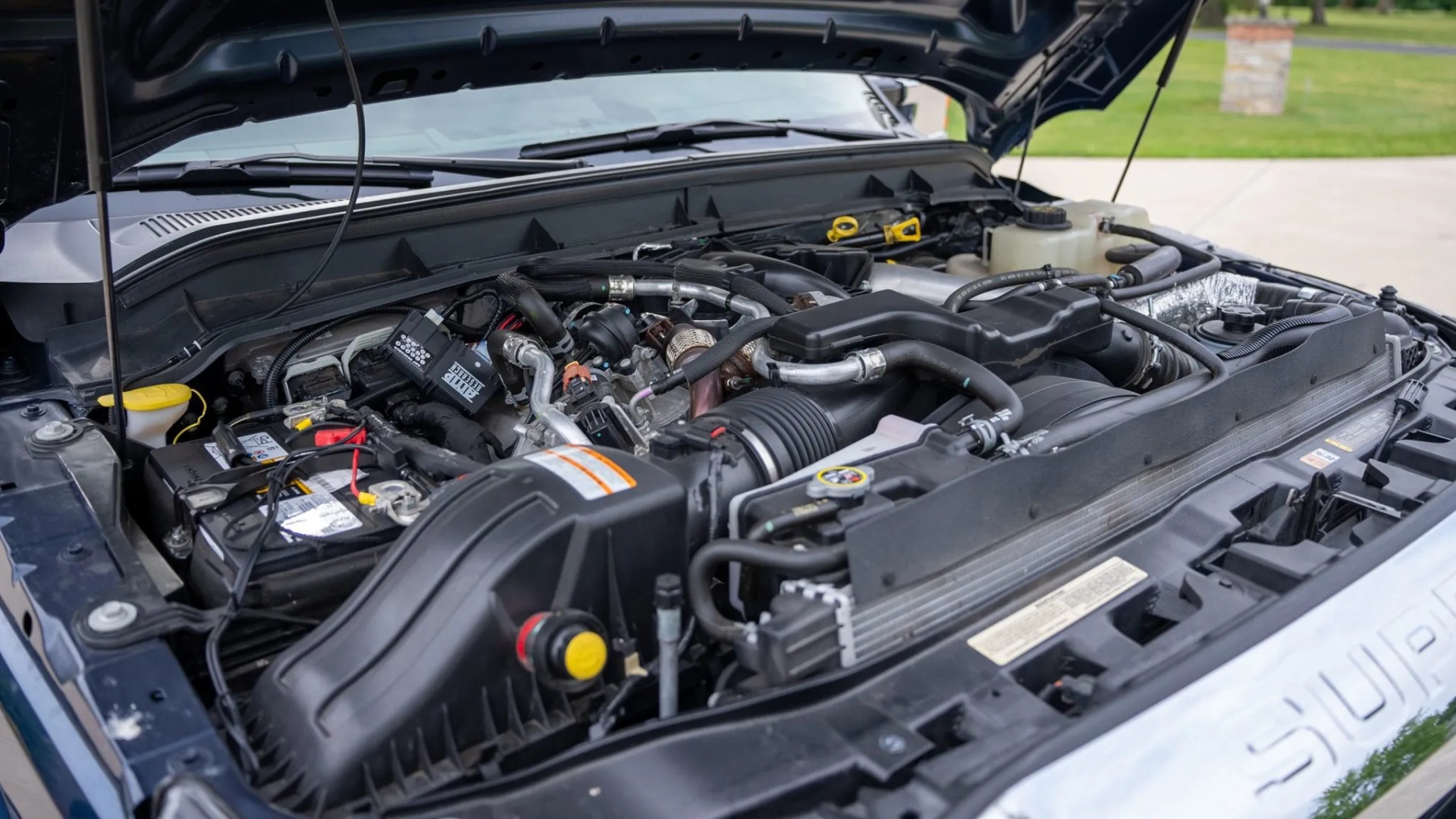
Car engines vary widely in durability. While some powertrains are engineered to handle rough use and inconsistent servicing without giving up, others demand strict maintenance routines if they are to last.
For people who want to buy a vehicle without worrying too much about regular checks, certain engines stand out for their toughness. On the opposite side, some engines may look promising on paper but are known to fail quickly if their owners ignore scheduled servicing.
Drivers sometimes face periods when they cannot give their vehicles all the care they need. It could be due to financial reasons, busy schedules, or simply a lack of awareness about what the manufacturer recommends.
In such cases, an engine that tolerates neglect becomes a lifesaver. These engines may not deliver peak efficiency when maintenance is skipped, but they can still run for long periods without serious problems. They often have simpler designs, reliable components, and fewer parts that can cause trouble.
Some engines, however, cannot cope with missed oil changes, poor-quality fuel, or overdue timing belt replacements. They can quickly develop serious issues such as overheating, valve damage, or even complete failure. The repair costs for these engines can be high, making them poor choices for people who do not plan to follow strict maintenance schedules.
We will discuss each engine based on its design, common issues, and long-term reliability. By the end, you will have a clear idea of which engines are safer bets if you expect irregular maintenance and which ones to avoid if you cannot promise consistent care.
5 Affordable Engines That Survive Neglect
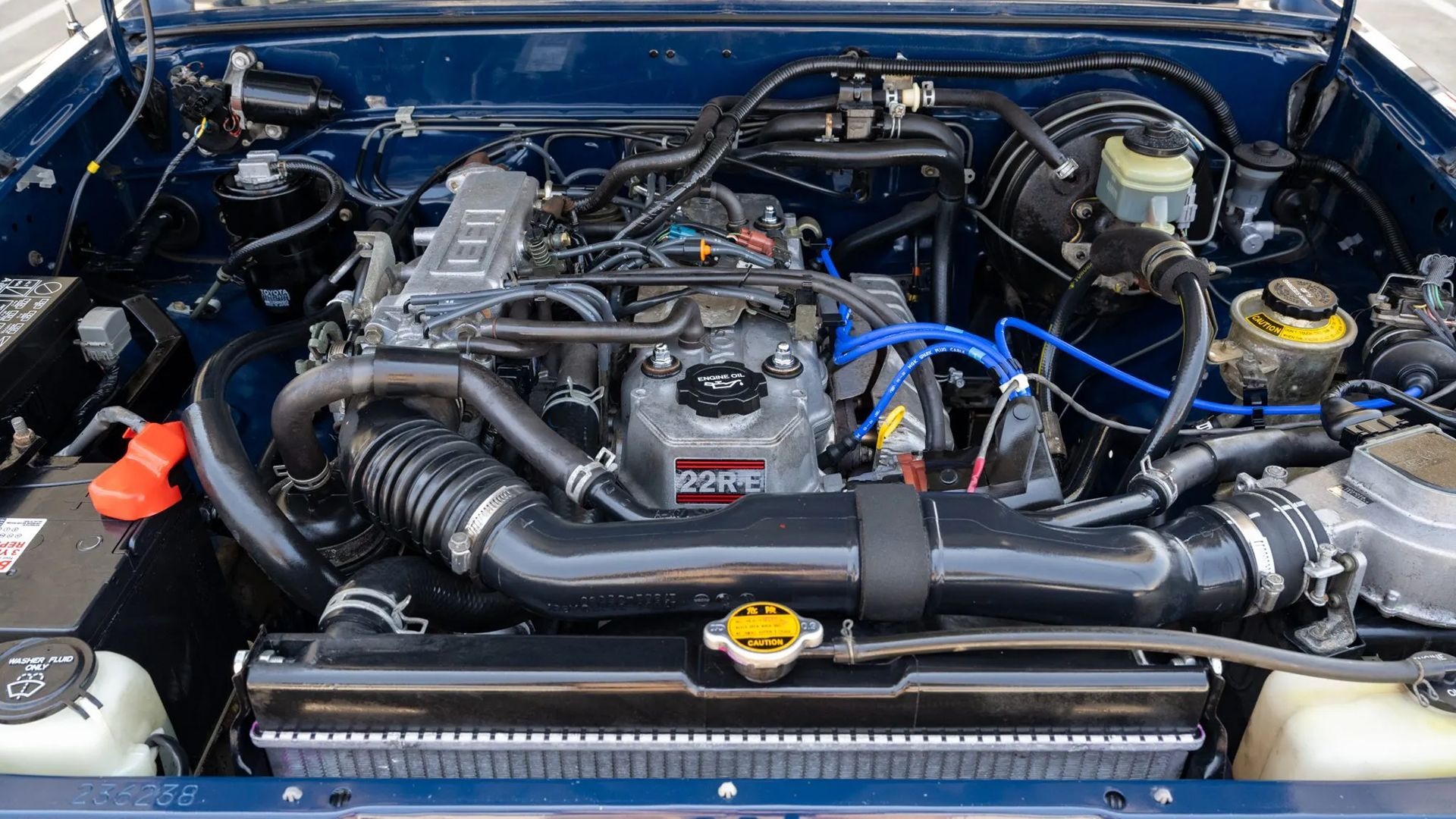
1. Toyota 22R/22RE
Toyota’s 22R and 22RE engines have built a reputation as some of the toughest four-cylinder motors produced. Found in older Toyota pickups and 4Runners, they are designed with simplicity in mind. Their cast-iron blocks, robust internal components, and conservative engineering mean they can operate reliably even when oil changes are missed or coolant quality is poor.
Owners have reported these engines lasting over 300,000 miles without major repairs, even in harsh environments. The 22R series benefits from an overhead camshaft design that is easy to service.
The fuel-injected 22RE version offers better cold starts and improved efficiency compared to its carbureted predecessor. The engines tolerate dusty air conditions, poor fuel quality, and irregular servicing without quickly wearing out. They are slow compared to modern engines, but this lack of strain helps them live longer.
One of the reasons they survive neglect is the generous oil capacity and low compression ratio. The thick cylinder walls resist cracking, and the timing chain system, while prone to wear over many years, is forgiving if replaced late. Even when gaskets leak, the engines often keep running without catastrophic damage.
These engines are not completely maintenance-free. Neglecting them for too long can still cause timing chain noise, worn valve seals, or oil leaks. However, the cost of repairs is usually low, and parts are widely available. Many mechanics can work on them without special tools, which keeps repair expenses down.
For buyers seeking a used vehicle with an engine that will not easily break down under inconsistent care, the Toyota 22R and 22RE are among the best options. Their proven durability in both city use and off-road conditions makes them a safe choice for those who value reliability over speed.
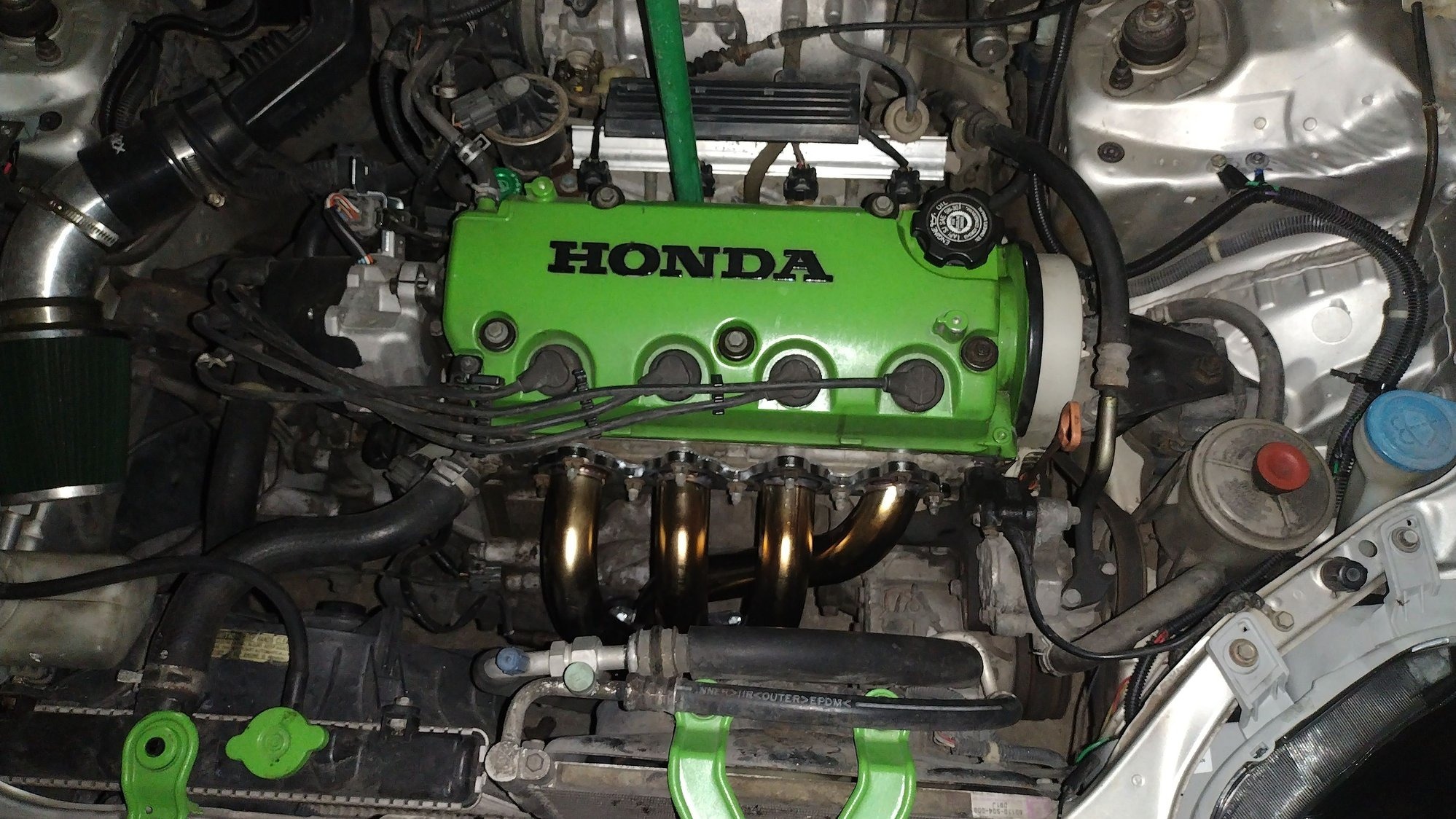
2. Honda D Series
Honda’s D Series engines, used in models like the Civic from the late 1980s to early 2000s, are another example of affordable, low-maintenance motors. They were designed to be lightweight, efficient, and long-lasting. Even when owners skip oil changes or delay valve adjustments, these engines tend to keep running with minimal complaints.
The simple single overhead camshaft setup reduces the number of moving parts that can fail. Honda’s engineering ensures good cooling performance, which means the engine is less likely to overheat under neglect.
Fuel economy remains decent even when the engine is not in perfect condition. Many D Series engines have been driven hard by young owners who performed little maintenance, yet they have survived well past 200,000 miles.
A big reason for their durability is the quality of the materials used. The cylinder head resists warping, the pistons hold compression well, and the timing belt system can sometimes last beyond its replacement interval without immediate damage. Although replacing a broken timing belt will stop the engine, many have gone beyond the recommended mileage before failure.
These engines are not immune to issues. Oil leaks from the camshaft seals, and minor coolant seepage from the head gasket can occur. However, these problems rarely cause sudden failure unless ignored for many years. Parts are cheap and easy to find, and many owners carry out basic repairs at home without professional help.
For someone wanting a low-cost car with an engine that will forgive occasional neglect, the Honda D Series is a solid choice. It offers a good balance between efficiency and resilience, making it a dependable daily driver.
Also Read: 5 Turbo Engines That Stay Reliable and 5 That Always Break
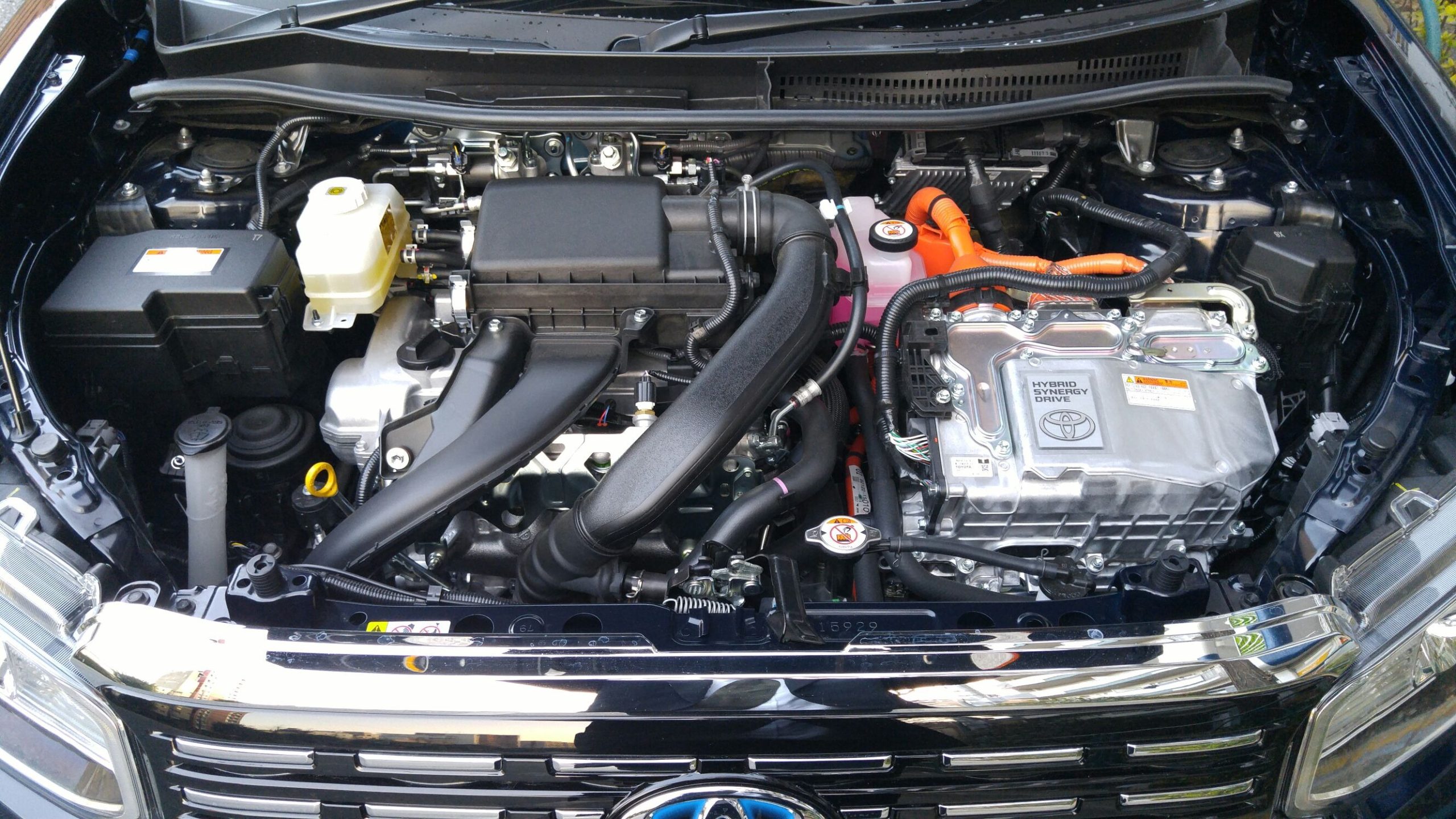
3. Toyota 1NZ-FE
Toyota’s 1NZ-FE engine is a 1.5-litre four-cylinder powerplant that has served in many Toyota models, such as the Yaris, Vios, and some Corolla trims. It is an engine designed with long life in mind, even when servicing is inconsistent.
Many taxis in different parts of the world have used this engine for years with little more than oil top-ups and occasional spark plug changes. One reason this engine handles neglect well is its simple design. It uses a timing chain instead of a belt, which means there is no scheduled replacement interval for that component.
Even if oil changes are skipped, the chain is less likely to fail suddenly. The cast-aluminium block keeps the weight low while retaining strength. The cooling system is also well-designed, which prevents overheating unless coolant levels drop drastically.
Fuel economy remains impressive even after years of wear. The 1NZ-FE does not need high-octane fuel to run well, so drivers can use regular petrol without harming the engine. The low compression ratio allows it to operate under less stress, which contributes to its ability to withstand missed maintenance.
That said, this engine can develop oil consumption problems after many years, especially if oil changes are skipped frequently. Valve cover gasket leaks and dirty throttle bodies are also common in neglected units. However, these issues rarely lead to sudden engine death. They can be managed at low cost and with minimal downtime.
For buyers looking for a budget-friendly engine that can handle periods of poor servicing, the Toyota 1NZ-FE is one of the safer bets. Its combination of chain-driven timing, efficient cooling, and forgiving design makes it a long-lasting companion for drivers who cannot always follow the maintenance schedule to the letter.
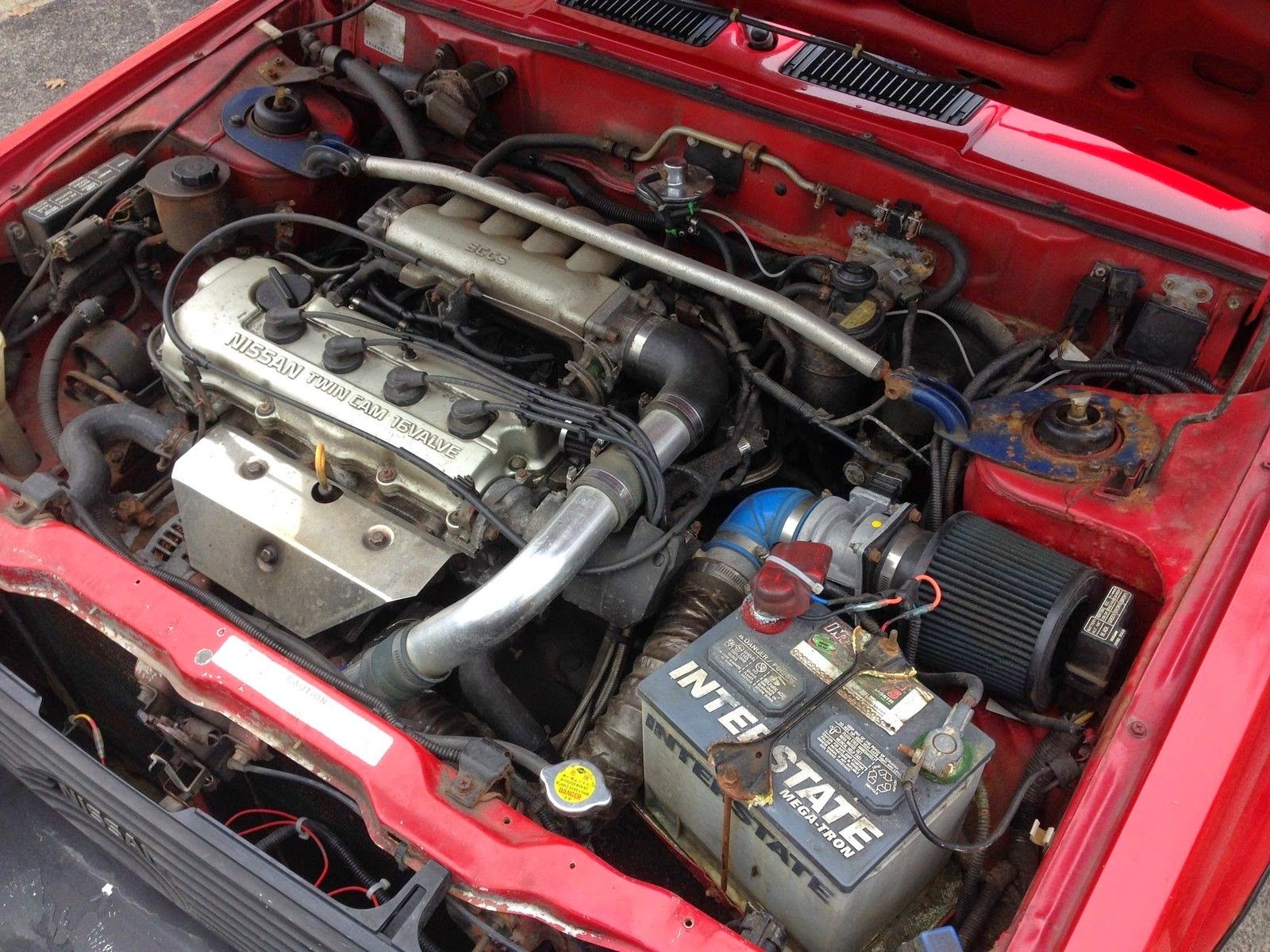
4. Nissan GA16DE
The Nissan GA16DE is a 1.6-litre inline-four engine that was widely used in the Nissan Sentra and some other compact models during the 1990s and early 2000s. Known for its ability to keep going despite poor maintenance, it is a favourite among people who just want a car that starts every morning without drama.
The GA16DE has a cast-iron block and aluminium cylinder head, a combination that offers both durability and efficient cooling. The engine uses a timing chain, which removes the need for regular belt changes. Even when the chain gets noisy, it often continues to function for thousands of miles before requiring attention.
Owners have reported driving these engines for years with only occasional oil changes, yet the engines still perform reliably. The multi-point fuel injection system is simple and rarely clogs unless the fuel quality is extremely poor. Even then, cleaning the injectors is an inexpensive task.
This engine’s forgiving nature comes from its conservative design. It is not built to produce high horsepower, which means internal components are rarely stressed to their limits. When neglected, it may develop small oil leaks or idle problems, but it almost never fails catastrophically unless completely abused.
Spare parts are widely available and affordable, and most mechanics are familiar with their construction. The GA16DE’s ability to tolerate neglect makes it suitable for students, budget-conscious drivers, or anyone buying an older used car with an uncertain service history. While it is not a performance engine, it is a dependable choice for basic transportation.
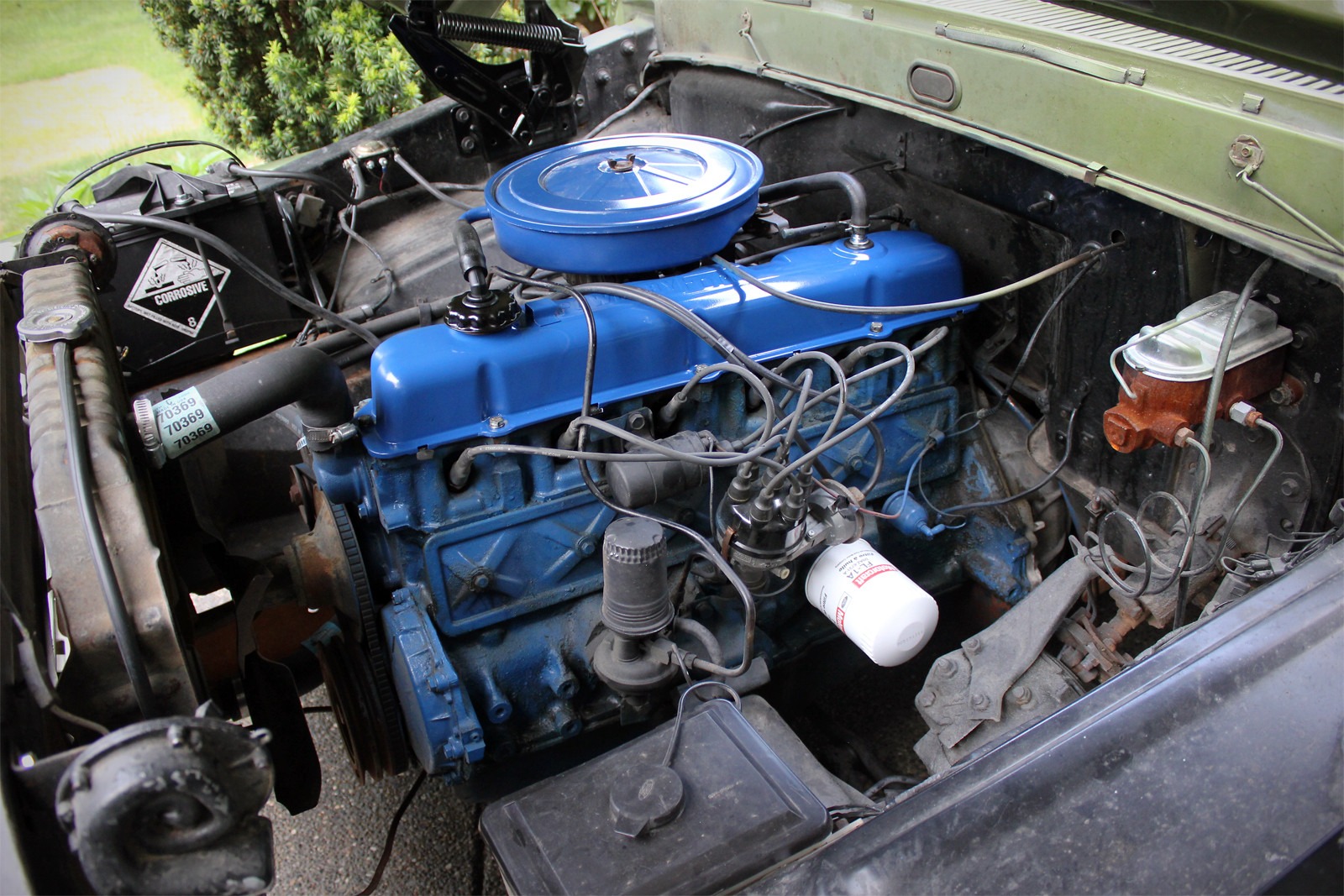
5. Ford 4.9-Litre Inline-Six (300 CID)
Ford’s 4.9-litre inline-six, also known as the 300 cubic-inch engine, earned its place in automotive history by powering generations of Ford trucks and vans from the mid-1960s into the 1990s. It has long been regarded as one of the most durable engines ever fitted in a work vehicle, especially when compared to more modern designs that rely heavily on electronics.
This engine is built for endurance rather than speed, and it is almost impossible to destroy through ordinary neglect. Its design is straightforward and exceptionally strong. The cast-iron block and head make it heavy, but they also give it incredible resistance to cracking or warping.
The long-stroke layout delivers strong low-end torque, making it ideal for towing, carrying heavy loads, or handling farm work. Even when oil changes are skipped, air filters get clogged, or spark plugs are long overdue for replacement, this engine continues to start and run without complaint.
There are countless accounts of 4.9-litre inline-six engines surpassing 400,000 miles with only basic upkeep. While the older carbureted versions can require occasional tuning, the fuel-injected models introduced later offer better fuel economy, smoother starts in cold weather, and fewer maintenance demands.
Neglect can lead to issues like oil sludge buildup, worn gaskets, or small exhaust leaks, but the engine’s slow operating speed and thick internal components help prevent sudden, catastrophic failure. Even when repairs are needed, parts are inexpensive and widely available, and most mechanics can service it without special tools.
For truck owners who value a powerplant that can tolerate irregular maintenance and still perform its duties for decades, the Ford 4.9-litre inline-six remains a clear choice. It may not win races, but it will keep going long after other engines have stopped.
5 Affordable Engines That Do Not Survive Neglect
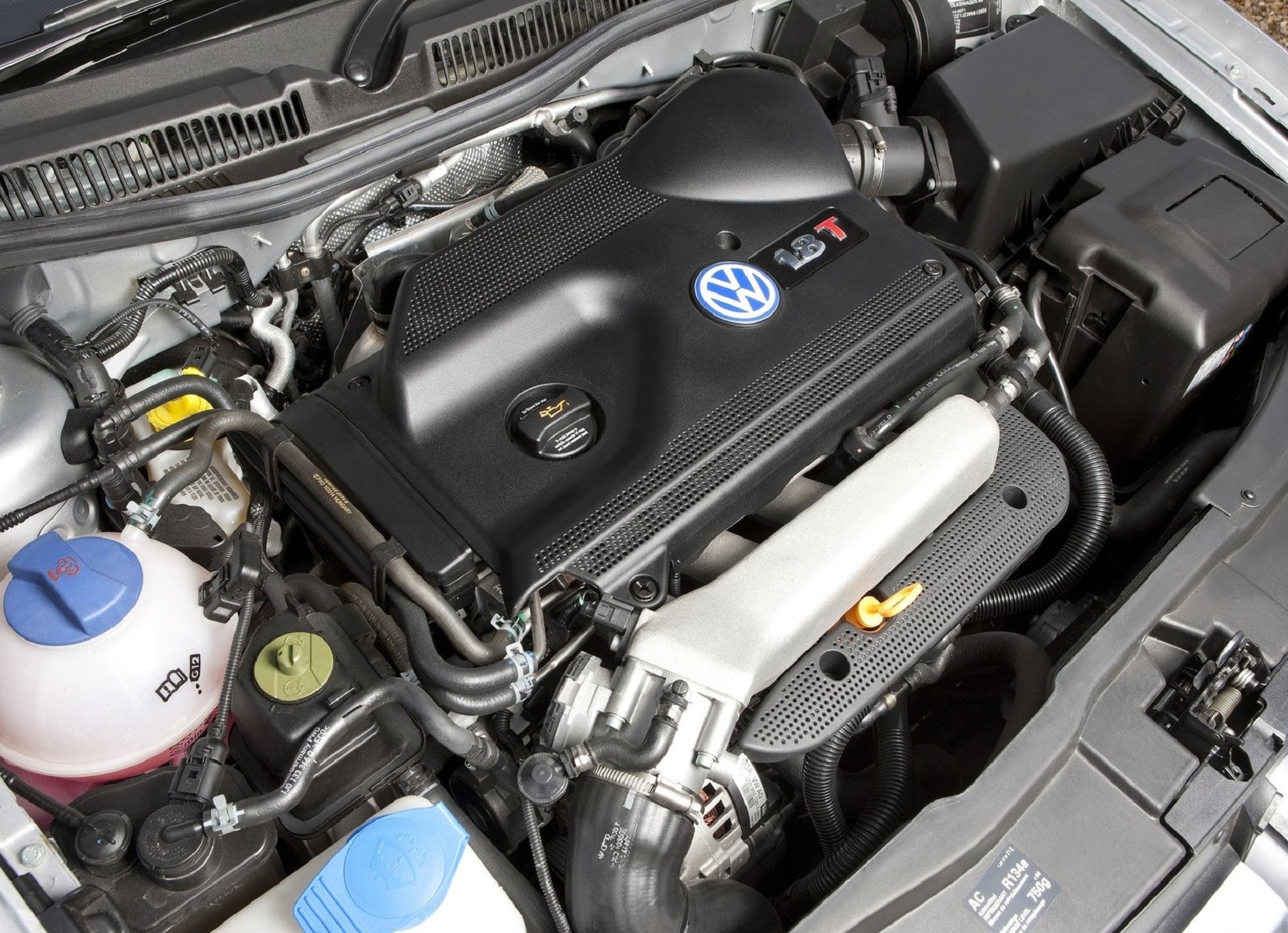
1. Volkswagen 1.8T (Early Models)
Volkswagen’s early 1.8-litre turbocharged engine, used in models like the Jetta, Passat, and Audi A4 during the late 1990s and early 2000s, is known for its performance and smooth operation. However, it is highly sensitive to missed maintenance. Owners who ignore oil changes or use the wrong type of oil often face costly repairs.
The turbocharger and small oil passages mean this engine requires high-quality synthetic oil to prevent sludge buildup. If oil is not changed regularly, the turbo can fail, leading to expensive replacements. Sludge can also block vital oil flow to the camshafts and bearings, causing severe engine damage.
The 1.8T uses a timing belt that must be replaced on schedule. Neglecting this service can result in the belt snapping, which will bend valves and pistons. This is an interference engine, so there is no forgiveness if the timing is lost.
Cooling system problems are also common in neglected 1.8T engines. Plastic components such as the thermostat housing and coolant flanges can crack with age, leading to overheating. Without a quick repair, overheating will warp the cylinder head and cause head gasket failure.
While the 1.8T is a strong performer when maintained, it is one of the worst choices for buyers who cannot keep up with service intervals. Neglect quickly leads to expensive problems that can exceed the value of the car.
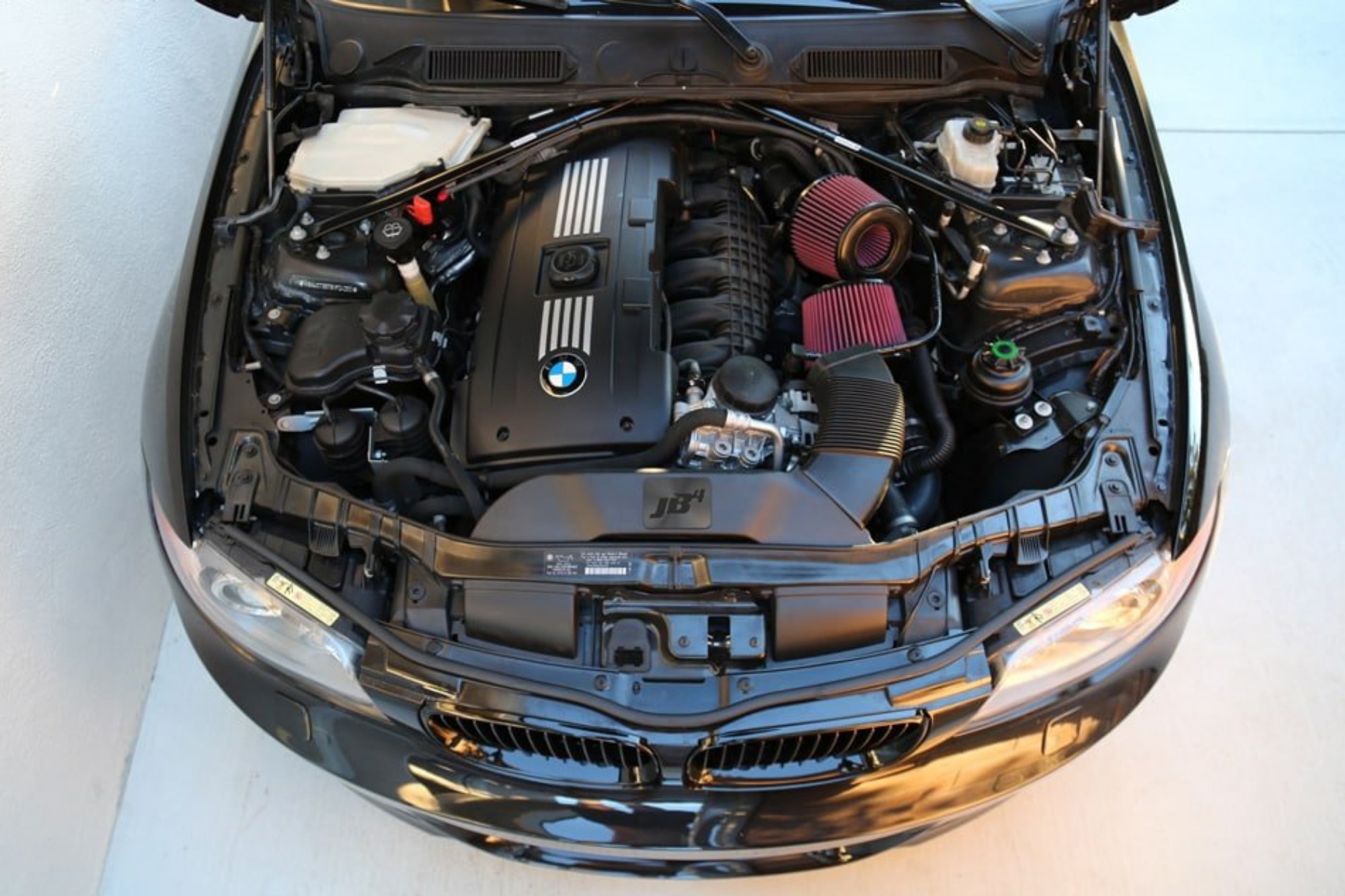
2. BMW N54
The BMW N54 is a 3.0-litre twin-turbocharged inline-six engine introduced in the mid-2000s, powering models like the 335i, 135i, and some Z4 and 5 Series variants. While it delivers strong performance and smooth acceleration, it is far from a low-maintenance powerplant. Owners who fail to stick to frequent servicing quickly discover how unforgiving this engine can be.
One of the main reasons the N54 does not tolerate neglect is its high-performance design. Twin turbos produce serious heat, which puts extra stress on components. The cooling system must be in top condition at all times to avoid overheating. Any lapse in maintenance can cause the turbos to fail prematurely, and replacing them is costly.
The N54 also suffers from carbon buildup on the intake valves, a problem that worsens if oil changes are delayed or poor-quality fuel is used. Without regular cleaning, performance drops sharply and misfires become common. The direct injection system, while efficient, is sensitive to contamination, meaning the fuel filter and injectors require timely attention.
Another critical issue is the electric water pump, which can fail without warning. If coolant maintenance is skipped, the pump’s lifespan shortens dramatically, leading to overheating and possible head gasket damage. The high-pressure fuel pump is also prone to failure and demands clean fuel to last.
When this engine is maintained with precision, it can deliver thrilling performance and a smooth driving experience. But in the hands of an owner who ignores service intervals, it becomes one of the most expensive engines to keep alive. A neglected N54 can develop multiple issues at once, resulting in repair bills that can exceed the car’s resale value. For buyers unable to commit to meticulous upkeep, this engine is best avoided.
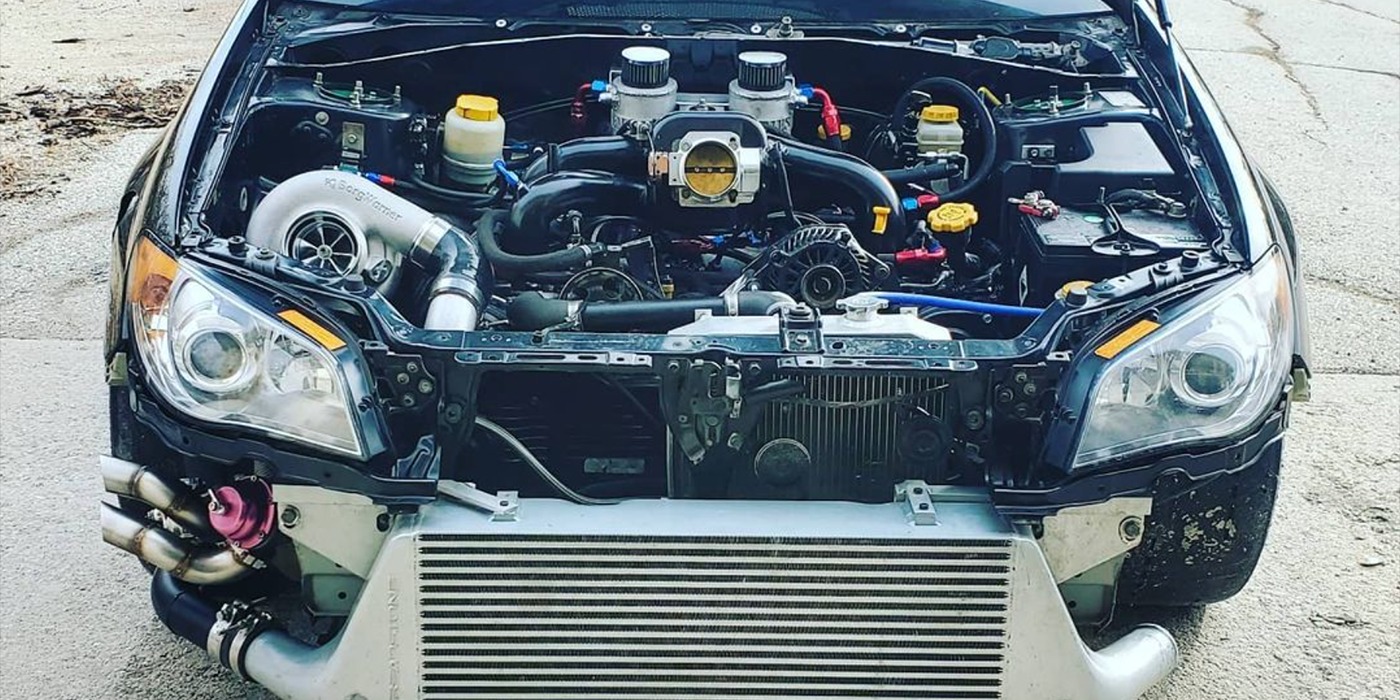
3. Subaru EJ25 (Early Versions)
Subaru’s EJ25 engine, especially those used in the late 1990s and early 2000s, is well known for its tendency to develop head gasket problems. While some owners have kept these engines running for long periods, the truth is that they are highly sensitive to missed maintenance.
The flat-four boxer design has advantages for handling balance, but it also means the head gaskets are positioned in a way that makes them prone to leaking if cooling system care is ignored. Skipping coolant flushes or allowing the engine to run low on coolant increases the risk dramatically. Once the gaskets fail, coolant can leak into the combustion chambers or oil system, leading to serious damage.
The timing belt on the EJ25 is another maintenance item that cannot be ignored. If it breaks, the engine’s valves can collide with the pistons, causing expensive internal repairs. Regular oil changes are also critical, as these engines can consume oil without obvious leaks. If the oil runs low, bearing damage occurs quickly.
Many neglected EJ25 engines show signs of overheating, oil contamination, or loss of compression well before they reach 150,000 miles. The repair process for head gasket failure is labour-intensive and costly, making it uneconomical for many owners.
When cared for properly, the EJ25 can deliver smooth power and good low-end torque. However, the margin for neglect is very small. Skipping even one major service can trigger a chain of problems that lead to complete engine failure. Buyers who cannot commit to regular servicing should steer clear of this engine.
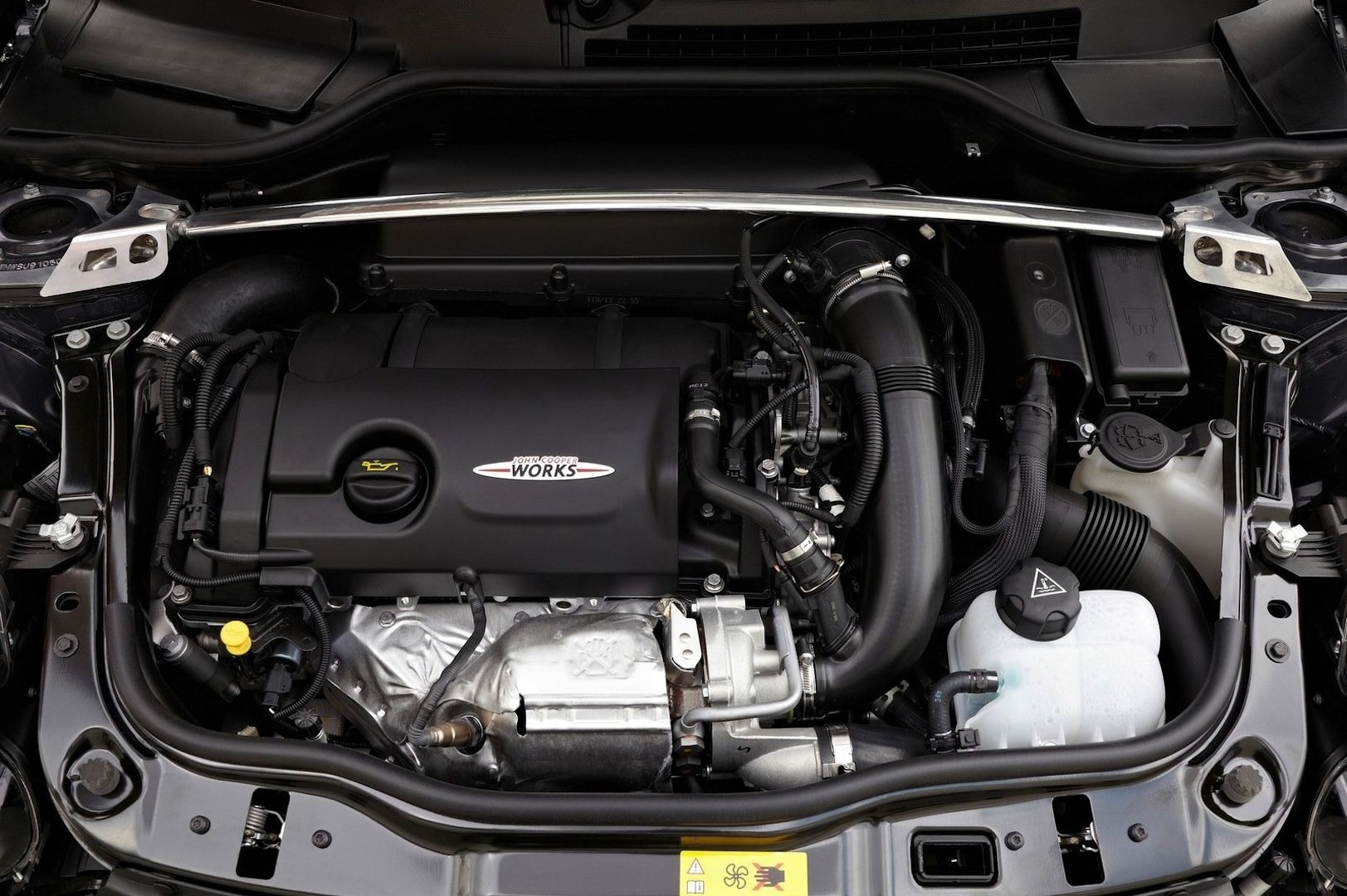
4. Mini Cooper 1.6L Tritec and Prince Engines
The early Mini Cooper models used the 1.6-litre Tritec engine, while later ones adopted the 1.6-litre Prince engine co-developed with Peugeot. Both power plants are known for their fun performance, but both are also infamous for poor tolerance to neglect.
The Tritec engine, used in the first-generation Mini, suffers from timing chain tensioner wear if oil changes are delayed. Once the tensioner fails, the chain can stretch or jump teeth, causing major damage. This engine also runs hot, so any cooling system issue can quickly escalate into overheating.
The later Prince engine, fitted in the second-generation Mini, is even more sensitive. It has a more complicated valve timing system and uses a timing chain setup that demands clean, fresh oil to function properly. Neglected oil changes cause the chain to stretch and rattle, eventually leading to complete failure. Carbon buildup is another common problem in neglected Prince engines, affecting performance and causing misfires.
Both engines have small oil capacities, which means missing even one oil change interval can have serious consequences. Overheating issues are made worse by the cramped engine bay, where heat builds up quickly. The water pump and thermostat housing are also prone to failure, and ignoring coolant leaks will almost always result in head gasket problems.
Mini Coopers with well-maintained engines can be enjoyable cars, but buying one with a questionable service history is risky. Repair costs are high for the brand, and neglect can turn a fun small car into a very expensive burden.
Also Read: 5 V8 Engines That Refuse to Quit and 5 That Self-Destruct
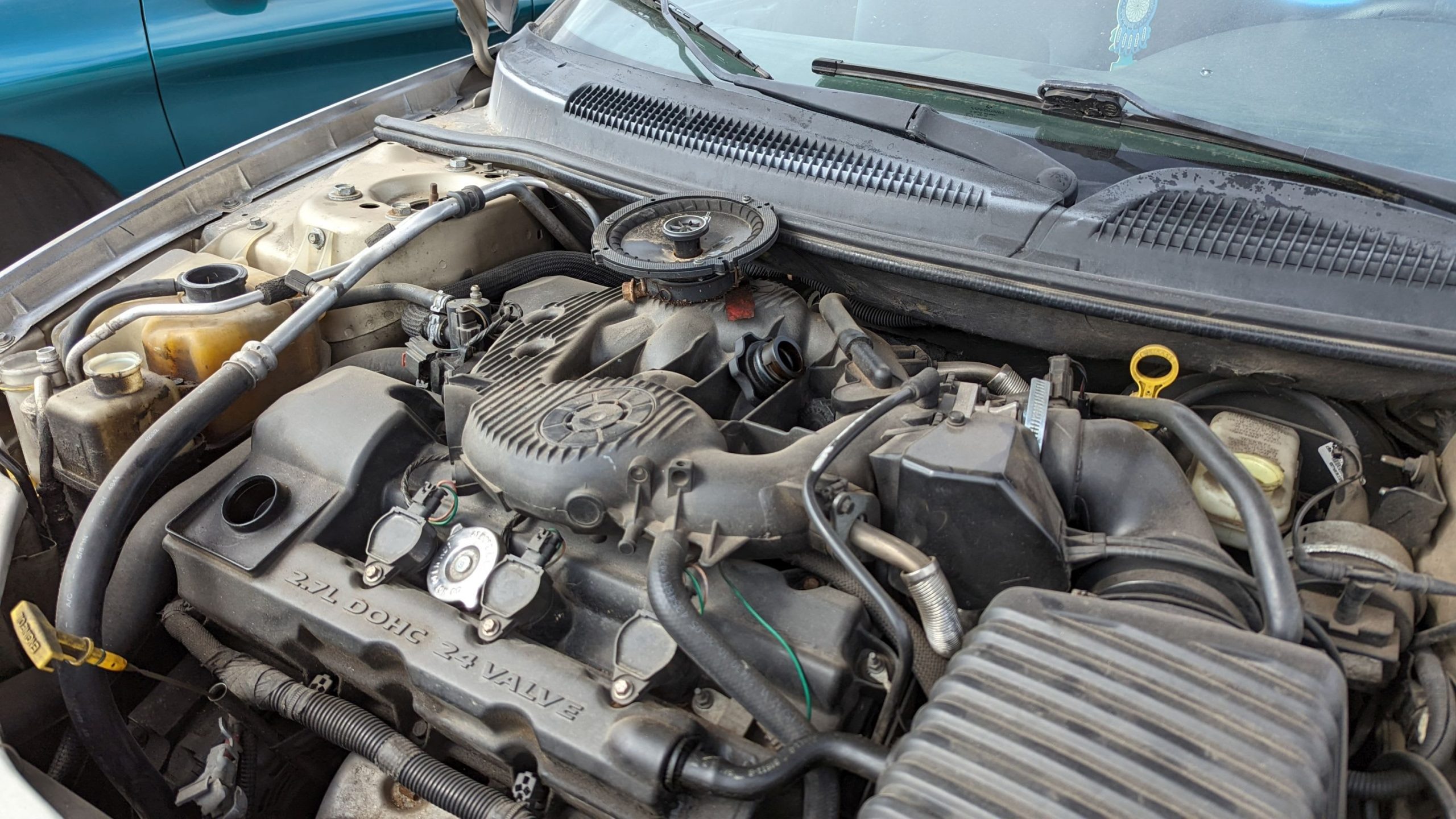
5. Chrysler 2.7L V6
Chrysler’s 2.7-litre V6, used in models like the Dodge Intrepid, Chrysler Sebring, and Concorde in the late 1990s and early 2000s, has one of the worst reputations for surviving neglect. This engine is extremely prone to sludge buildup, which can occur even with regular servicing if the wrong oil type is used.
The design has narrow oil passages and a high operating temperature, which means that any missed oil change or use of low-quality oil can quickly lead to lubrication failure. Once sludge forms, it blocks the oil pump pickup and starves the engine of lubrication, resulting in bearing damage or complete seizure.
The timing chain system also relies on proper oil pressure to function. If the oil system is compromised by sludge, the chain tensioners fail, leading to chain jump and internal damage. Coolant leaks into the oil, often caused by water pump failure, making the sludge problem worse.
Even when serviced properly, this engine has a shorter life expectancy compared to many others in its class. But when neglected, it often fails before reaching 100,000 miles. Repairing a badly sludged 2.7L V6 is expensive, and in many cases, replacing the entire engine is the only solution.
For buyers who cannot guarantee frequent oil changes and cooling system inspections, this engine should be avoided entirely. While it can perform well when new, it is one of the least forgiving designs when maintenance is ignored.
Choosing an engine that matches your maintenance habits can save you thousands in repairs and prevent stressful breakdowns. While some engines are built with forgiving designs that allow them to keep running even when owners skip a few services, others are engineered with tighter tolerances and more sensitive components that demand precise care.
When buying a used car, always match the engine’s maintenance sensitivity to your ability to provide care. This simple step ensures you choose a vehicle that will serve you well rather than drain your finances. A well-informed decision today can mean years of worry-free driving tomorrow.
