
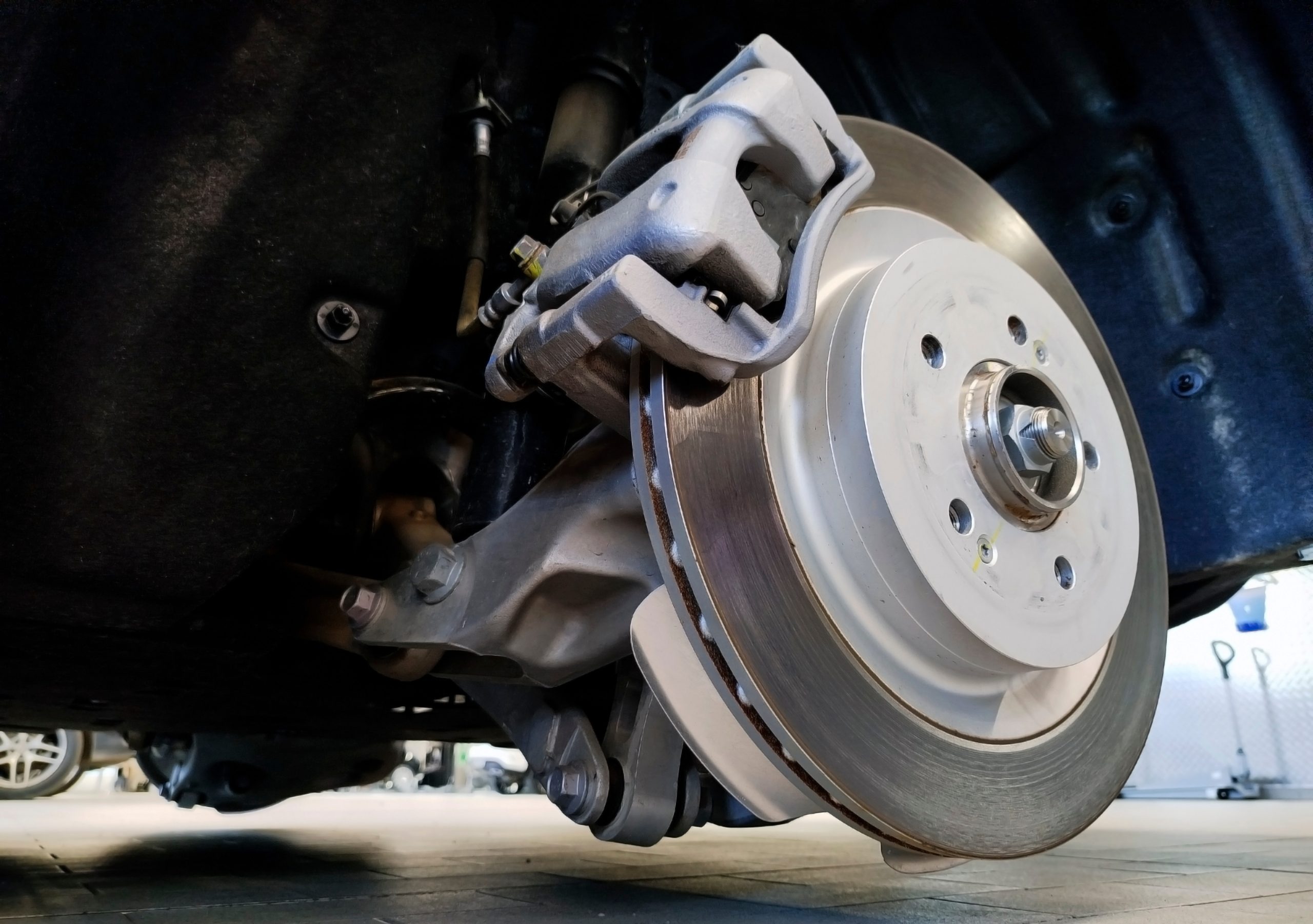
When people think about maintaining their SUVs, they often focus on oil changes, tire replacements, and regular inspections, but the brake system is one part that deserves equal attention.
Brakes do far more than simply slow down a vehicle; they are the primary safety feature that ensures you can stop when it matters most. For many drivers, the difference between a hassle-free ownership experience and constant garage visits can come down to how well an SUV’s braking components hold up under normal use.
Some models are engineered with sturdy brake rotors, high-quality calipers, and efficient cooling systems that allow them to last longer between servicing. Others are less fortunate, with designs that cause brake rotors to wear out quickly, sometimes even before the rest of the vehicle shows any other signs of aging.
Understanding which SUVs tend to require fewer brake repairs can save owners money and reduce the inconvenience of constant maintenance. However, knowing which ones frequently demand rotor replacements can help potential buyers plan their budgets better or reconsider their options entirely.
Brake wear depends on several factors, including the vehicle’s weight, driving style, rotor size, caliper quality, and the type of braking system installed. Heavier SUVs or those designed with smaller brake components often put more strain on the system, while models equipped with larger, ventilated rotors and advanced calipers usually fare better in the long run.
We will look at five SUV models known for rarely giving owners trouble with their brakes, followed by five others with a reputation for consuming rotors at a faster rate. Each section will explain why the SUV falls into its category, touching on engineering details, real-world experiences from owners, and factors that influence brake life.
This approach will help readers make informed decisions, whether they are considering a new purchase or trying to understand why their current SUV behaves the way it does.
SUVs That Rarely Need Brake Work
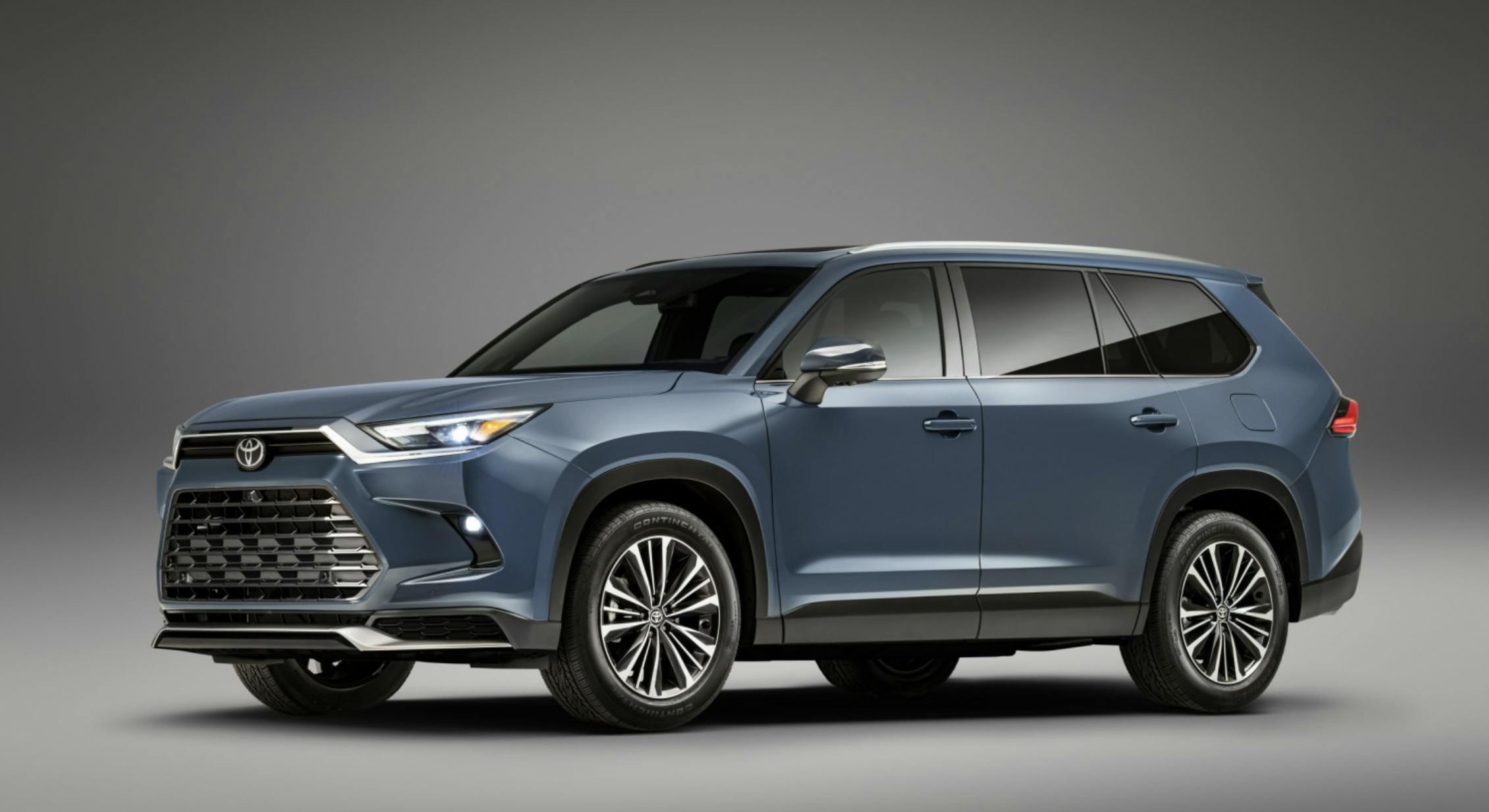
1. Toyota Highlander
The Toyota Highlander has earned a strong reputation for durability across many of its components, and its braking system is no exception. Many owners report that under normal driving conditions, the rotors and pads can last far longer than the industry average.
This can be traced to a combination of quality materials, careful engineering, and balanced weight distribution. The Highlander’s rotors are designed from high-carbon cast iron, which resists warping under heat and handles repeated braking without wearing down quickly.
Another advantage comes from Toyota’s use of ventilated rotors both in the front and rear. Ventilated rotors allow heat to escape faster during braking, reducing the risk of glazing or cracking. Heat is one of the main reasons brake rotors wear out, so this design choice directly impacts the lifespan of the braking components. The Highlander’s calipers are also well-matched to the size and weight of the vehicle, ensuring even pressure distribution on the pads.
Owners of Highlanders driven mostly in suburban or highway settings often go well beyond 60,000 miles before needing rotor replacement. Even in more demanding urban traffic, the wear rate is still better than what many competing SUVs experience. Brake fade is minimal, and there are fewer reports of vibrations under braking compared to some rivals.
The weight balance of the Highlander also plays a part. Because it is not overly heavy for its class and has a chassis that spreads the load evenly, no single wheel’s braking system bears too much stress. Toyota’s engineering philosophy prioritises a smooth, predictable braking feel, which encourages drivers to use steady pressure rather than harsh, sudden stops. As time goes on, this habit helps preserve the rotors.
Routine maintenance, like cleaning brake components during tire rotations and replacing pads before they are completely worn out, can push rotor life even further. For anyone seeking a family SUV that offers peace of mind when it comes to brake reliability, the Toyota Highlander remains a safe choice with a track record that supports its reputation.

2. Honda Pilot
The Honda Pilot stands out as another midsize SUV that typically requires less frequent brake work compared to many in its category. One of the main reasons lies in its balanced engineering and thoughtful component selection.
Honda equips the Pilot with large, ventilated brake rotors in the front and solid rotors in the rear that are proportioned to handle the vehicle’s size and weight without overstressing the system. This setup results in even wear patterns and improved rotor longevity.
Honda’s braking systems often have a reputation for smooth engagement and minimal vibration. The Pilot’s brake calipers are manufactured to maintain consistent pressure across the pad surface, which prevents uneven wear that can lead to premature rotor damage. Many owners report that they can drive their Pilot for years without experiencing brake pulsation or the need for frequent rotor machining.
The SUV’s moderate curb weight for its segment also contributes to brake life. Although it is a three-row SUV, the Pilot avoids excessive weight that could put more strain on the braking system. Combined with Honda’s suspension tuning, the result is a more stable ride that allows for controlled, gradual stops. This reduces the amount of heat generated in the rotors during everyday driving.
Another contributing factor is Honda’s focus on parts compatibility and quality. The rotors and pads are designed to work together seamlessly, ensuring consistent friction levels. This not only provides predictable stopping distances but also helps keep heat buildup within a safe range. When heat is well-managed, the likelihood of rotor warping drops considerably.
Drivers who regularly service their Pilot according to manufacturer recommendations often see impressive rotor life. Many have shared that they did not need a rotor replacement until well past 70,000 miles under typical driving conditions.
For those who want an SUV that blends family-friendly space with low brake maintenance costs, the Honda Pilot offers a dependable choice that consistently meets expectations.
Also Read: 5 SUVs That Hold Value and 5 That Tank at First Sale
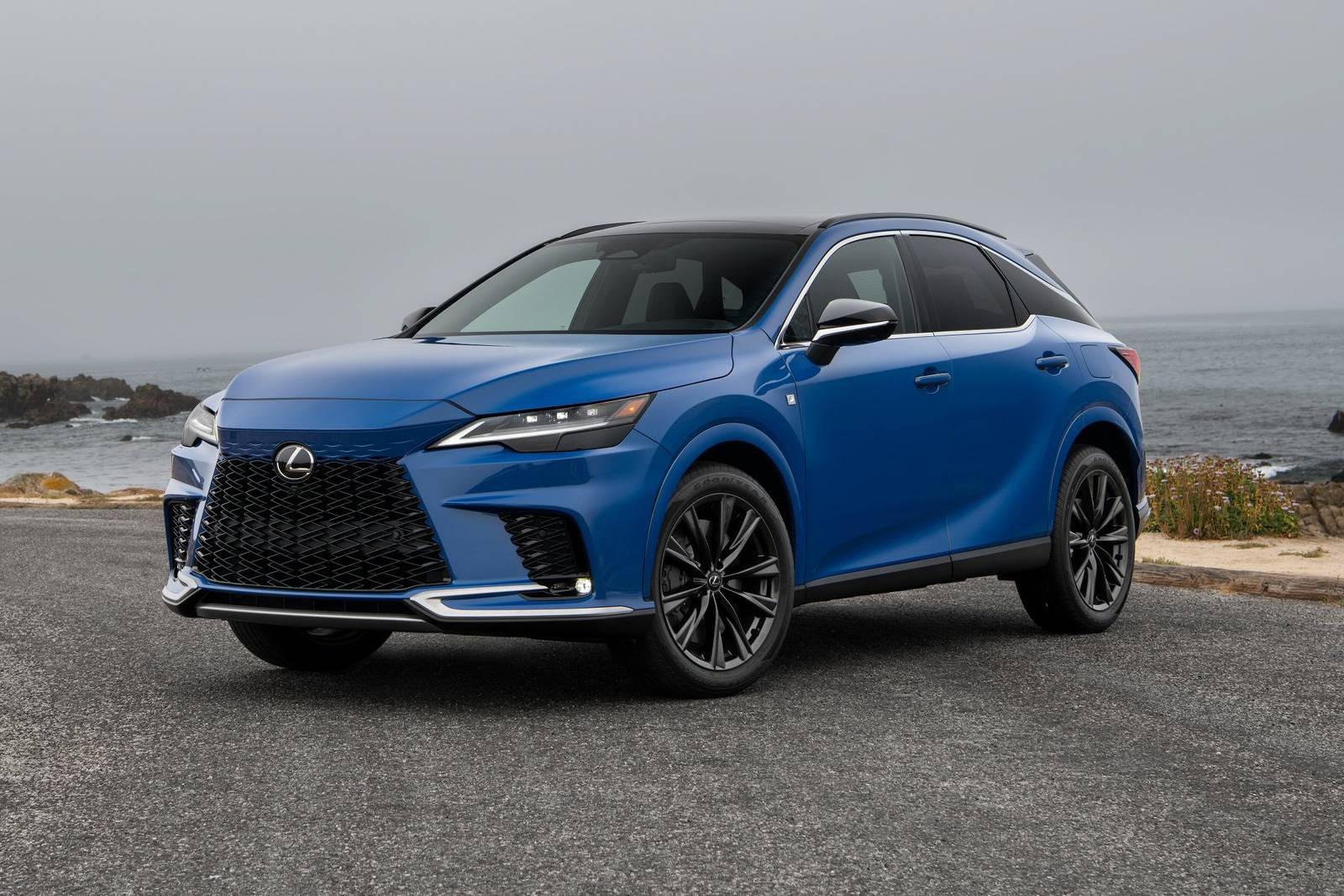
3. Lexus RX
The Lexus RX combines premium comfort with mechanical reliability, and its braking system is one of the areas where it consistently performs well. Many owners praise how rarely they have to visit a mechanic for rotor-related issues, even after years of daily use. One of the main reasons for this durability is the combination of high-quality brake components and the smooth driving characteristics encouraged by the RX’s design.
Lexus equips the RX with large ventilated rotors in the front and well-sized solid rotors in the rear. The ventilated design ensures heat dissipates effectively, which is crucial for maintaining rotor integrity. Heat management is a major factor in brake longevity, and the RX handles this aspect efficiently. The calipers are carefully matched to the rotor size, ensuring even pad pressure and consistent braking performance.
Another reason for the RX’s long brake life is its refined suspension and ride comfort. Because the SUV is tuned for smoothness rather than aggressive performance, most drivers operate it in a way that avoids sudden, hard stops. This gentle driving style results in less friction and less heat, both of which help preserve the rotors.
The RX is also lighter than some full-size SUVs, which means there is less mass for the brakes to control during deceleration. This reduced workload extends rotor lifespan. Many RX owners report that their original rotors last well beyond 60,000 miles, with some seeing closer to 80,000 miles before a replacement is needed.
Routine care, such as changing brake pads before they wear too thin and cleaning rotor surfaces during tire service, can keep the RX’s braking system in top shape for many years. For those who want a luxury SUV that balances performance, comfort, and low brake maintenance costs, the Lexus RX continues to stand out as a dependable choice.
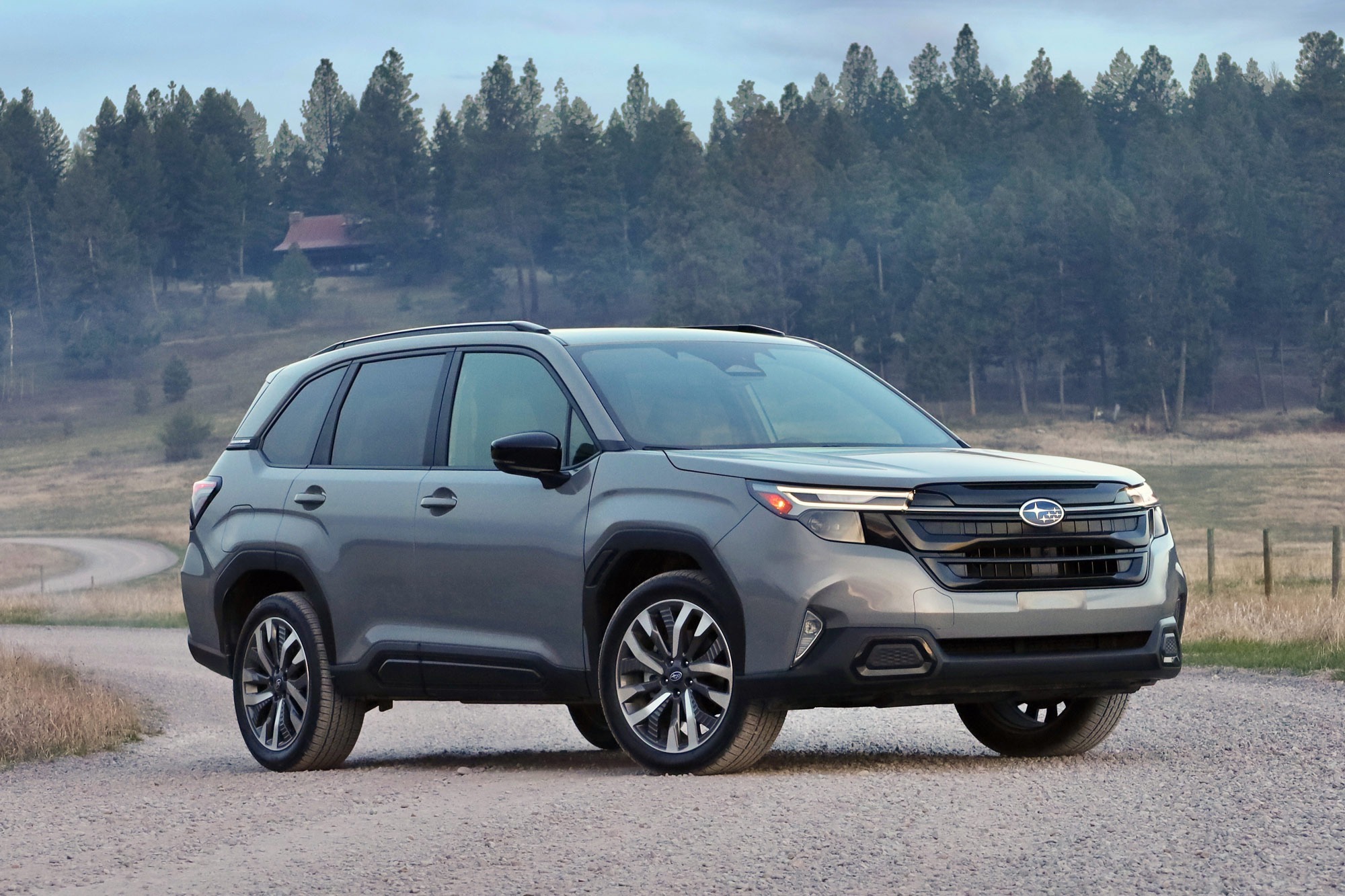
4. Subaru Forester
The Subaru Forester has built a name for itself as a dependable compact SUV with a practical design and a long service life for its brake components. This is partly due to Subaru’s symmetrical all-wheel drive system, which evenly distributes power and weight across all four wheels. This balanced distribution ensures that no single rotor bears excessive stress, allowing them to last longer under regular driving conditions.
The Forester is equipped with ventilated rotors in the front and solid rotors in the rear. This configuration offers effective heat dissipation in the front, where most braking force is applied, while keeping costs manageable with the solid rear rotors. Subaru also uses calipers designed to deliver uniform pressure, preventing uneven wear on the brake pads and avoiding early rotor damage.
Many Forester owners have reported that they can go well over 70,000 miles before needing rotor replacement. Even in stop-and-go city traffic, the wear rate tends to be less aggressive compared to some competing models. The moderate weight of the Forester for its size is another advantage, as lighter vehicles naturally put less strain on the braking system.
Another factor is the Forester’s driving personality. It is not built as a performance SUV that encourages hard acceleration and heavy braking. Instead, it promotes steady driving, which contributes to brake longevity. The combination of stable handling, evenly distributed weight, and well-sized braking components helps it maintain strong performance without frequent maintenance.
With proper care, including timely brake pad changes and occasional rotor surface cleaning, the Forester’s braking system can last for years before needing major attention. For buyers seeking an SUV with dependable all-weather capability and brakes that are unlikely to cause unexpected expenses, the Subaru Forester is a solid option.
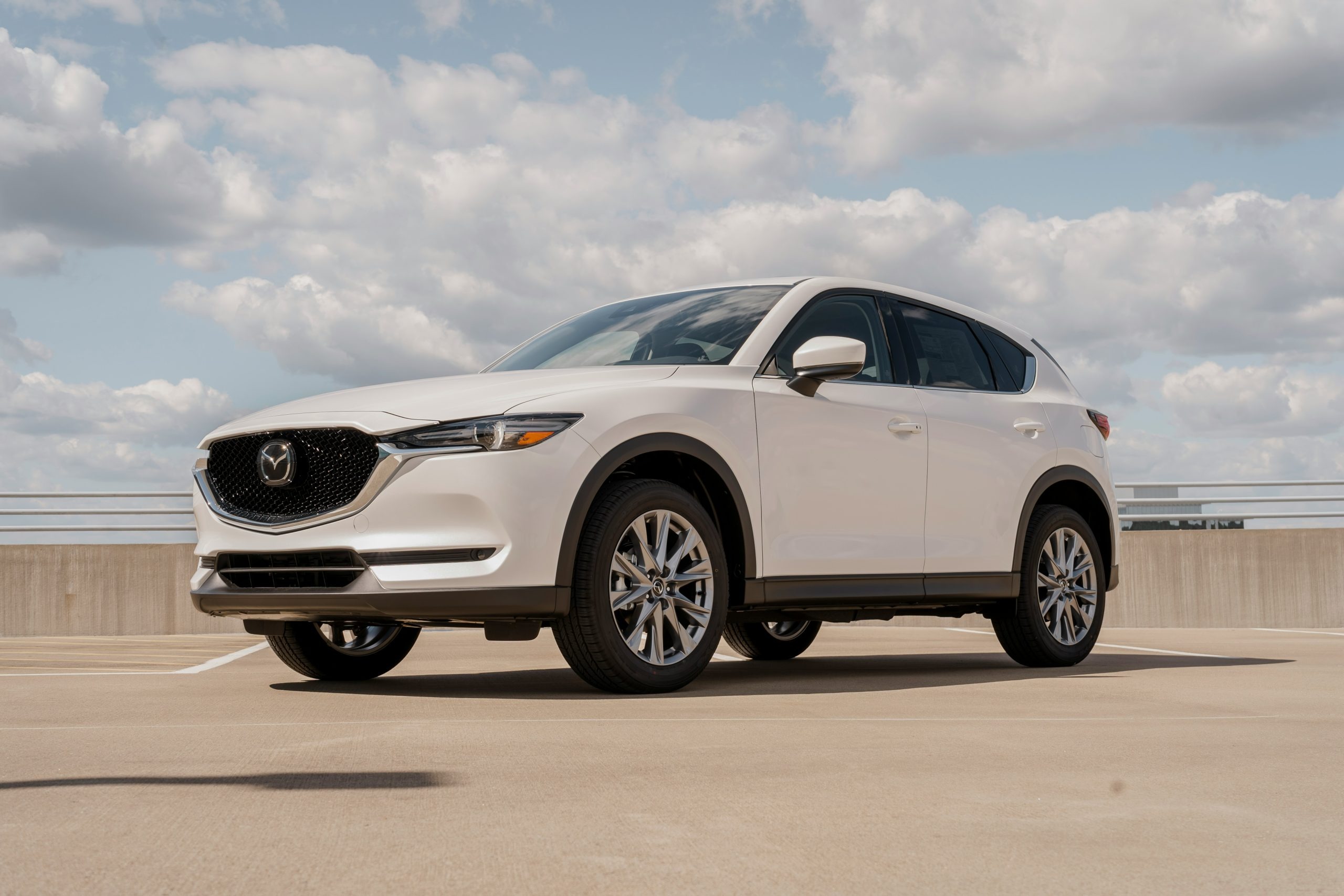
5. Mazda CX-5
The Mazda CX-5 blends sporty handling with reliability, and one area where it often impresses is brake durability. Mazda engineers have designed the CX-5’s braking system to match its responsive driving style without causing excessive wear on the rotors. The front ventilated rotors and solid rear rotors are sized appropriately for the vehicle’s weight, helping to maintain consistent performance over many miles.
The CX-5 benefits from a relatively light curb weight for a compact SUV, which means less mass for the brakes to control. This directly reduces rotor stress during braking. The ventilated design at the front improves cooling, allowing the system to handle repeated stops without overheating. Overheated rotors are more prone to warping and surface damage, so this feature plays a critical role in extending their lifespan.
Drivers often praise the CX-5’s pedal feel, which is responsive without being overly aggressive. This balance encourages smoother braking habits that preserve the rotors. Many owners report reaching 60,000 to 70,000 miles before considering rotor replacement, with some stretching even further depending on driving style and terrain.
The braking system also benefits from high-quality materials. Mazda uses rotors that resist corrosion and wear, which is especially valuable for drivers in areas with harsh winters or salted roads. Proper maintenance, including keeping the rotors clean and replacing brake pads before they are completely worn down, ensures the system continues performing well for years.
For drivers who want an SUV that combines engaging handling with minimal brake maintenance, the Mazda CX-5 delivers a satisfying balance. It offers strong stopping power, predictable performance, and rotor longevity that outperforms many rivals in its segment.
SUVs That Eat Rotors

1. Jeep Grand Cherokee
The Jeep Grand Cherokee is a capable SUV with impressive off-road and towing abilities, but one trade-off many owners have reported is frequent brake rotor replacement. The main issue comes from its weight combined with its performance-oriented design.
Whether equipped with a V6 or a more powerful V8, the Grand Cherokee carries substantial mass, and its brakes have to work hard to bring it to a stop. This heavy workload generates serious heat, which can cause rotors to warp or wear down sooner than expected.
The Grand Cherokee often uses rotors that, while large in diameter, are not always built from the most heat-resistant materials. As a result, after repeated heavy stops, especially during city driving or when towing, drivers may experience vibrations or pulsations in the brake pedal. These symptoms often indicate that the rotors are no longer perfectly smooth and may need resurfacing or replacement.
Another factor is the driving style that the Grand Cherokee encourages. With strong acceleration and high torque output, many owners naturally drive it more aggressively, which means more abrupt stops. This increases friction and heat, which in turn shortens rotor lifespan. Even the ventilated rotor design cannot always dissipate heat fast enough under these conditions.
Some owners have reported needing rotor replacements as early as 25,000 to 35,000 miles, particularly in models used for heavy towing or in stop-and-go city environments. While high-quality aftermarket rotors can extend service life, factory rotors often do not last as long as those found on some rival SUVs.
For Grand Cherokee owners, frequent brake inspections and early pad replacement can help protect the rotors, but the combination of weight, performance, and driving style makes this SUV one that is more demanding on its braking system than many others in its segment.
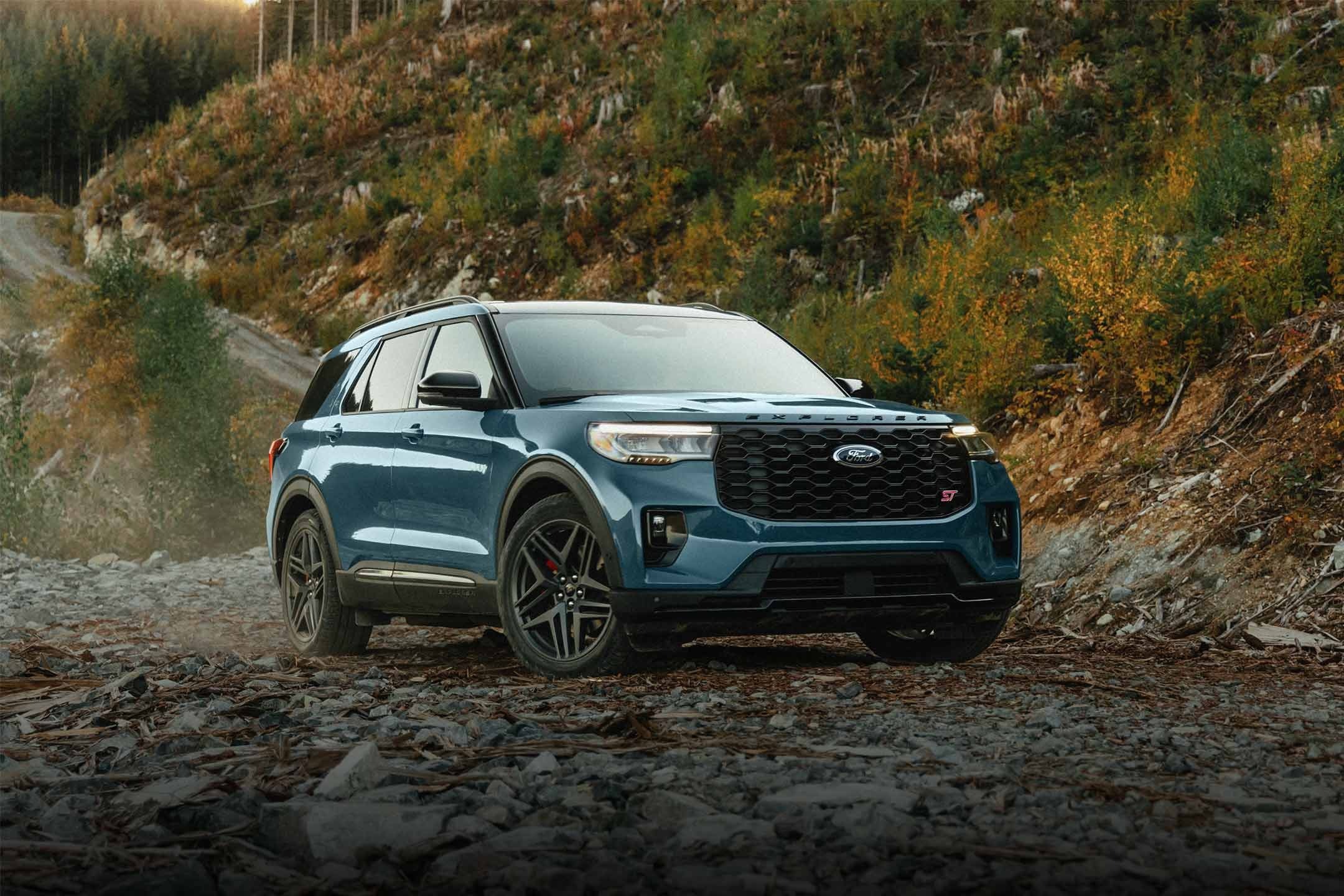
2. Ford Explorer
The Ford Explorer is a popular choice for families due to its size, performance, and versatility, but one area where it struggles is brake rotor longevity. The Explorer’s curb weight, especially in higher trims with added features, puts considerable strain on its braking system. Even though Ford fits the vehicle with large rotors, they often wear down faster than many drivers expect.
One of the main causes of premature rotor wear in the Explorer is heat buildup during frequent braking. City driving with heavy traffic or stop-and-go commutes often forces the brakes to work harder, and when the heat does not have enough time to dissipate, the rotor surface can develop hot spots. These hot spots create uneven wear and can lead to warping, which manifests as vibrations during braking.
The Explorer’s popularity as a towing vehicle further adds to the problem. Pulling a trailer increases stopping distances and demands more energy from the brakes. As time goes on, this additional stress shortens rotor life, even with regular maintenance.
Many Explorer owners have reported that they needed to replace rotors between 25,000 and 40,000 miles. While some can push them a bit longer, this is still lower than what other SUVs in the same class can achieve. Upgrading to performance-grade rotors can help, but even then, heavy use can still lead to relatively quick wear.
The Explorer’s strong engine options and confident handling often encourage drivers to maintain higher speeds, which in turn means more forceful braking. This combination of weight, speed, and usage patterns makes the Ford Explorer a vehicle that consumes brake rotors faster than average.
Regular brake inspections and avoiding abrupt stops whenever possible can help owners stretch rotor life, but expectations should be set for more frequent brake work compared to lighter, less performance-driven SUVs.

3. Chevrolet Tahoe
The Chevrolet Tahoe is widely respected for its towing power, spacious interior, and rugged capabilities. However, one of the recurring complaints from owners concerns the short lifespan of its brake rotors. The Tahoe’s sheer size and weight are central to this problem. Weighing well over 5,000 pounds, this SUV demands serious stopping force from its braking system, especially when loaded with passengers or cargo. This heavy load increases the strain on the rotors and generates high levels of heat during braking.
While Chevrolet equips the Tahoe with large-diameter rotors, the constant exposure to heat cycles in daily driving can lead to warping or uneven wear. Even ventilated rotor designs cannot fully overcome the thermal stress created during frequent stops. Owners who use their Tahoe for towing or hauling experience even faster rotor deterioration, with some needing replacements as early as 20,000 to 30,000 miles.
The Tahoe’s braking performance can also be affected by driving environments. Urban traffic with frequent stop-and-go movement accelerates wear, while long downhill drives can cause brake fade if the system overheats. Once rotors develop surface irregularities, drivers may notice vibration in the steering wheel or brake pedal, signaling the need for replacement or resurfacing.
Although aftermarket heavy-duty rotors can extend service life, they often come at a higher cost and still require careful driving habits to achieve maximum mileage. Regular maintenance, such as timely brake pad replacement and rotor inspections, helps reduce the risk of early failure, but the Tahoe remains a heavy SUV that inherently places high demands on its braking components.
Drivers who choose the Tahoe for its strength and utility should be prepared for more frequent brake servicing compared to smaller SUVs. Managing speed, avoiding aggressive stops, and using engine braking on descents can all help extend rotor life, but the combination of weight and usage patterns makes this a model known for consuming brake rotors at a relatively quick pace.
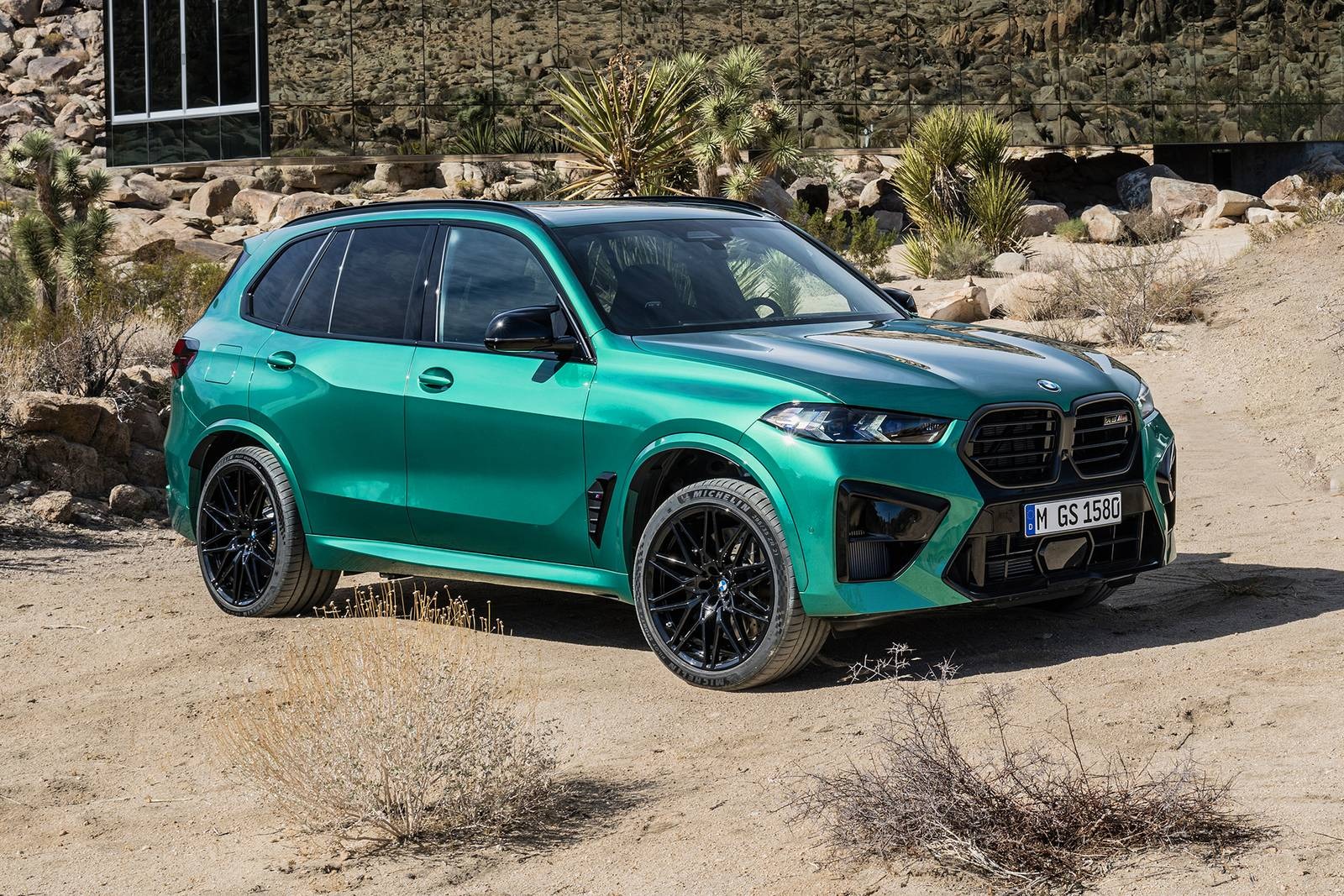
4. BMW X5
The BMW X5 is designed to deliver a blend of luxury and sport performance, offering sharp handling and strong acceleration for an SUV of its size. While these qualities make it enjoyable to drive, they also put a heavy burden on its braking system. The X5’s high-performance nature means it is equipped with large, powerful brakes, but the aggressive driving styles it encourages can lead to premature rotor wear.
One factor is the rotor material itself. BMW uses performance-grade rotors that are optimized for strong, responsive stopping power rather than maximum lifespan. These rotors provide excellent grip and heat dissipation, but they also tend to wear faster, especially when subjected to spirited driving or frequent high-speed stops. The added weight of luxury features and technology further increases the amount of work the brakes must perform.
Many X5 owners report the need for new rotors between 25,000 and 35,000 miles, particularly in models driven in cities or on winding roads where braking is frequent. Once wear or warping sets in, vibrations and brake noise often follow, reducing the smoothness of the ride.
Another challenge is maintenance cost. Because the X5 is a premium vehicle, replacement rotors and pads are more expensive than those for many mainstream SUVs. This makes frequent brake servicing a more noticeable expense for owners. While upgrading to aftermarket rotors can help extend lifespan slightly, the SUV’s performance focus still means that brake components are consumed faster than in less sporty models.
For drivers who love the X5’s dynamic abilities, keeping an eye on brake health is essential. Smooth, controlled braking and regular inspections can help delay rotor replacements, but this is an SUV that naturally trades some brake longevity for the thrill of a sportier drive.
Also Read: 5 SUVs That Survive Off-Road Life and 5 That Can’t Leave Pavement

5. Acura MDX
The Acura MDX is appreciated for its refined ride, roomy interior, and strong V6 engine. It is often marketed as a family-friendly luxury SUV, but one drawback many owners have noted is shorter rotor life compared to some rivals. The MDX’s curb weight, combined with its capable acceleration, means its braking system often works harder than in lighter, less powerful vehicles.
The MDX uses ventilated rotors in the front and solid rotors in the rear, but even with this design, heat buildup remains a concern. Frequent urban driving, heavy passenger loads, or regular highway stops at higher speeds can push the braking system to its limits. As time goes on, the heat cycles can cause rotors to warp or develop uneven surfaces, leading to pulsations during braking.
Some MDX owners have reported needing rotor replacements as early as 30,000 miles, especially in models used for commuting in traffic-heavy areas. Even those who drive more gently sometimes find that rotors do not last beyond 40,000 miles without noticeable wear. This is below the average lifespan seen in many other luxury SUVs.
The MDX’s strong acceleration also plays a role. Drivers often take advantage of the SUV’s quick response, which naturally leads to more forceful braking. This driving pattern accelerates rotor wear. Additionally, because the MDX is equipped with premium braking components, replacement costs can be higher than on more budget-friendly SUVs.
Owners who wish to extend rotor life can benefit from adopting smoother braking habits, avoiding abrupt stops whenever possible, and scheduling regular brake inspections. Some have found that switching to high-quality aftermarket rotors designed for durability can improve service life, though the underlying factors of weight and performance will always influence wear rate.
The Acura MDX delivers a refined and enjoyable driving experience, but buyers should be prepared for brake maintenance to be a more frequent part of ownership compared to some other models in its class.
