Hybrid cars have grown very popular in recent years. They mix fuel efficiency with modern technology, making them attractive for both city and highway driving. But while many buyers focus on fuel savings, resale value is equally important for long-term financial benefits.
Not all hybrids are the same when it comes to holding value. Some models keep their worth for years because of strong demand, low running costs, and proven reliability. Others lose value quickly, sometimes like used luxury sedans known for steep depreciation.
When a car depreciates too fast, the money you saved on fuel can disappear. A hybrid that loses thousands in value within a few years may end up costing you more than you expected, despite lower fuel expenses.
The used car market plays a big role in this. Certain hybrids are always in high demand, so they sell quickly and at good prices. Others may sit unsold for weeks, forcing sellers to drop their asking price significantly.
Reliability is another factor. Hybrids with a history of costly repairs or battery issues can scare off buyers. Even if the fuel economy is great, fear of maintenance costs can cause a hybrid’s resale value to drop sharply.
Brand reputation matters too. Popular brands like Toyota and Honda often hold value better because buyers trust their quality. Lesser-known or discontinued hybrid models can struggle to attract interest, leading to much faster depreciation.
In this article, we will highlight two lists. The first covers five hybrids that keep their value well over the years. The second covers five hybrids that lose value quickly, sometimes as rapidly as certain luxury cars on the used market.
By understanding which hybrids hold value and which don’t, you can make a smarter purchase. Whether you plan to sell after a few years or keep your hybrid long-term, this information will help you choose wisely.
The goal is to help you avoid unpleasant surprises. A smart hybrid purchase can save you fuel money and protect your investment, while a poor choice can leave you with a car that’s worth far less than you expected.
Also read: 5 Hybrids With Smooth Gas-to-Electric Shifts and 5 That Jerk Every Time
5 Hybrids That Retain Value
If you’re shopping for a car that won’t hemorrhage value the moment you drive it off the lot, hybrids deserve serious attention. They’re no longer niche economy machines, today’s hybrid lineup ranges from practical family haulers to sporty compacts and near-luxury cruisers and some retain their resale worth far better than their gas-only counterparts.
That matters in the U.S. market: a smarter initial purchase can save you thousands down the road, whether you plan to keep a car for a few years or trade it in sooner. This article cuts through the hype and focuses on five hybrid models that consistently hold value without forcing you to live like a monk.
1) Toyota Prius
The Toyota Prius is one of the most famous hybrid cars in the world. Known for its excellent fuel efficiency and eco-friendly design, it has been a popular choice for drivers who want to save money and reduce emissions.
Since its launch, the Prius has built a reputation for being reliable and durable. Many owners report driving their Prius for hundreds of thousands of kilometres without major problems. This strong track record makes it a favourite in the used car market.
The Prius has also become a symbol of the hybrid movement. Its unique shape, quiet ride, and advanced technology have helped it stand out from regular petrol cars, making it instantly recognisable on roads around the world.
One reason for its lasting popularity is Toyota’s commitment to quality. The brand’s focus on building dependable cars means buyers trust the Prius to perform well for many years. This trust translates into strong demand and higher resale value.
Another advantage of the Prius is its low running costs. Excellent fuel economy means you spend less on petrol, while Toyota’s reliable hybrid systems mean fewer costly repairs compared to many other hybrid models on the market.
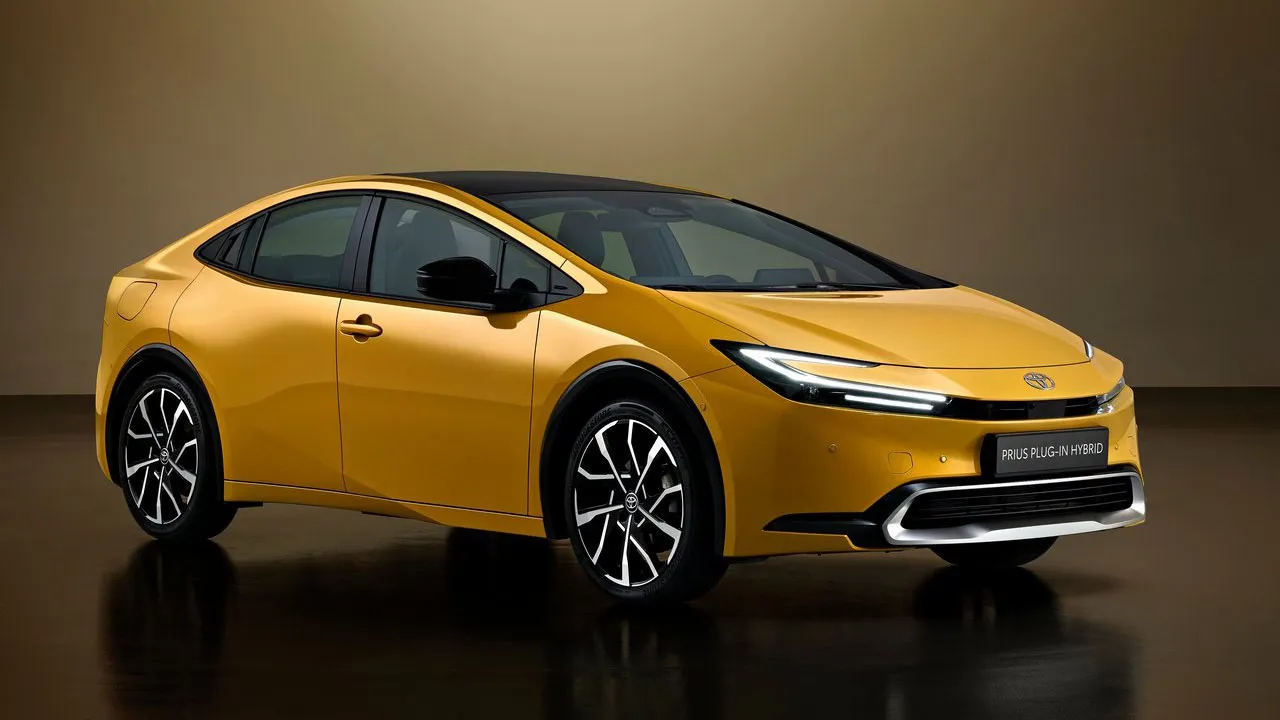
Because of these benefits, the Prius has become one of the rare hybrids that holds its value very well. While many cars lose a large portion of their price in a few years, the Prius often retains a strong resale price.
The car’s wide availability of parts and Toyota’s strong service network also make it a safer choice for long-term ownership. Even older models can be maintained easily, which keeps them appealing to budget-conscious buyers.
2) Honda Accord Hybrid
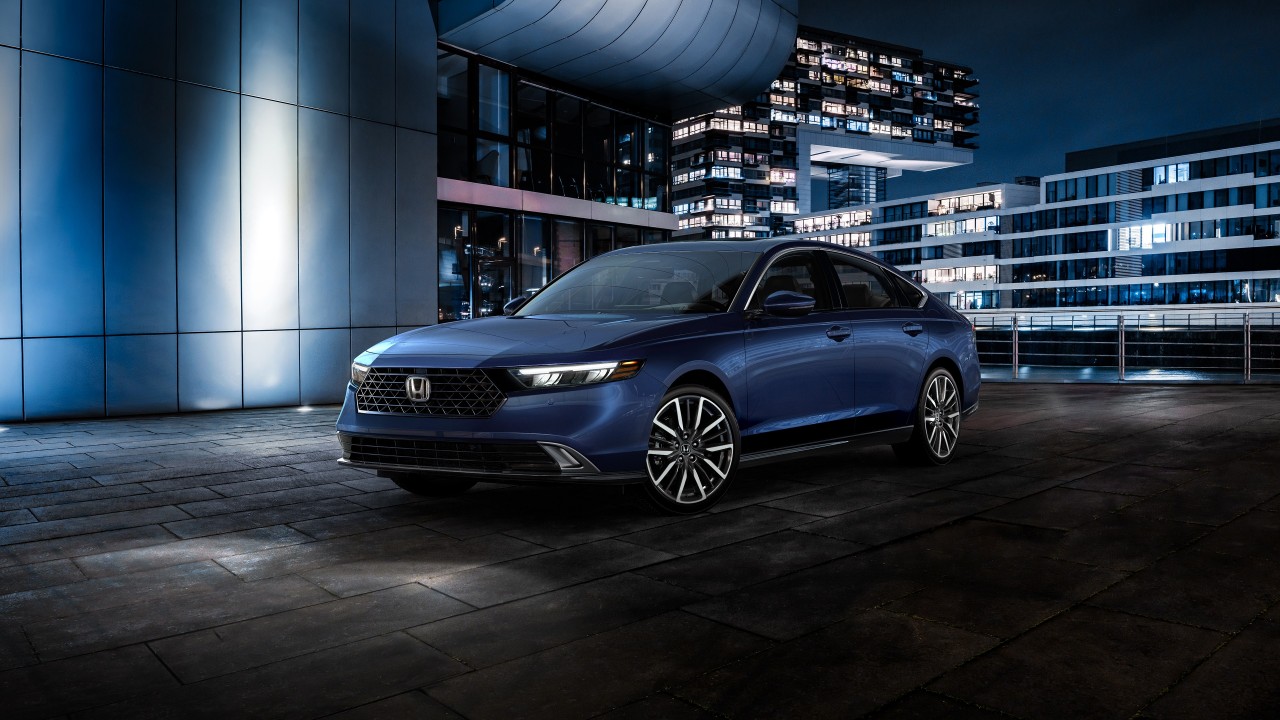
The Honda Accord Hybrid is a car that blends comfort, efficiency, and trust. It offers a smooth driving experience, impressive fuel economy, and the solid reputation of the Honda brand, making it a popular choice for many drivers worldwide.
Since its introduction, the Accord Hybrid has been praised for combining hybrid technology with the spaciousness and comfort of a midsize sedan. It provides the practicality of a family car without sacrificing efficiency or performance, making it appealing to a wide range of buyers.
The cabin of the Accord Hybrid is roomy and well-designed, with high-quality materials that give it a premium feel. Passengers enjoy a quiet and smooth ride, while the driver benefits from advanced features and responsive handling on city streets and highways.
One of its biggest strengths is fuel efficiency. The Accord Hybrid uses Honda’s advanced hybrid system to deliver excellent mileage without the need for constant charging, giving drivers the freedom to travel far while saving on fuel costs.
Reliability is another reason people trust the Accord Hybrid. Honda has a long history of building dependable cars, and this hybrid version is no different. Many owners report years of trouble-free driving and low maintenance costs.
The Accord Hybrid also holds its value well compared to many other midsize sedans. Its strong reputation, combined with high demand in the used car market, makes it a smart investment for those who plan to sell or trade in later.
Safety is another highlight. Honda equips the Accord Hybrid with advanced driver-assistance features, helping drivers feel confident and secure behind the wheel. This safety record further boosts the car’s appeal among families and daily commuters.
3)Toyota RAV4 Hybrid
The Toyota RAV4 Hybrid is one of the most popular hybrid SUVs in the world. It combines the practicality of an SUV with the fuel efficiency of a hybrid, making it an appealing choice for families, commuters, and adventure lovers.
Since its launch, the RAV4 Hybrid has earned a strong reputation for reliability and versatility. It offers a comfortable ride, plenty of space for passengers and cargo, and advanced technology that makes driving easier and more enjoyable in any condition.
One of its biggest strengths is excellent fuel economy for an SUV. While many SUVs are known for higher fuel consumption, the RAV4 Hybrid delivers impressive mileage, helping drivers save money without sacrificing size, comfort, or performance.
The RAV4 Hybrid is also known for its smooth handling and confident performance. With standard all-wheel drive in most models, it’s capable of handling different road conditions, from city streets to light off-road adventures, making it a versatile everyday vehicle.
Toyota’s focus on safety adds to the RAV4 Hybrid’s appeal. It comes equipped with advanced safety features, including driver-assistance systems, which help prevent accidents and make every journey more secure for drivers and passengers alike.
Reliability plays a big role in its popularity. The RAV4 Hybrid benefits from Toyota’s proven hybrid technology, which has been tested over decades. Many owners report years of trouble-free driving, which also helps the SUV hold its value over time.
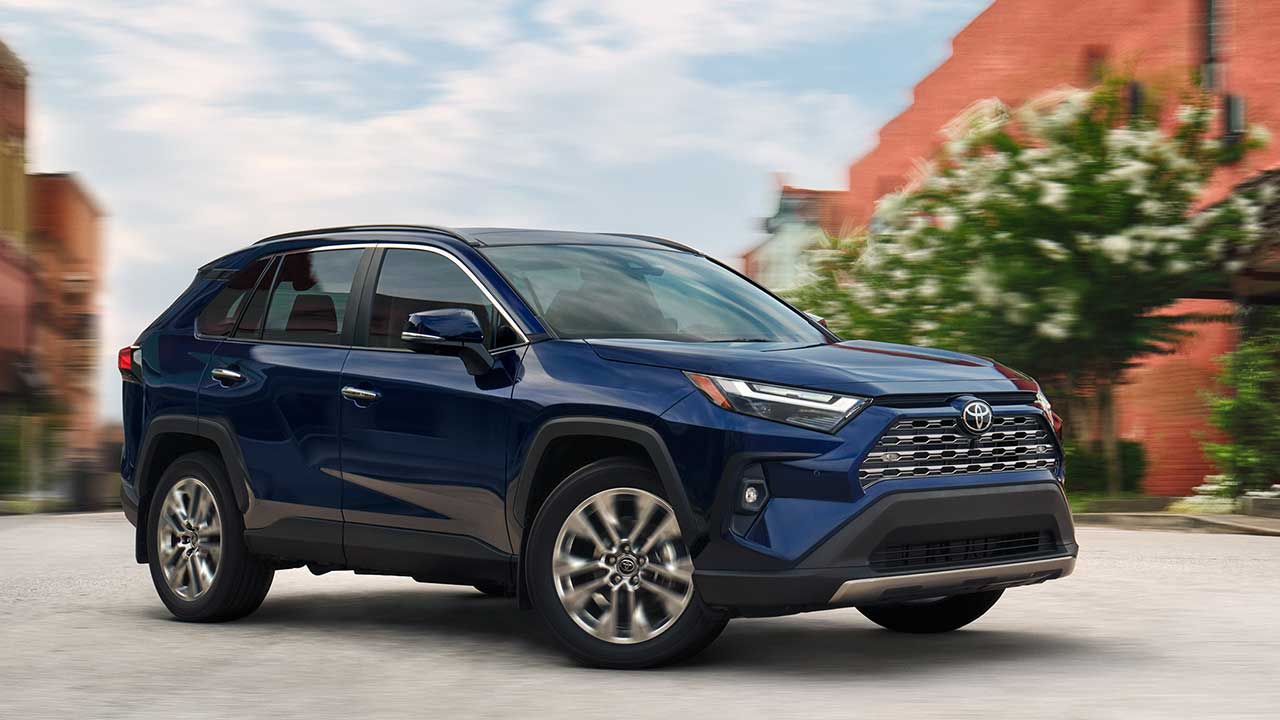
In the used car market, the RAV4 Hybrid is highly sought after. Strong demand means it often sells quickly and at higher prices compared to many other SUVs, making it a smart choice for buyers who think about long-term value.
4)Hyundai Ioniq Hybrid
The Hyundai Ioniq Hybrid is a smart choice for drivers who want an affordable, modern, and efficient car. It combines sleek styling, advanced technology, and low running costs, making it a strong competitor in the growing hybrid market.
Since its launch, the Ioniq Hybrid has gained attention for its excellent fuel economy and practical design. It’s built to appeal to drivers who care about efficiency but still want comfort, style, and a smooth driving experience in their daily commute.
One of its biggest strengths is affordability. Compared to many other hybrids, the Ioniq Hybrid has a lower starting price while still offering a good range of features. This makes it accessible to more people who want to own a hybrid.
The Ioniq Hybrid is also designed with running costs in mind. Its fuel efficiency means fewer stops at the pump, and Hyundai’s warranty coverage provides extra peace of mind by protecting against costly repairs for an extended period of time.
Inside, the Ioniq Hybrid offers a comfortable and modern cabin. Quality materials, intuitive controls, and advanced infotainment options make driving enjoyable, while spacious seating and a decent cargo area provide practicality for everyday needs.
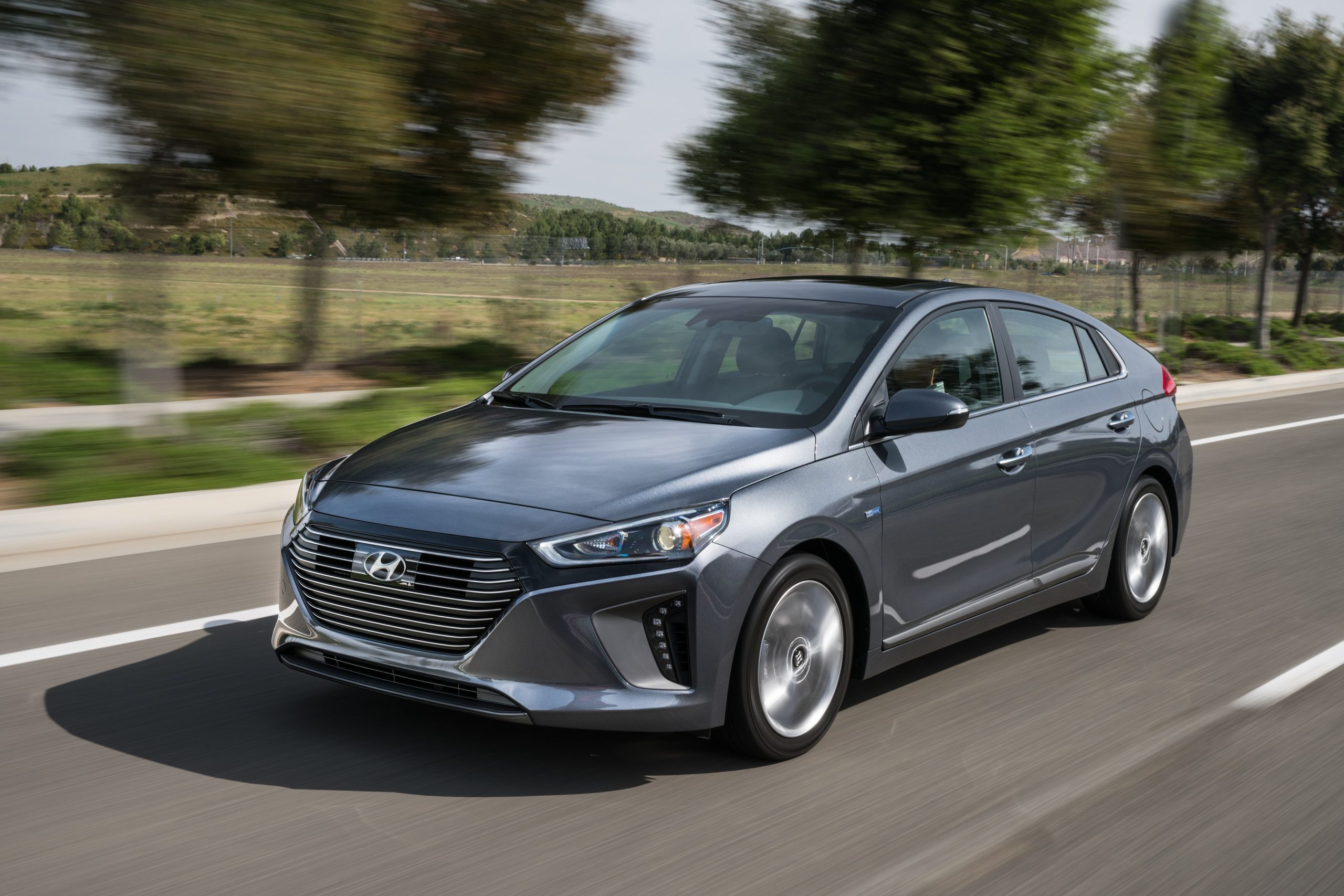
Reliability is another plus point. Hyundai’s hybrid system has proven dependable, and regular maintenance is generally straightforward and affordable. This helps the Ioniq Hybrid hold its value better than some other small hybrid cars.
In the used car market, the Ioniq Hybrid is becoming increasingly popular. Buyers are drawn to its combination of low ownership costs, fuel savings, and modern design, which makes it a competitive option for those looking for a second-hand hybrid.
5)Lexus UX 250h
The Lexus UX 250h is a luxury crossover that blends style, comfort, and efficiency. It offers the premium feel of a Lexus with the fuel-saving benefits of hybrid technology, making it a popular choice among city and suburban drivers.
Since its launch, the UX 250h has been praised for its high-quality interior, smooth performance, and advanced features. It’s designed to give drivers an upscale experience without the heavy running costs that often come with luxury vehicles.
One of its main strengths is value retention. Unlike many luxury cars that lose value quickly, the UX 250h holds its worth well over time. This makes it a smart option for buyers who think about resale value.
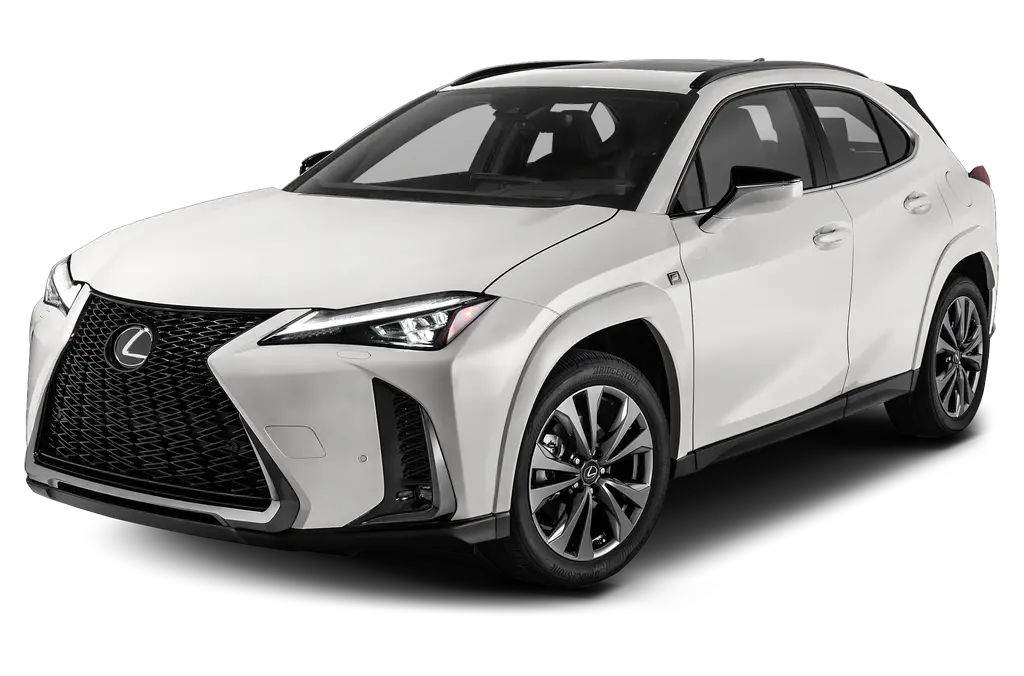
The hybrid powertrain delivers impressive fuel economy for a luxury crossover. Drivers get the benefit of lower fuel bills while enjoying a quiet, refined ride that’s perfect for both city commutes and longer highway trips.
Inside, the UX 250h features premium materials, comfortable seating, and advanced technology. From high-resolution displays to driver-assistance systems, it offers a range of features that enhance both convenience and safety on the road.
Reliability is another key factor in its appeal. Lexus has a strong reputation for building dependable vehicles, and the UX 250h benefits from Toyota’s proven hybrid technology, which helps keep maintenance costs lower than many other luxury models.
In the used car market, the UX 250h’s mix of luxury and efficiency makes it stand out. Demand for fuel-efficient luxury SUVs continues to grow, and buyers are willing to pay more for a model that offers both style and practicality.
Also read: 5 Luxury Sedans with Bulletproof Air Suspensions vs 5 That Fail by 80,000 Miles
5 Hybrids That Plummet in Value
If you’re buying a hybrid because you want lower fuel bills and a smaller carbon footprint, that’s smart. If you’re buying a hybrid because you want one that will hold its value like a Toyota Tacoma or a Porsche 911, slow your roll, some hybrids are bargains because they crater in price, not because they’re bad cars.
In the U.S. market today, depreciation patterns aren’t random: discontinuations, weak demand, niche drivetrains, and market perception of battery/repair risk all punish resale values. That means a very different ownership math for hybrids than for comparable gas-only cars.
1) Ford Fusion Hybrid
The Ford Fusion Hybrid was once a popular choice for drivers who wanted a midsize sedan with hybrid efficiency. It combined comfortable seating, a smooth ride, and good fuel economy, making it appealing to families and daily commuters alike.
Introduced as part of Ford’s effort to compete in the hybrid market, the Fusion Hybrid earned praise for its stylish design and user-friendly technology. Many buyers liked its balance between traditional sedan comfort and modern fuel-saving hybrid features.
However, the Fusion Hybrid faced a major challenge when Ford decided to discontinue the entire Fusion lineup in 2020. This decision had a direct impact on its resale value, as buyers tend to avoid models no longer in production.
When a car is discontinued, parts and service availability can become a concern for future buyers. Even if the Fusion Hybrid remains reliable, the perception of limited support can lower demand in the used car market.
In addition, hybrid technology has advanced quickly, and newer models from competitors offer better fuel efficiency, more features, and updated designs. This makes the Fusion Hybrid feel dated compared to current offerings in its class.
While the Fusion Hybrid still provides a comfortable and efficient driving experience, its resale prices tend to drop faster than those of active, high-demand models. Buyers know they can get newer hybrids for a similar price.
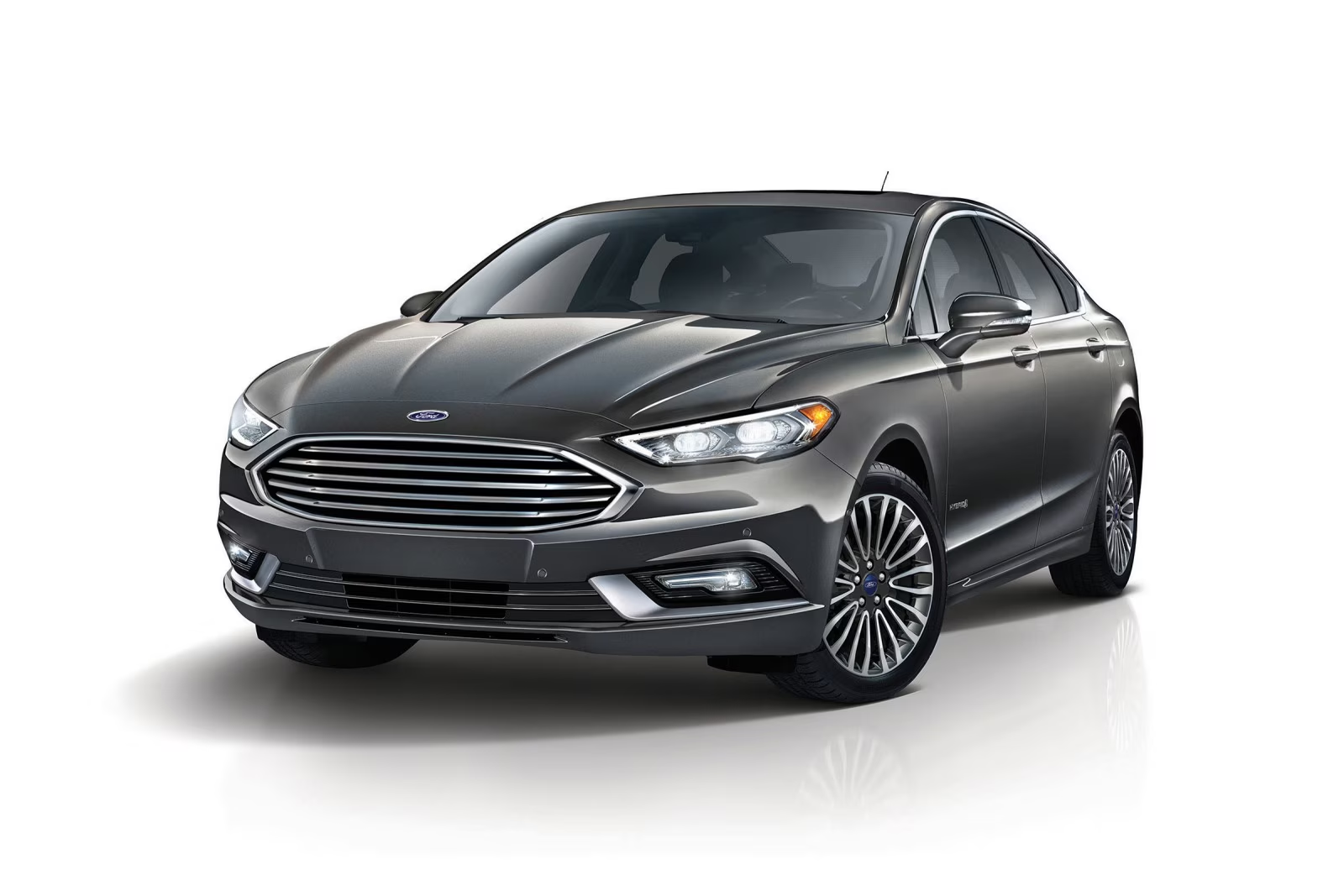
For owners, this means the car may still serve well for daily use but won’t return as much money when sold or traded in. For buyers, it can mean finding a good deal on a used hybrid sedan.
2) Chevrolet Volt
The Chevrolet Volt is a unique plug-in hybrid that combines electric driving with a petrol engine for longer trips. It was designed to offer the best of both worlds — zero-emission city driving and extended range for longer journeys.
When it launched, the Volt was praised for its innovation. Drivers could travel many kilometres on electric power alone before the petrol engine kicked in, which made it an attractive choice for those wanting to reduce fuel use and emissions.
However, owning a Volt can be costly in the long run. One of its biggest challenges is the high cost of repairs, especially when it comes to battery replacement and specialised electrical components that are not cheap to fix.
These repair expenses have a big impact on resale value. Buyers in the used car market often avoid vehicles that may require costly maintenance, even if the car offers good fuel savings or advanced technology.
Another factor affecting the Volt’s value is its discontinuation. Chevrolet stopped producing the Volt in 2019, which means parts availability and future support may become more limited over time, further reducing buyer confidence in the used market.
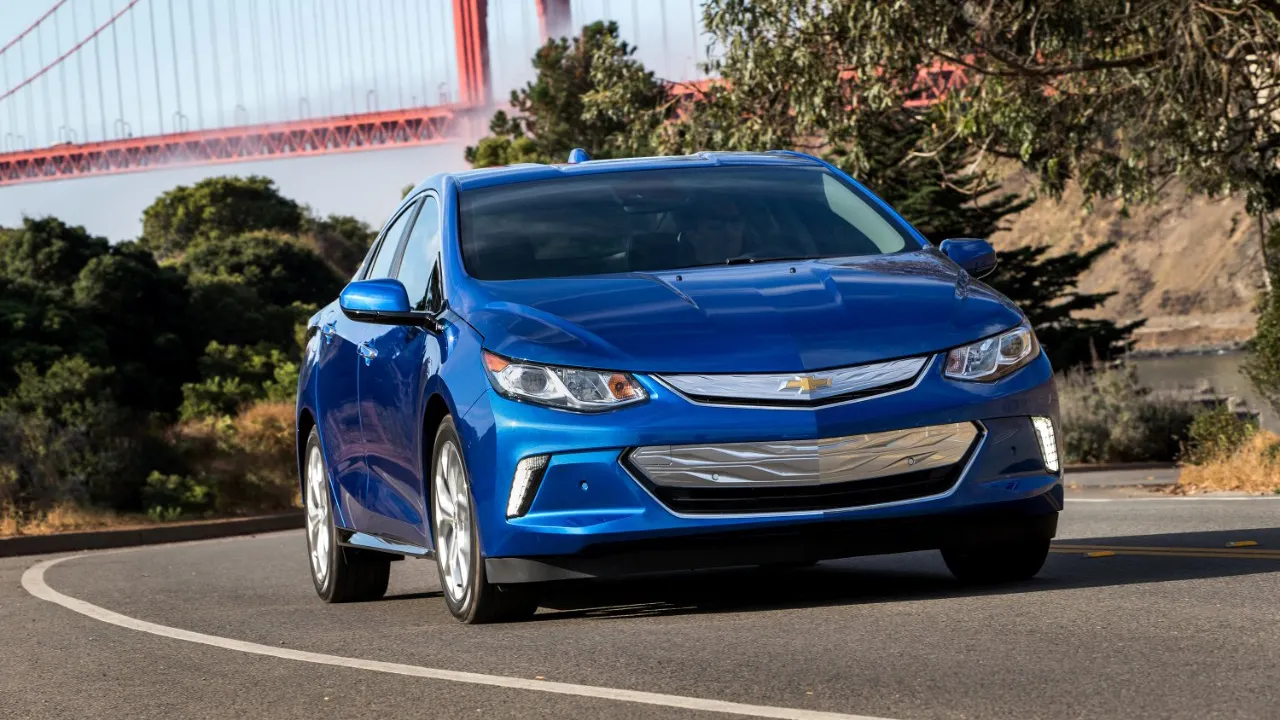
While the Volt still offers a smooth and efficient driving experience, its complex hybrid-electric system makes it less appealing for budget-conscious second-hand buyers. This keeps demand low, pushing prices down faster than other hybrid models.
For current owners, the Volt can still be a satisfying car to drive, especially for those who mostly rely on its electric range. But they should be prepared for depreciation and potentially high repair bills in the future.
3) Hyundai Sonata Hybrid
The Hyundai Sonata Hybrid is a midsize sedan that blends fuel efficiency with comfort. It offers a spacious interior, smooth handling, and a range of modern features, making it a practical choice for families and daily commuters.
When it was introduced, the Sonata Hybrid aimed to compete with popular models like the Toyota Camry Hybrid and Honda Accord Hybrid. It offered similar fuel savings and a stylish design but at a slightly more affordable price point.
However, despite its qualities, the Sonata Hybrid has never been as popular as its main rivals. In the used car market, this lower demand means resale prices often drop faster than those of competing hybrid sedans.
One reason for its weaker demand is brand perception. While Hyundai has greatly improved its reputation for quality and reliability, some buyers still lean toward brands with a longer hybrid history, such as Toyota or Honda, when shopping second-hand.
Another factor is market competition. The midsize hybrid sedan segment is crowded, and newer models from other manufacturers often offer better fuel efficiency, more advanced technology, or stronger resale records, making the Sonata Hybrid less appealing to used buyers.
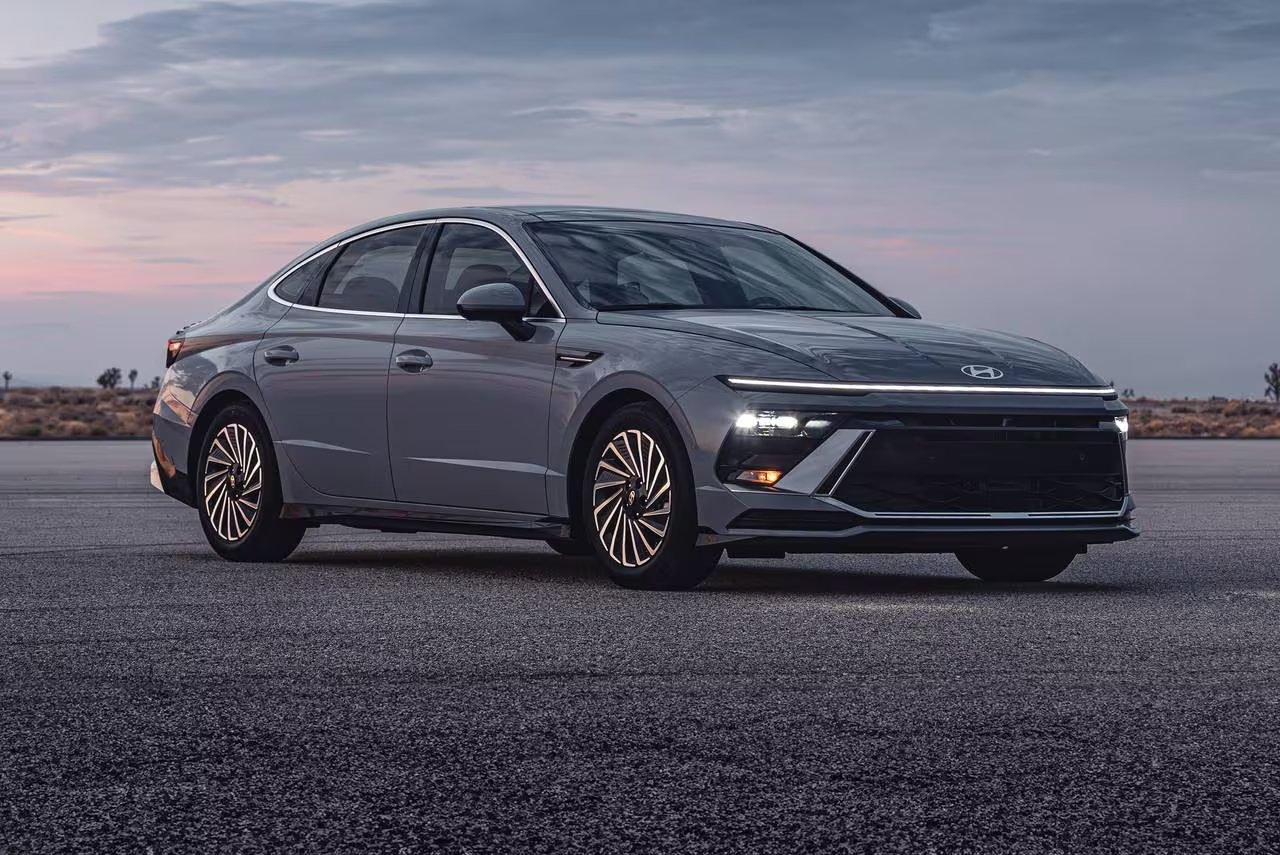
Although the Sonata Hybrid offers good value as a new car, owners may face steeper depreciation when selling or trading it in. This is especially true if newer versions with updated styling and features enter the market.
For budget-minded used car buyers, the Sonata Hybrid can be a hidden gem, offering efficiency and comfort at a lower price than rivals. But for owners, it means accepting that resale value will likely not be as strong.
4) Kia Optima Hybrid
The Kia Optima Hybrid is a midsize sedan that combines fuel efficiency with a comfortable ride. It was designed to give drivers an eco-friendly alternative without sacrificing space, making it appealing to families and everyday commuters.
When it first arrived, the Optima Hybrid stood out for its stylish design and competitive pricing. Kia aimed to provide a hybrid that could rival popular models like the Toyota Camry Hybrid while offering more features for the money.
However, despite these strengths, the Optima Hybrid struggled to gain the same level of popularity as its competitors. In the used car market, lower demand means that resale values tend to drop faster compared to better-known hybrid sedans.
One reason is its older technology. Earlier versions of the Optima Hybrid used hybrid systems that were less advanced than those from brands like Toyota and Honda. This made them less appealing to buyers looking for the latest efficiency improvements.
Another challenge is brand perception. While Kia has made big improvements in quality over the years, many buyers still choose hybrid models from brands with a longer track record in hybrid technology, leaving the Optima Hybrid with fewer interested second-hand buyers.
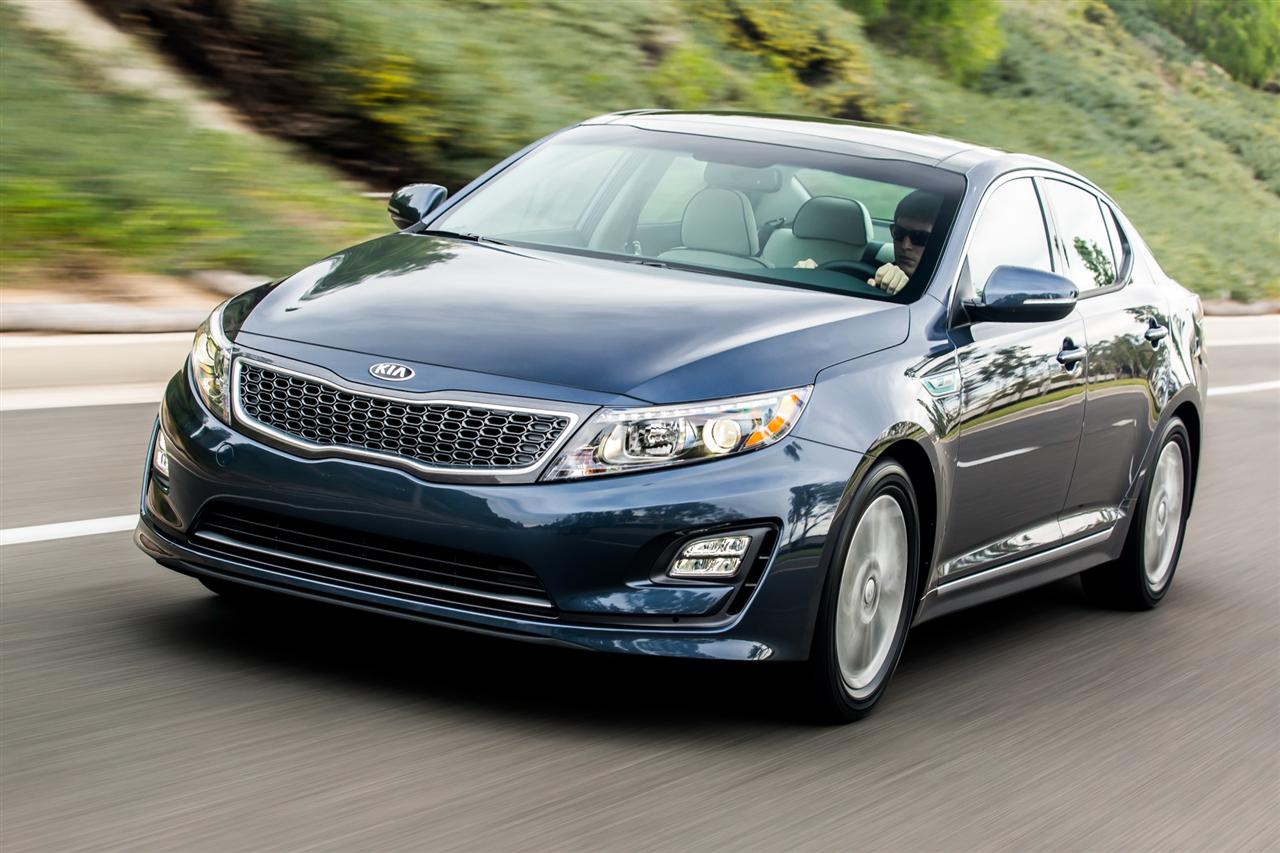
Depreciation is also affected by competition. In the crowded midsize hybrid market, buyers often prioritise models with stronger reputations, higher fuel economy ratings, and more proven reliability, which places the Optima Hybrid at a disadvantage in resale value.
For new buyers, the Optima Hybrid can be a good deal thanks to its competitive pricing and decent list of features. But for owners thinking about resale, it may not return as much value compared to more in-demand hybrids.
Also read: 5 Family Sedans That Run 250,000+ Miles Without Major Repair vs 5 That Demand Constant Maintenance
5) Infiniti Q50 Hybrid
The Infiniti Q50 Hybrid is a luxury sports sedan that blends strong performance with hybrid efficiency. It offers a powerful engine, sleek styling, and an upscale interior, aiming to give drivers both speed and better fuel economy in one package.
When it was introduced, the Q50 Hybrid stood out in the luxury market for its combination of power and efficiency. It promised the thrill of a performance sedan while using less fuel than traditional high-performance petrol models.
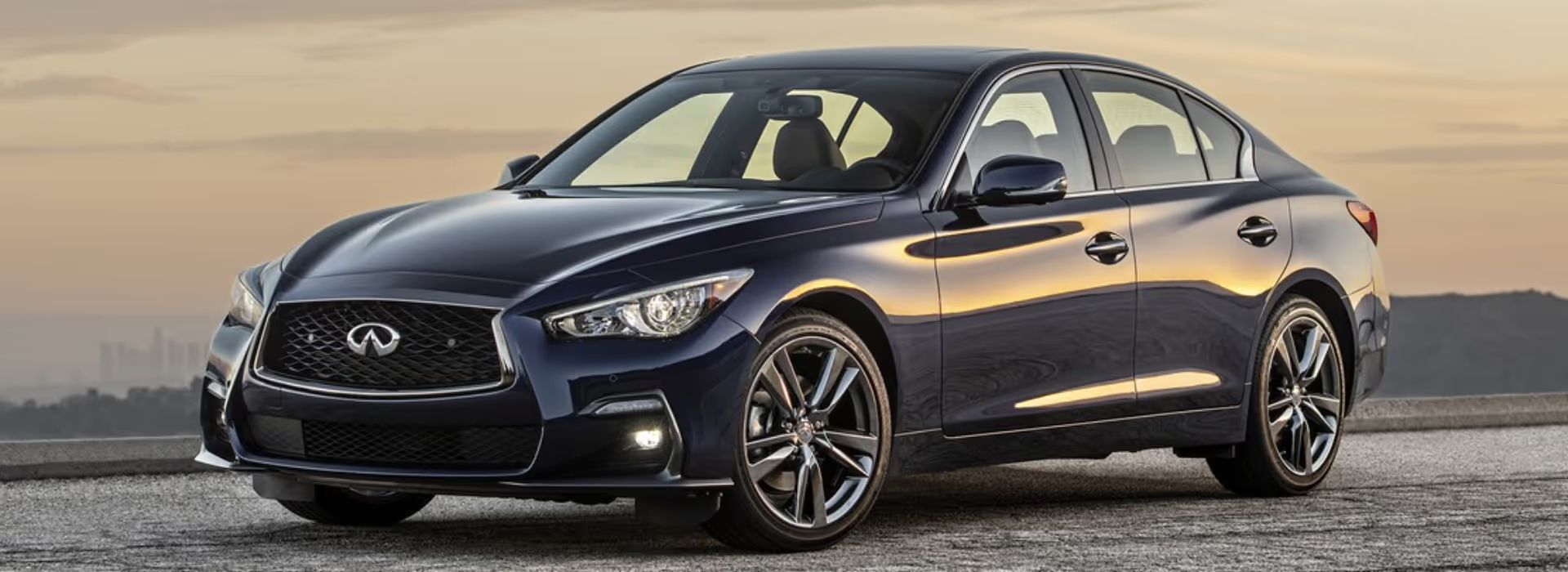
However, like many luxury cars, the Q50 Hybrid suffers from steep depreciation. In the used car market, luxury models often lose value quickly, and hybrids can depreciate even faster if demand is limited.
One reason for this rapid value drop is maintenance costs. The Q50 Hybrid’s complex combination of luxury features, performance components, and hybrid technology can lead to expensive repairs, which makes some used car buyers hesitant to purchase one.
Another factor is brand positioning. Infiniti, while respected, does not have the same global prestige as brands like Lexus, BMW, or Mercedes-Benz, making it harder for its hybrids to attract strong resale prices in competitive luxury markets.
The Q50 Hybrid also faced tough competition from other luxury hybrids and newer electric vehicles. As buyers increasingly turn toward fully electric luxury models, demand for older luxury hybrids has dropped, pushing prices down even more.
For new buyers, the Q50 Hybrid can still be appealing thanks to its performance, comfort, and unique balance of efficiency and speed. But for owners, it means accepting that the car’s resale value will fall quickly over time.