
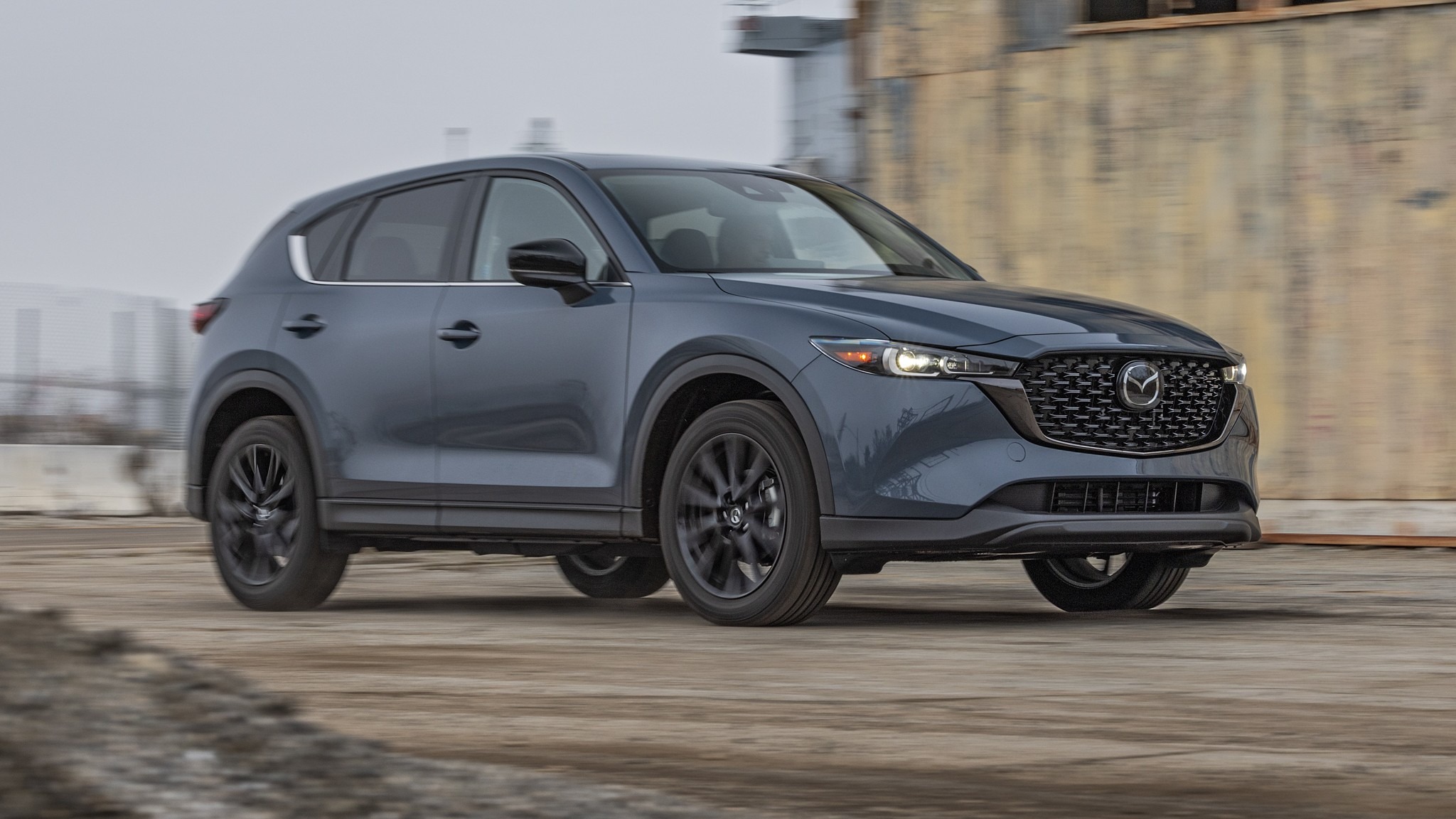
SUV buyers often have a mix of needs. Some want a dependable vehicle that can endure years of heavy driving, while others prioritise space, comfort, and modern features. The build quality of the frame is one of the most important factors in determining how an SUV will perform under demanding conditions.
In recent years, manufacturers have produced a variety of SUVs, and while some have earned a reputation for reliability and strength, others have shown worrying tendencies when subjected to pressure.
On this list, we will focus on two categories. The first group highlights five SUVs that are known for having robust frames that can take on tough driving conditions without losing their integrity. The second group covers five SUVs that have struggled in this area, often showing weaknesses when put to the test.
Each section will look closely at what makes these SUVs stand out or fall short. For the strong performers, we will examine the engineering choices, materials used, and real-world performance that prove their durability. For the weaker models, we will point out the specific issues that have led to concerns, such as frame bending, corrosion, or structural fatigue.
By the end, you will have a clear idea of which SUVs are worth considering if you want long-term reliability and which ones may require extra caution before purchase. Whether you are an off-road enthusiast, a family driver, or someone who simply wants a solid and dependable ride, this guide will help you make an informed choice.
5 SUVs With Solid Frames
1. Toyota Land Cruiser
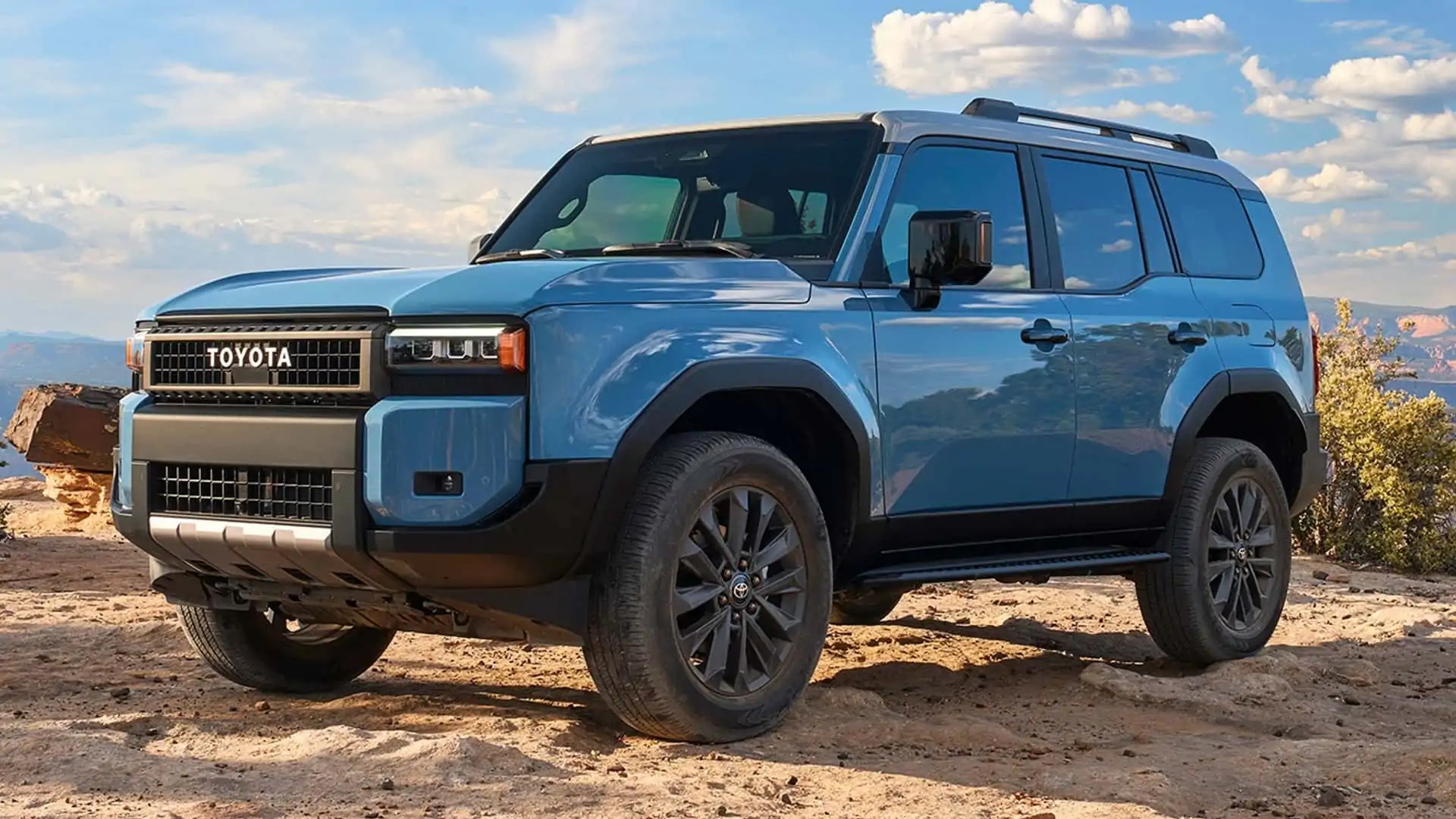
For decades, the Toyota Land Cruiser has maintained a reputation as one of the toughest SUVs on the market. This vehicle is built on a traditional body-on-frame design, a construction method often favoured for heavy-duty performance.
The frame is made from high-strength steel, giving it the rigidity to handle both paved roads and rugged terrain with ease. This structural approach allows the Land Cruiser to absorb and distribute impact forces better than many crossovers with unibody designs.
Beyond the frame itself, Toyota has focused on making the Land Cruiser suitable for extreme environments. Its suspension is designed to work with the frame, offering stability on rough trails without compromising comfort on highways.
Owners frequently report that the Land Cruiser can endure years of challenging driving without major structural issues. This reputation has made it a favourite among travellers in regions with poor road infrastructure, as well as in areas where reliability is critical.
Corrosion resistance is another strength of this SUV. Toyota uses advanced anti-rust coatings and design features that help prevent water and dirt from accumulating in vulnerable areas. This is especially important for drivers who live in coastal regions or places where roads are heavily salted during winter.
In terms of real-world performance, the Land Cruiser is often used by humanitarian organisations, explorers, and even military forces because of its proven dependability. The combination of a tough frame, reliable powertrain, and well-engineered suspension makes it a vehicle that can carry heavy loads and still maintain structural integrity.
If you are looking for an SUV that can withstand years of demanding use without frame-related problems, the Toyota Land Cruiser stands as a benchmark in durability.
2. Ford Expedition
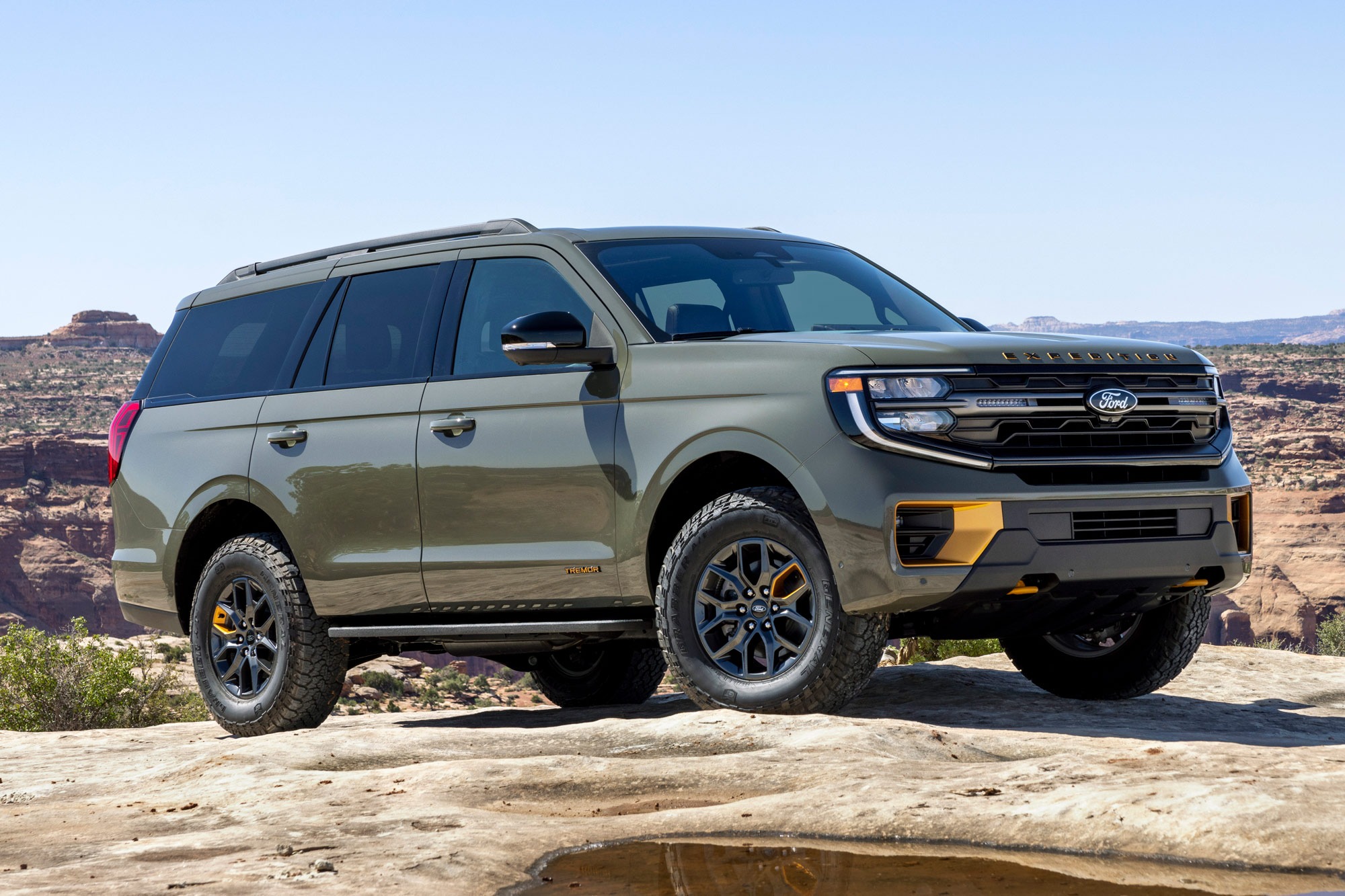
The Ford Expedition has long been a strong choice for drivers who need an SUV capable of towing, hauling, and withstanding demanding driving conditions. Built on a truck-based body-on-frame platform, the Expedition benefits from a structure that offers high torsional rigidity.
This translates into better stability when carrying heavy loads or pulling large trailers. The use of high-strength steel in the frame construction adds to its durability, ensuring that it does not bend or warp easily under pressure.
Ford designed the Expedition with practicality in mind. The frame supports a powerful suspension system that is tuned to manage both comfort and load-bearing duties. Whether travelling on highways or uneven rural roads, the Expedition maintains its composure. This balance of strength and ride comfort is one of the reasons it appeals to large families and outdoor adventurers.
Durability is enhanced by Ford’s focus on corrosion protection. The frame is treated with rust-resistant coatings, and the main areas are designed to minimise moisture retention. This helps extend the lifespan of the SUV, particularly in regions with wet climates or harsh winters.
In real-world performance, the Expedition has proven to be a reliable workhorse for towing boats, trailers, and recreational vehicles. Owners often praise its ability to remain solid even after years of demanding use.
Its frame, combined with a robust drivetrain, makes it a dependable option for those who want a full-size SUV that can perform heavy-duty tasks without compromising structural integrity. For buyers seeking strength in both daily driving and utility, the Ford Expedition consistently delivers.
Also Read: 5 SUVs That Feel Premium Inside and 5 That Feel Cheap
3. Lexus GX
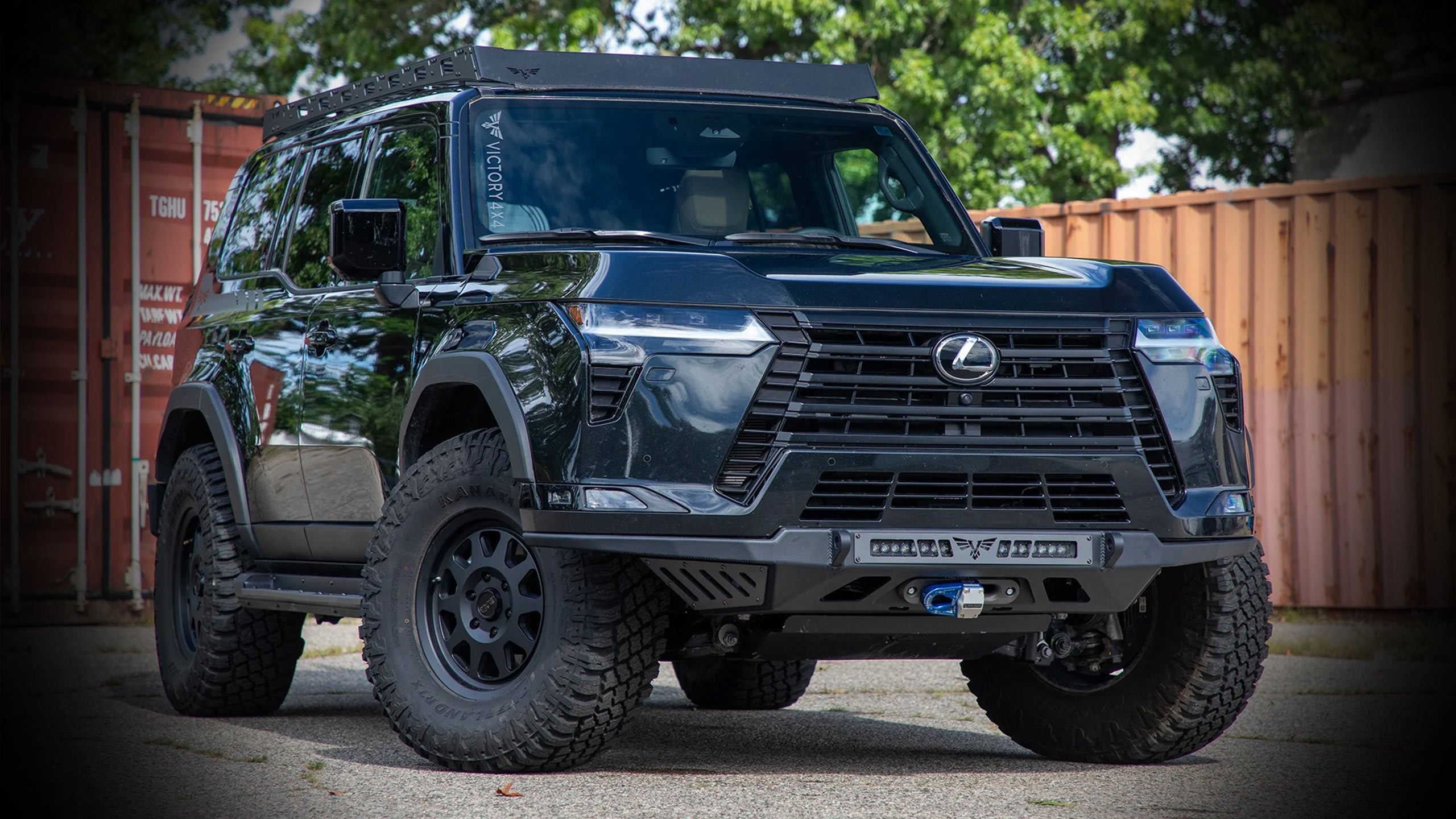
The Lexus GX combines the durability of a traditional SUV frame with the refinement expected from a luxury brand. Built on the same platform as the Toyota Land Cruiser Prado, the GX benefits from a body-on-frame construction made from reinforced steel. This gives it the toughness needed for off-road adventures while still maintaining a smooth, controlled ride for city driving.
The GX’s frame is engineered to handle stress without flexing excessively. This quality is particularly valuable for drivers who venture into rocky, uneven terrains where chassis stability is essential. The vehicle’s suspension system works in harmony with the frame, absorbing shocks while keeping the cabin stable.
Lexus has also taken steps to ensure the frame remains resilient against corrosion. Protective coatings and smart engineering reduce the chances of rust forming in critical areas. This attention to detail makes the GX a good choice for those living in environments with road salt or high humidity.
Owners frequently highlight the GX’s long service life. Many report driving their vehicles for over a decade without any major frame-related issues. While it offers luxury features such as high-grade leather seats, advanced infotainment, and driver-assistance systems, its real strength lies in its solid construction. The Lexus GX proves that it is possible to combine rugged capability with upscale comfort, making it a versatile SUV for a wide range of drivers.
4. Nissan Armada
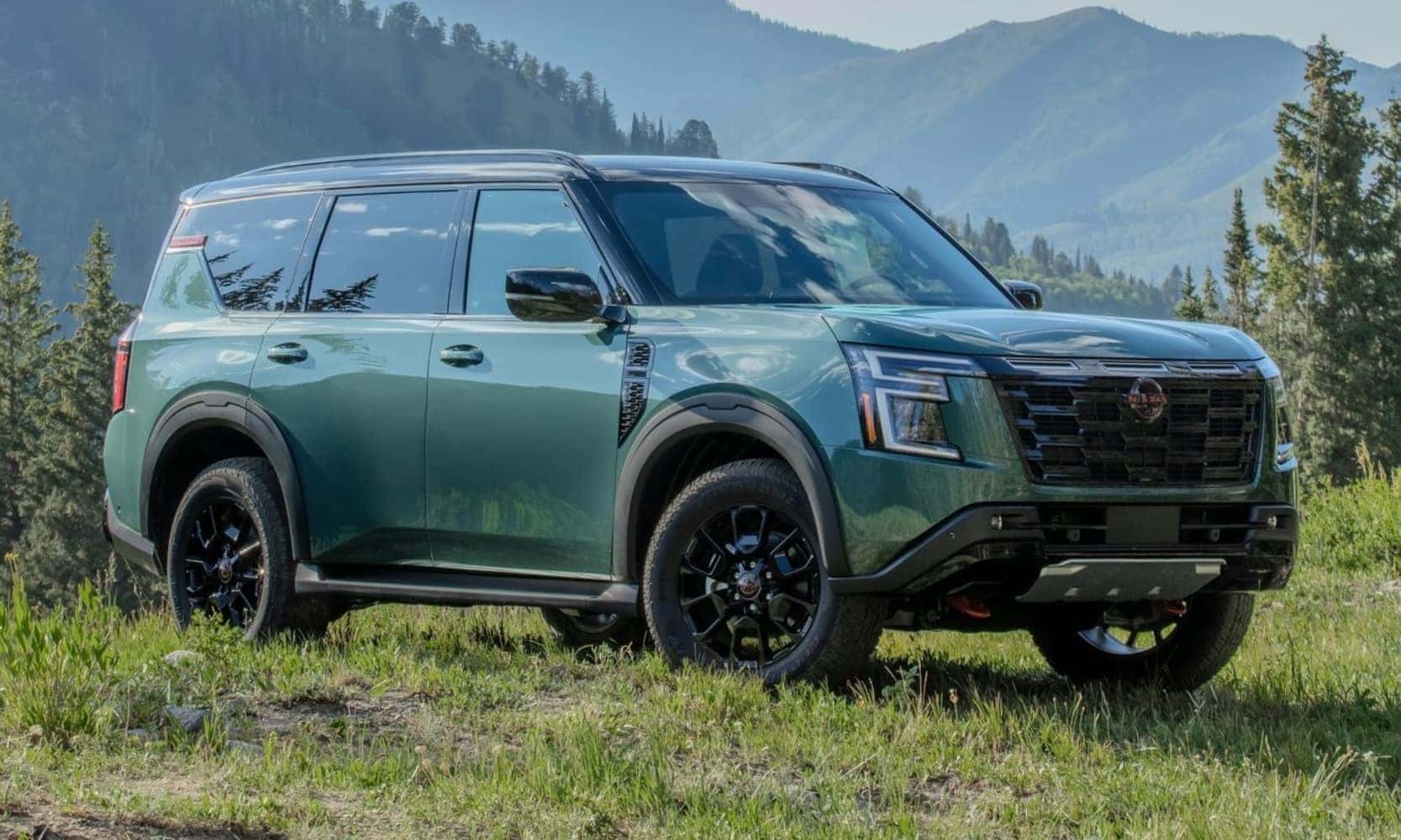
The Nissan Armada is a full-size SUV designed with strength at its core. Built on the same rugged platform as the globally respected Nissan Patrol, it has earned a reputation for handling substantial weight and challenging conditions with ease.
Its body-on-frame construction, made from reinforced high-strength steel, gives it the rigidity to manage heavy passenger loads, large towing jobs, and demanding environments without losing stability.
This robust frame works hand in hand with a suspension system that is tuned for both comfort and resilience. Even when fully loaded with passengers, cargo, or towing a sizeable trailer, the Armada maintains a steady, controlled ride.
Drivers who regularly haul campers, boats, or horse trailers value the Armada’s ability to keep its composure under pressure. Its towing capacity is among the best in its class, making it a strong candidate for those who rely on their vehicle for serious work as well as family duties.
Durability extends beyond just raw strength. Nissan has equipped the Armada with effective anti-corrosion measures, including protective coatings on the frame and design elements that reduce the build-up of water, salt, and dirt in vulnerable spots.
This is a huge advantage for owners living in coastal areas or regions where road salt is common in winter. Many long-term owners report that the Armada’s frame remains solid after years of heavy use, with minimal structural degradation.
Inside, the Armada offers a spacious, comfortable cabin filled with modern features, proving that strength does not come at the expense of convenience. Its powerful engine delivers the performance needed for highway cruising, steep inclines, and challenging terrain, all while working in harmony with the sturdy frame.
For buyers who want an SUV capable of handling heavy loads and tough environments without compromise, the Nissan Armada delivers both the muscle and the reliability to get the job done year after year.
5. Chevrolet Tahoe
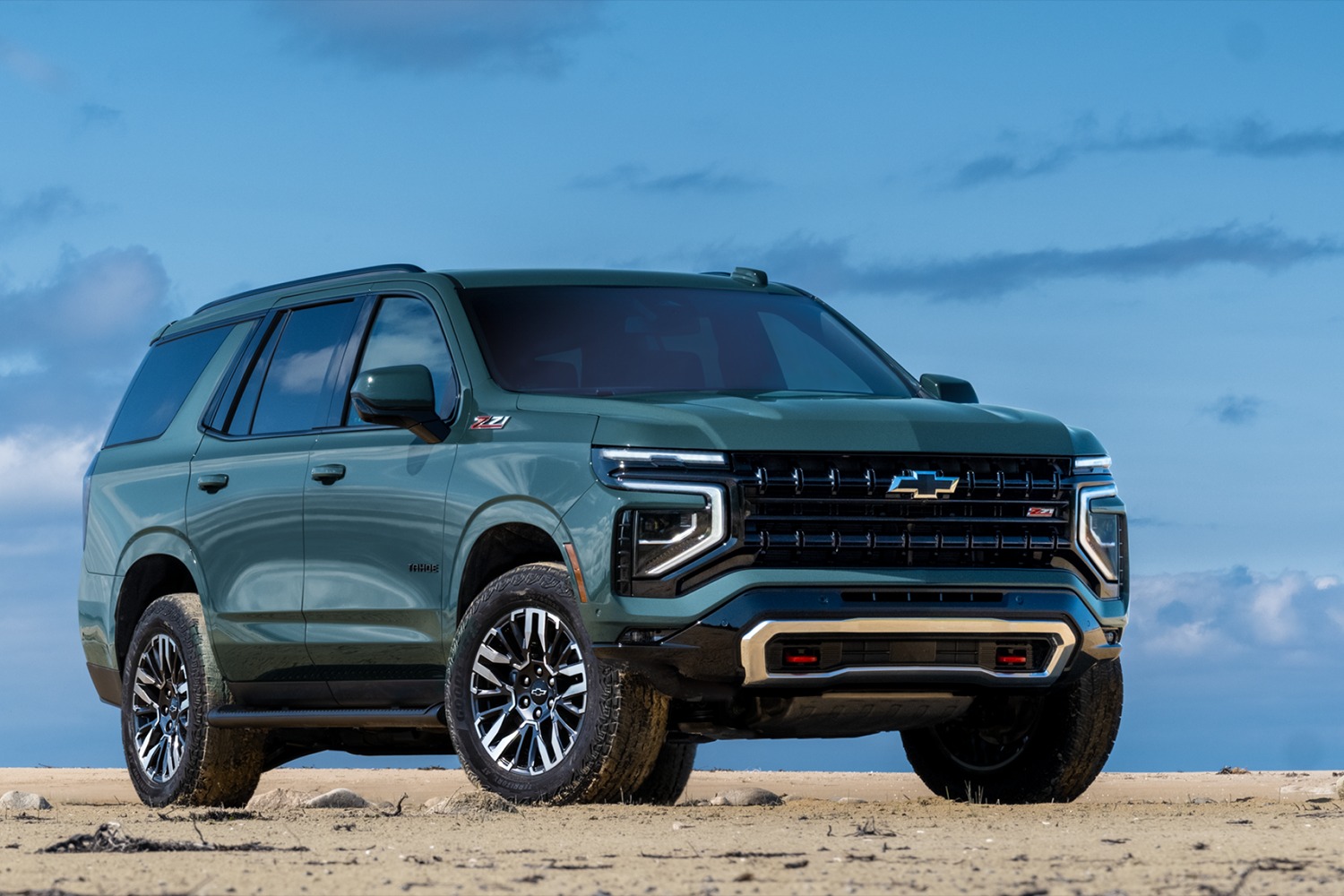
The Chevrolet Tahoe has long been recognized as one of the most dependable large SUVs on the market, and much of that credibility stems from its exceptionally strong construction. Built on a truck-based platform similar to the Ford Expedition, the Tahoe benefits from a body-on-frame design that delivers the kind of structural integrity needed to tackle heavy-duty tasks.
This foundation makes it well-suited for drivers who frequently face demanding road conditions, need to tow substantial loads, or require a vehicle that can handle years of consistent use without losing its edge.
At the heart of its resilience is a high-strength steel frame, engineered for rigidity and stability. This design not only ensures steady handling when towing boats, trailers, or other large cargo but also enhances the entire ride quality by absorbing and reducing vibrations. A more rigid frame also plays an important role in preserving structural alignment after some time, which contributes to long-term durability.
General Motors has also taken steps to protect the Tahoe from the kind of wear that shortens a vehicle’s lifespan. Advanced corrosion-prevention measures, such as specialized coatings and strategically placed drainage points, work to keep water, salt, and debris from collecting in vulnerable areas.
This careful engineering helps maintain the SUV’s structural health for many years, even in regions where harsh winters or salty coastal air can be particularly damaging. Comfort has not been sacrificed in the pursuit of strength.
The Tahoe delivers a smooth, composed ride and offers a spacious, well-appointed cabin that can easily accommodate both family needs and professional requirements. This balance of toughness and refinement is one reason why it has become a trusted choice for law enforcement fleets, where vehicles must withstand constant use under rigorous conditions.
For individuals or organizations seeking a full-size SUV with a proven history of endurance, the Chevrolet Tahoe stands out as a confident pick. Its combination of rugged build quality, long-term reliability, and everyday comfort makes it an investment that continues to perform year after year, even when faced with the toughest demands.
SUVs That Crack Under Pressure
1. Jeep Cherokee
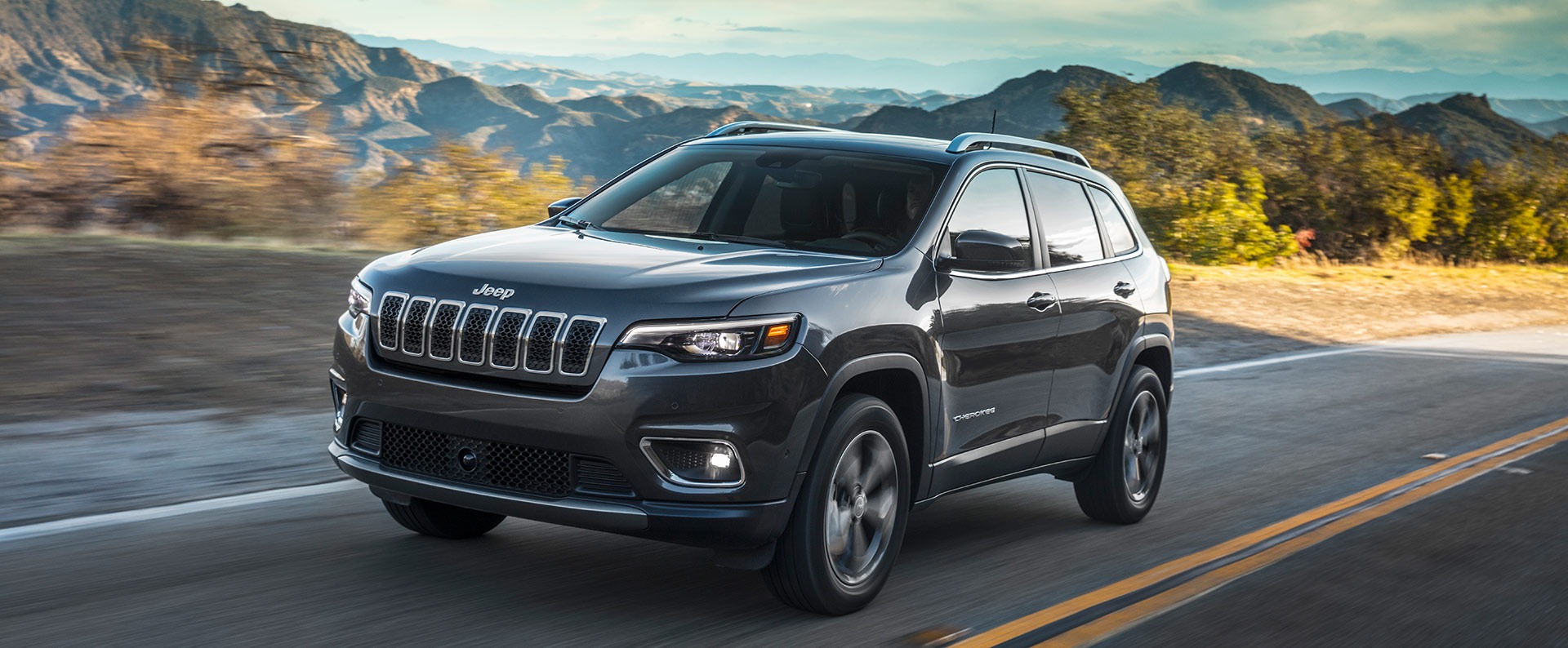
While Jeep has a reputation for building rugged vehicles, the Cherokee has faced structural concerns in certain model years. The unibody design used for the Cherokee offers a lighter weight and better fuel efficiency compared to body-on-frame construction, but it does not provide the same level of strength under extreme stress.
Some owners have reported frame fatigue when driving frequently on rough terrain. The structure can experience stress cracks, especially if the vehicle is used for heavy towing or aggressive off-road driving beyond its intended limits. Corrosion has also been a concern in areas with harsh winters where road salt is common.
The suspension and chassis setup in the Cherokee is more suited for light to moderate off-road use rather than continuous heavy-duty work. While the SUV handles daily driving well, it is not the best choice for those who need maximum frame durability.
This does not mean the Cherokee is a poor vehicle in every respect. It offers good comfort, technology features, and off-road capability for casual users. However, for buyers seeking an SUV with a frame that can handle extreme and sustained stress, the Cherokee may require extra caution before purchase.
2. Ford Explorer
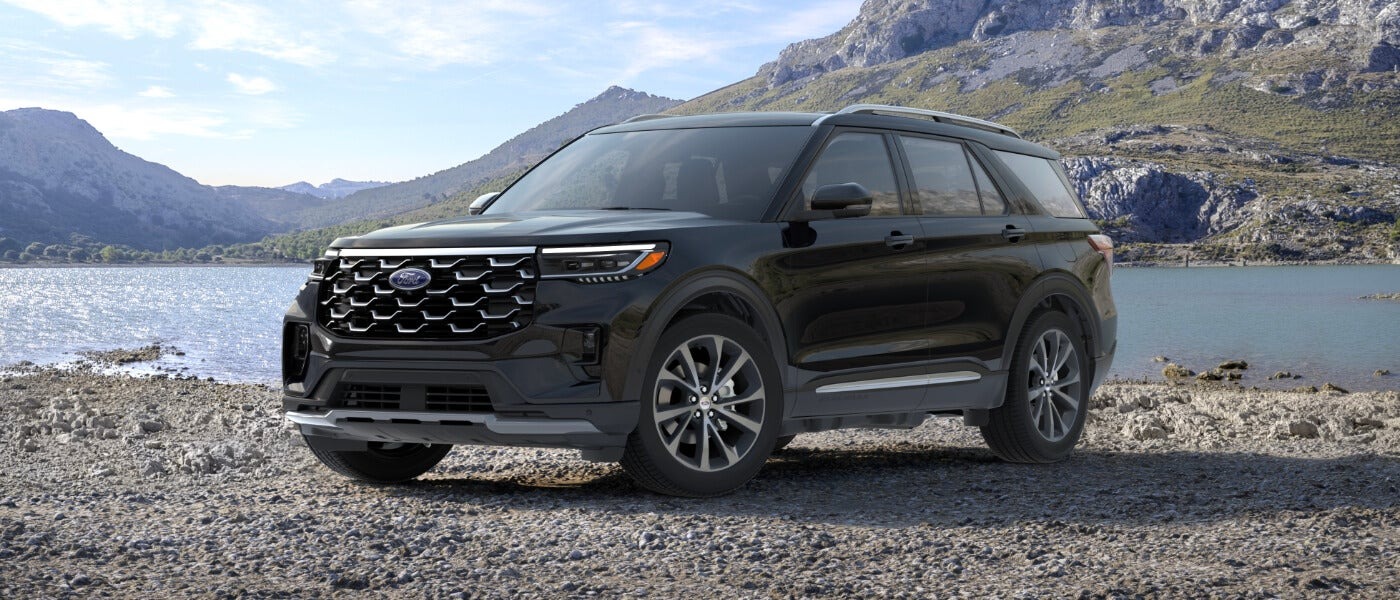
The Ford Explorer has been a popular mid-size SUV for many years, but its frame design does not match the strength found in full-size, body-on-frame models. The Explorer uses a unibody structure, which integrates the frame and body into a single piece. While this approach saves weight and improves ride comfort, it is not as resistant to twisting and heavy stress as a separate frame.
In regular driving conditions, the Explorer performs well, offering good handling, smooth suspension, and a comfortable interior. However, in cases where the vehicle is subjected to heavy towing or rough, repeated off-road use, the frame may experience strain. Some drivers have reported flexing or weakened rigidity after years of challenging use.
Corrosion is less of an issue in recent models compared to older versions, thanks to improved rust prevention. Even so, the structure is not designed to handle the kind of extreme loads that truck-based SUVs can manage. The suspension system, while tuned for comfort, is also not intended for heavy-duty work over long periods.
For families seeking a mid-size SUV for city driving, highway travel, and occasional light off-road trips, the Explorer can be a good choice. But for buyers prioritising maximum frame strength and long-term durability under pressure, a body-on-frame alternative may be better suited.
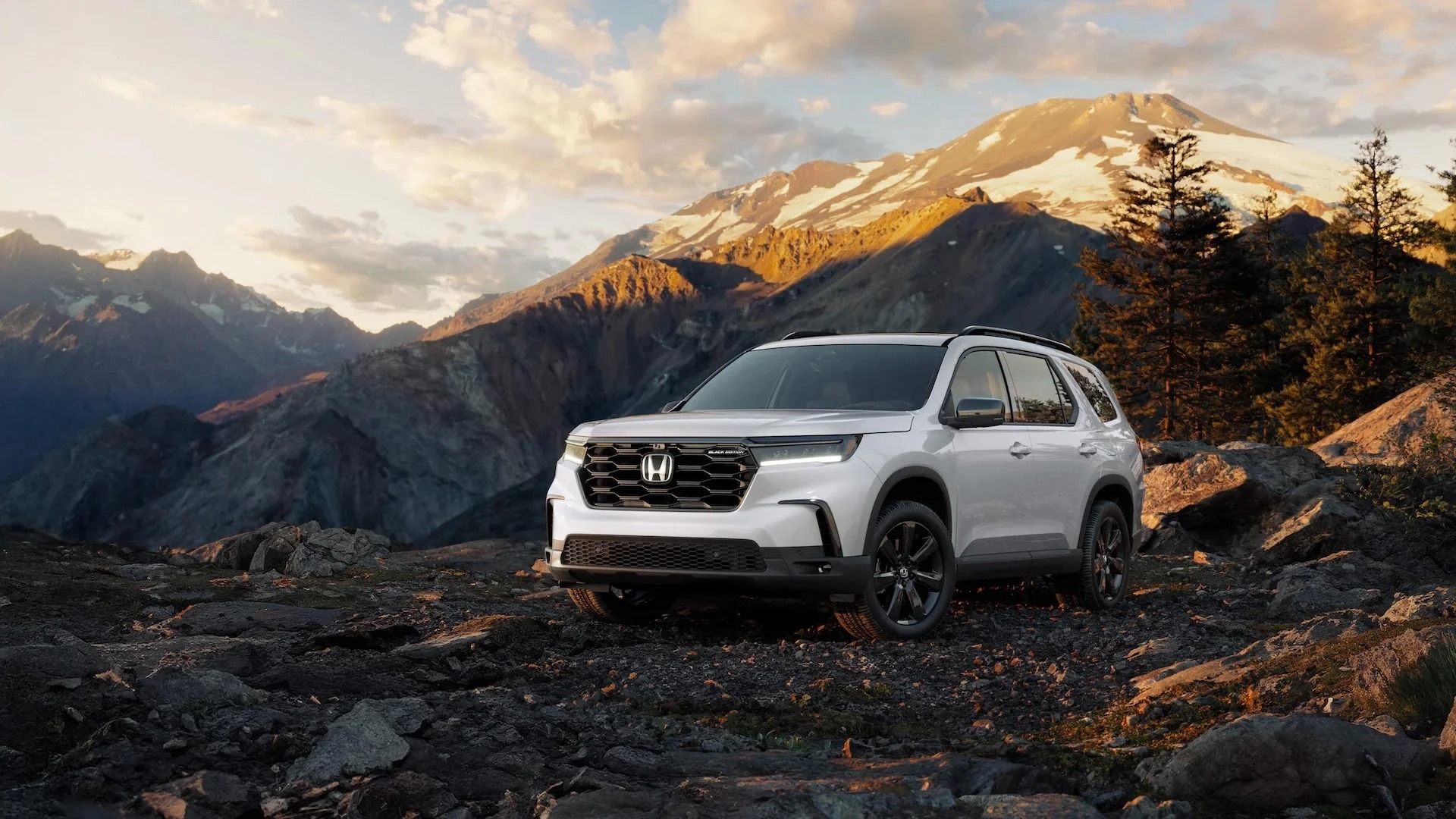
3. Honda Pilot
The Honda Pilot has earned praise for its spacious interior, smooth driving experience, and reliability in everyday use. However, when it comes to frame strength, it is built more for comfort than for heavy-duty endurance. The Pilot features a unibody construction, which helps it drive more like a car and improves fuel efficiency, but this design does not offer the same level of toughness as a full frame.
While the Pilot handles city and highway driving very well, it is not meant for sustained towing or aggressive off-road use. Drivers who push it beyond its intended capabilities may notice structural wear after some time, especially if the vehicle is used for hauling heavy loads or traveling extensively on rough roads.
The Pilot’s corrosion resistance is respectable, with Honda incorporating protective measures to extend its lifespan. Still, when compared to SUVs built on traditional truck platforms, its frame is less suited to extreme demands.
Many owners enjoy the Pilot for its dependability and family-friendly features, and it excels in its intended role as a comfortable, versatile SUV. Yet, those looking for a vehicle that can consistently withstand severe stress may prefer a model with a more rugged frame construction.
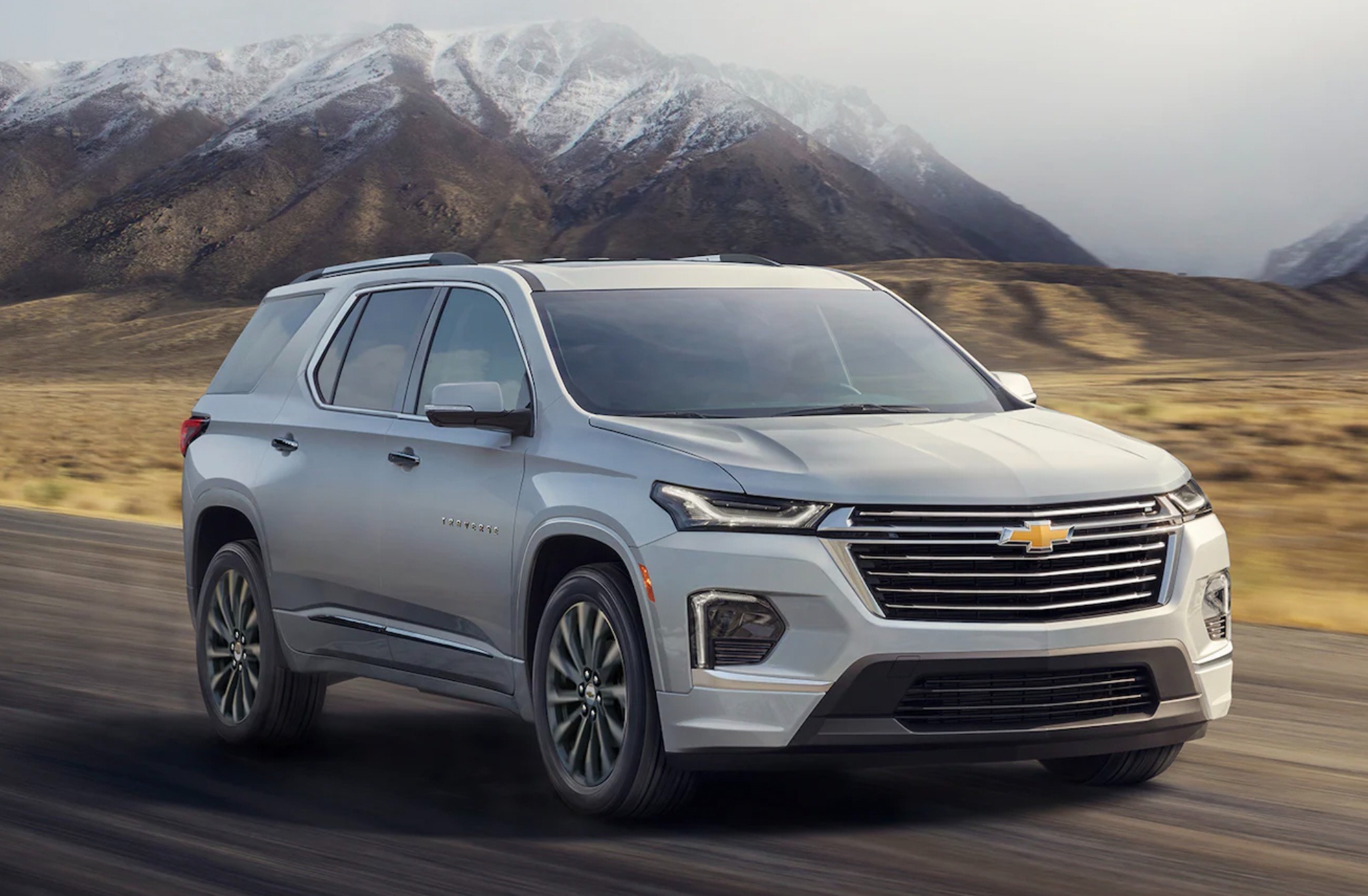
4. Chevrolet Traverse
The Chevrolet Traverse is aimed at drivers who value a roomy interior, modern technology, and an overall easy-to-drive nature. With seating for up to eight passengers, it is one of the more spacious options in the mid-size SUV market.
Families often appreciate its comfortable seating arrangement, generous cargo space, and advanced features such as driver-assistance technology and a user-friendly infotainment system. Underneath, the Traverse is built on a unibody frame.
This approach allows the vehicle to deliver a smoother ride and better handling than many truck-based SUVs. The lighter structure helps with fuel efficiency and makes the SUV feel more composed on city streets and highways. However, the same design that benefits comfort and handling also places a limit on its ability to manage extreme physical stress.
When used for typical activities like commuting, school runs, and weekend trips, the Traverse performs reliably. It handles well in curves, maintains a quiet cabin, and offers respectable fuel economy for its size.
The challenge comes when the vehicle is pushed into more demanding roles. Heavy towing, frequent travel over unpaved roads, or sustained exposure to rough conditions can cause stress to the unibody structure. In the long run, this strain may lead to reduced rigidity or issues with the chassis alignment.
General Motors has worked to improve rust prevention in the Traverse, using protective coatings and better drainage designs to extend the frame’s life in normal environments. Even with these measures, heavy-duty use still reveals its limitations. The suspension system is tuned for comfort rather than maximum load-bearing capacity, meaning it can feel less steady under extreme weight.
For those who need an SUV that excels in comfort, passenger room, and everyday convenience, the Traverse is a strong choice. Yet buyers who plan to carry heavy loads often or regularly drive in punishing conditions may find more dependable durability in a body-on-frame SUV built for those demands.
Also Read: 5 SUVs That Stay Stylish and 5 That Look Old Too Soon
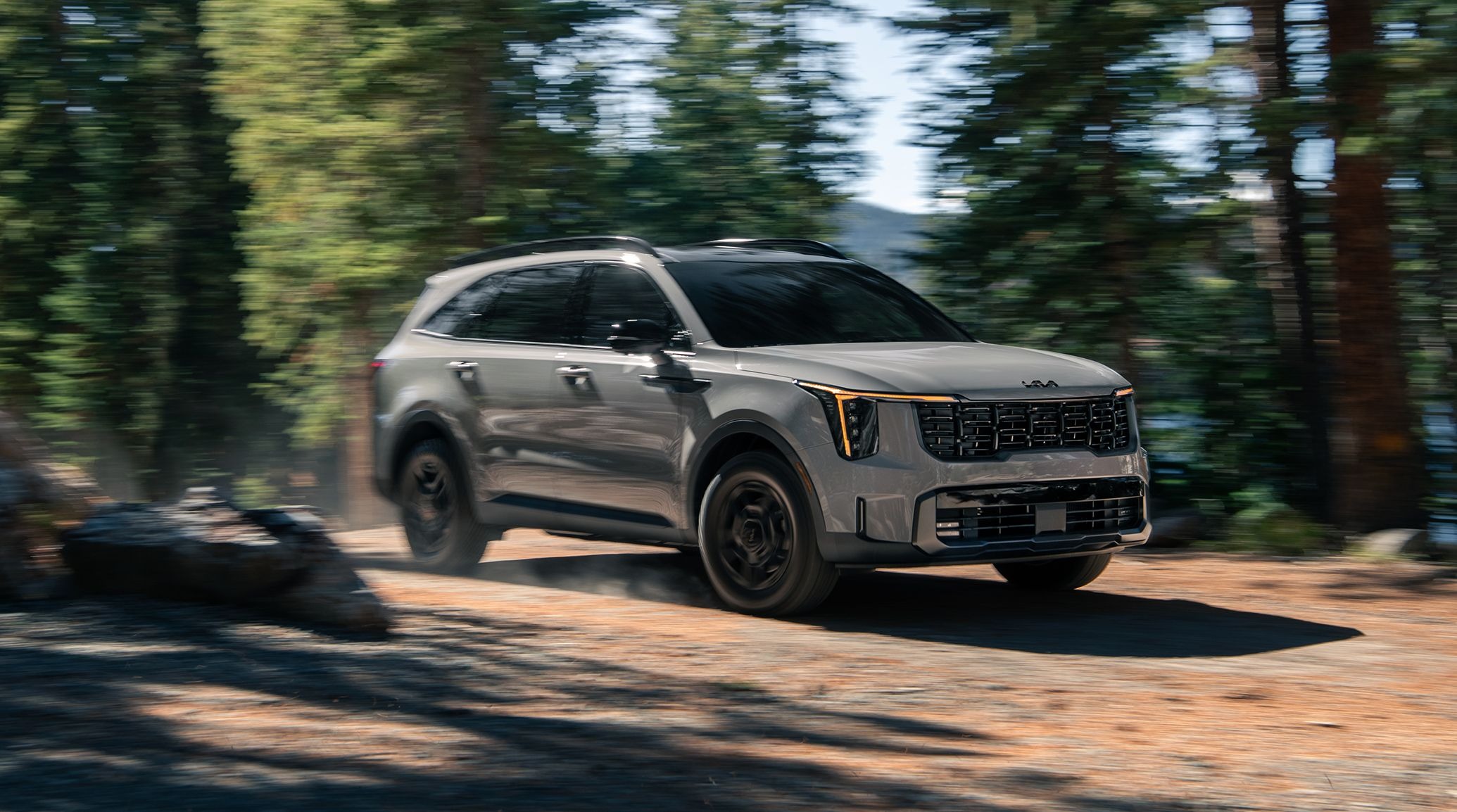
5. Kia Sorento
The Kia Sorento stands out in the mid-size SUV category for its stylish design, thoughtfully arranged interior, and a broad list of available features. It offers seating for up to seven passengers, making it a practical choice for families that need both space and comfort. The cabin is well-appointed, with quality materials and modern technology, including advanced safety systems and user-friendly infotainment.
Underneath, the Sorento uses a unibody construction, which integrates the frame and body into one piece. This setup gives the vehicle a more car-like feel on the road, delivering smooth handling and a comfortable ride.
While these qualities enhance its appeal for everyday commuting and long drives on well-paved roads, the design does not provide the same level of strength found in traditional body-on-frame SUVs. For typical daily driving, the Sorento performs admirably.
It accelerates smoothly, handles corners with stability, and offers a quiet cabin experience. However, when pushed into duties such as heavy towing or frequent travel over rough, uneven terrain, the limitations of its frame become apparent. Owners who have used the Sorento beyond its intended capacity have occasionally reported issues like chassis flex or premature suspension wear, especially after extended periods of intense use.
Kia has incorporated anti-corrosion treatments to extend the vehicle’s life, making it reasonably resistant to rust under normal conditions. Still, its structural focus remains on comfort, efficiency, and weight reduction rather than maximum durability under constant stress.
For buyers whose driving involves school drop-offs, highway travel, and occasional light outdoor trips, the Sorento delivers a balanced mix of comfort and practicality. But for those who expect their SUV to handle years of heavy-duty demands without signs of frame fatigue, a sturdier, truck-based design would be a more dependable choice.
For many buyers, the decision between a body-on-frame SUV and a unibody SUV comes down to intended use. Body-on-frame options deliver exceptional toughness and remain steady under demanding conditions.
They handle towing, off-road driving, and long-distance travel with heavy cargo far better than lighter structures. This makes them dependable partners for those whose driving takes them beyond smooth city streets.
Unibody SUVs, while less rugged, provide advantages that appeal to a different group of drivers. They often have better ride comfort, improved fuel efficiency, and handling that feels more like a car. These qualities can make them ideal for family life, daily commuting, and leisure travel where extreme durability is not a priority.
An informed buyer weighs both categories carefully, matching the strengths of the vehicle to personal needs. If your routine involves work or hobbies that demand physical strength from your SUV, investing in a model with a sturdy frame could mean fewer worries and lower repair costs down the line. If you mostly drive in urban or suburban settings with occasional road trips, a comfortable unibody SUV might offer the best balance of features and efficiency.
Understanding the structural foundation of your next SUV ensures you choose a vehicle that fits not just your current lifestyle but also your future plans. A smart choice today can result in a dependable companion for years, giving you peace of mind every time you get behind the wheel.
