

Car lovers often pay attention to more than just speed or design. The sound of an engine is one of the things that draws people in and makes driving a more emotional experience. A well-tuned exhaust note can make even a modest car feel like something much more exotic.
Many drivers dream of owning a V12-powered machine because of its deep, rich, and smooth sound. However, most genuine V12 cars are far from cheap, which leaves many enthusiasts searching for affordable engines that can produce a similar tone without draining their bank accounts.
Technology, aftermarket modifications, and clever engineering have made it possible for some smaller engines to mimic the impressive sound profile of a V12. These engines may have fewer cylinders, but with the right setup, they can produce a note that turns heads and makes you forget it is not the real thing.
From certain inline-sixes to specific V6s, these powerplants give drivers a taste of the V12 experience at a fraction of the cost. While some engines impress with sound that can make people believe they are hearing a high-end supercar, others miss the mark entirely.
Some engines struggle to produce anything pleasant and instead remind you of a kitchen blender working too hard. These kinds of engines may get the job done mechanically, but they lack any charm when it comes to sound.
5 Affordable Engines That Sound Like V12s

1. BMW M54 Inline-Six
BMW’s M54 engine, produced in the early 2000s, is one of the best examples of a relatively affordable powerplant that can give drivers an experience close to that of a V12. This 3.0-litre inline-six is naturally aspirated, which allows it to produce a smooth and consistent tone that feels refined rather than harsh.
The firing order and even spacing between the power strokes help to create a sound that flows seamlessly, much like a well-balanced orchestra. When combined with a quality aftermarket exhaust system, the note can take on a rich, deep character that is surprisingly close to the velvety roar associated with twelve-cylinder cars.
The M54 does not just sound good; it is also known for being reliable when maintained properly. Owners appreciate that it can be found in models like the BMW E46 330i and the E39 530i, which are still available in the used car market at reasonable prices. This means enthusiasts can enjoy an engaging driving experience without spending a fortune.
Many mechanics and tuners have learned to get the best out of this engine by pairing it with freer-flowing exhaust systems, high-quality headers, and performance intakes. The result is a car that might make pedestrians turn their heads, expecting an expensive grand tourer to be approaching.
Another factor that helps the M54 sound so good is BMW’s attention to engineering balance. The smoothness of the inline-six layout, combined with precise tuning, means vibrations are kept to a minimum. This allows the sound to come through clearly without being masked by unwanted mechanical noise.
Drivers have described the sensation of accelerating through the rev range as addictive, with a build-up of sound that rewards higher RPMs in a way that feels luxurious. For anyone looking to experience something reminiscent of a V12 without paying V12 prices, the BMW M54 is a smart choice that blends affordability, reliability, and auditory pleasure.

2. Nissan VQ35DE V6
Nissan’s VQ series of V6 engines has a strong reputation for producing one of the most pleasing sounds in its class, and the VQ35DE is no exception. Found in models such as the Nissan 350Z, Infiniti G35, and certain Maxima trims, this 3.5-litre V6 is affordable in the used market while offering a note that can surprise many people with its depth and character. The naturally aspirated design, combined with a high rev ceiling, allows this engine to sing in a way that some have compared to a shrunken exotic.
The reason the VQ35DE can sometimes sound similar to a V12 is due to its exhaust tuning and cylinder bank arrangement. With the right aftermarket exhaust, the harmonics become smoother and richer, giving it an almost exotic tone.
The deep burble at low RPMs transitions into a crisp and controlled howl as the revs climb, which is a quality that mirrors the behaviour of high-end grand tourers. Some owners install equal-length headers and high-flow catalytic converters to further refine the sound, making it even more convincing to untrained ears.
Performance aside, the VQ35DE is known for its durability when serviced regularly. Enthusiasts value the balance between its price, power output, and sound quality. Many used models equipped with this engine can be purchased for a fraction of what one would spend on a real V12 car, and yet they can still deliver an engaging audio experience.
One unique trait of the VQ35DE is how it handles mid-range acceleration. The way the sound builds and maintains clarity even under heavy throttle gives drivers a sense of premium performance. When paired with a manual transmission, the auditory feedback feels even more involved, making every gear change satisfying.
This combination of affordability, reliability, and a luxurious sound profile places the VQ35DE among the top budget engines for those seeking something reminiscent of a V12.
Also Read: 5 Affordable Engines That Still Sound Good and 5 That Always Knock

3. Toyota 2JZ-GE Inline-Six
The Toyota 2JZ-GE is often overshadowed by its turbocharged sibling, the 2JZ-GTE, but for those who focus on sound and reliability rather than extreme horsepower, the naturally aspirated version is a gem.
Found in cars like the Toyota Supra (non-turbo) and Lexus GS300, this 3.0-litre inline-six is a smooth operator that delivers an exhaust note capable of tricking people into thinking it is something more exotic. The firing order and even combustion pulses give it a clean tone, while the inline-six configuration naturally produces balance, reducing vibration and allowing the sound to shine.
With the right exhaust setup, the 2JZ-GE creates a velvety growl at low revs that swells into a rich, almost orchestral sound at higher RPMs. The resemblance to a V12 comes from the engine’s ability to maintain a composed, non-raspy tone throughout the rev range.
Many tuners opt for performance headers, free-flowing mid-pipes, and high-quality mufflers to accentuate the deep and full-bodied character. This results in a sound profile that can be refined enough for a luxury cruiser yet aggressive enough for a spirited drive.
One reason the 2JZ-GE stands out is its reputation for durability. Even with high mileage, these engines can run smoothly for years when maintained properly. The aftermarket support for the 2JZ platform means there are endless ways to enhance the sound without compromising reliability.
Since the non-turbo models are more affordable than the sought-after twin-turbo versions, they present an opportunity for budget-conscious enthusiasts to enjoy a premium-sounding engine without overspending. On the road, the way the 2JZ-GE delivers its sound makes highway cruising enjoyable and city driving less mundane.
The seamless power delivery and consistent tone give a feeling of refinement uncommon in engines within its price bracket. For anyone seeking a budget-friendly way to experience a sound akin to a V12, the 2JZ-GE is an excellent candidate that blends affordability, smoothness, and a memorable exhaust note.

4. Honda J35 V6
Honda’s J35 V6 is widely respected for its balance of performance, reliability, and versatility, but what surprises many is its ability to produce a refined sound when tuned correctly. Found in models like the Honda Accord V6, Acura TL, and Odyssey minivan, this 3.5-litre engine is accessible on the used market and offers a base for creating a tone reminiscent of a V12. The key lies in its smooth revving nature and adaptable exhaust note.
While stock versions may sound more restrained, installing a well-designed exhaust system can transform the J35 into something special. Equal-length headers, performance mufflers, and a resonator delete can give the engine a deep, rich tone with a smooth progression through the rev range. When executed properly, the sound is neither too harsh nor too muted, making it suitable for both daily driving and spirited runs.
The J35’s architecture plays a part in its sound quality. Its 60-degree V6 layout helps balance the firing intervals, resulting in a more harmonised tone. At lower revs, it produces a mellow burble, but as the needle climbs past 4,000 RPM, the sound begins to swell into a smoother, more exotic note. This gradual build mirrors the way a V12 delivers its sound, making it appealing to those seeking an affordable alternative.
Durability is another advantage. Honda’s engineering ensures the J35 can handle high mileage with minimal issues when properly maintained. This reliability, combined with its affordability and sound potential, makes it a favourite among budget-conscious enthusiasts who want something more engaging than a standard four-cylinder hum.
On the road, the J35’s refined tone can surprise people, especially when they see it coming from a sedan or even a family minivan. It proves that with the right modifications, an everyday engine can produce a premium, V12-like experience.

5. Ford Cyclone 3.7 V6
Ford’s Cyclone 3.7-litre V6, found in cars like the 2011–2014 Mustang and certain Lincoln models, is an underrated choice for those seeking an affordable engine with a rich and engaging sound. While it does not have the prestige of a European powerplant, the Cyclone can produce a tone that comes surprisingly close to the smoothness of a V12 when modified correctly.
The naturally aspirated design allows the engine to rev cleanly without the interference of turbocharger whine. In stock form, the exhaust note is decent, but it becomes far more impressive with a set of long-tube headers, high-flow catalytic converters, and a performance cat-back system. These upgrades can smooth out the tone and bring out a deep, full resonance that is far from the raspy character of some other V6 engines.
One reason the Cyclone sounds so good is its relatively even firing intervals, which help maintain a consistent tone across the rev range. At idle, it produces a steady burble, and as the revs climb, the sound transitions into a smooth, flowing note that feels luxurious and composed. This progression is what makes it comparable to a V12, especially in the mid-to-high RPM range.
Affordability is another plus. Used Mustangs and Lincolns equipped with this engine can be found at reasonable prices, and parts availability is strong. The engine is also known for solid reliability, making it a practical choice for those who want good sound without sacrificing everyday usability.
On the road, the Cyclone 3.7 V6 can easily pass for something more exotic when heard from a distance, and with the right setup, it delivers an audio experience that is hard to believe comes from a budget-friendly American V6.
5 Affordable Engines That Sound Like Blenders

1. Mitsubishi 4G69 Inline-Four
The Mitsubishi 4G69 is a 2.4-litre inline-four engine found in vehicles like the Mitsubishi Eclipse, Outlander, and Galant. While it is reliable and relatively efficient, it has never been praised for producing a pleasant sound.
The problem lies in its coarse nature and lack of refinement, which results in an exhaust note that often resembles a strained kitchen appliance. At low RPMs, the sound can feel dull and uninspiring, and when pushed to higher revs, it develops a buzzing quality that is far from musical.
Part of the issue comes from the engine’s design. The inline-four configuration, without sophisticated balancing technology, tends to generate more vibration, which can translate into a harsher sound. Even with an aftermarket exhaust, the 4G69 struggles to produce anything resembling a smooth or exotic tone. Enthusiasts who attempt modifications often find the resulting sound either too droning or too sharp, making long drives tiring on the ears.
Performance-wise, the 4G69 does its job well enough for daily commuting, but its sonic character lacks any sense of excitement. The engine noise does not build in a progressive or refined way; instead, it becomes louder and more mechanical as revs increase, without developing a pleasing harmonic. This is why many drivers describe it as blender-like, functional but far from inspiring.
Affordability is one of its main advantages, as cars equipped with the 4G69 can be found cheaply in the used market. For someone who cares only about getting from point A to point B, the sound may not be a dealbreaker.
However, for drivers who value an enjoyable exhaust note, this engine will likely disappoint. It is a reminder that not all affordable engines can deliver an engaging audio experience, no matter how much tuning is applied.

2. Chevrolet Ecotec 2.2 Inline-Four
The Chevrolet Ecotec 2.2-litre engine, used in models like the Chevrolet Cobalt, Malibu, and Saturn Ion, is known for being practical and durable, but its sound profile leaves much to be desired. At idle, the engine produces a flat, uninspiring hum, and when accelerating, the tone becomes a monotone drone that has been compared to the noise of a household blender. This lack of character makes the driving experience less engaging for those who appreciate a good engine sound.
The root of the problem lies in its utilitarian design. The Ecotec 2.2 was engineered for fuel efficiency and cost-effectiveness, not for producing a refined exhaust note. Its firing order and minimal sound insulation mean that engine vibrations and mechanical noises are more noticeable, especially under load. Even with aftermarket upgrades, the sound tends to remain rough and lacks the depth that enthusiasts seek.
Drivers who have tried installing performance mufflers often report minimal improvement. Instead of achieving a sporty growl, the engine simply becomes louder, retaining its buzzy character. On the highway, the constant drone can be tiring, particularly during long journeys. This makes it less appealing for those who want both performance and auditory enjoyment.
That being said, the Ecotec 2.2 has its strengths. It is affordable to maintain, parts are easy to find, and it can handle daily driving without major issues. However, when it comes to sound, it is far from inspiring. People who buy cars with this engine often do so for practicality rather than passion. For enthusiasts, the lack of a pleasant tone makes it one of the least desirable choices in terms of audio enjoyment.
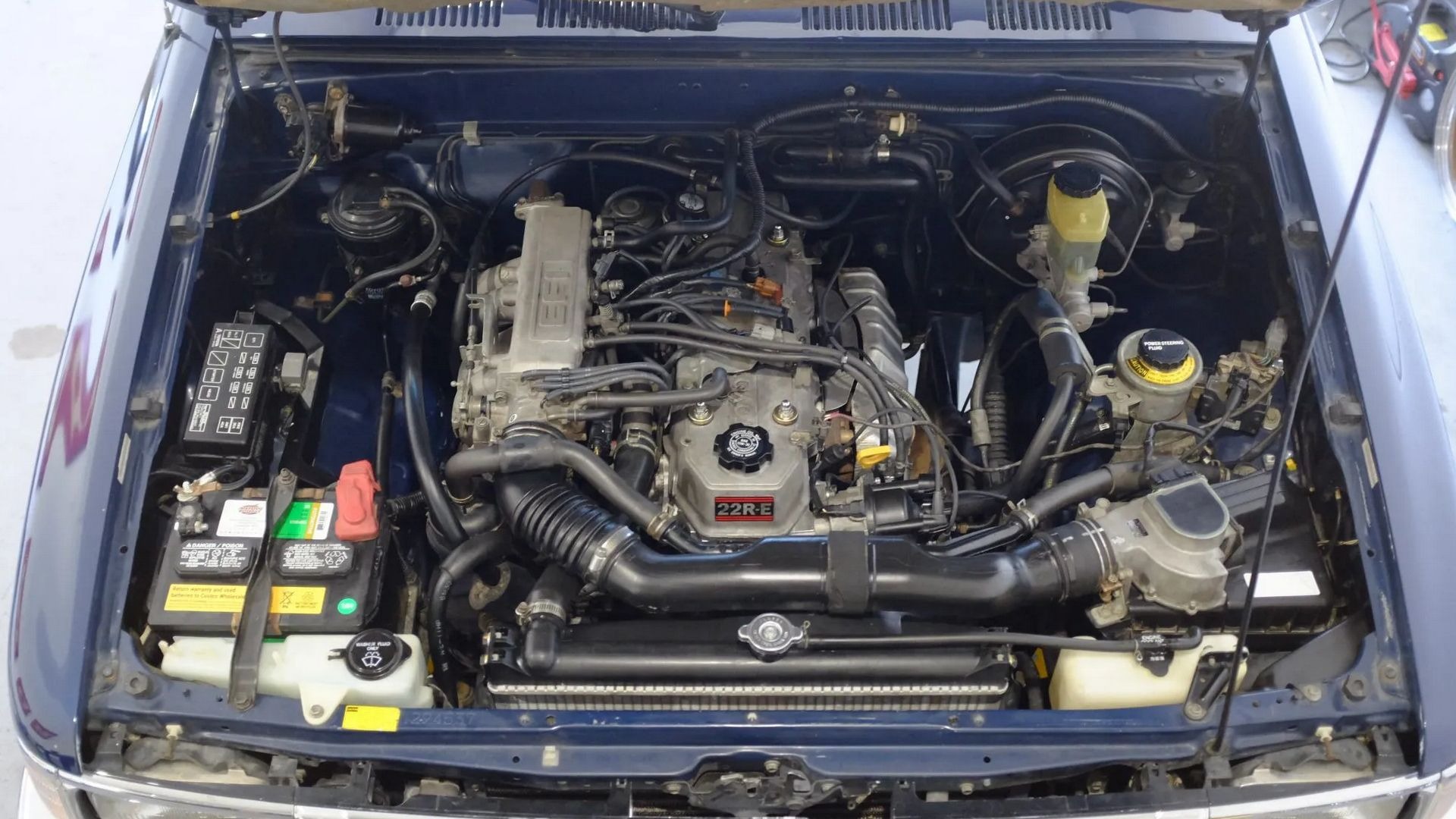
3. Toyota 1NZ-FE Inline-Four
Toyota’s 1NZ-FE 1.5-litre inline-four engine is a small, efficient unit used in models like the Toyota Yaris, Corolla, and Prius. While it is praised for fuel economy and long-term reliability, it is not known for producing a satisfying engine sound. Its compact design and focus on efficiency result in a flat, high-pitched tone that lacks depth or musicality.
At low speeds, the sound is relatively quiet, which can be a good thing for city commuting. However, once the engine is pushed to higher revs, it begins to emit a strained buzzing noise that is often compared to a small appliance. The sound does not develop into anything rich or full-bodied, which means that driving engagement suffers for those who enjoy an emotional connection to their cars.
Because the 1NZ-FE is built for economy, there is little emphasis on exhaust tuning or sound refinement. The firing order and engine balance make it difficult to produce a smooth note, even with aftermarket modifications. Many owners who attempt exhaust upgrades find that the engine becomes louder but still unpleasant, often with a tinny resonance that amplifies at highway speeds.
Where this engine shines is in its reliability and fuel savings. Cars equipped with the 1NZ-FE are inexpensive to run, making them ideal for budget-conscious buyers. But for enthusiasts who want something more exciting to listen to, this engine will likely fall short. It is a workhorse that prioritises function over feeling, and that comes through in its uninspired sound.

4. Hyundai Beta II 2.0 Inline-Four
The Hyundai Beta II 2.0-litre inline-four, used in models like the Hyundai Elantra and Tiburon, is another example of an engine that gets the job done mechanically but offers little in terms of sound appeal. In factory form, it produces a coarse and droning tone that lacks the refinement or smoothness that would make it enjoyable for spirited driving.
The problem is partly due to the engine’s basic architecture and partly due to minimal acoustic tuning. While the Beta II is reliable and reasonably powerful for its class, its exhaust note feels unpolished. The sound remains one-dimensional, and at higher revs, it develops a harsh edge that many drivers describe as unpleasant. This gives it a characteristic similar to a blender at full speed, functional but far from exciting.
Even with performance modifications, the improvement in sound is minimal. The engine’s inherent balance issues mean that it is hard to achieve a smooth, flowing tone. Instead, aftermarket exhausts often make the noise sharper and more intrusive, which can become irritating during daily driving. On long trips, the droning sound at cruising speeds is one of the biggest complaints from owners.
That said, the Beta II is inexpensive to maintain and can be a dependable choice for someone who does not care about engine sound. However, for car enthusiasts, its lack of auditory appeal is a major drawback. It is a reminder that not every engine is designed with sound quality in mind, and sometimes performance and reliability come at the expense of driving excitement.
Also Read: 5 V8 Engines That Refuse to Quit and 5 That Self-Destruct

5. Chrysler 2.7 V6
The Chrysler 2.7-litre V6, found in vehicles like the Chrysler Sebring, Dodge Intrepid, and certain Jeep models, may have six cylinders, but it fails to deliver the smooth and rich tone expected from a V6. Instead, the sound is often described as mechanical and flat, lacking both depth and excitement. When revved, it produces a strained noise that does not encourage spirited driving.
This engine’s design prioritised cost and packaging efficiency over acoustic performance. As a result, the firing intervals and exhaust tuning do not create a harmonised note. At idle, it is unremarkable, and under acceleration, it tends to sound harsh and uninspired. Many owners who have attempted exhaust modifications find that the tone becomes louder but not necessarily better, often taking on an unpleasant rasp.
While the 2.7 V6 can deliver acceptable performance for everyday driving, it lacks the emotional connection that comes from a well-sounding engine. The noise does not progress smoothly through the rev range, and there is no rewarding climax at higher RPMs. This makes it a poor choice for drivers who value sound as part of their driving enjoyment.
On the positive side, cars equipped with the 2.7 V6 can be found at low prices in the used market, and maintenance costs are generally manageable. However, for those who care about an engaging exhaust note, this engine will likely disappoint. Its bland and sometimes unpleasant tone earns it a place among affordable engines that sound more like kitchen appliances than performance machines.
