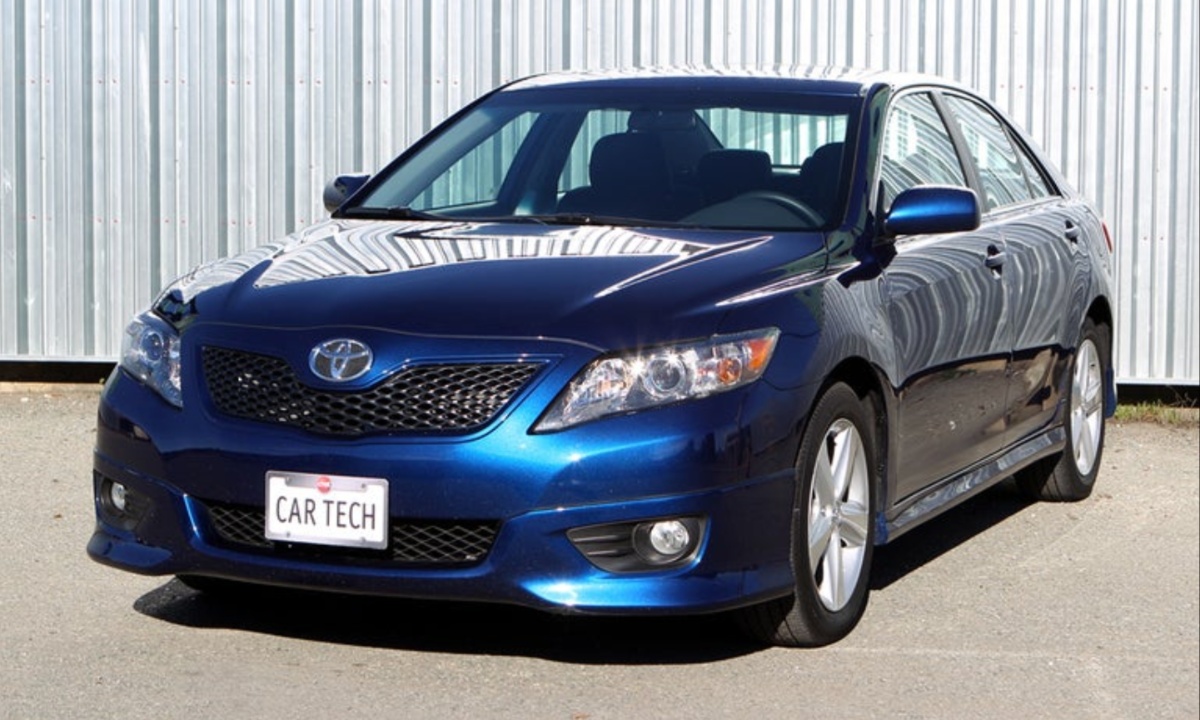
For decades, the Toyota Camry has built a reputation for rock-solid reliability, comfort, and longevity. Certain model years stand out as excellent examples of Toyota’s commitment to quality, offering owners minimal repair needs, low annual maintenance costs, and long service lives.
These trusted years blend dependable mechanical engineering with either straightforward, functional interiors or more modern upgrades without sacrificing durability.
The following five Camry years not only earned high reliability scores from J.D. Power but also have relatively low recall numbers, making them ideal for drivers seeking a stress-free ownership experience.
From the simplicity of older models like the 2011 Camry to the tech-savvy, safety-oriented 2023 version, these cars prove that the Camry’s reputation for endurance is well-earned. Let’s look closely at the standout models and see why they remain top choices for used buyers and enthusiasts who value reliability above all else.
1. 2017 Toyota Camry – A Refined Generation Finale
The 2017 Toyota Camry marked the final year of the model’s fourth generation, benefiting from years of refinement and problem-solving before a complete redesign. Offered with either a fuel-efficient four-cylinder or a more powerful V6, it delivered balanced performance and long-term dependability.
Standard features included a 7-inch infotainment display and a convenient wireless charging pad, though the absence of Apple CarPlay and Android Auto may disappoint tech-focused buyers. With a strong J.D. Power reliability score of 86/100, the 2017 Camry earned its reputation for trouble-free ownership.
Only three recalls were reported, addressing issues with knee airbags and an improperly inflated spare tire, all relatively minor. Maintenance remains affordable, averaging $429 annually according to RepairPal.
As a well-rounded, comfortable sedan that blends proven engineering with useful amenities, the 2017 Camry appeals to drivers seeking a dependable midsize car without the growing pains often seen in newly redesigned models.
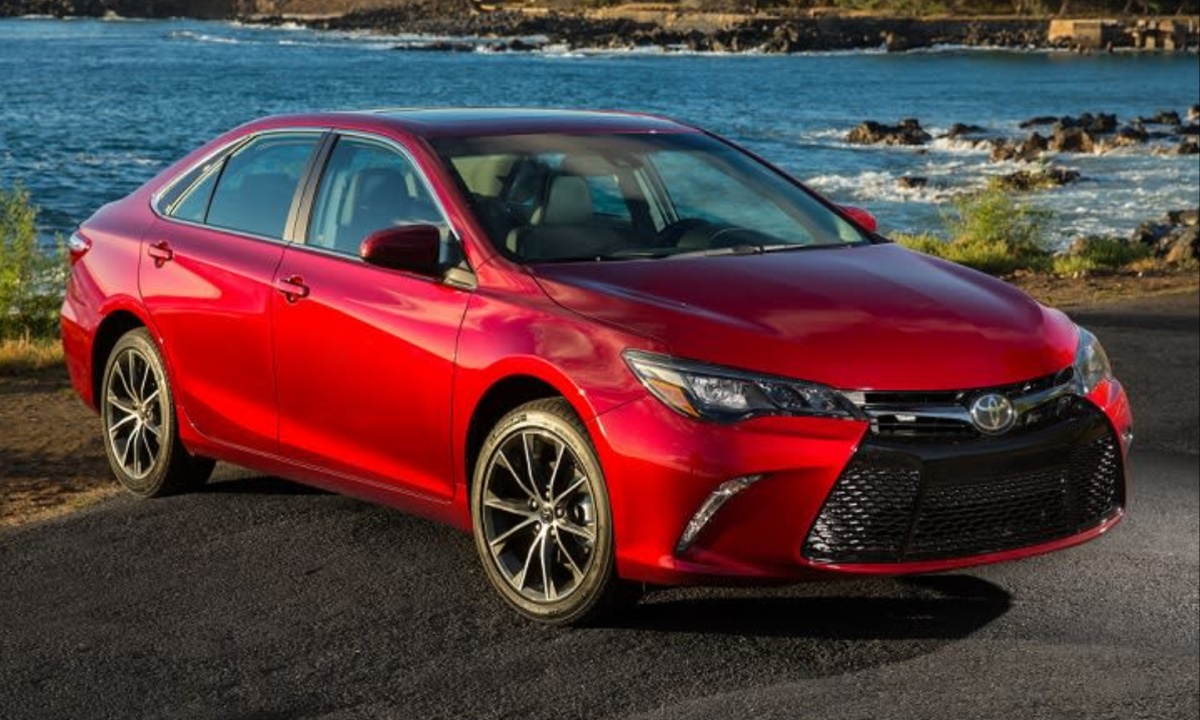
2. 2023 Toyota Camry – Modern and Reliable
The 2023 Camry shows how Toyota has evolved reliability into the modern era, scoring 88/100 on J.D. Power’s reliability scale. It merges dependable mechanical engineering with advanced technology, offering features like adaptive cruise control, lane departure alerts, and enhanced collision avoidance systems.
The cabin benefits from an upgraded infotainment system, improved connectivity, and premium material quality. Remarkably, its annual maintenance cost matches that of older models at $388, demonstrating Toyota’s consistency in keeping ownership affordable.
The 2023 model has only two minor recalls faulty head restraints and loose lug nuts both addressed at no cost through dealerships. With a comfortable ride, refined handling, and a suite of standard safety features, it caters to drivers who want modern conveniences without compromising long-term dependability.
For buyers looking for a newer Camry that maintains the brand’s legendary reliability while embracing innovation, the 2023 stands out as a prime choice.
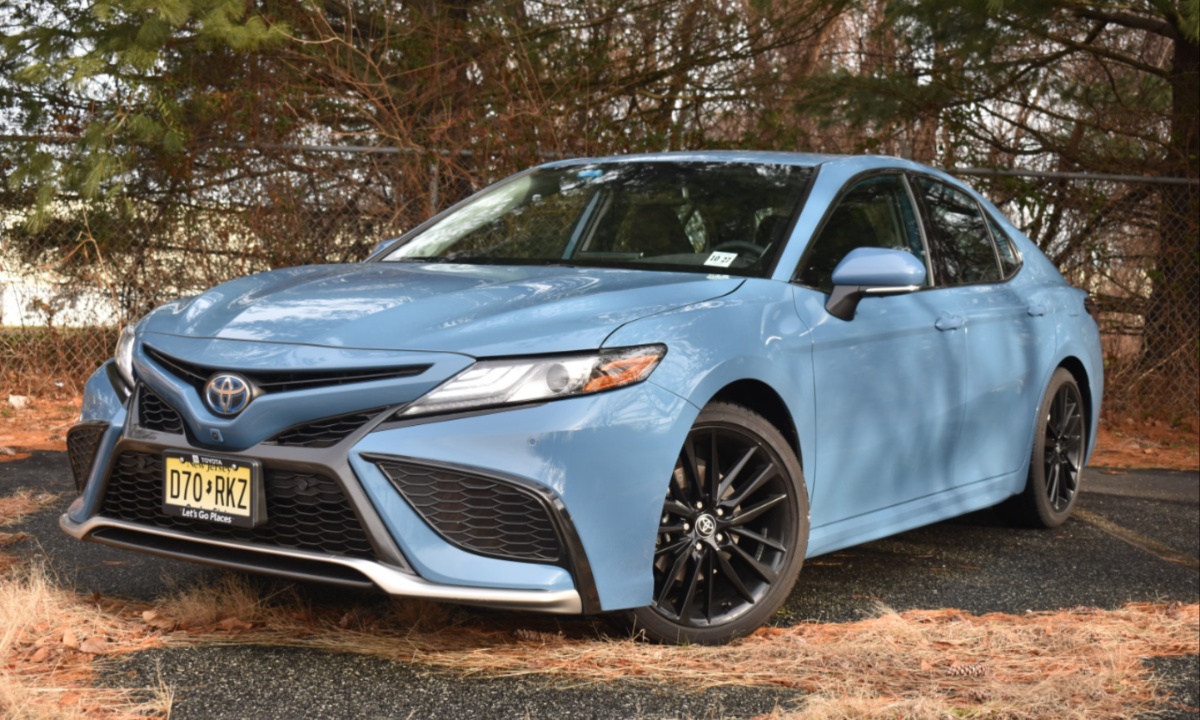
3. 2016 Toyota Camry – Power with Comfort
The 2016 Camry offers a rare blend of comfort-focused driving and brisk performance, especially with the available V6 engine capable of 0–60 mph in just 5.8 seconds. Despite its speed potential, it retains Toyota’s reputation for reliability, scoring 89/100 from J.D. Power.
The ride is tuned for smoothness rather than sportiness, making it perfect for daily use. Maintenance remains affordable at $329 annually, among the lowest in its class. With only two recalls a faulty airbag sensor and a mislabeled load capacity label the 2016 is a worry-free option.
Its spacious interior, quiet cabin, and refined suspension make it equally suited for long commutes or family trips. This year’s combination of performance, comfort, and reliability ensures it appeals to a wide audience, from practical commuters to drivers wanting a little extra power without sacrificing peace of mind.
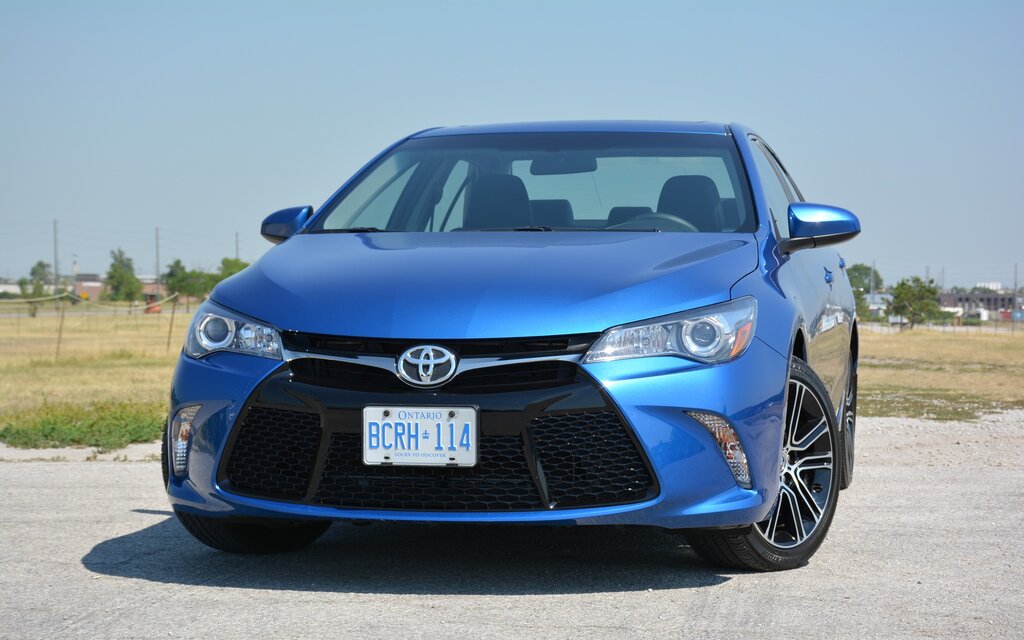
4. 2015 Toyota Camry – Stylish Refresh, High Scores
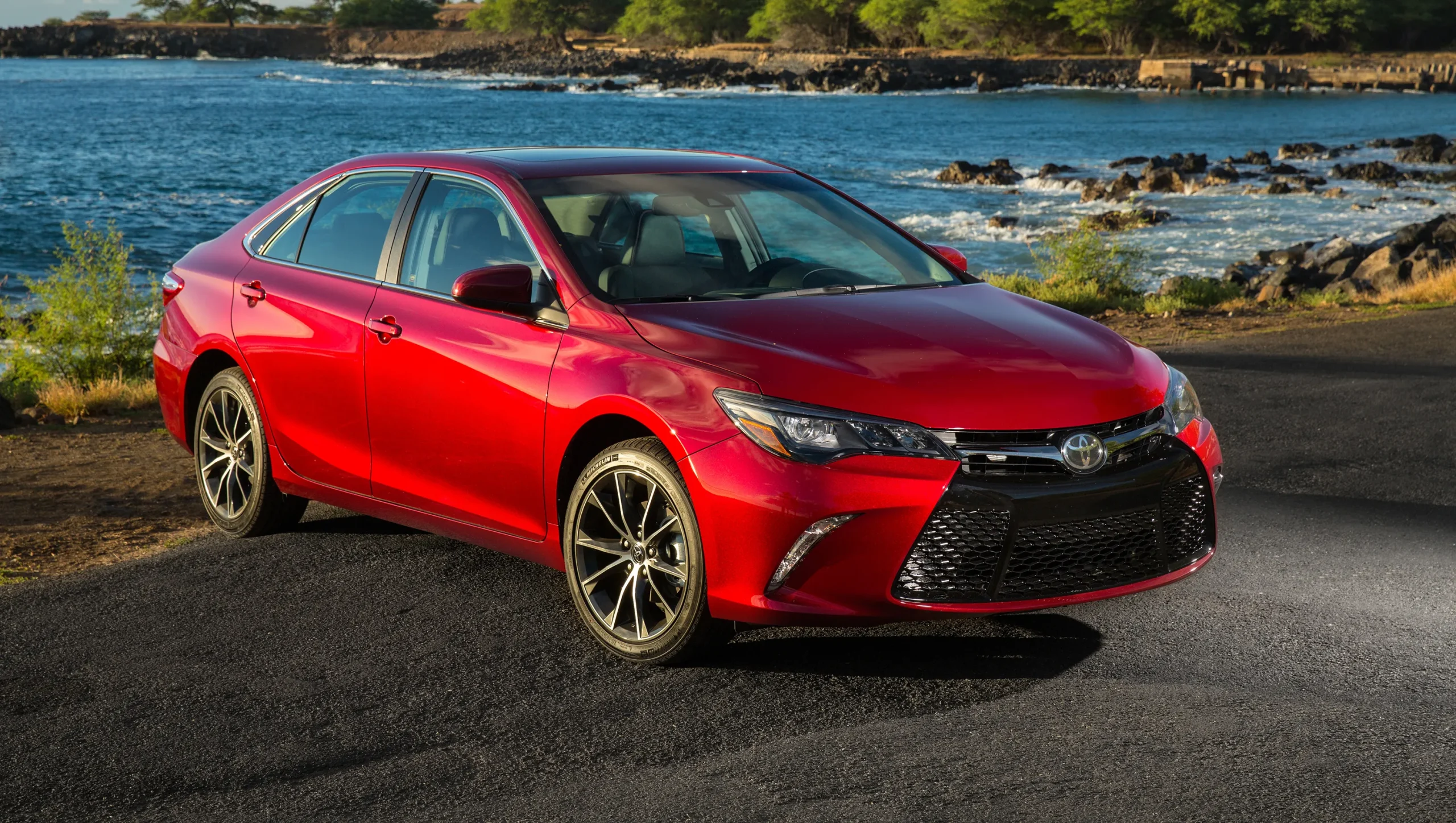
The 2015 Camry marked a significant mid-cycle refresh with Toyota’s “waku doki” design language, giving it sharper aesthetics including a razor-like grille, slimmer headlights, and vertical fog lights. Inside, a 7-inch touchscreen and automatic climate control became standard, improving everyday convenience.
With a reliability score of 90/100, it even outperformed the following year’s model in dependability ratings. Maintenance costs average $378 annually, and just one recall related to a potential power steering defect was issued.
This year blends mechanical dependability with a modernized appearance and enhanced comfort features, broadening its appeal beyond purely practical buyers.
The refreshed styling helped it stand out in a crowded midsize sedan segment, while its proven reliability reassured long-term owners. For those wanting both visual appeal and Toyota’s hallmark dependability, the 2015 Camry offers an ideal balance.
5. 2014 Toyota Camry – The Reliability Champion
Scoring 92/100 from J.D. Power, the 2014 Camry holds the title of the most reliable model year in this list. Known for exceptionally low ownership costs averaging $387 annually it remains on the road in impressive numbers over a decade later.
Its design is simple yet effective, offering a choice between a four- or six-cylinder engine and minimal but functional tech, such as wireless phone integration via a mobile app. Three recalls were issued, none significantly harming its reputation.
The 2014 Camry is a masterclass in delivering consistent performance year after year without unnecessary complexity. This model appeals to those seeking a car that will simply keep going with minimal fuss.
For anyone wanting a near-guaranteed trouble-free ownership experience, the 2014 remains a standout choice and a testament to Toyota’s engineering strengths.
Also Read: 5 Cars That Rarely Need Warranty Claims and 5 That Max Them Out
5 Toyota Camry Years That Had Big Problems
While the Camry is often synonymous with dependability, not every model year has lived up to the brand’s reputation. Certain releases suffered from widespread mechanical problems, safety concerns, or poor design choices, resulting in high numbers of consumer complaints and costly repairs.
These troubled years often stand out in contrast to the Camry’s usual track record, sometimes due to new generation rollouts or overlooked quality control issues. Problems ranged from severe transmission faults and excessive oil consumption to cosmetic defects and inadequate safety ratings.
For buyers in the used market, these years are cautionary tales examples where saving money on a purchase price might lead to far greater expenses and frustrations down the road.
The following five model years represent the most significant dips in Toyota Camry reliability history and are generally best avoided unless they have documented, verifiable repairs for their known issues.
1. 2002 Toyota Camry – Third Generation’s Rough Start
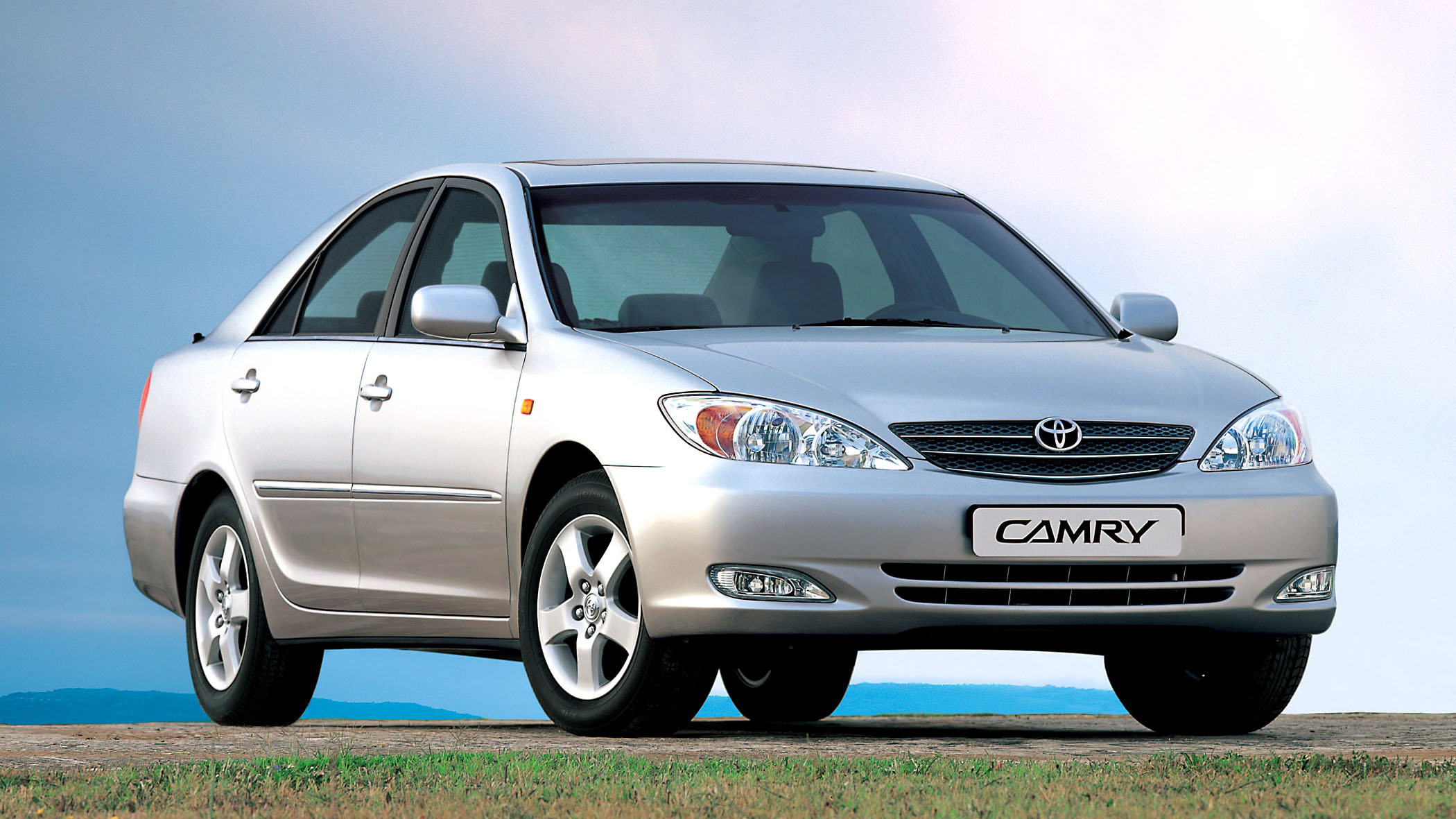
The 2002 Camry marked the introduction of the third generation, but it quickly became one of the brand’s least reliable years. With over 1,000 NHTSA complaints 411 of which involved engine problems it faced issues such as unintended acceleration, oil leaks, and brake failures.
These were not isolated incidents but widespread problems affecting a large portion of owners. The combination of mechanical instability and safety risks made this model a disappointment for those expecting Toyota’s usual reliability.
While some units may have been well-maintained, the sheer volume of complaints suggests inherent design flaws. Repair costs can be high, and issues like oil leaks may resurface even after fixes.
For these reasons, the 2002 Camry is generally considered a poor investment on the used market, representing a cautionary example of how even established models can stumble during generational changes.
2. 2007 Toyota Camry – The Worst Year on Record
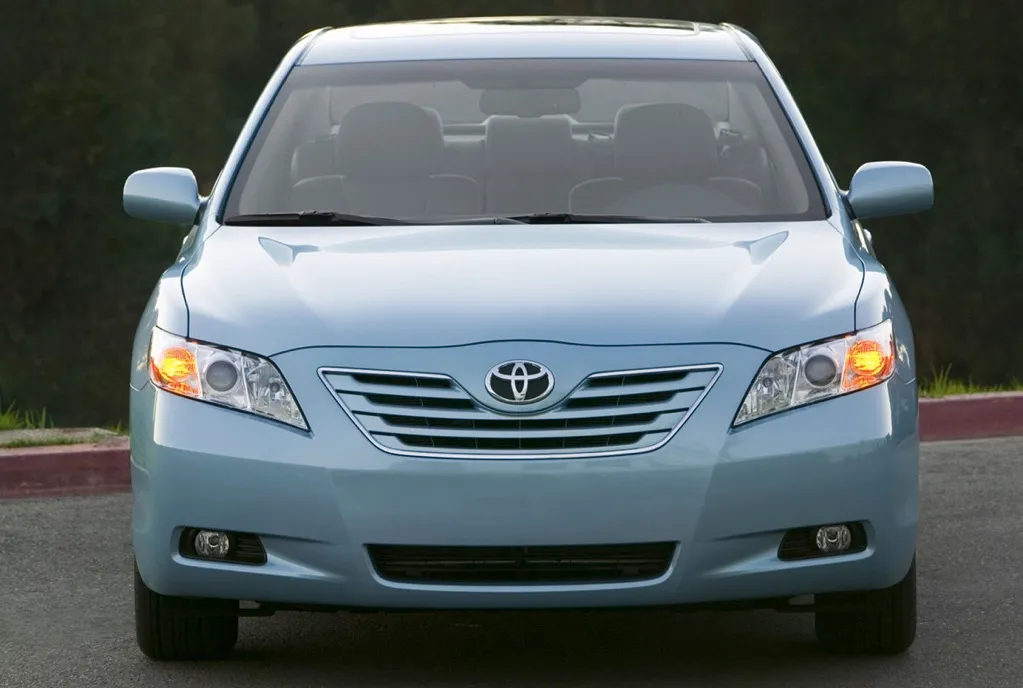
Widely regarded as the most problematic Camry year, 2007 racked up a staggering 3,572 NHTSA complaints more than twice that of any other year. The most serious issues involved transmission malfunctions, including delayed acceleration, gear slipping, and unsafe stalling, posing significant safety risks.
Additional complaints covered faulty power steering, persistent check engine light errors, and even random vehicle lockouts. Ironically, this was also the year the Camry won Motor Trend’s “Car of the Year,” a title that clashed with the real-world experiences of many owners.
Recalls addressed some defects, but persistent transmission and electrical issues left many dissatisfied. The high volume and severity of complaints make the 2007 Camry a year that buyers should avoid entirely unless full repair histories can be verified. It remains the clearest example of Toyota’s occasional quality control lapses.
3. 2008 Toyota Camry – Persistent Flaws
The 2008 Camry saw modest improvement over 2007 but still faced over 1,000 NHTSA complaints. Excessive oil consumption was a major concern, with 258 complaints filed specifically on the issue. Transmission troubles and faulty check engine lights also carried over from the previous year, frustrating owners.
A new safety problem emerged: sun visors that would randomly fall and obstruct the driver’s view, creating hazardous driving conditions. Despite eight recalls, none addressed this visor defect. These problems overshadowed the Camry’s otherwise solid build quality, making it a risky choice for used buyers.
While not the absolute worst, the 2008 model’s combination of lingering mechanical faults and unresolved safety hazards tarnished its reputation. It stands as a reminder that fixing one year’s problems doesn’t always guarantee the next will be trouble-free, especially when underlying engineering flaws remain unaddressed.
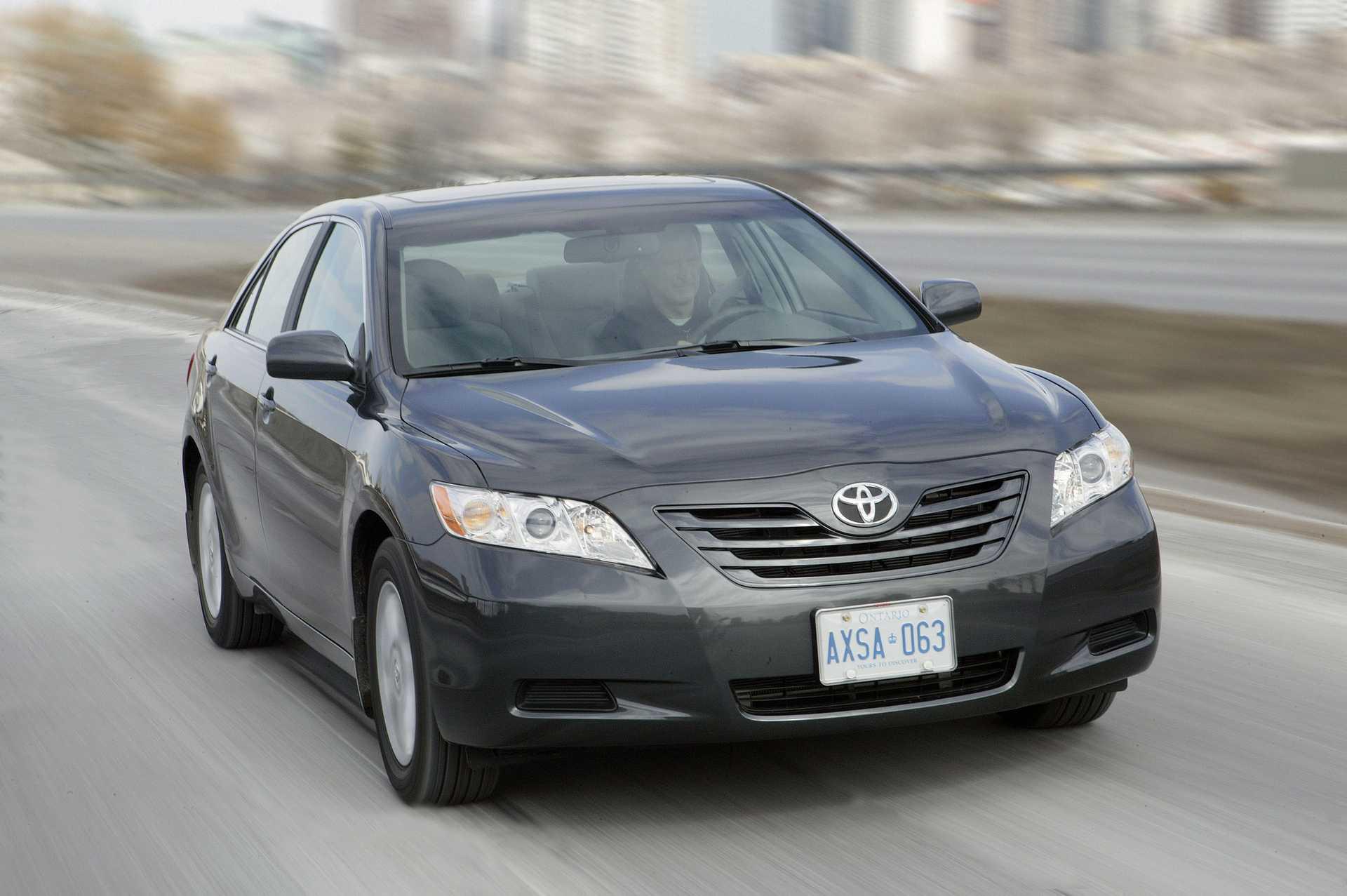
4. 2009 Toyota Camry – Second Worst Offender
The 2009 Camry ranks just behind 2007 in problem severity, with over 2,000 NHTSA complaints. The most significant issue was excessive oil consumption more than 500 reports noted vehicles burning one quart every 1,200 miles, far above Toyota’s stated expectations.
Transmission and check engine light problems also persisted, continuing a streak of reliability concerns from prior years. New complaints emerged over premature exterior paint peeling and random brake warning light activations, further frustrating owners. These defects hurt resale values and drove up ownership costs.
While some vehicles may have been well-maintained, the sheer frequency of problems makes this year a risky investment. For buyers seeking long-term dependability, the 2009 model’s pattern of recurring issues and costly fixes places it firmly among the least desirable Camry years on the used market.
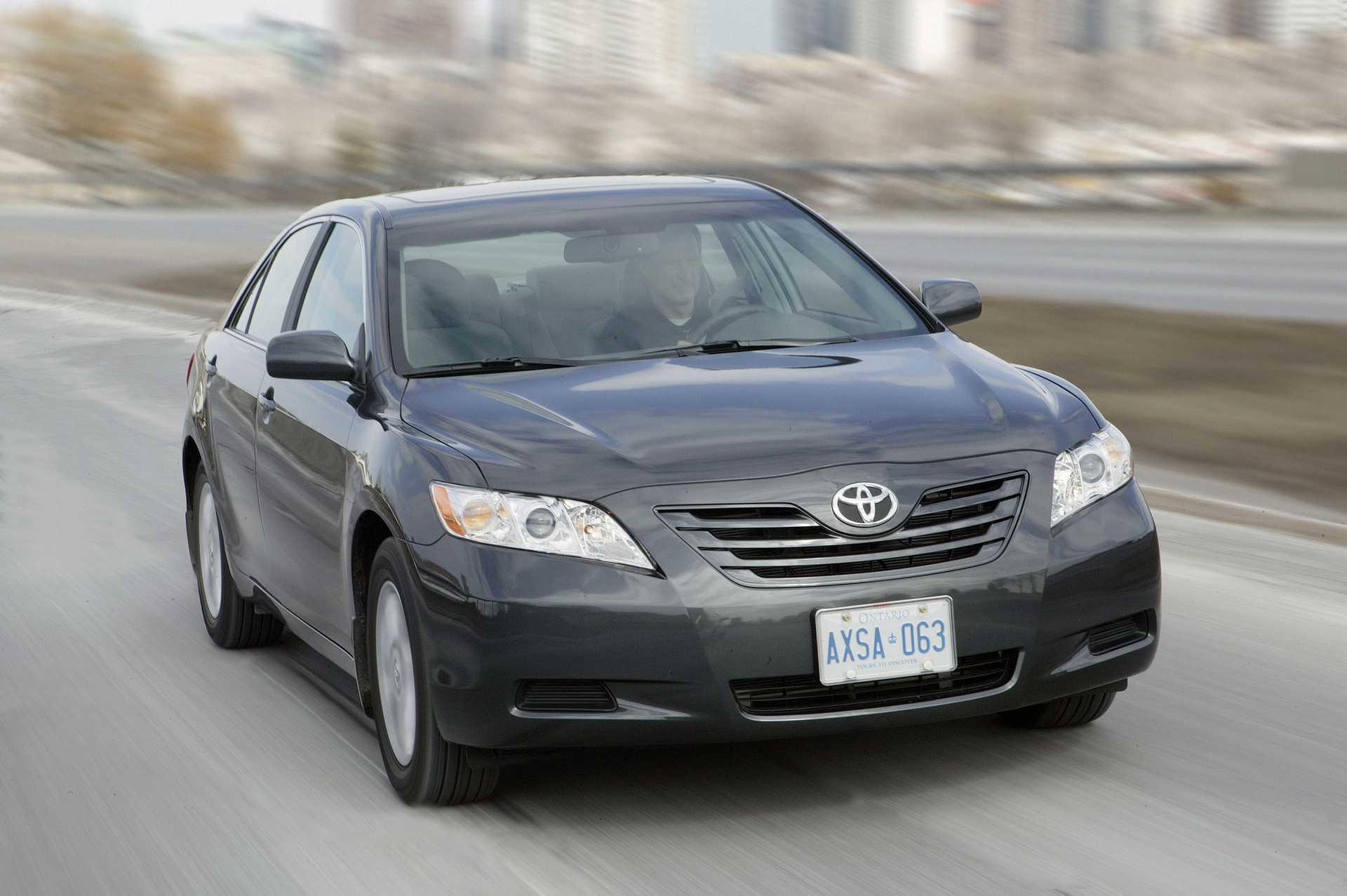
5. 2011 Toyota Camry – Safe Bet Mechanically, But Safety Lags
The 2011 Camry is a unique entry on the “problem” list because its mechanical reliability remains strong, but it falters in safety. That year, the NHTSA introduced more rigorous crash tests, and the Camry was one of only two models in its range to score below a perfect five-star rating.
This raised concerns for safety-conscious buyers. Additionally, owners reported melting dashboards across multiple trims, causing both aesthetic and potential visibility problems. While annual maintenance costs are low and the engines remain dependable, these non-mechanical flaws can affect both daily use and resale value.
For those prioritizing safety and interior durability, the 2011 model poses enough drawbacks to warrant caution, even if it is mechanically sound. It’s a reminder that reliability is about more than just the engine it also includes safety performance and overall build quality.
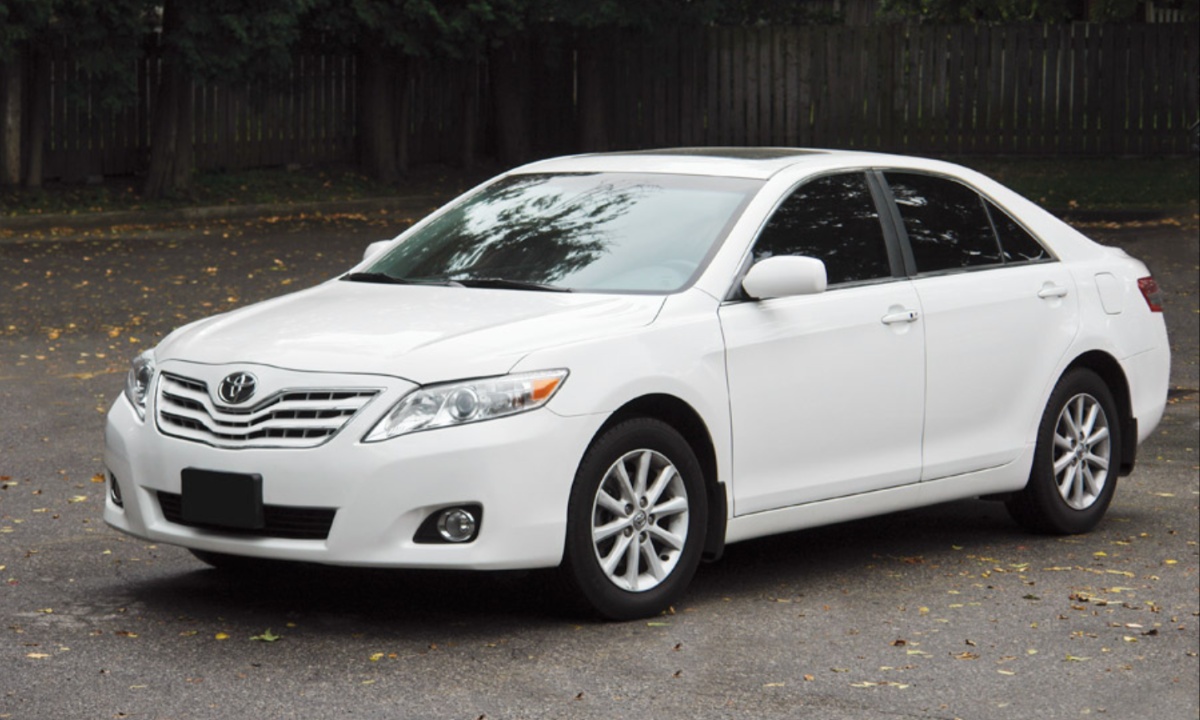
The Toyota Camry’s history shows that even the most reliable nameplates have highs and lows. Models like the 2014, 2015, 2016, 2011 (mechanically), and 2023 highlight Toyota’s ability to consistently produce dependable sedans with reasonable maintenance costs and long service lives.
Conversely, years like 2002, 2007, 2008, 2009, and 2011 (in terms of safety) illustrate how design missteps, quality control lapses, or unaddressed engineering flaws can undermine reliability. For used car buyers, understanding these distinctions is key.
Prioritizing years with strong reliability scores, minimal recalls, and proven long-term performance can ensure a smoother ownership experience. Likewise, steering clear of years burdened with widespread mechanical or safety issues can save money, time, and frustration.
By choosing carefully, drivers can enjoy the Camry’s legendary comfort, efficiency, and durability without inheriting the problems that have occasionally blemished its otherwise strong track record.
Also Read: 10 Cars That Rarely Sit Unsold In The Lot Due To High Demand in 2025