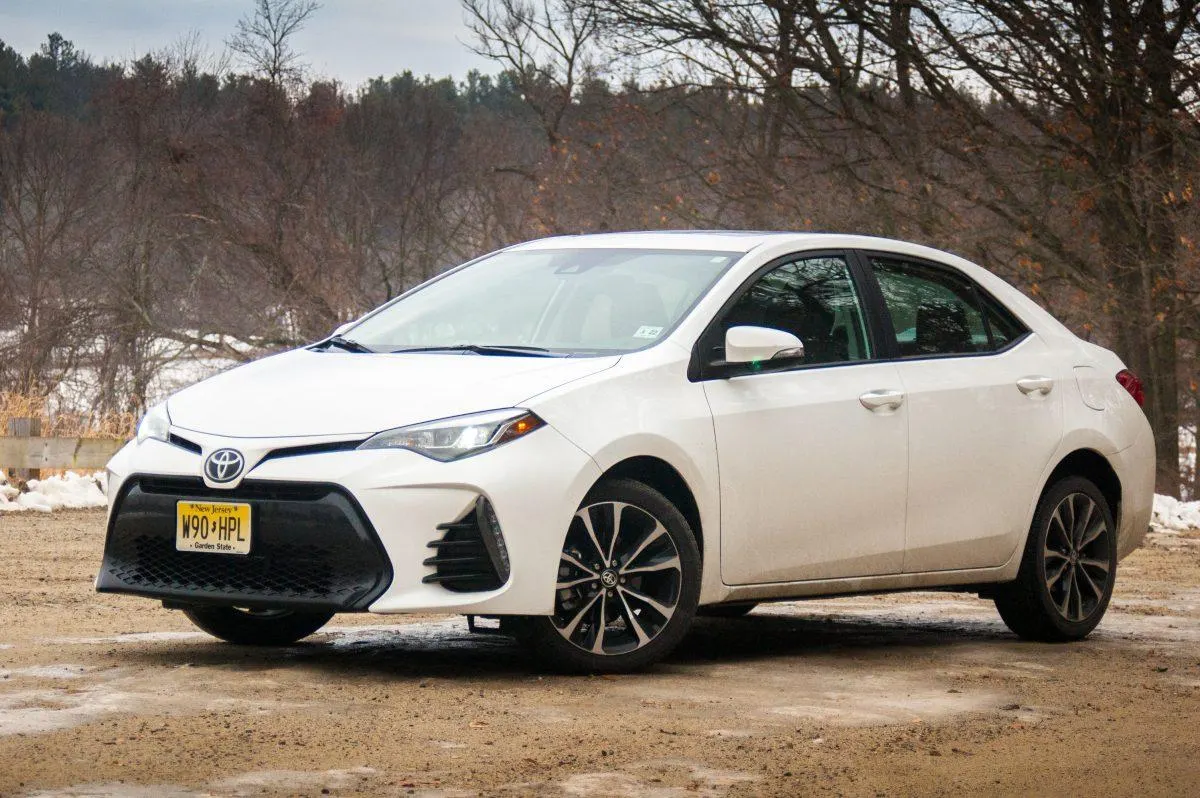
The Toyota Corolla has long been celebrated as one of the most dependable compact sedans on the market, earning a loyal following worldwide. Over the decades, it has built a reputation for reliability, affordability, and strong resale value. However, not every model year has lived up to that sterling image.
While some Corollas have achieved near-flawless safety records with no recalls, others have struggled with serious defects and widespread complaints.
In this guide, we spotlight five standout Corolla years with zero recalls, proof that Toyota can deliver consistent quality, and contrast them with five years plagued by significant safety issues.
Whether you’re shopping for a used Corolla or simply curious about the model’s history, understanding these high and low points will help you separate the best from the rest. From record-setting dependability to infamous recalls, the Corolla’s past offers valuable lessons for today’s car buyers.
5 Toyota Corolla Years With No Recalls
1. 2012 Toyota Corolla – Reliable but Outpaced
The 2012 Toyota Corolla holds an impressive safety record, earning the Insurance Institute for Highway Safety’s “Top Safety Pick” and a “Great” rating from J.D. Power for quality, reliability, and resale value.
It also received CarComplaints’ “Seal of Awesome,” though it wasn’t without flaws. Over 360 NHTSA complaints highlighted airbag malfunctions, including failures to deploy and unintended explosions.
Minor updates for 2012 included standard power accessories on the base model and upgraded audio for higher trims. While dependable and affordable, the Corolla faced mounting competition, with rivals offering fresher designs, better performance, and improved efficiency.
Once a leader in the compact segment, the 2012 Corolla began to show its age against competitors like the Ford Focus, Hyundai Elantra, and Chevrolet Cruze. Its exterior design lacked flair, and its interior felt basic, with hard plastics and uninspired styling.
Even in its strongholds, affordability and dependability, it was challenged. While rated at up to 34 mpg highway, newer competitors were achieving 40 mpg and pairing that with longer warranties.
Performance was modest, with a 132-hp 1.8L engine taking 10.1 seconds to reach 60 mph, slower than the class average. Handling was uninspiring, with a soft ride tuned for comfort over engagement, making the Corolla less responsive compared to rivals.
Inside, the Corolla offered simplicity and comfort, with soft seats and straightforward controls. Front and rear passengers enjoyed decent space, but seat support was lacking for longer drives.
The 12.3-cubic-foot trunk was average in capacity but practical with a wide opening. Safety features were strong, including stability control, antilock brakes, and a full suite of airbags, contributing to a solid crash-test record.
However, with many competitors offering better styling, higher fuel efficiency, sharper handling, and more upscale interiors, the Corolla struggled to justify itself beyond brand loyalty. Buyers seeking a modern, well-rounded compact car in 2012 often found greater value in rivals such as the Focus, Elantra, Civic, Cruze, and Mazda 3.
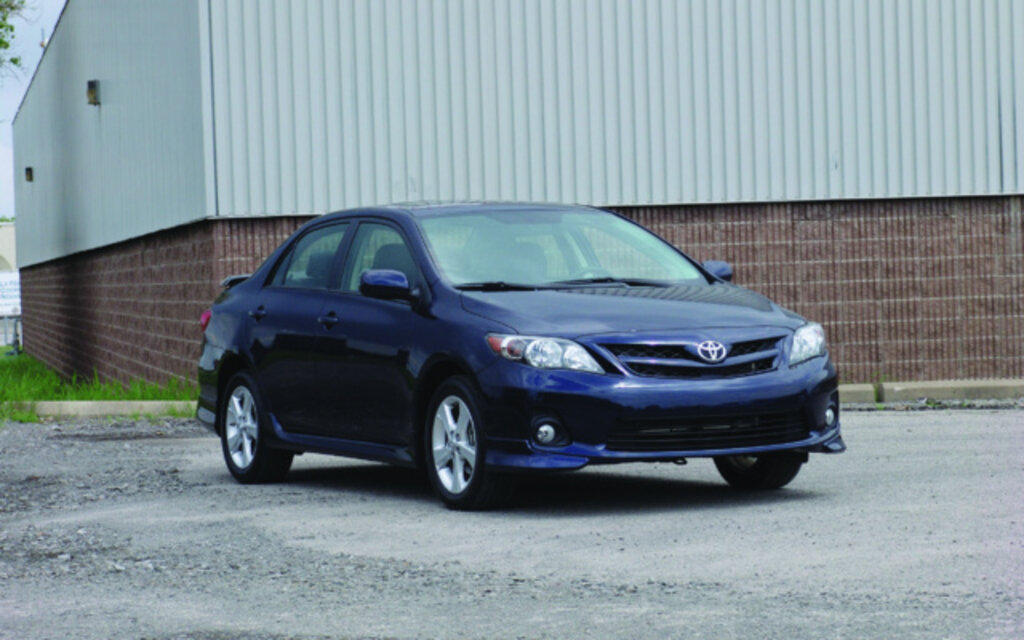
2. 2018 Toyota Corolla – Safe, Reliable, but Lacking Excitement
The 2018 Toyota Corolla solidified its reputation for safety, earning a perfect five-star NHTSA rating and an IIHS “Top Safety Pick.” Building on Toyota’s reliability heritage, it offered a low entry price, roomy cabin, and a generous list of standard safety features, including adaptive cruise control, forward collision warning, and lane departure alert with steering assist.
The model lineup ranged from the basic L trim to the sportier SE and upscale XSE, with all variants powered by a 1.8L four-cylinder engine (132 hp, or 140 hp in the LE Eco).
While the Corolla excelled in safety and comfort, its modest acceleration, aging engine design, and uninspired handling meant it fell short in driving engagement compared to rivals like the Honda Civic or Mazda 3.
On the road, the Corolla prioritized comfort over performance. The CVT automatic was functional but droning, and the 0–60 mph time of 10.1 seconds lagged behind competitors.
Steering was light and predictable, with Sport mode adding some feedback, and handling remained composed at modest speeds. Braking distances were slightly longer than average, while ride quality was decent but transmitted more vibrations than ideal.
Inside, the Corolla offered supportive seats, particularly in SE trim with good ergonomics and climate control, but the cabin materials and design were plain. Technology was serviceable, yet smartphone integration lagged due to the absence of Apple CarPlay and Android Auto, relying instead on Toyota’s proprietary system.
Practicality was mixed. While rear legroom was generous and trunk access wide, cargo space (13 cu ft) was on the lower side for the segment, and a two-level step between the trunk and folded rear seats hampered loading longer items. Small-item storage was adequate but unremarkable.
The Corolla’s strengths lie in its safety, ease of use, and everyday comfort, making it appealing for buyers who prioritize reliability over excitement. However, with more stylish, efficient, and engaging options available in 2018, such as the Civic, Elantra, or Cruze, the Corolla was best suited for those seeking a safe, dependable commuter rather than a spirited driving experience.
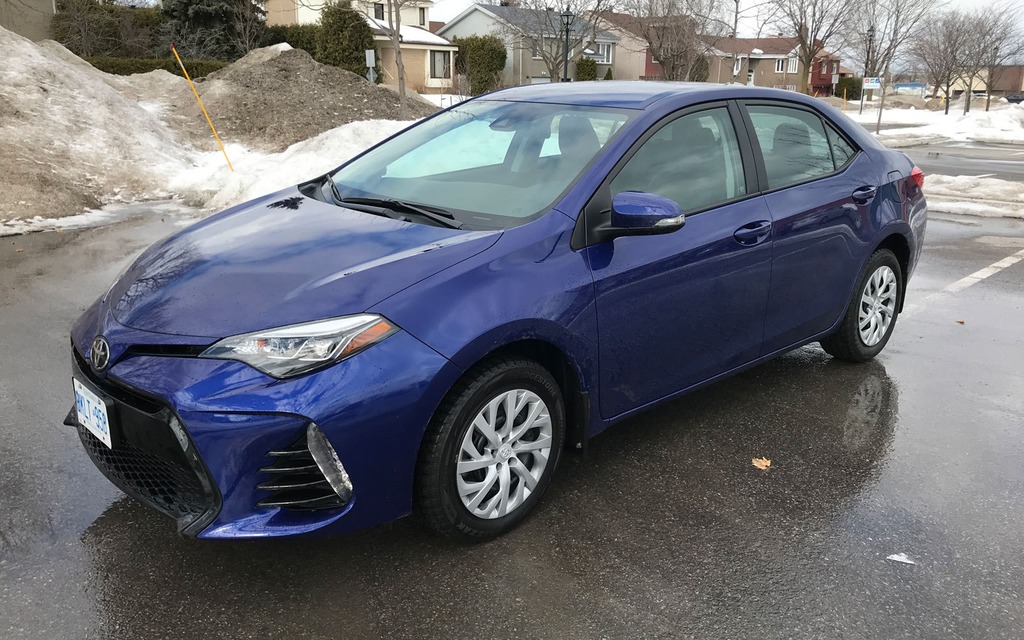
3. 2019 Toyota Corolla – Safe, Spacious, but Showing Its Age
The 2019 Toyota Corolla earned top marks for safety and reliability, making it one of the strongest model years for the nameplate. It received the highest possible J.D. Power score for quality and reliability, praise from Consumer Reports for fuel economy and backseat space, and fewer than 150 NHTSA complaints.
Standard driver-assistance tech such as adaptive cruise control, lane departure warning with steering assist, and forward collision mitigation helped bolster its value proposition.
Available in trims ranging from the base L to the sport-oriented SE and upscale XSE, all models were powered by a 1.8L four-cylinder engine producing 132 hp (140 hp in the LE Eco), paired to a CVT or, in the SE, an optional six-speed manual.
While safe, roomy, and affordable, the Corolla struggled to stand out in a segment full of more engaging and efficient options.
On the road, the 2019 Corolla prioritized predictability over performance. Acceleration to 60 mph took 10.1 seconds, trailing class averages, and the CVT delivered a droning soundtrack without much refinement.
Steering was light but vague, improving slightly in Sport mode, while handling was composed yet uninspiring. Braking distances were slightly longer than average. Ride comfort was serviceable, but higher-frequency vibrations and average noise insulation reminded occupants of the Corolla’s budget roots.
Inside, sport seats in SE trim offered good lateral support and comfort, though interior quality lagged behind competitors due to abundant hard plastics. Technology was functional but outdated, with Toyota’s Entune system lacking Apple CarPlay and Android Auto, limiting smartphone integration compared to rivals.
Practicality was mixed. Passenger space was excellent, especially in the rear, where legroom rivaled midsize sedans, and entry/exit was easy thanks to wide door openings. However, cargo capacity at 13 cubic feet was modest, and a step between the trunk floor and folded seats made loading long items awkward.
Standard safety features, roomy seating, and low ownership costs made the 2019 Corolla a sensible choice for commuters and families.
Yet, its aging powertrain, average fuel economy, and unremarkable interior meant that shoppers prioritizing driving enjoyment or modern tech might find better fits in alternatives like the Honda Civic, Mazda 3, or Hyundai Elantra.
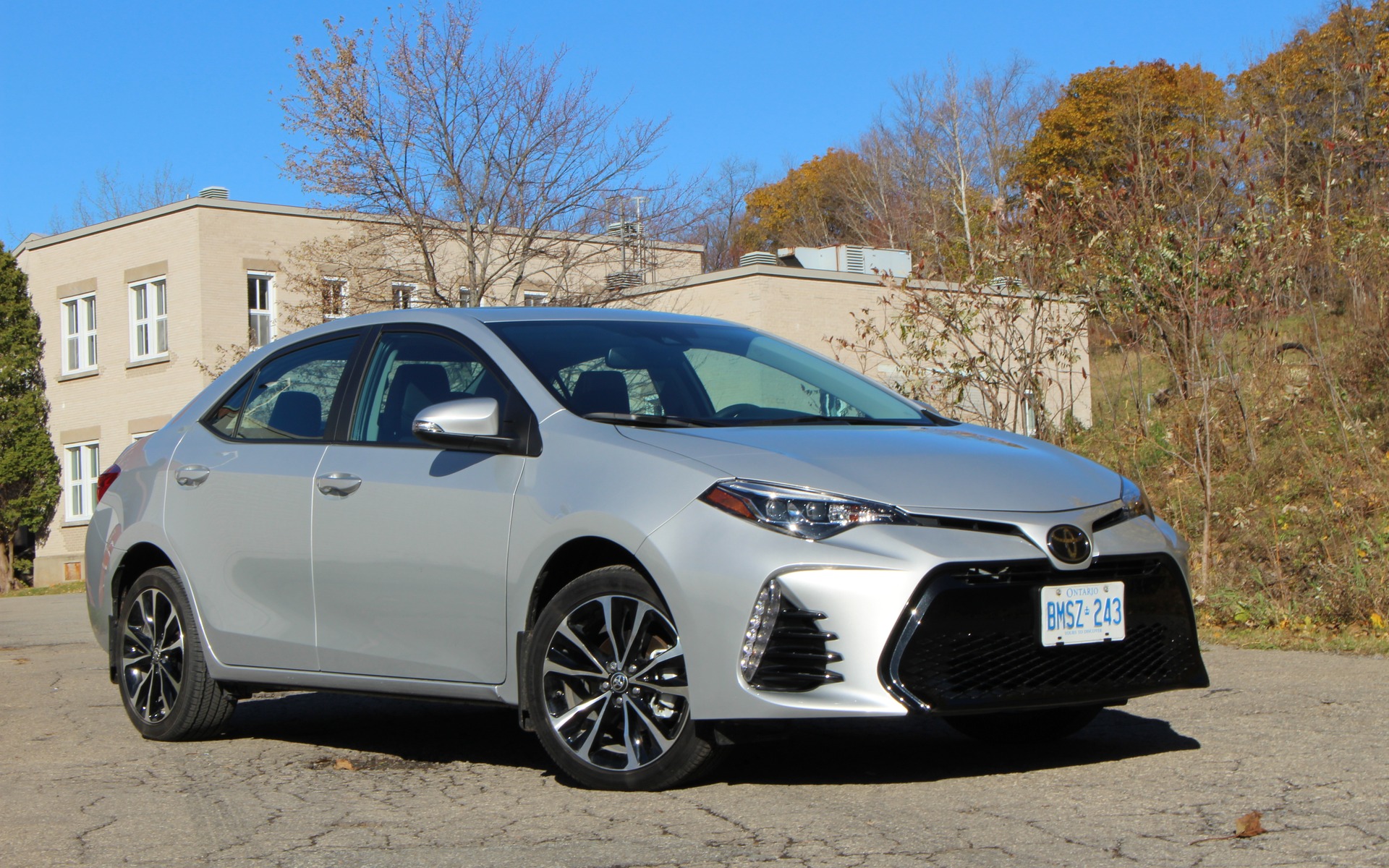
4. 2021 Toyota Corolla – Safety, Efficiency, and Modern Comfort
The 2021 Toyota Corolla stands out as one of the most reliable years for the model, with fewer than 100 NHTSA complaints and high praise for its dependability.
The introduction of Toyota Safety Sense 2.0 brought enhanced driver assistance features such as improved collision warnings and automatic braking, boosting both driver confidence and insurance appeal.
The year also saw the Corolla Hybrid shine with a remarkable 48 mpg, while the standard non-hybrid model achieved a competitive 33 mpg. With trims ranging from practical daily drivers to the sportier Apex Edition, the 2021 Corolla blended comfort, efficiency, and a modest dose of style following its 2020 redesign.
On the road, the Corolla delivered solid but unexciting performance. In XSE trim, 0–60 mph acceleration took 8.8 seconds, adequate for the class but not brisk, while handling remained comfort-focused, with noticeable body roll and limited tire grip.
The ride quality was smooth over varied surfaces, and seating offered good adjustability for both tall and short drivers. Cloth seats provided better breathability than the simulated leather, though road noise was prominent at highway speeds.
Braking was predictable and easy to modulate, and the CVT performed unobtrusively, aided by simulated gear shifts to reduce the typical droning sound.
Inside, the Corolla impressed with its clean, functional layout and intuitive controls. Visibility was strong, and front passengers enjoyed generous space, though rear headroom was tighter than in rivals like the Honda Civic.
Technology improved over past Toyota systems, with standard Apple CarPlay and Android Auto, though the interface remained less polished than some competitors. Standard safety tech was well-calibrated, aside from an overly sensitive lane departure warning.
Cargo space, at 13 cubic feet, was slightly below average, and rear seats didn’t fold flat, limiting loading flexibility. Still, with outstanding fuel efficiency exceeding its 34 mpg EPA rating in real-world testing and a balance of comfort, safety, and value, the 2021 Corolla was a compelling choice for commuters and budget-conscious buyers seeking modern reliability.
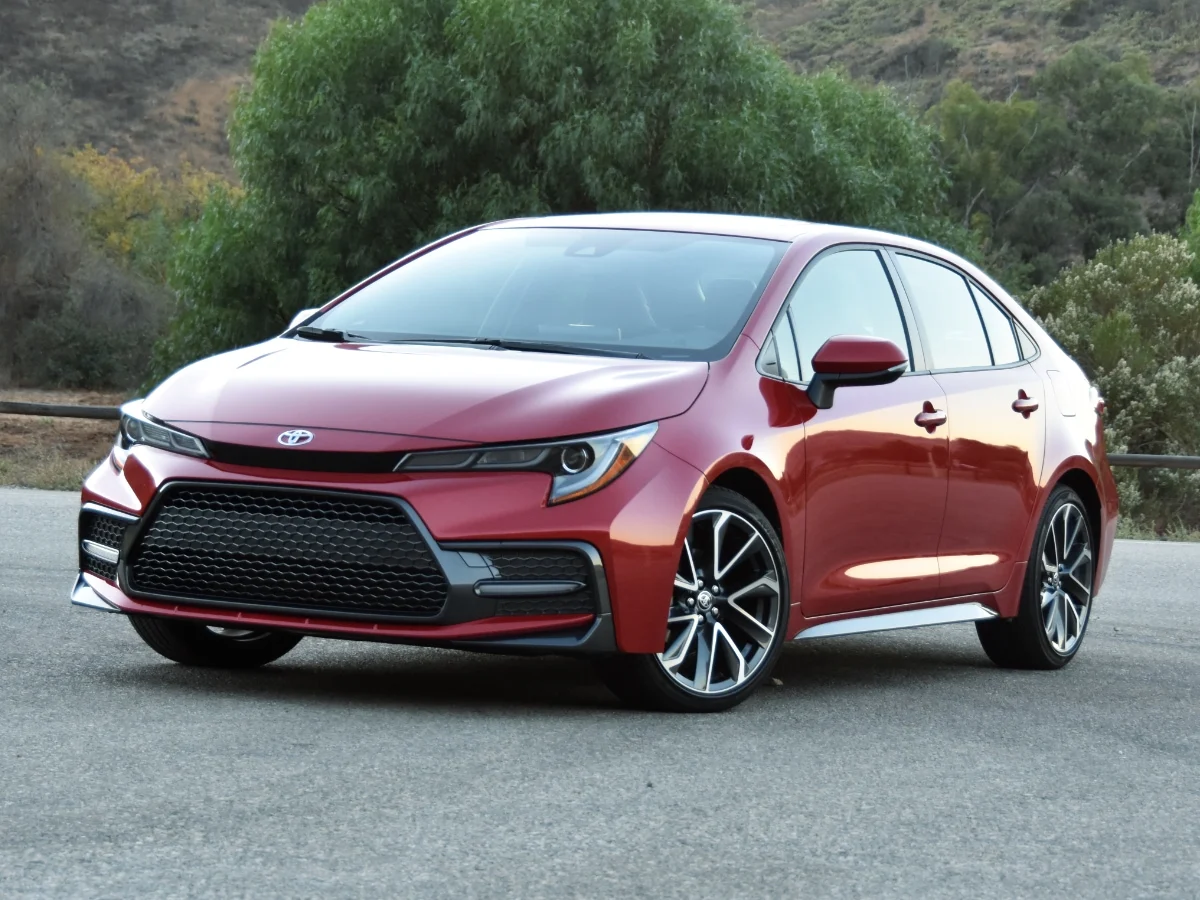
5. 2022 Toyota Corolla – Peak Reliability with Top Safety Honors
The 2022 Toyota Corolla represents one of the model’s best years to date, combining exceptional reliability with industry-leading safety. With fewer than 75 NHTSA complaints, mostly minor electrical concerns, it ranks among the most trouble-free Corollas ever built.
The lineup carried over its strong fuel economy ratings from 2021, with the hybrid delivering up to 48 mpg and the non-hybrid achieving 33 mpg combined, both strong numbers in the compact sedan class.
The IIHS awarded every 2022 Corolla the coveted “Top Safety Pick+” rating, underscoring its comprehensive crash protection and advanced driver-assistance technology. While not a performance standout, the 2022 model reinforced Toyota’s core formula: affordability, dependability, and long-term ownership value.
On the road, performance was familiar and consistent. In XSE trim, the Corolla reached 60 mph in 8.8 seconds, a competitive but modest result for the segment. Handling remained tuned for comfort, with noticeable body roll and limited cornering grip, though steering was light, and maneuverability in tight spaces was excellent.
The CVT operated smoothly and benefited from simulated gear changes to limit droning under acceleration. Braking was steady and predictable, delivering confident stops in emergency situations.
Ride comfort was a strong point, with good compliance over rough pavement, though elevated road noise at highway speeds and an engine that sounded strained under hard acceleration were notable drawbacks.
Inside, the Corolla offered a clean, user-friendly cabin layout with logically placed controls and a balanced number of physical buttons. Visibility was strong, entry and exit were easy, and front-seat comfort was excellent, with enough adjustability to suit a wide range of drivers.
Rear headroom was tighter than in rivals like the Honda Civic, limiting comfort for taller passengers. Technology was improved, with standard Apple CarPlay and Android Auto, though Toyota’s infotainment interface still trailed leaders in design and responsiveness.
Safety features from the Toyota Safety Sense suite were well-calibrated, with adaptive cruise control praised for its smooth operation, though the lane departure warning system remained overly sensitive.
Cargo space at 13 cubic feet was adequate for daily needs, but rear seatbacks that didn’t fold flat made carrying long items awkward. With class-leading safety, stellar fuel economy, and unmatched dependability, the 2022 Corolla solidified itself as a benchmark for practical compact sedans.
Also Read: 5 Cars With Practical Glove Boxes Vs. 5 That Get Stuck
5 That Had Big Safety Issues
1. 2002 Toyota Corolla – Early 2000s Reliability Woes
The 2002 Toyota Corolla marked a low point for the model’s reputation, primarily due to excessive oil consumption. While NHTSA complaints numbered only in the hundreds, the issues that did arise were significant. Safety was the largest concern, earning the model poor marks across multiple crash tests.
The NHTSA awarded only three or four stars in certain categories, while the IIHS provided ratings of “acceptable” or “marginal” in critical areas. This combination of engine inefficiency and weak crash protection led CarComplaints to give the 2002 model its dreaded “Beware of the Clunker” label.
Despite Toyota’s general reputation for reliability, the 2002 Corolla demonstrated that even established models can have problematic years. The oil-burning issue not only raised maintenance costs but also hinted at deeper engine wear problems over time.
Paired with underwhelming safety credentials, this year remains one of the least desirable for used Corolla shoppers today.
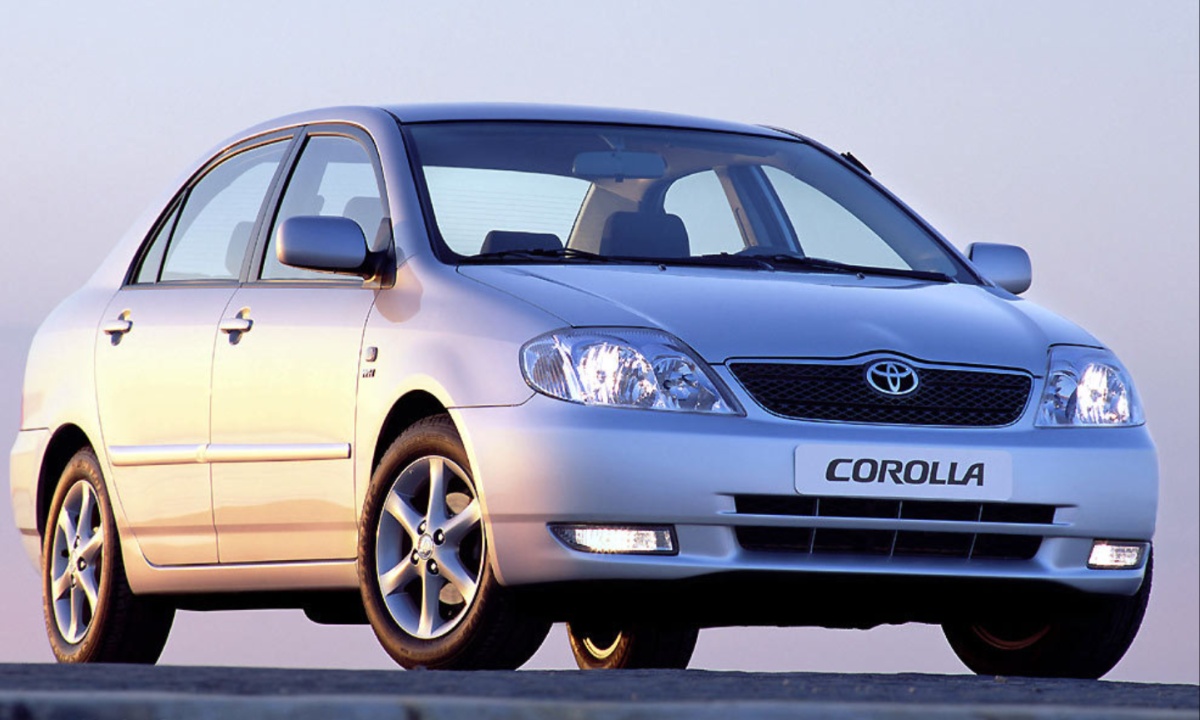
2. 2003 Toyota Corolla – Airbag Recall Avalanche
The 2003 Corolla didn’t improve much on the 2002 model’s shortcomings and, in some ways, became more problematic. Transmission issues were widely reported, especially in higher-mileage vehicles. However, the biggest red flag came from a staggering 13 recalls, seven of which were tied to airbags that could rupture or explode.
Such a hazard posed serious safety risks, especially since airbags are a core protective feature. The NHTSA logged just 26 airbag complaints, but the recall numbers reveal the scale of the defect. Side crash test ratings from the IIHS also fared poorly, receiving a “Poor” score.
These weaknesses made the 2003 model a repeat recipient of the “Clunker” warning from CarComplaints.
While not every owner experienced major issues, the potential severity of airbag malfunctions paired with unremarkable driving performance made this year a gamble for buyers. Safety-conscious shoppers were better off avoiding the 2003 Corolla entirely.
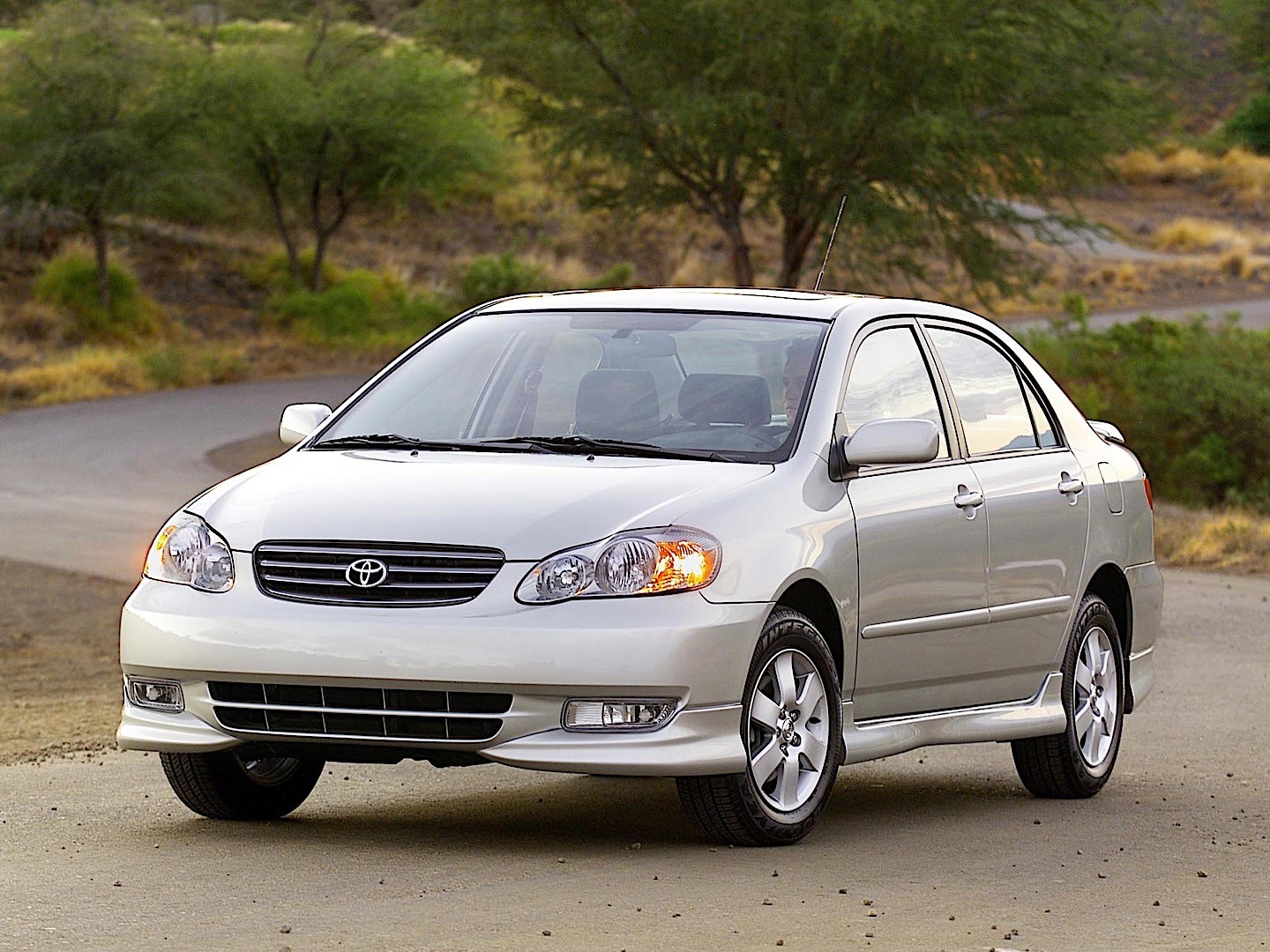
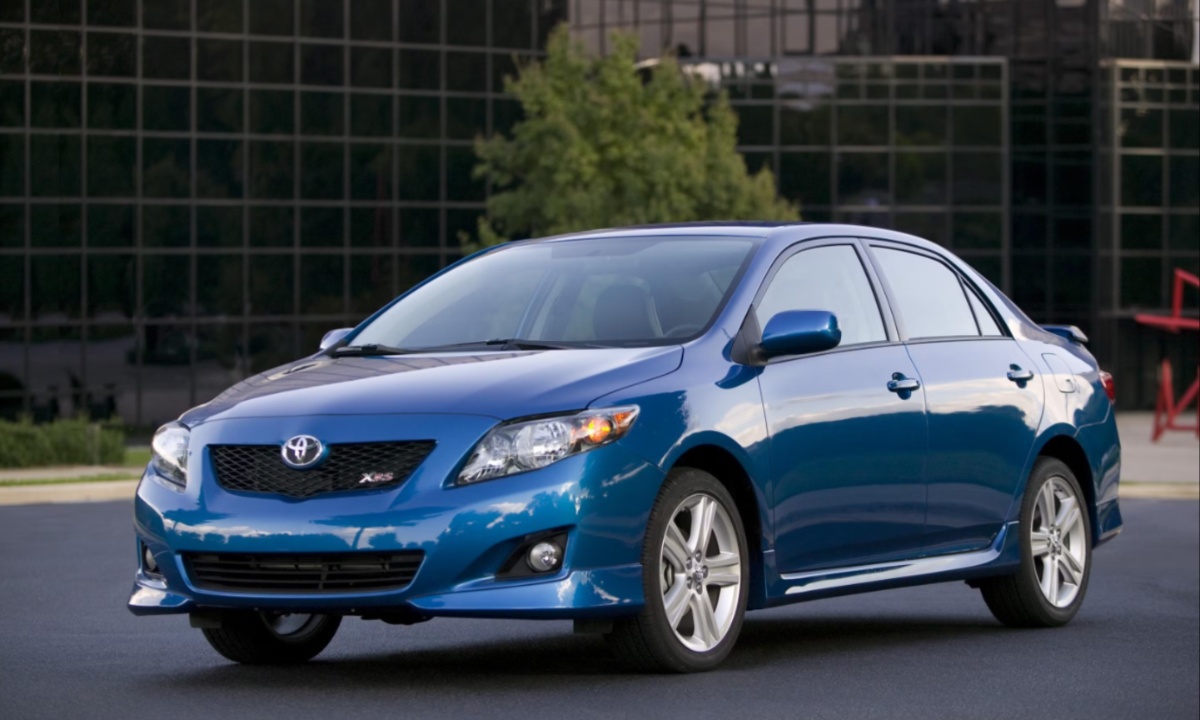
3. 2009 Toyota Corolla – The Worst Year on Record
The 2009 Toyota Corolla is often cited as the worst model year in the car’s history since NHTSA complaint tracking began. More than 1,700 complaints were filed, over 565 of them related to airbags. Half of the 13 recalls that year involved airbag malfunctions, further undermining driver safety confidence.
Beyond that, the notorious excessive oil consumption problem resurfaced, sometimes appearing within the first month of ownership. This meant that even brand-new vehicles could quickly develop costly engine issues.
Power steering failures were another major frustration, contributing to the already lengthy list of defects. Surprisingly, the IIHS still awarded the 2009 Corolla a “Top Safety Pick,” suggesting that when its systems functioned properly, crash protection was strong.
Unfortunately, the day-to-day reliability picture was grim. Between frequent mechanical failures, safety recalls, and rising repair costs, the 2009 Corolla stands as a cautionary tale for buyers who assume all Corollas are trouble-free.
4. 2010 Toyota Corolla – Problems Persist
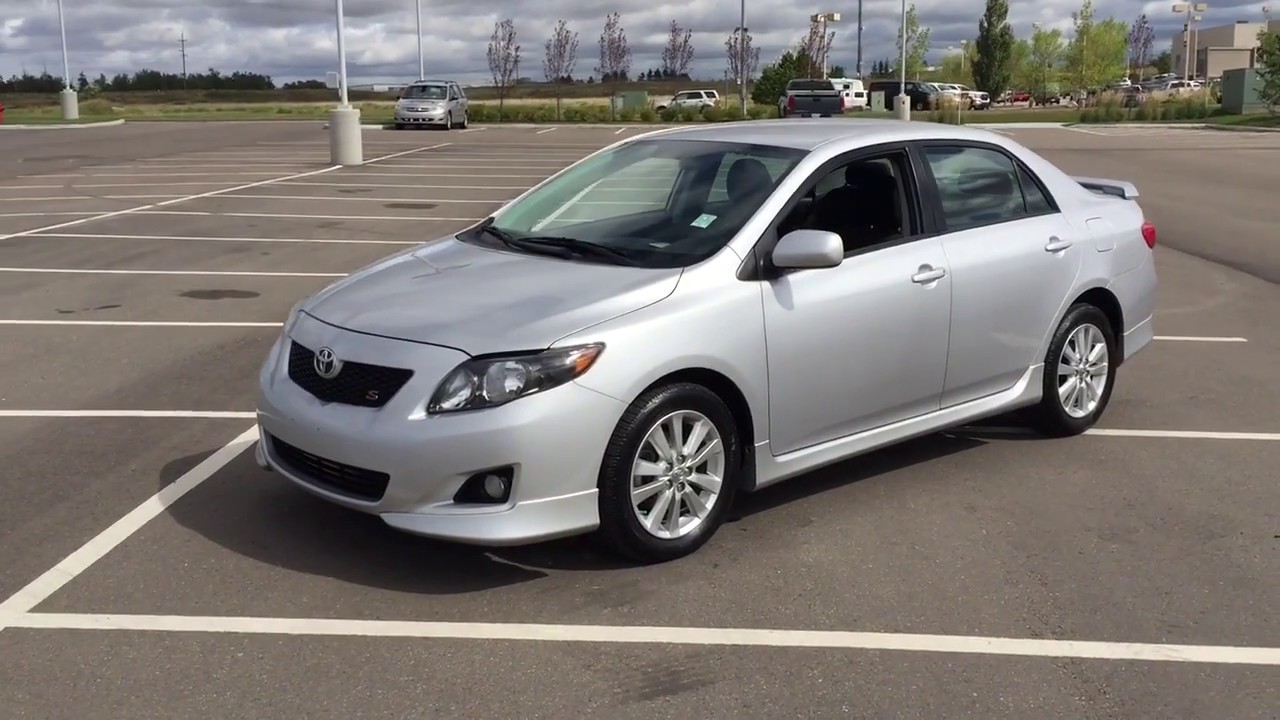
The 2010 Corolla carried over many of the 2009 model’s issues, resulting in 1,550 NHTSA complaints. Airbag problems remained high, with 431 separate cases reported. Brake issues also emerged, with owners describing grinding noises that required repairs averaging $540 out-of-pocket for vehicles outside warranty.
These brake concerns were not just a nuisance; they raised questions about long-term safety and maintenance costs. Additionally, infotainment glitches frustrated owners, suggesting Toyota’s in-car tech was lagging in both reliability and user-friendliness.
Most concerning was the occurrence of unintended acceleration, a rare but dangerous problem where the car would speed up without driver input. Though such incidents were less common than airbag or brake complaints, their severity kept them in the spotlight.
For a model meant to offer dependable commuting, the 2010 Corolla was burdened by unresolved defects, tarnishing Toyota’s otherwise strong reputation for quality in the compact sedan segment.
5. 2014 Toyota Corolla – New Design, Old Problems
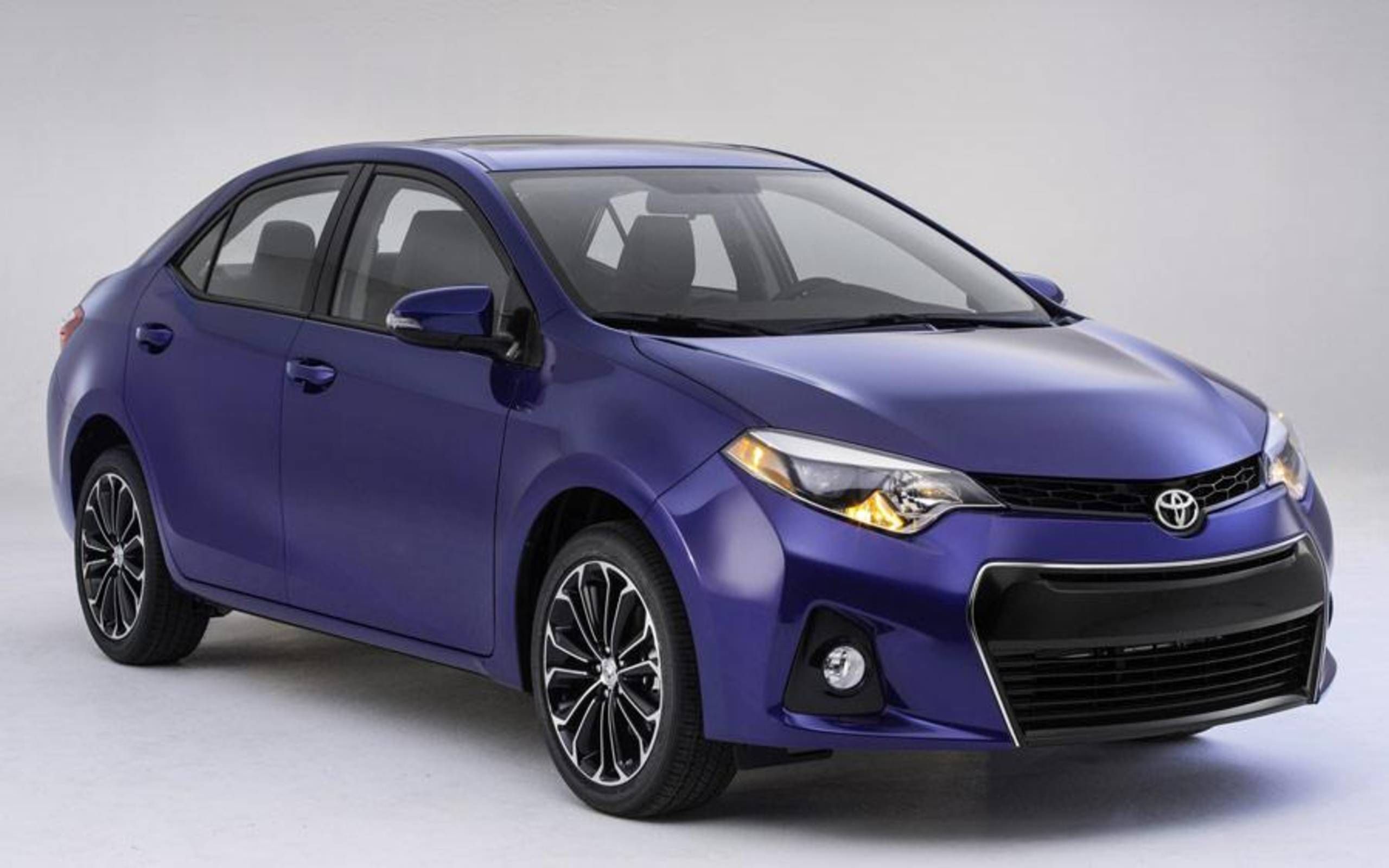
The 2014 Corolla arrived with a redesigned body, more interior space, and improved fuel economy at 32 mpg combined. On paper, it seemed like a strong leap forward. However, reliability issues quickly tempered the excitement.
Over 300 NHTSA complaints surfaced, many centered around airbags failing to deploy, a concerning echo of problems dating back over a decade. These failures undermined the safety upgrades that the redesign was meant to showcase.
Dashboard rattles were another frequent annoyance, detracting from the interior refinement Toyota had promised. While cosmetic and comfort improvements made the car more appealing in showrooms, they couldn’t offset doubts about long-term dependability.
As is often the case with the first year of a new generation, “growing pains” were evident. Shoppers drawn to the new look and improved ride quality had to weigh the risk of persistent airbag issues, which remained the Corolla’s most troubling Achilles’ heel in 2014.
The Toyota Corolla’s history shows that even the most trusted vehicles can have both shining successes and notable missteps. The years without recalls highlight Toyota’s engineering consistency, commitment to safety, and ability to create worry-free daily drivers.
Meanwhile, the troubled years serve as an important reminder that no car is immune to design flaws, manufacturing errors, or evolving safety standards. For buyers, this means doing more than relying on brand reputation; digging into specific model years, checking recall history, and reviewing owner feedback is essential.
Fortunately, the Corolla’s track record still skews heavily toward reliability, making it one of the safest bets in the used-car market when chosen wisely.
Whether you prioritize peace of mind, fuel efficiency, or resale value, a well-researched Corolla can deliver years of dependable service, and knowing which years to embrace or avoid is the key to making the right choice.
Also Read: 10 Cars With Tricky Seatbelt Buckles for Elderly Passengers