The Toyota Tacoma has built a legendary reputation for durability, capability, and long-term value. Over the decades, certain model years have stood out for their exceptional reliability, practical design, and proven off-road performance.
Whether you’re seeking a truck that can handle daily driving with ease, conquer rugged trails, or hold its value for years, the right Tacoma can deliver all three.
This guide highlights five standout years that embody the Tacoma’s best qualities, trucks that have earned high reliability scores, reasonable maintenance costs, and praise from both experts and owners.
From modern TRD Pro-equipped models to earlier second-generation workhorses, each of these Tacomas has demonstrated the ability to rack up miles while staying dependable.
We’ll also cover five model years known for frame and reliability issues, so you know which to avoid. By the end, you’ll have a clear picture of which Tacoma years truly last forever.
5 Toyota Tacoma Years That Last Forever
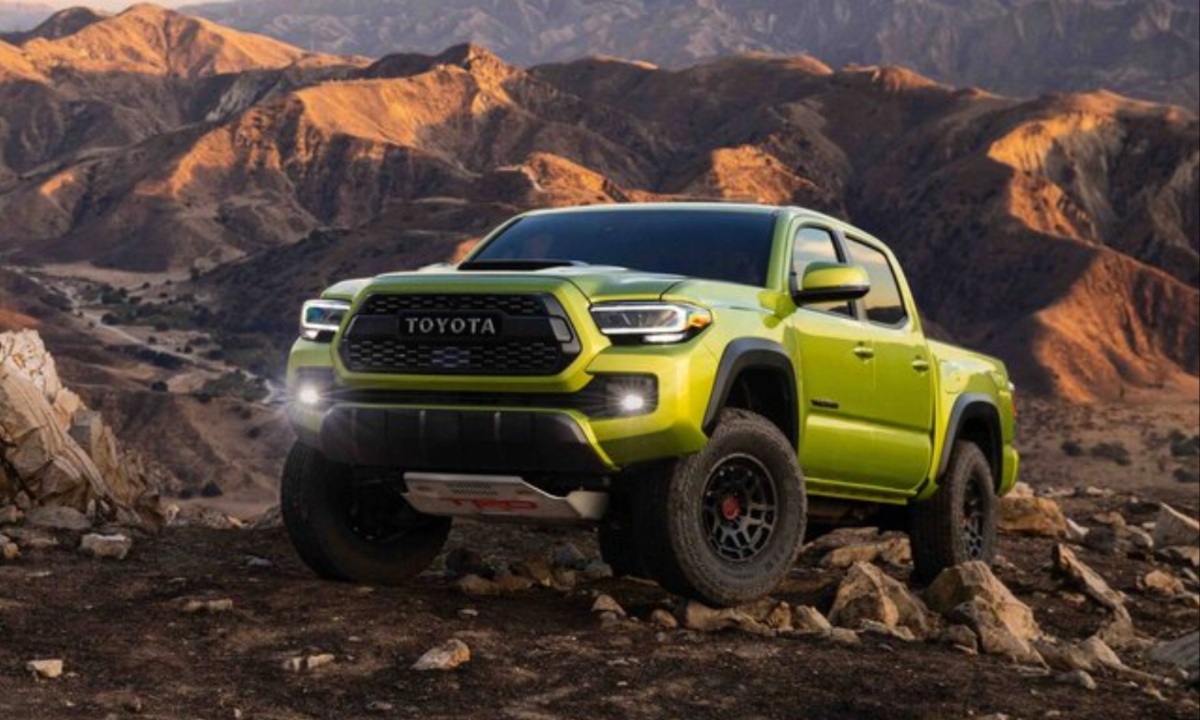
1. 2022 Toyota Tacoma: Rugged Reliability with Off-Road Credentials
The 2022 Toyota Tacoma marks the seventh year of the third-generation model, staying true to Toyota’s evolutionary update strategy with minor trim and capability enhancements.
The TRD Pro and Trail Edition trims now feature a factory suspension lift of 1.5 inches up front and 0.5 inches in the rear for the TRD Pro, slightly less for the Trail Edition, along with unique exterior colors and wheel designs.
Engine options remain a 2.7-liter inline-four with 159 hp and a 3.5-liter V6 producing 278 hp. Reliability is a strong point, with JD Power awarding it an 83/100 score and Kelley Blue Book rating it 4.6/5. Maintenance costs are reasonable, averaging $478 annually, with two recalls recorded for the model year.
Off-road capability remains the Tacoma’s defining trait. The TRD Pro gains upgraded suspension parts and a new wheel-and-tire setup for 2022, while the Trail Edition, based on the SR5, now includes a standard locking rear differential, bronze accents, and slightly increased clearance.
Both trims benefit from Toyota’s proven off-road engineering, with precision brakes, excellent ground clearance, and advanced traction management. On-road, the Tacoma delivers smooth steering and predictable shifting, though the V6 could feel more eager, and the brakes can be grabby.
Ride comfort improved after the 2020 updates, thanks to better seats and thicker window glass, though it still rides firmer than rivals like the Honda Ridgeline.
Inside, the Tacoma offers logical controls, a large infotainment screen, Apple CarPlay, Android Auto, Amazon Alexa, and an array of standard safety features, including adaptive cruise control and lane departure warning.
Practicality is strong, with a composite bed, flexible tie-downs, and adequate small-item storage. Towing maxes at 6,800 lbs, slightly behind competitors, and fuel economy with the V6 sits at 20–21 mpg combined.
Value-wise, the Tacoma offers solid build quality, long-term mechanical durability, and a reputation for toughness, especially in TRD trims. While rivals like the Chevrolet Colorado, Jeep Gladiator, and Honda Ridgeline may excel in specific areas, the 2022 Tacoma remains a top choice for buyers seeking a versatile, reliable midsize truck with exceptional off-road potential.
2. 2012 Toyota Tacoma: Versatile, Reliable, and Built to Last
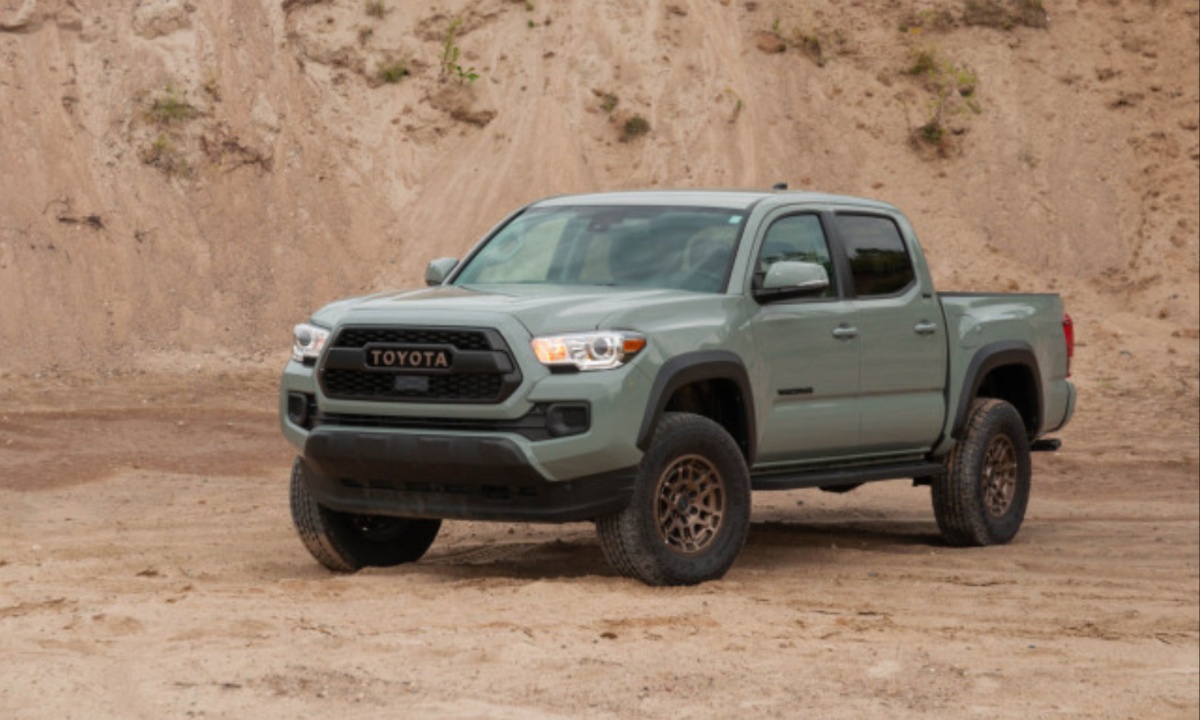
The 2012 Toyota Tacoma arrived as a mid-cycle refresh, bringing a restyled front end, upgraded interior elements, and updated tech, including Toyota’s then-new Entune infotainment system with Bluetooth, streaming apps, and real-time traffic data.
Two engines were offered: a 2.7-liter four-cylinder (159 hp, 180 lb-ft) and a 4.0-liter V6 (236 hp, 266 lb-ft), with the latter capable of towing up to 6,500 pounds. Notably, Toyota offered an Eaton supercharger kit that boosted the V6 to 304 hp and 344 lb-ft.
Buyers could choose from multiple cab configurations, drivetrains, and suspensions, tailoring the Tacoma from a simple work truck to a comfortable family hauler. With a JD Power reliability score of 84/100, KBB’s 4.7/5 consumer rating, and average annual maintenance costs of $513, the 2012 Tacoma proved both durable and cost-effective.
From behind the wheel, the Tacoma offered well-balanced capability. The four-cylinder provided adequate performance for light duty, but the V6 was the better all-around choice for its extra power without a major fuel economy penalty, averaging 16–21 mpg depending on configuration.
Handling was competent, though firm suspension setups could feel jittery when unloaded. Off-road models with four-wheel drive and proper gearing were highly capable, and safety features like stability control, side curtain airbags, and optional hill-assist systems added confidence.
In crash tests, the Tacoma scored well in most categories, though its roof strength rating was “Marginal.” Braking was solid in distance, though the soft pedal feel left some room for improvement.
Inside, the 2012 Tacoma featured practical upgrades, trading dated silver accents for modern black finishes while keeping controls simple and clear. While hard plastics were prevalent, the cabin felt well-assembled and purposeful.
The Double Cab’s rear seats offered surprising adult comfort, while the Access Cab’s jump seats were best for children. Rear seats in both could fold for secure in-cabin storage. The composite bed resisted dents, and available features like a 115-volt AC outlet added utility for camping and work.
Compared to its few midsize rivals, most notably the Nissan Frontier, the Tacoma stood out with its stronger interior space, advanced in-car tech, and unmatched reliability, making it one of the most compelling downsizing options for truck buyers in 2012.
3. 2015 Toyota Tacoma: End of an Era with Off-Road Prowess
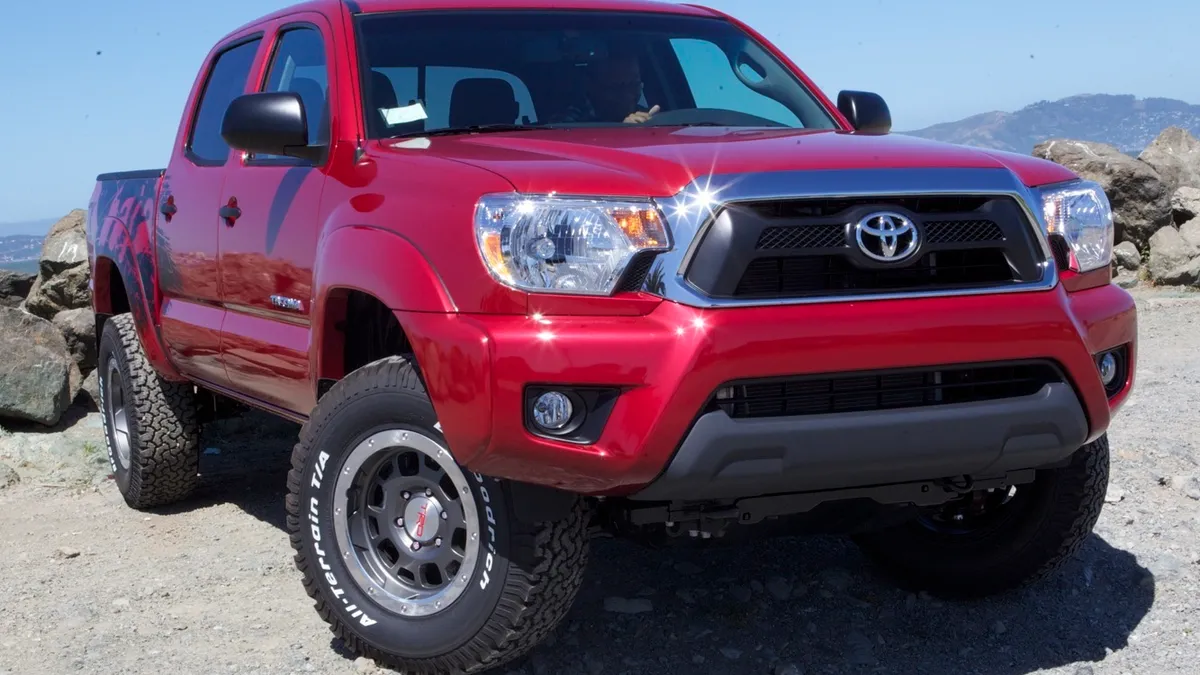
The 2015 Toyota Tacoma closed out the second-generation run, benefiting from years of refinement and the debut of the rugged TRD Pro trim. The TRD Pro added Bilstein shocks, TRD wheels and springs, and a cat-back exhaust for enhanced off-road performance.
Two engines carried over from previous years: a 2.7-liter four-cylinder (159 hp, 180 lb-ft) and a 4.0-liter V6 (236 hp, 266 lb-ft), the latter offering 6,500 pounds of towing capacity. JD Power gave the 2015 Tacoma an 85/100 for quality and reliability, while KBB consumers rated it 4.7/5.
Maintenance costs were modest, averaging $427 per year, and every trim included a composite bed liner with integrated storage and four sliding tie-down cleats. Toyota dropped the regular cab for 2015, focusing on Access Cab and Double Cab models, while replacing the TRD TX Baja with the more capable TRD Pro.
Performance was well-rounded, with the four-cylinder providing decent torque and respectable fuel economy up to 22 mpg combined, making it a smart choice for light-duty users. The V6 delivered stronger acceleration, reaching 60 mph in 7.7 seconds, and proved ideal for towing or off-road work.
Ride quality leaned firm, especially with TRD suspensions, though the TRD Pro was more compliant than its predecessor. While braking distances were average, the soft pedal feel left some drivers wanting more feedback.
Off-road, the Tacoma excelled, particularly in TRD Off-Road and TRD Pro trims, offering exceptional go-anywhere ability in a midsize package. Safety ratings included an overall four-star NHTSA score and “Good” marks in most IIHS crash tests, though roof strength earned a “Marginal” rating.
Inside, the Tacoma favored function over flash, with a simple dashboard, large climate knobs, and strong build quality despite abundant hard plastics. The standard 6.1-inch touchscreen with Bluetooth and USB/iPod connectivity added modern convenience.
Access Cab rear jump seats were suited for kids or cargo, while Double Cab models offered adult-friendly rear accommodations. Both configurations featured flip-up or fold-down seats for secure storage.
The composite bedliner proved highly durable, and the optional 115-volt power outlet enhanced the truck’s utility for work, camping, or tailgating.
While newer rivals like the Chevrolet Colorado and GMC Canyon boasted fresher interiors and higher towing limits, the 2015 Tacoma remained a compelling choice for its proven reliability, off-road dominance, and versatile design.
4. 2013 Toyota Tacoma: Reliable Versatility with a Touch of Luxury
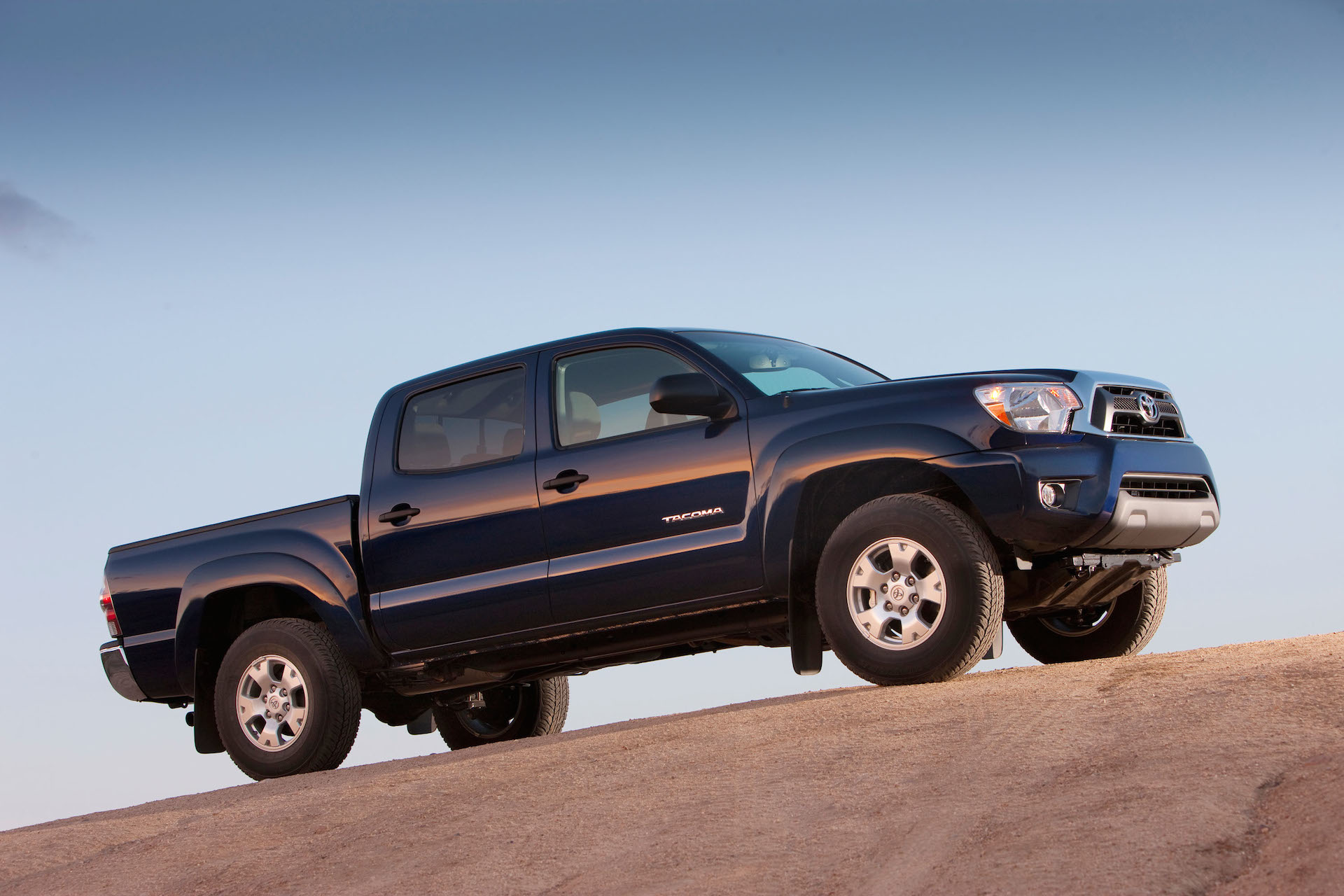
Following the 2012 mid-cycle refresh, the 2013 Toyota Tacoma carried over with minimal changes, adding a new Limited trim for buyers seeking more comfort and style in a midsize truck. The Limited included heated front seats, premium upholstery, Toyota’s Entune infotainment system, and an optional JBL audio upgrade.
Two engines returned unchanged: a 2.7-liter four-cylinder (159 hp, 180 lb-ft) and a 4.0-liter V6 (236 hp, 266 lb-ft), both available with manual or automatic transmissions and in rear- or four-wheel-drive layouts. JD Power rated the 2013 Tacoma an impressive 86/100 for quality and reliability, while KBB consumers gave it a 4.7/5 score.
With average annual maintenance costs of $509, a durable composite bed liner, and an optional factory supercharger kit, the 2013 Tacoma appealed to buyers looking for both practicality and long-term dependability.
Performance was balanced between capability and everyday usability. The four-cylinder offered acceptable performance for light-duty work and good fuel economy up to 23 mpg combined, while the V6 provided stronger acceleration, with a 0–60 mph time of 7.7 seconds, and the ability to tow 6,500 pounds when properly equipped.
Handling was composed on pavement, though firmer suspensions could feel jittery when unloaded. Off-road, the Tacoma was a standout performer, especially in 4WD form, thanks to excellent ground clearance and traction systems.
Safety features included stability and traction control, antilock brakes, front-seat side airbags, and full-length curtain airbags, with “Good” IIHS crash scores in most categories but a “Marginal” roof strength rating.
Inside, the Tacoma emphasized functionality and durability over luxury, though the Limited trim elevated comfort with upgraded materials. Hard plastics were common, but the cabin layout was user-friendly and spacious for the segment.
The Access Cab’s jump seats were best suited for children or cargo, while the Double Cab provided adult-friendly rear seating. Both configurations offered foldable rear seats for secure storage, complemented by the composite bed liner for dent-free hauling.
The available 115-volt AC outlet in the bed added versatility for camping, job sites, or tailgating. Against its few rivals, mainly the Nissan Frontier, the Tacoma stood out for its refined interior, broader trim selection, and unmatched reliability, making it a top pick in a shrinking midsize truck market.
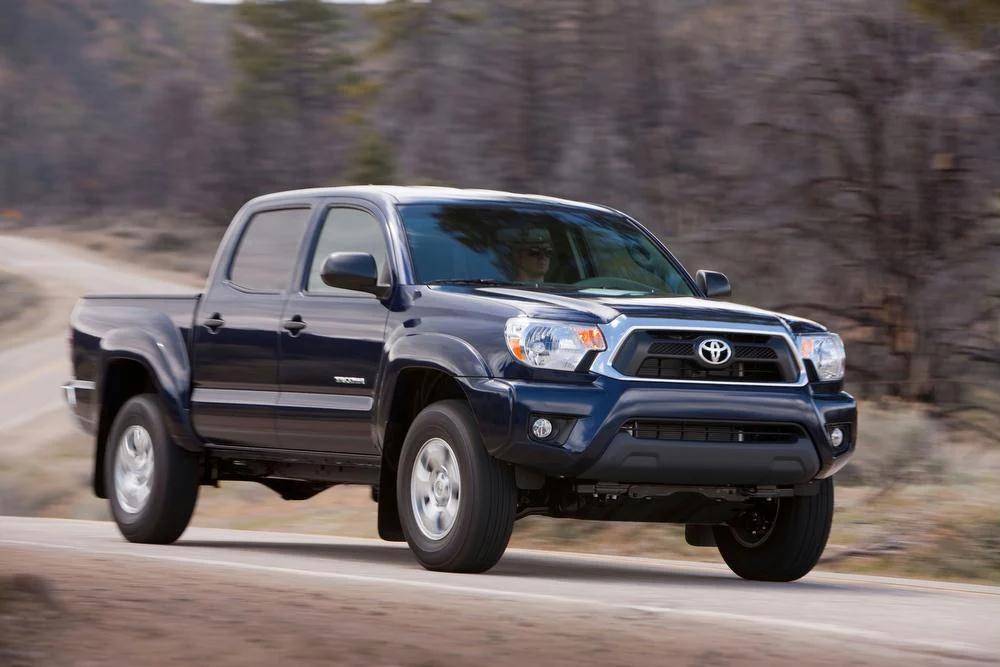
5. 2008 Toyota Tacoma: Durable, Versatile, and Still a Top Contender
By 2008, the second-generation Toyota Tacoma had already established itself as one of the most versatile and well-regarded midsize pickups on the market.
This model year brought no significant powertrain or exterior changes, but Toyota introduced new optional performance gear, including a TRD supercharger for the 4.0-liter V6 and the TRD Off-Road Package.
The latter added 16-inch Baja wheels, Bilstein shocks, extra skid plates, a locking rear differential, and black overfenders for improved off-road readiness. JD Power rated the 2008 Tacoma 87/100 for quality and reliability, one point higher than the 2013 model, while KBB consumers gave it an equally strong 4.7/5.
With average annual maintenance costs at $408 and used prices ranging from $7,808 to $13,706 (as of mid-2023), the 2008 Tacoma remains an affordable and dependable choice for buyers today.
Performance came from either a 2.7-liter inline-four (159 hp, 180 lb-ft) or a 4.0-liter V6 (236 hp, 266 lb-ft). Transmission choices included a five-speed manual or four-speed automatic for the four-cylinder, and a six-speed manual or five-speed automatic for the V6.
A V6-powered Double Cab 4WD could hit 60 mph in 7.8 seconds quick for the segment, and tow up to 6,500 pounds when properly equipped. While the four-cylinder handled daily duties adequately, the V6’s strong low-end torque made it the better all-around performer for hauling, towing, or spirited driving.
The Tacoma excelled off-road, especially with the TRD Off-Road setup, but ride comfort could vary depending on suspension choice and load.
Safety equipment included standard antilock brakes with brake assist, with stability control and advanced airbags available on higher trims or as options.
Double Cab models could be equipped with front-seat side airbags and full-length curtain airbags, while 4WD automatics with the Off-Road package added hill-start assist and downhill assist control.
In crash testing, the 2008 Tacoma earned five stars for frontal and side-impact protection from the NHTSA and a “Good” rating from the IIHS for frontal-offset impacts.
Inside, the Tacoma’s cabin emphasized practicality. While not luxurious, it offered intuitive controls, good ergonomics, and ample storage. The Double Cab provided adult-friendly rear seating, while all trims came with a composite cargo bed that resisted rust and dents.
Available features like a 115-volt/400-watt outlet in the bed cater to campers, tradespeople, and outdoor enthusiasts. The 2008 Tacoma’s combination of versatility, durability, and proven reliability made it one of the most well-rounded trucks in its class, and it remains a highly sought-after used pickup today.
Also Read: 5 Cars With Hoods That Stay Up On Their Own VS 5 That Slam Shut
5 Toyota Tacoma Years With Frame Issues
1. 2017 Toyota Tacoma
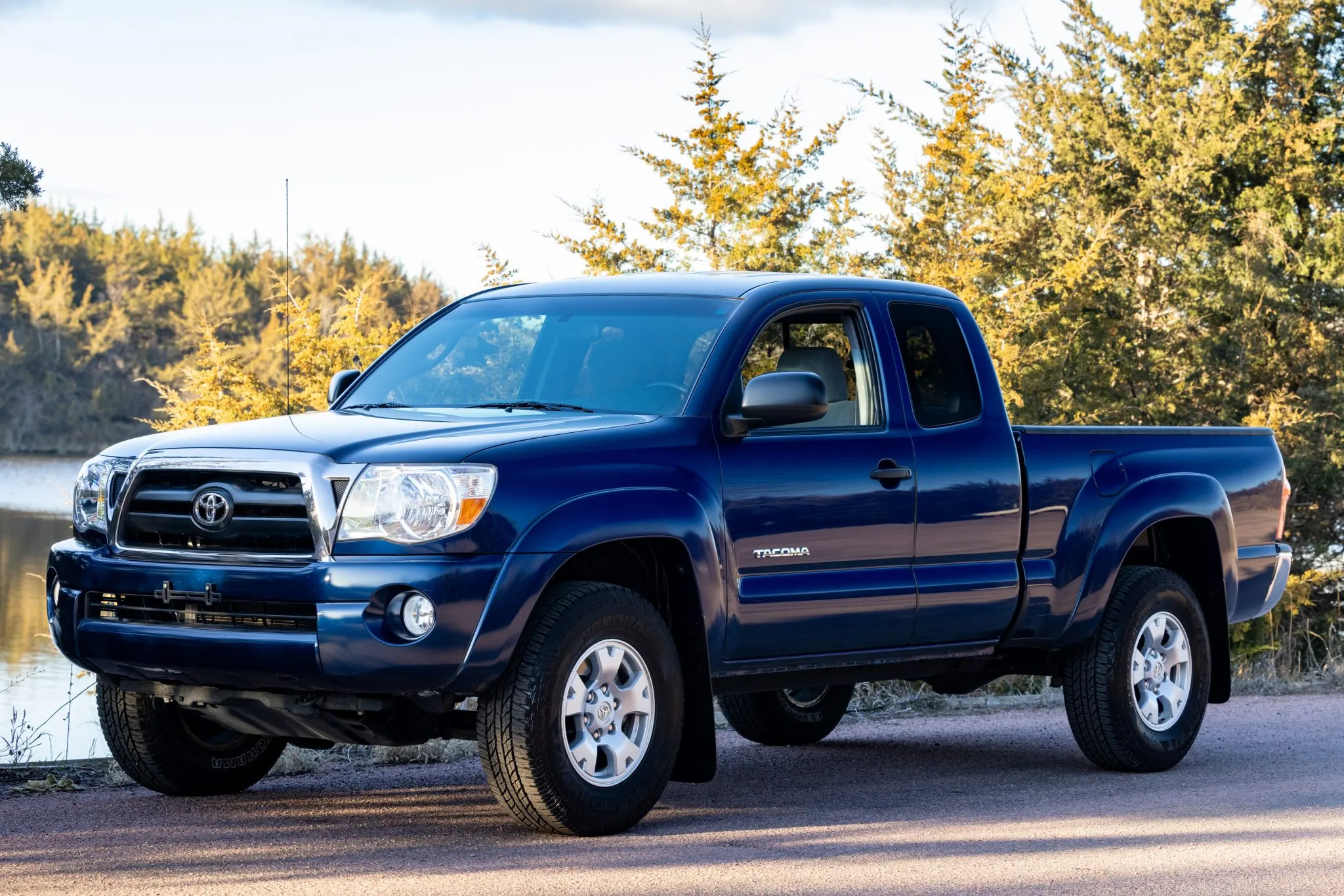
The 2017 Toyota Tacoma saw only minor updates, such as changes to the crew cab trims’ sliding rear window and a standard appearance package for SR5 V6 models.
The standout change was the reintroduction of the TRD Pro trim after a one-year break, joining the TRD Off-Road trim for drivers seeking enhanced off-road capabilities. This was the second year of Tacoma’s third generation, still powered by the base 2.7-liter I-4 or the 3.5-liter V6.
JD Power rated its quality and reliability at 79/100, matching the segment’s average, while KBB users rated it 4.0/5. Used 2017 models range from $21,760 to $39,539, with annual maintenance averaging $551 and a 10-year estimated cost of $6,420.
There were five recalls and 182 complaints, commonly about crank position sensor faults, fuel pump issues, rear differential leaks, and brake assist vacuum pump failures, making reliability good but not flawless.
2. 2011 Toyota Tacoma
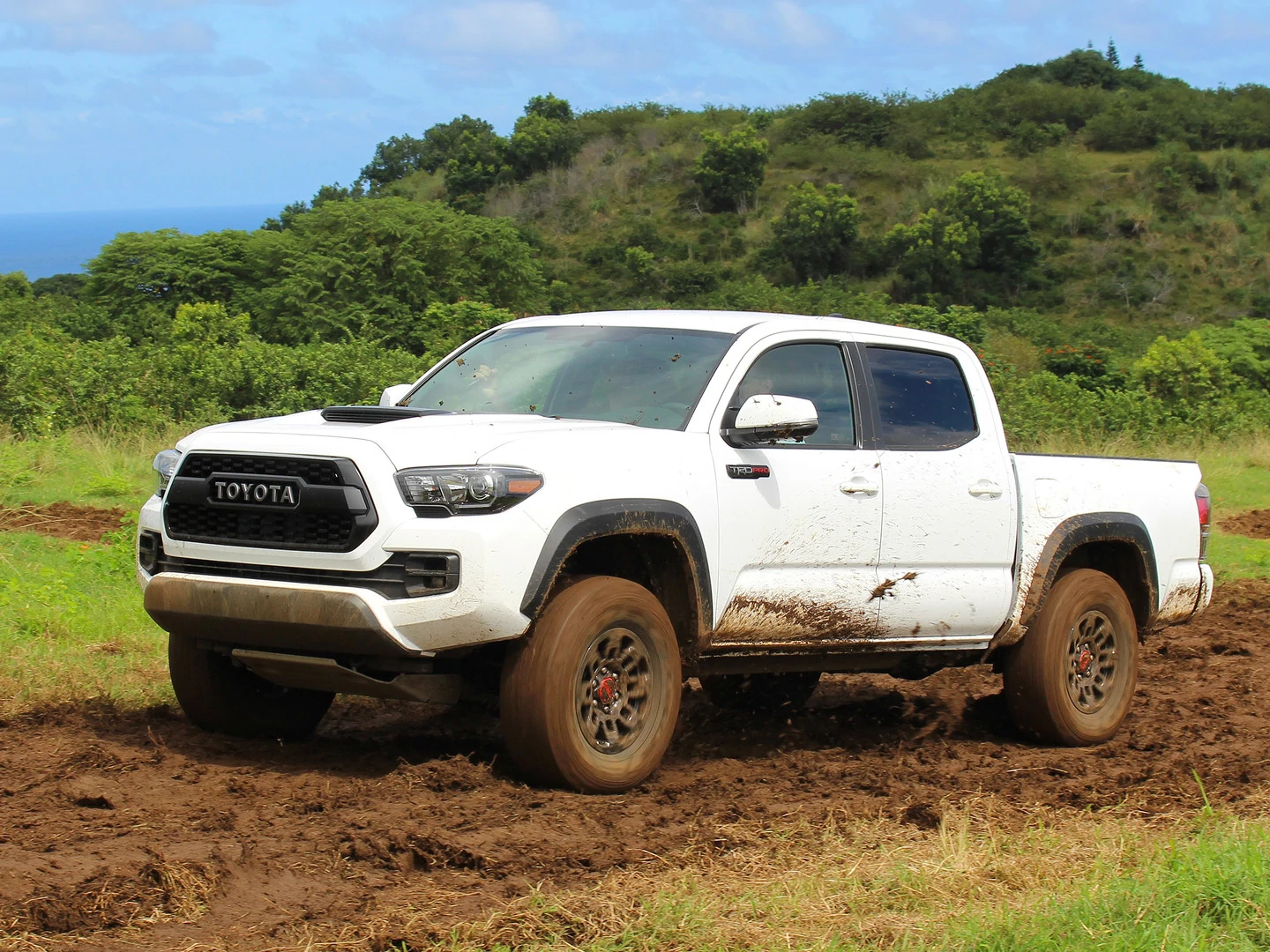
The 2011 Toyota Tacoma introduced automatic transmission availability for the base 2.7-liter I-4 engine and added TX and TX Pro trims inspired by Baja race trucks. Air conditioning also became standard across all trims. JD Power gave the model a 79/100 reliability score, while KBB’s expert rating was lower at 3.2/5.
As of today, used 2011 Tacomas cost between $10,185 and $17,346, with yearly maintenance averaging $458. Like newer models, the decade-long maintenance projection was $6,420.
This model had nine recalls and 168 official complaints, with issues involving seat occupant sensors, accessory hood scoops, seatbelt screws, seat heater wiring, leaf spring fractures, and tire pressure monitoring systems.
Although its reliability rating matched the 2017 model, the lower expert reviews suggest less refinement. Still, its introduction of more off-road options helped position the Tacoma as a versatile midsize pickup that appealed to both work truck buyers and off-road enthusiasts.
3. 2010 Toyota Tacoma
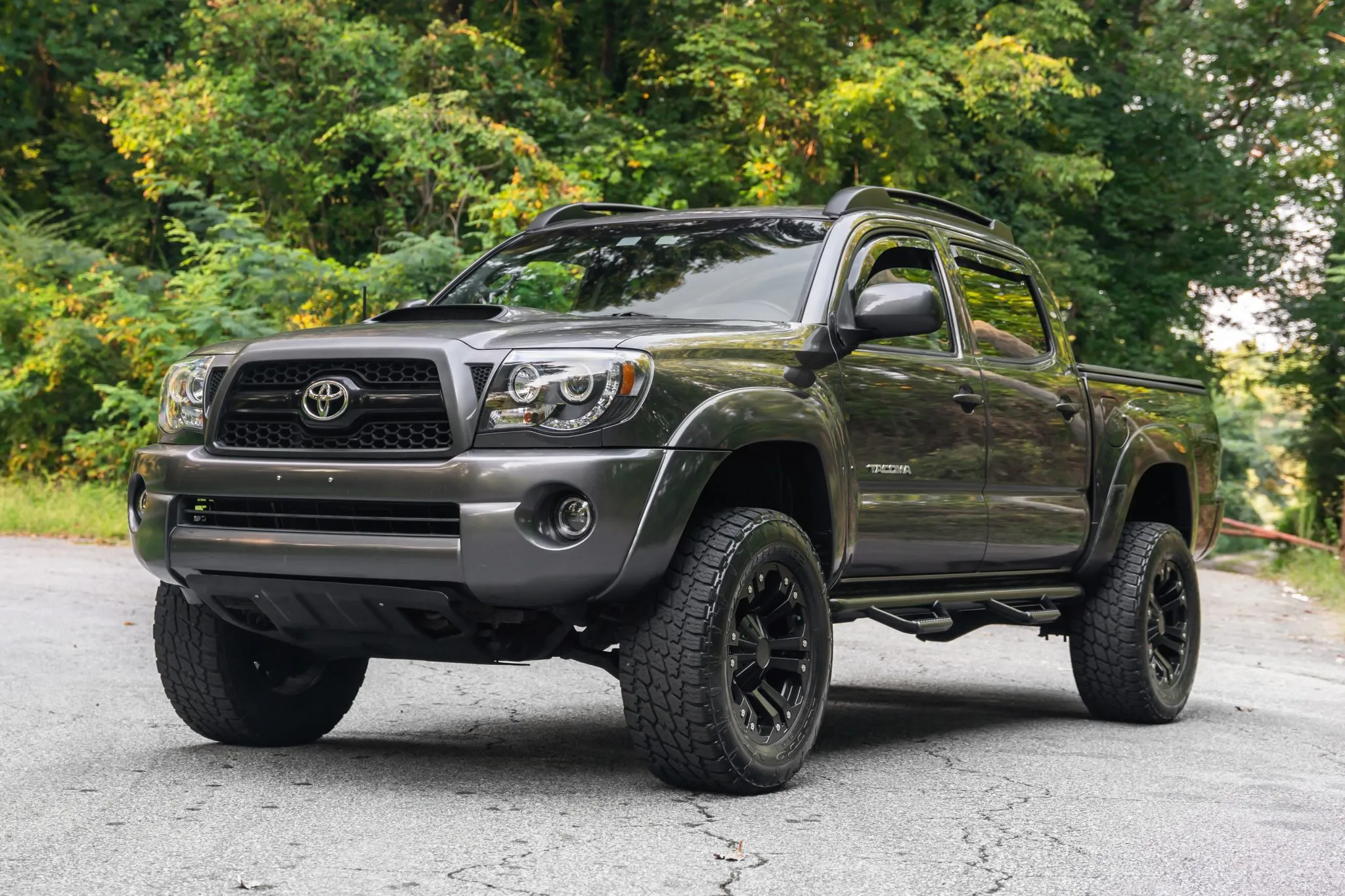
The 2010 Toyota Tacoma carried over significant updates from the 2009 refresh, which included a rear backup camera, two new ceiling-mounted speakers, upgraded infotainment, improved door panels, side curtain airbags, and an automatic, limited-slip differential.
The top powertrain option was the 4.0-liter V6, but a 2.7-liter I-4 was available for budget-conscious buyers. JD Power gave it a slightly lower 77/100 quality and reliability score, though KBB consumer reviews were high at 4.7/5.
Used models are valued between $9,136 and $16,416, with annual maintenance averaging $447 and the same $6,420 10-year projection. The 2010 Tacoma had the highest recall count among the mentioned years at 13, with 261 complaints.
Common problems included airbags, driveshaft issues, seatbelt screws, seat heater wiring, seat occupant sensors, leaf spring fractures, tire pressure monitors, and accelerator pedal entrapment.
While reliability ratings were slightly lower, strong consumer satisfaction indicated that owners still valued the truck’s performance and features.
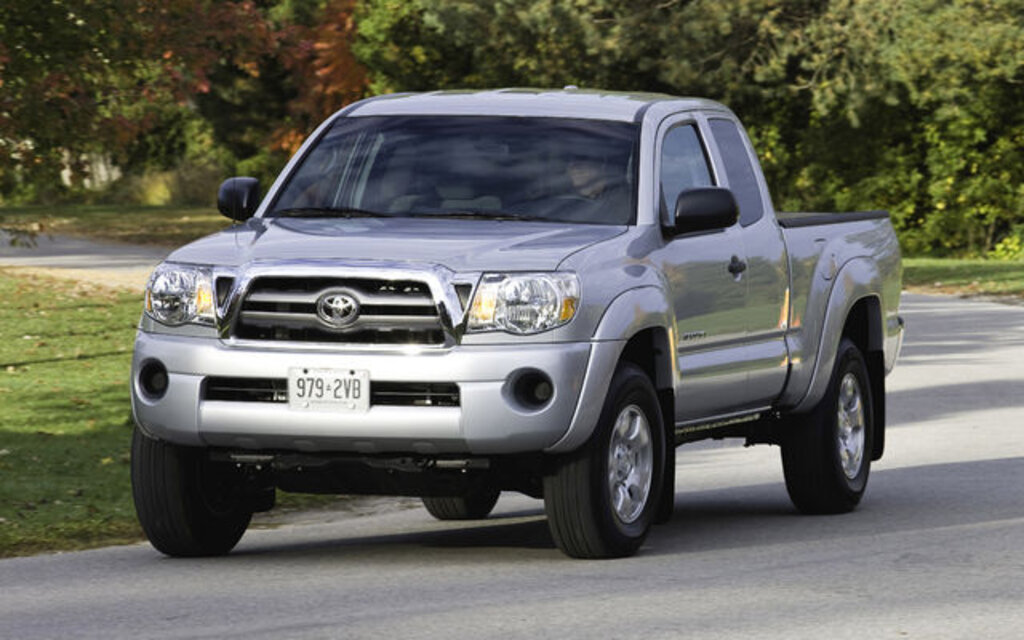
4. 2018 Toyota Tacoma
The 2018 Toyota Tacoma brought a focus on safety, with all trims receiving Toyota Safety Sense P (TSS-P) as standard. This suite included Pre-Collision with Pedestrian Detection, Lane Departure Alert, Automatic High Beams, Sway Warning, and Dynamic Radar Cruise Control.
The base 2.7-liter I-4 engine became exclusively paired with a 6-speed automatic, and most trims gained a refreshed grille design. The 3.5-liter V6 engine retained its 278 hp and 265 lb-ft output. JD Power rated it at 75/100 for reliability, slightly below earlier years, while KBB consumers rated it 4.0/5.
Used prices ranged from $23,378 to $44,999, with a lower-than-average yearly maintenance cost of $379 and a $6,420 10-year estimate. With only three recalls and 156 complaints, its reliability concerns were fewer than some earlier models, but issues like fuel pump and brake master cylinder failures were reported. This model emphasized advanced safety without losing Tacoma’s rugged appeal.
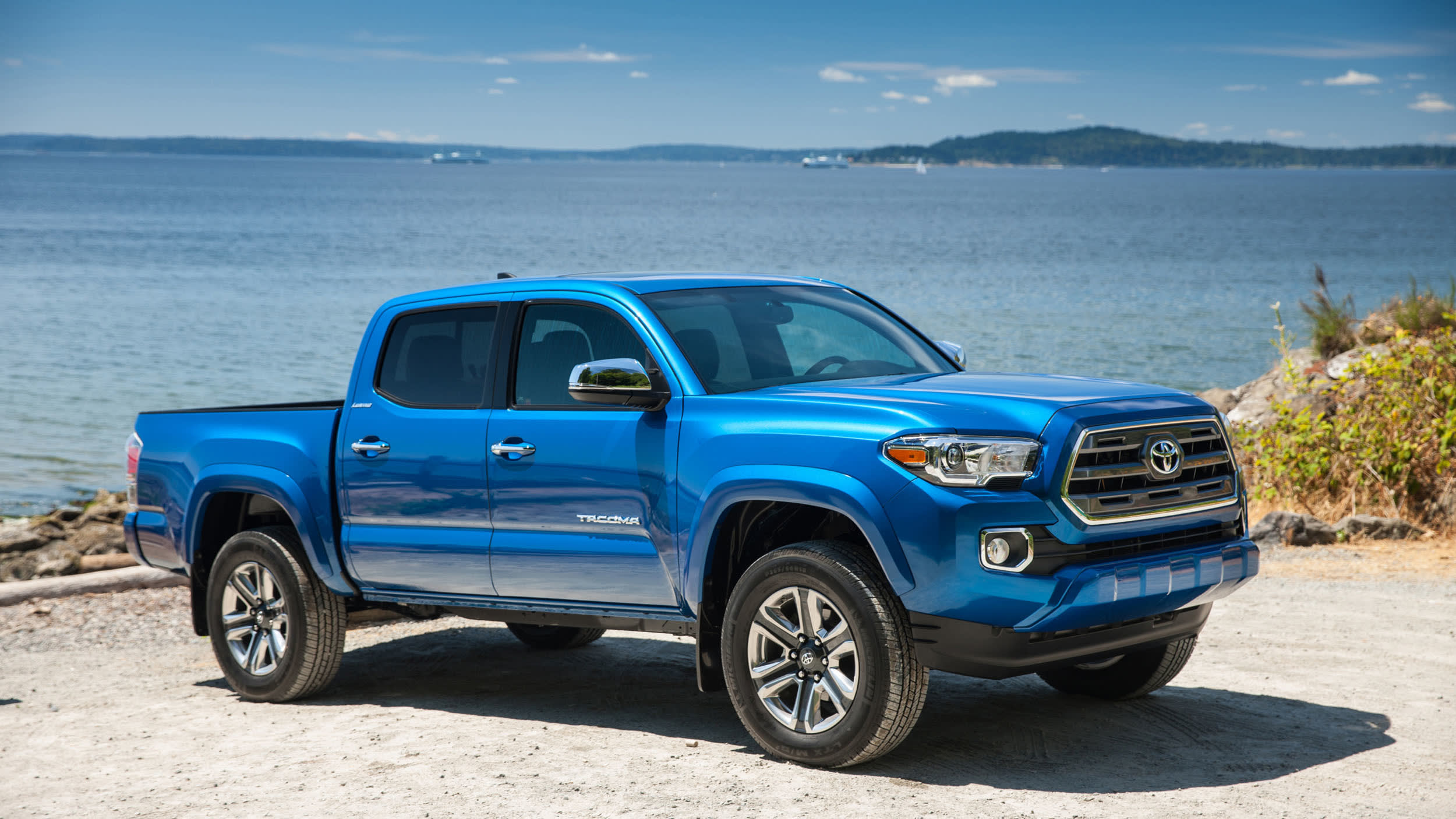
5. 2016 Toyota Tacoma
The 2016 Toyota Tacoma marked a full redesign, introducing a stronger frame, retuned suspension, updated infotainment, and improved off-road features. The new 3.5-liter V6 engine replaced the previous 4.0-liter, paired with 6-speed manual or automatic transmissions.
JD Power rated it 76/100 for reliability, while KBB consumers gave it 4.0/5. Used prices range from $20,396 to $32,626, with average annual maintenance at $487 and a decade-long estimate of $6,420.
The model had four recalls and 285 official complaints, with common issues involving the driver’s knee airbags, crank position sensors, accessory hood scoops, and rear differential leaks. While not the highest in reliability ratings, its redesign brought modern styling, mechanical upgrades, and more capable off-road systems.
The 2016 Tacoma successfully bridged the gap between the older generation’s rugged charm and the newer models’ advanced safety and comfort features, making it a key transitional year in Tacoma’s evolution.
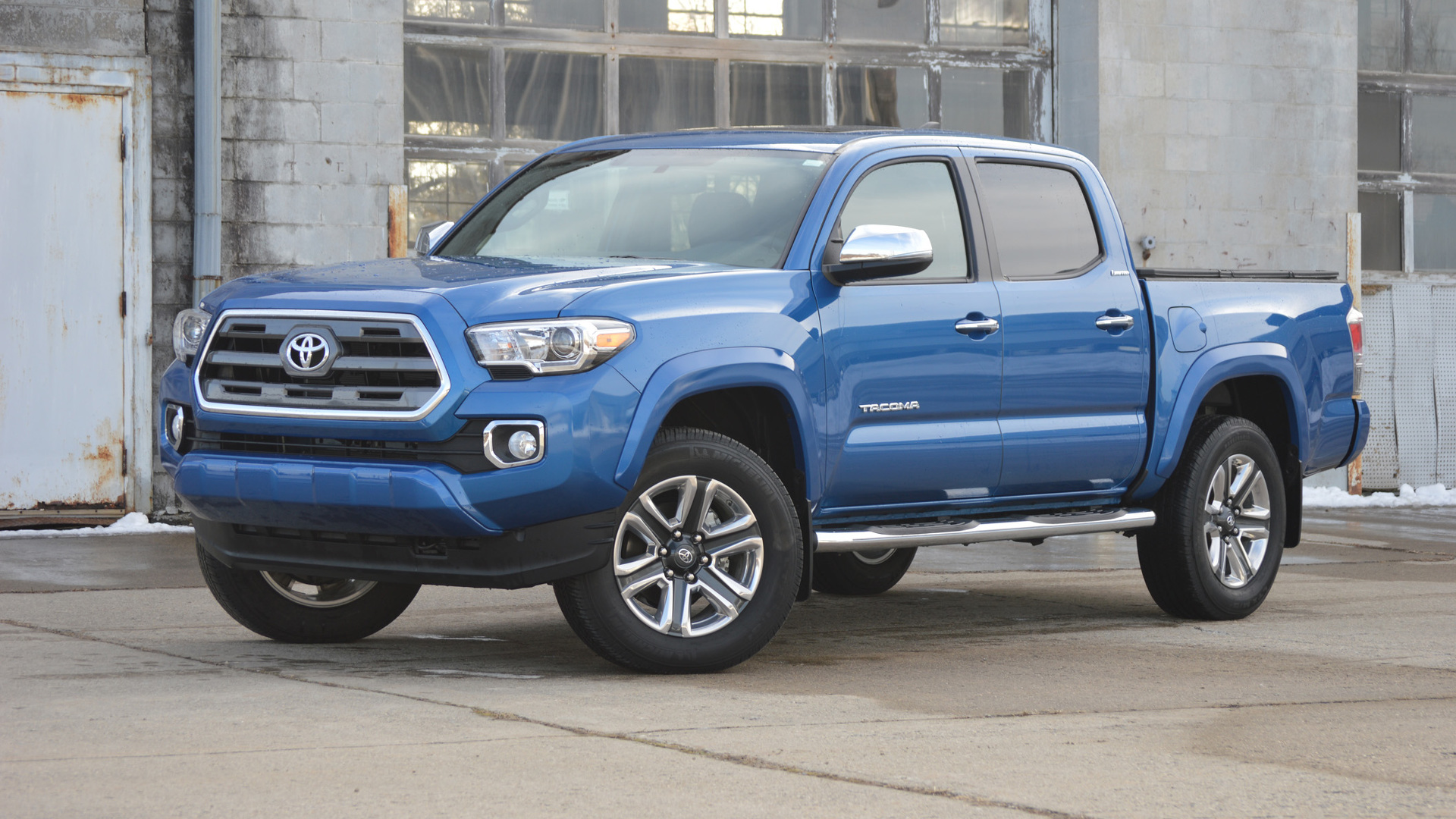
The Toyota Tacoma remains one of the most dependable midsize pickups on the market, with certain years proving nearly bulletproof in reliability and capability.
Models like the 2022, 2015, and 2008 stand out for their off-road prowess, well-rounded performance, and long-term value, while others like the 2013 and 2012 offer a perfect balance of comfort, versatility, and durability.
However, even a proven nameplate like the Tacoma has years worth approaching with caution due to recalls, component failures, or frame concerns. By knowing which years shine and which struggle, buyers can make smarter choices when investing in a used truck for work, adventure, or daily use.
The right Tacoma can deliver well over a decade of dependable service with proper care, making it not just a vehicle, but a lasting investment in capability and peace of mind. Choose wisely, and your Tacoma will likely outlast your needs.
Also Read: 10 Cars That Rarely Sit Unsold In The Lot Due To High Demand in 2025